The fancy name for red-light therapy is photobiomodulation. It is based on NASA research of about 20 years ago.
(1) “Red-light therapy” and (2) “Infrared light in saunas” are very different. I often confuse these two, so writing down the differences helped (me at least). I am convinced of the added benefits of both, so I plan to use each one of them.
Very short: red light is for skin and collagen, infrared for muscles. And more of course, but this is the essence.
In this blog I give some considerations that led me to my red-light choice (for a soft LED mask + something for the neck and upper part of the chest).
1.Main tip There are many fake devices around, so buy quality and use the device consistently. Improvements on skin and collagen are substantial (according to many independent studies) but will gradually disappear when you stop. Red light therapy really works but consider it as a lifelong commitment. Three times per week, 10 minutes.
2.Are the acclaimed results of red-light therapy fact or make-believe? The good news is that red-light therapy is indeed scientifically proven to improve skin health, reduce inflammation, promote wound healing, reduce pain, and stimulate collagen production. More research is needed for another claim, namely that red light improves overall health (cellular energy enhancement); scientific indications so far are rather positive. If correct red-light will contribute to longevity!
3.Is the sun alone not enough? The idea that you don’t need red light therapy because the sun provides enough light has some truth, as sunlight includes a broad spectrum of light, including visible light (red light) and near-infrared (NIR).
The problem is that the amount and quality of sunlight you receive varies greatly by time of day, weather, location, and season. As I made clear in this blog, in order to profit from a health step, whether it is exercise, a supplement or light, one needs consistency. The advantage of artificial red-light therapy and NIR devices is that they can deliver light at intensities and durations optimized for therapeutic effects, which can be hard to achieve safely with sun exposure alone.
In addition, as we all know, direct sunlight exposure comes with UV radiation, which increases the risk of skin damage and skin cancer if exposure is excessive. Excessive exposure already happens after less than half an hour. It can shorter as damage depends on skin type, UV index, and other factors.
4.What is infrared light? Red-light therapy uses very specific visible red wavelengths (often combined with other red light that is very close in wavelength to the visible red wavelengths, the so-called Near Infra-Red = NIR) to promote healing and regeneration without significant heat. Red light (as part of red-light therapy) is visible; infrared light on the other hand is not.
The main, but lesser known, output of red-light therapy probably is “cellular energy enhancement” just under the surface, while heat production is the main benefit of infrared light.
Most people use red-light therapy to achieve skin improvement and collagen production. The fact that there are strong scientific indications that it probably also leads to better working of your cells just below the surface is an unexpected bonus. For those who care about longevity this is an important development.
Red light therapy uses visible red light, typically in the wavelength range of about 620 nm to 700 nm, sometimes combined with near-infrared light (700 nm to 1400 nm), to stimulate cellular repair and other health benefits.
Red light therapy is provided by handheld devices, panels, masks, and even sleeping bags and other whole-body capsules.
5.The different wavelengths For those who love figures, see the following overview. I use nanometers (100,000 nanometers = 1 millimeter). Sometimes you read about microns. Just remember that 1 micron = 1000 nanometers.
Red light therapy (visible to the human eyes): 620 nanometers to 700 nm Infrared light (invisible to the human eyes): a) Near infrared (NIR): 700 nm to 1400 nm b) Mid infrared (MIR): 1400 nm to 3000 nm c) Far infrared (FIR): 3000 nm to 100,000 nm (= 1 mm)
The boundaries between these infrared ranges are approximate and can vary slightly based on different scientific definitions.
MIR and FIR are used in saunas as their heat is absorbed mostly by the surface of the skin. It leads to general relaxation of the muscles and detox sweating. NIR penetrates the deepest, then MIR, while FIR mostly heats the surface and just below it.
6.Some more relevant figures to look for. Irradiance / Power Density (mW/cm²): This refers to how much light energy hits a given area per second. Higher irradiance means shorter treatment times. Typical effective irradiance values start around 20 mW/cm² and can go up to around 100-200 mW/cm². The new one we bought has 35 mW/cm². This is measured directly on the face and can therefore be less than for a panel, where the red light has to bridge a certain distance. In general, devices with low irradiance may require longer exposure.
Energy Dose / Fluence (J/cm²) = Total energy delivered per area during a session. Calculated as irradiance (mW/cm²) × treatment time (seconds) = energy dose (mJ/cm²), converted to J/cm² by dividing by 1000.
7.NIR light has dual use Near-Infrared (NIR) light has wavelengths that fall between visible red light and mid-infrared wavelengths, typically around 700 to 1400 nm. It is a bit of an in-between wavelength that can be used as part of the red-light therapy and in infrared saunas.
The combination with red light therapy enhances therapeutic effects because it penetrates deeper into tissues. NIR is also sometimes included in infrared saunas, especially those that use near-infrared lamps, either alone or in combination with mid- and far-infrared wavelengths. This is because NIR targets different therapeutic outcomes, such as promoting cellular repair and improving circulation.
8.What to buy? Most research has been done with masks, and I have decided, for the time being, to only go for a soft mask (+ a part for the neck and upper part of my chest). Perhaps in the future I will go for something that reaches the whole body, but I need to see more research about this, and prices have to go down.
Most devices use LEDs, but some have lasers, which are more expensive and in general only used in clinical or professional settings.
9.What about the blue light option? The blue light option in a red-light therapy device is not essential but can be beneficial for specific purposes. Red/near-infrared light primarily targets tissue healing, inflammation reduction, and collagen production. Blue light (around 415 nm) is used mainly for its antibacterial properties, making it helpful in treating acne and skin infections.
If your primary goal is anti-aging, pain relief, or muscle recovery, blue light is less important. If you want acne treatment or antibacterial effects, a device with blue light can be useful.
10.My experience so far My wife and I were convinced by all the studies and bought both a face mask and a bridge that covers your face and neck. We made a few mistakes though.
The face mask was rigid and too small for me. The bridge was okay, but the prescribed time of procedure (30 minutes) was too long.
We did not check the brands, just bought a few from Amazon. I know now that this has been a bad idea, as quality counts.
We did not use it consistently. My wife was, for the period that she used the face mask regularly, quite positive about the results, by the way.
So we changed mask. Which is the new one? I did thorough research, which was not successful. Thousands of influencers around, but I did not find them helpful. I could not find a reputable source that made a comparative study of all devices that are on the market.
However, at a certain moment one must take a decision, so I went for a recent article in a reputable newspaper: the New York Times. The person who did the comparative research had impressive qualifications and had consulted several dermatologists. Based on her recommendations I bought Omnilux Men. This is marketed primarily toward men, but the device itself can indeed be used by women. It is a soft, flexible mask + an additional one for the neck and upper level of the chest. Expensive (2x 400 euros).
11.The decision to choose the category was easier. No handheld devices for us. There are many of them, but it is cumbersome to keep them on a certain place at the right distance, then move to the next place and that three times a week.
The same with panels. You must stay within a certain distance. How far depends on the power output of the panel, the “irradiance.” Sitting still, at the right distance, is not for me.
I love the concept of full body devices like sleeping bags. For the time being I am not convinced that they offer enough quality and indeed have an impact on the whole body (the skin of your neck is very thin while the surface of your legs is different).
So, we decided to go for something that is attached to your body, in this case to that part that is most visible: your face and neck. It is also this combination (mask device – face) that has undergone most scientific tests.
12.Buying a red-light device take into account the following
Choose a quality brand, FDA or similarly approved. CE marking and other safety standards are additional positives. There are many fakes around. I am sure, as some claim, that many of these devices come from the same factory and that some of the cheap ones are as good as the expensive ones with a brand name on it, but I do not want to take the risk.
Wavelengths for visible red light (at least 620-700nm) and near-infrared light (at least 820-940 nm). For masks that mix blue light with red light, the sweet spot for blue is around 415 nm. If you wish to have deeper penetration of the red light, also include around 1064 nm.
Check if the LEDs are certified or have quality ratings (e.g., LED lifespan, consistency).
Lights should have a 50,000 hours lifespan.
Buy devices that have a trial period and offer excellent warranty.
Choose a brand that has been on the market for a longer period.
The irradiance (power over an area, measured in milliwatts per square centimeter) should be for soft masks at least 30 mW/cm², hard masks and wands at least 50 mW/cm².
Dear reader, some health equipments are essential. In my conviction an infrared device is one of them.
Take care and live a healthy and long life,
Robert, your health friend
Atlas Mountains in Morocco
Some words on CE marking
This is a certification mark that indicates a product complies with the relevant European Union (EU) health, safety, and environmental protection standards. It allows the product to be legally sold and distributed within the European Economic Area (EEA), which includes all EU countries plus Iceland, Liechtenstein, and Norway.
CE stands for “Conformité Européenne,” which means “European Conformity.” It applies to many products, including electronics, medical devices, machinery, toys, personal protective equipment, and more. So make sure that there is a CE mark when choosing a red light therapy device.
Seagulls preparing for their annual gathering on a Dutch beach
Dear reader,
The medicinal use of plants has deep historical roots, dating back thousands of years, ingrained in the traditional healing practices of diverse cultures worldwide. It is interesting that modern science is (finally) recognizing the potential that is growing right in front of our eyes.
There are tens of thousands of bioactive compounds (phytochemicals) in plants, such as polyphenols and carotenoids. Much about these bioactive compounds remains unknown, but AI is accelerating research.
The jury is still out on longevity (living longer and healthier simultaneously): is the solution a holistic approach—a combination of many factors—or would it be possible to rely on just one compound that could bring you eternal life, the “holy grail” of life, so to speak? Most likely, it is a combination of factors (I believe), but among these, some can play bigger roles than others. Lycopene seems to have this potential.
Lycopene is, as I found out, one of the most researched phytochemicals, but much more research is needed, including answers to basic questions such as what the optimal doses are.
Summary
Lycopene is a compound with a lot of potential. Via food, the only viable route is daily consumption of processed tomato products. With the exception of some Italians among us, this is not realistic; therefore, supplements are the way forward. Its bioavailability is influenced by many factors, and my best guess is to take 40–50 mg of liposomal supplements daily to effectively obtain 25 mg of lycopene, the amount most commonly used in research.
Lycopene
Lycopene, one of the 750 known carotenoids, is a very potent bioactive compound with diverse health benefits. This carotenoid is an organic pigment found in pink grapefruit, papaya, guava, apricot, watermelon, various vegetables, tomatoes, and is highly concentrated in tomato-derived products. Carotenoids are pigments and typically lipid (fat)-soluble. Carotenoids color carrots orange, bell peppers yellow, and tomatoes red.
Lycopene is produced by the tomato plant as a natural protective mechanism against harmful external factors such as UV radiation and heat. By neutralizing free radicals, lycopene protects the plant’s cells from oxidative damage. Similarly, lycopene functions as a powerful antioxidant in the human body. When we consume lycopene through food or supplements, it helps combat free radicals that can damage cells and contribute to aging and various diseases. Thus, lycopene activates a similar protective mechanism in our bodies as it does in the tomato plant, reducing cellular damage and supporting our health.
Lycopene is not an essential nutrient, meaning your body does not require it for basic survival or to avoid deficiency diseases like vitamins or minerals. However, lycopene can contribute to a healthier body and improved longevity. The number of lycopene-rich food sources is very limited, and the only viable option for significant intake is tomato sauce or ketchup. So, if you are convinced that lycopene is beneficial to you (as I have become convinced) and your diet does not include a daily intake of tomato sauce or to a lesser extent ketchup, you should consider taking supplements.
Lycopene acts at the cellular level. It reduces DNA damage, inhibits signals that can trigger uncontrolled cell growth, and supports the natural breakdown of damaged cells.
Its uniqueness lies in its molecular structure. Lycopene can absorb and bind excess electrons without becoming unstable itself. Free radicals, which steal electrons from molecules, are thus neutralized before they can cause damage. Lycopene does this more reliably than most other known plant compounds.
The consequences of uncontrolled oxidative stress are gradual but serious: accelerated skin aging, weakened blood vessels, and declining organ functions.
2. Phytochemicals Phytochemicals are naturally occurring chemical compounds found in plants. They contribute to the color, flavour, and disease resistance of plants, and many provide health benefits.
The term comes from the Greek word phyto, meaning plant. Phytochemicals are not essential nutrients like vitamins or minerals, but they often have beneficial effects on human health. They can act as antioxidants, help modulate enzyme function, support the immune system, and reduce inflammation, among other roles. Four main groups of phytochemicals include: flavonoids (found in fruits, vegetables, tea, and wine), carotenoids (like lycopene in tomatoes, beta-carotene in carrots), polyphenols (in berries, green tea, coffee), and glucosinolates (in cruciferous vegetables like broccoli and cabbage).
3. Benefits Attributed to Lycopene Lycopene is increasingly recognized not just as an antioxidant, but as a multifunctional compound with potential roles in cardiovascular protection, cancer support, neuroprotection, skin health, and gut microbiome modulation. Continued research is focusing on optimizing its mediocre bioavailability, understanding mechanisms of action, and integrating lycopene into preventative and therapeutic strategies.
A.Cardiovascular Health Lycopene continues to gain recognition for its cardiovascular protective effects. New studies show that lycopene may improve endothelial function (the lining inside the arteries), reduce arterial stiffness, and lower markers of inflammation and oxidative stress, which are critical factors in heart disease. Meta-analyses of clinical trials suggest that lycopene supplementation can modestly reduce LDL cholesterol and blood pressure, contributing to better heart health. Note: “Modestly” means around 5% to 10% reduction in LDL cholesterol and around 3% to 7% reduction in blood pressure.
B.Cancer Prevention and Adjunct Therapy Ongoing research has strengthened evidence that lycopene has anti-cancer properties, particularly in prostate cancer. Its antioxidant and anti-inflammatory effects help reduce DNA damage and inhibit tumor growth. Novel insights reveal lycopene’s potential synergistic effects when combined with other therapies, enhancing the efficacy of conventional treatments and reducing side effects.
C.Prostate The most extensive body of research on lycopene concerns protection against uncontrolled cell growth, particularly in the prostate. Men have the highest lycopene concentrations precisely here.
The Health Professionals Follow-Up Study, one of the largest nutrition studies in the world with more than 47,000 men, demonstrated a significant correlation: men with the highest lycopene consumption had a 21% lower risk of prostate disorders compared to those with the lowest consumption.
D.Eyes As lycopene preferably accumulates where oxidative stress is highest, it is also beneficial for the eyes. It gathers in the retina and macula, where the burden from free radicals is particularly high.
E.Liver As a detoxification organ, the liver is continuously exposed to free radicals. Lycopene protects liver cells against oxidative damage.
F.Neuroprotection Recent findings suggest lycopene may protect against neurodegenerative diseases such as Alzheimer’s and Parkinson’s. Its ability to combat oxidative stress and inflammation in the brain supports cognitive function and may slow disease progression. Some preliminary human studies indicate improved memory and executive function with higher dietary lycopene intake.
G.Skin Health and Photoprotection Lycopene has been shown to improve skin health by protecting against UV radiation-induced damage. It helps reduce skin redness and inflammation and reduces the risk of photoaging. New clinical trials have explored topical and dietary lycopene as complementary approaches to traditional sun protection.
Lycopene accumulates in all layers of the skin. There, it protects the cells at the molecular level against UV-related damage. One study demonstrated that regular consumption of tomato puree for twelve weeks significantly reduced the degree of skin redness caused by UV radiation—a measurable protective effect from within.
At the same time, lycopene inhibits the enzymes activated by sunlight that break down collagen. Regular intake can demonstrably contribute to slowing down premature skin aging and the long-term preservation of the skin’s appearance.
H.Gut Microbiome Interaction Emerging research is exploring how lycopene interacts with the gut microbiota, potentially modulating microbial composition and activity linked to systemic immune and metabolic health. This area is still in its early stages but offers promising avenues for understanding lycopene’s broader systemic effects.
4. Bioavailability Lycopene’s bioavailability varies a lot but is, in general, not great. For its most important food source (tomatoes), it improves tenfold when consumed in processed or cooked tomato products rather than raw tomatoes. It is fat-soluble, so dietary fats enhance its absorption.
Caveat: A fiber-rich diet has been proven to decrease the absorption of lycopene. Such fibrous diets also mediate the absorption of lycopene, resulting in over 40% reduction in plasma lycopene.
Several factors, among these alcohol, smoking, gender, age, hormonal status, and other dietary elements, also negatively affect the absorption of lycopene.
5. The Bioavailability of Lycopene Supplements The bioavailability of lycopene supplements varies significantly depending on the formulation and how they are consumed; in general, it ranges between 10-30%, although liposomal formulations are said to go up to 70%, which is great, of course.
Regular capsules only fully activate if the body simultaneously has sufficient fat available. If lycopene is taken on an empty stomach or after a low-fat meal, a large portion of the active ingredient simply is not absorbed.
Oil-based formulations tend to have better absorption than dry tablets or powders because lycopene is dissolved in oils that facilitate uptake.
Liposomal formulations are, as mentioned, probably the best (but generally also the most expensive) approach. A liposome is a tiny capsule made of a fat layer, structured just like the membrane of human cells. The active ingredient is enclosed within it and transported directly to where it needs to work. Stomach acid and digestive enzymes cannot affect it.
The result is significantly higher bioavailability. The body absorbs more of the active ingredient, and the gastrointestinal tract is less burdened compared to regular capsules.
When taking supplements, make sure they are produced according to certain standards. I always look for a GMP indication, where GMP stands for Good Manufacturing Practice. In the case of lycopene, take your supplements together with something fatty.
6. Some figures The typical lycopene supplement bioavailability is between 10% to 30%. When the suggested intake of lycopene is 25 mg daily, realize that a 25 mg pill is not enough as you have to compensate for its bioavailability! If the bioavailability is 30%, it means that only 30% of the ingested amount is actually absorbed into the bloodstream and can exert its effects, meaning you will only get 7.5 mg daily (30% of 25 mg).
100 grams of raw tomatoes contains approximately 2.5 to 3 mg of lycopene, while 100 grams of tomato paste gives you 10 times more, 25 to 30 mg of lycopene. The practical implication of this is that to get a lycopene dose similar to that used in many clinical studies (around 25 mg), you would need to eat roughly 800 to 1000 grams (8 to 10 servings) of fresh tomatoes or 100 grams of tomato paste every day. If your mama is not Italian, this is not practical 😊.
Ketchup is another way to go, but hopefully not in the amounts needed. And do not forget that, in general, ketchup contains a lot of sugar.
The reason for the difference between raw and processed is nature. Thermal processing (cooking tomatoes into pastes or sauces) breaks down plant cell walls and shifts lycopene into a more absorbable chemical form. This happens with many vegetables. I wrote about spinach including the recommendation to always cook spinach, also for your smoothie as its benefits multiply when cooked.
7. How Much You Need Per Day? There is no officially established Recommended Dietary Allowance (RDA) for lycopene yet. However, studies often use doses ranging from 6 mg to 30 mg per day in supplementation trials to investigate health benefits. Most trials involve 25 mg.
A typical daily intake of lycopene from a normal tomato-rich diet usually falls between 3 mg and 15 mg per day, depending on how much tomato and tomato products a person consumes. Caveat: This figure is not corrected for bioavailability.
8. Side Effects There are no known side effects of daily lycopene intake, but it is advised to avoid very large doses (i.e., much higher than these days “recommended” 25 mg daily).
Dear reader, this was a fun blog to write and made me realise, once again, how plants can benefit our health. I also came to the conclusion that I have to write something about bioavailability as this topic causes a lot of confusion and suboptimal use of supplements or nutrition.
One can write hundreds of blogs on all aspects of health and fantasise about living to 99 years and beyond (in good health, of course), but if science does not find a solution for the fact that one day our stem cells will fade away, we will not live much beyond 99—not even the strongest among us.
In this blog, I explore possibilities to support stem cells, delay or stop their decline, and even increase their number. Avoiding damage (such as from alcohol, pesticides, smoking, etc.) and taking good care of yourself through exercise and the right food helps. However, these approaches have natural limits: cells do die, and so do stem cells.
Paragraphs 11,12 and 13 are the most intriguing as they describe which future is already here in the field of stem cell research. And which revolutions are awaiting us! Science is exploring to push the boundaries of life into the 100s. Extending the life of stem cells and/or adding new stem cells are central in this approach.
1. Stem cells are crucial
Stem cells are extremely important. They can self-renew to create more stem cells, differentiate into multiple ‘regular’ cell types (skin, muscle, organs), and repair damaged tissues. In test environments, stem cells can live forever, but not (yet) in living organisms.
The more I study longevity and healthy aging, the more I realize that our cells are key. Keeping them in good shape longer will expand and improve your health span. In other words, with healthier stem cells, you will increase the number of years you live healthily and hopefully happily as well.
Cells indeed are what we are. In the trillions and trillions of cells, our DNA is stored—each cell contains the same DNA. This realization alone is enough to understand that the ongoing scientific progress involving your human cells is something to look forward to because it touches upon the essence of longevity.
2. Stem cells, brief overview but still a long text
The human body is made up of trillions of cells, each with a specific job. I read numbers of up to 30 trillion. About 330 million new cells replace old cells every day. The gut lining renews itself every 3–5 days. Red blood cells die in just 120 days.
At the heart of this system are stem cells, of which there are at best only a few billion. They are, as mentioned, key to growth, repair, and keeping the body healthy.
Stem cells can be either general or specific. General stem cells, like embryonic ones, can become many cell types. Specific stem cells, like adult ones, are limited to certain types.
The timing varies by tissue. High-turnover tissues (blood, skin, gut) often show age-related declines earlier; some tissues show more gradual changes and may remain relatively robust into later decades.
Stem cells become specific through a process called differentiation. This involves many steps and changes at cellular and molecular levels. As they differentiate, they gain specific traits and functions, allowing them to perform specific roles in the body.
Our bodies naturally produce stem cells through different processes. Scientists can also create stem cells in labs from embryos or adult tissues using special techniques. Another method is by changing adult cells into stem cells (reverse engineering).
Stem cells come from the early stages of a developing embryo. At this time, they are pluripotent, ready to become any cell type. As they grow, they start to specialize and help form the body’s tissues and organs.
In adults, stem cells are found in places like bone marrow, fat, and skin. These cells are multipotent, meaning they can turn into a few types of cells related to the tissue where they are found.
Inflammation acts like a dimmer switch for stem cell activity: acute, short-lived inflammation can stimulate stem cells and promote tissue repair, while chronic, persistent inflammation tends to suppress stem cell function and delay healing, with effects that vary by tissue type and inflammatory context.
Stem cell pools are maintained by a balance of self-renewal and differentiation, but they can decline with age, chronic stress, or damage. Mechanisms include telomere shortening, DNA damage, cellular senescence, and changes in the tissue niche that reduce stem cell function.
Stem cell loss is connected to many age-related diseases, such as heart disease, brain disorders, and bone loss. Fewer stem cells mean our body can’t fix damaged tissues as well as before, which worsens diseases. One example is osteoporosis, caused by decreased bone regeneration due to reduced stem cell activity.
Regenerative capacity declines with age in a tissue- and person-specific way. While some aging-related changes in stem cells can be seen in middle age, the timing and extent vary widely. Genetics, lifestyle, and health influence how quickly this decline occurs. Overall, older tissues tend to repair more slowly, and the risk of certain age-related issues rises as regenerative potential diminishes, but the pattern is complex and tissue dependent.
To put a number on it (which is an oversimplification): usually, by mid-life—around 40 or 50—our stem cells start to lose their power. However, for many tissues, noticeable declines in repair capacity tend to become apparent later (often in the 50s–70s), but this varies widely.
Acute “attacks” like chemotherapy or radiation, or diseases such as aplastic anemia, can dramatically reduce stem cell numbers or their regenerative capacity, leading to impaired tissue maintenance. Some tissues show more resilience, and in some cases, remaining stem cells can be reactivated or replenished by therapies (e.g., bone marrow transplantation, iPSC-derived cells).
Most stem cells are somewhere in hiding in your body (in ‘niches’) but easily return to circulation when they receive a signal that they are needed. This happens every day. In many tissues with regular cell turnover, stem cells are essential for renewal. In tissues with minimal or no normal turnover, stem cells may play a very limited or no role under normal conditions—like neurons in the central nervous system or cardiac muscle cells.
3.Stem cells are supercells
They are unique because they can renew themselves (though not indefinitely yet) and change into different types of regular cells. They are like the raw materials of our bodies. They can turn into different types of regular cells, making various tissues and organs. The body makes stem cells naturally, mainly in the bone marrow. They help you grow, fix, and replace tissues. Adult stem cells are found in places like the brain, blood, bone marrow, fat, gut, and skin.
At the age of 65, you still have most of the stem cells that you had when you were 25. Mostly inactive because of a toxic environment. Between ages 60-75, a cascading effect results from the downward function of stem cells.
Also, biological constraints such as DNA damage, telomere shortening, and changes in the cellular environment limit their lifespan.
4. The three main categories of stem cells
1. Embryonic Stem Cells, which are derived from early-stage embryos. They are pluripotent, meaning they can develop into almost any cell type in the body. They have the capacity for extensive self-renewal and differentiation.
2. Adult Stem Cells (also called Somatic Stem Cells) are found in various tissues of the fully developed (adult) body, such as bone marrow, skin, brain, liver, etc. They are multipotent or sometimes unipotent, meaning they can typically differentiate into cell types related to their tissue of origin. For example, hematopoietic stem cells in bone marrow primarily produce blood cells. They are responsible for tissue maintenance and repair throughout life.
3. Induced Pluripotent Stem Cells are adult cells reprogrammed back into a pluripotent stem cell state. They are similar in potential to embryonic stem cells but generated from adult tissue, avoiding some ethical concerns.
5. Stem cell exhaustion
This happens when our body’s stem cells are used up; it’s linked to aging and can be affected by our genes and the environment. Studies show that stem cell exhaustion is key in aging. As we age, our stem cells can’t make new cells as well. This makes it harder for our bodies to fix and grow tissues, leading to signs of aging.
Stem cells are in our bodies all our lives but lessen with age. This drop starts early and keeps going. Studies show that stem cells in different parts of the body fade at different rates, affecting our health and aging.
Many things can speed up or slow down this decline. Lifestyle, genetics, and the environment play big roles. Knowing these can help us keep our stem cells healthy and maybe slow aging.
6. Reverse engineering
We used to think that the process of ‘stem cells to specialized cells’ was irreversible. This proved not to be correct. Today, stem cells are part of therapies for diseases. Bone marrow transplant is given to patients with blood diseases. It introduces healthy stem cells into the patient.
The process of reverse engineering cells into stem cells is scientifically known as cellular reprogramming, and it mainly refers to turning differentiated (specialized) cells back into pluripotent stem cells, called induced pluripotent stem cells (iPSCs).
How is that possible? All cells have the same DNA, but not all cells express all genes. Genes are small sections of information in the DNA.
In brief, proteins in the cell read the information in a gene and convert that information into proteins the cell needs. The genes that are turned into proteins are the genes that are expressed. The cells switch off certain genes and those genes are therefore not turned into proteins. In a stem cell that expression has not taken place yet.
A skin cell will only express the gene for keratin, while a muscle cell won’t express that gene at all.
In 2006, the Japanese scientist Yamanaka managed to turn a skin cell back into a stem cell. He did so by switching on 4 genes. When he introduced these genes into skin cells, some of them reverted to being stem cells. These cells are called induced pluripotent stem cells. The process is called reverse engineering.
7. The science of stem cell research is fast developing
Science is exploring to push the boundaries of life into the 100s. Extending the life of stem cells and/or adding new stem cells are central in this approach. I write this with the knowledge that the relationship between extending stem cell lifespan and overall human lifespan is complex and yet not fully understood. Having said this, there are strong indications that, one way or another, there is a link: extending the life of stem cells equals extending human life.
I had little idea what stem cells were. I associated them exclusively with umbilical cords and bone marrow. We all know about the sometimes-successful transplantation of stem cells to fight leukemia. You also read about people who freeze the stem cells of their newborns (umbilical cord) in order to give them better healthcare later in life. Probably not a bad idea, but for ourselves, too late. My parents for sure never did this when I was young.
8. What is the difference between stem cells and regular cells?
The human body is made up of trillions of cells, each with a specific job. I read numbers of up to 30 trillion. About 330 million new cells replace old cells every day. The gut lining renews itself every 3-5 days. Red blood cells die in just 120 days.
The stem cell pools tend to shrink and lose function with age, and stem cells play a key role in tissue maintenance and repair, though the extent varies by tissue. The number of stem cells can differ a lot from person to person. Things like age, health, and lifestyle can affect this. For example, younger people usually have more stem cells than older ones.
As stem cells differentiate, they change how they use their genes. For example, blood cells in the bone marrow come from stem cells. These include red blood cells, white blood cells, and platelets.
The difference between stem cells and regular cells is that stem cells are undifferentiated cells with the ability to self-renew and to differentiate into multiple specialized cell types; regular (differentiated) cells are mature, specialized descendants that perform specific functions and typically have a limited capacity to divide. A stem cell can become a muscle cell, but a muscle cell stays a muscle cell.
Stem cells have a remarkable capacity for self-renewal and can persist for long times in tissues, sometimes for the organism’s entire life, but they are not immortal: they age, telomeres can shorten, and they can accumulate damage or become exhausted.
Differentiated cells also vary widely in lifespan—some are short-lived, others, like certain neurons, can last a lifetime. In culture, some stem cells can be kept for long periods or effectively indefinitely under the right conditions, but in living organisms, their lifespan remains finite and context dependent.
New development Technologies such as induced pluripotent stem cells can revert differentiated cells back to a stem-like state or direct stem cells toward particular lineages for research and therapy.
In development and throughout life, stem cells replenish tissues by producing progenitor cells that progressively specialize into the mature cells needed for function and maintenance. This relationship is governed by intrinsic genetic programs and external cues from the cellular niche, which together regulate the balance between self-renewal and differentiation to sustain tissue homeostasis and repair; mis regulation can contribute to aging or disease, including cancer.
9. An Example of the Difference Between Stem Cells and Regular Cells (Muscle)
There is a largely quiescent (inactive) stem cell pool located between the muscle fiber and the basal lamina (a thin layer that surrounds each skeletal muscle fiber). When needed, a subset of these cells activates and either self-renews to maintain the pool or differentiates to form muscle cells for repair.
The balance between self-renewal and differentiation is tightly regulated by signals from the muscle environment (such as Notch, growth factors, etc.), and it varies with age, health, and activity.
Do stem cells live forever? Not exactly. Stem cells have a remarkable capacity for self-renewal and can persist for long periods in tissues, sometimes for the organism’s entire life, but they are not immortal: they age, telomeres can shorten, and they can accumulate damage or become exhausted.
As stem cells age, their renewal ability deteriorates, and their capacity to differentiate into various cell types changes. Accordingly, it is suggested that aging-induced deterioration of stem cell functions may play a key role in various aging-associated diseases.
Differentiated (regular) cells also vary widely in lifespan—some live only a few days, while others, like certain neurons, can last a lifetime. In cultures (in vitro), some stem cells can be maintained effectively indefinitely under the right conditions, but in living organisms, their lifespan remains finite and context-dependent.
So, do stem cells live forever? If and when research can influence the lifespan of stem cells or produce new ones from regular cells, this will be a game-changer promising longer lives. This is a topic to follow!
10. How Your Body Naturally Replenishes Stem Cells
The body can naturally replenish stem cells by activating stem cell niches. As we age, we have fewer and lower-quality stem cells, making it harder for the body to repair tissues.
Niches are special areas that house stem cells and regulate their activity. One example of such a niche with stem cells is the skin/hair follicle niche in the bulge region, which maintains hair and skin stem cells.
Stem cell regeneration is key for our bodies to repair and refresh tissues. It’s a complex process that involves many cellular actions to replace and repair damaged or old cells.
When the body needs to repair damaged tissue, it activates stem cells in these niches. They proliferate and differentiate into the required cell types.
This natural process is vital for maintaining healthy tissues and supporting repair. For example, during wound healing, stem cells migrate to the injury site and aid in tissue regeneration.
Factors like stress, lifestyle choices, and certain health conditions can also impair stem cell function. Understanding these limits helps us find ways to boost stem cell regeneration. By taking care of our stem cells, we can improve our health and well-being.
11. How now to improve quality and quantity of stem cells?
In this blog, I explore possibilities to support stem cells, delay or stop their decline, and even increase their number. Not damaging yourself (alcohol, pesticides, smoking, etc.) and taking good care of yourself helps, like exercise and the right food. The importance of sleep is mentioned often. However, these approaches have their natural limits: cells do die, and so do stem cells.
The most interesting and promising are new scientific approaches aimed at restoring youthful function to aged stem cells or making new stem cells from regular cells (reverse engineering). These approaches are mostly in early stages and not proven yet or approved for widespread use in humans, but they will come, that is almost for sure (and I admit I am an eternal optimist).
Several lifestyle choices can boost stem cell health. Regular exercise improves circulation and reduces stress on stem cells. Stress management through meditation and yoga also helps keep stem cells healthy by lowering inflammation.
Both endurance and resistance exercise activate muscle satellite cells, promoting repair and potentially preserving their function with age, aided by favorable signaling and a reduced inflammatory milieu.
Getting enough sleep is key for stem cell repair and growth. I saw some interesting info that especially the sleep between 2 and 4 in the morning is the most productive.
Some supplements might also help stem cell health. Mentioned by reliable sources are: resveratrol (I prefer pterostilbene), curcumin, omega-3 acids, vitamin D, CoQ10, green tea extract, melatonin, and NMN.
Stem Cells journal specifically mentions a diet enriched with vitamins C (red and green peppers, citrus, kiwi, cabbage, strawberries, black currants) and D3 (cod liver and tuna, sardines, caviar, milk, eggs), natural antioxidants (contained in high-quality red wine, green tea, nuts) to increase the number of stem cells.
12. Science fiction and reality: How in the future to improve number and quality of stem cells?
Stem cell research has become very important in recent years. It combines biology, medicine, and technology to study stem cells and their uses. And AI, of course, that is already catapulting so many health areas forward. All this research is expected to change the fundamentals of how we treat many diseases. We will find new treatments. As stem cells can become many types of cells, this is great for regenerative medicine, helping to fix or replace damaged tissues and organs.
Stem cells are also being used in drug discovery and testing. This opens up new possibilities for personalized medicine.
Stem cell treatments are said one day to be instrumental in treating diseases like Parkinson’s, diabetes, and cardiovascular problems. Stem cell research also helps us understand human development and diseases. It leads to better targeted treatments.
The key question is whether stem cell therapies can indeed be that potential game changer that will have a fundamental impact on our health and aging process.
Cord blood and cord tissue stem cells have the special quality of being the purest and youngest tissue-specific stem cells you can collect and function more quickly and effectively than adult stem cells from other sources. They are also easily collected at the time of birth.
Stem cell therapies are all over the place, including social media celebrities promoting them. So far only a few therapies work. Adult stem cells can be obtained from various sources, such as bone marrow, fat, and peripheral blood. The process usually involves a medical procedure, such as a bone marrow aspiration to extract bone marrow stem cells.
Studying stem cells in different life forms helps us understand their roles better. It also opens up new ways to help medicine and farming. We might see big steps in regenerative medicine and gene therapy.
13. Experimental studies to add new stem cells to your overall load.
There are several experimental and semi-established ways scientists try to increase the body’s stem cell pool or regenerate tissues, including reprogramming and transplantation.
Stem cell transplantation (ex vivo): Harvesting stem cells, expanding or conditioning them outside the body, then transplanting them back.
Induced pluripotent stem cells (iPSCs): Reprogramming a person’s differentiated cells (like skin or blood cells) back to a pluripotent state, then differentiating them into the desired cell type for transplant.
In vivo reprogramming: Delivering factors or drugs directly into the body to convert resident cells into stem-like cells or directly into a needed cell type (e.g., turning fibroblasts into neurons or heart cells). This is mostly in preclinical stages or early human trials.
Direct lineage conversion (trans differentiation): Converting one mature cell type directly into another (e.g., skin cells to neurons) without passing through a stem cell state. This is an active research area with promising concepts but still far from routine clinical use.
Partial or “rejuvenation” approaches: Some research aims to momentarily reset age-related cellular features in vivo to improve tissue function, but these are experimental and not ready for clinical application.
Physiological activation: stem cells exit quiescence to replace damaged or aged cells after injury or stress (e.g., muscle satellite cells after a tear, hematopoietic stem cells during infection).
Therapeutic mobilization: increasing the number of stem cells circulating or available for a patient (e.g., for transplantation) using medical interventions.
Experimental rejuvenation: approaches in research aimed at restoring youthful function to aged stem cells, which are mostly in early stages and not proven or approved for widespread use in humans.
14. Can food reverse aging?
Some polyphenol-rich foods contain compounds that can influence vascular function and angiogenesis, potentially promoting or inhibiting blood vessel growth depending on context, dose, and bioavailability. However, there is no solid evidence that these foods reverse aging or restore youthful levels of angiogenesis or hematopoiesis; any effects are nuanced and vary by individual health and the specific polyphenols involved.
15. In conclusion
For real breakthroughs in the field of longevity, beyond 99+, stem cells research needs to be further revolutionized. As it will. Promising scientific work is ongoing, first results are there, but much is still uncertain. These approaches are mostly in early stages and not proven yet or approved for widespread use in humans, but they will come, that is almost for sure (and I admit I am an eternal optimist).
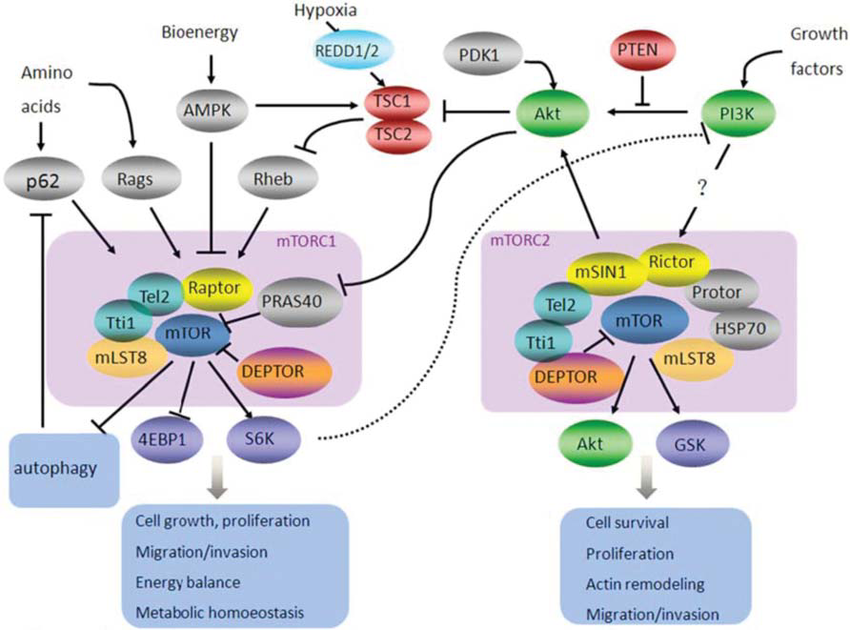
What internet offers me when I search for mTOR picture
Dear reader,
One of the main reasons I write these blogs is to understand the basics of longevity for myself. In many articles, one is bombarded with acronyms, definitions, and concepts. It seems that authors assume readers exactly know what is meant by antioxidants, amino acids, metabolism, ATP, or DNA (well, the last one we know, of course). I have to admit that often I do not fully understand what I read. This lack of knowledge certainly applies to the multi protein mTOR.
mTOR is the subject of many studies, as much still has to be discovered. The main challenge is to find the right balance between the moments when mTOR has to do its job and other moments when it is better to scale back its influence. When mTOR is active, it tells cells to grow, divide, and make proteins, but constant high mTOR activity is linked to faster aging, inflammation, and diseases like cancer, diabetes, and heart problems.
Intuitively, it sounds logical, but when do we decide to activate mTOR and when not? There are some indications, but no clear answer yet. And, most importantly, it is not linked to clear indicators.
Before going into the details of mTOR, here is a simplified overview of the interaction of four important compounds that are closely interlinked: ATP, AMPK, Rapamycin, and mTOR.
A) When the cell has lots of energy (high ATP = Adenosine Triphosphate), mTOR is switched on to promote growth.
B) When energy is low (low ATP), AMPK is switched on to conserve energy and it turns off mTOR. It is like the cell’s energy sensor or fuel gauge. Its job is to save energy by slowing down energy-consuming processes and turning on energy-producing ones. One of the things AMPK does is slow down mTOR to conserve energy.
C) Rapamycin is a drug that specifically blocks mTOR’s activity. By turning off mTOR, Rapamycin can slow down cell growth and protein production. Scientists use Rapamycin in research and medicine to control cell growth, for example, in cancer treatment or to extend lifespan in some animals.
D) So, in short, ATP tells cells if there’s enough energy, AMPK senses when energy is low and can turn off mTOR to save energy, and Rapamycin is a drug that can block mTOR to slow cell growth regardless of energy levels.
What is mTOR?
mTOR stands for “Mechanistic Target of Rapamycin.” It’s a special protein inside your cells that acts like a master switch, controlling many important processes related to your health and aging. Think of mTOR as a traffic cop that decides when your cells should grow, make energy, build new parts, or take a break and repair themselves. It’s not just about how much mTOR protein you have but how active it is.
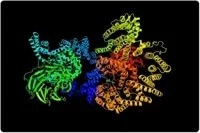
At a microscopic level, mTOR looks like a hollow, slanted rectangular-shaped structure with a central, stain-filled cavity and “feet-like” protrusions on both ends. It functions not as a single protein, but as a massive, multi-protein machine that builds and regulates cells.
Activating mTOR signals your cells to prioritize synthesis (production) over destruction.
Why is mTOR Important?
Your body’s cells need to balance growth and repair to stay healthy. When mTOR is active, it tells cells to grow, divide, and make proteins—very important when you’re young, growing, or recovering from an injury. For bodybuilders, it is doubly important.
But if mTOR stays turned on all the time, especially as you get older, it can lead to problems. Constant high mTOR activity is linked to faster aging, inflammation, and diseases like cancer, diabetes, and heart problems.
When mTOR activity is lowered at the right times, it helps cells focus on cleaning up damage, recycling old parts, and improving their function—processes known as “cellular repair” and “autophagy.” This balance between growth and repair is crucial for long-term health, better metabolism, and even possibly living longer. The key challenge is to determine what is the best balance and how to measure it. The final answer to this point has not yet been found.
Cycling your mTOR levels
As mentioned before, we have to look at the mTOR balance between growth and repair. This is crucial for long-term health, better metabolism, and even possibly living longer. Scientific perspectives highlight the importance of cycling your mTOR levels. By triggering mTOR through protein intake and exercise, then allowing it to drop by occasionally fasting or resting, you can balance muscle-building with autophagy—the body’s process of cleaning out damaged cells.
How can you increase mTOR activity?
You can influence mTOR through your lifestyle choices. Perhaps not surprisingly, they are the usual suspects: eat well (balanced and not too much!), exercise, fast, sleep well, and avoid stress.
1. **Eat Wisely:** mTOR responds to nutrients, especially proteins and sugars. Eating protein in moderation and avoiding excess sugar can help keep mTOR balanced. Protein intake, particularly those rich in the amino acid leucine (meat, dairy, eggs, legumes), strongly activates mTOR. Similarly, carbohydrates stimulate mTOR through insulin signaling.
2. **Exercise Regularly:** Physical activity signals your cells to activate or tune down mTOR as needed. Resistance training (like weightlifting) can stimulate healthy muscle growth through mTOR, while endurance exercise helps overall cell function.
3. **Consider Fasting:** Periods without eating (fasting) can reduce mTOR activity temporarily, allowing your cells to focus on repair and cleanup. Many people practice intermittent fasting for these benefits.
4. **Avoid Overeating:** Constant excess calories, especially from high-carb and high-protein diets, can keep mTOR switched on too much. Balanced meals and portion control are helpful.
5. **Manage Stress and Sleep:** Chronic stress and poor sleep can disrupt many body processes, including mTOR regulation.
What triggers reduction (inhibition) of mTOR?
Persistently low mTOR can impair muscle growth, hinder immune function, and stall wound healing.
Fasting, caloric restriction, certain dietary restrictions (like limiting methionine), stress, and lack of sleep all reduce mTOR activity. The supplement berberine is known to inhibit mTOR expression.
Increasing studies have demonstrated that some diet-derived natural products, including curcumin, resveratrol, epigallocatechin gallate (EGCG) found in green tea, and caffeine, may inhibit mTOR signaling directly or indirectly.
Rapamycin is the main mTOR inhibitor, but there are new analogue products developed: dridaforolimus/deforolimus (AP23573), everolimus (RAD001), and temsirolimus (CCI-779).
Can you measure mTOR?
Yes, but you cannot detect real-time mTOR levels at home because it is not a standard biomarker like glucose or cholesterol. Instead, you know mTOR is elevated based on what triggers it: high amino acid intake (especially leucine), high calorie/insulin spikes, and resistance training. Likewise, you know when it is low, for example, when you fast.
Measuring mTOR is not cheap but is quite standard in molecular biology labs. The expense depends on the method, reagents used, sample numbers, and whether you have access to a lab or must outsource.
Whether this is useful or not, I do not know. There is no single “good” absolute level of mTOR (mechanistic Target of Rapamycin). Because it acts as a central cellular switch, the ideal level of mTOR depends entirely on your immediate biological needs, age, and health goals.
The problem with mTOR is that these are rough indications only. Health influencers promote certain supplements or lifestyles to improve or reduce mTOR activity, but as long as there are no clear markers, it is difficult to assess the value of these recommendations. At least, this is my assessment so far.
One conclusion comes up in much of the literature: protein content should be moderate rather than excessive, as high protein intake strongly activates mTOR signaling. I know there are intense discussions on the intake of protein, but when you link this discussion with the functioning of mTOR the conclusion is to be prudent. Research suggests that 15–25 grams of high-quality protein provides adequate amino acids for morning protein synthesis needs without excessive mTOR activation. I have not seen recommendations for the remainder of the day.
Dear reader, I have tried to simplify an extremely difficult topic as much as possible. I hope it is useful.
Thanks for reading, take care of yourself, follow the news about mTOR, and enjoy a long and happy life.
Curcumin is excellent for making a tasty curry. But it can do much more: as the active compound of the turmeric root, it has interesting health benefits.
We know that over the years, our body functions slowly decline. Fortunately, much of this bodily wear and tear can be slowed down, stopped, or even reversed. Curcumin plays a positive role in some of these processes. In particular, three “biological threats” are addressed by curcumin: mitochondrial senescence, stem cell depletion, and metabolic dysregulation (more about this later).
Turmeric and curcumin are sold separately. Both have positive health effects, but in the case of turmeric, these effects result from its curcumin content. There is no official consensus on whether it’s best to take curcumin or turmeric, but I have decided to use curcumin.
More about curcumin/turmeric Turmeric originally comes from India and Southeast Asia. It has been used there for thousands of years as a spice, medicine, and dye. Turmeric is the whole spice made from the dried and powdered root (rhizome) of the turmeric plant (Curcuma longa). Curcumin is the main active ingredient found within it. Turmeric contains roughly 2-8% curcumin by weight.
The general health benefits commonly mentioned in relation to curcumin are the following: (1) curcumin effectively works against inflammatory discomfort, (2) it benefits your mobility, (3) curcumin helps protect the body as an antioxidant against harmful external influences, and (4) it helps stabilize blood glucose, can improve your mood, and provides relief from monthly discomfort.
More about the three biological threats Mitochondrial Senescence – when the tiny power plants inside your cells, called mitochondria, start to age and don’t work as well anymore. Mitochondrial density can decline by 40-50% by age 65. When this happens, your cells have less energy and can’t do their jobs properly, which can contribute to slower recovery, aging, and diseases.
Stem Cell Depletion – the body’s natural repair mechanisms drop to approximately 30% of their original capacity by age 65, hindering tissue regeneration.
Metabolic Dysregulation – a shift toward glucose dependency that creates a metabolic environment favorable to cancer cell growth.
Curcumin can play a role in fighting each of the above three biological threats. Some mechanisms of how curcumin works, as found on the internet: curcumin acts as a master switch to reduce systemic inflammation. It contributes to NRF2 activation, a pathway essential for cellular defense and antioxidant production. It protects stem cells from oxidative damage. Curcumin helps disrupt the Warburg effect by inhibiting VEGF (do not ask me what this means), which is a signal tumors use to recruit blood vessels. Curcumin, by activating AMPK, promotes mitochondrial biogenesis (i.e., production).
Bioavailability of curcumin Curcumin itself has notoriously low bioavailability when consumed orally. This means that only a small fraction (about 1%) of the ingested curcumin actually enters the bloodstream and is available for the body to use. Its half-life is also relatively short – approximately 6 hours. The reasons for this low bioavailability include poor absorption from the gut, rapid metabolism in the liver and intestinal wall, and rapid systemic elimination.
What to do? Curcumin is fat-soluble, so taking it with meals containing fat enhances absorption.
Piperine, a main ingredient in black pepper, inhibits certain metabolizing enzymes, allowing more curcumin to enter systemic circulation. And more really means more – up to 20 times! So the solution is simple: add black pepper to the mix. Personally, I take half a teaspoon daily with 10 black pepper grains, blending them into a smoothie.
Another suggestion is to blend the curcumin, black pepper, and fat into your morning coffee for 15-20 seconds and consume it within the first hour of waking in a fasted state. Why? Coffee’s chlorogenic acids and caffeine work synergistically with curcumin, helping to improve its absorption and counteract cortisol-driven inflammation.
One thing puzzles me.
The recommended intake is 2x 500 mg, max 2x 1000 mg daily. Without boosters, this would essentially mean 2x 5 mg or 2x 10 mg actually absorbed, because of its 1% bioavailability. When combined with black pepper, you can multiply this by 20, which then would amount to 2x 100 mg or 2x 200 mg.
There are some warnings about too much curcumin and its interaction with anticoagulants. I have not been able to find out whether these warnings include the combination with black pepper or not.
Curcumin can enhance the effects of anti-clotting (anticoagulant) medications, potentially increasing the risk of bleeding. In general, curcumin has mild blood-thinning properties and interactions. Nonetheless, caution and medical consultation are advised when combining them. The problem is that, in general, doctors know little about these types of supplements; they are specialized in conventional medicines, and it can be difficult to find a true specialist for these kinds of issues. I searched the internet but could not find one.
From what I understand, authorities and supplement manufacturers say “up to 1000 mg of curcumin per day is safe,” but they generally refer to curcumin alone, without factoring in enhanced bioavailability due to additives like piperine (black pepper extract).
However, supplements are often offered in a combination of 500 mg curcumin and 5 mg piperine (from black pepper). But, as said, this effect is much, much more than 1000 mg curcumin alone. I will update this paragraph when I have an answer, but so far, this has not been the case.
My take I have decided to ignore the “mild blood-thinning” properties of curcumin and take half a teaspoon of curcumin with 5-10 black peppercorns every day.I put this in my morning smoothie.
Dear reader, the list of supplements I take is getting longer, but thanks to salads and smoothies it is not too much work to incorporate them in my daily routine.
Who is not vain? I am, for sure. I did not like it at all when, some years ago, so-called age spots started to appear on my hands. As they multiplied, I started using expensive creams, trying to get rid of these “older people” symptoms. The Internet is rife with alternative methods, so I tried some of those as well. Neither the expensive creams nor the alternative methods — for which I was not patient enough — worked for me. I do not say that none works, but most probably do not, even if one is patient and consistent. Laser treatment is supposed to be effective in fading age spots, but I considered it too expensive.
So, after trying several methods, I left my hands more or less in peace and only applied daily sunscreen protection.
Because of a recent video on YouTube about the relationship between food and age spots, I looked carefully at my hands again. To my very pleasant surprise, the age spots had faded! The fact that I had not noticed this development says a lot about me… Somehow, I missed the gradual disappearance of my age spots over the past few years. Whatever the case, the difference is striking and I am quite happy.
It is, of course, difficult to determine the cause of this improvement, but I suspect it may be linked to changes in diet and lifestyle, as also described in the YouTube video I watched. Subsequent scientific literature I read confirms there is a strong link between lifestyle/environment, nutrition, and age spots.
The moment you realize the importance of this link is also the moment you realize that almost all creams being promoted are nothing but expensive marketing gimmicks. A few creams might work, but I have no personal experience and do not consider them in this blog.
This blog is about how food impacts age spots, how sunscreen protects your hands, and the importance of a healthy lifestyle and environment.
1.My approach to avoiding/caring for age spots: Healthy lifestyle, stay away from negative circumstances (pollution, etc.), eat well (no ultra-processed foods, sugars, etc., and concentrate on antioxidant-rich food). In addition, I take collagen daily. I have no confirmed idea if collagen positively affects age spots, but additional collagen is needed to compensate for the gradual loss of collagen after your 20s. I wrote a blog about this topic. https://shakethehealthtree.com/index.php/2025/06/24/21-collagen-loss-what-to-do-health-project99/
And do not forget to put sunscreen on your hands too. Sun is one of several important factors in skin ageing and pigmentation changes and it can contribute to the development and darkening of age spots.
2.A few statistics about skin in general: The human skin is the largest organ of the body, covering an average surface area of 1.5–2.0 square meters and accounting for approximately 15% of total adult body weight. It is not easy to find the exact number of skin cells as sources vary a lot and sometimes mix up millions, billions, and trillions. The reliable number of skin cells is in the trillions!
Each body has between 1.6 trillion (= 1,600 billion) and 2.0 trillion skin cells. Every hour you shed a few billion dead skin cells. The skin completely renews itself every 27–30 days. When you age, the renewal process takes longer, up to two months. A large percentage of the dust in a home is actually composed of dead human skin cells. Hoovering and dusting now and then is not a bad idea.
Your skin is composed of three primary layers: the epidermis, dermis, and hypodermis. The epidermis is the outermost layer of the skin, the dermis is the middle layer, and the subcutaneous layer (hypodermis) is the innermost layer.
The skin acts as a waterproof barrier, sensory interface, and immunological border. Do not underestimate the importance of this last point. When the skin loses its capacity to function as an immunological border, it will add to the overall chronic inflammation in your body. Moisturizing your body is therefore an important health move as it reinforces the immunological border.
3.Skin aging and pigmentation
Age spots are caused by overactive pigment cells. Ultraviolet (UV) light speeds up the production of melanin, a natural pigment that gives skin its color.
As mentioned, when the skin ages, its ability to repair itself and renew cells slows down. This reduced cell turnover, combined with the thinning of the skin (a result of aging), makes it easier for these pigment clusters to form and persist. Sun exposure accelerates this process, and age spots appear when melanin becomes clumped or is produced in high concentrations. But, as said before, the sun is not the only culprit. From what I have read, there are many endogenous factors (gene mutation, cellular metabolism, hormonal factors, and food) and exogenous factors (UV, pollutants, chemicals, and toxins).
Your skin renews itself every 28 days. As you age, your skin takes longer to renew. Aging causes skin to become thinner, drier, paler, less elastic, and more fragile due to reduced collagen (1% annually after age 25) and reduced elastin. Collagen and elastin break down, leading to sagging, particularly around the jawline and neck. To compensate, I take collagen supplements.
Because blood vessels become more fragile with age, older adults tend to bruise more easily. Also, older adults may produce less sweat and oil from the glands in their skin.
Caffeine, nicotine, and alcohol constrict blood vessels and prevent nutrients from feeding the skin, therefore speeding up the aging process.
4.Why your mother insisted on washing your face before going to bed
Going to bed with makeup on can age your skin up to seven times faster than normal. Toxins and pollutants remain on the skin if you do not cleanse each night. So don’t forget to wash your face nightly!
5.What are dark spots/liver spots/age spots?
While often called “liver spots,” they are not caused by liver dysfunction; the name refers only to their color. Often in the literature, age spots are exclusively linked to sun exposure, which is not correct. The sun does play a role, but an important cause of age spots is your nutrition.
Age spots may affect people of all skin types, but they are more common in adults with skin that sunburns easily. They range from freckle size to about 1/2 inch (13 millimeters) across. Unlike freckles, which are common in children and fade without sun exposure, age spots do not fade. Instead of being evenly distributed, this excess melanin becomes concentrated or “clumped” together, forming a visible dark spot on the epidermis (the top layer of skin). They’re very common in areas that get repeated sun exposure, such as the back of the hand, tops of feet, face, shoulders, and upper back.
They are a sign that the skin has activated a protective mechanism against UV damage.
6.The cause of age spots?
Your skin is constantly attacked from both the outside and the inside.
The outside: First and foremost, the sun, but also toxic air and chemicals. Use of commercial tanning lamps and beds can also cause age spots. Over time, repeated UV exposure causes certain melanocytes (pigment-producing cells) to become overactive and produce an excess amount of melanin.
The inside: Smoking, a diet high in refined sugars and fats, a lack of vitamins, and overconsumption of poor-quality saturated oils. Diets consisting of these products accelerate cellular damage, leading to premature aging and pigmentation. More generally, as we know, diets high in refined carbohydrates and unhealthy fats increase systemic inflammation.
How? Excess sugar in the blood binds to proteins (collagen/elastin) through a process called glycation, forming Advanced Glycation End products (AGEs). Glycation damages proteins, which accelerates skin aging and contributes to spots. Consuming high amounts of sugar can also lead to spikes in blood sugar levels, which in turn cause a rise in insulin levels. Elevated insulin can increase oil production in the skin, leading to clogged pores, spots, and acne.
7.The role of the sun
When skin is exposed to sunlight (or artificial UV light from tanning beds), it produces melanin to protect itself, resulting in a tan. The link with age spots is that these are caused by overactive pigment cells. Ultraviolet (UV) light speeds up the production of melanin, a natural pigment that gives skin its color. On skin that has had years of sun exposure, age spots appear when melanin becomes clumped or is produced in high concentrations.
The general “be careful of the sun” rules help you prevent getting spots or at least prevent the acceleration of the process.
8. What can you do to get rid of age spots?
Maintain a healthy lifestyle. Limit your sun exposure and always apply sunscreen when you go outside, including on your hands. Think about chemicals, plastics, toxic products, and air—in short, the environment.
Stick to healthy food and stay away from smoking, alcohol, and ultraprocessed food. Follow nutrient-dense diets rich in antioxidants and vitamins to help protect against these marks. The best foods for your skin include those rich in antioxidants, omega-3 fatty acids, beta-carotene, and phytoestrogens. Some specific foods that boost skin health are red peppers, blackberries, edamame, salmon, grapes, and almonds. Drinking plenty of water and green tea can also improve the appearance of your skin.
Many creams are marketed to get rid of age spots. I have no idea which ones work and which ones do not. Probably a few do, but they have one thing in common: very expensive and exaggerated claims.
Aggressive treatments, such as chemical peels, may show results over a short period but often require multiple sessions. Severe cases of hyperpigmentation, such as deep melasma, can take a year or more to resolve.
Laser treatment works, sometimes including guarantees by dermatologists. I have not tried it but was considering it.
Passed on by our grandmothers, there is an abundance of alternative methods—just check the internet. I do not know which ones work, but I understand that you have to be patient and consistent. Only then might alternative methods work.
Apple cider vinegar is often mentioned. It contains alpha-hydroxy acids and makes an excellent skin exfoliator. Dab some onto age spots right before bed and leave it on overnight. If this is too drying for your skin, you can mix it with some olive oil.
Mild hyperpigmentation can begin to fade within 3-6 months with consistent treatment.
And then there are always the 10-14 skin steps of the Koreans!
9.When to see a doctor
Age spots don’t require medical care. Have your doctor examine spots that are black or have changed in appearance, have irregular borders, and/or are bleeding. These changes can be signs of melanoma, a serious form of skin cancer.
One last glance at my almost age spots free hands and I finish this blog. Thanks for reading and respect your vanity.
Ginger is a very successful combination of a natural medicine and a supplement; it also makes a great tea, adds taste to a lot of food (gingerbread!) and, increasingly, it inspires interesting non-alcohol drinks with a bite.
The few caveats are the amount you should take daily (not too much, max 4 grams) and its interaction with a few medicines. And try to buy only bio ginger as regular ginger too often has pesticides residues. For the same reason (pesticides) it is better not use ginger powder.
The English origin of the word “ginger” is from the mid-14th century, from Old English gingifer, which derives in turn from the Medieval Latin gingiber all the way to siṅgabera from the Sanskrit śṛṅgavera.
Ginger was already cultivated 5000 years ago, for medicinal use in China and culinary purposes in India. The Romans add it to their food. In the Middle ages it was a prized and expensive luxury item on the dining table. It was also applied, not very successfully, to protect against the plague.
These days ginger has become very affordable and is produced in many countries. Even in my country The Netherlands, farmers harvest ginger, but the top producers remain India, China, Nigeria, China, Kenya and Nepal. India with over 2 million metric tons in 2023 provides almost half of all ginger globally.
The unique flavor of ginger comes from its active component, gingerol, which possesses potent antibacterial and antioxidant properties. The main gingerol is the 6-gingerol which is considered a functional polyphenol. Earlier I wrote about polyphenols. These amazing compounds are found in plants and number over 8000 and much is still unknown about most polyphenols. I wrote an extensive blog about these small wonders. https://shakethehealthtree.com/index.php/2025/12/02/5-polyphenols-8000-interesting-plant-derived-compounds-health-project99/
For the rest ginger consists mainly of moisture, carbohydrate, protein, fiber, fat, and ash. It also contains micronutrients including ascorbic acid, -carotene, calcium, iron, and copper.
2. All the benefits of ginger (based on scientific studies)
Treat Nausea and Indigestion
One of the most well-known uses of ginger is its ability to relieve nausea. Ginger can help with nausea associated with chemotherapy, pregnancy, menstruation, and surgery. It can also help with morning sickness and motion sickness.
Ginger helps increase the way food moves through the gastrointestinal tract, fighting off indigestion.
Improve Blood Sugar Levels
The compound gingerol has powerful anti-inflammatory and antioxidant properties. These can help your body better absorb glucose and improve your blood sugar levels. Gingerol can help control insulin production in people with type 2 diabetes. Insulin is important to move glucose from your bloodstream to your body to make energy.
Reduce Inflammation
Ginger can also help ease joint pain and inflammation caused by arthritis. Several studies have shown consuming ginger extract or applying it to joints helps improve pain from arthritis inflammation.
Relieve Pain
Studies have found ginger provides similar pain relief as common pain medications, like aspirin and ibuprofen. Consuming fresh ginger helps relieve pain from menstrual cramps. Ginger has a delayed effect, making it more of a long-term pain reliever rather than an immediate one.
Heart health
Ginger supports heart health by acting as a natural blood thinner and reducing cholesterol. These properties can help lower the risk of heart attacks and strokes. It improves lipid metabolism, breaking down fats in the bloodstream. Ginger enhances circulation and lowers blood sugar levels. According to some studies ginger increases HDL.
Strengthen the Immune System
As mentioned, ginger is a great source of vital vitamins and minerals. These include iron, magnesium, vitamins B6 and C, and zinc. These vitamins and minerals along with ginger’s antioxidant properties can help strengthen your immune system. The polyphenol gingerol helps ease common cold symptoms, like muscle fatigue and sore throat. It can also help fight symptoms of the flu.
3. How much ginger to take?
In large doses, ginger can cause gas, heartburn or diarrhea. There is no official “reference nutrient intake (RNI)” for ginger, but it’s not recommended that you consume more than 3-4g of ginger a day. To avoid misunderstandings, eating more is not bad for your health in terms of affecting organs. However, it can make you feel uncomfortable.
4. Pesticides
Pesticide residue is a recognized concern with conventional ginger. The plant is susceptible to pests and diseases during its long growing season (often 210+ days). Studies have shown that over 66% of surveyed ginger samples contained detectable levels of pesticides, with some samples contaminated with multiple types of pesticides.
I know that washing, boiling and peeling can remove some of the pesticides residues, but not all. This is always the case with fruits and vegetables with very thin peels. It is not surprising that concentrated ginger powder is a bad idea. Pesticides residues can become more concentrated through processing methods like drying and stir-frying.
Recommendation: buy organic ginger, which fortunately is not much more expensive than conventional ginger.
5. When not to take ginger
Don’t take ginger if you’re on blood thinners like aspirin. Ginger helps thin the blood, so you also won’t want to take it if you have a bleeding disorder.
Ginger inhibits insulin, so don’t take it if you’re on insulin.
Ginger can lower blood pressure, so perhaps avoid it if you’re taking blood pressure medication. I say perhaps for a reason. You can monitor your blood pressure and see if there are changes. If not I would take ginger (as I do).
Ginger also stimulates the gallbladder, so don’t consume it if you have gallstones.
6. Top Non-Alcoholic Ginger Recipes (from internet)
I tried a few, they are actually very tasty.
Spicy ginger switchel: Mix grated ginger, honey, apple cider vinegar, and chili, then top with soda water or ginger beer.
Ginger Mojito Mocktail: Muddle fresh mint, lime juice, and ginger syrup/ale for a refreshing drink.
Bitter ginger mocktail: Combine fresh grapefruit juice, Angostura bitters, and ginger beer for a sophisticated, sharp taste.
Sparkling blueberry ginger mocktail. Simmer blueberries, fresh ginger, and rosemary for a syrup, then mix with lemon juice and sparkling water.
Ginger tangerine mimosa: A mix of tangerine juice, apple cider vinegar, and ginger ale.
Ginger beer mocktail with pineapple” A simple 2-minute mix of fresh pineapple juice and ginger beer.
Or just drink ginger beer!
Dear reader, time for a ginger tea and then off to bed.
All ultra-processed foods (UPFs) are processed, but not all processed foods are ultra-processed. It is a sliding scale. It ranges from fresh fruit, plain milk, and fresh meat to processed foods that have been altered but still rely largely on real foods (such as cheese and canned beans) to foods that rely on industrial formulations with many additives and little whole-food content.
In other words, ultra-processed foods are a subset of processed foods and, unfortunately, account for about 70–80% of the products sold in regular supermarkets.
Another definition of UPFs: they are industrial formulations made mostly from substances extracted from foods (often with many additives such as flavors, colorings, and emulsifiers). They have little or no intact whole foods left and are designed for convenience, long shelf life, and strong palatability. “Bon appétit,” as they say in France.
What about health?
Not all whole foods are healthy; for example, eating a lot of fat is not a good idea. But basically all ultra-processed foods have potential negative health consequences.
In the last few decades, scientists have linked ultra-processed foods to type 2 diabetes, cognitive decline, and cardiovascular disease, with probably more negative health links to come.
In many areas I do not agree with Health Secretary Robert F. Kennedy Jr., but when it comes to UPFs (he calls them “poison”), he has used a blunt characterization that aligns with my personal concerns about these foods
Addiction
For generations, obesity had been perceived as a problem of willpower. It was thought to be caused by eating too much and exercising too little. This is partially true. However, in the last decade, research on ultra processed foods has challenged that notion. It suggests that these foods may drive us to eat more. Remember the addiction tactics of the cigarette industry? Those of the food industry are not much different.
The good news is that one, with some effort, can eat very well (actually even better) without ultra processed food. In our house we manage to do this. And so can you.
Background info: Four levels of processed food
The NOVA system was developed by Brazilian nutrition scientists led by Carlos Augusto Monteiro at the University of São Paulo (and colleagues) in the late 2000s and early 2010s. NOVA is not a strict acronym for four words. It’s the name of a classification system used to categorize foods by processing.
NOVA 1: Unprocessed or minimally processed foods. Examples: fresh fruits and vegetables, legumes, plain milk, fresh meat, grains that are minimally altered.
NOVA 2: Processed foods. Foods altered with additions like salt, sugar, oil, or fermentation to improve shelf life or flavor. Examples: canned vegetables with added salt, simple cheese, roasted nuts with salt, jarred sauces.
NOVA 3: Processed culinary ingredients. Substances extracted from foods used in cooking (not usually eaten alone). Examples: sugar, olive oil, salt, butter.
NOVA 4: Ultra-processed foods (UPFs). Highly engineered formulations with many additives; little or no intact whole foods. Examples: soft drinks, sweetened cereals, packaged snacks with emulsifiers and flavor enhancers, reconstituted meat products, instant noodles, most ready meals.
How to identify UPFs
If you see many additives, synthetic flavors or colors, and texturizers, it’s most likely ultra-processed. Also, if there are ingredients you wouldn’t cook with at home, it’s most likely ultra-processed.
If the ingredient list is short and consists of recognizable whole foods and a few kitchen-friendly additives (salt, oil), it’s likely not ultra-processed. emulsifiers, artificial flavors, colorings, texture modifiers, hydrolyzed proteins, isolated sweeteners).
Look at the nutrition/labeling context, not just “healthier” claims; some UPFs can be fortified or reformulated, but overall diet quality matters more.
A short historic overview
For 1000s of years till the 1800s foods were minimally processed or transformed at home: drying, fermenting and cooking.
Industrialization of food began in the 19th century, mainly in Europe (France, UK, Germany) with canning and preservation technologies. Canning and pasteurization enable shelf-stable foods that travel farther and last longer. This marks the beginning of large-scale processed foods.
In this period two European brands became household names: Knorr was founded in Germany making packaged seasonings and soups. There were also Maggi products from Switzerland (bouillon cubes and seasonings).
The Americans came in the late 1800s: Coca-Cola, Jell-O, Spam, Oreos and others. Mass production really took off during the WWII, when the soldiers needed to be fed with food that was edible for months. Shelf-stable foods like powdered cheeses, dehydrated potatoes, canned meats and melt-resistant chocolate bars were developed.
Early to mid-20th century: More refined ingredients (sugar, hydrogenated fats), packaged mixes, and convenience items become common. The rise of canned soups, processed cheeses, and similar products expands.
From Asia, (mainly Japan) a new type of UPFs came on the market in 1958, the now ubiquitous instant noodles.
The globalization of food brands continues. Packaged snacks and convenience items are spreading throughout Europe. This spread is aided by growing supermarket chains and easy cross-border trade.
By the 1970s, innovations in fertilizer, pesticide and crop development, along with farm subsidies, led to a glut of grain. Companies turned it into ingredients like high-fructose corn syrup and modified starch to fill sugary cereals, sodas and fast foods.
In the 1980s, investors wanted food manufacturers to show larger profits, so they developed thousands of new drinks and snacks and marketed them aggressively. Wherever you went, you were inundated by UPFs.
In the meantime, obesity tripled in children and doubled in adults between the mid-1970s and the early 2000s, a trend that has not stopped since. In 2020s there are 650 million adults who are obese, with a BMI of more than 30 (info from WHO).
In the 80s food regulations started around additives, safety and labeling. The Nutri-Score (front-of-pack labeling) was developed in France. Nutrition labeling and claims began to become more standardized. The EU played and plays a big role in this field.
We are now at a crossroads with a recognition about the dangers of UPFs and the need the reduce them. One example is the recent European Green Deal and the Farm to Fork Strategy place a stronger emphasis on healthier diets and reducing reliance on highly processed foods.
Are we at a tipping point? Maybe. There are signs that people are eating slightly fewer of these foods. Our reliance on ultra-processed food was “almost a century in the making,” and “could take decades to reverse.”
American case study
Although the trend of UPFs did not start in the USA, this country played a dominant role in the rolling out of UPFs in the whole world. Who has not eaten a big Mac?
In the late 1800s American food companies began making products that were wildly different from anything people could make themselves. Coca-Cola came in 1886, Jell-O in 1897, and Crisco in 1911. Spam, Velveeta, Kraft Mac & Cheese and Oreos arrived in the decades that followed. Foods like these often promised ease and convenience.
During World War II, companies devised shelf-stable foods for soldiers — powdered cheeses, dehydrated potatoes, canned meats and melt-resistant chocolate bars. They infused new additives like preservatives, flavorings and vitamins. And they packaged the foods in novel ways to withstand wet beach landings and days at the bottom of a rucksack.
After the war, food companies realized that they could adapt this into profitable convenience foods for the masses. Advertisements told homemakers that these products offered superior nutrition and could save them time in the kitchen. Wonder Bread commercials from the 1950s, for instance, claimed its vitamins and minerals would help children “grow bigger and stronger.” Well, bread that stays soft and fresh for a week can not be healthy imo.
More women found work outside the home, and by the mid-1970s, they spent much less time cooking. But they were still expected to feed their families. Fish sticks, frozen waffles and TV dinners filled modern freezers, and convenience foods became more popular. The concept that packaged goods could replace cooking from scratch became common place.
TV dinners, instant noodles, breakfast cereals, snack foods, and frozen meals became household staples.
The tobacco companies Philip Morris and R.J. Reynolds diversified into the food industry, dominating it through the early 2000s. They applied the same marketing techniques that they crafted to sell cigarettes.
Starting the 21st century, you couldn’t walk through an American school cafeteria, a supermarket or an airport without being inundated by ultraprocessed foods.
Final remarks
It seems that the trend of the ever going up consumption of UPFs has stopped since the 2020s. Whether this consumption will eventually go down remains to be seen. We should not underestimate the lobbying and influencing power of the food industry.
Let me end with repeating the good news: with some effort, can eat very well (actually even better) without ultra processed food. In our house we manage to do this. And so can you.
Green tea is one of these rare beverages that tastes great, costs little, and contributes a lot to your health. It is not a miracle cure-all drink, but it positively supports many processes in your body.
In this blog I do not discuss the popular high-dose supplements of green tea extracts. I do not see any use for these. Green tea is easily prepared and its beneficial impact on health has already been widely studied and confirmed.
Green tea offers a range of potential benefits. It is particularly related to antioxidant activity and cardiovascular health. It can also aid in weight and metabolic health and give cognitive support. The effects are meaningful as part of an overall healthy lifestyle, not as a stand-alone solution.
1 Green tea
There are three types: loose leaf, matcha (powdered green tea), and tea bags. Each of them is available in a decaf version. Note that some of the good stuff can be lost in the decaffeination process.
I prefer loose leaves, as they can be kept fresh the longest. Buy organic tea leaves, as non organic tea leaves often contain pesticide residues. When well stored (in a cool, dark place, in an airtight container), they can keep for up to two years with little loss of taste and health benefits. Use sturdy foil packaging that protects from air and moisture. However, when opened, even if stored well, the “best” period is around six months. Old or poorly stored leaves will gradually lose their health benefits.
Matcha (powdered green tea) has become very popular. It has two minor disadvantages. The storage time is short, lasting only a few months. It is generally more expensive than green tea leaves. It does deliver more catechins (antioxidants) per cup but also more caffeine.
Tea bags are, at least for me, out of the question. Most of them may contain pesticide residues and nanoplastics.
2 How to brew
In some cultures, preparing tea is taken very seriously. Have you ever been to Japan? They know their tea. However, you don’t need to copy those elaborate Japanese ceremonies; they are great but time-consuming .
Follow the following guidelines to gain most of the health benefits of green tea. (1) Do not boil the water; pour it in when the temperature is almost there (about 60–80°C). Boiling water can degrade delicate catechins and increase bitterness. (2) Let the leaves steep for 2–3 minutes; longer steeping increases tannins and bitterness. And you can reuse the leaves a few times, assuming they are of high quality.
3 Green tea and caffeine
Caffeine content is typically 20–45 mg per 1/4 liter; matcha and some fortified teas can be higher.
How does this compare with a single espresso? A typical espresso shot (about 1 fluid ounce / 30 ml) contains roughly 40–75 mg of caffeine. This amount is roughly double that of a cup of tea.
4 Intermittent fasting
Brewed green tea without sugar or dairy is fine during most fasting protocols. A cup of plain green tea has about 0–2 calories. Most strict, water-only fasts would consider any beverage other than water as breaking the fast. However, for typical intermittent fasting goals, green tea is effectively non-caloric.
Just for the record: adding sugar, honey, milk, or anything else does break the fast. I know you know.
5 Summary of advantages of green tea
Antioxidants and catechins: Green tea contains catechins (especially EGCG), potent antioxidants with anti-inflammatory effects. Catechins scavenge free radicals and reduce oxidative stress.
Caffeine: Provides mild stimulant effects and can enhance alertness.
Heart and blood vessel health: green tea may improve endothelial function, reduce LDL oxidation, and modestly support blood pressure and lipid profiles. Note: Endothelial function refers to the health of the inner lining of blood vessels; dysfunction is linked to cardiovascular disease.
L-theanine: May promote calm focus and can modulate caffeine’s effects. The strongest evidence is for short-term cognitive benefits; longer-term cognitive protection is plausible but not yet proven.
Type 2 diabetes: Evidence indicates an association between green tea consumption and a lower risk of developing type 2 diabetes.
Oral health: Catechins may inhibit harmful bacteria in the mouth and reduce dental plaque and gum inflammation.
Inflammation and cancer: there are indications that green tea helps reduce inflammation and contributes to cancer risk reduction. It also supports a sense of calm and promotes overall well-being.
Gut health: Tea polyphenols can influence gut bacteria in ways that may promote anti-inflammatory effects. The evidence is growing but still emerging.
Longevity gene activation: The polyphenol EGCG in green tea is associated with activation of the FOXO3 longevity gene.
The combination of caffeine and catechins can improve alertness and, for some people, endurance performance.
6 Minor health considerations:
If you’re caffeine-sensitive or trying to minimize hormonal responses, you might opt for decaf or limit intake. Pregnancy guidelines suggest keeping total daily caffeine intake under about 200 mg.
Potential side effects and interactions: Green tea is unlikely to cause atrial fibrillation in most people, but caffeine (and other stimulants in tea) can trigger palpitations in some individuals.
Green tea may interact with certain medications (e.g., anticoagulants like warfarin, some antidepressants, diabetes meds). If you take regular medications, check with your clinician.
The last part about checking with your doctor is more or less obligatory. Few people actually do speak with their doctor, but especially when you are taking certain medicines it might be a good idea.
Dear reader, it is evening so no green tea for me. I take some ginger tea and then will read a book. No scrolling on my phone tonight.
The health impact of bad air is probably worse than you think. Air pollution consists of many components, some natural—such as dust or wildfires—but most are man made. It causes about seven million premature deaths each year: roughly 10% of all global deaths annually. Air pollution also causes illness and hundreds of millions suffer from respiratory symptoms and other diseases.
A key challenge is that as an individual you have only limited options to protect yourself against air pollution. I will mention these options at the end of this blog. The main solution, however, lies with authorities who should formulate and enforce measures to reduce air pollution.
1 What is air pollution? It is not a single pollutant. It is a mixture of tiny particles and gases from traffic, industry, burning fuels, wildfires, and other sources. When inhaled, it can affect several body parts—especially the lungs and heart.
2 Some facts The World Health Organization says that 99% of the world’s population breathes polluted air. A report by the Royal College of Physicians estimates about 30,000 deaths per year in the UK, but going down slightly.
The burden is much higher in low- and middle-income countries and in recent years, the places with the worst air pollution have been mainly in the Indian subcontinent. This includes India, Bangladesh, and Pakistan. At times, Nepal or parts of the Middle East also experience severe air pollution. Positive results have been observed in China. Several other countries have also seen positive results. In The Netherlands air-pollution–related deaths have declined by about 25% between 1995 and 2019.
From all the different elements that make up air pollution PM2.5 is considered the most harmful. Note: PM stands for “particulate matter”. The size is 1/1000 of 1 millimeter.
3 Elements of air pollutionI (PM2.5) include sulfates, nitrates, organic and elemental carbon, and metals. Their toxicity and optical properties vary by location. They also change with the seasons. PM2.5 refers to fine inhalable particles with diameters of 2.5 micrometers or smaller that can linger in the air and be breathed deeply into the lungs. They originate from direct emissions such as diesel and gasoline engine exhausts, power plants, and wood or biomass burning. Natural sources, such as desert dust and wildfires, also contribute to PM2.5.
4Elements of air pollution II
Ozone at ground level (O3) is a strong oxidant that irritates the airways and triggers inflammation. Smog can happen with a high concentration of pollutants. These include fine particles and ozone (O3). This occurs under sunny and stagnant weather conditions.
NO2 and related nitrogen oxides (NOx) irritate the airways and contribute to inflammatory processes; they also form additional secondary pollutants.
Sulfur dioxide (SO2) is an irritant gas that can cause bronchoconstriction.
Carbon monoxide (CO) binds to hemoglobin, reducing oxygen delivery to tissues.
Volatile organic compounds (VOCs) include some toxic or carcinogenic substances (for example, benzene) and also contribute to secondary pollutants such as ozone.
Black carbon, a component of PM, is a marker of combustion and contributes to PM2.5 toxicity, with climate and health impacts.
Indoor pollutants—such as radon, indoor NO2, formaldehyde, and high indoor PM from cooking or smoking—can dominate indoor air quality and drive health risks even when outdoor air is cleaner.
5What happens in your body I?
Most people assume air pollution is fully filtered out by the nose or mouth. They also believe it is simply expelled from the lungs. However, that isn’t accurate. Some particles are cleared by the body’s defenses, but many penetrate the lining of the airways and enter the bloodstream.
Because PM2.5 particles are so small, they can reach deep into the lungs. These particles go beyond the lungs, triggering inflammation. This inflammation contributes to heart and lung diseases, strokes, and premature death. Health impacts depend on particle size, composition, concentration, and exposure duration, but the overall message is clear: PM2.5 is very harmful to health.
6 What happens in your body II?
In the lungs, particles can irritate the airways, causing coughing, throat irritation, wheeze, and shortness of breath. Inflammation and increased mucus production can reduce lung function, especially in people with asthma or COPD. Fine particles such as PM2.5 can penetrate deep into the lungs and even enter the bloodstream.
In the heart and blood vessels, inflammation and oxidative stress can affect blood vessels and blood pressure, increasing the risk of heart attack and stroke over time; short-term exposure can trigger chest pain (angina) or worsen existing heart conditions.
Some studies also link air pollution to cancer development, including lung cancer, with risk varying by pollutant, dose, and individual susceptibility.
There is growing interest in possible links between air pollution and effects on the brain including dementia, though evidence is still evolving.
The eyes, nose, and throat may sting or water.
Sleep can be disrupted, and headaches or fatigue can occur on days with high pollution.
7 A recent roadside-pollution case study suggests that brief exposure near busy traffic can increase uptake of PM2.5 in red blood cells, with most, but not all of the particles clearing after a period in cleaner air. Practical takeaway: avoid busy streets when possible, and take extra precautions for children and other vulnerable groups.
8 Sources of air pollution in the Netherlands
Traffic (including road, rail, and shipping) accounts for about 29% of PM10 emissions. Agriculture contributes about 19%, primarily from stables. Other industries contribute about 18%, for example from combustion processes. Households contribute about 22%, for example from wood burning.
For PM2.5, traffic is the largest source (about 35%), together with households (about 35%), followed by other industries (about 17%).
9Who is most at risk?
Children, especially during active growth and those with asthma.
Older adults and people with preexisting heart or lung conditions.
Pregnant people (exposure to pollution can affect fetal development in some cases).
Outdoor workers or those in high-traffic areas.
10 Air quality indicators
Air quality indicators are measurements and summaries that tell you how clean or polluted the air is, and how that pollution might affect health and the environment. They fall into a few main types:
Particulate matter (PM): micrograms per cubic meter (µg/m³)
Gases: parts per billion (ppb) or parts per million (ppm)
The Air Quality Index (AQI): used in many countries to condense multiple pollutant measurements into a single number and color code (typically 0–500)
0–50: Good
51–100: Moderate
101–150: Unhealthy for Sensitive Groups
151–200: Unhealthy
201–300: Very Unhealthy
301–500: Hazardous
In The Netherlands this is translated into a scale of 1-11. Where I live, near The Hague, at the moment of writing this blog, the official air quality index is 2.44, which is good, but along the highway between The Hague and Amsterdam the official index is 4.51, which is average.
11 Indoor air quality and sick-building concernsare real, not woke
Sick-building syndrome is real; poor indoor air quality can contribute to various illnesses. When you have doubts about the air quality of your office insist on testing for the following indicators.
PM2.5 and PM10 (outdoor-type particles can infiltrate indoors)
CO2 (used as a proxy for ventilation and air freshness)
VOCs (volatile organic compounds from paints, cleaners, furnishings)
CO (carbon monoxide)
Humidity and mold indicators can also matter
12 What can you do about it?
Choose where you are going to live carefully. I know this isn’t always feasible for many good reasons of which finances are often a major one. If possible, prioritize living in an area with better outdoor air. Air quality can vary significantly within a single city; near a park or next to a busy round abound will make a big difference. Myself I bought an apartment near the beach.
When walking or cycling, avoid busy streets with heavy traffic if possible. Especially when you walk with a baby in a pram. Air pollution can vary greatly between busy and quiet streets.
If outdoor air quality is low, stay indoors as much as possible and avoid outdoor exercise. Exercise increases inhalation of pollutants. I once jogged in Beijing when the air was very poor—definitely not a good idea and I felt bad for days.
Improve indoor air quality: (1) Use a good portable air purifier with a HEPA filter, especially in bedrooms. (2) Vacuum and dust regularly; damp-wipe surfaces to reduce allergens. (3) do not use candles and open fire place. Sorry about this!
People with heart disease or chronic respiratory conditions, or those recovering from a heart attack should consider well-fitted mask (N95/KN95) for particulates when the air is bad, though masks don’t remove all gases.
Most important however is to choose politicians who take air pollution seriously!