This blog is about a relatively new supplement, and in order to understand it and benefit from it, one has to dig a bit deeper—in this case, all the way to the gut.
The story starts with pomegranate, which in itself is healthy and a supplier of ellagitannins, one of the 8,000 known polyphenols. In the world of supplements, those with pomegranate extract are popular, but often a waste of money.
Why? Unfortunately ellagitannins by themselves do not do much. They need certain gut bacteria that transform ellagitannins into urolithin A, the topic of this blog. Although the jury is still out, there are strong indications that this urolithin A does wonders for longevity.
The problem is that only 12% of all people have such a good gut biome that they can transform ellagitannins into urolithin A. So, you can eat all the food with that ellagitannins polyphenol that you want, but if you belong to the 88% without the “correct” gut biome, all these pomegranates with their ellagitannins will do nothing to your urolithin A level.
So, as with some other compounds, if you believe in their function, the only way to get them is through a supplement. In the case of urolithin A, that is an issue, as there are not that many producers and even fewer that produce GMP (I recommend only buying supplements that are produced according to Good Manufacturing Practice). Another issue is that urolithin A is relatively expensive.
I have decided to add urolithin A to my daily stack of supplements: one pill of 500 mg per day, with pure urolithin A.
What is Urolithin A?
Urolithin A is a metabolite produced by gut bacteria when they break down ellagitannins, compounds found in certain fruits and nuts like pomegranates, strawberries, walnuts, and some berries. Scientific interest in urolithin A has grown significantly due to its potential health benefits, particularly related to aging and mitochondrial function.
I asked ChatGPT what a metabolite is: “A metabolite is a small molecule that is a product, intermediate, or substrate of metabolism within a living organism.” In other words, product A has been transformed into another (a metabolite) through the intervention of a third party (the gut biome).
Why am I excited about Urolithin A?
A study found that most 90- and 100-year-olds have higher-than-average urolithin A levels. This can be a correlation only, but it is not unlikely that there is a causal relationship and that it can slow aspects of aging. Why?
Apparently, urolithin A has a very positive impact on your mitochondria. You know, mitochondria are part of your trillions and trillions of cells and are often called the powerhouse of these cells.
One of the most well-studied effects of urolithin A is its ability to stimulate mitophagy—the process by which damaged or dysfunctional mitochondria are selectively removed and recycled. This can help maintain healthy mitochondria, which are critical for energy production in cells.
Animal studies have already shown that urolithin A supplementation can extend lifespan in model organisms like worms and improve muscle function in older animals. This has led to speculation that it might have anti-aging effects in humans, though more clinical data are needed.
The comments on internet by users are very positive. I will keep track of my own experience.
By the way, there are more methods to stimulate this process to maintain and recycle your mitochondria, like intermittent fasting and exercise, but the path of supplements is one too.
A second reason to get urolithin A is its improvement of muscle function and its indirect positive contribution to your VO2 max. I follow mine on my Apple watch almost daily, so it should be possible to say if there is a difference.
Preliminary research also suggests that urolithin A has neuroprotective properties and may reduce inflammation. These effects could have implications for neurodegenerative diseases, although more research is needed.
Check your gut biome
For regular people, it is not possible to easily check whether your gut microbiome contains bacteria capable of transforming ellagitannins into urolithin A. However, some indirect methods and research tools exist: advanced microbiome sequencing combined with specialized analysis can provide insights under research conditions. Alternatively, monitoring urolithin A production after dietary intake is a more practical approach. In the Netherlands, however, it is difficult to have these tests.
Which foods are rich in ellagitannins?
Although not useful for 88% of the population, here are the foods rich in ellagitannins/ellagic acid (the precursors to urolithin A): pomegranates, various berries, nuts (especially walnuts), and some fruits like guava and grapes.
Pomegranate: 100-900 mg of ellagitannins per 100g; Walnuts: 80-350 mg per 100 g; Berries: 15-60 mg per 100g.
To come back to your gut: you can improve your chances to fall within the 12% category by eating fiber-rich foods, fermented foods (like yogurt, kefir, sauerkraut), and avoiding excessive antibiotics or other factors that disrupt gut bacteria. But even if you do, most people cannot convert ellagitannins efficiently into urolithin A due to differences in gut bacteria composition.
The half-life of urolithin A supplements in the human body is generally reported to be approximately 12 to 24 hours. This means it takes about 12 to 24 hours for the concentration of urolithin A in the bloodstream to reduce by half after ingestion. In this context one pill per day is enough.
The oral bioavailability is between 30 and 40%, meaning that about one-third of the ingested dose enters systemic circulation.
There is currently no established official daily recommended amount (Dietary Reference Intake) for urolithin A because it is not classified as an essential nutrient or vitamin.
In scientific studies and some dietary supplement products, doses of urolithin A typically range from about 250 mg to 500 mg per day. So, I go for 500 mg per day.
Safety
Results so far suggest that urolithin A is generally safe. Direct evidence of significant drug interactions is currently limited, and more research is needed. As always, caution is advised if combined with blood-thinning medications, although there is no direct evidence that urolithin A affects coagulation.
I found some brands that produce GMP urolithin A supplements: Mitopure, PrimaForce, Life Extension, Double Wood Supplements, BulkSupplements.
I am really excited about this new supplement and will keep you posted.
More knowledge does not always make life easier. Take, for example, bioavailability. The more you learn about this important topic, the more it complicates your decision-making process; a lot to think about, to understand, and then eventually to adapt. However, if you take longevity seriously, you must accept this bioavailability complication as it will optimize your food and supplements choices.
One major lesson, for me at least, is to regard the information on labels just as a first step, not as the final information upon which you can rely. Does this remark clarify things? Probably not, but the next paragraph should.
Summary:The seven steps to reach optimal bioavailability
For bioavailability, the following seven elements are important to realise. (1) What percentage of the compound (e.g., vitamin D) is able to do its beneficial work and is active in your bloodstream? The disappointing answer is that often this percentage is very low! (2) What is its half-life? In other words, how long is the compound active? Some only a few hours, others up to a few days. (3) What about preparation, as the way of preparing food might have a big impact on the bioavailability of certain compounds (raw tomatoes versus cooked tomatoes)? (4) Then you have the issue of spacing. Protein is essential, but as your body on average only processes 20 grams per few hours, it is useless taking all the needed protein (65 grams or more daily) in one go. What you do not process will turn into fat. (5) Compatibility. Some foods or compounds cancel each other out; “inhibit” is the word often used. Compounds put together can reinforce one of them, like black pepper does with curcumin. (6) A very important point is under which “circumstances” you take your supplements. Vitamin C with water only is fine, but most supplements need to be taken with some food, preferably fatty food (a spoonful of olive oil or a handful of nuts). (7) And do not forget the production circumstances. Often organic is the better option for fruits and vegetables. When buying supplements, make sure they are GMP (most of them are not). GMP stands for Good Manufacturing Practice.
Are these many steps? Yes, I think so, and that is why I experience the road of longevity as a gradual approach. You read, you learn, you apply, you correct earlier protocols, but gradually you (hopefully) increase the efficacy of your health interventions.
I will treat the 7 factors one by one.
Definition. Bioavailability refers to the proportion of a nutrient or drug that is absorbed from the digestive tract and becomes available for use or storage in the body. It indicates how efficiently a substance is taken up into the bloodstream and reaches its target tissues, influencing its effectiveness.
1. Percentage of compound that, without any corrections, will be active in your bloodstream
The reasons for this low bioavailability include poor absorption from the gut, rapid metabolism in the liver and intestinal wall, and rapid systemic elimination. What you can do:
Curcumin is fat-soluble, so taking it with meals containing fat enhances absorption (step 1). Piperine, a main ingredient in black pepper, inhibits certain metabolizing enzymes, allowing more curcumin to enter systemic circulation. And more really means more – up to 20 times! So add black pepper (step 2). I do this by putting curcumin amongst others in my smoothie and adding black pepper.
Doing the math for curcumin
Based on research the recommended curcumin intake is 2x 500 mg, max 2x 1000 mg daily. Without boosters, this would essentially mean only 2x 5 mg or 2x 10 mg actually absorbed, because of its low (1%) bioavailability. When combined with black pepper, you can multiply this by 20, which then would amount to 2x 100 mg or 2x 200 mg. Still way below the recommended intake. So in order to get the scientifically recommended daily intake of curcumin you need 2500 mg or 5000 mg daily, divided over three intakes, not two (half-life!). 5000 mg is a generous teaspoon filled with curcumin.
(2) What is its half-life, in other words, how long is the compound active (some only a few hours, others up to a few days)?
Another correction that has to be taken into account is the time the compound is active, the so-called half-life. If the half-life is only a few hours, it means that the compound is only doing its therapeutic work for a few hours. Sometimes that is enough, to have a shot for a few hours, but in general, you need a constant presence of a certain compound. That is the reason that some pills (like vitamin D) only have to be taken once per day as the half-life is 12-24 hours; others three times a day.
Take quercetin. The half-life is 2–11 hours, so if you take quercetin supplements, you need two doses per day. Bioavailability can be substantially improved with specialized formulations and with fat-containing meals. Taking them with water alone is a waste of effort and money. Enhanced formulation in liposomal or phytosome form are effective, but expensive. And don’t forget to check whether the supplement includes added vitamin C. https://shakethehealthtree.com/index.php/2025/08/19/21-quercetin-an-unknown-supplement-health-project99/
Or curcumin. Half-life is 6 hours so you should spread the curcumin intake over the day, at least 3 times. About curcumin you should also know that its bioavailability is rather low, around 1% only.
3. Preparation of food
The tomato example.
Preparation methods can have very different results. The reason for the difference between raw and processed is nature. Thermal processing (cooking tomatoes into pastes or sauces for example) breaks down plant cell walls and shifts lycopene into a more absorbable chemical form. This happens with many vegetables including the recommendation to always cook spinach, also for your smoothie, as its benefits multiply when cooked.
To continue on tomatoes and its compound lycopene. Lycopene’s bioavailability varies a lot but is, in general, not great. For its most important food source (tomatoes), it improves tenfold when consumed in processed or cooked tomato products rather than raw tomatoes. As it is fat-soluble, adding dietary fats will further enhance its absorption.
Pacing or timing the intake of certain foods and supplements can significantly affect their absorption, utilization, and overall effectiveness. Here are some examples where pacing matters.
Protein: the body can for most people only efficiently use about 20-30 grams of protein per meal for muscle protein synthesis. If your intake is higher, it will translate into more fat. So, the advice is to spread protein intake evenly across 3-5 meals/snacks throughout the day.
If you take vitamin C the advice is to spread intake throughout the day in smaller doses rather than one large dose, as it is water-soluble and excess amounts are excreted quickly.
We all know how important fiber intake is, but for many people sudden large increases can cause bloating, gas, or constipation. Therefore, it is better to gradually increase fiber intake throughout the day, combined with adequate hydration.
Iron is best absorbed on an empty stomach but can cause stomach upset if taken all at once. The solution is to take smaller doses multiple times a few hours before meals or take with vitamin C to boost absorption.
Taking very high doses of multiple fat-soluble vitamins (A, E, K) together can lead to toxicity. Balance and spacing might be needed if taking in large amounts. Spacing means at least a few hours between different vitamins.
Another example is Magnesium and Certain Antibiotics (e.g., Tetracyclines, Fluoroquinolones). Magnesium can bind to antibiotics and prevent absorption and separate doses by 2-4 hours.
5 Compatibility
Some foods eaten in combination strengthen positive effects, while others can inhibit the other. Some supplements can interfere with the absorption of other supplements, reduce their effectiveness, or cause side effects if taken together. While many supplements can be safely combined, here are some notable pairs to avoid taking at the same time (or at least separate by a few hours):
A few examples:
Vitamin C significantly enhances iron absorption by reducing ferric iron (Fe³⁺) to the more absorbable ferrous iron (Fe²⁺). It is best to combine vitamin C-rich foods like orange juice, strawberries, bell peppers, or broccoli with iron.
Staying with iron: avoid tea, coffee, dairy products, and calcium supplements around iron intake since they inhibit absorption.
Calcium and magnesium interfere with each other, but only when you take high doses of calcium, as they may interfere with magnesium absorption. Normal dietary intake is generally fine.
Iron and zinc as well, as iron and zinc supplements can compete for absorption if taken together.
Vitamin K2 is inextricably linked to vitamin D. It is important to get enough of both vitamins. Vitamin D promotes the absorption of calcium in the intestines. It is crucial that the amount of calcium in the intestines does not become too high.
Vitamin K2 ensures that the excess calcium is directed to where it is needed, namely in the bones and teeth. Therefore, vitamin K2 and vitamin D3 work together to ensure the proper absorption of calcium in the body.
Vitamin K and blood thinners: Vitamin K can reduce the effectiveness of blood-thinning medications. The question is always how much the reduction is. A few percent does not matter, of course, so try to find this percentage out. The same risk applies with vitamin E and blood thinners.
These are just a few examples but do your own research with each new supplement you take. Don’t be put off by remarks like interaction or reduction; sometimes it is only a few percent and not worth the trouble.
(6) When and how to take supplements
There are basically three options: take them on an empty stomach, with some fat, or during a whole meal.
Empty stomach is easy in a way. You get up and take whatever pill or supplement is necessary, or a few hours between meals. When taking the compounds at the same time causes you gut problems like bloating, divide it over the day and always take it at least one hour before a meal.
Iron is absorbed best in an acidic environment and when the stomach is empty—without competing with other minerals or foods that can inhibit absorption (like calcium, phytates, or tannins).
Certain supplements have to be taken with some food, preferably with an oily content. Some health influencers just take some olive oil with the supplements. I eat a handful of nuts before taking the supplements, which in general is enough.
In some cases, supplements work best when taken during a full meal, like some iron supplements or high-dose fish oil. Check that, of course, as almonds alone might in these circumstances not be enough to prevent irritation.
In general, take mineral supplements (iron, calcium, zinc, magnesium) at different times of the day to avoid absorption issues. Do not take them all at once at the same time.
Fat-soluble vitamins are best taken with meals containing fat.
Water-soluble vitamins (B, C) usually can be taken any time but avoid excessive doses.
(7) Production quality
We know all the discussions about food, environment, pesticides, and forever chemicals—topics that deserve many blogs. Here I just mention them as a reminder about the importance of going for safe and organic nutrition.
Concerning supplements, we have to be aware that there is little external control, and buyers run serious risks to end up with expensive but worthless products. Just to illustrate my point: a recent test of 30 berberine products showed that only 5 had 90% or higher content as indicated on the label; many had no berberine at all.
So what to do? If you are interested in Brand X: 1. Look at the bottle to see if it has a GMP (=Good Manufacturing Practice) test certificate or if NSF International conducted the certification. 2. If not, check online to see whether Brand X follows GMP or NSF in its production process. Some companies do, but do not put this information on their labels. 3. Search the internet for comparative studies. At times, they can be very helpful. Be cautious if they are financed by a specific company. 4. If one of the answers to steps 1-3 is negative, do not buy the product. Avoid purchasing it even if it promises the moon to you. I have fallen many times for rosy promises.
Statistics in practice
So how do you calculate in practice? Suppose research tells you that you need 25 mg of a certain compound. This is not the same as taking a pill of 25 mg! Realizing this is perhaps the most important message of this blog.
On its way to absorption in the bloodstream (that is the place that counts), your supplement has a long way to go, and many only partly survive the passage through the gut.
Take lycopene. The bioavailability of lycopene supplements varies significantly depending on the formulation and how they are consumed; in general, it ranges between 10-30%, although liposomal formulations are said to go up to 70%, which is great, of course.
When the suggested intake of lycopene is 25 mg daily, realize that a 25 mg pill is not enough as you have to compensate for its bioavailability! If the bioavailability is 30%, it means that only 30% of the ingested amount is actually absorbed into the bloodstream and can exert its effects, meaning you will only get 7.5 mg daily (30% of 25 mg). In practice, you need to take around 80 mg daily if the bioavailability is 30%.
Regular capsules only fully activate if the body simultaneously has sufficient fat available. If lycopene is taken on an empty stomach or after a low-fat meal, a large portion of the active ingredient simply is not absorbed.
Liposomal formulations and oil-based formulations are, as mentioned, probably the best (but generally also the most expensive) approach. Note: A liposome is a tiny capsule made of a fat layer, structured just like the membrane of human cells. The active ingredient is enclosed within it and transported directly to where it needs to work. Stomach acid and digestive enzymes cannot affect it.
The result is significantly higher bioavailability, up to 70%. The body absorbs more of the active ingredient, and the gastrointestinal tract is less burdened compared to regular capsules.
My approach for lycopene: I take 2 supplements daily, one in the morning and one in the evening. They are 50 mg each, so with a bioavailability of 30%, my intake is a bit over the 25 mg (effectively) used in most research. As the half-life is 2-3 days, I could restrict myself to one pill of 80-100 mg daily, but for some unknown reason I divide the lycopene over the day.
Dear reader, thanks for reading. Live a happy, bioavailable and long life.
Seagulls preparing for their annual gathering on a Dutch beach
Dear reader,
The medicinal use of plants has deep historical roots, dating back thousands of years, ingrained in the traditional healing practices of diverse cultures worldwide. It is interesting that modern science is (finally) recognizing the potential that is growing right in front of our eyes.
There are tens of thousands of bioactive compounds (phytochemicals) in plants, such as polyphenols and carotenoids. Much about these bioactive compounds remains unknown, but AI is accelerating research.
The jury is still out on longevity (living longer and healthier simultaneously): is the solution a holistic approach—a combination of many factors—or would it be possible to rely on just one compound that could bring you eternal life, the “holy grail” of life, so to speak? Most likely, it is a combination of factors (I believe), but among these, some can play bigger roles than others. Lycopene seems to have this potential.
Lycopene is, as I found out, one of the most researched phytochemicals, but much more research is needed, including answers to basic questions such as what the optimal doses are.
Summary
Lycopene is a compound with a lot of potential. Via food, the only viable route is daily consumption of processed tomato products. With the exception of some Italians among us, this is not realistic; therefore, supplements are the way forward. Its bioavailability is influenced by many factors, and my best guess is to take 40–50 mg of liposomal supplements daily to effectively obtain 25 mg of lycopene, the amount most commonly used in research.
Lycopene
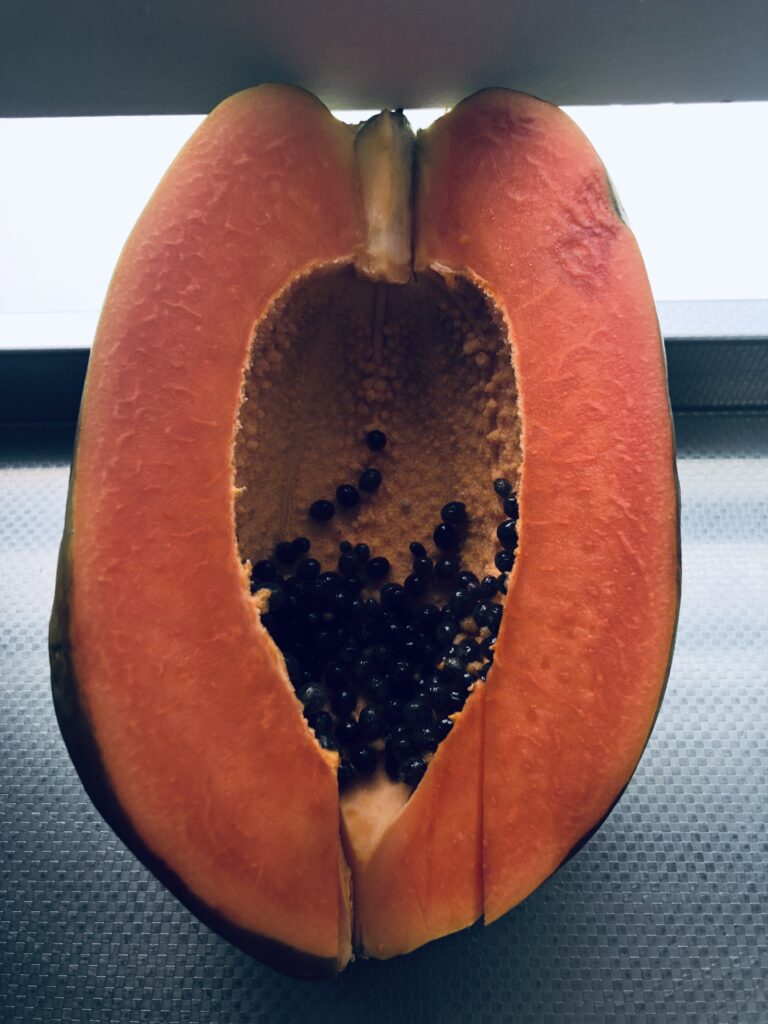
Lycopene, one of the 750 known carotenoids, is a very potent bioactive compound with diverse health benefits. This carotenoid is an organic pigment found in pink grapefruit, papaya, guava, apricot, watermelon, various vegetables, tomatoes, and is highly concentrated in tomato-derived products. Carotenoids are pigments and typically lipid (fat)-soluble. Carotenoids color carrots orange, bell peppers yellow, and tomatoes red.
Lycopene is produced by the tomato plant as a natural protective mechanism against harmful external factors such as UV radiation and heat. By neutralizing free radicals, lycopene protects the plant’s cells from oxidative damage. Similarly, lycopene functions as a powerful antioxidant in the human body. When we consume lycopene through food or supplements, it helps combat free radicals that can damage cells and contribute to aging and various diseases. Thus, lycopene activates a similar protective mechanism in our bodies as it does in the tomato plant, reducing cellular damage and supporting our health.
Lycopene is not an essential nutrient, meaning your body does not require it for basic survival or to avoid deficiency diseases like vitamins or minerals. However, lycopene can contribute to a healthier body and improved longevity. The number of lycopene-rich food sources is very limited, and the only viable option for significant intake is tomato sauce or ketchup. So, if you are convinced that lycopene is beneficial to you (as I have become convinced) and your diet does not include a daily intake of tomato sauce or to a lesser extent ketchup, you should consider taking supplements.
Lycopene acts at the cellular level. It reduces DNA damage, inhibits signals that can trigger uncontrolled cell growth, and supports the natural breakdown of damaged cells.
Its uniqueness lies in its molecular structure. Lycopene can absorb and bind excess electrons without becoming unstable itself. Free radicals, which steal electrons from molecules, are thus neutralized before they can cause damage. Lycopene does this more reliably than most other known plant compounds.
The consequences of uncontrolled oxidative stress are gradual but serious: accelerated skin aging, weakened blood vessels, and declining organ functions.
2. Phytochemicals Phytochemicals are naturally occurring chemical compounds found in plants. They contribute to the color, flavour, and disease resistance of plants, and many provide health benefits.
The term comes from the Greek word phyto, meaning plant. Phytochemicals are not essential nutrients like vitamins or minerals, but they often have beneficial effects on human health. They can act as antioxidants, help modulate enzyme function, support the immune system, and reduce inflammation, among other roles. Four main groups of phytochemicals include: flavonoids (found in fruits, vegetables, tea, and wine), carotenoids (like lycopene in tomatoes, beta-carotene in carrots), polyphenols (in berries, green tea, coffee), and glucosinolates (in cruciferous vegetables like broccoli and cabbage).
3. Benefits Attributed to Lycopene Lycopene is increasingly recognized not just as an antioxidant, but as a multifunctional compound with potential roles in cardiovascular protection, cancer support, neuroprotection, skin health, and gut microbiome modulation. Continued research is focusing on optimizing its mediocre bioavailability, understanding mechanisms of action, and integrating lycopene into preventative and therapeutic strategies.
A.Cardiovascular Health Lycopene continues to gain recognition for its cardiovascular protective effects. New studies show that lycopene may improve endothelial function (the lining inside the arteries), reduce arterial stiffness, and lower markers of inflammation and oxidative stress, which are critical factors in heart disease. Meta-analyses of clinical trials suggest that lycopene supplementation can modestly reduce LDL cholesterol and blood pressure, contributing to better heart health. Note: “Modestly” means around 5% to 10% reduction in LDL cholesterol and around 3% to 7% reduction in blood pressure.
B.Cancer Prevention and Adjunct Therapy Ongoing research has strengthened evidence that lycopene has anti-cancer properties, particularly in prostate cancer. Its antioxidant and anti-inflammatory effects help reduce DNA damage and inhibit tumor growth. Novel insights reveal lycopene’s potential synergistic effects when combined with other therapies, enhancing the efficacy of conventional treatments and reducing side effects.
C.Prostate The most extensive body of research on lycopene concerns protection against uncontrolled cell growth, particularly in the prostate. Men have the highest lycopene concentrations precisely here.
The Health Professionals Follow-Up Study, one of the largest nutrition studies in the world with more than 47,000 men, demonstrated a significant correlation: men with the highest lycopene consumption had a 21% lower risk of prostate disorders compared to those with the lowest consumption.
D.Eyes As lycopene preferably accumulates where oxidative stress is highest, it is also beneficial for the eyes. It gathers in the retina and macula, where the burden from free radicals is particularly high.
E.Liver As a detoxification organ, the liver is continuously exposed to free radicals. Lycopene protects liver cells against oxidative damage.
F.Neuroprotection Recent findings suggest lycopene may protect against neurodegenerative diseases such as Alzheimer’s and Parkinson’s. Its ability to combat oxidative stress and inflammation in the brain supports cognitive function and may slow disease progression. Some preliminary human studies indicate improved memory and executive function with higher dietary lycopene intake.
G.Skin Health and Photoprotection Lycopene has been shown to improve skin health by protecting against UV radiation-induced damage. It helps reduce skin redness and inflammation and reduces the risk of photoaging. New clinical trials have explored topical and dietary lycopene as complementary approaches to traditional sun protection.
Lycopene accumulates in all layers of the skin. There, it protects the cells at the molecular level against UV-related damage. One study demonstrated that regular consumption of tomato puree for twelve weeks significantly reduced the degree of skin redness caused by UV radiation—a measurable protective effect from within.
At the same time, lycopene inhibits the enzymes activated by sunlight that break down collagen. Regular intake can demonstrably contribute to slowing down premature skin aging and the long-term preservation of the skin’s appearance.
H.Gut Microbiome Interaction Emerging research is exploring how lycopene interacts with the gut microbiota, potentially modulating microbial composition and activity linked to systemic immune and metabolic health. This area is still in its early stages but offers promising avenues for understanding lycopene’s broader systemic effects.
4. Bioavailability Lycopene’s bioavailability varies a lot but is, in general, not great. For its most important food source (tomatoes), it improves tenfold when consumed in processed or cooked tomato products rather than raw tomatoes. It is fat-soluble, so dietary fats enhance its absorption.
Caveat: A fiber-rich diet has been proven to decrease the absorption of lycopene. Such fibrous diets also mediate the absorption of lycopene, resulting in over 40% reduction in plasma lycopene.
Several factors, among these alcohol, smoking, gender, age, hormonal status, and other dietary elements, also negatively affect the absorption of lycopene.
5. The Bioavailability of Lycopene Supplements The bioavailability of lycopene supplements varies significantly depending on the formulation and how they are consumed; in general, it ranges between 10-30%, although liposomal formulations are said to go up to 70%, which is great, of course.
Regular capsules only fully activate if the body simultaneously has sufficient fat available. If lycopene is taken on an empty stomach or after a low-fat meal, a large portion of the active ingredient simply is not absorbed.
Oil-based formulations tend to have better absorption than dry tablets or powders because lycopene is dissolved in oils that facilitate uptake.
Liposomal formulations are, as mentioned, probably the best (but generally also the most expensive) approach. A liposome is a tiny capsule made of a fat layer, structured just like the membrane of human cells. The active ingredient is enclosed within it and transported directly to where it needs to work. Stomach acid and digestive enzymes cannot affect it.
The result is significantly higher bioavailability. The body absorbs more of the active ingredient, and the gastrointestinal tract is less burdened compared to regular capsules.
When taking supplements, make sure they are produced according to certain standards. I always look for a GMP indication, where GMP stands for Good Manufacturing Practice. In the case of lycopene, take your supplements together with something fatty.
6. Some figures The typical lycopene supplement bioavailability is between 10% to 30%. When the suggested intake of lycopene is 25 mg daily, realize that a 25 mg pill is not enough as you have to compensate for its bioavailability! If the bioavailability is 30%, it means that only 30% of the ingested amount is actually absorbed into the bloodstream and can exert its effects, meaning you will only get 7.5 mg daily (30% of 25 mg).
100 grams of raw tomatoes contains approximately 2.5 to 3 mg of lycopene, while 100 grams of tomato paste gives you 10 times more, 25 to 30 mg of lycopene. The practical implication of this is that to get a lycopene dose similar to that used in many clinical studies (around 25 mg), you would need to eat roughly 800 to 1000 grams (8 to 10 servings) of fresh tomatoes or 100 grams of tomato paste every day. If your mama is not Italian, this is not practical 😊.
Ketchup is another way to go, but hopefully not in the amounts needed. And do not forget that, in general, ketchup contains a lot of sugar.
The reason for the difference between raw and processed is nature. Thermal processing (cooking tomatoes into pastes or sauces) breaks down plant cell walls and shifts lycopene into a more absorbable chemical form. This happens with many vegetables. I wrote about spinach including the recommendation to always cook spinach, also for your smoothie as its benefits multiply when cooked.
7. How Much You Need Per Day? There is no officially established Recommended Dietary Allowance (RDA) for lycopene yet. However, studies often use doses ranging from 6 mg to 30 mg per day in supplementation trials to investigate health benefits. Most trials involve 25 mg.
A typical daily intake of lycopene from a normal tomato-rich diet usually falls between 3 mg and 15 mg per day, depending on how much tomato and tomato products a person consumes. Caveat: This figure is not corrected for bioavailability.
8. Side Effects There are no known side effects of daily lycopene intake, but it is advised to avoid very large doses (i.e., much higher than these days “recommended” 25 mg daily).
Dear reader, this was a fun blog to write and made me realise, once again, how plants can benefit our health. I also came to the conclusion that I have to write something about bioavailability as this topic causes a lot of confusion and suboptimal use of supplements or nutrition.
Curcumin is excellent for making a tasty curry. But it can do much more: as the active compound of the turmeric root, it has interesting health benefits.
We know that over the years, our body functions slowly decline. Fortunately, much of this bodily wear and tear can be slowed down, stopped, or even reversed. Curcumin plays a positive role in some of these processes. In particular, three “biological threats” are addressed by curcumin: mitochondrial senescence, stem cell depletion, and metabolic dysregulation (more about this later).
Turmeric and curcumin are sold separately. Both have positive health effects, but in the case of turmeric, these effects result from its curcumin content. There is no official consensus on whether it’s best to take curcumin or turmeric, but I have decided to use curcumin.
More about curcumin/turmeric Turmeric originally comes from India and Southeast Asia. It has been used there for thousands of years as a spice, medicine, and dye. Turmeric is the whole spice made from the dried and powdered root (rhizome) of the turmeric plant (Curcuma longa). Curcumin is the main active ingredient found within it. Turmeric contains roughly 2-8% curcumin by weight.
The general health benefits commonly mentioned in relation to curcumin are the following: (1) curcumin effectively works against inflammatory discomfort, (2) it benefits your mobility, (3) curcumin helps protect the body as an antioxidant against harmful external influences, and (4) it helps stabilize blood glucose, can improve your mood, and provides relief from monthly discomfort.
More about the three biological threats Mitochondrial Senescence – when the tiny power plants inside your cells, called mitochondria, start to age and don’t work as well anymore. Mitochondrial density can decline by 40-50% by age 65. When this happens, your cells have less energy and can’t do their jobs properly, which can contribute to slower recovery, aging, and diseases.
Stem Cell Depletion – the body’s natural repair mechanisms drop to approximately 30% of their original capacity by age 65, hindering tissue regeneration.
Metabolic Dysregulation – a shift toward glucose dependency that creates a metabolic environment favorable to cancer cell growth.
Curcumin can play a role in fighting each of the above three biological threats. Some mechanisms of how curcumin works, as found on the internet: curcumin acts as a master switch to reduce systemic inflammation. It contributes to NRF2 activation, a pathway essential for cellular defense and antioxidant production. It protects stem cells from oxidative damage. Curcumin helps disrupt the Warburg effect by inhibiting VEGF (do not ask me what this means), which is a signal tumors use to recruit blood vessels. Curcumin, by activating AMPK, promotes mitochondrial biogenesis (i.e., production).
Bioavailability of curcumin Curcumin itself has notoriously low bioavailability when consumed orally. This means that only a small fraction (about 1%) of the ingested curcumin actually enters the bloodstream and is available for the body to use. Its half-life is also relatively short – approximately 6 hours. The reasons for this low bioavailability include poor absorption from the gut, rapid metabolism in the liver and intestinal wall, and rapid systemic elimination.
What to do? Curcumin is fat-soluble, so taking it with meals containing fat enhances absorption.
Piperine, a main ingredient in black pepper, inhibits certain metabolizing enzymes, allowing more curcumin to enter systemic circulation. And more really means more – up to 20 times! So the solution is simple: add black pepper to the mix. Personally, I take half a teaspoon daily with 10 black pepper grains, blending them into a smoothie.
Another suggestion is to blend the curcumin, black pepper, and fat into your morning coffee for 15-20 seconds and consume it within the first hour of waking in a fasted state. Why? Coffee’s chlorogenic acids and caffeine work synergistically with curcumin, helping to improve its absorption and counteract cortisol-driven inflammation.
One thing puzzles me.
The recommended intake is 2x 500 mg, max 2x 1000 mg daily. Without boosters, this would essentially mean 2x 5 mg or 2x 10 mg actually absorbed, because of its 1% bioavailability. When combined with black pepper, you can multiply this by 20, which then would amount to 2x 100 mg or 2x 200 mg.
There are some warnings about too much curcumin and its interaction with anticoagulants. I have not been able to find out whether these warnings include the combination with black pepper or not.
Curcumin can enhance the effects of anti-clotting (anticoagulant) medications, potentially increasing the risk of bleeding. In general, curcumin has mild blood-thinning properties and interactions. Nonetheless, caution and medical consultation are advised when combining them. The problem is that, in general, doctors know little about these types of supplements; they are specialized in conventional medicines, and it can be difficult to find a true specialist for these kinds of issues. I searched the internet but could not find one.
From what I understand, authorities and supplement manufacturers say “up to 1000 mg of curcumin per day is safe,” but they generally refer to curcumin alone, without factoring in enhanced bioavailability due to additives like piperine (black pepper extract).
However, supplements are often offered in a combination of 500 mg curcumin and 5 mg piperine (from black pepper). But, as said, this effect is much, much more than 1000 mg curcumin alone. I will update this paragraph when I have an answer, but so far, this has not been the case.
My take I have decided to ignore the “mild blood-thinning” properties of curcumin and take half a teaspoon of curcumin with 5-10 black peppercorns every day.I put this in my morning smoothie.
Dear reader, the list of supplements I take is getting longer, but thanks to salads and smoothies it is not too much work to incorporate them in my daily routine.
When you eat your fruits and vegetables, eat the peels as well. Not all of them, and only under certain conditions—but realize that often most of the healthy stuff is in the peels.
They can also help you eat less because peels contain the all-important fiber. Eating peels reduces food waste and your carbon footprint. I do not want to sound too woke, but food waste is a big issue, so why not combine extra health with helping the environment?
As always, there are some caveats, the most important one being pesticide-related. And some peels are not edible, of course—like the avocado peel.
At home, we incorporate peels as much as possible into our diet. The easiest way is blending them into our daily soup and smoothie.
Summary: For your own health, be more adventurous and do more with peels—but be careful about chemicals, parasites, dirt, and bacteria. Wash well, scrub, and buy organic. If you do not want to wash and scrub, then peel. Peeling is not possible with some popular members of the “dirty dozen” like peaches, blueberries, strawberries, and spinach. I strongly advise buying organic. The more you read about pesticides, the more you will want to avoid them.
Some peel facts
Peels are generally packed with higher concentrations of fiber, vitamins, and antioxidants than the flesh/pulp. In many cases, peels make up 30% to 40% of the total food weight. If you consider fiber important (as you should), then peels are for you.
An apple with its skin can have up to 332% more vitamin K, 142% more vitamin A, and 115% more vitamin C than a peeled apple.
A boiled potato with skin can have 175% more vitamin C, 115% more potassium, and 111% more folate than a peeled one.
Removing the skin of a tomato can cause a loss of up to **80%** of the antioxidant lycopene.
2. Safety / pesticides
Pesticides play a significant role in conventional farming to protect crops. A substantial amount of these chemicals remains on the outer surface (the peel). Washing helps, but is not enough; washing removes, on average, about 40% of chemicals, and peeling removes another 40%. Especially in thin-skinned fruits and vegetables, pesticides can penetrate into the pulp.
In conventional agriculture, 240 pesticide are permitted in the Netherlands; in the whole of EU, as many as 400. In organic agriculture, fewer than 10 pesticides are allowed. Another big difference is that preventive spraying is not allowed in organic agriculture.
To increase shelf life and improve appearance, many fruits (like apples and cucumbers) are coated with synthetic or natural waxes. These waxes can trap bacteria and pesticide residues.
Bacteria, parasites, microbes, and dirt can also be an issue—possibly even more so with organic fruits and vegetables. Careful washing and soaking for **15 minutes** in water with baking soda are among the best approaches.
3. Carbon footprint
Globally, about one third of food is lost or wasted, amounting to **1.3 billion tonnes** per year. Food loss and waste accounts for **8%** of global greenhouse gas emissions. Peels are a substantial part of food waste.
4. Tough to digest
Many peels are high in fiber, which is good. However, they can be too tough or difficult for some people to digest. This can lead to stomach discomfort, cramps, or bloating—especially with thicker peels like those of oranges. If you start incorporating peels into your meals, do it step by step.
5. Peel Taste tip
Some peels, such as mango or citrus, can be bitter or tough, but they can be blended into smoothies or used as zest.
6. Powerhouse fruits and vegetables: the nutrient density score
On the internet you can find extensive rankings of Nutrient Density Scores. All fruits and vegetables are healthy by default, but some are healthier than others. The best nutrient score is held by watercress, followed by Chinese cabbage, chard, beet greens, and spinach. Surprisingly (at least for me), most lettuces also score high—around 70 out of 100 on the nutrient density score.
7. Peels may help you feel fuller longer
Fruit and vegetable peels can reduce hunger and help you feel fuller longer. This is largely due to their high fiber content. While the exact amount of fiber varies, fresh fruits and vegetables may contain up to one-third more fiber before the outer layers are removed.
Several studies show that fiber can help you feel fuller longer. Fiber can achieve this in several ways. It physically stretches the stomach. It slows how quickly the stomach empties. It also influences how speedily fullness hormones are released in your body.
In fact, research suggests that the type of fiber found in fruits and vegetables—known as viscous fiber—may be especially effective at reducing appetite.
8. Banana and pineapple peels
It feels strange to throw away a third of a banana’s edible part. It happens needlessly every time you have one. But that is exactly what most of us do—and probably will continue to do. Personally, I am looking for ways to do “something” with banana peels. One option is making a banana-and-peel breakfast loaf (see online recipes). Of course, you cannot make a banana-and-peel breakfast loaf every day, but I will explore what more is possible.
Another interesting idea is pineapple peel. Look online for “Tepache” (sometimes referenced by writers like Lucy Sherriff): a fermented drink made from pineapple peels. It can be a good source of probiotics and contains some alcohol (often less than 1%, depending on fermentation time).
Dear reader, allow me to conclude with the summary once more. For your own health, be more adventurous. Do more with peels. However, be careful about chemicals, parasites, dirt, and bacteria. Wash well, scrub, and buy organic.
If you do not want to wash and scrub, then peel. Peeling is not possible with some popular members of the dirty dozen, like peaches, blueberries, strawberries, grapes and spinach. For these, I strongly advise buying organic. The more you read about pesticides, the more you will want to avoid them.”
Ginger is a very successful combination of a natural medicine and a supplement; it also makes a great tea, adds taste to a lot of food (gingerbread!) and, increasingly, it inspires interesting non-alcohol drinks with a bite.
The few caveats are the amount you should take daily (not too much, max 4 grams) and its interaction with a few medicines. And try to buy only bio ginger as regular ginger too often has pesticides residues. For the same reason (pesticides) it is better not use ginger powder.
The English origin of the word “ginger” is from the mid-14th century, from Old English gingifer, which derives in turn from the Medieval Latin gingiber all the way to siṅgabera from the Sanskrit śṛṅgavera.
Ginger was already cultivated 5000 years ago, for medicinal use in China and culinary purposes in India. The Romans add it to their food. In the Middle ages it was a prized and expensive luxury item on the dining table. It was also applied, not very successfully, to protect against the plague.
These days ginger has become very affordable and is produced in many countries. Even in my country The Netherlands, farmers harvest ginger, but the top producers remain India, China, Nigeria, China, Kenya and Nepal. India with over 2 million metric tons in 2023 provides almost half of all ginger globally.
The unique flavor of ginger comes from its active component, gingerol, which possesses potent antibacterial and antioxidant properties. The main gingerol is the 6-gingerol which is considered a functional polyphenol. Earlier I wrote about polyphenols. These amazing compounds are found in plants and number over 8000 and much is still unknown about most polyphenols. I wrote an extensive blog about these small wonders. https://shakethehealthtree.com/index.php/2025/12/02/5-polyphenols-8000-interesting-plant-derived-compounds-health-project99/
For the rest ginger consists mainly of moisture, carbohydrate, protein, fiber, fat, and ash. It also contains micronutrients including ascorbic acid, -carotene, calcium, iron, and copper.
2. All the benefits of ginger (based on scientific studies)
Treat Nausea and Indigestion
One of the most well-known uses of ginger is its ability to relieve nausea. Ginger can help with nausea associated with chemotherapy, pregnancy, menstruation, and surgery. It can also help with morning sickness and motion sickness.
Ginger helps increase the way food moves through the gastrointestinal tract, fighting off indigestion.
Improve Blood Sugar Levels
The compound gingerol has powerful anti-inflammatory and antioxidant properties. These can help your body better absorb glucose and improve your blood sugar levels. Gingerol can help control insulin production in people with type 2 diabetes. Insulin is important to move glucose from your bloodstream to your body to make energy.
Reduce Inflammation
Ginger can also help ease joint pain and inflammation caused by arthritis. Several studies have shown consuming ginger extract or applying it to joints helps improve pain from arthritis inflammation.
Relieve Pain
Studies have found ginger provides similar pain relief as common pain medications, like aspirin and ibuprofen. Consuming fresh ginger helps relieve pain from menstrual cramps. Ginger has a delayed effect, making it more of a long-term pain reliever rather than an immediate one.
Heart health
Ginger supports heart health by acting as a natural blood thinner and reducing cholesterol. These properties can help lower the risk of heart attacks and strokes. It improves lipid metabolism, breaking down fats in the bloodstream. Ginger enhances circulation and lowers blood sugar levels. According to some studies ginger increases HDL.
Strengthen the Immune System
As mentioned, ginger is a great source of vital vitamins and minerals. These include iron, magnesium, vitamins B6 and C, and zinc. These vitamins and minerals along with ginger’s antioxidant properties can help strengthen your immune system. The polyphenol gingerol helps ease common cold symptoms, like muscle fatigue and sore throat. It can also help fight symptoms of the flu.
3. How much ginger to take?
In large doses, ginger can cause gas, heartburn or diarrhea. There is no official “reference nutrient intake (RNI)” for ginger, but it’s not recommended that you consume more than 3-4g of ginger a day. To avoid misunderstandings, eating more is not bad for your health in terms of affecting organs. However, it can make you feel uncomfortable.
4. Pesticides
Pesticide residue is a recognized concern with conventional ginger. The plant is susceptible to pests and diseases during its long growing season (often 210+ days). Studies have shown that over 66% of surveyed ginger samples contained detectable levels of pesticides, with some samples contaminated with multiple types of pesticides.
I know that washing, boiling and peeling can remove some of the pesticides residues, but not all. This is always the case with fruits and vegetables with very thin peels. It is not surprising that concentrated ginger powder is a bad idea. Pesticides residues can become more concentrated through processing methods like drying and stir-frying.
Recommendation: buy organic ginger, which fortunately is not much more expensive than conventional ginger.
5. When not to take ginger
Don’t take ginger if you’re on blood thinners like aspirin. Ginger helps thin the blood, so you also won’t want to take it if you have a bleeding disorder.
Ginger inhibits insulin, so don’t take it if you’re on insulin.
Ginger can lower blood pressure, so perhaps avoid it if you’re taking blood pressure medication. I say perhaps for a reason. You can monitor your blood pressure and see if there are changes. If not I would take ginger (as I do).
Ginger also stimulates the gallbladder, so don’t consume it if you have gallstones.
6. Top Non-Alcoholic Ginger Recipes (from internet)
I tried a few, they are actually very tasty.
Spicy ginger switchel: Mix grated ginger, honey, apple cider vinegar, and chili, then top with soda water or ginger beer.
Ginger Mojito Mocktail: Muddle fresh mint, lime juice, and ginger syrup/ale for a refreshing drink.
Bitter ginger mocktail: Combine fresh grapefruit juice, Angostura bitters, and ginger beer for a sophisticated, sharp taste.
Sparkling blueberry ginger mocktail. Simmer blueberries, fresh ginger, and rosemary for a syrup, then mix with lemon juice and sparkling water.
Ginger tangerine mimosa: A mix of tangerine juice, apple cider vinegar, and ginger ale.
Ginger beer mocktail with pineapple” A simple 2-minute mix of fresh pineapple juice and ginger beer.
Or just drink ginger beer!
Dear reader, time for a ginger tea and then off to bed.
Green tea is one of these rare beverages that tastes great, costs little, and contributes a lot to your health. It is not a miracle cure-all drink, but it positively supports many processes in your body.
In this blog I do not discuss the popular high-dose supplements of green tea extracts. I do not see any use for these. Green tea is easily prepared and its beneficial impact on health has already been widely studied and confirmed.
Green tea offers a range of potential benefits. It is particularly related to antioxidant activity and cardiovascular health. It can also aid in weight and metabolic health and give cognitive support. The effects are meaningful as part of an overall healthy lifestyle, not as a stand-alone solution.
1 Green tea
There are three types: loose leaf, matcha (powdered green tea), and tea bags. Each of them is available in a decaf version. Note that some of the good stuff can be lost in the decaffeination process.
I prefer loose leaves, as they can be kept fresh the longest. Buy organic tea leaves, as non organic tea leaves often contain pesticide residues. When well stored (in a cool, dark place, in an airtight container), they can keep for up to two years with little loss of taste and health benefits. Use sturdy foil packaging that protects from air and moisture. However, when opened, even if stored well, the “best” period is around six months. Old or poorly stored leaves will gradually lose their health benefits.
Matcha (powdered green tea) has become very popular. It has two minor disadvantages. The storage time is short, lasting only a few months. It is generally more expensive than green tea leaves. It does deliver more catechins (antioxidants) per cup but also more caffeine.
Tea bags are, at least for me, out of the question. Most of them may contain pesticide residues and nanoplastics.
2 How to brew
In some cultures, preparing tea is taken very seriously. Have you ever been to Japan? They know their tea. However, you don’t need to copy those elaborate Japanese ceremonies; they are great but time-consuming .
Follow the following guidelines to gain most of the health benefits of green tea. (1) Do not boil the water; pour it in when the temperature is almost there (about 60–80°C). Boiling water can degrade delicate catechins and increase bitterness. (2) Let the leaves steep for 2–3 minutes; longer steeping increases tannins and bitterness. And you can reuse the leaves a few times, assuming they are of high quality.
3 Green tea and caffeine
Caffeine content is typically 20–45 mg per 1/4 liter; matcha and some fortified teas can be higher.
How does this compare with a single espresso? A typical espresso shot (about 1 fluid ounce / 30 ml) contains roughly 40–75 mg of caffeine. This amount is roughly double that of a cup of tea.
4 Intermittent fasting
Brewed green tea without sugar or dairy is fine during most fasting protocols. A cup of plain green tea has about 0–2 calories. Most strict, water-only fasts would consider any beverage other than water as breaking the fast. However, for typical intermittent fasting goals, green tea is effectively non-caloric.
Just for the record: adding sugar, honey, milk, or anything else does break the fast. I know you know.
5 Summary of advantages of green tea
Antioxidants and catechins: Green tea contains catechins (especially EGCG), potent antioxidants with anti-inflammatory effects. Catechins scavenge free radicals and reduce oxidative stress.
Caffeine: Provides mild stimulant effects and can enhance alertness.
Heart and blood vessel health: green tea may improve endothelial function, reduce LDL oxidation, and modestly support blood pressure and lipid profiles. Note: Endothelial function refers to the health of the inner lining of blood vessels; dysfunction is linked to cardiovascular disease.
L-theanine: May promote calm focus and can modulate caffeine’s effects. The strongest evidence is for short-term cognitive benefits; longer-term cognitive protection is plausible but not yet proven.
Type 2 diabetes: Evidence indicates an association between green tea consumption and a lower risk of developing type 2 diabetes.
Oral health: Catechins may inhibit harmful bacteria in the mouth and reduce dental plaque and gum inflammation.
Inflammation and cancer: there are indications that green tea helps reduce inflammation and contributes to cancer risk reduction. It also supports a sense of calm and promotes overall well-being.
Gut health: Tea polyphenols can influence gut bacteria in ways that may promote anti-inflammatory effects. The evidence is growing but still emerging.
Longevity gene activation: The polyphenol EGCG in green tea is associated with activation of the FOXO3 longevity gene.
The combination of caffeine and catechins can improve alertness and, for some people, endurance performance.
6 Minor health considerations:
If you’re caffeine-sensitive or trying to minimize hormonal responses, you might opt for decaf or limit intake. Pregnancy guidelines suggest keeping total daily caffeine intake under about 200 mg.
Potential side effects and interactions: Green tea is unlikely to cause atrial fibrillation in most people, but caffeine (and other stimulants in tea) can trigger palpitations in some individuals.
Green tea may interact with certain medications (e.g., anticoagulants like warfarin, some antidepressants, diabetes meds). If you take regular medications, check with your clinician.
The last part about checking with your doctor is more or less obligatory. Few people actually do speak with their doctor, but especially when you are taking certain medicines it might be a good idea.
Dear reader, it is evening so no green tea for me. I take some ginger tea and then will read a book. No scrolling on my phone tonight.
Grr, I misfiled my long draft blog post on spinach, but perhaps this is a good thing. Now I’ve written down what I remember, which hopefully is the essence. It is a well-known fact that patients remember only about 20% of what the doctor has told them, and that readers remember only one or two main conclusions from any article.
Spinach is one of those excellent foods that provides a lot of nutrition per gram. I do not like the label “superfood” as there is no scientific basis for this, but spinach would probably qualify. The main conclusions:
It is best to cook it, even when you add spinach to your smoothie. I used to eat it raw, but cooked is better.
Only use organic spinach, as this vegetable is often listed among the Dirty Dozen—fruits and vegetables that tend to have high pesticide residues.
Its reputation as an iron source is exaggerated.
Spinach has a surprisingly positive impact on eye health.
Why cook, not raw?
Spinach is nutritious whether cooked or eaten raw. However, when cooked, spinach tends to have higher bioavailable calcium and iron because cooking reduces oxalates that can bind minerals. The reason is that spinach contains oxalates, which bind minerals like iron and calcium and reduce absorption; cooking reduces oxalate levels, making minerals more available.
Cooking also makes more of certain nutrients available—particularly the fat-soluble vitamins A and E and the carotenoids lutein and zeaxanthin—so they become more available to the body.
Raw spinach retains more heat-sensitive nutrients, such as vitamin C and folate.
Personally, I consider the advantages of raw spinach less important. The cooked version is generally better for vegetarians. Although I am not a full vegetarian, I often follow what is good for them.
Before I forget, spinach is also a very good source of fiber!
Why organic?
I read more about health and aging and more than before I realize that the quality of the trillions of cells is key how one ages. Unfortunately, over the years, damage accumulates in our cells. DNA is attacked and can deteriorate. Our immune system wears down—first slowly, then faster. You can develop all kinds of health issues. Many stem from chronic low-grade inflammation. This often starts with the quality of your cells.
We also engage in the much older discussion about the impact of chemicals on your health. We know that this can be serious. Remember DDT. However, just as with the forever chemicals or nanoplastics, the evidence does not show that the so-called modern safe pesticides are really safe for you. I doubt authorities in aspect, and just as with the forever chemicals and nanoplastics I want to avoid the risk.
Some fruits and vegetables suffer more from pesticides than others. The Environmental Working Group publishes a “Dirty Dozen” list each year since 1995. Yes, strawberries, grapes, and blueberries are always on that list, but so, unfortunately, is spinach. Actually, it is one of the main offenders. Studies indicate that 76% to 97% of conventional spinach samples contain detectable pesticide residues.
I know that supervising agencies like the USDA always claim that the national food supply “is one of the safest in the world,” but I tend to be skeptical about these claims. I am no specialist. Instinctively, I agree with experts. They say continuous exposure to pesticides—even in small doses—can build up in your body over time. This exposure can lead to chronic health conditions.
The iron reputation of spinach is overestimated.
In general, when eating balanced meals, your iron intake should be sufficient. However, there are certain groups at risk, such as vegetarians and pregnant women.
From a nutritional point of view, meat is a good (some say the best, but I am not sure) source of well-absorbed iron (heme iron).
However, you can also obtain enough iron (non-heme iron = iron from non-meat sources) through vegetables, nuts, and fruits alone, but because of their low bioavailability, you have to consume a considerable amount.
Spinach is often mentioned as a good source of iron; cooked spinach provides about 3.6 mg per 100 g. A pregnant woman needs 27 mg of iron per day, which would require eating roughly 700 grams of spinach. However, because of its low bioavailability (2–20%), several kilograms of spinach are needed daily. This is not feasible, of course. The solution is a good iron supplement.
Spinach can support eye health, mainly because of two nutrients it’s rich in—lutein and zeaxanthin. These two carotenoids form the macular pigment in the retina. They help protect your eyes from blue light. They also reduce oxidative stress. Higher intake is associated with a lower risk of age-related macular degeneration (AMD) and cataracts in many studies.
One caveat: it supports eye health, but not in a dramatic way. Cook spinach or lightly steam it: cooking helps release carotenoids and improves bioavailability. Add a small amount of healthy fat (olive oil, avocado, nuts) to improve absorption of lutein/zeaxanthin. Aim for regular inclusion of spinach as part of a varied, eye-healthy diet (for many people, 1–2 cups cooked or a few cups raw several times per week is a reasonable target). There are many studies on this topic and they all indicate that the relation between cooked spinach and a better eye health is promising.
Be careful with spinach in the following cases.
Acid and mineral buildup are among the main risk factors for kidney stones. The most common type is calcium stones, which consist of calcium oxalate. Spinach is high in both calcium and oxalates, so people at high risk of developing kidney stones should limit their intake and cook spinach, since cooking reduces oxalate levels. Note: Oxalates are salts or esters of oxalic acid found in many foods. They can bind minerals and form insoluble calcium oxalate crystals, which in susceptible individuals may contribute to kidney stone formation.
Spinach is high in vitamin K1, which serves several roles in the body but is best known for its role in blood clotting. As such, it can interfere with blood-thinning medications. People taking blood thinners, such as warfarin, should consult their healthcare provider before eating large amounts of spinach.
It is always fun to write about positive topics and spinach is one of them. Enjoy your food, enjoy your life and take care.
Sweet papayas are also great! From my own tree in Venezuela
Dear reader,
When writing about sweet potatoes, we should focus on more than just the (overhyped) concept of super foods. It’s neither the comparison between sweet potatoes and regular potatoes either. It’s also a story about pesticides conflicting with the great health contribution of peels.
Finding a balance between nutritious peels and harmful pesticides is not easy. Bio is best, but not always available or sometimes too expensive. It is difficult to make the right decision, because we do not know exactly how harmful pesticides are. Neither do not know how much the peels positively impact health.
Sweet potatoes a super food?
Sweet potatoes are a delicious vegetable and are often labeled as a super food. As written before, I am skeptical about the label of super food. Super food lacks a scientific definition and one can use it at will.
Super food sounds like superman, the guy who can solve everything. Well, super food can not and are not a direct way to health heaven. They offer a lot of excellent nutrients per unit which in itself is very important. Much food offers little good nutrients, like soppy white bread, white rice or the ever present ultra-processed food. All full of empty calories.
Sweet or regular potatoes?
It is often suggested that sweet potatoes are much better than regular potatoes. They are not much better, except for perhaps one cancer-fighting reason. This reason is not fully proven yet scientifically (more about this point below). There are differences between sweet and regular potatoes of course, but the health balance of each is not much different.
Sweet potatoes offer significantly more Vitamin A and fiber. Regular potatoes generally provide more potassium, iron, and B vitamins like B6. Both are nutritious root vegetables with similar carbs. Sweet potatoes lean sweeter and higher in sugar. Regular potatoes are starchier. Preparation heavily influences their glycemic impact.
Calories? Sweet potatoes and regular (white/Russet) potatoes have very similar calorie counts. The differences in calories are usually minimal, around 85–110 calories per 100 g raw. Frying drastically increases calories in both, while baking or boiling keeps them lower in calories. I always choose the oven without adding oil.
Resistant starches from potatoes have about 2.5 calories per gram, while regular starches contain about 4 calories per gram. As such, it may help to swap other starches for resistant starches if you’re looking to lose or maintain weight.
Both regular potatoes and sweet potatoes contain significant amounts of digestible (regular) starch, but they also provide resistant starch. This is a type of fiber that resists digestion and promotes gut health. Cooling cooked potatoes (including sweet potatoes) significantly increases their resistant starch content. Advice: always precook your (sweet) potato and let it cool before using it in the preparation of your meal.
The reasons I prefer sweet potatoes
First, the taste! The only drawback is figuring out how to make excellent French fries from sweet potatoes without frying them in oil. I do this in the oven, but with precooked regular potatoes it turns out well. Sweet potatoes, on the other hand, remain a challenge. One day it will work out fine; I am sure of it.
Second, there are indications that sweet potatoes have anti-cancer properties. While the majority of this research has been conducted in laboratory cell cultures and animal models, the findings are promising. Human clinical trials are needed to confirm these effects fully.
More about the peels
Why peels? Peels often contain more nutrients than the pulp. While exact percentages vary by produce, studies indicate that skins can contain 50% or more of certain nutrients. In some cases, they have over 300% more antioxidants than the pulp. So throwing away peels, as many of us do, means discarding a lot of essential nutrients.
Some examples of nutrients in peels
An apple with skin contains up to 332% more vitamin K than a peeled apple. The skin also has 142% more vitamin A. It contains 115% more vitamin C and 20% more calcium.
Removing the tomato skin can result in a loss of up to 80% of its lycopene.
The peel of a fresh carrot makes up only 11% of its weight. However, it contains 54% of its phenolic acids (antioxidants).
A citrus peel can contain twice as much vitamin C as the fruit’s flesh. • Boiled potato skin can contain up to 175% more vitamin C than a peeled potato. It holds 115% more potassium. Additionally, it contains 110% more magnesium and phosphorus.
Peels and pesticides
The problem, however, is that peels often contain pesticides. These can remain on many fruits and even penetrate the first few millimeters of the pulp. So peels contain high levels of nutrients, but they also carry a high concentration of pesticides.
Debates about pesticides are numerous and often contradict one another. Companies and farmers claim that there are safe levels of pesticides, or that some pesticides are safe for humans. I would like to believe this, but I do not.
To minimize exposure, it is recommended to wash all produce. However, washing is only half as efficient as peeling. As mentioned before, organic is the best option, but cost can be an important factor. Take kiwis. I love kiwis. In general, organic kiwis are twice as expensive as the regular ones. So, in the case of kiwis, I prefer to peel.
Produce with thin or no skin, like apples, strawberries, and peaches, tends to hold more pesticides in the peel. This is not surprising. Thick-skinned produce (avocados, bananas) are much less affected.
Blueberries and strawberries are among the worst when it comes to pesticide residues. Unlike kiwis, which at least can be peeled, this option does not exist with these berries. Conclusion: only eat blueberries and strawberries when you can buy them organic.
What Is Resistant Starch? And Why Is It So Important?
Resistant starch is a type of complex carbohydrate that resists digestion in the small intestine. It functions as a prebiotic fiber. It escapes digestion in the small intestine. The starch is fermented in the large intestine by gut bacteria. This fermentation produces short-chain fatty acids (SCFAs), such as butyrate, acetate, and propionate. These fatty acids can be absorbed and used by the body. They may support gut and metabolic health. Note that resistant starch provides energy mainly through SCFAs rather than glucose.
Carbohydrates can be simple or complex. Simple carbohydrates have a simple chemical structure and are digested quickly into glucose. They are common in foods like candy, white bread, and white rice.
Anti-cancer
The potential anti-cancer effects attributed to sweet potatoes arise from several bioactive compounds found in the plant. Anthocyanins are abundant in purple-fleshed varieties. They are powerful antioxidants. These antioxidants have shown anti-cancer effects in test-tube and animal studies.
These effects include inhibition of growth in cancer cells and promotion of apoptosis (programmed cell death). Beta-carotene gives orange-fleshed sweet potatoes their color. In the body, it is converted to vitamin A. Some epidemiological studies have associated it with a lower risk of certain cancers. Dietary fiber supports gut health and may reduce colorectal cancer risk. Sweet potatoes also contain sporamins (a storage protein) with antiproliferative effects in laboratory and animal studies. Polyphenols and flavonoids are found in leaves, stems, and the edible roots. They help modulate inflammatory pathways. They also inhibit cell-cycle progression and protect DNA. I wrote a blog on the many potentials of the 8.000 polyphenols. https://shakethehealthtree.com/index.php/2025/12/02/5-polyphenols-8000-interesting-plant-derived-compounds-health-project99/
In summary, my way forward:
Choose sweet potatoes, preferably with the peel and, when possible, organic.
Use cooking methods that preserve resistant starch (e.g., boil, then cool before reheating) to maximize resistant starch content.
Include them a few times per week, with oven-baked, oil-free French fries as a tasty option.
Enjoy life, enjoy your dinners with sweet potatoes and take care!
Rare winter landscape in Kijkduin, The Netherlands
Dear reader,
“Eat your vegetables.” “Get your vitamins and minerals.” “Do not forget your protein.” “Do not smoke”. These are common nutritional mantras that most of us already follow. But “get enough fiber”? This advice isn’t given very often; it should be, as there is a serious fiber deficiency worldwide. One culprit is modern living, which includes too much ultra-processed food. Many Americans eat less than half the fiber they need.
We often think of fiber as the food that relieves constipation. However, fiber is much more than that. It plays an important role in your overall health. Adequate fiber intake is one of the best ways to improve your health. Fiber impacts gut bacteria and aids in weight loss. It controls hunger cues and regulates blood sugar. Fiber is a fundamental part of a healthy diet. Therefore, it is fundamental to a healthy life.
As you will read in this blog, getting enough fiber is not easy. You need to eat whole grains, nuts, fruits, and vegetables. In my view, this is the better approach. I also place emphasis on including fermented foods (sauerkraut) and kefir in the diet.
What Is fiber? Fiber, also referred to as dietary fiber or “roughage,” is a plant nutrient. Fiber is a diverse group of carbohydrates that humans don’t digest in the small intestine; most of it is fermented in the colon.
Together with adequate fluid intake, fiber helps move food through the digestive tract and supports digestion.
Your body does not digest fiber with human enzymes. Most fiber passes through the small intestine largely undigested. It is then fermented by bacteria in the colon. In short, fiber is not absorbed in the small intestine; it travels through the gut largely intact.
Fiber functions to help regulate bowel movements, support healthy cholesterol and triglyceride levels, and promote colon health.
There are many types of fiber.
What is the best fiber? Fibers that are soluble, viscous, and fermentable seem to be particularly beneficial. Resistant starches are another healthy group of fibers. More about the meaning of soluble, viscous, and fermentable fibers below. It’s not necessary to worry too much—just eat a mix of whole grains, fruits, nuts, and vegetables. That should provide plenty of the best fibers. My approach to meeting daily fiber needs is described in detail at the end of this blog.
What does fiber have to do with feeding gut bacteria? You may wonder what your gut bacteria have to do with fiber. Just like any other organism, gut bacteria need to eat to get energy to survive and function. The issue is that most carbs, proteins, and fats are absorbed into the bloodstream early. They reach the large intestine with very little left for the gut flora. This is where fiber comes in.
As human cells can’t digest fiber, it reaches the large intestine relatively unchanged. Intestinal bacteria do have the enzymes to digest many of these fibers. This is the most important reason some dietary fibers are so essential for your health. These dietary fibers are also labeled fermentable fibers (see below). They feed the “good” bacteria in the intestine, functioning as prebiotics. A good example is sauerkraut or kefir. I wrote a blog about the wonderful impact a daily portion of sauerkraut has on my gut health. And we all know that a happy gut means a happy owner. https://shakethehealthtree.com/index.php/2025/09/25/3-sauerkraut-ein-sehr-gutes-probiotikum-health-project99/
How much do you need daily? The recommended intake is 38 grams for men and 25 grams for women. About one quarter should come from soluble fiber. However, most people consume around half of that, roughly 15–17 grams per day. As you age, you may need slightly less.
How much fiber per day is too much? Around 70 grams of fiber is considered excessive. Consuming that level or more regularly may lead to unwanted side effects. These include temporary bloating, gas, and abdominal discomfort.
When you increase your fiber intake, pay attention to the following: If you’re adding high-fiber foods to your diet, do so gradually over a few weeks and drink plenty of water, too. This helps prevent adverse effects such as bloating and gas. Increasing gradually means adding about 5–10 grams more fiber per week to allow your gut to adapt.
When I started increasing fermentable fiber (sauerkraut), I overdid it and felt uncomfortable for a few days. Aim for a mix of soluble and insoluble fiber from real foods (fruits, vegetables, legumes, whole grains, seeds). When bacteria ferment the fiber, they also produce gases. This is why high-fiber diets can cause flatulence and stomach discomfort in some people. These side effects usually go away with time as your body adjusts.
Sources of fiber: nuts and seeds. Legumes include beans, lentils, and peas. Whole grains such as brown rice and Ezekiel bread are good sources. Green vegetables like broccoli and other dark leafy greens also provide fiber. Cabbage and celery are included. Bran, specifically wheat bran and oat bran, is another source. Lastly, popcorn is a fiber-rich snack. The best whole-food sources of fermentable fibers are beans and legumes.
What are the benefits of sufficient fiber intake?
Improves heart health. Soluble fiber can lower LDL cholesterol and improve overall lipid profiles, which lowers heart disease risk.
1.Works against colon cancer. Fiber cleanses your colon, acting like a scrub brush. The scrub-brush effect helps clear bacteria and other buildup in your intestines and reduces your risk for colon cancer. This is supported by science. One reason may be that some types of fiber, such as the pectin in apples, may have antioxidant properties. The friendly bacteria produce nutrients for the body. They include short-chain fatty acids such as acetate, propionate, and butyrate. Butyrate appears to be crucial. These short-chain fatty acids can feed the cells in the colon. This leads to reduced gut inflammation. It also results in improvements in digestive disorders such as irritable bowel syndrome, Crohn’s disease, and ulcerative colitis.
2.Managing blood sugar: The body takes longer to break down high-fiber foods. This means glucose does not enter the bloodstream so quickly. This helps you maintain more consistent blood sugar.
3.Reducing cholesterol: Fiber in the digestive tract can help reduce the body’s cholesterol absorption. This is particularly true if you take statins. However, I would not use fiber supplements.
4.Promoting a healthy weight: High-fiber foods like fruits and vegetables tend to be lower in calories. In addition, fiber can slow digestion to help you feel fuller for longer.
5.Supports gut microbiome health: Many fibers act as prebiotics. They feed beneficial gut bacteria and produce short-chain fatty acids. This process supports colon health and boosts immune function. An estimated 100 trillion live bacteria reside in the human gut, mainly in the large intestine. These bacteria are crucial for optimal health. They play various roles related to weight management, blood sugar control, immunity, brain function, and mental health. They are so important that they are often referred to as the “forgotten organ.”
Because humans can’t digest fiber, it ends up reaching the large intestine mostly unchanged. Fermentable fiber comes into play: these are fibers that friendly gut bacteria can digest (ferment) and use as fuel. Fermentable fibers include pectins found in apples with skin, citrus fruits, berries, and peaches. Beta-glucans are in oats and barley. Inulin and oligofructose are present in chicory root, Jerusalem artichoke (sunchoke), onions, garlic, leeks, asparagus, artichokes, and dandelion greens.
6.Important for energy: When our gut bacteria break down fiber, they produce short-chain fatty acids (SCFAs). Humans can digest SCFAs for energy, and a symbiotic relationship between the digestive system and our colon’s microbiome ensues.
7.Managing stool: Fiber increases the weight and size of your stool and softens it. A bulky stool is easier to pass, decreasing your chance of constipation. If you have loose, watery stools, fiber may help solidify the stool because it absorbs water and adds bulk. It is not a process that your body can do without fiber.
8.Nanoplastics: recent studies indicate that fibers could be a good way to get rid of most nano plastics. Something to follow!
Can humans survive without fiber? Yes, fiber is non-essential. It is not a nutrient in the traditional sense, since we derive no nutrition from fiber—it simply passes through us. However, describing it as “just passing through” understates the importance of sufficient fiber intake. Italso serves as fuel for your gut bacteria.
Classifications of fiber Most people, including me, have a very basic understanding of fiber. We tend to lump it all into one category. However, not all fiber is created equal. Some types are highly beneficial, while others can cause digestive problems in some people. The three classifications are: Solubility (soluble vs insoluble), viscosity (viscous vs non-viscous), and fermentability (fermentable vs non-fermentable).
Soluble vs insoluble fiber
Soluble fiber dissolves in water to form a thick gel-like substance in the digestive tract. It supports healthy cholesterol levels. It also aids in maintaining balanced blood sugar.
Insoluble fiber does not dissolve in water and adds bulk to stool as it passes through the digestive tract. Its job is to promote regularity by increasing stool bulk and speeding transit through the gut. It does not ferment as much with bacteria in the colon.
Not all soluble fibers are highly viscous. Some dissolve without forming much gel; these are less chewy in the gut.
Why it matters: the gel from viscous soluble fiber slows gastric emptying. It also slows the rate at which sugars and fats are absorbed. This helps with blood sugar control and can lower LDL cholesterol. Visceral or viscous fibers are particularly associated with increased satiety and may support weight management.
All about resistant starches (a type of dietary fiber) Starches are the main type of carbohydrate in the diet. They are long chains of glucose molecules. These are found in potatoes, grains, and many other foods. When starch resists digestion in the small intestine, it is called resistant starch. It then behaves like soluble, fermentable fiber in the gut. For a note on fermented foods, see the related link.
Resistant starch has several health benefits. It supports digestive health, improves insulin sensitivity, helps regulate blood sugar, and may reduce appetite. Good sources include green bananas, certain legumes, and cooked-and-cooled potatoes and rice. Some starchy foods form larger amounts of resistant starch when they are cooled after cooking (e.g., white potatoes and white rice).
Thanks for reading. Please enjoy food, life, family and friends,
Robert, your health friend
Snow in Istanbul is not rare
Some notes on how I get my daily quantity of fiber
The whole fiber topic makes you realize how much the world and our diets have changed. Basically, you need to radically change your eating habits to get those 25 grams (women) or 38 grams (men) daily.
How to get there? Whole grains, fruits, vegetables and nuts; skip ultra processed food or white cereals. Please vary as different produce have different types of fiber. Also realize that some fruits or vegetables have a lot of sugar, like carrots (4.7 grams of sugar per 100 grams), beets (7 per 100) and even broccoli (1.7 per 100).
As I said, getting to the 38 grams (I pretend I am younger than 50) is not easy. I do not like beans. It is a shame because 100 grams of beans will get you 10 grams of fiber.
My liquid meals help a lot: the smoothie in the morning and the soup in the evening.
My morning smoothie contains 50 grams of broccoli (=1 gram), 100 grams of banana (=2,6 gram), 50 grams of oats (=5 grams), avocado 50 grams (=3,4 grams), 50 grams spinach (=1 gram). In total around 12 grams. This can be more when one adds for example berries, but these are low on fiber (1.2 grams per 50 grams).
My soup consists of carrots, beets, broccoli and pumpkin (broccoli 2.6 per 100, beets 2 per 100, carrots 2.8 per 100 0,5 pumpkin. Another 7.4 grams.
In addition, my lemon wonder drink. Every morning I make a few liters, using 2 lemons + 4 grams of ginger. I take the lemons whole, including peel, which has the most fibers. One lemon is 60 grams, the peels weighs 30 grams of which 10 % is fiber. So, another 3 grams of fiber per day; the other 3 grams are for my wife.
I also take some yogurt in the morning with home made granola including Chia seeds. Chia seeds are the best in fiber with 34,4 grams per 100 grams. I estimate I take some 10 grams of Chia seeds as part of my granola, so 3,4 grams. Plus some berries, 1 gram per 50 grams. In total 4.4 grams.
The readers sees that with this fiber rich approach I just make it to 27 grams. The remainder is nut snacking during the day, between 50 and 100 grams almonds (too much, I know). Almonds give you 13.4 grams of fiber per 100 grams.