22. ALZHEIMER’S DISEASE: AVOIDABLE AND CURABLE? (health project 99+)

Autumn in The Netherlands


Dear reader,

Three of the best-known and most feared conditions affecting the brain are dementia, Parkinson’s disease, and Alzheimer’s disease. These three share some features, but there are also important differences.

Dementia is not a single disease; it is a general term for a decline in cognitive abilities that interferes with daily life. Alzheimer’s disease by the way is the most common cause of dementia.

Alzheimer’s disease and Parkinson’s disease involve the progressive degeneration of nerve cells in the brain, which can lead to declines in cognitive and/or motor function. They are also associated with abnormal protein deposits in the brain.

The risk of developing Alzheimer’s or Parkinson’s disease increases with age. Although there is currently no cure for either condition, research is advancing rapidly, which is great news. In this blog, I mention a few possible treatments, like the use of lithium and even microsurgery.

What about a healthy lifestyle and Alzheimer’s? Living healthily always helps, of course, but more and more scientists (at least the ones I follow) stress new evidence about the crucial role of lifestyle interventions, claiming that they might help reduce the risk of cognitive decline and, in some cases, reverse its onset or prevent it altogether.

In this context, we should not forget the concept of neuroplasticity, the brain’s ability to change and adapt by forming new neural connections throughout life. Like the rest of your body, your brain is a living organ of which the health can be influenced.

  1. Life Expectancy of Alzheimer’s

In Western countries, approximately 5–7% of people aged 60 and older have Alzheimer’s disease. The prevalence increases significantly with age, affecting about 30–40% of people aged 85 and older. After an Alzheimer’s diagnosis, life expectancy is between 3 and 10 years.

2. The Terrible Three

Someone can have Alzheimer’s disease without dementia, or Parkinson’s disease with or without dementia. The key difference is that dementia is a group of symptoms, while Alzheimer’s and Parkinson’s are specific diseases.

Dementia describes a significant decline in thinking abilities—such as memory, language, or judgment—that interferes with everyday life. It has many possible causes; Alzheimer’s disease is the most common. Other causes of dementia include vascular disease, Lewy body disease, genetic problems, and frontotemporal disorders (which can be caused by falling on your head while biking).

Alzheimer’s is a progressive disease, meaning symptoms gradually worsen over time. The decline in brain function eventually can lead to complications such as infections that can impact life expectancy.

Parkinson’s disease is primarily a movement disorder. Common symptoms include slowed movement, stiffness, tremor, and balance problems. Some people with Parkinson’s also develop cognitive difficulties or dementia, often later in the illness.

3. What Are Amyloid Plaques and Tau Tangles?

Dementia, Parkinson’s disease, and Alzheimer’s disease all involve brain abnormalities. In the case of Alzheimer’s disease, the main culprits are amyloid plaques and tau tangles.

Amyloid plaques are sticky clumps that form outside brain cells. They are made of a protein called beta-amyloid. Normally, this protein is harmless, but in Alzheimer’s, it sticks together and forms plaques that interfere with communication between brain cells.

Tau tangles are twisted fibers found inside brain cells. They come from a protein called tau, which normally helps support the cell’s structure. In Alzheimer’s, tau changes shape and twists into tangles, harming the cell’s ability to function properly and eventually causing cell death.

Together, these plaques and tangles disrupt brain function and are linked to the memory problems and other symptoms seen in Alzheimer’s disease.

4. Treatment (see also last chapter of this blog)

Currently, there is no guaranteed way to prevent or cure Alzheimer’s disease. However, there is encouraging news.

First, regular medication so far has not proven to be very effective, but new approaches show promise (see the latter part of this blog), including microsurgery.

Second, fortunately in line with my approach to life, research strongly suggests that certain lifestyle choices can reduce, delay, or even prevent Alzheimer’s.

5. Causes of Alzheimer’s Disease

The causes of Alzheimer’s disease include genetic (less than 1%), lifestyle, accidents, chronic inflammation and environmental factors. Age itself is often mentioned as the no 1 reason people get Alzheimer’s, but I find this a strange concept as it sounds more like a description of what happens than anything else.

There is no consensus among specialists about the main cause of Alzheimer’s, but a growing number focus on lifestyle factors. Certain lifestyle habits are linked to an increased risk: poor diet (especially one high in sugar, unhealthy fats, and processed foods), lack of physical activity, smoking, excessive alcohol consumption, and poor sleep quality.

Recent animal studies have proven that high sugar consumption is linked to amyloid plaque proliferation and therefore increases the risk of Alzheimer’s disease. Elevated blood sugar increases the production of beta-amyloid in the brain; this toxic protein forms as mentioned earlier amyloid plaques, a hallmark of Alzheimer’s disease.

Other studies highlight the link between high blood pressure and Alzheimer’s. Poor cardiovascular health not only harms the heart but also increases the likelihood of developing Alzheimer’s disease.

Genetics is often mentioned, but fewer than 1% of Alzheimer’s cases are caused by genetics. The good news is that techniques are being developed to replace certain genes, such as APOE-e4, that are responsible for Alzheimer’s. Having a family history of Alzheimer’s also raises the risk.

Head injuries and trauma can increase risk, as can limited mental stimulation.

Chronic inflammation in the body is the number one cause of death globally, and it is not surprising that chronic inflammation may contribute to developing Alzheimer’s.

Last but not least, there is increasing evidence that environmental exposures are a risk factor.

6. Measuring = Knowing = Action

Early diagnosis and proper care can help improve quality of life and potentially extend survival. Three biomarkers—ApoB, hsCRP, and HbA1c—in particular, are indicators of cardiovascular, inflammatory, and metabolic health. These systems significantly influence Alzheimer’s risk through pathways like vascular health, inflammation, and glucose metabolism.

Apolipoprotein B (ApoB) status: ApoB is a primary protein component of low-density lipoprotein (LDL), often called “bad cholesterol.” Elevated ApoB levels are linked to cardiovascular diseases, including atherosclerosis. Cardiovascular health, as we know, is closely related to brain health. Poor cardiovascular function and atherosclerosis can reduce blood flow to the brain, increasing the risk of vascular dementia and Alzheimer’s disease. Some studies suggest that cholesterol influences amyloid-beta accumulation, a key pathology in Alzheimer’s.

High-sensitivity C-reactive protein (hsCRP) status: hsCRP is an inflammatory marker measured in the blood. Since chronic systemic inflammation is considered a contributing factor in the development and progression of Alzheimer’s disease, elevated hsCRP levels indicate systemic inflammation, which may exacerbate neuroinflammation and promote neurodegeneration in Alzheimer’s.

Hemoglobin A1c (HbA1c) status: HbA1c measures average blood glucose levels over the past 2-3 months and is used to monitor diabetes. Diabetes and poor glycemic control are established risk factors for cognitive decline and Alzheimer’s disease. High blood sugar can lead to vascular damage, oxidative stress, and inflammation that harm brain cells and promote Alzheimer’s pathology.

7. Copper/Zinc Ratio

An imbalanced copper/zinc ratio, especially elevated copper relative to zinc, may promote oxidative stress, inflammation, and amyloid plaque formation—all hallmarks of Alzheimer’s.

Copper and zinc are two essential trace minerals important in many biochemical processes. Both copper and zinc are involved in oxidative stress regulation and amyloid-beta aggregation in the brain.

Excess free copper can promote the production of reactive oxygen species (oxidative stress), contributing to neuronal damage. Abnormal copper metabolism has been observed in Alzheimer’s patients.

Zinc has roles in modulating neurotransmission and preventing amyloid-beta aggregation. Zinc deficiency or imbalance may worsen Alzheimer’s pathology.

8. The Future (Is Near)

A1. Now: Aggressive Lifestyle Interventions

For most people, aggressive lifestyle interventions are the best way forward. Throw out the bad habits, avoid environmental exposures, and focus on the positive: managing heart health, exercising regularly, eating well, and sleeping well.

A2. Oral health

I remember well my blog about the importance of good oral health which can lead to 7 additional years of your life. In connection with Alzheimer’s several specialists stress how good oral health can contribute to preventing Alzheimer’s. https://shakethehealthtree.com/index.php/2025/02/27/15-pay-better-attention-to-mouth-hygiene-and-live-much-longer/

B. A Recent Trend: Near infrared Light

Infrared light, particularly near-infrared light, can influence brain cells. This is the basis for a technique called photobiomodulation or low-level light therapy. Near-infrared light can penetrate the skull and is believed to stimulate cellular activity, improve mitochondrial function, increase blood flow, and reduce inflammation in brain cells. At home, we use a red light mask that includes near-infrared light.

C1. Near Future: Microsurgery

Very specific microsurgery to enhance the brain’s waste clearance by rerouting lymphatic drainage aims to prevent the buildup of harmful proteins like amyloid and tau, which are linked to Alzheimer’s disease. This approach is innovative and promising, as impaired clearance of these proteins is a key factor in Alzheimer’s progression.

While minimally invasive surgeries generally reduce risks and recovery time, the long-term effects and true efficacy of this procedure remain unknown, but are subject to intense studies.

C2. Lithium

Studies investigating lithium’s effects on Alzheimer’s disease are ongoing, with some promising findings. Lithium, traditionally used to treat mood disorders like bipolar disorder, has neuroprotective properties. It may reduce the formation of tau tangles and amyloid plaques, the hallmark proteins involved in Alzheimer’s.

Some small clinical trials and observational studies suggest low-dose lithium might slow cognitive decline or reduce biomarkers associated with Alzheimer’s. Larger, more rigorous randomized controlled trials are currently underway.

In short, our brain is a fascinating organ. This blog is the second of many on the brain and what my study of Alzheimer’s shows again that much of what we do and eat is interconnected.

Robert,

Your health friend

The jetty where I used to play in my youth, revisited 50 years later (Aruba)



5. BIOAVAILABILITY: HOW TO OPTIMISE YOUR HEALTH INTERVENTIONS (health project99+)

Solar eclips August 2026 on the beach of Kijkduin

Dear reader,

More knowledge does not always make life easier. Take, for example, bioavailability. The more you learn about this important topic, the more it complicates your decision-making process; a lot to think about, to understand, and then eventually to adapt. However, if you take longevity seriously, you must accept this bioavailability complication as it will optimize your food and supplements choices. 

One major lesson, for me at least, is to regard the information on labels just as a first step, not as the final information upon which you can rely. Does this remark clarify things? Probably not, but the next paragraph should.  

Summary: The seven steps to reach optimal bioavailability  

For bioavailability, the following seven elements are important to realise. (1) What percentage of the compound (e.g., vitamin D) is able to do its beneficial work and is active in your bloodstream? The disappointing answer is that often this percentage is very low! (2) What is its half-life? In other words, how long is the compound active? Some only a few hours, others up to a few days. (3) What about preparation, as the way of preparing food might have a big impact on the bioavailability of certain compounds (raw tomatoes versus cooked tomatoes)? (4) Then you have the issue of spacing. Protein is essential, but as your body on average only processes 20 grams per few hours, it is useless taking all the needed protein (65 grams or more daily) in one go. What you do not process will turn into fat. (5) Compatibility. Some foods or compounds cancel each other out; “inhibit” is the word often used. Compounds put together can reinforce one of them, like black pepper does with curcumin. (6) A very important point is under which “circumstances” you take your supplements. Vitamin C with water only is fine, but most supplements need to be taken with some food, preferably fatty food (a spoonful of olive oil or a handful of nuts). (7) And do not forget the production circumstances. Often organic is the better option for fruits and vegetables. When buying supplements, make sure they are GMP (most of them are not).  GMP stands for Good Manufacturing Practice.

Are these many steps? Yes, I think so, and that is why I experience the road of longevity as a gradual approach. You read, you learn, you apply, you correct earlier protocols, but gradually you (hopefully) increase the efficacy of your health interventions.  

I will treat the 7 factors one by one.

Definition. Bioavailability refers to the proportion of a nutrient or drug that is absorbed from the digestive tract and becomes available for use or storage in the body. It indicates how efficiently a substance is taken up into the bloodstream and reaches its target tissues, influencing its effectiveness.

1. Percentage of compound that, without any corrections, will be active in your bloodstream  

A good example is the popular curcumin. I wrote a blog about this compound and I am taking it daily. Its bioavailability is rather low. Only approximately 1% of the oral dose reaches the systemic circulation of your body and will have any effect. Its half-life is also relatively short – approximately 6 hours.  https://shakethehealthtree.com/index.php/2026/05/14/21-curcumin-that-tasty-yellow-and-healthy-compound-of-turmeric-health-project99/

The reasons for this low bioavailability include poor absorption from the gut, rapid metabolism in the liver and intestinal wall, and rapid systemic elimination. What you can do:  

Curcumin is fat-soluble, so taking it with meals containing fat enhances absorption (step 1). Piperine, a main ingredient in black pepper, inhibits certain metabolizing enzymes, allowing more curcumin to enter systemic circulation. And more really means more – up to 20 times! So add black pepper (step 2). I do this by putting curcumin amongst others in my smoothie and adding black pepper.  

Doing the math for curcumin  

Based on research the recommended curcumin intake is 2x 500 mg, max 2x 1000 mg daily. Without boosters, this would essentially mean only 2x 5 mg or 2x 10 mg actually absorbed, because of its low (1%) bioavailability. When combined with black pepper, you can multiply this by 20, which then would amount to 2x 100 mg or 2x 200 mg. Still way below the recommended intake. So in order to get the scientifically recommended daily intake of curcumin you need 2500 mg or 5000 mg daily, divided over three intakes, not two (half-life!). 5000 mg is a generous teaspoon filled with curcumin.

(2) What is its half-life, in other words, how long is the compound active (some only a few hours, others up to a few days)?  

Another correction that has to be taken into account is the time the compound is active, the so-called half-life. If the half-life is only a few hours, it means that the compound is only doing its therapeutic work for a few hours. Sometimes that is enough, to have a shot for a few hours, but in general, you need a constant presence of a certain compound. That is the reason that some pills (like vitamin D) only have to be taken once per day as the half-life is 12-24 hours; others three times a day.  

Take quercetin. The half-life is 2–11 hours, so if you take quercetin supplements, you need two doses per day. Bioavailability can be substantially improved with specialized formulations and with fat-containing meals.  Taking them with water alone is a waste of effort and money. Enhanced formulation in liposomal or phytosome form are effective, but expensive. And don’t forget to check whether the supplement includes added vitamin C.  https://shakethehealthtree.com/index.php/2025/08/19/21-quercetin-an-unknown-supplement-health-project99/

Or curcumin. Half-life is 6 hours so you should spread the curcumin intake over the day, at least 3 times. About curcumin you should also know that its bioavailability is rather low, around 1% only. 

3. Preparation of food  

The tomato example.  

Preparation methods can have very different results. The reason for the difference between raw and processed is nature. Thermal processing (cooking tomatoes into pastes or sauces for example) breaks down plant cell walls and shifts lycopene into a more absorbable chemical form. This happens with many vegetables including the recommendation to always cook spinach, also for your smoothie, as its benefits multiply when cooked.  

To continue on tomatoes and its compound lycopene. Lycopene’s bioavailability varies a lot but is, in general, not great. For its most important food source (tomatoes), it improves tenfold when consumed in processed or cooked tomato products rather than raw tomatoes. As it is fat-soluble, adding dietary fats will further enhance its absorption.  

 https://shakethehealthtree.com/index.php/2026/08/08/21-lycopene-an-increasingly-popular-compound-intake-via-tomato-paste-or-a-supplement-health-project99/

(4) Pacing 

Pacing or timing the intake of certain foods and supplements can significantly affect their absorption, utilization, and overall effectiveness. Here are some examples where pacing matters.  

Protein: the body can for most people only efficiently use about 20-30 grams of protein per meal for muscle protein synthesis. If your intake is higher, it will translate into more fat. So, the advice is to spread protein intake evenly across 3-5 meals/snacks throughout the day. 

If you take vitamin C the advice is to spread intake throughout the day in smaller doses rather than one large dose, as it is water-soluble and excess amounts are excreted quickly.  

We all know how important fiber intake is, but for many people sudden large increases can cause bloating, gas, or constipation. Therefore, it is better to gradually increase fiber intake throughout the day, combined with adequate hydration.  

Iron is best absorbed on an empty stomach but can cause stomach upset if taken all at once. The solution is to take smaller doses multiple times a few hours before meals or take with vitamin C to boost absorption. 

Taking very high doses of multiple fat-soluble vitamins (A, E, K) together can lead to toxicity.  Balance and spacing might be needed if taking in large amounts. Spacing means at least a few hours between different vitamins.  

Another example is Magnesium and Certain Antibiotics (e.g., Tetracyclines, Fluoroquinolones). Magnesium can bind to antibiotics and prevent absorption and separate doses by 2-4 hours.  

5 Compatibility

Some foods eaten in combination strengthen positive effects, while others can inhibit the other. Some supplements can interfere with the absorption of other supplements, reduce their effectiveness, or cause side effects if taken together. While many supplements can be safely combined, here are some notable pairs to avoid taking at the same time (or at least separate by a few hours):

A few examples:  

Vitamin C significantly enhances iron absorption by reducing ferric iron (Fe³⁺) to the more absorbable ferrous iron (Fe²⁺). It is best to combine vitamin C-rich foods like orange juice, strawberries, bell peppers, or broccoli with iron.  

Staying with iron: avoid tea, coffee, dairy products, and calcium supplements around iron intake since they inhibit absorption. 

Calcium and magnesium interfere with each other, but only when you take high doses of calcium, as they may interfere with magnesium absorption. Normal dietary intake is generally fine. 

Iron and zinc as well, as iron and zinc supplements can compete for absorption if taken together.  

Vitamin K2 is inextricably linked to vitamin D. It is important to get enough of both vitamins. Vitamin D promotes the absorption of calcium in the intestines. It is crucial that the amount of calcium in the intestines does not become too high.   

Vitamin K2 ensures that the excess calcium is directed to where it is needed, namely in the bones and teeth. Therefore, vitamin K2 and vitamin D3 work together to ensure the proper absorption of calcium in the body.  

Vitamin K and blood thinners: Vitamin K can reduce the effectiveness of blood-thinning medications. The question is always how much the reduction is. A few percent does not matter, of course, so try to find this percentage out. The same risk applies with vitamin E and blood thinners. 

These are just a few examples but do your own research with each new supplement you take. Don’t be put off by remarks like interaction or reduction; sometimes it is only a few percent and not worth the trouble. 

(6) When and how to take supplements  

There are basically three options: take them on an empty stomach, with some fat, or during a whole meal.  

Empty stomach is easy in a way. You get up and take whatever pill or supplement is necessary, or a few hours between meals. When taking the compounds at the same time causes you gut problems like bloating, divide it over the day and always take it at least one hour before a meal. 

Iron is absorbed best in an acidic environment and when the stomach is empty—without competing with other minerals or foods that can inhibit absorption (like calcium, phytates, or tannins).  

Certain supplements have to be taken with some food, preferably with an oily content. Some health influencers just take some olive oil with the supplements. I eat a handful of nuts before taking the supplements, which in general is enough.  

In some cases, supplements work best when taken during a full meal, like some iron supplements or high-dose fish oil. Check that, of course, as almonds alone might in these circumstances not be enough to prevent irritation.  

In general, take mineral supplements (iron, calcium, zinc, magnesium) at different times of the day to avoid absorption issues. Do not take them all at once at the same time.  

Fat-soluble vitamins are best taken with meals containing fat.  

Water-soluble vitamins (B, C) usually can be taken any time but avoid excessive doses.  

(7) Production quality  

We know all the discussions about food, environment, pesticides, and forever chemicals—topics that deserve many blogs. Here I just mention them as a reminder about the importance of going for safe and organic nutrition.  

Concerning supplements, we have to be aware that there is little external control, and buyers run serious risks to end up with expensive but worthless products. Just to illustrate my point: a recent test of 30 berberine products showed that only 5 had 90% or higher content as indicated on the label; many had no berberine at all.  

So what to do? If you are interested in Brand X: 1. Look at the bottle to see if it has a GMP (=Good Manufacturing Practice) test certificate or if NSF International conducted the certification. 2. If not, check online to see whether Brand X follows GMP or NSF in its production process. Some companies do, but do not put this information on their labels. 3. Search the internet for comparative studies. At times, they can be very helpful. Be cautious if they are financed by a specific company. 4. If one of the answers to steps 1-3 is negative, do not buy the product. Avoid purchasing it even if it promises the moon to you. I have fallen many times for rosy promises. 

Statistics in practice 

So how do you calculate in practice? Suppose research tells you that you need 25 mg of a certain compound. This is not the same as taking a pill of 25 mg! Realizing this is perhaps the most important message of this blog.  

On its way to absorption in the bloodstream (that is the place that counts), your supplement has a long way to go, and many only partly survive the passage through the gut.  

Take lycopene. The bioavailability of lycopene supplements varies significantly depending on the formulation and how they are consumed; in general, it ranges between 10-30%, although liposomal formulations are said to go up to 70%, which is great, of course.  

When the suggested intake of lycopene is 25 mg daily, realize that a 25 mg pill is not enough as you have to compensate for its bioavailability! If the bioavailability is 30%, it means that only 30% of the ingested amount is actually absorbed into the bloodstream and can exert its effects, meaning you will only get 7.5 mg daily (30% of 25 mg). In practice, you need to take around 80 mg daily if the bioavailability is 30%. 

Regular capsules only fully activate if the body simultaneously has sufficient fat available. If lycopene is taken on an empty stomach or after a low-fat meal, a large portion of the active ingredient simply is not absorbed.  

Liposomal formulations and oil-based formulations are, as mentioned, probably the best (but generally also the most expensive) approach. Note: A liposome is a tiny capsule made of a fat layer, structured just like the membrane of human cells. The active ingredient is enclosed within it and transported directly to where it needs to work. Stomach acid and digestive enzymes cannot affect it.  

The result is significantly higher bioavailability, up to 70%. The body absorbs more of the active ingredient, and the gastrointestinal tract is less burdened compared to regular capsules.  

My approach for lycopene: I take 2 supplements daily, one in the morning and one in the evening. They are 50 mg each, so with a bioavailability of 30%, my intake is a bit over the 25 mg (effectively) used in most research. As the half-life is 2-3 days, I could restrict myself to one pill of 80-100 mg daily, but for some unknown reason I divide the lycopene over the day.

Dear reader, thanks for reading. Live a happy, bioavailable and long life.

Robert, your health friend

Swimming in a river near Klagenfurt, Austria

24. PLAQUE IN ARTERIES: A DANGEROUS AFFAIRE (health project99+)

Autumn in The Hague

Dear reader,

Let me start by spoiling your good mood. Read the following statistic carefully: one third of the 60 million annual deaths worldwide are cardiovascular-related. And up to 85% of this one third are caused by clots originating in your arteries. As a friend of mine says: “Let this marinate.”

Fortunately, there is a lot you can do about your arterial health, both in preventing and even in partly reversing the trend of plaque formation. On YouTube, there are many videos that overpromise on plaque removal but these videos still do give useful suggestions.

In modern societies, most people have plaque, with the exception of some hunter-gatherer societies like the Tsimane people of Bolivia or the Kitava people of Papua New Guinea. The others all suffer from atherosclerosis (=build up of plaque)— except those with a very healthy lifestyle.

The following quote of a health CEO says it all: “Maintaining cardiovascular health is one of the most powerful levers for extending both lifespan and healthspan, given its central role in slowing systemic aging and preserving brain, kidney, muscle, and metabolic function.”

1.What does cardiovascular mean?

Cardiovascular describes anything to do with the heart, the blood vessels, and the brain that together form the circulatory system. It covers how the heart pumps blood through arteries, veins, and capillaries to deliver oxygen and nutrients and to remove waste. It also refers to diseases and conditions that affect the heart and blood vessels, such as heart disease, high blood pressure, and stroke.

Cardiovascular health sits at the center of nearly every longevity discussion for a good reason. Aging arteries affect you far more than the heart. Reduced vascular function influences the brain, kidneys, muscles, and metabolism, quietly accelerating decline across the body.

2.Arteries are not veins

Arteries and veins are the body’s main blood vessels, but they do different jobs.

Arteries carry blood away from the heart under higher pressure and have thick, muscular walls to push blood through the body. Veins return blood to the heart at lower pressure, with thinner walls and larger inner spaces, and many have valves to prevent backflow as you move.

3.For arterial clot risk, plaque is a central and common factor.

For venous clot risk, other factors are far more important than plaque. It is, of course, also important to keep your veins in good condition, but vein problems cause far fewer deaths.

The challenges with this plaque topic are manifold. First of all there is a lack of knowledge, especially about the seriousness of plaque in your arteries, which is also known by the scientific name atherosclerosis.

Plaque formation starts early in life, so lifestyle, including the right diet, is essential from day one. When I say “including the right diet,” I actually mean prioritizing it, of course. No carbs, or at least no simple carbs; no ultra-processed food; no saturated fats. No surprises here and good to know that these general health suggestions are backed by a lot of real science.

A main problem with plaque is that once you have it, you are stuck with it. You can take steps to reduce the danger, a process in which the difference between soft and hard plaque is crucial.

Soft plaque is a type of atherosclerotic plaque that is rich in lipids and inflammatory cells and has a thin fibrous cap. This plaque is more unstable and prone to rupture, which can lead to blood clots and cardiovascular events like heart attacks and strokes.

Claims about the reversal of arterial plaque generally only mean stabilising the situation—turning soft plaque into hard plaque and stopping the formation of new plaque. Some treatments and supplements are said to reduce arterial plaque; I will mention them in this blog, but I am not really convinced. Mechanical removal of plaque is already possible in experiments, and in the near future, we will probably see real arterial plaque removal, which would be excellent, of course!

As I said, the challenges with the arterial plaque topic are manyfold: the lack of knowledge, the fact that standard tests are not enough, and that arterial plaque can be caused by many common foods, including carbohydrates.

4.Those Carbs Again

One of my health heroes is Thomas Ford (check him out on YouTube). He tells us about the shock he experienced at the age of 57, when he found out that his arterial health was like that of someone who was 73. It was indeed an unpleasant surprise, as he lived very healthily—or at least he thought so—including running (half) marathons. However, he was on the verge of a heart attack. He completely reversed the situation by drastically cutting down on his carb-rich diet. He is now in his 60s, and his arterial health is that of someone in their 50s.

This carbs topic is very important and not something we immediately associate with arterial health. Saturated fat, cholesterol, and LDL are usually considered the villains when cardiovascular health is not good enough.

However, for many people, simple carbohydrates—found in white bread, white rice, sugary drinks, refined grains (cookies), or white spaghetti—cause a lot of plaque. How?

Step 1 Simple carbohydrates are quickly digested and absorbed by the body. This rapid absorption causes a swift increase in blood glucose levels, known as a blood sugar spike.
Step 2 When blood sugar spikes, the pancreas releases insulin to help transport glucose from the bloodstream into cells. Frequent spikes and the resulting high insulin levels can lead to insulin resistance over time, a condition where cells become less responsive to insulin.
Result of step 1 and 2 High blood sugar and insulin resistance are linked to inflammation and damage to the blood vessel walls. This damage, combined with elevated levels of certain lipids (fats), promotes the formation of atherosclerotic plaques—deposits that narrow and harden arteries.

Other factors like genetics, smoking, high LDL cholesterol, high blood pressure, and overall diet quality also play significant roles in plaque formation and cardiovascular disease.

5.What about cholesterol?
I wrote about cholesterol before. It is not the villain that many of us believed for decades. We need it, as it is essential for life. At the same time, it cannot be denied that cholesterol is often involved in cardiovascular issues.

Atherosclerotic plaque is not just excess cholesterol floating through the bloodstream. Over time, some cholesterol becomes oxidized—chemically altered in ways that make it toxic to surrounding tissue.
“Most treatments focus on slowing its progression rather than removing the underlying damage that drives it,”

6.What triggers clot formation, scientifically known as thrombosis?
Plaque is not the key factor. The main risks are things that cause stasis, hypercoagulability, or vessel injury : prolonged immobility, recent surgery, cancer, pregnancy, hormonal therapies, obesity, inherited clotting disorders. Three factors have to be considered: slowed blood flow (stasis) after long periods of sitting and not moving; tendency for clot formation aggravated by not drinking enough; and thirdly, structural issues with the lining inside your arteries.

By now, we know that everyone has plaque. Hopefully, it is hardened and therefore stable, but most probably there are soft parts as well. Knowing, after a test, that our plaque is partly soft will incentivize us to undertake steps. These steps (see below) will probably be successful, but in the meantime, be aware of the following triggers that may cause clot formation: vaping, smoking, alcohol, pollution, chemicals, stress, refined starch, infection, sugar, endurance exercise like marathons.

Smoking/vaping is one such trigger
It is truly shocking to read the many ways smoking “promotes” clotting, especially in arteries. It is too long and technical to cover in this blog, but (check on the internet if you wish), from all negative factors that contribute to clot formation, smoking ranks number one. It accelerates atherosclerosis and plaque instability. Brrr.
Smoking doesn’t create clots in all situations by itself, but it tilts the balance toward clotting.

Pollution and Chemicals including drugs is another trigger
Chemicals can contribute to a heart attack or stroke by stressing the heart and blood vessels, promoting clotting, damaging vessel walls, and hurting the inner lining of arteries. This speeds up plaque buildup and makes plaques more likely to rupture.

As a runner myself, I am particularly interested in endurance exercise as one of the triggers leading to clots. What I read on internet sites took away most of my concerns (but not all). Marathon-level endurance can slightly raise clot risk in some situations, but for most healthy runners, the risk is very small. The main ideas involve the body’s responses to very long, intense exercise plus what you do after the race (immobility, dehydration, etc.).
How endurance running could contribute to clots (via Virchow’s triad: stasis, hypercoagulability, endothelial injury)

7.How to prevent?
In general, one should stay physically active, hydrate, eat well, avoid prolonged immobility (long air flights, being in bed for days after an operation), maintain a healthy weight, manage cholesterol and blood pressure, and follow medical advice for any prior clot history. And remember the abovementioned triggers that can cause clot formation. Some are outside your control (like an operation, but often you will be given anticoagulants), and some are very much within your control, like vaping and smoking.

100% prevention is not feasible, but a high degree of prevention should be achievable.

8.Supplements
A number of supplements are said to reduce plaque formation. Scientific proof so far is not very conclusive. I take a few from the list, basically for other reasons, hoping that the plaque claims are correct as well.
K2, nitric oxide, nattokinase, bromelain. I wrote blogs about both K2 and nitric oxide. I take a K2 supplement; for the second, I pay attention to my diet and lifestyle (including brushing teeth and tongue). https://shakethehealthtree.com/index.php/2025/06/26/21-nitric-oxide-the-longevity-molecule-i-never-heard-of https://shakethehealthtree.com/index.php/2025/06/05/21-vitamin-k-100-grams-of-old-dutch-cheese-daily-or-a-supplement-health-project99/

Metformin’s story, it seems, is not yet complete. As researchers continue to trace the tangled roots of vascular aging, this unassuming molecule may yet take on a new role – not as a wonder drug, but as a quietly effective pillar in the architecture of healthy longevity.
Without explaining all the details, let me just quote a paragraph. The review explores metformin’s activation of AMP-activated protein kinase (AMPK), a cellular energy sensor associated with enhanced longevity and metabolic regulation. In vascular tissues, AMPK activation appears to mitigate oxidative stress and enhance nitric oxide bioavailability – both critical for maintaining endothelial function.

The key word is “endothelial function,” the inside wall of your arteries. Studies point to metformin as contributing to reduced arterial stiffness, slower plaque formation, and in general improved structure of the inside wall. It also turns down inflammation.

Because of its side effects, I do not take metformin, but still like to point out that medicines can play a role in the preventive side. A good replacement of metformin is Berberine. https://shakethehealthtree.com/index.php/2025/03/29/21-berberine-a-truly-great-supplement-health-project99/

9. How to measure?
I’m not saying that traditional indicators—such as LDL cholesterol, heart rate, blood pressure, and triglyceride levels—are unimportant. They are important.

But as mentioned, they don’t reveal anything about the most dangerous type of plaque: that fatty, lipid-rich material that forms soft, highly unstable plaques inside your arteries. These soft plaques are more likely to rupture, causing blood clots that can lead to heart attacks or strokes.

All traditional methods for checking your cardiovascular health do not provide information about soft, non-calcified plaque.

One popular technique to learn more about your arteries is the standard calcium scoring test. This test only detects hardened, calcified plaque. This test misses the soft plaque entirely.

Detecting soft plaque requires advanced imaging that shows the full thickness and volume of the artery walls. Doing this in The Netherlands is not common practice, but I will do this test this year.

10.The main methods to measure soft plaque are:

  1. Coronary CT Angiography (CCTA) with Plaque Analysis
    This test uses a CT scan of the heart along with a contrast dye injected through an IV to get detailed images of your arteries.
  2. Carotid Ultrasound (CIMT)
    This test uses sound waves to create images of the carotid arteries in your neck and measures the thickness of the artery walls.

11.Why measuring soft plaque matters
Knowing how much soft plaque you have helps doctors assess your risk of heart disease much more accurately than just looking at cholesterol or calcium scores. By tracking soft plaque, doctors can personalize treatment, such as prescribing cholesterol-lowering medications (like statins) or anti-inflammatory therapies that help stabilize the plaque and prevent it from rupturing.

The good news is that through lifestyle changes—such as a healthy diet, regular exercise, and avoiding harmful triggers—you can significantly improve your cardiovascular health.

12.The role of anticoagulants
As I have a history of atrial fibrillation, I have been taking anticoagulants for 6 years now. They inhibit parts of the clotting cascade to prevent new clots from forming or existing clots from growing. Since clots can be caused by a “trauma” such as an operation, surgeons often give their patients anticoagulants.

13.Future
Trials are underway to mechanically remove plaque. This is being researched by several companies.

Treating calcified coronary arteries remains one of the more technically demanding tasks in cardiovascular medicine. The need for devices that can safely and efficiently navigate fragile anatomy continues to grow.

This experimental system uses a rupture-resistant balloon and a translating laser emitter, which can be moved along the length of the artery to deliver treatment without repeated inflations.

To quote a CEO of one of these companies: “It’s one of the exciting possibilities with next-generation IVL technologies,” he says. “While lifestyle changes and medication will always be the first line of defense, our company could play a growing role in proactive cardiovascular care. It’s quickly being thought of as more of a frontline interventional therapy, thanks to its safety profile and ease of use.”

New clinical data suggest medicine may finally be inching toward something more ambitious, actually clearing away part of the damage itself.

In this blog, I mentioned oxidized cholesterol. Companies are working on methods to clear this from the body. The company describes it as removing rust rather than simply slowing corrosion. That difference may ultimately prove important for longevity science, which is increasingly shifting away from symptom management and toward the removal of accumulated biological damage. Aging researchers have spent years debating whether age-related diseases can truly be modified at their root rather than endlessly managed downstream.

14.Summary

  • Realize that having good LDL and HDL figures, low blood pressure, etc., is not enough.
  • Realize that arterial problems are the leading cause of death globally.
  • Be aware that we all have some plaque and that the process of plaque formation can start at a very young age.
  • Know that simple carbohydrates contribute significantly to plaque formation.
  • Have your soft plaque level measured (expensive and not possible everywhere).
  • If you are not following a healthy lifestyle (diet, sleep, stress management, exercise, social life) yet, start a better lifestyle today, as it will not only (completely) stop new plaque formation but will also turn part of the soft plaque into hard plaque and thus stabilise it.
  • Know that there are two types of plaque: soft and hard. Soft is much more dangerous, but if you have a lot of hard plaque and your arteries have very narrow openings left, that is not good either.
  • Avoid triggers that lead to clots when possible. Smoking and vaping are well-known triggers for clot formation from plaque. So, don’t vape or smoke. Trauma during an operation is something else, of course, but surgeons are aware of this and give their patients anticoagulants.

Dear reader, a long blog, but one that ends with a summary. Arterial health is fascinating and perhaps the main factor of a long and healthy life.

Take care of your arteries, enjoy life,

Robert, your health friend

Checkpoint Charly, Berlin


7. GLYCEMIC INDEX: BLOOD SUGARS MATTER MORE THAN MANY THINK (health project99+)

The Atlas Mountains, Morocco

Dear reader,

The Glycemic Index (GI), invented in 1981, is very important. To all of us, not only to (pre)diabetics. Why? Scientific studies show that high blood sugar levels, even for short periods of time, can promote oxidative stress and inflammation. High blood sugar, whether they come in spikes or are semi-permanent, underlie many inflammatory diseases, including cardiovascular disease, the number one killer globally.

When blood sugar levels rise sharply and frequently, it can cause damage to the lining of blood vessels and promote inflammation. This damage and inflammation contribute to the development of atherosclerosis, a condition where fatty plaques build up inside the arteries, leading to clogs. Over time, these clogs can restrict blood flow and increase the risk of heart disease, stroke, and other cardiovascular problems.

For these reasons stay away from white bread, added sugars, white rice, sugary drinks, etc. Few carbs and no added sugars are the way to go. if you do take carbs, choose whole grains. However, be aware that in addition to GI there is also this thing called Glycemic Load (GL). Whole rice might have a lower GI than white rice but if you eat a lot of it, the GL and therefore its overall impact on your blood sugar level will still be higher than that of white rice.

Do not despair; there is still a lot to eat and drink, even if you reduce carbs drastically (and eliminate the white stuff 100%). Reread the first paragraph of this introduction again: “High blood sugar, whether they come in spike or are semi-permanent, underlie many inflammatory diseases, including cardiovascular disease, the number one killer globally.”

1 My personal bottom line: I stay away from carbs as much as possible in light of the fact that each spike in my blood sugar causes systemic stress, possibly leading to inflammation, which in turn is the basis for many diseases. Staying away completely is not realistic; therefore, I opt for whole grain versions and small carb portions thereof. Tonight we will eat brown rice, with a lot of vegetables and tofu—but the amount of brown rice in the overall meal will be modest.

Am I always 100% consistent? No, I do eat a white croissant now and then or a tasty sandwich. I am aware that each such culinairy excursion is a small attack on my health system. I tell myself that this occasional deviation is a far cry from eating carbs all day long. Which is true, but ten faults of another person do not compensate for mine.

2 One Concrete Example of Carbs Damage

One of my health heroes is Thomas Ford (check him out on YouTube). He tells us about the shock he experienced at the age of 57, when he found out that his arterial health was like that of someone who was 73. It was indeed an unpleasant surprise, as he lived very healthily—or at least he thought so—including running (half) marathons. However, he was on the verge of a heart attack. He totally reversed the situation by drastically cutting down on his carb-rich diet. 

I will write another blog on arterial health, but I just wanted to share with you this story of Thomas Ford, a health guru who only at a later age realized the potential negative impact of too many carbs.

3 What is the Glycemic Index (GI)?

The glycemic index (GI) is a measure that ranks carbohydrates in foods based on how quickly and how much they raise blood glucose levels after eating. Foods with a high GI cause a rapid spike in blood sugar, while those with a low GI result in a slower, more gradual increase. It helps guide food choices, especially for people managing diabetes. High 70 or more; Medium 56-70; Low less than 56. The ranking goes from 0-100.

Foods with a Glycemic Index (GI) of 0 or close to 0 are typically those that contain little to no carbohydrates. Some examples: Water; Plain black coffee, Plain tea (without sugar or milk); Eggs; Meat (beef, chicken, pork, turkey); Fish (salmon, tuna, cod); Oils (olive oil, coconut oil, butter); Cheese; Nuts (most varieties, e.g., almonds, walnuts) and Leafy green vegetables (spinach, kale, lettuce) 

4 What is Glycemic Load (GL)?

Glycemic load (GL) is a measure that combines both the glycemic index (GI) of a food and the amount of carbohydrates in a typical serving. It estimates the overall impact of that food on blood sugar levels. A food with a high GI but low carb content may have a low GL, meaning it causes a small blood sugar rise in typical serving sizes.

If you like formulas: take the GI of a product, multiply that by the carbs content of that product (for example 40 grams carbs out of the 100 grams product) and divide the outcome by 100.

Low GL: 10 or less; Medium: 11 to 19 and High 20 or more.

5 Is there a Threshold?

Keeping blood sugar levels within normal ranges helps minimise arterial inflammation and damage.

Fasting blood sugar below 100 mg/dL (5.6 mmol/L) is considered normal and less likely to cause damage. Maintaining HbA1c below 5.7% indicates good long-term blood sugar control, reducing cardiovascular risk.

Blood sugars consistently above 126 mg/dL (7.0 mmol/L) fasting or high post-meal spikes increase risk of arterial damage and cardiovascular disease. 

Unfortunately, it is not uncommon to find people with blood sugars almost 24/7 above 200 mg/dl. They start the day with white flower croissants, drinks sugary drinks, go for cakes, white rice, French fries etc. Their personal health system is under constant stress and is likely to end badly.

6 Emphasis on low fat

All those adds on low fat as the entrance to health heaven are very misleading. Not all types of fat are bad, on the contrary, and most of the times low fat products are full of carbs and sugar.

7 In practice, three differences between white rice and brown rice

The Glycemic Index (GI) of white rice is typically around 70-89, while the GI of brown rice is lower, usually around 50-65. So if you consume 100 grams of each the GL of white rice on your body is higher. But if your intake of brown rice is twice that of white rice, the GL on your body of brown rice is higher than that of white rice.

The curve for white rice has a steeper rise and higher peak, then falls relatively quickly, indicating a rapid increase and decrease in blood sugar. The curve for brown rice rises more gradually and peaks lower, resulting in a gentler blood sugar response, a process that your body can better handle.

So brown rice has two advantages: the Glycemic Load is less (assuming you eat the same portion) and it is better spread over time.

Two advantages only? No, three as brown rice also has a lot of excellent nutrients that white rice does not have.

8 What about fiber?

More and more the importance of enough fiber is stressed, also in my blogs. Yes, whole grains offer a lot of fiber, but a low carb approach with few grains should not impact your overall fiber intake as there are many other good sources, like seeds, nuts, fruits, vegetables.

9 What about fruits?

Most fruits contain at least some carbohydrates and have a measurable GI above zero. Some fruits have very low GI values, close to zero or very low (under 25). For fruits closest to zero GI-like effect, berries (strawberries, blackberries, raspberries) often have low to moderate GI values (around 25-40) and low glycemic loads due to high fiber content.

However, no fruit has a GI of exactly 0 because they contain natural sugars. Cherries (~20); Grapefruit (~25); Plums (~24); Apples (~28, slightly higher but still low); Pears (~30, low); Oranges (~40, moderate)  

10 Just to know (sleeping and breathing)

Cooking methods (potatoes!) and level of ripeness (bananas) can also make a big difference in GI. If your goal is to keep the GI low, boiling followed by cooling (and consuming cold or reheated gently) is a better choice than boiling followed by baking or roasting.

As always health is complicated. If you are a bad sleeper this plays havoc with your GI. Same with breathing. Breathing itself does not directly impact the Glycemic Index (GI) of foods, but breathing techniques can indirectly influence blood sugar control and insulin sensitivity through Stress Reduction: deep, slow breathing activates the parasympathetic nervous system, reducing stress hormones like cortisol that can raise blood sugar levels. Other elements also play a role like Improved Oxygenation (Better oxygen delivery may enhance metabolism and cellular function, possibly improving glucose utilisation) and Enhanced Relaxation (=Relaxed state which can improve insulin sensitivity and help maintain steadier blood glucose levels).

Dear reader, to cut a long story short: fully reduce the intake of white carbs and added sugars to zero. Reduce drastically the amount of whole grain carbs you eat.

It is doable. 

Take care and live a happy and healthy life.

Robert, your health friend

Sahara desert in Morocco

5. mTOR MULTI PROTEIN: THE SWITCH TO LIFE AND DEATH (health project99+)

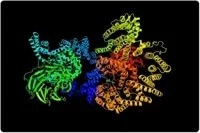
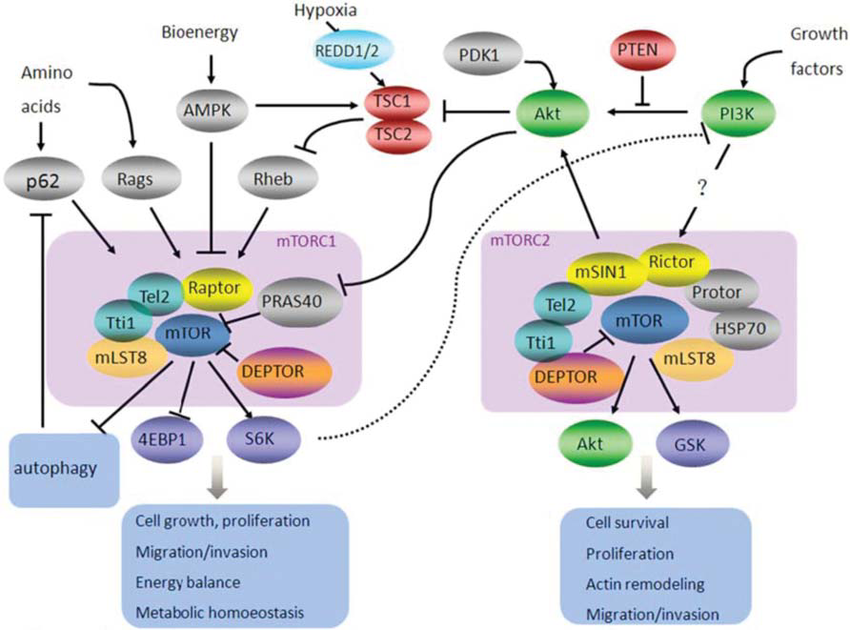
What internet offers me when I search for mTOR picture

Dear reader,

One of the main reasons I write these blogs is to understand the basics of longevity for myself. In many articles, one is bombarded with acronyms, definitions, and concepts. It seems that authors assume readers exactly know what is meant by antioxidants, amino acids, metabolism, ATP, or DNA (well, the last one we know, of course). I have to admit that often I do not fully understand what I read. This lack of knowledge certainly applies to the multi protein mTOR.

mTOR is the subject of many studies, as much still has to be discovered. The main challenge is to find the right balance between the moments when mTOR has to do its job and other moments when it is better to scale back its influence. When mTOR is active, it tells cells to grow, divide, and make proteins, but constant high mTOR activity is linked to faster aging, inflammation, and diseases like cancer, diabetes, and heart problems. 

Intuitively, it sounds logical, but when do we decide to activate mTOR and when not? There are some indications, but no clear answer yet. And, most importantly, it is not linked to clear indicators.

Before going into the details of mTOR, here is a simplified overview of the interaction of four important compounds that are closely interlinked: ATP, AMPK, Rapamycin, and mTOR.

A) When the cell has lots of energy (high ATP = Adenosine Triphosphate), mTOR is switched on to promote growth.

B) When energy is low (low ATP), AMPK is switched on to conserve energy and it turns off mTOR. It is like the cell’s energy sensor or fuel gauge. Its job is to save energy by slowing down energy-consuming processes and turning on energy-producing ones. One of the things AMPK does is slow down mTOR to conserve energy.

C) Rapamycin is a drug that specifically blocks mTOR’s activity. By turning off mTOR, Rapamycin can slow down cell growth and protein production. Scientists use Rapamycin in research and medicine to control cell growth, for example, in cancer treatment or to extend lifespan in some animals.

D) So, in short, ATP tells cells if there’s enough energy, AMPK senses when energy is low and can turn off mTOR to save energy, and Rapamycin is a drug that can block mTOR to slow cell growth regardless of energy levels.

What is mTOR?

mTOR stands for “Mechanistic Target of Rapamycin.” It’s a special protein inside your cells that acts like a master switch, controlling many important processes related to your health and aging. Think of mTOR as a traffic cop that decides when your cells should grow, make energy, build new parts, or take a break and repair themselves. It’s not just about how much mTOR protein you have but how active it is.

At a microscopic level, mTOR looks like a hollow, slanted rectangular-shaped structure with a central, stain-filled cavity and “feet-like” protrusions on both ends. It functions not as a single protein, but as a massive, multi-protein machine that builds and regulates cells. 

Activating mTOR signals your cells to prioritize synthesis (production) over destruction.

Why is mTOR Important?

Your body’s cells need to balance growth and repair to stay healthy. When mTOR is active, it tells cells to grow, divide, and make proteins—very important when you’re young, growing, or recovering from an injury. For bodybuilders, it is doubly important.  

But if mTOR stays turned on all the time, especially as you get older, it can lead to problems. Constant high mTOR activity is linked to faster aging, inflammation, and diseases like cancer, diabetes, and heart problems.  

When mTOR activity is lowered at the right times, it helps cells focus on cleaning up damage, recycling old parts, and improving their function—processes known as “cellular repair” and “autophagy.” This balance between growth and repair is crucial for long-term health, better metabolism, and even possibly living longer. The key challenge is to determine what is the best balance and how to measure it. The final answer to this point has not yet been found.  

Cycling your mTOR levels  

As mentioned before, we have to look at the mTOR balance between growth and repair. This is crucial for long-term health, better metabolism, and even possibly living longer. Scientific perspectives highlight the importance of cycling your mTOR levels. By triggering mTOR through protein intake and exercise, then allowing it to drop by occasionally fasting or resting, you can balance muscle-building with autophagy—the body’s process of cleaning out damaged cells.   

How can you increase mTOR activity?  

You can influence mTOR through your lifestyle choices. Perhaps not surprisingly, they are the usual suspects: eat well (balanced and not too much!), exercise, fast, sleep well, and avoid stress.  

1. **Eat Wisely:** mTOR responds to nutrients, especially proteins and sugars. Eating protein in moderation and avoiding excess sugar can help keep mTOR balanced. Protein intake, particularly those rich in the amino acid leucine (meat, dairy, eggs, legumes), strongly activates mTOR. Similarly, carbohydrates stimulate mTOR through insulin signaling.  

2. **Exercise Regularly:** Physical activity signals your cells to activate or tune down mTOR as needed. Resistance training (like weightlifting) can stimulate healthy muscle growth through mTOR, while endurance exercise helps overall cell function.  

3. **Consider Fasting:** Periods without eating (fasting) can reduce mTOR activity temporarily, allowing your cells to focus on repair and cleanup. Many people practice intermittent fasting for these benefits.  

4. **Avoid Overeating:** Constant excess calories, especially from high-carb and high-protein diets, can keep mTOR switched on too much. Balanced meals and portion control are helpful.  

5. **Manage Stress and Sleep:** Chronic stress and poor sleep can disrupt many body processes, including mTOR regulation.  

What triggers reduction (inhibition) of mTOR? 

Persistently low mTOR can impair muscle growth, hinder immune function, and stall wound healing.

Fasting, caloric restriction, certain dietary restrictions (like limiting methionine), stress, and lack of sleep all reduce mTOR activity. The supplement berberine is known to inhibit mTOR expression.  

Increasing studies have demonstrated that some diet-derived natural products, including curcumin, resveratrol, epigallocatechin gallate (EGCG) found in green tea, and caffeine, may inhibit mTOR signaling directly or indirectly.  

Rapamycin is the main mTOR inhibitor, but there are new analogue products developed: dridaforolimus/deforolimus (AP23573), everolimus (RAD001), and temsirolimus (CCI-779).  

Can you measure mTOR? 

Yes, but you cannot detect real-time mTOR levels at home because it is not a standard biomarker like glucose or cholesterol. Instead, you know mTOR is elevated based on what triggers it: high amino acid intake (especially leucine), high calorie/insulin spikes, and resistance training. Likewise, you know when it is low, for example, when you fast.  

Measuring mTOR is not cheap but is quite standard in molecular biology labs. The expense depends on the method, reagents used, sample numbers, and whether you have access to a lab or must outsource.  

Whether this is useful or not, I do not know. There is no single “good” absolute level of mTOR (mechanistic Target of Rapamycin). Because it acts as a central cellular switch, the ideal level of mTOR depends entirely on your immediate biological needs, age, and health goals.  

The problem with mTOR is that these are rough indications only. Health influencers promote certain supplements or lifestyles to improve or reduce mTOR activity, but as long as there are no clear markers, it is difficult to assess the value of these recommendations. At least, this is my assessment so far.  

One conclusion comes up in much of the literature: protein content should be moderate rather than excessive, as high protein intake strongly activates mTOR signaling. I know there are intense discussions on the intake of protein, but when you link this discussion with the functioning of mTOR the conclusion is to be prudent. Research suggests that 15–25 grams of high-quality protein provides adequate amino acids for morning protein synthesis needs without excessive mTOR activation.  I have not seen recommendations for the remainder of the day.

Dear reader, I have tried to simplify an extremely difficult topic as much as possible. I hope it is useful.  

Thanks for reading, take care of yourself, follow the news about mTOR, and enjoy a long and happy life.  

Robert, your health friend

I love this images

15. MICRO-BURSTS: A NEW APPROACH TO EXERCISE (health project99+)

South China Sea around Hong Kong

Dear reader,

You want good health and want to enjoy many years on this beautiful planet of ours. Five topics are key and go hand in hand: nutrition, sleep, social life, stress, and exercise. Plus the hope that nothing unexpected happens to you.

There are five categories. Additionally, there are supplements and promising longevity developments. These are encouraged by AI and might extend the number of years you will live. Not surprisingly, my project is called “HealthProject99+.”

Exercise: microbursts This blog is not my first, and it won’t be my last, about exercise. Exercise is truly essential for your overall well-being. It affects how you feel and what you can do at any age. This is especially important as you age. Exercise also influences many health mechanisms in the body.

This time I write about short, high-intensity movements. They can have a disproportionate and positive impact. These movements are called microbursts. They consist of one-minute intense efforts or mini-workouts lasting 5–10 minutes.

The problem: 1.8 billion adults are at risk because of a lack of exercise. According to the World Health Organization, there is a worrying global trend. Nearly 1.8 billion adults are at increased risk of disease because they do not get enough physical activity. Sitting and inactivity have become leading risk factors for cardiovascular diseases, along with hypertension, smoking, and diabetes.

Microbursts are scientifically backed Thanks to wearable devices, we have access to much more data. Research shows that just three or four one-minute bouts of intense activity each day suffice. These microbursts are enough. They offer a 40% reduction in the risk of premature death from all causes. They also provide a 49% reduction in the risk of death from cardiovascular disease. These figures applied to people who were not otherwise active.

What happens in the body? Muscle contractions start a series of biochemical responses. These responses are important for the way the body processes fat and glucose.

This is why any type of movement benefits sedentary people. It’s especially beneficial if it raises the heart rate and stimulates the heart, lungs, and circulation. People with chronic joint pain from conditions like osteoarthritis—who are often inactive—can gain benefits from small amounts of activity. More research is needed.

Microbursts can help stave off frailty, which becomes very important as we age.

Three different attitudes towards exercise

Exercises, commitment, and willpower are closely connected.

(1) There is a large group of people who simply do not engage in physical activity. They do not like it or lack the willpower (no judgment from me). They know they should, just as most smokers know that they should quit (but don’t). It is a very large group. Some behavior can be changed with government interventions. Information campaigns, financial incentives (free gym subscriptions), or higher health premiums can also help.

(2) Other people do not have time (travel, career, children). I sympathize with them, and I have been there as well. A British report shows that most UK adults over 40 do not engage in regular exercise or sports. They often face time constraints or other barriers. Of course, it is partly a matter of willpower as well, but for many of us there are times in life when it is hard to squeeze in physical activity.

There are solutions. You can integrate exercises into your daily routine. Try planking for a few minutes a day. Lift weights while watching TV. Walk more and take the stairs instead of the escalator. And, indeed, consider microbursts. As recent scientific findings show, it is not only a matter of quantity but also of quality. A few microbursts can be as effective as running at the same speed for one hour.

Our decision not to buy a car has helped a lot. The same applies to not buying an electric bike. E-bikes are convenient, that is true, but they defeat the purpose. https://shakethehealthtree.com/index.php/2025/06/27/20-my-first-year-without-a-car-health-project99/

(3) The third group does 150 minutes of moderate activity or more, like me. They could improve a lot by changing routines. Adding new elements is also beneficial. I describe the new elements below under “The New Approach.” My physical regime now looks quite different from what it was a few years ago.

The standard approach For decades, the gold standard was 150 minutes of moderate physical activity per week. For the serious among us, HIIT (High-Intensity Interval Training) was recommended. For me, I did the 150 minutes and more, but looking back, it was quantity over quality and efficiency.

A new approach Science is yielding new insights, aided by millions of wearables such as the Apple Watch. Kudos to those who walk, play tennis, and cycle 150 minutes per week. On the other hand, when you consider it, 150 minutes is not that much. Three more activities should be part of your routine. These are (1) strength training, (2) balance exercises, and (3) intensive moments that strain your heart—microbursts. In addition, one can add Pilates, Yoga, and Tai Chi. Of course, you do not have to do them all at once. There is life outside physical activity, like reading a book or watching Netflix. More suggestions? Yes—regular sessions in an infrared sauna and, every month, a deep-tissue massage. I wrote some blogs about these. https://shakethehealthtree.com/index.php/2025/02/26/1-my-health-essentials-infrared-sauna-health-project-99/. https://shakethehealthtree.com/index.php/2025/05/14/what-does-it-actually-mean-deep-tissue-massage-and-is-it-important-yes-health-project99/

The New Approach / My Own Experience Until a year ago, I did not do strength training. However, after reading about all the benefits, I started doing it. It improved my fitness, and I notice an overall improvement in flexibility in my movements, especially when climbing stairs. 

Balancing exercises? Standing on one leg and performing movements. I have been doing this for a few years. It is something you can do almost anywhere at any moment. It was a struggle in the beginning. Now I try to do certain chores on one leg in the kitchen. While exercising I used to prefer quantity over quality. Running 5K or 10K is fine, but HIIT was never something I did enjoy. Therefore microbursts seemed interesting. I noticed that my cardio recovery was rather low (22). So, I started to run the last 200 meters of my morning walk once a day. After a few days my cardio recovery began to rise, reaching 45. Not bad at all. It dipped a bit, but has since hovered around 40. For me, a clear signal that microbursts work. 

How to help yourself Set your goals. Keep track of important markers on your wearable. This is inspired by what I call “the new approach.” To repeat: engage in at least 150 minutes of moderate exercise. Introduce microbursts. Don’t forget strength exercises. Include balancing movements. Add something like yoga or Tai Chi. See what you can introduce into your daily routine (like me brushing my teeth on one leg). Check if the infrared cabin and deep-tissue massages are something for you. I love them both.

Good news about the 10,000 steps Most people are familiar with the 10,000 steps-a-day goal. For many, this target is on the (too) high side. Newer scientific findings show that we can achieve health benefits with a far lower daily step count. Anything beyond 2,200 steps per day lowers a person’s risk of heart disease and premature death. Quality over quantity.

Future Researchers are examining if “exercise snacking” can help improve the health of people with chronic diseases. These individuals may find it hard to participate in structured exercise. Many people are not engaging in any sports or regular activity. Therefore, researchers are exploring whether short exercises like microbursts could encourage more people to be more active.

Enjoy life and embrace physical activity.

Robert, your health friend,

Dutch tulips in Hong Kong

10. CHOLESTEROL: ALL YOU NEED TO KNOW AND DO (health project99+)

Bonaire, near the salt pans

Dear reader,

The world of cholesterol is full of misperceptions, misunderstandings and misleading statements, that are not completely false but do not cover the whole picture. The food and health industry play on our fears and present easy solutions (“low in fat”, “no cholesterol”) for complex issues. And we consumers fall for this, time and again.

Simple people like me are at a loss when it comes to fats, LDL, HDL, cholesterol etc. In particular, when we talk about cholesterol, we are concerned about the negative impact it can have on our heart and our artery system. Hearth failure is still cause of death no 1 in the Western world, often because of plaque inside your arteries, so there is reason to be concerned when your cardiovascular system is involved. 

Plaque in your arteries is strongly connected with cholesterol. At the same time all our cells need cholesterol, so the question is how we keep the good part of cholesterol and stay away from the bad part.

The key to understand the whole fat/cholesterol topic is the following: the fat you eat (saturated vs unsaturated) changes how your body handles that cholesterol.

  1. Although LDL and cholesterol are different compounds, often they team up and are then presented as LDL cholesterol (aka “bad cholesterol”). It took me a long time to understand this, namely that we talk about two different things that are presented as one. In this blog I write about the different relationships that cholesterol has and how cholesterol fits in the whole spectrum of fats/lipids/lipoproteins/triglycerides.

Your body does not need food that contains cholesterol (the “dietary cholesterol”) as the body (liver) produces enough cholesterol itself. Cholesterol keeps your body quite busy as it has to manage its production, absorption, transport by lipoproteins (LDL and HDL) and its clearance.

It is essential to point out that the impact of everything concerning cholesterol is not the same for every person: absorption efficiency, total saturated fat intake, fiber intake, body weight, genetics (e.g., LDL receptor function), and overall diet pattern. In other words, the main driver for blood cholesterol isn’t how much cholesterol you eat, but how fat you eat and how your liver handles fats and lipoproteins.

Vitamin D is linked to cholesterol because we need cholesterol in our skins cells to make vitamin D from sunlight. The vitamin D is later transformed again in the liver and kidneys, but cholesterol is needed for the first step.

2. Recommendation As I see it all the different values, like the LDL cholesterol, are important, but are of relative importance only. One reason is that the reaction of each person to cholesterol and other lipids is very individual. Not for nothing sometimes seemingly very healthy people die because of an unexpected hearth failure, that is often related to blocked arteries, something not visible from the outside. Yes, I do an annual blood test, but will also do a MRI scan of the arteries.

3. Plague removal Whether it is possible to remove plague that has already settled in the arteries is a good topic for another blog (short answer: it seems possible to at least partly remove plague from the arteries).

4. What is cholesterol? Cholesterol is a stereol, a type of lipid, meaning a fat-like molecule. As opposed to fat, cholesterol cannot be consumed for energy, sweated or burned. Dietary cholesterol is found in animal products; plant foods contain no cholesterol. The animal products include beef, chicken, fish, poultry, organic meat, and high-fat dairy foods. 

From a nutrition perspective, fats are mainly triglycerides and provide about 9 kcal/g; fatty acids and phospholipids are other lipids with different roles. The other difference is that from a caloric perspective, an oil is a fat. For example, let’s consider olive oil. Clearly, it is an oil according to a chemist’s definition, but from a caloric standpoint it is a fat because it provides 9 kcal/g Lipids also consist of triglycerides, fatty acids, phospholipids, waxes, and sterols (like cholesterol). 

These compounds are grouped together because of their structural and physical property similarities. Of these, triglycerides are best known. All lipids have hydrophobic (water-fearing) properties. Chemists further separate lipids into fats and oils based on their physical properties at room temperature.

5. What produces cholesterol? Your liver is the body’s main cholesterol factory. It makes a type of particle called VLDL, which ships out triglycerides and cholesterol. As VLDL releases triglycerides in the bloodstream, it becomes IDL and then LDL. So LDL is largely produced and processed inside your body, not simply created by what you eat. Dietary factors can influence LDL production and clearance. 

Your diet can influence how much LDL is made or cleared, but LDL itself isn’t a food ingredient. HDL and other lipoproteins play different roles, often helping remove cholesterol from arteries. The liver not only produces cholesterol; it also receives dietary cholesterol (via dairy and meat) via the bloodstream, and some of that cholesterol ends up in a free (unesterified) form in the blood, but most circulating cholesterol is carried inside lipoproteins as cholesterol esters. Free cholesterol isn’t produced as a separate circulating substance on its own; it’s part of the overall cholesterol pool.

6,The functions of cholesterol (1) It helps build cell membranes—the thin, flexible membranes that surround every cell and regulate what goes in and out. (2) It’s also a precursor, which means it’s a starting material the body uses to make other important things, like hormones (for example, those that control growth and reproduction) and bile acids (substances the liver makes to help digest fats). (3) It is also a precursor to vitamin D because we need cholesterol in our skin’s cells to make vitamin D from sunlight. 

Vitamin D is later activated again in the liver and kidneys, but cholesterol is needed for the first step. In your blood, cholesterol exists in two main forms: some is free cholesterol, not attached to other molecules like lipoproteins, but most of the cholesterol is carried inside lipoproteins—tiny particle ships that transport cholesterol and other fats around the body.

7.What is the link between certain fats and LDL? There is a strong link between the wrong kinds of fats (saturated/trans fats) and higher LDL (attached to) cholesterol in the blood. However, there are more sources for LDL.

If you do not eat any saturated fat at all, will there still be LDL for the cholesterol to attach to? The short answer is yes. There are several sources of LDL, and the almost exclusive focus on saturated fat is not helpful. It should be stressed that neither saturated nor unsaturated fats directly “make” cholesterol in the sense of a simple one-step conversion.

Cholesterol is made mainly in the liver through a complex pathway, and the type of fat you eat influences that process and how blood cholesterol is handled, not as a direct one-to-one production switch. LDL comes from the liver’s own production and from how all fats and sugars in your diet affect that process. It’s not created only when you eat saturated fat.

Other dietary factors matter too. Trans fats tend to raise LDL and lower HDL. One should therefore replace saturated fats with unsaturated fats (like olive oil, nuts, and fish) that often (but not always) lowers LDL. Often not well understood is that refined carbohydrate or sugar intake can raise triglycerides, another part of the whole lipid spectrum that can change upward the LDL particle size/number. Another issue is dietary cholesterol (the cholesterol in foods, not to be confused with saturated or non-saturated fat) has a smaller, more variable effect on blood LDL for many people. To add to the picture and confusion: genetics also play a big role—some people naturally have higher LDL regardless of diet. 

8.What happens if you eat products high in cholesterol? The liver produces enough cholesterol to supply the body’s needs. However, a person can also consume cholesterol in their diet. If someone consumes foods high in cholesterol, their liver responds by slowing down cholesterol production, but not necessarily proportionally. The response varies between people. Some are “hyper-responders” and see larger rises in LDL-cholesterol with higher dietary cholesterol; others show little to no change. This balances out cholesterol levels and keeps them more or less constant, meaning that dietary sources of cholesterol, including eggs, typically have little or no impact on blood cholesterol.

9.How much cholesterol one needs daily? There is not a required daily amount of cholesterol you need to eat. The body makes all the cholesterol it needs, and it adjusts its production of cholesterol according to its needs. Dietary intake, i.e., via foods like eggs, is not needed. The current guidelines say (roughly): • No specific daily limit for dietary cholesterol for the general population. • Focus on overall diet quality: limit saturated fats to less than about 10% of daily calories, avoid trans fats, eat fiber-rich foods, and maintain a healthy weight. • If you have high cholesterol or cardiovascular risk, a clinician may advise more careful management of cholesterol intake, sometimes with a target around 200–300 mg per day, but this is individualized. 

10.What is the difference between LDL and HDL? The difference between these two is huge. They are both so called lipoproteins and function as “ships” that carry cholesterol and other fats in the bloodstream. 

LDL stands for Low-density Lipoprotein and is like the delivery truck that carries cholesterol from the liver to cells that need it; if there are too many of these trucks or they become damaged, cholesterol can build up in artery walls as LDL deposits the cholesterol in arteries and start atherosclerosis.

HDL is the recycling truck that picks up excess cholesterol from tissues and other lipoproteins and brings it back to the liver to be reused or excreted. 

There are other lipoproteins too, such as VLDL and chylomicrons, which mainly transport triglycerides and can be converted into LDL or HDL as they unload. Each lipoprotein has surface proteins that help cells recognize and take up the particle. Clinically, we usually measure LDL-C and HDL-C to estimate how much cholesterol is carried by these main ships and to assess heart disease risk

11.What can move LDL up or down? What to do? (1) Saturated fats and trans fats tend to raise LDL for many people. (2) Unsaturated fats (like those from olive oil, nuts, and fish) tend to lower LDL or improve the overall cholesterol pattern. (3) Refined carbs and sugar can raise triglycerides and influence LDL particle size/number. (4) Dietary cholesterol (the cholesterol in foods) has a smaller, more variable effect on LDL for most people. (5) Genetics also plays a big part—some people naturally have higher LDL regardless of diet. (6) Certain foods have been proven to lower LDL, like fatty fish, green tea, oats, nuts and beans. Others to raise it: red meat, processed meat, full-fat diary, baked goods, fried foods, butter, tropical oils. (7) Overweight causes your body to produce extra cholesterol. (8) Exercise and fiber-rich food will move LDL down.

12.What is a cholesterol profile? A cholesterol profile consists of 4 main items.

  • (1)LDL cholesterol (the “bad” one); (2) HDL cholesterol (the “good” one as it helps remove cholesterol from arteries;  (3) Non-HDL cholesterol and ApoB (what this is see below): these reflect all the atherogenic (artery-clogging) particles, not just LDL; (4) Triglycerides.

13. No, avocados do not contain cholesterol. Cholesterol is not a fat, but lipid, specifically a sterol; it is not a fat. Itis found only in animal products. Since avocados are plant-based, they are naturally cholesterol-free. 

14. What about eggs? Discussions often focus on your cholesterol intake, which in itself is misleading, as most if not all of your cholesterol is produced by your liver.

Remember the egg debate. One egg (the yellow part) contains about 185 mg of cholesterol. Although there is no precise figure for how much cholesterol your body needs, 185 mg is substantial. For this reason eggs are traditionally considered potentially damaging for your cardiovascular health.

Recent studies however are drawing other, less damaging conclusions on egg consumption and I can see why. It is your liver itself that produces all the cholesterol you need, a production that will go down when your dietary intake goes up. It is a bit more nuanced than this and for some people dietary cholesterol can have a noticeable effect. More studies are needed, but there are indications that for many of us, eggs are less of a cholesterol villain than normally described.

15.Triglycerides (another lipid, just as cholesterol is a lipid) Earlier I wrote a blog on triglycerides as I was fascinated (and became very concerned) about the clear link between eating too much easy sugars and refined carbs like white bread and its impact on the quantity of fat in your bloodstream! 

Tryglycerides are the main storage form of fat in your blood: a molecule made of a glycerol backbone with three fatty acids attached. Your body uses them for energy, and when you eat more calories than you need (especially from sugars and refined carbs), the liver often packages the excess into triglycerides and releases them into the bloodstream in VLDL particles. This is why high intake of sugars and refined carbohydrates can raise blood triglyceride levels. 

Not all carbs have the same effect—whole, fiber-rich carbs tend to have a gentler impact than sugary drinks or sweets. Other factors—weight, insulin sensitivity, alcohol, genetics, and overall diet—also influence triglycerides. 

16.What is ApoB, an important but neglected indicator of heart health Interestingly enough in the discussions on cholesterol there is little or no interest for ApoB. Strange as apolipoprotein B, is the main protein component of the lipoprotein particles that carry fats and cholesterol in your blood.

Because most atherogenic (artery-clogging) particles carry one ApoB molecule, the blood level of ApoB roughly reflects the number of these potentially harmful particles, not just how much cholesterol they carry. Clinically, ApoB is used to assess heart disease risk, and you can think of ApoB as a count of the delivery trucks circulating in your bloodstream. Next time when I visit a lab I will definitely ask for my ApoB to be checked!

Dear reader, this was a long one, but too difficult to write about this complex topic in just a few lines.

Take care, keep in mind what I wrote about cholesterol and hopefully it will benefit you.

Robert, your health friend,

Endangered mountain gorillas in Uganda

21. LET THIS ZINC IN (health project99+)

Street art in Brussels

Dear reader,

Zinc is a trace mineral that is involved in hundreds of enzymes and proteins in your body. It is essential for many processes, but it is not stored in your body in large amounts. You need to top it up regularly. Daily doses required are generally limited (8–11 mg/day), but a diet alone is often not sufficient, especially (but not exclusively) if you are vegetarian. For context, see the Trace minerals section below.

1.My takeaway is to add a modest zinc supplement to your daily regime, in the order of magnitude of 10 mg. The official line of health sites is that most people will meet their trace-mineral needs with a balanced diet, but that very much depends on your definition of “balanced.” A sufficient-zinc diet should include red meat (which many people do not eat anymore) or oysters (which very few people eat). Those who eat mainly vegetables, fruits, and grains run a risk of not getting enough zinc.

2.Challenge

For those focusing on vegetables, carbohydrates, and poultry, it will be a challenge to get enough zinc. One can do a zinc test, of course, but since the upper intake level for zinc is high, a low-dose zinc supplement will not hurt (and remember that even the most efficient zinc supplement, for example 10 mg, will in practice only contribute about 5 mg toward your daily zinc needs).

3.Trace minerals

Let me first refresh your knowledge on trace minerals. Your body needs them in very limited quantities, but they’re essential for many functions. They differ from major minerals (like calcium and magnesium) because of the small amounts required. Main examples: iron, copper, zinc, and manganese (all measured in mg/day) and iodine, selenium, chromium, and molybdenum (all measured in micrograms/day). Deficiencies in each of them cause problems, including zinc’s effects on the immune system and growth.

4.What happens if you do not have enough zinc?

• Slower growth in children; potential delays in puberty. • Immune system problems: more frequent or longer infections; poorer response to vaccines. • Slower healing of cuts and injuries. • Skin and hair: dermatitis, itchy or scaly skin; hair loss. • Reduced appetite; possible mood changes or irritability. • Diminished ability to taste or smell (hypogeusia/ageusia). • Digestive issues: diarrhea may occur in some cases. • Several hormonal pathways (e.g., insulin, growth hormone) will not work well.

5.Who is at risk for zinc deficiency?

• Vegetarian diets can put you at risk of zinc deficiency because such diets often include phytates that reduce zinc absorption (phytates are discussed later under Phytates). • People with very poor diets or absorption problems (malnutrition, eating disorders, Crohn’s disease or celiac disease, and other malabsorption conditions). • Older adults, pregnant or lactating people with increased needs. • Heavy alcohol users and people with certain chronic illnesses.

6.What happens if you get too much zinc?

• Short-term (acute) effects: nausea, vomiting, stomach cramps, diarrhea, abdominal pain, headaches, a metallic taste, and sometimes dizziness. • Long-term (chronic) effects: copper deficiency (which can cause anemia, low white blood cell counts, and nerve/hematologic problems), possible immune dysfunction, and potential impacts on blood lipids and mineral balance. • Zinc can interfere with the absorption of other minerals (notably copper and iron) and can interact with some medications and antibiotics (e.g., tetracyclines and fluoroquinolones), reducing their effectiveness if taken together. The good news is that it is not easy to get too much zinc, as the upper intake levels are quite high.

7.How much zinc do you need?

Based on US and EU guidelines • Infants birth to 6 months: about 2 mg/day; 7–12 months: about 3 mg/day. • Children and teens: increasing with age; for example, around 4–8 mg/day in early childhood, rising to about 8–11 mg/day for older boys and about 8–9 mg/day for girls. • Adults: men about 11 mg/day, women about 8 mg/day; during pregnancy about 11 mg/day and during lactation about 12 mg/day. •

8.Upper intake levels: In the US, the tolerable upper intake level (UL) for zinc is 40 mg/day for adults. In the EU, EFSA uses a lower UL for adults (about 25 mg/day). This is important to know because it signals that even if you do not need your zinc supplement, it will not hurt you as long as you stay below the UL in total.

9.Food and zinc?

As always, rough estimates are provided. The internet can flood you with many more details.

Meat, poultry, and seafood are heme zinc and generally better absorbed than plant sources. • Oysters: about 74 mg zinc per 100 g; absorption roughly 20–40% • Beef steak (cooked, lean): about 4–5 mg/100 g; absorption roughly 25–40% • Pork (cooked): about 2–3 mg/100 g; absorption roughly 15–35% • Chicken (white meat, cooked): around 1–2 mg/100 g; absorption roughly 15–30% • Salmon or sardines (cooked): about 1–2 mg/100 g; absorption roughly 20–40%

Do the math. Take chicken. In order to get 10 mg of effective zinc, one would need (best scenario) over 1.5 kg of chicken meat per day.

10.Plant-based sources

• Spinach (cooked): about 0.8–1 mg/100 g; absorption roughly 5–15% • Beans (kidney, cooked): about 2–3 mg/100 g; absorption roughly 10–20% • Tofu (firm, depending on fortification): about 1–3 mg/100 g; absorption roughly 5–15% • Quinoa (cooked): about 1–2 mg/100 g; absorption roughly 10–20% • Pumpkin seeds (roasted): about 7–8 mg/100 g; absorption roughly 10–25% • Sesame seeds (raw): about 9–10 mg/100 g; absorption roughly 10–20% • Fortified cereals (varies by product): often 5–20 mg/100 g; absorption roughly 10–25%

Do the math here as well. In order to get 10 mg of absorbed zinc from plant sources, one would need almost 2 kilograms of tofu daily. Not feasible, at least not for me (and I do not like tofu that much anyhow).

Only a few fruits have around 1 mg/100 g of zinc, the others much less. Plus a very low absorption rate.

• Dried apricots: about 1–2 mg/100 g; absorption roughly 5–15% • Raisins: about 0.5–2 mg/100 g; absorption roughly 5–15% • Prunes: about 0.5–1 mg/100 g; absorption roughly 5–15%

11.Practical tips to maximize zinc absorption

If your diet is rich in phytates (lots of unprocessed grains and legumes, see explanatory note at the bottom of this blog) and you’re concerned about zinc or iron, consider pairing meals with phytate-reducing prep (soaking/fermenting) and including some animal protein or vitamin C-rich foods to help absorption.

Another option is to oak, sprout, or ferment grains and legumes to reduce phytates that inhibit zinc absorption.

Avoid taking large amounts of calcium or iron at the same time as a zinc-rich meal, as they can compete for absorption.

12.The several half-lives of zinc

• If you’re thinking in terms of half-life for planning supplements or interpreting zinc status, focus on the fact that there are multiple pools with different kinetics. Short-term changes (days) mainly reflect plasma zinc and gut absorption changes; longer-term status reflects tissue stores and overall balance over weeks to months, including bone and other long-term stores. They turn over slowly and are not quickly altered by daily dietary changes or short-term supplementation. For a practical planning approach, see the Absorption and Bioavailability section above.

13.What kind of supplement and how to use it?

There are many different zinc supplements around. Some (like the one I used to take from Kruidvat) are zinc oxide, which has low absorption and is one of the many brands without generally recognized quality controls. In short, for a few years I have been taking a basically useless supplement.

So when choosing a zinc supplement, start with 1) zinc citrate or a chelated form. The absorption rate of zinc citrate is about 30%, so you would need roughly 33 mg ingested daily to reach about 10 mg effective (i.e., doing its zinc work!). Chelated forms (zinc bisglycinate/glycinate and zinc picolinate) are even better with a 40–45% absorption rate. 2) Make sure it is GMP (Good Manufacturing Practice) produced or produced in GMP-compliant facilities. 3) If you’re aiming to maximize absorption, take zinc with a meal that contains protein, and avoid taking it simultaneously with large doses of calcium or iron. A zinc supplement strengthened with vitamine C does not hurt.

14.GMP: general advice

I know it is cumbersome to look for supplements with a GMP label, but trust me, it is worth it. For every supplement there are some GMP-certified producers; just search the internet. Be careful, most are not and do not go for the 1+1 offers from the regular chains unless these products meet all the criteria, like GMP.

15.There is more beyond GMP to look for

Check also for Third-party verification: USP Verified, NSF Certified for Sport, Informed-Choice, or similar certifications add independent testing for potency and contaminants.

Batch-specific COA (certificate of analysis): a lab-tested result showing exact zinc content per serving and purity/heavy-metal testing for the current batch.

Clear labeling: exact zinc dose per capsule/tablet, other ingredients, and expiry date. Reputable brand with transparent sourcing and manufacturing information. Avoid marketing claims that only say “GMP” without evidence or documentation.

Testing to see if you have a zinc deficiency

Blood tests (serum/plasma zinc) are commonly used but aren’t perfect indicators on their own, especially during periods of inflammation, like when you have an infection. Clinicians may consider dietary history, symptoms, and sometimes other labs.

Thanks for reading, take care and live a happy, healthy and long life,

Robert, your health friend

Going to Paris (again)

Explanatory note on Phytates

Phytates (also called phytic acid) Phytates are naturally occurring compounds found in many plant foods. They are phosphorus-containing compounds stored in seeds, grains, legumes, nuts, and some seeds. The main practical concern of phytates is related to mineral absorption, especially if you rely heavily on plant-based sources. Phytates can be mitigated by soaking, sprouting, or fermenting foods and by pairing plant sources with animal proteins or vitamin C-rich foods to aid absorption.

7. HOW ARE THINGS? FOUR EASY TESTS TO DO AT HOME (health project99+)

Panama City

Dear reader,

I like tests. I like to follow indicators how my body is functioning. All these smart watches help a lot, but there is much more. You can do some easy tests yourself (the topic of this blog). There are also clinics which can do a whole range of tests. More about those clinics another time.

In this blog I deal with four easy tests and measurements you can do yourself. For two you need a smart watch. The four I suggest here are VO2Max, Heart Rate Recovery, “Walking Speed Test” and “Sit to Stand Test”.

Subscribing to my blogs is free by the way!

1.Earlier I wrote about VO2Max (see link) https://shakethehealthtree.com/index.php/2025/03/02/7-vo2-max-a-crucial-biomarker-health-project-99/

VO2 max, short for “maximum volume of oxygen.” It shows the highest amount of oxygen your body can transport in your blood. A higher VO2 max suggests better cardiovascular fitness, endurance, and better overall health. Typically, VO2 max peaks in late teens to early twenties, then starts to decline from around age 30.

Without maintaining physical activity, VO2 max can decrease by about 1% per year. This decline occurs due to factors like reduced heart rate, muscle loss, decreased cardiac output, and less activity in general. Through cardio training and High Intensity activities you can slowdown the erosion but often you can also maintain your Vo2Max level or improve it.

Men Vo2Max Indicators

Age 30: 42-48 mL/kg/min (average); above 48 mL/kg/min (good); 60+ mL/kg/min (top 5%).

Age 50: 35-42 mL/kg/min (average); above 42 mL/kg/min (good); 50+ mL/kg/min (top 5%).

Age 65: 30-36 mL/kg/min (average); above 36 mL/kg/min (good); 45+ mL/kg/min (top 5%).

Women Vo2Max Indicators

Age 30: 30-36 mL/kg/min (average); above 36 mL/kg/min (good); 45+ mL/kg/min (top 5%)

Age 50: 27-32 mL/kg/min (average); above 32 mL/kg/min (good); 40+ mL/kg/min (top 5%)

Age 65: 22-28 mL/kg/min (average); above 28 mL/kg/min (good); 35+ mL/kg/min (top 5%)

2. Heart Recovery Rate 

The heart recovery rate refers to how quickly your heart rate returns to its resting level after physical activity. It’s an important indicator of cardiovascular fitness and overall heart health. 

Typically, the heart recovery rate is measured during exercise, such as after a workout or during a stress test. The recovery is measured by taking heart rate readings at intervals. This is often done at 1, 2, and 5 minutes after stopping the activity.

Men and women (30 yrs: a good recovery rate might be around 20-30 beats per minute (bpm) drop in the first minute post-exercise; 50 yrs: 15-25 bpm;  65 yrs 12-22 bpm).

A recovery rate is a 25 bpm drop in the first minute is generally considered excellent.

With a heart rate drop of more than 30 bpm in the first minute post-exercise you are in the top 5%. Those at this level are usually very well-conditioned athletes or individuals with very good cardiovascular fitness.

3. Measuring Walking Speed

Your walking speed from A to B can reveal a great deal about your body’s inner workings. It also provides insights into your mind. This should not surprise us. Walking actually relies on many different body systems working together. Your bones and muscles carry and move you. Your eyes help you see where you’re going. Your heart and lungs circulate blood and oxygen. Your brain and nerves coordinate it all.

As we age, the function of these systems starts to slow down. A slower walking speed can therefore reflect this overall decline. It can be a sign of advanced aging.

The walking speed test is a way to assess someone’s functional capacity. It measures their ability to perform daily tasks around the house and maintain independence. 

People normally walk more slowly as they age. However, a precipitous decline in the speed of someone’s gait could indicate that something more serious is going on. The person might have a chronic condition. This condition has led them to move less or become sedentary. More than likely, they’ve experienced a decrease in muscle strength. They may also have reduced joint mobility. Unfortunately, this leads to further health declines.

A simple technique To perform the walking speed test, you need a stopwatch. Additionally, have a way of measuring distance, such as a tape measure. 

Go outside and do a 10m (33ft) walking speed test. First, measure out 5m (16.5ft), followed by another 10m. To start, walk for 5m to reach your normal speed. Then walk at your normal pace for 10m. To calculate your walking speed simply divide 10m by the number of seconds it took to walk that distance.

You can also do the walking speed test in a more up to date way. There are many apps you can use to measure your walking speed. These include fitness trackers like Walkmeter, MapMyWalk, Strava, and Google Fit. They use GPS to track distance and time, allowing them to calculate your speed. 

For an idea of how you compare to other people, the average walking speed of a 40-49 woman is 1.39m/s (4.6ft/s), and 1.43m/s (4.7ft/s) for a 40-49-year-old man. 1,43m/s equals 5,15 km/h.

If you are aged 50-59, then the average walking speed is 1.31m/s (4.3ft/s) for a woman, and 1.43m/s (4.7ft/s) for a man.

For 60-69 year-olds, average gait speed falls to 1.24m/s (4.1ft/s) for a woman, and 1.43m/s (4.7ft/s).

For 70-79 year-olds, average walking speed is 1.13m/s (3.7ft/s) for a woman, and 1.26m/s (4.16ft/s) for a man.

Finally, for 80-89 year-olds, gait speed is around 0.94m/s (3.1ft) for a woman, and 0.97m/s (3.2ft/s) for a man.

Studies have shown that gait speed is a significant predictor of life expectancy in older adults. One study showed that men who walked slowest at age 75 had a 19% chance of living for 10 years. In contrast, men with the fastest walking speeds had an 87% chance of survival.

One explanation is that people who are already unwell tend to be less mobile. However, an earlier  2009 study in France found that even among healthy adults aged over 65. Participants with low walking speed were significantly more at risk. They faced a significantly higher risk of dying from cardiovascular disease during the study period. Their risk was about three times higher compared with people who walked faster.

This doesn’t just apply to older adults. A study revealed that 45-year-olds with slower gait speeds showed signs of “accelerated aging.” Their lungs, teeth, and immune systems were in poorer shape compared to those who walked faster. They also had ‘biomarkers’ linked to a higher aging rate. These biomarkers include raised blood pressure, high cholesterol, and lower cardiorespiratory fitness. 

On a side note: relation between slow walking and advanced cognitive aging.

Researchers found that slow walkers showed signs of advanced cognitive aging. For example, they tended to score lower on IQ tests overall. They performed worse on tests of memory, processing speed, reasoning, and other cognitive functions. MRI scans also showed that this cognitive deterioration was accompanied by observable changes in the participants’ brains. Slower walkers had smaller brains. They had a thinner neocortex, which is the outermost layer of the brain that controls thinking and higher information processing. They also had more white matter. Intriguingly, even the faces of slow walkers were rated as aging at a faster rate than the other participants.

In all, research suggests that the bodies and brains of slow walkers age faster. They do so at a rate greater than those of quick walkers. There were also signs that these health differences were present from an early age. Researchers predicted the walking speed of 45-year-olds based on tests. These tests of intelligence, language, and motor skills were taken when the participants were just three years old.

If you are a slow walker, do not be disheartened. There are many things we can do to improve our walking speed!

4.Sit to Stand test

You can do the test at home with a chair that has a straight back and no arm rests. Additionally, you will need a stopwatch. The STS-test measures how many times you can rise to a standing position from seated within 30 seconds. 

To do the test, first sit in the middle of the chair. Then cross your arms. Place both of your hands on opposing shoulders. Keep your back straight with your feet on the floor. Then press your stopwatch’s start button and rise to a full standing position before sitting down again. Repeat this for 30 seconds, counting how many times you can come to a full standing position. 

The sit-to-stand can give profound insights into your health. The test is mostly done with older people. Still, it can also help younger people or those with no health conditions. It is a good measure of fitness, particularly lower body muscular strength and endurance. The average score for 20–24-year-olds is 25/30 seconds for men and 24/30 seconds for women. The best testers manage all the way up to 36 per 30 seconds. 

According to the CDC, the average STS test scores for each age group are:

• 60-64 the average score is 14 for men, and 12 for women
• 65–69 the average score is 12 for men, and 11 for women.
• 70-74 the average score is 12 for men, and 10 for women.
• 75–79 the average score is 11 for men, and 10 for women.
• 80–84 the average score is 10 for men, and 9 for women.
• 85–89 the average score is 8 for both, men and women.
• 90–94 the average score is 7 for men, and 4 for women.

Low scores indicate a higher chance of falling and premature death. A poor score on the test also suggests that a person’s heart and lungs are not functioning well putting them at higher risk of a heart attack), stroke and heart failure.

The Centres for Disease Control and Prevention (CDC) states that a lower score on the test indicates a higher fall risk for their age group. If a person scores less than the “average” for their age group, they are at greater risk of falls. A lower score on the test indicates a higher fall risk for their age group. 

Low scores are not cast in stone and unchangeable. They should be an incentive to exercise more. In my opinion a STS is a really good way of empowering people to take control of their own health.

Enjoy life, be active,

Robert, your health friend

With love from Panama, 2024