5. BIOAVAILABILITY: HOW TO OPTIMISE YOUR HEALTH INTERVENTIONS (health project99+)

Solar eclips August 2026 on the beach of Kijkduin

Dear reader,

More knowledge does not always make life easier. Take, for example, bioavailability. The more you learn about this important topic, the more it complicates your decision-making process; a lot to think about, to understand, and then eventually to adapt. However, if you take longevity seriously, you must accept this bioavailability complication as it will optimize your food and supplements choices. 

One major lesson, for me at least, is to regard the information on labels just as a first step, not as the final information upon which you can rely. Does this remark clarify things? Probably not, but the next paragraph should.  

Summary: The seven steps to reach optimal bioavailability  

For bioavailability, the following seven elements are important to realise. (1) What percentage of the compound (e.g., vitamin D) is able to do its beneficial work and is active in your bloodstream? The disappointing answer is that often this percentage is very low! (2) What is its half-life? In other words, how long is the compound active? Some only a few hours, others up to a few days. (3) What about preparation, as the way of preparing food might have a big impact on the bioavailability of certain compounds (raw tomatoes versus cooked tomatoes)? (4) Then you have the issue of spacing. Protein is essential, but as your body on average only processes 20 grams per few hours, it is useless taking all the needed protein (65 grams or more daily) in one go. What you do not process will turn into fat. (5) Compatibility. Some foods or compounds cancel each other out; “inhibit” is the word often used. Compounds put together can reinforce one of them, like black pepper does with curcumin. (6) A very important point is under which “circumstances” you take your supplements. Vitamin C with water only is fine, but most supplements need to be taken with some food, preferably fatty food (a spoonful of olive oil or a handful of nuts). (7) And do not forget the production circumstances. Often organic is the better option for fruits and vegetables. When buying supplements, make sure they are GMP (most of them are not).  GMP stands for Good Manufacturing Practice.

Are these many steps? Yes, I think so, and that is why I experience the road of longevity as a gradual approach. You read, you learn, you apply, you correct earlier protocols, but gradually you (hopefully) increase the efficacy of your health interventions.  

I will treat the 7 factors one by one.

Definition. Bioavailability refers to the proportion of a nutrient or drug that is absorbed from the digestive tract and becomes available for use or storage in the body. It indicates how efficiently a substance is taken up into the bloodstream and reaches its target tissues, influencing its effectiveness.

1. Percentage of compound that, without any corrections, will be active in your bloodstream  

A good example is the popular curcumin. I wrote a blog about this compound and I am taking it daily. Its bioavailability is rather low. Only approximately 1% of the oral dose reaches the systemic circulation of your body and will have any effect. Its half-life is also relatively short – approximately 6 hours.  https://shakethehealthtree.com/index.php/2026/05/14/21-curcumin-that-tasty-yellow-and-healthy-compound-of-turmeric-health-project99/

The reasons for this low bioavailability include poor absorption from the gut, rapid metabolism in the liver and intestinal wall, and rapid systemic elimination. What you can do:  

Curcumin is fat-soluble, so taking it with meals containing fat enhances absorption (step 1). Piperine, a main ingredient in black pepper, inhibits certain metabolizing enzymes, allowing more curcumin to enter systemic circulation. And more really means more – up to 20 times! So add black pepper (step 2). I do this by putting curcumin amongst others in my smoothie and adding black pepper.  

Doing the math for curcumin  

Based on research the recommended curcumin intake is 2x 500 mg, max 2x 1000 mg daily. Without boosters, this would essentially mean only 2x 5 mg or 2x 10 mg actually absorbed, because of its low (1%) bioavailability. When combined with black pepper, you can multiply this by 20, which then would amount to 2x 100 mg or 2x 200 mg. Still way below the recommended intake. So in order to get the scientifically recommended daily intake of curcumin you need 2500 mg or 5000 mg daily, divided over three intakes, not two (half-life!). 5000 mg is a generous teaspoon filled with curcumin.

(2) What is its half-life, in other words, how long is the compound active (some only a few hours, others up to a few days)?  

Another correction that has to be taken into account is the time the compound is active, the so-called half-life. If the half-life is only a few hours, it means that the compound is only doing its therapeutic work for a few hours. Sometimes that is enough, to have a shot for a few hours, but in general, you need a constant presence of a certain compound. That is the reason that some pills (like vitamin D) only have to be taken once per day as the half-life is 12-24 hours; others three times a day.  

Take quercetin. The half-life is 2–11 hours, so if you take quercetin supplements, you need two doses per day. Bioavailability can be substantially improved with specialized formulations and with fat-containing meals.  Taking them with water alone is a waste of effort and money. Enhanced formulation in liposomal or phytosome form are effective, but expensive. And don’t forget to check whether the supplement includes added vitamin C.  https://shakethehealthtree.com/index.php/2025/08/19/21-quercetin-an-unknown-supplement-health-project99/

Or curcumin. Half-life is 6 hours so you should spread the curcumin intake over the day, at least 3 times. About curcumin you should also know that its bioavailability is rather low, around 1% only. 

3. Preparation of food  

The tomato example.  

Preparation methods can have very different results. The reason for the difference between raw and processed is nature. Thermal processing (cooking tomatoes into pastes or sauces for example) breaks down plant cell walls and shifts lycopene into a more absorbable chemical form. This happens with many vegetables including the recommendation to always cook spinach, also for your smoothie, as its benefits multiply when cooked.  

To continue on tomatoes and its compound lycopene. Lycopene’s bioavailability varies a lot but is, in general, not great. For its most important food source (tomatoes), it improves tenfold when consumed in processed or cooked tomato products rather than raw tomatoes. As it is fat-soluble, adding dietary fats will further enhance its absorption.  

 https://shakethehealthtree.com/index.php/2026/08/08/21-lycopene-an-increasingly-popular-compound-intake-via-tomato-paste-or-a-supplement-health-project99/

(4) Pacing 

Pacing or timing the intake of certain foods and supplements can significantly affect their absorption, utilization, and overall effectiveness. Here are some examples where pacing matters.  

Protein: the body can for most people only efficiently use about 20-30 grams of protein per meal for muscle protein synthesis. If your intake is higher, it will translate into more fat. So, the advice is to spread protein intake evenly across 3-5 meals/snacks throughout the day. 

If you take vitamin C the advice is to spread intake throughout the day in smaller doses rather than one large dose, as it is water-soluble and excess amounts are excreted quickly.  

We all know how important fiber intake is, but for many people sudden large increases can cause bloating, gas, or constipation. Therefore, it is better to gradually increase fiber intake throughout the day, combined with adequate hydration.  

Iron is best absorbed on an empty stomach but can cause stomach upset if taken all at once. The solution is to take smaller doses multiple times a few hours before meals or take with vitamin C to boost absorption. 

Taking very high doses of multiple fat-soluble vitamins (A, E, K) together can lead to toxicity.  Balance and spacing might be needed if taking in large amounts. Spacing means at least a few hours between different vitamins.  

Another example is Magnesium and Certain Antibiotics (e.g., Tetracyclines, Fluoroquinolones). Magnesium can bind to antibiotics and prevent absorption and separate doses by 2-4 hours.  

5 Compatibility

Some foods eaten in combination strengthen positive effects, while others can inhibit the other. Some supplements can interfere with the absorption of other supplements, reduce their effectiveness, or cause side effects if taken together. While many supplements can be safely combined, here are some notable pairs to avoid taking at the same time (or at least separate by a few hours):

A few examples:  

Vitamin C significantly enhances iron absorption by reducing ferric iron (Fe³⁺) to the more absorbable ferrous iron (Fe²⁺). It is best to combine vitamin C-rich foods like orange juice, strawberries, bell peppers, or broccoli with iron.  

Staying with iron: avoid tea, coffee, dairy products, and calcium supplements around iron intake since they inhibit absorption. 

Calcium and magnesium interfere with each other, but only when you take high doses of calcium, as they may interfere with magnesium absorption. Normal dietary intake is generally fine. 

Iron and zinc as well, as iron and zinc supplements can compete for absorption if taken together.  

Vitamin K2 is inextricably linked to vitamin D. It is important to get enough of both vitamins. Vitamin D promotes the absorption of calcium in the intestines. It is crucial that the amount of calcium in the intestines does not become too high.   

Vitamin K2 ensures that the excess calcium is directed to where it is needed, namely in the bones and teeth. Therefore, vitamin K2 and vitamin D3 work together to ensure the proper absorption of calcium in the body.  

Vitamin K and blood thinners: Vitamin K can reduce the effectiveness of blood-thinning medications. The question is always how much the reduction is. A few percent does not matter, of course, so try to find this percentage out. The same risk applies with vitamin E and blood thinners. 

These are just a few examples but do your own research with each new supplement you take. Don’t be put off by remarks like interaction or reduction; sometimes it is only a few percent and not worth the trouble. 

(6) When and how to take supplements  

There are basically three options: take them on an empty stomach, with some fat, or during a whole meal.  

Empty stomach is easy in a way. You get up and take whatever pill or supplement is necessary, or a few hours between meals. When taking the compounds at the same time causes you gut problems like bloating, divide it over the day and always take it at least one hour before a meal. 

Iron is absorbed best in an acidic environment and when the stomach is empty—without competing with other minerals or foods that can inhibit absorption (like calcium, phytates, or tannins).  

Certain supplements have to be taken with some food, preferably with an oily content. Some health influencers just take some olive oil with the supplements. I eat a handful of nuts before taking the supplements, which in general is enough.  

In some cases, supplements work best when taken during a full meal, like some iron supplements or high-dose fish oil. Check that, of course, as almonds alone might in these circumstances not be enough to prevent irritation.  

In general, take mineral supplements (iron, calcium, zinc, magnesium) at different times of the day to avoid absorption issues. Do not take them all at once at the same time.  

Fat-soluble vitamins are best taken with meals containing fat.  

Water-soluble vitamins (B, C) usually can be taken any time but avoid excessive doses.  

(7) Production quality  

We know all the discussions about food, environment, pesticides, and forever chemicals—topics that deserve many blogs. Here I just mention them as a reminder about the importance of going for safe and organic nutrition.  

Concerning supplements, we have to be aware that there is little external control, and buyers run serious risks to end up with expensive but worthless products. Just to illustrate my point: a recent test of 30 berberine products showed that only 5 had 90% or higher content as indicated on the label; many had no berberine at all.  

So what to do? If you are interested in Brand X: 1. Look at the bottle to see if it has a GMP (=Good Manufacturing Practice) test certificate or if NSF International conducted the certification. 2. If not, check online to see whether Brand X follows GMP or NSF in its production process. Some companies do, but do not put this information on their labels. 3. Search the internet for comparative studies. At times, they can be very helpful. Be cautious if they are financed by a specific company. 4. If one of the answers to steps 1-3 is negative, do not buy the product. Avoid purchasing it even if it promises the moon to you. I have fallen many times for rosy promises. 

Statistics in practice 

So how do you calculate in practice? Suppose research tells you that you need 25 mg of a certain compound. This is not the same as taking a pill of 25 mg! Realizing this is perhaps the most important message of this blog.  

On its way to absorption in the bloodstream (that is the place that counts), your supplement has a long way to go, and many only partly survive the passage through the gut.  

Take lycopene. The bioavailability of lycopene supplements varies significantly depending on the formulation and how they are consumed; in general, it ranges between 10-30%, although liposomal formulations are said to go up to 70%, which is great, of course.  

When the suggested intake of lycopene is 25 mg daily, realize that a 25 mg pill is not enough as you have to compensate for its bioavailability! If the bioavailability is 30%, it means that only 30% of the ingested amount is actually absorbed into the bloodstream and can exert its effects, meaning you will only get 7.5 mg daily (30% of 25 mg). In practice, you need to take around 80 mg daily if the bioavailability is 30%. 

Regular capsules only fully activate if the body simultaneously has sufficient fat available. If lycopene is taken on an empty stomach or after a low-fat meal, a large portion of the active ingredient simply is not absorbed.  

Liposomal formulations and oil-based formulations are, as mentioned, probably the best (but generally also the most expensive) approach. Note: A liposome is a tiny capsule made of a fat layer, structured just like the membrane of human cells. The active ingredient is enclosed within it and transported directly to where it needs to work. Stomach acid and digestive enzymes cannot affect it.  

The result is significantly higher bioavailability, up to 70%. The body absorbs more of the active ingredient, and the gastrointestinal tract is less burdened compared to regular capsules.  

My approach for lycopene: I take 2 supplements daily, one in the morning and one in the evening. They are 50 mg each, so with a bioavailability of 30%, my intake is a bit over the 25 mg (effectively) used in most research. As the half-life is 2-3 days, I could restrict myself to one pill of 80-100 mg daily, but for some unknown reason I divide the lycopene over the day.

Dear reader, thanks for reading. Live a happy, bioavailable and long life.

Robert, your health friend

Swimming in a river near Klagenfurt, Austria

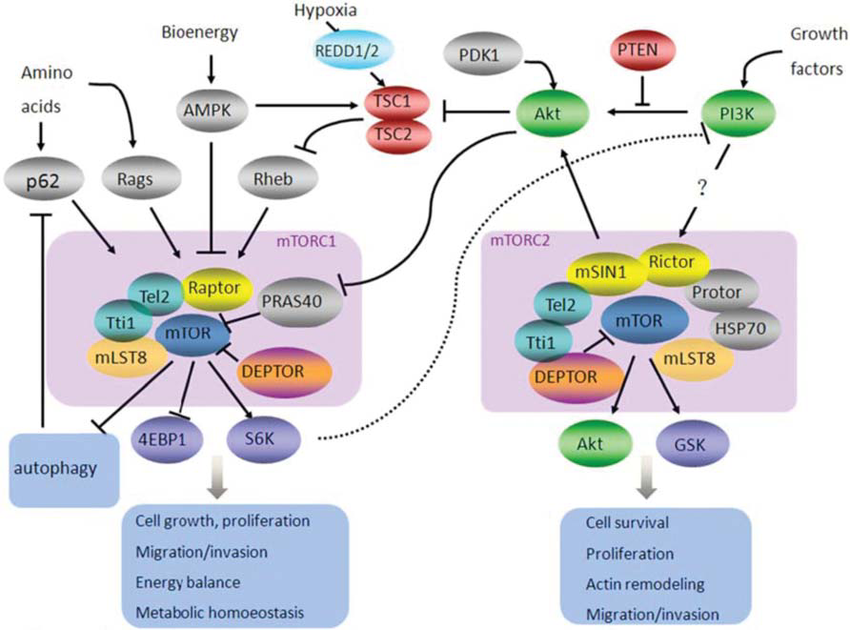
5. mTOR MULTI PROTEIN: THE SWITCH TO LIFE AND DEATH (health project99+)

What internet offers me when I search for mTOR picture

Dear reader,

One of the main reasons I write these blogs is to understand the basics of longevity for myself. In many articles, one is bombarded with acronyms, definitions, and concepts. It seems that authors assume readers exactly know what is meant by antioxidants, amino acids, metabolism, ATP, or DNA (well, the last one we know, of course). I have to admit that often I do not fully understand what I read. This lack of knowledge certainly applies to the multi protein mTOR.

mTOR is the subject of many studies, as much still has to be discovered. The main challenge is to find the right balance between the moments when mTOR has to do its job and other moments when it is better to scale back its influence. When mTOR is active, it tells cells to grow, divide, and make proteins, but constant high mTOR activity is linked to faster aging, inflammation, and diseases like cancer, diabetes, and heart problems. 

Intuitively, it sounds logical, but when do we decide to activate mTOR and when not? There are some indications, but no clear answer yet. And, most importantly, it is not linked to clear indicators.

Before going into the details of mTOR, here is a simplified overview of the interaction of four important compounds that are closely interlinked: ATP, AMPK, Rapamycin, and mTOR.

A) When the cell has lots of energy (high ATP = Adenosine Triphosphate), mTOR is switched on to promote growth.

B) When energy is low (low ATP), AMPK is switched on to conserve energy and it turns off mTOR. It is like the cell’s energy sensor or fuel gauge. Its job is to save energy by slowing down energy-consuming processes and turning on energy-producing ones. One of the things AMPK does is slow down mTOR to conserve energy.

C) Rapamycin is a drug that specifically blocks mTOR’s activity. By turning off mTOR, Rapamycin can slow down cell growth and protein production. Scientists use Rapamycin in research and medicine to control cell growth, for example, in cancer treatment or to extend lifespan in some animals.

D) So, in short, ATP tells cells if there’s enough energy, AMPK senses when energy is low and can turn off mTOR to save energy, and Rapamycin is a drug that can block mTOR to slow cell growth regardless of energy levels.

What is mTOR?

mTOR stands for “Mechanistic Target of Rapamycin.” It’s a special protein inside your cells that acts like a master switch, controlling many important processes related to your health and aging. Think of mTOR as a traffic cop that decides when your cells should grow, make energy, build new parts, or take a break and repair themselves. It’s not just about how much mTOR protein you have but how active it is.

At a microscopic level, mTOR looks like a hollow, slanted rectangular-shaped structure with a central, stain-filled cavity and “feet-like” protrusions on both ends. It functions not as a single protein, but as a massive, multi-protein machine that builds and regulates cells. 

Activating mTOR signals your cells to prioritize synthesis (production) over destruction.

Why is mTOR Important?

Your body’s cells need to balance growth and repair to stay healthy. When mTOR is active, it tells cells to grow, divide, and make proteins—very important when you’re young, growing, or recovering from an injury. For bodybuilders, it is doubly important.  

But if mTOR stays turned on all the time, especially as you get older, it can lead to problems. Constant high mTOR activity is linked to faster aging, inflammation, and diseases like cancer, diabetes, and heart problems.  

When mTOR activity is lowered at the right times, it helps cells focus on cleaning up damage, recycling old parts, and improving their function—processes known as “cellular repair” and “autophagy.” This balance between growth and repair is crucial for long-term health, better metabolism, and even possibly living longer. The key challenge is to determine what is the best balance and how to measure it. The final answer to this point has not yet been found.  

Cycling your mTOR levels  

As mentioned before, we have to look at the mTOR balance between growth and repair. This is crucial for long-term health, better metabolism, and even possibly living longer. Scientific perspectives highlight the importance of cycling your mTOR levels. By triggering mTOR through protein intake and exercise, then allowing it to drop by occasionally fasting or resting, you can balance muscle-building with autophagy—the body’s process of cleaning out damaged cells.   

How can you increase mTOR activity?  

You can influence mTOR through your lifestyle choices. Perhaps not surprisingly, they are the usual suspects: eat well (balanced and not too much!), exercise, fast, sleep well, and avoid stress.  

1. **Eat Wisely:** mTOR responds to nutrients, especially proteins and sugars. Eating protein in moderation and avoiding excess sugar can help keep mTOR balanced. Protein intake, particularly those rich in the amino acid leucine (meat, dairy, eggs, legumes), strongly activates mTOR. Similarly, carbohydrates stimulate mTOR through insulin signaling.  

2. **Exercise Regularly:** Physical activity signals your cells to activate or tune down mTOR as needed. Resistance training (like weightlifting) can stimulate healthy muscle growth through mTOR, while endurance exercise helps overall cell function.  

3. **Consider Fasting:** Periods without eating (fasting) can reduce mTOR activity temporarily, allowing your cells to focus on repair and cleanup. Many people practice intermittent fasting for these benefits.  

4. **Avoid Overeating:** Constant excess calories, especially from high-carb and high-protein diets, can keep mTOR switched on too much. Balanced meals and portion control are helpful.  

5. **Manage Stress and Sleep:** Chronic stress and poor sleep can disrupt many body processes, including mTOR regulation.  

What triggers reduction (inhibition) of mTOR? 

Persistently low mTOR can impair muscle growth, hinder immune function, and stall wound healing.

Fasting, caloric restriction, certain dietary restrictions (like limiting methionine), stress, and lack of sleep all reduce mTOR activity. The supplement berberine is known to inhibit mTOR expression.  

Increasing studies have demonstrated that some diet-derived natural products, including curcumin, resveratrol, epigallocatechin gallate (EGCG) found in green tea, and caffeine, may inhibit mTOR signaling directly or indirectly.  

Rapamycin is the main mTOR inhibitor, but there are new analogue products developed: dridaforolimus/deforolimus (AP23573), everolimus (RAD001), and temsirolimus (CCI-779).  

Can you measure mTOR? 

Yes, but you cannot detect real-time mTOR levels at home because it is not a standard biomarker like glucose or cholesterol. Instead, you know mTOR is elevated based on what triggers it: high amino acid intake (especially leucine), high calorie/insulin spikes, and resistance training. Likewise, you know when it is low, for example, when you fast.  

Measuring mTOR is not cheap but is quite standard in molecular biology labs. The expense depends on the method, reagents used, sample numbers, and whether you have access to a lab or must outsource.  

Whether this is useful or not, I do not know. There is no single “good” absolute level of mTOR (mechanistic Target of Rapamycin). Because it acts as a central cellular switch, the ideal level of mTOR depends entirely on your immediate biological needs, age, and health goals.  

The problem with mTOR is that these are rough indications only. Health influencers promote certain supplements or lifestyles to improve or reduce mTOR activity, but as long as there are no clear markers, it is difficult to assess the value of these recommendations. At least, this is my assessment so far.  

One conclusion comes up in much of the literature: protein content should be moderate rather than excessive, as high protein intake strongly activates mTOR signaling. I know there are intense discussions on the intake of protein, but when you link this discussion with the functioning of mTOR the conclusion is to be prudent. Research suggests that 15–25 grams of high-quality protein provides adequate amino acids for morning protein synthesis needs without excessive mTOR activation.  I have not seen recommendations for the remainder of the day.

Dear reader, I have tried to simplify an extremely difficult topic as much as possible. I hope it is useful.  

Thanks for reading, take care of yourself, follow the news about mTOR, and enjoy a long and happy life.  

Robert, your health friend

I love this images

5. POLYOLS REPLACE ADDED SUGARS BUT SHOULD YOU TAKE THEM? (health project99+)

Almagro in Spain

Dear reader,

There are a lot of “polys” around. I already wrote about polyphenols, plant compounds of which there are an estimated 8,000. Some of them are quite exciting! https://shakethehealthtree.com/index.php/2025/12/02/5-polyphenols-8000-interesting-plant-derived-compounds-health-project99/

But this blog is about another poly, the “polyols”. 

Polyols are presented by the food industry as ideal replacements for sugar. They are considered 100% safe. However, I am a bit wary about artificial products, which polyols often are. I am concerned about their long-term impact on our health. Unfortunately, it is increasingly difficult to avoid them.

A typical 100 g serving of plain yogurt already contains about 5 g of natural sugar (lactose), but for most people this is not sweet enough. The industry loves to oblige us and keeps us on a sweet track. When a yogurt is advertised as “no sugar added,” “light,” or “diet,” it often contains added polyols.

What are polyols?

Polyols are sugar alcohols, a type of carbohydrate similar to sugars and to alcohols. It is short for polyhydric alcohol, which is an organic compound containing multiple hydroxyl (-OH) groups. The “ol” in “polyols” signifies that they contain multiple hydroxyl (–OH) groups, a common feature in alcohols.

In less technical words: polyols are low-calorie sweeteners found in more and more food products and labelled “light” or “diet”—or not labelled at all! This fact of the lack of precise labeling is worrisome as one should limit the intake of polyols between 10-15 g daily.

You can safely assume that when the label says “no sugar added,” polyols are being used. Well-known polyols include xylitol, isomalt, erythritol, maltitol, and sorbitol. Some are produced through chemical methods; others are extracted from natural sources.

Sweeteners can be divided into intense and non-intense sweeteners. 

Polyols, in general, fall into the category of non-intense sweeteners. Unlike high-intensity sweeteners (e.g., aspartame, stevia) that are hundreds of times sweeter than sugar, polyols have a sweetness intensity similar to sugar (ranging from about 25% to 100%) and are used in similar volumes to provide bulk and texture in products like sugar-free candy and gum.

Net carbs Not all carbohydrates (as said, polyols are carbohydrates) in our diet have the same effect on our metabolism. Ingredients such as polyols (e.g., glycerin and maltitol) have only a very minor impact on blood sugar levels compared to carbohydrates like sugar and white flour. None of these ingredients noticeably affect your blood sugar. Therefore, you can subtract the amount of polyols from the total carbohydrate content of a product. This is also called net carbs.

What about health? Not eating sugar, and in particular not the harmful calories of added sugar, is a good thing. Whether polyols are the right answer is not certain.

The EU is reconsidering its position on sweeteners and is organizing more research. This is after reports from the WHO that non-sugar sweeteners might pose a (yet unproven) cardiovascular risk. For me, that is enough reason to stay away from polyols, but this is difficult. Polyols are found in candies, chewing gum, baked goods, dairy products, ice cream, salad dressings, pasta sauces, cheeses, crackers, and even in some pharmaceuticals and personal care products. 

As we advance in time, it’s vital to remember that our understanding of food ingredients and their effects is continually evolving. By staying curious, asking questions, and seeking reputable information, we can make informed decisions and adapt. Remember the discussions about aspartame, once considered 100% safe? After some worrying reports and additional studies, aspartame is still labeled safe, but the new research shows that this is not case under all circumstances and not for everyone. A seemingly small change, but an important one!

Added and natural sugars

When it comes to sugar consumption, minimizing intake is preferable. In earlier blog posts, I discussed the dangers of sugar (the devil in disguise). https://shakethehealthtree.com/index.php/2025/04/13/11-sugar-the-devil-in-disguise-part-1-some-basic-concepts/. and https://shakethehealthtree.com/index.php/2025/07/06/11-sugar-the-devil-in-disguise-part-2-easy-to-over-consume-health-project99/

However, the main issue is added sugars, not natural ones. It’s important to remember that, nutritionally, sugar offers little for your health, particularly not added sugars. They contain no nutrients, vitamins, or protein—none of the essentials for optimal body function. On the contrary, the empty calories of added sugars can wreak havoc on your health.

Many fruits are high in natural sugars, which is what makes them taste sweet, as seen in mangoes, bananas, and pineapples. Your body processes natural sugars more slowly than added sugars or artificial sweeteners. Added sugars are quickly digested, leaving you unsatisfied, while natural sugars provide sweetness and fiber, helping you feel full. You can enjoy them without triggering the brain’s centers that lead to cravings for more.

Although added sugars provide easily accessible energy, other energy sources like fats, proteins, and natural sugars (along with complex carbs) are available as well. Use them! Healthwise, they are preferable to added sugars.

Unfortunately, producers seem to believe that consumers prefer the sweetest products possible. Just as it is easy to overconsume sugar, it’s also easy to exceed recommended levels of polyols (10–15 grams daily). I dislike how polyols support the food industry’s efforts to keep us addicted to sweet products. While I can’t prove a deliberate policy behind this, it certainly feels that way.

Why is the EU concerned? Four reasons

In 2024, the EU considered reducing polyols (but no decision has been taken yet) in supplements based on emerging scientific evidence raising safety concerns. Numerous studies have linked Polyol consumption to various health issues a reason for the European Union to reassess the health implications of long-term Polyol usage. This process is ongoing.

1. Polyols have poor absorption rates in the body, leading to digestive issues like abdominal pain, cramping, and diarrhea.

2. Despite having a lower glycemic index than sugar, polyols still impact blood sugar levels, albeit less than regular sugar.

3. Polyols are widely present in many products, increasing the risk of excessive consumption.

4. Limited research exists on the long-term health consequences of polyols, which is concerning.

Alternatives to sweeteners

Good alternatives to sugar and artificial sweeteners include stevia, raw honey, coconut sugar, maple syrup, blackstrap molasses, and monk fruit extract. However, all sweeteners should be consumed in moderation, whether artificial (zero calories) or natural alternatives (calorie-containing).

Be aware of the controversies surrounding aspartame. Nearly 100 global food safety agencies deem aspartame safe. However, the International Agency for Research on Cancer (IARC) classifies aspartame as possibly carcinogenic to humans (Group 2B). This classification contributes to ongoing debate and trust issues among consumers.

What are the benefits of polyols?

Polyols typically have fewer calories than regular sugars; for example, erythritol contains almost zero calories, while maltitol provides about 2–3 calories per gram compared to sugar’s 4 calories.

They generally have a lower glycemic index than sugars, making them appealing for those managing blood sugar levels, such as individuals with diabetes.

Some polyols, like xylitol, can help reduce dental decay and promote oral health.

Drawbacks of polyols (sugar alcohols) include gastrointestinal symptoms such as bloating, gas, and diarrhea, especially when consumed in large amounts. This happens because most polyols are only partially absorbed in the small intestine.

Erythritol is an exception: it is absorbed more completely and is generally better tolerated.

While polyols provide fewer calories than table sugar, they still contribute energy, so they should be counted toward daily intake for those tracking calories.

When in doubt, leave out

My philosophy as a health-conscious layman is simple. Our body is complex and capable of much. This includes defending itself against harmful elements. However, we should avoid substances known to cause harm and disease, such as smoking, drugs, and excessive alcohol consumption (recent insights suggest it’s best to avoid alcohol all together). The sentiment, “If I must live like that, life is not worth living,” is nonsense. One can enjoy a fulfilling life without cigarettes, drugs, and alcohol.

While your body can handle many challenges, it will thank you for taking care of it to prevent certain diseases. For those that do arise (and they will), your body will be better equipped to cope.

Tobacco and similar substances are addictive, and their negative health impacts may not be immediate—sometimes they may never become obvious. After all, every person knows an uncle who smoked two packs a day and lived to be 98.

It reminds me of a hypothetical scenario. Imagine 100 smokers crossing a busy highway blindfolded. Your 98-year-old uncle might be one of the two who make it safely.

There are scientifically proven harmful products. In addition, there are new substances suspected of being harmful. These include Nanoplastics, ultraprocessed foods (UPPF), or polyols. Just as with smoking, it can take decades to conclusively prove whether a substance harms health. 

I prefer not to wait for those results; my philosophy is to avoid such substances. This includes ultra-processed foods (UPPF), which can account for up to 70% of supermarket offerings, sweets with artificial coloring, sodas like Coke (also UPPF), and white bread that remains fluffy for days. While it’s impossible to avoid nanoparticles entirely, allowing tiny plastic particles into your cells seems like a long-term health issue. Moreover, PFAS are increasingly contaminating rainwater, groundwater, oceans, human blood, and vegetation, with no effective remediation. Our health faces numerous (often unseen) threats today. 

I am not sure if polyols have to be added to this list. As said above, I am wary and try to stay away. However, that is difficult.

Ok, this was a long one with as main message: polyols, it is difficult to escape them, it is easy to over consume them + remain wary as the safety claims about polyols are part of new research.

Enjoy life, stay away from added sugars and sweeteners (my motto) and take care,

Robert, your health friend

Cathedral in Toledo, Spain

5. “AUTOPHAGY”: RANKING HIGH IN THE TOP 10 OF THE MOST IMPORTANT BODY PROCESSES (health project99+)

Sand banks in the Congo river (dry season)

Dear reader,

Autophagy ranks very high among our crucial body processes. Autophagy influences life and health span. Its decline is linked directly to aging and age-related diseases. As with many processes of your body, autophagy functions best when you are young. However, as to be predicted, it gets worse with age. Fortunately there is a lot you can do to slow or partially reverse the downward trend.

The main benefits of autophagy relate to anti-aging effects. Autophagy is best known as the body’s way of turning back the clock and promoting younger cellular states.

(1) Fasting, (2) exercise, (3) the ketogenic diet, and (4) certain supplements are the way forward for better autophagy. Much is unknown; animal studies are promising, but more human research is needed.

For my personal approach to maintaining autophagy I practice irregular intermittent fasting, I exercise regularly and I also take three supplements that promote autophagy.

What is autophagy? It comes from the Latin words meaning “self-eating,”. “auto” stands for “self” and “phagy” means “eat”.

Autophagy is a natural process. It involves breaking down unneeded or damaged components within a cell. Cells reuse these components as the building blocks for cellular repair. They are also used for the formation of new cells. Autophagy helps keep cells healthy as it removes long-lived, damaged molecules and organelles, aggregated proteins, and intracellular pathogens. These pathogens include any organism or agent. This could be a virus, bacterium, fungus, or parasite. Such organisms can cause disease in a host.

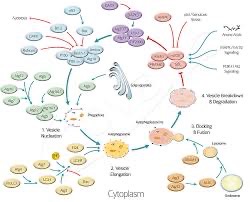
    One of the zillion pictures on internet about autophagy. I do not understand it, but just to show how complicated the process is

    Accelerating degradation over the years Universally cited “percentages of loss per year” for autophagy do not exist. It appears too difficult to measure in a scientific way, but some general observations can be made.

    Age 20: Autophagy at that age is generally robust, efficiently recycling damaged proteins and organelles, which contributes to cellular homeostasis and youthfulness. Note: Homeostasis is the body’s natural, self-regulating process that maintains a stable, constant internal environment despite changes in external conditions. 

    Age 70: Autophagy efficiency is markedly reduced, leading to the accumulation of damaged cells and cellular debris (senescence). This strongly contributes to the aging process and to the accumulation of damaged cells.

    To put things in perspective (and yes, mice are no men, but just to get an idea). In research on mouse neurons one sees a 94% decrease in autophagy from young adult mice compared to older mice. In older mice only 34% of the autophagic vesicles were functional, compared to 80% in young adult mice. Whether mice or humans, it is clear that at an older age, the body is less efficient at repairing itself.

    Why is autophagy important part 1? Autophagy, as mentioned, is the process of clearing away damaged parts. This process is essential for keeping cells healthy. It ensures cells remain in good working order. If junk builds up in the cell, it can permanently tweak the cell’s genes. This makes it difficult or impossible for the cell to repair itself. It also hinders the cell from regrowing the structures it needs to survive and thrive. Many diseases can then be the result.

    While some cells only last in your body for a few days, others are with you for a lifetime. Two especially important types of cells don’t turn over much. They are with us for decades, so they must stay healthy. Neurons are in our brains and other parts of the nervous system. Cardiomyocytes make up our heart muscle.Afbeelding met logo, Graphics, zwart, ontwerp

Automatisch gegenereerde beschrijving

      Why Is Autophagy Important — Part 2? The same idea as the previous paragraph, but more extensive.

      • Cellular housekeeping: It breaks down old, damaged, or misfolded proteins and organelles (like mitochondria). If left alone, these would cause cellular dysfunction. Ultimately, this could lead to cell death.
      • Energy & survival: During periods of starvation or stress, autophagy is activated. It recycles non-essential cellular components into usable energy (ATP).
      • Anti-aging & longevity: Autophagy is essential for reversing the accumulation of age-related cellular waste. Studies show that boosting autophagy can prolong lifespan in various species, because restoring autophagy gene activity to youthful levels can counteract decline.
      • Neuroprotection: It is crucial for clearing protein aggregates. These aggregates are similar to those found in Alzheimer’s and Parkinson’s diseases. This process occurs in non-dividing cells like neurons.
      • Immune system defense: It helps destroy intracellular pathogens (viruses and bacteria).
      • Cancer prevention: By removing damaged components, it helps prevent genetic mutations that can lead to cancer development. For this reason, some researchers are exploring whether autophagy may lower cancer risk. More research is needed, as autophagy can protect against some diseases but, in other contexts, may contribute to disease as Autophagy can also allow dysfunctional cells to survive in some contexts.
      • Quality control: Autophagy ensures that only healthy, high-functioning cells remain in your body.

      How to Stop/Slow Down the Downward Trend

      There are four methods to stimulate autophagy: fasting, the ketogenic diet, exercise, and supplements.

      A Fasting/Intermittent Fasting Any shift in calorie sources causes your body to shift its metabolic pathways. It will begin to use fat for fuel instead of glucose derived from carbohydrates. In general, it is important not to overwhelm the body with constant external calorie loads. It is crucial to give the body a break to focus on its own health and repair. Note also the importance of sleep! And what are metabolic pathways, another overused terminology? I had no idea, but see at the bottom of this blog :).

      “Fasting is one of the most effective ways to trigger autophagy.” During starvation, autophagy sustains the body. It breaks down cellular material. This material is reused for essential processes. This requires energy and cannot continue forever, but it buys time to obtain nourishment.

      Fasting is a commonly recommended way to induce autophagy; usually the longer, the better. Three days is sometimes cited as the minimum you need to fast to induce autophagy. For most of us, this is not feasible. Many turn to intermittent fasting, as animal studies show good results. Assuming (though not all agree) that intermittent fasting works, it requires a non-eating window of at least 14 hours (on internet you will find a lot of debate on the number of minimum hours, but I chose 14.

      Autophagy and gut-rest fasts prohibit caloric substances from passing your lips. Even one or two calories can be enough to stop autophagy and disrupt the fasted state. This means that virtually all foods are off limits. Beverages with calories, powders, and pills are excluded. Even breath mints and gum can be restricted. Tea, coffee, and water are allowed.

      B The ketogenic diet The ketogenic diet is high in fat and very low in carbohydrates. It can bring similar metabolic benefits as fasting. A typical ketogenic plan provides about 75% of daily calories from fat and 5–10% from carbohydrates. This diet can promote the same metabolic changes that fasting induces, though it is not identical to fasting.

      C Exercise is another non-diet factor that can promote autophagy. Animal studies show that physical activity can induce autophagy in organs involved in metabolic regulation. Compared with fasting, autophagy can be induced by as little as 30 minutes of treadmill running. Regular exercise, particularly endurance training and high-intensity interval training (HIIT), has been shown to enhance cellular cleanup mechanisms.

      Some reports suggest that Zone 2 training for about an hour can induce as much autophagy as a three-day fast. This is not yet established with certainty, but it is plausible. Note: Zone 2 typically corresponds to roughly 60–70% of your maximum heart rate.

      D Supplements Spermidine and Fisetin are considered direct and potent supplements for inducing autophagy. Pterostilbene is a strong, bioavailable enhancer of cellular cleanup pathways. 

      1. Spermidine triggers the degradation of damaged proteins and organelles. It mimics the effects of calorie restriction, boosting autophagic processes and cellular renewal, particularly in aging cells. Earlier I wrote a blog on Spermidine. https://shakethehealthtree.com/index.php/2025/04/20/21-spermidine-the-zombie-cell-killer-health-project99/
      2. Fisetin is a flavonoid that functions as a potent senolytic, helping the body clear senescent (“zombie”) cells. It induces autophagy to aid cellular repair, especially when cells are stressed. And a blog on Fisetin as well. https://shakethehealthtree.com/index.php/2025/04/02/21-fisetin-a-supplement-that-might-add-years-to-your-life/
      3. Pterostilbene promotes autophagy by activating AMPK and suppressing mTOR, a negative regulator of autophagy. It can enhance autophagy in skeletal muscle. Even on Pterostilbene there is an earlier blog. https://shakethehealthtree.com/index.php/2025/05/16/21-stay-healthy-100-glasses-of-red-wine-daily-or-resveratrol-pterostilbenehealth-project99/

      6 My Approach

      Every other day, I attempt a 14–16 hour fast. I aim to increase the number of days. However, I have not managed to go beyond about 22 hours of non-eating so far.

      Regular sport training, including a few sessions per week in Zone 2.

      I take supplements described in this blog: Spermidine, pterostilbene, and Fisetin.

      Ok, this was it. Not all about autophagy but the essence as I (a non doctor) see it. The problem with one’s body is that everything is important, but some are more important than others. Autophagy is one of them.

        Take care, enjoy life and let me know if you have any questions.

        Robert, your health friend,

        The mighty Congo River, up to 300 meters deep

        Metabolic pathways are interconnected series of chemical reactions within a cell. They convert substrates (stuff) into essential products. These reactions manage energy and matter to sustain life. These multi-step, regulated pathways (e.g., glycolysis) are categorized as catabolic (breaking down molecules to release energy) or anabolic (using energy to build complex molecules.

        5. POLYPHENOLS: 8000 INTERESTING PLANT-DERIVED COMPOUNDS (health project99+)

        Near Cairo in summer

        Dear reader

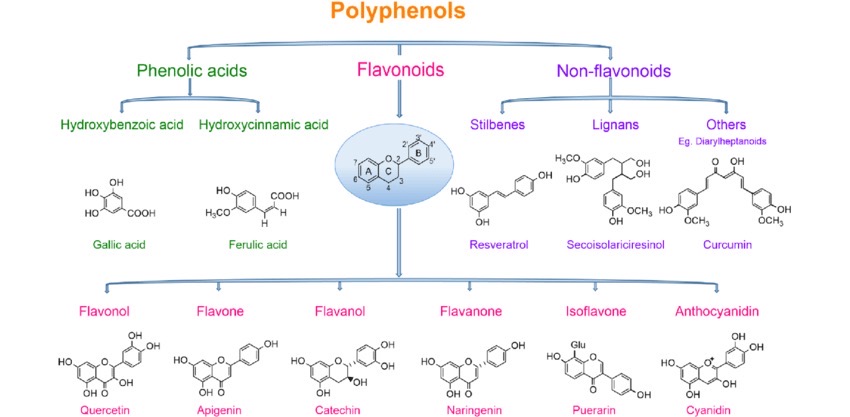
        After encountering the term polyphenols many times, I finally wanted to know what they are. It turns out I already know quite a few—for example, Resveratrol and Curcumin. There are thousands of polyphenols, so it’s not surprising that we’re familiar with some of them. The general term flavanols probably rings a bell, too. They’re the main subgroup of polyphenols, with many described and researched compounds. Other major groups include stilbenes, lignans, and tannins.

        Most of us believe the Mediterranean diet is healthy (I do, at least). An important reason is that it is rich in polyphenols.

        What are polyphenols? In simple terms, polyphenols are plant-derived compounds. They aren’t one of the four fundamental biomolecule classes (carbohydrates, proteins, lipids, and nucleic acids). Rather, they’re a diverse family of plant secondary metabolites that can influence human biology.

        Polyphenols are getting increasing attention, promising health claims circulate but more rigorous research is needed. Some polyphenols have already been studied for many years and show interesting biological activities in various systems, like pterostilbene. https://shakethehealthtree.com/index.php/2025/05/16/21-stay-healthy-100-glasses-of-red-wine-daily-or-resveratrol-pterostilbenehealth-project99/

        Technical description

        They are plant compounds built around multiple phenol (aromatic ring with hydroxyl groups) units.

        Polyphenols come from plants. There are about 8,000 polyphenols, of which roughly one-third are flavonoids. They give plants color and flavor and, in particular, help protect and defend them. 

        Some of these defense functions include UV protection through absorption of UV light. They also include strengthening of cell walls and vascular tissues. Additionally, there is regulation of growth and development through interactions with plant hormones and reproduction. In fruits and seeds, polyphenols influence taste, color, and perceived freshness.

        Examples: Quercetin (onions, apples), Epigallocatechin gallate (EGCG) in green tea, Anthocyanins (blue and purple berries), Resveratrol (red grape skin, wine), Curcumin (turmeric), Hydroxytyrosol (extra virgin olive oil).

        What do they do for the human body?

        Polyphenols are not essential nutrients like amino acids. However, they are known to exert substantial biological activity in the human body. This activity can protect cells from damage and includes antioxidant, anti-inflammatory, and potentially disease-protective effects. They may be linked to a lower risk of certain chronic diseases (e.g., cardiovascular disease, metabolic disorders, some neurodegenerative conditions) in studies, but results are mixed and often depend on dose and context. Given their vast diversity (there are 8000 polyphenols!) and the many unknowns many, many more studies are needed.

        It makes sense to me that compounds that protect plants might also benefit humans. We humans, at least most of us, are not lettuce or apples, but we are living beings nonetheless. 

        Treat health influencers with caution. As I said health influencers love polyphenols. We consumers have to be careful of course. Many of the health claims of polyphenols are not proven or they have only limited effect.

        The other day I wrote about dark chocolate. It has a too positive health claim because of flavanols, which are a subcategory of polyphenols. I also wrote about Resveratrol and pterostilbene. They are both polyphenols. The main conclusion is that taking Resveratrol is not worth the money and effort, but Pterostilbene is.

        What do polyphenols do for the brain?

        Some health claims about polyphenols are intriguing, especially regarding brain health. While intriguing, these brain-related effects require more robust human evidence before drawing firm conclusions.

        For example, Curcumin from turmeric is often cited as contributing to better brain health. Polyphenols are a broad class of plant-derived compounds, and brain-related claims vary widely by specific compound.

        This topic could fill a book. Here are the main proposed brain benefits often discussed. There is protection against neuroinflammation linked to aging and neurodegenerative diseases. It may cause a potential reduction of oxidative stress in the brain. It influences brain-derived neurotrophic factor (BDNF). There are improvements in synaptic plasticity and neuronal survival signaling. It also leads to improvements in mitochondrial function. There could be reductions in mitochondrial dysfunction, which is a hallmark of aging and neurodegeneration. 

        Some notes: BDNF plays an important role in healthy aging.

        From where do you get your polyphenols?

        The sources are the right ones and not difficult to obtain:  fruits, vegetables, tea, coffee, cocoa, wine, olive oil, nuts and whole grains. You will not find polyphenols in ultra processed food. 

        One additional remark on coffee: caffeine is not a polyphenol (it is a purine alkaloid). Coffee does have many polyphenols, such as chlorogenic acid, and are often highlighted for their antioxidant properties

        Warning

        One warning: the fact that the source is healthy food, does not mean that polyphenols are always beneficial. They can interact with medicines or can cause certain physical reactions. As so much is still unknown about polyphenols it is preferable to get them through food, not through supplements.

        Bioavailability and Metabolism Bioavailability and metabolism are important considerations. In the end, if only a small fraction of a compound reaches the bloodstream, it will have limited effect. 

        Many polyphenols are poorly absorbed, with only a few percent entering systemic circulation. Fortunately, the original (parent) compounds are metabolized by the gut microbiota. The liver also metabolizes them into metabolites. These metabolites can be biologically active.

        Interaction between different compounds (vitamins, hormones, amino acids, and polyphenols)

        As mentioned, polyphenols are part of an integrated network. The main functions of these classes are:

        1. Nutrients (vitamins and minerals) and amino acids supply the building blocks and cofactors for metabolism.
        2. Hormones regulate how the body uses these building blocks and respond to energy and nutrient status.
        3. Polyphenols influence enzyme activity, signaling processes, and the metabolism of hormones and nutrients—often via the gut microbiome and redox signaling.

        Experts note that mounting evidence highlights the vital interplay between immunity and metabolism. This interplay occurs in a range of immunometabolic disorders. These disorders include autoimmune and non-autoimmune conditions. The immune system modulates (=regulates) cellular metabolism in organs such as the brain, pancreas, and adipose (=fat) tissue. It senses fluctuations in the local nutrient environment. This process shapes metabolic pathways that influence pro- or anti-inflammatory phenotypes. Nutritional status supports immune function. However, we are only beginning to understand how individual nutrients or their combinations (immunonutrients) might guide immune cells. They could steer these cells toward a less inflamed, tolerogenic state. 

        This last paragraph is a bit on the technical side. Perhaps the best summary is that polyphenols are abundant in Mediterranean foods. This sums it up pretty well I would say.

        Enjoy your polyphenols, they are all around.

        Robert, your health friend

        The North Sea near Kijkduin

        5. ELECTROLYTES: ESSENTIAL FOR HEALTH (health project99+)

        The Wall, Berlin

        Dear reader,

        Sports people buy expensive bottles filled with electrolytes. Electrolytes themselves are necessary, to buy expensive bottles not at all.

        What are these electrolytes, a fancy word for minerals such as salt? Do you need them (yes), can you make drinks with them yourself (yes), are there reliable tests to check if you have a shortage of electrolytes (yes). Is a regular diet sufficient (not always). 

        Salt (sodium) as the best-known electrolyte has a mixed reputation. Many people easily have a too high salt intake (processed food for example is loaded with salt) with often serious health consequences. However, if you are a vegetarian who prepares his/her own food, does a lot of sports, lives in a warm climate and sweat a lot, you will almost for sure get an electrolyte’s deficit. Which has serious consequences as I experienced myself on several occasions.

        What are electrolytes?

        Electrolytes are charged minerals dissolved in body fluids that carry an electric charge. They help with (1) Fluid balance between compartments (inside and outside cells); (2) Nerve impulses and muscle contractions (including the heart), (3)  Acid-base (pH) balance (it is essential that your blood and bodily fluids stay within a narrow pH range (7.35-7.45) and (4) overall metabolism.

        The key electrolytes are sodium (Na+), potassium (K+), chloride (Cl−), calcium (Ca2+), magnesium (Mg2+), bicarbonate (HCO3−), and phosphate (PO4^3−).

        When do you need to top up your electrolyte’s intake?

        Most people get the electrolytes they need from a balanced diet. You may need more if you are a vegetarian, sweat a lot, are ill with vomiting/diarrhea, have certain medical conditions or live in hot climates. 

        Especially vegetarians have to make sure that they get enough salt (sodium) and other electrolytes. The same applies to people like me who lived in hot climates and do a lot of sport. But even if you live in cold and rainy The Netherlands but bike and walk regularly, you easily might have high electrolyte losses. Working outdoor is another situation that can cause problems.

        Young children and older adults are more vulnerable to dehydrations and electrolyte imbalance in hot weather.                                                     

        What are the signs that you might have an electrolytes deficit?

        Signs you might need electrolyte support (unless you have a medical condition): persistent dizziness, cramping, unusually dark urine, fatigue with dehydration, or if you’re unable to replace fluids after sweating or illness. Drinking water then is not enough! It needs to be fluid with electrolytes.

        When to seek professional advice

        If you have kidney disease, heart failure, high blood pressure, or are on a doctor-prescribed electrolyte or fluid restriction.

        If dehydration is severe (very low urine output, dizziness on standing, confusion, or if you cannot keep fluids down), seek urgent medical care.

        In children, the elderly, or people with chronic illnesses, use caution and consult a clinician before using homemade electrolyte drinks, especially during illness.

        To buy or make yourself?

        Of course you could and should make your own electrolytes solution. Most recipes suggest 25 grams of sugar as for better taste and better absorption. This is almost half of the “allowed” daily added sugar intake, so I would not do it. Only in cases of serious dehydration (diarrhea and/or vomiting) I would add sugar. The ORS packages for emergency hydration standard contain glucose.

        My solution consists of adding low sodium salt (30%) that also contains potassium salt (69%). The brand is called JOZO. I add a few grams each to my fresh lemon drink, the smoothie and the evening soup. With these combinations I do not taste the salt at all.

        After intense sports, sauna or during warm weather I add a bit more. For the rest I do not add any salt to my food and at home we rarely eat processed food.

        Some standard recipes per 1 liter of water (without sugar) on internet: (1) 1/2 teaspoon table salt (about 2.5 g NaCl) and 1/4 teaspoon potassium chloride (about 1 g); (2) 1/2 teaspoon table salt (about 2.5 g NaCl), 1/4 teaspoon potassium chloride (about 1 g) and 1/4 teaspoon baking soda (about 1.2 g, provides bicarbonate). 

        As I use JOZO (btw, no advertisement) NaCl and KCl are already combined.

        Testing

        Who should get tested? From what I read on internet testing is to be considered under the following three circumstances.

        • Athletes or individuals in extreme heat or endurance activities may have testing in clinical or sports-medicine settings, especially if there are symptoms or a planned intensive training/competing regimen.
        • Symptomatic concerns: confusion, dizziness, weakness, cramps, seizures, irregular heartbeat, swelling, or persistent symptoms of dehydration.
        • People with conditions or on medications that affect electrolyte balance (kidney disease, heart failure, uncontrolled high blood pressure with diuretic use, endocrine disorders, certain cancer therapies).

        Personally, I plan to do a test once, and, assuming it is normal, I will not do a follow-up test.

        There are several tests that can measure your electrolyte levels, either in blood or urine, and in some cases to assess related acid–base balance or kidney handling of electrolytes. 

        Common reference ranges (approximate; can vary by lab)

        • Sodium (Na): 135–145 mEq/L
        • Potassium (K): 3.5–5.0 mEq/L
        • Chloride (Cl): 98–106 mEq/L
        • Bicarbonate (HCO3−): 22–28 mEq/L
        • Calcium (total Ca): ~8.5–10.5 mg/dL (ionized Ca is a separate test)
        • Magnesium (Mg): ~1.7–2.2 mg/dL
        • Phosphate (PO4): ~2.5–4.5 mg/dL

        Conclusion

        It is a bit surprising that those who live healthy, stay away from processed foods and move a lot are advised to have a good look at their electrolytes’ intake and often are recommended to take more salt (and potassium and other electrolytes, in particular when you feel dizzy when you stand up.

        I know it is your own money, but paying good money for expensive electrolyte bottles for me ranks very high on the list of silly things.

        Take care, live a happy and healthy life and think of this blog when you feel dizzy.

        Robert, your health friend

        Dutch dog in Congolese rain

        5.LIPOSOMES: ALL ABOUT WHAT IS BASICALLY (ONLY) AN INTERESTING SUPPLEMENT’S WRAPPING PAPER (health project99+)

        This can be only one city, Istanbul

        Dear reader,

        In a few cases, liposomal supplements, i.e., supplements delivered in liposome-encapsulated form, are useful. That said, they are most of the time not necessary, and you can save money by choosing traditional solid tablets or capsules.

        Are they completely useless and mainly a marketing gimmick? No. Liposomes do have added value for (1) protecting certain medicines and some supplements from degradation before they reach the gut, (2) helping people who have difficulty swallowing, and (3) assisting those with specific postoperative issues.

        There are a few compounds, such as vitamin C, that may benefit from liposomal delivery compared with ordinary tablets, since it can lead to higher absorption. This is supported by pharmacokinetic data, but robust clinical benefits beyond higher blood levels are not consistently demonstrated. Most people do not need extra vitamin C, anyway.

        1.My main conclusion: despite substantial marketing by the health-and-beauty industry to promote liposome-encapsulated supplements, there are often good reasons not to choose them. In general, the clinical payoff (improved outcomes) is uncertain or small, and therefore the cost-benefit ratio may be unfavorable for many users, since liposomal products are typically more expensive.

        2.Do not fall for advertisements (as I do now and then).

        The world in which money is to be made is full of pitfalls, hype, and deceit. Do I fall for it? Yes, more often than I’d like to admit. The other day I needed to order vitamin D3 and K2 and was persuaded to buy them in liposome form (liquid rather than pills). They were much more expensive than standard pills, harder to measure the exact dose, and carried a risk of buying an inferior product, since liposome production is not tightly regulated and can yield unstable results. 

        Will I do it again? Not at all, but the advertising copy was so convincing—claims of a higher absorption rate and delivery directly to the places where the vitamins should work—that I tried it once. Only then did I start investigating what liposomes are. As always, I share my results with you. 

        We see it everywhere: great marketing in order to persuade us to buy supplements wrapped in liposomes, presented as a superior delivery method to traditional capsules and tablets. 

        The idea of better delivery and higher bioavailability in itself appeals to me, since absorption percentage is an important factor in understanding how supplements work. If your daily need for a compound is 10 grams and you take a 10-gram supplement, you may feel misled if you learn that the absorption rate is only 20%. The moment I realized the importance of absorption rate (and half-life) changed how I view the necessary intake quantities for certain supplements. However, the solution is easy, take the absorption rate into account and take the additional pill.

        As a side note, a higher blood level of a nutrient is not always linked to better health outcomes. What matters is whether that higher level translates into clinically meaningful effects, but this is a truly technical medical issue, going beyond the scope of this blog.

        3.What are liposomes? 

        Liposomes are tiny phospholipid vesicles used to encase compounds like vitamins. This leads to the next question: what are phospholipid vesicles? They are tiny bubbles made from phospholipid molecules (the same fat-like substances that make up cell membranes) that wrap around a substance to protect it and help it be absorbed in the body. 

        The roots of the word liposomes are Greek: lipos meaning fat and soma meaning body. The word liposome was coined in English in the 1960s. Liposomal is the English adjective formed from liposome by adding the suffix -al (from Latin/English) to indicate “pertaining to liposomes.”  Technically “liposomal” refers to a delivery method that uses lipid bubbles to encase the nutrient, which can affect how the nutrient is absorbed.

        4.How are supplements taken in general? There are seven broad ways to take a supplement, plus a variety of delivery-system variations. Most everyday supplements are taken orally (capsules, tablets, powders, or gummies). There are other ways, including sublingual (under the tongue), creams, inhaled, rectal/vaginal, and injectables. 

        With supplements that are taken orally, there are a number of delivery-system variations: (1) liposomal (the topic of this blog), nanoemulsified, or other encapsulation systems to improve stability and absorption; (2) microencapsulation or phytosome formulations; (3) emulsions or oil-based suspensions (especially for fat-soluble nutrients); and (4) fortified foods and beverages (functionally enhanced rather than separate pills). 

        5.Which compounds stand to benefit from a liposomal approach? Vitamin C, vitamin B12, curcumin, and other polyphenols (e.g., flavonoids such as quercetin and stilbenes such as resveratrol) and coenzyme Q10 are sometimes cited as compounds that could benefit from a liposomal approach. However, there is not a single study that conclusively demonstrates that liposomal delivery is superior to the old-fashioned tablets and capsules. Overall, findings are mixed and not uniformly convincing. 

        Most claims are marketing-driven; robust, high-quality randomized trials demonstrating meaningful clinical benefits are generally not present to support these claims.

        6.Safety Liposomal products are generally considered safe for most people, since the ingredients are typically phospholipids and the nutrient itself. However, watch for potential allergens (soy, egg, sunflower lecithin) in some formulations, as well as additives or contaminants. 

        Like all dietary supplements, liposomal products unfortunately are not uniformly regulated worldwide, and there are no universally accepted quality standards. 

        Product quality can vary a lot: liposome size and stability, encapsulation efficiency, dosage accuracy, and batch-to-batch consistency differ across brands. Storage conditions and shelf life can also affect performance. While liposomes can improve stability and absorption for some nutrients, this does not guarantee better health outcomes, and higher blood levels may not translate into meaningful benefits. 

        I know next is standard text, but it remains true. Always check and follow labeling directions, consider potential interactions with medications, and consult a healthcare professional if you are pregnant, nursing, have a medical condition, or are taking prescription drugs. Best of course is always to look for products with reputable third-party testing and transparent ingredient lists.

        Thanks for reading, take care and live a long, happy and healthy life,

        Robert, your health friend

        Wooden house in Jurmula, Latvia

        5. MORE SUGAR ISSUES. SHOULD WE AVOID POLYOLS? (health project99+)

        New York, New York

        Dear reader,

        Polyols are commonly used as low-calorie sweeteners to replace added sugars. They are integrated in various food products. This is especially true for sugar-free and low-calorie options (“light” or “diet”). They are a type of carbohydrate, like sugars and alcohols. They can be produced chemically or derived from natural sources.

        They include names like sorbitol, mannitol, xylitol, erythritol, and maltitol. The “ol” in “polyols” signifies that they contain multiple hydroxyl (–OH) groups, a common feature in alcohols.

        In this blog, I will explore polyols further. I personally prefer to avoid them. This is due to their potential negative health impacts. Phrases like “studies are ongoing” or “more studies are needed” often make me question the necessity. Why take the health risk if it is unnecessary? Last year, the European Union became concerned. They decided to reassess the health implications of long-term polyol usage. You can see more about this later in this blog.

        You will find polyols in candies, chewing gum, baked goods, and dairy products. They are also in ice cream, salad dressings, pasta sauces, cheeses, and crackers. Polyols are even found in some pharmaceuticals and personal care products.

        For instance, when a yogurt is advertised as “no sugar added,” “light,” or “diet,” it often contains added polyols. A typical 100 grams of plain yogurt already has about 5 grams of natural sugar (lactose). However, many producers add sugar or polyols. It is a personal decision of, but in my opinion, try to eat food according to its original taste.

        Experts recommend a maximum daily intake of 10-15 grams of polyols, but quantitative information is often unclear on product labels. It is therefor easy to over consume.

        Unfortunately, producers seem to believe that consumers prefer the sweetest products possible. Just as it is easy to over eat sugar, it’s also easy to exceed recommended levels of polyols. I dislike how polyols support the food industry’s efforts to keep us addicted to sweet products. While I can’t prove a deliberate policy behind this, it certainly feels that way.

        Manufacturers favor polyols because the FDA does not classify them as sugars. Thus, products sweetened with polyols are not counted as “added sugars.” Many consumers recognize the negative connotation of “added sugars.” This distinction is enticing enough to encourage them to consume polyol-sweetened products.

        1. What are the benefits of polyols?

        Polyols typically have fewer calories than regular sugars. For example, erythritol contains almost zero calories. Maltitol, on the other hand, provides about 2-3 calories per gram compared to sugar’s 4 calories.

        They generally have a lower glycemic index than sugars. This feature makes them appealing for those managing blood sugar levels, such as individuals with diabetes.

        Some polyols, like xylitol, can help reduce dental decay and promote oral health. 

        2. What are the drawbacks?

        Polyols can cause gastrointestinal discomfort, like bloating and diarrhea. This is especially true when consumed in large quantities. They are only partially absorbed in the gastrointestinal tract. This does not apply to erythritol, which is well absorbed.

        While polyols have fewer calories than sugar, they still contribute some calories, so those counting their intake should consider them. There are indications they may be linked to various health issues. These include cardiovascular concerns (discussed in the section on the EU below).

        Their contribution to our addiction to sugar.

        3. How are they produced?

        Some polyols can be produced through various chemical synthesis methods, though hydrogenation or fermentation is more common. Specific strains of yeast or bacteria can convert sugars into sugar alcohols. They do this via microbial fermentation. This process reduces sugars (like glucose or fructose) into their corresponding sugar alcohols.

        In some cases, polyols can be extracted from natural sources. Certain fruits contain naturally occurring polyols that can be isolated for use. Research connects artificial sweeteners to a range of health conditions.

        4. Roller coaster: the difference between added and natural sugars

        It’s important to remember that, nutritionally, sugar offers little for your health. It contains no nutrients, vitamins, or protein—none of the essentials for optimal body operation. The same applies to sweeteners. Sugars give easily accessible energy. Yet, other energy sources like fats, proteins, and natural sugars are available. Complex carbs are another choice.

        When it comes to sugar consumption, minimizing intake is preferable. Yet, the main issue is added sugars, not natural ones. Many fruits are high in natural sugars. This is what makes them taste sweet. Examples include mangoes, bananas, and pineapples.

        Your body processes natural sugars more slowly than added sugars or artificial sweeteners. Added sugars are quickly digested, leaving you unsatisfied, while natural sugars provide sweetness and fiber, helping you feel full. You can enjoy them without triggering the brain’s centers that lead to cravings for more.

        5. When in doubt, leave out

        My philosophy as a health-conscious layman is simple. Our body is complex and capable of much. It can defend itself against harmful elements. However, we should avoid substances known to cause harm and disease as in the long run they will catch up on you. These substances include smoking, drugs, and excessive alcohol consumption. Recent insights suggest it’s best to avoid alcohol altogether.

        The sentiment, “If I must live like that, life is not worth living,” is nonsense. One can enjoy a fulfilling life without cigarettes, drugs, and alcohol.

        While your body can handle many challenges, it will thank you for taking care of it to prevent certain diseases. For those that do arise (and they will), your body will be better equipped to cope.

        Tobacco and similar substances are addictive, and their negative health impacts may not be immediate—sometimes they may never become apparent. After all, every person knows an uncle who smoked two packs a day and lived to be 97. It reminds me of what a doctor once told me. Let 100 smokers cross a busy highway blindfolded. Your 98-year-old uncle might be one of the two who make it safely.

        In addition to scientifically proven harmful products, there are substances suspected of being harmful. Just as with smoking, it can take decades to conclusively prove whether a substance harms health. I prefer not to wait for those results; my philosophy is to avoid such substances. This includes ultra-processed foods (UPF), which can account for up to 70% of supermarket offerings. It also includes sweets with artificial coloring.

        Sodas like Coke are included as well, which are also UPF. Lastly, there’s white bread that remains fluffy for days. While it’s impossible to avoid nanoparticles entirely, allowing tiny plastic particles into your cells seems like a long-term health issue. Moreover, PFAS are increasingly contaminating rainwater, groundwater, oceans, human blood, and vegetation, with no effective remediation. Our health faces many (often unseen) threats today.

        As we advance in time, it’s vital to remember that our understanding of food ingredients and their effects is continually evolving. We can make informed decisions about the supplements we choose by staying curious. We should ask questions and seek reputable information. This helps us focus on our long-term health.

        6. The EU is on to something

        According to Safe Food Advocacy Europe, the World Health Organization reported that non-sugar sweeteners might pose a potential cardiovascular risk. New research was published in “Circulation: Arrhythmia and Electrophysiology“. It found a link between artificially sweetened drinks and atrial fibrillation (irregular heart rhythm). 

        However, the International Sweeteners Association cautioned that this research is observational and cannot definitively establish cause-and-effect, potentially misleading consumers. There were also controversies last year surrounding the sweetener aspartame. Ninety global food safety agencies deem aspartame safe. In contrast, the International Agency for Research on Cancer classified it as “possibly carcinogenic.” This has led to a lack of universal understanding and trust in sweeteners

        In 2024, the EU considered reducing polyols in supplements based on emerging scientific evidence raising safety concerns. Many studies have linked polyol consumption to various health issues. Four reasons why.

        1. Polyols have poor absorption rates in the body, leading to digestive issues like abdominal pain, cramping, and diarrhea.

        2. Despite having a lower glycemic index than sugar, polyols still impact blood sugar levels, albeit less than regular sugar.

        3. Polyols are widely present in many products, increasing the risk of excessive consumption.

        4. Limited research exists on the long-term health consequences of polyols, which in itself is concerning.

        7. Alternatives to sweeteners

        Natural sugars are a good choice for occasions when you need something sweet. Better alternatives to sugar and artificial sweeteners exist. These include stevia, raw honey, coconut sugar, maple syrup, blackstrap molasses, and monk fruit extract.

        A croc in Botswana

        5.TELOMERES: KEEP THEM LONG OR DIE (health project99+)

        Nothing beats the south coast of Turkiye

        Dear Reader,

        Have you ever heard of telomeres? Although they are the key to cellular aging, most people haven’t heard of them. Until recently, neither had I. But I wanted to better understand this topic. Why? Telomeres are crucial for DNA replication. This process is the most fundamental in the cell cycle of all living organisms. Every day, approximately 50 to 100 billion cells (that’s 1 with 9 zeros!) are divided in an human body, making this an essential topic for each one of us. Telomeres, particularly their lengths, “decide” how many times your cells can divide. By improving the functioning of telomeres, we will live longer, healthier lives. (something else, subscribing to this blog is completely and totally free).

        1. DNA replication is the process by which a cell makes an identical copy of its DNA before cell division. This is crucial for ensuring that each daughter cell receives an exact copy of the genetic material. During DNA replication, the double-stranded DNA unwinds and separates into two strands. Each strand acts as a template for synthesizing a new complementary strand, resulting in two identical DNA molecules.

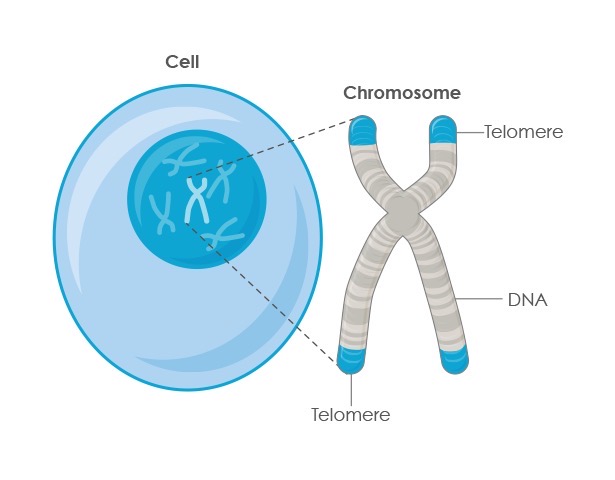
        2. Telomeres are located at the ends of chromosomes. They serve as protective caps that prevent the degradation of chromosomes during cell division. Each time a cell divides, a small portion of the telomere is lost. This is why they are often compared to the plastic tips on shoelaces that prevent fraying.

        3. Telomeres shorten as cells age. This shortening is associated with cellular aging. It can eventually lead to cell senescence (the state where cells no longer divide). It may also result in apoptosis (programmed cell death). When telomeres become critically short, cells can no longer divide properly, which is linked to various age-related diseases, including cancer.

        4. Issues with the stability of chromosome ends (as seen in telomeres) can lead to genetic disorders, such as Huntington’s disease.

        In many organisms, including humans, telomere length largely influences the limited number of divisions that a somatic cell can undergo. (Note: Somatic cells are any cells in the body of a multicellular organism that are not germ cells, i.e., sperm or egg cells. Somatic cells make up the vast majority of an organism’s tissues and organs.)

        5. The question arises: what can we do about telomere shortening? How to prevent this. A lot of research is underway. There are warnings that manipulating telomere length could have unintended consequences. These consequences may include an increased risk of cancer.

        6.The length of telomeres remains a fascinating topic. There is immense potential in preserving or lengthening telomeres. This could have implications for extending both health span and lifespan. So what can we do?

        Step A: Improve Lifestyle Factors

        You can take risk-free steps to slow down telomere shortening or even achieve telomere lengthening by focusing on lifestyle improvements. Many studies suggest that better lifestyle choices can lengthen telomeres by approximately 10%. Here are several factors to consider:

        Regular physical activity, particularly aerobic exercise, can increase telomerase activity and slow down telomere shortening.

        A diet rich in fruits, vegetables, and antioxidants can help reduce oxidative stress, which can damage telomeres.

        Chronic stress can shorten telomeres. Practices such as meditation, yoga, and deep breathing can mitigate stress.

        Getting sufficient sleep (around 7 hours) is crucial for cellular repair and maintenance, including telomere length.

        Processed Foods and Excess Sugar can contribute to oxidative stress and inflammation, potentially accelerating telomere shortening.

        Smoking is a significant contributor to telomere shortening.

        Obesity is associated with shorter telomeres.

        Step B: Consider Supplements

        Some studies suggest that certain supplements, like omega-3 fatty acids and vitamins C and E, may help maintain telomere length. They could be beneficial in this regard. While they may not directly lengthen telomeres, they might help prevent further shortening. However, the evidence is still inconclusive, and more studies are needed.

        Additionally, adequate levels of vitamin D may be linked to longer telomeres. Vitamin D interacts with various cellular processes. These include those involved in cell growth and immune function. It may also help mitigate telomere shortening. However, the precise mechanisms and duration of this effect can vary based on individual health, lifestyle, and genetic factors.

        Step C: Await Results from Promising Studies

        Currently, the most promising research is focused on new procedures to lengthen telomeres. Advances in AI are expected to accelerate this research. An intriguing study conducted at Stanford University in 2023 developed a new method for lengthening telomeres in chromosomes. This advancement effectively increased the number of times cells can divide safely. It potentially reverses aspects of the aging process at the cellular level.

        Many approaches focus on telomerase. This enzyme can extend telomeres by adding nucleotide sequences to chromosome ends. The objective is to activate telomerase in somatic cells, which typically have low or absent telomerase activity.

        Other options may involve using gene therapy techniques. These techniques can introduce or enhance the expression of the telomerase gene (TERT) in cells. Researchers are also exploring small molecules or compounds that can stimulate telomerase activity or promote telomere maintenance.

        7. Potential Risks

        While extending the lifespan of cells can have benefits, there are also associated risks. Inappropriate reactivation of telomerase could lead to uncontrolled cell division. This reactivation can result in cancer as many tumors exhibit elevated levels of telomerase.

        But let us end on a positive note. Let us hope that all the efforts to first stop telomeres shorten themselves and secondly to grow again will work.

        Enjoy a happy and excellent life,

        Robert, your health friend,

        South Turkiye

        5. UNDERSTANDING METABOLISM AND METABOLIC HEALTH (health project99+)

        Inside a mosque in Samarkand/Uzbekistan

        Dear reader,

        Metabolism/metabolic health is a concept that all health experts use, but that few people really understand. Neither did I: all I knew was that it was something to do “with food intake and energy”. And that good metabolism is important. Subscribing to my blogs is less important, but appreciated (and free).

        1.Looking at metabolism from a disorder/disease point of view

        I started to understand metabolism better when I looked at it from a disease point of view. Which diseases are caused by bad metabolism, and which have other causes? It turns out that most diseases are not related to metabolism but occur because of (for example) viruses. In the last para of this blog, I provide an overview of all non-metabolic disorders and diseases. It’s incredible how many diseases there are, by the way .

        You can roughly divide metabolic diseases into two groups when we concentrate on them. There are plenty of these diseases as well. One group of disorders or diseases occurs wholly or partly because of your lifestyle. The second group is genetic and inherited. In the second group, you will find many rare diseases. The good news is that developments are progressing quickly. More and more diseases can be cured.

        2.Definition of metabolism

        After this “disease-focused” introduction, let us turn to the definition of metabolism. 

        Metabolism refers to how your body converts food and drink into energy to keep you alive and functioning. Your body’s metabolism never stops — even when you’re resting or sleeping. It constantly sustains basic bodily functions. It involves all the chemical processes occurring in the cells of your body every moment of the day. These processes help you breathe, move, grow, and repair cells, manage hormone levels, regulate body temperature, and much more. If there are no issues, your metabolism is functioning well; if not, you may have a metabolic disorder. 

        Metabolism consists of thousands of chemical processes within your cells that keep your body operating effectively. Your metabolism is healthy when all these processes work efficiently. However, if one or more processes do not function properly, you may experience metabolic problems. Consider this analogy: metabolism is like a car, and the various processes are its components. The car operates smoothly when all parts function well.

        3.Indicators of a well-functioning metabolic function

        A well-functioning metabolism is related to several factors.

        • Energy Production. A healthy metabolism efficiently converts carbohydrates, fats, and proteins from food into usable energy (ATP) while minimizing waste.
        • Nutrient Utilization. A functioning metabolism enables the body to effectively use nutrients. It also allows the body to store nutrients for various bodily functions. These functions include growth, repair, and everyday activities.
        • Metabolism plays a crucial role in weight management. A balanced metabolic rate helps maintain an appropriate weight relative to caloric intake and expenditure.
        • Metabolic health is closely linked to hormone function (e.g., insulin, thyroid hormones), which regulates how the body stores and uses energy.
        • Overall Health. A well-functioning metabolism supports many physiological processes. These include digestion, immune function, and energy levels. It contributes to overall health and well-being.

        4.And what is metabolic rate?

        Metabolic rate is the rate at which the body converts food into energy through biochemical processes. It reflects how quickly the body burns calories to support essential functions like breathing, circulation, and cell production. It also supports physical activity. 

        Metabolism isn’t always functioning at the same “rate.”; this depends per situation and per person. Your body can use more or less energy during different times of the day and for various reasons. The metabolic rate can be influenced by factors such as age, sex, body composition, and levels of physical activity. 

        Another term often used is the basal metabolic rate (BMR), which is the energy expenditure at rest. Your basal metabolic rate (BMR) indicates the number of calories your body needs to function at a basic level. Just as with the general metabolic rate several factors can influence your BMR, and the rate is different for everyone. 

        Someone with a fast metabolism or fast basal metabolic rate (BMR) burns a lot of calories even while at rest. If you have a slow metabolism or slow BMR, your body needs fewer calories to keep it going. Your metabolic rate alone doesn’t determine your body size, and vice versa.

        5.The two main groups of metabolic processes (catabolism and anabolism)

        Catabolism is the breakdown of macronutrients (carbs, protein and fats) you consume into their simpler forms. For example, your body breaks down carbohydrates into glucose, which enters your blood as blood glucose (=sugar). These macronutrients are the basis of the fuel your body uses for all its cells.

        Anabolism is the opposite of catabolism. Your body takes smaller units (like amino acids)  and puts them together to create bigger structures (like proteins). Anabolism is essential when you get an injury, and your body has to heal. It’s also essential for bone growth and building muscles.

        6.How does metabolism affect weight?

        Many people believe that metabolic problems are responsible for weight gain or loss. However, your metabolism naturally regulates itself. It meets your body’s specific needs. It is rarely the sole cause of weight fluctuations. In general, if your body uses more calories than you take in, you will lose weight (and vice versa). Nonetheless, several other factors affect how many calories your body requires—many of which are difficult to predict.

        The commonly referenced figure of 2,000 calories for daily caloric needs is a very rough guideline. Individual requirements can vary widely based on factors such as age and gender. Activity level and overall health also play a significant role.

        In summary, while metabolism is an important factor, it reflects how well your body functions. It measures energy production, nutrient utilization, and maintaining vital physiological processes. Additionally, lifestyle components such as diet, exercise, sleep, and stress significantly influence metabolic function. This underscores the importance of making healthy lifestyle choices to support metabolic health.

        7.You often read about homeostasis as well? What is this?

        Homeostasis is the process by which living organisms regulate and maintain a stable internal environment despite external changes. This includes the regulation of factors such as temperature, pH, and concentration of ions, ensuring optimal conditions for cellular functions.

        8.What are metabolic disorders/diseases?

        A metabolic disorder is a condition that arises from issues in processing energy. Your body may not process nutrients properly to function well. Metabolism involves a complex series of biochemical processes. Many different things can go wrong in these processes. This can lead to a wide range of metabolic disorders.

        Metabolic processes are complex. Metabolic disorders can present with a wide range of symptoms. These symptoms vary significantly depending on the specific disorder and the individual.

        9.There are two main groups of metabolic disorders

        Metabolic disorders can be broadly categorized into two main groups: genetic (Inherited) metabolic disorders and acquired metabolic disorders. 

        The genetic disorders are conditions that you are born with. They occur due to gene mutations. These mutations affect the metabolism of certain substances in the body.  Many of these types of metabolic disorders are endocrine system conditions and involve hormone imbalances. 

        Acquired metabolic disorders are conditions that develop later in life. They are often (but not always) linked to factors such as lifestyle choices, diet, and other health conditions. Examples include type 2 diabetes, metabolic syndrome, and obesity. 

        Some acquired metabolic disorders may arise due to other medical conditions, hormonal changes, or environmental factors. Additionally, they can result from damaged or diseased organs or autoimmune attacks on the body’s tissues. For instance, excessive alcohol consumption can lead to liver damage. This damage can result in metabolic dysfunctions related to the liver. One example is alcoholic liver disease.

        10.Lifestyle: which factors are in your control?

        Genetic and age-related factors significantly impact metabolic rate. Nonetheless, individuals can actively manage their lifestyle choices. This management can influence their overall metabolic health. Hence, it’s oversimplified to say that metabolism and metabolic rate are mostly out of one’s control.

        • Eat balanced meals regularly. Don’t skip meals. Your metabolism works best when it has a steady source of energy. Skipping meals or eating too few calories can slow down your metabolism.
        • Focus on nutritious foods. Choose fresh fruits and vegetables, lean proteins, whole grains and healthy fats.
        • Stay active. Exercise, especially strength training and resistance exercises, helps build muscle. Muscle burns more calories than fat, even at rest. This can boost your metabolic rate.
        • Get enough sleep. Quality sleep is essential for a healthy metabolism. Lack of sleep can disrupt your hormones and slow down your body’s ability to use energy efficiently.
        • Stay hydrated. Drinking enough water helps your body’s metabolic processes work properly. Even mild dehydration can slow down your metabolism.
        • Avoid extreme diets or long-term fasting. Drastic calorie cuts or prolonged fasting can slow your metabolism and cause your body to store energy.
        • Avoid stress.

        11.Which factors are outside your control?

        • Your genetic makeup can influence your metabolic rate and how your body processes energy.
        • Metabolism typically slows down with age due to loss of muscle mass and hormonal changes.
        • Men generally have a higher metabolic rate than women, primarily due to higher muscle mass.

        12.To test your metabolism. Is this possible?

        Yes, you can, but not in all countries. The two most common tests are the basic metabolic panel (BMP) and the comprehensive metabolic panel (CMP). Several other types of blood tests and urine tests can assess many metabolic issues, as well.

        13.As promised, some examples of non-metabolic diseases.

        Metabolism plays a critical role in many bodily functions. Nevertheless, health problems can arise from a variety of other systems and factors. Here are some common categories of health problems that are not primarily metabolic in nature. At times there is overlap.

        • Infections caused by bacteria, viruses, fungi, or parasites can lead to diseases like influenza, pneumonia, tuberculosis, and HIV/AIDS. These conditions are not primarily related to metabolic processes but rather to the body’s immune response and pathogen interaction.
        • Conditions affecting the heart and blood vessels may arise from lifestyle factors. Such conditions include hypertension (high blood pressure), coronary artery disease, heart attacks, and strokes. Lifestyle choices can lead to these issues. Genetics and other non-metabolic factors also play a role.
        • Problems such as arthritis, osteoporosis, and injuries (e.g., fractures, sprains) are related to the musculoskeletal system and mechanical issues rather than metabolic dysfunction.
        • Conditions affecting the nervous system include epilepsy, multiple sclerosis, Parkinson’s disease, and Alzheimer’s disease. These conditions involve neurological pathways and brain function. They are not primarily metabolic in nature.
        • Diseases such as asthma, chronic obstructive pulmonary disease (COPD), and lung infections do not originate from metabolic processes. However, they influence respiratory function.
        • Conditions like gastritis, irritable bowel syndrome (IBS), inflammatory bowel disease (IBD), and gallstones affect the digestive system. These conditions do not necessarily qualify as metabolic diseases.
        • Mental health issues such as depression, anxiety disorders, schizophrenia, and bipolar disorder often have complex causes. These may include genetic, environmental, and psychological factors. They are not purely metabolic.
        • Diseases where the immune system attacks the body’s own tissues are not primarily metabolic problems. Examples include rheumatoid arthritis, lupus, and multiple sclerosis.

        I hope you find this text useful. It helped me a lot to better understand the concept of metabolism. Now time for a long beach walk.

        Take care and live a happy and healthy life!

        Robert, your health friend

        (2017) somewhere in Uzbekistan, in need of losing some kilos