
22. ALZHEIMER’S DISEASE: AVOIDABLE AND CURABLE? (health project 99+)

Autumn in The Netherlands


Dear reader,

Three of the best-known and most feared conditions affecting the brain are dementia, Parkinson’s disease, and Alzheimer’s disease. These three share some features, but there are also important differences.

Dementia is not a single disease; it is a general term for a decline in cognitive abilities that interferes with daily life. Alzheimer’s disease by the way is the most common cause of dementia.

Alzheimer’s disease and Parkinson’s disease involve the progressive degeneration of nerve cells in the brain, which can lead to declines in cognitive and/or motor function. They are also associated with abnormal protein deposits in the brain.

The risk of developing Alzheimer’s or Parkinson’s disease increases with age. Although there is currently no cure for either condition, research is advancing rapidly, which is great news. In this blog, I mention a few possible treatments, like the use of lithium and even microsurgery.

What about a healthy lifestyle and Alzheimer’s? Living healthily always helps, of course, but more and more scientists (at least the ones I follow) stress new evidence about the crucial role of lifestyle interventions, claiming that they might help reduce the risk of cognitive decline and, in some cases, reverse its onset or prevent it altogether.

In this context, we should not forget the concept of neuroplasticity, the brain’s ability to change and adapt by forming new neural connections throughout life. Like the rest of your body, your brain is a living organ of which the health can be influenced.

  1. Life Expectancy of Alzheimer’s

In Western countries, approximately 5–7% of people aged 60 and older have Alzheimer’s disease. The prevalence increases significantly with age, affecting about 30–40% of people aged 85 and older. After an Alzheimer’s diagnosis, life expectancy is between 3 and 10 years.

2. The Terrible Three

Someone can have Alzheimer’s disease without dementia, or Parkinson’s disease with or without dementia. The key difference is that dementia is a group of symptoms, while Alzheimer’s and Parkinson’s are specific diseases.

Dementia describes a significant decline in thinking abilities—such as memory, language, or judgment—that interferes with everyday life. It has many possible causes; Alzheimer’s disease is the most common. Other causes of dementia include vascular disease, Lewy body disease, genetic problems, and frontotemporal disorders (which can be caused by falling on your head while biking).

Alzheimer’s is a progressive disease, meaning symptoms gradually worsen over time. The decline in brain function eventually can lead to complications such as infections that can impact life expectancy.

Parkinson’s disease is primarily a movement disorder. Common symptoms include slowed movement, stiffness, tremor, and balance problems. Some people with Parkinson’s also develop cognitive difficulties or dementia, often later in the illness.

3. What Are Amyloid Plaques and Tau Tangles?

Dementia, Parkinson’s disease, and Alzheimer’s disease all involve brain abnormalities. In the case of Alzheimer’s disease, the main culprits are amyloid plaques and tau tangles.

Amyloid plaques are sticky clumps that form outside brain cells. They are made of a protein called beta-amyloid. Normally, this protein is harmless, but in Alzheimer’s, it sticks together and forms plaques that interfere with communication between brain cells.

Tau tangles are twisted fibers found inside brain cells. They come from a protein called tau, which normally helps support the cell’s structure. In Alzheimer’s, tau changes shape and twists into tangles, harming the cell’s ability to function properly and eventually causing cell death.

Together, these plaques and tangles disrupt brain function and are linked to the memory problems and other symptoms seen in Alzheimer’s disease.

4. Treatment (see also last chapter of this blog)

Currently, there is no guaranteed way to prevent or cure Alzheimer’s disease. However, there is encouraging news.

First, regular medication so far has not proven to be very effective, but new approaches show promise (see the latter part of this blog), including microsurgery.

Second, fortunately in line with my approach to life, research strongly suggests that certain lifestyle choices can reduce, delay, or even prevent Alzheimer’s.

5. Causes of Alzheimer’s Disease

The causes of Alzheimer’s disease include genetic (less than 1%), lifestyle, accidents, chronic inflammation and environmental factors. Age itself is often mentioned as the no 1 reason people get Alzheimer’s, but I find this a strange concept as it sounds more like a description of what happens than anything else.

There is no consensus among specialists about the main cause of Alzheimer’s, but a growing number focus on lifestyle factors. Certain lifestyle habits are linked to an increased risk: poor diet (especially one high in sugar, unhealthy fats, and processed foods), lack of physical activity, smoking, excessive alcohol consumption, and poor sleep quality.

Recent animal studies have proven that high sugar consumption is linked to amyloid plaque proliferation and therefore increases the risk of Alzheimer’s disease. Elevated blood sugar increases the production of beta-amyloid in the brain; this toxic protein forms as mentioned earlier amyloid plaques, a hallmark of Alzheimer’s disease.

Other studies highlight the link between high blood pressure and Alzheimer’s. Poor cardiovascular health not only harms the heart but also increases the likelihood of developing Alzheimer’s disease.

Genetics is often mentioned, but fewer than 1% of Alzheimer’s cases are caused by genetics. The good news is that techniques are being developed to replace certain genes, such as APOE-e4, that are responsible for Alzheimer’s. Having a family history of Alzheimer’s also raises the risk.

Head injuries and trauma can increase risk, as can limited mental stimulation.

Chronic inflammation in the body is the number one cause of death globally, and it is not surprising that chronic inflammation may contribute to developing Alzheimer’s.

Last but not least, there is increasing evidence that environmental exposures are a risk factor.

6. Measuring = Knowing = Action

Early diagnosis and proper care can help improve quality of life and potentially extend survival. Three biomarkers—ApoB, hsCRP, and HbA1c—in particular, are indicators of cardiovascular, inflammatory, and metabolic health. These systems significantly influence Alzheimer’s risk through pathways like vascular health, inflammation, and glucose metabolism.

Apolipoprotein B (ApoB) status: ApoB is a primary protein component of low-density lipoprotein (LDL), often called “bad cholesterol.” Elevated ApoB levels are linked to cardiovascular diseases, including atherosclerosis. Cardiovascular health, as we know, is closely related to brain health. Poor cardiovascular function and atherosclerosis can reduce blood flow to the brain, increasing the risk of vascular dementia and Alzheimer’s disease. Some studies suggest that cholesterol influences amyloid-beta accumulation, a key pathology in Alzheimer’s.

High-sensitivity C-reactive protein (hsCRP) status: hsCRP is an inflammatory marker measured in the blood. Since chronic systemic inflammation is considered a contributing factor in the development and progression of Alzheimer’s disease, elevated hsCRP levels indicate systemic inflammation, which may exacerbate neuroinflammation and promote neurodegeneration in Alzheimer’s.

Hemoglobin A1c (HbA1c) status: HbA1c measures average blood glucose levels over the past 2-3 months and is used to monitor diabetes. Diabetes and poor glycemic control are established risk factors for cognitive decline and Alzheimer’s disease. High blood sugar can lead to vascular damage, oxidative stress, and inflammation that harm brain cells and promote Alzheimer’s pathology.

7. Copper/Zinc Ratio

An imbalanced copper/zinc ratio, especially elevated copper relative to zinc, may promote oxidative stress, inflammation, and amyloid plaque formation—all hallmarks of Alzheimer’s.

Copper and zinc are two essential trace minerals important in many biochemical processes. Both copper and zinc are involved in oxidative stress regulation and amyloid-beta aggregation in the brain.

Excess free copper can promote the production of reactive oxygen species (oxidative stress), contributing to neuronal damage. Abnormal copper metabolism has been observed in Alzheimer’s patients.

Zinc has roles in modulating neurotransmission and preventing amyloid-beta aggregation. Zinc deficiency or imbalance may worsen Alzheimer’s pathology.

8. The Future (Is Near)

A1. Now: Aggressive Lifestyle Interventions

For most people, aggressive lifestyle interventions are the best way forward. Throw out the bad habits, avoid environmental exposures, and focus on the positive: managing heart health, exercising regularly, eating well, and sleeping well.

A2. Oral health

I remember well my blog about the importance of good oral health which can lead to 7 additional years of your life. In connection with Alzheimer’s several specialists stress how good oral health can contribute to preventing Alzheimer’s. https://shakethehealthtree.com/index.php/2025/02/27/15-pay-better-attention-to-mouth-hygiene-and-live-much-longer/

B. A Recent Trend: Near infrared Light

Infrared light, particularly near-infrared light, can influence brain cells. This is the basis for a technique called photobiomodulation or low-level light therapy. Near-infrared light can penetrate the skull and is believed to stimulate cellular activity, improve mitochondrial function, increase blood flow, and reduce inflammation in brain cells. At home, we use a red light mask that includes near-infrared light.

C1. Near Future: Microsurgery

Very specific microsurgery to enhance the brain’s waste clearance by rerouting lymphatic drainage aims to prevent the buildup of harmful proteins like amyloid and tau, which are linked to Alzheimer’s disease. This approach is innovative and promising, as impaired clearance of these proteins is a key factor in Alzheimer’s progression.

While minimally invasive surgeries generally reduce risks and recovery time, the long-term effects and true efficacy of this procedure remain unknown, but are subject to intense studies.

C2. Lithium

Studies investigating lithium’s effects on Alzheimer’s disease are ongoing, with some promising findings. Lithium, traditionally used to treat mood disorders like bipolar disorder, has neuroprotective properties. It may reduce the formation of tau tangles and amyloid plaques, the hallmark proteins involved in Alzheimer’s.

Some small clinical trials and observational studies suggest low-dose lithium might slow cognitive decline or reduce biomarkers associated with Alzheimer’s. Larger, more rigorous randomized controlled trials are currently underway.

In short, our brain is a fascinating organ. This blog is the second of many on the brain and what my study of Alzheimer’s shows again that much of what we do and eat is interconnected.

Robert,

Your health friend

The jetty where I used to play in my youth, revisited 50 years later (Aruba)


3A. PEELS: A NEGLECTED HEALTH TREASURE (health project99+)

Malta

Dear reader,  

When you eat your fruits and vegetables, eat the peels as well. Not all of them, and only under certain conditions—but realize that often most of the healthy stuff is in the peels.

They can also help you eat less because peels contain the all-important fiber. Eating peels reduces food waste and your carbon footprint. I do not want to sound too woke, but food waste is a big issue, so why not combine extra health with helping the environment?

As always, there are some caveats, the most important one being pesticide-related. And some peels are not edible, of course—like the avocado peel.

At home, we incorporate peels as much as possible into our diet. The easiest way is blending them into our daily soup and smoothie.

Summary: For your own health, be more adventurous and do more with peels—but be careful about chemicals, parasites, dirt, and bacteria. Wash well, scrub, and buy organic. If you do not want to wash and scrub, then peel. Peeling is not possible with some popular members of the “dirty dozen” like peaches, blueberries, strawberries, and spinach. I strongly advise buying organic. The more you read about pesticides, the more you will want to avoid them.

  1. Some peel facts

Peels are generally packed with higher concentrations of fiber, vitamins, and antioxidants than the flesh/pulp. In many cases, peels make up 30% to 40% of the total food weight. If you consider fiber important (as you should), then peels are for you.

An apple with its skin can have up to 332% more vitamin K, 142% more vitamin A, and 115% more vitamin C than a peeled apple.  

A boiled potato with skin can have 175% more vitamin C, 115% more potassium, and 111% more folate than a peeled one.  

Removing the skin of a tomato can cause a loss of up to **80%** of the antioxidant lycopene.

2. Safety / pesticides

Pesticides play a significant role in conventional farming to protect crops. A substantial amount of these chemicals remains on the outer surface (the peel). Washing helps, but is not enough; washing removes, on average, about 40% of chemicals, and peeling removes another 40%. Especially in thin-skinned fruits and vegetables, pesticides can penetrate into the pulp.

In conventional agriculture, 240 pesticide are permitted in the Netherlands; in the whole of EU, as many as 400. In organic agriculture, fewer than 10 pesticides are allowed. Another big difference is that preventive spraying is not allowed in organic agriculture.

To increase shelf life and improve appearance, many fruits (like apples and cucumbers) are coated with synthetic or natural waxes. These waxes can trap bacteria and pesticide residues.

Bacteria, parasites, microbes, and dirt can also be an issue—possibly even more so with organic fruits and vegetables. Careful washing and soaking for **15 minutes** in water with baking soda are among the best approaches.

3. Carbon footprint

Globally, about one third of food is lost or wasted, amounting to **1.3 billion tonnes** per year. Food loss and waste accounts for **8%** of global greenhouse gas emissions. Peels are a substantial part of food waste.

4. Tough to digest

Many peels are high in fiber, which is good. However, they can be too tough or difficult for some people to digest. This can lead to stomach discomfort, cramps, or bloating—especially with thicker peels like those of oranges. If you start incorporating peels into your meals, do it step by step.

5. Peel Taste tip

Some peels, such as mango or citrus, can be bitter or tough, but they can be blended into smoothies or used as zest.

6. Powerhouse fruits and vegetables: the nutrient density score

On the internet you can find extensive rankings of Nutrient Density Scores. All fruits and vegetables are healthy by default, but some are healthier than others. The best nutrient score is held by watercress, followed by Chinese cabbage, chard, beet greens, and spinach. Surprisingly (at least for me), most lettuces also score high—around 70 out of 100 on the nutrient density score.

7. Peels may help you feel fuller longer

Fruit and vegetable peels can reduce hunger and help you feel fuller longer. This is largely due to their high fiber content. While the exact amount of fiber varies, fresh fruits and vegetables may contain up to one-third more fiber before the outer layers are removed.

Several studies show that fiber can help you feel fuller longer. Fiber can achieve this in several ways. It physically stretches the stomach. It slows how quickly the stomach empties. It also influences how speedily fullness hormones are released in your body.

In fact, research suggests that the type of fiber found in fruits and vegetables—known as viscous fiber—may be especially effective at reducing appetite.

8. Banana and pineapple peels

It feels strange to throw away a third of a banana’s edible part. It happens needlessly every time you have one. But that is exactly what most of us do—and probably will continue to do. Personally, I am looking for ways to do “something” with banana peels. One option is making a banana-and-peel breakfast loaf (see online recipes). Of course, you cannot make a banana-and-peel breakfast loaf every day, but I will explore what more is possible.

Another interesting idea is pineapple peel. Look online for “Tepache” (sometimes referenced by writers like Lucy Sherriff): a fermented drink made from pineapple peels. It can be a good source of probiotics and contains some alcohol (often less than 1%, depending on fermentation time).

Dear reader, allow me to conclude with the summary once more. For your own health, be more adventurous. Do more with peels. However, be careful about chemicals, parasites, dirt, and bacteria. Wash well, scrub, and buy organic.

If you do not want to wash and scrub, then peel. Peeling is not possible with some popular members of the dirty dozen, like peaches, blueberries, strawberries, grapes and spinach. For these, I strongly advise buying organic. The more you read about pesticides, the more you will want to avoid them.”

Thanks for reading. Enjoy life, eat well!

Robert, your health friend

Inside an hotel in Venice

3.PUMPKIN SEEDS: ROAST, EAT, ENJOY (health project99+)

Dear reader,

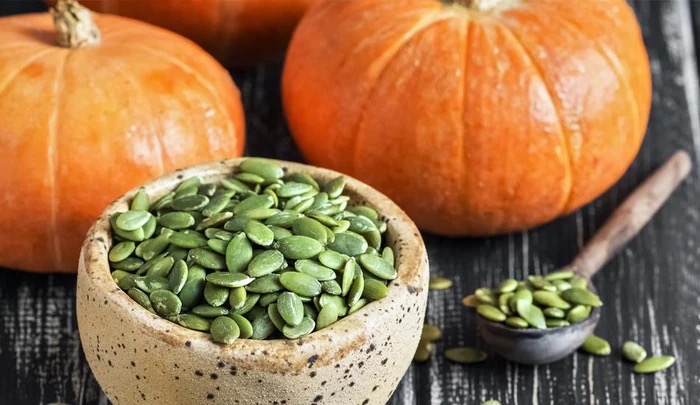
Often used in salads as toppings, these green-gold kernels, often labeled “pepitas,” are a compact source of affordable vegetarian protein, minerals, and healthy fats (about half of their weight is fat). Most people love pumpkin seeds, and I do as well.

1.Superfoods It is nice to see that “old” foods can be called superfoods. Pumpkin seeds are one of them. I do not like the term superfood as such, because it suggests wonders to be achieved by eating A, B, or C. Each with a loyal, at times fanatic fan base (and companies that just want to make money).

What many call superfoods is no more than excellent nutrient-dense food, rich in vitamins, minerals, antioxidants, and phytochemicals. They’re good for your health, can help prevent disease, and support overall wellness. To eat really good food for oneself is already an accomplishment, as most products in your supermarket are not great at all. “Superfoods” are part of my diet, like kale, avocado, wild salmon, and the occasional pumpkin seeds in my salad. Or as snack in the early evening.

“Superfoods” should be part of a holistic diet and healthy lifestyle, not a goal in themselves. They are not exclusive instruments to help you reach your health goals. Do not rely on them too much. So far, no supplements, pills (and definitely no superfoods) exist that cure or prevent everything.

2.Seeds compared. When you compare seeds, there are differences, of course, but most are not that big. Pumpkin seeds are average compared with other seeds when it comes to calories, relatively high in protein (about 25%), and higher than average in fat (but mostly healthy fat) with about 50%, carbohydrates are average and fiber is low. They are a good source of iron, potassium, zinc, and magnesium.

3.The Benefits of Pumpkin Seeds 1. The unsaturated fats in pumpkin seeds, along with magnesium and phytosterols, can contribute to a heart-healthy dietary pattern. Some research suggests that regular, moderate intake of pumpkin seeds may help improve lipid profiles and support blood pressure within certain populations.

2. The combination of protein, fiber, and healthy fats helps increase satiety, which can support better appetite control. For people trying to manage weight, substituting or pairing pumpkin seeds with other snack options can reduce hunger between meals. The fiber content also supports gut health and steady digestion when consumed as part of a balanced diet.

3. Pumpkin seeds contain antioxidants such as vitamin E and carotenoids, plus phytosterols that may support cholesterol balance. Some compounds may help reduce inflammation and oxidative stress.

4. Like many seeds and nuts, pumpkin seeds contain tryptophan, an amino acid that the body can convert to mood-regulating and sleep-related chemicals. Magnesium, another nutrient they supply, is also linked with better sleep quality for some people.

5. Some small studies and traditional use point to benefits for urinary function in men, particularly related to lower urinary tract symptoms (LUTS). The zinc profile in pumpkin seeds is often highlighted in this context. More robust, large-scale trials are needed to make definitive recommendations, but the existing data are encouraging. Men at my age (67) care about their prostate and welcome news like this.

6. In addition, studies indicate that pumpkin seeds contribute to immune support and a better mood and sleep.

4.Problems? Yes, (six minor) ones Pumpkin seeds are calorie-dense. The prepackaged roasted varieties often contain too much sodium (salt). Overconsumption can lead to digestive issues. Some people are allergic. Pumpkin seeds contain compounds like phytic acid that can modestly reduce mineral absorption when eaten in very large amounts, so I would not worry too much. If you have kidney disease, do not eat too much and consult your doctor.

5.Nuts vs. seeds in general Seeds are the plant’s embryos that can grow into a new plant. Nuts are a type of dry fruit with a hard shell around a single seed. True botanical nuts include chestnuts and hazelnuts, etc. Many “nuts” sold in stores (almonds, pistachios, walnuts, cashews) are actually seeds from fruits or drupes, not true botanical nuts.

Nuts (almonds, walnuts, pistachios, cashews, etc.) are frequently more expensive per pound than most seeds.

Both seeds and nuts have excellent nutritional profiles, with differences among them, of course. Seeds are often rich in polyunsaturated fats, certain minerals (magnesium, zinc, iron), and fiber. Nuts are often higher in monounsaturated fats and protein, with their own mix of minerals and phytochemicals.

The shelf life of raw nuts is substantially higher than that of seeds—two times or more. There is no difference when stored in the refrigerator or freezer. Some seeds, like pumpkin seeds, can be more prone to oil rancidity if exposed to heat and light for long periods.

6.How long do pumpkin seeds stay fresh? 4 months in a dark cupboard; keep them in airtight containers away from light, heat, and moisture. If they are roasted, shelf life is about 4 weeks only, before roasted taste disappears. Roasting also diminishes shelf life. For that reason, I freeze a few kilograms of roasted pumpkins and take out a few hundred grams each week. In the fridge: 3–6 months (roasted or not); in the freezer: 9–12 months (roasted or not).

7.Why soak and roast them? Soaking (especially in salted water) reduces the phytic acid in pumpkin seeds. Phytic acid can reduce the absorption by your body of important minerals from other foods. Soaking first will also make roasting easier and can improve digestibility for some people. Roasting will add a lot to the flavor. Some people claim that roasting alone produces a better taste result.

8.Is this a lot of work? No. I do these kinds of things during dinner preparation—Always a few kilograms at a time and storing most of the result in the freezer. A few kilograms should last 1–2 months. The soaking should last 4 hours (in salted water) and the roasting 20 minutes at 175°C (350°F). While roasting, add a bit of oil and salt.

It is getting dark, time for dinner and a nice evening snack. Tonight, as often, pumpkin seeds of course.

Take care, enjoy your food and live a happy and healthy life.

Robert, your health friend

Slowly preparing for the annual trek, Kenya

5. ELECTROLYTES: ESSENTIAL FOR HEALTH (health project99+)

The Wall, Berlin

Dear reader,

Sports people buy expensive bottles filled with electrolytes. Electrolytes themselves are necessary, to buy expensive bottles not at all.

What are these electrolytes, a fancy word for minerals such as salt? Do you need them (yes), can you make drinks with them yourself (yes), are there reliable tests to check if you have a shortage of electrolytes (yes). Is a regular diet sufficient (not always). 

Salt (sodium) as the best-known electrolyte has a mixed reputation. Many people easily have a too high salt intake (processed food for example is loaded with salt) with often serious health consequences. However, if you are a vegetarian who prepares his/her own food, does a lot of sports, lives in a warm climate and sweat a lot, you will almost for sure get an electrolyte’s deficit. Which has serious consequences as I experienced myself on several occasions.

What are electrolytes?

Electrolytes are charged minerals dissolved in body fluids that carry an electric charge. They help with (1) Fluid balance between compartments (inside and outside cells); (2) Nerve impulses and muscle contractions (including the heart), (3)  Acid-base (pH) balance (it is essential that your blood and bodily fluids stay within a narrow pH range (7.35-7.45) and (4) overall metabolism.

The key electrolytes are sodium (Na+), potassium (K+), chloride (Cl−), calcium (Ca2+), magnesium (Mg2+), bicarbonate (HCO3−), and phosphate (PO4^3−).

When do you need to top up your electrolyte’s intake?

Most people get the electrolytes they need from a balanced diet. You may need more if you are a vegetarian, sweat a lot, are ill with vomiting/diarrhea, have certain medical conditions or live in hot climates. 

Especially vegetarians have to make sure that they get enough salt (sodium) and other electrolytes. The same applies to people like me who lived in hot climates and do a lot of sport. But even if you live in cold and rainy The Netherlands but bike and walk regularly, you easily might have high electrolyte losses. Working outdoor is another situation that can cause problems.

Young children and older adults are more vulnerable to dehydrations and electrolyte imbalance in hot weather.                                                     

What are the signs that you might have an electrolytes deficit?

Signs you might need electrolyte support (unless you have a medical condition): persistent dizziness, cramping, unusually dark urine, fatigue with dehydration, or if you’re unable to replace fluids after sweating or illness. Drinking water then is not enough! It needs to be fluid with electrolytes.

When to seek professional advice

If you have kidney disease, heart failure, high blood pressure, or are on a doctor-prescribed electrolyte or fluid restriction.

If dehydration is severe (very low urine output, dizziness on standing, confusion, or if you cannot keep fluids down), seek urgent medical care.

In children, the elderly, or people with chronic illnesses, use caution and consult a clinician before using homemade electrolyte drinks, especially during illness.

To buy or make yourself?

Of course you could and should make your own electrolytes solution. Most recipes suggest 25 grams of sugar as for better taste and better absorption. This is almost half of the “allowed” daily added sugar intake, so I would not do it. Only in cases of serious dehydration (diarrhea and/or vomiting) I would add sugar. The ORS packages for emergency hydration standard contain glucose.

My solution consists of adding low sodium salt (30%) that also contains potassium salt (69%). The brand is called JOZO. I add a few grams each to my fresh lemon drink, the smoothie and the evening soup. With these combinations I do not taste the salt at all.

After intense sports, sauna or during warm weather I add a bit more. For the rest I do not add any salt to my food and at home we rarely eat processed food.

Some standard recipes per 1 liter of water (without sugar) on internet: (1) 1/2 teaspoon table salt (about 2.5 g NaCl) and 1/4 teaspoon potassium chloride (about 1 g); (2) 1/2 teaspoon table salt (about 2.5 g NaCl), 1/4 teaspoon potassium chloride (about 1 g) and 1/4 teaspoon baking soda (about 1.2 g, provides bicarbonate). 

As I use JOZO (btw, no advertisement) NaCl and KCl are already combined.

Testing

Who should get tested? From what I read on internet testing is to be considered under the following three circumstances.

  • Athletes or individuals in extreme heat or endurance activities may have testing in clinical or sports-medicine settings, especially if there are symptoms or a planned intensive training/competing regimen.
  • Symptomatic concerns: confusion, dizziness, weakness, cramps, seizures, irregular heartbeat, swelling, or persistent symptoms of dehydration.
  • People with conditions or on medications that affect electrolyte balance (kidney disease, heart failure, uncontrolled high blood pressure with diuretic use, endocrine disorders, certain cancer therapies).

Personally, I plan to do a test once, and, assuming it is normal, I will not do a follow-up test.

There are several tests that can measure your electrolyte levels, either in blood or urine, and in some cases to assess related acid–base balance or kidney handling of electrolytes. 

Common reference ranges (approximate; can vary by lab)

  • Sodium (Na): 135–145 mEq/L
  • Potassium (K): 3.5–5.0 mEq/L
  • Chloride (Cl): 98–106 mEq/L
  • Bicarbonate (HCO3−): 22–28 mEq/L
  • Calcium (total Ca): ~8.5–10.5 mg/dL (ionized Ca is a separate test)
  • Magnesium (Mg): ~1.7–2.2 mg/dL
  • Phosphate (PO4): ~2.5–4.5 mg/dL

Conclusion

It is a bit surprising that those who live healthy, stay away from processed foods and move a lot are advised to have a good look at their electrolytes’ intake and often are recommended to take more salt (and potassium and other electrolytes, in particular when you feel dizzy when you stand up.

I know it is your own money, but paying good money for expensive electrolyte bottles for me ranks very high on the list of silly things.

Take care, live a happy and healthy life and think of this blog when you feel dizzy.

Robert, your health friend

Dutch dog in Congolese rain