3. GINGER: NATURE AT ITS BEST (health project99+)

Highly recommended: eating in Turkey

Dear reader,

Ginger is a very successful combination of a natural medicine and a supplement; it also makes a great tea, adds taste to a lot of food (gingerbread!) and, increasingly, it inspires interesting non-alcohol drinks with a bite.

The few caveats are the amount you should take daily (not too much, max 4 grams) and its interaction with a few medicines. And try to buy only bio ginger as regular ginger too often has pesticides residues. For the same reason (pesticides) it is better not use ginger powder.

At home we add ginger to our daily morning drink with lemon. https://shakethehealthtree.com/index.php/2025/02/25/5-lemons-and-limes-health-project-99/

  1. Facts and figures about ginger

The English origin of the word “ginger” is from the mid-14th century, from Old English gingifer, which derives in turn from the Medieval Latin gingiber all the way to siṅgabera from the Sanskrit śṛṅgavera.

Ginger was already cultivated 5000 years ago, for medicinal use in China and culinary purposes in India. The Romans add it to their food. In the Middle ages it was a prized and expensive luxury item on the dining table. It was also applied, not very successfully, to protect against the plague.

These days ginger has become very affordable and is produced in many countries. Even in my country The Netherlands, farmers harvest ginger, but the top producers remain India, China, Nigeria, China, Kenya and Nepal. India with over 2 million metric tons in 2023 provides almost half of all ginger globally.

The unique flavor of ginger comes from its active component, gingerol, which possesses potent antibacterial and antioxidant properties. The main gingerol is the 6-gingerol which is considered a functional polyphenol. Earlier I wrote about polyphenols. These amazing compounds are found in plants and number over 8000 and much is still unknown about most polyphenols. I wrote an extensive blog about these small wonders. https://shakethehealthtree.com/index.php/2025/12/02/5-polyphenols-8000-interesting-plant-derived-compounds-health-project99/

For the rest ginger consists mainly of moisture, carbohydrate, protein, fiber, fat, and ash. It  also contains micronutrients including ascorbic acid, -carotene, calcium, iron, and copper.

2. All the benefits of ginger (based on scientific studies)

Treat Nausea and Indigestion

One of the most well-known uses of ginger is its ability to relieve nausea. Ginger can help with nausea associated with chemotherapy, pregnancy, menstruation, and surgery. It can also help with morning sickness and motion sickness. 

Ginger helps increase the way food moves through the gastrointestinal tract, fighting off indigestion.

Improve Blood Sugar Levels

The compound gingerol has powerful anti-inflammatory and antioxidant properties. These can help your body better absorb glucose and improve your blood sugar levels. Gingerol can help control insulin production in people with type 2 diabetes. Insulin is important to move glucose from your bloodstream to your body to make energy. 

Reduce Inflammation

Ginger can also help ease joint pain and inflammation caused by arthritis.  Several studies have shown consuming ginger extract or applying it to joints helps improve pain from arthritis inflammation.

Relieve Pain

Studies have found ginger provides similar pain relief as common pain medications, like aspirin and ibuprofen. Consuming fresh ginger helps relieve pain from menstrual cramps. Ginger has a delayed effect, making it more of a long-term pain reliever rather than an immediate one.

Heart health

Ginger supports heart health by acting as a natural blood thinner and reducing cholesterol. These properties can help lower the risk of heart attacks and strokes. It improves lipid metabolism, breaking down fats in the bloodstream. Ginger enhances circulation and lowers blood sugar levels. According to some studies ginger increases HDL.

Strengthen the Immune System

As mentioned, ginger is a great source of vital vitamins and minerals. These include iron, magnesium, vitamins B6 and C, and zinc. These vitamins and minerals along with ginger’s antioxidant properties can help strengthen your immune system. The polyphenol gingerol helps ease common cold symptoms, like muscle fatigue and sore throat. It can also help fight symptoms of the flu.

3. How much ginger to take?

In large doses, ginger can cause gas, heartburn or diarrhea. There is no official “reference nutrient intake (RNI)” for ginger, but it’s not recommended that you consume more than 3-4g of ginger a day. To avoid misunderstandings, eating more is not bad for your health in terms of affecting organs. However, it can make you feel uncomfortable.

4. Pesticides

Pesticide residue is a recognized concern with conventional ginger. The plant is susceptible to pests and diseases during its long growing season (often 210+ days). Studies have shown that over 66% of surveyed ginger samples contained detectable levels of pesticides, with some samples contaminated with multiple types of pesticides. 

I know that washing, boiling and peeling can remove some of the pesticides residues, but not all. This is always the case with fruits and vegetables with very thin peels. It is not surprising that concentrated ginger powder is a bad idea. Pesticides residues can become more concentrated through processing methods like drying and stir-frying.

Recommendation: buy organic ginger, which fortunately is not much more expensive than conventional ginger.

5. When not to take ginger

Don’t take ginger if you’re on blood thinners like aspirin. Ginger helps thin the blood, so you also won’t want to take it if you have a bleeding disorder. 

Ginger inhibits insulin, so don’t take it if you’re on insulin. 

Ginger can lower blood pressure, so perhaps avoid it if you’re taking blood pressure medication. I say perhaps for a reason. You can monitor your blood pressure and see if there are changes. If not I would take ginger (as I do).

Ginger also stimulates the gallbladder, so don’t consume it if you have gallstones.

6. Top Non-Alcoholic Ginger Recipes (from internet)

I tried a few, they are actually very tasty.

Spicy ginger switchel: Mix grated ginger, honey, apple cider vinegar, and chili, then top with soda water or ginger beer.

Ginger Mojito Mocktail: Muddle fresh mint, lime juice, and ginger syrup/ale for a refreshing drink.

Bitter ginger mocktail: Combine fresh grapefruit juice, Angostura bitters, and ginger beer for a sophisticated, sharp taste.

Sparkling blueberry ginger mocktail. Simmer blueberries, fresh ginger, and rosemary for a syrup, then mix with lemon juice and sparkling water.

Ginger tangerine mimosa: A mix of tangerine juice, apple cider vinegar, and ginger ale.

Ginger beer mocktail with pineapple” A simple 2-minute mix of fresh pineapple juice and ginger beer.

Or just drink ginger beer!

Dear reader, time for a ginger tea and then off to bed.

Enjoy a healthy life and take care,

Robert, your health friend.

Snow in Istanbul

3. SPINACH, HOW TO BEST PROFIT FROM THIS GREAT FOOD (health project99+)

Windmills in The Netherlands

Dear reader, 

Grr, I misfiled my long draft blog post on spinach, but perhaps this is a good thing. Now I’ve written down what I remember, which hopefully is the essence. It is a well-known fact that patients remember only about 20% of what the doctor has told them, and that readers remember only one or two main conclusions from any article. 

Spinach is one of those excellent foods that provides a lot of nutrition per gram. I do not like the label “superfood” as there is no scientific basis for this, but spinach would probably qualify. The main conclusions:

  • It is best to cook it, even when you add spinach to your smoothie. I used to eat it raw, but cooked is better.
  • Only use organic spinach, as this vegetable is often listed among the Dirty Dozen—fruits and vegetables that tend to have high pesticide residues.
  • Its reputation as an iron source is exaggerated.
  • Spinach has a surprisingly positive impact on eye health.

Why cook, not raw?

Spinach is nutritious whether cooked or eaten raw. However, when cooked, spinach tends to have higher bioavailable calcium and iron because cooking reduces oxalates that can bind minerals. The reason is that spinach contains oxalates, which bind minerals like iron and calcium and reduce absorption; cooking reduces oxalate levels, making minerals more available.

Cooking also makes more of certain nutrients available—particularly the fat-soluble vitamins A and E and the carotenoids lutein and zeaxanthin—so they become more available to the body. 

Raw spinach retains more heat-sensitive nutrients, such as vitamin C and folate. 

Personally, I consider the advantages of raw spinach less important. The cooked version is generally better for vegetarians. Although I am not a full vegetarian, I often follow what is good for them. 

Before I forget, spinach is also a very good source of fiber!

Why organic?

I read more about health and aging and more than before I realize that the quality of the trillions of cells is key how one ages. Unfortunately, over the years, damage accumulates in our cells. DNA is attacked and can deteriorate. Our immune system wears down—first slowly, then faster. You can develop all kinds of health issues. Many stem from chronic low-grade inflammation. This often starts with the quality of your cells.

No person can completely escape this process of degradation. You can influence it by taking care of your environment (read my blog on air pollution). https://shakethehealthtree.com/index.php/2026/02/08/20-air-pollution-and-its-impact-on-your-health-health-project99/

Avoid smoking or drinking alcohol (read my blog on alcohol: Truly bad news). https://shakethehealthtree.com/index.php/2026/01/17/4-alcohol-truly-bad-news-health-project-99/

And, in my opinion, try to stay away as much as possible from all these “safe” pesticides.

These days we have discussions about the “forever chemicals” and “nanoplastics.” https://shakethehealthtree.com/index.php/2025/04/27/20-a-plastic-tsunami-entering-human-bodies/

We also engage in the much older discussion about the impact of chemicals on your health. We know that this can be serious. Remember DDT. However, just as with the forever chemicals or nanoplastics, the evidence does not show that the so-called modern safe pesticides are really safe for you. I doubt authorities in aspect, and just as with the forever chemicals and nanoplastics I want to avoid the risk.

Some fruits and vegetables suffer more from pesticides than others. The Environmental Working Group publishes a “Dirty Dozen” list each year since 1995. Yes, strawberries, grapes, and blueberries are always on that list, but so, unfortunately, is spinach. Actually, it is one of the main offenders. Studies indicate that 76% to 97% of conventional spinach samples contain detectable pesticide residues.

I know that supervising agencies like the USDA always claim that the national food supply “is one of the safest in the world,” but I tend to be skeptical about these claims. I am no specialist. Instinctively, I agree with experts. They say continuous exposure to pesticides—even in small doses—can build up in your body over time. This exposure can lead to chronic health conditions.

The iron reputation of spinach is overestimated. 

In general, when eating balanced meals, your iron intake should be sufficient. However, there are certain groups at risk, such as vegetarians and pregnant women. 

From a nutritional point of view, meat is a good (some say the best, but I am not sure) source of well-absorbed iron (heme iron). 

However, you can also obtain enough iron (non-heme iron = iron from non-meat sources) through vegetables, nuts, and fruits alone, but because of their low bioavailability, you have to consume a considerable amount. 

Spinach is often mentioned as a good source of iron; cooked spinach provides about 3.6 mg per 100 g. A pregnant woman needs 27 mg of iron per day, which would require eating roughly 700 grams of spinach. However, because of its low bioavailability (2–20%), several kilograms of spinach are needed daily. This is not feasible, of course. The solution is a good iron supplement. 

Spinach can support eye health, mainly because of two nutrients it’s rich in—lutein and zeaxanthin. These two carotenoids form the macular pigment in the retina. They help protect your eyes from blue light. They also reduce oxidative stress. Higher intake is associated with a lower risk of age-related macular degeneration (AMD) and cataracts in many studies.

 One caveat: it supports eye health, but not in a dramatic way. Cook spinach or lightly steam it: cooking helps release carotenoids and improves bioavailability. Add a small amount of healthy fat (olive oil, avocado, nuts) to improve absorption of lutein/zeaxanthin. Aim for regular inclusion of spinach as part of a varied, eye-healthy diet (for many people, 1–2 cups cooked or a few cups raw several times per week is a reasonable target). There are many studies on this topic and they all indicate that the relation between cooked spinach and a better eye health is promising.

Be careful with spinach in the following cases. 

Acid and mineral buildup are among the main risk factors for kidney stones. The most common type is calcium stones, which consist of calcium oxalate. Spinach is high in both calcium and oxalates, so people at high risk of developing kidney stones should limit their intake and cook spinach, since cooking reduces oxalate levels. Note: Oxalates are salts or esters of oxalic acid found in many foods. They can bind minerals and form insoluble calcium oxalate crystals, which in susceptible individuals may contribute to kidney stone formation. 

Spinach is high in vitamin K1, which serves several roles in the body but is best known for its role in blood clotting. As such, it can interfere with blood-thinning medications. People taking blood thinners, such as warfarin, should consult their healthcare provider before eating large amounts of spinach.

It is always fun to write about positive topics and spinach is one of them. Enjoy your food, enjoy your life and take care.

Robert, your health friend,

Dutch design: an innovative candle

1. DIETS: A BETTER WAY (health project99+)

On Gozo, one of the 21 islands of the Maltese archipelago

Dear reader, 

    My dad was overweight for many years. As a result, every year he started a diet and counted calories. He then lost about 20 kilograms in a few months. In the process, he also became a bit short-tempered. Then, he maintained a stable weight for several weeks. But he slowly regained weight, kilogram by kilogram, and became overweight again. I am sure many of us have similar stories in our families. Others have been on this yo-yo track themselves.

    There are many reasons why diets do not work for many people, even when they seem initially successful. An important physiological factor is that after weight loss the body reduces energy expenditure (a lower resting metabolic rate). This makes further weight loss harder. Weight regain is more likely, often with a higher body fat percentage or a slower metabolism. In short, you end worse than you started.

    My non-diet diet

    This blog focuses on better-quality calories in. It also emphasizes more calories out by moving more. Additionally, it suggests reducing the number of hours during which you eat. By better-quality calories, I mean fiber-rich foods and complex carbohydrates. Moving more? This is probably the easiest part to do.

    Set a realistic end goal for yourself (preferably a BMI of 20–23) and aim for a weight loss of about 1 kilogram per month.

    It is helpful to know that the same amount of good-quality calories leads to less weight gain than bad-quality calories. And do not be too strict with yourself. If you love apple pie, you can continue eating it, at least I did. Take smaller portions and limit it to once per week.

    Weigh yourself weekly at the same time of day, and don’t despair if there is a plateau now and then. It will be all right eventually.

    Although turning to better-quality calories is important, eating less also helps. I know this is not always easy, which is why limiting the eating window is helpful. Start with a 12-hour daily fasting window.

    Prepare your food yourself, using basic elements.

    Willpower is another important factor (I will write about this in another blog), as we all have our weak moments. If chocolate is in front of me, I may struggle. Note to self: do not buy chocolate for home.

    Furthermore, realize that we live in an environment where unhealthy choices are the default options. This implies that a life change requires some effort and will not always be easy, but it is worth it!

    One more thing: do not forget your protein intake. Inadequate protein or insufficient resistance training can lead to a loss of muscle. This lowers resting metabolic rate. It also impairs long-term fat loss.

    How did I do on this non-diet diet?

    I am 196 cm tall and have weighed an average of 95 kilograms for decades. That translates to a BMI of 24.7, just below the threshold for being overweight. Three times in my life I weighed 105 kilograms, which really scared me. That scare helped a lot, and I managed to lose these excess kilos by eating less and exercising more. In particular, cutting back on sweets helped a lot; I remember. So overall, it wasn’t bad, but not great either.

    When I changed my lifestyle about five years ago, I began losing weight. I eventually reached a low of 84 kg. However, I averaged around 88 kg. I didn’t follow a diet or count calories. I ate what I wanted but in a different way. This included limiting the hours during which I ate. I do keep an eye on the scales, because a bit of self-discipline helps. I have weak moments when I satisfy my sweet tooth. This is bad for several reasons. It raises my calorie intake and tends to lead to poorer-quality nutrition.

    Worldwide trends in obesity are very worrisome.

    What strikes you most when you see movies and TV shows from the 1950s, 1960s, and 1970s? Besides the fact that everyone smoked everywhere all the time, very few people were overweight! Recently, my wife and I watched “From Russia with Love.” It was set in our beloved Istanbul. We lived there for four years. It was great to see the Istanbul of the 1960s, and yes, almost everyone was slim, as was common in films from that era.

    This has changed, not only in Turkey but globally. According to the World Health Organization, obesity has become one of the greatest threats to global health. Overweight and obesity are related terms; overweight refers to a higher-than-normal body weight, while obesity is a more severe category. Obesity is now considered a disease—a serious chronic condition with long-term implications and considerable health damage.

    Just to remind you of the dangers. Obesity places excessive strain on organs, tissues, and systems, leading to reduced life expectancy and quality of life. Major risks include Type 2 diabetes. They also include cardiovascular diseases such as heart disease, stroke, and high blood pressure. Certain cancers are risks too. Joint issues like osteoarthritis and sleep apnea are included as well.

    Body Mass Index (BMI)

    BMI is only one indicator of one’s health. The composition of your body (muscles or fat) is also important as are many other factors. Still, I like to use it. BMI is easy to calculate. Divide your weight in kilograms by your height in meters squared. If this does not work Just ask google :-).

    For an adult with a height of 185 cm (approx. 6’1″), a weight of 103 kg (227 lbs) or more is considered in the obese range (BMI of 30 or higher). A BMI of 25–29.9 is classified as overweight.

    The “best” BMI for health is generally considered the range of 18.5 to 24.9. Some research suggests an even lower range (around 20-23). 

    How is the world doing BMI-wise?

    The trend is upward, and quite strong, including among children.

    American Samoa has the highest obesity prevalence in the world. Recent data indicates that roughly 70–75% of its adult population is obese. One important factor is its heavy reliance on imported, ultra-processed foods.

    Around 40% of adult Americans were obese, and 18% were severely obese as of 2019. Severe obesity is defined as a BMI of 35 or higher.

    Twenty-six to twenty-nine percent of adults in England are classified as obese, with about 64% being overweight or obese. France: about 17% of adults are obese.

    In China, obesity was virtually non-existent until the 1990s. This has changed dramatically. Today, more than 50% of Chinese adults are overweight or obese. About 15% are classified as obese.

    Why is obesity on the rise?

    Ultimately, weight and health are your own responsibility; however, maintaining a healthy weight is not easy. We are bad food bombarded from all sides, there is a lot of misinformation, and healthy options are not always available or can be more expensive.

    Look at all the changes in our diet and food environment. Most of the food in supermarkets is ultra-processed, calorie-dense, nutrient-poor, and high in fats, sugars, and salt.

    Engineered foods are often designed to be addictive and to encourage overeating. In many regions of the world, unhealthy, calorie-dense foods are cheaper and more accessible than fresh, nutritious options.

    Larger portion sizes in fast-food restaurants are standard; the trend toward pre-packaged meals encourages higher caloric intake. And let us not forget the aggressive advertising, particularly targeting children, that promotes high-calorie food consumption.

    All statistics show that we move less, sit more, and spend increased screen time. In the Netherlands—the bike capital of the world—the e-bike has become very popular. In my opinion E-biking cannot be considered serious physical activity; the battery does the work.

    We see a link between poverty and obesity. We also observe a link between wealth and obesity. Fewer and fewer people prepare meals themselves. Instead, they prefer ready-to-eat convenience foods.

    Other factors that influence your efforts to control your weight

    Increased stress levels lead to emotional eating (we’ve all been there).

    Sleep is important. Poor sleep quality and duration disrupt hormones that regulate hunger—ghrelin and leptin. This disruption leads to increased cravings and appetite.

    Your gut microbiome can influence how you respond to a given diet.

    In some people, genetics play a negative role. Certain medications as well.

    Some recommended diets

    First, reread my recommendations at the start of this blog. They are a way of living that has helped me a lot. It has resulted in better health and lower weight. Not something for the short term, but for good. Step by step, slowly turning the tables.

    Second, below are some popular diets/approaches that all contain elements of my recommendations.

    • Mediterranean diet: It emphasizes plant foods, healthy fats like olive oil, fish, and whole grains. This diet is well supported for weight management and cardiovascular health.
    • DASH diet (Dietary Approaches to Stop Hypertension): This diet emphasizes fruits, vegetables, low-fat dairy, and lean proteins. It has strong evidence for improving blood pressure and heart health.
    • Plant-based / vegetarian / vegan approaches can support weight loss. They also aid in lipid improvements. However, they require careful planning to ensure adequate protein, iron, B12, iodine, and zinc.
    • Moderate-carbohydrate, higher-protein patterns: Can promote satiety and preserve lean mass, supporting sustainable weight loss.
    • Low-carbohydrate / ketogenic patterns: These diets are often effective for short- to mid-term weight loss. They also help with glycemic control in some people. Long-term adherence and potential nutrient considerations vary.
    • Intermittent fasting (time-restricted eating, etc.): Can reduce caloric intake and improve metabolic markers for some; adherence and individual response vary.

    What about Ozempic and other weight-loss medications?

    Ozempic and friends can be quite effective. They do have potential side effects, but they’re generally considered safe. I wouldn’t use it myself. It isn’t cheap, and unless you make lasting lifestyle changes, you may need to use it for life.

    People who stop taking it often regain the weight. Besides the cost, you should ask whether you really want to use such a medicine forever.

    The long-term effects of Ozempic aren’t known yet. Like with all medicines, there may be changes to the gut microbiome. However, the evidence isn’t clear yet on how significant those changes are.

    Dear reader, the non-diet diet approach described in this blog served me well. Hopefully it is something for you as well.

    Enjoy life and good food!

    Robert, your health friend

    A street in Valetta, the capital of Malta

    3. SWEET POTATOES: GO FOR THEM (health project99+)

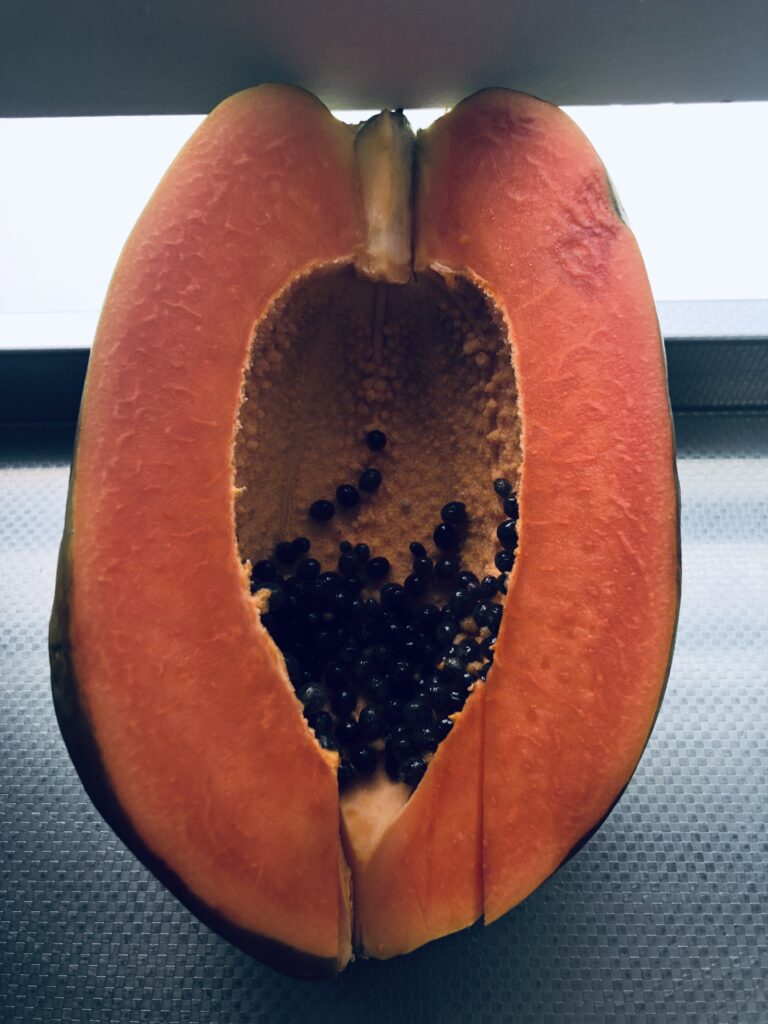
    Sweet papayas are also great! From my own tree in Venezuela

    Dear reader,

    When writing about sweet potatoes, we should focus on more than just the (overhyped) concept of super foods. It’s neither the comparison between sweet potatoes and regular potatoes either. It’s also a story about pesticides conflicting with the great health contribution of peels.

    Finding a balance between nutritious peels and harmful pesticides is not easy. Bio is best, but not always available or sometimes too expensive. It is difficult to make the right decision, because we do not know exactly how harmful pesticides are. Neither do not know how much the peels positively impact health.

    Sweet potatoes a super food?

    Sweet potatoes are a delicious vegetable and are often labeled as a super food. As written before, I am skeptical about the label of super food. Super food lacks a scientific definition and one can use it at will.

    Super food sounds like superman, the guy who can solve everything. Well, super food can not and are not a direct way to health heaven. They offer a lot of excellent nutrients per unit which in itself is very important. Much food offers little good nutrients, like soppy white bread, white rice or the ever present ultra-processed food. All full of empty calories.

    Sweet or regular potatoes?

    It is often suggested that sweet potatoes are much better than regular potatoes. They are not much better, except for perhaps one cancer-fighting reason. This reason is not fully proven yet scientifically (more about this point below).  There are differences between sweet and regular potatoes of course, but the health balance of each is not much different.

    Sweet potatoes offer significantly more Vitamin A and fiber. Regular potatoes generally provide more potassium, iron, and B vitamins like B6. Both are nutritious root vegetables with similar carbs. Sweet potatoes lean sweeter and higher in sugar. Regular potatoes are starchier. Preparation heavily influences their glycemic impact. 

    Calories? Sweet potatoes and regular (white/Russet) potatoes have very similar calorie counts. The differences in calories are usually minimal, around 85–110 calories per 100 g raw. Frying drastically increases calories in both, while baking or boiling keeps them lower in calories. I always choose the oven without adding oil.

    Resistant starches from potatoes have about 2.5 calories per gram, while regular starches contain about 4 calories per gram. As such, it may help to swap other starches for resistant starches if you’re looking to lose or maintain weight.

    Both regular potatoes and sweet potatoes contain significant amounts of digestible (regular) starch, but they also provide resistant starch. This is a type of fiber that resists digestion and promotes gut health. Cooling cooked potatoes (including sweet potatoes) significantly increases their resistant starch content. Advice: always precook your (sweet) potato and let it cool before using it in the preparation of your meal.

    The reasons I prefer sweet potatoes

    First, the taste! The only drawback is figuring out how to make excellent French fries from sweet potatoes without frying them in oil. I do this in the oven, but with precooked regular potatoes it turns out well. Sweet potatoes, on the other hand, remain a challenge. One day it will work out fine; I am sure of it.

    Second, there are indications that sweet potatoes have anti-cancer properties. While the majority of this research has been conducted in laboratory cell cultures and animal models, the findings are promising. Human clinical trials are needed to confirm these effects fully.

    More about the peels

    Why peels? Peels often contain more nutrients than the pulp. While exact percentages vary by produce, studies indicate that skins can contain 50% or more of certain nutrients. In some cases, they have over 300% more antioxidants than the pulp. So throwing away peels, as many of us do, means discarding a lot of essential nutrients.

    Some examples of nutrients in peels

    An apple with skin contains up to 332% more vitamin K than a peeled apple. The skin also has 142% more vitamin A. It contains 115% more vitamin C and 20% more calcium.

    Removing the tomato skin can result in a loss of up to 80% of its lycopene.

    The peel of a fresh carrot makes up only 11% of its weight. However, it contains 54% of its phenolic acids (antioxidants).

    A citrus peel can contain twice as much vitamin C as the fruit’s flesh. • Boiled potato skin can contain up to 175% more vitamin C than a peeled potato. It holds 115% more potassium. Additionally, it contains 110% more magnesium and phosphorus.

    Peels and pesticides

    The problem, however, is that peels often contain pesticides. These can remain on many fruits and even penetrate the first few millimeters of the pulp. So peels contain high levels of nutrients, but they also carry a high concentration of pesticides.

    Debates about pesticides are numerous and often contradict one another. Companies and farmers claim that there are safe levels of pesticides, or that some pesticides are safe for humans. I would like to believe this, but I do not.

    To minimize exposure, it is recommended to wash all produce. However, washing is only half as efficient as peeling. As mentioned before, organic is the best option, but cost can be an important factor. Take kiwis. I love kiwis. In general, organic kiwis are twice as expensive as the regular ones. So, in the case of kiwis, I prefer to peel.

    Produce with thin or no skin, like apples, strawberries, and peaches, tends to hold more pesticides in the peel. This is not surprising. Thick-skinned produce (avocados, bananas) are much less affected.

    Blueberries and strawberries are among the worst when it comes to pesticide residues. Unlike kiwis, which at least can be peeled, this option does not exist with these berries. Conclusion: only eat blueberries and strawberries when you can buy them organic.

    What Is Resistant Starch? And Why Is It So Important?

    Resistant starch is a type of complex carbohydrate that resists digestion in the small intestine. It functions as a prebiotic fiber. It escapes digestion in the small intestine. The starch is fermented in the large intestine by gut bacteria. This fermentation produces short-chain fatty acids (SCFAs), such as butyrate, acetate, and propionate. These fatty acids can be absorbed and used by the body. They may support gut and metabolic health. Note that resistant starch provides energy mainly through SCFAs rather than glucose.

    Carbohydrates can be simple or complex. Simple carbohydrates have a simple chemical structure and are digested quickly into glucose. They are common in foods like candy, white bread, and white rice.

    Anti-cancer

    The potential anti-cancer effects attributed to sweet potatoes arise from several bioactive compounds found in the plant. Anthocyanins are abundant in purple-fleshed varieties. They are powerful antioxidants. These antioxidants have shown anti-cancer effects in test-tube and animal studies.

    These effects include inhibition of growth in cancer cells and promotion of apoptosis (programmed cell death). Beta-carotene gives orange-fleshed sweet potatoes their color. In the body, it is converted to vitamin A. Some epidemiological studies have associated it with a lower risk of certain cancers. Dietary fiber supports gut health and may reduce colorectal cancer risk. Sweet potatoes also contain sporamins (a storage protein) with antiproliferative effects in laboratory and animal studies. Polyphenols and flavonoids are found in leaves, stems, and the edible roots. They help modulate inflammatory pathways. They also inhibit cell-cycle progression and protect DNA. I wrote a blog on the many potentials of the 8.000 polyphenols. https://shakethehealthtree.com/index.php/2025/12/02/5-polyphenols-8000-interesting-plant-derived-compounds-health-project99/

    In summary, my way forward:

    • Choose sweet potatoes, preferably with the peel and, when possible, organic.
    • Use cooking methods that preserve resistant starch (e.g., boil, then cool before reheating) to maximize resistant starch content.
    • Include them a few times per week, with oven-baked, oil-free French fries as a tasty option.

    Enjoy life, enjoy your dinners with sweet potatoes and take care!

    Robert, your health friend

    A day in the cactus woods of Curacao

    3A. DARK CHOCOLATE, ANOTHER MYTH (PARTLY) SCATTERED (health project99+)

    Elephants in the Okavango delta

    Dear reader, 

    Do you sometimes have that feeling that “they” are taking away everything from you? Especially the things you like so much suddenly seem to be bad for your health. In short, are they robbing you of your last pleasures? I am sure you recognize this sentiment. 

    At the moment, I feel a bit down as well. After years of diligently eating dark chocolate because it was supposedly so beneficial (and delicious), I have come to the conclusion that I should stop. Dark chocolate: farewell. Your health benefits are limited, and your negative impact on my health can be substantial. 

    1.Red wine revisited 

    Do you remember those discussions about red wine? One or two glasses a day were said to be good for your health because red wine contains resveratrol. Yet after years of serious drinking, many people learned that you would need around 100 glasses of red wine daily for resveratrol to have a meaningful impact. And later, while studying resveratrol, I learned that resveratrol has a short half-life and that pterostilbene may be a better option https://shakethehealthtree.com/index.php/2025/05/16/21-stay-healthy-100-glasses-of-red-wine-daily-or-resveratrol-pterostilbenehealth-project99/. I wrote a blog about this.

    2.Okay, back to dark chocolate. Its main claim to health fame is that it is one of the few foods rich in flavanols. The other two are green tea and cocoa powder. Fewer flavanols are found in hazelnuts and red wine. Others that are often mentioned but contain very little flavanols are grapes, apples, blueberries, strawberries, and pears.

    One oz (28 grams) of dark chocolate (70% cacao) provides 150–400 mg of total flavanols, a quantity that according to some could be enough. There are however two problems with dark chocolate: its saturated fat content and the way it is processed. If it is processed using the “Dutch process”, it can lose up to 90% of its flavanol content.

    3.Summary 

    Many of these beneficial flavanols are removed during the majority of manufacturing of dark chocolate. This means that dark chocolate processed in that way does not contain enough of these plant chemicals to be considered a health food. Chocolate also contains a lot of saturated fat and sugar. If you want your flavanols, go for green tea.

    4. First, what are flavanols?

    Flavanols are a subclass of flavonoids, a large family of plant compounds with antioxidant activity. They include flavan-3-ols (such as catechin and epicatechin) and their polymeric derivatives known as proanthocyanidins; some sources also mention related forms such as flavan-4-ols, isoflavan-4-ols, and flavan-3,4-ols. In total, many flavanol derivatives have been identified.

    Flavanols are associated with health benefits in many studies.

    You will often read the term monomeric flavanols. These are single-unit plant compounds and are the basic building blocks for larger, linked molecules called oligomeric flavanols. Some well-known monomeric flavanols are epicatechin, catechin, and EGCG (epigallocatechin gallate). These are among the flavanols most studied.

    5.What are the reputed benefits of flavanols?

    They act as antioxidants and may support cardiovascular health, reduce inflammation, and confer other health benefits in some studies. However, results in humans are mixed and often depend on dose, the specific flavanol form, bioavailability, and overall diet. My conclusion: worth the try.

    Antioxidants protect cells from damage caused by free radicals—unstable molecules produced during normal metabolism.

    6.Daily Recommended Quantity

    There are no scientifically determined daily quantities. In general, the often-mentioned aim is 200–500 mg/day of total flavanols, but see caveats below.

    One ounce (28 grams) of dark chocolate (70% cacao) provides 150–400 mg of total flavanols. Most people—myself included—do not stop at just 28 grams, but eat half or a whole bar. One cup of green tea contains about 150–300 mg of total flavanols (EGCG ~80–150 mg). Unsweetened cocoa powder (5 g) provides about 30–70 mg of total flavanols.

    7.The main problem with dark chocolate is saturated fat.

    Only those with a lot of discipline limit themselves to just one or two pieces. One or two pieces already account for about a quarter to one third of the daily recommended amount of saturated fat. Imagine what happens if you eat a 100 g bar of dark chocolate with about 80% cacao. Such a bar contains 35–45 g of total fat, of which saturated fat is 20–25 g, roughly the maximum recommended for women (20 g) and men (30 g) per day.

    Assuming that saturated fat is not good for you (which I do), then having dark chocolate for its flavanol health component may not be worth it, in spite of all the claims by chocolate producers. This is especially true because many dark chocolate bars are processed in ways that cause most of the potential beneficial flavanols to disappear.

    8.Two ways to process dark chocolate: the Dutch method (“Dutching”) and the other (much better), non-alkalized approach

    In most dark chocolate bars, Dutch processing is applied, especially in cheaper ones. This is also called alkalization, which reduces the acidity of dark chocolate. Producers like it because it mellow‘s the acidity and deepens the brown color. Generally, more expensive brands use non-alkalized (natural) cocoa to preserve natural acidity and more complex flavors. The main downside of the Dutch process is the reduction of polyphenols and antioxidants, such as flavanols, which can be reduced by up to 90%. 

    A challenge is that Dutch-processed cocoa, alkalized cocoa, or Dutched cocoa is often not clearly labeled. You may also see terms such as “Dutch-processed cocoa,” “alkalized cocoa,” or “Dutched cocoa,” or labels like “cocoa processed without alkali” or “natural cocoa.”  

    On a different note, I wonder why the English language has so many negative expressions with the word Dutch included (perhaps because we destroyed their fleet in London in the 17e century).

    9.Bioavailability 

    Looking at the required dose is one thing, but bioavailability is what matters for each supplement. What is its half-life? How much of the flavanol intake actually reaches the bloodstream and is available to exert effects?

    For flavanols, the issue of bioavailability is complex and highly variable, and therefore difficult to generalize, but for practical purposes, flavanol bioavailability is low, often only a few percent. For example, the well-known monomeric flavanols catechin and epicatechin show peak plasma levels within 1–3 hours after ingestion and are eliminated within a few hours.

    Larger flavanols, such as proanthocyanidins (condensed tannins; polymers), are poorly absorbed in the small intestine. They are largely broken down by gut microbes in the colon into smaller metabolites that can be absorbed.

    10.Can you take flavanols as supplements?

    Yes. Flavanols can be taken as pills or supplements. The three most well-known types are: 1) Green tea extract or EGCG-heavy supplements (rich in monomeric flavanols such as catechin and epicatechin, and EGCG); 2) Cocoa flavanol extracts (rich in total cocoa flavanols); 3) Grape seed and pomegranate extracts (rich in proanthocyanidins and related metabolites). 

    11.However, there are some important caveats. 

    When you take a supplement always!! be aware of the general issue of quality. Only buy from reputable brands and always look for Good Manufacturing Practice (GMP) certification. 

    And realize that these beneficial flavanols can also have some drawbacks, especially if you take too much. Safety-wise four points stand out.

    A.Liver safety: high-dose green tea extract has been linked to rare cases of liver injury. If you have liver disease, start low and consult with a clinician. 

    B.Caffeine content: many green tea extracts contain caffeine or related stimulants; this can affect sleep, anxiety, and heart rate in sensitive individuals. 

    C.Drug interactions: they may interact with anticoagulants/antiplatelets and other medications; discuss with your doctor if you’re on prescription meds. 

    D.Iron absorption: tannins can modestly reduce non-heme iron absorption; if you’re iron-deficient, consider taking flavanol supplements away from iron-rich meals. I wrote a blog about the importance of iron. https://shakethehealthtree.com/index.php/2025/08/14/21-to-iron-or-not-healthproject99/

    Thank you for reading and my apologies for my negative conclusions about dark chocolate.

    Take care and live a happy and healthy life,

    Robert, your health friend

    In the desert of Namibia

    3. COFFEE: A FEW CUPS A DAY ONLY (health project99+)/UPDATE

    Kinetic art in Venezuela, with Dutch elements

    Dear reader,

    Coffee might be a “superfood”, but only when consumed in moderation and if you do not have a heart condition.

    Coffee is one of the most studied and tested food products. For coffee it is not difficult to find volunteers. The general conclusion of all studies, without doubt, is that up to three cups a day will have positive health benefits for most people.

    Moderate coffee consumption could lead to lower risks of death from all causes and better health outcomes in later years. Other studies suggest that moderate coffee consumption can lead to a longer lifespan, up to five years (see below).

    Overall, the best coffee for health is one that is brewed fresh, minimally processed, and consumed without excessive additives. Filtered coffee is often mentioned as No. 1 and espresso as No. 2. When it is organic and single-origin, it is even better.

    What important compounds are in coffee?

    Coffee contains both caffeine and over 100 polyphenols like chlorogenic acids, but they belong to different chemical classes with distinct structures and biological effects. The exact count of polyphenols depends on bean origin, processing, roast level, and the analytical method used.

    Around 8000 polyphenols (plant-derived compounds) are identified, and coffee contains over 1%. Not bad. For more info on the important topic of polyphenols read this blog https://shakethehealthtree.com/index.php/2025/12/02/5-polyphenols-8000-interesting-plant-derived-compounds-health-project99/

    Health benefits

    • Coffee is one of the richest sources of antioxidants in the Western diet. Antioxidants help combat oxidative stress and may reduce the risk of chronic diseases. Particularly the polyphenols chlorogenic acids and trigonelline act as antioxidants, neutralizing free radicals and activating cellular defense pathways to protect DNA from oxidative damage.
    • I hope to write a future post about antioxidants, as their role in health isn’t yet fully understood.
    • Moderate coffee consumption has been linked to a lower risk of heart disease and stroke.
    • Caffeine can improve alertness and concentration, and may reduce the risk of neurodegenerative diseases such as Alzheimer’s and Parkinson’s.
    • Caffeine can boost metabolic rate and assist in fat burning, making it a common ingredient in weight-loss supplements.
    • Some studies suggest that coffee drinkers have a lower risk of developing type 2 diabetes.
    • Coffee consumption has been associated with a reduced risk of depression and an overall improved mood due to caffeine’s effects on neurotransmitters.
    • Regular coffee consumption has been shown to potentially protect against liver diseases, including fatty liver disease and cirrhosis.
    • Caffeine is known to enhance physical performance by increasing adrenaline levels, making it a popular pre-workout beverage.

    Live five years longer?

    In Medical News Today I read about an interesting, 10 years long study in Norway.

    People with major psychiatric disorders generally have shorter telomeres than the average person, and their life span is typically 15 years shorter! People with these disorders who drank 3–5 daily cups of coffee had telomere lengths equivalent to people 5 years younger in biological age. More than 5 cups had no result.

    These early deaths are often from cardiovascular disease and cancers that are common in people of more advanced age. This has led researchers toward an investigation of the shortened telomeres that people with psychiatric disorders tend to have.

    The authors of the study found that 3–5 cups of coffee have a beneficial effect on telomere length. That does not mean that the more coffee one drinks, the better

    Health risks

    For individuals with certain heart conditions, particularly arrhythmias or hypertension, high caffeine intake may trigger symptoms or worsen the condition. For this reason, I stopped cold turkey when I had serious arrhythmias about five years ago. That was a good decision, because on several occasions when I started drinking coffee again, my arrhythmias returned. However, since the summer of 2025 all seems to be fine, and I am enjoying my daily espresso very much. I’m glad about it, because I love the coffee ritual and do not want to miss out on its tasty part.

    Drinking large amounts of coffee (more than 4–5 cups per day) can lead to negative effects like insomnia, jitteriness, increased heart rate, and digestive issues. High caffeine intake is also linked to anxiety and can exacerbate anxiety disorders.

    While caffeine can provide relief for some types of headaches, it can also trigger migraines. Additionally, regular coffee drinkers might experience withdrawal headaches if they suddenly stop.

    Some studies suggest that very high caffeine intake may interfere with calcium absorption, potentially leading to decreased bone density over time. Regular consumption can lead to caffeine dependence, with withdrawal symptoms such as headaches, fatigue, irritability, and difficulty concentrating if coffee consumption is abruptly reduced.

    Caffeine can interact with certain medications, enhancing their effects or leading to increased side effects. It’s important for individuals on medications to consult with their healthcare provider regarding coffee consumption.

    Coffee is acidic and can irritate the stomach lining, leading to digestive problems in some individuals, particularly those with acid reflux or gastric ulcers. For people with SIBO, coffee is a no-go.

    Superfood?

    Given the many polyphenols and therefor its rich antioxidant profile and multiple potential health benefits, many health experts and enthusiasts refer to coffee as a “superfood.” However, it’s essential to approach this classification with a holistic view of one’s diet and lifestyle, as no single food can provide all the necessary nutrients for health.

    For me, a superfood is simply food with a high concentration of beneficial ingredients per gram, compared to most processed foods you find in the supermarket. Avocado and broccoli are generally recognized as superfoods, and I am not sure if coffee falls in the same category. This is my intuitive conclusion, not scientifically proven.

    Top consumers

    The top 10 coffee consumers by per-capita consumption are mainly found in cold and dark countries like Finland, Norway, Iceland, Denmark, the Netherlands, Sweden, Switzerland, Belgium, Canada, and Austria. Fun fact: when I ask my friend ChatGPT the same question, it lists the Central African Republic as No. 1 (52.1 kg per capita) and Belize as No. 2 (25.5 kg per capita). And, strangely enough, when I confront it with other statistics I usually receive apologies, but the Central African Republic remains No. 1. Lesson: ChatGPT is great, but not always.

    Dear reader, it is evening so too late for coffee, but I am already looking forward to my espresso tomorrow morning!

    Take care and live a happy and coffee rich life.

    Robert, your health friend,

    Finishing 10 K in Caracas in not my best time 🙂

    3. SAUERKRAUT, EIN SEHR GUTES PROBIOTIKUM (health project99+)

    Museum with (royal) carriages, Lisboa

    Dear reader,

    The main takeaway from this blog is that a small amount of unpasteurized and uncooked sauerkraut daily can replace a probiotic pill.

    Sometimes the best food can be cheap. Today I will discuss sauerkraut, a true superfood of the ages, in particular because as a fermented product it has great probiotic qualities. 50 grams per day of sauerkraut could replace the strongest probiotic supplements available (up to 50 bln CFU units).

    I am skeptical about the term superfood, as it can be misleading in the sense that no food is a cure for everything. Neither is sauerkraut. Sauerkraut “only” offers, like other superfood, a lot of quality ingredients per gram contrary to for example white bread or a Coke. Eating a superfood is a great step forward towards a more healthy life as most of the food in super markets is of low quality, doing more harm than good.

    1.The favorite dish in my youth was “zuurkool stamppot” mashed potatoes with cooked sauerkraut, sauce, sausage and apple sauce. I loved it. Still do, but now with bio chicken instead of a highly processed sausage. Unfortunately, when eating sauerkraut like this, it takes away most of its advantages, in particular its probiotic qualities.

    2.To profit from the benefits of Sauerkraut you indeed have to eat it raw. Pasteurized or shelf-stable varieties often lose these live cultures. 

    3. Its advantages

    Many raw, refrigerated sauerkraut contains live lactic acid bacteria that can support gut health and digestion. How much? See below, last paragraphs.

    Good source of fiber, vitamin C, and vitamin K (and some B vitamins). It also provides minerals like potassium.

    Low in calories and highly flavorful: Adds tangy, crunchy texture to meals without many calories, which can aid in satiety. It is great in salad and easy to combine with a lot of food.

    Versatile and inexpensive: Easy to incorporate into many dishes and pairs well with meat, fish, and vegetables.

    You could of course lightly heat or sauté sauerkraut to soften texture and mellow acidity, but keep a bit of crunch if you want the probiotic benefits to remain more intact. Cooking for long periods reduces probiotic viability

    You can cook it slightly, but this will already diminish its probiotic capabilities. After opening, refrigerate and use within a reasonable time (often a few weeks) 

    4. Disadvantages and cautions

    • High sodium content: A typical serving can be quite salty, which isn’t ideal for people watching sodium intake (high blood pressure, kidney issues, etc.). Rinsing can reduce sodium but also lowers some of the salt-brine flavor and may reduce some probiotic activity. The package we use indicates 1.5 gram sodium per 100 gram of Sauerkraut, which is 25 % of the DRA. We eat it as a side dish, around 50 grams only.
    • Not all sauerkraut is probiotic: Many jars are pasteurized or heat-treated, which kills the beneficial bacteria. Look for labels that say unpasteurized, live cultures, or are kept refrigerated.
    • Some people with histamine intolerance or gut sensitivities may react to fermented foods and experience GI symptoms, headaches, or skin issues.
    • Fermented foods can cause gas or discomfort for some people with irritable bowel syndrome (IBO) or small intestinal bacterial overgrowth (SIBO). Start with small amounts to test tolerance.
    • The important factor is the strain and the evidence for that strain and that dose. Different strains have different effects, and not all probiotics work the same way for everyone.

    5. Probiotics/quantities/sauerkraut

    For probiotics doses are usually given in CFU (colony forming units) per day. There is no official RDA, but many studies and products use ranges like 1–10 billion CFU per day for general use, with higher doses (10–50+ billion CFU) used for specific conditions.

    Sauerkraut can meet these doses, because fermented foods (like unpasteurized sauerkraut) can contribute live bacteria, but the CFU are variable and not standardized.

    A rough, literature-based range for live probiotics in unpasteurized sauerkraut per gram is about: 10^7 to 10^9 CFU per gram (10 million to 1 billion CFU/g). Per 100 grams of sauerkraut this translates to roughly 1 billion to 100 billion CFU per 100 g.

    The fresher the sauerkraut the more the CFU count will be in the higher range towards the 1 bln CFU per gram. Pasteurized or heat-treated kraut will have far fewer or no live bacteria.

    Although it is clear that there is wide variability depending on the specific product, fermentation stage, salt concentration, storage temperature, and time since fermentation, it is also clear that with fresh, unpasteurized sauerkraut you will have a substantial intake of probiotics. Not the same everyday, that is true, but life should save some surprises for you.

    Enjoy your sauerkraut and live a happy, healthy and long life,

    Robert, your health friend

    North Sea 2025

    3.PUMPKIN SEEDS: ROAST, EAT, ENJOY (health project99+)

    Dear reader,

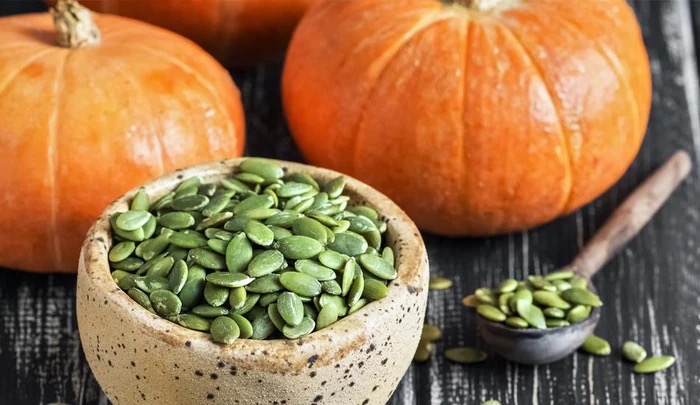
    Often used in salads as toppings, these green-gold kernels, often labeled “pepitas,” are a compact source of affordable vegetarian protein, minerals, and healthy fats (about half of their weight is fat). Most people love pumpkin seeds, and I do as well.

    1.Superfoods It is nice to see that “old” foods can be called superfoods. Pumpkin seeds are one of them. I do not like the term superfood as such, because it suggests wonders to be achieved by eating A, B, or C. Each with a loyal, at times fanatic fan base (and companies that just want to make money).

    What many call superfoods is no more than excellent nutrient-dense food, rich in vitamins, minerals, antioxidants, and phytochemicals. They’re good for your health, can help prevent disease, and support overall wellness. To eat really good food for oneself is already an accomplishment, as most products in your supermarket are not great at all. “Superfoods” are part of my diet, like kale, avocado, wild salmon, and the occasional pumpkin seeds in my salad. Or as snack in the early evening.

    “Superfoods” should be part of a holistic diet and healthy lifestyle, not a goal in themselves. They are not exclusive instruments to help you reach your health goals. Do not rely on them too much. So far, no supplements, pills (and definitely no superfoods) exist that cure or prevent everything.

    2.Seeds compared. When you compare seeds, there are differences, of course, but most are not that big. Pumpkin seeds are average compared with other seeds when it comes to calories, relatively high in protein (about 25%), and higher than average in fat (but mostly healthy fat) with about 50%, carbohydrates are average and fiber is low. They are a good source of iron, potassium, zinc, and magnesium.

    3.The Benefits of Pumpkin Seeds 1. The unsaturated fats in pumpkin seeds, along with magnesium and phytosterols, can contribute to a heart-healthy dietary pattern. Some research suggests that regular, moderate intake of pumpkin seeds may help improve lipid profiles and support blood pressure within certain populations.

    2. The combination of protein, fiber, and healthy fats helps increase satiety, which can support better appetite control. For people trying to manage weight, substituting or pairing pumpkin seeds with other snack options can reduce hunger between meals. The fiber content also supports gut health and steady digestion when consumed as part of a balanced diet.

    3. Pumpkin seeds contain antioxidants such as vitamin E and carotenoids, plus phytosterols that may support cholesterol balance. Some compounds may help reduce inflammation and oxidative stress.

    4. Like many seeds and nuts, pumpkin seeds contain tryptophan, an amino acid that the body can convert to mood-regulating and sleep-related chemicals. Magnesium, another nutrient they supply, is also linked with better sleep quality for some people.

    5. Some small studies and traditional use point to benefits for urinary function in men, particularly related to lower urinary tract symptoms (LUTS). The zinc profile in pumpkin seeds is often highlighted in this context. More robust, large-scale trials are needed to make definitive recommendations, but the existing data are encouraging. Men at my age (67) care about their prostate and welcome news like this.

    6. In addition, studies indicate that pumpkin seeds contribute to immune support and a better mood and sleep.

    4.Problems? Yes, (six minor) ones Pumpkin seeds are calorie-dense. The prepackaged roasted varieties often contain too much sodium (salt). Overconsumption can lead to digestive issues. Some people are allergic. Pumpkin seeds contain compounds like phytic acid that can modestly reduce mineral absorption when eaten in very large amounts, so I would not worry too much. If you have kidney disease, do not eat too much and consult your doctor.

    5.Nuts vs. seeds in general Seeds are the plant’s embryos that can grow into a new plant. Nuts are a type of dry fruit with a hard shell around a single seed. True botanical nuts include chestnuts and hazelnuts, etc. Many “nuts” sold in stores (almonds, pistachios, walnuts, cashews) are actually seeds from fruits or drupes, not true botanical nuts.

    Nuts (almonds, walnuts, pistachios, cashews, etc.) are frequently more expensive per pound than most seeds.

    Both seeds and nuts have excellent nutritional profiles, with differences among them, of course. Seeds are often rich in polyunsaturated fats, certain minerals (magnesium, zinc, iron), and fiber. Nuts are often higher in monounsaturated fats and protein, with their own mix of minerals and phytochemicals.

    The shelf life of raw nuts is substantially higher than that of seeds—two times or more. There is no difference when stored in the refrigerator or freezer. Some seeds, like pumpkin seeds, can be more prone to oil rancidity if exposed to heat and light for long periods.

    6.How long do pumpkin seeds stay fresh? 4 months in a dark cupboard; keep them in airtight containers away from light, heat, and moisture. If they are roasted, shelf life is about 4 weeks only, before roasted taste disappears. Roasting also diminishes shelf life. For that reason, I freeze a few kilograms of roasted pumpkins and take out a few hundred grams each week. In the fridge: 3–6 months (roasted or not); in the freezer: 9–12 months (roasted or not).

    7.Why soak and roast them? Soaking (especially in salted water) reduces the phytic acid in pumpkin seeds. Phytic acid can reduce the absorption by your body of important minerals from other foods. Soaking first will also make roasting easier and can improve digestibility for some people. Roasting will add a lot to the flavor. Some people claim that roasting alone produces a better taste result.

    8.Is this a lot of work? No. I do these kinds of things during dinner preparation—Always a few kilograms at a time and storing most of the result in the freezer. A few kilograms should last 1–2 months. The soaking should last 4 hours (in salted water) and the roasting 20 minutes at 175°C (350°F). While roasting, add a bit of oil and salt.

    It is getting dark, time for dinner and a nice evening snack. Tonight, as often, pumpkin seeds of course.

    Take care, enjoy your food and live a happy and healthy life.

    Robert, your health friend

    Slowly preparing for the annual trek, Kenya

    9. SUPERFOODS LIKE SPIRULINA AND CHLORELLA (health project99+)

    Mosque in Uzbekistan

    Dear reader,

    The term “superfood” implies a lot, more than is proven in reality.

    Superfoods are often linked to misunderstandings. At times, supernatural forces are attributed to them. Exaggerated or not, one thing is clear, namely that superfoods are excellent food sources. The problem is that they exist in a world full of super food hype and loyal/fanatic fan clubs. In this blog, I will explore the world of superfoods. I will focus on two algae marketed as superfoods: Chlorella and Spirulina.

    I have nothing against superfoods. Some are part of my diet, like kale, avocado, and wild salmon, but this instantly sums up their role. They should be part of an holistic diet, not a goal in themselves. Super foods are important, but no exclusive instruments to help you reach your health goals. Still, you should not rely on them too much. So far no supplements and pills exist that cure or prevent everything. Similarly, there are no superfoods that fulfill all your nutritional needs.

    The term “superfood” is not scientifically defined. It is commonly used to describe foods that are exceptionally nutrient-dense. These foods are beneficial for health and well-being. Superfoods are often rich in vitamins, minerals, antioxidants, and phytochemicals. This makes them particularly valuable in promoting health. They are also important in preventing disease and supporting overall wellness.

    New exotic foods often get the superfood label. This sometimes happens due to creative marketing. This marketing occurs after discovering a new herb in the Andes or in the tropics in Asia. The oceans still hold many secrets. I would not be surprised if certain types of jellyfish will be promoted as new superfoods one of these days. They are protein-rich, so that would be a good start. I once tried jellyfish, and at the time, it reminded me of edible plastic.

    Examples of super foods. To give you an idea of what superfoods are, I can mention different types of berries. Many leafy greens like spinach and kale are also examples. Certain nuts and fatty fish; Whole grains like quinoa, Fruits like avocado and kiwi, and dark chocolate. Some herbs and spices, for example, ginger, are superfoods. Legumes like lentils and adaptogens like maca root are included. Of course, the all-important fermented foods like kefir, yogurt, and sauerkraut cannot be overlooked.

    As you can see, it’s a long and by no means exclusive list. These days, producers out of commercial interests like to label all kinds of foods in a positive and promotional way. We consumers tend to fall for these arguments. Why? It is in human nature that we like to believe things, especially if they are too good to be true.

    Risks of Super foods. Superfoods offer a lot of nutritional contribution per gram. This is in contrast to products like for example white bread, which has very little nutritional worth per gram. There are some negative issues related to super foods. (1) I dislike the steep prices of superfoods. (2) Super foods often pose potential health risks, such as contamination. (3) Consumers tend to rely too much on just one or two superfoods. They quickly believe “their” superfoods are the holy grail. In reality, they should be integrated into an overall balanced diet. (4) I dislike the notion that superfoods can compensate for unhealthy behavior. Superfoods do not cancel out the effects of smoking. This sounds logical, but when it comes to food and love, logic does not always apply.

    What about Spirulina and Chlorella?

    Both Spirulina and Chlorella are types of freshwater algae although Spirulina can also be found in saltwater. They are very rich in proteins, vitamins, and minerals. You now and then can buy them as fresh produce, which is very difficult, especially chlorella. They are mainly available as supplements, in powder form or as tablets. They are more or less the same. Spirulina is much easier to digest than chlorella. Before you buy them, ask yourself the following questions:

    – Is it worth the price? Are there cheaper alternatives that offer more or less the same benefits? Are those alternatives available as fresh produce, which I would personally prefer?

    – Do Spirulina or Chlorella have unique qualities? Do other superfoods lack these qualities? Are these exceptional qualities worth purchasing these superfoods in tablet form?

    – Is the product’s processing quality guaranteed (GMP = Good Manufacturing Practices)? This is always relevant, especially in the case of freshwater algae where contamination is a serious risk.

    The benefits of Spirulina and Chlorella.

    Spirulina is high in protein (about 60-70% by weight). It contains essential amino acids. It is rich in vitamins like B vitamins, and minerals such as iron and magnesium. Spirulina is also rich in antioxidants, particularly phycocyanin, which gives it a blue-green color. Its health benefits (according to various sources) include (1) overall health support due to its dense nutritional profile. (2) It provides powerful antioxidants that combat oxidative stress. (3) It may reduce inflammation in the body and enhance the immune response. (4) According to some studies, it may help lower LDL cholesterol and triglycerides while raising HDL cholesterol.

    Chlorella is also high in protein. It contains 50-60% protein by weight. It offers significant amounts of vitamins such as B12. It also provides minerals like iron, magnesium, and zinc. It is also known for its high chlorophyll content. Chlorella’s health benefits are like those of Spirulina. It is high in vitamins and minerals. These include B12, which is especially beneficial for vegetarians and vegans. It is believed to help promote detoxification by binding to heavy metals and toxins, facilitating their excretion from the body. It may help enhance immune function. It can reduce inflammation. Similar to Spirulina, Chlorella may contribute to improved cholesterol levels. It provides antioxidant protection due to its nutrient profile.

    A few warnings: (1) Spirulina and Chlorella are prone to contamination with toxins if not sourced from reputable suppliers. (2) Both algae can cause digestive discomfort, such as bloating and diarrhea. This is particularly true if taken in large amounts. (3) Some individuals may experience allergic reactions, especially if they have a sensitivity to seafood or other algae. (4) Chlorella may interact with blood thinners or medications that affect blood sugar levels. Indeed, check with your doctor!

    There are several other superfoods with similar characteristics like Spirulina and Chlorella. These include moringa (also called the “wonder tree”), wheatgrass, and barley grass. Others are matcha green tea, bee pollen, nettle leaf, alfalfa, acai berry, turmeric (curcumin), and kale. Of these, I use kale (very cheap), turmeric, and occasionally acai berries.

    Sellers of spirulina and chlorella claim that they have unique characteristics, but this is not entirely true. For example, they boast a rich protein content. This includes all essential amino acids that your body does not produce. Still, many other products also offer complete protein profiles. These include quinoa, chia seeds, soy products like tofu, and hemp seeds. Both tofu and quinoa are considerably cheaper than spirulina and chlorella.

    Another claim about spirulina is that it is rich in gamma-linolenic acid (GLA), an omega-6 fatty acid. There are enough alternatives for this. Options include evening primrose oil, black currant seed oil, and hemp seed oil. Flaxseed oil is another option but to a lesser extent.

    I will not delve into the other claims of spirulina and chlorella, as I believe you get the gist. 

    My message is that superfoods are great because they contain a lot of beneficial nutritional elements per gram. Still, never look at them in isolation. Do not fall into the trap of believing that they are unique. They will not solve all your health problems.

    I recommend superfoods as long as they are part of an overall balanced diet. The superfoods I eat include avocado (daily) and flax seeds (daily). I also consume salmon or fatty fish twice per week, but only if caught in the wild. I have kale a few times per week in soup and spinach daily in smoothies. I also consume nuts, dark chocolate, and berries all daily. I eat quinoa and tofu a few times per week. Kefir and yogurt are daily, and I have sauerkraut occasionally.

    Will I start eating Spirulina and/or Chlorella? Probably not. Not because they are not excellent superfoods. It is because they do not add anything to the foods I already consume. I also consider them rather expensive with a relatively high risk of contamination. And I have not found a serious study that states that these two super foods have some unique.

    I enjoyed writing this blog. It increased my knowledge of the (relative) importance of superfoods. I was happy to conclude that much of the food I eat already contribute to my health. As it should.

    Dear reader, enjoy a long, tasty and happy life,

    Robert, your health friend,

    Mosque in Uzbekistan