7. GLYCEMIC INDEX: BLOOD SUGARS MATTER MORE THAN MANY THINK (health project99+)

The Atlas Mountains, Morocco

Dear reader,

The Glycemic Index (GI), invented in 1981, is very important. To all of us, not only to (pre)diabetics. Why? Scientific studies show that high blood sugar levels, even for short periods of time, can promote oxidative stress and inflammation. High blood sugar, whether they come in spikes or are semi-permanent, underlie many inflammatory diseases, including cardiovascular disease, the number one killer globally.

When blood sugar levels rise sharply and frequently, it can cause damage to the lining of blood vessels and promote inflammation. This damage and inflammation contribute to the development of atherosclerosis, a condition where fatty plaques build up inside the arteries, leading to clogs. Over time, these clogs can restrict blood flow and increase the risk of heart disease, stroke, and other cardiovascular problems.

For these reasons stay away from white bread, added sugars, white rice, sugary drinks, etc. Few carbs and no added sugars are the way to go. if you do take carbs, choose whole grains. However, be aware that in addition to GI there is also this thing called Glycemic Load (GL). Whole rice might have a lower GI than white rice but if you eat a lot of it, the GL and therefore its overall impact on your blood sugar level will still be higher than that of white rice.

Do not despair; there is still a lot to eat and drink, even if you reduce carbs drastically (and eliminate the white stuff 100%). Reread the first paragraph of this introduction again: “High blood sugar, whether they come in spike or are semi-permanent, underlie many inflammatory diseases, including cardiovascular disease, the number one killer globally.”

1 My personal bottom line: I stay away from carbs as much as possible in light of the fact that each spike in my blood sugar causes systemic stress, possibly leading to inflammation, which in turn is the basis for many diseases. Staying away completely is not realistic; therefore, I opt for whole grain versions and small carb portions thereof. Tonight we will eat brown rice, with a lot of vegetables and tofu—but the amount of brown rice in the overall meal will be modest.

Am I always 100% consistent? No, I do eat a white croissant now and then or a tasty sandwich. I am aware that each such culinairy excursion is a small attack on my health system. I tell myself that this occasional deviation is a far cry from eating carbs all day long. Which is true, but ten faults of another person do not compensate for mine.

2 One Concrete Example of Carbs Damage

One of my health heroes is Thomas Ford (check him out on YouTube). He tells us about the shock he experienced at the age of 57, when he found out that his arterial health was like that of someone who was 73. It was indeed an unpleasant surprise, as he lived very healthily—or at least he thought so—including running (half) marathons. However, he was on the verge of a heart attack. He totally reversed the situation by drastically cutting down on his carb-rich diet. 

I will write another blog on arterial health, but I just wanted to share with you this story of Thomas Ford, a health guru who only at a later age realized the potential negative impact of too many carbs.

3 What is the Glycemic Index (GI)?

The glycemic index (GI) is a measure that ranks carbohydrates in foods based on how quickly and how much they raise blood glucose levels after eating. Foods with a high GI cause a rapid spike in blood sugar, while those with a low GI result in a slower, more gradual increase. It helps guide food choices, especially for people managing diabetes. High 70 or more; Medium 56-70; Low less than 56. The ranking goes from 0-100.

Foods with a Glycemic Index (GI) of 0 or close to 0 are typically those that contain little to no carbohydrates. Some examples: Water; Plain black coffee, Plain tea (without sugar or milk); Eggs; Meat (beef, chicken, pork, turkey); Fish (salmon, tuna, cod); Oils (olive oil, coconut oil, butter); Cheese; Nuts (most varieties, e.g., almonds, walnuts) and Leafy green vegetables (spinach, kale, lettuce) 

4 What is Glycemic Load (GL)?

Glycemic load (GL) is a measure that combines both the glycemic index (GI) of a food and the amount of carbohydrates in a typical serving. It estimates the overall impact of that food on blood sugar levels. A food with a high GI but low carb content may have a low GL, meaning it causes a small blood sugar rise in typical serving sizes.

If you like formulas: take the GI of a product, multiply that by the carbs content of that product (for example 40 grams carbs out of the 100 grams product) and divide the outcome by 100.

Low GL: 10 or less; Medium: 11 to 19 and High 20 or more.

5 Is there a Threshold?

Keeping blood sugar levels within normal ranges helps minimise arterial inflammation and damage.

Fasting blood sugar below 100 mg/dL (5.6 mmol/L) is considered normal and less likely to cause damage. Maintaining HbA1c below 5.7% indicates good long-term blood sugar control, reducing cardiovascular risk.

Blood sugars consistently above 126 mg/dL (7.0 mmol/L) fasting or high post-meal spikes increase risk of arterial damage and cardiovascular disease. 

Unfortunately, it is not uncommon to find people with blood sugars almost 24/7 above 200 mg/dl. They start the day with white flower croissants, drinks sugary drinks, go for cakes, white rice, French fries etc. Their personal health system is under constant stress and is likely to end badly.

6 Emphasis on low fat

All those adds on low fat as the entrance to health heaven are very misleading. Not all types of fat are bad, on the contrary, and most of the times low fat products are full of carbs and sugar.

7 In practice, three differences between white rice and brown rice

The Glycemic Index (GI) of white rice is typically around 70-89, while the GI of brown rice is lower, usually around 50-65. So if you consume 100 grams of each the GL of white rice on your body is higher. But if your intake of brown rice is twice that of white rice, the GL on your body of brown rice is higher than that of white rice.

The curve for white rice has a steeper rise and higher peak, then falls relatively quickly, indicating a rapid increase and decrease in blood sugar. The curve for brown rice rises more gradually and peaks lower, resulting in a gentler blood sugar response, a process that your body can better handle.

So brown rice has two advantages: the Glycemic Load is less (assuming you eat the same portion) and it is better spread over time.

Two advantages only? No, three as brown rice also has a lot of excellent nutrients that white rice does not have.

8 What about fiber?

More and more the importance of enough fiber is stressed, also in my blogs. Yes, whole grains offer a lot of fiber, but a low carb approach with few grains should not impact your overall fiber intake as there are many other good sources, like seeds, nuts, fruits, vegetables.

9 What about fruits?

Most fruits contain at least some carbohydrates and have a measurable GI above zero. Some fruits have very low GI values, close to zero or very low (under 25). For fruits closest to zero GI-like effect, berries (strawberries, blackberries, raspberries) often have low to moderate GI values (around 25-40) and low glycemic loads due to high fiber content.

However, no fruit has a GI of exactly 0 because they contain natural sugars. Cherries (~20); Grapefruit (~25); Plums (~24); Apples (~28, slightly higher but still low); Pears (~30, low); Oranges (~40, moderate)  

10 Just to know (sleeping and breathing)

Cooking methods (potatoes!) and level of ripeness (bananas) can also make a big difference in GI. If your goal is to keep the GI low, boiling followed by cooling (and consuming cold or reheated gently) is a better choice than boiling followed by baking or roasting.

As always health is complicated. If you are a bad sleeper this plays havoc with your GI. Same with breathing. Breathing itself does not directly impact the Glycemic Index (GI) of foods, but breathing techniques can indirectly influence blood sugar control and insulin sensitivity through Stress Reduction: deep, slow breathing activates the parasympathetic nervous system, reducing stress hormones like cortisol that can raise blood sugar levels. Other elements also play a role like Improved Oxygenation (Better oxygen delivery may enhance metabolism and cellular function, possibly improving glucose utilisation) and Enhanced Relaxation (=Relaxed state which can improve insulin sensitivity and help maintain steadier blood glucose levels).

Dear reader, to cut a long story short: fully reduce the intake of white carbs and added sugars to zero. Reduce drastically the amount of whole grain carbs you eat.

It is doable. 

Take care and live a happy and healthy life.

Robert, your health friend

Sahara desert in Morocco

0. TOP 17 TIPS ON THE ROAD TO LONGEVITY (health project99+)

Walking in the ocean, Los Roques, Venezuela

Dear reader,

I love lists — the 10 best universities, 25 suggestions on how to bake the best bread, or 50 tips for leaving your lover. On social media, many lists circulate with the 10 (most of the time indeed exactly 10, not 11 or 8) suggestions to improve your longevity. I come up with 17.

These lists are useful in themselves and invariably start with the tip not to smoke. Well, this tip will make it to my list as well, since smoking in general can reduce your life with seven years and perhaps even more years off your health span. But it is not my no 1 tip.

What do I mean by improving longevity? Living longer, of course, but with the present state of science, the mid-90s or perhaps early 100s is the limit. (Having said this, many exciting developments are ongoing, and I am both convinced and hopeful that this upper limit will be pushed upwards.) 

As important as living longer is to me, living healthy is equally important (‘health span’). In other words, extend the health span as far as possible, hopefully all the way until the end.

In this context, much can be gained. While the overall age still increases (a little), the health span in some Western countries is going down. A notorious example is the UK, where the average age of men is 79, but the health span dropped by two years over the past decade to 60 years. This means that British men now live the last 19 years of their lives with chronic health issues.

Note: Health span is a relative concept, but you have to think of serious diseases that increasingly prevent you from doing the things you love.

Percentages vary, but according to most sources, 70-80% of your health span depends on lifestyle factors — from nutrition and environment to exercise — factors you can control. The remaining 20-30% are out of your control, from bad luck (accidents) to genetics, although science is making big progress, and many formerly incurable diseases can now be treated.

My 17 tips if you aim for a longer and healthier life are the following

1. Perhaps most important is your state of mind and commitment to yourself. Think about how you want to live, picture yourself at an older age, look around you, be inspired by role models, and know that most of your future is in your own hands. Where I live, I often see a guy doing outdoor sports with the words on the back of his T-shirt: “I am only 85 and just starting.” That is the spirit! Longevity is a lifelong commitment; you have to realize this, and in my opinion, it is worth it and doable.

2. When to start? Any age but realize there are three key ages in your life: around 20, 40, and 60. Starting at 20, most of your functions begin to decline, by 1 or 2% per year. The good news is that with the right action, one can delay a lot or even reverse some decline.

3. Better longevity is not a one-step change; it is not a new crash diet or some promising supplements. You should realize the value of longevity, commit yourself, and then slowly, step by step, introduce changes. Never be too strict on yourself — what matters is the direction and adherence to the five key pillars for longevity, such as, indeed, no smoking. In my case, it took more or less three years to change course. I think that for now I am 80-90% where I should be.

4. The fourth point is to keep learning, keep an open eye, follow the latest developments (AI!), and adapt when necessary. When I started this process, I never thought that I would become 95% vegetarian. However, the more I studied, the more I saw the health benefits of being vegetarian. But I am not too strict, and now and then some fish is allowed. The same applies to alcohol. After studying this topic and reading all the negative health consequences, I decided to stop. However, at weddings or other special occasions, I will drink a glass of champagne, of course.

5. Keep learning. You know that flax seeds are one of the best things to take, only to learn after one year that if they are not ground, it is useless to take them. The same with eating red berries and bananas together — somehow, their benefits cancel each other out. Or not taking certain pills if you have not eaten something beforehand. My whole longevity process is loaded with these examples, and so will be yours.

6. Be skeptical about health claims if they are not made by recognized professionals. The internet is rife with advice, and I use it a lot, but only using info from true professionals. Always cross-check, and when statements are too good to be true, they probably are not true.

7. No one knows your body better than yourself. So listen to its signals, check a bit on the internet (which will probably always worry you), and pay a visit to a medical doctor. Had I not done this some 16 years ago, I probably would have colon cancer by now.

8. Have yourself tested every year and keep the results. This is great to compare and helpful when there are health problems. I have an Apple Watch that gives valuable information, from heart rate when sitting to oxygen saturation and VO2 Max.

9. Many in the longevity sector turn away from the traditional health sector. It is true that many traditionalists are not the best sources for all the new developments, but my strong advice is to keep consulting regular doctors. Without them, my prostate issues or eyesight would not have been remedied.

10. Nutrition, exercise, sleep, stress management, and social life are the five key elements of longevity. These elements, if well managed, contribute to a healthier and longer life. In my blogs, I pay a lot of attention to lifestyle elements as these are factors you can largely control yourself.

11.Exercise, from walking + cycling to stairs climbing, High Intensity Training, strength training and yoga. Balancing exercises should also be part of your activities. Everyday? Yes, not all the items, but move everyday. When you can afford it, do not take a car.

12. Sleep is always mentioned as one of the central pillars of longevity. Personally, I always underestimated the importance of sleep. During a good night’s sleep, your body not only rests but also repairs itself on a cellular level.

13. Avoiding stress is as important as having a good night’s sleep. Stress is something mental but has serious physical consequences including chronic inflammation.

14. Social life is not a category one would immediately think of for better longevity, but just as with sleep and stress, it is extremely important.

15. Lifestyle consists of three main elements: nutrition, environment, and behavior.  

Nutrition You have the good and the bad. Just as with the other elements of lifestyle, it has become clear that your nutritional choices have a very substantial impact on your health. Drinking alcohol increases chances for seven cancers, smoking shaves off seven years of your life, while brushing your teeth and tongue adds seven years. Ultra-processed food is proven to harm your health, and eating a portion of French fries is the same as smoking a number of cigarettes.

What else about nutrition? Prepare your own food, using natural ingredients as much as possible. When available (and affordable), use organic produce. This links to the environment in its broadest sense. Nanoplastics, pesticides, dirty water, and air are all important factors that negatively impact your longevity.

16. The sixth category is supplements! Supplements are often controversial, with many unproven health claims and contradictory expert opinions. Yet, this is also the most exciting category because we are continually discovering the potential of new supplements. The health sector is accelerating, and more and more is possible. When I take supplements (and I take quite a few), I look for as much as possible science-based evidence, the non-harm principle, and, of course, GMP (Good Manufacturing Practice).

17. During my years-long road to better longevity, I picked up a few interesting best practices: pay attention to oral health, including regularly cleaning and brushing your tongue; importance of skin, as healthy skin goes deeper than just the surface; fasting; infrared sauna; and deep tissue massage. All these elements have a much more intense influence on your body than one might think.

Dear reader, I really loved writing this blog. It was in my mind for a long time, but now it is on paper

Take care and live a happy and healthy life.

Robert , your health friend

Los Roques, Venezuela

How do I score on the six categories of longevity? 

1. Lifestyle (nutrition, behavior, environment)  

   – Nutrition: 8 out of 10 (still too much sugar, now and then empty carbs, and not enough fasting)  

   – Behavior: 9 out of 10  

   – Environment: 8 out of 10  

2. Exercise: 9 out of 10 (but should add yoga)  

3. Sleep: 6 out of 10 (still difficult to get enough hours without interruption)  

4. Stress: 9 out of 10 (feel very relaxed in my retirement)  

5. Social life: 7 out of 10 (good, but room for improvement)  

6. Supplements: 8 out of 10  

3. SWEET POTATOES: GO FOR THEM (health project99+)

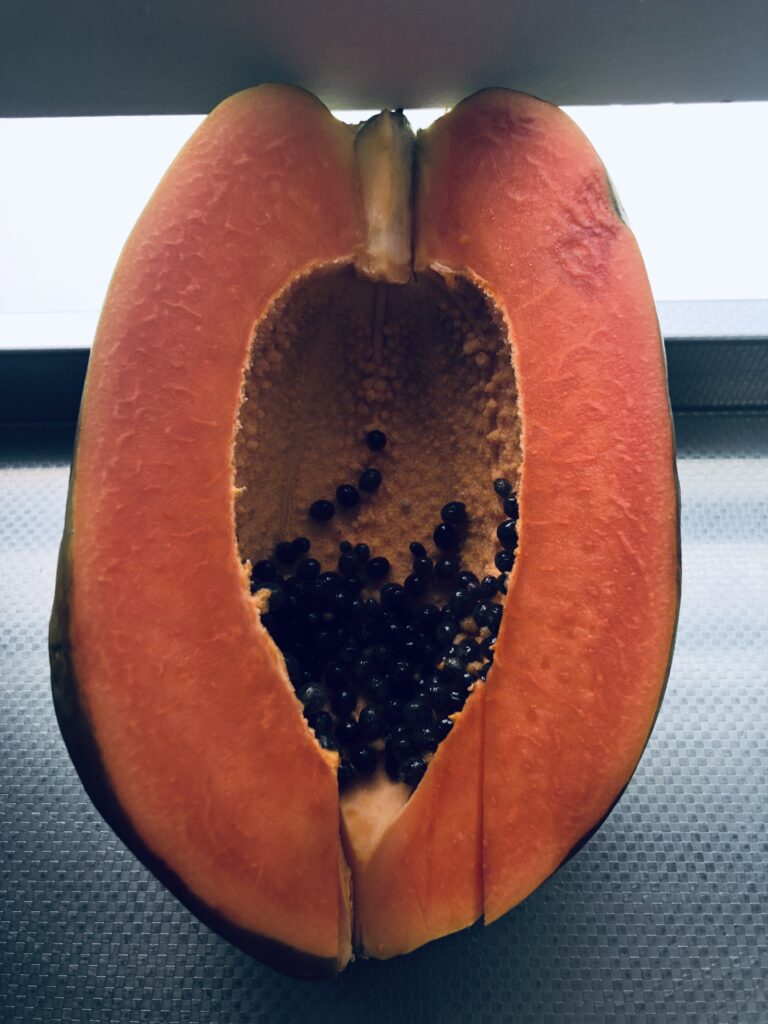
Sweet papayas are also great! From my own tree in Venezuela

Dear reader,

When writing about sweet potatoes, we should focus on more than just the (overhyped) concept of super foods. It’s neither the comparison between sweet potatoes and regular potatoes either. It’s also a story about pesticides conflicting with the great health contribution of peels.

Finding a balance between nutritious peels and harmful pesticides is not easy. Bio is best, but not always available or sometimes too expensive. It is difficult to make the right decision, because we do not know exactly how harmful pesticides are. Neither do not know how much the peels positively impact health.

Sweet potatoes a super food?

Sweet potatoes are a delicious vegetable and are often labeled as a super food. As written before, I am skeptical about the label of super food. Super food lacks a scientific definition and one can use it at will.

Super food sounds like superman, the guy who can solve everything. Well, super food can not and are not a direct way to health heaven. They offer a lot of excellent nutrients per unit which in itself is very important. Much food offers little good nutrients, like soppy white bread, white rice or the ever present ultra-processed food. All full of empty calories.

Sweet or regular potatoes?

It is often suggested that sweet potatoes are much better than regular potatoes. They are not much better, except for perhaps one cancer-fighting reason. This reason is not fully proven yet scientifically (more about this point below).  There are differences between sweet and regular potatoes of course, but the health balance of each is not much different.

Sweet potatoes offer significantly more Vitamin A and fiber. Regular potatoes generally provide more potassium, iron, and B vitamins like B6. Both are nutritious root vegetables with similar carbs. Sweet potatoes lean sweeter and higher in sugar. Regular potatoes are starchier. Preparation heavily influences their glycemic impact. 

Calories? Sweet potatoes and regular (white/Russet) potatoes have very similar calorie counts. The differences in calories are usually minimal, around 85–110 calories per 100 g raw. Frying drastically increases calories in both, while baking or boiling keeps them lower in calories. I always choose the oven without adding oil.

Resistant starches from potatoes have about 2.5 calories per gram, while regular starches contain about 4 calories per gram. As such, it may help to swap other starches for resistant starches if you’re looking to lose or maintain weight.

Both regular potatoes and sweet potatoes contain significant amounts of digestible (regular) starch, but they also provide resistant starch. This is a type of fiber that resists digestion and promotes gut health. Cooling cooked potatoes (including sweet potatoes) significantly increases their resistant starch content. Advice: always precook your (sweet) potato and let it cool before using it in the preparation of your meal.

The reasons I prefer sweet potatoes

First, the taste! The only drawback is figuring out how to make excellent French fries from sweet potatoes without frying them in oil. I do this in the oven, but with precooked regular potatoes it turns out well. Sweet potatoes, on the other hand, remain a challenge. One day it will work out fine; I am sure of it.

Second, there are indications that sweet potatoes have anti-cancer properties. While the majority of this research has been conducted in laboratory cell cultures and animal models, the findings are promising. Human clinical trials are needed to confirm these effects fully.

More about the peels

Why peels? Peels often contain more nutrients than the pulp. While exact percentages vary by produce, studies indicate that skins can contain 50% or more of certain nutrients. In some cases, they have over 300% more antioxidants than the pulp. So throwing away peels, as many of us do, means discarding a lot of essential nutrients.

Some examples of nutrients in peels

An apple with skin contains up to 332% more vitamin K than a peeled apple. The skin also has 142% more vitamin A. It contains 115% more vitamin C and 20% more calcium.

Removing the tomato skin can result in a loss of up to 80% of its lycopene.

The peel of a fresh carrot makes up only 11% of its weight. However, it contains 54% of its phenolic acids (antioxidants).

A citrus peel can contain twice as much vitamin C as the fruit’s flesh. • Boiled potato skin can contain up to 175% more vitamin C than a peeled potato. It holds 115% more potassium. Additionally, it contains 110% more magnesium and phosphorus.

Peels and pesticides

The problem, however, is that peels often contain pesticides. These can remain on many fruits and even penetrate the first few millimeters of the pulp. So peels contain high levels of nutrients, but they also carry a high concentration of pesticides.

Debates about pesticides are numerous and often contradict one another. Companies and farmers claim that there are safe levels of pesticides, or that some pesticides are safe for humans. I would like to believe this, but I do not.

To minimize exposure, it is recommended to wash all produce. However, washing is only half as efficient as peeling. As mentioned before, organic is the best option, but cost can be an important factor. Take kiwis. I love kiwis. In general, organic kiwis are twice as expensive as the regular ones. So, in the case of kiwis, I prefer to peel.

Produce with thin or no skin, like apples, strawberries, and peaches, tends to hold more pesticides in the peel. This is not surprising. Thick-skinned produce (avocados, bananas) are much less affected.

Blueberries and strawberries are among the worst when it comes to pesticide residues. Unlike kiwis, which at least can be peeled, this option does not exist with these berries. Conclusion: only eat blueberries and strawberries when you can buy them organic.

What Is Resistant Starch? And Why Is It So Important?

Resistant starch is a type of complex carbohydrate that resists digestion in the small intestine. It functions as a prebiotic fiber. It escapes digestion in the small intestine. The starch is fermented in the large intestine by gut bacteria. This fermentation produces short-chain fatty acids (SCFAs), such as butyrate, acetate, and propionate. These fatty acids can be absorbed and used by the body. They may support gut and metabolic health. Note that resistant starch provides energy mainly through SCFAs rather than glucose.

Carbohydrates can be simple or complex. Simple carbohydrates have a simple chemical structure and are digested quickly into glucose. They are common in foods like candy, white bread, and white rice.

Anti-cancer

The potential anti-cancer effects attributed to sweet potatoes arise from several bioactive compounds found in the plant. Anthocyanins are abundant in purple-fleshed varieties. They are powerful antioxidants. These antioxidants have shown anti-cancer effects in test-tube and animal studies.

These effects include inhibition of growth in cancer cells and promotion of apoptosis (programmed cell death). Beta-carotene gives orange-fleshed sweet potatoes their color. In the body, it is converted to vitamin A. Some epidemiological studies have associated it with a lower risk of certain cancers. Dietary fiber supports gut health and may reduce colorectal cancer risk. Sweet potatoes also contain sporamins (a storage protein) with antiproliferative effects in laboratory and animal studies. Polyphenols and flavonoids are found in leaves, stems, and the edible roots. They help modulate inflammatory pathways. They also inhibit cell-cycle progression and protect DNA. I wrote a blog on the many potentials of the 8.000 polyphenols. https://shakethehealthtree.com/index.php/2025/12/02/5-polyphenols-8000-interesting-plant-derived-compounds-health-project99/

In summary, my way forward:

  • Choose sweet potatoes, preferably with the peel and, when possible, organic.
  • Use cooking methods that preserve resistant starch (e.g., boil, then cool before reheating) to maximize resistant starch content.
  • Include them a few times per week, with oven-baked, oil-free French fries as a tasty option.

Enjoy life, enjoy your dinners with sweet potatoes and take care!

Robert, your health friend

A day in the cactus woods of Curacao