5. BIOAVAILABILITY: HOW TO OPTIMISE YOUR HEALTH INTERVENTIONS (health project99+)

Solar eclips August 2026 on the beach of Kijkduin

Dear reader,

More knowledge does not always make life easier. Take, for example, bioavailability. The more you learn about this important topic, the more it complicates your decision-making process; a lot to think about, to understand, and then eventually to adapt. However, if you take longevity seriously, you must accept this bioavailability complication as it will optimize your food and supplements choices. 

One major lesson, for me at least, is to regard the information on labels just as a first step, not as the final information upon which you can rely. Does this remark clarify things? Probably not, but the next paragraph should.  

Summary: The seven steps to reach optimal bioavailability  

For bioavailability, the following seven elements are important to realise. (1) What percentage of the compound (e.g., vitamin D) is able to do its beneficial work and is active in your bloodstream? The disappointing answer is that often this percentage is very low! (2) What is its half-life? In other words, how long is the compound active? Some only a few hours, others up to a few days. (3) What about preparation, as the way of preparing food might have a big impact on the bioavailability of certain compounds (raw tomatoes versus cooked tomatoes)? (4) Then you have the issue of spacing. Protein is essential, but as your body on average only processes 20 grams per few hours, it is useless taking all the needed protein (65 grams or more daily) in one go. What you do not process will turn into fat. (5) Compatibility. Some foods or compounds cancel each other out; “inhibit” is the word often used. Compounds put together can reinforce one of them, like black pepper does with curcumin. (6) A very important point is under which “circumstances” you take your supplements. Vitamin C with water only is fine, but most supplements need to be taken with some food, preferably fatty food (a spoonful of olive oil or a handful of nuts). (7) And do not forget the production circumstances. Often organic is the better option for fruits and vegetables. When buying supplements, make sure they are GMP (most of them are not).  GMP stands for Good Manufacturing Practice.

Are these many steps? Yes, I think so, and that is why I experience the road of longevity as a gradual approach. You read, you learn, you apply, you correct earlier protocols, but gradually you (hopefully) increase the efficacy of your health interventions.  

I will treat the 7 factors one by one.

Definition. Bioavailability refers to the proportion of a nutrient or drug that is absorbed from the digestive tract and becomes available for use or storage in the body. It indicates how efficiently a substance is taken up into the bloodstream and reaches its target tissues, influencing its effectiveness.

1. Percentage of compound that, without any corrections, will be active in your bloodstream  

A good example is the popular curcumin. I wrote a blog about this compound and I am taking it daily. Its bioavailability is rather low. Only approximately 1% of the oral dose reaches the systemic circulation of your body and will have any effect. Its half-life is also relatively short – approximately 6 hours.  https://shakethehealthtree.com/index.php/2026/05/14/21-curcumin-that-tasty-yellow-and-healthy-compound-of-turmeric-health-project99/

The reasons for this low bioavailability include poor absorption from the gut, rapid metabolism in the liver and intestinal wall, and rapid systemic elimination. What you can do:  

Curcumin is fat-soluble, so taking it with meals containing fat enhances absorption (step 1). Piperine, a main ingredient in black pepper, inhibits certain metabolizing enzymes, allowing more curcumin to enter systemic circulation. And more really means more – up to 20 times! So add black pepper (step 2). I do this by putting curcumin amongst others in my smoothie and adding black pepper.  

Doing the math for curcumin  

Based on research the recommended curcumin intake is 2x 500 mg, max 2x 1000 mg daily. Without boosters, this would essentially mean only 2x 5 mg or 2x 10 mg actually absorbed, because of its low (1%) bioavailability. When combined with black pepper, you can multiply this by 20, which then would amount to 2x 100 mg or 2x 200 mg. Still way below the recommended intake. So in order to get the scientifically recommended daily intake of curcumin you need 2500 mg or 5000 mg daily, divided over three intakes, not two (half-life!). 5000 mg is a generous teaspoon filled with curcumin.

(2) What is its half-life, in other words, how long is the compound active (some only a few hours, others up to a few days)?  

Another correction that has to be taken into account is the time the compound is active, the so-called half-life. If the half-life is only a few hours, it means that the compound is only doing its therapeutic work for a few hours. Sometimes that is enough, to have a shot for a few hours, but in general, you need a constant presence of a certain compound. That is the reason that some pills (like vitamin D) only have to be taken once per day as the half-life is 12-24 hours; others three times a day.  

Take quercetin. The half-life is 2–11 hours, so if you take quercetin supplements, you need two doses per day. Bioavailability can be substantially improved with specialized formulations and with fat-containing meals.  Taking them with water alone is a waste of effort and money. Enhanced formulation in liposomal or phytosome form are effective, but expensive. And don’t forget to check whether the supplement includes added vitamin C.  https://shakethehealthtree.com/index.php/2025/08/19/21-quercetin-an-unknown-supplement-health-project99/

Or curcumin. Half-life is 6 hours so you should spread the curcumin intake over the day, at least 3 times. About curcumin you should also know that its bioavailability is rather low, around 1% only. 

3. Preparation of food  

The tomato example.  

Preparation methods can have very different results. The reason for the difference between raw and processed is nature. Thermal processing (cooking tomatoes into pastes or sauces for example) breaks down plant cell walls and shifts lycopene into a more absorbable chemical form. This happens with many vegetables including the recommendation to always cook spinach, also for your smoothie, as its benefits multiply when cooked.  

To continue on tomatoes and its compound lycopene. Lycopene’s bioavailability varies a lot but is, in general, not great. For its most important food source (tomatoes), it improves tenfold when consumed in processed or cooked tomato products rather than raw tomatoes. As it is fat-soluble, adding dietary fats will further enhance its absorption.  

 https://shakethehealthtree.com/index.php/2026/08/08/21-lycopene-an-increasingly-popular-compound-intake-via-tomato-paste-or-a-supplement-health-project99/

(4) Pacing 

Pacing or timing the intake of certain foods and supplements can significantly affect their absorption, utilization, and overall effectiveness. Here are some examples where pacing matters.  

Protein: the body can for most people only efficiently use about 20-30 grams of protein per meal for muscle protein synthesis. If your intake is higher, it will translate into more fat. So, the advice is to spread protein intake evenly across 3-5 meals/snacks throughout the day. 

If you take vitamin C the advice is to spread intake throughout the day in smaller doses rather than one large dose, as it is water-soluble and excess amounts are excreted quickly.  

We all know how important fiber intake is, but for many people sudden large increases can cause bloating, gas, or constipation. Therefore, it is better to gradually increase fiber intake throughout the day, combined with adequate hydration.  

Iron is best absorbed on an empty stomach but can cause stomach upset if taken all at once. The solution is to take smaller doses multiple times a few hours before meals or take with vitamin C to boost absorption. 

Taking very high doses of multiple fat-soluble vitamins (A, E, K) together can lead to toxicity.  Balance and spacing might be needed if taking in large amounts. Spacing means at least a few hours between different vitamins.  

Another example is Magnesium and Certain Antibiotics (e.g., Tetracyclines, Fluoroquinolones). Magnesium can bind to antibiotics and prevent absorption and separate doses by 2-4 hours.  

5 Compatibility

Some foods eaten in combination strengthen positive effects, while others can inhibit the other. Some supplements can interfere with the absorption of other supplements, reduce their effectiveness, or cause side effects if taken together. While many supplements can be safely combined, here are some notable pairs to avoid taking at the same time (or at least separate by a few hours):

A few examples:  

Vitamin C significantly enhances iron absorption by reducing ferric iron (Fe³⁺) to the more absorbable ferrous iron (Fe²⁺). It is best to combine vitamin C-rich foods like orange juice, strawberries, bell peppers, or broccoli with iron.  

Staying with iron: avoid tea, coffee, dairy products, and calcium supplements around iron intake since they inhibit absorption. 

Calcium and magnesium interfere with each other, but only when you take high doses of calcium, as they may interfere with magnesium absorption. Normal dietary intake is generally fine. 

Iron and zinc as well, as iron and zinc supplements can compete for absorption if taken together.  

Vitamin K2 is inextricably linked to vitamin D. It is important to get enough of both vitamins. Vitamin D promotes the absorption of calcium in the intestines. It is crucial that the amount of calcium in the intestines does not become too high.   

Vitamin K2 ensures that the excess calcium is directed to where it is needed, namely in the bones and teeth. Therefore, vitamin K2 and vitamin D3 work together to ensure the proper absorption of calcium in the body.  

Vitamin K and blood thinners: Vitamin K can reduce the effectiveness of blood-thinning medications. The question is always how much the reduction is. A few percent does not matter, of course, so try to find this percentage out. The same risk applies with vitamin E and blood thinners. 

These are just a few examples but do your own research with each new supplement you take. Don’t be put off by remarks like interaction or reduction; sometimes it is only a few percent and not worth the trouble. 

(6) When and how to take supplements  

There are basically three options: take them on an empty stomach, with some fat, or during a whole meal.  

Empty stomach is easy in a way. You get up and take whatever pill or supplement is necessary, or a few hours between meals. When taking the compounds at the same time causes you gut problems like bloating, divide it over the day and always take it at least one hour before a meal. 

Iron is absorbed best in an acidic environment and when the stomach is empty—without competing with other minerals or foods that can inhibit absorption (like calcium, phytates, or tannins).  

Certain supplements have to be taken with some food, preferably with an oily content. Some health influencers just take some olive oil with the supplements. I eat a handful of nuts before taking the supplements, which in general is enough.  

In some cases, supplements work best when taken during a full meal, like some iron supplements or high-dose fish oil. Check that, of course, as almonds alone might in these circumstances not be enough to prevent irritation.  

In general, take mineral supplements (iron, calcium, zinc, magnesium) at different times of the day to avoid absorption issues. Do not take them all at once at the same time.  

Fat-soluble vitamins are best taken with meals containing fat.  

Water-soluble vitamins (B, C) usually can be taken any time but avoid excessive doses.  

(7) Production quality  

We know all the discussions about food, environment, pesticides, and forever chemicals—topics that deserve many blogs. Here I just mention them as a reminder about the importance of going for safe and organic nutrition.  

Concerning supplements, we have to be aware that there is little external control, and buyers run serious risks to end up with expensive but worthless products. Just to illustrate my point: a recent test of 30 berberine products showed that only 5 had 90% or higher content as indicated on the label; many had no berberine at all.  

So what to do? If you are interested in Brand X: 1. Look at the bottle to see if it has a GMP (=Good Manufacturing Practice) test certificate or if NSF International conducted the certification. 2. If not, check online to see whether Brand X follows GMP or NSF in its production process. Some companies do, but do not put this information on their labels. 3. Search the internet for comparative studies. At times, they can be very helpful. Be cautious if they are financed by a specific company. 4. If one of the answers to steps 1-3 is negative, do not buy the product. Avoid purchasing it even if it promises the moon to you. I have fallen many times for rosy promises. 

Statistics in practice 

So how do you calculate in practice? Suppose research tells you that you need 25 mg of a certain compound. This is not the same as taking a pill of 25 mg! Realizing this is perhaps the most important message of this blog.  

On its way to absorption in the bloodstream (that is the place that counts), your supplement has a long way to go, and many only partly survive the passage through the gut.  

Take lycopene. The bioavailability of lycopene supplements varies significantly depending on the formulation and how they are consumed; in general, it ranges between 10-30%, although liposomal formulations are said to go up to 70%, which is great, of course.  

When the suggested intake of lycopene is 25 mg daily, realize that a 25 mg pill is not enough as you have to compensate for its bioavailability! If the bioavailability is 30%, it means that only 30% of the ingested amount is actually absorbed into the bloodstream and can exert its effects, meaning you will only get 7.5 mg daily (30% of 25 mg). In practice, you need to take around 80 mg daily if the bioavailability is 30%. 

Regular capsules only fully activate if the body simultaneously has sufficient fat available. If lycopene is taken on an empty stomach or after a low-fat meal, a large portion of the active ingredient simply is not absorbed.  

Liposomal formulations and oil-based formulations are, as mentioned, probably the best (but generally also the most expensive) approach. Note: A liposome is a tiny capsule made of a fat layer, structured just like the membrane of human cells. The active ingredient is enclosed within it and transported directly to where it needs to work. Stomach acid and digestive enzymes cannot affect it.  

The result is significantly higher bioavailability, up to 70%. The body absorbs more of the active ingredient, and the gastrointestinal tract is less burdened compared to regular capsules.  

My approach for lycopene: I take 2 supplements daily, one in the morning and one in the evening. They are 50 mg each, so with a bioavailability of 30%, my intake is a bit over the 25 mg (effectively) used in most research. As the half-life is 2-3 days, I could restrict myself to one pill of 80-100 mg daily, but for some unknown reason I divide the lycopene over the day.

Dear reader, thanks for reading. Live a happy, bioavailable and long life.

Robert, your health friend

Swimming in a river near Klagenfurt, Austria

7. GLYCEMIC INDEX: BLOOD SUGARS MATTER MORE THAN MANY THINK (health project99+)

The Atlas Mountains, Morocco

Dear reader,

The Glycemic Index (GI), invented in 1981, is very important. To all of us, not only to (pre)diabetics. Why? Scientific studies show that high blood sugar levels, even for short periods of time, can promote oxidative stress and inflammation. High blood sugar, whether they come in spikes or are semi-permanent, underlie many inflammatory diseases, including cardiovascular disease, the number one killer globally.

When blood sugar levels rise sharply and frequently, it can cause damage to the lining of blood vessels and promote inflammation. This damage and inflammation contribute to the development of atherosclerosis, a condition where fatty plaques build up inside the arteries, leading to clogs. Over time, these clogs can restrict blood flow and increase the risk of heart disease, stroke, and other cardiovascular problems.

For these reasons stay away from white bread, added sugars, white rice, sugary drinks, etc. Few carbs and no added sugars are the way to go. if you do take carbs, choose whole grains. However, be aware that in addition to GI there is also this thing called Glycemic Load (GL). Whole rice might have a lower GI than white rice but if you eat a lot of it, the GL and therefore its overall impact on your blood sugar level will still be higher than that of white rice.

Do not despair; there is still a lot to eat and drink, even if you reduce carbs drastically (and eliminate the white stuff 100%). Reread the first paragraph of this introduction again: “High blood sugar, whether they come in spike or are semi-permanent, underlie many inflammatory diseases, including cardiovascular disease, the number one killer globally.”

1 My personal bottom line: I stay away from carbs as much as possible in light of the fact that each spike in my blood sugar causes systemic stress, possibly leading to inflammation, which in turn is the basis for many diseases. Staying away completely is not realistic; therefore, I opt for whole grain versions and small carb portions thereof. Tonight we will eat brown rice, with a lot of vegetables and tofu—but the amount of brown rice in the overall meal will be modest.

Am I always 100% consistent? No, I do eat a white croissant now and then or a tasty sandwich. I am aware that each such culinairy excursion is a small attack on my health system. I tell myself that this occasional deviation is a far cry from eating carbs all day long. Which is true, but ten faults of another person do not compensate for mine.

2 One Concrete Example of Carbs Damage

One of my health heroes is Thomas Ford (check him out on YouTube). He tells us about the shock he experienced at the age of 57, when he found out that his arterial health was like that of someone who was 73. It was indeed an unpleasant surprise, as he lived very healthily—or at least he thought so—including running (half) marathons. However, he was on the verge of a heart attack. He totally reversed the situation by drastically cutting down on his carb-rich diet. 

I will write another blog on arterial health, but I just wanted to share with you this story of Thomas Ford, a health guru who only at a later age realized the potential negative impact of too many carbs.

3 What is the Glycemic Index (GI)?

The glycemic index (GI) is a measure that ranks carbohydrates in foods based on how quickly and how much they raise blood glucose levels after eating. Foods with a high GI cause a rapid spike in blood sugar, while those with a low GI result in a slower, more gradual increase. It helps guide food choices, especially for people managing diabetes. High 70 or more; Medium 56-70; Low less than 56. The ranking goes from 0-100.

Foods with a Glycemic Index (GI) of 0 or close to 0 are typically those that contain little to no carbohydrates. Some examples: Water; Plain black coffee, Plain tea (without sugar or milk); Eggs; Meat (beef, chicken, pork, turkey); Fish (salmon, tuna, cod); Oils (olive oil, coconut oil, butter); Cheese; Nuts (most varieties, e.g., almonds, walnuts) and Leafy green vegetables (spinach, kale, lettuce) 

4 What is Glycemic Load (GL)?

Glycemic load (GL) is a measure that combines both the glycemic index (GI) of a food and the amount of carbohydrates in a typical serving. It estimates the overall impact of that food on blood sugar levels. A food with a high GI but low carb content may have a low GL, meaning it causes a small blood sugar rise in typical serving sizes.

If you like formulas: take the GI of a product, multiply that by the carbs content of that product (for example 40 grams carbs out of the 100 grams product) and divide the outcome by 100.

Low GL: 10 or less; Medium: 11 to 19 and High 20 or more.

5 Is there a Threshold?

Keeping blood sugar levels within normal ranges helps minimise arterial inflammation and damage.

Fasting blood sugar below 100 mg/dL (5.6 mmol/L) is considered normal and less likely to cause damage. Maintaining HbA1c below 5.7% indicates good long-term blood sugar control, reducing cardiovascular risk.

Blood sugars consistently above 126 mg/dL (7.0 mmol/L) fasting or high post-meal spikes increase risk of arterial damage and cardiovascular disease. 

Unfortunately, it is not uncommon to find people with blood sugars almost 24/7 above 200 mg/dl. They start the day with white flower croissants, drinks sugary drinks, go for cakes, white rice, French fries etc. Their personal health system is under constant stress and is likely to end badly.

6 Emphasis on low fat

All those adds on low fat as the entrance to health heaven are very misleading. Not all types of fat are bad, on the contrary, and most of the times low fat products are full of carbs and sugar.

7 In practice, three differences between white rice and brown rice

The Glycemic Index (GI) of white rice is typically around 70-89, while the GI of brown rice is lower, usually around 50-65. So if you consume 100 grams of each the GL of white rice on your body is higher. But if your intake of brown rice is twice that of white rice, the GL on your body of brown rice is higher than that of white rice.

The curve for white rice has a steeper rise and higher peak, then falls relatively quickly, indicating a rapid increase and decrease in blood sugar. The curve for brown rice rises more gradually and peaks lower, resulting in a gentler blood sugar response, a process that your body can better handle.

So brown rice has two advantages: the Glycemic Load is less (assuming you eat the same portion) and it is better spread over time.

Two advantages only? No, three as brown rice also has a lot of excellent nutrients that white rice does not have.

8 What about fiber?

More and more the importance of enough fiber is stressed, also in my blogs. Yes, whole grains offer a lot of fiber, but a low carb approach with few grains should not impact your overall fiber intake as there are many other good sources, like seeds, nuts, fruits, vegetables.

9 What about fruits?

Most fruits contain at least some carbohydrates and have a measurable GI above zero. Some fruits have very low GI values, close to zero or very low (under 25). For fruits closest to zero GI-like effect, berries (strawberries, blackberries, raspberries) often have low to moderate GI values (around 25-40) and low glycemic loads due to high fiber content.

However, no fruit has a GI of exactly 0 because they contain natural sugars. Cherries (~20); Grapefruit (~25); Plums (~24); Apples (~28, slightly higher but still low); Pears (~30, low); Oranges (~40, moderate)  

10 Just to know (sleeping and breathing)

Cooking methods (potatoes!) and level of ripeness (bananas) can also make a big difference in GI. If your goal is to keep the GI low, boiling followed by cooling (and consuming cold or reheated gently) is a better choice than boiling followed by baking or roasting.

As always health is complicated. If you are a bad sleeper this plays havoc with your GI. Same with breathing. Breathing itself does not directly impact the Glycemic Index (GI) of foods, but breathing techniques can indirectly influence blood sugar control and insulin sensitivity through Stress Reduction: deep, slow breathing activates the parasympathetic nervous system, reducing stress hormones like cortisol that can raise blood sugar levels. Other elements also play a role like Improved Oxygenation (Better oxygen delivery may enhance metabolism and cellular function, possibly improving glucose utilisation) and Enhanced Relaxation (=Relaxed state which can improve insulin sensitivity and help maintain steadier blood glucose levels).

Dear reader, to cut a long story short: fully reduce the intake of white carbs and added sugars to zero. Reduce drastically the amount of whole grain carbs you eat.

It is doable. 

Take care and live a happy and healthy life.

Robert, your health friend

Sahara desert in Morocco

13. FIBER: LET THERE BE PRAISE (health project99+)

Rare winter landscape in Kijkduin, The Netherlands

Dear reader, 

“Eat your vegetables.” “Get your vitamins and minerals.” “Do not forget your protein.” “Do not smoke”. These are common nutritional mantras that most of us already follow. But “get enough fiber”? This advice isn’t given very often; it should be, as there is a serious fiber deficiency worldwide. One culprit is modern living, which includes too much ultra-processed food. Many Americans eat less than half the fiber they need.

We often think of fiber as the food that relieves constipation. However, fiber is much more than that. It plays an important role in your overall health. Adequate fiber intake is one of the best ways to improve your health. Fiber impacts gut bacteria and aids in weight loss. It controls hunger cues and regulates blood sugar. Fiber is a fundamental part of a healthy diet. Therefore, it is fundamental to a healthy life.

As you will read in this blog, getting enough fiber is not easy. You need to eat whole grains, nuts, fruits, and vegetables. In my view, this is the better approach. I also place emphasis on including fermented foods (sauerkraut) and kefir in the diet.

What Is fiber? Fiber, also referred to as dietary fiber or “roughage,” is a plant nutrient. Fiber is a diverse group of carbohydrates that humans don’t digest in the small intestine; most of it is fermented in the colon.

Together with adequate fluid intake, fiber helps move food through the digestive tract and supports digestion.

Your body does not digest fiber with human enzymes. Most fiber passes through the small intestine largely undigested. It is then fermented by bacteria in the colon. In short, fiber is not absorbed in the small intestine; it travels through the gut largely intact.

Fiber functions to help regulate bowel movements, support healthy cholesterol and triglyceride levels, and promote colon health.

There are many types of fiber.

What is the best fiber? Fibers that are soluble, viscous, and fermentable seem to be particularly beneficial. Resistant starches are another healthy group of fibers. More about the meaning of soluble, viscous, and fermentable fibers below. It’s not necessary to worry too much—just eat a mix of whole grains, fruits, nuts, and vegetables. That should provide plenty of the best fibers. My approach to meeting daily fiber needs is described in detail at the end of this blog.

What does fiber have to do with feeding gut bacteria? You may wonder what your gut bacteria have to do with fiber. Just like any other organism, gut bacteria need to eat to get energy to survive and function. The issue is that most carbs, proteins, and fats are absorbed into the bloodstream early. They reach the large intestine with very little left for the gut flora. This is where fiber comes in. 

As human cells can’t digest fiber, it reaches the large intestine relatively unchanged. Intestinal bacteria do have the enzymes to digest many of these fibers. This is the most important reason some dietary fibers are so essential for your health. These dietary fibers are also labeled fermentable fibers (see below). They feed the “good” bacteria in the intestine, functioning as prebiotics. A good example is sauerkraut or kefir. I wrote a blog about the wonderful impact a daily portion of sauerkraut has on my gut health. And we all know that a happy gut means a happy owner. https://shakethehealthtree.com/index.php/2025/09/25/3-sauerkraut-ein-sehr-gutes-probiotikum-health-project99/

How much do you need daily? The recommended intake is 38 grams for men and 25 grams for women. About one quarter should come from soluble fiber. However, most people consume around half of that, roughly 15–17 grams per day. As you age, you may need slightly less.

How much fiber per day is too much? Around 70 grams of fiber is considered excessive. Consuming that level or more regularly may lead to unwanted side effects. These include temporary bloating, gas, and abdominal discomfort.

When you increase your fiber intake, pay attention to the following: If you’re adding high-fiber foods to your diet, do so gradually over a few weeks and drink plenty of water, too. This helps prevent adverse effects such as bloating and gas. Increasing gradually means adding about 5–10 grams more fiber per week to allow your gut to adapt. 

When I started increasing fermentable fiber (sauerkraut), I overdid it and felt uncomfortable for a few days. Aim for a mix of soluble and insoluble fiber from real foods (fruits, vegetables, legumes, whole grains, seeds). When bacteria ferment the fiber, they also produce gases. This is why high-fiber diets can cause flatulence and stomach discomfort in some people. These side effects usually go away with time as your body adjusts.

Sources of fiber: nuts and seeds. Legumes include beans, lentils, and peas. Whole grains such as brown rice and Ezekiel bread are good sources. Green vegetables like broccoli and other dark leafy greens also provide fiber. Cabbage and celery are included. Bran, specifically wheat bran and oat bran, is another source. Lastly, popcorn is a fiber-rich snack. The best whole-food sources of fermentable fibers are beans and legumes.

What are the benefits of sufficient fiber intake?

Improves heart health. Soluble fiber can lower LDL cholesterol and improve overall lipid profiles, which lowers heart disease risk.

1.Works against colon cancer. Fiber cleanses your colon, acting like a scrub brush. The scrub-brush effect helps clear bacteria and other buildup in your intestines and reduces your risk for colon cancer. This is supported by science. One reason may be that some types of fiber, such as the pectin in apples, may have antioxidant properties. The friendly bacteria produce nutrients for the body. They include short-chain fatty acids such as acetate, propionate, and butyrate. Butyrate appears to be crucial. These short-chain fatty acids can feed the cells in the colon. This leads to reduced gut inflammation. It also results in improvements in digestive disorders such as irritable bowel syndrome, Crohn’s disease, and ulcerative colitis.

2.Managing blood sugar: The body takes longer to break down high-fiber foods. This means glucose does not enter the bloodstream so quickly. This helps you maintain more consistent blood sugar.

3.Reducing cholesterol: Fiber in the digestive tract can help reduce the body’s cholesterol absorption. This is particularly true if you take statins. However, I would not use fiber supplements.

4.Promoting a healthy weight: High-fiber foods like fruits and vegetables tend to be lower in calories. In addition, fiber can slow digestion to help you feel fuller for longer.

5.Supports gut microbiome health: Many fibers act as prebiotics. They feed beneficial gut bacteria and produce short-chain fatty acids. This process supports colon health and boosts immune function. An estimated 100 trillion live bacteria reside in the human gut, mainly in the large intestine. These bacteria are crucial for optimal health. They play various roles related to weight management, blood sugar control, immunity, brain function, and mental health. They are so important that they are often referred to as the “forgotten organ.” 

Because humans can’t digest fiber, it ends up reaching the large intestine mostly unchanged. Fermentable fiber comes into play: these are fibers that friendly gut bacteria can digest (ferment) and use as fuel. Fermentable fibers include pectins found in apples with skin, citrus fruits, berries, and peaches. Beta-glucans are in oats and barley. Inulin and oligofructose are present in chicory root, Jerusalem artichoke (sunchoke), onions, garlic, leeks, asparagus, artichokes, and dandelion greens.

6.Important for energy: When our gut bacteria break down fiber, they produce short-chain fatty acids (SCFAs). Humans can digest SCFAs for energy, and a symbiotic relationship between the digestive system and our colon’s microbiome ensues.

7.Managing stool: Fiber increases the weight and size of your stool and softens it. A bulky stool is easier to pass, decreasing your chance of constipation. If you have loose, watery stools, fiber may help solidify the stool because it absorbs water and adds bulk. It is not a process that your body can do without fiber.

8.Nanoplastics: recent studies indicate that fibers could be a good way to get rid of most nano plastics. Something to follow!

Can humans survive without fiber? Yes, fiber is non-essential. It is not a nutrient in the traditional sense, since we derive no nutrition from fiber—it simply passes through us. However, describing it as “just passing through” understates the importance of sufficient fiber intake. It also serves as fuel for your gut bacteria.

Classifications of fiber Most people, including me, have a very basic understanding of fiber. We tend to lump it all into one category. However, not all fiber is created equal. Some types are highly beneficial, while others can cause digestive problems in some people. The three classifications are: Solubility (soluble vs insoluble), viscosity (viscous vs non-viscous), and fermentability (fermentable vs non-fermentable).

Soluble vs insoluble fiber

  • Soluble fiber dissolves in water to form a thick gel-like substance in the digestive tract. It supports healthy cholesterol levels. It also aids in maintaining balanced blood sugar.
  • Insoluble fiber does not dissolve in water and adds bulk to stool as it passes through the digestive tract. Its job is to promote regularity by increasing stool bulk and speeding transit through the gut. It does not ferment as much with bacteria in the colon.
  • Not all soluble fibers are highly viscous. Some dissolve without forming much gel; these are less chewy in the gut.

Why it matters: the gel from viscous soluble fiber slows gastric emptying. It also slows the rate at which sugars and fats are absorbed. This helps with blood sugar control and can lower LDL cholesterol. Visceral or viscous fibers are particularly associated with increased satiety and may support weight management.

All about resistant starches (a type of dietary fiber) Starches are the main type of carbohydrate in the diet. They are long chains of glucose molecules. These are found in potatoes, grains, and many other foods. When starch resists digestion in the small intestine, it is called resistant starch. It then behaves like soluble, fermentable fiber in the gut. For a note on fermented foods, see the related link.

Resistant starch has several health benefits. It supports digestive health, improves insulin sensitivity, helps regulate blood sugar, and may reduce appetite. Good sources include green bananas, certain legumes, and cooked-and-cooled potatoes and rice. Some starchy foods form larger amounts of resistant starch when they are cooled after cooking (e.g., white potatoes and white rice).

Thanks for reading. Please enjoy food, life, family and friends,

Robert, your health friend

Snow in Istanbul is not rare

Some notes on how I get my daily quantity of fiber

The whole fiber topic makes you realize how much the world and our diets have changed. Basically, you need to radically change your eating habits to get those 25 grams (women) or 38 grams (men) daily.

How to get there? Whole grains, fruits, vegetables and nuts; skip ultra processed food or white cereals. Please vary as different produce have different types of fiber. Also realize that some fruits or vegetables have a lot of sugar, like carrots (4.7 grams of sugar per 100 grams), beets (7 per 100) and even broccoli (1.7 per 100).

As I said, getting to the 38 grams (I pretend I am younger than 50) is not easy. I do not like beans. It is a shame because 100 grams of beans will get you 10 grams of fiber.

My liquid meals help a lot: the smoothie in the morning and the soup in the evening.

My morning smoothie contains 50 grams of broccoli (=1 gram), 100 grams of banana (=2,6 gram), 50 grams of oats (=5 grams), avocado 50 grams (=3,4 grams), 50 grams spinach (=1 gram). In total around 12 grams. This can be more when one adds for example berries, but these are low on fiber (1.2 grams per 50 grams).

My soup consists of carrots, beets, broccoli and pumpkin (broccoli 2.6 per 100, beets 2 per 100, carrots 2.8 per 100 0,5 pumpkin. Another 7.4 grams.

In addition, my lemon wonder drink. Every morning I make a few liters, using 2 lemons + 4 grams of ginger. I take the lemons whole, including peel, which has the most fibers. One lemon is 60 grams, the peels weighs 30 grams of which 10 % is fiber. So, another 3 grams of fiber per day; the other 3 grams are for my wife.

I also take some yogurt in the morning with home made granola including Chia seeds. Chia seeds are the best in fiber with 34,4 grams per 100 grams. I estimate I take some 10 grams of Chia seeds as part of my granola, so 3,4 grams. Plus some berries, 1 gram per 50 grams. In total 4.4 grams.

The readers sees that with this fiber rich approach I just make it to 27 grams. The remainder is nut snacking during the day, between 50 and 100 grams almonds (too much, I know). Almonds give you 13.4 grams of fiber per 100 grams.

10. CHOLESTEROL: ALL YOU NEED TO KNOW AND DO (health project99+)

Bonaire, near the salt pans

Dear reader,

The world of cholesterol is full of misperceptions, misunderstandings and misleading statements, that are not completely false but do not cover the whole picture. The food and health industry play on our fears and present easy solutions (“low in fat”, “no cholesterol”) for complex issues. And we consumers fall for this, time and again.

Simple people like me are at a loss when it comes to fats, LDL, HDL, cholesterol etc. In particular, when we talk about cholesterol, we are concerned about the negative impact it can have on our heart and our artery system. Hearth failure is still cause of death no 1 in the Western world, often because of plaque inside your arteries, so there is reason to be concerned when your cardiovascular system is involved. 

Plaque in your arteries is strongly connected with cholesterol. At the same time all our cells need cholesterol, so the question is how we keep the good part of cholesterol and stay away from the bad part.

The key to understand the whole fat/cholesterol topic is the following: the fat you eat (saturated vs unsaturated) changes how your body handles that cholesterol.

  1. Although LDL and cholesterol are different compounds, often they team up and are then presented as LDL cholesterol (aka “bad cholesterol”). It took me a long time to understand this, namely that we talk about two different things that are presented as one. In this blog I write about the different relationships that cholesterol has and how cholesterol fits in the whole spectrum of fats/lipids/lipoproteins/triglycerides.

Your body does not need food that contains cholesterol (the “dietary cholesterol”) as the body (liver) produces enough cholesterol itself. Cholesterol keeps your body quite busy as it has to manage its production, absorption, transport by lipoproteins (LDL and HDL) and its clearance.

It is essential to point out that the impact of everything concerning cholesterol is not the same for every person: absorption efficiency, total saturated fat intake, fiber intake, body weight, genetics (e.g., LDL receptor function), and overall diet pattern. In other words, the main driver for blood cholesterol isn’t how much cholesterol you eat, but how fat you eat and how your liver handles fats and lipoproteins.

Vitamin D is linked to cholesterol because we need cholesterol in our skins cells to make vitamin D from sunlight. The vitamin D is later transformed again in the liver and kidneys, but cholesterol is needed for the first step.

2. Recommendation As I see it all the different values, like the LDL cholesterol, are important, but are of relative importance only. One reason is that the reaction of each person to cholesterol and other lipids is very individual. Not for nothing sometimes seemingly very healthy people die because of an unexpected hearth failure, that is often related to blocked arteries, something not visible from the outside. Yes, I do an annual blood test, but will also do a MRI scan of the arteries.

3. Plague removal Whether it is possible to remove plague that has already settled in the arteries is a good topic for another blog (short answer: it seems possible to at least partly remove plague from the arteries).

4. What is cholesterol? Cholesterol is a stereol, a type of lipid, meaning a fat-like molecule. As opposed to fat, cholesterol cannot be consumed for energy, sweated or burned. Dietary cholesterol is found in animal products; plant foods contain no cholesterol. The animal products include beef, chicken, fish, poultry, organic meat, and high-fat dairy foods. 

From a nutrition perspective, fats are mainly triglycerides and provide about 9 kcal/g; fatty acids and phospholipids are other lipids with different roles. The other difference is that from a caloric perspective, an oil is a fat. For example, let’s consider olive oil. Clearly, it is an oil according to a chemist’s definition, but from a caloric standpoint it is a fat because it provides 9 kcal/g Lipids also consist of triglycerides, fatty acids, phospholipids, waxes, and sterols (like cholesterol). 

These compounds are grouped together because of their structural and physical property similarities. Of these, triglycerides are best known. All lipids have hydrophobic (water-fearing) properties. Chemists further separate lipids into fats and oils based on their physical properties at room temperature.

5. What produces cholesterol? Your liver is the body’s main cholesterol factory. It makes a type of particle called VLDL, which ships out triglycerides and cholesterol. As VLDL releases triglycerides in the bloodstream, it becomes IDL and then LDL. So LDL is largely produced and processed inside your body, not simply created by what you eat. Dietary factors can influence LDL production and clearance. 

Your diet can influence how much LDL is made or cleared, but LDL itself isn’t a food ingredient. HDL and other lipoproteins play different roles, often helping remove cholesterol from arteries. The liver not only produces cholesterol; it also receives dietary cholesterol (via dairy and meat) via the bloodstream, and some of that cholesterol ends up in a free (unesterified) form in the blood, but most circulating cholesterol is carried inside lipoproteins as cholesterol esters. Free cholesterol isn’t produced as a separate circulating substance on its own; it’s part of the overall cholesterol pool.

6,The functions of cholesterol (1) It helps build cell membranes—the thin, flexible membranes that surround every cell and regulate what goes in and out. (2) It’s also a precursor, which means it’s a starting material the body uses to make other important things, like hormones (for example, those that control growth and reproduction) and bile acids (substances the liver makes to help digest fats). (3) It is also a precursor to vitamin D because we need cholesterol in our skin’s cells to make vitamin D from sunlight. 

Vitamin D is later activated again in the liver and kidneys, but cholesterol is needed for the first step. In your blood, cholesterol exists in two main forms: some is free cholesterol, not attached to other molecules like lipoproteins, but most of the cholesterol is carried inside lipoproteins—tiny particle ships that transport cholesterol and other fats around the body.

7.What is the link between certain fats and LDL? There is a strong link between the wrong kinds of fats (saturated/trans fats) and higher LDL (attached to) cholesterol in the blood. However, there are more sources for LDL.

If you do not eat any saturated fat at all, will there still be LDL for the cholesterol to attach to? The short answer is yes. There are several sources of LDL, and the almost exclusive focus on saturated fat is not helpful. It should be stressed that neither saturated nor unsaturated fats directly “make” cholesterol in the sense of a simple one-step conversion.

Cholesterol is made mainly in the liver through a complex pathway, and the type of fat you eat influences that process and how blood cholesterol is handled, not as a direct one-to-one production switch. LDL comes from the liver’s own production and from how all fats and sugars in your diet affect that process. It’s not created only when you eat saturated fat.

Other dietary factors matter too. Trans fats tend to raise LDL and lower HDL. One should therefore replace saturated fats with unsaturated fats (like olive oil, nuts, and fish) that often (but not always) lowers LDL. Often not well understood is that refined carbohydrate or sugar intake can raise triglycerides, another part of the whole lipid spectrum that can change upward the LDL particle size/number. Another issue is dietary cholesterol (the cholesterol in foods, not to be confused with saturated or non-saturated fat) has a smaller, more variable effect on blood LDL for many people. To add to the picture and confusion: genetics also play a big role—some people naturally have higher LDL regardless of diet. 

8.What happens if you eat products high in cholesterol? The liver produces enough cholesterol to supply the body’s needs. However, a person can also consume cholesterol in their diet. If someone consumes foods high in cholesterol, their liver responds by slowing down cholesterol production, but not necessarily proportionally. The response varies between people. Some are “hyper-responders” and see larger rises in LDL-cholesterol with higher dietary cholesterol; others show little to no change. This balances out cholesterol levels and keeps them more or less constant, meaning that dietary sources of cholesterol, including eggs, typically have little or no impact on blood cholesterol.

9.How much cholesterol one needs daily? There is not a required daily amount of cholesterol you need to eat. The body makes all the cholesterol it needs, and it adjusts its production of cholesterol according to its needs. Dietary intake, i.e., via foods like eggs, is not needed. The current guidelines say (roughly): • No specific daily limit for dietary cholesterol for the general population. • Focus on overall diet quality: limit saturated fats to less than about 10% of daily calories, avoid trans fats, eat fiber-rich foods, and maintain a healthy weight. • If you have high cholesterol or cardiovascular risk, a clinician may advise more careful management of cholesterol intake, sometimes with a target around 200–300 mg per day, but this is individualized. 

10.What is the difference between LDL and HDL? The difference between these two is huge. They are both so called lipoproteins and function as “ships” that carry cholesterol and other fats in the bloodstream. 

LDL stands for Low-density Lipoprotein and is like the delivery truck that carries cholesterol from the liver to cells that need it; if there are too many of these trucks or they become damaged, cholesterol can build up in artery walls as LDL deposits the cholesterol in arteries and start atherosclerosis.

HDL is the recycling truck that picks up excess cholesterol from tissues and other lipoproteins and brings it back to the liver to be reused or excreted. 

There are other lipoproteins too, such as VLDL and chylomicrons, which mainly transport triglycerides and can be converted into LDL or HDL as they unload. Each lipoprotein has surface proteins that help cells recognize and take up the particle. Clinically, we usually measure LDL-C and HDL-C to estimate how much cholesterol is carried by these main ships and to assess heart disease risk

11.What can move LDL up or down? What to do? (1) Saturated fats and trans fats tend to raise LDL for many people. (2) Unsaturated fats (like those from olive oil, nuts, and fish) tend to lower LDL or improve the overall cholesterol pattern. (3) Refined carbs and sugar can raise triglycerides and influence LDL particle size/number. (4) Dietary cholesterol (the cholesterol in foods) has a smaller, more variable effect on LDL for most people. (5) Genetics also plays a big part—some people naturally have higher LDL regardless of diet. (6) Certain foods have been proven to lower LDL, like fatty fish, green tea, oats, nuts and beans. Others to raise it: red meat, processed meat, full-fat diary, baked goods, fried foods, butter, tropical oils. (7) Overweight causes your body to produce extra cholesterol. (8) Exercise and fiber-rich food will move LDL down.

12.What is a cholesterol profile? A cholesterol profile consists of 4 main items.

  • (1)LDL cholesterol (the “bad” one); (2) HDL cholesterol (the “good” one as it helps remove cholesterol from arteries;  (3) Non-HDL cholesterol and ApoB (what this is see below): these reflect all the atherogenic (artery-clogging) particles, not just LDL; (4) Triglycerides.

13. No, avocados do not contain cholesterol. Cholesterol is not a fat, but lipid, specifically a sterol; it is not a fat. Itis found only in animal products. Since avocados are plant-based, they are naturally cholesterol-free. 

14. What about eggs? Discussions often focus on your cholesterol intake, which in itself is misleading, as most if not all of your cholesterol is produced by your liver.

Remember the egg debate. One egg (the yellow part) contains about 185 mg of cholesterol. Although there is no precise figure for how much cholesterol your body needs, 185 mg is substantial. For this reason eggs are traditionally considered potentially damaging for your cardiovascular health.

Recent studies however are drawing other, less damaging conclusions on egg consumption and I can see why. It is your liver itself that produces all the cholesterol you need, a production that will go down when your dietary intake goes up. It is a bit more nuanced than this and for some people dietary cholesterol can have a noticeable effect. More studies are needed, but there are indications that for many of us, eggs are less of a cholesterol villain than normally described.

15.Triglycerides (another lipid, just as cholesterol is a lipid) Earlier I wrote a blog on triglycerides as I was fascinated (and became very concerned) about the clear link between eating too much easy sugars and refined carbs like white bread and its impact on the quantity of fat in your bloodstream! 

Tryglycerides are the main storage form of fat in your blood: a molecule made of a glycerol backbone with three fatty acids attached. Your body uses them for energy, and when you eat more calories than you need (especially from sugars and refined carbs), the liver often packages the excess into triglycerides and releases them into the bloodstream in VLDL particles. This is why high intake of sugars and refined carbohydrates can raise blood triglyceride levels. 

Not all carbs have the same effect—whole, fiber-rich carbs tend to have a gentler impact than sugary drinks or sweets. Other factors—weight, insulin sensitivity, alcohol, genetics, and overall diet—also influence triglycerides. 

16.What is ApoB, an important but neglected indicator of heart health Interestingly enough in the discussions on cholesterol there is little or no interest for ApoB. Strange as apolipoprotein B, is the main protein component of the lipoprotein particles that carry fats and cholesterol in your blood.

Because most atherogenic (artery-clogging) particles carry one ApoB molecule, the blood level of ApoB roughly reflects the number of these potentially harmful particles, not just how much cholesterol they carry. Clinically, ApoB is used to assess heart disease risk, and you can think of ApoB as a count of the delivery trucks circulating in your bloodstream. Next time when I visit a lab I will definitely ask for my ApoB to be checked!

Dear reader, this was a long one, but too difficult to write about this complex topic in just a few lines.

Take care, keep in mind what I wrote about cholesterol and hopefully it will benefit you.

Robert, your health friend,

Endangered mountain gorillas in Uganda

11. SUGAR, THE DEVIL IN DISGUISE/PART 2: EASY TO OVER CONSUME (health project99+)

Amsterdam, de Pijp quarter

Dear reader,

Sugar is one of the modern plagues that test modern humanity. We all know this, but still underestimate how easy it is to over consume sugar. Sugar, easy carbs, starch, all part of the same problem, too much sugar, too much glucose, too much impact on your blood glucose level and in the long run a negative impact on your health.

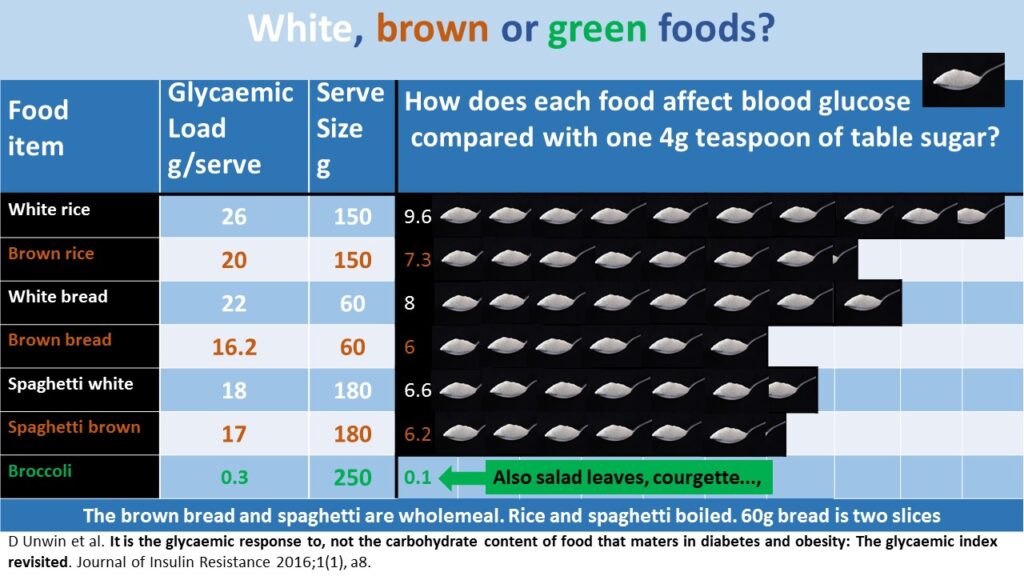
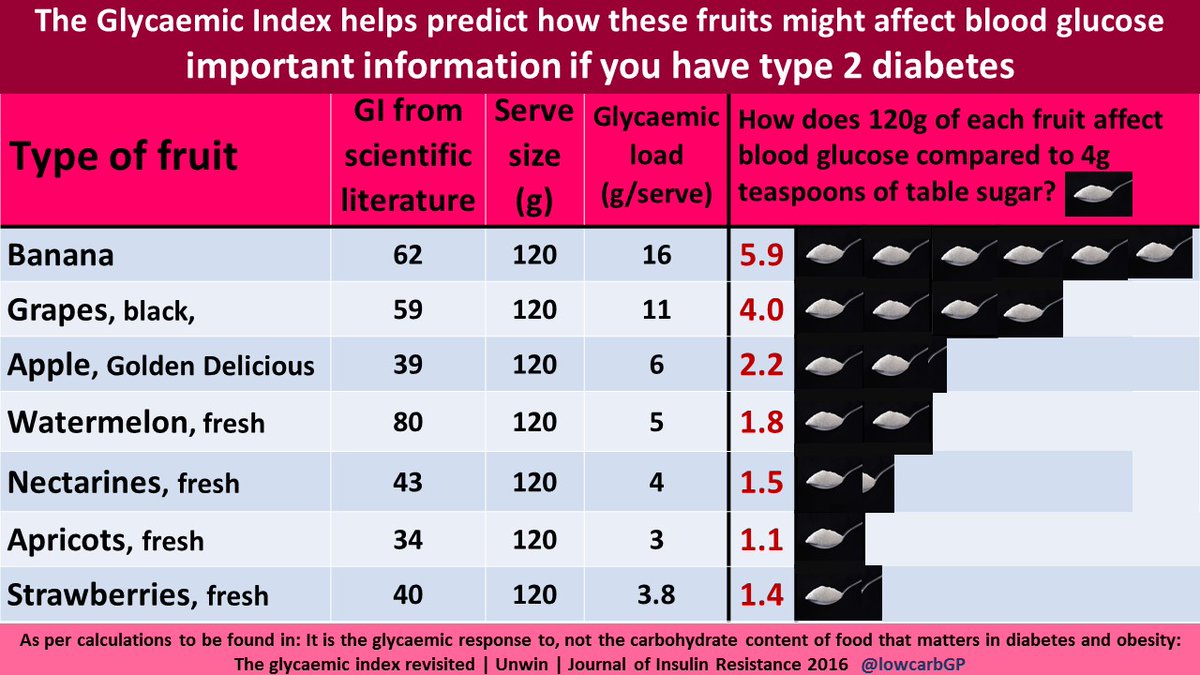
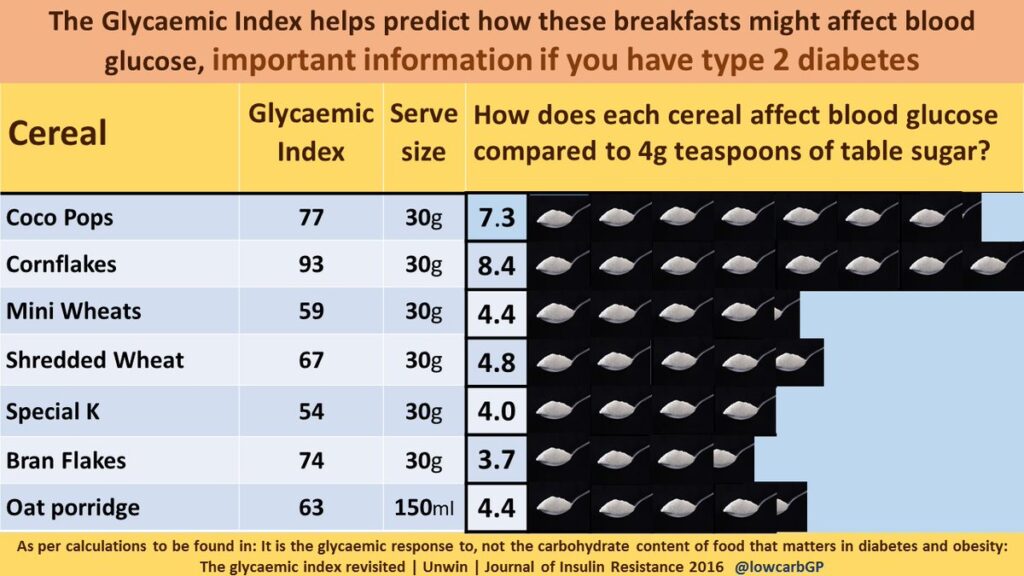
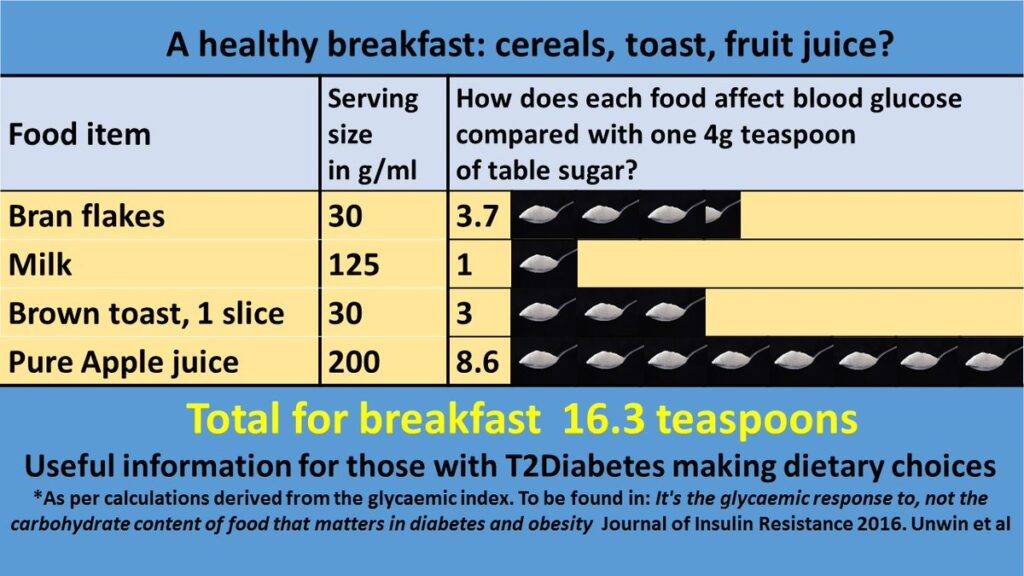
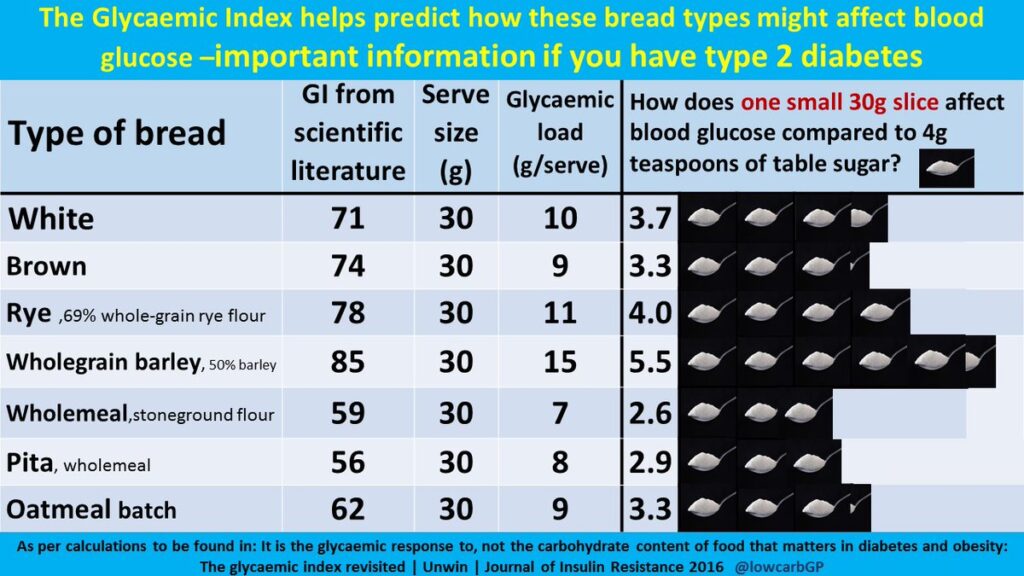
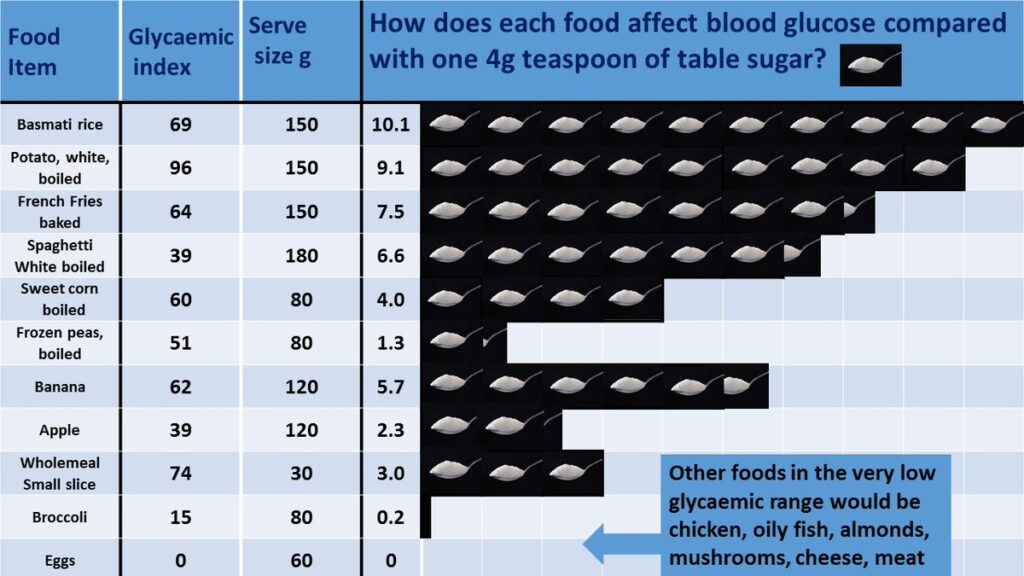
With many thanks to Darwin Unger@lowcarbGP, who allowed free use of his graphs I explain in this blog why overconsumption of natural and added sugar is almost unavoidable.

Fortunately, with a combination of knowledge and motivation it is possible to keep sugar intake low and avoid too abrupt impacts on your blood glucose level. It is not easy, but doable.

Before presenting the graphs I will give a small summary of sugar, its omnipresence and dangers. In an earlier blog you will find more info on sugar https://shakethehealthtree.com/index.php/2025/04/13/11-sugar-the-devil-in-disguise-part-1-some-basic-concepts/

The graphs below of Darwin Unger helped me lot. I made a change to my fruit/veggie smoothie by excluding bananas and apples. Instead, I focus on berries which have half the natural sugars of bananas and apples. The big Dutch super market chains offer 1 kg bags of frozen berries for around 5 euros.

No nutritional value Sugar, often perceived as a quick source of energy, holds no nutritional value in itself. Sugar can provide an immediate boost of energy to the body. Other macronutrients like fats and proteins can serve this purpose as well. They also come, contrary to the empty sugar calories, paired with essential vitamins, minerals, and other beneficial compounds. Neither do sugars contribute to satiety or nutritional completeness, making them less advantageous than other food sources.

There are no universally fixed daily recommended quantities for sugar intake. There are various dietary guidelines regarding sugar intake. Many recommend limiting added sugars to around 10% of total daily calories. This translates roughly to 50-60 grams for women and slightly higher for men. It’s essential to differentiate between added sugars and natural sugars found in whole foods. Added sugars are typically of greater concern for health.

Lifestyle plays a significant role in determining individual sugar intake. Those who are more physically active may require slightly more sugar for energy. Meanwhile, sedentary individuals should aim for less. Notably, these recommendations do not apply to individuals with diabetes, who must carefully monitor their carbohydrate intake.

Easy to over consume Sugar can be surprisingly easy to over consume. It is prevalent in many processed foods, beverages, and snacks. These are the so-called hidden sugars. One might not realize that a single sugary drink can contribute 30 grams of sugar or more. This amount quickly exceeds any daily limit. It happens without even accounting for other meals. This over consumption has become a significant concern. Excessive sugar intake is linked to various health issues. These include obesity, type 2 diabetes, and notably, fatty liver disease. The liver can become overwhelmed by processing large amounts of sugar. Fructose is particularly challenging. This can lead to fat accumulation. Over time, it may cause liver damage.

Sugar is potentially addictive Emerging research has also highlighted the potential addictive properties of sugar. Some studies suggest that sugar can trigger the release of feel-good chemicals like dopamine in the brain. This is akin to the effects observed with various addictive substances. This can lead to cravings and an increased wish for sugary foods. This creates a cycle that mirrors the behaviors linked to substance addiction. While not everyone experiences this phenomenon, evidence suggests that sugar can strongly influence our eating habits. Moderation becomes all the more important for overall health.

Consuming 100 grams of whole grain bread has a high GL. It will likely lead to a noticeable, moderate increase in blood glucose levels. This increase is around 20 to 30 mg/dL or more, depending on individual factors. It peaks in 1 to 2 hours and its impact can last up to 4 hours.

Straight added 4 grams of sugar may lead to a sharper but short spike of about 10 to 20 mg/dL immediately after consumption with return to baseline within 1 to 2 hours.

(1) See the sugar (impact on blood glucose level) difference between white rice and broccoli!

(2) Important lesson: fruit is not sugar free and your body does not distinguish between added or natural sugars (although natural sugars come with many useful ingredients and fiber). Also notice that a banana has 4x more impact on blood glucose than strawberries.

(3) Why certain breakfasts elements in many countries are not healthy.

(4) Below the sugar intake of a regular, very modest breakfast: 65 grams of sugar (some sources give 20 grams for fresh apple juice, not 32 like this example).

(5) Bread contains little sugar, but because of its carbs it can have quite an impact on your blood glucose. This also applies to whole grain bread with its complex carbs. The crucial difference with “sugar only” is the much slower release and therefor different impact on blood glucose.

(6) See the difference between boiled potatoes and eggs.

Dear reader, I still have to found out more about sugar content and impact on blood glucose. Having said this, I hope that the message of this blog is clear.

Take care, pay attention to your sugar/carbs intake and enjoy life,

Robert, your health friend

Pastel de Nata, from Portugal. Too much sugar? Yes, but…..

20. A PLASTIC TSUNAMI ENTERING HUMAN BODIES (health project99+)

Courtesy Greenpeace, plastic in Kinshasa

Dear reader,

We consume more plastics than we think. Especially the smallest particles, the Nanoplastics, can have a bad effect on your long-term health. Science is working hard, much is still unclear, but signs are not good. Try to limit your contact with plastic significantly. Avoid using plastic bottles, do not heat anything in plastic, do not drink from plastic coffee and tea cups, do not eat chewing gum and stay away from tea bags. For starters. See point 8 how to minimize your exposure to these plastic particles. And in the meantime you can subscribe, for free, to my blogs.

  1. Research only at its infancy/I am worried

I know research is ongoing and final conclusions will take years, but doesn’t this micro and nanoplastic stuff sound scary? Plastics sound innocuous, but there are many types, some of which can cause cancer or other diseases. 

The effect of all these micro- and nanoplastics entering our bodies is still unknown. The more I read, the more concerned I become. Plastics are a holistic concept, but when you break them down you enter a world dangerous additives. You also read about Nanoplastics as molecular pollutants that attach to fungus, algae and bacteria.

Writing this blog did not help, nor did these alarming headlines: “0.5% of the brain consists of Nanoplastics,” “Nanoplastics found in penises,” , “Nanoplastics entering individual cell structures.” and “birds in Australia found with 20% of body weight in plastic.”

2, Most experts downplay the risk,

Experts claim that the public is overreacting. A quarter of the Dutch population believes that microplastics, and especially Nanoplastics, are among the top dangers to one’s health. We Dutch are perhaps exaggerating, but probably not. From what I have read this plastic future does not look all too good.

We do not know yet what interaction might occur between these smallest particles and living organisms. The idea that the tiniest particles enter your individual cells is beyond worrying. The increasing amount of plastic found in people’s brains is also not a good sign.

There seems to be no end to the plastic tsunami that overwhelms us. This news from the Netherlands is a bit off topic but related. It states that eggs from free-ranging chickens are too dangerous to eat. Can you imagine? Apparently, there is so much poison in the Dutch soil that it impacts the quality of food the chicken eat. This, in turn, affects the quality of the eggs.

There are actions we can take, such as avoiding these contaminated eggs. Or, in the case of plastics, minimizing their use as much as possible. Below are some tips in this blog.

For everything else, we must keep an eye on scientific developments.

3. Ok, what are micro plastics and Nanoplastics?

Microplastics are small plastic particles. They are usually defined as being less than 5 millimeters in size. However, they can be much smaller. They originate from the breakdown of larger plastic debris, like bottles and bags. They also include fragments of stabilizers, lubricants, fillers, and plasticizes. Manufacturers use these and other chemicals to impart desirable properties to plastics. Such properties include transparency, flexibility, and durability. Many of these chemicals have been classified by experts as toxic and harmful to human health.

Microplastics are widespread in the environment, found in oceans, waterways, soil, and even in the air. They pose increasing environmental challenges. Microplastics contaminate ecosystems and enter food chains, such as in fish. Animals and humans can ingest them, potentially causing harm over time.

Nanoplastics (sometimes calles nanoparticles, but this is a wider concept) are particles less than 100 nanometers in size. This size is less than 1/10,000 of a millimeter. They are much smaller than microplastics and more worrisome because they can overcome certain barriers and enter human cells. They can be purposefully engineered in various scientific and industrial processes. For example, they are used for materials like carbon nanotubes. Alternatively, they may occur naturally in some processes. They can also result from the further breakdown of microplastics.

4. Just some plastic statistics

In 2020, approximately 367 million tons of plastics were produced worldwide. This amount is almost double that of 2000, which had an annual production of 200 million tons. Production is still growing on an annual basis.

Researchers estimate that the average person consumes between 78,000 and 211,000 microplastic particles every year. Plastic-based bottled water has a big role in these figures. Hot drinks in plastic cups can also contribute significantly. Together, they can make up to 50% of the intake. And remember, we only talk about the micro plastics, the “big” particles, up to half a centimeter! every year through drinking water, foods contaminated by microplastics, and breathing microplastics-containing air. The number of nanoplastics is infinitively more and can be 200.000 in one plastic bottle with water.

Fortunately, most, but not all leaves our body again the natural way.

In early 2024, a new study revealed that human brain samples collected at autopsy contained significantly more plastic. They had seven to 30 times more plastic than the kidneys and liver. Compared to 2016, this concentration represents about a 50% increase, indicating that, as of today, about 99.5% of the brain is brain tissue and the rest is plastic.

5. Not only plastic bottles and plastic coffee cups are of concern. Chewing gum as well.

A pilot study presented at the American Chemical Society’s spring 2025 meeting revealed that chewing gum can release hundreds to thousands of micro and nano plastic particles into saliva, which are then potentially ingested.

6. Dangers of micro- and nanoplastics

Microplastics and Nanoplastics have infiltrated ecosystems worldwide and have been detected in air, water and soil. Their small size allows them to enter the human body through ingestion, inhalation and dermal contact. Chemical additives like polychlorinated biphenyls and phthalate esters are added to microplastics during production. These additives typically exacerbate health effects. Microplastics are therefore recognized as an emerging environmental concern. They are also a public health concern. These concerns have the potential to affect both human well-being and the natural environment.

So the much smaller parts, the Nanoplastics, can penetrate biological barriers. They enter cells and tissues, raising concerns about long-term health effects. It alarms me to learn that microplastic and nano plastic concentrations in brain samples are seven to 30 times higher. These concentrations are notably higher than those in kidneys and liver. As always with relative new developments, more studies need to be done to understand what the health implications are.

The mechanisms by which Nanoplastics enter the brain remain unclear. One hypothesis is that they travel with lipids ingested through food. Human brains are particularly rich in fat, which may help plastics cross the blood-brain barrier. Inhalation of airborne microplastics and ingestion through diet are considered primary routes of exposure.

7. Just one example how plastic pollution originates and affects us all

Biosolids, which are the treated water sludge generated from wastewater treatment, significantly contribute to plastic pollution in terrestrial environments. They are commonly utilized as fertilizers in agricultural land. This practice results in a considerable deposition of microplastics onto farmlands. In Europe, estimates vary between 63,000 to 430,000 tons of microplastics are deposited annually. In North America, the range is 44,000 to 300,000 tons. Consequently, agricultural soils serve as extensive reservoirs of microplastics. These particles are transported to the aquatic environment through various means. These means include rainfall, leaching, and irrigation.

8. First suspected links with diseases

There is ongoing debate over the health impacts of these microplastics within human tissues. These risks encompass inflammation, oxidative stress, and tissue damage. They have been found in vital organs such as the heart, liver, lungs, and even placenta. 

One study also found that individuals with dementia have more plastic fragments in their brains. The amount is three to five times higher than those without the condition. It was noted that dementia can impair the blood-brain barrier and brain clearance mechanisms, possibly creating a “sink” for plastics. Again, no definitive proof yet.

Some experts argue that nano plastics carry harmful chemicals. These chemicals are known to lead to reproductive issues. They cause hormonal imbalances by disrupting the endocrine function.

There appears to be a link between plastics and obesity.

9. What to do?

Summary: reducing exposure to microplastics and nano particles involves several lifestyle and consumer choices. Below some suggestions I summarized from reliable sources on internet.chapter

My own top 5 is: never heat anything in plastic, avoid drinks from plastic bottles (= no 1 tip), do not drink hot drinks from plastic, store in metal or porcelain, repack from plastic in metal, glass or porcelain, not cutting food on plastic cutting-board. I cut everything on an ordinary porcelain plate. And stop eating chewing gum or using tea bags.

10.Suggestions from internet

Filtering and boiling water.

Cutting back on plastic use when possible, for example, by using reusable containers

Boosting fiber intake involves two types of fiber. Fermentable fiber found in fruits and vegetables forms a gel-like substance in your gut. This helps trap microplastics and prevents them from entering your system. Meanwhile, non-fermentable fiber helps push these harmful particles through your digestive tract. It does this before they can be absorbed. In a world where microplastics are unavoidable, fiber could be your best defense

Not using single-use plastic over and over.

Avoiding heating plastic food packaging, as plastic particles can spread into the food.

Focusing on good sources for our food is essential. We should ensure our seafood is from sources that have less microplastics, for example.

Avoid foods that are ultra-processed, as there have been some reports of MNPs (=micro and nano plastics) in ultra-processed food.

Wearing natural fiber clothing — organic cotton or hemp — and avoiding those with synthetic fibers.

Vacuuming our homes more often, as microplastics can accumulate in household dust.

Being careful of environmental pollutants as high air pollution areas might have more MNPs in air.

Making sure our environment at home or work has a good air ventilation system.

This was a difficult blog to write. Too little is known about this topic, but from what we know one can only draw one conclusion: stay away as much as possible from plastics, but this will be hard to do.

Robert, your health friend,

Traffic in Kinshasa, DRC. On a quiet day

3. FLAXSEEDS ARE A SUPERFOOD. VIVA LA FLAX! (health project99+)

Drinks on our terrace in Kinshasa

Summary: I truly like flaxseeds. They are 100% loaded with nutrients. Gram for gram, they are not missing one beat. They are an excellent, affordable, and tasty food option. For me: viva la flax! (note: subscribe for free to my blogs, thanks!).

1.Where so flaxseeds fit in?

When we talk about food, it’s often about the big items: meat, dairy, nuts, fish, vegetables, and fruit. You know the routine. We should always aim for balanced and healthy eating. We should consider the impact of cholesterol, the good fats, protein (do we have enough?), and fiber. Doing this right can considerably increase the healthy part of your life (“health span”).

When it comes to food, we should look for diversity. We should spice up our meals. Let’s make our salads more tasty. It’s great to find something that is 100% healthy and provides nutrients that aren’t always easy to come by. Avocado is one such product, and so are flaxseeds! Flaxseeds are affordable and provide protein, fiber, omega-3 fatty acids, essential vitamins, and a wealth of minerals.

2. The health wonders of flaxseeds (according to the internet)

Flaxseed may help lower the risk of some cancers, mainly breast cancer. However, this is based on indications and not definitive science yet. They contain lignans, plant compounds that may also contribute to hormonal balance.

Flaxseed does more. It is said to stabilize blood sugar, being rich in both soluble and insoluble fibers. These fibers are abundant in flaxseeds, which can promote digestive health and regularity.

The combination of omega-3 fats, fiber, and lignans may enhance heart health. They lower cholesterol levels. They reduce blood pressure and decrease inflammation.

The omega-3 fatty acids and lignans in flaxseeds may help reduce inflammation in the body. This inflammation is linked to chronic diseases.

3. I take two spoons daily

I consume, on average, 2 tablespoons of flaxseed per day, which is about 15 grams. Flaxseeds are best consumed ground, as whole seeds may pass through the digestive system undigested, significantly reducing their health benefits.

To save money, buy whole flaxseed. Grind it in a coffee grinder. Then, store the ground flaxseed in an airtight container for easy use.

Instead of flaxseeds, you can use flaxseed oil. Still, it is very sensitive to heat and light. Flaxseed oil is best kept in dark glass bottles and stored in a dark, cool place like a kitchen cabinet. It isn’t suitable for high-heat cooking techniques, like frying.

4. So what does flaxseed give you?

One tablespoon of flaxseeds (=7 grams) already provides: complex carbs 2 g, “good fat” 3 g, fiber 2 g and protein 1 g. Not bad at all!

The “good fat” consists mainly of alpha-linolenic acid (ALA), an omega-3 fatty acid, primarily found in plant foods. Flaxseeds are one of the best sources in the plant world for ALA. Flax oil (which I do not use) has double the amount of ALA as the seeds.

One tablespoon of flaxseeds contains two grams of fiber. It might seem modest, but two tablespoons of flaxseeds is already 10% of your daily need. For women, that’s 14%. This is not the place to dwell on the importance of fiber, but just to recap. Most of us do not get enough fiber per day. Yet, it is essential for gut health and bowel movement. So just adding two tablespoons per day to your smoothie or salad is already a good step.

In addition, flaxseed has Thiamine: 10% of the Daily Value (DV), Copper: 9% DV, Manganese: 8% DV, Magnesium: 7% DV, Phosphorus: 4% DV, Selenium: 3% DV, Zinc: 3% DV, Vitamin B6: 2% DV, Iron: 2% DV, Folate: 2% DV

5. But take care in a few specific cases (according to internet)

As the reader knows I am no doctor. On internet I read the following warnings about flaxseeds.

If ground flaxseed or flaxseed oil goes rancid, it may cause cholesterol problems and inflammation. In general, but you have to eat really great quantities, it might cause diarrhea, cramping, gas, and bloating.

  • Rated POSSIBLY UNSAFE form pregnant & nursing women,
  • might slow blood clotting and affects other bleeding disorders,
  • affects diabetes & diabetes medication,
  • can cause intestinal obstruction,
  • affects those that have hormone sensitive conditions,
  • affects hormone medications (birth control)

6. Which is better, chia seed or flaxseed?

Chia and flax seeds are both very nutritious and offer similar benefits for heart health, blood sugar levels, and digestion. However, flaxseeds appear to have a slight advantage. They are particularly effective at reducing hunger and appetite. Additionally, they lower the risk of certain cancers. Plus, they’re often less expensive.

Time to make a nice salad for my wife. Some lettuce, tomatoes, avocado, shrimps, olive oil, cucumbers, all sprinkled with flaxseeds of course.

Enjoy a long and tasty life,

Robert, your health friend

Okapi/DRC

11. SUGAR, THE DEVIL IN DISGUISE/PART 1: SOME BASIC CONCEPTS (health project99+)

A salad with as theme “sugar is everywhere”.

Dear reader,

“Too much sugar is not good for you, but you need some for your energy.” “Sugar is those white blocks you put into your coffee or tea.” “Brown sugar is better than white sugar, but honey is the best.” This is how generations of people viewed sugar, including my parents.

I must admit that I have a sweet tooth. For decades, too much sugar resulted in unnecessary extra kilos for me. My many visits to the dentist testified to the sweets I consumed. I did a lot of sports, which kept things under control and, in general, I followed a healthy diet.

Unfortunately, sugar can be responsible for much more than excess weight or cavities. Before studying health issues, I was unaware of the havoc sugar can wreak on your body, from impacting your brain health to causing fatty liver, similar to the effects of excessive alcohol consumption

While 100% scientific proof is lacking, there are clear indications that sugar is addictive, not unlike hard drugs. To sugar, one should also add nutritionally poor white starch, such as white bread, white rice, etc.

For people with diabetes, spikes in glucose levels are plainly harmful. There is growing evidence of a greater impact from simple carbs. Sugars and refined starches do more than add calories or complicate life for people with diabetes. Added sugars and refined starch can cause health problems that sugars from fruit or complex carbs do not.

Sugar = Carbohydrate

The first thing I learned is that sugar is not a separate food group but a carbohydrate. Realizing that sugar is a carb helped me understand the concept of sugar much better. There are three main groups of carbs (sugar, starch, fiber), with sugars being so-called simple carbohydrates. Their organic formula is a multiple of carbon (C), hydrogen (H), and oxygen (O).

Glucose is a very common sugar. It is a hexose with six carbons (C), twelve hydrogens (H), and six oxygen (O) atoms (C6H12O6). Other common sugars are fructose and galactose (both of which have the same formula), sucrose, and lactose (both C12H22O11).

Sugar is Everywhere

Sugar is ubiquitous in nature. It is present in hundreds of different forms. Examples include lactose in milk or natural sugar in fruits and vegetables. It is the generalized name for sweet, short-chain, soluble carbohydrates, many of which are used in food. They are composed of carbon, hydrogen, and oxygen. Various types of sugar are derived from different sources.

It is also added generously to bread, cereals, pizza, and basically most processed foods. Just read the labels—it will make you depressed to see how high your added sugar intake can be. You also need a scientific degree to uncover the different names for sugar. Generally speaking, chemical names ending in “-ose” indicate sugars. “Syrup” indicates a sugary solution. Malting processes starchy grains like wheat and barley. This method converts them into sugar. As a result, “malt extract” will be mostly sugar.

An Added Sugar Calorie = An Empty Calorie

Your body needs energy (in the form of glucose/ATP). The source of this energy is crucial because you need meaningful calories, not empty calories. Two lumps of sugar give you the same amount of sugar as one banana. However, there is a world of difference. The lump of sugar gives you a fast but short spike in your energy level. In contrast, the sugar in the banana comes with vitamins, minerals, and other important compounds. Not to forget the starch, which can be up to 80% of the weight of unripe bananas. This starch is primarily resistant starch. It improves gut health by acting as a prebiotic. It also helps with blood sugar management. Furthermore, it increases satiety.

Those who think that all calories are the same are wrong. Technically/organically, added sugar is not different from naturally occurring sugars. In other words, sugar in fruit is not healthier than sugar in other products. Your body does not distinguish between naturally occurring sugars and added sugars. However, research has shown that with the empty calories of added sugar, you miss out on all the good stuff. These empty calories increase the likelihood of several diseases, including Alzheimer’s and cancer. A lot of research is ongoing; not all is proven, but there is also a correlation between too much sugar (i.e., easy carbs) and refined starch with certain types of cancer.

Complex Carbs are Better, but Even Here: Moderation is Key

Complex carbohydrates are generally considered healthier than simple sugars. They break down more slowly in the body, providing sustained energy. They are typically accompanied by fiber, vitamins, and minerals. However, consuming them in excessive amounts can lead to similar health issues as consuming sugars and refined starch. However, there are differences in how the body processes complex carbs compared to simple sugars.

What About the Technique of Converting Carbs into Energy?

Foods that contain carbohydrates (sugars, starch) are broken down into glucose in your stomach and intestines. This glucose is then absorbed into your bloodstream and transported to your muscles and organs. It acts as fuel for your body.

Your body uses insulin to help move glucose into your cells, where it is converted into energy. This process is essential for you to think and move. From your brain to your digestive system, all your organs require glucose to function properly.

Sugar = Same Impact on Your Liver as Alcohol (When it is Fructose)

Virtually every cell in the body can use glucose for energy. In contrast, only liver cells break down fructose (=a.o. sugar in fruits and soda). What happens to fructose inside liver cells is complicated. One of the end products is triglycerides, a form of fat. People who consume too much fructose may eventually develop non-alcoholic fatty liver disease. This condition is characterized by excessive fat stored in liver cells. I wrote a blog on triglycerides. https://shakethehealthtree.com/index.php/2025/05/27/10-triglycerides-the-most-common-fat-in-your-body-health-project99/

Experts still have a long way to go. They need to connect the dots between fructose and non-alcoholic fatty liver disease. They also need to make connections with obesity, diabetes, heart disease, and cancer. Higher intakes of fructose are linked to these conditions, but clinical trials have yet to show that it causes them.

Every cell in the body can use glucose. However, the liver is the only organ capable of metabolizing fructose in significant amounts. When people consume a diet high in calories, the liver becomes overloaded. It starts converting the fructose into fat.

Many scientists believe that excess fructose consumption may be a key driver of many of today’s most serious diseases. These include obesity, type II diabetes, heart disease, and even cancer. If you eat a typical Western-style diet with a lot of refined starch, you stress your liver. You end up damaging it in the same way alcohol does. In fact, fructose is virtually identical to alcohol in the metabolic havoc it wreaks.

Fruit is Much More Than Fructose

Stick with fresh fruits, especially berries, to maintain a healthy level of fructose intake. Avoid fruit juices, sodas, and other sweetened products. You would need to consume a significant amount of fruit. Only then would you come close to the fructose level in a single bottle of soda or fruit juice. More importantly, fruit isn’t just fructose. It’s also a rich source of vitamins, minerals, phytonutrients and fiber – things that make you healthier. 

And what about too much glucose?

Excess glycogen is stored in the liver where it may be used later for energy. Your muscles are also a storage area for glycogen. Excess glucose above this can be converted into triglycerides which are stored in your fat cells. Note that any type of excess calories, no matter which macronutrient they come from can lead to body fat gain. There is nothing inherent in carbs, glucose, or glycogen that increase your risk of gaining body fat.

Carbs as one of the three main groups of macro nutrients

We know that there are three main groups of macronutrients: carbs, protein and fats. In additions there are minerals, flavonoids, vitamins, electrolytes and much more. 

Carbs include sugars in all its forms. They can be divided into three main groups: sugar, starch, and fiber. This is how labels on your food items have divided the carbs.

Some words on the second group of carbs: “starch” (for Dutch readers “zetmeel”)

Whole vs. Refined starch. Starches in whole food forms, such as whole grains, legumes, and vegetables, come with fiber, vitamins, minerals, and phytonutrients. These nutrients make them a healthy part of a balanced diet. Refined forms (white bread, white rice, white pasta etc) are stripped of these nutrients during processing. As a result, they can lead to rapid spikes in blood sugar. They are not much different from added sugar in their negative health effect.

A note in between about phytonutrients

Phytonutrients, also known as phytochemicals, are naturally occurring compounds found in plants. They are believed to provide health benefits beyond basic nutrition. These compounds are not essential nutrients in the traditional sense. They are not required by the human body to sustain life like vitamins or minerals are. However, they are thought to support health and may help reduce the risk of certain diseases.

Most diets are based on 50% intake of carbs.

Most nutritionists advice to eat 50% of your calories as carbs, 25% protein and 25% fats. The only group of macronutrients that can be eliminated is the carbs.  Fats (and as a last matter of resort also proteins) can provide the additional needed energy when taking out carbs. 

That is why there are carbs-poor diets. People who follow these types of diets can reach the stage of ketosis. Severe carb limits can cause your body to break down fat into ketones for energy. This is called ketosis. Ketosis can cause side effects such as bad breath, headache, fatigue and weakness. It’s not clear what possible long-term health risks a low-carb diet may pose.

I have no comments on diets. In practice my carbs intake is below 50% and my fat intake more than 25%. Carbs-poor/free diets work for many. However, one should not forget that good (=complex) carbs offer many specific excellent compounds.

Fiber, the third carb group (in addition to sugars and starch)

Fiber, also known as dietary fiber, is a type of carbohydrate that the body can’t digest. Unlike other carbohydrates, which are broken down into glucose, fiber passes through the digestive system relatively intact. Fiber is primarily found in plant-based foods and is an essential part of a healthy diet.

The recommended daily intake of fiber varies with age, sex, and life stage. Generally, it is suggested that adults consume about 25 – 30 grams of fiber per day. But, most people do not get enough fiber in their diets. Too much is not unhealthy, but can lead to bloating.

Soluble Fiber dissolves in water to form a gel-like substance. It’s found in foods like oats, fruits (e.g., apples, citrus), barley, and legumes. Soluble fiber can help lower blood cholesterol and glucose levels.

Insoluble Fiber does not dissolve in water and helps add bulk to the stool, which aids in regular bowel movements. Foods high in insoluble fiber include whole grains, nuts, beans, and vegetables such as cauliflower, potatoes, and carrots.

This blog for starters, there is much more to tell about sugars!

Take care, live a happy and healthy life,

Robert, your health friend

0. AND FIRST…INTRODUCTION OF COURSE (health project99+)

Health Project 99+

Seagulls on the Kijkduin beach

Dear reader,

Thank you for taking the time to read this brief note. My name is Robert. Like most, if not all, of us, I aspire to live longer and staying healthy. The world has still so much to offer!

A few years ago, I embarked on a personal health journey. I call it Health Project 99+ finding out myself how to stay in excellent health for as long as possible. We humans have significant control over our own health destinies. Genetics and unlucky circumstances play a role. However, 80 – 85% of our health outcomes are influenced by diet. Lifestyle also plays a crucial role. It is important to do “good” things. Equally important is avoiding “bad” actions like smoking. Avoid consuming prepackaged, highly processed foods. Try not to eat too much sugar (which is not easy).

Two statistics to prove my point how you can influence your own health future. The number of healthy years for American men did not increase over the past 10 years. Still, the total lifespan grew (a little). Main reasons: sedentary lifestyle and wrong food choices. Over the past decade, Singapore saw an increase in the average age. The number of healthy years also increased. Reason: conscious policy by the Government to promote healthy options for its population.

Am I a medical doctor? Nope, I studied International law and human rights. I spent a 41 years career as a Dutch diplomat with my last posting as head of mission in Caracas. Experiencing a few health scares prompted me to invest more in my personal well-being. I also wanted to better understand health mechanisms to implement effective interventions.

My credentials to you, the reader, are research, checking and personal experiences. Over the years, I gathered an extensive amount of information from reputable medical sources. These include Medical News Today. I also learned from esteemed health specialists. I analyzed, verified, and distilled this information for my own understanding. I used it for personal use. I try to remove jargon and complex medical terminology. Why refer to “sarcopenia” when one can simply talk about “muscle loss”?

I undertook this initiative primarily for myself. I felt confused when doctors discussed metabolic syndrome. And VO2 Max? A crucial biomarker, but I had no idea what a biomarker was at the time :).

People make choices with the best intentions. Still, with all the info out there, it is easy to be confused. You can make mistakes, thinking you act healthy, but you are not. I fell into this trap many times.

Friends have, just like me, only vague notions about what is really good for you and what is not. Proteins are essential. We know this, but in most cases, we do not eat enough of them. Still, we really should. Seeing “Rich in fiber” on packaging is great. In reality, the fiber intake of the majority of people is far too low. Magnesium? Many of us have insufficient intake and when we take a supplement we often take the wrong kind. As I did for years.

I have over 200 blogs prepared. They are either finished or in progress. They cover topics ranging from “willpower” to “pesticides,” “vanity” to “supplements,” “exercise” to “sleep,” and “almonds” to “Vitamin K.” I was pleasantly surprised to learn that many parts of the body can be repaired. It is possible to stop muscle loss and partly even reverse it. 

The optimistic side of me hopes for a golden bullet that will prolong our lives by many years. Is it likely? Not impossible, as these are exciting times, and I truly believe that breakthroughs will happen with Artificial Intelligence. I get really excited when I read about the Willow Chip’s infinite capacities. Google introduced it at the end of 2024. No idea what it can do, but its immense computing power sounds promising.

This information will be shared with anyone interested. Through my free blogs. It is just my personal experience, the things I eat, drink, and do to live a healthier and longer life. In the second half of 2025, I hope to start a video channel based on these blogs.

Join me, send your comments and live a happy and healthy life.

Your health friend, Robert

Scottish highlanders in Dutch dunes near The Hague