17. AGE SPOTS: EAT THEM AWAY (health project99+)

Snow man meets Randy in Istanbul


Dear reader

Who is not vain? I am, for sure. I did not like it at all when, some years ago, so-called age spots started to appear on my hands. As they multiplied, I started using expensive creams, trying to get rid of these “older people” symptoms. The Internet is rife with alternative methods, so I tried some of those as well. Neither the expensive creams nor the alternative methods — for which I was not patient enough — worked for me. I do not say that none works, but most probably do not, even if one is patient and consistent. Laser treatment is supposed to be effective in fading age spots, but I considered it too expensive.

So, after trying several methods, I left my hands more or less in peace and only applied daily sunscreen protection.

Because of a recent video on YouTube about the relationship between food and age spots, I looked carefully at my hands again. To my very pleasant surprise, the age spots had faded! The fact that I had not noticed this development says a lot about me… Somehow, I missed the gradual disappearance of my age spots over the past few years. Whatever the case, the difference is striking and I am quite happy.

It is, of course, difficult to determine the cause of this improvement, but I suspect it may be linked to changes in diet and lifestyle, as also described in the YouTube video I watched. Subsequent scientific literature I read confirms there is a strong link between lifestyle/environment, nutrition, and age spots.

The moment you realize the importance of this link is also the moment you realize that almost all creams being promoted are nothing but expensive marketing gimmicks. A few creams might work, but I have no personal experience and do not consider them in this blog.

This blog is about how food impacts age spots, how sunscreen protects your hands, and the importance of a healthy lifestyle and environment.

1.My approach to avoiding/caring for age spots:
Healthy lifestyle, stay away from negative circumstances (pollution, etc.), eat well (no ultra-processed foods, sugars, etc., and concentrate on antioxidant-rich food). In addition, I take collagen daily. I have no confirmed idea if collagen positively affects age spots, but additional collagen is needed to compensate for the gradual loss of collagen after your 20s. I wrote a blog about this topic. https://shakethehealthtree.com/index.php/2025/06/24/21-collagen-loss-what-to-do-health-project99/

And do not forget to put sunscreen on your hands too. Sun is one of several important factors in skin ageing and pigmentation changes and it can contribute to the development and darkening of age spots.

2.A few statistics about skin in general:
The human skin is the largest organ of the body, covering an average surface area of 1.5–2.0 square meters and accounting for approximately 15% of total adult body weight. It is not easy to find the exact number of skin cells as sources vary a lot and sometimes mix up millions, billions, and trillions. The reliable number of skin cells is in the trillions!

Each body has between 1.6 trillion (= 1,600 billion) and 2.0 trillion skin cells. Every hour you shed a few billion dead skin cells. The skin completely renews itself every 27–30 days. When you age, the renewal process takes longer, up to two months. A large percentage of the dust in a home is actually composed of dead human skin cells. Hoovering and dusting now and then is not a bad idea.

Your skin is composed of three primary layers: the epidermis, dermis, and hypodermis. The epidermis is the outermost layer of the skin, the dermis is the middle layer, and the subcutaneous layer (hypodermis) is the innermost layer.

The skin acts as a waterproof barrier, sensory interface, and immunological border. Do not underestimate the importance of this last point. When the skin loses its capacity to function as an immunological border, it will add to the overall chronic inflammation in your body. Moisturizing your body is therefore an important health move as it reinforces the immunological border.

3.Skin aging and pigmentation

Age spots are caused by overactive pigment cells. Ultraviolet (UV) light speeds up the production of melanin, a natural pigment that gives skin its color.

As mentioned, when the skin ages, its ability to repair itself and renew cells slows down. This reduced cell turnover, combined with the thinning of the skin (a result of aging), makes it easier for these pigment clusters to form and persist. Sun exposure accelerates this process, and age spots appear when melanin becomes clumped or is produced in high concentrations. But, as said before, the sun is not the only culprit. From what I have read, there are many endogenous factors (gene mutation, cellular metabolism, hormonal factors, and food) and exogenous factors (UV, pollutants, chemicals, and toxins).

Your skin renews itself every 28 days. As you age, your skin takes longer to renew. Aging causes skin to become thinner, drier, paler, less elastic, and more fragile due to reduced collagen (1% annually after age 25) and reduced elastin. Collagen and elastin break down, leading to sagging, particularly around the jawline and neck. To compensate, I take collagen supplements.

Because blood vessels become more fragile with age, older adults tend to bruise more easily. Also, older adults may produce less sweat and oil from the glands in their skin.

Caffeine, nicotine, and alcohol constrict blood vessels and prevent nutrients from feeding the skin, therefore speeding up the aging process.

4.Why your mother insisted on washing your face before going to bed

Going to bed with makeup on can age your skin up to seven times faster than normal. Toxins and pollutants remain on the skin if you do not cleanse each night. So don’t forget to wash your face nightly!

5.What are dark spots/liver spots/age spots?

While often called “liver spots,” they are not caused by liver dysfunction; the name refers only to their color. Often in the literature, age spots are exclusively linked to sun exposure, which is not correct. The sun does play a role, but an important cause of age spots is your nutrition.

Age spots may affect people of all skin types, but they are more common in adults with skin that sunburns easily. They range from freckle size to about 1/2 inch (13 millimeters) across. Unlike freckles, which are common in children and fade without sun exposure, age spots do not fade. Instead of being evenly distributed, this excess melanin becomes concentrated or “clumped” together, forming a visible dark spot on the epidermis (the top layer of skin). They’re very common in areas that get repeated sun exposure, such as the back of the hand, tops of feet, face, shoulders, and upper back.

They are a sign that the skin has activated a protective mechanism against UV damage.

6.The cause of age spots?

Your skin is constantly attacked from both the outside and the inside.

The outside: First and foremost, the sun, but also toxic air and chemicals. Use of commercial tanning lamps and beds can also cause age spots. Over time, repeated UV exposure causes certain melanocytes (pigment-producing cells) to become overactive and produce an excess amount of melanin.

The inside: Smoking, a diet high in refined sugars and fats, a lack of vitamins, and overconsumption of poor-quality saturated oils. Diets consisting of these products accelerate cellular damage, leading to premature aging and pigmentation. More generally, as we know, diets high in refined carbohydrates and unhealthy fats increase systemic inflammation.

How? Excess sugar in the blood binds to proteins (collagen/elastin) through a process called glycation, forming Advanced Glycation End products (AGEs). Glycation damages proteins, which accelerates skin aging and contributes to spots. Consuming high amounts of sugar can also lead to spikes in blood sugar levels, which in turn cause a rise in insulin levels. Elevated insulin can increase oil production in the skin, leading to clogged pores, spots, and acne.

7.The role of the sun

When skin is exposed to sunlight (or artificial UV light from tanning beds), it produces melanin to protect itself, resulting in a tan. The link with age spots is that these are caused by overactive pigment cells. Ultraviolet (UV) light speeds up the production of melanin, a natural pigment that gives skin its color. On skin that has had years of sun exposure, age spots appear when melanin becomes clumped or is produced in high concentrations.

The general “be careful of the sun” rules help you prevent getting spots or at least prevent the acceleration of the process.

8. What can you do to get rid of age spots?

Maintain a healthy lifestyle. Limit your sun exposure and always apply sunscreen when you go outside, including on your hands. Think about chemicals, plastics, toxic products, and air—in short, the environment.

Stick to healthy food and stay away from smoking, alcohol, and ultraprocessed food. Follow nutrient-dense diets rich in antioxidants and vitamins to help protect against these marks. The best foods for your skin include those rich in antioxidants, omega-3 fatty acids, beta-carotene, and phytoestrogens. Some specific foods that boost skin health are red peppers, blackberries, edamame, salmon, grapes, and almonds. Drinking plenty of water and green tea can also improve the appearance of your skin.

Many creams are marketed to get rid of age spots. I have no idea which ones work and which ones do not. Probably a few do, but they have one thing in common: very expensive and exaggerated claims.

Aggressive treatments, such as chemical peels, may show results over a short period but often require multiple sessions. Severe cases of hyperpigmentation, such as deep melasma, can take a year or more to resolve.

Laser treatment works, sometimes including guarantees by dermatologists. I have not tried it but was considering it.

Passed on by our grandmothers, there is an abundance of alternative methods—just check the internet. I do not know which ones work, but I understand that you have to be patient and consistent. Only then might alternative methods work.

Apple cider vinegar is often mentioned. It contains alpha-hydroxy acids and makes an excellent skin exfoliator. Dab some onto age spots right before bed and leave it on overnight. If this is too drying for your skin, you can mix it with some olive oil.

Mild hyperpigmentation can begin to fade within 3-6 months with consistent treatment.

And then there are always the 10-14 skin steps of the Koreans!

9.When to see a doctor

Age spots don’t require medical care. Have your doctor examine spots that are black or have changed in appearance, have irregular borders, and/or are bleeding. These changes can be signs of melanoma, a serious form of skin cancer.

One last glance at my almost age spots free hands and I finish this blog. Thanks for reading and respect your vanity.

Robert, your health friend.

Randy looking (in vain) for lizard in Kinshasa

1. METHIONINE: REDUCTION OF THIS AMINO ACID HELPS LONGEVITY (health project99+)

Main square in Bogota, capital of Colombia

Dear reader,

The vegetarian lifestyle often comes up when I explore ways to achieve better longevity, with “better longevity” meaning a longer and healthier life.

This time, I want to talk about methionine. You can only get methionine through your diet, as your body does not produce this specific amino acid. Reducing methionine intake is a major contributor to better longevity; this insight has convinced me to move further toward a vegetarian lifestyle.

Methionine is essential because it is one of the 20 primary amino acids, but it is crucial to stick to the recommended amount—around 1000 milligrams daily. Especially those with a meat- and fish-rich diet often consume 2 to 3 times this amount. Research shows that too much methionine has a very negative effect on your longevity. Reducing the typically high levels of methionine in the Western diet can contribute to up to 50% of the maximum “better longevity” potential we currently understand (for example, living up to 100 years old). Fifty percent!

So, cutting down on methionine and only taking what you need has, according to all I have read, a big impact on both the quality and length of your life. To stay within the daily recommended amount, it is easiest to follow a vegetarian diet without eggs—so, roughly speaking, a semi-vegan diet.

1.Why is avoiding too much methionine so important?

Three out of five people worldwide die from diseases linked to chronic inflammation. Too much methionine plays an important role in this. Low-grade chronic inflammation is a silent killer—one that simmers quietly for years without our knowledge and can affect almost anyone. It contributes to cardiovascular disease, cancer, type 2 diabetes, and other conditions.

There are hundreds of theories about aging. The oldest and most well-known is the mitochondrial theory of aging. Mitochondria are parts of your cells better known as the “powerhouses” of each cell.

2.The mitochondrial theory of aging claims that aging results from accumulated damage to mitochondrial DNA and dysfunction in mitochondria, leading to decreased energy production and increased oxidative stress. This oxidative stress causes inflammation and premature death.

In short: Oxidation can cause inflammation, and inflammation can increase oxidation which damage your cells.

3.Oxidative stress occurs when there is an excess of free radicals or Reactive Oxygen Species (ROS). These ROS can damage cells, proteins, and DNA, triggering the inflammatory response. Inflammation, in turn, can produce more ROS, creating a vicious cycle.

Methionine, among all amino acids, is the main culprit of oxidative stress.

4.The mitochondrial aging theory has some compelling evidence, as it has been shown that the lower the rate of methionine free radical production, the longer animals live. To reduce methionine free radical production, you have two options: exercise and/or adapt your diet.

5.To cut down on methionine through diet

Calorie restriction is known to prolong life, but a constant state of semi-hunger is neither pleasant nor sustainable for most. The alternative, intermittent fasting, is only possible for the disciplined among us.

Why not at least focus on those elements that cause chronic inflammation? Of all amino acids, methionine stands out as causing oxidation and consequently chronic inflammation in a significant way when the intake is too high.

Unfortunately it is almost impossible to avoid consuming too much methionine on a non-vegetarian diet. Meat, fish, and eggs all provide 300–800 milligrams per 100 grams. In light of the daily requirement of 1000 mg, this is way too much.

Realizing that methionine contributes significantly to the oxidation of mitochondria (which in turn leads to chronic inflammation) brings us to an important conclusion: cut down on methionine intake! The only way to do this (apart from calorie restriction) is by adapting the typical Western diet, which is generally loaded with animal proteins. And exercise but I do not go into this topic.

6.Three ways to reduce methionine intake

1. Overall food reduction (fasting), but this is a difficult practice to maintain for many. I have read many studies indicating that, in general, people in the West eat too much food, and reducing food intake has general health benefits. 

2. However, putting this discussion aside, if you know that one component (in this case, methionine) has a big impact on longevity, why not concentrate on methionine? Studies have shown that reducing other amino acids has no impact on longevity, except for methionine.

3. Related to the previous point, an efficient strategy is to swap animal protein for plant protein. Some fish, chicken, or other meat can already easily push you beyond the 1000 mg limit. For example, 200 grams of salmon can contain as much as 1500 mg of methionine.

7.What is the role of Methionine?

Methionine influences mitochondrial function by regulating antioxidant defenses and methylation processes (see note).  

Mitochondria are membrane-bound organelles found in most cells that generate energy by producing ATP through cellular respiration. They are often called the “powerhouses of the cell.”

Note: Methylation is a natural chemical process where small molecules called methyl groups are added to DNA or proteins, helping to control how genes are turned on or off.

8.How much?  

The minimum daily requirement of methionine for adults is about 10–13 mg per kilogram of body weight, typically around 1,000–1,300 mg per day. Some recommendations go up to 2,000 mg per day, but in general, 1,000 mg is commonly mentioned.

Fruits and vegetables are generally low in methionine, so reaching 1,000 mg solely from them is challenging. However, if you have a mostly fruit and vegetable-based diet, it is possible to increase your methionine intake by including legumes, nuts, seeds, and whole grains, which contain more methionine per 100 grams, though still substantially less than meat, fish, and dairy.

– Fruits and vegetables: 10–150 mg per 100 grams  

– Beans, legumes, nuts: 50–200 mg per 100 grams  

– Fish, meat, dairy: 300–800 mg per 100 grams  

9.Methionine is distinct from other amino acids  

According to internet sources, methionine differs because it is crucial for all protein synthesis as it contains a sulfur atom in its thioether side chain, acts as a precursor to important methyl group donors like SAM (S-adenosylmethionine), and is an essential amino acid required from the diet. These features give methionine a unique and vital role in biology compared to other amino acids.

Research has shown that only one amino acid is prone to causing oxidation: methionine.  

10.It is not difficult for vegetarians to get all 20 primary amino acids (9 of which must be obtained through food).  

Meat and fish lovers often say that only meat and fish can provide all the necessary amino acids. This is not correct. Several plants contain all nine essential amino acids necessary for human nutrition, making them “complete proteins.”  

Note: The difference between essential and non-essential amino acids is not related to their importance. Both categories are equally important, but essential amino acids can only be acquired through food. 

Examples of complete proteins containing all nine essential amino acids include soybeans (tofu, tempeh, edamame), quinoa, buckwheat, hemp seeds, chia seeds, amaranth, spirulina, nutritional yeast, and some mushrooms. Additionally, one can take plant-based protein powders that provide all essential amino acids that your body does not produce. At home, we use Sun Warrior, which is, of course, GMP-certified.  

11.If methionine intake is too low (which is rare), it can lead to impaired protein synthesis; poor growth and tissue repair; reduced production of important molecules like cysteine, glutathione (an antioxidant), and SAM (a methyl donor); weakened immune function; liver problems; and possible neurological issues.

12.Added benefit of a low methionine diet 

People on a low methionine diet who get methionine from plant sources suffer 50% less from insomnia and snore less. My personal experience confirms this.  

To return to the beginning: the vegetarian lifestyle often comes up when I explore structural approaches to better longevity, with “better longevity” understood as a longer and healthier life. Reducing your methionine intake to the recommended level is very difficult if you are not vegetarian. If you decide to adopt such a diet, do not forget to take Vitamin B12 supplements!  

Enjoy life, whether you are a vegetarian or not.  

Take care,  

Robert, your health friend  

View of Bogota, capital of Colombia

13. FIBER: LET THERE BE PRAISE (health project99+)

Rare winter landscape in Kijkduin, The Netherlands

Dear reader, 

“Eat your vegetables.” “Get your vitamins and minerals.” “Do not forget your protein.” “Do not smoke”. These are common nutritional mantras that most of us already follow. But “get enough fiber”? This advice isn’t given very often; it should be, as there is a serious fiber deficiency worldwide. One culprit is modern living, which includes too much ultra-processed food. Many Americans eat less than half the fiber they need.

We often think of fiber as the food that relieves constipation. However, fiber is much more than that. It plays an important role in your overall health. Adequate fiber intake is one of the best ways to improve your health. Fiber impacts gut bacteria and aids in weight loss. It controls hunger cues and regulates blood sugar. Fiber is a fundamental part of a healthy diet. Therefore, it is fundamental to a healthy life.

As you will read in this blog, getting enough fiber is not easy. You need to eat whole grains, nuts, fruits, and vegetables. In my view, this is the better approach. I also place emphasis on including fermented foods (sauerkraut) and kefir in the diet.

What Is fiber? Fiber, also referred to as dietary fiber or “roughage,” is a plant nutrient. Fiber is a diverse group of carbohydrates that humans don’t digest in the small intestine; most of it is fermented in the colon.

Together with adequate fluid intake, fiber helps move food through the digestive tract and supports digestion.

Your body does not digest fiber with human enzymes. Most fiber passes through the small intestine largely undigested. It is then fermented by bacteria in the colon. In short, fiber is not absorbed in the small intestine; it travels through the gut largely intact.

Fiber functions to help regulate bowel movements, support healthy cholesterol and triglyceride levels, and promote colon health.

There are many types of fiber.

What is the best fiber? Fibers that are soluble, viscous, and fermentable seem to be particularly beneficial. Resistant starches are another healthy group of fibers. More about the meaning of soluble, viscous, and fermentable fibers below. It’s not necessary to worry too much—just eat a mix of whole grains, fruits, nuts, and vegetables. That should provide plenty of the best fibers. My approach to meeting daily fiber needs is described in detail at the end of this blog.

What does fiber have to do with feeding gut bacteria? You may wonder what your gut bacteria have to do with fiber. Just like any other organism, gut bacteria need to eat to get energy to survive and function. The issue is that most carbs, proteins, and fats are absorbed into the bloodstream early. They reach the large intestine with very little left for the gut flora. This is where fiber comes in. 

As human cells can’t digest fiber, it reaches the large intestine relatively unchanged. Intestinal bacteria do have the enzymes to digest many of these fibers. This is the most important reason some dietary fibers are so essential for your health. These dietary fibers are also labeled fermentable fibers (see below). They feed the “good” bacteria in the intestine, functioning as prebiotics. A good example is sauerkraut or kefir. I wrote a blog about the wonderful impact a daily portion of sauerkraut has on my gut health. And we all know that a happy gut means a happy owner. https://shakethehealthtree.com/index.php/2025/09/25/3-sauerkraut-ein-sehr-gutes-probiotikum-health-project99/

How much do you need daily? The recommended intake is 38 grams for men and 25 grams for women. About one quarter should come from soluble fiber. However, most people consume around half of that, roughly 15–17 grams per day. As you age, you may need slightly less.

How much fiber per day is too much? Around 70 grams of fiber is considered excessive. Consuming that level or more regularly may lead to unwanted side effects. These include temporary bloating, gas, and abdominal discomfort.

When you increase your fiber intake, pay attention to the following: If you’re adding high-fiber foods to your diet, do so gradually over a few weeks and drink plenty of water, too. This helps prevent adverse effects such as bloating and gas. Increasing gradually means adding about 5–10 grams more fiber per week to allow your gut to adapt. 

When I started increasing fermentable fiber (sauerkraut), I overdid it and felt uncomfortable for a few days. Aim for a mix of soluble and insoluble fiber from real foods (fruits, vegetables, legumes, whole grains, seeds). When bacteria ferment the fiber, they also produce gases. This is why high-fiber diets can cause flatulence and stomach discomfort in some people. These side effects usually go away with time as your body adjusts.

Sources of fiber: nuts and seeds. Legumes include beans, lentils, and peas. Whole grains such as brown rice and Ezekiel bread are good sources. Green vegetables like broccoli and other dark leafy greens also provide fiber. Cabbage and celery are included. Bran, specifically wheat bran and oat bran, is another source. Lastly, popcorn is a fiber-rich snack. The best whole-food sources of fermentable fibers are beans and legumes.

What are the benefits of sufficient fiber intake?

Improves heart health. Soluble fiber can lower LDL cholesterol and improve overall lipid profiles, which lowers heart disease risk.

1.Works against colon cancer. Fiber cleanses your colon, acting like a scrub brush. The scrub-brush effect helps clear bacteria and other buildup in your intestines and reduces your risk for colon cancer. This is supported by science. One reason may be that some types of fiber, such as the pectin in apples, may have antioxidant properties. The friendly bacteria produce nutrients for the body. They include short-chain fatty acids such as acetate, propionate, and butyrate. Butyrate appears to be crucial. These short-chain fatty acids can feed the cells in the colon. This leads to reduced gut inflammation. It also results in improvements in digestive disorders such as irritable bowel syndrome, Crohn’s disease, and ulcerative colitis.

2.Managing blood sugar: The body takes longer to break down high-fiber foods. This means glucose does not enter the bloodstream so quickly. This helps you maintain more consistent blood sugar.

3.Reducing cholesterol: Fiber in the digestive tract can help reduce the body’s cholesterol absorption. This is particularly true if you take statins. However, I would not use fiber supplements.

4.Promoting a healthy weight: High-fiber foods like fruits and vegetables tend to be lower in calories. In addition, fiber can slow digestion to help you feel fuller for longer.

5.Supports gut microbiome health: Many fibers act as prebiotics. They feed beneficial gut bacteria and produce short-chain fatty acids. This process supports colon health and boosts immune function. An estimated 100 trillion live bacteria reside in the human gut, mainly in the large intestine. These bacteria are crucial for optimal health. They play various roles related to weight management, blood sugar control, immunity, brain function, and mental health. They are so important that they are often referred to as the “forgotten organ.” 

Because humans can’t digest fiber, it ends up reaching the large intestine mostly unchanged. Fermentable fiber comes into play: these are fibers that friendly gut bacteria can digest (ferment) and use as fuel. Fermentable fibers include pectins found in apples with skin, citrus fruits, berries, and peaches. Beta-glucans are in oats and barley. Inulin and oligofructose are present in chicory root, Jerusalem artichoke (sunchoke), onions, garlic, leeks, asparagus, artichokes, and dandelion greens.

6.Important for energy: When our gut bacteria break down fiber, they produce short-chain fatty acids (SCFAs). Humans can digest SCFAs for energy, and a symbiotic relationship between the digestive system and our colon’s microbiome ensues.

7.Managing stool: Fiber increases the weight and size of your stool and softens it. A bulky stool is easier to pass, decreasing your chance of constipation. If you have loose, watery stools, fiber may help solidify the stool because it absorbs water and adds bulk. It is not a process that your body can do without fiber.

8.Nanoplastics: recent studies indicate that fibers could be a good way to get rid of most nano plastics. Something to follow!

Can humans survive without fiber? Yes, fiber is non-essential. It is not a nutrient in the traditional sense, since we derive no nutrition from fiber—it simply passes through us. However, describing it as “just passing through” understates the importance of sufficient fiber intake. It also serves as fuel for your gut bacteria.

Classifications of fiber Most people, including me, have a very basic understanding of fiber. We tend to lump it all into one category. However, not all fiber is created equal. Some types are highly beneficial, while others can cause digestive problems in some people. The three classifications are: Solubility (soluble vs insoluble), viscosity (viscous vs non-viscous), and fermentability (fermentable vs non-fermentable).

Soluble vs insoluble fiber

  • Soluble fiber dissolves in water to form a thick gel-like substance in the digestive tract. It supports healthy cholesterol levels. It also aids in maintaining balanced blood sugar.
  • Insoluble fiber does not dissolve in water and adds bulk to stool as it passes through the digestive tract. Its job is to promote regularity by increasing stool bulk and speeding transit through the gut. It does not ferment as much with bacteria in the colon.
  • Not all soluble fibers are highly viscous. Some dissolve without forming much gel; these are less chewy in the gut.

Why it matters: the gel from viscous soluble fiber slows gastric emptying. It also slows the rate at which sugars and fats are absorbed. This helps with blood sugar control and can lower LDL cholesterol. Visceral or viscous fibers are particularly associated with increased satiety and may support weight management.

All about resistant starches (a type of dietary fiber) Starches are the main type of carbohydrate in the diet. They are long chains of glucose molecules. These are found in potatoes, grains, and many other foods. When starch resists digestion in the small intestine, it is called resistant starch. It then behaves like soluble, fermentable fiber in the gut. For a note on fermented foods, see the related link.

Resistant starch has several health benefits. It supports digestive health, improves insulin sensitivity, helps regulate blood sugar, and may reduce appetite. Good sources include green bananas, certain legumes, and cooked-and-cooled potatoes and rice. Some starchy foods form larger amounts of resistant starch when they are cooled after cooking (e.g., white potatoes and white rice).

Thanks for reading. Please enjoy food, life, family and friends,

Robert, your health friend

Snow in Istanbul is not rare

Some notes on how I get my daily quantity of fiber

The whole fiber topic makes you realize how much the world and our diets have changed. Basically, you need to radically change your eating habits to get those 25 grams (women) or 38 grams (men) daily.

How to get there? Whole grains, fruits, vegetables and nuts; skip ultra processed food or white cereals. Please vary as different produce have different types of fiber. Also realize that some fruits or vegetables have a lot of sugar, like carrots (4.7 grams of sugar per 100 grams), beets (7 per 100) and even broccoli (1.7 per 100).

As I said, getting to the 38 grams (I pretend I am younger than 50) is not easy. I do not like beans. It is a shame because 100 grams of beans will get you 10 grams of fiber.

My liquid meals help a lot: the smoothie in the morning and the soup in the evening.

My morning smoothie contains 50 grams of broccoli (=1 gram), 100 grams of banana (=2,6 gram), 50 grams of oats (=5 grams), avocado 50 grams (=3,4 grams), 50 grams spinach (=1 gram). In total around 12 grams. This can be more when one adds for example berries, but these are low on fiber (1.2 grams per 50 grams).

My soup consists of carrots, beets, broccoli and pumpkin (broccoli 2.6 per 100, beets 2 per 100, carrots 2.8 per 100 0,5 pumpkin. Another 7.4 grams.

In addition, my lemon wonder drink. Every morning I make a few liters, using 2 lemons + 4 grams of ginger. I take the lemons whole, including peel, which has the most fibers. One lemon is 60 grams, the peels weighs 30 grams of which 10 % is fiber. So, another 3 grams of fiber per day; the other 3 grams are for my wife.

I also take some yogurt in the morning with home made granola including Chia seeds. Chia seeds are the best in fiber with 34,4 grams per 100 grams. I estimate I take some 10 grams of Chia seeds as part of my granola, so 3,4 grams. Plus some berries, 1 gram per 50 grams. In total 4.4 grams.

The readers sees that with this fiber rich approach I just make it to 27 grams. The remainder is nut snacking during the day, between 50 and 100 grams almonds (too much, I know). Almonds give you 13.4 grams of fiber per 100 grams.

12. GLYCINE: ONE OF THE 20 AMINO ACIDS (health project99+)

Christmas lights in Kijkduin, The Hague

Dear readers,

I went through my sources and surfed the net as always. I somehow got trapped in long discussions about glycine. It is one of the 20 standard amino acids. It’s often underestimated, and many—especially vegetarians—might wonder if we don’t have enough. Is that true? I’d like to share my findings about glycine.

My conclusion and my own experience

For most people, standard protein intake is sufficient to get your glycine. Foods rich in glycine include meat, dairy, tofu, and collagen-rich products. I already take collagen and creatine supplements (10 g and 5 g per day). These supplements also contain a lot of glycine. I know I am getting enough of this important amino acid.

To refresh basics: As we know, everything related to protein is important. Amino acids are the building blocks of proteins, of which there are thousands. There are 20 amino acids. Combinations of these amino acids lead to many different proteins. They are often called the building blocks of life.

Nine of the 20 amino acids are essential; the other 11 are nonessential. The distinction can be a bit confusing since all 20 are important. “Essential” means your body cannot synthesize them, so your diet must provide them.

How much glycine do you need daily? Most people synthesize about 3 g themselves. Some sources say the minimum you need is between 6 and 10 g daily. Therefore, you would need additional glycine from food sources or supplements.

How much you need in reality depends on many factors, such as age and state of health. Some sources suggest that some people may even need as much as 60 g. This need would be in exceptional cases and should be discussed with a doctor. I personally aim for the 6–10 g range, which means you’d want to obtain 3–7 g from food.

One problem with modern ultra-processed foods is that they may lack glycine. The best dietary sources are meat, bone broth, eggs, and seafood. These foods contain about 1–2 g of glycine per 100 g.

For vegetarians, soy products like tofu are strong sources, with up to about 2 g of glycine per 100 g. Legumes, nuts, and grains contain less glycine, generally around 0.5–1 g per 100 g.

What is glycine? Glycine is an amino acid—the smallest of the 20 standard amino acids. It is a building block of proteins and is abundant in collagen. It also features in creatine metabolism, which is why many people take creatine supplements.

What does glycine do?

  • Sleep and nervous system: Some studies report sleep benefits from glycine. These may include improved sleep quality or shorter time to fall asleep. However, the evidence is not conclusive. Online testimonials are anecdotal, but many and in general positive.
  • Cognitive and gut effects: Some people report reduced brain fog. They also experience calming effects and gut-related benefits. These claims are not consistently supported by robust data.
  • Autophagy: In some rodent studies, glycine has promoted autophagy. It is the process by which damaged cellular components are degraded and recycled. This occurs especially under stress or nutrient deprivation.
  • Methionine toxicity: Some studies suggest that glycine may mitigate this condition. This is particularly relevant in contexts where high methionine intake raises homocysteine or oxidative stress. This is not universal and depends on individual metabolism.
  • Other roles: Glycine is a precursor in the synthesis of other important molecules. These include nucleotides and heme. It also acts as an inhibitory neurotransmitter in the central nervous system.

Precursor, heme and nucleotides explained. A precursor is a substance that is transformed into another substance through a chemical reaction or sequence of reactions. It is typically an earlier material in a synthesis or biosynthetic pathway. Nucleotides are the building blocks of nucleic acids (DNA and RNA). Heme is an iron-containing group, bound to an iron ion. It attaches to proteins, like hemoproteins such as hemoglobin, myoglobin, and cytochromes. This attachment enables oxygen transport, storage, and electron transfer in cells.

Symptoms of glycine shortage

There isn’t a well-defined “glycine deficiency” syndrome in healthy people. Some possible symptoms include slower wound healing or problems with connective tissue (skin, joints, nails) due to collagen involvement. Fatigue or weakness may occur, potentially related to broader protein or nutrient issues, not glycine alone. Anemia or fatigue can occur if heme synthesis has broader issues. Antioxidant capacity problems may also lead to these symptoms, since glutathione relies on glycine. Sleep or cognitive changes might also be symptoms.

The problem with these symptoms is that they are not limited to glycine shortage.

Supplements

Glycine supplements are available and at a low price, but I prefer to take both collagen and creatine. I didn’t know the connections with glycine until writing this blog. Roughly a quarter to one-third of collagen consists of glycine. About half of creatine already is glycine.

Glycine supplements have a good safety profile. If you take them, make sure, that they are GMP-produced—the same recommendation I apply to any supplement you buy. However, as mentioned earlier, I already take collagen and creatine supplements, which contain glycine automatically.

Warning: some say that too much glycine will feed cancer cells. I have not read any scientific proof, but just wanted to share this as well.

Thanks for reading, please live a happy and happy life,

Robert, your health friend,

River near Klagenfurt in Austria

3.PUMPKIN SEEDS: ROAST, EAT, ENJOY (health project99+)

Dear reader,

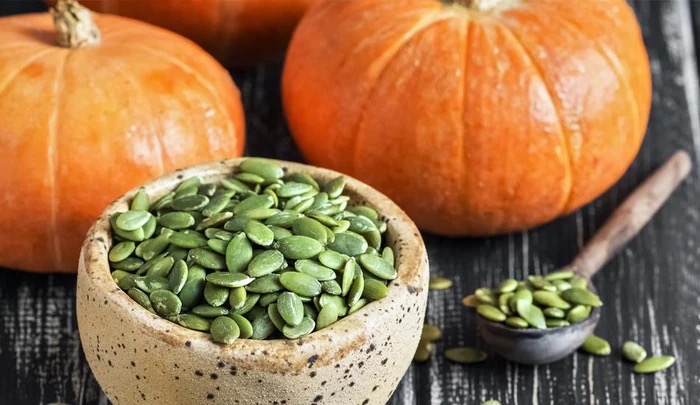
Often used in salads as toppings, these green-gold kernels, often labeled “pepitas,” are a compact source of affordable vegetarian protein, minerals, and healthy fats (about half of their weight is fat). Most people love pumpkin seeds, and I do as well.

1.Superfoods It is nice to see that “old” foods can be called superfoods. Pumpkin seeds are one of them. I do not like the term superfood as such, because it suggests wonders to be achieved by eating A, B, or C. Each with a loyal, at times fanatic fan base (and companies that just want to make money).

What many call superfoods is no more than excellent nutrient-dense food, rich in vitamins, minerals, antioxidants, and phytochemicals. They’re good for your health, can help prevent disease, and support overall wellness. To eat really good food for oneself is already an accomplishment, as most products in your supermarket are not great at all. “Superfoods” are part of my diet, like kale, avocado, wild salmon, and the occasional pumpkin seeds in my salad. Or as snack in the early evening.

“Superfoods” should be part of a holistic diet and healthy lifestyle, not a goal in themselves. They are not exclusive instruments to help you reach your health goals. Do not rely on them too much. So far, no supplements, pills (and definitely no superfoods) exist that cure or prevent everything.

2.Seeds compared. When you compare seeds, there are differences, of course, but most are not that big. Pumpkin seeds are average compared with other seeds when it comes to calories, relatively high in protein (about 25%), and higher than average in fat (but mostly healthy fat) with about 50%, carbohydrates are average and fiber is low. They are a good source of iron, potassium, zinc, and magnesium.

3.The Benefits of Pumpkin Seeds 1. The unsaturated fats in pumpkin seeds, along with magnesium and phytosterols, can contribute to a heart-healthy dietary pattern. Some research suggests that regular, moderate intake of pumpkin seeds may help improve lipid profiles and support blood pressure within certain populations.

2. The combination of protein, fiber, and healthy fats helps increase satiety, which can support better appetite control. For people trying to manage weight, substituting or pairing pumpkin seeds with other snack options can reduce hunger between meals. The fiber content also supports gut health and steady digestion when consumed as part of a balanced diet.

3. Pumpkin seeds contain antioxidants such as vitamin E and carotenoids, plus phytosterols that may support cholesterol balance. Some compounds may help reduce inflammation and oxidative stress.

4. Like many seeds and nuts, pumpkin seeds contain tryptophan, an amino acid that the body can convert to mood-regulating and sleep-related chemicals. Magnesium, another nutrient they supply, is also linked with better sleep quality for some people.

5. Some small studies and traditional use point to benefits for urinary function in men, particularly related to lower urinary tract symptoms (LUTS). The zinc profile in pumpkin seeds is often highlighted in this context. More robust, large-scale trials are needed to make definitive recommendations, but the existing data are encouraging. Men at my age (67) care about their prostate and welcome news like this.

6. In addition, studies indicate that pumpkin seeds contribute to immune support and a better mood and sleep.

4.Problems? Yes, (six minor) ones Pumpkin seeds are calorie-dense. The prepackaged roasted varieties often contain too much sodium (salt). Overconsumption can lead to digestive issues. Some people are allergic. Pumpkin seeds contain compounds like phytic acid that can modestly reduce mineral absorption when eaten in very large amounts, so I would not worry too much. If you have kidney disease, do not eat too much and consult your doctor.

5.Nuts vs. seeds in general Seeds are the plant’s embryos that can grow into a new plant. Nuts are a type of dry fruit with a hard shell around a single seed. True botanical nuts include chestnuts and hazelnuts, etc. Many “nuts” sold in stores (almonds, pistachios, walnuts, cashews) are actually seeds from fruits or drupes, not true botanical nuts.

Nuts (almonds, walnuts, pistachios, cashews, etc.) are frequently more expensive per pound than most seeds.

Both seeds and nuts have excellent nutritional profiles, with differences among them, of course. Seeds are often rich in polyunsaturated fats, certain minerals (magnesium, zinc, iron), and fiber. Nuts are often higher in monounsaturated fats and protein, with their own mix of minerals and phytochemicals.

The shelf life of raw nuts is substantially higher than that of seeds—two times or more. There is no difference when stored in the refrigerator or freezer. Some seeds, like pumpkin seeds, can be more prone to oil rancidity if exposed to heat and light for long periods.

6.How long do pumpkin seeds stay fresh? 4 months in a dark cupboard; keep them in airtight containers away from light, heat, and moisture. If they are roasted, shelf life is about 4 weeks only, before roasted taste disappears. Roasting also diminishes shelf life. For that reason, I freeze a few kilograms of roasted pumpkins and take out a few hundred grams each week. In the fridge: 3–6 months (roasted or not); in the freezer: 9–12 months (roasted or not).

7.Why soak and roast them? Soaking (especially in salted water) reduces the phytic acid in pumpkin seeds. Phytic acid can reduce the absorption by your body of important minerals from other foods. Soaking first will also make roasting easier and can improve digestibility for some people. Roasting will add a lot to the flavor. Some people claim that roasting alone produces a better taste result.

8.Is this a lot of work? No. I do these kinds of things during dinner preparation—Always a few kilograms at a time and storing most of the result in the freezer. A few kilograms should last 1–2 months. The soaking should last 4 hours (in salted water) and the roasting 20 minutes at 175°C (350°F). While roasting, add a bit of oil and salt.

It is getting dark, time for dinner and a nice evening snack. Tonight, as often, pumpkin seeds of course.

Take care, enjoy your food and live a happy and healthy life.

Robert, your health friend

Slowly preparing for the annual trek, Kenya