16. RED LIGHT THERAPY: HIGHLY RECOMMENDED AND WITH GOOD REASON (health project99+)

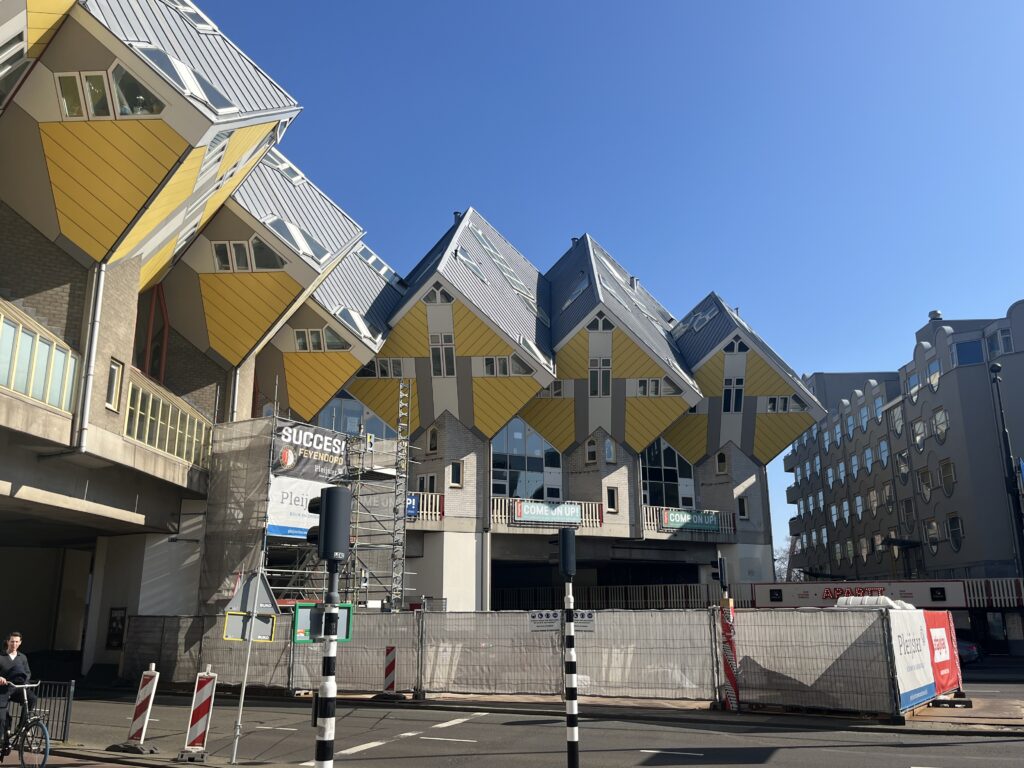
Houses in Rotterdam, the Netherlands

Dear reader,

The fancy name for red-light therapy is photobiomodulation. It is based on NASA research of about 20 years ago.

(1) “Red-light therapy” and (2) “Infrared light in saunas” are very different. I often confuse these two, so writing down the differences helped (me at least). I am convinced of the added benefits of both, so I plan to use each one of them.

Very short: red light is for skin and collagen, infrared for muscles. And more of course, but this is the essence.

At home we have an infra-red-light cabin, which I use to recuperate after sports and as a preventive measure to avoid catching a cold. https://shakethehealthtree.com/index.php/2025/02/26/1-my-health-essentials-infrared-sauna-health-project-99/

In this blog I give some considerations that led me to my red-light choice (for a soft LED mask + something for the neck and upper part of the chest).

1.Main tip
There are many fake devices around, so buy quality and use the device consistently. Improvements on skin and collagen are substantial (according to many independent studies) but will gradually disappear when you stop. Red light therapy really works but consider it as a lifelong commitment. Three times per week, 10 minutes.

2.Are the acclaimed results of red-light therapy fact or make-believe?
The good news is that red-light therapy is indeed scientifically proven to improve skin health, reduce inflammation, promote wound healing, reduce pain, and stimulate collagen production. More research is needed for another claim, namely that red light improves overall health (cellular energy enhancement); scientific indications so far are rather positive. If correct red-light will contribute to longevity!

3.Is the sun alone not enough?
The idea that you don’t need red light therapy because the sun provides enough light has some truth, as sunlight includes a broad spectrum of light, including visible light (red light) and near-infrared (NIR).

The problem is that the amount and quality of sunlight you receive varies greatly by time of day, weather, location, and season. As I made clear in this blog, in order to profit from a health step, whether it is exercise, a supplement or light, one needs consistency. The advantage of artificial red-light therapy and NIR devices is that they can deliver light at intensities and durations optimized for therapeutic effects, which can be hard to achieve safely with sun exposure alone.

In addition, as we all know, direct sunlight exposure comes with UV radiation, which increases the risk of skin damage and skin cancer if exposure is excessive. Excessive exposure already happens after less than half an hour. It can shorter as damage depends on skin type, UV index, and other factors.

4.What is infrared light?
Red-light therapy uses very specific visible red wavelengths (often combined with other red light that is very close in wavelength to the visible red wavelengths, the so-called Near Infra-Red = NIR) to promote healing and regeneration without significant heat. Red light (as part of red-light therapy) is visible; infrared light on the other hand is not.

The main, but lesser known, output of red-light therapy probably is “cellular energy enhancement” just under the surface, while heat production is the main benefit of infrared light.

Most people use red-light therapy to achieve skin improvement and collagen production. The fact that there are strong scientific indications that it probably also leads to better working of your cells just below the surface is an unexpected bonus. For those who care about longevity this is an important development.

Red light therapy uses visible red light, typically in the wavelength range of about 620 nm to 700 nm, sometimes combined with near-infrared light (700 nm to 1400 nm), to stimulate cellular repair and other health benefits.

Red light therapy is provided by handheld devices, panels, masks, and even sleeping bags and other whole-body capsules.

5.The different wavelengths
For those who love figures, see the following overview. I use nanometers (100,000 nanometers = 1 millimeter). Sometimes you read about microns. Just remember that 1 micron = 1000 nanometers.

Red light therapy (visible to the human eyes): 620 nanometers to 700 nm
Infrared light (invisible to the human eyes):
a) Near infrared (NIR): 700 nm to 1400 nm
b) Mid infrared (MIR): 1400 nm to 3000 nm
c) Far infrared (FIR): 3000 nm to 100,000 nm (= 1 mm)

The boundaries between these infrared ranges are approximate and can vary slightly based on different scientific definitions.

MIR and FIR are used in saunas as their heat is absorbed mostly by the surface of the skin. It leads to general relaxation of the muscles and detox sweating. NIR penetrates the deepest, then MIR, while FIR mostly heats the surface and just below it.

6.Some more relevant figures to look for.
Irradiance / Power Density (mW/cm²): This refers to how much light energy hits a given area per second. Higher irradiance means shorter treatment times. Typical effective irradiance values start around 20 mW/cm² and can go up to around 100-200 mW/cm². The new one we bought has 35 mW/cm². This is measured directly on the face and can therefore be less than for a panel, where the red light has to bridge a certain distance. In general, devices with low irradiance may require longer exposure.

Energy Dose / Fluence (J/cm²) = Total energy delivered per area during a session. Calculated as irradiance (mW/cm²) × treatment time (seconds) = energy dose (mJ/cm²), converted to J/cm² by dividing by 1000.

7.NIR light has dual use
Near-Infrared (NIR) light has wavelengths that fall between visible red light and mid-infrared wavelengths, typically around 700 to 1400 nm. It is a bit of an in-between wavelength that can be used as part of the red-light therapy and in infrared saunas.

The combination with red light therapy enhances therapeutic effects because it penetrates deeper into tissues. NIR is also sometimes included in infrared saunas, especially those that use near-infrared lamps, either alone or in combination with mid- and far-infrared wavelengths. This is because NIR targets different therapeutic outcomes, such as promoting cellular repair and improving circulation.

8.What to buy?
Most research has been done with masks, and I have decided, for the time being, to only go for a soft mask (+ a part for the neck and upper part of my chest). Perhaps in the future I will go for something that reaches the whole body, but I need to see more research about this, and prices have to go down.

Most devices use LEDs, but some have lasers, which are more expensive and in general only used in clinical or professional settings.

9.What about the blue light option?
The blue light option in a red-light therapy device is not essential but can be beneficial for specific purposes. Red/near-infrared light primarily targets tissue healing, inflammation reduction, and collagen production. Blue light (around 415 nm) is used mainly for its antibacterial properties, making it helpful in treating acne and skin infections.

If your primary goal is anti-aging, pain relief, or muscle recovery, blue light is less important. If you want acne treatment or antibacterial effects, a device with blue light can be useful.

10.My experience so far
My wife and I were convinced by all the studies and bought both a face mask and a bridge that covers your face and neck. We made a few mistakes though.

  1. The face mask was rigid and too small for me. The bridge was okay, but the prescribed time of procedure (30 minutes) was too long.
  2. We did not check the brands, just bought a few from Amazon. I know now that this has been a bad idea, as quality counts.
  3. We did not use it consistently. My wife was, for the period that she used the face mask regularly, quite positive about the results, by the way.

So we changed mask. Which is the new one?
I did thorough research, which was not successful. Thousands of influencers around, but I did not find them helpful. I could not find a reputable source that made a comparative study of all devices that are on the market.

However, at a certain moment one must take a decision, so I went for a recent article in a reputable newspaper: the New York Times. The person who did the comparative research had impressive qualifications and had consulted several dermatologists. Based on her recommendations I bought Omnilux Men. This is marketed primarily toward men, but the device itself can indeed be used by women. It is a soft, flexible mask + an additional one for the neck and upper level of the chest. Expensive (2x 400 euros).

https://www.nytimes.com/wirecutter/reviews/best-red-light-therapy-skin-care-device/

11.The decision to choose the category was easier.
No handheld devices for us. There are many of them, but it is cumbersome to keep them on a certain place at the right distance, then move to the next place and that three times a week.

The same with panels. You must stay within a certain distance. How far depends on the power output of the panel, the “irradiance.” Sitting still, at the right distance, is not for me.

I love the concept of full body devices like sleeping bags. For the time being I am not convinced that they offer enough quality and indeed have an impact on the whole body (the skin of your neck is very thin while the surface of your legs is different).

So, we decided to go for something that is attached to your body, in this case to that part that is most visible: your face and neck. It is also this combination (mask device – face) that has undergone most scientific tests.

12.Buying a red-light device take into account the following

  • Choose a quality brand, FDA or similarly approved. CE marking and other safety standards are additional positives. There are many fakes around. I am sure, as some claim, that many of these devices come from the same factory and that some of the cheap ones are as good as the expensive ones with a brand name on it, but I do not want to take the risk.
  • Wavelengths for visible red light (at least 620-700nm) and near-infrared light (at least 820-940 nm). For masks that mix blue light with red light, the sweet spot for blue is around 415 nm. If you wish to have deeper penetration of the red light, also include around 1064 nm.
  • Check if the LEDs are certified or have quality ratings (e.g., LED lifespan, consistency).
  • Lights should have a 50,000 hours lifespan.
  • Buy devices that have a trial period and offer excellent warranty.
  • Choose a brand that has been on the market for a longer period.
  • The irradiance (power over an area, measured in milliwatts per square centimeter) should be for soft masks at least 30 mW/cm², hard masks and wands at least 50 mW/cm².

Dear reader, some health equipments are essential. In my conviction an infrared device is one of them.

Take care and live a healthy and long life,

Robert, your health friend

Atlas Mountains in Morocco

Some words on CE marking

  • This is a certification mark that indicates a product complies with the relevant European Union (EU) health, safety, and environmental protection standards. It allows the product to be legally sold and distributed within the European Economic Area (EEA), which includes all EU countries plus Iceland, Liechtenstein, and Norway.
  • CE stands for “Conformité Européenne,” which means “European Conformity.” It applies to many products, including electronics, medical devices, machinery, toys, personal protective equipment, and more. So make sure that there is a CE mark when choosing a red light therapy device.


1. METHIONINE: REDUCTION OF THIS AMINO ACID HELPS LONGEVITY (health project99+)

Main square in Bogota, capital of Colombia

Dear reader,

The vegetarian lifestyle often comes up when I explore ways to achieve better longevity, with “better longevity” meaning a longer and healthier life.

This time, I want to talk about methionine. You can only get methionine through your diet, as your body does not produce this specific amino acid. Reducing methionine intake is a major contributor to better longevity; this insight has convinced me to move further toward a vegetarian lifestyle.

Methionine is essential because it is one of the 20 primary amino acids, but it is crucial to stick to the recommended amount—around 1000 milligrams daily. Especially those with a meat- and fish-rich diet often consume 2 to 3 times this amount. Research shows that too much methionine has a very negative effect on your longevity. Reducing the typically high levels of methionine in the Western diet can contribute to up to 50% of the maximum “better longevity” potential we currently understand (for example, living up to 100 years old). Fifty percent!

So, cutting down on methionine and only taking what you need has, according to all I have read, a big impact on both the quality and length of your life. To stay within the daily recommended amount, it is easiest to follow a vegetarian diet without eggs—so, roughly speaking, a semi-vegan diet.

1.Why is avoiding too much methionine so important?

Three out of five people worldwide die from diseases linked to chronic inflammation. Too much methionine plays an important role in this. Low-grade chronic inflammation is a silent killer—one that simmers quietly for years without our knowledge and can affect almost anyone. It contributes to cardiovascular disease, cancer, type 2 diabetes, and other conditions.

There are hundreds of theories about aging. The oldest and most well-known is the mitochondrial theory of aging. Mitochondria are parts of your cells better known as the “powerhouses” of each cell.

2.The mitochondrial theory of aging claims that aging results from accumulated damage to mitochondrial DNA and dysfunction in mitochondria, leading to decreased energy production and increased oxidative stress. This oxidative stress causes inflammation and premature death.

In short: Oxidation can cause inflammation, and inflammation can increase oxidation which damage your cells.

3.Oxidative stress occurs when there is an excess of free radicals or Reactive Oxygen Species (ROS). These ROS can damage cells, proteins, and DNA, triggering the inflammatory response. Inflammation, in turn, can produce more ROS, creating a vicious cycle.

Methionine, among all amino acids, is the main culprit of oxidative stress.

4.The mitochondrial aging theory has some compelling evidence, as it has been shown that the lower the rate of methionine free radical production, the longer animals live. To reduce methionine free radical production, you have two options: exercise and/or adapt your diet.

5.To cut down on methionine through diet

Calorie restriction is known to prolong life, but a constant state of semi-hunger is neither pleasant nor sustainable for most. The alternative, intermittent fasting, is only possible for the disciplined among us.

Why not at least focus on those elements that cause chronic inflammation? Of all amino acids, methionine stands out as causing oxidation and consequently chronic inflammation in a significant way when the intake is too high.

Unfortunately it is almost impossible to avoid consuming too much methionine on a non-vegetarian diet. Meat, fish, and eggs all provide 300–800 milligrams per 100 grams. In light of the daily requirement of 1000 mg, this is way too much.

Realizing that methionine contributes significantly to the oxidation of mitochondria (which in turn leads to chronic inflammation) brings us to an important conclusion: cut down on methionine intake! The only way to do this (apart from calorie restriction) is by adapting the typical Western diet, which is generally loaded with animal proteins. And exercise but I do not go into this topic.

6.Three ways to reduce methionine intake

1. Overall food reduction (fasting), but this is a difficult practice to maintain for many. I have read many studies indicating that, in general, people in the West eat too much food, and reducing food intake has general health benefits. 

2. However, putting this discussion aside, if you know that one component (in this case, methionine) has a big impact on longevity, why not concentrate on methionine? Studies have shown that reducing other amino acids has no impact on longevity, except for methionine.

3. Related to the previous point, an efficient strategy is to swap animal protein for plant protein. Some fish, chicken, or other meat can already easily push you beyond the 1000 mg limit. For example, 200 grams of salmon can contain as much as 1500 mg of methionine.

7.What is the role of Methionine?

Methionine influences mitochondrial function by regulating antioxidant defenses and methylation processes (see note).  

Mitochondria are membrane-bound organelles found in most cells that generate energy by producing ATP through cellular respiration. They are often called the “powerhouses of the cell.”

Note: Methylation is a natural chemical process where small molecules called methyl groups are added to DNA or proteins, helping to control how genes are turned on or off.

8.How much?  

The minimum daily requirement of methionine for adults is about 10–13 mg per kilogram of body weight, typically around 1,000–1,300 mg per day. Some recommendations go up to 2,000 mg per day, but in general, 1,000 mg is commonly mentioned.

Fruits and vegetables are generally low in methionine, so reaching 1,000 mg solely from them is challenging. However, if you have a mostly fruit and vegetable-based diet, it is possible to increase your methionine intake by including legumes, nuts, seeds, and whole grains, which contain more methionine per 100 grams, though still substantially less than meat, fish, and dairy.

– Fruits and vegetables: 10–150 mg per 100 grams  

– Beans, legumes, nuts: 50–200 mg per 100 grams  

– Fish, meat, dairy: 300–800 mg per 100 grams  

9.Methionine is distinct from other amino acids  

According to internet sources, methionine differs because it is crucial for all protein synthesis as it contains a sulfur atom in its thioether side chain, acts as a precursor to important methyl group donors like SAM (S-adenosylmethionine), and is an essential amino acid required from the diet. These features give methionine a unique and vital role in biology compared to other amino acids.

Research has shown that only one amino acid is prone to causing oxidation: methionine.  

10.It is not difficult for vegetarians to get all 20 primary amino acids (9 of which must be obtained through food).  

Meat and fish lovers often say that only meat and fish can provide all the necessary amino acids. This is not correct. Several plants contain all nine essential amino acids necessary for human nutrition, making them “complete proteins.”  

Note: The difference between essential and non-essential amino acids is not related to their importance. Both categories are equally important, but essential amino acids can only be acquired through food. 

Examples of complete proteins containing all nine essential amino acids include soybeans (tofu, tempeh, edamame), quinoa, buckwheat, hemp seeds, chia seeds, amaranth, spirulina, nutritional yeast, and some mushrooms. Additionally, one can take plant-based protein powders that provide all essential amino acids that your body does not produce. At home, we use Sun Warrior, which is, of course, GMP-certified.  

11.If methionine intake is too low (which is rare), it can lead to impaired protein synthesis; poor growth and tissue repair; reduced production of important molecules like cysteine, glutathione (an antioxidant), and SAM (a methyl donor); weakened immune function; liver problems; and possible neurological issues.

12.Added benefit of a low methionine diet 

People on a low methionine diet who get methionine from plant sources suffer 50% less from insomnia and snore less. My personal experience confirms this.  

To return to the beginning: the vegetarian lifestyle often comes up when I explore structural approaches to better longevity, with “better longevity” understood as a longer and healthier life. Reducing your methionine intake to the recommended level is very difficult if you are not vegetarian. If you decide to adopt such a diet, do not forget to take Vitamin B12 supplements!  

Enjoy life, whether you are a vegetarian or not.  

Take care,  

Robert, your health friend  

View of Bogota, capital of Colombia

1. DIETS: A BETTER WAY (health project99+)

On Gozo, one of the 21 islands of the Maltese archipelago

Dear reader, 

    My dad was overweight for many years. As a result, every year he started a diet and counted calories. He then lost about 20 kilograms in a few months. In the process, he also became a bit short-tempered. Then, he maintained a stable weight for several weeks. But he slowly regained weight, kilogram by kilogram, and became overweight again. I am sure many of us have similar stories in our families. Others have been on this yo-yo track themselves.

    There are many reasons why diets do not work for many people, even when they seem initially successful. An important physiological factor is that after weight loss the body reduces energy expenditure (a lower resting metabolic rate). This makes further weight loss harder. Weight regain is more likely, often with a higher body fat percentage or a slower metabolism. In short, you end worse than you started.

    My non-diet diet

    This blog focuses on better-quality calories in. It also emphasizes more calories out by moving more. Additionally, it suggests reducing the number of hours during which you eat. By better-quality calories, I mean fiber-rich foods and complex carbohydrates. Moving more? This is probably the easiest part to do.

    Set a realistic end goal for yourself (preferably a BMI of 20–23) and aim for a weight loss of about 1 kilogram per month.

    It is helpful to know that the same amount of good-quality calories leads to less weight gain than bad-quality calories. And do not be too strict with yourself. If you love apple pie, you can continue eating it, at least I did. Take smaller portions and limit it to once per week.

    Weigh yourself weekly at the same time of day, and don’t despair if there is a plateau now and then. It will be all right eventually.

    Although turning to better-quality calories is important, eating less also helps. I know this is not always easy, which is why limiting the eating window is helpful. Start with a 12-hour daily fasting window.

    Prepare your food yourself, using basic elements.

    Willpower is another important factor (I will write about this in another blog), as we all have our weak moments. If chocolate is in front of me, I may struggle. Note to self: do not buy chocolate for home.

    Furthermore, realize that we live in an environment where unhealthy choices are the default options. This implies that a life change requires some effort and will not always be easy, but it is worth it!

    One more thing: do not forget your protein intake. Inadequate protein or insufficient resistance training can lead to a loss of muscle. This lowers resting metabolic rate. It also impairs long-term fat loss.

    How did I do on this non-diet diet?

    I am 196 cm tall and have weighed an average of 95 kilograms for decades. That translates to a BMI of 24.7, just below the threshold for being overweight. Three times in my life I weighed 105 kilograms, which really scared me. That scare helped a lot, and I managed to lose these excess kilos by eating less and exercising more. In particular, cutting back on sweets helped a lot; I remember. So overall, it wasn’t bad, but not great either.

    When I changed my lifestyle about five years ago, I began losing weight. I eventually reached a low of 84 kg. However, I averaged around 88 kg. I didn’t follow a diet or count calories. I ate what I wanted but in a different way. This included limiting the hours during which I ate. I do keep an eye on the scales, because a bit of self-discipline helps. I have weak moments when I satisfy my sweet tooth. This is bad for several reasons. It raises my calorie intake and tends to lead to poorer-quality nutrition.

    Worldwide trends in obesity are very worrisome.

    What strikes you most when you see movies and TV shows from the 1950s, 1960s, and 1970s? Besides the fact that everyone smoked everywhere all the time, very few people were overweight! Recently, my wife and I watched “From Russia with Love.” It was set in our beloved Istanbul. We lived there for four years. It was great to see the Istanbul of the 1960s, and yes, almost everyone was slim, as was common in films from that era.

    This has changed, not only in Turkey but globally. According to the World Health Organization, obesity has become one of the greatest threats to global health. Overweight and obesity are related terms; overweight refers to a higher-than-normal body weight, while obesity is a more severe category. Obesity is now considered a disease—a serious chronic condition with long-term implications and considerable health damage.

    Just to remind you of the dangers. Obesity places excessive strain on organs, tissues, and systems, leading to reduced life expectancy and quality of life. Major risks include Type 2 diabetes. They also include cardiovascular diseases such as heart disease, stroke, and high blood pressure. Certain cancers are risks too. Joint issues like osteoarthritis and sleep apnea are included as well.

    Body Mass Index (BMI)

    BMI is only one indicator of one’s health. The composition of your body (muscles or fat) is also important as are many other factors. Still, I like to use it. BMI is easy to calculate. Divide your weight in kilograms by your height in meters squared. If this does not work Just ask google :-).

    For an adult with a height of 185 cm (approx. 6’1″), a weight of 103 kg (227 lbs) or more is considered in the obese range (BMI of 30 or higher). A BMI of 25–29.9 is classified as overweight.

    The “best” BMI for health is generally considered the range of 18.5 to 24.9. Some research suggests an even lower range (around 20-23). 

    How is the world doing BMI-wise?

    The trend is upward, and quite strong, including among children.

    American Samoa has the highest obesity prevalence in the world. Recent data indicates that roughly 70–75% of its adult population is obese. One important factor is its heavy reliance on imported, ultra-processed foods.

    Around 40% of adult Americans were obese, and 18% were severely obese as of 2019. Severe obesity is defined as a BMI of 35 or higher.

    Twenty-six to twenty-nine percent of adults in England are classified as obese, with about 64% being overweight or obese. France: about 17% of adults are obese.

    In China, obesity was virtually non-existent until the 1990s. This has changed dramatically. Today, more than 50% of Chinese adults are overweight or obese. About 15% are classified as obese.

    Why is obesity on the rise?

    Ultimately, weight and health are your own responsibility; however, maintaining a healthy weight is not easy. We are bad food bombarded from all sides, there is a lot of misinformation, and healthy options are not always available or can be more expensive.

    Look at all the changes in our diet and food environment. Most of the food in supermarkets is ultra-processed, calorie-dense, nutrient-poor, and high in fats, sugars, and salt.

    Engineered foods are often designed to be addictive and to encourage overeating. In many regions of the world, unhealthy, calorie-dense foods are cheaper and more accessible than fresh, nutritious options.

    Larger portion sizes in fast-food restaurants are standard; the trend toward pre-packaged meals encourages higher caloric intake. And let us not forget the aggressive advertising, particularly targeting children, that promotes high-calorie food consumption.

    All statistics show that we move less, sit more, and spend increased screen time. In the Netherlands—the bike capital of the world—the e-bike has become very popular. In my opinion E-biking cannot be considered serious physical activity; the battery does the work.

    We see a link between poverty and obesity. We also observe a link between wealth and obesity. Fewer and fewer people prepare meals themselves. Instead, they prefer ready-to-eat convenience foods.

    Other factors that influence your efforts to control your weight

    Increased stress levels lead to emotional eating (we’ve all been there).

    Sleep is important. Poor sleep quality and duration disrupt hormones that regulate hunger—ghrelin and leptin. This disruption leads to increased cravings and appetite.

    Your gut microbiome can influence how you respond to a given diet.

    In some people, genetics play a negative role. Certain medications as well.

    Some recommended diets

    First, reread my recommendations at the start of this blog. They are a way of living that has helped me a lot. It has resulted in better health and lower weight. Not something for the short term, but for good. Step by step, slowly turning the tables.

    Second, below are some popular diets/approaches that all contain elements of my recommendations.

    • Mediterranean diet: It emphasizes plant foods, healthy fats like olive oil, fish, and whole grains. This diet is well supported for weight management and cardiovascular health.
    • DASH diet (Dietary Approaches to Stop Hypertension): This diet emphasizes fruits, vegetables, low-fat dairy, and lean proteins. It has strong evidence for improving blood pressure and heart health.
    • Plant-based / vegetarian / vegan approaches can support weight loss. They also aid in lipid improvements. However, they require careful planning to ensure adequate protein, iron, B12, iodine, and zinc.
    • Moderate-carbohydrate, higher-protein patterns: Can promote satiety and preserve lean mass, supporting sustainable weight loss.
    • Low-carbohydrate / ketogenic patterns: These diets are often effective for short- to mid-term weight loss. They also help with glycemic control in some people. Long-term adherence and potential nutrient considerations vary.
    • Intermittent fasting (time-restricted eating, etc.): Can reduce caloric intake and improve metabolic markers for some; adherence and individual response vary.

    What about Ozempic and other weight-loss medications?

    Ozempic and friends can be quite effective. They do have potential side effects, but they’re generally considered safe. I wouldn’t use it myself. It isn’t cheap, and unless you make lasting lifestyle changes, you may need to use it for life.

    People who stop taking it often regain the weight. Besides the cost, you should ask whether you really want to use such a medicine forever.

    The long-term effects of Ozempic aren’t known yet. Like with all medicines, there may be changes to the gut microbiome. However, the evidence isn’t clear yet on how significant those changes are.

    Dear reader, the non-diet diet approach described in this blog served me well. Hopefully it is something for you as well.

    Enjoy life and good food!

    Robert, your health friend

    A street in Valetta, the capital of Malta

    1.UNDERSTANDING BIOLOGICAL AGE AND EPIGENETICS (health project99+)

    Dominican Republic, Santo Domingo

    Dear reader,

    This blog I wrote because I wanted to understand what biological age is. I wanted to learn how it is measured. I was curious about the benefits of grasping the details of this topic.

    It turns out that by enlarging their knowledge about this topic, health experts are increasing health improving options. These options can enlarge interventions for a healthier and longer life.

    I stay very much tuned as research into biological aging is rapidly evolving and exciting progress lies ahead.

    1.Introduction “real” and biological age

    Chronological (“real”) age and biological age refer to two different measurements of aging. There can be a huge difference between these two.

    The twelve hallmarks of aging, like your telomeres, give insights about a person’s health and overall well-being. They explain possible differences between real and biological age. 

    At this moment, thanks to AI and quantum technology, interesting developments are happening. These developments aim to understand all the mechanisms related to the hallmarks of aging. They also seek to influence them. Understanding is an important step, followed by effective interventions.

    Practical frameworks are being developed for assessing aging through a functional lens. This approach aligns with the priorities of both older adults. It also aligns with health systems aiming to shift from reactive to preventative care.

    Aging is a system-wide, heterogeneous process. It is not a uniform decline. Accepting this requires a nuanced way of looking at one’s biological age. Tools are being developed that answer the question “how are you aging” instead of “how old are you”.

    Many health specialists want aging to be recognized as a disease. They also want it to be a target for drug development or treatment. We are not there yet. However, it’s very interesting that serious people are starting to look at aging as a treatable disease.

    1. Chronological Age (Real Age)

    This is the actual age of a person based on their birth date, measured in years. It is a simple count of the number of years a person has lived since birth. Chronological age is a blunt instrument. It does not capture the intricate mosaic of decline and resilience. These factors shape individual trajectories of aging. Now we look very differently at people in their 60s than 40 years ago. 60 = the new 40!

    2. Biological age

    The biological age is much more interesting. It can provide a more accurate representation of an individual’s health and functional status.  Biological age shows the effect of the aging process on your body’s physical and mental functions. It also affects your appearance. In short, it is a time-dependent development, or decline.   A person may be chronologically 50 but biologically 40 if they have a healthy lifestyle. Alternatively, they may be chronologically 50, but biologically 60 if they have significant health issues.

    3. Hallmarks. What explains the difference between chronological age and biological age?

    The hallmarks of aging determine the difference between chronological age (how many years since you were born) and biological age. The hallmarks of aging are determined mainly by our genetics, but environmental factors can cause or exacerbate them also. Each hallmark contributes to the damage that occurs and accumulates with age and is ultimately responsible for age-associated illnesses. 

    There are 12 hallmarks of aging, and each will be treated in separate blogs. Let me just mention them here. Telomere attrition, genomic instability, mitochondrial dysfunction, and cellular senescence. Stem cell exhaustion, loss of proteostasis, and deregulated nutrient sensing. Epigenetic alterations, altered intercellular communication, and disabled macro autophagy. Chronic inflammation and dysbiosis.

    Dividing the 12 hallmarks into three groups is useful. The first group is integrative hallmarks, such as stem cell exhaustion. The second group is primary hallmarks, like telomeres. Finally, the third group is antagonistic hallmarks, which are responses to damage.

    4.How do we test our biological age? Introduction

    This has been possible for decades, but only very partial. What we have been doing is looking at separate biomarkers like blood pressure, cholesterol levels, and body mass index (BMI). We have also taken genetic tests. These tests indicate potential health risks or aging traits. They also measure physical fitness, strength, and endurance. Newer tests include examining telomere length measurements. Telomeres are protective caps on the ends of chromosomes. They shorten as we age.

    However, biological age in reality is a holistic concept, not a series of separate biomarkers. Slowly the attention of experts moved towards the overall situation with emphasis on functions. A first practical implementation started in 2013 with the epigenetic clock by Steve Horvath. Horvath’s clock, used methylation data to create a “age estimator” that could predict biological age across different tissue types. 

    The overall conclusion is that the epigenetic clock represents a significant advancement in our understanding of biological aging. It also provides new intervention possibilities. 

    5.Before explaining the epigenetic clock a few words about Frailty Index

    The Frailty Index (FI) is a clinical tool used to assess an individual’s frailty, typically in older adults. It has been in use now for about 20 years. Frailty is a complex syndrome. It is marked by a decline in physiological reserves. There is also increased vulnerability to adverse health outcomes. These outcomes include falls, disability, hospitalization, and mortality. The Frailty Index is one approach to quantify this frailty and can help in care planning and intervention strategies.

    The FI calculation involves taking the number of health deficits a person has. This number is divided by the total number of possible deficits assessed. For example, a frailty index assesses 30 possible deficits. If an individual has 10 of them, their FI would be 10/30 = 0.33. This suggests a moderate level of frailty.

    6.Body clock/epigenetic clock

    Frailty Indexes are useful, but not enough. Its introduction 20 years ago was a great improvement, but great need remained for a total approach. One such an example is the recent development of Body Clocks. It is a composite score based on the weighted severity of diseases across systems. This development allows clinicians and researchers to track systemic health over time. It offers greater precision than traditional indices such as Frailty scores or number of chronic conditions. 

    The Body Clock predicts future multimorbidity, functional decline, and mortality. It does so more accurately than the frailty index, the number of diseases, and age. It also offers suggestions for intervention.

    7.Body Clocks are Epigenetic clocks

    An epigenetic clock is a biological marker. It is a tool used to estimate the biological age of an individual. This estimation is based on DNA methylation patterns. DNA methylation is a key epigenetic mechanism. It involves the addition of methyl groups to DNA. This process affects gene expression without altering the underlying DNA sequence. Methyl groups are functional groups in organic chemistry. They consist of one carbon atom bonded to three hydrogen atoms. This is represented by the chemical formula -CH₃.

    As mentioned before, the physiological age (chronological age) and biological age (as measured by the epigenetic clock) can correlate. However, they do not always align perfectly. Environmental factors and lifestyle choices can lead to variations in biological aging.

    8.How does it work?

    The epigenetic clock analyzes specific sites on the genome where methylation changes occur with age. These changes can indicate the aging process and have been linked to various health outcomes, including age-related diseases. An epigenetic clock offers a practical framework. It assesses aging through a functional lens. This approach aligns with the priorities of both older adults and health systems. It aims to shift from reactive to preventive care.

    Epigenetics refers to the study of modifications that affect gene expression without changing the DNA sequence itself. These modifications are crucial for regulating biological processes. They can be influenced by environmental and lifestyle factors. Such factors play a significant role in health and disease.

    9.What is epigenetics?

    Researchers have developed the first epigenetic clocks. Since then, they have refined and validated these tools across various populations and age ranges. Multiple studies have confirmed their accuracy and applicability in different biological contexts, including blood samples, skin, and even brain tissues. Some epigenetic clocks are adjusted for assessing aging in cancer patients. They are also adjusted for other specific health conditions, utilizing different sets of CpG sites.

    Research has expanded to investigate the role of epigenetic clocks in various areas. This includes aging-related diseases, such as Alzheimer’s disease and cardiovascular health. It also covers lifestyle interventions, like diet and exercise. Moreover, researchers are studying the effects of environmental factors, such as pollution, on aging.

    Epigenetic changes play critical roles in development, cellular differentiation, and responses to environmental stimuli. Abnormal epigenetic modifications are associated with a range of diseases, including cancer, neurological disorders, and cardiovascular disease.

    Definition of Epigenetic: It pertains to the study of heritable changes in gene expression. These changes do not involve alterations to the underlying DNA sequence. This can include modifications such as DNA methylation and histone modification.

    10.Some latest developments

    Stanford University and others came up with the idea of a Body Clock (the “Health OctoTool” in 2023). This Body Clock is using real-world clinical data. It is preparing for personalized interventions by mapping how different organ systems function at different rates. The concept is getting accepted that aging is not a linear process, but a system-wide, heterogeneous process.

      In late 2023, Xprize Healtspan announced a seven-year, $101 million global competition. The aim is to develop therapies to extend the years we spend in good health. By mid 2025, 100 teams from 58 countries have reached the semifinal. Some teams have proposals that soon might enter early-stage clinical trials.

      The prize sets a clear goal. It aims to restore muscular, cognitive, and immune function by a minimum of ten years. The aim is to extend these functions up to 20 years in adults aged 50 to 80. This should be achieved within a 12-month timeframe. It’s a challenging mandate. Yet, it neatly reflects the evolving ethos of longevity science. The focus is not on achieving eternal life. Instead, it aims for a (much) longer and more healthy life.

      As said, an exciting topic to follow. Which I will do!

      Take care and live a happy and healthy life,

      Robert, your health friend,

      Pollution in the Caribbean Sea

      1. MY HEALTH ESSENTIALS: INFRARED SAUNA (health project99+)

      Sunset at the beautiful beach of Kijkduin

      Dear reader,

      An infrared sauna is expensive, but has several important health benefits (in my own experience). However…do not forget to clean it regularly.

      Investing in health is essential, as we all know. This includes choices related to lifestyle, food, and exercise, as well as certain equipment. While items like good sporting shoes and resistance bands are important, so is for example a large capacity freezer. This can be beneficial. You can read more on this in another blog. It can save you a lot of money in the long run. 

      This time, yet, I focus on the infrared sauna. Though it is expensive, with prices starting at around 2000 euros, it is definitely worth the investment in my experience. Having once been a diplomat, now I consider myself the self-appointed infrared cabin diplomatic representative—unpaid, but passionate! I do not like the traditional sauna too much. The dry heat of the infrared sauna is very comfortable and is much easier to support than the humidity of the regular sauna.

      1. How do I use the infrared cabin?

      A typical session in an infrared sauna takes me 20 – 30 minutes. I do this 3 – 4 times per week. I enjoy listening to some soothing music while the temperature rises to 55 degrees Celsius (131 degrees Fahrenheit). The sweating starts in the last five minutes. It is relaxing. It also gives you time to meditate, to think about the meaning of life in general or the stock exchange. Two things I happen to do when in the infrared sauna.

      I first experienced its positive effects twenty years ago. At the time, I lived in Latvia, one of the Baltic states. I hardly caught colds during four years, and if I did, they were quite mild. At that time, I also had problems with high blood pressure. Using the infrared sauna significantly helped reduce my values.

      After moving, the cabin was disassembled, and somehow I never managed to set it up again. Now I live again in the Netherlands. I have bought a small one that fits snugly in our hallway. There are two cm to spare (see picture below). I truly love it, and my wife is also warming up to it (pun intended).

      2. The positive side of the infrared sauna as I experienced it

      Infrared saunas offer many health benefits, particularly for the heart and blood vessels. While not all claims are scientifically proven, they’re certainly interesting and plausible. Here are the three main benefits I find compelling as each of them has been my personal experience:

      1. Reduced frequency and severity of colds.

      2. Faster recovery after intense physical activities.

      3. Stress relief.

      If my wife or I start feeling “under the weather,” as the British say, we quickly use the infrared sauna. This approach has been successful thus far. Neither of us fell ill during our first autumn and winter in chilly Netherlands. Quite an achievement!

      3. Benefits as mentioned on internet

      Most of the benefits attributed to the infrared sauna that circulate on internet are in line with my experience.

      Improved blood flow can potentially reduce the risk of thrombosis. It may also help with varicose veins. Additionally, it could prevent other vein disorders such as spider veins.

      The infrared sauna generates heat that penetrates the body more deeply than typical saunas. It raises body temperature and causes blood vessels to expand.

      Better blood circulation improves nutrient distribution throughout the body, offering numerous other benefits.

      4. Cleaning and maintenance

      I usually place a towel on the floor and another on the seating area to prevent contamination. It’s important to remove the towels after each use to prevent mold growth.

      Because the sauna is a humid environment that contacts skin, regular cleaning is really necessary, though not much work. After each session, perform light cleaning. Aim for a more thorough cleanse roughly every two weeks to maintain optimal cleanliness.

      Stains can be treated with mild dish soap mixed with warm water. To keep the sauna fresh, mop the floor with a mild cleaning agent. I use a “natuurlijk schoonmaakazijn”, “natural cleaning vinegar” in English. It’s a type of vinegar used for cleaning purposes, known for being an effective, eco-friendly cleaning agent.

      Persistent stains apparently can be sanded off using very fine sandpaper. I have not tried it yet, but will keep this in mind.

      Enjoy a happy and healthy life,

      Robert, your health friend

      Picture taken on a rare sand dune in Venezuela