22. ALZHEIMER’S DISEASE: AVOIDABLE AND CURABLE? (health project 99+)

Autumn in The Netherlands


Dear reader,

Three of the best-known and most feared conditions affecting the brain are dementia, Parkinson’s disease, and Alzheimer’s disease. These three share some features, but there are also important differences.

Dementia is not a single disease; it is a general term for a decline in cognitive abilities that interferes with daily life. Alzheimer’s disease by the way is the most common cause of dementia.

Alzheimer’s disease and Parkinson’s disease involve the progressive degeneration of nerve cells in the brain, which can lead to declines in cognitive and/or motor function. They are also associated with abnormal protein deposits in the brain.

The risk of developing Alzheimer’s or Parkinson’s disease increases with age. Although there is currently no cure for either condition, research is advancing rapidly, which is great news. In this blog, I mention a few possible treatments, like the use of lithium and even microsurgery.

What about a healthy lifestyle and Alzheimer’s? Living healthily always helps, of course, but more and more scientists (at least the ones I follow) stress new evidence about the crucial role of lifestyle interventions, claiming that they might help reduce the risk of cognitive decline and, in some cases, reverse its onset or prevent it altogether.

In this context, we should not forget the concept of neuroplasticity, the brain’s ability to change and adapt by forming new neural connections throughout life. Like the rest of your body, your brain is a living organ of which the health can be influenced.

  1. Life Expectancy of Alzheimer’s

In Western countries, approximately 5–7% of people aged 60 and older have Alzheimer’s disease. The prevalence increases significantly with age, affecting about 30–40% of people aged 85 and older. After an Alzheimer’s diagnosis, life expectancy is between 3 and 10 years.

2. The Terrible Three

Someone can have Alzheimer’s disease without dementia, or Parkinson’s disease with or without dementia. The key difference is that dementia is a group of symptoms, while Alzheimer’s and Parkinson’s are specific diseases.

Dementia describes a significant decline in thinking abilities—such as memory, language, or judgment—that interferes with everyday life. It has many possible causes; Alzheimer’s disease is the most common. Other causes of dementia include vascular disease, Lewy body disease, genetic problems, and frontotemporal disorders (which can be caused by falling on your head while biking).

Alzheimer’s is a progressive disease, meaning symptoms gradually worsen over time. The decline in brain function eventually can lead to complications such as infections that can impact life expectancy.

Parkinson’s disease is primarily a movement disorder. Common symptoms include slowed movement, stiffness, tremor, and balance problems. Some people with Parkinson’s also develop cognitive difficulties or dementia, often later in the illness.

3. What Are Amyloid Plaques and Tau Tangles?

Dementia, Parkinson’s disease, and Alzheimer’s disease all involve brain abnormalities. In the case of Alzheimer’s disease, the main culprits are amyloid plaques and tau tangles.

Amyloid plaques are sticky clumps that form outside brain cells. They are made of a protein called beta-amyloid. Normally, this protein is harmless, but in Alzheimer’s, it sticks together and forms plaques that interfere with communication between brain cells.

Tau tangles are twisted fibers found inside brain cells. They come from a protein called tau, which normally helps support the cell’s structure. In Alzheimer’s, tau changes shape and twists into tangles, harming the cell’s ability to function properly and eventually causing cell death.

Together, these plaques and tangles disrupt brain function and are linked to the memory problems and other symptoms seen in Alzheimer’s disease.

4. Treatment (see also last chapter of this blog)

Currently, there is no guaranteed way to prevent or cure Alzheimer’s disease. However, there is encouraging news.

First, regular medication so far has not proven to be very effective, but new approaches show promise (see the latter part of this blog), including microsurgery.

Second, fortunately in line with my approach to life, research strongly suggests that certain lifestyle choices can reduce, delay, or even prevent Alzheimer’s.

5. Causes of Alzheimer’s Disease

The causes of Alzheimer’s disease include genetic (less than 1%), lifestyle, accidents, chronic inflammation and environmental factors. Age itself is often mentioned as the no 1 reason people get Alzheimer’s, but I find this a strange concept as it sounds more like a description of what happens than anything else.

There is no consensus among specialists about the main cause of Alzheimer’s, but a growing number focus on lifestyle factors. Certain lifestyle habits are linked to an increased risk: poor diet (especially one high in sugar, unhealthy fats, and processed foods), lack of physical activity, smoking, excessive alcohol consumption, and poor sleep quality.

Recent animal studies have proven that high sugar consumption is linked to amyloid plaque proliferation and therefore increases the risk of Alzheimer’s disease. Elevated blood sugar increases the production of beta-amyloid in the brain; this toxic protein forms as mentioned earlier amyloid plaques, a hallmark of Alzheimer’s disease.

Other studies highlight the link between high blood pressure and Alzheimer’s. Poor cardiovascular health not only harms the heart but also increases the likelihood of developing Alzheimer’s disease.

Genetics is often mentioned, but fewer than 1% of Alzheimer’s cases are caused by genetics. The good news is that techniques are being developed to replace certain genes, such as APOE-e4, that are responsible for Alzheimer’s. Having a family history of Alzheimer’s also raises the risk.

Head injuries and trauma can increase risk, as can limited mental stimulation.

Chronic inflammation in the body is the number one cause of death globally, and it is not surprising that chronic inflammation may contribute to developing Alzheimer’s.

Last but not least, there is increasing evidence that environmental exposures are a risk factor.

6. Measuring = Knowing = Action

Early diagnosis and proper care can help improve quality of life and potentially extend survival. Three biomarkers—ApoB, hsCRP, and HbA1c—in particular, are indicators of cardiovascular, inflammatory, and metabolic health. These systems significantly influence Alzheimer’s risk through pathways like vascular health, inflammation, and glucose metabolism.

Apolipoprotein B (ApoB) status: ApoB is a primary protein component of low-density lipoprotein (LDL), often called “bad cholesterol.” Elevated ApoB levels are linked to cardiovascular diseases, including atherosclerosis. Cardiovascular health, as we know, is closely related to brain health. Poor cardiovascular function and atherosclerosis can reduce blood flow to the brain, increasing the risk of vascular dementia and Alzheimer’s disease. Some studies suggest that cholesterol influences amyloid-beta accumulation, a key pathology in Alzheimer’s.

High-sensitivity C-reactive protein (hsCRP) status: hsCRP is an inflammatory marker measured in the blood. Since chronic systemic inflammation is considered a contributing factor in the development and progression of Alzheimer’s disease, elevated hsCRP levels indicate systemic inflammation, which may exacerbate neuroinflammation and promote neurodegeneration in Alzheimer’s.

Hemoglobin A1c (HbA1c) status: HbA1c measures average blood glucose levels over the past 2-3 months and is used to monitor diabetes. Diabetes and poor glycemic control are established risk factors for cognitive decline and Alzheimer’s disease. High blood sugar can lead to vascular damage, oxidative stress, and inflammation that harm brain cells and promote Alzheimer’s pathology.

7. Copper/Zinc Ratio

An imbalanced copper/zinc ratio, especially elevated copper relative to zinc, may promote oxidative stress, inflammation, and amyloid plaque formation—all hallmarks of Alzheimer’s.

Copper and zinc are two essential trace minerals important in many biochemical processes. Both copper and zinc are involved in oxidative stress regulation and amyloid-beta aggregation in the brain.

Excess free copper can promote the production of reactive oxygen species (oxidative stress), contributing to neuronal damage. Abnormal copper metabolism has been observed in Alzheimer’s patients.

Zinc has roles in modulating neurotransmission and preventing amyloid-beta aggregation. Zinc deficiency or imbalance may worsen Alzheimer’s pathology.

8. The Future (Is Near)

A1. Now: Aggressive Lifestyle Interventions

For most people, aggressive lifestyle interventions are the best way forward. Throw out the bad habits, avoid environmental exposures, and focus on the positive: managing heart health, exercising regularly, eating well, and sleeping well.

A2. Oral health

I remember well my blog about the importance of good oral health which can lead to 7 additional years of your life. In connection with Alzheimer’s several specialists stress how good oral health can contribute to preventing Alzheimer’s. https://shakethehealthtree.com/index.php/2025/02/27/15-pay-better-attention-to-mouth-hygiene-and-live-much-longer/

B. A Recent Trend: Near infrared Light

Infrared light, particularly near-infrared light, can influence brain cells. This is the basis for a technique called photobiomodulation or low-level light therapy. Near-infrared light can penetrate the skull and is believed to stimulate cellular activity, improve mitochondrial function, increase blood flow, and reduce inflammation in brain cells. At home, we use a red light mask that includes near-infrared light.

C1. Near Future: Microsurgery

Very specific microsurgery to enhance the brain’s waste clearance by rerouting lymphatic drainage aims to prevent the buildup of harmful proteins like amyloid and tau, which are linked to Alzheimer’s disease. This approach is innovative and promising, as impaired clearance of these proteins is a key factor in Alzheimer’s progression.

While minimally invasive surgeries generally reduce risks and recovery time, the long-term effects and true efficacy of this procedure remain unknown, but are subject to intense studies.

C2. Lithium

Studies investigating lithium’s effects on Alzheimer’s disease are ongoing, with some promising findings. Lithium, traditionally used to treat mood disorders like bipolar disorder, has neuroprotective properties. It may reduce the formation of tau tangles and amyloid plaques, the hallmark proteins involved in Alzheimer’s.

Some small clinical trials and observational studies suggest low-dose lithium might slow cognitive decline or reduce biomarkers associated with Alzheimer’s. Larger, more rigorous randomized controlled trials are currently underway.

In short, our brain is a fascinating organ. This blog is the second of many on the brain and what my study of Alzheimer’s shows again that much of what we do and eat is interconnected.

Robert,

Your health friend

The jetty where I used to play in my youth, revisited 50 years later (Aruba)


5. mTOR MULTI PROTEIN: THE SWITCH TO LIFE AND DEATH (health project99+)

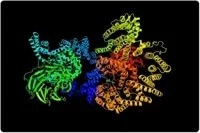
What internet offers me when I search for mTOR picture

Dear reader,

One of the main reasons I write these blogs is to understand the basics of longevity for myself. In many articles, one is bombarded with acronyms, definitions, and concepts. It seems that authors assume readers exactly know what is meant by antioxidants, amino acids, metabolism, ATP, or DNA (well, the last one we know, of course). I have to admit that often I do not fully understand what I read. This lack of knowledge certainly applies to the multi protein mTOR.

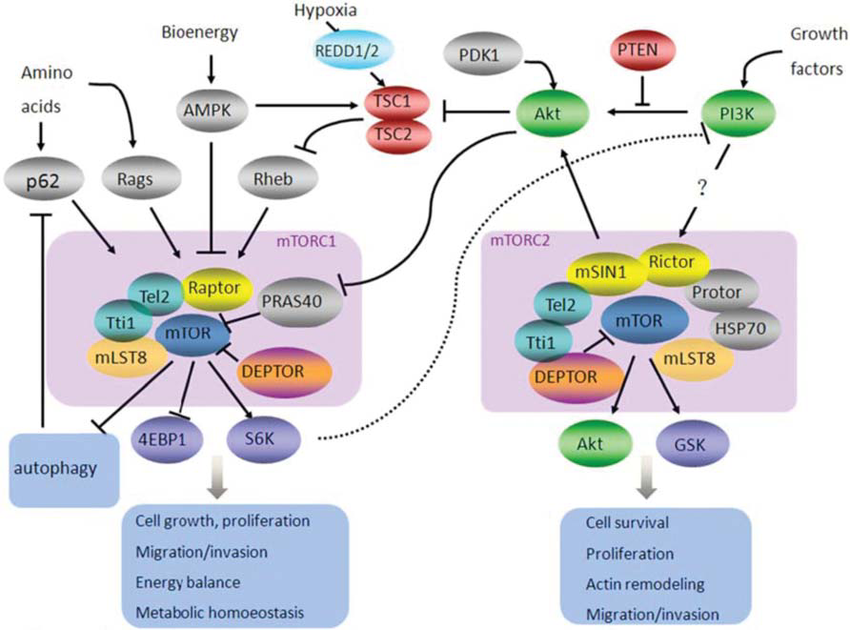
mTOR is the subject of many studies, as much still has to be discovered. The main challenge is to find the right balance between the moments when mTOR has to do its job and other moments when it is better to scale back its influence. When mTOR is active, it tells cells to grow, divide, and make proteins, but constant high mTOR activity is linked to faster aging, inflammation, and diseases like cancer, diabetes, and heart problems. 

Intuitively, it sounds logical, but when do we decide to activate mTOR and when not? There are some indications, but no clear answer yet. And, most importantly, it is not linked to clear indicators.

Before going into the details of mTOR, here is a simplified overview of the interaction of four important compounds that are closely interlinked: ATP, AMPK, Rapamycin, and mTOR.

A) When the cell has lots of energy (high ATP = Adenosine Triphosphate), mTOR is switched on to promote growth.

B) When energy is low (low ATP), AMPK is switched on to conserve energy and it turns off mTOR. It is like the cell’s energy sensor or fuel gauge. Its job is to save energy by slowing down energy-consuming processes and turning on energy-producing ones. One of the things AMPK does is slow down mTOR to conserve energy.

C) Rapamycin is a drug that specifically blocks mTOR’s activity. By turning off mTOR, Rapamycin can slow down cell growth and protein production. Scientists use Rapamycin in research and medicine to control cell growth, for example, in cancer treatment or to extend lifespan in some animals.

D) So, in short, ATP tells cells if there’s enough energy, AMPK senses when energy is low and can turn off mTOR to save energy, and Rapamycin is a drug that can block mTOR to slow cell growth regardless of energy levels.

What is mTOR?

mTOR stands for “Mechanistic Target of Rapamycin.” It’s a special protein inside your cells that acts like a master switch, controlling many important processes related to your health and aging. Think of mTOR as a traffic cop that decides when your cells should grow, make energy, build new parts, or take a break and repair themselves. It’s not just about how much mTOR protein you have but how active it is.

At a microscopic level, mTOR looks like a hollow, slanted rectangular-shaped structure with a central, stain-filled cavity and “feet-like” protrusions on both ends. It functions not as a single protein, but as a massive, multi-protein machine that builds and regulates cells. 

Activating mTOR signals your cells to prioritize synthesis (production) over destruction.

Why is mTOR Important?

Your body’s cells need to balance growth and repair to stay healthy. When mTOR is active, it tells cells to grow, divide, and make proteins—very important when you’re young, growing, or recovering from an injury. For bodybuilders, it is doubly important.  

But if mTOR stays turned on all the time, especially as you get older, it can lead to problems. Constant high mTOR activity is linked to faster aging, inflammation, and diseases like cancer, diabetes, and heart problems.  

When mTOR activity is lowered at the right times, it helps cells focus on cleaning up damage, recycling old parts, and improving their function—processes known as “cellular repair” and “autophagy.” This balance between growth and repair is crucial for long-term health, better metabolism, and even possibly living longer. The key challenge is to determine what is the best balance and how to measure it. The final answer to this point has not yet been found.  

Cycling your mTOR levels  

As mentioned before, we have to look at the mTOR balance between growth and repair. This is crucial for long-term health, better metabolism, and even possibly living longer. Scientific perspectives highlight the importance of cycling your mTOR levels. By triggering mTOR through protein intake and exercise, then allowing it to drop by occasionally fasting or resting, you can balance muscle-building with autophagy—the body’s process of cleaning out damaged cells.   

How can you increase mTOR activity?  

You can influence mTOR through your lifestyle choices. Perhaps not surprisingly, they are the usual suspects: eat well (balanced and not too much!), exercise, fast, sleep well, and avoid stress.  

1. **Eat Wisely:** mTOR responds to nutrients, especially proteins and sugars. Eating protein in moderation and avoiding excess sugar can help keep mTOR balanced. Protein intake, particularly those rich in the amino acid leucine (meat, dairy, eggs, legumes), strongly activates mTOR. Similarly, carbohydrates stimulate mTOR through insulin signaling.  

2. **Exercise Regularly:** Physical activity signals your cells to activate or tune down mTOR as needed. Resistance training (like weightlifting) can stimulate healthy muscle growth through mTOR, while endurance exercise helps overall cell function.  

3. **Consider Fasting:** Periods without eating (fasting) can reduce mTOR activity temporarily, allowing your cells to focus on repair and cleanup. Many people practice intermittent fasting for these benefits.  

4. **Avoid Overeating:** Constant excess calories, especially from high-carb and high-protein diets, can keep mTOR switched on too much. Balanced meals and portion control are helpful.  

5. **Manage Stress and Sleep:** Chronic stress and poor sleep can disrupt many body processes, including mTOR regulation.  

What triggers reduction (inhibition) of mTOR? 

Persistently low mTOR can impair muscle growth, hinder immune function, and stall wound healing.

Fasting, caloric restriction, certain dietary restrictions (like limiting methionine), stress, and lack of sleep all reduce mTOR activity. The supplement berberine is known to inhibit mTOR expression.  

Increasing studies have demonstrated that some diet-derived natural products, including curcumin, resveratrol, epigallocatechin gallate (EGCG) found in green tea, and caffeine, may inhibit mTOR signaling directly or indirectly.  

Rapamycin is the main mTOR inhibitor, but there are new analogue products developed: dridaforolimus/deforolimus (AP23573), everolimus (RAD001), and temsirolimus (CCI-779).  

Can you measure mTOR? 

Yes, but you cannot detect real-time mTOR levels at home because it is not a standard biomarker like glucose or cholesterol. Instead, you know mTOR is elevated based on what triggers it: high amino acid intake (especially leucine), high calorie/insulin spikes, and resistance training. Likewise, you know when it is low, for example, when you fast.  

Measuring mTOR is not cheap but is quite standard in molecular biology labs. The expense depends on the method, reagents used, sample numbers, and whether you have access to a lab or must outsource.  

Whether this is useful or not, I do not know. There is no single “good” absolute level of mTOR (mechanistic Target of Rapamycin). Because it acts as a central cellular switch, the ideal level of mTOR depends entirely on your immediate biological needs, age, and health goals.  

The problem with mTOR is that these are rough indications only. Health influencers promote certain supplements or lifestyles to improve or reduce mTOR activity, but as long as there are no clear markers, it is difficult to assess the value of these recommendations. At least, this is my assessment so far.  

One conclusion comes up in much of the literature: protein content should be moderate rather than excessive, as high protein intake strongly activates mTOR signaling. I know there are intense discussions on the intake of protein, but when you link this discussion with the functioning of mTOR the conclusion is to be prudent. Research suggests that 15–25 grams of high-quality protein provides adequate amino acids for morning protein synthesis needs without excessive mTOR activation.  I have not seen recommendations for the remainder of the day.

Dear reader, I have tried to simplify an extremely difficult topic as much as possible. I hope it is useful.  

Thanks for reading, take care of yourself, follow the news about mTOR, and enjoy a long and happy life.  

Robert, your health friend

I love this images

1. METHIONINE: REDUCTION OF THIS AMINO ACID HELPS LONGEVITY (health project99+)

Main square in Bogota, capital of Colombia

Dear reader,

The vegetarian lifestyle often comes up when I explore ways to achieve better longevity, with “better longevity” meaning a longer and healthier life.

This time, I want to talk about methionine. You can only get methionine through your diet, as your body does not produce this specific amino acid. Reducing methionine intake is a major contributor to better longevity; this insight has convinced me to move further toward a vegetarian lifestyle.

Methionine is essential because it is one of the 20 primary amino acids, but it is crucial to stick to the recommended amount—around 1000 milligrams daily. Especially those with a meat- and fish-rich diet often consume 2 to 3 times this amount. Research shows that too much methionine has a very negative effect on your longevity. Reducing the typically high levels of methionine in the Western diet can contribute to up to 50% of the maximum “better longevity” potential we currently understand (for example, living up to 100 years old). Fifty percent!

So, cutting down on methionine and only taking what you need has, according to all I have read, a big impact on both the quality and length of your life. To stay within the daily recommended amount, it is easiest to follow a vegetarian diet without eggs—so, roughly speaking, a semi-vegan diet.

1.Why is avoiding too much methionine so important?

Three out of five people worldwide die from diseases linked to chronic inflammation. Too much methionine plays an important role in this. Low-grade chronic inflammation is a silent killer—one that simmers quietly for years without our knowledge and can affect almost anyone. It contributes to cardiovascular disease, cancer, type 2 diabetes, and other conditions.

There are hundreds of theories about aging. The oldest and most well-known is the mitochondrial theory of aging. Mitochondria are parts of your cells better known as the “powerhouses” of each cell.

2.The mitochondrial theory of aging claims that aging results from accumulated damage to mitochondrial DNA and dysfunction in mitochondria, leading to decreased energy production and increased oxidative stress. This oxidative stress causes inflammation and premature death.

In short: Oxidation can cause inflammation, and inflammation can increase oxidation which damage your cells.

3.Oxidative stress occurs when there is an excess of free radicals or Reactive Oxygen Species (ROS). These ROS can damage cells, proteins, and DNA, triggering the inflammatory response. Inflammation, in turn, can produce more ROS, creating a vicious cycle.

Methionine, among all amino acids, is the main culprit of oxidative stress.

4.The mitochondrial aging theory has some compelling evidence, as it has been shown that the lower the rate of methionine free radical production, the longer animals live. To reduce methionine free radical production, you have two options: exercise and/or adapt your diet.

5.To cut down on methionine through diet

Calorie restriction is known to prolong life, but a constant state of semi-hunger is neither pleasant nor sustainable for most. The alternative, intermittent fasting, is only possible for the disciplined among us.

Why not at least focus on those elements that cause chronic inflammation? Of all amino acids, methionine stands out as causing oxidation and consequently chronic inflammation in a significant way when the intake is too high.

Unfortunately it is almost impossible to avoid consuming too much methionine on a non-vegetarian diet. Meat, fish, and eggs all provide 300–800 milligrams per 100 grams. In light of the daily requirement of 1000 mg, this is way too much.

Realizing that methionine contributes significantly to the oxidation of mitochondria (which in turn leads to chronic inflammation) brings us to an important conclusion: cut down on methionine intake! The only way to do this (apart from calorie restriction) is by adapting the typical Western diet, which is generally loaded with animal proteins. And exercise but I do not go into this topic.

6.Three ways to reduce methionine intake

1. Overall food reduction (fasting), but this is a difficult practice to maintain for many. I have read many studies indicating that, in general, people in the West eat too much food, and reducing food intake has general health benefits. 

2. However, putting this discussion aside, if you know that one component (in this case, methionine) has a big impact on longevity, why not concentrate on methionine? Studies have shown that reducing other amino acids has no impact on longevity, except for methionine.

3. Related to the previous point, an efficient strategy is to swap animal protein for plant protein. Some fish, chicken, or other meat can already easily push you beyond the 1000 mg limit. For example, 200 grams of salmon can contain as much as 1500 mg of methionine.

7.What is the role of Methionine?

Methionine influences mitochondrial function by regulating antioxidant defenses and methylation processes (see note).  

Mitochondria are membrane-bound organelles found in most cells that generate energy by producing ATP through cellular respiration. They are often called the “powerhouses of the cell.”

Note: Methylation is a natural chemical process where small molecules called methyl groups are added to DNA or proteins, helping to control how genes are turned on or off.

8.How much?  

The minimum daily requirement of methionine for adults is about 10–13 mg per kilogram of body weight, typically around 1,000–1,300 mg per day. Some recommendations go up to 2,000 mg per day, but in general, 1,000 mg is commonly mentioned.

Fruits and vegetables are generally low in methionine, so reaching 1,000 mg solely from them is challenging. However, if you have a mostly fruit and vegetable-based diet, it is possible to increase your methionine intake by including legumes, nuts, seeds, and whole grains, which contain more methionine per 100 grams, though still substantially less than meat, fish, and dairy.

– Fruits and vegetables: 10–150 mg per 100 grams  

– Beans, legumes, nuts: 50–200 mg per 100 grams  

– Fish, meat, dairy: 300–800 mg per 100 grams  

9.Methionine is distinct from other amino acids  

According to internet sources, methionine differs because it is crucial for all protein synthesis as it contains a sulfur atom in its thioether side chain, acts as a precursor to important methyl group donors like SAM (S-adenosylmethionine), and is an essential amino acid required from the diet. These features give methionine a unique and vital role in biology compared to other amino acids.

Research has shown that only one amino acid is prone to causing oxidation: methionine.  

10.It is not difficult for vegetarians to get all 20 primary amino acids (9 of which must be obtained through food).  

Meat and fish lovers often say that only meat and fish can provide all the necessary amino acids. This is not correct. Several plants contain all nine essential amino acids necessary for human nutrition, making them “complete proteins.”  

Note: The difference between essential and non-essential amino acids is not related to their importance. Both categories are equally important, but essential amino acids can only be acquired through food. 

Examples of complete proteins containing all nine essential amino acids include soybeans (tofu, tempeh, edamame), quinoa, buckwheat, hemp seeds, chia seeds, amaranth, spirulina, nutritional yeast, and some mushrooms. Additionally, one can take plant-based protein powders that provide all essential amino acids that your body does not produce. At home, we use Sun Warrior, which is, of course, GMP-certified.  

11.If methionine intake is too low (which is rare), it can lead to impaired protein synthesis; poor growth and tissue repair; reduced production of important molecules like cysteine, glutathione (an antioxidant), and SAM (a methyl donor); weakened immune function; liver problems; and possible neurological issues.

12.Added benefit of a low methionine diet 

People on a low methionine diet who get methionine from plant sources suffer 50% less from insomnia and snore less. My personal experience confirms this.  

To return to the beginning: the vegetarian lifestyle often comes up when I explore structural approaches to better longevity, with “better longevity” understood as a longer and healthier life. Reducing your methionine intake to the recommended level is very difficult if you are not vegetarian. If you decide to adopt such a diet, do not forget to take Vitamin B12 supplements!  

Enjoy life, whether you are a vegetarian or not.  

Take care,  

Robert, your health friend  

View of Bogota, capital of Colombia

12. GLYCINE: ONE OF THE 20 AMINO ACIDS (health project99+)

Christmas lights in Kijkduin, The Hague

Dear readers,

I went through my sources and surfed the net as always. I somehow got trapped in long discussions about glycine. It is one of the 20 standard amino acids. It’s often underestimated, and many—especially vegetarians—might wonder if we don’t have enough. Is that true? I’d like to share my findings about glycine.

My conclusion and my own experience

For most people, standard protein intake is sufficient to get your glycine. Foods rich in glycine include meat, dairy, tofu, and collagen-rich products. I already take collagen and creatine supplements (10 g and 5 g per day). These supplements also contain a lot of glycine. I know I am getting enough of this important amino acid.

To refresh basics: As we know, everything related to protein is important. Amino acids are the building blocks of proteins, of which there are thousands. There are 20 amino acids. Combinations of these amino acids lead to many different proteins. They are often called the building blocks of life.

Nine of the 20 amino acids are essential; the other 11 are nonessential. The distinction can be a bit confusing since all 20 are important. “Essential” means your body cannot synthesize them, so your diet must provide them.

How much glycine do you need daily? Most people synthesize about 3 g themselves. Some sources say the minimum you need is between 6 and 10 g daily. Therefore, you would need additional glycine from food sources or supplements.

How much you need in reality depends on many factors, such as age and state of health. Some sources suggest that some people may even need as much as 60 g. This need would be in exceptional cases and should be discussed with a doctor. I personally aim for the 6–10 g range, which means you’d want to obtain 3–7 g from food.

One problem with modern ultra-processed foods is that they may lack glycine. The best dietary sources are meat, bone broth, eggs, and seafood. These foods contain about 1–2 g of glycine per 100 g.

For vegetarians, soy products like tofu are strong sources, with up to about 2 g of glycine per 100 g. Legumes, nuts, and grains contain less glycine, generally around 0.5–1 g per 100 g.

What is glycine? Glycine is an amino acid—the smallest of the 20 standard amino acids. It is a building block of proteins and is abundant in collagen. It also features in creatine metabolism, which is why many people take creatine supplements.

What does glycine do?

  • Sleep and nervous system: Some studies report sleep benefits from glycine. These may include improved sleep quality or shorter time to fall asleep. However, the evidence is not conclusive. Online testimonials are anecdotal, but many and in general positive.
  • Cognitive and gut effects: Some people report reduced brain fog. They also experience calming effects and gut-related benefits. These claims are not consistently supported by robust data.
  • Autophagy: In some rodent studies, glycine has promoted autophagy. It is the process by which damaged cellular components are degraded and recycled. This occurs especially under stress or nutrient deprivation.
  • Methionine toxicity: Some studies suggest that glycine may mitigate this condition. This is particularly relevant in contexts where high methionine intake raises homocysteine or oxidative stress. This is not universal and depends on individual metabolism.
  • Other roles: Glycine is a precursor in the synthesis of other important molecules. These include nucleotides and heme. It also acts as an inhibitory neurotransmitter in the central nervous system.

Precursor, heme and nucleotides explained. A precursor is a substance that is transformed into another substance through a chemical reaction or sequence of reactions. It is typically an earlier material in a synthesis or biosynthetic pathway. Nucleotides are the building blocks of nucleic acids (DNA and RNA). Heme is an iron-containing group, bound to an iron ion. It attaches to proteins, like hemoproteins such as hemoglobin, myoglobin, and cytochromes. This attachment enables oxygen transport, storage, and electron transfer in cells.

Symptoms of glycine shortage

There isn’t a well-defined “glycine deficiency” syndrome in healthy people. Some possible symptoms include slower wound healing or problems with connective tissue (skin, joints, nails) due to collagen involvement. Fatigue or weakness may occur, potentially related to broader protein or nutrient issues, not glycine alone. Anemia or fatigue can occur if heme synthesis has broader issues. Antioxidant capacity problems may also lead to these symptoms, since glutathione relies on glycine. Sleep or cognitive changes might also be symptoms.

The problem with these symptoms is that they are not limited to glycine shortage.

Supplements

Glycine supplements are available and at a low price, but I prefer to take both collagen and creatine. I didn’t know the connections with glycine until writing this blog. Roughly a quarter to one-third of collagen consists of glycine. About half of creatine already is glycine.

Glycine supplements have a good safety profile. If you take them, make sure, that they are GMP-produced—the same recommendation I apply to any supplement you buy. However, as mentioned earlier, I already take collagen and creatine supplements, which contain glycine automatically.

Warning: some say that too much glycine will feed cancer cells. I have not read any scientific proof, but just wanted to share this as well.

Thanks for reading, please live a happy and happy life,

Robert, your health friend,

River near Klagenfurt in Austria