Schiermonnikoog is the most beautiful of all of the 5 Waddeneilanden
Dear reader,
If you do not trust vaccines, do not read this short blog. In my opinion vaccines in general are one the best inventions of mankind ever. Rare complications a side they have saved 100’s of millions of people.
I heard about the illness ‘shingles’ before, but only when I went into detail, I realized how painful and even dangerous this disease might be, especially if you are above 60 and have certain health issues. Not for nothing it is finally becoming an obligatory vaccine in some countries.
The shingles vaccine is a key tool in preventing the painful consequences of varicella-zoster virus reactivation (shingles), the same virus that causes chickenpox. Shingles is a very painful rash that can cover almost your whole body and often prevent you from functioning well or from enjoying life. Talk to people who suffer from shingles and it will convince you to do whatever it takes to prevent you from getting it.
Shingles itself is rarely deadly for healthy individuals, but complications from shingles can sometimes be serious and, in rare cases, life-threatening, especially in certain high-risk groups. For me more than enough reasons to get this expensive vaccine that is not part of the regular vaccine program yet.
There are two types of vaccines: the recombinant zoster vaccine (Shingrix), which is the preferred and most widely used vaccine and the live attenuated vaccine (Zostavax): which is less commonly used now. Booster doses are not currently recommended, but ongoing research continues.
It is recommended mainly for people aged 50 and above. For women even more than for men.
Which are the possible complications?
Severe, chronic nerve pain, though not life-threatening, which can significantly reduce quality of life.
In immunocompromised patients (e.g., cancer, HIV, transplant recipients), the virus can spread widely, leading to serious systemic infections.
Shingles involving the eye can cause vision loss.
Neurological complications such as encephalitis (brain inflammation), meningitis, or stroke, which can be severe.
High-risk group are older adults, especially those over 60, people with weakened immune systems and patients with chronic conditions.
Shingles vaccine and dementia
However, as with other medicines, it also protects against other illnesses. In the case of the shingles vaccine there are strong indications that it reduces the risk to get dementia.
The proposed rationale is that by preventing shingles and the associated inflammation caused by the varicella-zoster virus reactivation, the vaccine might lower neuroinflammation, which is implicated in dementia development.
Vaccinations against shingles could reduce the risk of dementia by 20%. These findings are fully not verified yet, but prospects look very positive. With women even a higher percentage than men as women generally have stronger immune reactions to vaccines, which might lead to a greater protective effect. Additionally, shingles is more common in women, so reducing its occurrence in this group is a no-brainer (imo).
Enjoy life, lifestyle is the single best thing you can do for your longevity, but at times the old fashioned medical intervention is needed as well.
Robert, your health friend
Horse on the island of Schiermonnikoog, protected against flies
One can write hundreds of blogs on all aspects of health and fantasise about living to 99 years and beyond (in good health, of course), but if science does not find a solution for the fact that one day our stem cells will fade away, we will not live much beyond 99—not even the strongest among us.
In this blog, I explore possibilities to support stem cells, delay or stop their decline, and even increase their number. Avoiding damage (such as from alcohol, pesticides, smoking, etc.) and taking good care of yourself through exercise and the right food helps. However, these approaches have natural limits: cells do die, and so do stem cells.
Paragraphs 11,12 and 13 are the most intriguing as they describe which future is already here in the field of stem cell research. And which revolutions are awaiting us! Science is exploring to push the boundaries of life into the 100s. Extending the life of stem cells and/or adding new stem cells are central in this approach.
1. Stem cells are crucial
Stem cells are extremely important. They can self-renew to create more stem cells, differentiate into multiple ‘regular’ cell types (skin, muscle, organs), and repair damaged tissues. In test environments, stem cells can live forever, but not (yet) in living organisms.
The more I study longevity and healthy aging, the more I realize that our cells are key. Keeping them in good shape longer will expand and improve your health span. In other words, with healthier stem cells, you will increase the number of years you live healthily and hopefully happily as well.
Cells indeed are what we are. In the trillions and trillions of cells, our DNA is stored—each cell contains the same DNA. This realization alone is enough to understand that the ongoing scientific progress involving your human cells is something to look forward to because it touches upon the essence of longevity.
2. Stem cells, brief overview but still a long text
The human body is made up of trillions of cells, each with a specific job. I read numbers of up to 30 trillion. About 330 million new cells replace old cells every day. The gut lining renews itself every 3–5 days. Red blood cells die in just 120 days.
At the heart of this system are stem cells, of which there are at best only a few billion. They are, as mentioned, key to growth, repair, and keeping the body healthy.
Stem cells can be either general or specific. General stem cells, like embryonic ones, can become many cell types. Specific stem cells, like adult ones, are limited to certain types.
The timing varies by tissue. High-turnover tissues (blood, skin, gut) often show age-related declines earlier; some tissues show more gradual changes and may remain relatively robust into later decades.
Stem cells become specific through a process called differentiation. This involves many steps and changes at cellular and molecular levels. As they differentiate, they gain specific traits and functions, allowing them to perform specific roles in the body.
Our bodies naturally produce stem cells through different processes. Scientists can also create stem cells in labs from embryos or adult tissues using special techniques. Another method is by changing adult cells into stem cells (reverse engineering).
Stem cells come from the early stages of a developing embryo. At this time, they are pluripotent, ready to become any cell type. As they grow, they start to specialize and help form the body’s tissues and organs.
In adults, stem cells are found in places like bone marrow, fat, and skin. These cells are multipotent, meaning they can turn into a few types of cells related to the tissue where they are found.
Inflammation acts like a dimmer switch for stem cell activity: acute, short-lived inflammation can stimulate stem cells and promote tissue repair, while chronic, persistent inflammation tends to suppress stem cell function and delay healing, with effects that vary by tissue type and inflammatory context.
Stem cell pools are maintained by a balance of self-renewal and differentiation, but they can decline with age, chronic stress, or damage. Mechanisms include telomere shortening, DNA damage, cellular senescence, and changes in the tissue niche that reduce stem cell function.
Stem cell loss is connected to many age-related diseases, such as heart disease, brain disorders, and bone loss. Fewer stem cells mean our body can’t fix damaged tissues as well as before, which worsens diseases. One example is osteoporosis, caused by decreased bone regeneration due to reduced stem cell activity.
Regenerative capacity declines with age in a tissue- and person-specific way. While some aging-related changes in stem cells can be seen in middle age, the timing and extent vary widely. Genetics, lifestyle, and health influence how quickly this decline occurs. Overall, older tissues tend to repair more slowly, and the risk of certain age-related issues rises as regenerative potential diminishes, but the pattern is complex and tissue dependent.
To put a number on it (which is an oversimplification): usually, by mid-life—around 40 or 50—our stem cells start to lose their power. However, for many tissues, noticeable declines in repair capacity tend to become apparent later (often in the 50s–70s), but this varies widely.
Acute “attacks” like chemotherapy or radiation, or diseases such as aplastic anemia, can dramatically reduce stem cell numbers or their regenerative capacity, leading to impaired tissue maintenance. Some tissues show more resilience, and in some cases, remaining stem cells can be reactivated or replenished by therapies (e.g., bone marrow transplantation, iPSC-derived cells).
Most stem cells are somewhere in hiding in your body (in ‘niches’) but easily return to circulation when they receive a signal that they are needed. This happens every day. In many tissues with regular cell turnover, stem cells are essential for renewal. In tissues with minimal or no normal turnover, stem cells may play a very limited or no role under normal conditions—like neurons in the central nervous system or cardiac muscle cells.
3.Stem cells are supercells
They are unique because they can renew themselves (though not indefinitely yet) and change into different types of regular cells. They are like the raw materials of our bodies. They can turn into different types of regular cells, making various tissues and organs. The body makes stem cells naturally, mainly in the bone marrow. They help you grow, fix, and replace tissues. Adult stem cells are found in places like the brain, blood, bone marrow, fat, gut, and skin.
At the age of 65, you still have most of the stem cells that you had when you were 25. Mostly inactive because of a toxic environment. Between ages 60-75, a cascading effect results from the downward function of stem cells.
Also, biological constraints such as DNA damage, telomere shortening, and changes in the cellular environment limit their lifespan.
4. The three main categories of stem cells
1. Embryonic Stem Cells, which are derived from early-stage embryos. They are pluripotent, meaning they can develop into almost any cell type in the body. They have the capacity for extensive self-renewal and differentiation.
2. Adult Stem Cells (also called Somatic Stem Cells) are found in various tissues of the fully developed (adult) body, such as bone marrow, skin, brain, liver, etc. They are multipotent or sometimes unipotent, meaning they can typically differentiate into cell types related to their tissue of origin. For example, hematopoietic stem cells in bone marrow primarily produce blood cells. They are responsible for tissue maintenance and repair throughout life.
3. Induced Pluripotent Stem Cells are adult cells reprogrammed back into a pluripotent stem cell state. They are similar in potential to embryonic stem cells but generated from adult tissue, avoiding some ethical concerns.
5. Stem cell exhaustion
This happens when our body’s stem cells are used up; it’s linked to aging and can be affected by our genes and the environment. Studies show that stem cell exhaustion is key in aging. As we age, our stem cells can’t make new cells as well. This makes it harder for our bodies to fix and grow tissues, leading to signs of aging.
Stem cells are in our bodies all our lives but lessen with age. This drop starts early and keeps going. Studies show that stem cells in different parts of the body fade at different rates, affecting our health and aging.
Many things can speed up or slow down this decline. Lifestyle, genetics, and the environment play big roles. Knowing these can help us keep our stem cells healthy and maybe slow aging.
6. Reverse engineering
We used to think that the process of ‘stem cells to specialized cells’ was irreversible. This proved not to be correct. Today, stem cells are part of therapies for diseases. Bone marrow transplant is given to patients with blood diseases. It introduces healthy stem cells into the patient.
The process of reverse engineering cells into stem cells is scientifically known as cellular reprogramming, and it mainly refers to turning differentiated (specialized) cells back into pluripotent stem cells, called induced pluripotent stem cells (iPSCs).
How is that possible? All cells have the same DNA, but not all cells express all genes. Genes are small sections of information in the DNA.
In brief, proteins in the cell read the information in a gene and convert that information into proteins the cell needs. The genes that are turned into proteins are the genes that are expressed. The cells switch off certain genes and those genes are therefore not turned into proteins. In a stem cell that expression has not taken place yet.
A skin cell will only express the gene for keratin, while a muscle cell won’t express that gene at all.
In 2006, the Japanese scientist Yamanaka managed to turn a skin cell back into a stem cell. He did so by switching on 4 genes. When he introduced these genes into skin cells, some of them reverted to being stem cells. These cells are called induced pluripotent stem cells. The process is called reverse engineering.
7. The science of stem cell research is fast developing
Science is exploring to push the boundaries of life into the 100s. Extending the life of stem cells and/or adding new stem cells are central in this approach. I write this with the knowledge that the relationship between extending stem cell lifespan and overall human lifespan is complex and yet not fully understood. Having said this, there are strong indications that, one way or another, there is a link: extending the life of stem cells equals extending human life.
I had little idea what stem cells were. I associated them exclusively with umbilical cords and bone marrow. We all know about the sometimes-successful transplantation of stem cells to fight leukemia. You also read about people who freeze the stem cells of their newborns (umbilical cord) in order to give them better healthcare later in life. Probably not a bad idea, but for ourselves, too late. My parents for sure never did this when I was young.
8. What is the difference between stem cells and regular cells?
The human body is made up of trillions of cells, each with a specific job. I read numbers of up to 30 trillion. About 330 million new cells replace old cells every day. The gut lining renews itself every 3-5 days. Red blood cells die in just 120 days.
The stem cell pools tend to shrink and lose function with age, and stem cells play a key role in tissue maintenance and repair, though the extent varies by tissue. The number of stem cells can differ a lot from person to person. Things like age, health, and lifestyle can affect this. For example, younger people usually have more stem cells than older ones.
As stem cells differentiate, they change how they use their genes. For example, blood cells in the bone marrow come from stem cells. These include red blood cells, white blood cells, and platelets.
The difference between stem cells and regular cells is that stem cells are undifferentiated cells with the ability to self-renew and to differentiate into multiple specialized cell types; regular (differentiated) cells are mature, specialized descendants that perform specific functions and typically have a limited capacity to divide. A stem cell can become a muscle cell, but a muscle cell stays a muscle cell.
Stem cells have a remarkable capacity for self-renewal and can persist for long times in tissues, sometimes for the organism’s entire life, but they are not immortal: they age, telomeres can shorten, and they can accumulate damage or become exhausted.
Differentiated cells also vary widely in lifespan—some are short-lived, others, like certain neurons, can last a lifetime. In culture, some stem cells can be kept for long periods or effectively indefinitely under the right conditions, but in living organisms, their lifespan remains finite and context dependent.
New development Technologies such as induced pluripotent stem cells can revert differentiated cells back to a stem-like state or direct stem cells toward particular lineages for research and therapy.
In development and throughout life, stem cells replenish tissues by producing progenitor cells that progressively specialize into the mature cells needed for function and maintenance. This relationship is governed by intrinsic genetic programs and external cues from the cellular niche, which together regulate the balance between self-renewal and differentiation to sustain tissue homeostasis and repair; mis regulation can contribute to aging or disease, including cancer.
9. An Example of the Difference Between Stem Cells and Regular Cells (Muscle)
There is a largely quiescent (inactive) stem cell pool located between the muscle fiber and the basal lamina (a thin layer that surrounds each skeletal muscle fiber). When needed, a subset of these cells activates and either self-renews to maintain the pool or differentiates to form muscle cells for repair.
The balance between self-renewal and differentiation is tightly regulated by signals from the muscle environment (such as Notch, growth factors, etc.), and it varies with age, health, and activity.
Do stem cells live forever? Not exactly. Stem cells have a remarkable capacity for self-renewal and can persist for long periods in tissues, sometimes for the organism’s entire life, but they are not immortal: they age, telomeres can shorten, and they can accumulate damage or become exhausted.
As stem cells age, their renewal ability deteriorates, and their capacity to differentiate into various cell types changes. Accordingly, it is suggested that aging-induced deterioration of stem cell functions may play a key role in various aging-associated diseases.
Differentiated (regular) cells also vary widely in lifespan—some live only a few days, while others, like certain neurons, can last a lifetime. In cultures (in vitro), some stem cells can be maintained effectively indefinitely under the right conditions, but in living organisms, their lifespan remains finite and context-dependent.
So, do stem cells live forever? If and when research can influence the lifespan of stem cells or produce new ones from regular cells, this will be a game-changer promising longer lives. This is a topic to follow!
10. How Your Body Naturally Replenishes Stem Cells
The body can naturally replenish stem cells by activating stem cell niches. As we age, we have fewer and lower-quality stem cells, making it harder for the body to repair tissues.
Niches are special areas that house stem cells and regulate their activity. One example of such a niche with stem cells is the skin/hair follicle niche in the bulge region, which maintains hair and skin stem cells.
Stem cell regeneration is key for our bodies to repair and refresh tissues. It’s a complex process that involves many cellular actions to replace and repair damaged or old cells.
When the body needs to repair damaged tissue, it activates stem cells in these niches. They proliferate and differentiate into the required cell types.
This natural process is vital for maintaining healthy tissues and supporting repair. For example, during wound healing, stem cells migrate to the injury site and aid in tissue regeneration.
Factors like stress, lifestyle choices, and certain health conditions can also impair stem cell function. Understanding these limits helps us find ways to boost stem cell regeneration. By taking care of our stem cells, we can improve our health and well-being.
11. How now to improve quality and quantity of stem cells?
In this blog, I explore possibilities to support stem cells, delay or stop their decline, and even increase their number. Not damaging yourself (alcohol, pesticides, smoking, etc.) and taking good care of yourself helps, like exercise and the right food. The importance of sleep is mentioned often. However, these approaches have their natural limits: cells do die, and so do stem cells.
The most interesting and promising are new scientific approaches aimed at restoring youthful function to aged stem cells or making new stem cells from regular cells (reverse engineering). These approaches are mostly in early stages and not proven yet or approved for widespread use in humans, but they will come, that is almost for sure (and I admit I am an eternal optimist).
Several lifestyle choices can boost stem cell health. Regular exercise improves circulation and reduces stress on stem cells. Stress management through meditation and yoga also helps keep stem cells healthy by lowering inflammation.
Both endurance and resistance exercise activate muscle satellite cells, promoting repair and potentially preserving their function with age, aided by favorable signaling and a reduced inflammatory milieu.
Getting enough sleep is key for stem cell repair and growth. I saw some interesting info that especially the sleep between 2 and 4 in the morning is the most productive.
Some supplements might also help stem cell health. Mentioned by reliable sources are: resveratrol (I prefer pterostilbene), curcumin, omega-3 acids, vitamin D, CoQ10, green tea extract, melatonin, and NMN.
Stem Cells journal specifically mentions a diet enriched with vitamins C (red and green peppers, citrus, kiwi, cabbage, strawberries, black currants) and D3 (cod liver and tuna, sardines, caviar, milk, eggs), natural antioxidants (contained in high-quality red wine, green tea, nuts) to increase the number of stem cells.
12. Science fiction and reality: How in the future to improve number and quality of stem cells?
Stem cell research has become very important in recent years. It combines biology, medicine, and technology to study stem cells and their uses. And AI, of course, that is already catapulting so many health areas forward. All this research is expected to change the fundamentals of how we treat many diseases. We will find new treatments. As stem cells can become many types of cells, this is great for regenerative medicine, helping to fix or replace damaged tissues and organs.
Stem cells are also being used in drug discovery and testing. This opens up new possibilities for personalized medicine.
Stem cell treatments are said one day to be instrumental in treating diseases like Parkinson’s, diabetes, and cardiovascular problems. Stem cell research also helps us understand human development and diseases. It leads to better targeted treatments.
The key question is whether stem cell therapies can indeed be that potential game changer that will have a fundamental impact on our health and aging process.
Cord blood and cord tissue stem cells have the special quality of being the purest and youngest tissue-specific stem cells you can collect and function more quickly and effectively than adult stem cells from other sources. They are also easily collected at the time of birth.
Stem cell therapies are all over the place, including social media celebrities promoting them. So far only a few therapies work. Adult stem cells can be obtained from various sources, such as bone marrow, fat, and peripheral blood. The process usually involves a medical procedure, such as a bone marrow aspiration to extract bone marrow stem cells.
Studying stem cells in different life forms helps us understand their roles better. It also opens up new ways to help medicine and farming. We might see big steps in regenerative medicine and gene therapy.
13. Experimental studies to add new stem cells to your overall load.
There are several experimental and semi-established ways scientists try to increase the body’s stem cell pool or regenerate tissues, including reprogramming and transplantation.
Stem cell transplantation (ex vivo): Harvesting stem cells, expanding or conditioning them outside the body, then transplanting them back.
Induced pluripotent stem cells (iPSCs): Reprogramming a person’s differentiated cells (like skin or blood cells) back to a pluripotent state, then differentiating them into the desired cell type for transplant.
In vivo reprogramming: Delivering factors or drugs directly into the body to convert resident cells into stem-like cells or directly into a needed cell type (e.g., turning fibroblasts into neurons or heart cells). This is mostly in preclinical stages or early human trials.
Direct lineage conversion (trans differentiation): Converting one mature cell type directly into another (e.g., skin cells to neurons) without passing through a stem cell state. This is an active research area with promising concepts but still far from routine clinical use.
Partial or “rejuvenation” approaches: Some research aims to momentarily reset age-related cellular features in vivo to improve tissue function, but these are experimental and not ready for clinical application.
Physiological activation: stem cells exit quiescence to replace damaged or aged cells after injury or stress (e.g., muscle satellite cells after a tear, hematopoietic stem cells during infection).
Therapeutic mobilization: increasing the number of stem cells circulating or available for a patient (e.g., for transplantation) using medical interventions.
Experimental rejuvenation: approaches in research aimed at restoring youthful function to aged stem cells, which are mostly in early stages and not proven or approved for widespread use in humans.
14. Can food reverse aging?
Some polyphenol-rich foods contain compounds that can influence vascular function and angiogenesis, potentially promoting or inhibiting blood vessel growth depending on context, dose, and bioavailability. However, there is no solid evidence that these foods reverse aging or restore youthful levels of angiogenesis or hematopoiesis; any effects are nuanced and vary by individual health and the specific polyphenols involved.
15. In conclusion
For real breakthroughs in the field of longevity, beyond 99+, stem cells research needs to be further revolutionized. As it will. Promising scientific work is ongoing, first results are there, but much is still uncertain. These approaches are mostly in early stages and not proven yet or approved for widespread use in humans, but they will come, that is almost for sure (and I admit I am an eternal optimist).
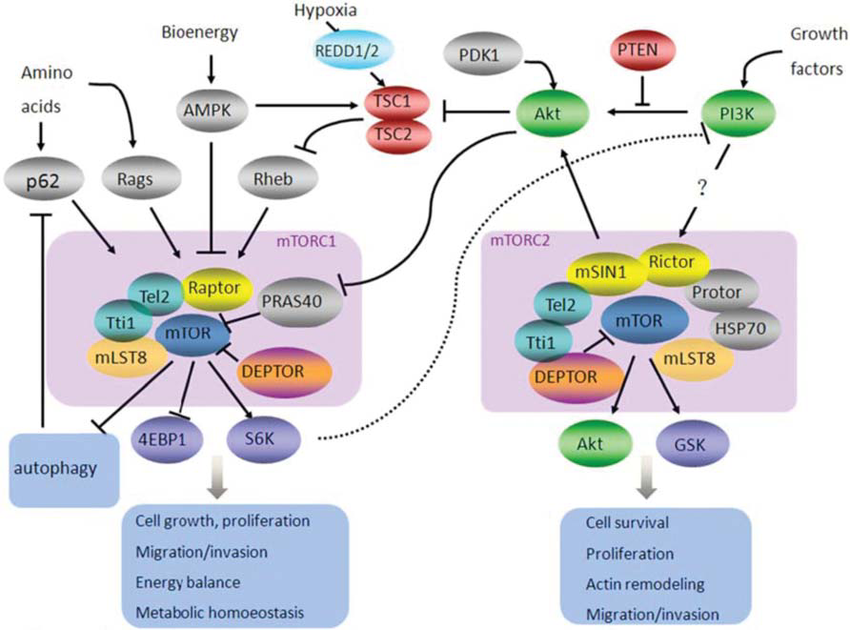
What internet offers me when I search for mTOR picture
Dear reader,
One of the main reasons I write these blogs is to understand the basics of longevity for myself. In many articles, one is bombarded with acronyms, definitions, and concepts. It seems that authors assume readers exactly know what is meant by antioxidants, amino acids, metabolism, ATP, or DNA (well, the last one we know, of course). I have to admit that often I do not fully understand what I read. This lack of knowledge certainly applies to the multi protein mTOR.
mTOR is the subject of many studies, as much still has to be discovered. The main challenge is to find the right balance between the moments when mTOR has to do its job and other moments when it is better to scale back its influence. When mTOR is active, it tells cells to grow, divide, and make proteins, but constant high mTOR activity is linked to faster aging, inflammation, and diseases like cancer, diabetes, and heart problems.
Intuitively, it sounds logical, but when do we decide to activate mTOR and when not? There are some indications, but no clear answer yet. And, most importantly, it is not linked to clear indicators.
Before going into the details of mTOR, here is a simplified overview of the interaction of four important compounds that are closely interlinked: ATP, AMPK, Rapamycin, and mTOR.
A) When the cell has lots of energy (high ATP = Adenosine Triphosphate), mTOR is switched on to promote growth.
B) When energy is low (low ATP), AMPK is switched on to conserve energy and it turns off mTOR. It is like the cell’s energy sensor or fuel gauge. Its job is to save energy by slowing down energy-consuming processes and turning on energy-producing ones. One of the things AMPK does is slow down mTOR to conserve energy.
C) Rapamycin is a drug that specifically blocks mTOR’s activity. By turning off mTOR, Rapamycin can slow down cell growth and protein production. Scientists use Rapamycin in research and medicine to control cell growth, for example, in cancer treatment or to extend lifespan in some animals.
D) So, in short, ATP tells cells if there’s enough energy, AMPK senses when energy is low and can turn off mTOR to save energy, and Rapamycin is a drug that can block mTOR to slow cell growth regardless of energy levels.
What is mTOR?
mTOR stands for “Mechanistic Target of Rapamycin.” It’s a special protein inside your cells that acts like a master switch, controlling many important processes related to your health and aging. Think of mTOR as a traffic cop that decides when your cells should grow, make energy, build new parts, or take a break and repair themselves. It’s not just about how much mTOR protein you have but how active it is.
At a microscopic level, mTOR looks like a hollow, slanted rectangular-shaped structure with a central, stain-filled cavity and “feet-like” protrusions on both ends. It functions not as a single protein, but as a massive, multi-protein machine that builds and regulates cells.
Activating mTOR signals your cells to prioritize synthesis (production) over destruction.
Why is mTOR Important?
Your body’s cells need to balance growth and repair to stay healthy. When mTOR is active, it tells cells to grow, divide, and make proteins—very important when you’re young, growing, or recovering from an injury. For bodybuilders, it is doubly important.
But if mTOR stays turned on all the time, especially as you get older, it can lead to problems. Constant high mTOR activity is linked to faster aging, inflammation, and diseases like cancer, diabetes, and heart problems.
When mTOR activity is lowered at the right times, it helps cells focus on cleaning up damage, recycling old parts, and improving their function—processes known as “cellular repair” and “autophagy.” This balance between growth and repair is crucial for long-term health, better metabolism, and even possibly living longer. The key challenge is to determine what is the best balance and how to measure it. The final answer to this point has not yet been found.
Cycling your mTOR levels
As mentioned before, we have to look at the mTOR balance between growth and repair. This is crucial for long-term health, better metabolism, and even possibly living longer. Scientific perspectives highlight the importance of cycling your mTOR levels. By triggering mTOR through protein intake and exercise, then allowing it to drop by occasionally fasting or resting, you can balance muscle-building with autophagy—the body’s process of cleaning out damaged cells.
How can you increase mTOR activity?
You can influence mTOR through your lifestyle choices. Perhaps not surprisingly, they are the usual suspects: eat well (balanced and not too much!), exercise, fast, sleep well, and avoid stress.
1. **Eat Wisely:** mTOR responds to nutrients, especially proteins and sugars. Eating protein in moderation and avoiding excess sugar can help keep mTOR balanced. Protein intake, particularly those rich in the amino acid leucine (meat, dairy, eggs, legumes), strongly activates mTOR. Similarly, carbohydrates stimulate mTOR through insulin signaling.
2. **Exercise Regularly:** Physical activity signals your cells to activate or tune down mTOR as needed. Resistance training (like weightlifting) can stimulate healthy muscle growth through mTOR, while endurance exercise helps overall cell function.
3. **Consider Fasting:** Periods without eating (fasting) can reduce mTOR activity temporarily, allowing your cells to focus on repair and cleanup. Many people practice intermittent fasting for these benefits.
4. **Avoid Overeating:** Constant excess calories, especially from high-carb and high-protein diets, can keep mTOR switched on too much. Balanced meals and portion control are helpful.
5. **Manage Stress and Sleep:** Chronic stress and poor sleep can disrupt many body processes, including mTOR regulation.
What triggers reduction (inhibition) of mTOR?
Persistently low mTOR can impair muscle growth, hinder immune function, and stall wound healing.
Fasting, caloric restriction, certain dietary restrictions (like limiting methionine), stress, and lack of sleep all reduce mTOR activity. The supplement berberine is known to inhibit mTOR expression.
Increasing studies have demonstrated that some diet-derived natural products, including curcumin, resveratrol, epigallocatechin gallate (EGCG) found in green tea, and caffeine, may inhibit mTOR signaling directly or indirectly.
Rapamycin is the main mTOR inhibitor, but there are new analogue products developed: dridaforolimus/deforolimus (AP23573), everolimus (RAD001), and temsirolimus (CCI-779).
Can you measure mTOR?
Yes, but you cannot detect real-time mTOR levels at home because it is not a standard biomarker like glucose or cholesterol. Instead, you know mTOR is elevated based on what triggers it: high amino acid intake (especially leucine), high calorie/insulin spikes, and resistance training. Likewise, you know when it is low, for example, when you fast.
Measuring mTOR is not cheap but is quite standard in molecular biology labs. The expense depends on the method, reagents used, sample numbers, and whether you have access to a lab or must outsource.
Whether this is useful or not, I do not know. There is no single “good” absolute level of mTOR (mechanistic Target of Rapamycin). Because it acts as a central cellular switch, the ideal level of mTOR depends entirely on your immediate biological needs, age, and health goals.
The problem with mTOR is that these are rough indications only. Health influencers promote certain supplements or lifestyles to improve or reduce mTOR activity, but as long as there are no clear markers, it is difficult to assess the value of these recommendations. At least, this is my assessment so far.
One conclusion comes up in much of the literature: protein content should be moderate rather than excessive, as high protein intake strongly activates mTOR signaling. I know there are intense discussions on the intake of protein, but when you link this discussion with the functioning of mTOR the conclusion is to be prudent. Research suggests that 15–25 grams of high-quality protein provides adequate amino acids for morning protein synthesis needs without excessive mTOR activation. I have not seen recommendations for the remainder of the day.
Dear reader, I have tried to simplify an extremely difficult topic as much as possible. I hope it is useful.
Thanks for reading, take care of yourself, follow the news about mTOR, and enjoy a long and happy life.
Curcumin is excellent for making a tasty curry. But it can do much more: as the active compound of the turmeric root, it has interesting health benefits.
We know that over the years, our body functions slowly decline. Fortunately, much of this bodily wear and tear can be slowed down, stopped, or even reversed. Curcumin plays a positive role in some of these processes. In particular, three “biological threats” are addressed by curcumin: mitochondrial senescence, stem cell depletion, and metabolic dysregulation (more about this later).
Turmeric and curcumin are sold separately. Both have positive health effects, but in the case of turmeric, these effects result from its curcumin content. There is no official consensus on whether it’s best to take curcumin or turmeric, but I have decided to use curcumin.
More about curcumin/turmeric Turmeric originally comes from India and Southeast Asia. It has been used there for thousands of years as a spice, medicine, and dye. Turmeric is the whole spice made from the dried and powdered root (rhizome) of the turmeric plant (Curcuma longa). Curcumin is the main active ingredient found within it. Turmeric contains roughly 2-8% curcumin by weight.
The general health benefits commonly mentioned in relation to curcumin are the following: (1) curcumin effectively works against inflammatory discomfort, (2) it benefits your mobility, (3) curcumin helps protect the body as an antioxidant against harmful external influences, and (4) it helps stabilize blood glucose, can improve your mood, and provides relief from monthly discomfort.
More about the three biological threats Mitochondrial Senescence – when the tiny power plants inside your cells, called mitochondria, start to age and don’t work as well anymore. Mitochondrial density can decline by 40-50% by age 65. When this happens, your cells have less energy and can’t do their jobs properly, which can contribute to slower recovery, aging, and diseases.
Stem Cell Depletion – the body’s natural repair mechanisms drop to approximately 30% of their original capacity by age 65, hindering tissue regeneration.
Metabolic Dysregulation – a shift toward glucose dependency that creates a metabolic environment favorable to cancer cell growth.
Curcumin can play a role in fighting each of the above three biological threats. Some mechanisms of how curcumin works, as found on the internet: curcumin acts as a master switch to reduce systemic inflammation. It contributes to NRF2 activation, a pathway essential for cellular defense and antioxidant production. It protects stem cells from oxidative damage. Curcumin helps disrupt the Warburg effect by inhibiting VEGF (do not ask me what this means), which is a signal tumors use to recruit blood vessels. Curcumin, by activating AMPK, promotes mitochondrial biogenesis (i.e., production).
Bioavailability of curcumin Curcumin itself has notoriously low bioavailability when consumed orally. This means that only a small fraction (about 1%) of the ingested curcumin actually enters the bloodstream and is available for the body to use. Its half-life is also relatively short – approximately 6 hours. The reasons for this low bioavailability include poor absorption from the gut, rapid metabolism in the liver and intestinal wall, and rapid systemic elimination.
What to do? Curcumin is fat-soluble, so taking it with meals containing fat enhances absorption.
Piperine, a main ingredient in black pepper, inhibits certain metabolizing enzymes, allowing more curcumin to enter systemic circulation. And more really means more – up to 20 times! So the solution is simple: add black pepper to the mix. Personally, I take half a teaspoon daily with 10 black pepper grains, blending them into a smoothie.
Another suggestion is to blend the curcumin, black pepper, and fat into your morning coffee for 15-20 seconds and consume it within the first hour of waking in a fasted state. Why? Coffee’s chlorogenic acids and caffeine work synergistically with curcumin, helping to improve its absorption and counteract cortisol-driven inflammation.
One thing puzzles me.
The recommended intake is 2x 500 mg, max 2x 1000 mg daily. Without boosters, this would essentially mean 2x 5 mg or 2x 10 mg actually absorbed, because of its 1% bioavailability. When combined with black pepper, you can multiply this by 20, which then would amount to 2x 100 mg or 2x 200 mg.
There are some warnings about too much curcumin and its interaction with anticoagulants. I have not been able to find out whether these warnings include the combination with black pepper or not.
Curcumin can enhance the effects of anti-clotting (anticoagulant) medications, potentially increasing the risk of bleeding. In general, curcumin has mild blood-thinning properties and interactions. Nonetheless, caution and medical consultation are advised when combining them. The problem is that, in general, doctors know little about these types of supplements; they are specialized in conventional medicines, and it can be difficult to find a true specialist for these kinds of issues. I searched the internet but could not find one.
From what I understand, authorities and supplement manufacturers say “up to 1000 mg of curcumin per day is safe,” but they generally refer to curcumin alone, without factoring in enhanced bioavailability due to additives like piperine (black pepper extract).
However, supplements are often offered in a combination of 500 mg curcumin and 5 mg piperine (from black pepper). But, as said, this effect is much, much more than 1000 mg curcumin alone. I will update this paragraph when I have an answer, but so far, this has not been the case.
My take I have decided to ignore the “mild blood-thinning” properties of curcumin and take half a teaspoon of curcumin with 5-10 black peppercorns every day.I put this in my morning smoothie.
Dear reader, the list of supplements I take is getting longer, but thanks to salads and smoothies it is not too much work to incorporate them in my daily routine.
Do not eat in bed including food from a Turkish chef
Dear reader,
In bed, you are never alone. You might be surrounded by millions of mites and their feces. For sure, every night billions of dead skin cells are left on your bed, as well as traces of make-up, oils, and liters of sweat. In 10 years’ time, the weight of your mattress can double. Gross? Yes. Preventable? Absolutely.
As I read in a scientific article: “There is a hidden biome inside everyday bedding where ordinary fabrics hold far more microscopic activity than expected.” Never look at photos taken with a microscope of your bed, unless you like horror. I made this mistake and viewed some of these photos. It almost made me decide to sleep on the stone floor of our balcony.
Fortunately, there is a lot you can do. It requires some effort though, including additional investments now and then, like buying new pillows every 18-24 months and new mattresses every 10 years. Health wise, many vague health complaints might disappear if your bed environment becomes cleaner. 100% cleanliness is not possible, but you can get close. It will be a good investment in longevity.
1.The importance of a clean bed environment
A clean bed environment is crucial for health. Longevity and good nights’ sleep are closely connected. A good bed environment strongly impacts sleep quality, reduces exposure to allergens and harmful bacteria, and improves mental well-being.
An unwashed bed can or will act as a breeding ground for bacteria, fungus, and dust mites, which can cause skin irritations, allergies, and respiratory issues.
In short, your bed should be a healing place — not a hidden source of illness, allergies, and irritation. This is the main reason why sleep awareness should be an integral part of your bedroom habits.
2.Diseases related to an unclean bed environment
Some of the related diseases (mostly respiratory or skin-related) include: hay fever, COPD, pneumonitis, pneumonia, bronchiectasis, eczema, acne, and conjunctivitis (irritation of the eyes from dust and allergens, which can lead to inflammation).
3.So what happens in the bedroom?
Our bodies produce oils and sweat and shed dead skin cells, which all find their way into the fabric of our sheets. If you do not take action, these residues build up and end up in your mattress and pillow. Even if you don’t notice it, your body sweats during sleep. Over a year, that adds up to more than 26 gallons of sweat absorbed by your mattress and bedding.
Human skin constantly renews itself, and we shed skin cells continuously. Every night, you get rid of up to 15 billion dead skin cells. Every night! Knowing this fact is enough reason to pay more attention to bed hygiene. Dust mites, pollen, pet dander, and mold can accumulate in bedding, leading to asthma attacks, sneezing, and itchy eyes.
Pillows, especially older ones, are the perfect habitat for many types of fungi. This can worsen allergies, skin conditions, and even respiratory issues. I read one disgusting study that found more bacteria on pillowcases than on toilet seats.
Given warmth, darkness, and a buffet of delectable bodily fluids, it is not surprising that each bed can become a fertile breeding ground for bacteria, fungi, and other vermin like the feared dust mites. Cultures of bed sheets have grown a variety of pathogens, including bacteria such as Staphylococcus aureus spp. This bacterium is renowned for living within bedding and can lead to skin infections—if you have cuts on your skin, this bacterium is one to be cautious around.
Dust mites occur naturally and can appear in nearly all homes; roughly four out of five homes in the United States have dust mite allergens. Dust mites can live in bedding, mattresses, upholstered furniture, carpets, or curtains.
Dust mites are harmful because they produce proteins in their feces and decaying bodies that, when inhaled, trigger allergic reactions and initiate asthma attacks.
4.What to do? (and beware it is a long list!)
Please find below a list of 20 things we (now) do at home, based on expert tips. Most of them speak for themselves, and you probably wonder why you were not doing them already. We were for sure!
Keep the bedroom cool.
Keep the bedroom dry. Use a humidifier if needed. Humidity should be below 50%.
Buy a zippable, breathable, and washable mattress protector (“sealing”). Take it to the dry cleaner once per year.
When you make the bed, use two undersheets (one flat bottom sheet and another fitted sheet with elastics). Why? One undersheet will prevent most dirt—especially microscopic particles—from falling through. Some dirt will still seep into your mattress (unless you have a mattress protector, although with enough dirt it will eventually penetrate the mattress). However, if you use a second undersheet and replace both every week, the chances of dirt reaching your mattress are close to zero.
Air your bedroom every day for a few minutes.
Regularly expose your mattress to fresh air and sunlight (UV light helps kill fungi) by removing bedding and opening windows.
Rotate your mattress every six months. Some people air their mattresses on the balcony.
Pillowcases get particularly dirty, so change them twice per week. Just as with undersheets, I put on two pillowcases per pillow. Use breathable, hypoallergenic pillowcases.
Replace pillows every 18–24 months. Old pillows can contain up to 30% dead skin, oil, and dust mite waste.
Change your sheets every week. In one UK study I read, British people only change their sheets every 3–4 weeks: couples every three weeks, singles only every five weeks.
Vacuum your mattress every 3–6 months, ideally using a vacuum with a HEPA filter to reduce airborne spores.
Do not eat in bed.
No pets on the bed.
Pay attention to the right fabric: choose cotton, linen, or bamboo.
Keep the bedroom, especially under the bed, free of items that trap dust.
Use high-efficiency air filters in your air conditioner and change the filter every three months.
There are dust mite sprays available, but I have no experience with them. For me, the best approach seems to be good hygiene and, if needed, replacement.
Do not wash towels together with sheets. Towels carry heavier moisture and often release lint, which can stay trapped in bedding fibers (lint is soft, shed fiber, loved by dust mites).
Avoid storing fabric in your cupboard while damp.
Dust mites hang out in fabrics, so opt for blinds rather than curtains, and avoid using carpets or rugs on your floors, which can trap allergens. Avoid storing extra pillows, plush toys, and decorating your room with items that collect dust.
5.People often change their sheets more often if they:
Sweat heavily or live in a hot climate
Have allergies or asthma
Let pets sleep in the bed
Sleep naked
6.Dust mites are about 0.2 to 0.3 mm in length and eat skin dander and a few select molds. The health hazard posed by these critters is that their feces is a strong allergy trigger. They are found almost everywhere, and there are commercially available treatments (pesticides). However, know that once you treat your home for them, they will return.
This scale bar gives you an idea of their size (0.1 mm = 100 µm). Females are about 320 µm wide and 420 µm long; males are about 245 x 420 µm. They live on dead human skin cells and filamentous molds in dust on top of our bookshelves and window frames; in our carpets and curtains; in sofas, chairs, and mattresses; and in heating and air-conditioning ducts and filters. No home is without them, and it’s impossible to completely get rid of them. We inhale their dry, powdery feces, which is what causes what used to be called house dust allergy in some people.
They have a rounded body with eight legs and a tough exoskeleton. The body appears slightly fuzzy due to tiny hairs or bristles. You will not see dust mites themselves, but their presence often shows through symptoms such as sneezing in bed, itchy eyes in the morning, or congestion that improves after washing bedding.
7.Early signs of bed bugs usually appear before the insects themselves do. Look for these signs (with the aid of the microscope function on your iPhone). Check seams first. Then look at mattress corners, pillow piping, and bed frame joints. Signs are: Tiny rust-colored marks; Dark pin-sized spots; Pale shed skins and Clustered bite patterns nearby.
Writing this blog upset me a bit and also started me to wonder about bed hygiene in hotels.
Take care, of yourself, of your bed and live a happy and itch free life.