
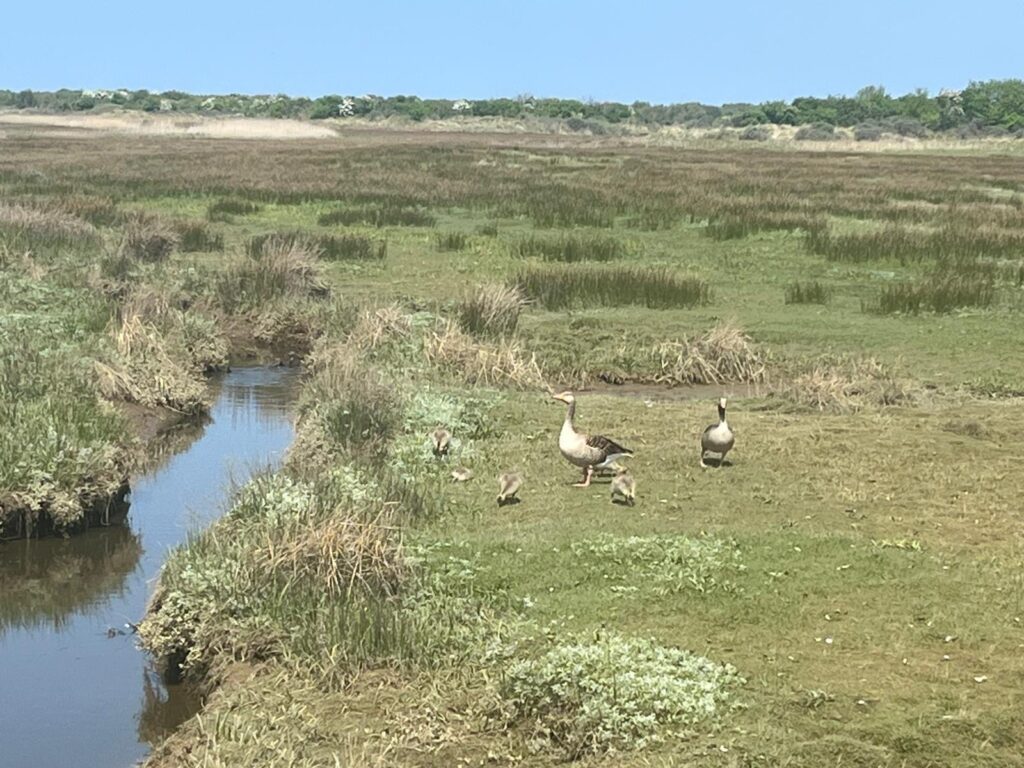
Schiermonnikoog is the most beautiful of all of the 5 Waddeneilanden
Dear reader,
If you do not trust vaccines, do not read this short blog. In my opinion vaccines in general are one the best inventions of mankind ever. Rare complications a side they have saved 100’s of millions of people.
I heard about the illness ‘shingles’ before, but only when I went into detail, I realized how painful and even dangerous this disease might be, especially if you are above 60 and have certain health issues. Not for nothing it is finally becoming an obligatory vaccine in some countries.
The shingles vaccine is a key tool in preventing the painful consequences of varicella-zoster virus reactivation (shingles), the same virus that causes chickenpox. Shingles is a very painful rash that can cover almost your whole body and often prevent you from functioning well or from enjoying life. Talk to people who suffer from shingles and it will convince you to do whatever it takes to prevent you from getting it.
Shingles itself is rarely deadly for healthy individuals, but complications from shingles can sometimes be serious and, in rare cases, life-threatening, especially in certain high-risk groups. For me more than enough reasons to get this expensive vaccine that is not part of the regular vaccine program yet.
There are two types of vaccines: the recombinant zoster vaccine (Shingrix), which is the preferred and most widely used vaccine and the live attenuated vaccine (Zostavax): which is less commonly used now. Booster doses are not currently recommended, but ongoing research continues.
It is recommended mainly for people aged 50 and above. For women even more than for men.
Which are the possible complications?
Severe, chronic nerve pain, though not life-threatening, which can significantly reduce quality of life.
In immunocompromised patients (e.g., cancer, HIV, transplant recipients), the virus can spread widely, leading to serious systemic infections.
Shingles involving the eye can cause vision loss.
Neurological complications such as encephalitis (brain inflammation), meningitis, or stroke, which can be severe.
High-risk group are older adults, especially those over 60, people with weakened immune systems and patients with chronic conditions.
Shingles vaccine and dementia
However, as with other medicines, it also protects against other illnesses. In the case of the shingles vaccine there are strong indications that it reduces the risk to get dementia.
The proposed rationale is that by preventing shingles and the associated inflammation caused by the varicella-zoster virus reactivation, the vaccine might lower neuroinflammation, which is implicated in dementia development.
Vaccinations against shingles could reduce the risk of dementia by 20%. These findings are fully not verified yet, but prospects look very positive. With women even a higher percentage than men as women generally have stronger immune reactions to vaccines, which might lead to a greater protective effect. Additionally, shingles is more common in women, so reducing its occurrence in this group is a no-brainer (imo).
Enjoy life, lifestyle is the single best thing you can do for your longevity, but at times the old fashioned medical intervention is needed as well.
Robert, your health friend
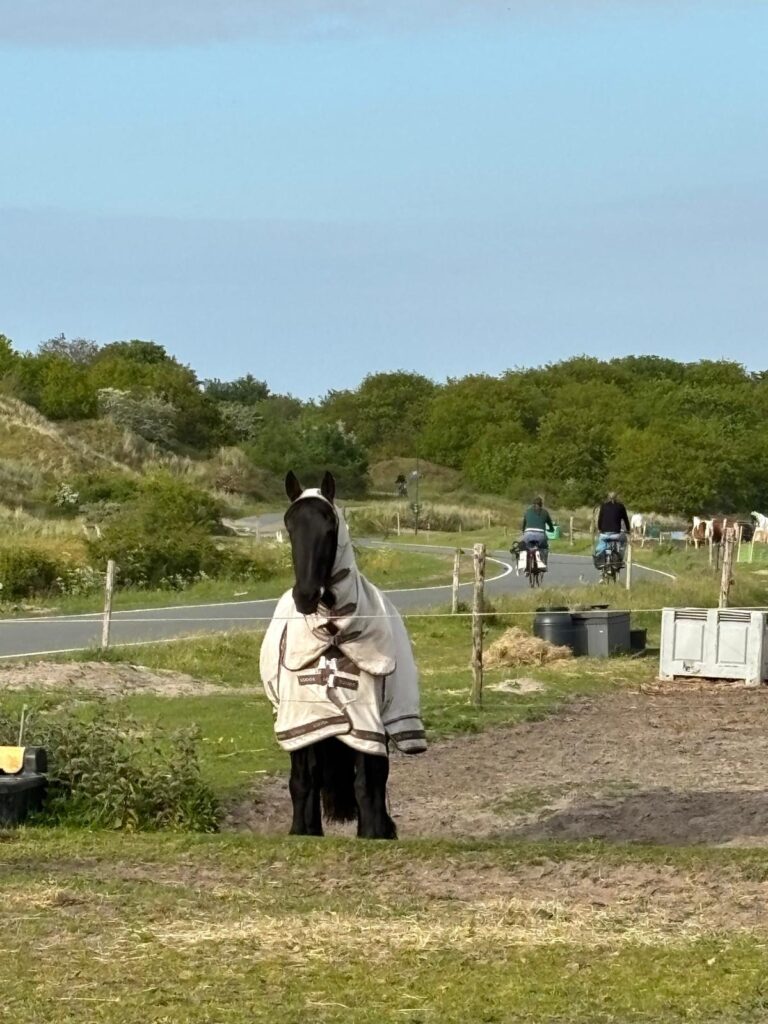
Horse on the island of Schiermonnikoog, protected against flies