21. CURCUMIN: THAT TASTY, YELLOW AND HEALTHY COMPOUND OF TURMERIC (health project99+)

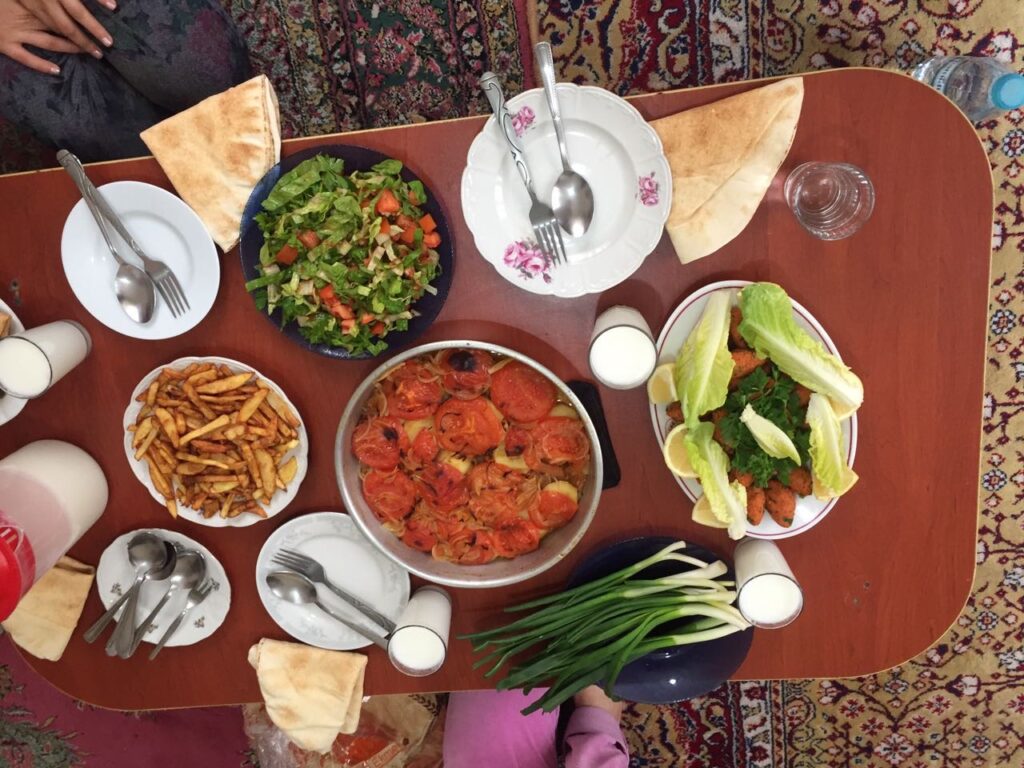
Syrian food in Istanbul

Dear reader,

Curcumin is excellent for making a tasty curry. But it can do much more: as the active compound of the turmeric root, it has interesting health benefits.

We know that over the years, our body functions slowly decline. Fortunately, much of this bodily wear and tear can be slowed down, stopped, or even reversed. Curcumin plays a positive role in some of these processes. In particular, three “biological threats” are addressed by curcumin: mitochondrial senescence, stem cell depletion, and metabolic dysregulation (more about this later).

Turmeric and curcumin are sold separately. Both have positive health effects, but in the case of turmeric, these effects result from its curcumin content. There is no official consensus on whether it’s best to take curcumin or turmeric, but I have decided to use curcumin.

More about curcumin/turmeric
Turmeric originally comes from India and Southeast Asia. It has been used there for thousands of years as a spice, medicine, and dye. Turmeric is the whole spice made from the dried and powdered root (rhizome) of the turmeric plant (Curcuma longa). Curcumin is the main active ingredient found within it. Turmeric contains roughly 2-8% curcumin by weight.

The general health benefits commonly mentioned in relation to curcumin are the following: (1) curcumin effectively works against inflammatory discomfort, (2) it benefits your mobility, (3) curcumin helps protect the body as an antioxidant against harmful external influences, and (4) it helps stabilize blood glucose, can improve your mood, and provides relief from monthly discomfort.

More about the three biological threats
Mitochondrial Senescence – when the tiny power plants inside your cells, called mitochondria, start to age and don’t work as well anymore. Mitochondrial density can decline by 40-50% by age 65. When this happens, your cells have less energy and can’t do their jobs properly, which can contribute to slower recovery, aging, and diseases.

Stem Cell Depletion – the body’s natural repair mechanisms drop to approximately 30% of their original capacity by age 65, hindering tissue regeneration.

Metabolic Dysregulation – a shift toward glucose dependency that creates a metabolic environment favorable to cancer cell growth.

Curcumin can play a role in fighting each of the above three biological threats.
Some mechanisms of how curcumin works, as found on the internet: curcumin acts as a master switch to reduce systemic inflammation. It contributes to NRF2 activation, a pathway essential for cellular defense and antioxidant production. It protects stem cells from oxidative damage. Curcumin helps disrupt the Warburg effect by inhibiting VEGF (do not ask me what this means), which is a signal tumors use to recruit blood vessels. Curcumin, by activating AMPK, promotes mitochondrial biogenesis (i.e., production).

Bioavailability of curcumin
Curcumin itself has notoriously low bioavailability when consumed orally. This means that only a small fraction (about 1%) of the ingested curcumin actually enters the bloodstream and is available for the body to use. Its half-life is also relatively short – approximately 6 hours. The reasons for this low bioavailability include poor absorption from the gut, rapid metabolism in the liver and intestinal wall, and rapid systemic elimination.

What to do?
Curcumin is fat-soluble, so taking it with meals containing fat enhances absorption.

Piperine, a main ingredient in black pepper, inhibits certain metabolizing enzymes, allowing more curcumin to enter systemic circulation. And more really means more – up to 20 times! So the solution is simple: add black pepper to the mix.
Personally, I take half a teaspoon daily with 10 black pepper grains, blending them into a smoothie.


Another suggestion is to blend the curcumin, black pepper, and fat into your morning coffee for 15-20 seconds and consume it within the first hour of waking in a fasted state. Why? Coffee’s chlorogenic acids and caffeine work synergistically with curcumin, helping to improve its absorption and counteract cortisol-driven inflammation.

One thing puzzles me.

The recommended intake is 2x 500 mg, max 2x 1000 mg daily. Without boosters, this would essentially mean 2x 5 mg or 2x 10 mg actually absorbed, because of its 1% bioavailability. When combined with black pepper, you can multiply this by 20, which then would amount to 2x 100 mg or 2x 200 mg.


There are some warnings about too much curcumin and its interaction with anticoagulants. I have not been able to find out whether these warnings include the combination with black pepper or not.

Curcumin can enhance the effects of anti-clotting (anticoagulant) medications, potentially increasing the risk of bleeding. In general, curcumin has mild blood-thinning properties and interactions. Nonetheless, caution and medical consultation are advised when combining them. The problem is that, in general, doctors know little about these types of supplements; they are specialized in conventional medicines, and it can be difficult to find a true specialist for these kinds of issues. I searched the internet but could not find one.


From what I understand, authorities and supplement manufacturers say “up to 1000 mg of curcumin per day is safe,” but they generally refer to curcumin alone, without factoring in enhanced bioavailability due to additives like piperine (black pepper extract).


However, supplements are often offered in a combination of 500 mg curcumin and 5 mg piperine (from black pepper). But, as said, this effect is much, much more than 1000 mg curcumin alone. I will update this paragraph when I have an answer, but so far, this has not been the case.

My take
I have decided to ignore the “mild blood-thinning” properties of curcumin and take half a teaspoon of curcumin with 5-10 black peppercorns every day. I put this in my morning smoothie.

Dear reader, the list of supplements I take is getting longer, but thanks to salads and smoothies it is not too much work to incorporate them in my daily routine.

Enjoy a happy, tasty and excellent life,

Robert, your health friend
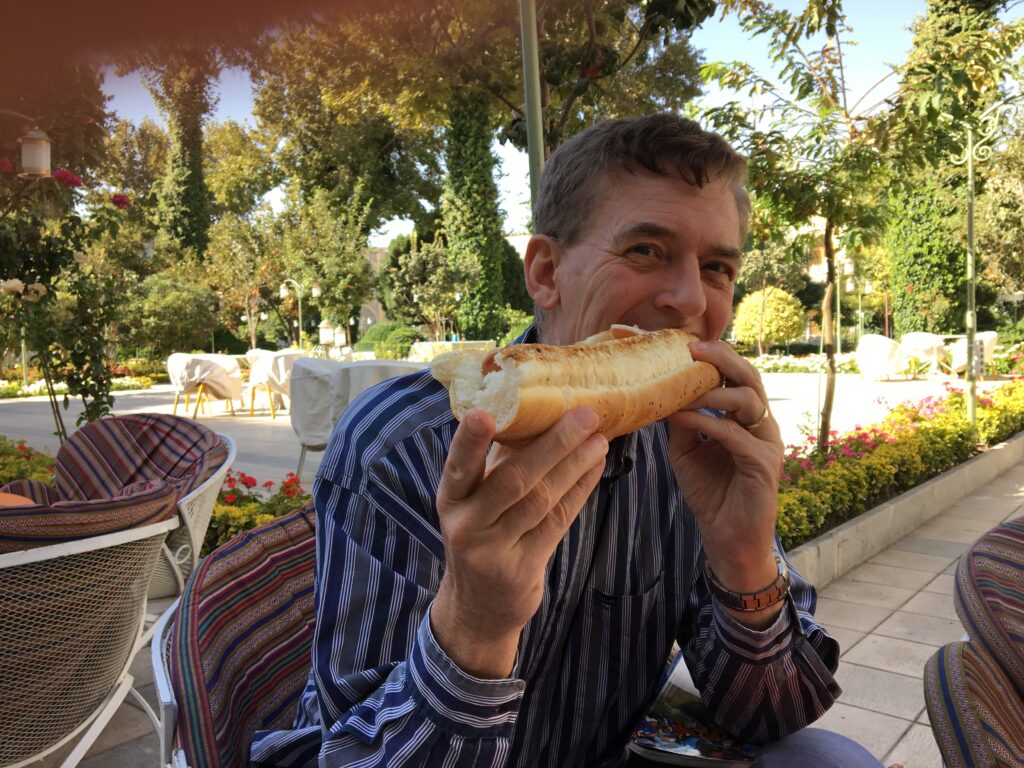
A tasty, not so healthy sandwich in Isfahan, Iran


24. CLOTS/CARDIOVASCULAR ISSUES: ITS DEADLY ESSENCE (health project99+)

Bacalau, so this must be Portugal (it is indeed, Lisboa airport)

Dear reader,

Let the following two points sink in well.

First point: One third of all deaths worldwide are cardiovascular-related, around 20 million people per year!

Second point: Most of these 20 million cardiovascular deaths (mainly heart attacks and strokes) are caused by clots that originate in your arteries (not in your veins!). There is a huge difference between arterial clots and venous clots, with the arterial clots being the most dangerous. For me this difference is the most important takeaway of this blog.

Conclusion: Paying attention to the health of your arteries is worth the effort! 

1.Anticoagulants that I take mainly prevent further clotting in the veins; in my case they are to prevent an embolic stroke because of atrial fibrillation. Anti-coagullants are standard treatmentes for venous clots and a few arterial conditions driven by blood flow and embolic risk. 

2.Arterial clots are treated differently from venous clots and often managed with antiplatelets like low dosis aspirin because platelets play a larger role in their formation. Anticoagulants can be used in certain arterial settings but they are not the mainstay for typical arterial thrombosis on their own. I strongly consider taking low dosis aspirin (but will check with my doctor).

3.Cardiovascular describes anything to do with the heart, blood vessels, and the brain. It covers how the heart pumps blood through arteries, veins, and capillaries to deliver oxygen and nutrients and to remove waste. Cardiovascular diseases (CVD) refer to diseases and conditions that affect the heart and blood vessels, such as heart disease, high blood pressure, and stroke. According to some sources, up to 85% of cardiovascular deaths are caused by heart attack (ischemic heart disease).

4.Arteries and veins do different jobs. Arteries carry oxygen-rich blood away from the heart under high pressure, and have thick, muscular walls to push blood through the body. Veins return oxygen-poor blood to the heart at lower pressure, with thinner walls and larger lumens, and many contain valves to prevent backflow as you move. Clots formed in veins in general do not cause heart attacks and strokes.

Some more points: Venous clots are fibrin- and red blood cell–rich, “red” clots while arterial clots are platelet-rich, “white” clot with fibrin. Slow flow of blood (static) favors venous cloths, while high flow favors arterial clots.

Treatment of arterial clots and venous clots is different. Of course, the general warnings about smoking, stress, processed food, etc., are true for both venous clots and arterial clots.

5.There are more causes for cardiovascular problems, but I will not treat them here. Just to mention these non-thrombotic (=not clots) cardiovascular events: hemorrhagic strokes, aneurysm ruptures, vasospasm without thrombosis, and certain heart conditions driven by electrical or structural problems rather than thrombosis.

6.Before continuing with the main topic, arterial clots, here are some words about venous clots. Venous clots (forming in the legs or pelvis) mainly cause deep vein thrombosis and pulmonary embolism (PE), which can be deadly. Sometimes a venous clot passes through a small heart defect into the arterial circulation and lodges in the brain or heart, causing a stroke or, rarely, a heart attack. Also, a very large pulmonary embolism can put heavy strain on the heart and cause chest pain, but that is due to the heart being stressed, not because a clot formed in an artery. 

7.Clots formed in the arteries are the main, but not the only, reason that can cause cardiovascular death. One should do all to prevent clots like lifestyle changes. Or “cleaning” your arteries. Experts are divided on whether this latest point is possible, but I will already give some first suggestions in this blog.

8.How are arterial clots formed? Plaque in the arteries (atherosclerosis/calcification) is a major—but by far not the only—contributor to clot formation. When an atherosclerotic plaque ruptures or erodes, a clot often forms and can block blood flow. These plaques can narrow the artery and may rupture, forming a clot that completely blocks the artery (occlusion). If this happens in a coronary artery, it can cause a heart attack; if in a brain artery, a stroke. In the context of this topic one often reads the word “Occlusion” (=the artery is blocked and downstream blood flow is stopped).

9.What about cholesterol? I wrote about cholesterol before. It is not the villain that many of us believed for decades. We need Cholesterol as it is essential for cell membranes and hormone synthesis (=production), but high LDL cholesterol according to most is a major risk factor for arterial disease. Although it is not the main villain, at the same time it cannot be denied that cholesterol is often involved in cardiovascular issues. For my post on cholesterol see this link https://shakethehealthtree.com/index.php/2025/09/05/10-cholesterol-all-you-need-to-know-and-do-health-project99/

10.Plaque. Is plaque the main issue? Yes and no. When it is stable in your arteries it is not, but when the plaque inside your arteries is soft, then it easily becomes a clot. In more scientific terms: “vulnerable (soft lipid-rich) plaques are prone to rupture or erosion, exposing tissue factors that trigger thrombosis”.

In arteries, most clots arise when vulnerable plaques rupture or erode, triggering rapid clot formation that can block blood flow. Clots can occur without plaque, but in arterial disease, plaque is often the underlying trigger.

11.Other factors are stasis (slowed blood flow), hypercoagulability (blood clots more easily) and endothelial injury (blood vessel lining).

12.What triggers clot formation (= thrombosis)? Important risk factors for arterial clots are atherosclerosis, hypertension, diabetes, smoking, high cholesterol, and plaque rupture or vascular injury. For venous clots, the main risk factors are different and include immobilization, surgery, cancer, obesity, pregnancy/postpartum, estrogen therapy, and inherited thrombophilias.

There is a long list of behaviors that can trigger clot formation. Some have stronger evidence than others (smoking more than eating refined starch for example): vaping, smoking, alcohol, pollution, chemicals, stress, refined starch, infection, sugar, endurance activities like marathons. Concerning the last point. Regular exercise is great, but stressful events like marathons need some precautions. 

Many dietary factors influence thrombosis risk indirectly by promoting obesity, diabetes, and dyslipidemia rather than triggering an immediate clot in a healthy vessel.

13.Let us deal with a few risk factors. Smoking/vaping It is truly shocking to read the many ways smoking “promotes” clotting in arteries. A topic too long and technical to cover fully in this blog, but (if you wish) you can check reputable sources online. In summary: smoking accelerates atherosclerosis and plaque instability. It doesn’t create clots in every situation by itself, but it tilts the balance toward clotting.

Pollution and chemicals including drugs can also contribute to a heart attack or stroke by stressing the heart and blood vessels, promoting clotting, and damaging the inner lining of arteries, speeding up plaque buildup and making plaques more likely to rupture. Some drugs can also affect clotting and vascular health.

Marathon-level endurance can slightly raise clot risk in some situations, but for most healthy runners the risk is very small, when managed well (think of drinking enough and moving after the event). Hydration and electrolyte balance matter much: dehydration can concentrate blood and potentially raise clotting tendency, especially in very long events like a marathon.

14.What to do (1)? Recurrence risk and management strategies differ: long-term antiplatelet therapy for arterial disease vs long-term anticoagulation to prevent venous clots. Arterial clots are much  more tied to atherosclerosis and plaque rupture, while venous clots are more about venous return and hypercoagulability. 

(2) In general one should stay physically active, hydrate, avoid prolonged immobility, maintain a healthy weight, manage cholesterol and blood pressure, and follow medical advice for any prior clot history.

(3) Food and supplements Internet is full of suggestions on how to clean arteries or at least prevent further calcification. Stopping further plaque formation is possible and has scientifically been proven. Plaque reversal not (yet). A lot of misinformation and false promises and little scientific proof. Of course, fruits and vegetables, for example, are part of a heart-healthy diet and do not promote plaque formation, so there is little to say here.

Some supplements that are often mentioned are vitamin K2, nitric oxide boosters, natokinase and bromelain. In none of these four example there are robust clinical trials that 100% confirm that arterial plaque reversal is possible. Interesting stuff nonetheless and material for a future blog. Do you consult with your health specialist as these supplements might interact with other medicines.

What to do (4): future AI-inspired developments go very fast, including interventions to clean arteries and veins. This is also an excellent topic for a future blog. So far however promises to “clean” arteries are speculative, but there are many advances on the horizon.

15.Diagnosis options (arterial and venous)

Arterial ECG and cardiac enzymes (e.g., troponin) to assess for acute myocardial infarction.

Imaging to identify arterial occlusion (e.g., CT angiography, catheter angiography).

Doppler ultrasound to evaluate peripheral arteries (e.g., limbs).

    Venous Duplex ultrasound for DVT.

    D-dimer testing can be helpful but is non-specific; proceed to imaging if results or clinical suspicion warrant it.

    CT or MR venography if further visualization is needed.

    CT pulmonary angiography for suspected PE.

      Myself I learned a lot writing this blog. Take care and live a happy and healthy life.

      Robert, your health friend

      Another icon from Berlin