This blog is about a relatively new supplement, and in order to understand it and benefit from it, one has to dig a bit deeper—in this case, all the way to the gut.
The story starts with pomegranate, which in itself is healthy and a supplier of ellagitannins, one of the 8,000 known polyphenols. In the world of supplements, those with pomegranate extract are popular, but often a waste of money.
Why? Unfortunately ellagitannins by themselves do not do much. They need certain gut bacteria that transform ellagitannins into urolithin A, the topic of this blog. Although the jury is still out, there are strong indications that this urolithin A does wonders for longevity.
The problem is that only 12% of all people have such a good gut biome that they can transform ellagitannins into urolithin A. So, you can eat all the food with that ellagitannins polyphenol that you want, but if you belong to the 88% without the “correct” gut biome, all these pomegranates with their ellagitannins will do nothing to your urolithin A level.
So, as with some other compounds, if you believe in their function, the only way to get them is through a supplement. In the case of urolithin A, that is an issue, as there are not that many producers and even fewer that produce GMP (I recommend only buying supplements that are produced according to Good Manufacturing Practice). Another issue is that urolithin A is relatively expensive.
I have decided to add urolithin A to my daily stack of supplements: one pill of 500 mg per day, with pure urolithin A.
What is Urolithin A?
Urolithin A is a metabolite produced by gut bacteria when they break down ellagitannins, compounds found in certain fruits and nuts like pomegranates, strawberries, walnuts, and some berries. Scientific interest in urolithin A has grown significantly due to its potential health benefits, particularly related to aging and mitochondrial function.
I asked ChatGPT what a metabolite is: “A metabolite is a small molecule that is a product, intermediate, or substrate of metabolism within a living organism.” In other words, product A has been transformed into another (a metabolite) through the intervention of a third party (the gut biome).
Why am I excited about Urolithin A?
A study found that most 90- and 100-year-olds have higher-than-average urolithin A levels. This can be a correlation only, but it is not unlikely that there is a causal relationship and that it can slow aspects of aging. Why?
Apparently, urolithin A has a very positive impact on your mitochondria. You know, mitochondria are part of your trillions and trillions of cells and are often called the powerhouse of these cells.
One of the most well-studied effects of urolithin A is its ability to stimulate mitophagy—the process by which damaged or dysfunctional mitochondria are selectively removed and recycled. This can help maintain healthy mitochondria, which are critical for energy production in cells.
Animal studies have already shown that urolithin A supplementation can extend lifespan in model organisms like worms and improve muscle function in older animals. This has led to speculation that it might have anti-aging effects in humans, though more clinical data are needed.
The comments on internet by users are very positive. I will keep track of my own experience.
By the way, there are more methods to stimulate this process to maintain and recycle your mitochondria, like intermittent fasting and exercise, but the path of supplements is one too.
A second reason to get urolithin A is its improvement of muscle function and its indirect positive contribution to your VO2 max. I follow mine on my Apple watch almost daily, so it should be possible to say if there is a difference.
Preliminary research also suggests that urolithin A has neuroprotective properties and may reduce inflammation. These effects could have implications for neurodegenerative diseases, although more research is needed.
Check your gut biome
For regular people, it is not possible to easily check whether your gut microbiome contains bacteria capable of transforming ellagitannins into urolithin A. However, some indirect methods and research tools exist: advanced microbiome sequencing combined with specialized analysis can provide insights under research conditions. Alternatively, monitoring urolithin A production after dietary intake is a more practical approach. In the Netherlands, however, it is difficult to have these tests.
Which foods are rich in ellagitannins?
Although not useful for 88% of the population, here are the foods rich in ellagitannins/ellagic acid (the precursors to urolithin A): pomegranates, various berries, nuts (especially walnuts), and some fruits like guava and grapes.
Pomegranate: 100-900 mg of ellagitannins per 100g; Walnuts: 80-350 mg per 100 g; Berries: 15-60 mg per 100g.
To come back to your gut: you can improve your chances to fall within the 12% category by eating fiber-rich foods, fermented foods (like yogurt, kefir, sauerkraut), and avoiding excessive antibiotics or other factors that disrupt gut bacteria. But even if you do, most people cannot convert ellagitannins efficiently into urolithin A due to differences in gut bacteria composition.
The half-life of urolithin A supplements in the human body is generally reported to be approximately 12 to 24 hours. This means it takes about 12 to 24 hours for the concentration of urolithin A in the bloodstream to reduce by half after ingestion. In this context one pill per day is enough.
The oral bioavailability is between 30 and 40%, meaning that about one-third of the ingested dose enters systemic circulation.
There is currently no established official daily recommended amount (Dietary Reference Intake) for urolithin A because it is not classified as an essential nutrient or vitamin.
In scientific studies and some dietary supplement products, doses of urolithin A typically range from about 250 mg to 500 mg per day. So, I go for 500 mg per day.
Safety
Results so far suggest that urolithin A is generally safe. Direct evidence of significant drug interactions is currently limited, and more research is needed. As always, caution is advised if combined with blood-thinning medications, although there is no direct evidence that urolithin A affects coagulation.
I found some brands that produce GMP urolithin A supplements: Mitopure, PrimaForce, Life Extension, Double Wood Supplements, BulkSupplements.
I am really excited about this new supplement and will keep you posted.
More knowledge does not always make life easier. Take, for example, bioavailability. The more you learn about this important topic, the more it complicates your decision-making process; a lot to think about, to understand, and then eventually to adapt. However, if you take longevity seriously, you must accept this bioavailability complication as it will optimize your food and supplements choices.
One major lesson, for me at least, is to regard the information on labels just as a first step, not as the final information upon which you can rely. Does this remark clarify things? Probably not, but the next paragraph should.
Summary:The seven steps to reach optimal bioavailability
For bioavailability, the following seven elements are important to realise. (1) What percentage of the compound (e.g., vitamin D) is able to do its beneficial work and is active in your bloodstream? The disappointing answer is that often this percentage is very low! (2) What is its half-life? In other words, how long is the compound active? Some only a few hours, others up to a few days. (3) What about preparation, as the way of preparing food might have a big impact on the bioavailability of certain compounds (raw tomatoes versus cooked tomatoes)? (4) Then you have the issue of spacing. Protein is essential, but as your body on average only processes 20 grams per few hours, it is useless taking all the needed protein (65 grams or more daily) in one go. What you do not process will turn into fat. (5) Compatibility. Some foods or compounds cancel each other out; “inhibit” is the word often used. Compounds put together can reinforce one of them, like black pepper does with curcumin. (6) A very important point is under which “circumstances” you take your supplements. Vitamin C with water only is fine, but most supplements need to be taken with some food, preferably fatty food (a spoonful of olive oil or a handful of nuts). (7) And do not forget the production circumstances. Often organic is the better option for fruits and vegetables. When buying supplements, make sure they are GMP (most of them are not). GMP stands for Good Manufacturing Practice.
Are these many steps? Yes, I think so, and that is why I experience the road of longevity as a gradual approach. You read, you learn, you apply, you correct earlier protocols, but gradually you (hopefully) increase the efficacy of your health interventions.
I will treat the 7 factors one by one.
Definition. Bioavailability refers to the proportion of a nutrient or drug that is absorbed from the digestive tract and becomes available for use or storage in the body. It indicates how efficiently a substance is taken up into the bloodstream and reaches its target tissues, influencing its effectiveness.
1. Percentage of compound that, without any corrections, will be active in your bloodstream
The reasons for this low bioavailability include poor absorption from the gut, rapid metabolism in the liver and intestinal wall, and rapid systemic elimination. What you can do:
Curcumin is fat-soluble, so taking it with meals containing fat enhances absorption (step 1). Piperine, a main ingredient in black pepper, inhibits certain metabolizing enzymes, allowing more curcumin to enter systemic circulation. And more really means more – up to 20 times! So add black pepper (step 2). I do this by putting curcumin amongst others in my smoothie and adding black pepper.
Doing the math for curcumin
Based on research the recommended curcumin intake is 2x 500 mg, max 2x 1000 mg daily. Without boosters, this would essentially mean only 2x 5 mg or 2x 10 mg actually absorbed, because of its low (1%) bioavailability. When combined with black pepper, you can multiply this by 20, which then would amount to 2x 100 mg or 2x 200 mg. Still way below the recommended intake. So in order to get the scientifically recommended daily intake of curcumin you need 2500 mg or 5000 mg daily, divided over three intakes, not two (half-life!). 5000 mg is a generous teaspoon filled with curcumin.
(2) What is its half-life, in other words, how long is the compound active (some only a few hours, others up to a few days)?
Another correction that has to be taken into account is the time the compound is active, the so-called half-life. If the half-life is only a few hours, it means that the compound is only doing its therapeutic work for a few hours. Sometimes that is enough, to have a shot for a few hours, but in general, you need a constant presence of a certain compound. That is the reason that some pills (like vitamin D) only have to be taken once per day as the half-life is 12-24 hours; others three times a day.
Take quercetin. The half-life is 2–11 hours, so if you take quercetin supplements, you need two doses per day. Bioavailability can be substantially improved with specialized formulations and with fat-containing meals. Taking them with water alone is a waste of effort and money. Enhanced formulation in liposomal or phytosome form are effective, but expensive. And don’t forget to check whether the supplement includes added vitamin C. https://shakethehealthtree.com/index.php/2025/08/19/21-quercetin-an-unknown-supplement-health-project99/
Or curcumin. Half-life is 6 hours so you should spread the curcumin intake over the day, at least 3 times. About curcumin you should also know that its bioavailability is rather low, around 1% only.
3. Preparation of food
The tomato example.
Preparation methods can have very different results. The reason for the difference between raw and processed is nature. Thermal processing (cooking tomatoes into pastes or sauces for example) breaks down plant cell walls and shifts lycopene into a more absorbable chemical form. This happens with many vegetables including the recommendation to always cook spinach, also for your smoothie, as its benefits multiply when cooked.
To continue on tomatoes and its compound lycopene. Lycopene’s bioavailability varies a lot but is, in general, not great. For its most important food source (tomatoes), it improves tenfold when consumed in processed or cooked tomato products rather than raw tomatoes. As it is fat-soluble, adding dietary fats will further enhance its absorption.
Pacing or timing the intake of certain foods and supplements can significantly affect their absorption, utilization, and overall effectiveness. Here are some examples where pacing matters.
Protein: the body can for most people only efficiently use about 20-30 grams of protein per meal for muscle protein synthesis. If your intake is higher, it will translate into more fat. So, the advice is to spread protein intake evenly across 3-5 meals/snacks throughout the day.
If you take vitamin C the advice is to spread intake throughout the day in smaller doses rather than one large dose, as it is water-soluble and excess amounts are excreted quickly.
We all know how important fiber intake is, but for many people sudden large increases can cause bloating, gas, or constipation. Therefore, it is better to gradually increase fiber intake throughout the day, combined with adequate hydration.
Iron is best absorbed on an empty stomach but can cause stomach upset if taken all at once. The solution is to take smaller doses multiple times a few hours before meals or take with vitamin C to boost absorption.
Taking very high doses of multiple fat-soluble vitamins (A, E, K) together can lead to toxicity. Balance and spacing might be needed if taking in large amounts. Spacing means at least a few hours between different vitamins.
Another example is Magnesium and Certain Antibiotics (e.g., Tetracyclines, Fluoroquinolones). Magnesium can bind to antibiotics and prevent absorption and separate doses by 2-4 hours.
5 Compatibility
Some foods eaten in combination strengthen positive effects, while others can inhibit the other. Some supplements can interfere with the absorption of other supplements, reduce their effectiveness, or cause side effects if taken together. While many supplements can be safely combined, here are some notable pairs to avoid taking at the same time (or at least separate by a few hours):
A few examples:
Vitamin C significantly enhances iron absorption by reducing ferric iron (Fe³⁺) to the more absorbable ferrous iron (Fe²⁺). It is best to combine vitamin C-rich foods like orange juice, strawberries, bell peppers, or broccoli with iron.
Staying with iron: avoid tea, coffee, dairy products, and calcium supplements around iron intake since they inhibit absorption.
Calcium and magnesium interfere with each other, but only when you take high doses of calcium, as they may interfere with magnesium absorption. Normal dietary intake is generally fine.
Iron and zinc as well, as iron and zinc supplements can compete for absorption if taken together.
Vitamin K2 is inextricably linked to vitamin D. It is important to get enough of both vitamins. Vitamin D promotes the absorption of calcium in the intestines. It is crucial that the amount of calcium in the intestines does not become too high.
Vitamin K2 ensures that the excess calcium is directed to where it is needed, namely in the bones and teeth. Therefore, vitamin K2 and vitamin D3 work together to ensure the proper absorption of calcium in the body.
Vitamin K and blood thinners: Vitamin K can reduce the effectiveness of blood-thinning medications. The question is always how much the reduction is. A few percent does not matter, of course, so try to find this percentage out. The same risk applies with vitamin E and blood thinners.
These are just a few examples but do your own research with each new supplement you take. Don’t be put off by remarks like interaction or reduction; sometimes it is only a few percent and not worth the trouble.
(6) When and how to take supplements
There are basically three options: take them on an empty stomach, with some fat, or during a whole meal.
Empty stomach is easy in a way. You get up and take whatever pill or supplement is necessary, or a few hours between meals. When taking the compounds at the same time causes you gut problems like bloating, divide it over the day and always take it at least one hour before a meal.
Iron is absorbed best in an acidic environment and when the stomach is empty—without competing with other minerals or foods that can inhibit absorption (like calcium, phytates, or tannins).
Certain supplements have to be taken with some food, preferably with an oily content. Some health influencers just take some olive oil with the supplements. I eat a handful of nuts before taking the supplements, which in general is enough.
In some cases, supplements work best when taken during a full meal, like some iron supplements or high-dose fish oil. Check that, of course, as almonds alone might in these circumstances not be enough to prevent irritation.
In general, take mineral supplements (iron, calcium, zinc, magnesium) at different times of the day to avoid absorption issues. Do not take them all at once at the same time.
Fat-soluble vitamins are best taken with meals containing fat.
Water-soluble vitamins (B, C) usually can be taken any time but avoid excessive doses.
(7) Production quality
We know all the discussions about food, environment, pesticides, and forever chemicals—topics that deserve many blogs. Here I just mention them as a reminder about the importance of going for safe and organic nutrition.
Concerning supplements, we have to be aware that there is little external control, and buyers run serious risks to end up with expensive but worthless products. Just to illustrate my point: a recent test of 30 berberine products showed that only 5 had 90% or higher content as indicated on the label; many had no berberine at all.
So what to do? If you are interested in Brand X: 1. Look at the bottle to see if it has a GMP (=Good Manufacturing Practice) test certificate or if NSF International conducted the certification. 2. If not, check online to see whether Brand X follows GMP or NSF in its production process. Some companies do, but do not put this information on their labels. 3. Search the internet for comparative studies. At times, they can be very helpful. Be cautious if they are financed by a specific company. 4. If one of the answers to steps 1-3 is negative, do not buy the product. Avoid purchasing it even if it promises the moon to you. I have fallen many times for rosy promises.
Statistics in practice
So how do you calculate in practice? Suppose research tells you that you need 25 mg of a certain compound. This is not the same as taking a pill of 25 mg! Realizing this is perhaps the most important message of this blog.
On its way to absorption in the bloodstream (that is the place that counts), your supplement has a long way to go, and many only partly survive the passage through the gut.
Take lycopene. The bioavailability of lycopene supplements varies significantly depending on the formulation and how they are consumed; in general, it ranges between 10-30%, although liposomal formulations are said to go up to 70%, which is great, of course.
When the suggested intake of lycopene is 25 mg daily, realize that a 25 mg pill is not enough as you have to compensate for its bioavailability! If the bioavailability is 30%, it means that only 30% of the ingested amount is actually absorbed into the bloodstream and can exert its effects, meaning you will only get 7.5 mg daily (30% of 25 mg). In practice, you need to take around 80 mg daily if the bioavailability is 30%.
Regular capsules only fully activate if the body simultaneously has sufficient fat available. If lycopene is taken on an empty stomach or after a low-fat meal, a large portion of the active ingredient simply is not absorbed.
Liposomal formulations and oil-based formulations are, as mentioned, probably the best (but generally also the most expensive) approach. Note: A liposome is a tiny capsule made of a fat layer, structured just like the membrane of human cells. The active ingredient is enclosed within it and transported directly to where it needs to work. Stomach acid and digestive enzymes cannot affect it.
The result is significantly higher bioavailability, up to 70%. The body absorbs more of the active ingredient, and the gastrointestinal tract is less burdened compared to regular capsules.
My approach for lycopene: I take 2 supplements daily, one in the morning and one in the evening. They are 50 mg each, so with a bioavailability of 30%, my intake is a bit over the 25 mg (effectively) used in most research. As the half-life is 2-3 days, I could restrict myself to one pill of 80-100 mg daily, but for some unknown reason I divide the lycopene over the day.
Dear reader, thanks for reading. Live a happy, bioavailable and long life.
Seagulls preparing for their annual gathering on a Dutch beach
Dear reader,
The medicinal use of plants has deep historical roots, dating back thousands of years, ingrained in the traditional healing practices of diverse cultures worldwide. It is interesting that modern science is (finally) recognizing the potential that is growing right in front of our eyes.
There are tens of thousands of bioactive compounds (phytochemicals) in plants, such as polyphenols and carotenoids. Much about these bioactive compounds remains unknown, but AI is accelerating research.
The jury is still out on longevity (living longer and healthier simultaneously): is the solution a holistic approach—a combination of many factors—or would it be possible to rely on just one compound that could bring you eternal life, the “holy grail” of life, so to speak? Most likely, it is a combination of factors (I believe), but among these, some can play bigger roles than others. Lycopene seems to have this potential.
Lycopene is, as I found out, one of the most researched phytochemicals, but much more research is needed, including answers to basic questions such as what the optimal doses are.
Summary
Lycopene is a compound with a lot of potential. Via food, the only viable route is daily consumption of processed tomato products. With the exception of some Italians among us, this is not realistic; therefore, supplements are the way forward. Its bioavailability is influenced by many factors, and my best guess is to take 40–50 mg of liposomal supplements daily to effectively obtain 25 mg of lycopene, the amount most commonly used in research.
Lycopene
Lycopene, one of the 750 known carotenoids, is a very potent bioactive compound with diverse health benefits. This carotenoid is an organic pigment found in pink grapefruit, papaya, guava, apricot, watermelon, various vegetables, tomatoes, and is highly concentrated in tomato-derived products. Carotenoids are pigments and typically lipid (fat)-soluble. Carotenoids color carrots orange, bell peppers yellow, and tomatoes red.
Lycopene is produced by the tomato plant as a natural protective mechanism against harmful external factors such as UV radiation and heat. By neutralizing free radicals, lycopene protects the plant’s cells from oxidative damage. Similarly, lycopene functions as a powerful antioxidant in the human body. When we consume lycopene through food or supplements, it helps combat free radicals that can damage cells and contribute to aging and various diseases. Thus, lycopene activates a similar protective mechanism in our bodies as it does in the tomato plant, reducing cellular damage and supporting our health.
Lycopene is not an essential nutrient, meaning your body does not require it for basic survival or to avoid deficiency diseases like vitamins or minerals. However, lycopene can contribute to a healthier body and improved longevity. The number of lycopene-rich food sources is very limited, and the only viable option for significant intake is tomato sauce or ketchup. So, if you are convinced that lycopene is beneficial to you (as I have become convinced) and your diet does not include a daily intake of tomato sauce or to a lesser extent ketchup, you should consider taking supplements.
Lycopene acts at the cellular level. It reduces DNA damage, inhibits signals that can trigger uncontrolled cell growth, and supports the natural breakdown of damaged cells.
Its uniqueness lies in its molecular structure. Lycopene can absorb and bind excess electrons without becoming unstable itself. Free radicals, which steal electrons from molecules, are thus neutralized before they can cause damage. Lycopene does this more reliably than most other known plant compounds.
The consequences of uncontrolled oxidative stress are gradual but serious: accelerated skin aging, weakened blood vessels, and declining organ functions.
2. Phytochemicals Phytochemicals are naturally occurring chemical compounds found in plants. They contribute to the color, flavour, and disease resistance of plants, and many provide health benefits.
The term comes from the Greek word phyto, meaning plant. Phytochemicals are not essential nutrients like vitamins or minerals, but they often have beneficial effects on human health. They can act as antioxidants, help modulate enzyme function, support the immune system, and reduce inflammation, among other roles. Four main groups of phytochemicals include: flavonoids (found in fruits, vegetables, tea, and wine), carotenoids (like lycopene in tomatoes, beta-carotene in carrots), polyphenols (in berries, green tea, coffee), and glucosinolates (in cruciferous vegetables like broccoli and cabbage).
3. Benefits Attributed to Lycopene Lycopene is increasingly recognized not just as an antioxidant, but as a multifunctional compound with potential roles in cardiovascular protection, cancer support, neuroprotection, skin health, and gut microbiome modulation. Continued research is focusing on optimizing its mediocre bioavailability, understanding mechanisms of action, and integrating lycopene into preventative and therapeutic strategies.
A.Cardiovascular Health Lycopene continues to gain recognition for its cardiovascular protective effects. New studies show that lycopene may improve endothelial function (the lining inside the arteries), reduce arterial stiffness, and lower markers of inflammation and oxidative stress, which are critical factors in heart disease. Meta-analyses of clinical trials suggest that lycopene supplementation can modestly reduce LDL cholesterol and blood pressure, contributing to better heart health. Note: “Modestly” means around 5% to 10% reduction in LDL cholesterol and around 3% to 7% reduction in blood pressure.
B.Cancer Prevention and Adjunct Therapy Ongoing research has strengthened evidence that lycopene has anti-cancer properties, particularly in prostate cancer. Its antioxidant and anti-inflammatory effects help reduce DNA damage and inhibit tumor growth. Novel insights reveal lycopene’s potential synergistic effects when combined with other therapies, enhancing the efficacy of conventional treatments and reducing side effects.
C.Prostate The most extensive body of research on lycopene concerns protection against uncontrolled cell growth, particularly in the prostate. Men have the highest lycopene concentrations precisely here.
The Health Professionals Follow-Up Study, one of the largest nutrition studies in the world with more than 47,000 men, demonstrated a significant correlation: men with the highest lycopene consumption had a 21% lower risk of prostate disorders compared to those with the lowest consumption.
D.Eyes As lycopene preferably accumulates where oxidative stress is highest, it is also beneficial for the eyes. It gathers in the retina and macula, where the burden from free radicals is particularly high.
E.Liver As a detoxification organ, the liver is continuously exposed to free radicals. Lycopene protects liver cells against oxidative damage.
F.Neuroprotection Recent findings suggest lycopene may protect against neurodegenerative diseases such as Alzheimer’s and Parkinson’s. Its ability to combat oxidative stress and inflammation in the brain supports cognitive function and may slow disease progression. Some preliminary human studies indicate improved memory and executive function with higher dietary lycopene intake.
G.Skin Health and Photoprotection Lycopene has been shown to improve skin health by protecting against UV radiation-induced damage. It helps reduce skin redness and inflammation and reduces the risk of photoaging. New clinical trials have explored topical and dietary lycopene as complementary approaches to traditional sun protection.
Lycopene accumulates in all layers of the skin. There, it protects the cells at the molecular level against UV-related damage. One study demonstrated that regular consumption of tomato puree for twelve weeks significantly reduced the degree of skin redness caused by UV radiation—a measurable protective effect from within.
At the same time, lycopene inhibits the enzymes activated by sunlight that break down collagen. Regular intake can demonstrably contribute to slowing down premature skin aging and the long-term preservation of the skin’s appearance.
H.Gut Microbiome Interaction Emerging research is exploring how lycopene interacts with the gut microbiota, potentially modulating microbial composition and activity linked to systemic immune and metabolic health. This area is still in its early stages but offers promising avenues for understanding lycopene’s broader systemic effects.
4. Bioavailability Lycopene’s bioavailability varies a lot but is, in general, not great. For its most important food source (tomatoes), it improves tenfold when consumed in processed or cooked tomato products rather than raw tomatoes. It is fat-soluble, so dietary fats enhance its absorption.
Caveat: A fiber-rich diet has been proven to decrease the absorption of lycopene. Such fibrous diets also mediate the absorption of lycopene, resulting in over 40% reduction in plasma lycopene.
Several factors, among these alcohol, smoking, gender, age, hormonal status, and other dietary elements, also negatively affect the absorption of lycopene.
5. The Bioavailability of Lycopene Supplements The bioavailability of lycopene supplements varies significantly depending on the formulation and how they are consumed; in general, it ranges between 10-30%, although liposomal formulations are said to go up to 70%, which is great, of course.
Regular capsules only fully activate if the body simultaneously has sufficient fat available. If lycopene is taken on an empty stomach or after a low-fat meal, a large portion of the active ingredient simply is not absorbed.
Oil-based formulations tend to have better absorption than dry tablets or powders because lycopene is dissolved in oils that facilitate uptake.
Liposomal formulations are, as mentioned, probably the best (but generally also the most expensive) approach. A liposome is a tiny capsule made of a fat layer, structured just like the membrane of human cells. The active ingredient is enclosed within it and transported directly to where it needs to work. Stomach acid and digestive enzymes cannot affect it.
The result is significantly higher bioavailability. The body absorbs more of the active ingredient, and the gastrointestinal tract is less burdened compared to regular capsules.
When taking supplements, make sure they are produced according to certain standards. I always look for a GMP indication, where GMP stands for Good Manufacturing Practice. In the case of lycopene, take your supplements together with something fatty.
6. Some figures The typical lycopene supplement bioavailability is between 10% to 30%. When the suggested intake of lycopene is 25 mg daily, realize that a 25 mg pill is not enough as you have to compensate for its bioavailability! If the bioavailability is 30%, it means that only 30% of the ingested amount is actually absorbed into the bloodstream and can exert its effects, meaning you will only get 7.5 mg daily (30% of 25 mg).
100 grams of raw tomatoes contains approximately 2.5 to 3 mg of lycopene, while 100 grams of tomato paste gives you 10 times more, 25 to 30 mg of lycopene. The practical implication of this is that to get a lycopene dose similar to that used in many clinical studies (around 25 mg), you would need to eat roughly 800 to 1000 grams (8 to 10 servings) of fresh tomatoes or 100 grams of tomato paste every day. If your mama is not Italian, this is not practical 😊.
Ketchup is another way to go, but hopefully not in the amounts needed. And do not forget that, in general, ketchup contains a lot of sugar.
The reason for the difference between raw and processed is nature. Thermal processing (cooking tomatoes into pastes or sauces) breaks down plant cell walls and shifts lycopene into a more absorbable chemical form. This happens with many vegetables. I wrote about spinach including the recommendation to always cook spinach, also for your smoothie as its benefits multiply when cooked.
7. How Much You Need Per Day? There is no officially established Recommended Dietary Allowance (RDA) for lycopene yet. However, studies often use doses ranging from 6 mg to 30 mg per day in supplementation trials to investigate health benefits. Most trials involve 25 mg.
A typical daily intake of lycopene from a normal tomato-rich diet usually falls between 3 mg and 15 mg per day, depending on how much tomato and tomato products a person consumes. Caveat: This figure is not corrected for bioavailability.
8. Side Effects There are no known side effects of daily lycopene intake, but it is advised to avoid very large doses (i.e., much higher than these days “recommended” 25 mg daily).
Dear reader, this was a fun blog to write and made me realise, once again, how plants can benefit our health. I also came to the conclusion that I have to write something about bioavailability as this topic causes a lot of confusion and suboptimal use of supplements or nutrition.
Let me start by spoiling your good mood. Read the following statistic carefully: one third of the 60 million annual deaths worldwide are cardiovascular-related. And up to 85% of this one third are caused by clots originating in your arteries. As a friend of mine says: “Let this marinate.”
Fortunately, there is a lot you can do about your arterial health, both in preventing and even in partly reversing the trend of plaque formation. On YouTube, there are many videos that overpromise on plaque removal but these videos still do give useful suggestions.
In modern societies, most people have plaque, with the exception of some hunter-gatherer societies like the Tsimane people of Bolivia or the Kitava people of Papua New Guinea. The others all suffer from atherosclerosis (=build up of plaque)— except those with a very healthy lifestyle.
The following quote of a health CEO says it all: “Maintaining cardiovascular health is one of the most powerful levers for extending both lifespan and healthspan, given its central role in slowing systemic aging and preserving brain, kidney, muscle, and metabolic function.”
1.What does cardiovascular mean?
Cardiovascular describes anything to do with the heart, the blood vessels, and the brain that together form the circulatory system. It covers how the heart pumps blood through arteries, veins, and capillaries to deliver oxygen and nutrients and to remove waste. It also refers to diseases and conditions that affect the heart and blood vessels, such as heart disease, high blood pressure, and stroke.
Cardiovascular health sits at the center of nearly every longevity discussion for a good reason. Aging arteries affect you far more than the heart. Reduced vascular function influences the brain, kidneys, muscles, and metabolism, quietly accelerating decline across the body.
2.Arteries are not veins
Arteries and veins are the body’s main blood vessels, but they do different jobs.
Arteries carry blood away from the heart under higher pressure and have thick, muscular walls to push blood through the body. Veins return blood to the heart at lower pressure, with thinner walls and larger inner spaces, and many have valves to prevent backflow as you move.
3.For arterial clot risk, plaque is a central and common factor.
For venous clot risk, other factors are far more important than plaque. It is, of course, also important to keep your veins in good condition, but vein problems cause far fewer deaths.
The challenges with this plaque topic are manifold. First of all there is a lack of knowledge, especially about the seriousness of plaque in your arteries, which is also known by the scientific name atherosclerosis.
Plaque formation starts early in life, so lifestyle, including the right diet, is essential from day one. When I say “including the right diet,” I actually mean prioritizing it, of course. No carbs, or at least no simple carbs; no ultra-processed food; no saturated fats. No surprises here and good to know that these general health suggestions are backed by a lot of real science.
A main problem with plaque is that once you have it, you are stuck with it. You can take steps to reduce the danger, a process in which the difference between soft and hard plaque is crucial.
Soft plaque is a type of atherosclerotic plaque that is rich in lipids and inflammatory cells and has a thin fibrous cap. This plaque is more unstable and prone to rupture, which can lead to blood clots and cardiovascular events like heart attacks and strokes.
Claims about the reversal of arterial plaque generally only mean stabilising the situation—turning soft plaque into hard plaque and stopping the formation of new plaque. Some treatments and supplements are said to reduce arterial plaque; I will mention them in this blog, but I am not really convinced. Mechanical removal of plaque is already possible in experiments, and in the near future, we will probably see real arterial plaque removal, which would be excellent, of course!
As I said, the challenges with the arterial plaque topic are manyfold: the lack of knowledge, the fact that standard tests are not enough, and that arterial plaque can be caused by many common foods, including carbohydrates.
4.Those Carbs Again
One of my health heroes is Thomas Ford (check him out on YouTube). He tells us about the shock he experienced at the age of 57, when he found out that his arterial health was like that of someone who was 73. It was indeed an unpleasant surprise, as he lived very healthily—or at least he thought so—including running (half) marathons. However, he was on the verge of a heart attack. He completely reversed the situation by drastically cutting down on his carb-rich diet. He is now in his 60s, and his arterial health is that of someone in their 50s.
This carbs topic is very important and not something we immediately associate with arterial health. Saturated fat, cholesterol, and LDL are usually considered the villains when cardiovascular health is not good enough.
However, for many people, simple carbohydrates—found in white bread, white rice, sugary drinks, refined grains (cookies), or white spaghetti—cause a lot of plaque. How?
Step 1 Simple carbohydrates are quickly digested and absorbed by the body. This rapid absorption causes a swift increase in blood glucose levels, known as a blood sugar spike. Step 2 When blood sugar spikes, the pancreas releases insulin to help transport glucose from the bloodstream into cells. Frequent spikes and the resulting high insulin levels can lead to insulin resistance over time, a condition where cells become less responsive to insulin. Result of step 1 and 2 High blood sugar and insulin resistance are linked to inflammation and damage to the blood vessel walls. This damage, combined with elevated levels of certain lipids (fats), promotes the formation of atherosclerotic plaques—deposits that narrow and harden arteries.
Other factors like genetics, smoking, high LDL cholesterol, high blood pressure, and overall diet quality also play significant roles in plaque formation and cardiovascular disease.
5.What about cholesterol? I wrote about cholesterol before. It is not the villain that many of us believed for decades. We need it, as it is essential for life. At the same time, it cannot be denied that cholesterol is often involved in cardiovascular issues.
Atherosclerotic plaque is not just excess cholesterol floating through the bloodstream. Over time, some cholesterol becomes oxidized—chemically altered in ways that make it toxic to surrounding tissue. “Most treatments focus on slowing its progression rather than removing the underlying damage that drives it,”
6.What triggers clot formation, scientifically known as thrombosis? Plaque is not the key factor. The main risks are things that cause stasis, hypercoagulability, or vessel injury : prolonged immobility, recent surgery, cancer, pregnancy, hormonal therapies, obesity, inherited clotting disorders. Three factors have to be considered: slowed blood flow (stasis) after long periods of sitting and not moving; tendency for clot formation aggravated by not drinking enough; and thirdly, structural issues with the lining inside your arteries.
By now, we know that everyone has plaque. Hopefully, it is hardened and therefore stable, but most probably there are soft parts as well. Knowing, after a test, that our plaque is partly soft will incentivize us to undertake steps. These steps (see below) will probably be successful, but in the meantime, be aware of the following triggers that may cause clot formation: vaping, smoking, alcohol, pollution, chemicals, stress, refined starch, infection, sugar, endurance exercise like marathons.
Smoking/vaping is one such trigger It is truly shocking to read the many ways smoking “promotes” clotting, especially in arteries. It is too long and technical to cover in this blog, but (check on the internet if you wish), from all negative factors that contribute to clot formation, smoking ranks number one. It accelerates atherosclerosis and plaque instability. Brrr. Smoking doesn’t create clots in all situations by itself, but it tilts the balance toward clotting.
Pollution and Chemicals including drugs is another trigger Chemicals can contribute to a heart attack or stroke by stressing the heart and blood vessels, promoting clotting, damaging vessel walls, and hurting the inner lining of arteries. This speeds up plaque buildup and makes plaques more likely to rupture.
As a runner myself, I am particularly interested in endurance exercise as one of the triggers leading to clots. What I read on internet sites took away most of my concerns (but not all). Marathon-level endurance can slightly raise clot risk in some situations, but for most healthy runners, the risk is very small. The main ideas involve the body’s responses to very long, intense exercise plus what you do after the race (immobility, dehydration, etc.). How endurance running could contribute to clots (via Virchow’s triad: stasis, hypercoagulability, endothelial injury)
7.How to prevent? In general, one should stay physically active, hydrate, eat well, avoid prolonged immobility (long air flights, being in bed for days after an operation), maintain a healthy weight, manage cholesterol and blood pressure, and follow medical advice for any prior clot history. And remember the abovementioned triggers that can cause clot formation. Some are outside your control (like an operation, but often you will be given anticoagulants), and some are very much within your control, like vaping and smoking.
100% prevention is not feasible, but a high degree of prevention should be achievable.
Metformin’s story, it seems, is not yet complete. As researchers continue to trace the tangled roots of vascular aging, this unassuming molecule may yet take on a new role – not as a wonder drug, but as a quietly effective pillar in the architecture of healthy longevity. Without explaining all the details, let me just quote a paragraph. The review explores metformin’s activation of AMP-activated protein kinase (AMPK), a cellular energy sensor associated with enhanced longevity and metabolic regulation. In vascular tissues, AMPK activation appears to mitigate oxidative stress and enhance nitric oxide bioavailability – both critical for maintaining endothelial function.
The key word is “endothelial function,” the inside wall of your arteries. Studies point to metformin as contributing to reduced arterial stiffness, slower plaque formation, and in general improved structure of the inside wall. It also turns down inflammation.
9. How to measure? I’m not saying that traditional indicators—such as LDL cholesterol, heart rate, blood pressure, and triglyceride levels—are unimportant. They are important.
But as mentioned, they don’t reveal anything about the most dangerous type of plaque: that fatty, lipid-rich material that forms soft, highly unstable plaques inside your arteries. These soft plaques are more likely to rupture, causing blood clots that can lead to heart attacks or strokes.
All traditional methods for checking your cardiovascular health do not provide information about soft, non-calcified plaque.
One popular technique to learn more about your arteries is the standard calcium scoring test. This test only detects hardened, calcified plaque. This test misses the soft plaque entirely.
Detecting soft plaque requires advanced imaging that shows the full thickness and volume of the artery walls. Doing this in The Netherlands is not common practice, but I will do this test this year.
10.The main methods to measure soft plaque are:
Coronary CT Angiography (CCTA) with Plaque Analysis This test uses a CT scan of the heart along with a contrast dye injected through an IV to get detailed images of your arteries.
Carotid Ultrasound (CIMT) This test uses sound waves to create images of the carotid arteries in your neck and measures the thickness of the artery walls.
11.Why measuring soft plaque matters Knowing how much soft plaque you have helps doctors assess your risk of heart disease much more accurately than just looking at cholesterol or calcium scores. By tracking soft plaque, doctors can personalize treatment, such as prescribing cholesterol-lowering medications (like statins) or anti-inflammatory therapies that help stabilize the plaque and prevent it from rupturing.
The good news is that through lifestyle changes—such as a healthy diet, regular exercise, and avoiding harmful triggers—you can significantly improve your cardiovascular health.
12.The role of anticoagulants As I have a history of atrial fibrillation, I have been taking anticoagulants for 6 years now. They inhibit parts of the clotting cascade to prevent new clots from forming or existing clots from growing. Since clots can be caused by a “trauma” such as an operation, surgeons often give their patients anticoagulants.
13.Future Trials are underway to mechanically remove plaque. This is being researched by several companies.
Treating calcified coronary arteries remains one of the more technically demanding tasks in cardiovascular medicine. The need for devices that can safely and efficiently navigate fragile anatomy continues to grow.
This experimental system uses a rupture-resistant balloon and a translating laser emitter, which can be moved along the length of the artery to deliver treatment without repeated inflations.
To quote a CEO of one of these companies: “It’s one of the exciting possibilities with next-generation IVL technologies,” he says. “While lifestyle changes and medication will always be the first line of defense, our company could play a growing role in proactive cardiovascular care. It’s quickly being thought of as more of a frontline interventional therapy, thanks to its safety profile and ease of use.”
New clinical data suggest medicine may finally be inching toward something more ambitious, actually clearing away part of the damage itself.
In this blog, I mentioned oxidized cholesterol. Companies are working on methods to clear this from the body. The company describes it as removing rust rather than simply slowing corrosion. That difference may ultimately prove important for longevity science, which is increasingly shifting away from symptom management and toward the removal of accumulated biological damage. Aging researchers have spent years debating whether age-related diseases can truly be modified at their root rather than endlessly managed downstream.
14.Summary
Realize that having good LDL and HDL figures, low blood pressure, etc., is not enough.
Realize that arterial problems are the leading cause of death globally.
Be aware that we all have some plaque and that the process of plaque formation can start at a very young age.
Know that simple carbohydrates contribute significantly to plaque formation.
Have your soft plaque level measured (expensive and not possible everywhere).
If you are not following a healthy lifestyle (diet, sleep, stress management, exercise, social life) yet, start a better lifestyle today, as it will not only (completely) stop new plaque formation but will also turn part of the soft plaque into hard plaque and thus stabilise it.
Know that there are two types of plaque: soft and hard. Soft is much more dangerous, but if you have a lot of hard plaque and your arteries have very narrow openings left, that is not good either.
Avoid triggers that lead to clots when possible. Smoking and vaping are well-known triggers for clot formation from plaque. So, don’t vape or smoke. Trauma during an operation is something else, of course, but surgeons are aware of this and give their patients anticoagulants.
Dear reader, a long blog, but one that ends with a summary. Arterial health is fascinating and perhaps the main factor of a long and healthy life.
Curcumin is excellent for making a tasty curry. But it can do much more: as the active compound of the turmeric root, it has interesting health benefits.
We know that over the years, our body functions slowly decline. Fortunately, much of this bodily wear and tear can be slowed down, stopped, or even reversed. Curcumin plays a positive role in some of these processes. In particular, three “biological threats” are addressed by curcumin: mitochondrial senescence, stem cell depletion, and metabolic dysregulation (more about this later).
Turmeric and curcumin are sold separately. Both have positive health effects, but in the case of turmeric, these effects result from its curcumin content. There is no official consensus on whether it’s best to take curcumin or turmeric, but I have decided to use curcumin.
More about curcumin/turmeric Turmeric originally comes from India and Southeast Asia. It has been used there for thousands of years as a spice, medicine, and dye. Turmeric is the whole spice made from the dried and powdered root (rhizome) of the turmeric plant (Curcuma longa). Curcumin is the main active ingredient found within it. Turmeric contains roughly 2-8% curcumin by weight.
The general health benefits commonly mentioned in relation to curcumin are the following: (1) curcumin effectively works against inflammatory discomfort, (2) it benefits your mobility, (3) curcumin helps protect the body as an antioxidant against harmful external influences, and (4) it helps stabilize blood glucose, can improve your mood, and provides relief from monthly discomfort.
More about the three biological threats Mitochondrial Senescence – when the tiny power plants inside your cells, called mitochondria, start to age and don’t work as well anymore. Mitochondrial density can decline by 40-50% by age 65. When this happens, your cells have less energy and can’t do their jobs properly, which can contribute to slower recovery, aging, and diseases.
Stem Cell Depletion – the body’s natural repair mechanisms drop to approximately 30% of their original capacity by age 65, hindering tissue regeneration.
Metabolic Dysregulation – a shift toward glucose dependency that creates a metabolic environment favorable to cancer cell growth.
Curcumin can play a role in fighting each of the above three biological threats. Some mechanisms of how curcumin works, as found on the internet: curcumin acts as a master switch to reduce systemic inflammation. It contributes to NRF2 activation, a pathway essential for cellular defense and antioxidant production. It protects stem cells from oxidative damage. Curcumin helps disrupt the Warburg effect by inhibiting VEGF (do not ask me what this means), which is a signal tumors use to recruit blood vessels. Curcumin, by activating AMPK, promotes mitochondrial biogenesis (i.e., production).
Bioavailability of curcumin Curcumin itself has notoriously low bioavailability when consumed orally. This means that only a small fraction (about 1%) of the ingested curcumin actually enters the bloodstream and is available for the body to use. Its half-life is also relatively short – approximately 6 hours. The reasons for this low bioavailability include poor absorption from the gut, rapid metabolism in the liver and intestinal wall, and rapid systemic elimination.
What to do? Curcumin is fat-soluble, so taking it with meals containing fat enhances absorption.
Piperine, a main ingredient in black pepper, inhibits certain metabolizing enzymes, allowing more curcumin to enter systemic circulation. And more really means more – up to 20 times! So the solution is simple: add black pepper to the mix. Personally, I take half a teaspoon daily with 10 black pepper grains, blending them into a smoothie.
Another suggestion is to blend the curcumin, black pepper, and fat into your morning coffee for 15-20 seconds and consume it within the first hour of waking in a fasted state. Why? Coffee’s chlorogenic acids and caffeine work synergistically with curcumin, helping to improve its absorption and counteract cortisol-driven inflammation.
One thing puzzles me.
The recommended intake is 2x 500 mg, max 2x 1000 mg daily. Without boosters, this would essentially mean 2x 5 mg or 2x 10 mg actually absorbed, because of its 1% bioavailability. When combined with black pepper, you can multiply this by 20, which then would amount to 2x 100 mg or 2x 200 mg.
There are some warnings about too much curcumin and its interaction with anticoagulants. I have not been able to find out whether these warnings include the combination with black pepper or not.
Curcumin can enhance the effects of anti-clotting (anticoagulant) medications, potentially increasing the risk of bleeding. In general, curcumin has mild blood-thinning properties and interactions. Nonetheless, caution and medical consultation are advised when combining them. The problem is that, in general, doctors know little about these types of supplements; they are specialized in conventional medicines, and it can be difficult to find a true specialist for these kinds of issues. I searched the internet but could not find one.
From what I understand, authorities and supplement manufacturers say “up to 1000 mg of curcumin per day is safe,” but they generally refer to curcumin alone, without factoring in enhanced bioavailability due to additives like piperine (black pepper extract).
However, supplements are often offered in a combination of 500 mg curcumin and 5 mg piperine (from black pepper). But, as said, this effect is much, much more than 1000 mg curcumin alone. I will update this paragraph when I have an answer, but so far, this has not been the case.
My take I have decided to ignore the “mild blood-thinning” properties of curcumin and take half a teaspoon of curcumin with 5-10 black peppercorns every day.I put this in my morning smoothie.
Dear reader, the list of supplements I take is getting longer, but thanks to salads and smoothies it is not too much work to incorporate them in my daily routine.
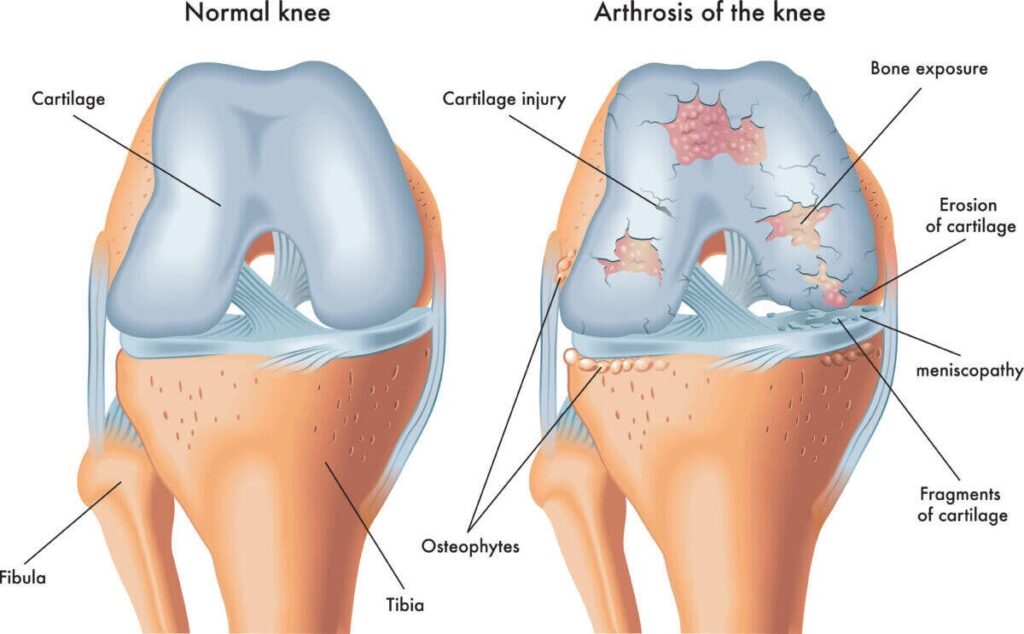
Cartilage is throughout the body. Wherever there are bones, there is cartilage. Problems with cartilage affect many people and can lead to health issues later in life, such as the feared osteoarthritis (OA). In the United States, about 14–15 million Americans have arthritis-attributable activity limitations. OA is the most common form of arthritis, so a large share of this group is OA-related. There are also about 700,000–800,000 joint replacement surgeries in the United States each year!
Although some cartilage interventions exist, OA cannot be fully cured yet and can cause a significant drop in quality of life. Fortunately, new medical solutions seem to be on the horizon, so in the meantime take good care of yourself: lose weight if necessary; do aerobic exercises like walking, cycling, and swimming; wear proper shoes; and use pain relievers when really needed. In my case I use a supplement (see at the end of this blog).
Cartilage protects joints like the knees, elbows, and ankles, allowing bones to move smoothly against one another. It is a specialized type of connective tissue, but it is not as hard as bone. Interestingly, newborns are largely cartilage that turns into bone.
1.The link between cartilage and osteoarthritis In OA, Damage to cartilage is a central, defining feature. OA is a disease of the whole joint, and cartilage deterioration is what sets the process in motion and drives symptoms and later joint changes.
Mechanical stress, aging, genetics, and inflammation disrupt the balance between cartilage building (anabolic) and cartilage breakdown (catabolic). Chondrocytes—the cells that are a key component of cartilage—start producing more degradative enzymes that break down collagen and proteoglycans, which are also key components of cartilage. As a result, the cartilage surface cracks and fissures, thins, and loses its smoothness and shock-absorbing properties.
2.What is cartilage? Cartilage is a strong, flexible, and specialized connective tissue found in many areas of the body, such as joints, the nose, ears, and spine. Almost every bone has some cartilage around it. Cartilage (1) provides structural support, (2) protects joints as a shock absorber, and (3) reduces friction between bones. One specific cartilage is articular cartilage, which is the smooth, cushion-like tissue covering the ends of bones in a joint.
Cartilage is made up of cells, a gel-like matrix, and fibers. Most of this is gel, made up of proteoglycans. About 80% of the tissue is water, which helps explain why cartilage is a hydrated network, mostly made of collagen and chondrocytes. There are three types of cartilage: (1) hyaline cartilage, the most common, mainly in the joints, the trachea, and the nose; this cartilage is smooth and helps resist compressive forces; (2) elastic cartilage, found in the ear and larynx, which is more flexible and resilient; (3) fibrocartilage, the strongest type, found in areas that must withstand heavy pressure, such as the menisci in the knee and the intervertebral discs in the spine.
Not going into technical detail, the perichondrium is a vascularized connective-tissue sheath that surrounds most cartilage and serves as a source of nutrients and new cells. It also helps with growth and repair of cartilage. Not all cartilage has a perichondrium: articular cartilage (the hyaline cartilage at joint surfaces) and fibrocartilage lack it; this helps explain why repair of the meniscus is difficult.
3.Repair/regeneration of cartilage: is it possible? The short answer is: partly possible. Cartilage has no blood supply, so natural repair is very difficult, but not completely impossible. Chondrocytes have a limited ability to produce new matrix and repair minor damage. Fortunately, this is an area where new techniques and solutions are on the horizon.
4.A torn meniscus and its relationship to cartilage health A torn meniscus is common and closely linked to cartilage health and osteoarthritis (OA). This relationship goes both ways. Tears of the meniscus, even small ones, can accelerate cartilage degeneration and OA progression, while OA-related changes make the meniscus more prone to tearing. A tear can, for example, provoke inflammation in the joint and release damaging enzymes that break down the cartilage matrix. This inflammatory milieu accelerates cartilage damage and can speed OA progression. Another issue is that when the meniscus extrudes (slips out of place), its load-distributing role is further compromised, increasing focal cartilage wear. Tears at the roots or tears that occur in the setting of aging OA are especially associated with rapid OA progression
5.What can you do in 2025 when there is joint damage related to cartilage?
Physical therapy and exercise: Tailored exercises can improve muscle strength, flexibility, and joint lubrication while minimizing pain. Brisk walking, cycling, swimming, and some resistance training can help. Consider balance and coordination training like Tai Chi. Proper footwear can alleviate knee OA symptoms and support safe, beneficial exercise.
Weight management: Losing weight can significantly reduce stress on the joints, especially in the knees and hips, helping to alleviate pain and slow disease progression.
Medications: Over-the-counter and prescription pain relievers can help manage pain and inflammation.
Other therapies: Heat or cold therapy and topical pain relievers can provide additional symptom relief.
Injections: Some injections can supplement joint lubrication or reduce inflammation to improve function and reduce pain.
Procedures that repair or restore cartilage (often for focal defects in younger patients): Osteochondral autograft transplantation (OATS / mosaicplasty) — plug-like grafts taken from your own bone and cartilage and transplanted into the defect.
Joint-preserving approaches for larger defects or persistent pain: Debridement, drilling, or fixation strategies to optimize the remaining cartilage.
Surgery: In severe cases, surgery such as joint repair or replacement may be recommended. This is a major operation with long-term considerations (implant lifespan, activity limits, potential need for revision later).
6.Over the next five years, several new treatments are on the horizon. Current treatments aim to relieve pain, maintain function, and slow progression; many approaches target the biology of cartilage breakdown or support joint health. Regenerating native cartilage remains challenging. Therefore, a true reversal of osteoarthritis (OA) is not yet here, but several promising approaches could move into commercial use in the next five years.
7.Without going into detail, here are some promising developments:
Sprifermin (FGF18) for knee OA: a recombinant fibroblast growth factor intended to stimulate cartilage growth and repair.
Allogeneic mesenchymal stem/stromal cell (MSC)–based intra-articular therapies: off-the-shelf cell therapies intended to modulate the joint environment and support repair.
Exosome/secretome–based therapies from MSCs: cell-free products using extracellular vesicles (exosomes) derived from MSCs to deliver regenerative signals.
Regenerative scaffolds and osteochondral implants for focal defects in OA joints: bioengineered implants or grafts to restore cartilage at focal wear areas, sometimes combined with bone components.
I do not understand all the details, but it is clear that hard work is ongoing to reverse OA by repairing cartilage.
8. My own experience is that I have had cartilage issues in my knee since I was in my forties. It was at times a very annoying and painful experience. Exercises helped, and at times the symptoms returned, but ongoing physiotherapy and aerobic exercise each time helped me overcome the problems.
For the past few years I have been taking the supplement glucosamine-chondroitin MSM+. I wrote about this supplement a few months ago with the following conclusion: “Some supplements, like glucosamine, seem to work well for me, even if they are not fully backed by research, though I would of course prefer stronger evidence.” https://shakethehealthtree.com/index.php/2025/03/04/21-glucosamine-a-supplement-for-your-joints-health-project99/ . Do not believe claims that collagen supplements will go straight to the place where it is needed.
Dear reader, take care of your body, listen to signals and do your best to reverse it when things go south. Not always possible, but often it is!
The world of cholesterol is full of misperceptions, misunderstandings and misleading statements, that are not completely false but do not cover the whole picture. The food and health industry play on our fears and present easy solutions (“low in fat”, “no cholesterol”) for complex issues. And we consumers fall for this, time and again.
Simple people like me are at a loss when it comes to fats, LDL, HDL, cholesterol etc. In particular, when we talk about cholesterol, we are concerned about the negative impact it can have on our heart and our artery system. Hearth failure is still cause of death no 1 in the Western world, often because of plaque inside your arteries, so there is reason to be concerned when your cardiovascular system is involved.
Plaque in your arteries is strongly connected with cholesterol. At the same time all our cells need cholesterol, so the question is how we keep the good part of cholesterol and stay away from the bad part.
The key to understand the whole fat/cholesterol topic is the following: the fat you eat (saturated vs unsaturated) changes how your body handles that cholesterol.
Although LDL and cholesterol are different compounds, often they team up and are then presented as LDL cholesterol (aka “bad cholesterol”). It took me a long time to understand this, namely that we talk about two different things that are presented as one. In this blog I write about the different relationships that cholesterol has and how cholesterol fits in the whole spectrum of fats/lipids/lipoproteins/triglycerides.
Your body does not need food that contains cholesterol (the “dietary cholesterol”) as the body (liver) produces enough cholesterol itself. Cholesterol keeps your body quite busy as it has to manage its production, absorption, transport by lipoproteins (LDL and HDL) and its clearance.
It is essential to point out that the impact of everything concerning cholesterol is not the same for every person: absorption efficiency, total saturated fat intake, fiber intake, body weight, genetics (e.g., LDL receptor function), and overall diet pattern. In other words, the main driver for blood cholesterol isn’t how much cholesterol you eat, but how fat you eat and how your liver handles fats and lipoproteins.
Vitamin D is linked to cholesterol because we need cholesterol in our skins cells to make vitamin D from sunlight. The vitamin D is later transformed again in the liver and kidneys, but cholesterol is needed for the first step.
2. Recommendation As I see it all the different values, like the LDL cholesterol, are important, but are of relative importance only. One reason is that the reaction of each person to cholesterol and other lipids is very individual. Not for nothing sometimes seemingly very healthy people die because of an unexpected hearth failure, that is often related to blocked arteries, something not visible from the outside. Yes, I do an annual blood test, but will also do a MRI scan of the arteries.
3. Plague removal Whether it is possible to remove plague that has already settled in the arteries is a good topic for another blog (short answer: it seems possible to at least partly remove plague from the arteries).
4. What is cholesterol? Cholesterol is a stereol, a type of lipid, meaning a fat-like molecule. As opposed to fat, cholesterol cannot be consumed for energy, sweated or burned. Dietary cholesterol is found in animal products; plant foods contain no cholesterol. The animal products include beef, chicken, fish, poultry, organic meat, and high-fat dairy foods.
From a nutrition perspective, fats are mainly triglycerides and provide about 9 kcal/g; fatty acids and phospholipids are other lipids with different roles. The other difference is that from a caloric perspective, an oil is a fat. For example, let’s consider olive oil. Clearly, it is an oil according to a chemist’s definition, but from a caloric standpoint it is a fat because it provides 9 kcal/g Lipids also consist of triglycerides, fatty acids, phospholipids, waxes, and sterols (like cholesterol).
These compounds are grouped together because of their structural and physical property similarities. Of these, triglycerides are best known. All lipids have hydrophobic (water-fearing) properties. Chemists further separate lipids into fats and oils based on their physical properties at room temperature.
5. What produces cholesterol? Your liver is the body’s main cholesterol factory. It makes a type of particle called VLDL, which ships out triglycerides and cholesterol. As VLDL releases triglycerides in the bloodstream, it becomes IDL and then LDL. So LDL is largely produced and processed inside your body, not simply created by what you eat. Dietary factors can influence LDL production and clearance.
Your diet can influence how much LDL is made or cleared, but LDL itself isn’t a food ingredient. HDL and other lipoproteins play different roles, often helping remove cholesterol from arteries. The liver not only produces cholesterol; it also receives dietary cholesterol (via dairy and meat) via the bloodstream, and some of that cholesterol ends up in a free (unesterified) form in the blood, but most circulating cholesterol is carried inside lipoproteins as cholesterol esters. Free cholesterol isn’t produced as a separate circulating substance on its own; it’s part of the overall cholesterol pool.
6,The functions of cholesterol (1) It helps build cell membranes—the thin, flexible membranes that surround every cell and regulate what goes in and out. (2) It’s also a precursor, which means it’s a starting material the body uses to make other important things, like hormones (for example, those that control growth and reproduction) and bile acids (substances the liver makes to help digest fats). (3) It is also a precursor to vitamin D because we need cholesterol in our skin’s cells to make vitamin D from sunlight.
Vitamin D is later activated again in the liver and kidneys, but cholesterol is needed for the first step. In your blood, cholesterol exists in two main forms: some is free cholesterol, not attached to other molecules like lipoproteins, but most of the cholesterol is carried inside lipoproteins—tiny particle ships that transport cholesterol and other fats around the body.
7.What is the link between certain fats and LDL? There is a strong link between the wrong kinds of fats (saturated/trans fats) and higher LDL (attached to) cholesterol in the blood. However, there are more sources for LDL.
If you do not eat any saturated fat at all, will there still be LDL for the cholesterol to attach to? The short answer is yes. There are several sources of LDL, and the almost exclusive focus on saturated fat is not helpful. It should be stressed that neither saturated nor unsaturated fats directly “make” cholesterol in the sense of a simple one-step conversion.
Cholesterol is made mainly in the liver through a complex pathway, and the type of fat you eat influences that process and how blood cholesterol is handled, not as a direct one-to-one production switch. LDL comes from the liver’s own production and from how all fats and sugars in your diet affect that process. It’s not created only when you eat saturated fat.
Other dietary factors matter too. Trans fats tend to raise LDL and lower HDL. One should therefore replace saturated fats with unsaturated fats (like olive oil, nuts, and fish) that often (but not always) lowers LDL. Often not well understood is that refined carbohydrate or sugar intake can raise triglycerides, another part of the whole lipid spectrum that can change upward the LDL particle size/number. Another issue is dietary cholesterol (the cholesterol in foods, not to be confused with saturated or non-saturated fat) has a smaller, more variable effect on blood LDL for many people. To add to the picture and confusion: genetics also play a big role—some people naturally have higher LDL regardless of diet.
8.What happens if you eat products high in cholesterol? The liver produces enough cholesterol to supply the body’s needs. However, a person can also consume cholesterol in their diet. If someone consumes foods high in cholesterol, their liver responds by slowing down cholesterol production, but not necessarily proportionally. The response varies between people. Some are “hyper-responders” and see larger rises in LDL-cholesterol with higher dietary cholesterol; others show little to no change. This balances out cholesterol levels and keeps them more or less constant, meaning that dietary sources of cholesterol, including eggs, typically have little or no impact on blood cholesterol.
9.How much cholesterol one needs daily? There is not a required daily amount of cholesterol you need to eat. The body makes all the cholesterol it needs, and it adjusts its production of cholesterol according to its needs. Dietary intake, i.e., via foods like eggs, is not needed. The current guidelines say (roughly): • No specific daily limit for dietary cholesterol for the general population. • Focus on overall diet quality: limit saturated fats to less than about 10% of daily calories, avoid trans fats, eat fiber-rich foods, and maintain a healthy weight. • If you have high cholesterol or cardiovascular risk, a clinician may advise more careful management of cholesterol intake, sometimes with a target around 200–300 mg per day, but this is individualized.
10.What is the difference between LDL and HDL? The difference between these two is huge. They are both so called lipoproteins and function as “ships” that carry cholesterol and other fats in the bloodstream.
LDL stands for Low-density Lipoprotein and is like the delivery truck that carries cholesterol from the liver to cells that need it; if there are too many of these trucks or they become damaged, cholesterol can build up in artery walls as LDL deposits the cholesterol in arteries and start atherosclerosis.
HDL is the recycling truck that picks up excess cholesterol from tissues and other lipoproteins and brings it back to the liver to be reused or excreted.
There are other lipoproteins too, such as VLDL and chylomicrons, which mainly transport triglycerides and can be converted into LDL or HDL as they unload. Each lipoprotein has surface proteins that help cells recognize and take up the particle. Clinically, we usually measure LDL-C and HDL-C to estimate how much cholesterol is carried by these main ships and to assess heart disease risk
11.What can move LDL up or down? What to do? (1) Saturated fats and trans fats tend to raise LDL for many people. (2) Unsaturated fats (like those from olive oil, nuts, and fish) tend to lower LDL or improve the overall cholesterol pattern. (3) Refined carbs and sugar can raise triglycerides and influence LDL particle size/number. (4) Dietary cholesterol (the cholesterol in foods) has a smaller, more variable effect on LDL for most people. (5) Genetics also plays a big part—some people naturally have higher LDL regardless of diet. (6) Certain foods have been proven to lower LDL, like fatty fish, green tea, oats, nuts and beans. Others to raise it: red meat, processed meat, full-fat diary, baked goods, fried foods, butter, tropical oils. (7) Overweight causes your body to produce extra cholesterol. (8) Exercise and fiber-rich food will move LDL down.
12.What is a cholesterol profile? A cholesterol profile consists of 4 main items.
(1)LDL cholesterol (the “bad” one); (2) HDL cholesterol (the “good” one as it helps remove cholesterol from arteries; (3) Non-HDL cholesterol and ApoB (what this is see below): these reflect all the atherogenic (artery-clogging) particles, not just LDL; (4) Triglycerides.
13. No, avocados do not contain cholesterol. Cholesterol is not a fat, but lipid, specifically a sterol; it is not a fat. Itis found only in animal products. Since avocados are plant-based, they are naturally cholesterol-free.
14. What about eggs? Discussions often focus on your cholesterol intake, which in itself is misleading, as most if not all of your cholesterol is produced by your liver.
Remember the egg debate. One egg (the yellow part) contains about 185 mg of cholesterol. Although there is no precise figure for how much cholesterol your body needs, 185 mg is substantial. For this reason eggs are traditionally considered potentially damaging for your cardiovascular health.
Recent studies however are drawing other, less damaging conclusions on egg consumption and I can see why. It is your liver itself that produces all the cholesterol you need, a production that will go down when your dietary intake goes up. It is a bit more nuanced than this and for some people dietary cholesterol can have a noticeable effect. More studies are needed, but there are indications that for many of us, eggs are less of a cholesterol villain than normally described.
15.Triglycerides (another lipid, just as cholesterol is a lipid) Earlier I wrote a blog on triglycerides as I was fascinated (and became very concerned) about the clear link between eating too much easy sugars and refined carbs like white bread and its impact on the quantity of fat in your bloodstream!
Tryglycerides are the main storage form of fat in your blood: a molecule made of a glycerol backbone with three fatty acids attached. Your body uses them for energy, and when you eat more calories than you need (especially from sugars and refined carbs), the liver often packages the excess into triglycerides and releases them into the bloodstream in VLDL particles. This is why high intake of sugars and refined carbohydrates can raise blood triglyceride levels.
Not all carbs have the same effect—whole, fiber-rich carbs tend to have a gentler impact than sugary drinks or sweets. Other factors—weight, insulin sensitivity, alcohol, genetics, and overall diet—also influence triglycerides.
16.What is ApoB, an important but neglected indicator of heart health Interestingly enough in the discussions on cholesterol there is little or no interest for ApoB. Strange as apolipoprotein B, is the main protein component of the lipoprotein particles that carry fats and cholesterol in your blood.
Because most atherogenic (artery-clogging) particles carry one ApoB molecule, the blood level of ApoB roughly reflects the number of these potentially harmful particles, not just how much cholesterol they carry. Clinically, ApoB is used to assess heart disease risk, and you can think of ApoB as a count of the delivery trucks circulating in your bloodstream. Next time when I visit a lab I will definitely ask for my ApoB to be checked!
Dear reader, this was a long one, but too difficult to write about this complex topic in just a few lines.
Take care, keep in mind what I wrote about cholesterol and hopefully it will benefit you.
In a few cases, liposomal supplements, i.e., supplements delivered in liposome-encapsulated form, are useful. That said, they are most of the time not necessary, and you can save money by choosing traditional solid tablets or capsules.
Are they completely useless and mainly a marketing gimmick? No. Liposomes do have added value for (1) protecting certain medicines and some supplements from degradation before they reach the gut, (2) helping people who have difficulty swallowing, and (3) assisting those with specific postoperative issues.
There are a few compounds, such as vitamin C, that may benefit from liposomal delivery compared with ordinary tablets, since it can lead to higher absorption. This is supported by pharmacokinetic data, but robust clinical benefits beyond higher blood levels are not consistently demonstrated. Most people do not need extra vitamin C, anyway.
1.My main conclusion: despite substantial marketing by the health-and-beauty industry to promote liposome-encapsulated supplements, there are often good reasons not to choose them. In general, the clinical payoff (improved outcomes) is uncertain or small, and therefore the cost-benefit ratio may be unfavorable for many users, since liposomal products are typically more expensive.
2.Do not fall for advertisements (as I do now and then).
The world in which money is to be made is full of pitfalls, hype, and deceit. Do I fall for it? Yes, more often than I’d like to admit. The other day I needed to order vitamin D3 and K2 and was persuaded to buy them in liposome form (liquid rather than pills). They were much more expensive than standard pills, harder to measure the exact dose, and carried a risk of buying an inferior product, since liposome production is not tightly regulated and can yield unstable results.
Will I do it again? Not at all, but the advertising copy was so convincing—claims of a higher absorption rate and delivery directly to the places where the vitamins should work—that I tried it once. Only then did I start investigating what liposomes are. As always, I share my results with you.
We see it everywhere: great marketing in order to persuade us to buy supplements wrapped in liposomes, presented as a superior delivery method to traditional capsules and tablets.
The idea of better delivery and higher bioavailability in itself appeals to me, since absorption percentage is an important factor in understanding how supplements work. If your daily need for a compound is 10 grams and you take a 10-gram supplement, you may feel misled if you learn that the absorption rate is only 20%. The moment I realized the importance of absorption rate (and half-life) changed how I view the necessary intake quantities for certain supplements. However, the solution is easy, take the absorption rate into account and take the additional pill.
As a side note, a higher blood level of a nutrient is not always linked to better health outcomes. What matters is whether that higher level translates into clinically meaningful effects, but this is a truly technical medical issue, going beyond the scope of this blog.
3.What are liposomes?
Liposomes are tiny phospholipid vesicles used to encase compounds like vitamins. This leads to the next question: what are phospholipid vesicles? They are tiny bubbles made from phospholipid molecules (the same fat-like substances that make up cell membranes) that wrap around a substance to protect it and help it be absorbed in the body.
The roots of the word liposomes are Greek: lipos meaning fat and soma meaning body. The word liposome was coined in English in the 1960s. Liposomal is the English adjective formed from liposome by adding the suffix -al (from Latin/English) to indicate “pertaining to liposomes.” Technically “liposomal” refers to a delivery method that uses lipid bubbles to encase the nutrient, which can affect how the nutrient is absorbed.
4.How are supplements taken in general? There are seven broad ways to take a supplement, plus a variety of delivery-system variations. Most everyday supplements are taken orally (capsules, tablets, powders, or gummies). There are other ways, including sublingual (under the tongue), creams, inhaled, rectal/vaginal, and injectables.
With supplements that are taken orally, there are a number of delivery-system variations: (1) liposomal (the topic of this blog), nanoemulsified, or other encapsulation systems to improve stability and absorption; (2) microencapsulation or phytosome formulations; (3) emulsions or oil-based suspensions (especially for fat-soluble nutrients); and (4) fortified foods and beverages (functionally enhanced rather than separate pills).
5.Which compounds stand to benefit from a liposomal approach? Vitamin C, vitamin B12, curcumin, and other polyphenols (e.g., flavonoids such as quercetin and stilbenes such as resveratrol) and coenzyme Q10 are sometimes cited as compounds that could benefit from a liposomal approach. However, there is not a single study that conclusively demonstrates that liposomal delivery is superior to the old-fashioned tablets and capsules. Overall, findings are mixed and not uniformly convincing.
Most claims are marketing-driven; robust, high-quality randomized trials demonstrating meaningful clinical benefits are generally not present to support these claims.
6.Safety Liposomal products are generally considered safe for most people, since the ingredients are typically phospholipids and the nutrient itself. However, watch for potential allergens (soy, egg, sunflower lecithin) in some formulations, as well as additives or contaminants.
Like all dietary supplements, liposomal products unfortunately are not uniformly regulated worldwide, and there are no universally accepted quality standards.
Product quality can vary a lot: liposome size and stability, encapsulation efficiency, dosage accuracy, and batch-to-batch consistency differ across brands. Storage conditions and shelf life can also affect performance. While liposomes can improve stability and absorption for some nutrients, this does not guarantee better health outcomes, and higher blood levels may not translate into meaningful benefits.
I know next is standard text, but it remains true. Always check and follow labeling directions, consider potential interactions with medications, and consult a healthcare professional if you are pregnant, nursing, have a medical condition, or are taking prescription drugs. Best of course is always to look for products with reputable third-party testing and transparent ingredient lists.
Thanks for reading, take care and live a long, happy and healthy life,
Zinc is a trace mineral that is involved in hundreds of enzymes and proteins in your body. It is essential for many processes, but it is not stored in your body in large amounts. You need to top it up regularly. Daily doses required are generally limited (8–11 mg/day), but a diet alone is often not sufficient, especially (but not exclusively) if you are vegetarian. For context, see the Trace minerals section below.
1.My takeaway is to add a modest zinc supplement to your daily regime, in the order of magnitude of 10 mg. The official line of health sites is that most people will meet their trace-mineral needs with a balanced diet, but that very much depends on your definition of “balanced.” A sufficient-zinc diet should include red meat (which many people do not eat anymore) or oysters (which very few people eat). Those who eat mainly vegetables, fruits, and grains run a risk of not getting enough zinc.
2.Challenge
For those focusing on vegetables, carbohydrates, and poultry, it will be a challenge to get enough zinc. One can do a zinc test, of course, but since the upper intake level for zinc is high, a low-dose zinc supplement will not hurt (and remember that even the most efficient zinc supplement, for example 10 mg, will in practice only contribute about 5 mg toward your daily zinc needs).
3.Trace minerals
Let me first refresh your knowledge on trace minerals. Your body needs them in very limited quantities, but they’re essential for many functions. They differ from major minerals (like calcium and magnesium) because of the small amounts required. Main examples: iron, copper, zinc, and manganese (all measured in mg/day) and iodine, selenium, chromium, and molybdenum (all measured in micrograms/day). Deficiencies in each of them cause problems, including zinc’s effects on the immune system and growth.
4.What happens if you do not have enough zinc?
• Slower growth in children; potential delays in puberty. • Immune system problems: more frequent or longer infections; poorer response to vaccines. • Slower healing of cuts and injuries. • Skin and hair: dermatitis, itchy or scaly skin; hair loss. • Reduced appetite; possible mood changes or irritability. • Diminished ability to taste or smell (hypogeusia/ageusia). • Digestive issues: diarrhea may occur in some cases. • Several hormonal pathways (e.g., insulin, growth hormone) will not work well.
5.Who is at risk for zinc deficiency?
• Vegetarian diets can put you at risk of zinc deficiency because such diets often include phytates that reduce zinc absorption (phytates are discussed later under Phytates). • People with very poor diets or absorption problems (malnutrition, eating disorders, Crohn’s disease or celiac disease, and other malabsorption conditions). • Older adults, pregnant or lactating people with increased needs. • Heavy alcohol users and people with certain chronic illnesses.
6.What happens if you get too much zinc?
• Short-term (acute) effects: nausea, vomiting, stomach cramps, diarrhea, abdominal pain, headaches, a metallic taste, and sometimes dizziness. • Long-term (chronic) effects: copper deficiency (which can cause anemia, low white blood cell counts, and nerve/hematologic problems), possible immune dysfunction, and potential impacts on blood lipids and mineral balance. • Zinc can interfere with the absorption of other minerals (notably copper and iron) and can interact with some medications and antibiotics (e.g., tetracyclines and fluoroquinolones), reducing their effectiveness if taken together. The good news is that it is not easy to get too much zinc, as the upper intake levels are quite high.
7.How much zinc do you need?
Based on US and EU guidelines • Infants birth to 6 months: about 2 mg/day; 7–12 months: about 3 mg/day. • Children and teens: increasing with age; for example, around 4–8 mg/day in early childhood, rising to about 8–11 mg/day for older boys and about 8–9 mg/day for girls. • Adults: men about 11 mg/day, women about 8 mg/day; during pregnancy about 11 mg/day and during lactation about 12 mg/day. •
8.Upper intake levels: In the US, the tolerable upper intake level (UL) for zinc is 40 mg/day for adults. In the EU, EFSA uses a lower UL for adults (about 25 mg/day). This is important to know because it signals that even if you do not need your zinc supplement, it will not hurt you as long as you stay below the UL in total.
9.Food and zinc?
As always, rough estimates are provided. The internet can flood you with many more details.
Meat, poultry, and seafood are heme zinc and generally better absorbed than plant sources. • Oysters: about 74 mg zinc per 100 g; absorption roughly 20–40% • Beef steak (cooked, lean): about 4–5 mg/100 g; absorption roughly 25–40% • Pork (cooked): about 2–3 mg/100 g; absorption roughly 15–35% • Chicken (white meat, cooked): around 1–2 mg/100 g; absorption roughly 15–30% • Salmon or sardines (cooked): about 1–2 mg/100 g; absorption roughly 20–40%
Do the math. Take chicken. In order to get 10 mg of effective zinc, one would need (best scenario) over 1.5 kg of chicken meat per day.
10.Plant-based sources
• Spinach (cooked): about 0.8–1 mg/100 g; absorption roughly 5–15% • Beans (kidney, cooked): about 2–3 mg/100 g; absorption roughly 10–20% • Tofu (firm, depending on fortification): about 1–3 mg/100 g; absorption roughly 5–15% • Quinoa (cooked): about 1–2 mg/100 g; absorption roughly 10–20% • Pumpkin seeds (roasted): about 7–8 mg/100 g; absorption roughly 10–25% • Sesame seeds (raw): about 9–10 mg/100 g; absorption roughly 10–20% • Fortified cereals (varies by product): often 5–20 mg/100 g; absorption roughly 10–25%
Do the math here as well. In order to get 10 mg of absorbed zinc from plant sources, one would need almost 2 kilograms of tofu daily. Not feasible, at least not for me (and I do not like tofu that much anyhow).
Only a few fruits have around 1 mg/100 g of zinc, the others much less. Plus a very low absorption rate.
• Dried apricots: about 1–2 mg/100 g; absorption roughly 5–15% • Raisins: about 0.5–2 mg/100 g; absorption roughly 5–15% • Prunes: about 0.5–1 mg/100 g; absorption roughly 5–15%
11.Practical tips to maximize zinc absorption
If your diet is rich in phytates (lots of unprocessed grains and legumes, see explanatory note at the bottom of this blog) and you’re concerned about zinc or iron, consider pairing meals with phytate-reducing prep (soaking/fermenting) and including some animal protein or vitamin C-rich foods to help absorption.
Another option is to oak, sprout, or ferment grains and legumes to reduce phytates that inhibit zinc absorption.
Avoid taking large amounts of calcium or iron at the same time as a zinc-rich meal, as they can compete for absorption.
12.The several half-lives of zinc
• If you’re thinking in terms of half-life for planning supplements or interpreting zinc status, focus on the fact that there are multiple pools with different kinetics. Short-term changes (days) mainly reflect plasma zinc and gut absorption changes; longer-term status reflects tissue stores and overall balance over weeks to months, including bone and other long-term stores. They turn over slowly and are not quickly altered by daily dietary changes or short-term supplementation. For a practical planning approach, see the Absorption and Bioavailability section above.
13.What kind of supplement and how to use it?
There are many different zinc supplements around. Some (like the one I used to take from Kruidvat) are zinc oxide, which has low absorption and is one of the many brands without generally recognized quality controls. In short, for a few years I have been taking a basically useless supplement.
So when choosing a zinc supplement, start with 1) zinc citrate or a chelated form. The absorption rate of zinc citrate is about 30%, so you would need roughly 33 mg ingested daily to reach about 10 mg effective (i.e., doing its zinc work!). Chelated forms (zinc bisglycinate/glycinate and zinc picolinate) are even better with a 40–45% absorption rate. 2) Make sure it is GMP (Good Manufacturing Practice) produced or produced in GMP-compliant facilities. 3) If you’re aiming to maximize absorption, take zinc with a meal that contains protein, and avoid taking it simultaneously with large doses of calcium or iron. A zinc supplement strengthened with vitamine C does not hurt.
14.GMP: general advice
I know it is cumbersome to look for supplements with a GMP label, but trust me, it is worth it. For every supplement there are some GMP-certified producers; just search the internet. Be careful, most are not and do not go for the 1+1 offers from the regular chains unless these products meet all the criteria, like GMP.
15.There is more beyond GMP to look for
Check also for Third-party verification: USP Verified, NSF Certified for Sport, Informed-Choice, or similar certifications add independent testing for potency and contaminants.
Batch-specific COA (certificate of analysis): a lab-tested result showing exact zinc content per serving and purity/heavy-metal testing for the current batch.
Clear labeling: exact zinc dose per capsule/tablet, other ingredients, and expiry date. Reputable brand with transparent sourcing and manufacturing information. Avoid marketing claims that only say “GMP” without evidence or documentation.
Testing to see if you have a zinc deficiency
Blood tests (serum/plasma zinc) are commonly used but aren’t perfect indicators on their own, especially during periods of inflammation, like when you have an infection. Clinicians may consider dietary history, symptoms, and sometimes other labs.
Thanks for reading, take care and live a happy, healthy and long life,
Robert, your health friend
Going to Paris (again)
Explanatory note on Phytates
Phytates (also called phytic acid) Phytates are naturally occurring compounds found in many plant foods. They are phosphorus-containing compounds stored in seeds, grains, legumes, nuts, and some seeds. The main practical concern of phytates is related to mineral absorption, especially if you rely heavily on plant-based sources. Phytates can be mitigated by soaking, sprouting, or fermenting foods and by pairing plant sources with animal proteins or vitamin C-rich foods to aid absorption.
Quercetin, why (not)? I encountered this molecule/compound in my quest for interesting supplements. To take or not to take? As always, there are many considerations to balance: potential benefits, risks, and costs.
1.My first observation: it’s not an easy supplement (“very low bioavailability”) and there are few solid studies to justify all the claimed benefits. Still, one might give it a try for a year, especially because of its possible anti-allergy benefits. I will not take it, as there are strong indications that it will interact with my anticoagulants.
Quite a few influencers are positive about quercetin, including Dr. Eric Berg, whom I hold in high esteem. Check him out on YouTube. There must be a reason he has 13 million followers. Comments by individual users about quercetin vary, from “completely useless” to “changed my life.”
2.Not an easy supplement
As mentioned, it is not an “easy” supplement. If you decide to use it, remember the following: think long term (don’t expect results immediately), take twice daily, with a meal containing some fat. Use a quercetin supplement that is presented in liposomal or phytosome form, or another enhanced-delivery form. Do not take standard quercetin powder or pills. The difference in effectiveness can be a factor of ten.
And remember: only buy supplements that are GMP-certified or NSF International-certified.
In general, when selecting supplements, look for transparency in manufacturing practices. Check for third-party certifications and product testing. This ensures the integrity and potency of the supplements you choose. Unfortunately, there are a lot of counterfeit or poor-quality products around. It always takes time to find a quality supplement, but it is worth it.
3.What is Quercetin?
Quercetin is a natural plant flavonol. Flavonols are a subgroup of polyphenols found in our diet. Flavonols, just like all polyphenols, are not essential for nutrition, but they have benefits. For starters, they act as antioxidants and anti-inflammatory agents.
This plant-based flavonoid is often found as quercetin glycosides (see also the explanatory note below) in foods and is available in supplement forms.
4.Quercetin is associated with many interesting claims
Immune and infection support during heavy training or seasonal stress
Anti-inflammatory and antioxidant support
Potential endurance and performance effects
Allergy relief and histamine modulation
Metabolic and cardiovascular hints
Cancer prevention and other long-term outcomes
However, an important point about all the claims regarding quercetin is that there have been relatively few studies. The studies that exist show varying results, none very convincing.
5.How to get quercetin
Where it’s found: onions, apples (with skin), berries, capers, grapes, citrus peels, tea (black or green), leafy greens, and many other fruits and vegetables.
Typical daily intake from the diet is usually in the low tens of milligrams (often 5–40 mg per day), depending on how many quercetin-rich foods you eat. The figures below are rough estimates, as the final figure depends on many factors including the individual and how the food is prepared.
From what I read, quercetin intake via food is less effective than intake via supplements—only those that are liposome- or other enhanced-delivery forms are likely more effective.
6.Some main quercetin sources (approximate ranges)
Tea (brewed, black or green): roughly 2–5 mg per cup
7.Quercetin and allergies
I am interested in quercetin because of its claimed potential to relieve allergy symptoms. From what I understand, it might only work after long-term use. Quercetin stabilizes the mast cell membrane, so degranulation (release of histamine and other mediators) is reduced.
In short, quercetin is a mast cell stabilizer—a substance that helps keep mast cells from releasing inflammatory chemicals (like histamine) when they encounter allergens. It is mainly preventive, not for immediate relief.
Mast cells are a type of immune cell that reside in tissues (especially the skin, airways, gut, and around blood vessels and nerves). They’re like sentinels that detect threats. Mast cells contain granules full of chemicals such as histamine, heparin, and other mediators. When activated, they release these chemicals in a process called degranulation. The released substances cause inflammation: redness, swelling, itching, mucus production, and they can lead to smooth muscle contraction.
8.Not very bioavailable
Bioavailability is rather low. Only about 0.3% to 2% of the oral dose reaches the systemic circulation of your body and will have any effect.
The half-life is 2–11 hours, so if you take Quercetin supplements, you need two doses per day. Bioavailability can be substantially improved with specialized formulations and with fat-containing meals. Taking them with water alone is a waste of effort and money. Go for enhanced formulations, do not buy standard quercetin; buy it in liposomal or phytosome form. And don’t forget to check whether the supplement includes added vitamin C.
9.A note of caution The “no-harm” approach is central to my decision to use any supplement. I take several supplements based on hope when there are credible indications they might provide certain benefits. However, I only take supplements considered safe and that do not interact with any medication. It is not always easy to figure this out. I respect doctors, but you cannot expect them to know all the latest developments, especially not in the field of supplements. Still, try it in the case of quercetin.
10.Where do supplements fit in my longevity philosophy? Nutrition, exercise, sleep, stress management, and social life are five key elements. If managed well, these elements contribute to a healthier and longer life. Expert recommendations across these categories often align, although food and exercise can sometimes provoke debates and differing opinions.
Discussions on food and exercise are mild compared to the sixth category: supplements. Supplements are often controversial, with many unproven health claims and contradictory expert opinions. Yet this is also the most exciting category because we are continually discovering the potential of new supplements.
Dear reader, this about quercetin. It receives a lot of attention. In my opinion it is a supplement to consider, but not one “to take”.
Thanks for reading, take care and enjoy a long and healthy life.
Robert, your health friend.
How time flies, in my youth I played here daily (Aruba)
Some explanatory notes
Polyphenols are a large family of plant compounds that have multiple phenol rings in their chemical structure. They’re not essential nutrients for humans, but they can act as antioxidants and anti-inflammatory agents in the body and may influence health in various ways. A phenol ring is a benzene ring (a six-carbon ring) with a hydroxyl group (-OH) attached to it. The OH group makes the ring acidic and gives it reactive, antioxidant-like properties.
In polyphenols, multiple phenol rings are linked together (for example, flavonoids like quercetin have several rings with many OH groups).
Quercetin glycosides are the forms of quercetin that are bound to a sugar molecule. In plants, quercetin mostly occurs as these glycosides rather than as the aglycone form.