16. RED LIGHT THERAPY: HIGHLY RECOMMENDED AND WITH GOOD REASON (health project99+)

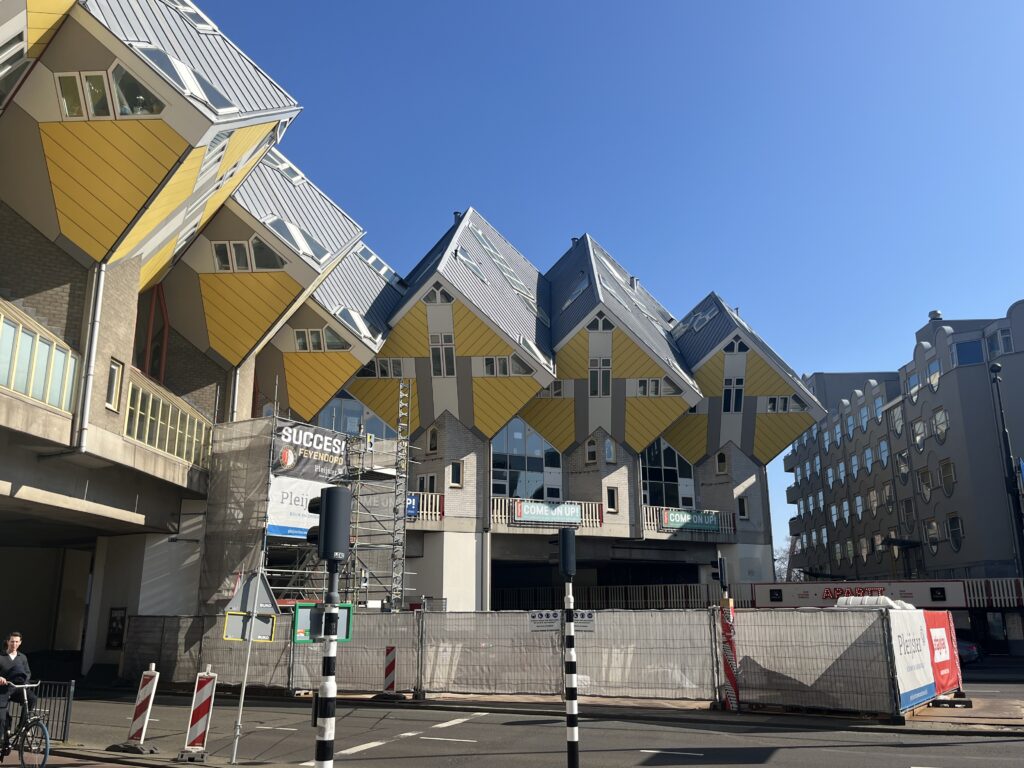
Houses in Rotterdam, the Netherlands

Dear reader,

The fancy name for red-light therapy is photobiomodulation. It is based on NASA research of about 20 years ago.

(1) “Red-light therapy” and (2) “Infrared light in saunas” are very different. I often confuse these two, so writing down the differences helped (me at least). I am convinced of the added benefits of both, so I plan to use each one of them.

Very short: red light is for skin and collagen, infrared for muscles. And more of course, but this is the essence.

At home we have an infra-red-light cabin, which I use to recuperate after sports and as a preventive measure to avoid catching a cold. https://shakethehealthtree.com/index.php/2025/02/26/1-my-health-essentials-infrared-sauna-health-project-99/

In this blog I give some considerations that led me to my red-light choice (for a soft LED mask + something for the neck and upper part of the chest).

1.Main tip
There are many fake devices around, so buy quality and use the device consistently. Improvements on skin and collagen are substantial (according to many independent studies) but will gradually disappear when you stop. Red light therapy really works but consider it as a lifelong commitment. Three times per week, 10 minutes.

2.Are the acclaimed results of red-light therapy fact or make-believe?
The good news is that red-light therapy is indeed scientifically proven to improve skin health, reduce inflammation, promote wound healing, reduce pain, and stimulate collagen production. More research is needed for another claim, namely that red light improves overall health (cellular energy enhancement); scientific indications so far are rather positive. If correct red-light will contribute to longevity!

3.Is the sun alone not enough?
The idea that you don’t need red light therapy because the sun provides enough light has some truth, as sunlight includes a broad spectrum of light, including visible light (red light) and near-infrared (NIR).

The problem is that the amount and quality of sunlight you receive varies greatly by time of day, weather, location, and season. As I made clear in this blog, in order to profit from a health step, whether it is exercise, a supplement or light, one needs consistency. The advantage of artificial red-light therapy and NIR devices is that they can deliver light at intensities and durations optimized for therapeutic effects, which can be hard to achieve safely with sun exposure alone.

In addition, as we all know, direct sunlight exposure comes with UV radiation, which increases the risk of skin damage and skin cancer if exposure is excessive. Excessive exposure already happens after less than half an hour. It can shorter as damage depends on skin type, UV index, and other factors.

4.What is infrared light?
Red-light therapy uses very specific visible red wavelengths (often combined with other red light that is very close in wavelength to the visible red wavelengths, the so-called Near Infra-Red = NIR) to promote healing and regeneration without significant heat. Red light (as part of red-light therapy) is visible; infrared light on the other hand is not.

The main, but lesser known, output of red-light therapy probably is “cellular energy enhancement” just under the surface, while heat production is the main benefit of infrared light.

Most people use red-light therapy to achieve skin improvement and collagen production. The fact that there are strong scientific indications that it probably also leads to better working of your cells just below the surface is an unexpected bonus. For those who care about longevity this is an important development.

Red light therapy uses visible red light, typically in the wavelength range of about 620 nm to 700 nm, sometimes combined with near-infrared light (700 nm to 1400 nm), to stimulate cellular repair and other health benefits.

Red light therapy is provided by handheld devices, panels, masks, and even sleeping bags and other whole-body capsules.

5.The different wavelengths
For those who love figures, see the following overview. I use nanometers (100,000 nanometers = 1 millimeter). Sometimes you read about microns. Just remember that 1 micron = 1000 nanometers.

Red light therapy (visible to the human eyes): 620 nanometers to 700 nm
Infrared light (invisible to the human eyes):
a) Near infrared (NIR): 700 nm to 1400 nm
b) Mid infrared (MIR): 1400 nm to 3000 nm
c) Far infrared (FIR): 3000 nm to 100,000 nm (= 1 mm)

The boundaries between these infrared ranges are approximate and can vary slightly based on different scientific definitions.

MIR and FIR are used in saunas as their heat is absorbed mostly by the surface of the skin. It leads to general relaxation of the muscles and detox sweating. NIR penetrates the deepest, then MIR, while FIR mostly heats the surface and just below it.

6.Some more relevant figures to look for.
Irradiance / Power Density (mW/cm²): This refers to how much light energy hits a given area per second. Higher irradiance means shorter treatment times. Typical effective irradiance values start around 20 mW/cm² and can go up to around 100-200 mW/cm². The new one we bought has 35 mW/cm². This is measured directly on the face and can therefore be less than for a panel, where the red light has to bridge a certain distance. In general, devices with low irradiance may require longer exposure.

Energy Dose / Fluence (J/cm²) = Total energy delivered per area during a session. Calculated as irradiance (mW/cm²) × treatment time (seconds) = energy dose (mJ/cm²), converted to J/cm² by dividing by 1000.

7.NIR light has dual use
Near-Infrared (NIR) light has wavelengths that fall between visible red light and mid-infrared wavelengths, typically around 700 to 1400 nm. It is a bit of an in-between wavelength that can be used as part of the red-light therapy and in infrared saunas.

The combination with red light therapy enhances therapeutic effects because it penetrates deeper into tissues. NIR is also sometimes included in infrared saunas, especially those that use near-infrared lamps, either alone or in combination with mid- and far-infrared wavelengths. This is because NIR targets different therapeutic outcomes, such as promoting cellular repair and improving circulation.

8.What to buy?
Most research has been done with masks, and I have decided, for the time being, to only go for a soft mask (+ a part for the neck and upper part of my chest). Perhaps in the future I will go for something that reaches the whole body, but I need to see more research about this, and prices have to go down.

Most devices use LEDs, but some have lasers, which are more expensive and in general only used in clinical or professional settings.

9.What about the blue light option?
The blue light option in a red-light therapy device is not essential but can be beneficial for specific purposes. Red/near-infrared light primarily targets tissue healing, inflammation reduction, and collagen production. Blue light (around 415 nm) is used mainly for its antibacterial properties, making it helpful in treating acne and skin infections.

If your primary goal is anti-aging, pain relief, or muscle recovery, blue light is less important. If you want acne treatment or antibacterial effects, a device with blue light can be useful.

10.My experience so far
My wife and I were convinced by all the studies and bought both a face mask and a bridge that covers your face and neck. We made a few mistakes though.

  1. The face mask was rigid and too small for me. The bridge was okay, but the prescribed time of procedure (30 minutes) was too long.
  2. We did not check the brands, just bought a few from Amazon. I know now that this has been a bad idea, as quality counts.
  3. We did not use it consistently. My wife was, for the period that she used the face mask regularly, quite positive about the results, by the way.

So we changed mask. Which is the new one?
I did thorough research, which was not successful. Thousands of influencers around, but I did not find them helpful. I could not find a reputable source that made a comparative study of all devices that are on the market.

However, at a certain moment one must take a decision, so I went for a recent article in a reputable newspaper: the New York Times. The person who did the comparative research had impressive qualifications and had consulted several dermatologists. Based on her recommendations I bought Omnilux Men. This is marketed primarily toward men, but the device itself can indeed be used by women. It is a soft, flexible mask + an additional one for the neck and upper level of the chest. Expensive (2x 400 euros).

https://www.nytimes.com/wirecutter/reviews/best-red-light-therapy-skin-care-device/

11.The decision to choose the category was easier.
No handheld devices for us. There are many of them, but it is cumbersome to keep them on a certain place at the right distance, then move to the next place and that three times a week.

The same with panels. You must stay within a certain distance. How far depends on the power output of the panel, the “irradiance.” Sitting still, at the right distance, is not for me.

I love the concept of full body devices like sleeping bags. For the time being I am not convinced that they offer enough quality and indeed have an impact on the whole body (the skin of your neck is very thin while the surface of your legs is different).

So, we decided to go for something that is attached to your body, in this case to that part that is most visible: your face and neck. It is also this combination (mask device – face) that has undergone most scientific tests.

12.Buying a red-light device take into account the following

  • Choose a quality brand, FDA or similarly approved. CE marking and other safety standards are additional positives. There are many fakes around. I am sure, as some claim, that many of these devices come from the same factory and that some of the cheap ones are as good as the expensive ones with a brand name on it, but I do not want to take the risk.
  • Wavelengths for visible red light (at least 620-700nm) and near-infrared light (at least 820-940 nm). For masks that mix blue light with red light, the sweet spot for blue is around 415 nm. If you wish to have deeper penetration of the red light, also include around 1064 nm.
  • Check if the LEDs are certified or have quality ratings (e.g., LED lifespan, consistency).
  • Lights should have a 50,000 hours lifespan.
  • Buy devices that have a trial period and offer excellent warranty.
  • Choose a brand that has been on the market for a longer period.
  • The irradiance (power over an area, measured in milliwatts per square centimeter) should be for soft masks at least 30 mW/cm², hard masks and wands at least 50 mW/cm².

Dear reader, some health equipments are essential. In my conviction an infrared device is one of them.

Take care and live a healthy and long life,

Robert, your health friend

Atlas Mountains in Morocco

Some words on CE marking

  • This is a certification mark that indicates a product complies with the relevant European Union (EU) health, safety, and environmental protection standards. It allows the product to be legally sold and distributed within the European Economic Area (EEA), which includes all EU countries plus Iceland, Liechtenstein, and Norway.
  • CE stands for “Conformité Européenne,” which means “European Conformity.” It applies to many products, including electronics, medical devices, machinery, toys, personal protective equipment, and more. So make sure that there is a CE mark when choosing a red light therapy device.


4. ALCOHOL, TRULY BAD NEWS (health project99+)

Estado de Apure, Venezuela

Dear reader,

All the pleasures are taken away from us these days. I know. The more time I spend reading about health issues, the less I put on our dinner table. A bio-salad, nuts, oats and quinoa—nothing else is left in life. It isn’t that bad of course, but you know what I mean.

The research and writing about alcohol depressed me. I truly had no idea how bad alcohol can be for your health. Yes, we all know that excessive drinking harms the liver. It can lead to loss of control and car accidents. However, I had no idea that drinking alcohol is linked to as many cancer deaths as to liver-disease deaths.

The alcohol industry, like the tobacco industry, is clever and sneaky. It often funds so-called objective studies. These studies conclude that one to two glasses a day are okay. They suggest these drinks might even confer moderate health benefits. The majority of researchers, however, argue that no safe level of alcohol exists. Even one drink increases the risk for certain health outcomes, according to the World Health Organization.

We do many things in life that are not foolproof healthy. I still allow myself the occasional drink (perhaps once per month). However, for years I have stopped the practice of having one or two glasses of red wine a day. I am happy that non-alcoholic beer at least tastes good!

  1. What is positive about alcohol?

The alcohol industry is significant. It employs many people. Also, wine and beer enthusiasts enjoy comparing good varieties. Besides these aspects, there are theoretically three positives.

First, alcohol has a social function because it generally loosens people up and makes them more sociable.

Second, the taste. Except for beer, its taste cannot be copied (so far). Drinking non-alcoholic wine remains unsatisfactory. Creating a good nonalcoholic brandy or whiskey has not been successful yet, on the contrary.

Some studies have suggested that very light drinking could modestly increase HDL (“good”) cholesterol levels. However, these benefits are small and may vary depending on overall diet, lifestyle, and genetics.

2. Alcohol and cancer

The previous paragraph is the only positive part of this blog. For the remainder the text is negative all the way. For example, I did not know that alcohol increases risk for seven types of cancer. By 1988, it was already recognized that alcohol is a carcinogen. It is grouped alongside tobacco, asbestos, radiation, and certain viral infections such as HIV. Come on, in 1988!

UK statistics show that around 4% of all cancer deaths are caused by alcohol. About 4% of liver-related deaths are also attributable to alcohol.

The seven cancers include mouth, oropharynx (middle throat), larynx (voice box), esophagus (food pipe), breast, liver, and bowel (colorectal). There is increasing evidence that it may be linked to pancreatic cancer as well.

3. The technical side

1 No matter what type of alcohol you drink—wine, beer, or liquor—it always contains ethanol. When your body breaks down ethanol, it produces a carcinogen (stg that causes cancer) called acetaldehyde that damages DNA. It not only damages DNA but also impairs the body’s ability to repair it.

2 Alcohol also impacts the body’s oral and gut microbiome. This microbiome is the balance of bacteria, viruses, and fungi that help keep the body healthy. One of the microbiome’s roles is to process alcohol toxins so the body can remove them. The gut microbiome is a critical link between the digestive system, the liver, and the immune system. It plays a significant role in how our body metabolizes alcohol. It also manages the ethanol and toxins that come from it.

Your body is capable of a lot. An occasional disruption to your gut microbiome probably leads to nothing more than a sick feeling. However, if you do this regularly, your gut microbiome can be structurally impacted, including wear on the gut’s protective lining. This is very serious. With the gut lining damaged, toxins can move into the bloodstream and on to the organs. This can increase the risk of cancers both within the gastrointestinal tract and beyond.

3 More negatives? Yes. Alcohol can change hormone levels in the body. This can lead to faster cell replication. It also increases the chance of mutations—and thus cancer.

4 Alcohol can cause brain atrophy by speeding up the death of neurons in the brain.

5 When you drink alcohol, your body absorbs fewer nutrients. These nutrients can protect it from cancer. They help keep the body healthy and protect cells. Furthermore nutrients support DNA creation and repair. They also reduce inflammation—including vitamins A, B1, B6, C, D, E, and K; folate; iron; and selenium.

6 Cells in your mouth and throat are particularly vulnerable to both smoking and drinking. Combining these behaviors multiplies the negative effects. Some sources suggest that smoking and drinking together increase cancer risk more than either behavior alone.

4. Different health issues caused by drinking alcohol 

Addiction Because alcohol consumption is socially accepted, the boundary between problem drinking and addiction is difficult to interpret. The risk of addiction is often underestimated. That is why alcohol is called a silent killer.

Alcohol affects sleep significantly. You may feel ready for bed after a drink or two. However, you might be surprised to learn that drinking alcohol is linked to insomnia. It causes trouble falling — and staying — asleep. Although alcohol may initially sedate, it disrupts REM sleep. It later affects your sleep architecture. The interesting thing about alcohol is that it’s sort of deceiving. When people drink, they feel sleepy or tired. They go to sleep. Then, they experience rebound insomnia. In the second part of the night, they wake up, and they cannot fall back asleep. Alcohol-related sleep issues can affect day-to-day functioning as well.

Alcohol can have negative effects on fertility and pregnancy Drinking alcohol can impact many stages of the journey to parenthood. There is the risk of infertility for both men and women. For women who get pregnant, a major problem is fetal alcohol syndrome. It may result in “lifelong physical, behavioral and intellectual disabilities for the newborn.” These issues can occur when a fetus is exposed to the alcohol in a mother’s blood. It is not about heavy drinking. Any amount of alcohol while pregnant can increase the risk of fetal alcohol syndrome disorders. Drinking alcohol while pregnant is a truly bad idea as it can lead to miscarriage or stillbirth.

Alcohol impacts mental health and brain function Long-term heavy use can lead to neuronal shrinkage. It can cause disrupted neurotransmission and cognitive decline. Memory impairment, Wernicke–Korsakoff syndrome, and a higher risk of dementia are also possible consequences. The resulting damage to brain cells and cell death can reduce cognitive function. It can also cause problems with memory, concentration, and executive functioning.

Studies have linked heavy drinking to increased dementia risk. More research is needed to determine how light alcohol use might impact the brain..

Immune suppression and infection susceptibility Heavy use impairs immune function. It makes people more vulnerable to infections such as pneumonia and tuberculosis. They are also at risk of sepsis and poor wound healing.

Cardiovascular disease Heavy drinking is linked to hypertension, cardiomyopathy, arrhythmia’s (atrial fibrillation), stroke, and heart failure. Moderate drinking has similar effects but typically for shorter durations. Even moderate drinking can acutely increase the risk of cardiovascular events in the hours after drinking, as shown in research.

Digestive and gut health Earlier, in the paragraph on “the technical side”, I already mentioned the devastating effect of too much alcohol. It can harm your gut microbiome. Just to repeat: alcohol disrupts digestive enzyme function and alters gut bacteria, which can affect nutrient absorption and immunity. Alcohol irritates the pancreas, increasing the risk of acute and chronic pancreatitis. It also damages the lining of the stomach, esophagus, and intestines. Alcohol can irritate and inflame the esophagus, stomach lining, and intestines. Heavy drinkers often have poor diets, malabsorption issues, and vitamin deficiencies.

And more bad news. • Dehydration and electrolyte imbalance (because alcohol suppresses vasopressin). • Gastric acidity, especially in heavy drinkers who are dehydrated or fasting. • Bone loss and risk of osteoporosis, especially in women. • Dental problems, oral health decline, and risk of periodontal disease. • Social harms, such as accidents, violence, impaired judgment, and economic or legal consequences.

5. But, Robert, I only drink a little.

Drinking a little or moderately is better than heavy drinking of course, but still you can encounter the following issues.

Cardiovascular stress: A study published in the American Heart Association’s journal found that the risk doubled in the hour after a single moderate drink. During this period, the risk increased for heart attacks or strokes. This is likely due to acute rises in heart rate, blood pressure, and platelet stickiness. Over 24 hours, only heavy drinking maintained elevated risk. 

Cancer risk: Alcohol metabolites damage DNA and increase risk for multiple cancers. Even modest intake increases risk for breast cancer, colon cancer, esophageal cancer, liver cancer, and more, according to research. 

Medication interactions: Even light to moderate alcohol can interact adversely with many prescriptions (sedatives, antidepressants, blood thinners) or over-the-counter drugs. 

Injury and accidents: Any alcohol impairs judgment, reaction time, and balance, increasing the risk of falls, accidents, and injuries. 

Sleep disruption: Alcohol fragments sleep cycles, especially in the second half of the night. 

Blood pressure and stroke risk: Even moderate amounts may raise blood pressure over time, especially in sensitive individuals.

6. Definitions of types of drinking

Moderate drinking: For women, up to one standard drink per day; for men, up to two standard drinks per day.

Heavy drinking and binge drinking: Women—four or more drinks in about two hours or more than eight drinks per week. Men—five or more drinks in roughly two hours or more than 15 drinks per week.

By these standards, many people I know would qualify as heavy drinkers (myself included in the past), when you look at the week intake.

High-intensity/binge drinking is defined in research as two times or more the binge threshold. This equates to roughly eight-plus drinks in one occasion for women. For men, it is 10-plus drinks.

7. Repair 

Fortunately, your body can often repair itself, at least partially. The liver is a good example; it has remarkable regenerative capacity. If damage is not advanced (e.g., early to moderate fibrosis, not full cirrhosis), abstinence or reduced drinking can help repair, lower enzyme markers, and improve liver function over months to years. 

There are many effects when you stop drinking; some are very visible (e.g., improved skin) or noticeable to yourself and others (reduced brain fog). I notice the difference between the years I drank one or two glasses a day. Now, I am basically not drinking at all.

8. Stopping has many benefits

  • When you stop your alcohol intake, you avoid many health problems.
  • You save money.
  • You will feel much better overall, including better sleep quality (less snoring for example) and digestion.
  • Not drinking is great for the skin. My dermatologist can often tell from the skin whether someone drinks or smokes. Drinking dehydrates the body and skin. No more puffy faces!

No more red wine. Still, enjoy life, take care and thanks for reading this blog,

Robert, your health friend

The rare sweet water dolphin in the Apure river, Venezuela

15. MICRO-BURSTS: A NEW APPROACH TO EXERCISE (health project99+)

South China Sea around Hong Kong

Dear reader,

You want good health and want to enjoy many years on this beautiful planet of ours. Five topics are key and go hand in hand: nutrition, sleep, social life, stress, and exercise. Plus the hope that nothing unexpected happens to you.

There are five categories. Additionally, there are supplements and promising longevity developments. These are encouraged by AI and might extend the number of years you will live. Not surprisingly, my project is called “HealthProject99+.”

Exercise: microbursts This blog is not my first, and it won’t be my last, about exercise. Exercise is truly essential for your overall well-being. It affects how you feel and what you can do at any age. This is especially important as you age. Exercise also influences many health mechanisms in the body.

This time I write about short, high-intensity movements. They can have a disproportionate and positive impact. These movements are called microbursts. They consist of one-minute intense efforts or mini-workouts lasting 5–10 minutes.

The problem: 1.8 billion adults are at risk because of a lack of exercise. According to the World Health Organization, there is a worrying global trend. Nearly 1.8 billion adults are at increased risk of disease because they do not get enough physical activity. Sitting and inactivity have become leading risk factors for cardiovascular diseases, along with hypertension, smoking, and diabetes.

Microbursts are scientifically backed Thanks to wearable devices, we have access to much more data. Research shows that just three or four one-minute bouts of intense activity each day suffice. These microbursts are enough. They offer a 40% reduction in the risk of premature death from all causes. They also provide a 49% reduction in the risk of death from cardiovascular disease. These figures applied to people who were not otherwise active.

What happens in the body? Muscle contractions start a series of biochemical responses. These responses are important for the way the body processes fat and glucose.

This is why any type of movement benefits sedentary people. It’s especially beneficial if it raises the heart rate and stimulates the heart, lungs, and circulation. People with chronic joint pain from conditions like osteoarthritis—who are often inactive—can gain benefits from small amounts of activity. More research is needed.

Microbursts can help stave off frailty, which becomes very important as we age.

Three different attitudes towards exercise

Exercises, commitment, and willpower are closely connected.

(1) There is a large group of people who simply do not engage in physical activity. They do not like it or lack the willpower (no judgment from me). They know they should, just as most smokers know that they should quit (but don’t). It is a very large group. Some behavior can be changed with government interventions. Information campaigns, financial incentives (free gym subscriptions), or higher health premiums can also help.

(2) Other people do not have time (travel, career, children). I sympathize with them, and I have been there as well. A British report shows that most UK adults over 40 do not engage in regular exercise or sports. They often face time constraints or other barriers. Of course, it is partly a matter of willpower as well, but for many of us there are times in life when it is hard to squeeze in physical activity.

There are solutions. You can integrate exercises into your daily routine. Try planking for a few minutes a day. Lift weights while watching TV. Walk more and take the stairs instead of the escalator. And, indeed, consider microbursts. As recent scientific findings show, it is not only a matter of quantity but also of quality. A few microbursts can be as effective as running at the same speed for one hour.

Our decision not to buy a car has helped a lot. The same applies to not buying an electric bike. E-bikes are convenient, that is true, but they defeat the purpose. https://shakethehealthtree.com/index.php/2025/06/27/20-my-first-year-without-a-car-health-project99/

(3) The third group does 150 minutes of moderate activity or more, like me. They could improve a lot by changing routines. Adding new elements is also beneficial. I describe the new elements below under “The New Approach.” My physical regime now looks quite different from what it was a few years ago.

The standard approach For decades, the gold standard was 150 minutes of moderate physical activity per week. For the serious among us, HIIT (High-Intensity Interval Training) was recommended. For me, I did the 150 minutes and more, but looking back, it was quantity over quality and efficiency.

A new approach Science is yielding new insights, aided by millions of wearables such as the Apple Watch. Kudos to those who walk, play tennis, and cycle 150 minutes per week. On the other hand, when you consider it, 150 minutes is not that much. Three more activities should be part of your routine. These are (1) strength training, (2) balance exercises, and (3) intensive moments that strain your heart—microbursts. In addition, one can add Pilates, Yoga, and Tai Chi. Of course, you do not have to do them all at once. There is life outside physical activity, like reading a book or watching Netflix. More suggestions? Yes—regular sessions in an infrared sauna and, every month, a deep-tissue massage. I wrote some blogs about these. https://shakethehealthtree.com/index.php/2025/02/26/1-my-health-essentials-infrared-sauna-health-project-99/. https://shakethehealthtree.com/index.php/2025/05/14/what-does-it-actually-mean-deep-tissue-massage-and-is-it-important-yes-health-project99/

The New Approach / My Own Experience Until a year ago, I did not do strength training. However, after reading about all the benefits, I started doing it. It improved my fitness, and I notice an overall improvement in flexibility in my movements, especially when climbing stairs. 

Balancing exercises? Standing on one leg and performing movements. I have been doing this for a few years. It is something you can do almost anywhere at any moment. It was a struggle in the beginning. Now I try to do certain chores on one leg in the kitchen. While exercising I used to prefer quantity over quality. Running 5K or 10K is fine, but HIIT was never something I did enjoy. Therefore microbursts seemed interesting. I noticed that my cardio recovery was rather low (22). So, I started to run the last 200 meters of my morning walk once a day. After a few days my cardio recovery began to rise, reaching 45. Not bad at all. It dipped a bit, but has since hovered around 40. For me, a clear signal that microbursts work. 

How to help yourself Set your goals. Keep track of important markers on your wearable. This is inspired by what I call “the new approach.” To repeat: engage in at least 150 minutes of moderate exercise. Introduce microbursts. Don’t forget strength exercises. Include balancing movements. Add something like yoga or Tai Chi. See what you can introduce into your daily routine (like me brushing my teeth on one leg). Check if the infrared cabin and deep-tissue massages are something for you. I love them both.

Good news about the 10,000 steps Most people are familiar with the 10,000 steps-a-day goal. For many, this target is on the (too) high side. Newer scientific findings show that we can achieve health benefits with a far lower daily step count. Anything beyond 2,200 steps per day lowers a person’s risk of heart disease and premature death. Quality over quantity.

Future Researchers are examining if “exercise snacking” can help improve the health of people with chronic diseases. These individuals may find it hard to participate in structured exercise. Many people are not engaging in any sports or regular activity. Therefore, researchers are exploring whether short exercises like microbursts could encourage more people to be more active.

Enjoy life and embrace physical activity.

Robert, your health friend,

Dutch tulips in Hong Kong

30.CARTILAGE AND OSTEOARTHRITIS: SOLUTIONS ON THEIR WAY (health project99+)

By train in Uzbekistan, some years ago

Dear reader,

Cartilage is throughout the body. Wherever there are bones, there is cartilage. Problems with cartilage affect many people and can lead to health issues later in life, such as the feared osteoarthritis (OA). In the United States, about 14–15 million Americans have arthritis-attributable activity limitations. OA is the most common form of arthritis, so a large share of this group is OA-related. There are also about 700,000–800,000 joint replacement surgeries in the United States each year!

Although some cartilage interventions exist, OA cannot be fully cured yet and can cause a significant drop in quality of life. Fortunately, new medical solutions seem to be on the horizon, so in the meantime take good care of yourself: lose weight if necessary; do aerobic exercises like walking, cycling, and swimming; wear proper shoes; and use pain relievers when really needed. In my case I use a supplement (see at the end of this blog).

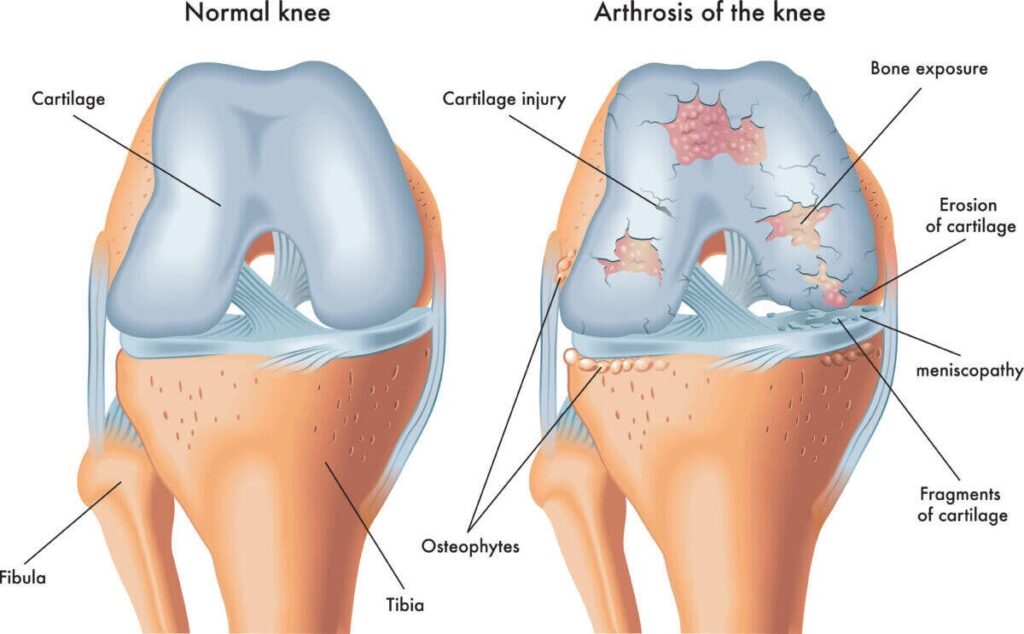
Cartilage protects joints like the knees, elbows, and ankles, allowing bones to move smoothly against one another. It is a specialized type of connective tissue, but it is not as hard as bone. Interestingly, newborns are largely cartilage that turns into bone.

1.The link between cartilage and osteoarthritis In OA, Damage to cartilage is a central, defining feature. OA is a disease of the whole joint, and cartilage deterioration is what sets the process in motion and drives symptoms and later joint changes.

Mechanical stress, aging, genetics, and inflammation disrupt the balance between cartilage building (anabolic) and cartilage breakdown (catabolic). Chondrocytes—the cells that are a key component of cartilage—start producing more degradative enzymes that break down collagen and proteoglycans, which are also key components of cartilage. As a result, the cartilage surface cracks and fissures, thins, and loses its smoothness and shock-absorbing properties.

2.What is cartilage? Cartilage is a strong, flexible, and specialized connective tissue found in many areas of the body, such as joints, the nose, ears, and spine. Almost every bone has some cartilage around it. Cartilage (1) provides structural support, (2) protects joints as a shock absorber, and (3) reduces friction between bones. One specific cartilage is articular cartilage, which is the smooth, cushion-like tissue covering the ends of bones in a joint. 

Cartilage is made up of cells, a gel-like matrix, and fibers. Most of this is gel, made up of proteoglycans. About 80% of the tissue is water, which helps explain why cartilage is a hydrated network, mostly made of collagen and chondrocytes. There are three types of cartilage: (1) hyaline cartilage, the most common, mainly in the joints, the trachea, and the nose; this cartilage is smooth and helps resist compressive forces; (2) elastic cartilage, found in the ear and larynx, which is more flexible and resilient; (3) fibrocartilage, the strongest type, found in areas that must withstand heavy pressure, such as the menisci in the knee and the intervertebral discs in the spine.

Not going into technical detail, the perichondrium is a vascularized connective-tissue sheath that surrounds most cartilage and serves as a source of nutrients and new cells. It also helps with growth and repair of cartilage. Not all cartilage has a perichondrium: articular cartilage (the hyaline cartilage at joint surfaces) and fibrocartilage lack it; this helps explain why repair of the meniscus is difficult.

3.Repair/regeneration of cartilage: is it possible? The short answer is: partly possible. Cartilage has no blood supply, so natural repair is very difficult, but not completely impossible. Chondrocytes have a limited ability to produce new matrix and repair minor damage. Fortunately, this is an area where new techniques and solutions are on the horizon.

4.A torn meniscus and its relationship to cartilage health A torn meniscus is common and closely linked to cartilage health and osteoarthritis (OA). This relationship goes both ways. Tears of the meniscus, even small ones, can accelerate cartilage degeneration and OA progression, while OA-related changes make the meniscus more prone to tearing. A tear can, for example, provoke inflammation in the joint and release damaging enzymes that break down the cartilage matrix. This inflammatory milieu accelerates cartilage damage and can speed OA progression. Another issue is that when the meniscus extrudes (slips out of place), its load-distributing role is further compromised, increasing focal cartilage wear. Tears at the roots or tears that occur in the setting of aging OA are especially associated with rapid OA progression

5.What can you do in 2025 when there is joint damage related to cartilage?

  • Physical therapy and exercise: Tailored exercises can improve muscle strength, flexibility, and joint lubrication while minimizing pain. Brisk walking, cycling, swimming, and some resistance training can help. Consider balance and coordination training like Tai Chi. Proper footwear can alleviate knee OA symptoms and support safe, beneficial exercise.
  • Weight management: Losing weight can significantly reduce stress on the joints, especially in the knees and hips, helping to alleviate pain and slow disease progression.
  • Medications: Over-the-counter and prescription pain relievers can help manage pain and inflammation.
  • Other therapies: Heat or cold therapy and topical pain relievers can provide additional symptom relief.
  • Injections: Some injections can supplement joint lubrication or reduce inflammation to improve function and reduce pain.
  • Procedures that repair or restore cartilage (often for focal defects in younger patients): Osteochondral autograft transplantation (OATS / mosaicplasty) — plug-like grafts taken from your own bone and cartilage and transplanted into the defect.
  • Joint-preserving approaches for larger defects or persistent pain: Debridement, drilling, or fixation strategies to optimize the remaining cartilage.
  • Surgery: In severe cases, surgery such as joint repair or replacement may be recommended. This is a major operation with long-term considerations (implant lifespan, activity limits, potential need for revision later).

6.Over the next five years, several new treatments are on the horizon. Current treatments aim to relieve pain, maintain function, and slow progression; many approaches target the biology of cartilage breakdown or support joint health. Regenerating native cartilage remains challenging. Therefore, a true reversal of osteoarthritis (OA) is not yet here, but several promising approaches could move into commercial use in the next five years.

7.Without going into detail, here are some promising developments:

  • Sprifermin (FGF18) for knee OA: a recombinant fibroblast growth factor intended to stimulate cartilage growth and repair.
  • Allogeneic mesenchymal stem/stromal cell (MSC)–based intra-articular therapies: off-the-shelf cell therapies intended to modulate the joint environment and support repair.
  • Exosome/secretome–based therapies from MSCs: cell-free products using extracellular vesicles (exosomes) derived from MSCs to deliver regenerative signals.
  • Regenerative scaffolds and osteochondral implants for focal defects in OA joints: bioengineered implants or grafts to restore cartilage at focal wear areas, sometimes combined with bone components.

I do not understand all the details, but it is clear that hard work is ongoing to reverse OA by repairing cartilage.

8. My own experience is that I have had cartilage issues in my knee since I was in my forties. It was at times a very annoying and painful experience. Exercises helped, and at times the symptoms returned, but ongoing physiotherapy and aerobic exercise each time helped me overcome the problems.

For the past few years I have been taking the supplement glucosamine-chondroitin MSM+. I wrote about this supplement a few months ago with the following conclusion: “Some supplements, like glucosamine, seem to work well for me, even if they are not fully backed by research, though I would of course prefer stronger evidence.” https://shakethehealthtree.com/index.php/2025/03/04/21-glucosamine-a-supplement-for-your-joints-health-project99/ . Do not believe claims that collagen supplements will go straight to the place where it is needed.

Dear reader, take care of your body, listen to signals and do your best to reverse it when things go south. Not always possible, but often it is!

In Khiva, Uzbekistan, on the Silk Road