4. UNHEALTHY ULTRA-PROCESSED FOOD: BLAME THE FOOD INDUSTRY (health project99+)

Mosque in Cordoba, Spain

Dear reader,

All ultra-processed foods (UPFs) are processed, but not all processed foods are ultra-processed. It is a sliding scale. It ranges from fresh fruit, plain milk, and fresh meat to processed foods that have been altered but still rely largely on real foods (such as cheese and canned beans) to foods that rely on industrial formulations with many additives and little whole-food content.

In other words, ultra-processed foods are a subset of processed foods and, unfortunately, account for about 70–80% of the products sold in regular supermarkets.

Another definition of UPFs: they are industrial formulations made mostly from substances extracted from foods (often with many additives such as flavors, colorings, and emulsifiers). They have little or no intact whole foods left and are designed for convenience, long shelf life, and strong palatability. “Bon appétit,” as they say in France.

What about health?

Not all whole foods are healthy; for example, eating a lot of fat is not a good idea. But basically all ultra-processed foods have potential negative health consequences.

In the last few decades, scientists have linked ultra-processed foods to type 2 diabetes, cognitive decline, and cardiovascular disease, with probably more negative health links to come.

In many areas I do not agree with Health Secretary Robert F. Kennedy Jr., but when it comes to UPFs (he calls them “poison”), he has used a blunt characterization that aligns with my personal concerns about these foods

Addiction

For generations, obesity had been perceived as a problem of willpower. It was thought to be caused by eating too much and exercising too little. This is partially true. However, in the last decade, research on ultra processed foods has challenged that notion. It suggests that these foods may drive us to eat more. Remember the addiction tactics of the cigarette industry? Those of the food industry are not much different.

The good news is that one, with some effort, can eat very well (actually even better)  without ultra processed food. In our house we manage to do this. And so can you.

Background info: Four levels of processed food

The NOVA system was developed by Brazilian nutrition scientists led by Carlos Augusto Monteiro at the University of São Paulo (and colleagues) in the late 2000s and early 2010s. NOVA is not a strict acronym for four words. It’s the name of a classification system used to categorize foods by processing. 

NOVA 1: Unprocessed or minimally processed foods. Examples: fresh fruits and vegetables, legumes, plain milk, fresh meat, grains that are minimally altered.

NOVA 2: Processed foods. Foods altered with additions like salt, sugar, oil, or fermentation to improve shelf life or flavor. Examples: canned vegetables with added salt, simple cheese, roasted nuts with salt, jarred sauces.

NOVA 3: Processed culinary ingredients. Substances extracted from foods used in cooking (not usually eaten alone). Examples: sugar, olive oil, salt, butter.

NOVA 4: Ultra-processed foods (UPFs). Highly engineered formulations with many additives; little or no intact whole foods. Examples: soft drinks, sweetened cereals, packaged snacks with emulsifiers and flavor enhancers, reconstituted meat products, instant noodles, most ready meals.

How to identify UPFs

If you see many additives, synthetic flavors or colors, and texturizers, it’s most likely ultra-processed. Also, if there are ingredients you wouldn’t cook with at home, it’s most likely ultra-processed.

If the ingredient list is short and consists of recognizable whole foods and a few kitchen-friendly additives (salt, oil), it’s likely not ultra-processed. emulsifiers, artificial flavors, colorings, texture modifiers, hydrolyzed proteins, isolated sweeteners).

Look at the nutrition/labeling context, not just “healthier” claims; some UPFs can be fortified or reformulated, but overall diet quality matters more.

A short historic overview

For 1000s of years till the 1800s foods were minimally processed or transformed at home: drying, fermenting and cooking. 

Industrialization of food began in the 19th century, mainly in Europe (France, UK, Germany) with canning and preservation technologies. Canning and pasteurization enable shelf-stable foods that travel farther and last longer. This marks the beginning of large-scale processed foods.

In this period two European brands became household names: Knorr was founded in Germany making packaged seasonings and soups. There were also Maggi products from Switzerland (bouillon cubes and seasonings).

The Americans came in the late 1800s: Coca-Cola, Jell-O, Spam, Oreos and others. Mass production really took off during the WWII, when the soldiers needed to be fed with food that was edible for months. Shelf-stable foods like powdered cheeses, dehydrated potatoes, canned meats and melt-resistant chocolate bars were developed.

Early to mid-20th century: More refined ingredients (sugar, hydrogenated fats), packaged mixes, and convenience items become common. The rise of canned soups, processed cheeses, and similar products expands.

From Asia, (mainly Japan) a new type of UPFs came on the market in 1958, the now ubiquitous instant noodles.

The globalization of food brands continues. Packaged snacks and convenience items are spreading throughout Europe. This spread is aided by growing supermarket chains and easy cross-border trade.

By the 1970s, innovations in fertilizer, pesticide and crop development, along with farm subsidies, led to a glut of grain. Companies turned it into ingredients like high-fructose corn syrup and modified starch to fill sugary cereals, sodas and fast foods.

In the 1980s, investors wanted food manufacturers to show larger profits, so they developed thousands of new drinks and snacks and marketed them aggressively. Wherever you went, you were inundated by UPFs.

In the meantime, obesity tripled in children and doubled in adults between the mid-1970s and the early 2000s, a trend that has not stopped since. In 2020s there are 650 million adults who are obese, with a BMI of more than 30 (info from WHO).

In the 80s food regulations started around additives, safety and labeling. The Nutri-Score (front-of-pack labeling) was developed in France. Nutrition labeling and claims began to become more standardized. The EU played and plays a big role in this field.

We are now at a crossroads with a recognition about the dangers of UPFs and the need the reduce them. One example is the recent European Green Deal and the Farm to Fork Strategy place a stronger emphasis on healthier diets and reducing reliance on highly processed foods.

Are we at a tipping point? Maybe. There are signs that people are eating slightly fewer of these foods. Our reliance on ultra-processed food was “almost a century in the making,” and “could take decades to reverse.”

American case study

Although the trend of UPFs did not start in the USA, this country played a dominant role in the rolling out of UPFs in the whole world. Who has not eaten a big Mac?

In the late 1800s American food companies began making products that were wildly different from anything people could make themselves. Coca-Cola came in 1886, Jell-O in 1897, and Crisco in 1911. Spam, Velveeta, Kraft Mac & Cheese and Oreos arrived in the decades that followed. Foods like these often promised ease and convenience. 

During World War II, companies devised shelf-stable foods for soldiers — powdered cheeses, dehydrated potatoes, canned meats and melt-resistant chocolate bars. They infused new additives like preservatives, flavorings and vitamins. And they packaged the foods in novel ways to withstand wet beach landings and days at the bottom of a rucksack.

After the war, food companies realized that they could adapt this into profitable convenience foods for the masses. Advertisements told homemakers that these products offered superior nutrition and could save them time in the kitchen. Wonder Bread commercials from the 1950s, for instance, claimed its vitamins and minerals would help children “grow bigger and stronger.”  Well, bread that stays soft and fresh for a week can not be healthy imo.

More women found work outside the home, and by the mid-1970s, they spent much less time cooking. But they were still expected to feed their families. Fish sticks, frozen waffles and TV dinners filled modern freezers, and convenience foods became more popular. The concept that packaged goods could replace cooking from scratch became common place.

TV dinners, instant noodles, breakfast cereals, snack foods, and frozen meals became household staples.

The tobacco companies Philip Morris and R.J. Reynolds diversified into the food industry, dominating it through the early 2000s. They applied the same marketing techniques that they crafted to sell cigarettes.

Starting the 21st century, you couldn’t walk through an American school cafeteria, a supermarket or an airport without being inundated by ultraprocessed foods.

Final remarks

It seems that the trend of the ever going up consumption of UPFs has stopped since the 2020s. Whether this consumption will eventually go down remains to be seen. We should not underestimate the lobbying and influencing power of the food industry. 

Let me end with repeating the good news: with some effort, can eat very well (actually even better)  without ultra processed food. In our house we manage to do this. And so can you.

Robert, your health friend

Forgot where, but somewhere in Andalucia, Spain

Annex: A few American landmark UPF products 

  • Campbell’s Condensed Soup (US, 1897): helped popularize shelf-stable, ready-to-use packaged foods.
  • Oreos (US, 1912): iconic packaged cookie, widely recognized as a highly processed snack.
  • Kraft Macaroni & Cheese (US, 1937): classic example of an engineered, convenient household staple.
  • Swanson TV Dinner (US, 1953): emblem of the postwar convenience meal and mass-produced, multi-component frozen dish.
  • Doritos (US, 1964): mass-produced, highly engineered snack food.
  • SpaghettiOs (US, 1965): canned pasta product with standardized ingredients and texture.
  • Big Mac (US, 1968): flagship fast-food item illustrating standardized, processed food at scale.
  • Lunchables (US, 1988): highly packaged, ready-to-assemble meals for kids.

5. POLYOLS REPLACE ADDED SUGARS BUT SHOULD YOU TAKE THEM? (health project99+)

Almagro in Spain

Dear reader,

There are a lot of “polys” around. I already wrote about polyphenols, plant compounds of which there are an estimated 8,000. Some of them are quite exciting! https://shakethehealthtree.com/index.php/2025/12/02/5-polyphenols-8000-interesting-plant-derived-compounds-health-project99/

But this blog is about another poly, the “polyols”. 

Polyols are presented by the food industry as ideal replacements for sugar. They are considered 100% safe. However, I am a bit wary about artificial products, which polyols often are. I am concerned about their long-term impact on our health. Unfortunately, it is increasingly difficult to avoid them.

A typical 100 g serving of plain yogurt already contains about 5 g of natural sugar (lactose), but for most people this is not sweet enough. The industry loves to oblige us and keeps us on a sweet track. When a yogurt is advertised as “no sugar added,” “light,” or “diet,” it often contains added polyols.

What are polyols?

Polyols are sugar alcohols, a type of carbohydrate similar to sugars and to alcohols. It is short for polyhydric alcohol, which is an organic compound containing multiple hydroxyl (-OH) groups. The “ol” in “polyols” signifies that they contain multiple hydroxyl (–OH) groups, a common feature in alcohols.

In less technical words: polyols are low-calorie sweeteners found in more and more food products and labelled “light” or “diet”—or not labelled at all! This fact of the lack of precise labeling is worrisome as one should limit the intake of polyols between 10-15 g daily.

You can safely assume that when the label says “no sugar added,” polyols are being used. Well-known polyols include xylitol, isomalt, erythritol, maltitol, and sorbitol. Some are produced through chemical methods; others are extracted from natural sources.

Sweeteners can be divided into intense and non-intense sweeteners. 

Polyols, in general, fall into the category of non-intense sweeteners. Unlike high-intensity sweeteners (e.g., aspartame, stevia) that are hundreds of times sweeter than sugar, polyols have a sweetness intensity similar to sugar (ranging from about 25% to 100%) and are used in similar volumes to provide bulk and texture in products like sugar-free candy and gum.

Net carbs Not all carbohydrates (as said, polyols are carbohydrates) in our diet have the same effect on our metabolism. Ingredients such as polyols (e.g., glycerin and maltitol) have only a very minor impact on blood sugar levels compared to carbohydrates like sugar and white flour. None of these ingredients noticeably affect your blood sugar. Therefore, you can subtract the amount of polyols from the total carbohydrate content of a product. This is also called net carbs.

What about health? Not eating sugar, and in particular not the harmful calories of added sugar, is a good thing. Whether polyols are the right answer is not certain.

The EU is reconsidering its position on sweeteners and is organizing more research. This is after reports from the WHO that non-sugar sweeteners might pose a (yet unproven) cardiovascular risk. For me, that is enough reason to stay away from polyols, but this is difficult. Polyols are found in candies, chewing gum, baked goods, dairy products, ice cream, salad dressings, pasta sauces, cheeses, crackers, and even in some pharmaceuticals and personal care products. 

As we advance in time, it’s vital to remember that our understanding of food ingredients and their effects is continually evolving. By staying curious, asking questions, and seeking reputable information, we can make informed decisions and adapt. Remember the discussions about aspartame, once considered 100% safe? After some worrying reports and additional studies, aspartame is still labeled safe, but the new research shows that this is not case under all circumstances and not for everyone. A seemingly small change, but an important one!

Added and natural sugars

When it comes to sugar consumption, minimizing intake is preferable. In earlier blog posts, I discussed the dangers of sugar (the devil in disguise). https://shakethehealthtree.com/index.php/2025/04/13/11-sugar-the-devil-in-disguise-part-1-some-basic-concepts/. and https://shakethehealthtree.com/index.php/2025/07/06/11-sugar-the-devil-in-disguise-part-2-easy-to-over-consume-health-project99/

However, the main issue is added sugars, not natural ones. It’s important to remember that, nutritionally, sugar offers little for your health, particularly not added sugars. They contain no nutrients, vitamins, or protein—none of the essentials for optimal body function. On the contrary, the empty calories of added sugars can wreak havoc on your health.

Many fruits are high in natural sugars, which is what makes them taste sweet, as seen in mangoes, bananas, and pineapples. Your body processes natural sugars more slowly than added sugars or artificial sweeteners. Added sugars are quickly digested, leaving you unsatisfied, while natural sugars provide sweetness and fiber, helping you feel full. You can enjoy them without triggering the brain’s centers that lead to cravings for more.

Although added sugars provide easily accessible energy, other energy sources like fats, proteins, and natural sugars (along with complex carbs) are available as well. Use them! Healthwise, they are preferable to added sugars.

Unfortunately, producers seem to believe that consumers prefer the sweetest products possible. Just as it is easy to overconsume sugar, it’s also easy to exceed recommended levels of polyols (10–15 grams daily). I dislike how polyols support the food industry’s efforts to keep us addicted to sweet products. While I can’t prove a deliberate policy behind this, it certainly feels that way.

Why is the EU concerned? Four reasons

In 2024, the EU considered reducing polyols (but no decision has been taken yet) in supplements based on emerging scientific evidence raising safety concerns. Numerous studies have linked Polyol consumption to various health issues a reason for the European Union to reassess the health implications of long-term Polyol usage. This process is ongoing.

1. Polyols have poor absorption rates in the body, leading to digestive issues like abdominal pain, cramping, and diarrhea.

2. Despite having a lower glycemic index than sugar, polyols still impact blood sugar levels, albeit less than regular sugar.

3. Polyols are widely present in many products, increasing the risk of excessive consumption.

4. Limited research exists on the long-term health consequences of polyols, which is concerning.

Alternatives to sweeteners

Good alternatives to sugar and artificial sweeteners include stevia, raw honey, coconut sugar, maple syrup, blackstrap molasses, and monk fruit extract. However, all sweeteners should be consumed in moderation, whether artificial (zero calories) or natural alternatives (calorie-containing).

Be aware of the controversies surrounding aspartame. Nearly 100 global food safety agencies deem aspartame safe. However, the International Agency for Research on Cancer (IARC) classifies aspartame as possibly carcinogenic to humans (Group 2B). This classification contributes to ongoing debate and trust issues among consumers.

What are the benefits of polyols?

Polyols typically have fewer calories than regular sugars; for example, erythritol contains almost zero calories, while maltitol provides about 2–3 calories per gram compared to sugar’s 4 calories.

They generally have a lower glycemic index than sugars, making them appealing for those managing blood sugar levels, such as individuals with diabetes.

Some polyols, like xylitol, can help reduce dental decay and promote oral health.

Drawbacks of polyols (sugar alcohols) include gastrointestinal symptoms such as bloating, gas, and diarrhea, especially when consumed in large amounts. This happens because most polyols are only partially absorbed in the small intestine.

Erythritol is an exception: it is absorbed more completely and is generally better tolerated.

While polyols provide fewer calories than table sugar, they still contribute energy, so they should be counted toward daily intake for those tracking calories.

When in doubt, leave out

My philosophy as a health-conscious layman is simple. Our body is complex and capable of much. This includes defending itself against harmful elements. However, we should avoid substances known to cause harm and disease, such as smoking, drugs, and excessive alcohol consumption (recent insights suggest it’s best to avoid alcohol all together). The sentiment, “If I must live like that, life is not worth living,” is nonsense. One can enjoy a fulfilling life without cigarettes, drugs, and alcohol.

While your body can handle many challenges, it will thank you for taking care of it to prevent certain diseases. For those that do arise (and they will), your body will be better equipped to cope.

Tobacco and similar substances are addictive, and their negative health impacts may not be immediate—sometimes they may never become obvious. After all, every person knows an uncle who smoked two packs a day and lived to be 98.

It reminds me of a hypothetical scenario. Imagine 100 smokers crossing a busy highway blindfolded. Your 98-year-old uncle might be one of the two who make it safely.

There are scientifically proven harmful products. In addition, there are new substances suspected of being harmful. These include Nanoplastics, ultraprocessed foods (UPPF), or polyols. Just as with smoking, it can take decades to conclusively prove whether a substance harms health. 

I prefer not to wait for those results; my philosophy is to avoid such substances. This includes ultra-processed foods (UPPF), which can account for up to 70% of supermarket offerings, sweets with artificial coloring, sodas like Coke (also UPPF), and white bread that remains fluffy for days. While it’s impossible to avoid nanoparticles entirely, allowing tiny plastic particles into your cells seems like a long-term health issue. Moreover, PFAS are increasingly contaminating rainwater, groundwater, oceans, human blood, and vegetation, with no effective remediation. Our health faces numerous (often unseen) threats today. 

I am not sure if polyols have to be added to this list. As said above, I am wary and try to stay away. However, that is difficult.

Ok, this was a long one with as main message: polyols, it is difficult to escape them, it is easy to over consume them + remain wary as the safety claims about polyols are part of new research.

Enjoy life, stay away from added sugars and sweeteners (my motto) and take care,

Robert, your health friend

Cathedral in Toledo, Spain

4. ALCOHOL, TRULY BAD NEWS (health project99+)

Estado de Apure, Venezuela

Dear reader,

All the pleasures are taken away from us these days. I know. The more time I spend reading about health issues, the less I put on our dinner table. A bio-salad, nuts, oats and quinoa—nothing else is left in life. It isn’t that bad of course, but you know what I mean.

The research and writing about alcohol depressed me. I truly had no idea how bad alcohol can be for your health. Yes, we all know that excessive drinking harms the liver. It can lead to loss of control and car accidents. However, I had no idea that drinking alcohol is linked to as many cancer deaths as to liver-disease deaths.

The alcohol industry, like the tobacco industry, is clever and sneaky. It often funds so-called objective studies. These studies conclude that one to two glasses a day are okay. They suggest these drinks might even confer moderate health benefits. The majority of researchers, however, argue that no safe level of alcohol exists. Even one drink increases the risk for certain health outcomes, according to the World Health Organization.

We do many things in life that are not foolproof healthy. I still allow myself the occasional drink (perhaps once per month). However, for years I have stopped the practice of having one or two glasses of red wine a day. I am happy that non-alcoholic beer at least tastes good!

  1. What is positive about alcohol?

The alcohol industry is significant. It employs many people. Also, wine and beer enthusiasts enjoy comparing good varieties. Besides these aspects, there are theoretically three positives.

First, alcohol has a social function because it generally loosens people up and makes them more sociable.

Second, the taste. Except for beer, its taste cannot be copied (so far). Drinking non-alcoholic wine remains unsatisfactory. Creating a good nonalcoholic brandy or whiskey has not been successful yet, on the contrary.

Some studies have suggested that very light drinking could modestly increase HDL (“good”) cholesterol levels. However, these benefits are small and may vary depending on overall diet, lifestyle, and genetics.

2. Alcohol and cancer

The previous paragraph is the only positive part of this blog. For the remainder the text is negative all the way. For example, I did not know that alcohol increases risk for seven types of cancer. By 1988, it was already recognized that alcohol is a carcinogen. It is grouped alongside tobacco, asbestos, radiation, and certain viral infections such as HIV. Come on, in 1988!

UK statistics show that around 4% of all cancer deaths are caused by alcohol. About 4% of liver-related deaths are also attributable to alcohol.

The seven cancers include mouth, oropharynx (middle throat), larynx (voice box), esophagus (food pipe), breast, liver, and bowel (colorectal). There is increasing evidence that it may be linked to pancreatic cancer as well.

3. The technical side

1 No matter what type of alcohol you drink—wine, beer, or liquor—it always contains ethanol. When your body breaks down ethanol, it produces a carcinogen (stg that causes cancer) called acetaldehyde that damages DNA. It not only damages DNA but also impairs the body’s ability to repair it.

2 Alcohol also impacts the body’s oral and gut microbiome. This microbiome is the balance of bacteria, viruses, and fungi that help keep the body healthy. One of the microbiome’s roles is to process alcohol toxins so the body can remove them. The gut microbiome is a critical link between the digestive system, the liver, and the immune system. It plays a significant role in how our body metabolizes alcohol. It also manages the ethanol and toxins that come from it.

Your body is capable of a lot. An occasional disruption to your gut microbiome probably leads to nothing more than a sick feeling. However, if you do this regularly, your gut microbiome can be structurally impacted, including wear on the gut’s protective lining. This is very serious. With the gut lining damaged, toxins can move into the bloodstream and on to the organs. This can increase the risk of cancers both within the gastrointestinal tract and beyond.

3 More negatives? Yes. Alcohol can change hormone levels in the body. This can lead to faster cell replication. It also increases the chance of mutations—and thus cancer.

4 Alcohol can cause brain atrophy by speeding up the death of neurons in the brain.

5 When you drink alcohol, your body absorbs fewer nutrients. These nutrients can protect it from cancer. They help keep the body healthy and protect cells. Furthermore nutrients support DNA creation and repair. They also reduce inflammation—including vitamins A, B1, B6, C, D, E, and K; folate; iron; and selenium.

6 Cells in your mouth and throat are particularly vulnerable to both smoking and drinking. Combining these behaviors multiplies the negative effects. Some sources suggest that smoking and drinking together increase cancer risk more than either behavior alone.

4. Different health issues caused by drinking alcohol 

Addiction Because alcohol consumption is socially accepted, the boundary between problem drinking and addiction is difficult to interpret. The risk of addiction is often underestimated. That is why alcohol is called a silent killer.

Alcohol affects sleep significantly. You may feel ready for bed after a drink or two. However, you might be surprised to learn that drinking alcohol is linked to insomnia. It causes trouble falling — and staying — asleep. Although alcohol may initially sedate, it disrupts REM sleep. It later affects your sleep architecture. The interesting thing about alcohol is that it’s sort of deceiving. When people drink, they feel sleepy or tired. They go to sleep. Then, they experience rebound insomnia. In the second part of the night, they wake up, and they cannot fall back asleep. Alcohol-related sleep issues can affect day-to-day functioning as well.

Alcohol can have negative effects on fertility and pregnancy Drinking alcohol can impact many stages of the journey to parenthood. There is the risk of infertility for both men and women. For women who get pregnant, a major problem is fetal alcohol syndrome. It may result in “lifelong physical, behavioral and intellectual disabilities for the newborn.” These issues can occur when a fetus is exposed to the alcohol in a mother’s blood. It is not about heavy drinking. Any amount of alcohol while pregnant can increase the risk of fetal alcohol syndrome disorders. Drinking alcohol while pregnant is a truly bad idea as it can lead to miscarriage or stillbirth.

Alcohol impacts mental health and brain function Long-term heavy use can lead to neuronal shrinkage. It can cause disrupted neurotransmission and cognitive decline. Memory impairment, Wernicke–Korsakoff syndrome, and a higher risk of dementia are also possible consequences. The resulting damage to brain cells and cell death can reduce cognitive function. It can also cause problems with memory, concentration, and executive functioning.

Studies have linked heavy drinking to increased dementia risk. More research is needed to determine how light alcohol use might impact the brain..

Immune suppression and infection susceptibility Heavy use impairs immune function. It makes people more vulnerable to infections such as pneumonia and tuberculosis. They are also at risk of sepsis and poor wound healing.

Cardiovascular disease Heavy drinking is linked to hypertension, cardiomyopathy, arrhythmia’s (atrial fibrillation), stroke, and heart failure. Moderate drinking has similar effects but typically for shorter durations. Even moderate drinking can acutely increase the risk of cardiovascular events in the hours after drinking, as shown in research.

Digestive and gut health Earlier, in the paragraph on “the technical side”, I already mentioned the devastating effect of too much alcohol. It can harm your gut microbiome. Just to repeat: alcohol disrupts digestive enzyme function and alters gut bacteria, which can affect nutrient absorption and immunity. Alcohol irritates the pancreas, increasing the risk of acute and chronic pancreatitis. It also damages the lining of the stomach, esophagus, and intestines. Alcohol can irritate and inflame the esophagus, stomach lining, and intestines. Heavy drinkers often have poor diets, malabsorption issues, and vitamin deficiencies.

And more bad news. • Dehydration and electrolyte imbalance (because alcohol suppresses vasopressin). • Gastric acidity, especially in heavy drinkers who are dehydrated or fasting. • Bone loss and risk of osteoporosis, especially in women. • Dental problems, oral health decline, and risk of periodontal disease. • Social harms, such as accidents, violence, impaired judgment, and economic or legal consequences.

5. But, Robert, I only drink a little.

Drinking a little or moderately is better than heavy drinking of course, but still you can encounter the following issues.

Cardiovascular stress: A study published in the American Heart Association’s journal found that the risk doubled in the hour after a single moderate drink. During this period, the risk increased for heart attacks or strokes. This is likely due to acute rises in heart rate, blood pressure, and platelet stickiness. Over 24 hours, only heavy drinking maintained elevated risk. 

Cancer risk: Alcohol metabolites damage DNA and increase risk for multiple cancers. Even modest intake increases risk for breast cancer, colon cancer, esophageal cancer, liver cancer, and more, according to research. 

Medication interactions: Even light to moderate alcohol can interact adversely with many prescriptions (sedatives, antidepressants, blood thinners) or over-the-counter drugs. 

Injury and accidents: Any alcohol impairs judgment, reaction time, and balance, increasing the risk of falls, accidents, and injuries. 

Sleep disruption: Alcohol fragments sleep cycles, especially in the second half of the night. 

Blood pressure and stroke risk: Even moderate amounts may raise blood pressure over time, especially in sensitive individuals.

6. Definitions of types of drinking

Moderate drinking: For women, up to one standard drink per day; for men, up to two standard drinks per day.

Heavy drinking and binge drinking: Women—four or more drinks in about two hours or more than eight drinks per week. Men—five or more drinks in roughly two hours or more than 15 drinks per week.

By these standards, many people I know would qualify as heavy drinkers (myself included in the past), when you look at the week intake.

High-intensity/binge drinking is defined in research as two times or more the binge threshold. This equates to roughly eight-plus drinks in one occasion for women. For men, it is 10-plus drinks.

7. Repair 

Fortunately, your body can often repair itself, at least partially. The liver is a good example; it has remarkable regenerative capacity. If damage is not advanced (e.g., early to moderate fibrosis, not full cirrhosis), abstinence or reduced drinking can help repair, lower enzyme markers, and improve liver function over months to years. 

There are many effects when you stop drinking; some are very visible (e.g., improved skin) or noticeable to yourself and others (reduced brain fog). I notice the difference between the years I drank one or two glasses a day. Now, I am basically not drinking at all.

8. Stopping has many benefits

  • When you stop your alcohol intake, you avoid many health problems.
  • You save money.
  • You will feel much better overall, including better sleep quality (less snoring for example) and digestion.
  • Not drinking is great for the skin. My dermatologist can often tell from the skin whether someone drinks or smokes. Drinking dehydrates the body and skin. No more puffy faces!

No more red wine. Still, enjoy life, take care and thanks for reading this blog,

Robert, your health friend

The rare sweet water dolphin in the Apure river, Venezuela

3A. DARK CHOCOLATE, ANOTHER MYTH (PARTLY) SCATTERED (health project99+)

Elephants in the Okavango delta

Dear reader, 

Do you sometimes have that feeling that “they” are taking away everything from you? Especially the things you like so much suddenly seem to be bad for your health. In short, are they robbing you of your last pleasures? I am sure you recognize this sentiment. 

At the moment, I feel a bit down as well. After years of diligently eating dark chocolate because it was supposedly so beneficial (and delicious), I have come to the conclusion that I should stop. Dark chocolate: farewell. Your health benefits are limited, and your negative impact on my health can be substantial. 

1.Red wine revisited 

Do you remember those discussions about red wine? One or two glasses a day were said to be good for your health because red wine contains resveratrol. Yet after years of serious drinking, many people learned that you would need around 100 glasses of red wine daily for resveratrol to have a meaningful impact. And later, while studying resveratrol, I learned that resveratrol has a short half-life and that pterostilbene may be a better option https://shakethehealthtree.com/index.php/2025/05/16/21-stay-healthy-100-glasses-of-red-wine-daily-or-resveratrol-pterostilbenehealth-project99/. I wrote a blog about this.

2.Okay, back to dark chocolate. Its main claim to health fame is that it is one of the few foods rich in flavanols. The other two are green tea and cocoa powder. Fewer flavanols are found in hazelnuts and red wine. Others that are often mentioned but contain very little flavanols are grapes, apples, blueberries, strawberries, and pears.

One oz (28 grams) of dark chocolate (70% cacao) provides 150–400 mg of total flavanols, a quantity that according to some could be enough. There are however two problems with dark chocolate: its saturated fat content and the way it is processed. If it is processed using the “Dutch process”, it can lose up to 90% of its flavanol content.

3.Summary 

Many of these beneficial flavanols are removed during the majority of manufacturing of dark chocolate. This means that dark chocolate processed in that way does not contain enough of these plant chemicals to be considered a health food. Chocolate also contains a lot of saturated fat and sugar. If you want your flavanols, go for green tea.

4. First, what are flavanols?

Flavanols are a subclass of flavonoids, a large family of plant compounds with antioxidant activity. They include flavan-3-ols (such as catechin and epicatechin) and their polymeric derivatives known as proanthocyanidins; some sources also mention related forms such as flavan-4-ols, isoflavan-4-ols, and flavan-3,4-ols. In total, many flavanol derivatives have been identified.

Flavanols are associated with health benefits in many studies.

You will often read the term monomeric flavanols. These are single-unit plant compounds and are the basic building blocks for larger, linked molecules called oligomeric flavanols. Some well-known monomeric flavanols are epicatechin, catechin, and EGCG (epigallocatechin gallate). These are among the flavanols most studied.

5.What are the reputed benefits of flavanols?

They act as antioxidants and may support cardiovascular health, reduce inflammation, and confer other health benefits in some studies. However, results in humans are mixed and often depend on dose, the specific flavanol form, bioavailability, and overall diet. My conclusion: worth the try.

Antioxidants protect cells from damage caused by free radicals—unstable molecules produced during normal metabolism.

6.Daily Recommended Quantity

There are no scientifically determined daily quantities. In general, the often-mentioned aim is 200–500 mg/day of total flavanols, but see caveats below.

One ounce (28 grams) of dark chocolate (70% cacao) provides 150–400 mg of total flavanols. Most people—myself included—do not stop at just 28 grams, but eat half or a whole bar. One cup of green tea contains about 150–300 mg of total flavanols (EGCG ~80–150 mg). Unsweetened cocoa powder (5 g) provides about 30–70 mg of total flavanols.

7.The main problem with dark chocolate is saturated fat.

Only those with a lot of discipline limit themselves to just one or two pieces. One or two pieces already account for about a quarter to one third of the daily recommended amount of saturated fat. Imagine what happens if you eat a 100 g bar of dark chocolate with about 80% cacao. Such a bar contains 35–45 g of total fat, of which saturated fat is 20–25 g, roughly the maximum recommended for women (20 g) and men (30 g) per day.

Assuming that saturated fat is not good for you (which I do), then having dark chocolate for its flavanol health component may not be worth it, in spite of all the claims by chocolate producers. This is especially true because many dark chocolate bars are processed in ways that cause most of the potential beneficial flavanols to disappear.

8.Two ways to process dark chocolate: the Dutch method (“Dutching”) and the other (much better), non-alkalized approach

In most dark chocolate bars, Dutch processing is applied, especially in cheaper ones. This is also called alkalization, which reduces the acidity of dark chocolate. Producers like it because it mellow‘s the acidity and deepens the brown color. Generally, more expensive brands use non-alkalized (natural) cocoa to preserve natural acidity and more complex flavors. The main downside of the Dutch process is the reduction of polyphenols and antioxidants, such as flavanols, which can be reduced by up to 90%. 

A challenge is that Dutch-processed cocoa, alkalized cocoa, or Dutched cocoa is often not clearly labeled. You may also see terms such as “Dutch-processed cocoa,” “alkalized cocoa,” or “Dutched cocoa,” or labels like “cocoa processed without alkali” or “natural cocoa.”  

On a different note, I wonder why the English language has so many negative expressions with the word Dutch included (perhaps because we destroyed their fleet in London in the 17e century).

9.Bioavailability 

Looking at the required dose is one thing, but bioavailability is what matters for each supplement. What is its half-life? How much of the flavanol intake actually reaches the bloodstream and is available to exert effects?

For flavanols, the issue of bioavailability is complex and highly variable, and therefore difficult to generalize, but for practical purposes, flavanol bioavailability is low, often only a few percent. For example, the well-known monomeric flavanols catechin and epicatechin show peak plasma levels within 1–3 hours after ingestion and are eliminated within a few hours.

Larger flavanols, such as proanthocyanidins (condensed tannins; polymers), are poorly absorbed in the small intestine. They are largely broken down by gut microbes in the colon into smaller metabolites that can be absorbed.

10.Can you take flavanols as supplements?

Yes. Flavanols can be taken as pills or supplements. The three most well-known types are: 1) Green tea extract or EGCG-heavy supplements (rich in monomeric flavanols such as catechin and epicatechin, and EGCG); 2) Cocoa flavanol extracts (rich in total cocoa flavanols); 3) Grape seed and pomegranate extracts (rich in proanthocyanidins and related metabolites). 

11.However, there are some important caveats. 

When you take a supplement always!! be aware of the general issue of quality. Only buy from reputable brands and always look for Good Manufacturing Practice (GMP) certification. 

And realize that these beneficial flavanols can also have some drawbacks, especially if you take too much. Safety-wise four points stand out.

A.Liver safety: high-dose green tea extract has been linked to rare cases of liver injury. If you have liver disease, start low and consult with a clinician. 

B.Caffeine content: many green tea extracts contain caffeine or related stimulants; this can affect sleep, anxiety, and heart rate in sensitive individuals. 

C.Drug interactions: they may interact with anticoagulants/antiplatelets and other medications; discuss with your doctor if you’re on prescription meds. 

D.Iron absorption: tannins can modestly reduce non-heme iron absorption; if you’re iron-deficient, consider taking flavanol supplements away from iron-rich meals. I wrote a blog about the importance of iron. https://shakethehealthtree.com/index.php/2025/08/14/21-to-iron-or-not-healthproject99/

Thank you for reading and my apologies for my negative conclusions about dark chocolate.

Take care and live a happy and healthy life,

Robert, your health friend

In the desert of Namibia

3. COFFEE: A FEW CUPS A DAY ONLY (health project99+)/UPDATE

Kinetic art in Venezuela, with Dutch elements

Dear reader,

Coffee might be a “superfood”, but only when consumed in moderation and if you do not have a heart condition.

Coffee is one of the most studied and tested food products. For coffee it is not difficult to find volunteers. The general conclusion of all studies, without doubt, is that up to three cups a day will have positive health benefits for most people.

Moderate coffee consumption could lead to lower risks of death from all causes and better health outcomes in later years. Other studies suggest that moderate coffee consumption can lead to a longer lifespan, up to five years (see below).

Overall, the best coffee for health is one that is brewed fresh, minimally processed, and consumed without excessive additives. Filtered coffee is often mentioned as No. 1 and espresso as No. 2. When it is organic and single-origin, it is even better.

What important compounds are in coffee?

Coffee contains both caffeine and over 100 polyphenols like chlorogenic acids, but they belong to different chemical classes with distinct structures and biological effects. The exact count of polyphenols depends on bean origin, processing, roast level, and the analytical method used.

Around 8000 polyphenols (plant-derived compounds) are identified, and coffee contains over 1%. Not bad. For more info on the important topic of polyphenols read this blog https://shakethehealthtree.com/index.php/2025/12/02/5-polyphenols-8000-interesting-plant-derived-compounds-health-project99/

Health benefits

  • Coffee is one of the richest sources of antioxidants in the Western diet. Antioxidants help combat oxidative stress and may reduce the risk of chronic diseases. Particularly the polyphenols chlorogenic acids and trigonelline act as antioxidants, neutralizing free radicals and activating cellular defense pathways to protect DNA from oxidative damage.
  • I hope to write a future post about antioxidants, as their role in health isn’t yet fully understood.
  • Moderate coffee consumption has been linked to a lower risk of heart disease and stroke.
  • Caffeine can improve alertness and concentration, and may reduce the risk of neurodegenerative diseases such as Alzheimer’s and Parkinson’s.
  • Caffeine can boost metabolic rate and assist in fat burning, making it a common ingredient in weight-loss supplements.
  • Some studies suggest that coffee drinkers have a lower risk of developing type 2 diabetes.
  • Coffee consumption has been associated with a reduced risk of depression and an overall improved mood due to caffeine’s effects on neurotransmitters.
  • Regular coffee consumption has been shown to potentially protect against liver diseases, including fatty liver disease and cirrhosis.
  • Caffeine is known to enhance physical performance by increasing adrenaline levels, making it a popular pre-workout beverage.

Live five years longer?

In Medical News Today I read about an interesting, 10 years long study in Norway.

People with major psychiatric disorders generally have shorter telomeres than the average person, and their life span is typically 15 years shorter! People with these disorders who drank 3–5 daily cups of coffee had telomere lengths equivalent to people 5 years younger in biological age. More than 5 cups had no result.

These early deaths are often from cardiovascular disease and cancers that are common in people of more advanced age. This has led researchers toward an investigation of the shortened telomeres that people with psychiatric disorders tend to have.

The authors of the study found that 3–5 cups of coffee have a beneficial effect on telomere length. That does not mean that the more coffee one drinks, the better

Health risks

For individuals with certain heart conditions, particularly arrhythmias or hypertension, high caffeine intake may trigger symptoms or worsen the condition. For this reason, I stopped cold turkey when I had serious arrhythmias about five years ago. That was a good decision, because on several occasions when I started drinking coffee again, my arrhythmias returned. However, since the summer of 2025 all seems to be fine, and I am enjoying my daily espresso very much. I’m glad about it, because I love the coffee ritual and do not want to miss out on its tasty part.

Drinking large amounts of coffee (more than 4–5 cups per day) can lead to negative effects like insomnia, jitteriness, increased heart rate, and digestive issues. High caffeine intake is also linked to anxiety and can exacerbate anxiety disorders.

While caffeine can provide relief for some types of headaches, it can also trigger migraines. Additionally, regular coffee drinkers might experience withdrawal headaches if they suddenly stop.

Some studies suggest that very high caffeine intake may interfere with calcium absorption, potentially leading to decreased bone density over time. Regular consumption can lead to caffeine dependence, with withdrawal symptoms such as headaches, fatigue, irritability, and difficulty concentrating if coffee consumption is abruptly reduced.

Caffeine can interact with certain medications, enhancing their effects or leading to increased side effects. It’s important for individuals on medications to consult with their healthcare provider regarding coffee consumption.

Coffee is acidic and can irritate the stomach lining, leading to digestive problems in some individuals, particularly those with acid reflux or gastric ulcers. For people with SIBO, coffee is a no-go.

Superfood?

Given the many polyphenols and therefor its rich antioxidant profile and multiple potential health benefits, many health experts and enthusiasts refer to coffee as a “superfood.” However, it’s essential to approach this classification with a holistic view of one’s diet and lifestyle, as no single food can provide all the necessary nutrients for health.

For me, a superfood is simply food with a high concentration of beneficial ingredients per gram, compared to most processed foods you find in the supermarket. Avocado and broccoli are generally recognized as superfoods, and I am not sure if coffee falls in the same category. This is my intuitive conclusion, not scientifically proven.

Top consumers

The top 10 coffee consumers by per-capita consumption are mainly found in cold and dark countries like Finland, Norway, Iceland, Denmark, the Netherlands, Sweden, Switzerland, Belgium, Canada, and Austria. Fun fact: when I ask my friend ChatGPT the same question, it lists the Central African Republic as No. 1 (52.1 kg per capita) and Belize as No. 2 (25.5 kg per capita). And, strangely enough, when I confront it with other statistics I usually receive apologies, but the Central African Republic remains No. 1. Lesson: ChatGPT is great, but not always.

Dear reader, it is evening so too late for coffee, but I am already looking forward to my espresso tomorrow morning!

Take care and live a happy and coffee rich life.

Robert, your health friend,

Finishing 10 K in Caracas in not my best time 🙂

5. MORE SUGAR ISSUES. SHOULD WE AVOID POLYOLS? (health project99+)

New York, New York

Dear reader,

Polyols are commonly used as low-calorie sweeteners to replace added sugars. They are integrated in various food products. This is especially true for sugar-free and low-calorie options (“light” or “diet”). They are a type of carbohydrate, like sugars and alcohols. They can be produced chemically or derived from natural sources.

They include names like sorbitol, mannitol, xylitol, erythritol, and maltitol. The “ol” in “polyols” signifies that they contain multiple hydroxyl (–OH) groups, a common feature in alcohols.

In this blog, I will explore polyols further. I personally prefer to avoid them. This is due to their potential negative health impacts. Phrases like “studies are ongoing” or “more studies are needed” often make me question the necessity. Why take the health risk if it is unnecessary? Last year, the European Union became concerned. They decided to reassess the health implications of long-term polyol usage. You can see more about this later in this blog.

You will find polyols in candies, chewing gum, baked goods, and dairy products. They are also in ice cream, salad dressings, pasta sauces, cheeses, and crackers. Polyols are even found in some pharmaceuticals and personal care products.

For instance, when a yogurt is advertised as “no sugar added,” “light,” or “diet,” it often contains added polyols. A typical 100 grams of plain yogurt already has about 5 grams of natural sugar (lactose). However, many producers add sugar or polyols. It is a personal decision of, but in my opinion, try to eat food according to its original taste.

Experts recommend a maximum daily intake of 10-15 grams of polyols, but quantitative information is often unclear on product labels. It is therefor easy to over consume.

Unfortunately, producers seem to believe that consumers prefer the sweetest products possible. Just as it is easy to over eat sugar, it’s also easy to exceed recommended levels of polyols. I dislike how polyols support the food industry’s efforts to keep us addicted to sweet products. While I can’t prove a deliberate policy behind this, it certainly feels that way.

Manufacturers favor polyols because the FDA does not classify them as sugars. Thus, products sweetened with polyols are not counted as “added sugars.” Many consumers recognize the negative connotation of “added sugars.” This distinction is enticing enough to encourage them to consume polyol-sweetened products.

1. What are the benefits of polyols?

Polyols typically have fewer calories than regular sugars. For example, erythritol contains almost zero calories. Maltitol, on the other hand, provides about 2-3 calories per gram compared to sugar’s 4 calories.

They generally have a lower glycemic index than sugars. This feature makes them appealing for those managing blood sugar levels, such as individuals with diabetes.

Some polyols, like xylitol, can help reduce dental decay and promote oral health. 

2. What are the drawbacks?

Polyols can cause gastrointestinal discomfort, like bloating and diarrhea. This is especially true when consumed in large quantities. They are only partially absorbed in the gastrointestinal tract. This does not apply to erythritol, which is well absorbed.

While polyols have fewer calories than sugar, they still contribute some calories, so those counting their intake should consider them. There are indications they may be linked to various health issues. These include cardiovascular concerns (discussed in the section on the EU below).

Their contribution to our addiction to sugar.

3. How are they produced?

Some polyols can be produced through various chemical synthesis methods, though hydrogenation or fermentation is more common. Specific strains of yeast or bacteria can convert sugars into sugar alcohols. They do this via microbial fermentation. This process reduces sugars (like glucose or fructose) into their corresponding sugar alcohols.

In some cases, polyols can be extracted from natural sources. Certain fruits contain naturally occurring polyols that can be isolated for use. Research connects artificial sweeteners to a range of health conditions.

4. Roller coaster: the difference between added and natural sugars

It’s important to remember that, nutritionally, sugar offers little for your health. It contains no nutrients, vitamins, or protein—none of the essentials for optimal body operation. The same applies to sweeteners. Sugars give easily accessible energy. Yet, other energy sources like fats, proteins, and natural sugars are available. Complex carbs are another choice.

When it comes to sugar consumption, minimizing intake is preferable. Yet, the main issue is added sugars, not natural ones. Many fruits are high in natural sugars. This is what makes them taste sweet. Examples include mangoes, bananas, and pineapples.

Your body processes natural sugars more slowly than added sugars or artificial sweeteners. Added sugars are quickly digested, leaving you unsatisfied, while natural sugars provide sweetness and fiber, helping you feel full. You can enjoy them without triggering the brain’s centers that lead to cravings for more.

5. When in doubt, leave out

My philosophy as a health-conscious layman is simple. Our body is complex and capable of much. It can defend itself against harmful elements. However, we should avoid substances known to cause harm and disease as in the long run they will catch up on you. These substances include smoking, drugs, and excessive alcohol consumption. Recent insights suggest it’s best to avoid alcohol altogether.

The sentiment, “If I must live like that, life is not worth living,” is nonsense. One can enjoy a fulfilling life without cigarettes, drugs, and alcohol.

While your body can handle many challenges, it will thank you for taking care of it to prevent certain diseases. For those that do arise (and they will), your body will be better equipped to cope.

Tobacco and similar substances are addictive, and their negative health impacts may not be immediate—sometimes they may never become apparent. After all, every person knows an uncle who smoked two packs a day and lived to be 97. It reminds me of what a doctor once told me. Let 100 smokers cross a busy highway blindfolded. Your 98-year-old uncle might be one of the two who make it safely.

In addition to scientifically proven harmful products, there are substances suspected of being harmful. Just as with smoking, it can take decades to conclusively prove whether a substance harms health. I prefer not to wait for those results; my philosophy is to avoid such substances. This includes ultra-processed foods (UPF), which can account for up to 70% of supermarket offerings. It also includes sweets with artificial coloring.

Sodas like Coke are included as well, which are also UPF. Lastly, there’s white bread that remains fluffy for days. While it’s impossible to avoid nanoparticles entirely, allowing tiny plastic particles into your cells seems like a long-term health issue. Moreover, PFAS are increasingly contaminating rainwater, groundwater, oceans, human blood, and vegetation, with no effective remediation. Our health faces many (often unseen) threats today.

As we advance in time, it’s vital to remember that our understanding of food ingredients and their effects is continually evolving. We can make informed decisions about the supplements we choose by staying curious. We should ask questions and seek reputable information. This helps us focus on our long-term health.

6. The EU is on to something

According to Safe Food Advocacy Europe, the World Health Organization reported that non-sugar sweeteners might pose a potential cardiovascular risk. New research was published in “Circulation: Arrhythmia and Electrophysiology“. It found a link between artificially sweetened drinks and atrial fibrillation (irregular heart rhythm). 

However, the International Sweeteners Association cautioned that this research is observational and cannot definitively establish cause-and-effect, potentially misleading consumers. There were also controversies last year surrounding the sweetener aspartame. Ninety global food safety agencies deem aspartame safe. In contrast, the International Agency for Research on Cancer classified it as “possibly carcinogenic.” This has led to a lack of universal understanding and trust in sweeteners

In 2024, the EU considered reducing polyols in supplements based on emerging scientific evidence raising safety concerns. Many studies have linked polyol consumption to various health issues. Four reasons why.

1. Polyols have poor absorption rates in the body, leading to digestive issues like abdominal pain, cramping, and diarrhea.

2. Despite having a lower glycemic index than sugar, polyols still impact blood sugar levels, albeit less than regular sugar.

3. Polyols are widely present in many products, increasing the risk of excessive consumption.

4. Limited research exists on the long-term health consequences of polyols, which in itself is concerning.

7. Alternatives to sweeteners

Natural sugars are a good choice for occasions when you need something sweet. Better alternatives to sugar and artificial sweeteners exist. These include stevia, raw honey, coconut sugar, maple syrup, blackstrap molasses, and monk fruit extract.

A croc in Botswana

3. (DIET) SODAS: STAY AWAY FROM LIQUID POISON (health project99+)

Do not remember if these Congolese drinks were healthy 🙂

Dear reader,

When preparing this blog, I wonder why I ever drank Coke daily. I mean, a drink that can derust iron cannot be good for your stomach, can it? Just to name one reason not to drink these types of sodas. 

I used to love drinking both Coke and later Diet Coke—for decades. Let’s be honest: a cold Coke tastes great. The fizz and the bubbles are refreshing. The taste and ice cubes add to the experience. All of this is accompanied by appealing advertisements. Sweet memories! Still, avoid (Diet) Coke, 7-Up, Fanta, Red Bull, and any other soda. You should stay away from them as far as possible.

The original, non-diet versions contain a lot of sugar, up to 40 grams per regular can. These soda calories are empty calories, not accompanied by fiber or other beneficial nutrients. Recent studies indicate that over consumption of empty calories is almost unavoidable with all its potential health problems. The sudden glucose spike is a problem in itself. Your body’s health systems can become overwhelmed by the rapid influx of glucose.

The diet versions of sodas do not have calories. However, studies indicate that many sweeteners affect your metabolism similarly to sugar. They can influence dopamine levels. 

Both diet and non-diet sodas are considered UPF (Ultra-Processed Foods). The long-term impact of UPF on your body over decades seems to be negative. An increasing number of studies attribute a lowered biological age to UPF consumption. They also identify a contribution to over 30 serious diseases.

There is no scientific proof that sweeteners cause cancer, but neither can the possibility be excluded. For me, it’s a bit like the issue with Nanoplastics entering our cells. There’s no scientific proof of their potential health damage yet, but it doesn’t seem acceptable to me. I have similar concerns about the long-term effects of all these artificial sweeteners.

While (Diet) Coke addiction is not scientifically proven, there are strong indications that it is at least partly addictive. On the internet (admittedly not always the best source), I have read horrific stories. People try to rid themselves of their Coke addiction. However, they often fail. My impression is that Diet Coke seems to pose more addiction problems than regular Coke. Science does not back this conclusion—it’s just my impression.

Are there alternatives to Cola and other sodas? Of course, and some of those other drinks are quite exciting!

1.What are sodas like Coke doing to your body?

Your body needs energy (in the form of glucose/ATP). The source of this energy is crucial because you need meaningful calories, not empty calories from sodas. Technically/organically, added sugar is not different from naturally occurring sugars. In other words, sugar in fruit is not healthier than sugar in other products. Your body does not distinguish between naturally occurring sugars and added sugars. Two lumps of sugar give you the same amount of sugar as one banana. 

However, there is a world of difference between a lump of sugar and a banana. The lump of sugar gives you a fast but short spike in your energy level. In contrast, the sugar in the banana comes with vitamins, minerals, and other important compounds. Not to forget the starch, which can be up to 80% of the weight of unripe bananas. This starch is primarily resistant starch. It improves gut health by acting as a prebiotic. It also helps with blood sugar management. Furthermore, it increases satiety.

These empty soda calories increase the likelihood of several diseases, including Alzheimer’s and cancer. A lot of research is ongoing; not all is proven, but there is also a correlation between too much sugar (i.e., easy carbs) and refined starch with certain types of cancer.

Rapid glucose delivery was for a long time an unknown problem. When sugar is dissolved in liquid, it floods the system quickly. According to the latest science, this rapid delivery overwhelms the body’s ability to process it in a healthy way. When the liver is hit with a sudden, high dose of fructose, it can’t keep up. When this happens, it diverts more of the excess fructose into fat production. This buildup of fat in the liver can interfere with insulin signaling. It can also contribute to metabolic dysfunction. These issues lead to an increased risk of type 2 diabetes.

There are no universally fixed daily recommended quantities for sugar intake, but there are various dietary guidelines regarding sugar intake. Many recommend limiting added sugars to around 10% of total daily calories. This translates roughly to 50-60 grams for women. The amount is slightly higher for men for added sugars. There are an additional 30 grams for natural sugars. 

As mentioned, it is essential to differentiate between added sugars and natural sugars found in whole foods. Added sugars are typically of much greater concern for health. A person might not realize this fact. A single sugary drink from a can will contribute up to 40 grams of sugar or more. You quickly exceeds any daily limit, just by drinking a few cans of a regular, non-diet soda.

2.Many switch to Diet versions.

Studies are ongoing comparing types of artificial sweeteners vs sugar. Diet sodas do not contain calories. However, some recent studies have indicated that certain artificial sweeteners might elicit metabolic responses similar to those of sugar. This raises questions about their long-term health impacts.

It might also explain the addictive nature not only of regular sodas, but also of the diet sodas.

It’s worth noting that not all studies agree on the effects of artificial sweeteners. The effects can vary widely depending on the type of sweetener, the individual’s metabolism, and overall dietary context. Thus, while some research suggests potential metabolic similarities between sugar and certain sweeteners, the topic is still nuanced and requires careful interpretation and, as always, further study.

3.Sodas are ultra-processed food (UPF)

Dear reader, just to remind you that in general, ultra-processed foods lead to an acceleration in biological age. This means that your body ages quicker than your nominal years. It also results in a 10% increase in mortality risk. An important study in February 2024 reported a link between ultra-processed food consumption and 32 negative health issues. These issues include colorectal and pancreatic cancer. Additionally, they include sleeping issues, high blood pressure, and Crohn’s disease. 

The composition of regular coke includes high fructose corn syrup or sucrose (sugar). It also contains carbonated water, caramel color, phosphoric acid, natural flavors, and caffeine. In contrast, diet coke consists of carbonated water and artificial sweeteners (like aspartame or acesulfame potassium). It has caramel color, phosphoric acid, natural flavors, and caffeine.

Both regular and diet sodas are UPF with all its already known and still unknown negative health consequences.

4.Drinking Coke or other caffeinated sodas seems like an addiction for many people. 

Sugar is potentially addictive. Some studies suggest that sugar can trigger the release of feel-good chemicals like dopamine in the brain. This is akin to the effects observed with various addictive substances. This can lead to cravings and an increased wish for sugary foods. This creates a cycle that mirrors the behaviors linked to substance addiction. While not everyone experiences this phenomenon, evidence suggests that sugar can strongly influence our eating habits. 

Addiction or not, when someone (and there are many) drinks 1.5 liters of 7Up or six cans of Diet Coke daily, it certainly resembles addiction. They find it very difficult to stop. The discussions in Coke self-help groups closely resemble those among people struggling with addiction.

Studies have not conclusively determined that Diet Coke or soda is more addictive than regular soda. It often depends on personal factors. These factors include an individual’s body response to caffeine, preferences for sugar versus artificial sweeteners, and habits.

5.Tasty and Healthy Alternatives to Sodas

Many people enjoy the bubbles in carbonated drinks. Fortunately, there are numerous products on the market that can make your regular water as fizzy as a Coke. It may sound silly, but it works!

You can also make water tasty by flavoring it with fruit or herbs. Always keep a stainless steel (no plastic!) water bottle filled and ready to go. Take them with you when you’re out on a trip.

Use your imagination to create exciting drinks yourself. Every morning, we make two liters of lemon juice. We add ginger and a bit of cayenne pepper. You can make this with carbonation, of course. https://shakethehealthtree.com/index.php/2025/02/25/5-lemons-and-limes-health-project-99/

We also have a liter of delicious smoothie ready to go. Additionally, there are great teas and the occasional coffee to enjoy. https://shakethehealthtree.com/index.php/2025/03/10/9-four-drinks-a-morning-afternoon-smoothie-health-project-99/

In the evening, we eat soup, which serves as another “watery” drink. I didn’t use to like soups very much. Now, I find them great. Just like other drinks, there is plenty of room for experimentation. https://shakethehealthtree.com/index.php/2025/03/15/9-four-drinks-c-the-evening-vegetables-soup-health-project99/

In my experience, it is important to have these drinks ready, preferably stocked in stainless steel bottles. So, when you feel like having something to drink, grab one of these bottles. You honestly don’t need a can of soda; the alternatives can be exciting and definitely healthier.

Many people consider fruit juice from packages to be a healthy alternative to such drinks. It may contain fewer potentially harmful additives. However, it still contains a significant amount of sugar. It’s better to stay away from this liter pack with apple or orange juice.

To finish on this serious note: A recent meta-study found alarming results. For each 12-ounce daily serving of a sugar-sweetened drink, the risk of diabetes increased by 25%. This is relative to their existing level of risk.

Thanks for reading. This is quite serious stuff. However, it is something within reach to change. You can spend a life without sodas like Coke.

Take care and drink healthy!

Robert, your health friend,

In the dunes near The Hague

11. SUGAR, THE DEVIL IN DISGUISE/PART 2: EASY TO OVER CONSUME (health project99+)

Amsterdam, de Pijp quarter

Dear reader,

Sugar is one of the modern plagues that test modern humanity. We all know this, but still underestimate how easy it is to over consume sugar. Sugar, easy carbs, starch, all part of the same problem, too much sugar, too much glucose, too much impact on your blood glucose level and in the long run a negative impact on your health.

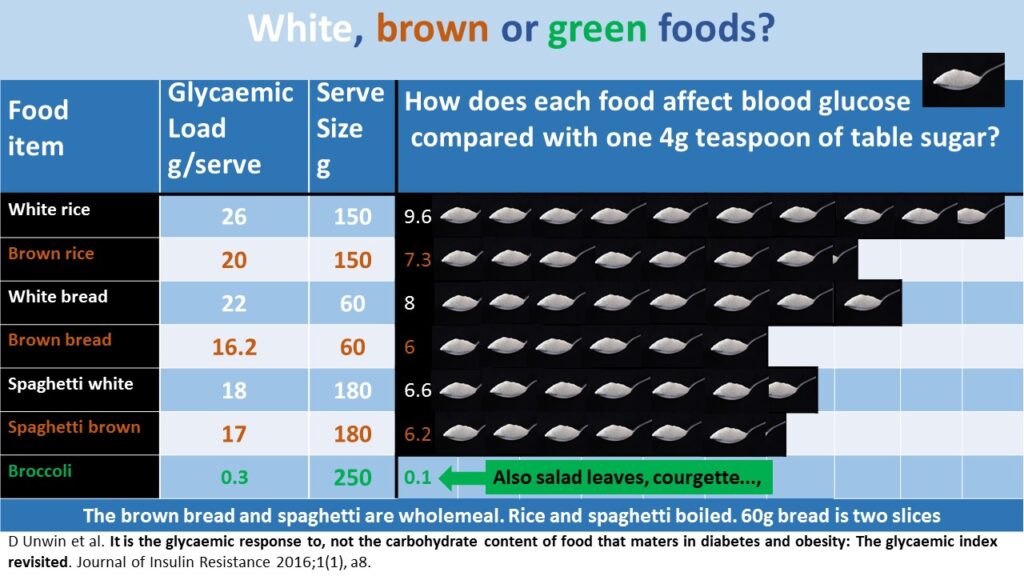
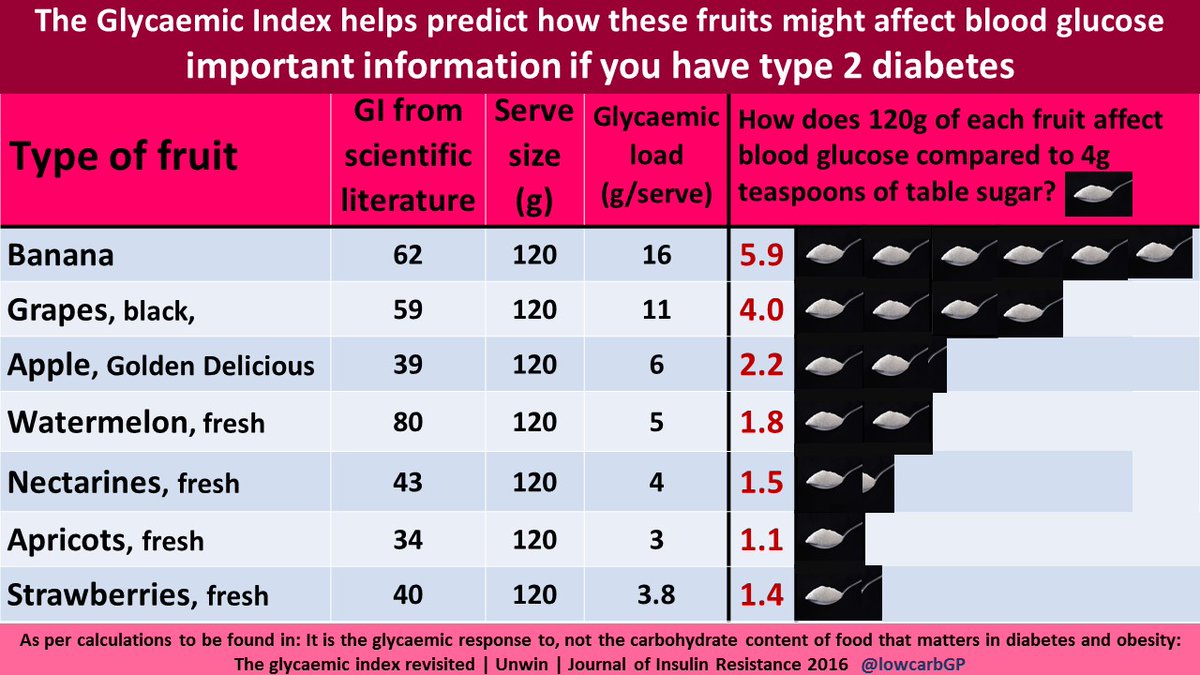
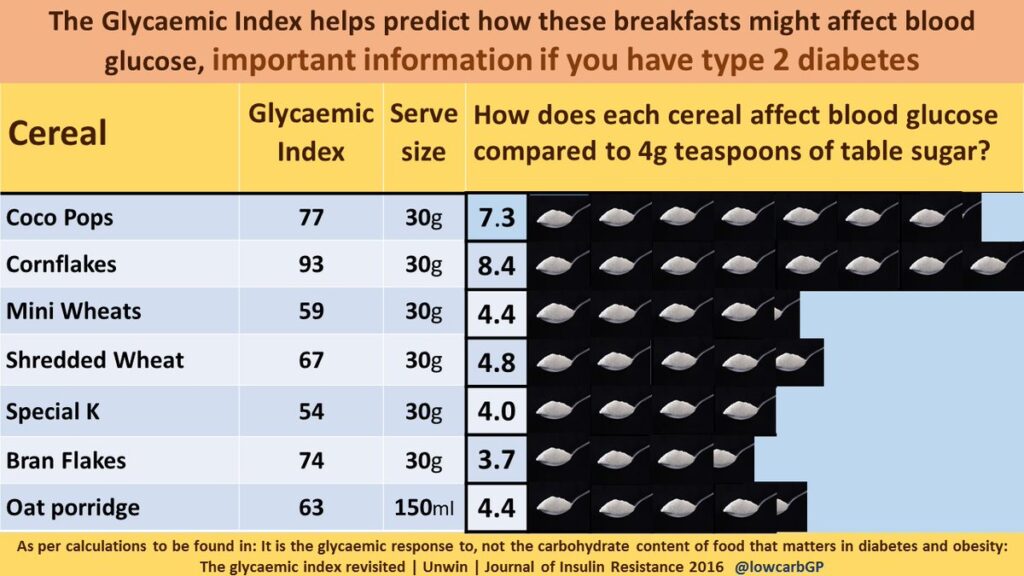
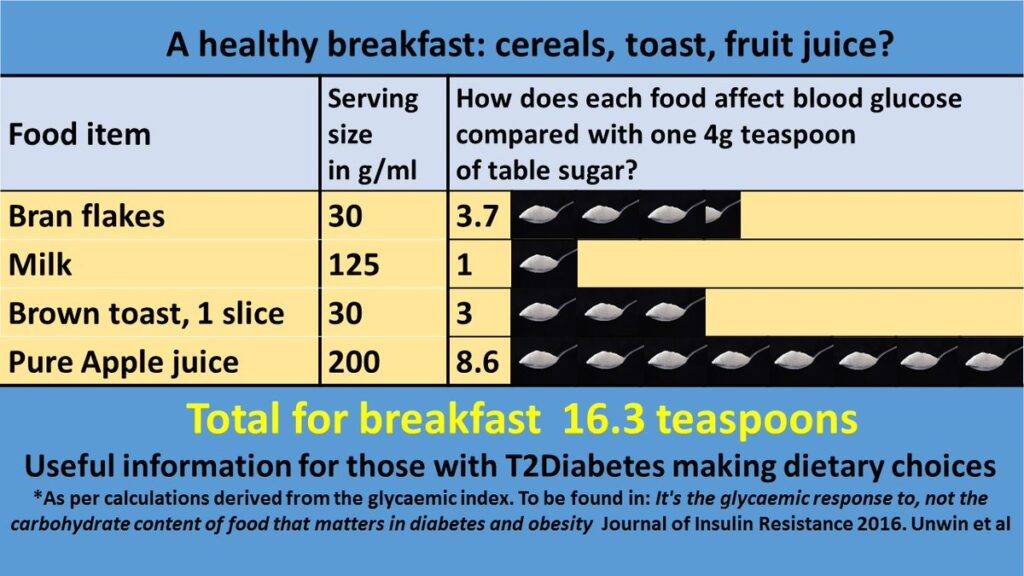
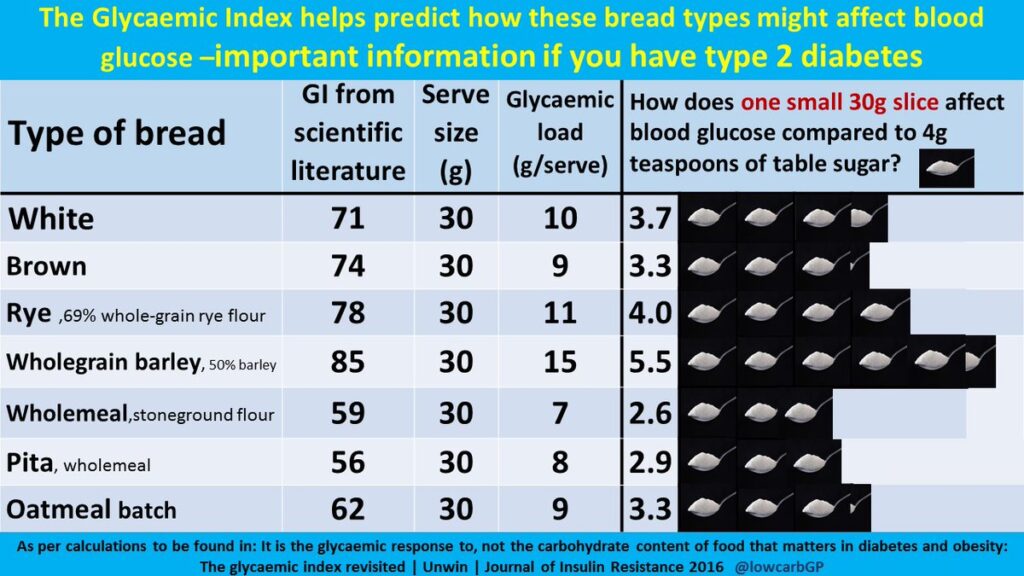
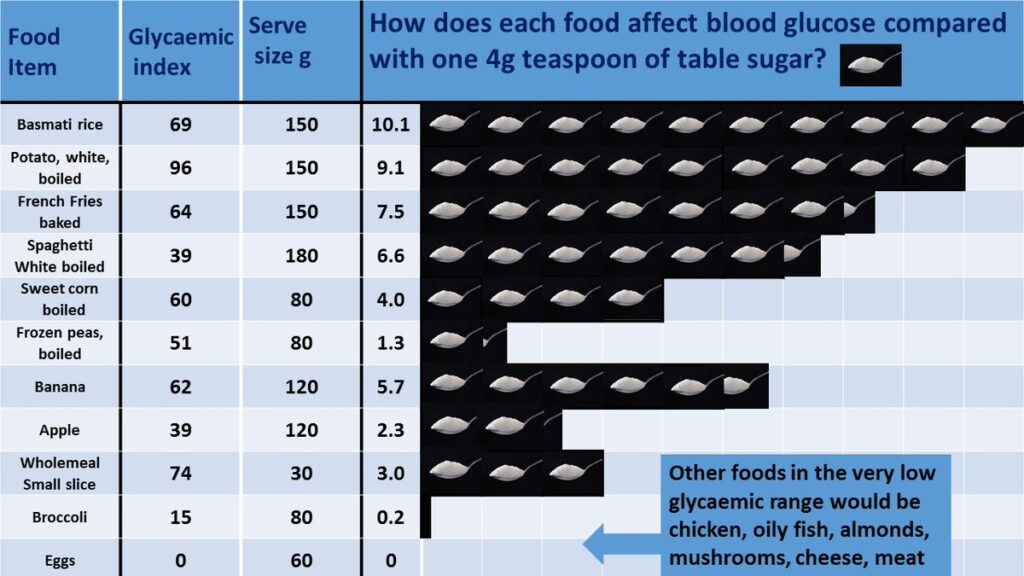
With many thanks to Darwin Unger@lowcarbGP, who allowed free use of his graphs I explain in this blog why overconsumption of natural and added sugar is almost unavoidable.

Fortunately, with a combination of knowledge and motivation it is possible to keep sugar intake low and avoid too abrupt impacts on your blood glucose level. It is not easy, but doable.

Before presenting the graphs I will give a small summary of sugar, its omnipresence and dangers. In an earlier blog you will find more info on sugar https://shakethehealthtree.com/index.php/2025/04/13/11-sugar-the-devil-in-disguise-part-1-some-basic-concepts/

The graphs below of Darwin Unger helped me lot. I made a change to my fruit/veggie smoothie by excluding bananas and apples. Instead, I focus on berries which have half the natural sugars of bananas and apples. The big Dutch super market chains offer 1 kg bags of frozen berries for around 5 euros.

No nutritional value Sugar, often perceived as a quick source of energy, holds no nutritional value in itself. Sugar can provide an immediate boost of energy to the body. Other macronutrients like fats and proteins can serve this purpose as well. They also come, contrary to the empty sugar calories, paired with essential vitamins, minerals, and other beneficial compounds. Neither do sugars contribute to satiety or nutritional completeness, making them less advantageous than other food sources.

There are no universally fixed daily recommended quantities for sugar intake. There are various dietary guidelines regarding sugar intake. Many recommend limiting added sugars to around 10% of total daily calories. This translates roughly to 50-60 grams for women and slightly higher for men. It’s essential to differentiate between added sugars and natural sugars found in whole foods. Added sugars are typically of greater concern for health.

Lifestyle plays a significant role in determining individual sugar intake. Those who are more physically active may require slightly more sugar for energy. Meanwhile, sedentary individuals should aim for less. Notably, these recommendations do not apply to individuals with diabetes, who must carefully monitor their carbohydrate intake.

Easy to over consume Sugar can be surprisingly easy to over consume. It is prevalent in many processed foods, beverages, and snacks. These are the so-called hidden sugars. One might not realize that a single sugary drink can contribute 30 grams of sugar or more. This amount quickly exceeds any daily limit. It happens without even accounting for other meals. This over consumption has become a significant concern. Excessive sugar intake is linked to various health issues. These include obesity, type 2 diabetes, and notably, fatty liver disease. The liver can become overwhelmed by processing large amounts of sugar. Fructose is particularly challenging. This can lead to fat accumulation. Over time, it may cause liver damage.

Sugar is potentially addictive Emerging research has also highlighted the potential addictive properties of sugar. Some studies suggest that sugar can trigger the release of feel-good chemicals like dopamine in the brain. This is akin to the effects observed with various addictive substances. This can lead to cravings and an increased wish for sugary foods. This creates a cycle that mirrors the behaviors linked to substance addiction. While not everyone experiences this phenomenon, evidence suggests that sugar can strongly influence our eating habits. Moderation becomes all the more important for overall health.

Consuming 100 grams of whole grain bread has a high GL. It will likely lead to a noticeable, moderate increase in blood glucose levels. This increase is around 20 to 30 mg/dL or more, depending on individual factors. It peaks in 1 to 2 hours and its impact can last up to 4 hours.

Straight added 4 grams of sugar may lead to a sharper but short spike of about 10 to 20 mg/dL immediately after consumption with return to baseline within 1 to 2 hours.

(1) See the sugar (impact on blood glucose level) difference between white rice and broccoli!

(2) Important lesson: fruit is not sugar free and your body does not distinguish between added or natural sugars (although natural sugars come with many useful ingredients and fiber). Also notice that a banana has 4x more impact on blood glucose than strawberries.

(3) Why certain breakfasts elements in many countries are not healthy.

(4) Below the sugar intake of a regular, very modest breakfast: 65 grams of sugar (some sources give 20 grams for fresh apple juice, not 32 like this example).

(5) Bread contains little sugar, but because of its carbs it can have quite an impact on your blood glucose. This also applies to whole grain bread with its complex carbs. The crucial difference with “sugar only” is the much slower release and therefor different impact on blood glucose.

(6) See the difference between boiled potatoes and eggs.

Dear reader, I still have to found out more about sugar content and impact on blood glucose. Having said this, I hope that the message of this blog is clear.

Take care, pay attention to your sugar/carbs intake and enjoy life,

Robert, your health friend

Pastel de Nata, from Portugal. Too much sugar? Yes, but…..