24. PLAQUE IN ARTERIES: A DANGEROUS AFFAIR (health project 99+)

A restaurant in the desert of Morocco

Dear reader,

For me, this is an essential blog (and a long one). It deals with plaque in your arteries, perhaps the single most potentially deadly substance in your body, especially in combination with triggers like smoking.

The facts: One third of all deaths worldwide are cardiovascular-related, 20 million persons per year. Eighty-five percent of these cardiovascular deaths are caused by heart attack and stroke. These 85% are most of the time caused by clots that form in arteries and block them, causing heart attack or stroke.

As you notice, I leave out the veins here, as clots formed in veins in general do not cause heart attacks and strokes. Although both are part of the cardiovascular system, there is a big difference between arteries and veins.

This blog is to learn more about plaque, the difference between soft and hard plaque, how to prevent further plaque formation, what triggers clotting, how to minimize its health impact, and whether it is even possible to clean your arteries from plaque.

On that last point, the possibility of actual cleaning/removal of plaque—the jury is still out, but interesting developments are ongoing. It is something to follow because this is/would be one of the greatest health contributors imaginable—for example a future with nanobots cleaning your arteries.

When talking about cardiovascular issues, surprisingly little is measured: LDL, HDL, blood pressure, but in general arteries are left alone. Measuring is knowing, and myself, I want to know more about the state of my arteries, knowing for example CAC and CCTA scores. More about this later.

In general, there is a lot you can do yourself to improve your health prospects—in this case, to stop plaque formation and reduce risks.

Summary of recommendations  

– Try not to get plaque.  

– When you have plaque, try to stabilize it (hard instead of soft).  

– Stay away from triggers that promote clot formation.  

– Follow newest developments that in the future will remove plaque.

Do all people have plaque?

Young adults in general not (yet) or in very low levels, neither have Indians in the Amazon forest who lead their healthy lifestyle including a lot of physical exercise and who have no access to the poor diet that most people of the world eat. 

Almost all other people on this planet have plaque in their arteries, especially as they get older. It varies and it depends on multiple factors of course, but is best to assume that you have already plaque. 

What is plaque buildup?  

Plaque is made up of fatty deposits, cholesterol, calcium, and other substances found in the blood. Plaque buildup in arteries is called ‘atherosclerosis’. It narrows and hardens the arteries, which can reduce or block blood flow. This process, as a rule, begins in early adulthood and progresses over decades, often without symptoms until it becomes significant (and too late).  

It is called a silent killer, and with good reason. Plaque explains why seemingly healthy people die from an unexpected heart attack or stroke.

Factors/risks influencing plaque development 

The risk of plaque increases with age. This is not because of aging itself, but because of the accumulation of ‘negative’ input into your body over the years. This is because of lifestyle, of course (smoking, poor diet, lack of exercise, and obesity) and specific health conditions (high blood pressure, diabetes, and genetics). About these specific health conditions, one can remark that some of them are caused by lifestyle.

What does cardiovascular mean?  

Cardiovascular describes anything to do with the heart, the blood vessels, and the brain that together form the circulatory system. It covers how the heart pumps blood through arteries, veins, and capillaries to deliver oxygen and nutrients and to remove waste. It also refers to diseases and conditions that affect the heart and blood vessels, such as heart disease, high blood pressure, and stroke.

Difference between arteries and veins  

Arteries and veins are the body’s main blood vessels, but they do very different jobs.  

Arteries work under higher pressure and have thick, muscular walls to push blood through the body. Veins return blood to the heart at lower pressure, with thinner walls and larger inner space, and many have valves to prevent backflow as you move. Arteries generally do not have valves, while veins contain valves to prevent backflow of blood. Blood pressure is higher in arteries than in veins.

Arteries carry oxygen-rich blood to tissues, and veins return oxygen-poor blood back to the heart. With lungs, it works differently, where the pulmonary arteries carry oxygen-poor blood to the lungs, and the pulmonary veins bring it back richly oxygenated. Together with tiny capillaries, they form a loop that delivers oxygen and nutrients and removes waste.

Two different kinds of clots  

In this connection, it is important to realize that there are two different kinds of clots: arterial clots and venous clots. How to treat them and how to prevent them is very different. The most dangerous cardiovascular “events” (read strokes and heart attacks) are caused by clots in the arteries. For arterial clot risk, plaque is a central and common factor.

Pulmonary embolism (PE) is caused by clots in the veins. PE is a thrombotic event and a specific subset of cardiovascular disease. It usually starts as a clot in a leg or pelvic vein and can be life-threatening as well, but less so than arterial clots. For venous clot risk, other factors are far more important than plaque.

The mechanism  

Insulin resistance fuels inflammation and arterial damage, increasing plaque formation and clot risk. When an ‘atherosclerotic’ plaque ruptures or erodes, a clot often forms and can block blood flow. It means a big artery is blocked because of atherosclerosis—the buildup of cholesterol-rich plaques inside the artery wall. These plaques can narrow the artery and may rupture, forming a clot that completely blocks the artery (occlusion). If this happens in a heart artery, it can cause a heart attack; if in a brain artery, a stroke. 

Plaque forms when cholesterol lodges in an artery wall. To fight back, the body sends white blood cells to trap the cholesterol, which causes inflammation. That triggers cells in the artery wall to multiply and form a thin cap over the area.  

But the soft plaque beneath the cap is dangerous. For example, a spike in blood pressure puts pressure on the cap. If it breaks, the body responds as it would to an injury: it forms a clot, which can block blood flow and cause a heart attack. Most major heart attacks occur when plaques rupture.  

Plaques that gradually enlarge over time are often covered by thick, fibrous caps that can resist breaking apart. They can still block blood flow, causing angina (chest pain brought on by exertion or emotional stress). These blockages also can lead to different types of heart attacks. 

What about cholesterol?  

I wrote about cholesterol before. It is not the villain that many of us believed for decades. We need it as it is essential for life. At the same time, it cannot be denied that cholesterol is often involved in cardiovascular issues.  

So is plaque the main issue?  

It might sound strange, and although plaque is the key contributor to clot formation, you have to focus as well on the factors that trigger clot formation.  

It is also important to know if your plaque is soft or hard. As a general rule, one can say that soft plaque is much more dangerous than hard plaque. When the plaque inside your arteries is soft, then it easily becomes clot, including the risk of blockage.  

Major risk factors and triggers for clotting  

Prolonged immobility, recent surgery, cancer, pregnancy, hormonal therapies, obesity, inherited clotting disorders, atherosclerosis, hypertension, diabetes, smoking, high cholesterol; vaping, smoking, alcohol, pollution, chemicals, stress, refined starch, infection, sugar, endurance like marathon.

I will briefly go into a few of these risk factors/triggers

Smoking and vaping damage the blood vessel lining, triggering inflammation and making vessels more prone to injury. They also increase clotting factors and platelet stickiness while lowering natural anticoagulants, raising clot risk. Quitting smoking can improve HDL (“good”) cholesterol levels, which helps remove harmful LDL cholesterol from the bloodstream.

Exposure to various chemicals causes vascular stress, promotes clot formation, damages the arterial lining, and accelerates plaque buildup. This creates a pro-inflammatory environment that raises the risk of plaque rupture.

While regular exercise improves insulin sensitivity and vascular health, extremely intense endurance activities like marathons may transiently increase clot risk post-race, especially in those with previous clots, heart rhythm issues, or older age. Staying hydrated and avoiding long immobility after intense exercise can reduce this risk. Unfortunately I fall in this risk category (older + history of hearth rhythm issues), so no marathons for me.

Measuring Cardiovascular Health Beyond LDL Cholesterol

Relying solely on LDL cholesterol numbers misses the full picture of arterial health since plaque types and inflammation levels vary. After the age of 40 one should add Imaging Techniques: Coronary Artery Calcium (CAC) Score which quantifies calcified plaque burden; a score of 0 is ideal, with increasing scores indicating growing risk. Above 400 is high risk. Another one isCoronary CT Angiography (CCTA) which visualizes both soft (inflammatory) and hard plaques, and any artery narrowing, providing a comprehensive view of vascular health.

One should add some metabolic assessments: Fasting Insulin (Elevated fasting insulin levels indicate insulin resistance and heightened inflammation risk) and Oral Glucose Tolerance Test (OGTT) and HbA1c. They Complement fasting insulin by evaluating glucose metabolism and long-term blood sugar control.

Monitoring these factors provides a more comprehensive assessment of cardiovascular risk driven by insulin resistance and inflammation.

Dietary recommendations: What not to eat

Foods that promote insulin resistance and vascular inflammation should be minimized to protect arterial health: Processed meats (sausages, bacon, hot dogs, deli meats) with high saturated fat, salt, and preservatives. Fried foods and packaged baked goods. Full-fat dairy products. Red meat. Sugary beverages. Refined carbohydrates.

Adopting a diet low in processed and inflammatory foods supports insulin sensitivity, lowers inflammation, and helps slow or partially reverse plaque buildup.

What to Do part 1?

Often, one has to focus on the root cause of the problem. In the case of arteries, this is insulin resistance—the silent metabolic root that initiates inflammation, which is the actual “fire” damaging artery walls. This inflammation contributes to plaque buildup, instability, and ultimately increases the risk of clot formation, heart attack, and stroke. Addressing insulin resistance alongside other risk factors is crucial for preventing and managing cardiovascular disease.

The best approach is to slow down the progression and, ideally, reverse the damage, especially by eating whole, anti-inflammatory foods. Avoiding smoking, harmful chemicals, and inflammatory foods, combined with personalized risk assessment through imaging and metabolic testing, is key. Exercise should be balanced to avoid risks from extreme endurance. Together, these approaches target the root causes of arterial damage to improve cardiovascular health and repair damage to the inner lining of the arteries.

There are three approaches:  

1. Keep your arteries clean from the beginning (especially important for younger readers).  

2. Stabilize soft plaque (the main solution for most).  

3. Remove plaque, both soft and hardened.

Removing soft plaque differs from stabilizing it; stabilization involves hardening the soft plaque to prevent potential clot formation. 

Can Plaque Disappear?

Plaques cannot completely disappear, but with lifestyle changes and medication, they can shrink and stabilize. Doctors especially aim to target softer plaques before they rupture. For example, if you have a partial blockage caused by soft plaque, the goal is to reduce the cholesterol inside so the plaque shrinks, leaving nothing vulnerable under the cap.

How do you remove cholesterol from plaque? By lowering cholesterol levels in the blood, since cholesterol travels inside particles called lipoproteins that deposit it into blood vessel walls. Aggressively lowering blood cholesterol (for example, through statins) can help stabilize plaques and, in some cases, shrink them.

The drugs most often used to reduce LDL cholesterol levels are statins, such as atorvastatin (Lipitor), simvastatin (Zocor), and rosuvastatin (Crestor). Statins block the liver enzyme that promotes cholesterol production and also strengthen the caps covering plaques, making them less likely to rupture.

Arteries may never return completely to the plaque-free state they had in youth. While you can’t simply “clean” arteries like washing a surface, **you can improve artery health**, reduce plaque progression, and sometimes partially reverse its effects through a combination of healthy living and medical care.

What to do part 2, list of suggestions

Aerobic exercise can raise HDL levels, lower blood pressure, burn body fat, and reduce blood sugar levels. Exercise combined with weight loss can also lower LDL cholesterol levels. Aim for at least 150 minutes per week of moderate-intensity exercise.

HIIT (High-Intensity Interval Training) was specifically mentioned as benefiting your arteries.

Following a Mediterranean-style diet can reduce the risk of heart disease by 30%. It is rich in olive oil, fruits, vegetables, beans, nuts, and seeds, with moderate amounts of fish, poultry, and dairy. Red meat and processed foods are minimized.

Soluble fiber (found in oats, legumes, vegetables, barley, and fruits) lowers LDL cholesterol, reduces inflammation, improves blood sugar control, and (according to some studies) modestly reduces blood pressure.

Several drinks support artery health: water, green tea, beetroot juice, pomegranate juice, black coffee, and ginger tea.

Omega-3 fatty acids, such as those found in cod liver oil, are beneficial.

A salad with arugula, crushed walnuts, organic lemon, and pomegranate is a healthy choice.

Some supplements to consider: Vitamin K2, nitric oxide boosters, natto kinase, and bromelain.

Using an infrared cabin or sauna may also support artery health.

Existing Medical Treatments

Recent advancements in treating clogged arteries focus on targeted nanotherapies, antibody-based immunotherapies, and advanced surgical techniques that break down calcium deposits without damaging surrounding tissue. Instead of merely managing cholesterol, researchers are testing methods to actively shrink plaque and reduce inflammation within vessel walls. 

Many treatments aim to stabilize plaques, making them less likely to rupture and cause heart attacks, rather than completely eliminating them. Statins and other cholesterol-lowering drugs can reduce LDL cholesterol and stabilize plaques, lowering the risk of heart attacks.  

In advanced cases with severe blockage, doctors may recommend angioplasty or bypass surgery to restore blood flow. Angioplasty uses a balloon to widen a narrowed or blocked artery by compressing plaque against the artery walls. In cases of heavy calcification, techniques like atherectomy (physically removing plaque) may be employed.  

While arterial plaque can be reduced or partially removed, complete elimination of hardened, calcified plaque is generally not possible without surgery. Treatment primarily focuses on shrinking and stabilizing soft plaque or removing severe blockages through medical procedures.

The Future (looks bright)

Scientists have developed nanotechnology that could transform heart disease treatment. Researchers have already engineered tiny nanoparticles capable of directly targeting arterial plaque, reducing buildup inside blood vessels without invasive surgery.  

It is possible that, in the future, nanobots could be developed to clean plaque from arteries. Nanomedicine research is exploring how these tiny robots or particles might remove plaque, repair blood vessels, or deliver drugs directly to affected areas. However, this technology is still experimental and not yet available for clinical use. But it will happen in the coming years, is my prediction.

Dear reader, I am looking forward to the future. It is my conviction that we have not even seen the beginning of all that will be possible.

Take care and enjoy life.

Robert, your health friend

Game of Throne location in Morocco: Aït Benhaddou

.

17. AGE SPOTS: EAT THEM AWAY (health project99+)

Snow man meets Randy in Istanbul


Dear reader

Who is not vain? I am, for sure. I did not like it at all when, some years ago, so-called age spots started to appear on my hands. As they multiplied, I started using expensive creams, trying to get rid of these “older people” symptoms. The Internet is rife with alternative methods, so I tried some of those as well. Neither the expensive creams nor the alternative methods — for which I was not patient enough — worked for me. I do not say that none works, but most probably do not, even if one is patient and consistent. Laser treatment is supposed to be effective in fading age spots, but I considered it too expensive.

So, after trying several methods, I left my hands more or less in peace and only applied daily sunscreen protection.

Because of a recent video on YouTube about the relationship between food and age spots, I looked carefully at my hands again. To my very pleasant surprise, the age spots had faded! The fact that I had not noticed this development says a lot about me… Somehow, I missed the gradual disappearance of my age spots over the past few years. Whatever the case, the difference is striking and I am quite happy.

It is, of course, difficult to determine the cause of this improvement, but I suspect it may be linked to changes in diet and lifestyle, as also described in the YouTube video I watched. Subsequent scientific literature I read confirms there is a strong link between lifestyle/environment, nutrition, and age spots.

The moment you realize the importance of this link is also the moment you realize that almost all creams being promoted are nothing but expensive marketing gimmicks. A few creams might work, but I have no personal experience and do not consider them in this blog.

This blog is about how food impacts age spots, how sunscreen protects your hands, and the importance of a healthy lifestyle and environment.

1.My approach to avoiding/caring for age spots:
Healthy lifestyle, stay away from negative circumstances (pollution, etc.), eat well (no ultra-processed foods, sugars, etc., and concentrate on antioxidant-rich food). In addition, I take collagen daily. I have no confirmed idea if collagen positively affects age spots, but additional collagen is needed to compensate for the gradual loss of collagen after your 20s. I wrote a blog about this topic. https://shakethehealthtree.com/index.php/2025/06/24/21-collagen-loss-what-to-do-health-project99/

And do not forget to put sunscreen on your hands too. Sun is one of several important factors in skin ageing and pigmentation changes and it can contribute to the development and darkening of age spots.

2.A few statistics about skin in general:
The human skin is the largest organ of the body, covering an average surface area of 1.5–2.0 square meters and accounting for approximately 15% of total adult body weight. It is not easy to find the exact number of skin cells as sources vary a lot and sometimes mix up millions, billions, and trillions. The reliable number of skin cells is in the trillions!

Each body has between 1.6 trillion (= 1,600 billion) and 2.0 trillion skin cells. Every hour you shed a few billion dead skin cells. The skin completely renews itself every 27–30 days. When you age, the renewal process takes longer, up to two months. A large percentage of the dust in a home is actually composed of dead human skin cells. Hoovering and dusting now and then is not a bad idea.

Your skin is composed of three primary layers: the epidermis, dermis, and hypodermis. The epidermis is the outermost layer of the skin, the dermis is the middle layer, and the subcutaneous layer (hypodermis) is the innermost layer.

The skin acts as a waterproof barrier, sensory interface, and immunological border. Do not underestimate the importance of this last point. When the skin loses its capacity to function as an immunological border, it will add to the overall chronic inflammation in your body. Moisturizing your body is therefore an important health move as it reinforces the immunological border.

3.Skin aging and pigmentation

Age spots are caused by overactive pigment cells. Ultraviolet (UV) light speeds up the production of melanin, a natural pigment that gives skin its color.

As mentioned, when the skin ages, its ability to repair itself and renew cells slows down. This reduced cell turnover, combined with the thinning of the skin (a result of aging), makes it easier for these pigment clusters to form and persist. Sun exposure accelerates this process, and age spots appear when melanin becomes clumped or is produced in high concentrations. But, as said before, the sun is not the only culprit. From what I have read, there are many endogenous factors (gene mutation, cellular metabolism, hormonal factors, and food) and exogenous factors (UV, pollutants, chemicals, and toxins).

Your skin renews itself every 28 days. As you age, your skin takes longer to renew. Aging causes skin to become thinner, drier, paler, less elastic, and more fragile due to reduced collagen (1% annually after age 25) and reduced elastin. Collagen and elastin break down, leading to sagging, particularly around the jawline and neck. To compensate, I take collagen supplements.

Because blood vessels become more fragile with age, older adults tend to bruise more easily. Also, older adults may produce less sweat and oil from the glands in their skin.

Caffeine, nicotine, and alcohol constrict blood vessels and prevent nutrients from feeding the skin, therefore speeding up the aging process.

4.Why your mother insisted on washing your face before going to bed

Going to bed with makeup on can age your skin up to seven times faster than normal. Toxins and pollutants remain on the skin if you do not cleanse each night. So don’t forget to wash your face nightly!

5.What are dark spots/liver spots/age spots?

While often called “liver spots,” they are not caused by liver dysfunction; the name refers only to their color. Often in the literature, age spots are exclusively linked to sun exposure, which is not correct. The sun does play a role, but an important cause of age spots is your nutrition.

Age spots may affect people of all skin types, but they are more common in adults with skin that sunburns easily. They range from freckle size to about 1/2 inch (13 millimeters) across. Unlike freckles, which are common in children and fade without sun exposure, age spots do not fade. Instead of being evenly distributed, this excess melanin becomes concentrated or “clumped” together, forming a visible dark spot on the epidermis (the top layer of skin). They’re very common in areas that get repeated sun exposure, such as the back of the hand, tops of feet, face, shoulders, and upper back.

They are a sign that the skin has activated a protective mechanism against UV damage.

6.The cause of age spots?

Your skin is constantly attacked from both the outside and the inside.

The outside: First and foremost, the sun, but also toxic air and chemicals. Use of commercial tanning lamps and beds can also cause age spots. Over time, repeated UV exposure causes certain melanocytes (pigment-producing cells) to become overactive and produce an excess amount of melanin.

The inside: Smoking, a diet high in refined sugars and fats, a lack of vitamins, and overconsumption of poor-quality saturated oils. Diets consisting of these products accelerate cellular damage, leading to premature aging and pigmentation. More generally, as we know, diets high in refined carbohydrates and unhealthy fats increase systemic inflammation.

How? Excess sugar in the blood binds to proteins (collagen/elastin) through a process called glycation, forming Advanced Glycation End products (AGEs). Glycation damages proteins, which accelerates skin aging and contributes to spots. Consuming high amounts of sugar can also lead to spikes in blood sugar levels, which in turn cause a rise in insulin levels. Elevated insulin can increase oil production in the skin, leading to clogged pores, spots, and acne.

7.The role of the sun

When skin is exposed to sunlight (or artificial UV light from tanning beds), it produces melanin to protect itself, resulting in a tan. The link with age spots is that these are caused by overactive pigment cells. Ultraviolet (UV) light speeds up the production of melanin, a natural pigment that gives skin its color. On skin that has had years of sun exposure, age spots appear when melanin becomes clumped or is produced in high concentrations.

The general “be careful of the sun” rules help you prevent getting spots or at least prevent the acceleration of the process.

8. What can you do to get rid of age spots?

Maintain a healthy lifestyle. Limit your sun exposure and always apply sunscreen when you go outside, including on your hands. Think about chemicals, plastics, toxic products, and air—in short, the environment.

Stick to healthy food and stay away from smoking, alcohol, and ultraprocessed food. Follow nutrient-dense diets rich in antioxidants and vitamins to help protect against these marks. The best foods for your skin include those rich in antioxidants, omega-3 fatty acids, beta-carotene, and phytoestrogens. Some specific foods that boost skin health are red peppers, blackberries, edamame, salmon, grapes, and almonds. Drinking plenty of water and green tea can also improve the appearance of your skin.

Many creams are marketed to get rid of age spots. I have no idea which ones work and which ones do not. Probably a few do, but they have one thing in common: very expensive and exaggerated claims.

Aggressive treatments, such as chemical peels, may show results over a short period but often require multiple sessions. Severe cases of hyperpigmentation, such as deep melasma, can take a year or more to resolve.

Laser treatment works, sometimes including guarantees by dermatologists. I have not tried it but was considering it.

Passed on by our grandmothers, there is an abundance of alternative methods—just check the internet. I do not know which ones work, but I understand that you have to be patient and consistent. Only then might alternative methods work.

Apple cider vinegar is often mentioned. It contains alpha-hydroxy acids and makes an excellent skin exfoliator. Dab some onto age spots right before bed and leave it on overnight. If this is too drying for your skin, you can mix it with some olive oil.

Mild hyperpigmentation can begin to fade within 3-6 months with consistent treatment.

And then there are always the 10-14 skin steps of the Koreans!

9.When to see a doctor

Age spots don’t require medical care. Have your doctor examine spots that are black or have changed in appearance, have irregular borders, and/or are bleeding. These changes can be signs of melanoma, a serious form of skin cancer.

One last glance at my almost age spots free hands and I finish this blog. Thanks for reading and respect your vanity.

Robert, your health friend.

Randy looking (in vain) for lizard in Kinshasa

20. AIR POLLUTION AND ITS IMPACT ON YOUR HEALTH (health project99+)

Waterfront Hong Kong harbour

Dear Reader,

The health impact of bad air is probably worse than you think. Air pollution consists of many components, some natural—such as dust or wildfires—but most are man made. It causes about seven million premature deaths each year: roughly 10% of all global deaths annually. Air pollution also causes illness and hundreds of millions suffer from respiratory symptoms and other diseases.

A key challenge is that as an individual you have only limited options to protect yourself against air pollution. I will mention these options at the end of this blog. The main solution, however, lies with authorities who should formulate and enforce measures to reduce air pollution.

1 What is air pollution? It is not a single pollutant. It is a mixture of tiny particles and gases from traffic, industry, burning fuels, wildfires, and other sources. When inhaled, it can affect several body parts—especially the lungs and heart.

2 Some facts The World Health Organization says that 99% of the world’s population breathes polluted air. A report by the Royal College of Physicians estimates about 30,000 deaths per year in the UK, but going down slightly.

The burden is much higher in low- and middle-income countries and in recent years, the places with the worst air pollution have been mainly in the Indian subcontinent. This includes India, Bangladesh, and Pakistan. At times, Nepal or parts of the Middle East also experience severe air pollution. Positive results have been observed in China. Several other countries have also seen positive results. In The Netherlands air-pollution–related deaths have declined by about 25% between 1995 and 2019.

From all the different elements that make up air pollution PM2.5 is considered the most harmful. Note: PM stands for “particulate matter”. The size is 1/1000 of 1 millimeter.

3 Elements of air pollution I (PM2.5) include sulfates, nitrates, organic and elemental carbon, and metals. Their toxicity and optical properties vary by location. They also change with the seasons. PM2.5 refers to fine inhalable particles with diameters of 2.5 micrometers or smaller that can linger in the air and be breathed deeply into the lungs. They originate from direct emissions such as diesel and gasoline engine exhausts, power plants, and wood or biomass burning. Natural sources, such as desert dust and wildfires, also contribute to PM2.5.

4 Elements of air pollution II

Ozone at ground level (O3) is a strong oxidant that irritates the airways and triggers inflammation. Smog can happen with a high concentration of pollutants. These include fine particles and ozone (O3). This occurs under sunny and stagnant weather conditions.

NO2 and related nitrogen oxides (NOx) irritate the airways and contribute to inflammatory processes; they also form additional secondary pollutants.

Sulfur dioxide (SO2) is an irritant gas that can cause bronchoconstriction.

Carbon monoxide (CO) binds to hemoglobin, reducing oxygen delivery to tissues.

Volatile organic compounds (VOCs) include some toxic or carcinogenic substances (for example, benzene) and also contribute to secondary pollutants such as ozone.

Black carbon, a component of PM, is a marker of combustion and contributes to PM2.5 toxicity, with climate and health impacts.

Indoor pollutants—such as radon, indoor NO2, formaldehyde, and high indoor PM from cooking or smoking—can dominate indoor air quality and drive health risks even when outdoor air is cleaner.

5 What happens in your body I?

Most people assume air pollution is fully filtered out by the nose or mouth. They also believe it is simply expelled from the lungs. However, that isn’t accurate. Some particles are cleared by the body’s defenses, but many penetrate the lining of the airways and enter the bloodstream.

Because PM2.5 particles are so small, they can reach deep into the lungs. These particles go beyond the lungs, triggering inflammation. This inflammation contributes to heart and lung diseases, strokes, and premature death. Health impacts depend on particle size, composition, concentration, and exposure duration, but the overall message is clear: PM2.5 is very harmful to health.

6 What happens in your body II?

In the lungs, particles can irritate the airways, causing coughing, throat irritation, wheeze, and shortness of breath. Inflammation and increased mucus production can reduce lung function, especially in people with asthma or COPD. Fine particles such as PM2.5 can penetrate deep into the lungs and even enter the bloodstream.

In the heart and blood vessels, inflammation and oxidative stress can affect blood vessels and blood pressure, increasing the risk of heart attack and stroke over time; short-term exposure can trigger chest pain (angina) or worsen existing heart conditions.

Some studies also link air pollution to cancer development, including lung cancer, with risk varying by pollutant, dose, and individual susceptibility.

There is growing interest in possible links between air pollution and effects on the brain including dementia, though evidence is still evolving.

The eyes, nose, and throat may sting or water.

Sleep can be disrupted, and headaches or fatigue can occur on days with high pollution.

7 A recent roadside-pollution case study suggests that brief exposure near busy traffic can increase uptake of PM2.5 in red blood cells, with most, but not all of the particles clearing after a period in cleaner air. Practical takeaway: avoid busy streets when possible, and take extra precautions for children and other vulnerable groups.

8 Sources of air pollution in the Netherlands

Traffic (including road, rail, and shipping) accounts for about 29% of PM10 emissions. Agriculture contributes about 19%, primarily from stables. Other industries contribute about 18%, for example from combustion processes. Households contribute about 22%, for example from wood burning. 

For PM2.5, traffic is the largest source (about 35%), together with households (about 35%), followed by other industries (about 17%). 

9 Who is most at risk?

  • Children, especially during active growth and those with asthma.
  • Older adults and people with preexisting heart or lung conditions.
  • Pregnant people (exposure to pollution can affect fetal development in some cases).
  • Outdoor workers or those in high-traffic areas.

10 Air quality indicators

Air quality indicators are measurements and summaries that tell you how clean or polluted the air is, and how that pollution might affect health and the environment. They fall into a few main types:

  • Particulate matter (PM): micrograms per cubic meter (µg/m³)
  • Gases: parts per billion (ppb) or parts per million (ppm)

The Air Quality Index (AQI): used in many countries to condense multiple pollutant measurements into a single number and color code (typically 0–500)

  • 0–50: Good
  • 51–100: Moderate
  • 101–150: Unhealthy for Sensitive Groups
  • 151–200: Unhealthy
  • 201–300: Very Unhealthy
  • 301–500: Hazardous

In The Netherlands this is translated into a scale of 1-11. Where I live, near The Hague, at the moment of writing this blog, the official air quality index is 2.44, which is good, but along the highway between The Hague and Amsterdam the official index is 4.51, which is average.

11 Indoor air quality and sick-building concerns are real, not woke

Sick-building syndrome is real; poor indoor air quality can contribute to various illnesses. When you have doubts about the air quality of your office insist on testing for the following indicators.

  • PM2.5 and PM10 (outdoor-type particles can infiltrate indoors)
    • CO2 (used as a proxy for ventilation and air freshness)
    • VOCs (volatile organic compounds from paints, cleaners, furnishings)
    • CO (carbon monoxide)
    • Humidity and mold indicators can also matter

12 What can you do about it?

  • Choose where you are going to live carefully. I know this isn’t always feasible for many good reasons of which finances are often a major one. If possible, prioritize living in an area with better outdoor air. Air quality can vary significantly within a single city; near a park or next to a busy round abound will make a big difference. Myself I bought an apartment near the beach.
  • When walking or cycling, avoid busy streets with heavy traffic if possible. Especially when you walk with a baby in a pram. Air pollution can vary greatly between busy and quiet streets.
  • If outdoor air quality is low, stay indoors as much as possible and avoid outdoor exercise. Exercise increases inhalation of pollutants. I once jogged in Beijing when the air was very poor—definitely not a good idea and I felt bad for days.
  • Improve indoor air quality: (1) Use a good portable air purifier with a HEPA filter, especially in bedrooms. (2) Vacuum and dust regularly; damp-wipe surfaces to reduce allergens. (3) do not use candles and open fire place. Sorry about this!
  • People with heart disease or chronic respiratory conditions, or those recovering from a heart attack should consider well-fitted mask (N95/KN95) for particulates when the air is bad, though masks don’t remove all gases.

Most important however is to choose politicians who take air pollution seriously!

Take care, keep on breathing and enjoy life,

Robert, your health friend

A temple in Hong Kong

5. “AUTOPHAGY”: RANKING HIGH IN THE TOP 10 OF THE MOST IMPORTANT BODY PROCESSES (health project99+)

Sand banks in the Congo river (dry season)

Dear reader,

Autophagy ranks very high among our crucial body processes. Autophagy influences life and health span. Its decline is linked directly to aging and age-related diseases. As with many processes of your body, autophagy functions best when you are young. However, as to be predicted, it gets worse with age. Fortunately there is a lot you can do to slow or partially reverse the downward trend.

The main benefits of autophagy relate to anti-aging effects. Autophagy is best known as the body’s way of turning back the clock and promoting younger cellular states.

(1) Fasting, (2) exercise, (3) the ketogenic diet, and (4) certain supplements are the way forward for better autophagy. Much is unknown; animal studies are promising, but more human research is needed.

For my personal approach to maintaining autophagy I practice irregular intermittent fasting, I exercise regularly and I also take three supplements that promote autophagy.

What is autophagy? It comes from the Latin words meaning “self-eating,”. “auto” stands for “self” and “phagy” means “eat”.

Autophagy is a natural process. It involves breaking down unneeded or damaged components within a cell. Cells reuse these components as the building blocks for cellular repair. They are also used for the formation of new cells. Autophagy helps keep cells healthy as it removes long-lived, damaged molecules and organelles, aggregated proteins, and intracellular pathogens. These pathogens include any organism or agent. This could be a virus, bacterium, fungus, or parasite. Such organisms can cause disease in a host.

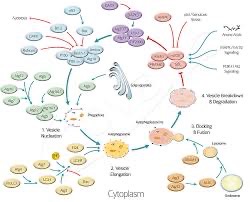
    One of the zillion pictures on internet about autophagy. I do not understand it, but just to show how complicated the process is

    Accelerating degradation over the years Universally cited “percentages of loss per year” for autophagy do not exist. It appears too difficult to measure in a scientific way, but some general observations can be made.

    Age 20: Autophagy at that age is generally robust, efficiently recycling damaged proteins and organelles, which contributes to cellular homeostasis and youthfulness. Note: Homeostasis is the body’s natural, self-regulating process that maintains a stable, constant internal environment despite changes in external conditions. 

    Age 70: Autophagy efficiency is markedly reduced, leading to the accumulation of damaged cells and cellular debris (senescence). This strongly contributes to the aging process and to the accumulation of damaged cells.

    To put things in perspective (and yes, mice are no men, but just to get an idea). In research on mouse neurons one sees a 94% decrease in autophagy from young adult mice compared to older mice. In older mice only 34% of the autophagic vesicles were functional, compared to 80% in young adult mice. Whether mice or humans, it is clear that at an older age, the body is less efficient at repairing itself.

    Why is autophagy important part 1? Autophagy, as mentioned, is the process of clearing away damaged parts. This process is essential for keeping cells healthy. It ensures cells remain in good working order. If junk builds up in the cell, it can permanently tweak the cell’s genes. This makes it difficult or impossible for the cell to repair itself. It also hinders the cell from regrowing the structures it needs to survive and thrive. Many diseases can then be the result.

    While some cells only last in your body for a few days, others are with you for a lifetime. Two especially important types of cells don’t turn over much. They are with us for decades, so they must stay healthy. Neurons are in our brains and other parts of the nervous system. Cardiomyocytes make up our heart muscle.Afbeelding met logo, Graphics, zwart, ontwerp

Automatisch gegenereerde beschrijving

      Why Is Autophagy Important — Part 2? The same idea as the previous paragraph, but more extensive.

      • Cellular housekeeping: It breaks down old, damaged, or misfolded proteins and organelles (like mitochondria). If left alone, these would cause cellular dysfunction. Ultimately, this could lead to cell death.
      • Energy & survival: During periods of starvation or stress, autophagy is activated. It recycles non-essential cellular components into usable energy (ATP).
      • Anti-aging & longevity: Autophagy is essential for reversing the accumulation of age-related cellular waste. Studies show that boosting autophagy can prolong lifespan in various species, because restoring autophagy gene activity to youthful levels can counteract decline.
      • Neuroprotection: It is crucial for clearing protein aggregates. These aggregates are similar to those found in Alzheimer’s and Parkinson’s diseases. This process occurs in non-dividing cells like neurons.
      • Immune system defense: It helps destroy intracellular pathogens (viruses and bacteria).
      • Cancer prevention: By removing damaged components, it helps prevent genetic mutations that can lead to cancer development. For this reason, some researchers are exploring whether autophagy may lower cancer risk. More research is needed, as autophagy can protect against some diseases but, in other contexts, may contribute to disease as Autophagy can also allow dysfunctional cells to survive in some contexts.
      • Quality control: Autophagy ensures that only healthy, high-functioning cells remain in your body.

      How to Stop/Slow Down the Downward Trend

      There are four methods to stimulate autophagy: fasting, the ketogenic diet, exercise, and supplements.

      A Fasting/Intermittent Fasting Any shift in calorie sources causes your body to shift its metabolic pathways. It will begin to use fat for fuel instead of glucose derived from carbohydrates. In general, it is important not to overwhelm the body with constant external calorie loads. It is crucial to give the body a break to focus on its own health and repair. Note also the importance of sleep! And what are metabolic pathways, another overused terminology? I had no idea, but see at the bottom of this blog :).

      “Fasting is one of the most effective ways to trigger autophagy.” During starvation, autophagy sustains the body. It breaks down cellular material. This material is reused for essential processes. This requires energy and cannot continue forever, but it buys time to obtain nourishment.

      Fasting is a commonly recommended way to induce autophagy; usually the longer, the better. Three days is sometimes cited as the minimum you need to fast to induce autophagy. For most of us, this is not feasible. Many turn to intermittent fasting, as animal studies show good results. Assuming (though not all agree) that intermittent fasting works, it requires a non-eating window of at least 14 hours (on internet you will find a lot of debate on the number of minimum hours, but I chose 14.

      Autophagy and gut-rest fasts prohibit caloric substances from passing your lips. Even one or two calories can be enough to stop autophagy and disrupt the fasted state. This means that virtually all foods are off limits. Beverages with calories, powders, and pills are excluded. Even breath mints and gum can be restricted. Tea, coffee, and water are allowed.

      B The ketogenic diet The ketogenic diet is high in fat and very low in carbohydrates. It can bring similar metabolic benefits as fasting. A typical ketogenic plan provides about 75% of daily calories from fat and 5–10% from carbohydrates. This diet can promote the same metabolic changes that fasting induces, though it is not identical to fasting.

      C Exercise is another non-diet factor that can promote autophagy. Animal studies show that physical activity can induce autophagy in organs involved in metabolic regulation. Compared with fasting, autophagy can be induced by as little as 30 minutes of treadmill running. Regular exercise, particularly endurance training and high-intensity interval training (HIIT), has been shown to enhance cellular cleanup mechanisms.

      Some reports suggest that Zone 2 training for about an hour can induce as much autophagy as a three-day fast. This is not yet established with certainty, but it is plausible. Note: Zone 2 typically corresponds to roughly 60–70% of your maximum heart rate.

      D Supplements Spermidine and Fisetin are considered direct and potent supplements for inducing autophagy. Pterostilbene is a strong, bioavailable enhancer of cellular cleanup pathways. 

      1. Spermidine triggers the degradation of damaged proteins and organelles. It mimics the effects of calorie restriction, boosting autophagic processes and cellular renewal, particularly in aging cells. Earlier I wrote a blog on Spermidine. https://shakethehealthtree.com/index.php/2025/04/20/21-spermidine-the-zombie-cell-killer-health-project99/
      2. Fisetin is a flavonoid that functions as a potent senolytic, helping the body clear senescent (“zombie”) cells. It induces autophagy to aid cellular repair, especially when cells are stressed. And a blog on Fisetin as well. https://shakethehealthtree.com/index.php/2025/04/02/21-fisetin-a-supplement-that-might-add-years-to-your-life/
      3. Pterostilbene promotes autophagy by activating AMPK and suppressing mTOR, a negative regulator of autophagy. It can enhance autophagy in skeletal muscle. Even on Pterostilbene there is an earlier blog. https://shakethehealthtree.com/index.php/2025/05/16/21-stay-healthy-100-glasses-of-red-wine-daily-or-resveratrol-pterostilbenehealth-project99/

      6 My Approach

      Every other day, I attempt a 14–16 hour fast. I aim to increase the number of days. However, I have not managed to go beyond about 22 hours of non-eating so far.

      Regular sport training, including a few sessions per week in Zone 2.

      I take supplements described in this blog: Spermidine, pterostilbene, and Fisetin.

      Ok, this was it. Not all about autophagy but the essence as I (a non doctor) see it. The problem with one’s body is that everything is important, but some are more important than others. Autophagy is one of them.

        Take care, enjoy life and let me know if you have any questions.

        Robert, your health friend,

        The mighty Congo River, up to 300 meters deep

        Metabolic pathways are interconnected series of chemical reactions within a cell. They convert substrates (stuff) into essential products. These reactions manage energy and matter to sustain life. These multi-step, regulated pathways (e.g., glycolysis) are categorized as catabolic (breaking down molecules to release energy) or anabolic (using energy to build complex molecules.

        4. ALCOHOL, TRULY BAD NEWS (health project99+)

        Estado de Apure, Venezuela

        Dear reader,

        All the pleasures are taken away from us these days. I know. The more time I spend reading about health issues, the less I put on our dinner table. A bio-salad, nuts, oats and quinoa—nothing else is left in life. It isn’t that bad of course, but you know what I mean.

        The research and writing about alcohol depressed me. I truly had no idea how bad alcohol can be for your health. Yes, we all know that excessive drinking harms the liver. It can lead to loss of control and car accidents. However, I had no idea that drinking alcohol is linked to as many cancer deaths as to liver-disease deaths.

        The alcohol industry, like the tobacco industry, is clever and sneaky. It often funds so-called objective studies. These studies conclude that one to two glasses a day are okay. They suggest these drinks might even confer moderate health benefits. The majority of researchers, however, argue that no safe level of alcohol exists. Even one drink increases the risk for certain health outcomes, according to the World Health Organization.

        We do many things in life that are not foolproof healthy. I still allow myself the occasional drink (perhaps once per month). However, for years I have stopped the practice of having one or two glasses of red wine a day. I am happy that non-alcoholic beer at least tastes good!

        1. What is positive about alcohol?

        The alcohol industry is significant. It employs many people. Also, wine and beer enthusiasts enjoy comparing good varieties. Besides these aspects, there are theoretically three positives.

        First, alcohol has a social function because it generally loosens people up and makes them more sociable.

        Second, the taste. Except for beer, its taste cannot be copied (so far). Drinking non-alcoholic wine remains unsatisfactory. Creating a good nonalcoholic brandy or whiskey has not been successful yet, on the contrary.

        Some studies have suggested that very light drinking could modestly increase HDL (“good”) cholesterol levels. However, these benefits are small and may vary depending on overall diet, lifestyle, and genetics.

        2. Alcohol and cancer

        The previous paragraph is the only positive part of this blog. For the remainder the text is negative all the way. For example, I did not know that alcohol increases risk for seven types of cancer. By 1988, it was already recognized that alcohol is a carcinogen. It is grouped alongside tobacco, asbestos, radiation, and certain viral infections such as HIV. Come on, in 1988!

        UK statistics show that around 4% of all cancer deaths are caused by alcohol. About 4% of liver-related deaths are also attributable to alcohol.

        The seven cancers include mouth, oropharynx (middle throat), larynx (voice box), esophagus (food pipe), breast, liver, and bowel (colorectal). There is increasing evidence that it may be linked to pancreatic cancer as well.

        3. The technical side

        1 No matter what type of alcohol you drink—wine, beer, or liquor—it always contains ethanol. When your body breaks down ethanol, it produces a carcinogen (stg that causes cancer) called acetaldehyde that damages DNA. It not only damages DNA but also impairs the body’s ability to repair it.

        2 Alcohol also impacts the body’s oral and gut microbiome. This microbiome is the balance of bacteria, viruses, and fungi that help keep the body healthy. One of the microbiome’s roles is to process alcohol toxins so the body can remove them. The gut microbiome is a critical link between the digestive system, the liver, and the immune system. It plays a significant role in how our body metabolizes alcohol. It also manages the ethanol and toxins that come from it.

        Your body is capable of a lot. An occasional disruption to your gut microbiome probably leads to nothing more than a sick feeling. However, if you do this regularly, your gut microbiome can be structurally impacted, including wear on the gut’s protective lining. This is very serious. With the gut lining damaged, toxins can move into the bloodstream and on to the organs. This can increase the risk of cancers both within the gastrointestinal tract and beyond.

        3 More negatives? Yes. Alcohol can change hormone levels in the body. This can lead to faster cell replication. It also increases the chance of mutations—and thus cancer.

        4 Alcohol can cause brain atrophy by speeding up the death of neurons in the brain.

        5 When you drink alcohol, your body absorbs fewer nutrients. These nutrients can protect it from cancer. They help keep the body healthy and protect cells. Furthermore nutrients support DNA creation and repair. They also reduce inflammation—including vitamins A, B1, B6, C, D, E, and K; folate; iron; and selenium.

        6 Cells in your mouth and throat are particularly vulnerable to both smoking and drinking. Combining these behaviors multiplies the negative effects. Some sources suggest that smoking and drinking together increase cancer risk more than either behavior alone.

        4. Different health issues caused by drinking alcohol 

        Addiction Because alcohol consumption is socially accepted, the boundary between problem drinking and addiction is difficult to interpret. The risk of addiction is often underestimated. That is why alcohol is called a silent killer.

        Alcohol affects sleep significantly. You may feel ready for bed after a drink or two. However, you might be surprised to learn that drinking alcohol is linked to insomnia. It causes trouble falling — and staying — asleep. Although alcohol may initially sedate, it disrupts REM sleep. It later affects your sleep architecture. The interesting thing about alcohol is that it’s sort of deceiving. When people drink, they feel sleepy or tired. They go to sleep. Then, they experience rebound insomnia. In the second part of the night, they wake up, and they cannot fall back asleep. Alcohol-related sleep issues can affect day-to-day functioning as well.

        Alcohol can have negative effects on fertility and pregnancy Drinking alcohol can impact many stages of the journey to parenthood. There is the risk of infertility for both men and women. For women who get pregnant, a major problem is fetal alcohol syndrome. It may result in “lifelong physical, behavioral and intellectual disabilities for the newborn.” These issues can occur when a fetus is exposed to the alcohol in a mother’s blood. It is not about heavy drinking. Any amount of alcohol while pregnant can increase the risk of fetal alcohol syndrome disorders. Drinking alcohol while pregnant is a truly bad idea as it can lead to miscarriage or stillbirth.

        Alcohol impacts mental health and brain function Long-term heavy use can lead to neuronal shrinkage. It can cause disrupted neurotransmission and cognitive decline. Memory impairment, Wernicke–Korsakoff syndrome, and a higher risk of dementia are also possible consequences. The resulting damage to brain cells and cell death can reduce cognitive function. It can also cause problems with memory, concentration, and executive functioning.

        Studies have linked heavy drinking to increased dementia risk. More research is needed to determine how light alcohol use might impact the brain..

        Immune suppression and infection susceptibility Heavy use impairs immune function. It makes people more vulnerable to infections such as pneumonia and tuberculosis. They are also at risk of sepsis and poor wound healing.

        Cardiovascular disease Heavy drinking is linked to hypertension, cardiomyopathy, arrhythmia’s (atrial fibrillation), stroke, and heart failure. Moderate drinking has similar effects but typically for shorter durations. Even moderate drinking can acutely increase the risk of cardiovascular events in the hours after drinking, as shown in research.

        Digestive and gut health Earlier, in the paragraph on “the technical side”, I already mentioned the devastating effect of too much alcohol. It can harm your gut microbiome. Just to repeat: alcohol disrupts digestive enzyme function and alters gut bacteria, which can affect nutrient absorption and immunity. Alcohol irritates the pancreas, increasing the risk of acute and chronic pancreatitis. It also damages the lining of the stomach, esophagus, and intestines. Alcohol can irritate and inflame the esophagus, stomach lining, and intestines. Heavy drinkers often have poor diets, malabsorption issues, and vitamin deficiencies.

        And more bad news. • Dehydration and electrolyte imbalance (because alcohol suppresses vasopressin). • Gastric acidity, especially in heavy drinkers who are dehydrated or fasting. • Bone loss and risk of osteoporosis, especially in women. • Dental problems, oral health decline, and risk of periodontal disease. • Social harms, such as accidents, violence, impaired judgment, and economic or legal consequences.

        5. But, Robert, I only drink a little.

        Drinking a little or moderately is better than heavy drinking of course, but still you can encounter the following issues.

        Cardiovascular stress: A study published in the American Heart Association’s journal found that the risk doubled in the hour after a single moderate drink. During this period, the risk increased for heart attacks or strokes. This is likely due to acute rises in heart rate, blood pressure, and platelet stickiness. Over 24 hours, only heavy drinking maintained elevated risk. 

        Cancer risk: Alcohol metabolites damage DNA and increase risk for multiple cancers. Even modest intake increases risk for breast cancer, colon cancer, esophageal cancer, liver cancer, and more, according to research. 

        Medication interactions: Even light to moderate alcohol can interact adversely with many prescriptions (sedatives, antidepressants, blood thinners) or over-the-counter drugs. 

        Injury and accidents: Any alcohol impairs judgment, reaction time, and balance, increasing the risk of falls, accidents, and injuries. 

        Sleep disruption: Alcohol fragments sleep cycles, especially in the second half of the night. 

        Blood pressure and stroke risk: Even moderate amounts may raise blood pressure over time, especially in sensitive individuals.

        6. Definitions of types of drinking

        Moderate drinking: For women, up to one standard drink per day; for men, up to two standard drinks per day.

        Heavy drinking and binge drinking: Women—four or more drinks in about two hours or more than eight drinks per week. Men—five or more drinks in roughly two hours or more than 15 drinks per week.

        By these standards, many people I know would qualify as heavy drinkers (myself included in the past), when you look at the week intake.

        High-intensity/binge drinking is defined in research as two times or more the binge threshold. This equates to roughly eight-plus drinks in one occasion for women. For men, it is 10-plus drinks.

        7. Repair 

        Fortunately, your body can often repair itself, at least partially. The liver is a good example; it has remarkable regenerative capacity. If damage is not advanced (e.g., early to moderate fibrosis, not full cirrhosis), abstinence or reduced drinking can help repair, lower enzyme markers, and improve liver function over months to years. 

        There are many effects when you stop drinking; some are very visible (e.g., improved skin) or noticeable to yourself and others (reduced brain fog). I notice the difference between the years I drank one or two glasses a day. Now, I am basically not drinking at all.

        8. Stopping has many benefits

        • When you stop your alcohol intake, you avoid many health problems.
        • You save money.
        • You will feel much better overall, including better sleep quality (less snoring for example) and digestion.
        • Not drinking is great for the skin. My dermatologist can often tell from the skin whether someone drinks or smokes. Drinking dehydrates the body and skin. No more puffy faces!

        No more red wine. Still, enjoy life, take care and thanks for reading this blog,

        Robert, your health friend

        The rare sweet water dolphin in the Apure river, Venezuela

        13. FIBER: LET THERE BE PRAISE (health project99+)

        Rare winter landscape in Kijkduin, The Netherlands

        Dear reader, 

        “Eat your vegetables.” “Get your vitamins and minerals.” “Do not forget your protein.” “Do not smoke”. These are common nutritional mantras that most of us already follow. But “get enough fiber”? This advice isn’t given very often; it should be, as there is a serious fiber deficiency worldwide. One culprit is modern living, which includes too much ultra-processed food. Many Americans eat less than half the fiber they need.

        We often think of fiber as the food that relieves constipation. However, fiber is much more than that. It plays an important role in your overall health. Adequate fiber intake is one of the best ways to improve your health. Fiber impacts gut bacteria and aids in weight loss. It controls hunger cues and regulates blood sugar. Fiber is a fundamental part of a healthy diet. Therefore, it is fundamental to a healthy life.

        As you will read in this blog, getting enough fiber is not easy. You need to eat whole grains, nuts, fruits, and vegetables. In my view, this is the better approach. I also place emphasis on including fermented foods (sauerkraut) and kefir in the diet.

        What Is fiber? Fiber, also referred to as dietary fiber or “roughage,” is a plant nutrient. Fiber is a diverse group of carbohydrates that humans don’t digest in the small intestine; most of it is fermented in the colon.

        Together with adequate fluid intake, fiber helps move food through the digestive tract and supports digestion.

        Your body does not digest fiber with human enzymes. Most fiber passes through the small intestine largely undigested. It is then fermented by bacteria in the colon. In short, fiber is not absorbed in the small intestine; it travels through the gut largely intact.

        Fiber functions to help regulate bowel movements, support healthy cholesterol and triglyceride levels, and promote colon health.

        There are many types of fiber.

        What is the best fiber? Fibers that are soluble, viscous, and fermentable seem to be particularly beneficial. Resistant starches are another healthy group of fibers. More about the meaning of soluble, viscous, and fermentable fibers below. It’s not necessary to worry too much—just eat a mix of whole grains, fruits, nuts, and vegetables. That should provide plenty of the best fibers. My approach to meeting daily fiber needs is described in detail at the end of this blog.

        What does fiber have to do with feeding gut bacteria? You may wonder what your gut bacteria have to do with fiber. Just like any other organism, gut bacteria need to eat to get energy to survive and function. The issue is that most carbs, proteins, and fats are absorbed into the bloodstream early. They reach the large intestine with very little left for the gut flora. This is where fiber comes in. 

        As human cells can’t digest fiber, it reaches the large intestine relatively unchanged. Intestinal bacteria do have the enzymes to digest many of these fibers. This is the most important reason some dietary fibers are so essential for your health. These dietary fibers are also labeled fermentable fibers (see below). They feed the “good” bacteria in the intestine, functioning as prebiotics. A good example is sauerkraut or kefir. I wrote a blog about the wonderful impact a daily portion of sauerkraut has on my gut health. And we all know that a happy gut means a happy owner. https://shakethehealthtree.com/index.php/2025/09/25/3-sauerkraut-ein-sehr-gutes-probiotikum-health-project99/

        How much do you need daily? The recommended intake is 38 grams for men and 25 grams for women. About one quarter should come from soluble fiber. However, most people consume around half of that, roughly 15–17 grams per day. As you age, you may need slightly less.

        How much fiber per day is too much? Around 70 grams of fiber is considered excessive. Consuming that level or more regularly may lead to unwanted side effects. These include temporary bloating, gas, and abdominal discomfort.

        When you increase your fiber intake, pay attention to the following: If you’re adding high-fiber foods to your diet, do so gradually over a few weeks and drink plenty of water, too. This helps prevent adverse effects such as bloating and gas. Increasing gradually means adding about 5–10 grams more fiber per week to allow your gut to adapt. 

        When I started increasing fermentable fiber (sauerkraut), I overdid it and felt uncomfortable for a few days. Aim for a mix of soluble and insoluble fiber from real foods (fruits, vegetables, legumes, whole grains, seeds). When bacteria ferment the fiber, they also produce gases. This is why high-fiber diets can cause flatulence and stomach discomfort in some people. These side effects usually go away with time as your body adjusts.

        Sources of fiber: nuts and seeds. Legumes include beans, lentils, and peas. Whole grains such as brown rice and Ezekiel bread are good sources. Green vegetables like broccoli and other dark leafy greens also provide fiber. Cabbage and celery are included. Bran, specifically wheat bran and oat bran, is another source. Lastly, popcorn is a fiber-rich snack. The best whole-food sources of fermentable fibers are beans and legumes.

        What are the benefits of sufficient fiber intake?

        Improves heart health. Soluble fiber can lower LDL cholesterol and improve overall lipid profiles, which lowers heart disease risk.

        1.Works against colon cancer. Fiber cleanses your colon, acting like a scrub brush. The scrub-brush effect helps clear bacteria and other buildup in your intestines and reduces your risk for colon cancer. This is supported by science. One reason may be that some types of fiber, such as the pectin in apples, may have antioxidant properties. The friendly bacteria produce nutrients for the body. They include short-chain fatty acids such as acetate, propionate, and butyrate. Butyrate appears to be crucial. These short-chain fatty acids can feed the cells in the colon. This leads to reduced gut inflammation. It also results in improvements in digestive disorders such as irritable bowel syndrome, Crohn’s disease, and ulcerative colitis.

        2.Managing blood sugar: The body takes longer to break down high-fiber foods. This means glucose does not enter the bloodstream so quickly. This helps you maintain more consistent blood sugar.

        3.Reducing cholesterol: Fiber in the digestive tract can help reduce the body’s cholesterol absorption. This is particularly true if you take statins. However, I would not use fiber supplements.

        4.Promoting a healthy weight: High-fiber foods like fruits and vegetables tend to be lower in calories. In addition, fiber can slow digestion to help you feel fuller for longer.

        5.Supports gut microbiome health: Many fibers act as prebiotics. They feed beneficial gut bacteria and produce short-chain fatty acids. This process supports colon health and boosts immune function. An estimated 100 trillion live bacteria reside in the human gut, mainly in the large intestine. These bacteria are crucial for optimal health. They play various roles related to weight management, blood sugar control, immunity, brain function, and mental health. They are so important that they are often referred to as the “forgotten organ.” 

        Because humans can’t digest fiber, it ends up reaching the large intestine mostly unchanged. Fermentable fiber comes into play: these are fibers that friendly gut bacteria can digest (ferment) and use as fuel. Fermentable fibers include pectins found in apples with skin, citrus fruits, berries, and peaches. Beta-glucans are in oats and barley. Inulin and oligofructose are present in chicory root, Jerusalem artichoke (sunchoke), onions, garlic, leeks, asparagus, artichokes, and dandelion greens.

        6.Important for energy: When our gut bacteria break down fiber, they produce short-chain fatty acids (SCFAs). Humans can digest SCFAs for energy, and a symbiotic relationship between the digestive system and our colon’s microbiome ensues.

        7.Managing stool: Fiber increases the weight and size of your stool and softens it. A bulky stool is easier to pass, decreasing your chance of constipation. If you have loose, watery stools, fiber may help solidify the stool because it absorbs water and adds bulk. It is not a process that your body can do without fiber.

        8.Nanoplastics: recent studies indicate that fibers could be a good way to get rid of most nano plastics. Something to follow!

        Can humans survive without fiber? Yes, fiber is non-essential. It is not a nutrient in the traditional sense, since we derive no nutrition from fiber—it simply passes through us. However, describing it as “just passing through” understates the importance of sufficient fiber intake. It also serves as fuel for your gut bacteria.

        Classifications of fiber Most people, including me, have a very basic understanding of fiber. We tend to lump it all into one category. However, not all fiber is created equal. Some types are highly beneficial, while others can cause digestive problems in some people. The three classifications are: Solubility (soluble vs insoluble), viscosity (viscous vs non-viscous), and fermentability (fermentable vs non-fermentable).

        Soluble vs insoluble fiber

        • Soluble fiber dissolves in water to form a thick gel-like substance in the digestive tract. It supports healthy cholesterol levels. It also aids in maintaining balanced blood sugar.
        • Insoluble fiber does not dissolve in water and adds bulk to stool as it passes through the digestive tract. Its job is to promote regularity by increasing stool bulk and speeding transit through the gut. It does not ferment as much with bacteria in the colon.
        • Not all soluble fibers are highly viscous. Some dissolve without forming much gel; these are less chewy in the gut.

        Why it matters: the gel from viscous soluble fiber slows gastric emptying. It also slows the rate at which sugars and fats are absorbed. This helps with blood sugar control and can lower LDL cholesterol. Visceral or viscous fibers are particularly associated with increased satiety and may support weight management.

        All about resistant starches (a type of dietary fiber) Starches are the main type of carbohydrate in the diet. They are long chains of glucose molecules. These are found in potatoes, grains, and many other foods. When starch resists digestion in the small intestine, it is called resistant starch. It then behaves like soluble, fermentable fiber in the gut. For a note on fermented foods, see the related link.

        Resistant starch has several health benefits. It supports digestive health, improves insulin sensitivity, helps regulate blood sugar, and may reduce appetite. Good sources include green bananas, certain legumes, and cooked-and-cooled potatoes and rice. Some starchy foods form larger amounts of resistant starch when they are cooled after cooking (e.g., white potatoes and white rice).

        Thanks for reading. Please enjoy food, life, family and friends,

        Robert, your health friend

        Snow in Istanbul is not rare

        Some notes on how I get my daily quantity of fiber

        The whole fiber topic makes you realize how much the world and our diets have changed. Basically, you need to radically change your eating habits to get those 25 grams (women) or 38 grams (men) daily.

        How to get there? Whole grains, fruits, vegetables and nuts; skip ultra processed food or white cereals. Please vary as different produce have different types of fiber. Also realize that some fruits or vegetables have a lot of sugar, like carrots (4.7 grams of sugar per 100 grams), beets (7 per 100) and even broccoli (1.7 per 100).

        As I said, getting to the 38 grams (I pretend I am younger than 50) is not easy. I do not like beans. It is a shame because 100 grams of beans will get you 10 grams of fiber.

        My liquid meals help a lot: the smoothie in the morning and the soup in the evening.

        My morning smoothie contains 50 grams of broccoli (=1 gram), 100 grams of banana (=2,6 gram), 50 grams of oats (=5 grams), avocado 50 grams (=3,4 grams), 50 grams spinach (=1 gram). In total around 12 grams. This can be more when one adds for example berries, but these are low on fiber (1.2 grams per 50 grams).

        My soup consists of carrots, beets, broccoli and pumpkin (broccoli 2.6 per 100, beets 2 per 100, carrots 2.8 per 100 0,5 pumpkin. Another 7.4 grams.

        In addition, my lemon wonder drink. Every morning I make a few liters, using 2 lemons + 4 grams of ginger. I take the lemons whole, including peel, which has the most fibers. One lemon is 60 grams, the peels weighs 30 grams of which 10 % is fiber. So, another 3 grams of fiber per day; the other 3 grams are for my wife.

        I also take some yogurt in the morning with home made granola including Chia seeds. Chia seeds are the best in fiber with 34,4 grams per 100 grams. I estimate I take some 10 grams of Chia seeds as part of my granola, so 3,4 grams. Plus some berries, 1 gram per 50 grams. In total 4.4 grams.

        The readers sees that with this fiber rich approach I just make it to 27 grams. The remainder is nut snacking during the day, between 50 and 100 grams almonds (too much, I know). Almonds give you 13.4 grams of fiber per 100 grams.

        23. GUT HEALTH: FIRST THINGS TO KNOW (health project99+)

        A party bus in Berlin

        Dear reader,

        For your overall health and wellbeing it is difficult to overstate the importance of gut health. When your gut isn’t well, you may experience short‑term discomfort. Regular discomfort can have longer‑term effects.

        The main determinant of gut health is what you eat and drink, which is good news because it’s something you can influence. In this blog some tips that helped me a lot.

        What has been beneficial for my gut?

        • Avoiding certain foods, such as sugar, refined starches and above all ultra processed foods. When I have a weak moment and eat cake or cookies in one sitting, I immediately notice a negative impact on my gut.
        • Focusing on healthy and fiber‑rich foods.
        • I aim for three servings of fermented foods daily: as part of breakfast unsweetened Greek yogurt or plain quark and a glass of kefir, and in the afternoon a daily spoonful of raw cabbage (or sauerkraut/kimchi).

        This blog is not medical advice. There are many potential gut issues, and factors such as age, medications, or genetics can also matter. I describe what works for me. In light of all I read in medical sources my approach should help many people as well. The daily intake of fermented foods has been one of my best new health habits over the past year. Earlier I wrote a blog on sauerkraut “ein sehr gutes probiotikum”.

        https://shakethehealthtree.com/index.php/2025/09/25/3-sauerkraut-ein-sehr-gutes-probiotikum-health-project99/

        Is the gut an organ?

        Yes. In anatomical terms, the “gut” refers to the gastrointestinal tract (the esophagus, stomach, small intestine, and large intestine), which is an organ system made up of multiple organs.

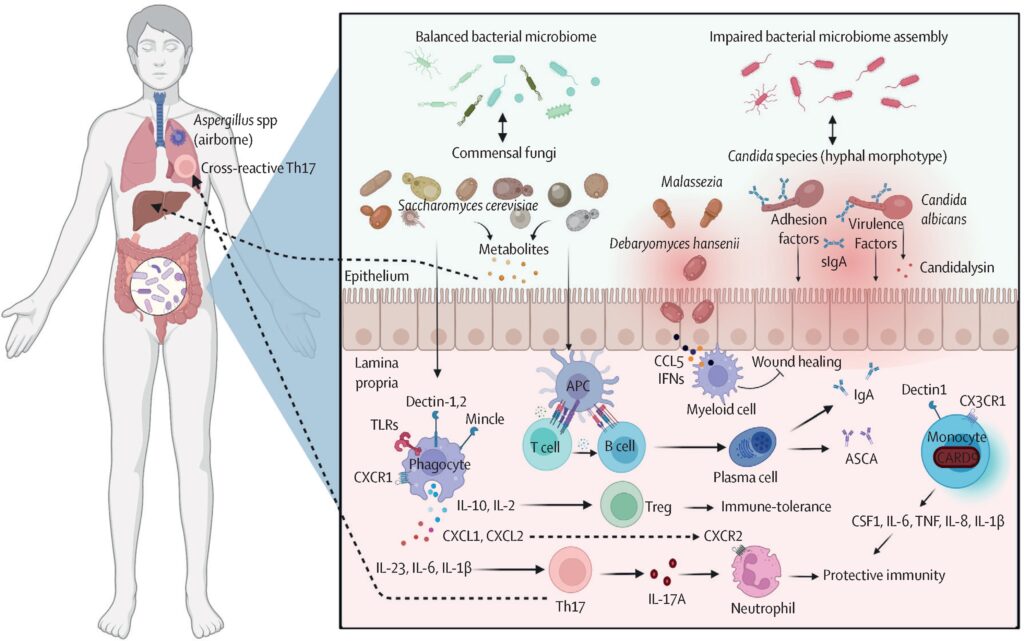
        Just to show how many different microorganisms there are in your gut microbiome

        And what is the notorious gut microbiome? 

        The gut microbiome is not an anatomical organ. It is a vast, dynamic ecosystem of about 100 trillion microorganisms—including bacteria, archaea, viruses, and fungi—primarily inhabiting the large intestine. Its composition and function are shaped by diet, genetics, antibiotics, and the environment, with complex microbe–microbe interactions giving rise to emergent properties that function like an additional metabolic organ. When well diverse and balanced, it supports health; when disrupted (dysbiosis), it can contribute to inflammatory, metabolic, and neuropsychiatric conditions.

        The gut microbiome closely coexists with the human host, helping break down complex carbohydrates, synthesize vitamins, strengthen the gut barrier, and “educate” the immune system, while producing metabolites such as short-chain fatty acids that influence metabolism and inflammation. What are metabolites? They are small molecules produced or consumed during metabolism by living organisms (including gut microbes).

        In relation to the gut microbiome, what are probiotics?

        Probiotics are live microorganisms that, when consumed in adequate amounts, may offer health benefits by supporting a balanced gut microbiome, improving barrier function, and modulating the immune system. Many people use probiotics to prevent antibiotic-associated diarrhea. Importantly, the effects are highly strain- and condition-specific, so benefits seen with one probiotic do not necessarily apply to another.

        When considering probiotics, focus on strain- and condition-specific evidence, not general “probiotic” claims. Choose products with well-documented strains and labeled doses for your target outcome, and be mindful that more CFUs are not always better. Also be realistic. Your gut microbiome counts 100 trillion microorganisms and most probiotics 10 billion CFU’s, which is a modest 0.01%.

        Prebiotic examples (feed for gut bacteria): onions, garlic, bananas, oats, apples, flaxseeds. Note: these are not probiotics themselves; they are foods that feed beneficial microbes. If you want examples of probiotic foods, refer to unsweetened yogurt, kefir, sauerkraut, kimchi, and other fermented foods.

        How to ruin your gut microbiome (1)

        Sugar, refined starches, processed and ultra‑processed foods, artificial sweeteners, E‑numbers, and saturated fat can shape the gut microbiome in a negative way. They can alter the substrates available to microbes in the long term, influence bile acid circulation, and increase inflammation. Poor dietary choices can lower microbial diversity.

        The overall effects depend heavily on the broader dietary pattern rather than a single nutrient, and on individual factors such as baseline microbiome, genetics, age, and medications. Disruption of the microbiome has been linked to diseases including inflammatory bowel disease (IBD), obesity, allergic disorders and asthma, type 2 diabetes, cardiovascular disease, and autoimmune disorders.

        What your microbiome needs

        A diet rich in diverse fibers (vegetables, fruits, legumes, and whole grains), resistant starch, and fermented foods tends to boost SCFA‑producing bacteria and strengthen gut barrier function. Omega‑3 fatty acids and polyphenols may also support a healthier microbiome. Consider adding probiotic foods to your diet and don’t forget fermented items. Aim to support a healthier dialogue between the gut and brain, though individual responses vary.

        Gut–brain axis

        You have heard about the gut–brain axis. What happens in your gut impacts your brain and mood. The gut–brain axis is a dynamic bidirectional communication network linking the central nervous system with the gastrointestinal system, integrating neural, immune, and endocrine signaling.

        In practice, the axis helps govern mood, stress reactivity, cognition, and pain perception, while psychological states and stress can alter gut motility, permeability, and microbial composition, creating a feedback loop.

        The microbiota sits at the heart of this axis, shaping brain function by producing and modulating neuroactive compounds such as short‑chain fatty acids. Signals travel via neural routes (notably the vagus nerve), immune mediators, and circulating metabolites that can affect brain cells, with gut barrier integrity and systemic inflammation playing key roles. Because this signaling is highly context‑dependent, factors like diet, antibiotics, stress, and aging can markedly influence the axis.

        How to Ruin Your Gut Microbiome (2)

        The impact of medicines can be substantial. It has long been known that antibiotics affect the gut microbiome, killing both beneficial and pathogenic bacteria. Researchers have found that also longer durations of other medication use and taking more medications are associated with greater disruption of the microbiome. In a recent study, 167 of 186 drugs affected the microbiome in some way, with 78 showing long-term effects. The longer people used medications and the more drugs they took, the greater the disruption.

        Multiple drugs can interact to produce a larger impact on the microbiome; among individual drugs, benzodiazepines appear to have the greatest negative effect. The implications matter because microbiome disruption is linked to inflammatory bowel disease (IBD), obesity, Type 2 diabetes, cardiovascular disease, and autoimmune disorders. A healthy microbiome is a stable, diverse community with high microbial gene richness that lives in balance with its human host.

        Bloating and floating

        A healthy gut microbiome and normal transit usually manage gas without distress, but imbalances or intolerances can amplify symptoms. Bloating and gas are common signals from your gut that reflect how your digestive system and its microbial residents are handling food.

        Most gas comes from bacterial fermentation of undigested carbohydrates in the colon, producing hydrogen, methane, carbon dioxide, and other compounds. The amount and composition of gas depend on what you eat—especially fiber and fermentable carbohydrates (FODMAPs)—your gut microbiome, and how quickly food moves through your gut.

        In health terms, bloating and gas can be linked to specific conditions or dietary intolerances, such as irritable bowel syndrome (IBS), small intestinal bacterial overgrowth (SIBO), lactose or fructose intolerance, or celiac disease.

        Red flags and the doctor

        Red flags to seek medical evaluation include weight loss, blood in stool, severe or persistent pain, vomiting, fever, or new symptoms after age 50. If bloating or gas is persistent or bothersome, a clinician can help identify triggers (often via a symptom diary), assess for intolerances or underlying conditions, and discuss targeted dietary or therapeutic options. 

        Thanks for reading, mind your diet and enjoy life,

        Robert, your health friend,

        Art from Venezuela