20. AIR POLLUTION AND ITS IMPACT ON YOUR HEALTH (health project99+)

Waterfront Hong Kong harbour

Dear Reader,

The health impact of bad air is probably worse than you think. Air pollution consists of many components, some natural—such as dust or wildfires—but most are man made. It causes about seven million premature deaths each year: roughly 10% of all global deaths annually. Air pollution also causes illness and hundreds of millions suffer from respiratory symptoms and other diseases.

A key challenge is that as an individual you have only limited options to protect yourself against air pollution. I will mention these options at the end of this blog. The main solution, however, lies with authorities who should formulate and enforce measures to reduce air pollution.

1 What is air pollution? It is not a single pollutant. It is a mixture of tiny particles and gases from traffic, industry, burning fuels, wildfires, and other sources. When inhaled, it can affect several body parts—especially the lungs and heart.

2 Some facts The World Health Organization says that 99% of the world’s population breathes polluted air. A report by the Royal College of Physicians estimates about 30,000 deaths per year in the UK, but going down slightly.

The burden is much higher in low- and middle-income countries and in recent years, the places with the worst air pollution have been mainly in the Indian subcontinent. This includes India, Bangladesh, and Pakistan. At times, Nepal or parts of the Middle East also experience severe air pollution. Positive results have been observed in China. Several other countries have also seen positive results. In The Netherlands air-pollution–related deaths have declined by about 25% between 1995 and 2019.

From all the different elements that make up air pollution PM2.5 is considered the most harmful. Note: PM stands for “particulate matter”. The size is 1/1000 of 1 millimeter.

3 Elements of air pollution I (PM2.5) include sulfates, nitrates, organic and elemental carbon, and metals. Their toxicity and optical properties vary by location. They also change with the seasons. PM2.5 refers to fine inhalable particles with diameters of 2.5 micrometers or smaller that can linger in the air and be breathed deeply into the lungs. They originate from direct emissions such as diesel and gasoline engine exhausts, power plants, and wood or biomass burning. Natural sources, such as desert dust and wildfires, also contribute to PM2.5.

4 Elements of air pollution II

Ozone at ground level (O3) is a strong oxidant that irritates the airways and triggers inflammation. Smog can happen with a high concentration of pollutants. These include fine particles and ozone (O3). This occurs under sunny and stagnant weather conditions.

NO2 and related nitrogen oxides (NOx) irritate the airways and contribute to inflammatory processes; they also form additional secondary pollutants.

Sulfur dioxide (SO2) is an irritant gas that can cause bronchoconstriction.

Carbon monoxide (CO) binds to hemoglobin, reducing oxygen delivery to tissues.

Volatile organic compounds (VOCs) include some toxic or carcinogenic substances (for example, benzene) and also contribute to secondary pollutants such as ozone.

Black carbon, a component of PM, is a marker of combustion and contributes to PM2.5 toxicity, with climate and health impacts.

Indoor pollutants—such as radon, indoor NO2, formaldehyde, and high indoor PM from cooking or smoking—can dominate indoor air quality and drive health risks even when outdoor air is cleaner.

5 What happens in your body I?

Most people assume air pollution is fully filtered out by the nose or mouth. They also believe it is simply expelled from the lungs. However, that isn’t accurate. Some particles are cleared by the body’s defenses, but many penetrate the lining of the airways and enter the bloodstream.

Because PM2.5 particles are so small, they can reach deep into the lungs. These particles go beyond the lungs, triggering inflammation. This inflammation contributes to heart and lung diseases, strokes, and premature death. Health impacts depend on particle size, composition, concentration, and exposure duration, but the overall message is clear: PM2.5 is very harmful to health.

6 What happens in your body II?

In the lungs, particles can irritate the airways, causing coughing, throat irritation, wheeze, and shortness of breath. Inflammation and increased mucus production can reduce lung function, especially in people with asthma or COPD. Fine particles such as PM2.5 can penetrate deep into the lungs and even enter the bloodstream.

In the heart and blood vessels, inflammation and oxidative stress can affect blood vessels and blood pressure, increasing the risk of heart attack and stroke over time; short-term exposure can trigger chest pain (angina) or worsen existing heart conditions.

Some studies also link air pollution to cancer development, including lung cancer, with risk varying by pollutant, dose, and individual susceptibility.

There is growing interest in possible links between air pollution and effects on the brain including dementia, though evidence is still evolving.

The eyes, nose, and throat may sting or water.

Sleep can be disrupted, and headaches or fatigue can occur on days with high pollution.

7 A recent roadside-pollution case study suggests that brief exposure near busy traffic can increase uptake of PM2.5 in red blood cells, with most, but not all of the particles clearing after a period in cleaner air. Practical takeaway: avoid busy streets when possible, and take extra precautions for children and other vulnerable groups.

8 Sources of air pollution in the Netherlands

Traffic (including road, rail, and shipping) accounts for about 29% of PM10 emissions. Agriculture contributes about 19%, primarily from stables. Other industries contribute about 18%, for example from combustion processes. Households contribute about 22%, for example from wood burning. 

For PM2.5, traffic is the largest source (about 35%), together with households (about 35%), followed by other industries (about 17%). 

9 Who is most at risk?

  • Children, especially during active growth and those with asthma.
  • Older adults and people with preexisting heart or lung conditions.
  • Pregnant people (exposure to pollution can affect fetal development in some cases).
  • Outdoor workers or those in high-traffic areas.

10 Air quality indicators

Air quality indicators are measurements and summaries that tell you how clean or polluted the air is, and how that pollution might affect health and the environment. They fall into a few main types:

  • Particulate matter (PM): micrograms per cubic meter (µg/m³)
  • Gases: parts per billion (ppb) or parts per million (ppm)

The Air Quality Index (AQI): used in many countries to condense multiple pollutant measurements into a single number and color code (typically 0–500)

  • 0–50: Good
  • 51–100: Moderate
  • 101–150: Unhealthy for Sensitive Groups
  • 151–200: Unhealthy
  • 201–300: Very Unhealthy
  • 301–500: Hazardous

In The Netherlands this is translated into a scale of 1-11. Where I live, near The Hague, at the moment of writing this blog, the official air quality index is 2.44, which is good, but along the highway between The Hague and Amsterdam the official index is 4.51, which is average.

11 Indoor air quality and sick-building concerns are real, not woke

Sick-building syndrome is real; poor indoor air quality can contribute to various illnesses. When you have doubts about the air quality of your office insist on testing for the following indicators.

  • PM2.5 and PM10 (outdoor-type particles can infiltrate indoors)
    • CO2 (used as a proxy for ventilation and air freshness)
    • VOCs (volatile organic compounds from paints, cleaners, furnishings)
    • CO (carbon monoxide)
    • Humidity and mold indicators can also matter

12 What can you do about it?

  • Choose where you are going to live carefully. I know this isn’t always feasible for many good reasons of which finances are often a major one. If possible, prioritize living in an area with better outdoor air. Air quality can vary significantly within a single city; near a park or next to a busy round abound will make a big difference. Myself I bought an apartment near the beach.
  • When walking or cycling, avoid busy streets with heavy traffic if possible. Especially when you walk with a baby in a pram. Air pollution can vary greatly between busy and quiet streets.
  • If outdoor air quality is low, stay indoors as much as possible and avoid outdoor exercise. Exercise increases inhalation of pollutants. I once jogged in Beijing when the air was very poor—definitely not a good idea and I felt bad for days.
  • Improve indoor air quality: (1) Use a good portable air purifier with a HEPA filter, especially in bedrooms. (2) Vacuum and dust regularly; damp-wipe surfaces to reduce allergens. (3) do not use candles and open fire place. Sorry about this!
  • People with heart disease or chronic respiratory conditions, or those recovering from a heart attack should consider well-fitted mask (N95/KN95) for particulates when the air is bad, though masks don’t remove all gases.

Most important however is to choose politicians who take air pollution seriously!

Take care, keep on breathing and enjoy life,

Robert, your health friend

A temple in Hong Kong

20. MY FIRST YEAR WITHOUT A CAR (health project99+)

BMW museum in Munich

Dear reader,

I am not against cars; on the contrary. Still, I made a conscious decision not to buy a car a year ago when I returned to The Netherlands.

Why did I decide to do so, and what has my experience been so far? In short: I made this choice because of health reasons, my experience has been 9.5 out of 10, and I’ve also saved a significant amount of money and contributed to a better environment.

Although I live in a big city (by Dutch standards), I have my own parking space next to my apartment. Not having a car is still considered a bit of an exception. However, it is not as unusual anymore as it would have been 10 years ago. My neighbors are now accustomed to seeing two bicycles in my parking area, amidst a lineup of impressive cars. And the bicycles are not electric!

The no-car lifestyle is becoming a niche trend in my country. It isn’t mainstream yet because, in the Netherlands, with a population of 18 million, there are still 9 million cars. If I lived in the center of Amsterdam, having a car would be very impractical (due to parking and traffic jams). More and more people in big cities are giving up their cars. I know quite a few people who no longer own a car. However, only one friend has done so for more principled reasons, like me.

Of course, it helps that public transport is excellent in the western part of the Netherlands. Two bus stops are just 100 meters from my apartment. I am a member of Green Wheels (a car-sharing program). The nearest available car is just a 10-minute walk away. Moreover, there’s home grocery delivery for those who wish, and I seldom use taxis. When I visit friends, they often pick me up at the train station. While this pickup is usually not necessary, it is always appreciated.

Now, after this introduction, why did I choose to live this way? Primarily, it’s about investing in my health and exercising more, which is one of the pillars of longevity.

Exercise, including strength training, is a vital aspect of a healthy and long life. Other essential elements include good sleep and stress management. Healthy food and a nurturing environment are important too. An active social life is also crucial. These elements work together with supplements and technological breakthroughs.

To progress on this path toward longevity, I need clarity about the benefits. I must be convinced that an alternative lifestyle will be beneficial in the long term. This, of course, is not always easy. Willpower is crucial, as I noted in another blog. https://shakethehealthtree.com/index.php/2025/06/17/0-the-motivation-willpower-and-knowledge-alliance-health-project99/

I can help myself substantially. For instance, when it comes to diet, I know I am susceptible to giving in to comfort food. I love chips, chocolate, etc., and I can’t resist them when they are in the cupboard. The (somewhat childish) solution is not to keep them at home. In the store, I frequently get sweet cravings. One look at the product label usually deters me. That French nougat may look enticing, but 100 grams contains 55 grams of sugar. And 100 grams of Turkish delight equals 100 grams of sugar.

Let me start with the benefits of not having a car. It saves a lot of money (more about that later), but my main motivation was health. The key health benefit is that I engage in daily cardio training. For trips up to 10 km (20 km round trip), I take my non electrical bicycle. This enables me to exercise at many moments when I would normally have taken the car. When the weather is bad, I take the bus or tram, both of which are nearby.

Not having a car appears (for me at least) to create a big supporting context for my exercise objectives.

In the early morning, I take a standard 4 km walk. I buy groceries and essentials like croissants, kefir, Turkish bread, and vegetables. All other shopping and appointments are done by bike. If I have too many groceries, I have them delivered to my home.

Most days, I complete my 10,000 steps, pleasing both my Apple Watch and me. This achievement is partly due to the absence of a car.

Not having a car reduces stress when traveling. Yes, it requires some adjustment. The timetables of the bus, tram, and train provide a framework. Once I get used to it, it is genuinely relaxing. I have a Rail Flex subscription that allows me to travel for free on weekends within the Netherlands. Great! This is complemented by my museum card, granting access to almost 600 museums. Overall, it’s an excellent way to rediscover the Netherlands, and I’ve noticed that this approach brings me mental peace. Sitting on the train, reading, sleeping, or looking at Dutch cows or spring tulips is all great.

There are limitations for example I organize visits to friends mostly in the weekends. Living this way also requires more time, as I am 30 minutes away by bus from the central train station. As a result, trips to nearby cities take much longer by public transport than by car. However, this disadvantage diminishes during longer trips.

Regarding cost, although it’s not my primary consideration, I save a lot of money. The monthly cost of driving a car in the Netherlands ranges from €600 to €1,100. I spend an average of €75 on public transport. I also spend €30 on renting a car through Green Wheels. Additionally, I spend around €1,000 annually for holiday car rentals. I’ve not used taxis so far. My total monthly transportation expenditure is less than €200.

So far, not having a car has been a success. Health-wise, I walk and bike more. It also contributes to better mental health due to reduced stress by being driven (train) and not driving yourself. All this happens while saving money in the process. I was initially concerned about missing the convenience of having a car available at any moment. However, this fear proved to be unfounded. It is true that living this way can require more time, but I adapt to this very quickly.

And before I forget, it is not bad for the environment as well.

Did I ever regret it? Yes, once. I celebrated New Year’s Eve with friends and returned home at 02:00. There was a storm with headwinds and a lot of rain, and it was very cold. No public transport or taxis were available, and these are the moments when a car-free life is not pleasant. 

Take care, sell your car if possible and enjoy a long and healthy life,

Robert, your health friend

Crossing a river in Congo/Brazzaville, no public transport

20. SUNSCREEN, THE MORE THE BETTER (health project99+)

Caracas

Dear reader,

As our knowledge about certain dangers advances, so should our commitment to daily UV protection. Protecting against UV radiation today, both UVA and UVB is an investment in lifelong health. 

This blog contains if not all, most aspects related to sunscreen.

The sunscreen shelf contains oils, lotions, sprays, and creams. There is also a rich assortment of labels and promises. The variety of prices is equally vast. A healthy dose of skepticism helps navigate through all the bottles and tubes. “Dermatologically tested”, what does this mean? Scientifically speaking probably nothing.

“Avoid, cover, apply” Skepticism about claims by producers of sunscreen should not turn into distrust of the product. Sunscreen strongly reduces the risk of sunburn. It also lowers the risk of skin cancer. “Avoid, cover, apply” is the advice of all experts. Avoid the sun during the hours of highest UV intensity. Cover the skin with (UV-protective) clothing. Generously apply sunscreen to exposed skin, even when it is clouded.

Relation sunshine and skin cancer is proven. Claims on social media that sunscreen is hormone-disruptive or even carcinogenic have not been proven to date. Meanwhile, there are “piles of serious studies” that prove UV radiation can cause skin cancer. “UV radiation is classified as a ‘Group 1 carcinogen’, just like asbestos or tobacco. The causal relationship with cancer is indisputably proven.

There are two different types of UV radiation to remember. One is called UVA, which impacts aging processes. The other is called UVB, which causes burning. Both types of radiation can cause skin cancer.

Skin cancer is on the rise. It is one of the most common forms of cancer in countries like the Netherlands. Nearly 80,000 diagnoses occur annually. The situation is similar in the USA with 3.6 mln diagnoses annually. UV radiation from the sun and tanning beds is typically the cause. 

A thousand people die from skin cancer each year in The Netherlands. This often results from more malignant forms like melanoma. In the UK, 2500 people die from skin cancer annually. In the USA, that number is 8000. These deaths are almost all preventable if well protected against the sun.

1.Difference between UV A and UV B

All sunscreens have UVB, but please choose a sunscreen that has also UVA Protection. It is important to prevent premature wrinkles. The advice is to apply sunscreen daily, and even every few hours if you are outside. UVA radiation penetrates deeper into the skin. It is responsible for premature skin aging (photoaging), including wrinkles and age spots. It can also damage collagen and elastin in the skin.

UVA rays are more constant throughout the day. They can penetrate through clouds and glass. This makes them a concern even on overcast days or indoors.

2.The truth of the factor

Factor 30 or Factor 50? The recommendation is to use at least Sun Protection Factor of 30 (SPF 30). It promises to block 97% of harmful UV-B radiation. SPF 50 blocks 98%. A minimal difference of only 1%.

SPF 100 is forbidden in Europe as it blocks 99%, but the 100 will give the public a false sense of security.

3.Application is key and clear most of us do not enough

In practice, people often apply sunscreen too thinly, don’t reapply often enough, and sweat or wipe it off. Therefore, the actual protection from both SPF 30 and SPF 50 is much lower than 97 or 98%.

A high SPF is an indication of better protection but does not mean you can stay in the sun longer. Due to sweating, skin exfoliation, and friction from clothing, the protection decreases.” Regular reapplication is crucial—preferably every two hours. or more often if swimming or sweating.

An adult body has between 1.5 to 2 square meters of skin surface. Application guidelines require 2 milligrams per square centimeter of skin. So if you do a full body application you will need about 40 milliliter applications. In other words, a 100-milliliter sunscreen bottle should be empty after three thorough applications.

However, most people apply only half to a quarter of the recommended amount. This makes it nearly impossible to achieve the protection level indicated on the bottle. Fortunately, consumer testing consistently shows that the best brands are not always the most expensive. Also, the cheapest aren’t the worst. 

In the EU, sunscreen cannot claim to be waterproof—but the claim of water-resistant is ok. Look for water-resistant technology, as some products do not offer it, which allows for better staying power in water.

After-sun products are not a substitute for prevention. If burnt, people should avoid the sun and hydrate. Instead, a simple moisturizer without harsh additives is recommended.

Labels claiming “ocean friendly” or featuring happy turtles are not official certifications yet. They often indicate that certain harmful ingredients are absent. For well-rounded UV protection, use mineral filters with iron oxide. They are especially recommended for dark skin. These filters can protect against visible light and pigmentation.

Protecting children from sunburn is crucial, as it increases future skin cancer risk. The Dutch Cancer Control advises keeping infants under one year old completely out of the sun and applying appropriate sunscreen, especially during peak UV hours (generally between 10 a.m. and 4 p.m).

4.Sunscreen and Vitamin D

One should spend at least 20 minutes in direct sunlight daily. This exposure is necessary because UVB is responsible for Vitamin D production. The less of your body is covered, the more exposure you need of course. One unintended consequence of applying sunscreen well is that no Vitamin D will be produced and supplements are necessary. I wrote a blog on the all-important Vitamin D. https://shakethehealthtree.com/index.php/2025/06/03/vitamin-d-yes-we-must-take-it-health-project99/

5.Umbrella’s, clothes, clouds offer only partial protection!

Sitting under an umbrella can provide some degree of protection from the sun. However, you still need sunscreen. Most umbrellas block approximately 50-95% of UV rays, depending on the fabric and color. 

UVB Rays are usually blocked more effectively than UVA Rays. The umbrella blocks UV rays well. However, it is possible to be exposed to indirect UV rays. These rays can reflect off surfaces like sand, water, and concrete.

Clothing can provide significant protection against UV radiation. However, the level of protection varies based on several factors. These include the type of fabric and its color. The weave density and whether the fabric has been treated for UV protection are also important. 

Here’s a breakdown of how clothing can protect against UVA and UVB rays. Clothing is rated by a metric known as Ultraviolet Protection Factor (UPF). A higher UPF indicates greater UV protection. UPF 40-50+ = Excellent protection. A UPF of 30 means that only 1/30th of the sun’s UV radiation can pass through the fabric.

Fabrics that are tightly woven, such as denim or canvas, typically offer better protection than loosely woven fabrics like t-shirts.

Darker colors often provide more UV protection than lighter colors. For example, a dark blue shirt may block more UV radiation than the exact same shirt in white.

Materials like polyester and nylon often provide better UV protection compared to natural fibers like cotton. Some synthetic fabrics are specifically treated to enhance their UV-blocking capabilities.

Wearing multiple layers of clothing can increase UV protection, as the underlying layers can add additional defense against UV rays. 

High-quality sunglasses that block 90–99% of UVA and UVB rays can reduce UV exposure to the eyes. When combined with a wide-brimmed hat, they protect the surrounding skin by up to 50% or more. This combination offers significant protection when used consistently.

Clouds are another protection, but also here only partial. Up to 80% of UVA rays can still reach the ground on cloudy days and up to 50% of UVB.

So in short there are different types of protection, from combination of umbrella’s, cloths and at times clouds

6.Can your body repair DNA damage you suffered in earlier years?

Your body can repair some DNA damage caused by past sun exposure. However, it may not fully correct all of it. By taking precautions in later years, such as staying out of the sun, you can significantly reduce further damage. Additionally, using sunscreen lowers the risk of skin-related issues. However, you should not forget that UV damage to the skin adds up over time, so consistent protection is key.

Regular skin checks are advisable. Consultations with a dermatologist are also recommended for monitoring potential changes due to past UV exposure. Apps like SkinVision can help you to self monitor in between your consultations. 

7.And then we still have the Nanoplastics.

Most available research indicates that nanomaterials can penetrate the outer layers of the skin. The health risks associated with this penetration are not yet fully understood. More research is needed to determine if nanoplastics pose a significant risk when used in skincare products. One of the concerns is that certain types of nanoplastics can have toxic effects on cells.

It will take years before health consequences are known. I am not going to wait for this and look for products that are free from synthetic microplastics or nanoplastics. Often, mineral-based sunscreens that contain zinc oxide or titanium dioxide are recommended as safer alternatives.

8.My own experience

I had first stages of skin cancer a few times, but these spots were timely removed. In my youth I never paid attention to being sun burned. The last 30 years I do it much more and my wife Kim makes sure I always put on my sunscreen. I was glad to find out (ref point 6 of this blog) that your body can partly repair DNA damage.

It is sunny outside, I go for a dive into the Dutch North Sea. It is 7 PM, but after reading this blog I still put on sunscreen.

Take care and enjoy a healthy life!

Robert, your health friend

There are 100’s different types of palm trees in the world

20. A PLASTIC TSUNAMI ENTERING HUMAN BODIES (health project99+)

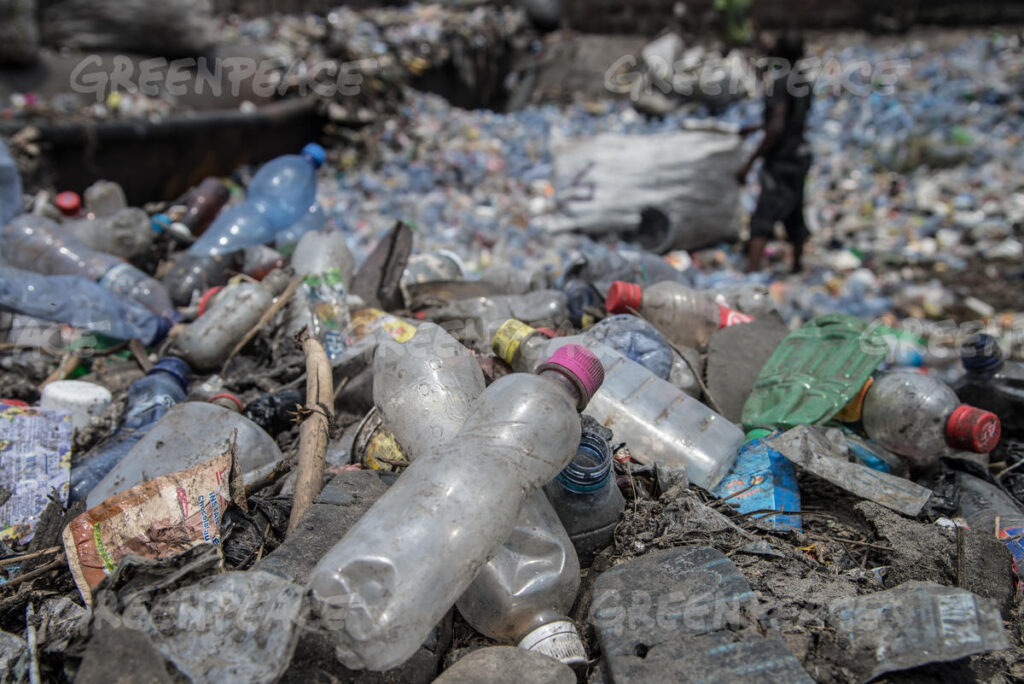
Courtesy Greenpeace, plastic in Kinshasa

Dear reader,

We consume more plastics than we think. Especially the smallest particles, the Nanoplastics, can have a bad effect on your long-term health. Science is working hard, much is still unclear, but signs are not good. Try to limit your contact with plastic significantly. Avoid using plastic bottles, do not heat anything in plastic, do not drink from plastic coffee and tea cups, do not eat chewing gum and stay away from tea bags. For starters. See point 8 how to minimize your exposure to these plastic particles. And in the meantime you can subscribe, for free, to my blogs.

  1. Research only at its infancy/I am worried

I know research is ongoing and final conclusions will take years, but doesn’t this micro and nanoplastic stuff sound scary? Plastics sound innocuous, but there are many types, some of which can cause cancer or other diseases. 

The effect of all these micro- and nanoplastics entering our bodies is still unknown. The more I read, the more concerned I become. Plastics are a holistic concept, but when you break them down you enter a world dangerous additives. You also read about Nanoplastics as molecular pollutants that attach to fungus, algae and bacteria.

Writing this blog did not help, nor did these alarming headlines: “0.5% of the brain consists of Nanoplastics,” “Nanoplastics found in penises,” , “Nanoplastics entering individual cell structures.” and “birds in Australia found with 20% of body weight in plastic.”

2, Most experts downplay the risk,

Experts claim that the public is overreacting. A quarter of the Dutch population believes that microplastics, and especially Nanoplastics, are among the top dangers to one’s health. We Dutch are perhaps exaggerating, but probably not. From what I have read this plastic future does not look all too good.

We do not know yet what interaction might occur between these smallest particles and living organisms. The idea that the tiniest particles enter your individual cells is beyond worrying. The increasing amount of plastic found in people’s brains is also not a good sign.

There seems to be no end to the plastic tsunami that overwhelms us. This news from the Netherlands is a bit off topic but related. It states that eggs from free-ranging chickens are too dangerous to eat. Can you imagine? Apparently, there is so much poison in the Dutch soil that it impacts the quality of food the chicken eat. This, in turn, affects the quality of the eggs.

There are actions we can take, such as avoiding these contaminated eggs. Or, in the case of plastics, minimizing their use as much as possible. Below are some tips in this blog.

For everything else, we must keep an eye on scientific developments.

3. Ok, what are micro plastics and Nanoplastics?

Microplastics are small plastic particles. They are usually defined as being less than 5 millimeters in size. However, they can be much smaller. They originate from the breakdown of larger plastic debris, like bottles and bags. They also include fragments of stabilizers, lubricants, fillers, and plasticizes. Manufacturers use these and other chemicals to impart desirable properties to plastics. Such properties include transparency, flexibility, and durability. Many of these chemicals have been classified by experts as toxic and harmful to human health.

Microplastics are widespread in the environment, found in oceans, waterways, soil, and even in the air. They pose increasing environmental challenges. Microplastics contaminate ecosystems and enter food chains, such as in fish. Animals and humans can ingest them, potentially causing harm over time.

Nanoplastics (sometimes calles nanoparticles, but this is a wider concept) are particles less than 100 nanometers in size. This size is less than 1/10,000 of a millimeter. They are much smaller than microplastics and more worrisome because they can overcome certain barriers and enter human cells. They can be purposefully engineered in various scientific and industrial processes. For example, they are used for materials like carbon nanotubes. Alternatively, they may occur naturally in some processes. They can also result from the further breakdown of microplastics.

4. Just some plastic statistics

In 2020, approximately 367 million tons of plastics were produced worldwide. This amount is almost double that of 2000, which had an annual production of 200 million tons. Production is still growing on an annual basis.

Researchers estimate that the average person consumes between 78,000 and 211,000 microplastic particles every year. Plastic-based bottled water has a big role in these figures. Hot drinks in plastic cups can also contribute significantly. Together, they can make up to 50% of the intake. And remember, we only talk about the micro plastics, the “big” particles, up to half a centimeter! every year through drinking water, foods contaminated by microplastics, and breathing microplastics-containing air. The number of nanoplastics is infinitively more and can be 200.000 in one plastic bottle with water.

Fortunately, most, but not all leaves our body again the natural way.

In early 2024, a new study revealed that human brain samples collected at autopsy contained significantly more plastic. They had seven to 30 times more plastic than the kidneys and liver. Compared to 2016, this concentration represents about a 50% increase, indicating that, as of today, about 99.5% of the brain is brain tissue and the rest is plastic.

5. Not only plastic bottles and plastic coffee cups are of concern. Chewing gum as well.

A pilot study presented at the American Chemical Society’s spring 2025 meeting revealed that chewing gum can release hundreds to thousands of micro and nano plastic particles into saliva, which are then potentially ingested.

6. Dangers of micro- and nanoplastics

Microplastics and Nanoplastics have infiltrated ecosystems worldwide and have been detected in air, water and soil. Their small size allows them to enter the human body through ingestion, inhalation and dermal contact. Chemical additives like polychlorinated biphenyls and phthalate esters are added to microplastics during production. These additives typically exacerbate health effects. Microplastics are therefore recognized as an emerging environmental concern. They are also a public health concern. These concerns have the potential to affect both human well-being and the natural environment.

So the much smaller parts, the Nanoplastics, can penetrate biological barriers. They enter cells and tissues, raising concerns about long-term health effects. It alarms me to learn that microplastic and nano plastic concentrations in brain samples are seven to 30 times higher. These concentrations are notably higher than those in kidneys and liver. As always with relative new developments, more studies need to be done to understand what the health implications are.

The mechanisms by which Nanoplastics enter the brain remain unclear. One hypothesis is that they travel with lipids ingested through food. Human brains are particularly rich in fat, which may help plastics cross the blood-brain barrier. Inhalation of airborne microplastics and ingestion through diet are considered primary routes of exposure.

7. Just one example how plastic pollution originates and affects us all

Biosolids, which are the treated water sludge generated from wastewater treatment, significantly contribute to plastic pollution in terrestrial environments. They are commonly utilized as fertilizers in agricultural land. This practice results in a considerable deposition of microplastics onto farmlands. In Europe, estimates vary between 63,000 to 430,000 tons of microplastics are deposited annually. In North America, the range is 44,000 to 300,000 tons. Consequently, agricultural soils serve as extensive reservoirs of microplastics. These particles are transported to the aquatic environment through various means. These means include rainfall, leaching, and irrigation.

8. First suspected links with diseases

There is ongoing debate over the health impacts of these microplastics within human tissues. These risks encompass inflammation, oxidative stress, and tissue damage. They have been found in vital organs such as the heart, liver, lungs, and even placenta. 

One study also found that individuals with dementia have more plastic fragments in their brains. The amount is three to five times higher than those without the condition. It was noted that dementia can impair the blood-brain barrier and brain clearance mechanisms, possibly creating a “sink” for plastics. Again, no definitive proof yet.

Some experts argue that nano plastics carry harmful chemicals. These chemicals are known to lead to reproductive issues. They cause hormonal imbalances by disrupting the endocrine function.

There appears to be a link between plastics and obesity.

9. What to do?

Summary: reducing exposure to microplastics and nano particles involves several lifestyle and consumer choices. Below some suggestions I summarized from reliable sources on internet.chapter

My own top 5 is: never heat anything in plastic, avoid drinks from plastic bottles (= no 1 tip), do not drink hot drinks from plastic, store in metal or porcelain, repack from plastic in metal, glass or porcelain, not cutting food on plastic cutting-board. I cut everything on an ordinary porcelain plate. And stop eating chewing gum or using tea bags.

10.Suggestions from internet

Filtering and boiling water.

Cutting back on plastic use when possible, for example, by using reusable containers

Boosting fiber intake involves two types of fiber. Fermentable fiber found in fruits and vegetables forms a gel-like substance in your gut. This helps trap microplastics and prevents them from entering your system. Meanwhile, non-fermentable fiber helps push these harmful particles through your digestive tract. It does this before they can be absorbed. In a world where microplastics are unavoidable, fiber could be your best defense

Not using single-use plastic over and over.

Avoiding heating plastic food packaging, as plastic particles can spread into the food.

Focusing on good sources for our food is essential. We should ensure our seafood is from sources that have less microplastics, for example.

Avoid foods that are ultra-processed, as there have been some reports of MNPs (=micro and nano plastics) in ultra-processed food.

Wearing natural fiber clothing — organic cotton or hemp — and avoiding those with synthetic fibers.

Vacuuming our homes more often, as microplastics can accumulate in household dust.

Being careful of environmental pollutants as high air pollution areas might have more MNPs in air.

Making sure our environment at home or work has a good air ventilation system.

This was a difficult blog to write. Too little is known about this topic, but from what we know one can only draw one conclusion: stay away as much as possible from plastics, but this will be hard to do.

Robert, your health friend,

Traffic in Kinshasa, DRC. On a quiet day