22. BRAIN: FIRST THINGS TO KNOW (health project99+)

A cat in Istanbul

Dear reader,

As you know the brain is a delicate, vulnerable organ and, in general, a great mystery. Brain science (neuroscience) however, has progressed rapidly in recent years, making it worth watching closely. This progress is important. Neurological disorders contribute significantly to global illness. According to some sources, they account for up to 20% of mortality.

1.Some essential facts about the brain

    • Despite weighing about 1.4 kg, the brain uses roughly 20% of the body’s resting energy expenditure.
    • The human brain contains about 86 billion neurons. Each neuron forms thousands of synaptic connections. These connections total roughly 100–250 trillion synapses. Explanation about synapses at the end of this blog.
    • Neurons relay messages (nerve signals) through the spinal cord and across the body.
    • Nerve signals from the brain can travel up to about 400 km/h, depending on axon (fiber)diameter and myelination. Note: Myelin is a fatty, insulating layer. It wraps around many nerve fibers to speed electrical signaling. It also improves the reliability of this signaling.
    • In addition to neurons, there are roughly as many glial cells—such as astrocytes, oligodendrocytes, and microglia—that support neurons, insulate wiring, clean up debris, and help with signaling.
    • Although difficult to measure, the brain’s memory capacity is estimated at about 2.5 million gigabytes (roughly 2.5 petabytes). Some comparisons equate this to three million hours of video storage.
    • There is a common myth that you only use 10% of your brain. This is not correct. In reality, nearly all parts of the brain have a known function. However, different tasks recruit different networks. Admittedly, it seems that some people use even less than 10% :).
    • The brain tissue itself has no pain receptors. Pain in headaches or injuries usually arises from the scalp, skull, meninges, or blood vessels, not from the brain tissue.
    • By age 6, the brain is around 95% of its adult size.

    2. Most of your brain develops in your early years.

    Early in life there’s a burst of synapse formation (synaptogenesis). The brain overproduces connections in many regions, then trims them back through a pruning process to optimize circuits. Afterwards, new synapses continue in the remainder of your life to form in response to learning and new experiences. Some synapses become very stable, while others are more transient.

    Neuroplasticity means the brain reorganizes its connections in response to experience, learning, and injury. This rewiring (plasticity) is highest during early development (critical periods for vision, language, etc.), but it never fully stops. 

    New neurons are produced in a few brain areas in adults. The hippocampus is most notable for this. However, the extent of neuron production is modest, and the functional impact remains under study.

    These synaptic connections are not “etched in stone” at birth. They are continually formed, strengthened, weakened, and removed throughout life.

    3. How to keep your brain in top shape?

    Actually, the usual: quality sleep, good physical health with a special mention of strength training. Strength training, interestingly enough, is essential; cardio alone is not enough.

    A balanced diet, of course, is rich in fruits, vegetables, whole grains, healthy fats (e.g., omega-3s), and proper hydration. Of all these elements, the intake of healthy fats deserves specific mention, as your brain loves these.

    Do mental stimulation and learning and add some brain games to the mix.

    4. Getting enough high-quality sleep is perhaps the single most important factor for brain health.

    Sleep is critically important for brain health. It allows the brain to perform essential functions such as clearing out waste. It also aids in consolidating memories and repairing itself. Consistent, high-quality sleep enhances cognitive functions such as focus. It boosts problem-solving skills and creativity. However, chronic sleep deprivation can impair decision-making. It can also affect emotional regulation and memory.

    5. Can you increase your IQ?

    IQ tends to be relatively stable. But is influenced by genetics and environment. You can enhance many underlying cognitive skills. You can boost your performance on IQ tests through practice. Better learning strategies contribute to improvement. Healthier habits, such as regular physical activity, are also important. 

    This does not mean that you are smarter than before. However, it can optimize your test conditions. It can also help you achieve a better result. Claims that IQ can increase by as much as 15 points exist, but estimates vary.

    6. Brain fog can be repaired

    If you often feel fatigued, distracted, moody, and just plain “off,” you may be dealing with brain fog. Brain fog is often a common, remediable byproduct of our fast-paced lifestyle. In my experience, addressing underlying issues such as diet, stress levels, sleep, and physical activity can help it disappear. If it does not, better consult your doctor.

    The brain needs a steady supply of vitamins and minerals, as well as amino acids and essential fatty acids. It also depends on glucose from complex carbohydrates. In addition, getting enough rest and relaxation is crucial. 

    Today, many convenient, processed foods and factory-farmed meats do not support brain health. A large share of people suffers from nutrient deficiencies. Many also experience sugar overload, inadequate sleep, and high stress. All of these factors deplete energy levels. 

    On a cellular level, brain fog is believed to be linked to inflammation. It is also connected to changes in three hormones that influence mood, energy, and focus: dopamine, serotonin, and cortisol. Cortisol is a key stress hormone. It helps keep you awake and alert. Dopamine and serotonin contribute to motivation, mood, and calm.

    7. Environment can have a big impact on the brain

    First, Nanoplastics. Nanoplastics are plastic particles typically below 1,000 nanometers (1 µm). They may reach the brain through inhalation and ingestion. Nanoparticles can enter the bloodstream and cross the blood–brain barrier (BBB) under certain conditions. 

    Once inside, Nanoplastics have been reported to localize in regions such as the hippocampus or cortex. They can be taken up by resident brain immune cells (microglia). Neurons in some models can also take them up. 

    There is emerging evidence from cell and animal studies. However, much more study is needed. Nanoplastics may trigger inflammatory and cellular stress responses. Some reports circulating in mid-2025 suggested that plastic nanoparticles exist in brain tissue up to 0.5%. These numbers require rigorous verification. They should be treated with caution. If correct, they are worrisome indeed. Interaction with other pollutants: plastics can carry adsorbed chemicals or pollutants that might amplify toxicity.

    Second, there are alarming reports that overuse of social media impacts the brain and speeds up aging. Not much scientific proof yet, but it is a topic to follow.

    Parkinson’s disease involves genetic and environmental risk factors; pollutants (e.g., certain pesticides or air pollutants) may contribute in some cases. 

    8. Neuroscience is developing rapidly, solving many of the brain’s mysteries

    To prepare this blog I read many articles. One article described a brain region that ages earlier than others. Out of three factors that may degrade this fragile brain region, diabetes and alcohol were mentioned. Additionally, nitrogen dioxide from traffic-related air pollution was noted.

    Neuroscience is developing rapidly, solving many of the brain’s mysteries. In 2025, neuroscience clinical research is evolving rapidly. Breakthroughs in disease-modifying therapies for Alzheimer’s are emerging. Digital biomarkers for depression are being developed. AI-driven discovery is advancing. Renewed investment in rare neurological indications is taking place. These factors are redefining the future of central nervous system (CNS) clinical trials.

    There will be many more blogs on the brain, a fascinating topic.

    Take care and live a happy and long life!

    Robert, your health friend

    Snow in Istanbul? Yes

    Note: What is a synapse?

    A synapse is the junction where one neuron (remember, of which you have 86 billion!) communicates with another neuron (or a muscle cell). There are chemical synapses and electrical synapses, where current can jump directly through gap junctions between cells. 

    Synapses are dynamic and can strengthen or weaken with activity, which underlies learning and memory. Most of your synapses are formed in your early years. Perhaps letting young children listen to classic music is not such a bad idea. Giving them all kinds of physical and mental challenges is also beneficial.

    You have between 100 to 250 trillion synaptic connections. Most synapses are formed and pruned during the early years of one’s development. However, the brain continues to make and change synapses throughout life. This happens in response to experience, learning, and injury.

    21. STAY HEALTHY: 100 GLASSES OF RED WINE DAILY OR …RESVERATROL/ PTEROSTILBENE?(health project99+)

    Kenya, preparing for the great migration

    Dear reader,

    Some 20 years ago Resveratrol was the supplement to take. It was heavily promoted by longevity experts like Dr Sinclair. Resveratrol was also found naturally in wine. As a result, wine lovers jumped on the band wagon. More wine, for health benefits only of course.

    To obtain a dose of Resveratrol that might have health benefits, one would need about 100 mg per day. This would require drinking approximately 100 to 1,000 glasses of red wine per day. I do not know about you, but drinking 100 glasses of red wine does not go hand in hand with longevity. This is true even for former diplomats.

    In the end I decided for Pterostilbene and I stopped taking Resveratrol. Note: subscribing to my blogs is 102% free.

    1.My thoughts about supplements in general

    Before delving into the details of Resveratrol, let me first outline my general approach of this health project99+. The five key factors for longevity are: (1) diet, (2) stress management, (3) quality of sleep, (4) exercises and strength training, and (5) an active social life. 

    By excelling in these five areas, you significantly increase your chances for a longer and healthier life. Supplements are the sixth category and, in my opinion, offer the most intriguing avenue for intervention.

    Supplements provide hope—hope for a much longer life. Many studies are underway, and life is too short to wait for the results of all of them. Promising findings are emerging at an increasing pace, thanks in part to advancements in AI. I am among those open to taking certain supplements, even though their claimed effects are not yet scientifically proven. I adhere to the “do no harm” principle and choose to give them a try.

    2.What can Resveratrol do? At first sight a lot.

    Resveratrol is a natural polyphenol (see note below this blog on polyphenols). It has been detected in more than 70 plant species. It is especially found in grapes’ skin and seeds. It acts against pathogens (stuff that can make you ill), including bacteria and fungi. 

    Many studies have demonstrated that Resveratrol possesses a very high antioxidant potential. It has other bioactive effects, like anti-inflammatory, anticarcinogenic (cancer), cardioprotective, vasorelaxant, phytoestrogenic and neuroprotective. 

    Longevity experts have been interested in Resveratrol since the early 2000s. Their interest increased particularly following research that suggested its potential role in promoting health and longevity. One study found that Resveratrol could trigger sirtuins. Sirtuins are proteins that are believed to play a crucial role in aging and metabolic regulation. Resveratrol was also linked to calorie restriction, an intervention that has been linked to increased lifespan.

    3. One big problem with Resveratrol

    Its half-time is low (max a few hours, some studies talk about 15 minutes) and its bioavailability is very limited. Some talk about a few percentages only, others about a maximum of 20%. This means that your body processes most of the supplement before it can do its work. The remainder that works lasts a very short time only. Very disappointing. This covers a wider theme that one should always consider when taking supplements. Omega-3 fatty acids last three days and most of the intake is being used.

    4.Pterostilbene comes to the rescue/what is Pterostilbene?

    Pterostilbene is a natural substance found in small quantities in vegetables and fruits such as blueberries. Those quantities, however, are so small. You need to take supplements for it to have an effect. Pterostilbene is chemically similar to Resveratrol. Both are compounds known as stilbenes. It is rapidly emerging as a supplement to watch.

    5. Differences between Resveratrol and Pterostilbene

    Pterostilbene is considerably better absorbed by the gut compared to resveratrol. Pterostilbene has a bioavailability of about 80 percent, compared to 20 percent for Resveratrol. Some studies suggest that the bioavailability of Resveratrol may be even as low as 1-3%.

    Pterostilbene also has a longer half-life, which may allow it to be effective at lower doses. Around 2 hours for Pterostilbene and 15 minutes up to one hour for Resveratrol.

    Studies have already reported that Pterostilbene can be superior to Resveratrol for certain health conditions. It has shown promise for improving cardiovascular health. Pterostilbene may also enhance glucose levels and cognitive function. One minus is that there are far fewer studies on Pterostilbene than on Resveratrol.

    6. Pterostilbene and Longevity/What does Pterostilbene do? A lot

    Many studies demonstrate beneficial effects of pterostilbene on health and the aging process. The benefits of pterostilbene are promising, and supplements are likely safe for most people. Still, much more research has to be done. Results with mice is one step, with humans another.

    • Pterostilbene reduces inflammation and improves DNA repair. It activates sirtuins which are enzymes that repair DNA and improve metabolism. These enzymes can extend health span and lifespan.
    • Pterostilbene is also an autophagy inducer. Autophagy is the process that clears up cellular waste that accumulates in the cells. During aging, autophagy is reduced. Pterostilbene can also trigger AMPK. AMPK is an important energy sensor in the cells. This activation, in turn, inhibits mTOR, a strong inhibitor of autophagy.
    • Pterostilbene increases the production of powerful antioxidant enzymes, protecting the cells against oxidative damage. Pterostilbene can improve brain functioning and can protect the brain.
    • Pterostilbene has also been shown to increase levels of other antioxidants. These antioxidants are linked to everything from improved detoxification to reduced oxidative stress in mitochondria. Mitochondria are the energy powerhouses of our cells. They play a role in most age-related diseases. They also make sure you have enough energy to function optimally.2. It may help fight or prevent cancer.
    • Several animal studies have found that supplementing with pterostilbene lowers blood glucose levels. This suggests that this antioxidant may play a role in protecting against diabetes. It may also improve insulin sensitivity.
    • Some evidence even suggests that Pterostilbene and Resveratrol may mimic the effects of calorie restriction. This practice has been shown to increase life span and help prevent age-related disorders.

    7. Side Effects of Pterostilbene

    Both can on rare occasions have some side-effects. They vary from gastrointestinal symptoms and headaches to fatigue. Rare interactions can occur with some medicines, like blood thinners or medications that are metabolized by the liver. Various studies show that Pterostilbene improves many other biomarkers of cardiovascular health, including lowering blood pressure. This could be problematic for people with already low blood pressure or those on antihypertensive medications.

    A recent study suggests a small but significant increase in cholesterol. This change may occur at the normal dose of 100 mg of Pterostilbene. This effect is observed at least for people with a higher-than-normal BMI. But as mentioned before, more studies are necessary. Conducting human trials with all the variables is quite difficult.

    8. My experience

    After finding out more about Resveratrol I decided to swap it for Pterostilbene. I take several other supplements, so it is difficult to say if and how it works. I find the studies convincing. I never experienced any side effects. A question I want to explore further is how to have the positive influence of Pterostilbene the whole day. Its half-life is 2 hours. This implies that it only works 4 hours per day if you take two per day.

    Some experts also believe that pterostilbene and resveratrol are better when consumed together. They act synergistically to promote health and prevent a variety of diseases. This is why you’ll often find them packaged together in supplements. I have not seen much about this, so I only take Pterostilbene.

    Enjoy your life, think about the big 5, do not forget your pills,

    Robert, your health friend

    Note: you often read about “polyphenols”. This is a large and diverse group of 8000 compounds with potential health benefits. They occur as  compounds in plants and are known for their antioxidant properties and potential health benefits. They do not directly influence the plant’s growth, development, or reproduction. However, they play important roles in protecting plants from ultraviolet radiation, pathogens, and herbivores.

    Note. However, as with many compounds, the exact half-life can vary based on factors such as the dosage, individual metabolism, and form of pterostilbene (e.g., whether it is taken as a supplement or comes from food sources). Additionally, pterostilbene is reported to have improved bioavailability compared to resveratrol, which may influence its effects in the body.

    20. A PLASTIC TSUNAMI ENTERING HUMAN BODIES (health project99+)

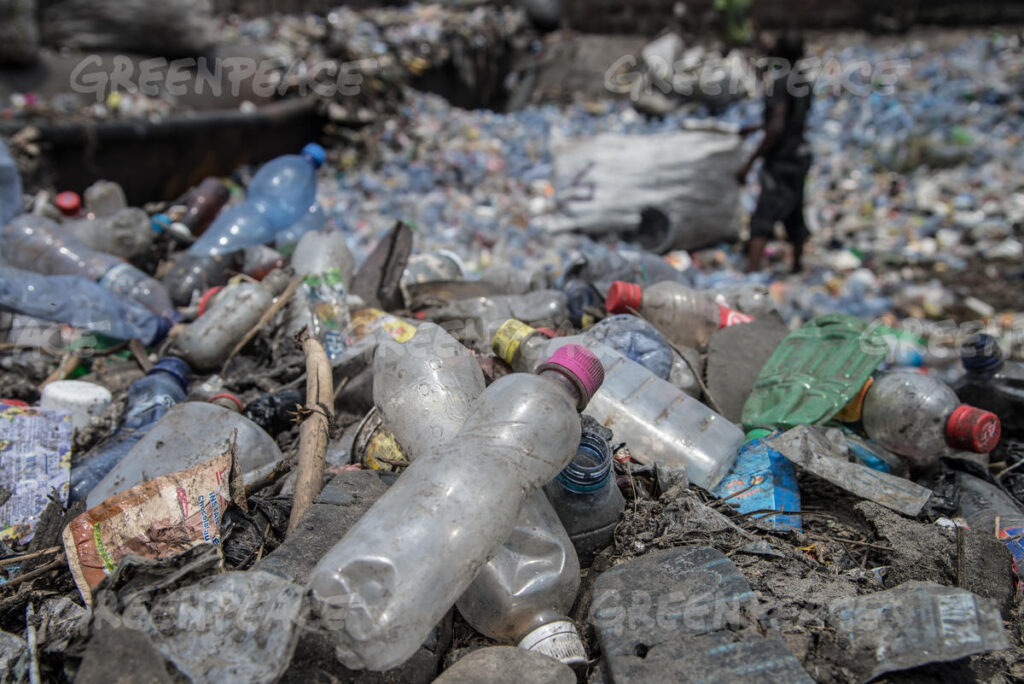
    Courtesy Greenpeace, plastic in Kinshasa

    Dear reader,

    We consume more plastics than we think. Especially the smallest particles, the Nanoplastics, can have a bad effect on your long-term health. Science is working hard, much is still unclear, but signs are not good. Try to limit your contact with plastic significantly. Avoid using plastic bottles, do not heat anything in plastic, do not drink from plastic coffee and tea cups, do not eat chewing gum and stay away from tea bags. For starters. See point 8 how to minimize your exposure to these plastic particles. And in the meantime you can subscribe, for free, to my blogs.

    1. Research only at its infancy/I am worried

    I know research is ongoing and final conclusions will take years, but doesn’t this micro and nanoplastic stuff sound scary? Plastics sound innocuous, but there are many types, some of which can cause cancer or other diseases. 

    The effect of all these micro- and nanoplastics entering our bodies is still unknown. The more I read, the more concerned I become. Plastics are a holistic concept, but when you break them down you enter a world dangerous additives. You also read about Nanoplastics as molecular pollutants that attach to fungus, algae and bacteria.

    Writing this blog did not help, nor did these alarming headlines: “0.5% of the brain consists of Nanoplastics,” “Nanoplastics found in penises,” , “Nanoplastics entering individual cell structures.” and “birds in Australia found with 20% of body weight in plastic.”

    2, Most experts downplay the risk,

    Experts claim that the public is overreacting. A quarter of the Dutch population believes that microplastics, and especially Nanoplastics, are among the top dangers to one’s health. We Dutch are perhaps exaggerating, but probably not. From what I have read this plastic future does not look all too good.

    We do not know yet what interaction might occur between these smallest particles and living organisms. The idea that the tiniest particles enter your individual cells is beyond worrying. The increasing amount of plastic found in people’s brains is also not a good sign.

    There seems to be no end to the plastic tsunami that overwhelms us. This news from the Netherlands is a bit off topic but related. It states that eggs from free-ranging chickens are too dangerous to eat. Can you imagine? Apparently, there is so much poison in the Dutch soil that it impacts the quality of food the chicken eat. This, in turn, affects the quality of the eggs.

    There are actions we can take, such as avoiding these contaminated eggs. Or, in the case of plastics, minimizing their use as much as possible. Below are some tips in this blog.

    For everything else, we must keep an eye on scientific developments.

    3. Ok, what are micro plastics and Nanoplastics?

    Microplastics are small plastic particles. They are usually defined as being less than 5 millimeters in size. However, they can be much smaller. They originate from the breakdown of larger plastic debris, like bottles and bags. They also include fragments of stabilizers, lubricants, fillers, and plasticizes. Manufacturers use these and other chemicals to impart desirable properties to plastics. Such properties include transparency, flexibility, and durability. Many of these chemicals have been classified by experts as toxic and harmful to human health.

    Microplastics are widespread in the environment, found in oceans, waterways, soil, and even in the air. They pose increasing environmental challenges. Microplastics contaminate ecosystems and enter food chains, such as in fish. Animals and humans can ingest them, potentially causing harm over time.

    Nanoplastics (sometimes calles nanoparticles, but this is a wider concept) are particles less than 100 nanometers in size. This size is less than 1/10,000 of a millimeter. They are much smaller than microplastics and more worrisome because they can overcome certain barriers and enter human cells. They can be purposefully engineered in various scientific and industrial processes. For example, they are used for materials like carbon nanotubes. Alternatively, they may occur naturally in some processes. They can also result from the further breakdown of microplastics.

    4. Just some plastic statistics

    In 2020, approximately 367 million tons of plastics were produced worldwide. This amount is almost double that of 2000, which had an annual production of 200 million tons. Production is still growing on an annual basis.

    Researchers estimate that the average person consumes between 78,000 and 211,000 microplastic particles every year. Plastic-based bottled water has a big role in these figures. Hot drinks in plastic cups can also contribute significantly. Together, they can make up to 50% of the intake. And remember, we only talk about the micro plastics, the “big” particles, up to half a centimeter! every year through drinking water, foods contaminated by microplastics, and breathing microplastics-containing air. The number of nanoplastics is infinitively more and can be 200.000 in one plastic bottle with water.

    Fortunately, most, but not all leaves our body again the natural way.

    In early 2024, a new study revealed that human brain samples collected at autopsy contained significantly more plastic. They had seven to 30 times more plastic than the kidneys and liver. Compared to 2016, this concentration represents about a 50% increase, indicating that, as of today, about 99.5% of the brain is brain tissue and the rest is plastic.

    5. Not only plastic bottles and plastic coffee cups are of concern. Chewing gum as well.

    A pilot study presented at the American Chemical Society’s spring 2025 meeting revealed that chewing gum can release hundreds to thousands of micro and nano plastic particles into saliva, which are then potentially ingested.

    6. Dangers of micro- and nanoplastics

    Microplastics and Nanoplastics have infiltrated ecosystems worldwide and have been detected in air, water and soil. Their small size allows them to enter the human body through ingestion, inhalation and dermal contact. Chemical additives like polychlorinated biphenyls and phthalate esters are added to microplastics during production. These additives typically exacerbate health effects. Microplastics are therefore recognized as an emerging environmental concern. They are also a public health concern. These concerns have the potential to affect both human well-being and the natural environment.

    So the much smaller parts, the Nanoplastics, can penetrate biological barriers. They enter cells and tissues, raising concerns about long-term health effects. It alarms me to learn that microplastic and nano plastic concentrations in brain samples are seven to 30 times higher. These concentrations are notably higher than those in kidneys and liver. As always with relative new developments, more studies need to be done to understand what the health implications are.

    The mechanisms by which Nanoplastics enter the brain remain unclear. One hypothesis is that they travel with lipids ingested through food. Human brains are particularly rich in fat, which may help plastics cross the blood-brain barrier. Inhalation of airborne microplastics and ingestion through diet are considered primary routes of exposure.

    7. Just one example how plastic pollution originates and affects us all

    Biosolids, which are the treated water sludge generated from wastewater treatment, significantly contribute to plastic pollution in terrestrial environments. They are commonly utilized as fertilizers in agricultural land. This practice results in a considerable deposition of microplastics onto farmlands. In Europe, estimates vary between 63,000 to 430,000 tons of microplastics are deposited annually. In North America, the range is 44,000 to 300,000 tons. Consequently, agricultural soils serve as extensive reservoirs of microplastics. These particles are transported to the aquatic environment through various means. These means include rainfall, leaching, and irrigation.

    8. First suspected links with diseases

    There is ongoing debate over the health impacts of these microplastics within human tissues. These risks encompass inflammation, oxidative stress, and tissue damage. They have been found in vital organs such as the heart, liver, lungs, and even placenta. 

    One study also found that individuals with dementia have more plastic fragments in their brains. The amount is three to five times higher than those without the condition. It was noted that dementia can impair the blood-brain barrier and brain clearance mechanisms, possibly creating a “sink” for plastics. Again, no definitive proof yet.

    Some experts argue that nano plastics carry harmful chemicals. These chemicals are known to lead to reproductive issues. They cause hormonal imbalances by disrupting the endocrine function.

    There appears to be a link between plastics and obesity.

    9. What to do?

    Summary: reducing exposure to microplastics and nano particles involves several lifestyle and consumer choices. Below some suggestions I summarized from reliable sources on internet.chapter

    My own top 5 is: never heat anything in plastic, avoid drinks from plastic bottles (= no 1 tip), do not drink hot drinks from plastic, store in metal or porcelain, repack from plastic in metal, glass or porcelain, not cutting food on plastic cutting-board. I cut everything on an ordinary porcelain plate. And stop eating chewing gum or using tea bags.

    10.Suggestions from internet

    Filtering and boiling water.

    Cutting back on plastic use when possible, for example, by using reusable containers

    Boosting fiber intake involves two types of fiber. Fermentable fiber found in fruits and vegetables forms a gel-like substance in your gut. This helps trap microplastics and prevents them from entering your system. Meanwhile, non-fermentable fiber helps push these harmful particles through your digestive tract. It does this before they can be absorbed. In a world where microplastics are unavoidable, fiber could be your best defense

    Not using single-use plastic over and over.

    Avoiding heating plastic food packaging, as plastic particles can spread into the food.

    Focusing on good sources for our food is essential. We should ensure our seafood is from sources that have less microplastics, for example.

    Avoid foods that are ultra-processed, as there have been some reports of MNPs (=micro and nano plastics) in ultra-processed food.

    Wearing natural fiber clothing — organic cotton or hemp — and avoiding those with synthetic fibers.

    Vacuuming our homes more often, as microplastics can accumulate in household dust.

    Being careful of environmental pollutants as high air pollution areas might have more MNPs in air.

    Making sure our environment at home or work has a good air ventilation system.

    This was a difficult blog to write. Too little is known about this topic, but from what we know one can only draw one conclusion: stay away as much as possible from plastics, but this will be hard to do.

    Robert, your health friend,

    Traffic in Kinshasa, DRC. On a quiet day