24. PLAQUE IN ARTERIES: A DANGEROUS AFFAIR (health project 99+)

A restaurant in the desert of Morocco

Dear reader,

For me, this is an essential blog (and a long one). It deals with plaque in your arteries, perhaps the single most potentially deadly substance in your body, especially in combination with triggers like smoking.

The facts: One third of all deaths worldwide are cardiovascular-related, 20 million persons per year. Eighty-five percent of these cardiovascular deaths are caused by heart attack and stroke. These 85% are most of the time caused by clots that form in arteries and block them, causing heart attack or stroke.

As you notice, I leave out the veins here, as clots formed in veins in general do not cause heart attacks and strokes. Although both are part of the cardiovascular system, there is a big difference between arteries and veins.

This blog is to learn more about plaque, the difference between soft and hard plaque, how to prevent further plaque formation, what triggers clotting, how to minimize its health impact, and whether it is even possible to clean your arteries from plaque.

On that last point, the possibility of actual cleaning/removal of plaque—the jury is still out, but interesting developments are ongoing. It is something to follow because this is/would be one of the greatest health contributors imaginable—for example a future with nanobots cleaning your arteries.

When talking about cardiovascular issues, surprisingly little is measured: LDL, HDL, blood pressure, but in general arteries are left alone. Measuring is knowing, and myself, I want to know more about the state of my arteries, knowing for example CAC and CCTA scores. More about this later.

In general, there is a lot you can do yourself to improve your health prospects—in this case, to stop plaque formation and reduce risks.

Summary of recommendations  

– Try not to get plaque.  

– When you have plaque, try to stabilize it (hard instead of soft).  

– Stay away from triggers that promote clot formation.  

– Follow newest developments that in the future will remove plaque.

Do all people have plaque?

Young adults in general not (yet) or in very low levels, neither have Indians in the Amazon forest who lead their healthy lifestyle including a lot of physical exercise and who have no access to the poor diet that most people of the world eat. 

Almost all other people on this planet have plaque in their arteries, especially as they get older. It varies and it depends on multiple factors of course, but is best to assume that you have already plaque. 

What is plaque buildup?  

Plaque is made up of fatty deposits, cholesterol, calcium, and other substances found in the blood. Plaque buildup in arteries is called ‘atherosclerosis’. It narrows and hardens the arteries, which can reduce or block blood flow. This process, as a rule, begins in early adulthood and progresses over decades, often without symptoms until it becomes significant (and too late).  

It is called a silent killer, and with good reason. Plaque explains why seemingly healthy people die from an unexpected heart attack or stroke.

Factors/risks influencing plaque development 

The risk of plaque increases with age. This is not because of aging itself, but because of the accumulation of ‘negative’ input into your body over the years. This is because of lifestyle, of course (smoking, poor diet, lack of exercise, and obesity) and specific health conditions (high blood pressure, diabetes, and genetics). About these specific health conditions, one can remark that some of them are caused by lifestyle.

What does cardiovascular mean?  

Cardiovascular describes anything to do with the heart, the blood vessels, and the brain that together form the circulatory system. It covers how the heart pumps blood through arteries, veins, and capillaries to deliver oxygen and nutrients and to remove waste. It also refers to diseases and conditions that affect the heart and blood vessels, such as heart disease, high blood pressure, and stroke.

Difference between arteries and veins  

Arteries and veins are the body’s main blood vessels, but they do very different jobs.  

Arteries work under higher pressure and have thick, muscular walls to push blood through the body. Veins return blood to the heart at lower pressure, with thinner walls and larger inner space, and many have valves to prevent backflow as you move. Arteries generally do not have valves, while veins contain valves to prevent backflow of blood. Blood pressure is higher in arteries than in veins.

Arteries carry oxygen-rich blood to tissues, and veins return oxygen-poor blood back to the heart. With lungs, it works differently, where the pulmonary arteries carry oxygen-poor blood to the lungs, and the pulmonary veins bring it back richly oxygenated. Together with tiny capillaries, they form a loop that delivers oxygen and nutrients and removes waste.

Two different kinds of clots  

In this connection, it is important to realize that there are two different kinds of clots: arterial clots and venous clots. How to treat them and how to prevent them is very different. The most dangerous cardiovascular “events” (read strokes and heart attacks) are caused by clots in the arteries. For arterial clot risk, plaque is a central and common factor.

Pulmonary embolism (PE) is caused by clots in the veins. PE is a thrombotic event and a specific subset of cardiovascular disease. It usually starts as a clot in a leg or pelvic vein and can be life-threatening as well, but less so than arterial clots. For venous clot risk, other factors are far more important than plaque.

The mechanism  

Insulin resistance fuels inflammation and arterial damage, increasing plaque formation and clot risk. When an ‘atherosclerotic’ plaque ruptures or erodes, a clot often forms and can block blood flow. It means a big artery is blocked because of atherosclerosis—the buildup of cholesterol-rich plaques inside the artery wall. These plaques can narrow the artery and may rupture, forming a clot that completely blocks the artery (occlusion). If this happens in a heart artery, it can cause a heart attack; if in a brain artery, a stroke. 

Plaque forms when cholesterol lodges in an artery wall. To fight back, the body sends white blood cells to trap the cholesterol, which causes inflammation. That triggers cells in the artery wall to multiply and form a thin cap over the area.  

But the soft plaque beneath the cap is dangerous. For example, a spike in blood pressure puts pressure on the cap. If it breaks, the body responds as it would to an injury: it forms a clot, which can block blood flow and cause a heart attack. Most major heart attacks occur when plaques rupture.  

Plaques that gradually enlarge over time are often covered by thick, fibrous caps that can resist breaking apart. They can still block blood flow, causing angina (chest pain brought on by exertion or emotional stress). These blockages also can lead to different types of heart attacks. 

What about cholesterol?  

I wrote about cholesterol before. It is not the villain that many of us believed for decades. We need it as it is essential for life. At the same time, it cannot be denied that cholesterol is often involved in cardiovascular issues.  

So is plaque the main issue?  

It might sound strange, and although plaque is the key contributor to clot formation, you have to focus as well on the factors that trigger clot formation.  

It is also important to know if your plaque is soft or hard. As a general rule, one can say that soft plaque is much more dangerous than hard plaque. When the plaque inside your arteries is soft, then it easily becomes clot, including the risk of blockage.  

Major risk factors and triggers for clotting  

Prolonged immobility, recent surgery, cancer, pregnancy, hormonal therapies, obesity, inherited clotting disorders, atherosclerosis, hypertension, diabetes, smoking, high cholesterol; vaping, smoking, alcohol, pollution, chemicals, stress, refined starch, infection, sugar, endurance like marathon.

I will briefly go into a few of these risk factors/triggers

Smoking and vaping damage the blood vessel lining, triggering inflammation and making vessels more prone to injury. They also increase clotting factors and platelet stickiness while lowering natural anticoagulants, raising clot risk. Quitting smoking can improve HDL (“good”) cholesterol levels, which helps remove harmful LDL cholesterol from the bloodstream.

Exposure to various chemicals causes vascular stress, promotes clot formation, damages the arterial lining, and accelerates plaque buildup. This creates a pro-inflammatory environment that raises the risk of plaque rupture.

While regular exercise improves insulin sensitivity and vascular health, extremely intense endurance activities like marathons may transiently increase clot risk post-race, especially in those with previous clots, heart rhythm issues, or older age. Staying hydrated and avoiding long immobility after intense exercise can reduce this risk. Unfortunately I fall in this risk category (older + history of hearth rhythm issues), so no marathons for me.

Measuring Cardiovascular Health Beyond LDL Cholesterol

Relying solely on LDL cholesterol numbers misses the full picture of arterial health since plaque types and inflammation levels vary. After the age of 40 one should add Imaging Techniques: Coronary Artery Calcium (CAC) Score which quantifies calcified plaque burden; a score of 0 is ideal, with increasing scores indicating growing risk. Above 400 is high risk. Another one isCoronary CT Angiography (CCTA) which visualizes both soft (inflammatory) and hard plaques, and any artery narrowing, providing a comprehensive view of vascular health.

One should add some metabolic assessments: Fasting Insulin (Elevated fasting insulin levels indicate insulin resistance and heightened inflammation risk) and Oral Glucose Tolerance Test (OGTT) and HbA1c. They Complement fasting insulin by evaluating glucose metabolism and long-term blood sugar control.

Monitoring these factors provides a more comprehensive assessment of cardiovascular risk driven by insulin resistance and inflammation.

Dietary recommendations: What not to eat

Foods that promote insulin resistance and vascular inflammation should be minimized to protect arterial health: Processed meats (sausages, bacon, hot dogs, deli meats) with high saturated fat, salt, and preservatives. Fried foods and packaged baked goods. Full-fat dairy products. Red meat. Sugary beverages. Refined carbohydrates.

Adopting a diet low in processed and inflammatory foods supports insulin sensitivity, lowers inflammation, and helps slow or partially reverse plaque buildup.

What to Do part 1?

Often, one has to focus on the root cause of the problem. In the case of arteries, this is insulin resistance—the silent metabolic root that initiates inflammation, which is the actual “fire” damaging artery walls. This inflammation contributes to plaque buildup, instability, and ultimately increases the risk of clot formation, heart attack, and stroke. Addressing insulin resistance alongside other risk factors is crucial for preventing and managing cardiovascular disease.

The best approach is to slow down the progression and, ideally, reverse the damage, especially by eating whole, anti-inflammatory foods. Avoiding smoking, harmful chemicals, and inflammatory foods, combined with personalized risk assessment through imaging and metabolic testing, is key. Exercise should be balanced to avoid risks from extreme endurance. Together, these approaches target the root causes of arterial damage to improve cardiovascular health and repair damage to the inner lining of the arteries.

There are three approaches:  

1. Keep your arteries clean from the beginning (especially important for younger readers).  

2. Stabilize soft plaque (the main solution for most).  

3. Remove plaque, both soft and hardened.

Removing soft plaque differs from stabilizing it; stabilization involves hardening the soft plaque to prevent potential clot formation. 

Can Plaque Disappear?

Plaques cannot completely disappear, but with lifestyle changes and medication, they can shrink and stabilize. Doctors especially aim to target softer plaques before they rupture. For example, if you have a partial blockage caused by soft plaque, the goal is to reduce the cholesterol inside so the plaque shrinks, leaving nothing vulnerable under the cap.

How do you remove cholesterol from plaque? By lowering cholesterol levels in the blood, since cholesterol travels inside particles called lipoproteins that deposit it into blood vessel walls. Aggressively lowering blood cholesterol (for example, through statins) can help stabilize plaques and, in some cases, shrink them.

The drugs most often used to reduce LDL cholesterol levels are statins, such as atorvastatin (Lipitor), simvastatin (Zocor), and rosuvastatin (Crestor). Statins block the liver enzyme that promotes cholesterol production and also strengthen the caps covering plaques, making them less likely to rupture.

Arteries may never return completely to the plaque-free state they had in youth. While you can’t simply “clean” arteries like washing a surface, **you can improve artery health**, reduce plaque progression, and sometimes partially reverse its effects through a combination of healthy living and medical care.

What to do part 2, list of suggestions

Aerobic exercise can raise HDL levels, lower blood pressure, burn body fat, and reduce blood sugar levels. Exercise combined with weight loss can also lower LDL cholesterol levels. Aim for at least 150 minutes per week of moderate-intensity exercise.

HIIT (High-Intensity Interval Training) was specifically mentioned as benefiting your arteries.

Following a Mediterranean-style diet can reduce the risk of heart disease by 30%. It is rich in olive oil, fruits, vegetables, beans, nuts, and seeds, with moderate amounts of fish, poultry, and dairy. Red meat and processed foods are minimized.

Soluble fiber (found in oats, legumes, vegetables, barley, and fruits) lowers LDL cholesterol, reduces inflammation, improves blood sugar control, and (according to some studies) modestly reduces blood pressure.

Several drinks support artery health: water, green tea, beetroot juice, pomegranate juice, black coffee, and ginger tea.

Omega-3 fatty acids, such as those found in cod liver oil, are beneficial.

A salad with arugula, crushed walnuts, organic lemon, and pomegranate is a healthy choice.

Some supplements to consider: Vitamin K2, nitric oxide boosters, natto kinase, and bromelain.

Using an infrared cabin or sauna may also support artery health.

Existing Medical Treatments

Recent advancements in treating clogged arteries focus on targeted nanotherapies, antibody-based immunotherapies, and advanced surgical techniques that break down calcium deposits without damaging surrounding tissue. Instead of merely managing cholesterol, researchers are testing methods to actively shrink plaque and reduce inflammation within vessel walls. 

Many treatments aim to stabilize plaques, making them less likely to rupture and cause heart attacks, rather than completely eliminating them. Statins and other cholesterol-lowering drugs can reduce LDL cholesterol and stabilize plaques, lowering the risk of heart attacks.  

In advanced cases with severe blockage, doctors may recommend angioplasty or bypass surgery to restore blood flow. Angioplasty uses a balloon to widen a narrowed or blocked artery by compressing plaque against the artery walls. In cases of heavy calcification, techniques like atherectomy (physically removing plaque) may be employed.  

While arterial plaque can be reduced or partially removed, complete elimination of hardened, calcified plaque is generally not possible without surgery. Treatment primarily focuses on shrinking and stabilizing soft plaque or removing severe blockages through medical procedures.

The Future (looks bright)

Scientists have developed nanotechnology that could transform heart disease treatment. Researchers have already engineered tiny nanoparticles capable of directly targeting arterial plaque, reducing buildup inside blood vessels without invasive surgery.  

It is possible that, in the future, nanobots could be developed to clean plaque from arteries. Nanomedicine research is exploring how these tiny robots or particles might remove plaque, repair blood vessels, or deliver drugs directly to affected areas. However, this technology is still experimental and not yet available for clinical use. But it will happen in the coming years, is my prediction.

Dear reader, I am looking forward to the future. It is my conviction that we have not even seen the beginning of all that will be possible.

Take care and enjoy life.

Robert, your health friend

Game of Throne location in Morocco: Aït Benhaddou

.

17. STEM CELLS: FULL SPEED AHEAD (health project99+)

Moroccan desert near Algeria

Dear reader, 

One can write hundreds of blogs on all aspects of health and fantasise about living to 99 years and beyond (in good health, of course), but if science does not find a solution for the fact that one day our stem cells will fade away, we will not live much beyond 99—not even the strongest among us.  

In this blog, I explore possibilities to support stem cells, delay or stop their decline, and even increase their number. Avoiding damage (such as from alcohol, pesticides, smoking, etc.) and taking good care of yourself through exercise and the right food helps. However, these approaches have natural limits: cells do die, and so do stem cells.  

Paragraphs 11,12 and 13 are the most intriguing as they describe which future is already here in the field of stem cell research. And which revolutions are awaiting us! Science is exploring to push the boundaries of life into the 100s. Extending the life of stem cells and/or adding new stem cells are central in this approach.

1. Stem cells are crucial

Stem cells are extremely important. They can self-renew to create more stem cells, differentiate into multiple ‘regular’ cell types (skin, muscle, organs), and repair damaged tissues. In test environments, stem cells can live forever, but not (yet) in living organisms.  

The more I study longevity and healthy aging, the more I realize that our cells are key. Keeping them in good shape longer will expand and improve your health span. In other words, with healthier stem cells, you will increase the number of years you live healthily and hopefully happily as well.  

Cells indeed are what we are. In the trillions and trillions of cells, our DNA is stored—each cell contains the same DNA. This realization alone is enough to understand that the ongoing scientific progress involving your human cells is something to look forward to because it touches upon the essence of longevity.    

2. Stem cells, brief overview but still a long text 

The human body is made up of trillions of cells, each with a specific job. I read numbers of up to 30 trillion. About 330 million new cells replace old cells every day. The gut lining renews itself every 3–5 days. Red blood cells die in just 120 days.  

At the heart of this system are stem cells, of which there are at best only a few billion. They are, as mentioned, key to growth, repair, and keeping the body healthy. 

Stem cells can be either general or specific. General stem cells, like embryonic ones, can become many cell types. Specific stem cells, like adult ones, are limited to certain types.  

The timing varies by tissue. High-turnover tissues (blood, skin, gut) often show age-related declines earlier; some tissues show more gradual changes and may remain relatively robust into later decades.  

Stem cells become specific through a process called differentiation. This involves many steps and changes at cellular and molecular levels. As they differentiate, they gain specific traits and functions, allowing them to perform specific roles in the body.  

Our bodies naturally produce stem cells through different processes. Scientists can also create stem cells in labs from embryos or adult tissues using special techniques. Another method is by changing adult cells into stem cells (reverse engineering).  

Stem cells come from the early stages of a developing embryo. At this time, they are pluripotent, ready to become any cell type. As they grow, they start to specialize and help form the body’s tissues and organs.  

In adults, stem cells are found in places like bone marrow, fat, and skin. These cells are multipotent, meaning they can turn into a few types of cells related to the tissue where they are found.  

Inflammation acts like a dimmer switch for stem cell activity: acute, short-lived inflammation can stimulate stem cells and promote tissue repair, while chronic, persistent inflammation tends to suppress stem cell function and delay healing, with effects that vary by tissue type and inflammatory context.  

Stem cell pools are maintained by a balance of self-renewal and differentiation, but they can decline with age, chronic stress, or damage. Mechanisms include telomere shortening, DNA damage, cellular senescence, and changes in the tissue niche that reduce stem cell function.  

Stem cell loss is connected to many age-related diseases, such as heart disease, brain disorders, and bone loss. Fewer stem cells mean our body can’t fix damaged tissues as well as before, which worsens diseases. One example is osteoporosis, caused by decreased bone regeneration due to reduced stem cell activity.  

Regenerative capacity declines with age in a tissue- and person-specific way. While some aging-related changes in stem cells can be seen in middle age, the timing and extent vary widely. Genetics, lifestyle, and health influence how quickly this decline occurs. Overall, older tissues tend to repair more slowly, and the risk of certain age-related issues rises as regenerative potential diminishes, but the pattern is complex and tissue dependent.  

To put a number on it (which is an oversimplification): usually, by mid-life—around 40 or 50—our stem cells start to lose their power. However, for many tissues, noticeable declines in repair capacity tend to become apparent later (often in the 50s–70s), but this varies widely.  

Acute “attacks” like chemotherapy or radiation, or diseases such as aplastic anemia, can dramatically reduce stem cell numbers or their regenerative capacity, leading to impaired tissue maintenance. Some tissues show more resilience, and in some cases, remaining stem cells can be reactivated or replenished by therapies (e.g., bone marrow transplantation, iPSC-derived cells).  

Most stem cells are somewhere in hiding in your body (in ‘niches’) but easily return to circulation when they receive a signal that they are needed. This happens every day. In many tissues with regular cell turnover, stem cells are essential for renewal. In tissues with minimal or no normal turnover, stem cells may play a very limited or no role under normal conditions—like neurons in the central nervous system or cardiac muscle cells.

3.Stem cells are supercells 

They are unique because they can renew themselves (though not indefinitely yet) and change into different types of regular cells. They are like the raw materials of our bodies. They can turn into different types of regular cells, making various tissues and organs. The body makes stem cells naturally, mainly in the bone marrow. They help you grow, fix, and replace tissues. Adult stem cells are found in places like the brain, blood, bone marrow, fat, gut, and skin.  

At the age of 65, you still have most of the stem cells that you had when you were 25. Mostly inactive because of a toxic environment. Between ages 60-75, a cascading effect results from the downward function of stem cells.

Also, biological constraints such as DNA damage, telomere shortening, and changes in the cellular environment limit their lifespan.

4. The three main categories of stem cells  

1. Embryonic Stem Cells, which are derived from early-stage embryos. They are pluripotent, meaning they can develop into almost any cell type in the body. They have the capacity for extensive self-renewal and differentiation.  

2. Adult Stem Cells (also called Somatic Stem Cells) are found in various tissues of the fully developed (adult) body, such as bone marrow, skin, brain, liver, etc. They are multipotent or sometimes unipotent, meaning they can typically differentiate into cell types related to their tissue of origin. For example, hematopoietic stem cells in bone marrow primarily produce blood cells. They are responsible for tissue maintenance and repair throughout life.  

3. Induced Pluripotent Stem Cells are adult cells reprogrammed back into a pluripotent stem cell state. They are similar in potential to embryonic stem cells but generated from adult tissue, avoiding some ethical concerns.  

5. Stem cell exhaustion

This happens when our body’s stem cells are used up; it’s linked to aging and can be affected by our genes and the environment. Studies show that stem cell exhaustion is key in aging. As we age, our stem cells can’t make new cells as well. This makes it harder for our bodies to fix and grow tissues, leading to signs of aging.  

Stem cells are in our bodies all our lives but lessen with age. This drop starts early and keeps going. Studies show that stem cells in different parts of the body fade at different rates, affecting our health and aging.  

Many things can speed up or slow down this decline. Lifestyle, genetics, and the environment play big roles. Knowing these can help us keep our stem cells healthy and maybe slow aging.

6. Reverse engineering 

We used to think that the process of ‘stem cells to specialized cells’ was irreversible. This proved not to be correct. Today, stem cells are part of therapies for diseases. Bone marrow transplant is given to patients with blood diseases. It introduces healthy stem cells into the patient.  

The process of reverse engineering cells into stem cells is scientifically known as cellular reprogramming, and it mainly refers to turning differentiated (specialized) cells back into pluripotent stem cells, called induced pluripotent stem cells (iPSCs).  

How is that possible? All cells have the same DNA, but not all cells express all genes. Genes are small sections of information in the DNA.  

In brief, proteins in the cell read the information in a gene and convert that information into proteins the cell needs. The genes that are turned into proteins are the genes that are expressed. The cells switch off certain genes and those genes are therefore not turned into proteins. In a stem cell that expression has not taken place yet.  

A skin cell will only express the gene for keratin, while a muscle cell won’t express that gene at all.  

In 2006, the Japanese scientist Yamanaka managed to turn a skin cell back into a stem cell. He did so by switching on 4 genes. When he introduced these genes into skin cells, some of them reverted to being stem cells. These cells are called induced pluripotent stem cells. The process is called reverse engineering.

7. The science of stem cell research is fast developing  

Science is exploring to push the boundaries of life into the 100s. Extending the life of stem cells and/or adding new stem cells are central in this approach. I write this with the knowledge that the relationship between extending stem cell lifespan and overall human lifespan is complex and yet not fully understood. Having said this, there are strong indications that, one way or another, there is a link: extending the life of stem cells equals extending human life. 

I had little idea what stem cells were. I associated them exclusively with umbilical cords and bone marrow. We all know about the sometimes-successful transplantation of stem cells to fight leukemia. You also read about people who freeze the stem cells of their newborns (umbilical cord) in order to give them better healthcare later in life. Probably not a bad idea, but for ourselves, too late. My parents for sure never did this when I was young.

8. What is the difference between stem cells and regular cells?

The human body is made up of trillions of cells, each with a specific job. I read numbers of up to 30 trillion. About 330 million new cells replace old cells every day. The gut lining renews itself every 3-5 days. Red blood cells die in just 120 days.  

The stem cell pools tend to shrink and lose function with age, and stem cells play a key role in tissue maintenance and repair, though the extent varies by tissue. The number of stem cells can differ a lot from person to person. Things like age, health, and lifestyle can affect this. For example, younger people usually have more stem cells than older ones.  

As stem cells differentiate, they change how they use their genes. For example, blood cells in the bone marrow come from stem cells. These include red blood cells, white blood cells, and platelets.  

The difference between stem cells and regular cells is that stem cells are undifferentiated cells with the ability to self-renew and to differentiate into multiple specialized cell types; regular (differentiated) cells are mature, specialized descendants that perform specific functions and typically have a limited capacity to divide. A stem cell can become a muscle cell, but a muscle cell stays a muscle cell. 

Stem cells have a remarkable capacity for self-renewal and can persist for long times in tissues, sometimes for the organism’s entire life, but they are not immortal: they age, telomeres can shorten, and they can accumulate damage or become exhausted.  

Differentiated cells also vary widely in lifespan—some are short-lived, others, like certain neurons, can last a lifetime. In culture, some stem cells can be kept for long periods or effectively indefinitely under the right conditions, but in living organisms, their lifespan remains finite and context dependent. 

New development Technologies such as induced pluripotent stem cells can revert differentiated cells back to a stem-like state or direct stem cells toward particular lineages for research and therapy.  

In development and throughout life, stem cells replenish tissues by producing progenitor cells that progressively specialize into the mature cells needed for function and maintenance. This relationship is governed by intrinsic genetic programs and external cues from the cellular niche, which together regulate the balance between self-renewal and differentiation to sustain tissue homeostasis and repair; mis regulation can contribute to aging or disease, including cancer.  

9. An Example of the Difference Between Stem Cells and Regular Cells (Muscle)  

There is a largely quiescent (inactive) stem cell pool located between the muscle fiber and the basal lamina (a thin layer that surrounds each skeletal muscle fiber). When needed, a subset of these cells activates and either self-renews to maintain the pool or differentiates to form muscle cells for repair.  

The balance between self-renewal and differentiation is tightly regulated by signals from the muscle environment (such as Notch, growth factors, etc.), and it varies with age, health, and activity.  

Do stem cells live forever? Not exactly. Stem cells have a remarkable capacity for self-renewal and can persist for long periods in tissues, sometimes for the organism’s entire life, but they are not immortal: they age, telomeres can shorten, and they can accumulate damage or become exhausted.  

As stem cells age, their renewal ability deteriorates, and their capacity to differentiate into various cell types changes. Accordingly, it is suggested that aging-induced deterioration of stem cell functions may play a key role in various aging-associated diseases.  

Differentiated (regular) cells also vary widely in lifespan—some live only a few days, while others, like certain neurons, can last a lifetime. In cultures (in vitro), some stem cells can be maintained effectively indefinitely under the right conditions, but in living organisms, their lifespan remains finite and context-dependent.  

So, do stem cells live forever? If and when research can influence the lifespan of stem cells or produce new ones from regular cells, this will be a game-changer promising longer lives. This is a topic to follow!  

10. How Your Body Naturally Replenishes Stem Cells 

The body can naturally replenish stem cells by activating stem cell niches. As we age, we have fewer and lower-quality stem cells, making it harder for the body to repair tissues.  

Niches are special areas that house stem cells and regulate their activity. One example of such a niche with stem cells is the skin/hair follicle niche in the bulge region, which maintains hair and skin stem cells.  

Stem cell regeneration is key for our bodies to repair and refresh tissues. It’s a complex process that involves many cellular actions to replace and repair damaged or old cells.  

When the body needs to repair damaged tissue, it activates stem cells in these niches. They proliferate and differentiate into the required cell types.  

This natural process is vital for maintaining healthy tissues and supporting repair. For example, during wound healing, stem cells migrate to the injury site and aid in tissue regeneration.  

Factors like stress, lifestyle choices, and certain health conditions can also impair stem cell function. Understanding these limits helps us find ways to boost stem cell regeneration. By taking care of our stem cells, we can improve our health and well-being.  

11. How now to improve quality and quantity of stem cells? 

In this blog, I explore possibilities to support stem cells, delay or stop their decline, and even increase their number. Not damaging yourself (alcohol, pesticides, smoking, etc.) and taking good care of yourself helps, like exercise and the right food. The importance of sleep is mentioned often. However, these approaches have their natural limits: cells do die, and so do stem cells. 

The most interesting and promising are new scientific approaches aimed at restoring youthful function to aged stem cells or making new stem cells from regular cells (reverse engineering). These approaches are mostly in early stages and not proven yet or approved for widespread use in humans, but they will come, that is almost for sure (and I admit I am an eternal optimist).  

Several lifestyle choices can boost stem cell health. Regular exercise improves circulation and reduces stress on stem cells. Stress management through meditation and yoga also helps keep stem cells healthy by lowering inflammation.  

Both endurance and resistance exercise activate muscle satellite cells, promoting repair and potentially preserving their function with age, aided by favorable signaling and a reduced inflammatory milieu.  

Getting enough sleep is key for stem cell repair and growth. I saw some interesting info that especially the sleep between 2 and 4 in the morning is the most productive.   

Some supplements might also help stem cell health. Mentioned by reliable sources are: resveratrol (I prefer pterostilbene), curcumin, omega-3 acids, vitamin D, CoQ10, green tea extract, melatonin, and NMN.

Stem Cells journal specifically mentions a diet enriched with vitamins C (red and green peppers, citrus, kiwi, cabbage, strawberries, black currants) and D3 (cod liver and tuna, sardines, caviar, milk, eggs), natural antioxidants (contained in high-quality red wine, green tea, nuts) to increase the number of stem cells.

12. Science fiction and reality: How in the future to improve number and quality of stem cells?  

Stem cell research has become very important in recent years. It combines biology, medicine, and technology to study stem cells and their uses. And AI, of course, that is already catapulting so many health areas forward. All this research is expected to change the fundamentals of how we treat many diseases. We will find new treatments. As stem cells can become many types of cells, this is great for regenerative medicine, helping to fix or replace damaged tissues and organs.  

Stem cells are also being used in drug discovery and testing. This opens up new possibilities for personalized medicine.  

Stem cell treatments are said one day to be instrumental in treating diseases like Parkinson’s, diabetes, and cardiovascular problems. Stem cell research also helps us understand human development and diseases. It leads to better targeted treatments.  

The key question is whether stem cell therapies can indeed be that potential game changer that will have a fundamental impact on our health and aging process.  

Cord blood and cord tissue stem cells have the special quality of being the purest and youngest tissue-specific stem cells you can collect and function more quickly and effectively than adult stem cells from other sources. They are also easily collected at the time of birth.  

Stem cell therapies are all over the place, including social media celebrities promoting them. So far only a few therapies work. Adult stem cells can be obtained from various sources, such as bone marrow, fat, and peripheral blood. The process usually involves a medical procedure, such as a bone marrow aspiration to extract bone marrow stem cells.   

Studying stem cells in different life forms helps us understand their roles better. It also opens up new ways to help medicine and farming. We might see big steps in regenerative medicine and gene therapy.

13. Experimental studies to add new stem cells to your overall load.  

There are several experimental and semi-established ways scientists try to increase the body’s stem cell pool or regenerate tissues, including reprogramming and transplantation.  

Stem cell transplantation (ex vivo): Harvesting stem cells, expanding or conditioning them outside the body, then transplanting them back.  

Induced pluripotent stem cells (iPSCs): Reprogramming a person’s differentiated cells (like skin or blood cells) back to a pluripotent state, then differentiating them into the desired cell type for transplant.  

In vivo reprogramming: Delivering factors or drugs directly into the body to convert resident cells into stem-like cells or directly into a needed cell type (e.g., turning fibroblasts into neurons or heart cells). This is mostly in preclinical stages or early human trials.  

Direct lineage conversion (trans differentiation): Converting one mature cell type directly into another (e.g., skin cells to neurons) without passing through a stem cell state. This is an active research area with promising concepts but still far from routine clinical use.  

Partial or “rejuvenation” approaches: Some research aims to momentarily reset age-related cellular features in vivo to improve tissue function, but these are experimental and not ready for clinical application.  

Physiological activation: stem cells exit quiescence to replace damaged or aged cells after injury or stress (e.g., muscle satellite cells after a tear, hematopoietic stem cells during infection).  

Therapeutic mobilization: increasing the number of stem cells circulating or available for a patient (e.g., for transplantation) using medical interventions. 

Experimental rejuvenation: approaches in research aimed at restoring youthful function to aged stem cells, which are mostly in early stages and not proven or approved for widespread use in humans.

14. Can food reverse aging?  

Some polyphenol-rich foods contain compounds that can influence vascular function and angiogenesis, potentially promoting or inhibiting blood vessel growth depending on context, dose, and bioavailability. However, there is no solid evidence that these foods reverse aging or restore youthful levels of angiogenesis or hematopoiesis; any effects are nuanced and vary by individual health and the specific polyphenols involved.

15. In conclusion  

For real breakthroughs in the field of longevity, beyond 99+, stem cells research needs to be further revolutionized. As it will. Promising scientific work is ongoing, first results are there, but much is still uncertain. These approaches are mostly in early stages and not proven yet or approved for widespread use in humans, but they will come, that is almost for sure (and I admit I am an eternal optimist).

Enjoy life and take care of your (stem) cells.

Robert, your health friend

Snow in March (Morocco)

22. BRAIN: FIRST THINGS TO KNOW (health project99+)

A cat in Istanbul

Dear reader,

As you know the brain is a delicate, vulnerable organ and, in general, a great mystery. Brain science (neuroscience) however, has progressed rapidly in recent years, making it worth watching closely. This progress is important. Neurological disorders contribute significantly to global illness. According to some sources, they account for up to 20% of mortality.

1.Some essential facts about the brain

    • Despite weighing about 1.4 kg, the brain uses roughly 20% of the body’s resting energy expenditure.
    • The human brain contains about 86 billion neurons. Each neuron forms thousands of synaptic connections. These connections total roughly 100–250 trillion synapses. Explanation about synapses at the end of this blog.
    • Neurons relay messages (nerve signals) through the spinal cord and across the body.
    • Nerve signals from the brain can travel up to about 400 km/h, depending on axon (fiber)diameter and myelination. Note: Myelin is a fatty, insulating layer. It wraps around many nerve fibers to speed electrical signaling. It also improves the reliability of this signaling.
    • In addition to neurons, there are roughly as many glial cells—such as astrocytes, oligodendrocytes, and microglia—that support neurons, insulate wiring, clean up debris, and help with signaling.
    • Although difficult to measure, the brain’s memory capacity is estimated at about 2.5 million gigabytes (roughly 2.5 petabytes). Some comparisons equate this to three million hours of video storage.
    • There is a common myth that you only use 10% of your brain. This is not correct. In reality, nearly all parts of the brain have a known function. However, different tasks recruit different networks. Admittedly, it seems that some people use even less than 10% :).
    • The brain tissue itself has no pain receptors. Pain in headaches or injuries usually arises from the scalp, skull, meninges, or blood vessels, not from the brain tissue.
    • By age 6, the brain is around 95% of its adult size.

    2. Most of your brain develops in your early years.

    Early in life there’s a burst of synapse formation (synaptogenesis). The brain overproduces connections in many regions, then trims them back through a pruning process to optimize circuits. Afterwards, new synapses continue in the remainder of your life to form in response to learning and new experiences. Some synapses become very stable, while others are more transient.

    Neuroplasticity means the brain reorganizes its connections in response to experience, learning, and injury. This rewiring (plasticity) is highest during early development (critical periods for vision, language, etc.), but it never fully stops. 

    New neurons are produced in a few brain areas in adults. The hippocampus is most notable for this. However, the extent of neuron production is modest, and the functional impact remains under study.

    These synaptic connections are not “etched in stone” at birth. They are continually formed, strengthened, weakened, and removed throughout life.

    3. How to keep your brain in top shape?

    Actually, the usual: quality sleep, good physical health with a special mention of strength training. Strength training, interestingly enough, is essential; cardio alone is not enough.

    A balanced diet, of course, is rich in fruits, vegetables, whole grains, healthy fats (e.g., omega-3s), and proper hydration. Of all these elements, the intake of healthy fats deserves specific mention, as your brain loves these.

    Do mental stimulation and learning and add some brain games to the mix.

    4. Getting enough high-quality sleep is perhaps the single most important factor for brain health.

    Sleep is critically important for brain health. It allows the brain to perform essential functions such as clearing out waste. It also aids in consolidating memories and repairing itself. Consistent, high-quality sleep enhances cognitive functions such as focus. It boosts problem-solving skills and creativity. However, chronic sleep deprivation can impair decision-making. It can also affect emotional regulation and memory.

    5. Can you increase your IQ?

    IQ tends to be relatively stable. But is influenced by genetics and environment. You can enhance many underlying cognitive skills. You can boost your performance on IQ tests through practice. Better learning strategies contribute to improvement. Healthier habits, such as regular physical activity, are also important. 

    This does not mean that you are smarter than before. However, it can optimize your test conditions. It can also help you achieve a better result. Claims that IQ can increase by as much as 15 points exist, but estimates vary.

    6. Brain fog can be repaired

    If you often feel fatigued, distracted, moody, and just plain “off,” you may be dealing with brain fog. Brain fog is often a common, remediable byproduct of our fast-paced lifestyle. In my experience, addressing underlying issues such as diet, stress levels, sleep, and physical activity can help it disappear. If it does not, better consult your doctor.

    The brain needs a steady supply of vitamins and minerals, as well as amino acids and essential fatty acids. It also depends on glucose from complex carbohydrates. In addition, getting enough rest and relaxation is crucial. 

    Today, many convenient, processed foods and factory-farmed meats do not support brain health. A large share of people suffers from nutrient deficiencies. Many also experience sugar overload, inadequate sleep, and high stress. All of these factors deplete energy levels. 

    On a cellular level, brain fog is believed to be linked to inflammation. It is also connected to changes in three hormones that influence mood, energy, and focus: dopamine, serotonin, and cortisol. Cortisol is a key stress hormone. It helps keep you awake and alert. Dopamine and serotonin contribute to motivation, mood, and calm.

    7. Environment can have a big impact on the brain

    First, Nanoplastics. Nanoplastics are plastic particles typically below 1,000 nanometers (1 µm). They may reach the brain through inhalation and ingestion. Nanoparticles can enter the bloodstream and cross the blood–brain barrier (BBB) under certain conditions. 

    Once inside, Nanoplastics have been reported to localize in regions such as the hippocampus or cortex. They can be taken up by resident brain immune cells (microglia). Neurons in some models can also take them up. 

    There is emerging evidence from cell and animal studies. However, much more study is needed. Nanoplastics may trigger inflammatory and cellular stress responses. Some reports circulating in mid-2025 suggested that plastic nanoparticles exist in brain tissue up to 0.5%. These numbers require rigorous verification. They should be treated with caution. If correct, they are worrisome indeed. Interaction with other pollutants: plastics can carry adsorbed chemicals or pollutants that might amplify toxicity.

    Second, there are alarming reports that overuse of social media impacts the brain and speeds up aging. Not much scientific proof yet, but it is a topic to follow.

    Parkinson’s disease involves genetic and environmental risk factors; pollutants (e.g., certain pesticides or air pollutants) may contribute in some cases. 

    8. Neuroscience is developing rapidly, solving many of the brain’s mysteries

    To prepare this blog I read many articles. One article described a brain region that ages earlier than others. Out of three factors that may degrade this fragile brain region, diabetes and alcohol were mentioned. Additionally, nitrogen dioxide from traffic-related air pollution was noted.

    Neuroscience is developing rapidly, solving many of the brain’s mysteries. In 2025, neuroscience clinical research is evolving rapidly. Breakthroughs in disease-modifying therapies for Alzheimer’s are emerging. Digital biomarkers for depression are being developed. AI-driven discovery is advancing. Renewed investment in rare neurological indications is taking place. These factors are redefining the future of central nervous system (CNS) clinical trials.

    There will be many more blogs on the brain, a fascinating topic.

    Take care and live a happy and long life!

    Robert, your health friend

    Snow in Istanbul? Yes

    Note: What is a synapse?

    A synapse is the junction where one neuron (remember, of which you have 86 billion!) communicates with another neuron (or a muscle cell). There are chemical synapses and electrical synapses, where current can jump directly through gap junctions between cells. 

    Synapses are dynamic and can strengthen or weaken with activity, which underlies learning and memory. Most of your synapses are formed in your early years. Perhaps letting young children listen to classic music is not such a bad idea. Giving them all kinds of physical and mental challenges is also beneficial.

    You have between 100 to 250 trillion synaptic connections. Most synapses are formed and pruned during the early years of one’s development. However, the brain continues to make and change synapses throughout life. This happens in response to experience, learning, and injury.

    1.UNDERSTANDING BIOLOGICAL AGE AND EPIGENETICS (health project99+)

    Dominican Republic, Santo Domingo

    Dear reader,

    This blog I wrote because I wanted to understand what biological age is. I wanted to learn how it is measured. I was curious about the benefits of grasping the details of this topic.

    It turns out that by enlarging their knowledge about this topic, health experts are increasing health improving options. These options can enlarge interventions for a healthier and longer life.

    I stay very much tuned as research into biological aging is rapidly evolving and exciting progress lies ahead.

    1.Introduction “real” and biological age

    Chronological (“real”) age and biological age refer to two different measurements of aging. There can be a huge difference between these two.

    The twelve hallmarks of aging, like your telomeres, give insights about a person’s health and overall well-being. They explain possible differences between real and biological age. 

    At this moment, thanks to AI and quantum technology, interesting developments are happening. These developments aim to understand all the mechanisms related to the hallmarks of aging. They also seek to influence them. Understanding is an important step, followed by effective interventions.

    Practical frameworks are being developed for assessing aging through a functional lens. This approach aligns with the priorities of both older adults. It also aligns with health systems aiming to shift from reactive to preventative care.

    Aging is a system-wide, heterogeneous process. It is not a uniform decline. Accepting this requires a nuanced way of looking at one’s biological age. Tools are being developed that answer the question “how are you aging” instead of “how old are you”.

    Many health specialists want aging to be recognized as a disease. They also want it to be a target for drug development or treatment. We are not there yet. However, it’s very interesting that serious people are starting to look at aging as a treatable disease.

    1. Chronological Age (Real Age)

    This is the actual age of a person based on their birth date, measured in years. It is a simple count of the number of years a person has lived since birth. Chronological age is a blunt instrument. It does not capture the intricate mosaic of decline and resilience. These factors shape individual trajectories of aging. Now we look very differently at people in their 60s than 40 years ago. 60 = the new 40!

    2. Biological age

    The biological age is much more interesting. It can provide a more accurate representation of an individual’s health and functional status.  Biological age shows the effect of the aging process on your body’s physical and mental functions. It also affects your appearance. In short, it is a time-dependent development, or decline.   A person may be chronologically 50 but biologically 40 if they have a healthy lifestyle. Alternatively, they may be chronologically 50, but biologically 60 if they have significant health issues.

    3. Hallmarks. What explains the difference between chronological age and biological age?

    The hallmarks of aging determine the difference between chronological age (how many years since you were born) and biological age. The hallmarks of aging are determined mainly by our genetics, but environmental factors can cause or exacerbate them also. Each hallmark contributes to the damage that occurs and accumulates with age and is ultimately responsible for age-associated illnesses. 

    There are 12 hallmarks of aging, and each will be treated in separate blogs. Let me just mention them here. Telomere attrition, genomic instability, mitochondrial dysfunction, and cellular senescence. Stem cell exhaustion, loss of proteostasis, and deregulated nutrient sensing. Epigenetic alterations, altered intercellular communication, and disabled macro autophagy. Chronic inflammation and dysbiosis.

    Dividing the 12 hallmarks into three groups is useful. The first group is integrative hallmarks, such as stem cell exhaustion. The second group is primary hallmarks, like telomeres. Finally, the third group is antagonistic hallmarks, which are responses to damage.

    4.How do we test our biological age? Introduction

    This has been possible for decades, but only very partial. What we have been doing is looking at separate biomarkers like blood pressure, cholesterol levels, and body mass index (BMI). We have also taken genetic tests. These tests indicate potential health risks or aging traits. They also measure physical fitness, strength, and endurance. Newer tests include examining telomere length measurements. Telomeres are protective caps on the ends of chromosomes. They shorten as we age.

    However, biological age in reality is a holistic concept, not a series of separate biomarkers. Slowly the attention of experts moved towards the overall situation with emphasis on functions. A first practical implementation started in 2013 with the epigenetic clock by Steve Horvath. Horvath’s clock, used methylation data to create a “age estimator” that could predict biological age across different tissue types. 

    The overall conclusion is that the epigenetic clock represents a significant advancement in our understanding of biological aging. It also provides new intervention possibilities. 

    5.Before explaining the epigenetic clock a few words about Frailty Index

    The Frailty Index (FI) is a clinical tool used to assess an individual’s frailty, typically in older adults. It has been in use now for about 20 years. Frailty is a complex syndrome. It is marked by a decline in physiological reserves. There is also increased vulnerability to adverse health outcomes. These outcomes include falls, disability, hospitalization, and mortality. The Frailty Index is one approach to quantify this frailty and can help in care planning and intervention strategies.

    The FI calculation involves taking the number of health deficits a person has. This number is divided by the total number of possible deficits assessed. For example, a frailty index assesses 30 possible deficits. If an individual has 10 of them, their FI would be 10/30 = 0.33. This suggests a moderate level of frailty.

    6.Body clock/epigenetic clock

    Frailty Indexes are useful, but not enough. Its introduction 20 years ago was a great improvement, but great need remained for a total approach. One such an example is the recent development of Body Clocks. It is a composite score based on the weighted severity of diseases across systems. This development allows clinicians and researchers to track systemic health over time. It offers greater precision than traditional indices such as Frailty scores or number of chronic conditions. 

    The Body Clock predicts future multimorbidity, functional decline, and mortality. It does so more accurately than the frailty index, the number of diseases, and age. It also offers suggestions for intervention.

    7.Body Clocks are Epigenetic clocks

    An epigenetic clock is a biological marker. It is a tool used to estimate the biological age of an individual. This estimation is based on DNA methylation patterns. DNA methylation is a key epigenetic mechanism. It involves the addition of methyl groups to DNA. This process affects gene expression without altering the underlying DNA sequence. Methyl groups are functional groups in organic chemistry. They consist of one carbon atom bonded to three hydrogen atoms. This is represented by the chemical formula -CH₃.

    As mentioned before, the physiological age (chronological age) and biological age (as measured by the epigenetic clock) can correlate. However, they do not always align perfectly. Environmental factors and lifestyle choices can lead to variations in biological aging.

    8.How does it work?

    The epigenetic clock analyzes specific sites on the genome where methylation changes occur with age. These changes can indicate the aging process and have been linked to various health outcomes, including age-related diseases. An epigenetic clock offers a practical framework. It assesses aging through a functional lens. This approach aligns with the priorities of both older adults and health systems. It aims to shift from reactive to preventive care.

    Epigenetics refers to the study of modifications that affect gene expression without changing the DNA sequence itself. These modifications are crucial for regulating biological processes. They can be influenced by environmental and lifestyle factors. Such factors play a significant role in health and disease.

    9.What is epigenetics?

    Researchers have developed the first epigenetic clocks. Since then, they have refined and validated these tools across various populations and age ranges. Multiple studies have confirmed their accuracy and applicability in different biological contexts, including blood samples, skin, and even brain tissues. Some epigenetic clocks are adjusted for assessing aging in cancer patients. They are also adjusted for other specific health conditions, utilizing different sets of CpG sites.

    Research has expanded to investigate the role of epigenetic clocks in various areas. This includes aging-related diseases, such as Alzheimer’s disease and cardiovascular health. It also covers lifestyle interventions, like diet and exercise. Moreover, researchers are studying the effects of environmental factors, such as pollution, on aging.

    Epigenetic changes play critical roles in development, cellular differentiation, and responses to environmental stimuli. Abnormal epigenetic modifications are associated with a range of diseases, including cancer, neurological disorders, and cardiovascular disease.

    Definition of Epigenetic: It pertains to the study of heritable changes in gene expression. These changes do not involve alterations to the underlying DNA sequence. This can include modifications such as DNA methylation and histone modification.

    10.Some latest developments

    Stanford University and others came up with the idea of a Body Clock (the “Health OctoTool” in 2023). This Body Clock is using real-world clinical data. It is preparing for personalized interventions by mapping how different organ systems function at different rates. The concept is getting accepted that aging is not a linear process, but a system-wide, heterogeneous process.

      In late 2023, Xprize Healtspan announced a seven-year, $101 million global competition. The aim is to develop therapies to extend the years we spend in good health. By mid 2025, 100 teams from 58 countries have reached the semifinal. Some teams have proposals that soon might enter early-stage clinical trials.

      The prize sets a clear goal. It aims to restore muscular, cognitive, and immune function by a minimum of ten years. The aim is to extend these functions up to 20 years in adults aged 50 to 80. This should be achieved within a 12-month timeframe. It’s a challenging mandate. Yet, it neatly reflects the evolving ethos of longevity science. The focus is not on achieving eternal life. Instead, it aims for a (much) longer and more healthy life.

      As said, an exciting topic to follow. Which I will do!

      Take care and live a happy and healthy life,

      Robert, your health friend,

      Pollution in the Caribbean Sea

      5.TELOMERES: KEEP THEM LONG OR DIE (health project99+)

      Nothing beats the south coast of Turkiye

      Dear Reader,

      Have you ever heard of telomeres? Although they are the key to cellular aging, most people haven’t heard of them. Until recently, neither had I. But I wanted to better understand this topic. Why? Telomeres are crucial for DNA replication. This process is the most fundamental in the cell cycle of all living organisms. Every day, approximately 50 to 100 billion cells (that’s 1 with 9 zeros!) are divided in an human body, making this an essential topic for each one of us. Telomeres, particularly their lengths, “decide” how many times your cells can divide. By improving the functioning of telomeres, we will live longer, healthier lives. (something else, subscribing to this blog is completely and totally free).

      1. DNA replication is the process by which a cell makes an identical copy of its DNA before cell division. This is crucial for ensuring that each daughter cell receives an exact copy of the genetic material. During DNA replication, the double-stranded DNA unwinds and separates into two strands. Each strand acts as a template for synthesizing a new complementary strand, resulting in two identical DNA molecules.

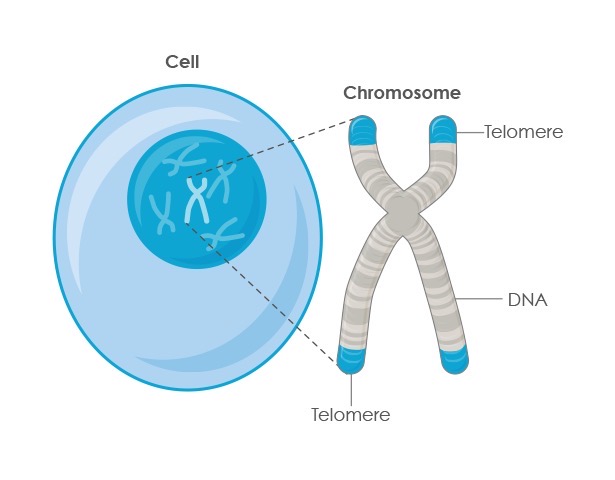
      2. Telomeres are located at the ends of chromosomes. They serve as protective caps that prevent the degradation of chromosomes during cell division. Each time a cell divides, a small portion of the telomere is lost. This is why they are often compared to the plastic tips on shoelaces that prevent fraying.

      3. Telomeres shorten as cells age. This shortening is associated with cellular aging. It can eventually lead to cell senescence (the state where cells no longer divide). It may also result in apoptosis (programmed cell death). When telomeres become critically short, cells can no longer divide properly, which is linked to various age-related diseases, including cancer.

      4. Issues with the stability of chromosome ends (as seen in telomeres) can lead to genetic disorders, such as Huntington’s disease.

      In many organisms, including humans, telomere length largely influences the limited number of divisions that a somatic cell can undergo. (Note: Somatic cells are any cells in the body of a multicellular organism that are not germ cells, i.e., sperm or egg cells. Somatic cells make up the vast majority of an organism’s tissues and organs.)

      5. The question arises: what can we do about telomere shortening? How to prevent this. A lot of research is underway. There are warnings that manipulating telomere length could have unintended consequences. These consequences may include an increased risk of cancer.

      6.The length of telomeres remains a fascinating topic. There is immense potential in preserving or lengthening telomeres. This could have implications for extending both health span and lifespan. So what can we do?

      Step A: Improve Lifestyle Factors

      You can take risk-free steps to slow down telomere shortening or even achieve telomere lengthening by focusing on lifestyle improvements. Many studies suggest that better lifestyle choices can lengthen telomeres by approximately 10%. Here are several factors to consider:

      Regular physical activity, particularly aerobic exercise, can increase telomerase activity and slow down telomere shortening.

      A diet rich in fruits, vegetables, and antioxidants can help reduce oxidative stress, which can damage telomeres.

      Chronic stress can shorten telomeres. Practices such as meditation, yoga, and deep breathing can mitigate stress.

      Getting sufficient sleep (around 7 hours) is crucial for cellular repair and maintenance, including telomere length.

      Processed Foods and Excess Sugar can contribute to oxidative stress and inflammation, potentially accelerating telomere shortening.

      Smoking is a significant contributor to telomere shortening.

      Obesity is associated with shorter telomeres.

      Step B: Consider Supplements

      Some studies suggest that certain supplements, like omega-3 fatty acids and vitamins C and E, may help maintain telomere length. They could be beneficial in this regard. While they may not directly lengthen telomeres, they might help prevent further shortening. However, the evidence is still inconclusive, and more studies are needed.

      Additionally, adequate levels of vitamin D may be linked to longer telomeres. Vitamin D interacts with various cellular processes. These include those involved in cell growth and immune function. It may also help mitigate telomere shortening. However, the precise mechanisms and duration of this effect can vary based on individual health, lifestyle, and genetic factors.

      Step C: Await Results from Promising Studies

      Currently, the most promising research is focused on new procedures to lengthen telomeres. Advances in AI are expected to accelerate this research. An intriguing study conducted at Stanford University in 2023 developed a new method for lengthening telomeres in chromosomes. This advancement effectively increased the number of times cells can divide safely. It potentially reverses aspects of the aging process at the cellular level.

      Many approaches focus on telomerase. This enzyme can extend telomeres by adding nucleotide sequences to chromosome ends. The objective is to activate telomerase in somatic cells, which typically have low or absent telomerase activity.

      Other options may involve using gene therapy techniques. These techniques can introduce or enhance the expression of the telomerase gene (TERT) in cells. Researchers are also exploring small molecules or compounds that can stimulate telomerase activity or promote telomere maintenance.

      7. Potential Risks

      While extending the lifespan of cells can have benefits, there are also associated risks. Inappropriate reactivation of telomerase could lead to uncontrolled cell division. This reactivation can result in cancer as many tumors exhibit elevated levels of telomerase.

      But let us end on a positive note. Let us hope that all the efforts to first stop telomeres shorten themselves and secondly to grow again will work.

      Enjoy a happy and excellent life,

      Robert, your health friend,

      South Turkiye

      28. ARTIFICIAL INTELLIGENCE (AI): YOU AIN’T SEEN NOTHING YET (health project99+)

      Beach in South Africa

      Dear reader,

      The integration of artificial intelligence (AI) and quantum technology will dramatically advance the medical sector. This will lead to unimaginable breakthroughs in drug discovery, personalized medicine, and optimized patient care.  Precision treatments, enhanced diagnostic capabilities offer us exciting roads for a longer life as well. 

      Old linear models of progress in medicine and longevity will no longer be appropriate.

      Our traditional backward-looking view of history suggests that the future twenty years of advances will be similar to the past. This perspective ignores the exponential nature of what is going on. AI transformation goes beyond adopting new tools; it involves rethinking the fundamentals of how health is delivered and accessed.

      Potential for longevity enhancements is one thing. However, it is also crucial to acknowledge the legal challenges. Traditions and ethical considerations slow down these technological advancements. There is a high probability that rapid health advances will stay reserved for a small group of wealthy people. This situation is expected, at least in the first phase. And stay tuned by subscribing (which is completely and totally free).

      1.The place of AI in health- and lifespan

      I realize the risk that I oversimplify the complex health dynamics in my text below. Factors such as genetics, environment, and socio-economic status play important roles in health outcomes. Still I like to make the point that healthy lifestyle choices are a determining contribution to better health. 

      So painting with broad strikes, most individual lives look as follows. When engaging in harmful behaviors, like smoking, your health span will be about 60 – 65 years. Avoiding the five key areas also contributes to this shortened health span. These areas include food/drinks, exercise, stress/sleep, environment, and social life. The remaining years from 65 to 85 will be spent with an increasing amount of health problems. This sounds bleak, but reality for most.

      To improve your health span, the recipe is quite easy. Stop the bad things! Pay attention to the good things. And have some luck of course, but your destiny is in your hands for 80 – 90%.

      As I have written before, a first area where there is interesting potential to prolong life is with certain supplements. To name a few: Berberine, Spermidine, Fisetin. For all three there are serious indications that they can contribute to a longer life (longevity).

      The integration of AI into drug discovery processes has shown promise in identifying novel compounds. These compounds specifically target the biological mechanisms of aging. This integration improves the efficiency and accuracy of developing longevity-promoting therapies, including supplements.

      However, there is much more to AI, including the promise of adding decades to your life. Or even eternal life?

      2.AI and longevity in the coming years

      Based on all what I read, I am convinced that this decade will feature increasingly dramatic pharmaceutical discoveries. Nutritional discoveries will also increase, largely driven by advanced AI. By around 2030, perhaps the most diligent and informed people will reach “longevity escape velocity.” This is a crucial moment. We can add more than a year to our remaining life expectancy each calendar year that passes. Whether this would be a process without end is too early to tell. However, pushing the end of life somewhere in the 99+ would already be great. 

      But let me add that “longevity escape velocity” remains a theoretical concept and hasn’t been substantiated with concrete evidence.

      3.AI and longevity in the wild 30’s

      For the next decade a bold prediction. Nanorobots are on their way. They will be programmed to destroy all types of pathogens. They will also be able to treat metabolic diseases. Our major internal organs (except heart and brain) put substances into the bloodstream, or they remove them. Many diseases are caused by their malfunction. As we know diabetis type 1 is caused by failure of the pancreatic islet cells to produce insulin.

      The future medical nanorobots will monitor the blood supply. They will increase or decrease various substances, including hormones, nutrients, oxygen, carbon dioxide, and toxins. This process will augment or even replace the function of the organs. Using these technologies, in some optimistic scenarios, we will largely be able to overcome diseases. We may also conquer the aging process by the end of the 30’s.  

      We will see; many see the paragraph above as overly optimistic or speculative. While advances are being made, completely overcoming diseases and the aging process presents extraordinary scientific challenges. There are also ethical challenges that may not be resolved by the end of this decade.

      4.First examples of AI in practice in the early 20’s

      AI and computational tools are increasingly employed to facilitate various aspects of vaccine development. These tools are used in the analysis of viral genetic sequences (ref COVID vaccines). This is a work in progress, as is the case everywhere with AI. Results depend on context. They also rely on the quality of the training data and specific algorithms.

      AI algorithms are used to analyze medical images, such as X-rays, MRIs, and CT scans. Deep learning models can already detect conditions like tumors or fractures. Their accuracy is comparable to or exceeding that of radiologists. A UK study showed that new AI software is twice as accurate as professionals. It excels at examining the brain scans of stroke patients. 

      AI-powered tools are being developed to assist in diagnosing diseases. These tools analyze lab results, patient history, and symptoms to suggest possible diagnoses.

      AI is utilized to analyze genetic information and other patient data to personalized medicines. We will see this in the coming few years. 

      AI accelerates the drug discovery process by predicting how different compounds will behave in the body. It has access to the 1000’s studies worldwide, something no scientist will ever have.

      AI algorithms are used to predict patient outcomes, readmission rates, and disease outbreaks.

      Remote Monitoring is on a rapid rise. AI is used with wearable technologies. These technologies monitor patients’ vital signs and health metrics in real-time. 

      AI will assist in identifying suitable candidates for clinical trials. It will help predict the spread of infectious diseases. AI will streamline administrative tasks in healthcare settings. Through Chatbots and virtual health assistants, it will provide patients with information, triage symptoms, and remind them to take medications. 

      5.Main challenges

      Healthcare is “below average” in its adoption of AI, according to a recent World Economic Forum white paper. This is in comparison to other industries.

      Adoption will be hindered by three main elements. These are not sexy, but extremely important. First, there is a need for new regulatory complexities. These must align with the rapid adoption of digital health technology. One has to fear that politics in most western countries will not be capable of adapting. There is a reason why Gulf States have the ambition to play a leading role

      In the second place the current change management models are outdated and inflexible. In the third place the medical sector (with all respect) is traditionalist and not quick to embrace change.    

      Whatever change there will be, we will have to accept that a fundamental rethinking will not occur universally. Many healthcare systems resist change due to entrenched practices. Bureaucratic structures may slow the adoption of AI technologies.

      6.Ethical concerns

      Some have a strong ethical concern about equity and inequality. A common concern is that only the wealthy will be capable of affording the technologies of radical life extension. In the first phase, this will be the case. Nevertheless, when costs go down, new longevity steps will become available to more and more people. Just look at the history of the cell phone. First a toy and instrument for the wealthy, now there are billions around.

      Living for ever is of course even beyond science fiction. Still, in AI circles, you already have ethical discussions about this topic. Not for this blog this time. Current understanding of biology asserts that there is no scientific roadmap that suggests immortality can be achieved. Extending by decades or more however seems increasingly in the realm of the possible.

      On this optimistic note,

      I remain, Robert, your health friend

      Tafelberg, Cape Town