

Nothing beats the south coast of Turkiye
Dear Reader,
Have you ever heard of telomeres? Although they are the key to cellular aging, most people haven’t heard of them. Until recently, neither had I. But I wanted to better understand this topic. Why? Telomeres are crucial for DNA replication. This process is the most fundamental in the cell cycle of all living organisms. Every day, approximately 50 to 100 billion cells (that’s 1 with 9 zeros!) are divided in an human body, making this an essential topic for each one of us. Telomeres, particularly their lengths, “decide” how many times your cells can divide. By improving the functioning of telomeres, we will live longer, healthier lives. (something else, subscribing to this blog is completely and totally free).
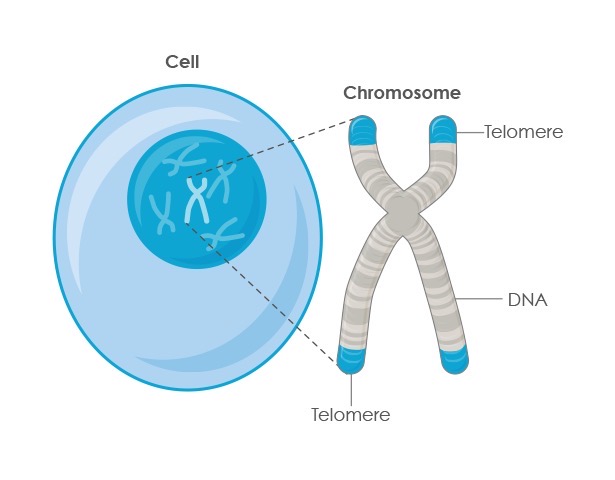
1. DNA replication is the process by which a cell makes an identical copy of its DNA before cell division. This is crucial for ensuring that each daughter cell receives an exact copy of the genetic material. During DNA replication, the double-stranded DNA unwinds and separates into two strands. Each strand acts as a template for synthesizing a new complementary strand, resulting in two identical DNA molecules.
2. Telomeres are located at the ends of chromosomes. They serve as protective caps that prevent the degradation of chromosomes during cell division. Each time a cell divides, a small portion of the telomere is lost. This is why they are often compared to the plastic tips on shoelaces that prevent fraying.
3. Telomeres shorten as cells age. This shortening is associated with cellular aging. It can eventually lead to cell senescence (the state where cells no longer divide). It may also result in apoptosis (programmed cell death). When telomeres become critically short, cells can no longer divide properly, which is linked to various age-related diseases, including cancer.
4. Issues with the stability of chromosome ends (as seen in telomeres) can lead to genetic disorders, such as Huntington’s disease.
In many organisms, including humans, telomere length largely influences the limited number of divisions that a somatic cell can undergo. (Note: Somatic cells are any cells in the body of a multicellular organism that are not germ cells, i.e., sperm or egg cells. Somatic cells make up the vast majority of an organism’s tissues and organs.)
5. The question arises: what can we do about telomere shortening? How to prevent this. A lot of research is underway. There are warnings that manipulating telomere length could have unintended consequences. These consequences may include an increased risk of cancer.
6.The length of telomeres remains a fascinating topic. There is immense potential in preserving or lengthening telomeres. This could have implications for extending both health span and lifespan. So what can we do?
Step A: Improve Lifestyle Factors
You can take risk-free steps to slow down telomere shortening or even achieve telomere lengthening by focusing on lifestyle improvements. Many studies suggest that better lifestyle choices can lengthen telomeres by approximately 10%. Here are several factors to consider:
Regular physical activity, particularly aerobic exercise, can increase telomerase activity and slow down telomere shortening.
A diet rich in fruits, vegetables, and antioxidants can help reduce oxidative stress, which can damage telomeres.
Chronic stress can shorten telomeres. Practices such as meditation, yoga, and deep breathing can mitigate stress.
Getting sufficient sleep (around 7 hours) is crucial for cellular repair and maintenance, including telomere length.
Processed Foods and Excess Sugar can contribute to oxidative stress and inflammation, potentially accelerating telomere shortening.
Smoking is a significant contributor to telomere shortening.
Obesity is associated with shorter telomeres.
Step B: Consider Supplements
Some studies suggest that certain supplements, like omega-3 fatty acids and vitamins C and E, may help maintain telomere length. They could be beneficial in this regard. While they may not directly lengthen telomeres, they might help prevent further shortening. However, the evidence is still inconclusive, and more studies are needed.
Additionally, adequate levels of vitamin D may be linked to longer telomeres. Vitamin D interacts with various cellular processes. These include those involved in cell growth and immune function. It may also help mitigate telomere shortening. However, the precise mechanisms and duration of this effect can vary based on individual health, lifestyle, and genetic factors.
Step C: Await Results from Promising Studies
Currently, the most promising research is focused on new procedures to lengthen telomeres. Advances in AI are expected to accelerate this research. An intriguing study conducted at Stanford University in 2023 developed a new method for lengthening telomeres in chromosomes. This advancement effectively increased the number of times cells can divide safely. It potentially reverses aspects of the aging process at the cellular level.
Many approaches focus on telomerase. This enzyme can extend telomeres by adding nucleotide sequences to chromosome ends. The objective is to activate telomerase in somatic cells, which typically have low or absent telomerase activity.
Other options may involve using gene therapy techniques. These techniques can introduce or enhance the expression of the telomerase gene (TERT) in cells. Researchers are also exploring small molecules or compounds that can stimulate telomerase activity or promote telomere maintenance.
7. Potential Risks
While extending the lifespan of cells can have benefits, there are also associated risks. Inappropriate reactivation of telomerase could lead to uncontrolled cell division. This reactivation can result in cancer as many tumors exhibit elevated levels of telomerase.
But let us end on a positive note. Let us hope that all the efforts to first stop telomeres shorten themselves and secondly to grow again will work.
Enjoy a happy and excellent life,
Robert, your health friend,

South Turkiye
Discover more from Health Project 99+ (in good shape)
Subscribe to get the latest posts sent to your email.
