4. UNHEALTHY ULTRA-PROCESSED FOOD: BLAME THE FOOD INDUSTRY (health project99+)

Mosque in Cordoba, Spain

Dear reader,

All ultra-processed foods (UPFs) are processed, but not all processed foods are ultra-processed. It is a sliding scale. It ranges from fresh fruit, plain milk, and fresh meat to processed foods that have been altered but still rely largely on real foods (such as cheese and canned beans) to foods that rely on industrial formulations with many additives and little whole-food content.

In other words, ultra-processed foods are a subset of processed foods and, unfortunately, account for about 70–80% of the products sold in regular supermarkets.

Another definition of UPFs: they are industrial formulations made mostly from substances extracted from foods (often with many additives such as flavors, colorings, and emulsifiers). They have little or no intact whole foods left and are designed for convenience, long shelf life, and strong palatability. “Bon appétit,” as they say in France.

What about health?

Not all whole foods are healthy; for example, eating a lot of fat is not a good idea. But basically all ultra-processed foods have potential negative health consequences.

In the last few decades, scientists have linked ultra-processed foods to type 2 diabetes, cognitive decline, and cardiovascular disease, with probably more negative health links to come.

In many areas I do not agree with Health Secretary Robert F. Kennedy Jr., but when it comes to UPFs (he calls them “poison”), he has used a blunt characterization that aligns with my personal concerns about these foods

Addiction

For generations, obesity had been perceived as a problem of willpower. It was thought to be caused by eating too much and exercising too little. This is partially true. However, in the last decade, research on ultra processed foods has challenged that notion. It suggests that these foods may drive us to eat more. Remember the addiction tactics of the cigarette industry? Those of the food industry are not much different.

The good news is that one, with some effort, can eat very well (actually even better)  without ultra processed food. In our house we manage to do this. And so can you.

Background info: Four levels of processed food

The NOVA system was developed by Brazilian nutrition scientists led by Carlos Augusto Monteiro at the University of São Paulo (and colleagues) in the late 2000s and early 2010s. NOVA is not a strict acronym for four words. It’s the name of a classification system used to categorize foods by processing. 

NOVA 1: Unprocessed or minimally processed foods. Examples: fresh fruits and vegetables, legumes, plain milk, fresh meat, grains that are minimally altered.

NOVA 2: Processed foods. Foods altered with additions like salt, sugar, oil, or fermentation to improve shelf life or flavor. Examples: canned vegetables with added salt, simple cheese, roasted nuts with salt, jarred sauces.

NOVA 3: Processed culinary ingredients. Substances extracted from foods used in cooking (not usually eaten alone). Examples: sugar, olive oil, salt, butter.

NOVA 4: Ultra-processed foods (UPFs). Highly engineered formulations with many additives; little or no intact whole foods. Examples: soft drinks, sweetened cereals, packaged snacks with emulsifiers and flavor enhancers, reconstituted meat products, instant noodles, most ready meals.

How to identify UPFs

If you see many additives, synthetic flavors or colors, and texturizers, it’s most likely ultra-processed. Also, if there are ingredients you wouldn’t cook with at home, it’s most likely ultra-processed.

If the ingredient list is short and consists of recognizable whole foods and a few kitchen-friendly additives (salt, oil), it’s likely not ultra-processed. emulsifiers, artificial flavors, colorings, texture modifiers, hydrolyzed proteins, isolated sweeteners).

Look at the nutrition/labeling context, not just “healthier” claims; some UPFs can be fortified or reformulated, but overall diet quality matters more.

A short historic overview

For 1000s of years till the 1800s foods were minimally processed or transformed at home: drying, fermenting and cooking. 

Industrialization of food began in the 19th century, mainly in Europe (France, UK, Germany) with canning and preservation technologies. Canning and pasteurization enable shelf-stable foods that travel farther and last longer. This marks the beginning of large-scale processed foods.

In this period two European brands became household names: Knorr was founded in Germany making packaged seasonings and soups. There were also Maggi products from Switzerland (bouillon cubes and seasonings).

The Americans came in the late 1800s: Coca-Cola, Jell-O, Spam, Oreos and others. Mass production really took off during the WWII, when the soldiers needed to be fed with food that was edible for months. Shelf-stable foods like powdered cheeses, dehydrated potatoes, canned meats and melt-resistant chocolate bars were developed.

Early to mid-20th century: More refined ingredients (sugar, hydrogenated fats), packaged mixes, and convenience items become common. The rise of canned soups, processed cheeses, and similar products expands.

From Asia, (mainly Japan) a new type of UPFs came on the market in 1958, the now ubiquitous instant noodles.

The globalization of food brands continues. Packaged snacks and convenience items are spreading throughout Europe. This spread is aided by growing supermarket chains and easy cross-border trade.

By the 1970s, innovations in fertilizer, pesticide and crop development, along with farm subsidies, led to a glut of grain. Companies turned it into ingredients like high-fructose corn syrup and modified starch to fill sugary cereals, sodas and fast foods.

In the 1980s, investors wanted food manufacturers to show larger profits, so they developed thousands of new drinks and snacks and marketed them aggressively. Wherever you went, you were inundated by UPFs.

In the meantime, obesity tripled in children and doubled in adults between the mid-1970s and the early 2000s, a trend that has not stopped since. In 2020s there are 650 million adults who are obese, with a BMI of more than 30 (info from WHO).

In the 80s food regulations started around additives, safety and labeling. The Nutri-Score (front-of-pack labeling) was developed in France. Nutrition labeling and claims began to become more standardized. The EU played and plays a big role in this field.

We are now at a crossroads with a recognition about the dangers of UPFs and the need the reduce them. One example is the recent European Green Deal and the Farm to Fork Strategy place a stronger emphasis on healthier diets and reducing reliance on highly processed foods.

Are we at a tipping point? Maybe. There are signs that people are eating slightly fewer of these foods. Our reliance on ultra-processed food was “almost a century in the making,” and “could take decades to reverse.”

American case study

Although the trend of UPFs did not start in the USA, this country played a dominant role in the rolling out of UPFs in the whole world. Who has not eaten a big Mac?

In the late 1800s American food companies began making products that were wildly different from anything people could make themselves. Coca-Cola came in 1886, Jell-O in 1897, and Crisco in 1911. Spam, Velveeta, Kraft Mac & Cheese and Oreos arrived in the decades that followed. Foods like these often promised ease and convenience. 

During World War II, companies devised shelf-stable foods for soldiers — powdered cheeses, dehydrated potatoes, canned meats and melt-resistant chocolate bars. They infused new additives like preservatives, flavorings and vitamins. And they packaged the foods in novel ways to withstand wet beach landings and days at the bottom of a rucksack.

After the war, food companies realized that they could adapt this into profitable convenience foods for the masses. Advertisements told homemakers that these products offered superior nutrition and could save them time in the kitchen. Wonder Bread commercials from the 1950s, for instance, claimed its vitamins and minerals would help children “grow bigger and stronger.”  Well, bread that stays soft and fresh for a week can not be healthy imo.

More women found work outside the home, and by the mid-1970s, they spent much less time cooking. But they were still expected to feed their families. Fish sticks, frozen waffles and TV dinners filled modern freezers, and convenience foods became more popular. The concept that packaged goods could replace cooking from scratch became common place.

TV dinners, instant noodles, breakfast cereals, snack foods, and frozen meals became household staples.

The tobacco companies Philip Morris and R.J. Reynolds diversified into the food industry, dominating it through the early 2000s. They applied the same marketing techniques that they crafted to sell cigarettes.

Starting the 21st century, you couldn’t walk through an American school cafeteria, a supermarket or an airport without being inundated by ultraprocessed foods.

Final remarks

It seems that the trend of the ever going up consumption of UPFs has stopped since the 2020s. Whether this consumption will eventually go down remains to be seen. We should not underestimate the lobbying and influencing power of the food industry. 

Let me end with repeating the good news: with some effort, can eat very well (actually even better)  without ultra processed food. In our house we manage to do this. And so can you.

Robert, your health friend

Forgot where, but somewhere in Andalucia, Spain

Annex: A few American landmark UPF products 

  • Campbell’s Condensed Soup (US, 1897): helped popularize shelf-stable, ready-to-use packaged foods.
  • Oreos (US, 1912): iconic packaged cookie, widely recognized as a highly processed snack.
  • Kraft Macaroni & Cheese (US, 1937): classic example of an engineered, convenient household staple.
  • Swanson TV Dinner (US, 1953): emblem of the postwar convenience meal and mass-produced, multi-component frozen dish.
  • Doritos (US, 1964): mass-produced, highly engineered snack food.
  • SpaghettiOs (US, 1965): canned pasta product with standardized ingredients and texture.
  • Big Mac (US, 1968): flagship fast-food item illustrating standardized, processed food at scale.
  • Lunchables (US, 1988): highly packaged, ready-to-assemble meals for kids.

1. DIETS: A BETTER WAY (health project99+)

On Gozo, one of the 21 islands of the Maltese archipelago

Dear reader, 

    My dad was overweight for many years. As a result, every year he started a diet and counted calories. He then lost about 20 kilograms in a few months. In the process, he also became a bit short-tempered. Then, he maintained a stable weight for several weeks. But he slowly regained weight, kilogram by kilogram, and became overweight again. I am sure many of us have similar stories in our families. Others have been on this yo-yo track themselves.

    There are many reasons why diets do not work for many people, even when they seem initially successful. An important physiological factor is that after weight loss the body reduces energy expenditure (a lower resting metabolic rate). This makes further weight loss harder. Weight regain is more likely, often with a higher body fat percentage or a slower metabolism. In short, you end worse than you started.

    My non-diet diet

    This blog focuses on better-quality calories in. It also emphasizes more calories out by moving more. Additionally, it suggests reducing the number of hours during which you eat. By better-quality calories, I mean fiber-rich foods and complex carbohydrates. Moving more? This is probably the easiest part to do.

    Set a realistic end goal for yourself (preferably a BMI of 20–23) and aim for a weight loss of about 1 kilogram per month.

    It is helpful to know that the same amount of good-quality calories leads to less weight gain than bad-quality calories. And do not be too strict with yourself. If you love apple pie, you can continue eating it, at least I did. Take smaller portions and limit it to once per week.

    Weigh yourself weekly at the same time of day, and don’t despair if there is a plateau now and then. It will be all right eventually.

    Although turning to better-quality calories is important, eating less also helps. I know this is not always easy, which is why limiting the eating window is helpful. Start with a 12-hour daily fasting window.

    Prepare your food yourself, using basic elements.

    Willpower is another important factor (I will write about this in another blog), as we all have our weak moments. If chocolate is in front of me, I may struggle. Note to self: do not buy chocolate for home.

    Furthermore, realize that we live in an environment where unhealthy choices are the default options. This implies that a life change requires some effort and will not always be easy, but it is worth it!

    One more thing: do not forget your protein intake. Inadequate protein or insufficient resistance training can lead to a loss of muscle. This lowers resting metabolic rate. It also impairs long-term fat loss.

    How did I do on this non-diet diet?

    I am 196 cm tall and have weighed an average of 95 kilograms for decades. That translates to a BMI of 24.7, just below the threshold for being overweight. Three times in my life I weighed 105 kilograms, which really scared me. That scare helped a lot, and I managed to lose these excess kilos by eating less and exercising more. In particular, cutting back on sweets helped a lot; I remember. So overall, it wasn’t bad, but not great either.

    When I changed my lifestyle about five years ago, I began losing weight. I eventually reached a low of 84 kg. However, I averaged around 88 kg. I didn’t follow a diet or count calories. I ate what I wanted but in a different way. This included limiting the hours during which I ate. I do keep an eye on the scales, because a bit of self-discipline helps. I have weak moments when I satisfy my sweet tooth. This is bad for several reasons. It raises my calorie intake and tends to lead to poorer-quality nutrition.

    Worldwide trends in obesity are very worrisome.

    What strikes you most when you see movies and TV shows from the 1950s, 1960s, and 1970s? Besides the fact that everyone smoked everywhere all the time, very few people were overweight! Recently, my wife and I watched “From Russia with Love.” It was set in our beloved Istanbul. We lived there for four years. It was great to see the Istanbul of the 1960s, and yes, almost everyone was slim, as was common in films from that era.

    This has changed, not only in Turkey but globally. According to the World Health Organization, obesity has become one of the greatest threats to global health. Overweight and obesity are related terms; overweight refers to a higher-than-normal body weight, while obesity is a more severe category. Obesity is now considered a disease—a serious chronic condition with long-term implications and considerable health damage.

    Just to remind you of the dangers. Obesity places excessive strain on organs, tissues, and systems, leading to reduced life expectancy and quality of life. Major risks include Type 2 diabetes. They also include cardiovascular diseases such as heart disease, stroke, and high blood pressure. Certain cancers are risks too. Joint issues like osteoarthritis and sleep apnea are included as well.

    Body Mass Index (BMI)

    BMI is only one indicator of one’s health. The composition of your body (muscles or fat) is also important as are many other factors. Still, I like to use it. BMI is easy to calculate. Divide your weight in kilograms by your height in meters squared. If this does not work Just ask google :-).

    For an adult with a height of 185 cm (approx. 6’1″), a weight of 103 kg (227 lbs) or more is considered in the obese range (BMI of 30 or higher). A BMI of 25–29.9 is classified as overweight.

    The “best” BMI for health is generally considered the range of 18.5 to 24.9. Some research suggests an even lower range (around 20-23). 

    How is the world doing BMI-wise?

    The trend is upward, and quite strong, including among children.

    American Samoa has the highest obesity prevalence in the world. Recent data indicates that roughly 70–75% of its adult population is obese. One important factor is its heavy reliance on imported, ultra-processed foods.

    Around 40% of adult Americans were obese, and 18% were severely obese as of 2019. Severe obesity is defined as a BMI of 35 or higher.

    Twenty-six to twenty-nine percent of adults in England are classified as obese, with about 64% being overweight or obese. France: about 17% of adults are obese.

    In China, obesity was virtually non-existent until the 1990s. This has changed dramatically. Today, more than 50% of Chinese adults are overweight or obese. About 15% are classified as obese.

    Why is obesity on the rise?

    Ultimately, weight and health are your own responsibility; however, maintaining a healthy weight is not easy. We are bad food bombarded from all sides, there is a lot of misinformation, and healthy options are not always available or can be more expensive.

    Look at all the changes in our diet and food environment. Most of the food in supermarkets is ultra-processed, calorie-dense, nutrient-poor, and high in fats, sugars, and salt.

    Engineered foods are often designed to be addictive and to encourage overeating. In many regions of the world, unhealthy, calorie-dense foods are cheaper and more accessible than fresh, nutritious options.

    Larger portion sizes in fast-food restaurants are standard; the trend toward pre-packaged meals encourages higher caloric intake. And let us not forget the aggressive advertising, particularly targeting children, that promotes high-calorie food consumption.

    All statistics show that we move less, sit more, and spend increased screen time. In the Netherlands—the bike capital of the world—the e-bike has become very popular. In my opinion E-biking cannot be considered serious physical activity; the battery does the work.

    We see a link between poverty and obesity. We also observe a link between wealth and obesity. Fewer and fewer people prepare meals themselves. Instead, they prefer ready-to-eat convenience foods.

    Other factors that influence your efforts to control your weight

    Increased stress levels lead to emotional eating (we’ve all been there).

    Sleep is important. Poor sleep quality and duration disrupt hormones that regulate hunger—ghrelin and leptin. This disruption leads to increased cravings and appetite.

    Your gut microbiome can influence how you respond to a given diet.

    In some people, genetics play a negative role. Certain medications as well.

    Some recommended diets

    First, reread my recommendations at the start of this blog. They are a way of living that has helped me a lot. It has resulted in better health and lower weight. Not something for the short term, but for good. Step by step, slowly turning the tables.

    Second, below are some popular diets/approaches that all contain elements of my recommendations.

    • Mediterranean diet: It emphasizes plant foods, healthy fats like olive oil, fish, and whole grains. This diet is well supported for weight management and cardiovascular health.
    • DASH diet (Dietary Approaches to Stop Hypertension): This diet emphasizes fruits, vegetables, low-fat dairy, and lean proteins. It has strong evidence for improving blood pressure and heart health.
    • Plant-based / vegetarian / vegan approaches can support weight loss. They also aid in lipid improvements. However, they require careful planning to ensure adequate protein, iron, B12, iodine, and zinc.
    • Moderate-carbohydrate, higher-protein patterns: Can promote satiety and preserve lean mass, supporting sustainable weight loss.
    • Low-carbohydrate / ketogenic patterns: These diets are often effective for short- to mid-term weight loss. They also help with glycemic control in some people. Long-term adherence and potential nutrient considerations vary.
    • Intermittent fasting (time-restricted eating, etc.): Can reduce caloric intake and improve metabolic markers for some; adherence and individual response vary.

    What about Ozempic and other weight-loss medications?

    Ozempic and friends can be quite effective. They do have potential side effects, but they’re generally considered safe. I wouldn’t use it myself. It isn’t cheap, and unless you make lasting lifestyle changes, you may need to use it for life.

    People who stop taking it often regain the weight. Besides the cost, you should ask whether you really want to use such a medicine forever.

    The long-term effects of Ozempic aren’t known yet. Like with all medicines, there may be changes to the gut microbiome. However, the evidence isn’t clear yet on how significant those changes are.

    Dear reader, the non-diet diet approach described in this blog served me well. Hopefully it is something for you as well.

    Enjoy life and good food!

    Robert, your health friend

    A street in Valetta, the capital of Malta

    5.TELOMERES: KEEP THEM LONG OR DIE (health project99+)

    Nothing beats the south coast of Turkiye

    Dear Reader,

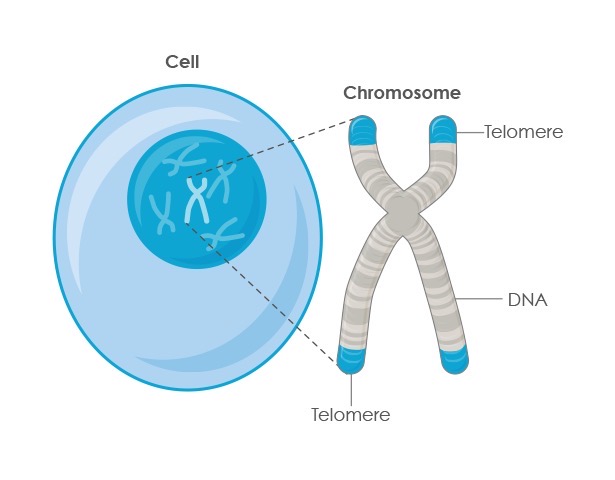
    Have you ever heard of telomeres? Although they are the key to cellular aging, most people haven’t heard of them. Until recently, neither had I. But I wanted to better understand this topic. Why? Telomeres are crucial for DNA replication. This process is the most fundamental in the cell cycle of all living organisms. Every day, approximately 50 to 100 billion cells (that’s 1 with 9 zeros!) are divided in an human body, making this an essential topic for each one of us. Telomeres, particularly their lengths, “decide” how many times your cells can divide. By improving the functioning of telomeres, we will live longer, healthier lives. (something else, subscribing to this blog is completely and totally free).

    1. DNA replication is the process by which a cell makes an identical copy of its DNA before cell division. This is crucial for ensuring that each daughter cell receives an exact copy of the genetic material. During DNA replication, the double-stranded DNA unwinds and separates into two strands. Each strand acts as a template for synthesizing a new complementary strand, resulting in two identical DNA molecules.

    2. Telomeres are located at the ends of chromosomes. They serve as protective caps that prevent the degradation of chromosomes during cell division. Each time a cell divides, a small portion of the telomere is lost. This is why they are often compared to the plastic tips on shoelaces that prevent fraying.

    3. Telomeres shorten as cells age. This shortening is associated with cellular aging. It can eventually lead to cell senescence (the state where cells no longer divide). It may also result in apoptosis (programmed cell death). When telomeres become critically short, cells can no longer divide properly, which is linked to various age-related diseases, including cancer.

    4. Issues with the stability of chromosome ends (as seen in telomeres) can lead to genetic disorders, such as Huntington’s disease.

    In many organisms, including humans, telomere length largely influences the limited number of divisions that a somatic cell can undergo. (Note: Somatic cells are any cells in the body of a multicellular organism that are not germ cells, i.e., sperm or egg cells. Somatic cells make up the vast majority of an organism’s tissues and organs.)

    5. The question arises: what can we do about telomere shortening? How to prevent this. A lot of research is underway. There are warnings that manipulating telomere length could have unintended consequences. These consequences may include an increased risk of cancer.

    6.The length of telomeres remains a fascinating topic. There is immense potential in preserving or lengthening telomeres. This could have implications for extending both health span and lifespan. So what can we do?

    Step A: Improve Lifestyle Factors

    You can take risk-free steps to slow down telomere shortening or even achieve telomere lengthening by focusing on lifestyle improvements. Many studies suggest that better lifestyle choices can lengthen telomeres by approximately 10%. Here are several factors to consider:

    Regular physical activity, particularly aerobic exercise, can increase telomerase activity and slow down telomere shortening.

    A diet rich in fruits, vegetables, and antioxidants can help reduce oxidative stress, which can damage telomeres.

    Chronic stress can shorten telomeres. Practices such as meditation, yoga, and deep breathing can mitigate stress.

    Getting sufficient sleep (around 7 hours) is crucial for cellular repair and maintenance, including telomere length.

    Processed Foods and Excess Sugar can contribute to oxidative stress and inflammation, potentially accelerating telomere shortening.

    Smoking is a significant contributor to telomere shortening.

    Obesity is associated with shorter telomeres.

    Step B: Consider Supplements

    Some studies suggest that certain supplements, like omega-3 fatty acids and vitamins C and E, may help maintain telomere length. They could be beneficial in this regard. While they may not directly lengthen telomeres, they might help prevent further shortening. However, the evidence is still inconclusive, and more studies are needed.

    Additionally, adequate levels of vitamin D may be linked to longer telomeres. Vitamin D interacts with various cellular processes. These include those involved in cell growth and immune function. It may also help mitigate telomere shortening. However, the precise mechanisms and duration of this effect can vary based on individual health, lifestyle, and genetic factors.

    Step C: Await Results from Promising Studies

    Currently, the most promising research is focused on new procedures to lengthen telomeres. Advances in AI are expected to accelerate this research. An intriguing study conducted at Stanford University in 2023 developed a new method for lengthening telomeres in chromosomes. This advancement effectively increased the number of times cells can divide safely. It potentially reverses aspects of the aging process at the cellular level.

    Many approaches focus on telomerase. This enzyme can extend telomeres by adding nucleotide sequences to chromosome ends. The objective is to activate telomerase in somatic cells, which typically have low or absent telomerase activity.

    Other options may involve using gene therapy techniques. These techniques can introduce or enhance the expression of the telomerase gene (TERT) in cells. Researchers are also exploring small molecules or compounds that can stimulate telomerase activity or promote telomere maintenance.

    7. Potential Risks

    While extending the lifespan of cells can have benefits, there are also associated risks. Inappropriate reactivation of telomerase could lead to uncontrolled cell division. This reactivation can result in cancer as many tumors exhibit elevated levels of telomerase.

    But let us end on a positive note. Let us hope that all the efforts to first stop telomeres shorten themselves and secondly to grow again will work.

    Enjoy a happy and excellent life,

    Robert, your health friend,

    South Turkiye