24. PLAQUE IN ARTERIES: A DANGEROUS AFFAIRE (health project99+)

Autumn in The Hague

Dear reader,

Let me start by spoiling your good mood. Read the following statistic carefully: one third of the 60 million annual deaths worldwide are cardiovascular-related. And up to 85% of this one third are caused by clots originating in your arteries. As a friend of mine says: “Let this marinate.”

Fortunately, there is a lot you can do about your arterial health, both in preventing and even in partly reversing the trend of plaque formation. On YouTube, there are many videos that overpromise on plaque removal but these videos still do give useful suggestions.

In modern societies, most people have plaque, with the exception of some hunter-gatherer societies like the Tsimane people of Bolivia or the Kitava people of Papua New Guinea. The others all suffer from atherosclerosis (=build up of plaque)— except those with a very healthy lifestyle.

The following quote of a health CEO says it all: “Maintaining cardiovascular health is one of the most powerful levers for extending both lifespan and healthspan, given its central role in slowing systemic aging and preserving brain, kidney, muscle, and metabolic function.”

1.What does cardiovascular mean?

Cardiovascular describes anything to do with the heart, the blood vessels, and the brain that together form the circulatory system. It covers how the heart pumps blood through arteries, veins, and capillaries to deliver oxygen and nutrients and to remove waste. It also refers to diseases and conditions that affect the heart and blood vessels, such as heart disease, high blood pressure, and stroke.

Cardiovascular health sits at the center of nearly every longevity discussion for a good reason. Aging arteries affect you far more than the heart. Reduced vascular function influences the brain, kidneys, muscles, and metabolism, quietly accelerating decline across the body.

2.Arteries are not veins

Arteries and veins are the body’s main blood vessels, but they do different jobs.

Arteries carry blood away from the heart under higher pressure and have thick, muscular walls to push blood through the body. Veins return blood to the heart at lower pressure, with thinner walls and larger inner spaces, and many have valves to prevent backflow as you move.

3.For arterial clot risk, plaque is a central and common factor.

For venous clot risk, other factors are far more important than plaque. It is, of course, also important to keep your veins in good condition, but vein problems cause far fewer deaths.

The challenges with this plaque topic are manifold. First of all there is a lack of knowledge, especially about the seriousness of plaque in your arteries, which is also known by the scientific name atherosclerosis.

Plaque formation starts early in life, so lifestyle, including the right diet, is essential from day one. When I say “including the right diet,” I actually mean prioritizing it, of course. No carbs, or at least no simple carbs; no ultra-processed food; no saturated fats. No surprises here and good to know that these general health suggestions are backed by a lot of real science.

A main problem with plaque is that once you have it, you are stuck with it. You can take steps to reduce the danger, a process in which the difference between soft and hard plaque is crucial.

Soft plaque is a type of atherosclerotic plaque that is rich in lipids and inflammatory cells and has a thin fibrous cap. This plaque is more unstable and prone to rupture, which can lead to blood clots and cardiovascular events like heart attacks and strokes.

Claims about the reversal of arterial plaque generally only mean stabilising the situation—turning soft plaque into hard plaque and stopping the formation of new plaque. Some treatments and supplements are said to reduce arterial plaque; I will mention them in this blog, but I am not really convinced. Mechanical removal of plaque is already possible in experiments, and in the near future, we will probably see real arterial plaque removal, which would be excellent, of course!

As I said, the challenges with the arterial plaque topic are manyfold: the lack of knowledge, the fact that standard tests are not enough, and that arterial plaque can be caused by many common foods, including carbohydrates.

4.Those Carbs Again

One of my health heroes is Thomas Ford (check him out on YouTube). He tells us about the shock he experienced at the age of 57, when he found out that his arterial health was like that of someone who was 73. It was indeed an unpleasant surprise, as he lived very healthily—or at least he thought so—including running (half) marathons. However, he was on the verge of a heart attack. He completely reversed the situation by drastically cutting down on his carb-rich diet. He is now in his 60s, and his arterial health is that of someone in their 50s.

This carbs topic is very important and not something we immediately associate with arterial health. Saturated fat, cholesterol, and LDL are usually considered the villains when cardiovascular health is not good enough.

However, for many people, simple carbohydrates—found in white bread, white rice, sugary drinks, refined grains (cookies), or white spaghetti—cause a lot of plaque. How?

Step 1 Simple carbohydrates are quickly digested and absorbed by the body. This rapid absorption causes a swift increase in blood glucose levels, known as a blood sugar spike.
Step 2 When blood sugar spikes, the pancreas releases insulin to help transport glucose from the bloodstream into cells. Frequent spikes and the resulting high insulin levels can lead to insulin resistance over time, a condition where cells become less responsive to insulin.
Result of step 1 and 2 High blood sugar and insulin resistance are linked to inflammation and damage to the blood vessel walls. This damage, combined with elevated levels of certain lipids (fats), promotes the formation of atherosclerotic plaques—deposits that narrow and harden arteries.

Other factors like genetics, smoking, high LDL cholesterol, high blood pressure, and overall diet quality also play significant roles in plaque formation and cardiovascular disease.

5.What about cholesterol?
I wrote about cholesterol before. It is not the villain that many of us believed for decades. We need it, as it is essential for life. At the same time, it cannot be denied that cholesterol is often involved in cardiovascular issues.

Atherosclerotic plaque is not just excess cholesterol floating through the bloodstream. Over time, some cholesterol becomes oxidized—chemically altered in ways that make it toxic to surrounding tissue.
“Most treatments focus on slowing its progression rather than removing the underlying damage that drives it,”

6.What triggers clot formation, scientifically known as thrombosis?
Plaque is not the key factor. The main risks are things that cause stasis, hypercoagulability, or vessel injury : prolonged immobility, recent surgery, cancer, pregnancy, hormonal therapies, obesity, inherited clotting disorders. Three factors have to be considered: slowed blood flow (stasis) after long periods of sitting and not moving; tendency for clot formation aggravated by not drinking enough; and thirdly, structural issues with the lining inside your arteries.

By now, we know that everyone has plaque. Hopefully, it is hardened and therefore stable, but most probably there are soft parts as well. Knowing, after a test, that our plaque is partly soft will incentivize us to undertake steps. These steps (see below) will probably be successful, but in the meantime, be aware of the following triggers that may cause clot formation: vaping, smoking, alcohol, pollution, chemicals, stress, refined starch, infection, sugar, endurance exercise like marathons.

Smoking/vaping is one such trigger
It is truly shocking to read the many ways smoking “promotes” clotting, especially in arteries. It is too long and technical to cover in this blog, but (check on the internet if you wish), from all negative factors that contribute to clot formation, smoking ranks number one. It accelerates atherosclerosis and plaque instability. Brrr.
Smoking doesn’t create clots in all situations by itself, but it tilts the balance toward clotting.

Pollution and Chemicals including drugs is another trigger
Chemicals can contribute to a heart attack or stroke by stressing the heart and blood vessels, promoting clotting, damaging vessel walls, and hurting the inner lining of arteries. This speeds up plaque buildup and makes plaques more likely to rupture.

As a runner myself, I am particularly interested in endurance exercise as one of the triggers leading to clots. What I read on internet sites took away most of my concerns (but not all). Marathon-level endurance can slightly raise clot risk in some situations, but for most healthy runners, the risk is very small. The main ideas involve the body’s responses to very long, intense exercise plus what you do after the race (immobility, dehydration, etc.).
How endurance running could contribute to clots (via Virchow’s triad: stasis, hypercoagulability, endothelial injury)

7.How to prevent?
In general, one should stay physically active, hydrate, eat well, avoid prolonged immobility (long air flights, being in bed for days after an operation), maintain a healthy weight, manage cholesterol and blood pressure, and follow medical advice for any prior clot history. And remember the abovementioned triggers that can cause clot formation. Some are outside your control (like an operation, but often you will be given anticoagulants), and some are very much within your control, like vaping and smoking.

100% prevention is not feasible, but a high degree of prevention should be achievable.

8.Supplements
A number of supplements are said to reduce plaque formation. Scientific proof so far is not very conclusive. I take a few from the list, basically for other reasons, hoping that the plaque claims are correct as well.
K2, nitric oxide, nattokinase, bromelain. I wrote blogs about both K2 and nitric oxide. I take a K2 supplement; for the second, I pay attention to my diet and lifestyle (including brushing teeth and tongue). https://shakethehealthtree.com/index.php/2025/06/26/21-nitric-oxide-the-longevity-molecule-i-never-heard-of https://shakethehealthtree.com/index.php/2025/06/05/21-vitamin-k-100-grams-of-old-dutch-cheese-daily-or-a-supplement-health-project99/

Metformin’s story, it seems, is not yet complete. As researchers continue to trace the tangled roots of vascular aging, this unassuming molecule may yet take on a new role – not as a wonder drug, but as a quietly effective pillar in the architecture of healthy longevity.
Without explaining all the details, let me just quote a paragraph. The review explores metformin’s activation of AMP-activated protein kinase (AMPK), a cellular energy sensor associated with enhanced longevity and metabolic regulation. In vascular tissues, AMPK activation appears to mitigate oxidative stress and enhance nitric oxide bioavailability – both critical for maintaining endothelial function.

The key word is “endothelial function,” the inside wall of your arteries. Studies point to metformin as contributing to reduced arterial stiffness, slower plaque formation, and in general improved structure of the inside wall. It also turns down inflammation.

Because of its side effects, I do not take metformin, but still like to point out that medicines can play a role in the preventive side. A good replacement of metformin is Berberine. https://shakethehealthtree.com/index.php/2025/03/29/21-berberine-a-truly-great-supplement-health-project99/

9. How to measure?
I’m not saying that traditional indicators—such as LDL cholesterol, heart rate, blood pressure, and triglyceride levels—are unimportant. They are important.

But as mentioned, they don’t reveal anything about the most dangerous type of plaque: that fatty, lipid-rich material that forms soft, highly unstable plaques inside your arteries. These soft plaques are more likely to rupture, causing blood clots that can lead to heart attacks or strokes.

All traditional methods for checking your cardiovascular health do not provide information about soft, non-calcified plaque.

One popular technique to learn more about your arteries is the standard calcium scoring test. This test only detects hardened, calcified plaque. This test misses the soft plaque entirely.

Detecting soft plaque requires advanced imaging that shows the full thickness and volume of the artery walls. Doing this in The Netherlands is not common practice, but I will do this test this year.

10.The main methods to measure soft plaque are:

  1. Coronary CT Angiography (CCTA) with Plaque Analysis
    This test uses a CT scan of the heart along with a contrast dye injected through an IV to get detailed images of your arteries.
  2. Carotid Ultrasound (CIMT)
    This test uses sound waves to create images of the carotid arteries in your neck and measures the thickness of the artery walls.

11.Why measuring soft plaque matters
Knowing how much soft plaque you have helps doctors assess your risk of heart disease much more accurately than just looking at cholesterol or calcium scores. By tracking soft plaque, doctors can personalize treatment, such as prescribing cholesterol-lowering medications (like statins) or anti-inflammatory therapies that help stabilize the plaque and prevent it from rupturing.

The good news is that through lifestyle changes—such as a healthy diet, regular exercise, and avoiding harmful triggers—you can significantly improve your cardiovascular health.

12.The role of anticoagulants
As I have a history of atrial fibrillation, I have been taking anticoagulants for 6 years now. They inhibit parts of the clotting cascade to prevent new clots from forming or existing clots from growing. Since clots can be caused by a “trauma” such as an operation, surgeons often give their patients anticoagulants.

13.Future
Trials are underway to mechanically remove plaque. This is being researched by several companies.

Treating calcified coronary arteries remains one of the more technically demanding tasks in cardiovascular medicine. The need for devices that can safely and efficiently navigate fragile anatomy continues to grow.

This experimental system uses a rupture-resistant balloon and a translating laser emitter, which can be moved along the length of the artery to deliver treatment without repeated inflations.

To quote a CEO of one of these companies: “It’s one of the exciting possibilities with next-generation IVL technologies,” he says. “While lifestyle changes and medication will always be the first line of defense, our company could play a growing role in proactive cardiovascular care. It’s quickly being thought of as more of a frontline interventional therapy, thanks to its safety profile and ease of use.”

New clinical data suggest medicine may finally be inching toward something more ambitious, actually clearing away part of the damage itself.

In this blog, I mentioned oxidized cholesterol. Companies are working on methods to clear this from the body. The company describes it as removing rust rather than simply slowing corrosion. That difference may ultimately prove important for longevity science, which is increasingly shifting away from symptom management and toward the removal of accumulated biological damage. Aging researchers have spent years debating whether age-related diseases can truly be modified at their root rather than endlessly managed downstream.

14.Summary

  • Realize that having good LDL and HDL figures, low blood pressure, etc., is not enough.
  • Realize that arterial problems are the leading cause of death globally.
  • Be aware that we all have some plaque and that the process of plaque formation can start at a very young age.
  • Know that simple carbohydrates contribute significantly to plaque formation.
  • Have your soft plaque level measured (expensive and not possible everywhere).
  • If you are not following a healthy lifestyle (diet, sleep, stress management, exercise, social life) yet, start a better lifestyle today, as it will not only (completely) stop new plaque formation but will also turn part of the soft plaque into hard plaque and thus stabilise it.
  • Know that there are two types of plaque: soft and hard. Soft is much more dangerous, but if you have a lot of hard plaque and your arteries have very narrow openings left, that is not good either.
  • Avoid triggers that lead to clots when possible. Smoking and vaping are well-known triggers for clot formation from plaque. So, don’t vape or smoke. Trauma during an operation is something else, of course, but surgeons are aware of this and give their patients anticoagulants.

Dear reader, a long blog, but one that ends with a summary. Arterial health is fascinating and perhaps the main factor of a long and healthy life.

Take care of your arteries, enjoy life,

Robert, your health friend

Checkpoint Charly, Berlin



3A. DARK CHOCOLATE, ANOTHER MYTH (PARTLY) SCATTERED (health project99+)

Elephants in the Okavango delta

Dear reader, 

Do you sometimes have that feeling that “they” are taking away everything from you? Especially the things you like so much suddenly seem to be bad for your health. In short, are they robbing you of your last pleasures? I am sure you recognize this sentiment. 

At the moment, I feel a bit down as well. After years of diligently eating dark chocolate because it was supposedly so beneficial (and delicious), I have come to the conclusion that I should stop. Dark chocolate: farewell. Your health benefits are limited, and your negative impact on my health can be substantial. 

1.Red wine revisited 

Do you remember those discussions about red wine? One or two glasses a day were said to be good for your health because red wine contains resveratrol. Yet after years of serious drinking, many people learned that you would need around 100 glasses of red wine daily for resveratrol to have a meaningful impact. And later, while studying resveratrol, I learned that resveratrol has a short half-life and that pterostilbene may be a better option https://shakethehealthtree.com/index.php/2025/05/16/21-stay-healthy-100-glasses-of-red-wine-daily-or-resveratrol-pterostilbenehealth-project99/. I wrote a blog about this.

2.Okay, back to dark chocolate. Its main claim to health fame is that it is one of the few foods rich in flavanols. The other two are green tea and cocoa powder. Fewer flavanols are found in hazelnuts and red wine. Others that are often mentioned but contain very little flavanols are grapes, apples, blueberries, strawberries, and pears.

One oz (28 grams) of dark chocolate (70% cacao) provides 150–400 mg of total flavanols, a quantity that according to some could be enough. There are however two problems with dark chocolate: its saturated fat content and the way it is processed. If it is processed using the “Dutch process”, it can lose up to 90% of its flavanol content.

3.Summary 

Many of these beneficial flavanols are removed during the majority of manufacturing of dark chocolate. This means that dark chocolate processed in that way does not contain enough of these plant chemicals to be considered a health food. Chocolate also contains a lot of saturated fat and sugar. If you want your flavanols, go for green tea.

4. First, what are flavanols?

Flavanols are a subclass of flavonoids, a large family of plant compounds with antioxidant activity. They include flavan-3-ols (such as catechin and epicatechin) and their polymeric derivatives known as proanthocyanidins; some sources also mention related forms such as flavan-4-ols, isoflavan-4-ols, and flavan-3,4-ols. In total, many flavanol derivatives have been identified.

Flavanols are associated with health benefits in many studies.

You will often read the term monomeric flavanols. These are single-unit plant compounds and are the basic building blocks for larger, linked molecules called oligomeric flavanols. Some well-known monomeric flavanols are epicatechin, catechin, and EGCG (epigallocatechin gallate). These are among the flavanols most studied.

5.What are the reputed benefits of flavanols?

They act as antioxidants and may support cardiovascular health, reduce inflammation, and confer other health benefits in some studies. However, results in humans are mixed and often depend on dose, the specific flavanol form, bioavailability, and overall diet. My conclusion: worth the try.

Antioxidants protect cells from damage caused by free radicals—unstable molecules produced during normal metabolism.

6.Daily Recommended Quantity

There are no scientifically determined daily quantities. In general, the often-mentioned aim is 200–500 mg/day of total flavanols, but see caveats below.

One ounce (28 grams) of dark chocolate (70% cacao) provides 150–400 mg of total flavanols. Most people—myself included—do not stop at just 28 grams, but eat half or a whole bar. One cup of green tea contains about 150–300 mg of total flavanols (EGCG ~80–150 mg). Unsweetened cocoa powder (5 g) provides about 30–70 mg of total flavanols.

7.The main problem with dark chocolate is saturated fat.

Only those with a lot of discipline limit themselves to just one or two pieces. One or two pieces already account for about a quarter to one third of the daily recommended amount of saturated fat. Imagine what happens if you eat a 100 g bar of dark chocolate with about 80% cacao. Such a bar contains 35–45 g of total fat, of which saturated fat is 20–25 g, roughly the maximum recommended for women (20 g) and men (30 g) per day.

Assuming that saturated fat is not good for you (which I do), then having dark chocolate for its flavanol health component may not be worth it, in spite of all the claims by chocolate producers. This is especially true because many dark chocolate bars are processed in ways that cause most of the potential beneficial flavanols to disappear.

8.Two ways to process dark chocolate: the Dutch method (“Dutching”) and the other (much better), non-alkalized approach

In most dark chocolate bars, Dutch processing is applied, especially in cheaper ones. This is also called alkalization, which reduces the acidity of dark chocolate. Producers like it because it mellow‘s the acidity and deepens the brown color. Generally, more expensive brands use non-alkalized (natural) cocoa to preserve natural acidity and more complex flavors. The main downside of the Dutch process is the reduction of polyphenols and antioxidants, such as flavanols, which can be reduced by up to 90%. 

A challenge is that Dutch-processed cocoa, alkalized cocoa, or Dutched cocoa is often not clearly labeled. You may also see terms such as “Dutch-processed cocoa,” “alkalized cocoa,” or “Dutched cocoa,” or labels like “cocoa processed without alkali” or “natural cocoa.”  

On a different note, I wonder why the English language has so many negative expressions with the word Dutch included (perhaps because we destroyed their fleet in London in the 17e century).

9.Bioavailability 

Looking at the required dose is one thing, but bioavailability is what matters for each supplement. What is its half-life? How much of the flavanol intake actually reaches the bloodstream and is available to exert effects?

For flavanols, the issue of bioavailability is complex and highly variable, and therefore difficult to generalize, but for practical purposes, flavanol bioavailability is low, often only a few percent. For example, the well-known monomeric flavanols catechin and epicatechin show peak plasma levels within 1–3 hours after ingestion and are eliminated within a few hours.

Larger flavanols, such as proanthocyanidins (condensed tannins; polymers), are poorly absorbed in the small intestine. They are largely broken down by gut microbes in the colon into smaller metabolites that can be absorbed.

10.Can you take flavanols as supplements?

Yes. Flavanols can be taken as pills or supplements. The three most well-known types are: 1) Green tea extract or EGCG-heavy supplements (rich in monomeric flavanols such as catechin and epicatechin, and EGCG); 2) Cocoa flavanol extracts (rich in total cocoa flavanols); 3) Grape seed and pomegranate extracts (rich in proanthocyanidins and related metabolites). 

11.However, there are some important caveats. 

When you take a supplement always!! be aware of the general issue of quality. Only buy from reputable brands and always look for Good Manufacturing Practice (GMP) certification. 

And realize that these beneficial flavanols can also have some drawbacks, especially if you take too much. Safety-wise four points stand out.

A.Liver safety: high-dose green tea extract has been linked to rare cases of liver injury. If you have liver disease, start low and consult with a clinician. 

B.Caffeine content: many green tea extracts contain caffeine or related stimulants; this can affect sleep, anxiety, and heart rate in sensitive individuals. 

C.Drug interactions: they may interact with anticoagulants/antiplatelets and other medications; discuss with your doctor if you’re on prescription meds. 

D.Iron absorption: tannins can modestly reduce non-heme iron absorption; if you’re iron-deficient, consider taking flavanol supplements away from iron-rich meals. I wrote a blog about the importance of iron. https://shakethehealthtree.com/index.php/2025/08/14/21-to-iron-or-not-healthproject99/

Thank you for reading and my apologies for my negative conclusions about dark chocolate.

Take care and live a happy and healthy life,

Robert, your health friend

In the desert of Namibia

23. GUT HEALTH: FIRST THINGS TO KNOW (health project99+)

A party bus in Berlin

Dear reader,

For your overall health and wellbeing it is difficult to overstate the importance of gut health. When your gut isn’t well, you may experience short‑term discomfort. Regular discomfort can have longer‑term effects.

The main determinant of gut health is what you eat and drink, which is good news because it’s something you can influence. In this blog some tips that helped me a lot.

What has been beneficial for my gut?

  • Avoiding certain foods, such as sugar, refined starches and above all ultra processed foods. When I have a weak moment and eat cake or cookies in one sitting, I immediately notice a negative impact on my gut.
  • Focusing on healthy and fiber‑rich foods.
  • I aim for three servings of fermented foods daily: as part of breakfast unsweetened Greek yogurt or plain quark and a glass of kefir, and in the afternoon a daily spoonful of raw cabbage (or sauerkraut/kimchi).

This blog is not medical advice. There are many potential gut issues, and factors such as age, medications, or genetics can also matter. I describe what works for me. In light of all I read in medical sources my approach should help many people as well. The daily intake of fermented foods has been one of my best new health habits over the past year. Earlier I wrote a blog on sauerkraut “ein sehr gutes probiotikum”.

https://shakethehealthtree.com/index.php/2025/09/25/3-sauerkraut-ein-sehr-gutes-probiotikum-health-project99/

Is the gut an organ?

Yes. In anatomical terms, the “gut” refers to the gastrointestinal tract (the esophagus, stomach, small intestine, and large intestine), which is an organ system made up of multiple organs.

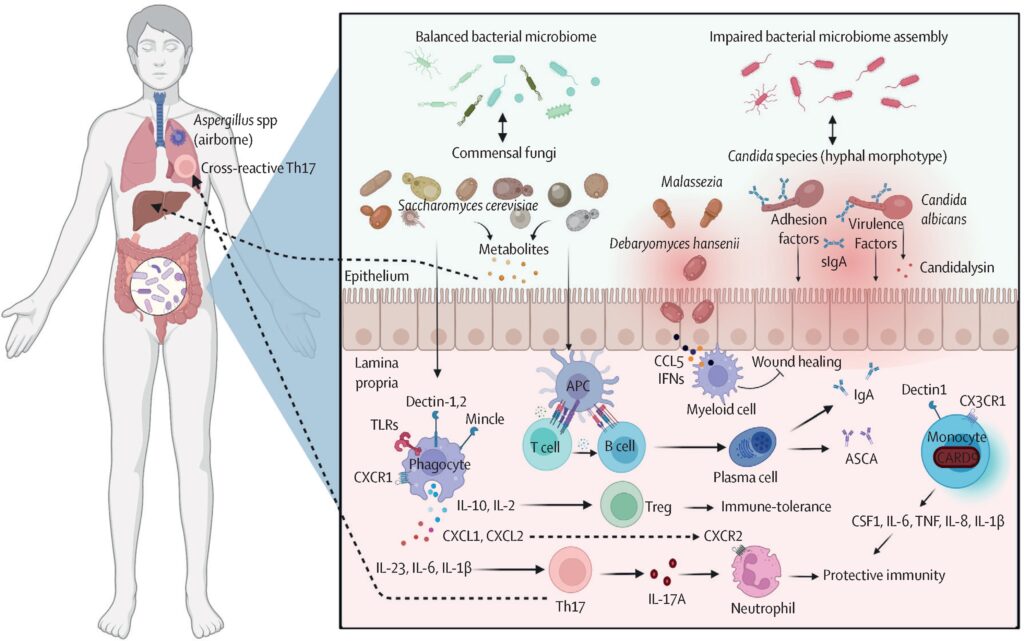
Just to show how many different microorganisms there are in your gut microbiome

And what is the notorious gut microbiome? 

The gut microbiome is not an anatomical organ. It is a vast, dynamic ecosystem of about 100 trillion microorganisms—including bacteria, archaea, viruses, and fungi—primarily inhabiting the large intestine. Its composition and function are shaped by diet, genetics, antibiotics, and the environment, with complex microbe–microbe interactions giving rise to emergent properties that function like an additional metabolic organ. When well diverse and balanced, it supports health; when disrupted (dysbiosis), it can contribute to inflammatory, metabolic, and neuropsychiatric conditions.

The gut microbiome closely coexists with the human host, helping break down complex carbohydrates, synthesize vitamins, strengthen the gut barrier, and “educate” the immune system, while producing metabolites such as short-chain fatty acids that influence metabolism and inflammation. What are metabolites? They are small molecules produced or consumed during metabolism by living organisms (including gut microbes).

In relation to the gut microbiome, what are probiotics?

Probiotics are live microorganisms that, when consumed in adequate amounts, may offer health benefits by supporting a balanced gut microbiome, improving barrier function, and modulating the immune system. Many people use probiotics to prevent antibiotic-associated diarrhea. Importantly, the effects are highly strain- and condition-specific, so benefits seen with one probiotic do not necessarily apply to another.

When considering probiotics, focus on strain- and condition-specific evidence, not general “probiotic” claims. Choose products with well-documented strains and labeled doses for your target outcome, and be mindful that more CFUs are not always better. Also be realistic. Your gut microbiome counts 100 trillion microorganisms and most probiotics 10 billion CFU’s, which is a modest 0.01%.

Prebiotic examples (feed for gut bacteria): onions, garlic, bananas, oats, apples, flaxseeds. Note: these are not probiotics themselves; they are foods that feed beneficial microbes. If you want examples of probiotic foods, refer to unsweetened yogurt, kefir, sauerkraut, kimchi, and other fermented foods.

How to ruin your gut microbiome (1)

Sugar, refined starches, processed and ultra‑processed foods, artificial sweeteners, E‑numbers, and saturated fat can shape the gut microbiome in a negative way. They can alter the substrates available to microbes in the long term, influence bile acid circulation, and increase inflammation. Poor dietary choices can lower microbial diversity.

The overall effects depend heavily on the broader dietary pattern rather than a single nutrient, and on individual factors such as baseline microbiome, genetics, age, and medications. Disruption of the microbiome has been linked to diseases including inflammatory bowel disease (IBD), obesity, allergic disorders and asthma, type 2 diabetes, cardiovascular disease, and autoimmune disorders.

What your microbiome needs

A diet rich in diverse fibers (vegetables, fruits, legumes, and whole grains), resistant starch, and fermented foods tends to boost SCFA‑producing bacteria and strengthen gut barrier function. Omega‑3 fatty acids and polyphenols may also support a healthier microbiome. Consider adding probiotic foods to your diet and don’t forget fermented items. Aim to support a healthier dialogue between the gut and brain, though individual responses vary.

Gut–brain axis

You have heard about the gut–brain axis. What happens in your gut impacts your brain and mood. The gut–brain axis is a dynamic bidirectional communication network linking the central nervous system with the gastrointestinal system, integrating neural, immune, and endocrine signaling.

In practice, the axis helps govern mood, stress reactivity, cognition, and pain perception, while psychological states and stress can alter gut motility, permeability, and microbial composition, creating a feedback loop.

The microbiota sits at the heart of this axis, shaping brain function by producing and modulating neuroactive compounds such as short‑chain fatty acids. Signals travel via neural routes (notably the vagus nerve), immune mediators, and circulating metabolites that can affect brain cells, with gut barrier integrity and systemic inflammation playing key roles. Because this signaling is highly context‑dependent, factors like diet, antibiotics, stress, and aging can markedly influence the axis.

How to Ruin Your Gut Microbiome (2)

The impact of medicines can be substantial. It has long been known that antibiotics affect the gut microbiome, killing both beneficial and pathogenic bacteria. Researchers have found that also longer durations of other medication use and taking more medications are associated with greater disruption of the microbiome. In a recent study, 167 of 186 drugs affected the microbiome in some way, with 78 showing long-term effects. The longer people used medications and the more drugs they took, the greater the disruption.

Multiple drugs can interact to produce a larger impact on the microbiome; among individual drugs, benzodiazepines appear to have the greatest negative effect. The implications matter because microbiome disruption is linked to inflammatory bowel disease (IBD), obesity, Type 2 diabetes, cardiovascular disease, and autoimmune disorders. A healthy microbiome is a stable, diverse community with high microbial gene richness that lives in balance with its human host.

Bloating and floating

A healthy gut microbiome and normal transit usually manage gas without distress, but imbalances or intolerances can amplify symptoms. Bloating and gas are common signals from your gut that reflect how your digestive system and its microbial residents are handling food.

Most gas comes from bacterial fermentation of undigested carbohydrates in the colon, producing hydrogen, methane, carbon dioxide, and other compounds. The amount and composition of gas depend on what you eat—especially fiber and fermentable carbohydrates (FODMAPs)—your gut microbiome, and how quickly food moves through your gut.

In health terms, bloating and gas can be linked to specific conditions or dietary intolerances, such as irritable bowel syndrome (IBS), small intestinal bacterial overgrowth (SIBO), lactose or fructose intolerance, or celiac disease.

Red flags and the doctor

Red flags to seek medical evaluation include weight loss, blood in stool, severe or persistent pain, vomiting, fever, or new symptoms after age 50. If bloating or gas is persistent or bothersome, a clinician can help identify triggers (often via a symptom diary), assess for intolerances or underlying conditions, and discuss targeted dietary or therapeutic options. 

Thanks for reading, mind your diet and enjoy life,

Robert, your health friend,

Art from Venezuela

0.THE MOTIVATION, WILLPOWER AND KNOWLEDGE ALLIANCE (health project99+)

Dutch beaches are beautiful

Dear Reader,

In the first part of this blog I make some general remarks about the importance of motivation, knowledge and willpower. In the second part of this blog, I will provide some tips on how to stay motivated. Remaining motivated is not easy, but essential to achieve results; without motivation and willpower it is impossible to remain committed in the long term. A longer and healthier life is indeed a long-term goal, so it’s easy for your motivation to wane at times.

Staying motivated happens to be a challenge for most of us. This is especially true when it involves a lifelong commitment. Benefits may only be enjoyed decades down the line, although it motivates of course feeling good and looking better during the ride.

Fortunately, there are several strategies you can use to keep your enthusiasm and drive toward your goals. For me, more knowledge about health issues, along with regular testing, has helped a lot.

At the end of the day, having one additional sweet or skipping one workout won’t make a difference. This is true, of course. However, you could find yourself on a slippery slope before you know it. You might return to unhealthy habits. On the other hand, don’t be too harsh on yourself. If you are generally moving in the right direction, you’re doing fine. Small violations will not harm you and psychologically might even be necessary. This is something I remind myself of during moments of weakness.

You should ask yourself some questions in order to get to be able to formulate your motivation: What do you want from life? What achievements are important to you? Is life finished for you after you reach 80 or 90 years? To that last question, many, perhaps even most, would say it does. A common argument is that no one wants to end their life in the misery of poor health. But imagine a different scenario. What about living in good health and enjoying life until 100? 120? Why not?

So let us assume that you, just like me, have a sincere wish to live longer and healthier. How? Be willing to adopt a different lifestyle. By spending money and time differently. Stay open to new ways to improve yourself. I did it, so why not you?

Since my youth, I have struggled with the concepts of life and death. Not being religious or believing in reincarnation, I view the present period on earth as what you’ve got. The idea that one day it will all be over is something I find truly difficult to deal with. Does this mean I want to live forever? No. Simone de Beauvoir wrote a book that changed my perspective. It helped me realize that eternal life might not be desirable. The book is called “Tous les hommes sont mortels.” The story of a man who continued living, cycle after cycle, was compelling. Watching his loved ones disappear made it clear to me that eternal life is not a good idea.

In the Middle Ages, the average lifespan was 30-40 years, as it was during the Industrial Age. After World War II, life expectancy in the Western world rose to around 70 years. Now, it’s about 80. In Japan, it’s approximately 84. The oldest man ever lived to 116 years, and the oldest woman lived to 122. While the average lifespan today is near 80, the number of years lived in good health is lower: UK 65, US 69, France 74.

Since the Industrial Age, we have doubled the average lifespan, from 40 to 80 years. Currently, we are pushing those boundaries again. Technological developments, thanks to AI and quantum technology, are advancing exponentially. Some actual projects aim for lifespans of 160 years and beyond—again, why not? Life is great.

The world has much to offer. I understand those who want to enjoy it as long as possible, including myself. There is a significant age gap with my wife. I promised her to stick around for as long as I can. For all these reasons, I started Health Project 99+. I hope (and to a certain extent, I am convinced) that present developments will prolong lives to 99 and more.

You might see life as almost eternal when you are 20. But believe me, one day you will reach an age you never associate with yourself. Life definitely does not seem eternal anymore. At that age, you will be focused on health issues. This happens whether you like it or not. 😊

I discuss health with many people. You can basically divide them into two groups. There are those who genuinely do not care. Then, there are those who do care but aren’t sure where to start and can not, as we say in The Netherlands, “see the forest through the trees”.

Smoking is bad. Eating French fries every day is a poor choice. Few truly know what to do beyond this basic knowledge. I was part of the second group, and slowly but surely, I learned what is good for my health. Knowledge I am happy to share with everyone who is willing to listen.

My own experience.

I always thought I lived reasonably healthily. Compared to many, I probably did. I do not smoke. I drank moderately and exercised. However, my diet was not always great. I consumed too much ultra-processed food and excessive sugar and sweets. My BMI was around 25. I didn’t get enough sleep and often dealt with stress.

Then, about five years ago, I received a warning due to heart problems. It was then that I decided to change my life. I quickly realized that I knew nothing, literally nothing about health. I have the highest admiration for medical doctors; they have saved me a few times in my life. However, many have a traditional, mostly remedy-oriented focus. There are many things you have to discover for yourself. I am grateful to all the health experts out there. They range from Medical News Today to the BBC, and those on YouTube who do an incredible amount of work. Throughout this process, I stayed away from people who promote A, B, or Z as the solution to everything. I managed to avoid them. At least, that is what I think.

Part Two: Tips and Tricks

Realize that this health process is a step-by-step approach. Be ambitious over the long term, but apply a gradual approach in the short term. It took me years to reach my current health level. I would say that I do for about 90% right.

Also, recognize that you probably know little about health. Follow some trusted individuals and be willing to adjust your lifestyle properly. Again, take a step-by-step approach. By writing my blogs, I have changed much of my behavior, but slowly. Trying to change everything at once does not work! I hope you will be inspired to change by reading my blogs.

Define specific, measurable, achievable, relevant, and time-bound (SMART) goals. Break larger goals into smaller, manageable steps to avoid feeling overwhelmed.

Focus on the most important biomarkers, get an annual test, and know what’s important. For me, it is extremely motivating when my test results are good. I set goals, try to improve, etc. Measuring progress is crucial. My Apple Watch recently told me my cardio recovery was down. This motivated me to do more high-intensity training. I was thrilled to see my recovery improve. It’s currently at 34. This is the highest it has been for years.

Establish a daily or weekly routine that supports your goals. Consistency helps build habits that contribute to motivation. I walk 4 km every morning, primarily to do some shopping—an excuse, but useful nonetheless.

Incorporate as much as possible into your daily routine. This is not easy, especially with a busy job and children running around.

It is important that your environment (first and foremost, your own household) supports you. Avoid negativity that can drain your motivation.

Read books, listen to podcasts, or watch videos that inspire you (and read blogs like this one). Learning about others’ successes can reignite your own motivation. I love watching videos of guys in their 80’s. They look like they’re in their 50’s. They can do 100 push-ups!

Determine the number of additional physical exercises you want to do weekly (in addition to your daily walking and cycling). Establish a minimum number as well as a maximum; for me, this approach works wonders.

If possible (and in the Netherlands, it often is), do not buy a car. Rent a car when you need one. For everything else, walk, cycle, or use public transport. I realize this is not feasible everywhere. For my wife and me it works very well.

Regularly assess how far you’ve come. Reflecting on your journey can remind you of your capabilities and the effort you’ve already put in.

If you find that certain goals are no longer motivating or achievable, don’t hesitate to adjust them. Flexibility can keep you engaged as long as it fits within your ultimate long-term goal. For example, I have come to accept that my maximum VO2Max will be around 40. I once hoped for 50. However, I simply cannot achieve that. It is not necessary either. It was just a personal ambition.

Acknowledge that setbacks are part of the journey. View challenges as opportunities for growth rather than obstacles.

Engage in lifelong learning. In health, there are always new things to learn. Finding new interests or skills can rejuvenate your motivation and open new avenues for success.

Remember, motivation can fluctuate, and that’s normal. The key is to develop strategies that work for you. Keep using these strategies to keep your momentum.

Stock your home with basic and healthy ingredients. Stop buying ultra-processed food. Buy fresh products, boil them and freeze them. Most of us snack; I do for sure. Look for healthy alternatives like nuts, sweet tomatoes, rice crackers and fruit.

Pay attention to labels. In 99 out of 100 cases, checking labels prevents me from making impulse (snack) purchases.

Thanks for reading, stay motivated and enjoy life,

Robert, your health friend

British museum

—

1.UNDERSTANDING BIOLOGICAL AGE AND EPIGENETICS (health project99+)

Dominican Republic, Santo Domingo

Dear reader,

This blog I wrote because I wanted to understand what biological age is. I wanted to learn how it is measured. I was curious about the benefits of grasping the details of this topic.

It turns out that by enlarging their knowledge about this topic, health experts are increasing health improving options. These options can enlarge interventions for a healthier and longer life.

I stay very much tuned as research into biological aging is rapidly evolving and exciting progress lies ahead.

1.Introduction “real” and biological age

Chronological (“real”) age and biological age refer to two different measurements of aging. There can be a huge difference between these two.

The twelve hallmarks of aging, like your telomeres, give insights about a person’s health and overall well-being. They explain possible differences between real and biological age. 

At this moment, thanks to AI and quantum technology, interesting developments are happening. These developments aim to understand all the mechanisms related to the hallmarks of aging. They also seek to influence them. Understanding is an important step, followed by effective interventions.

Practical frameworks are being developed for assessing aging through a functional lens. This approach aligns with the priorities of both older adults. It also aligns with health systems aiming to shift from reactive to preventative care.

Aging is a system-wide, heterogeneous process. It is not a uniform decline. Accepting this requires a nuanced way of looking at one’s biological age. Tools are being developed that answer the question “how are you aging” instead of “how old are you”.

Many health specialists want aging to be recognized as a disease. They also want it to be a target for drug development or treatment. We are not there yet. However, it’s very interesting that serious people are starting to look at aging as a treatable disease.

1. Chronological Age (Real Age)

This is the actual age of a person based on their birth date, measured in years. It is a simple count of the number of years a person has lived since birth. Chronological age is a blunt instrument. It does not capture the intricate mosaic of decline and resilience. These factors shape individual trajectories of aging. Now we look very differently at people in their 60s than 40 years ago. 60 = the new 40!

2. Biological age

The biological age is much more interesting. It can provide a more accurate representation of an individual’s health and functional status.  Biological age shows the effect of the aging process on your body’s physical and mental functions. It also affects your appearance. In short, it is a time-dependent development, or decline.   A person may be chronologically 50 but biologically 40 if they have a healthy lifestyle. Alternatively, they may be chronologically 50, but biologically 60 if they have significant health issues.

3. Hallmarks. What explains the difference between chronological age and biological age?

The hallmarks of aging determine the difference between chronological age (how many years since you were born) and biological age. The hallmarks of aging are determined mainly by our genetics, but environmental factors can cause or exacerbate them also. Each hallmark contributes to the damage that occurs and accumulates with age and is ultimately responsible for age-associated illnesses. 

There are 12 hallmarks of aging, and each will be treated in separate blogs. Let me just mention them here. Telomere attrition, genomic instability, mitochondrial dysfunction, and cellular senescence. Stem cell exhaustion, loss of proteostasis, and deregulated nutrient sensing. Epigenetic alterations, altered intercellular communication, and disabled macro autophagy. Chronic inflammation and dysbiosis.

Dividing the 12 hallmarks into three groups is useful. The first group is integrative hallmarks, such as stem cell exhaustion. The second group is primary hallmarks, like telomeres. Finally, the third group is antagonistic hallmarks, which are responses to damage.

4.How do we test our biological age? Introduction

This has been possible for decades, but only very partial. What we have been doing is looking at separate biomarkers like blood pressure, cholesterol levels, and body mass index (BMI). We have also taken genetic tests. These tests indicate potential health risks or aging traits. They also measure physical fitness, strength, and endurance. Newer tests include examining telomere length measurements. Telomeres are protective caps on the ends of chromosomes. They shorten as we age.

However, biological age in reality is a holistic concept, not a series of separate biomarkers. Slowly the attention of experts moved towards the overall situation with emphasis on functions. A first practical implementation started in 2013 with the epigenetic clock by Steve Horvath. Horvath’s clock, used methylation data to create a “age estimator” that could predict biological age across different tissue types. 

The overall conclusion is that the epigenetic clock represents a significant advancement in our understanding of biological aging. It also provides new intervention possibilities. 

5.Before explaining the epigenetic clock a few words about Frailty Index

The Frailty Index (FI) is a clinical tool used to assess an individual’s frailty, typically in older adults. It has been in use now for about 20 years. Frailty is a complex syndrome. It is marked by a decline in physiological reserves. There is also increased vulnerability to adverse health outcomes. These outcomes include falls, disability, hospitalization, and mortality. The Frailty Index is one approach to quantify this frailty and can help in care planning and intervention strategies.

The FI calculation involves taking the number of health deficits a person has. This number is divided by the total number of possible deficits assessed. For example, a frailty index assesses 30 possible deficits. If an individual has 10 of them, their FI would be 10/30 = 0.33. This suggests a moderate level of frailty.

6.Body clock/epigenetic clock

Frailty Indexes are useful, but not enough. Its introduction 20 years ago was a great improvement, but great need remained for a total approach. One such an example is the recent development of Body Clocks. It is a composite score based on the weighted severity of diseases across systems. This development allows clinicians and researchers to track systemic health over time. It offers greater precision than traditional indices such as Frailty scores or number of chronic conditions. 

The Body Clock predicts future multimorbidity, functional decline, and mortality. It does so more accurately than the frailty index, the number of diseases, and age. It also offers suggestions for intervention.

7.Body Clocks are Epigenetic clocks

An epigenetic clock is a biological marker. It is a tool used to estimate the biological age of an individual. This estimation is based on DNA methylation patterns. DNA methylation is a key epigenetic mechanism. It involves the addition of methyl groups to DNA. This process affects gene expression without altering the underlying DNA sequence. Methyl groups are functional groups in organic chemistry. They consist of one carbon atom bonded to three hydrogen atoms. This is represented by the chemical formula -CH₃.

As mentioned before, the physiological age (chronological age) and biological age (as measured by the epigenetic clock) can correlate. However, they do not always align perfectly. Environmental factors and lifestyle choices can lead to variations in biological aging.

8.How does it work?

The epigenetic clock analyzes specific sites on the genome where methylation changes occur with age. These changes can indicate the aging process and have been linked to various health outcomes, including age-related diseases. An epigenetic clock offers a practical framework. It assesses aging through a functional lens. This approach aligns with the priorities of both older adults and health systems. It aims to shift from reactive to preventive care.

Epigenetics refers to the study of modifications that affect gene expression without changing the DNA sequence itself. These modifications are crucial for regulating biological processes. They can be influenced by environmental and lifestyle factors. Such factors play a significant role in health and disease.

9.What is epigenetics?

Researchers have developed the first epigenetic clocks. Since then, they have refined and validated these tools across various populations and age ranges. Multiple studies have confirmed their accuracy and applicability in different biological contexts, including blood samples, skin, and even brain tissues. Some epigenetic clocks are adjusted for assessing aging in cancer patients. They are also adjusted for other specific health conditions, utilizing different sets of CpG sites.

Research has expanded to investigate the role of epigenetic clocks in various areas. This includes aging-related diseases, such as Alzheimer’s disease and cardiovascular health. It also covers lifestyle interventions, like diet and exercise. Moreover, researchers are studying the effects of environmental factors, such as pollution, on aging.

Epigenetic changes play critical roles in development, cellular differentiation, and responses to environmental stimuli. Abnormal epigenetic modifications are associated with a range of diseases, including cancer, neurological disorders, and cardiovascular disease.

Definition of Epigenetic: It pertains to the study of heritable changes in gene expression. These changes do not involve alterations to the underlying DNA sequence. This can include modifications such as DNA methylation and histone modification.

10.Some latest developments

Stanford University and others came up with the idea of a Body Clock (the “Health OctoTool” in 2023). This Body Clock is using real-world clinical data. It is preparing for personalized interventions by mapping how different organ systems function at different rates. The concept is getting accepted that aging is not a linear process, but a system-wide, heterogeneous process.

    In late 2023, Xprize Healtspan announced a seven-year, $101 million global competition. The aim is to develop therapies to extend the years we spend in good health. By mid 2025, 100 teams from 58 countries have reached the semifinal. Some teams have proposals that soon might enter early-stage clinical trials.

    The prize sets a clear goal. It aims to restore muscular, cognitive, and immune function by a minimum of ten years. The aim is to extend these functions up to 20 years in adults aged 50 to 80. This should be achieved within a 12-month timeframe. It’s a challenging mandate. Yet, it neatly reflects the evolving ethos of longevity science. The focus is not on achieving eternal life. Instead, it aims for a (much) longer and more healthy life.

    As said, an exciting topic to follow. Which I will do!

    Take care and live a happy and healthy life,

    Robert, your health friend,

    Pollution in the Caribbean Sea