0. TOP 17 TIPS ON THE ROAD TO LONGEVITY (health project99+)

Walking in the ocean, Los Roques, Venezuela

Dear reader,

I love lists — the 10 best universities, 25 suggestions on how to bake the best bread, or 50 tips for leaving your lover. On social media, many lists circulate with the 10 (most of the time indeed exactly 10, not 11 or 8) suggestions to improve your longevity. I come up with 17.

These lists are useful in themselves and invariably start with the tip not to smoke. Well, this tip will make it to my list as well, since smoking in general can reduce your life with seven years and perhaps even more years off your health span. But it is not my no 1 tip.

What do I mean by improving longevity? Living longer, of course, but with the present state of science, the mid-90s or perhaps early 100s is the limit. (Having said this, many exciting developments are ongoing, and I am both convinced and hopeful that this upper limit will be pushed upwards.) 

As important as living longer is to me, living healthy is equally important (‘health span’). In other words, extend the health span as far as possible, hopefully all the way until the end.

In this context, much can be gained. While the overall age still increases (a little), the health span in some Western countries is going down. A notorious example is the UK, where the average age of men is 79, but the health span dropped by two years over the past decade to 60 years. This means that British men now live the last 19 years of their lives with chronic health issues.

Note: Health span is a relative concept, but you have to think of serious diseases that increasingly prevent you from doing the things you love.

Percentages vary, but according to most sources, 70-80% of your health span depends on lifestyle factors — from nutrition and environment to exercise — factors you can control. The remaining 20-30% are out of your control, from bad luck (accidents) to genetics, although science is making big progress, and many formerly incurable diseases can now be treated.

My 17 tips if you aim for a longer and healthier life are the following

1. Perhaps most important is your state of mind and commitment to yourself. Think about how you want to live, picture yourself at an older age, look around you, be inspired by role models, and know that most of your future is in your own hands. Where I live, I often see a guy doing outdoor sports with the words on the back of his T-shirt: “I am only 85 and just starting.” That is the spirit! Longevity is a lifelong commitment; you have to realize this, and in my opinion, it is worth it and doable.

2. When to start? Any age but realize there are three key ages in your life: around 20, 40, and 60. Starting at 20, most of your functions begin to decline, by 1 or 2% per year. The good news is that with the right action, one can delay a lot or even reverse some decline.

3. Better longevity is not a one-step change; it is not a new crash diet or some promising supplements. You should realize the value of longevity, commit yourself, and then slowly, step by step, introduce changes. Never be too strict on yourself — what matters is the direction and adherence to the five key pillars for longevity, such as, indeed, no smoking. In my case, it took more or less three years to change course. I think that for now I am 80-90% where I should be.

4. The fourth point is to keep learning, keep an open eye, follow the latest developments (AI!), and adapt when necessary. When I started this process, I never thought that I would become 95% vegetarian. However, the more I studied, the more I saw the health benefits of being vegetarian. But I am not too strict, and now and then some fish is allowed. The same applies to alcohol. After studying this topic and reading all the negative health consequences, I decided to stop. However, at weddings or other special occasions, I will drink a glass of champagne, of course.

5. Keep learning. You know that flax seeds are one of the best things to take, only to learn after one year that if they are not ground, it is useless to take them. The same with eating red berries and bananas together — somehow, their benefits cancel each other out. Or not taking certain pills if you have not eaten something beforehand. My whole longevity process is loaded with these examples, and so will be yours.

6. Be skeptical about health claims if they are not made by recognized professionals. The internet is rife with advice, and I use it a lot, but only using info from true professionals. Always cross-check, and when statements are too good to be true, they probably are not true.

7. No one knows your body better than yourself. So listen to its signals, check a bit on the internet (which will probably always worry you), and pay a visit to a medical doctor. Had I not done this some 16 years ago, I probably would have colon cancer by now.

8. Have yourself tested every year and keep the results. This is great to compare and helpful when there are health problems. I have an Apple Watch that gives valuable information, from heart rate when sitting to oxygen saturation and VO2 Max.

9. Many in the longevity sector turn away from the traditional health sector. It is true that many traditionalists are not the best sources for all the new developments, but my strong advice is to keep consulting regular doctors. Without them, my prostate issues or eyesight would not have been remedied.

10. Nutrition, exercise, sleep, stress management, and social life are the five key elements of longevity. These elements, if well managed, contribute to a healthier and longer life. In my blogs, I pay a lot of attention to lifestyle elements as these are factors you can largely control yourself.

11.Exercise, from walking + cycling to stairs climbing, High Intensity Training, strength training and yoga. Balancing exercises should also be part of your activities. Everyday? Yes, not all the items, but move everyday. When you can afford it, do not take a car.

12. Sleep is always mentioned as one of the central pillars of longevity. Personally, I always underestimated the importance of sleep. During a good night’s sleep, your body not only rests but also repairs itself on a cellular level.

13. Avoiding stress is as important as having a good night’s sleep. Stress is something mental but has serious physical consequences including chronic inflammation.

14. Social life is not a category one would immediately think of for better longevity, but just as with sleep and stress, it is extremely important.

15. Lifestyle consists of three main elements: nutrition, environment, and behavior.  

Nutrition You have the good and the bad. Just as with the other elements of lifestyle, it has become clear that your nutritional choices have a very substantial impact on your health. Drinking alcohol increases chances for seven cancers, smoking shaves off seven years of your life, while brushing your teeth and tongue adds seven years. Ultra-processed food is proven to harm your health, and eating a portion of French fries is the same as smoking a number of cigarettes.

What else about nutrition? Prepare your own food, using natural ingredients as much as possible. When available (and affordable), use organic produce. This links to the environment in its broadest sense. Nanoplastics, pesticides, dirty water, and air are all important factors that negatively impact your longevity.

16. The sixth category is supplements! Supplements are often controversial, with many unproven health claims and contradictory expert opinions. Yet, this is also the most exciting category because we are continually discovering the potential of new supplements. The health sector is accelerating, and more and more is possible. When I take supplements (and I take quite a few), I look for as much as possible science-based evidence, the non-harm principle, and, of course, GMP (Good Manufacturing Practice).

17. During my years-long road to better longevity, I picked up a few interesting best practices: pay attention to oral health, including regularly cleaning and brushing your tongue; importance of skin, as healthy skin goes deeper than just the surface; fasting; infrared sauna; and deep tissue massage. All these elements have a much more intense influence on your body than one might think.

Dear reader, I really loved writing this blog. It was in my mind for a long time, but now it is on paper

Take care and live a happy and healthy life.

Robert , your health friend

Los Roques, Venezuela

How do I score on the six categories of longevity? 

1. Lifestyle (nutrition, behavior, environment)  

   – Nutrition: 8 out of 10 (still too much sugar, now and then empty carbs, and not enough fasting)  

   – Behavior: 9 out of 10  

   – Environment: 8 out of 10  

2. Exercise: 9 out of 10 (but should add yoga)  

3. Sleep: 6 out of 10 (still difficult to get enough hours without interruption)  

4. Stress: 9 out of 10 (feel very relaxed in my retirement)  

5. Social life: 7 out of 10 (good, but room for improvement)  

6. Supplements: 8 out of 10  
0. MY HEALTH ESSENTIALS: A PURPLE FREEZER (health project 99+)

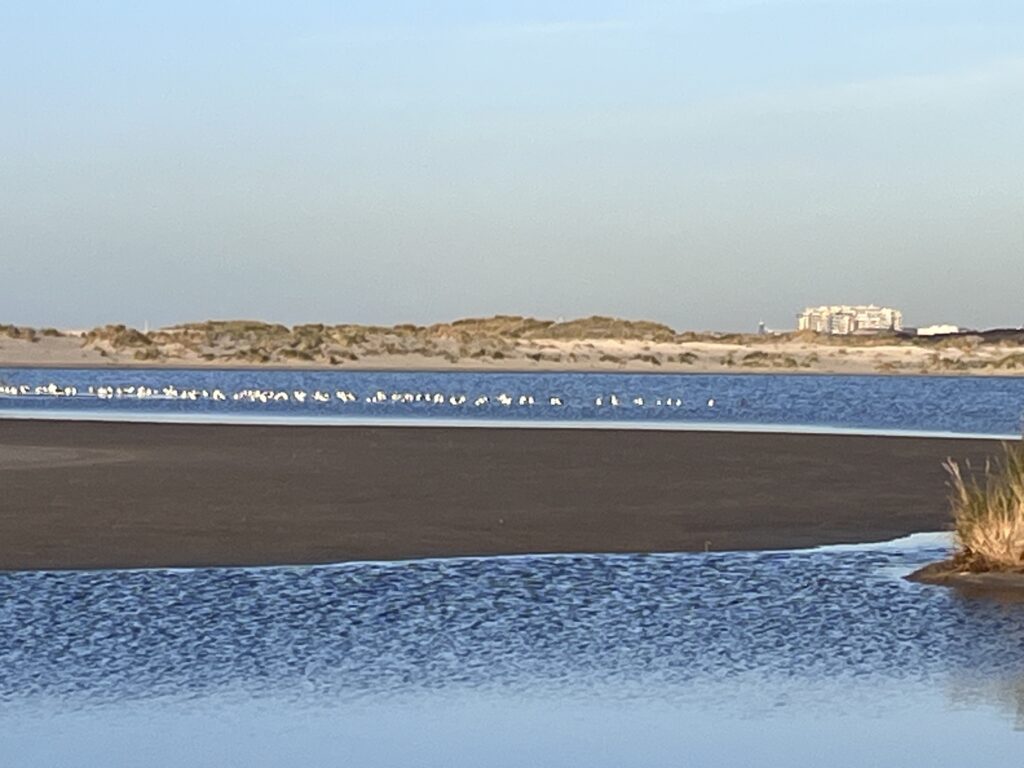
South of Kijkduin, The Hague, The Netherlands

Dear reader,

One of my best health investments has been this spacious deep freezer in a beautiful purple color. Hidden behind a sliding door in the corridor, it does not take up any space in our modest kitchen. I love my freezer for four reasons: it saves money, it saves time, it indirectly contributes to better health, and it reduces waste. That last point is good for both the environment and my wallet.

One of the key approaches to a healthy life is deciding to prepare your own food. That way, you control the ingredients. You can add all kinds of promising supplements, such as wheat germ, spices like cardamom, and seeds like the omnipotent flaxseed—preferably ground rather than whole. Cooking from scratch means you control what you eat. This is helpful, as you keep learning new things all the time, such as the fact that black pepper can enhance the effect of certain supplements by up to 30 times.

However, preparing your own food, combined with my personal trend toward becoming more and more vegetarian, turns out to be a time-consuming affair. Convenience food is called convenience food for a reason: having your meal on the table in 15 minutes is, of course, an attractive prospect. Pre-prepared food is often tasty as well—tasty, yes, but not healthy! The problem with convenience food is that it in general contains ultra-processed ingredients, which, as we now know, are very harmful to your health.

Living a healthier life is not an easy process that can be implemented in just a few clearly defined steps. No, it is a gradual development, and it may take months or even years. Changes along the way are to be expected, of course: incorporating exercise into your daily routine, walking more, eating earlier, trying new recipes, adding supplements, and sometimes taking them away again.

As I said, I noticed that preparing vegetarian meals takes a lot of time. This is where our spacious deep purple freezer becomes extremely helpful, because my “solution” is to buy fresh vegetables, cook them all at once, and freeze them. I just bought three organic pumpkins, weighing five kilos in total. So while writing this blog, I stop now and then—sitting too long at a time is not good anyway—and continue cutting and cooking the pumpkins. I let them cool down and then freeze them, to be used for our daily soup and sometimes for our regular meal.

After the pumpkins, six courgettes are waiting to be sliced very thinly and lightly baked afterwards. Plus a few kilos of onions need to be cut and roasted. I like this changed routine, and it saves me from having to do all the cooking every evening. I admit that I do not like cooking that much.

Does this all help? Yes, a lot. When most of the ingredients for your meal are already cooked, you only have to concentrate on preparing your quinoa and adding some elements you like that are waiting for you in the freezer.

As I said, you never stop learning in the field of health. Take spinach, for example. I add it to my daily smoothie, but only recently did I learn that cooked spinach is much more effective. So here, too, I established a new routine: buying kilos of frozen organic spinach from AH, cooking it for a few minutes, and then refreezing it. Time-consuming? Yes and no. Just do it during the daytime while busy with other activities, and prepare large quantities at the same time.

Storage? Try to avoid plastics, of course. Read my blog on nanoplastics. At home, we use Ikea metal containers with wooden tops. They are not cheap, but they are 100% free of nanoplastics.

https://shakethehealthtree.com/index.php/2025/04/27/20-a-plastic-tsunami-entering-human-bodies/

In another blog, I wrote about fresh versus frozen vegetables and fruit. My conclusion is that frozen produce has more advantages overall than fresh. It also gives you the opportunity to stock up and benefit from special offers at the supermarket.

https://shakethehealthtree.com/index.php/2025/03/05/2-frozen-or-fresh-vegetables-and-fruit-parents-are-not-always-right-health-project-99/

Of course we buy fresh as well, but here I pay careful attention not throw anything away. Hence the cooking and freezing. I love to sweeten a bit my rice or quinoa dishes and use bananas to do this. Freezing is an excellent option because bananas quickly ripen and ripen bananas contain much more sugar. Before I used frozen bananas to add to my daily smoothie, but since I found out that the positive effects of berries are cancelled by bananas, I decided not to add them anymore.

My other favorite health investments have been a semi-professional blender and an infrared sauna. What I thought to be another favourite health investment (the whole body vibration device) disappointed and I took it of my list of health essentials.

essentials.https://shakethehealthtree.com/index.php/2025/02/26/1-my-health-essentials-infrared-sauna-health-project-99/

https://shakethehealthtree.com/index.php/2025/05/01/0-my-health-essentials-should-it-include-vibration-whole-body-vibration-devices/

Enjoy your life, enjoy your food and take care,

Robert, your health friend

North of Kijkduin, “Schotse Hooglanders”

0.THE MOTIVATION, WILLPOWER AND KNOWLEDGE ALLIANCE (health project99+)

Dutch beaches are beautiful

Dear Reader,

In the first part of this blog I make some general remarks about the importance of motivation, knowledge and willpower. In the second part of this blog, I will provide some tips on how to stay motivated. Remaining motivated is not easy, but essential to achieve results; without motivation and willpower it is impossible to remain committed in the long term. A longer and healthier life is indeed a long-term goal, so it’s easy for your motivation to wane at times.

Staying motivated happens to be a challenge for most of us. This is especially true when it involves a lifelong commitment. Benefits may only be enjoyed decades down the line, although it motivates of course feeling good and looking better during the ride.

Fortunately, there are several strategies you can use to keep your enthusiasm and drive toward your goals. For me, more knowledge about health issues, along with regular testing, has helped a lot.

At the end of the day, having one additional sweet or skipping one workout won’t make a difference. This is true, of course. However, you could find yourself on a slippery slope before you know it. You might return to unhealthy habits. On the other hand, don’t be too harsh on yourself. If you are generally moving in the right direction, you’re doing fine. Small violations will not harm you and psychologically might even be necessary. This is something I remind myself of during moments of weakness.

You should ask yourself some questions in order to get to be able to formulate your motivation: What do you want from life? What achievements are important to you? Is life finished for you after you reach 80 or 90 years? To that last question, many, perhaps even most, would say it does. A common argument is that no one wants to end their life in the misery of poor health. But imagine a different scenario. What about living in good health and enjoying life until 100? 120? Why not?

So let us assume that you, just like me, have a sincere wish to live longer and healthier. How? Be willing to adopt a different lifestyle. By spending money and time differently. Stay open to new ways to improve yourself. I did it, so why not you?

Since my youth, I have struggled with the concepts of life and death. Not being religious or believing in reincarnation, I view the present period on earth as what you’ve got. The idea that one day it will all be over is something I find truly difficult to deal with. Does this mean I want to live forever? No. Simone de Beauvoir wrote a book that changed my perspective. It helped me realize that eternal life might not be desirable. The book is called “Tous les hommes sont mortels.” The story of a man who continued living, cycle after cycle, was compelling. Watching his loved ones disappear made it clear to me that eternal life is not a good idea.

In the Middle Ages, the average lifespan was 30-40 years, as it was during the Industrial Age. After World War II, life expectancy in the Western world rose to around 70 years. Now, it’s about 80. In Japan, it’s approximately 84. The oldest man ever lived to 116 years, and the oldest woman lived to 122. While the average lifespan today is near 80, the number of years lived in good health is lower: UK 65, US 69, France 74.

Since the Industrial Age, we have doubled the average lifespan, from 40 to 80 years. Currently, we are pushing those boundaries again. Technological developments, thanks to AI and quantum technology, are advancing exponentially. Some actual projects aim for lifespans of 160 years and beyond—again, why not? Life is great.

The world has much to offer. I understand those who want to enjoy it as long as possible, including myself. There is a significant age gap with my wife. I promised her to stick around for as long as I can. For all these reasons, I started Health Project 99+. I hope (and to a certain extent, I am convinced) that present developments will prolong lives to 99 and more.

You might see life as almost eternal when you are 20. But believe me, one day you will reach an age you never associate with yourself. Life definitely does not seem eternal anymore. At that age, you will be focused on health issues. This happens whether you like it or not. 😊

I discuss health with many people. You can basically divide them into two groups. There are those who genuinely do not care. Then, there are those who do care but aren’t sure where to start and can not, as we say in The Netherlands, “see the forest through the trees”.

Smoking is bad. Eating French fries every day is a poor choice. Few truly know what to do beyond this basic knowledge. I was part of the second group, and slowly but surely, I learned what is good for my health. Knowledge I am happy to share with everyone who is willing to listen.

My own experience.

I always thought I lived reasonably healthily. Compared to many, I probably did. I do not smoke. I drank moderately and exercised. However, my diet was not always great. I consumed too much ultra-processed food and excessive sugar and sweets. My BMI was around 25. I didn’t get enough sleep and often dealt with stress.

Then, about five years ago, I received a warning due to heart problems. It was then that I decided to change my life. I quickly realized that I knew nothing, literally nothing about health. I have the highest admiration for medical doctors; they have saved me a few times in my life. However, many have a traditional, mostly remedy-oriented focus. There are many things you have to discover for yourself. I am grateful to all the health experts out there. They range from Medical News Today to the BBC, and those on YouTube who do an incredible amount of work. Throughout this process, I stayed away from people who promote A, B, or Z as the solution to everything. I managed to avoid them. At least, that is what I think.

Part Two: Tips and Tricks

Realize that this health process is a step-by-step approach. Be ambitious over the long term, but apply a gradual approach in the short term. It took me years to reach my current health level. I would say that I do for about 90% right.

Also, recognize that you probably know little about health. Follow some trusted individuals and be willing to adjust your lifestyle properly. Again, take a step-by-step approach. By writing my blogs, I have changed much of my behavior, but slowly. Trying to change everything at once does not work! I hope you will be inspired to change by reading my blogs.

Define specific, measurable, achievable, relevant, and time-bound (SMART) goals. Break larger goals into smaller, manageable steps to avoid feeling overwhelmed.

Focus on the most important biomarkers, get an annual test, and know what’s important. For me, it is extremely motivating when my test results are good. I set goals, try to improve, etc. Measuring progress is crucial. My Apple Watch recently told me my cardio recovery was down. This motivated me to do more high-intensity training. I was thrilled to see my recovery improve. It’s currently at 34. This is the highest it has been for years.

Establish a daily or weekly routine that supports your goals. Consistency helps build habits that contribute to motivation. I walk 4 km every morning, primarily to do some shopping—an excuse, but useful nonetheless.

Incorporate as much as possible into your daily routine. This is not easy, especially with a busy job and children running around.

It is important that your environment (first and foremost, your own household) supports you. Avoid negativity that can drain your motivation.

Read books, listen to podcasts, or watch videos that inspire you (and read blogs like this one). Learning about others’ successes can reignite your own motivation. I love watching videos of guys in their 80’s. They look like they’re in their 50’s. They can do 100 push-ups!

Determine the number of additional physical exercises you want to do weekly (in addition to your daily walking and cycling). Establish a minimum number as well as a maximum; for me, this approach works wonders.

If possible (and in the Netherlands, it often is), do not buy a car. Rent a car when you need one. For everything else, walk, cycle, or use public transport. I realize this is not feasible everywhere. For my wife and me it works very well.

Regularly assess how far you’ve come. Reflecting on your journey can remind you of your capabilities and the effort you’ve already put in.

If you find that certain goals are no longer motivating or achievable, don’t hesitate to adjust them. Flexibility can keep you engaged as long as it fits within your ultimate long-term goal. For example, I have come to accept that my maximum VO2Max will be around 40. I once hoped for 50. However, I simply cannot achieve that. It is not necessary either. It was just a personal ambition.

Acknowledge that setbacks are part of the journey. View challenges as opportunities for growth rather than obstacles.

Engage in lifelong learning. In health, there are always new things to learn. Finding new interests or skills can rejuvenate your motivation and open new avenues for success.

Remember, motivation can fluctuate, and that’s normal. The key is to develop strategies that work for you. Keep using these strategies to keep your momentum.

Stock your home with basic and healthy ingredients. Stop buying ultra-processed food. Buy fresh products, boil them and freeze them. Most of us snack; I do for sure. Look for healthy alternatives like nuts, sweet tomatoes, rice crackers and fruit.

Pay attention to labels. In 99 out of 100 cases, checking labels prevents me from making impulse (snack) purchases.

Thanks for reading, stay motivated and enjoy life,

Robert, your health friend

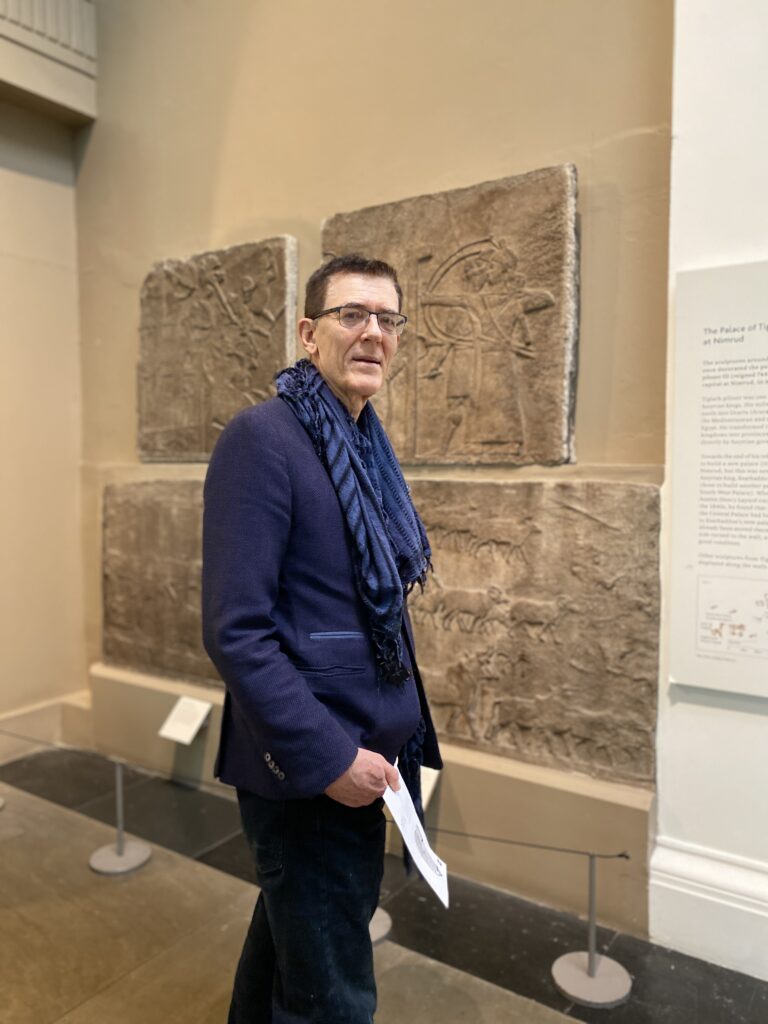
British museum

—

0. MY HEALTH ESSENTIALS: WHOLE BODY VIBRATION DEVICE YES OR NO? (health project99+)

Humboldt hotel in Avila/Venezuela

Dear reader,

This blog discusses once-hyped fitness equipment, the Power Plate, and other whole-body vibration devices. I remember its commercial introduction in the early 2000’s, when the famous Dutch soccer player Johan Cruyff endorsed it. As a loyal Dutch soccer fan, I was persuaded to buy one, already 15 years ago.

While the hype has diminished, this vibration technology remains popular, and most fitness centers have one. Does it work? To a certain extent, yes. Do I recommend it? No. Am I against it? No, but there are several health risks linked to its use. My suggestion is to join a reputable gym that offers professional vibration equipment. I wouldn’t pay over 2000 euros to buy a Power Plate for home use again. I completely agree with what fitness professionals say on this topic. And feel welcome to subscribe to my blogs, for free of course).

1.What do fitness professionals say?

In summary, there are proven benefits linked to Power Plate. However, opinions on the efficacy of whole-body vibration technology (WBV) differ. Many fitness professionals advocate that WBV should complement, rather than replace, traditional exercise techniques for optimal results. They do find that strength training becomes easier as you incorporate WBV into your routine.

At my gym, we have several workout plans for its very professional whole body vibration equipment. These include strength training, anti-cellulite routines, and fat-burning programs. I also notice that very few people use it.

2.My experience, positive and negative

Positive At home I the power plate for use a few exercises, mainly squats and reinforcing my lower legs. I also do some weights while on the power plate. I love my power plate best when I have an injury with my legs. I lie on my back and place my legs on the power plate. I let the vibration do its healing work. For me it functions and I notice the difference.

Negative See the health risks below. I know it is standard practice to put a disclaimer for every health claim. But, for whole body vibration devices, it is really necessary. In my case from headaches to release of kidney stones.

3.What is a whole-body vibration device/the technique?

The Power Plate is a type of vibration exercise machine. The concept of whole-body vibration training has its roots in earlier research. The Power Plate utilizes this concept. These devices were developed in the 1960s and 1970s.

Whole-body vibration (WBV) involves applying mechanical oscillations to the body. This occurs through a vibrating platform generating vertical and/or horizontal vibrations. This mechanical stimulation activates muscle contractions via the reflex arc, engaging both the somatic nervous system and the neuromuscular system. The vibrations induce a series of rapid muscle contractions, known as tonic vibration reflex. This reflex can enhance muscular strength. It can also improve your body’s ability to sense movement, action, and location and stimulate blood flow. 

Research is ongoing. Indications are that WBV can also influence various physiological responses. These include alterations in hormone levels, increased flexibility, and potential benefits for bone mineral density through) is any of various mechanisms by which cells convert mechanical stimulus into electrochemical activity. These effects occur because kinetic energy from the platform transfers to the body. This transfer impacts both the musculoskeletal and cardiovascular systems. Safety considerations are crucial. It’s important to adhere to recommended exposure guidelines. These measures are essential to mitigate potential adverse effects associated with excessive vibration exposure.

4.(Potential) benefits of WBV-training

Whole-body vibration (WBV) training is exemplified by devices like the Power Plate. Studies have shown its promising benefits. It is effective in enhancing muscle activation and improving bone mineral density. It also supports balance and stability. These factors are critical for maintaining independence and quality of life in older adults. Research indicates that WBV can aid fat cell breakdown. It boosts collagen production and improves circulation. These effects collectively contribute to skin firmness, reduced water retention, and relaxation. Furthermore, WBV may engage in significant recovery support post-exercise by promoting blood flow and enhancing flexibility.

Additionally, there is emerging evidence suggesting that WBV could have anti-aging effects, particularly for older populations. While “anti-aging” can be a broad concept, scientific studies have focused on tangible aspects of aging. These include maintaining muscle strength and metabolic health. They play vital roles in overall health as one ages. By incorporating WBV training into fitness regimens, individuals may derive notable physiological benefits that align with healthier aging. It is often recommended to use it as a complementary tool alongside traditional exercise methods for optimal results.

5.Price/unexplainable differences

Some health essentials are inexpensive, while others are not. The price difference among Power Plates and similar vibration training devices is quite striking. It can range from a few hundred euros to 20,000 euros. Some devices cost merely a few hundred euros. Others can reach up to 20,000 euros. This is approximately 23,000 USD. Despite various comparative studies, I still find it difficult to understand why the price difference can be that huge. One reads also rather favorable research on low-cost models.. While a sturdy, high-end model is essential for a fitness school, is it really necessary for home use? 

The reasons given for the price disparity do not convince me. Factors mentioned include construction quality and advanced vibration technology. This technology allows for more precise control over frequency and amplitude. Additionally, there are more powerful motors that enhance performance and longevity. Additionally, commercial-grade machines are designed for gyms and fitness centers, while lower-cost models are often more compact, targeting home users. Higher-priced models also offer extra features, like programmable settings, larger platforms, and built-in health assessments.

6.Health risks, quite a few

Sessions on vibration plates have general guidelines. Each session should be limited to a limit of 30 minutes. It is preferable to leave two days between sessions. Overdoing it may strain joints, retinas, and organs, which is a worrying thought—especially when you consider the phrase “straining organs.”

The potential side effects of excessive use include headaches and neck pain. They also encompass dizziness, motion sickness, and digestive problems. I have experienced all of these firsthand. Not always, but at times. 

Extra risks mentioned include back pain, nervous system damage, and cardiovascular disease. There is a long list of individuals who should avoid using vibration plates. At the very least, they should consult their doctor beforehand. This list includes pregnant individuals. It also includes those with a history of stroke, heart disease, or diabetes. Individuals with blood clotting disorders, pacemakers, seizure disorders, and ocular disorders are also on the list. 

On a personal note, I would add that those prone to kidney issues should exercise caution as well. I am prone to small kidney stones. After a session on a vibration plate, I have noticed that my stones can become mobilized in my body.

7.Lose weight/burn fat

One of the main claims of the Power Plate is weight loss, but I have my doubts. It might be part of an overall strategy. However, doing exercises on the Power Plate alone won’t be effective. I’ve come across numerous user comments online that confirm the Power Plate alone will not help with weight loss.

In the best case, using the vibration equipment in a fat-burning program may not help you lose weight. The scale might not show fewer pounds. However, you will notice a tighter physique. Fat tissue is often replaced with muscle.

One day, I will write about weight loss. My theory is to set the bar low. Aim for a weight loss of 1 kg per month. Eat less and healthier. Exercise more. This approach works for everyone—believe me.

Now, I’m off to the gym. I’ll spend about 10 minutes on the impressive WBV equipment. Then, I will do some other exercises for the rest of my workout.

Take care and enjoy life!

Robert, your health friend