One of my best health investments has been this spacious deep freezer in a beautiful purple color. Hidden behind a sliding door in the corridor, it does not take up any space in our modest kitchen. I love my freezer for four reasons: it saves money, it saves time, it indirectly contributes to better health, and it reduces waste. That last point is good for both the environment and my wallet.
One of the key approaches to a healthy life is deciding to prepare your own food. That way, you control the ingredients. You can add all kinds of promising supplements, such as wheat germ, spices like cardamom, and seeds like the omnipotent flaxseed—preferably ground rather than whole. Cooking from scratch means you control what you eat. This is helpful, as you keep learning new things all the time, such as the fact that black pepper can enhance the effect of certain supplements by up to 30 times.
However, preparing your own food, combined with my personal trend toward becoming more and more vegetarian, turns out to be a time-consuming affair. Convenience food is called convenience food for a reason: having your meal on the table in 15 minutes is, of course, an attractive prospect. Pre-prepared food is often tasty as well—tasty, yes, but not healthy! The problem with convenience food is that it in general contains ultra-processed ingredients, which, as we now know, are very harmful to your health.
Living a healthier life is not an easy process that can be implemented in just a few clearly defined steps. No, it is a gradual development, and it may take months or even years. Changes along the way are to be expected, of course: incorporating exercise into your daily routine, walking more, eating earlier, trying new recipes, adding supplements, and sometimes taking them away again.
As I said, I noticed that preparing vegetarian meals takes a lot of time. This is where our spacious deep purple freezer becomes extremely helpful, because my “solution” is to buy fresh vegetables, cook them all at once, and freeze them. I just bought three organic pumpkins, weighing five kilos in total. So while writing this blog, I stop now and then—sitting too long at a time is not good anyway—and continue cutting and cooking the pumpkins. I let them cool down and then freeze them, to be used for our daily soup and sometimes for our regular meal.
After the pumpkins, six courgettes are waiting to be sliced very thinly and lightly baked afterwards. Plus a few kilos of onions need to be cut and roasted. I like this changed routine, and it saves me from having to do all the cooking every evening. I admit that I do not like cooking that much.
Does this all help? Yes, a lot. When most of the ingredients for your meal are already cooked, you only have to concentrate on preparing your quinoa and adding some elements you like that are waiting for you in the freezer.
As I said, you never stop learning in the field of health. Take spinach, for example. I add it to my daily smoothie, but only recently did I learn that cooked spinach is much more effective. So here, too, I established a new routine: buying kilos of frozen organic spinach from AH, cooking it for a few minutes, and then refreezing it. Time-consuming? Yes and no. Just do it during the daytime while busy with other activities, and prepare large quantities at the same time.
Storage? Try to avoid plastics, of course. Read my blog on nanoplastics. At home, we use Ikea metal containers with wooden tops. They are not cheap, but they are 100% free of nanoplastics.
In another blog, I wrote about fresh versus frozen vegetables and fruit. My conclusion is that frozen produce has more advantages overall than fresh. It also gives you the opportunity to stock up and benefit from special offers at the supermarket.
Of course we buy fresh as well, but here I pay careful attention not throw anything away. Hence the cooking and freezing. I love to sweeten a bit my rice or quinoa dishes and use bananas to do this. Freezing is an excellent option because bananas quickly ripen and ripen bananas contain much more sugar. Before I used frozen bananas to add to my daily smoothie, but since I found out that the positive effects of berries are cancelled by bananas, I decided not to add them anymore.
My other favorite health investments have been a semi-professional blender and an infrared sauna. What I thought to be another favourite health investment (the whole body vibration device) disappointed and I took it of my list of health essentials.
Grr, I misfiled my long draft blog post on spinach, but perhaps this is a good thing. Now I’ve written down what I remember, which hopefully is the essence. It is a well-known fact that patients remember only about 20% of what the doctor has told them, and that readers remember only one or two main conclusions from any article.
Spinach is one of those excellent foods that provides a lot of nutrition per gram. I do not like the label “superfood” as there is no scientific basis for this, but spinach would probably qualify. The main conclusions:
It is best to cook it, even when you add spinach to your smoothie. I used to eat it raw, but cooked is better.
Only use organic spinach, as this vegetable is often listed among the Dirty Dozen—fruits and vegetables that tend to have high pesticide residues.
Its reputation as an iron source is exaggerated.
Spinach has a surprisingly positive impact on eye health.
Why cook, not raw?
Spinach is nutritious whether cooked or eaten raw. However, when cooked, spinach tends to have higher bioavailable calcium and iron because cooking reduces oxalates that can bind minerals. The reason is that spinach contains oxalates, which bind minerals like iron and calcium and reduce absorption; cooking reduces oxalate levels, making minerals more available.
Cooking also makes more of certain nutrients available—particularly the fat-soluble vitamins A and E and the carotenoids lutein and zeaxanthin—so they become more available to the body.
Raw spinach retains more heat-sensitive nutrients, such as vitamin C and folate.
Personally, I consider the advantages of raw spinach less important. The cooked version is generally better for vegetarians. Although I am not a full vegetarian, I often follow what is good for them.
Before I forget, spinach is also a very good source of fiber!
Why organic?
I read more about health and aging and more than before I realize that the quality of the trillions of cells is key how one ages. Unfortunately, over the years, damage accumulates in our cells. DNA is attacked and can deteriorate. Our immune system wears down—first slowly, then faster. You can develop all kinds of health issues. Many stem from chronic low-grade inflammation. This often starts with the quality of your cells.
We also engage in the much older discussion about the impact of chemicals on your health. We know that this can be serious. Remember DDT. However, just as with the forever chemicals or nanoplastics, the evidence does not show that the so-called modern safe pesticides are really safe for you. I doubt authorities in aspect, and just as with the forever chemicals and nanoplastics I want to avoid the risk.
Some fruits and vegetables suffer more from pesticides than others. The Environmental Working Group publishes a “Dirty Dozen” list each year since 1995. Yes, strawberries, grapes, and blueberries are always on that list, but so, unfortunately, is spinach. Actually, it is one of the main offenders. Studies indicate that 76% to 97% of conventional spinach samples contain detectable pesticide residues.
I know that supervising agencies like the USDA always claim that the national food supply “is one of the safest in the world,” but I tend to be skeptical about these claims. I am no specialist. Instinctively, I agree with experts. They say continuous exposure to pesticides—even in small doses—can build up in your body over time. This exposure can lead to chronic health conditions.
The iron reputation of spinach is overestimated.
In general, when eating balanced meals, your iron intake should be sufficient. However, there are certain groups at risk, such as vegetarians and pregnant women.
From a nutritional point of view, meat is a good (some say the best, but I am not sure) source of well-absorbed iron (heme iron).
However, you can also obtain enough iron (non-heme iron = iron from non-meat sources) through vegetables, nuts, and fruits alone, but because of their low bioavailability, you have to consume a considerable amount.
Spinach is often mentioned as a good source of iron; cooked spinach provides about 3.6 mg per 100 g. A pregnant woman needs 27 mg of iron per day, which would require eating roughly 700 grams of spinach. However, because of its low bioavailability (2–20%), several kilograms of spinach are needed daily. This is not feasible, of course. The solution is a good iron supplement.
Spinach can support eye health, mainly because of two nutrients it’s rich in—lutein and zeaxanthin. These two carotenoids form the macular pigment in the retina. They help protect your eyes from blue light. They also reduce oxidative stress. Higher intake is associated with a lower risk of age-related macular degeneration (AMD) and cataracts in many studies.
One caveat: it supports eye health, but not in a dramatic way. Cook spinach or lightly steam it: cooking helps release carotenoids and improves bioavailability. Add a small amount of healthy fat (olive oil, avocado, nuts) to improve absorption of lutein/zeaxanthin. Aim for regular inclusion of spinach as part of a varied, eye-healthy diet (for many people, 1–2 cups cooked or a few cups raw several times per week is a reasonable target). There are many studies on this topic and they all indicate that the relation between cooked spinach and a better eye health is promising.
Be careful with spinach in the following cases.
Acid and mineral buildup are among the main risk factors for kidney stones. The most common type is calcium stones, which consist of calcium oxalate. Spinach is high in both calcium and oxalates, so people at high risk of developing kidney stones should limit their intake and cook spinach, since cooking reduces oxalate levels. Note: Oxalates are salts or esters of oxalic acid found in many foods. They can bind minerals and form insoluble calcium oxalate crystals, which in susceptible individuals may contribute to kidney stone formation.
Spinach is high in vitamin K1, which serves several roles in the body but is best known for its role in blood clotting. As such, it can interfere with blood-thinning medications. People taking blood thinners, such as warfarin, should consult their healthcare provider before eating large amounts of spinach.
It is always fun to write about positive topics and spinach is one of them. Enjoy your food, enjoy your life and take care.
We consume more plastics than we think. Especially the smallest particles, the Nanoplastics, can have a bad effect on your long-term health. Science is working hard, much is still unclear, but signs are not good. Try to limit your contact with plastic significantly. Avoid using plastic bottles, do not heat anything in plastic, do not drink from plastic coffee and tea cups, do not eat chewing gum and stay away from tea bags. For starters. See point 8 how to minimize your exposure to these plastic particles. And in the meantime you can subscribe, for free, to my blogs.
Research only at its infancy/I am worried
I know research is ongoing and final conclusions will take years, but doesn’t this micro and nanoplastic stuff sound scary? Plastics sound innocuous, but there are many types, some of which can cause cancer or other diseases.
The effect of all these micro- and nanoplastics entering our bodies is still unknown. The more I read, the more concerned I become. Plastics are a holistic concept, but when you break them down you enter a world dangerous additives. You also read about Nanoplastics as molecular pollutants that attach to fungus, algae and bacteria.
Writing this blog did not help, nor did these alarming headlines: “0.5% of the brain consists of Nanoplastics,” “Nanoplastics found in penises,” , “Nanoplastics entering individual cell structures.” and “birds in Australia found with 20% of body weight in plastic.”
2, Most experts downplay the risk,
Experts claim that the public is overreacting. A quarter of the Dutch population believes that microplastics, and especially Nanoplastics, are among the top dangers to one’s health. We Dutch are perhaps exaggerating, but probably not. From what I have read this plastic future does not look all too good.
We do not know yet what interaction might occur between these smallest particles and living organisms. The idea that the tiniest particles enter your individual cells is beyond worrying. The increasing amount of plastic found in people’s brains is also not a good sign.
There seems to be no end to the plastic tsunami that overwhelms us. This news from the Netherlands is a bit off topic but related. It states that eggs from free-ranging chickens are too dangerous to eat. Can you imagine? Apparently, there is so much poison in the Dutch soil that it impacts the quality of food the chicken eat. This, in turn, affects the quality of the eggs.
There are actions we can take, such as avoiding these contaminated eggs. Or, in the case of plastics, minimizing their use as much as possible. Below are some tips in this blog.
For everything else, we must keep an eye on scientific developments.
3. Ok, what are micro plastics and Nanoplastics?
Microplastics are small plastic particles. They are usually defined as being less than 5 millimeters in size. However, they can be much smaller. They originate from the breakdown of larger plastic debris, like bottles and bags. They also include fragments of stabilizers, lubricants, fillers, and plasticizes. Manufacturers use these and other chemicals to impart desirable properties to plastics. Such properties include transparency, flexibility, and durability. Many of these chemicals have been classified by experts as toxic and harmful to human health.
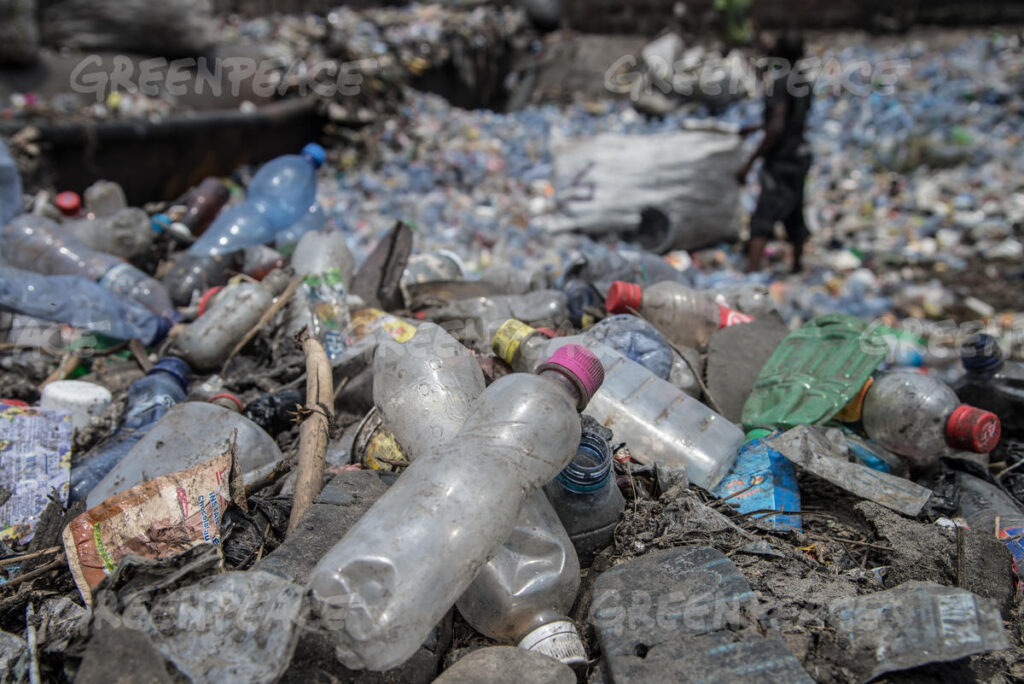
Microplastics are widespread in the environment, found in oceans, waterways, soil, and even in the air. They pose increasing environmental challenges. Microplastics contaminate ecosystems and enter food chains, such as in fish. Animals and humans can ingest them, potentially causing harm over time.
Nanoplastics (sometimes calles nanoparticles, but this is a wider concept) are particles less than 100 nanometers in size. This size is less than 1/10,000 of a millimeter. They are much smaller than microplastics and more worrisome because they can overcome certain barriers and enter human cells. They can be purposefully engineered in various scientific and industrial processes. For example, they are used for materials like carbon nanotubes. Alternatively, they may occur naturally in some processes. They can also result from the further breakdown of microplastics.
4. Just some plastic statistics
In 2020, approximately 367 million tons of plastics were produced worldwide. This amount is almost double that of 2000, which had an annual production of 200 million tons. Production is still growing on an annual basis.
Researchers estimate that the average person consumes between 78,000 and 211,000 microplastic particles every year. Plastic-based bottled water has a big role in these figures. Hot drinks in plastic cups can also contribute significantly. Together, they can make up to 50% of the intake. And remember, we only talk about the micro plastics, the “big” particles, up to half a centimeter! every year through drinking water, foods contaminated by microplastics, and breathing microplastics-containing air. The number of nanoplastics is infinitively more and can be 200.000 in one plastic bottle with water.
Fortunately, most, but not all leaves our body again the natural way.
In early 2024, a new study revealed that human brain samples collected at autopsy contained significantly more plastic. They had seven to 30 times more plastic than the kidneys and liver. Compared to 2016, this concentration represents about a 50% increase, indicating that, as of today, about 99.5% of the brain is brain tissue and the rest is plastic.
5. Not only plastic bottles and plastic coffee cups are of concern. Chewing gum as well.
A pilot study presented at the American Chemical Society’s spring 2025 meeting revealed that chewing gum can release hundreds to thousands of micro and nano plastic particles into saliva, which are then potentially ingested.
6. Dangers of micro- and nanoplastics
Microplastics and Nanoplastics have infiltrated ecosystems worldwide and have been detected in air, water and soil. Their small size allows them to enter the human body through ingestion, inhalation and dermal contact. Chemical additives like polychlorinated biphenyls and phthalate esters are added to microplastics during production. These additives typically exacerbate health effects. Microplastics are therefore recognized as an emerging environmental concern. They are also a public health concern. These concerns have the potential to affect both human well-being and the natural environment.
So the much smaller parts, the Nanoplastics, can penetrate biological barriers. They enter cells and tissues, raising concerns about long-term health effects. It alarms me to learn that microplastic and nano plastic concentrations in brain samples are seven to 30 times higher. These concentrations are notably higher than those in kidneys and liver. As always with relative new developments, more studies need to be done to understand what the health implications are.
The mechanisms by which Nanoplastics enter the brain remain unclear. One hypothesis is that they travel with lipids ingested through food. Human brains are particularly rich in fat, which may help plastics cross the blood-brain barrier. Inhalation of airborne microplastics and ingestion through diet are considered primary routes of exposure.
7. Just one example how plastic pollution originates and affects us all
Biosolids, which are the treated water sludge generated from wastewater treatment, significantly contribute to plastic pollution in terrestrial environments. They are commonly utilized as fertilizers in agricultural land. This practice results in a considerable deposition of microplastics onto farmlands. In Europe, estimates vary between 63,000 to 430,000 tons of microplastics are deposited annually. In North America, the range is 44,000 to 300,000 tons. Consequently, agricultural soils serve as extensive reservoirs of microplastics. These particles are transported to the aquatic environment through various means. These means include rainfall, leaching, and irrigation.
8. First suspected links with diseases
There is ongoing debate over the health impacts of these microplastics within human tissues. These risks encompass inflammation, oxidative stress, and tissue damage. They have been found in vital organs such as the heart, liver, lungs, and even placenta.
One study also found that individuals with dementia have more plastic fragments in their brains. The amount is three to five times higher than those without the condition. It was noted that dementia can impair the blood-brain barrier and brain clearance mechanisms, possibly creating a “sink” for plastics. Again, no definitive proof yet.
Some experts argue that nano plastics carry harmful chemicals. These chemicals are known to lead to reproductive issues. They cause hormonal imbalances by disrupting the endocrine function.
There appears to be a link between plastics and obesity.
9. What to do?
Summary: reducing exposure to microplastics and nano particles involves several lifestyle and consumer choices. Below some suggestions I summarized from reliable sources on internet.chapter
My own top 5 is: never heat anything in plastic, avoid drinks from plastic bottles (= no 1 tip), do not drink hot drinks from plastic, store in metal or porcelain, repack from plastic in metal, glass or porcelain, not cutting food on plastic cutting-board. I cut everything on an ordinary porcelain plate. And stop eating chewing gum or using tea bags.
10.Suggestions from internet
Filtering and boiling water.
Cutting back on plastic use when possible, for example, by using reusable containers
Boosting fiber intake involves two types of fiber. Fermentable fiber found in fruits and vegetables forms a gel-like substance in your gut. This helps trap microplastics and prevents them from entering your system. Meanwhile, non-fermentable fiber helps push these harmful particles through your digestive tract. It does this before they can be absorbed. In a world where microplastics are unavoidable, fiber could be your best defense
Not using single-use plastic over and over.
Avoiding heating plastic food packaging, as plastic particles can spread into the food.
Focusing on good sources for our food is essential. We should ensure our seafood is from sources that have less microplastics, for example.
Avoid foods that are ultra-processed, as there have been some reports of MNPs (=micro and nano plastics) in ultra-processed food.
Wearing natural fiber clothing — organic cotton or hemp — and avoiding those with synthetic fibers.
Vacuuming our homes more often, as microplastics can accumulate in household dust.
Being careful of environmental pollutants as high air pollution areas might have more MNPs in air.
Making sure our environment at home or work has a good air ventilation system.
This was a difficult blog to write. Too little is known about this topic, but from what we know one can only draw one conclusion: stay away as much as possible from plastics, but this will be hard to do.