22. ALZHEIMER’S DISEASE: AVOIDABLE AND CURABLE? (health project 99+)

Autumn in The Netherlands


Dear reader,

Three of the best-known and most feared conditions affecting the brain are dementia, Parkinson’s disease, and Alzheimer’s disease. These three share some features, but there are also important differences.

Dementia is not a single disease; it is a general term for a decline in cognitive abilities that interferes with daily life. Alzheimer’s disease by the way is the most common cause of dementia.

Alzheimer’s disease and Parkinson’s disease involve the progressive degeneration of nerve cells in the brain, which can lead to declines in cognitive and/or motor function. They are also associated with abnormal protein deposits in the brain.

The risk of developing Alzheimer’s or Parkinson’s disease increases with age. Although there is currently no cure for either condition, research is advancing rapidly, which is great news. In this blog, I mention a few possible treatments, like the use of lithium and even microsurgery.

What about a healthy lifestyle and Alzheimer’s? Living healthily always helps, of course, but more and more scientists (at least the ones I follow) stress new evidence about the crucial role of lifestyle interventions, claiming that they might help reduce the risk of cognitive decline and, in some cases, reverse its onset or prevent it altogether.

In this context, we should not forget the concept of neuroplasticity, the brain’s ability to change and adapt by forming new neural connections throughout life. Like the rest of your body, your brain is a living organ of which the health can be influenced.

  1. Life Expectancy of Alzheimer’s

In Western countries, approximately 5–7% of people aged 60 and older have Alzheimer’s disease. The prevalence increases significantly with age, affecting about 30–40% of people aged 85 and older. After an Alzheimer’s diagnosis, life expectancy is between 3 and 10 years.

2. The Terrible Three

Someone can have Alzheimer’s disease without dementia, or Parkinson’s disease with or without dementia. The key difference is that dementia is a group of symptoms, while Alzheimer’s and Parkinson’s are specific diseases.

Dementia describes a significant decline in thinking abilities—such as memory, language, or judgment—that interferes with everyday life. It has many possible causes; Alzheimer’s disease is the most common. Other causes of dementia include vascular disease, Lewy body disease, genetic problems, and frontotemporal disorders (which can be caused by falling on your head while biking).

Alzheimer’s is a progressive disease, meaning symptoms gradually worsen over time. The decline in brain function eventually can lead to complications such as infections that can impact life expectancy.

Parkinson’s disease is primarily a movement disorder. Common symptoms include slowed movement, stiffness, tremor, and balance problems. Some people with Parkinson’s also develop cognitive difficulties or dementia, often later in the illness.

3. What Are Amyloid Plaques and Tau Tangles?

Dementia, Parkinson’s disease, and Alzheimer’s disease all involve brain abnormalities. In the case of Alzheimer’s disease, the main culprits are amyloid plaques and tau tangles.

Amyloid plaques are sticky clumps that form outside brain cells. They are made of a protein called beta-amyloid. Normally, this protein is harmless, but in Alzheimer’s, it sticks together and forms plaques that interfere with communication between brain cells.

Tau tangles are twisted fibers found inside brain cells. They come from a protein called tau, which normally helps support the cell’s structure. In Alzheimer’s, tau changes shape and twists into tangles, harming the cell’s ability to function properly and eventually causing cell death.

Together, these plaques and tangles disrupt brain function and are linked to the memory problems and other symptoms seen in Alzheimer’s disease.

4. Treatment (see also last chapter of this blog)

Currently, there is no guaranteed way to prevent or cure Alzheimer’s disease. However, there is encouraging news.

First, regular medication so far has not proven to be very effective, but new approaches show promise (see the latter part of this blog), including microsurgery.

Second, fortunately in line with my approach to life, research strongly suggests that certain lifestyle choices can reduce, delay, or even prevent Alzheimer’s.

5. Causes of Alzheimer’s Disease

The causes of Alzheimer’s disease include genetic (less than 1%), lifestyle, accidents, chronic inflammation and environmental factors. Age itself is often mentioned as the no 1 reason people get Alzheimer’s, but I find this a strange concept as it sounds more like a description of what happens than anything else.

There is no consensus among specialists about the main cause of Alzheimer’s, but a growing number focus on lifestyle factors. Certain lifestyle habits are linked to an increased risk: poor diet (especially one high in sugar, unhealthy fats, and processed foods), lack of physical activity, smoking, excessive alcohol consumption, and poor sleep quality.

Recent animal studies have proven that high sugar consumption is linked to amyloid plaque proliferation and therefore increases the risk of Alzheimer’s disease. Elevated blood sugar increases the production of beta-amyloid in the brain; this toxic protein forms as mentioned earlier amyloid plaques, a hallmark of Alzheimer’s disease.

Other studies highlight the link between high blood pressure and Alzheimer’s. Poor cardiovascular health not only harms the heart but also increases the likelihood of developing Alzheimer’s disease.

Genetics is often mentioned, but fewer than 1% of Alzheimer’s cases are caused by genetics. The good news is that techniques are being developed to replace certain genes, such as APOE-e4, that are responsible for Alzheimer’s. Having a family history of Alzheimer’s also raises the risk.

Head injuries and trauma can increase risk, as can limited mental stimulation.

Chronic inflammation in the body is the number one cause of death globally, and it is not surprising that chronic inflammation may contribute to developing Alzheimer’s.

Last but not least, there is increasing evidence that environmental exposures are a risk factor.

6. Measuring = Knowing = Action

Early diagnosis and proper care can help improve quality of life and potentially extend survival. Three biomarkers—ApoB, hsCRP, and HbA1c—in particular, are indicators of cardiovascular, inflammatory, and metabolic health. These systems significantly influence Alzheimer’s risk through pathways like vascular health, inflammation, and glucose metabolism.

Apolipoprotein B (ApoB) status: ApoB is a primary protein component of low-density lipoprotein (LDL), often called “bad cholesterol.” Elevated ApoB levels are linked to cardiovascular diseases, including atherosclerosis. Cardiovascular health, as we know, is closely related to brain health. Poor cardiovascular function and atherosclerosis can reduce blood flow to the brain, increasing the risk of vascular dementia and Alzheimer’s disease. Some studies suggest that cholesterol influences amyloid-beta accumulation, a key pathology in Alzheimer’s.

High-sensitivity C-reactive protein (hsCRP) status: hsCRP is an inflammatory marker measured in the blood. Since chronic systemic inflammation is considered a contributing factor in the development and progression of Alzheimer’s disease, elevated hsCRP levels indicate systemic inflammation, which may exacerbate neuroinflammation and promote neurodegeneration in Alzheimer’s.

Hemoglobin A1c (HbA1c) status: HbA1c measures average blood glucose levels over the past 2-3 months and is used to monitor diabetes. Diabetes and poor glycemic control are established risk factors for cognitive decline and Alzheimer’s disease. High blood sugar can lead to vascular damage, oxidative stress, and inflammation that harm brain cells and promote Alzheimer’s pathology.

7. Copper/Zinc Ratio

An imbalanced copper/zinc ratio, especially elevated copper relative to zinc, may promote oxidative stress, inflammation, and amyloid plaque formation—all hallmarks of Alzheimer’s.

Copper and zinc are two essential trace minerals important in many biochemical processes. Both copper and zinc are involved in oxidative stress regulation and amyloid-beta aggregation in the brain.

Excess free copper can promote the production of reactive oxygen species (oxidative stress), contributing to neuronal damage. Abnormal copper metabolism has been observed in Alzheimer’s patients.

Zinc has roles in modulating neurotransmission and preventing amyloid-beta aggregation. Zinc deficiency or imbalance may worsen Alzheimer’s pathology.

8. The Future (Is Near)

A1. Now: Aggressive Lifestyle Interventions

For most people, aggressive lifestyle interventions are the best way forward. Throw out the bad habits, avoid environmental exposures, and focus on the positive: managing heart health, exercising regularly, eating well, and sleeping well.

A2. Oral health

I remember well my blog about the importance of good oral health which can lead to 7 additional years of your life. In connection with Alzheimer’s several specialists stress how good oral health can contribute to preventing Alzheimer’s. https://shakethehealthtree.com/index.php/2025/02/27/15-pay-better-attention-to-mouth-hygiene-and-live-much-longer/

B. A Recent Trend: Near infrared Light

Infrared light, particularly near-infrared light, can influence brain cells. This is the basis for a technique called photobiomodulation or low-level light therapy. Near-infrared light can penetrate the skull and is believed to stimulate cellular activity, improve mitochondrial function, increase blood flow, and reduce inflammation in brain cells. At home, we use a red light mask that includes near-infrared light.

C1. Near Future: Microsurgery

Very specific microsurgery to enhance the brain’s waste clearance by rerouting lymphatic drainage aims to prevent the buildup of harmful proteins like amyloid and tau, which are linked to Alzheimer’s disease. This approach is innovative and promising, as impaired clearance of these proteins is a key factor in Alzheimer’s progression.

While minimally invasive surgeries generally reduce risks and recovery time, the long-term effects and true efficacy of this procedure remain unknown, but are subject to intense studies.

C2. Lithium

Studies investigating lithium’s effects on Alzheimer’s disease are ongoing, with some promising findings. Lithium, traditionally used to treat mood disorders like bipolar disorder, has neuroprotective properties. It may reduce the formation of tau tangles and amyloid plaques, the hallmark proteins involved in Alzheimer’s.

Some small clinical trials and observational studies suggest low-dose lithium might slow cognitive decline or reduce biomarkers associated with Alzheimer’s. Larger, more rigorous randomized controlled trials are currently underway.

In short, our brain is a fascinating organ. This blog is the second of many on the brain and what my study of Alzheimer’s shows again that much of what we do and eat is interconnected.

Robert,

Your health friend

The jetty where I used to play in my youth, revisited 50 years later (Aruba)



21. LYCOPENE AN INCREASINGLY POPULAR COMPOUND: INTAKE VIA TOMATO PASTE OR A SUPPLEMENT? (health project99+)

Seagulls preparing for their annual gathering on a Dutch beach

Dear reader,

The medicinal use of plants has deep historical roots, dating back thousands of years, ingrained in the traditional healing practices of diverse cultures worldwide. It is interesting that modern science is (finally) recognizing the potential that is growing right in front of our eyes.

There are tens of thousands of bioactive compounds (phytochemicals) in plants, such as polyphenols and carotenoids. Much about these bioactive compounds remains unknown, but AI is accelerating research.

The jury is still out on longevity (living longer and healthier simultaneously): is the solution a holistic approach—a combination of many factors—or would it be possible to rely on just one compound that could bring you eternal life, the “holy grail” of life, so to speak? Most likely, it is a combination of factors (I believe), but among these, some can play bigger roles than others. Lycopene seems to have this potential.

Lycopene is, as I found out, one of the most researched phytochemicals, but much more research is needed, including answers to basic questions such as what the optimal doses are.

Summary

Lycopene is a compound with a lot of potential. Via food, the only viable route is daily consumption of processed tomato products. With the exception of some Italians among us, this is not realistic; therefore, supplements are the way forward. Its bioavailability is influenced by many factors, and my best guess is to take 40–50 mg of liposomal supplements daily to effectively obtain 25 mg of lycopene, the amount most commonly used in research.

  1. Lycopene

Lycopene, one of the 750 known carotenoids, is a very potent bioactive compound with diverse health benefits. This carotenoid is an organic pigment found in pink grapefruit, papaya, guava, apricot, watermelon, various vegetables, tomatoes, and is highly concentrated in tomato-derived products. Carotenoids are pigments and typically lipid (fat)-soluble. Carotenoids color carrots orange, bell peppers yellow, and tomatoes red.

Lycopene is produced by the tomato plant as a natural protective mechanism against harmful external factors such as UV radiation and heat. By neutralizing free radicals, lycopene protects the plant’s cells from oxidative damage. Similarly, lycopene functions as a powerful antioxidant in the human body. When we consume lycopene through food or supplements, it helps combat free radicals that can damage cells and contribute to aging and various diseases. Thus, lycopene activates a similar protective mechanism in our bodies as it does in the tomato plant, reducing cellular damage and supporting our health.

Lycopene is not an essential nutrient, meaning your body does not require it for basic survival or to avoid deficiency diseases like vitamins or minerals. However, lycopene can contribute to a healthier body and improved longevity. The number of lycopene-rich food sources is very limited, and the only viable option for significant intake is tomato sauce or ketchup. So, if you are convinced that lycopene is beneficial to you (as I have become convinced) and your diet does not include a daily intake of tomato sauce or to a lesser extent ketchup, you should consider taking supplements.

Lycopene acts at the cellular level. It reduces DNA damage, inhibits signals that can trigger uncontrolled cell growth, and supports the natural breakdown of damaged cells.

Its uniqueness lies in its molecular structure. Lycopene can absorb and bind excess electrons without becoming unstable itself. Free radicals, which steal electrons from molecules, are thus neutralized before they can cause damage. Lycopene does this more reliably than most other known plant compounds.

The consequences of uncontrolled oxidative stress are gradual but serious: accelerated skin aging, weakened blood vessels, and declining organ functions.

2. Phytochemicals
Phytochemicals are naturally occurring chemical compounds found in plants. They contribute to the color, flavour, and disease resistance of plants, and many provide health benefits.

The term comes from the Greek word phyto, meaning plant. Phytochemicals are not essential nutrients like vitamins or minerals, but they often have beneficial effects on human health. They can act as antioxidants, help modulate enzyme function, support the immune system, and reduce inflammation, among other roles.
Four main groups of phytochemicals include: flavonoids (found in fruits, vegetables, tea, and wine), carotenoids (like lycopene in tomatoes, beta-carotene in carrots), polyphenols (in berries, green tea, coffee), and glucosinolates (in cruciferous vegetables like broccoli and cabbage).

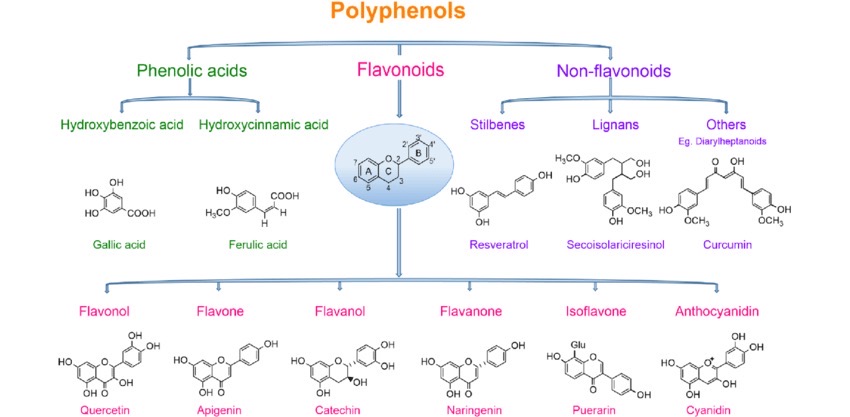
Earlier, I wrote a blog about polyphenols, of which there are at least 8,000. https://shakethehealthtree.com/index.php/2025/12/02/5-polyphenols-8000-interesting-plant-derived-compounds-health-project99/
In nature, over 750 carotenoids have been identified. About 40 to 50 are found in the human diet, and lycopene is the sixth most common carotenoid in food products.

3. Benefits Attributed to Lycopene
Lycopene is increasingly recognized not just as an antioxidant, but as a multifunctional compound with potential roles in cardiovascular protection, cancer support, neuroprotection, skin health, and gut microbiome modulation. Continued research is focusing on optimizing its mediocre bioavailability, understanding mechanisms of action, and integrating lycopene into preventative and therapeutic strategies.

A.Cardiovascular Health
Lycopene continues to gain recognition for its cardiovascular protective effects. New studies show that lycopene may improve endothelial function (the lining inside the arteries), reduce arterial stiffness, and lower markers of inflammation and oxidative stress, which are critical factors in heart disease. Meta-analyses of clinical trials suggest that lycopene supplementation can modestly reduce LDL cholesterol and blood pressure, contributing to better heart health.
Note: “Modestly” means around 5% to 10% reduction in LDL cholesterol and around 3% to 7% reduction in blood pressure.

B.Cancer Prevention and Adjunct Therapy
Ongoing research has strengthened evidence that lycopene has anti-cancer properties, particularly in prostate cancer. Its antioxidant and anti-inflammatory effects help reduce DNA damage and inhibit tumor growth. Novel insights reveal lycopene’s potential synergistic effects when combined with other therapies, enhancing the efficacy of conventional treatments and reducing side effects.

C.Prostate
The most extensive body of research on lycopene concerns protection against uncontrolled cell growth, particularly in the prostate. Men have the highest lycopene concentrations precisely here.

The Health Professionals Follow-Up Study, one of the largest nutrition studies in the world with more than 47,000 men, demonstrated a significant correlation: men with the highest lycopene consumption had a 21% lower risk of prostate disorders compared to those with the lowest consumption.

D.Eyes
As lycopene preferably accumulates where oxidative stress is highest, it is also beneficial for the eyes. It gathers in the retina and macula, where the burden from free radicals is particularly high.

E.Liver
As a detoxification organ, the liver is continuously exposed to free radicals. Lycopene protects liver cells against oxidative damage.

F.Neuroprotection
Recent findings suggest lycopene may protect against neurodegenerative diseases such as Alzheimer’s and Parkinson’s. Its ability to combat oxidative stress and inflammation in the brain supports cognitive function and may slow disease progression. Some preliminary human studies indicate improved memory and executive function with higher dietary lycopene intake.

G.Skin Health and Photoprotection
Lycopene has been shown to improve skin health by protecting against UV radiation-induced damage. It helps reduce skin redness and inflammation and reduces the risk of photoaging. New clinical trials have explored topical and dietary lycopene as complementary approaches to traditional sun protection.

Lycopene accumulates in all layers of the skin. There, it protects the cells at the molecular level against UV-related damage. One study demonstrated that regular consumption of tomato puree for twelve weeks significantly reduced the degree of skin redness caused by UV radiation—a measurable protective effect from within.

At the same time, lycopene inhibits the enzymes activated by sunlight that break down collagen. Regular intake can demonstrably contribute to slowing down premature skin aging and the long-term preservation of the skin’s appearance.

H.Gut Microbiome Interaction
Emerging research is exploring how lycopene interacts with the gut microbiota, potentially modulating microbial composition and activity linked to systemic immune and metabolic health. This area is still in its early stages but offers promising avenues for understanding lycopene’s broader systemic effects.

4. Bioavailability
Lycopene’s bioavailability varies a lot but is, in general, not great. For its most important food source (tomatoes), it improves tenfold when consumed in processed or cooked tomato products rather than raw tomatoes. It is fat-soluble, so dietary fats enhance its absorption.

Caveat: A fiber-rich diet has been proven to decrease the absorption of lycopene. Such fibrous diets also mediate the absorption of lycopene, resulting in over 40% reduction in plasma lycopene.

Several factors, among these alcohol, smoking, gender, age, hormonal status, and other dietary elements, also negatively affect the absorption of lycopene.

5. The Bioavailability of Lycopene Supplements
The bioavailability of lycopene supplements varies significantly depending on the formulation and how they are consumed; in general, it ranges between 10-30%, although liposomal formulations are said to go up to 70%, which is great, of course.

Regular capsules only fully activate if the body simultaneously has sufficient fat available. If lycopene is taken on an empty stomach or after a low-fat meal, a large portion of the active ingredient simply is not absorbed.

Oil-based formulations tend to have better absorption than dry tablets or powders because lycopene is dissolved in oils that facilitate uptake.

Liposomal formulations are, as mentioned, probably the best (but generally also the most expensive) approach. A liposome is a tiny capsule made of a fat layer, structured just like the membrane of human cells. The active ingredient is enclosed within it and transported directly to where it needs to work. Stomach acid and digestive enzymes cannot affect it.

The result is significantly higher bioavailability. The body absorbs more of the active ingredient, and the gastrointestinal tract is less burdened compared to regular capsules.

When taking supplements, make sure they are produced according to certain standards. I always look for a GMP indication, where GMP stands for Good Manufacturing Practice. In the case of lycopene, take your supplements together with something fatty.

6. Some figures
The typical lycopene supplement bioavailability is between 10% to 30%. When the suggested intake of lycopene is 25 mg daily, realize that a 25 mg pill is not enough as you have to compensate for its bioavailability! If the bioavailability is 30%, it means that only 30% of the ingested amount is actually absorbed into the bloodstream and can exert its effects, meaning you will only get 7.5 mg daily (30% of 25 mg).

100 grams of raw tomatoes contains approximately 2.5 to 3 mg of lycopene, while 100 grams of tomato paste gives you 10 times more, 25 to 30 mg of lycopene. The practical implication of this is that to get a lycopene dose similar to that used in many clinical studies (around 25 mg), you would need to eat roughly 800 to 1000 grams (8 to 10 servings) of fresh tomatoes or 100 grams of tomato paste every day. If your mama is not Italian, this is not practical 😊.

Ketchup is another way to go, but hopefully not in the amounts needed. And do not forget that, in general, ketchup contains a lot of sugar.

The reason for the difference between raw and processed is nature. Thermal processing (cooking tomatoes into pastes or sauces) breaks down plant cell walls and shifts lycopene into a more absorbable chemical form. This happens with many vegetables. I wrote about spinach including the recommendation to always cook spinach, also for your smoothie as its benefits multiply when cooked.

7. How Much You Need Per Day?
There is no officially established Recommended Dietary Allowance (RDA) for lycopene yet. However, studies often use doses ranging from 6 mg to 30 mg per day in supplementation trials to investigate health benefits. Most trials involve 25 mg.

A typical daily intake of lycopene from a normal tomato-rich diet usually falls between 3 mg and 15 mg per day, depending on how much tomato and tomato products a person consumes. Caveat: This figure is not corrected for bioavailability.

8. Side Effects
There are no known side effects of daily lycopene intake, but it is advised to avoid very large doses (i.e., much higher than these days “recommended” 25 mg daily).

Dear reader, this was a fun blog to write and made me realise, once again, how plants can benefit our health. I also came to the conclusion that I have to write something about bioavailability as this topic causes a lot of confusion and suboptimal use of supplements or nutrition.

Enjoy life, enjoy food and discover lycopene.

Robert, your health friend


Elephants crossing a road in Botswana


24. PLAQUE IN ARTERIES: A DANGEROUS AFFAIRE (health project99+)

Autumn in The Hague

Dear reader,

Let me start by spoiling your good mood. Read the following statistic carefully: one third of the 60 million annual deaths worldwide are cardiovascular-related. And up to 85% of this one third are caused by clots originating in your arteries. As a friend of mine says: “Let this marinate.”

Fortunately, there is a lot you can do about your arterial health, both in preventing and even in partly reversing the trend of plaque formation. On YouTube, there are many videos that overpromise on plaque removal but these videos still do give useful suggestions.

In modern societies, most people have plaque, with the exception of some hunter-gatherer societies like the Tsimane people of Bolivia or the Kitava people of Papua New Guinea. The others all suffer from atherosclerosis (=build up of plaque)— except those with a very healthy lifestyle.

The following quote of a health CEO says it all: “Maintaining cardiovascular health is one of the most powerful levers for extending both lifespan and healthspan, given its central role in slowing systemic aging and preserving brain, kidney, muscle, and metabolic function.”

1.What does cardiovascular mean?

Cardiovascular describes anything to do with the heart, the blood vessels, and the brain that together form the circulatory system. It covers how the heart pumps blood through arteries, veins, and capillaries to deliver oxygen and nutrients and to remove waste. It also refers to diseases and conditions that affect the heart and blood vessels, such as heart disease, high blood pressure, and stroke.

Cardiovascular health sits at the center of nearly every longevity discussion for a good reason. Aging arteries affect you far more than the heart. Reduced vascular function influences the brain, kidneys, muscles, and metabolism, quietly accelerating decline across the body.

2.Arteries are not veins

Arteries and veins are the body’s main blood vessels, but they do different jobs.

Arteries carry blood away from the heart under higher pressure and have thick, muscular walls to push blood through the body. Veins return blood to the heart at lower pressure, with thinner walls and larger inner spaces, and many have valves to prevent backflow as you move.

3.For arterial clot risk, plaque is a central and common factor.

For venous clot risk, other factors are far more important than plaque. It is, of course, also important to keep your veins in good condition, but vein problems cause far fewer deaths.

The challenges with this plaque topic are manifold. First of all there is a lack of knowledge, especially about the seriousness of plaque in your arteries, which is also known by the scientific name atherosclerosis.

Plaque formation starts early in life, so lifestyle, including the right diet, is essential from day one. When I say “including the right diet,” I actually mean prioritizing it, of course. No carbs, or at least no simple carbs; no ultra-processed food; no saturated fats. No surprises here and good to know that these general health suggestions are backed by a lot of real science.

A main problem with plaque is that once you have it, you are stuck with it. You can take steps to reduce the danger, a process in which the difference between soft and hard plaque is crucial.

Soft plaque is a type of atherosclerotic plaque that is rich in lipids and inflammatory cells and has a thin fibrous cap. This plaque is more unstable and prone to rupture, which can lead to blood clots and cardiovascular events like heart attacks and strokes.

Claims about the reversal of arterial plaque generally only mean stabilising the situation—turning soft plaque into hard plaque and stopping the formation of new plaque. Some treatments and supplements are said to reduce arterial plaque; I will mention them in this blog, but I am not really convinced. Mechanical removal of plaque is already possible in experiments, and in the near future, we will probably see real arterial plaque removal, which would be excellent, of course!

As I said, the challenges with the arterial plaque topic are manyfold: the lack of knowledge, the fact that standard tests are not enough, and that arterial plaque can be caused by many common foods, including carbohydrates.

4.Those Carbs Again

One of my health heroes is Thomas Ford (check him out on YouTube). He tells us about the shock he experienced at the age of 57, when he found out that his arterial health was like that of someone who was 73. It was indeed an unpleasant surprise, as he lived very healthily—or at least he thought so—including running (half) marathons. However, he was on the verge of a heart attack. He completely reversed the situation by drastically cutting down on his carb-rich diet. He is now in his 60s, and his arterial health is that of someone in their 50s.

This carbs topic is very important and not something we immediately associate with arterial health. Saturated fat, cholesterol, and LDL are usually considered the villains when cardiovascular health is not good enough.

However, for many people, simple carbohydrates—found in white bread, white rice, sugary drinks, refined grains (cookies), or white spaghetti—cause a lot of plaque. How?

Step 1 Simple carbohydrates are quickly digested and absorbed by the body. This rapid absorption causes a swift increase in blood glucose levels, known as a blood sugar spike.
Step 2 When blood sugar spikes, the pancreas releases insulin to help transport glucose from the bloodstream into cells. Frequent spikes and the resulting high insulin levels can lead to insulin resistance over time, a condition where cells become less responsive to insulin.
Result of step 1 and 2 High blood sugar and insulin resistance are linked to inflammation and damage to the blood vessel walls. This damage, combined with elevated levels of certain lipids (fats), promotes the formation of atherosclerotic plaques—deposits that narrow and harden arteries.

Other factors like genetics, smoking, high LDL cholesterol, high blood pressure, and overall diet quality also play significant roles in plaque formation and cardiovascular disease.

5.What about cholesterol?
I wrote about cholesterol before. It is not the villain that many of us believed for decades. We need it, as it is essential for life. At the same time, it cannot be denied that cholesterol is often involved in cardiovascular issues.

Atherosclerotic plaque is not just excess cholesterol floating through the bloodstream. Over time, some cholesterol becomes oxidized—chemically altered in ways that make it toxic to surrounding tissue.
“Most treatments focus on slowing its progression rather than removing the underlying damage that drives it,”

6.What triggers clot formation, scientifically known as thrombosis?
Plaque is not the key factor. The main risks are things that cause stasis, hypercoagulability, or vessel injury : prolonged immobility, recent surgery, cancer, pregnancy, hormonal therapies, obesity, inherited clotting disorders. Three factors have to be considered: slowed blood flow (stasis) after long periods of sitting and not moving; tendency for clot formation aggravated by not drinking enough; and thirdly, structural issues with the lining inside your arteries.

By now, we know that everyone has plaque. Hopefully, it is hardened and therefore stable, but most probably there are soft parts as well. Knowing, after a test, that our plaque is partly soft will incentivize us to undertake steps. These steps (see below) will probably be successful, but in the meantime, be aware of the following triggers that may cause clot formation: vaping, smoking, alcohol, pollution, chemicals, stress, refined starch, infection, sugar, endurance exercise like marathons.

Smoking/vaping is one such trigger
It is truly shocking to read the many ways smoking “promotes” clotting, especially in arteries. It is too long and technical to cover in this blog, but (check on the internet if you wish), from all negative factors that contribute to clot formation, smoking ranks number one. It accelerates atherosclerosis and plaque instability. Brrr.
Smoking doesn’t create clots in all situations by itself, but it tilts the balance toward clotting.

Pollution and Chemicals including drugs is another trigger
Chemicals can contribute to a heart attack or stroke by stressing the heart and blood vessels, promoting clotting, damaging vessel walls, and hurting the inner lining of arteries. This speeds up plaque buildup and makes plaques more likely to rupture.

As a runner myself, I am particularly interested in endurance exercise as one of the triggers leading to clots. What I read on internet sites took away most of my concerns (but not all). Marathon-level endurance can slightly raise clot risk in some situations, but for most healthy runners, the risk is very small. The main ideas involve the body’s responses to very long, intense exercise plus what you do after the race (immobility, dehydration, etc.).
How endurance running could contribute to clots (via Virchow’s triad: stasis, hypercoagulability, endothelial injury)

7.How to prevent?
In general, one should stay physically active, hydrate, eat well, avoid prolonged immobility (long air flights, being in bed for days after an operation), maintain a healthy weight, manage cholesterol and blood pressure, and follow medical advice for any prior clot history. And remember the abovementioned triggers that can cause clot formation. Some are outside your control (like an operation, but often you will be given anticoagulants), and some are very much within your control, like vaping and smoking.

100% prevention is not feasible, but a high degree of prevention should be achievable.

8.Supplements
A number of supplements are said to reduce plaque formation. Scientific proof so far is not very conclusive. I take a few from the list, basically for other reasons, hoping that the plaque claims are correct as well.
K2, nitric oxide, nattokinase, bromelain. I wrote blogs about both K2 and nitric oxide. I take a K2 supplement; for the second, I pay attention to my diet and lifestyle (including brushing teeth and tongue). https://shakethehealthtree.com/index.php/2025/06/26/21-nitric-oxide-the-longevity-molecule-i-never-heard-of https://shakethehealthtree.com/index.php/2025/06/05/21-vitamin-k-100-grams-of-old-dutch-cheese-daily-or-a-supplement-health-project99/

Metformin’s story, it seems, is not yet complete. As researchers continue to trace the tangled roots of vascular aging, this unassuming molecule may yet take on a new role – not as a wonder drug, but as a quietly effective pillar in the architecture of healthy longevity.
Without explaining all the details, let me just quote a paragraph. The review explores metformin’s activation of AMP-activated protein kinase (AMPK), a cellular energy sensor associated with enhanced longevity and metabolic regulation. In vascular tissues, AMPK activation appears to mitigate oxidative stress and enhance nitric oxide bioavailability – both critical for maintaining endothelial function.

The key word is “endothelial function,” the inside wall of your arteries. Studies point to metformin as contributing to reduced arterial stiffness, slower plaque formation, and in general improved structure of the inside wall. It also turns down inflammation.

Because of its side effects, I do not take metformin, but still like to point out that medicines can play a role in the preventive side. A good replacement of metformin is Berberine. https://shakethehealthtree.com/index.php/2025/03/29/21-berberine-a-truly-great-supplement-health-project99/

9. How to measure?
I’m not saying that traditional indicators—such as LDL cholesterol, heart rate, blood pressure, and triglyceride levels—are unimportant. They are important.

But as mentioned, they don’t reveal anything about the most dangerous type of plaque: that fatty, lipid-rich material that forms soft, highly unstable plaques inside your arteries. These soft plaques are more likely to rupture, causing blood clots that can lead to heart attacks or strokes.

All traditional methods for checking your cardiovascular health do not provide information about soft, non-calcified plaque.

One popular technique to learn more about your arteries is the standard calcium scoring test. This test only detects hardened, calcified plaque. This test misses the soft plaque entirely.

Detecting soft plaque requires advanced imaging that shows the full thickness and volume of the artery walls. Doing this in The Netherlands is not common practice, but I will do this test this year.

10.The main methods to measure soft plaque are:

  1. Coronary CT Angiography (CCTA) with Plaque Analysis
    This test uses a CT scan of the heart along with a contrast dye injected through an IV to get detailed images of your arteries.
  2. Carotid Ultrasound (CIMT)
    This test uses sound waves to create images of the carotid arteries in your neck and measures the thickness of the artery walls.

11.Why measuring soft plaque matters
Knowing how much soft plaque you have helps doctors assess your risk of heart disease much more accurately than just looking at cholesterol or calcium scores. By tracking soft plaque, doctors can personalize treatment, such as prescribing cholesterol-lowering medications (like statins) or anti-inflammatory therapies that help stabilize the plaque and prevent it from rupturing.

The good news is that through lifestyle changes—such as a healthy diet, regular exercise, and avoiding harmful triggers—you can significantly improve your cardiovascular health.

12.The role of anticoagulants
As I have a history of atrial fibrillation, I have been taking anticoagulants for 6 years now. They inhibit parts of the clotting cascade to prevent new clots from forming or existing clots from growing. Since clots can be caused by a “trauma” such as an operation, surgeons often give their patients anticoagulants.

13.Future
Trials are underway to mechanically remove plaque. This is being researched by several companies.

Treating calcified coronary arteries remains one of the more technically demanding tasks in cardiovascular medicine. The need for devices that can safely and efficiently navigate fragile anatomy continues to grow.

This experimental system uses a rupture-resistant balloon and a translating laser emitter, which can be moved along the length of the artery to deliver treatment without repeated inflations.

To quote a CEO of one of these companies: “It’s one of the exciting possibilities with next-generation IVL technologies,” he says. “While lifestyle changes and medication will always be the first line of defense, our company could play a growing role in proactive cardiovascular care. It’s quickly being thought of as more of a frontline interventional therapy, thanks to its safety profile and ease of use.”

New clinical data suggest medicine may finally be inching toward something more ambitious, actually clearing away part of the damage itself.

In this blog, I mentioned oxidized cholesterol. Companies are working on methods to clear this from the body. The company describes it as removing rust rather than simply slowing corrosion. That difference may ultimately prove important for longevity science, which is increasingly shifting away from symptom management and toward the removal of accumulated biological damage. Aging researchers have spent years debating whether age-related diseases can truly be modified at their root rather than endlessly managed downstream.

14.Summary

  • Realize that having good LDL and HDL figures, low blood pressure, etc., is not enough.
  • Realize that arterial problems are the leading cause of death globally.
  • Be aware that we all have some plaque and that the process of plaque formation can start at a very young age.
  • Know that simple carbohydrates contribute significantly to plaque formation.
  • Have your soft plaque level measured (expensive and not possible everywhere).
  • If you are not following a healthy lifestyle (diet, sleep, stress management, exercise, social life) yet, start a better lifestyle today, as it will not only (completely) stop new plaque formation but will also turn part of the soft plaque into hard plaque and thus stabilise it.
  • Know that there are two types of plaque: soft and hard. Soft is much more dangerous, but if you have a lot of hard plaque and your arteries have very narrow openings left, that is not good either.
  • Avoid triggers that lead to clots when possible. Smoking and vaping are well-known triggers for clot formation from plaque. So, don’t vape or smoke. Trauma during an operation is something else, of course, but surgeons are aware of this and give their patients anticoagulants.

Dear reader, a long blog, but one that ends with a summary. Arterial health is fascinating and perhaps the main factor of a long and healthy life.

Take care of your arteries, enjoy life,

Robert, your health friend

Checkpoint Charly, Berlin


24. PLAQUE IN ARTERIES: A DANGEROUS AFFAIR (health project 99+)

A restaurant in the desert of Morocco

Dear reader,

For me, this is an essential blog (and a long one). It deals with plaque in your arteries, perhaps the single most potentially deadly substance in your body, especially in combination with triggers like smoking.

The facts: One third of all deaths worldwide are cardiovascular-related, 20 million persons per year. Eighty-five percent of these cardiovascular deaths are caused by heart attack and stroke. These 85% are most of the time caused by clots that form in arteries and block them, causing heart attack or stroke.

As you notice, I leave out the veins here, as clots formed in veins in general do not cause heart attacks and strokes. Although both are part of the cardiovascular system, there is a big difference between arteries and veins.

This blog is to learn more about plaque, the difference between soft and hard plaque, how to prevent further plaque formation, what triggers clotting, how to minimize its health impact, and whether it is even possible to clean your arteries from plaque.

On that last point, the possibility of actual cleaning/removal of plaque—the jury is still out, but interesting developments are ongoing. It is something to follow because this is/would be one of the greatest health contributors imaginable—for example a future with nanobots cleaning your arteries.

When talking about cardiovascular issues, surprisingly little is measured: LDL, HDL, blood pressure, but in general arteries are left alone. Measuring is knowing, and myself, I want to know more about the state of my arteries, knowing for example CAC and CCTA scores. More about this later.

In general, there is a lot you can do yourself to improve your health prospects—in this case, to stop plaque formation and reduce risks.

Summary of recommendations  

– Try not to get plaque.  

– When you have plaque, try to stabilize it (hard instead of soft).  

– Stay away from triggers that promote clot formation.  

– Follow newest developments that in the future will remove plaque.

Do all people have plaque?

Young adults in general not (yet) or in very low levels, neither have Indians in the Amazon forest who lead their healthy lifestyle including a lot of physical exercise and who have no access to the poor diet that most people of the world eat. 

Almost all other people on this planet have plaque in their arteries, especially as they get older. It varies and it depends on multiple factors of course, but is best to assume that you have already plaque. 

What is plaque buildup?  

Plaque is made up of fatty deposits, cholesterol, calcium, and other substances found in the blood. Plaque buildup in arteries is called ‘atherosclerosis’. It narrows and hardens the arteries, which can reduce or block blood flow. This process, as a rule, begins in early adulthood and progresses over decades, often without symptoms until it becomes significant (and too late).  

It is called a silent killer, and with good reason. Plaque explains why seemingly healthy people die from an unexpected heart attack or stroke.

Factors/risks influencing plaque development 

The risk of plaque increases with age. This is not because of aging itself, but because of the accumulation of ‘negative’ input into your body over the years. This is because of lifestyle, of course (smoking, poor diet, lack of exercise, and obesity) and specific health conditions (high blood pressure, diabetes, and genetics). About these specific health conditions, one can remark that some of them are caused by lifestyle.

What does cardiovascular mean?  

Cardiovascular describes anything to do with the heart, the blood vessels, and the brain that together form the circulatory system. It covers how the heart pumps blood through arteries, veins, and capillaries to deliver oxygen and nutrients and to remove waste. It also refers to diseases and conditions that affect the heart and blood vessels, such as heart disease, high blood pressure, and stroke.

Difference between arteries and veins  

Arteries and veins are the body’s main blood vessels, but they do very different jobs.  

Arteries work under higher pressure and have thick, muscular walls to push blood through the body. Veins return blood to the heart at lower pressure, with thinner walls and larger inner space, and many have valves to prevent backflow as you move. Arteries generally do not have valves, while veins contain valves to prevent backflow of blood. Blood pressure is higher in arteries than in veins.

Arteries carry oxygen-rich blood to tissues, and veins return oxygen-poor blood back to the heart. With lungs, it works differently, where the pulmonary arteries carry oxygen-poor blood to the lungs, and the pulmonary veins bring it back richly oxygenated. Together with tiny capillaries, they form a loop that delivers oxygen and nutrients and removes waste.

Two different kinds of clots  

In this connection, it is important to realize that there are two different kinds of clots: arterial clots and venous clots. How to treat them and how to prevent them is very different. The most dangerous cardiovascular “events” (read strokes and heart attacks) are caused by clots in the arteries. For arterial clot risk, plaque is a central and common factor.

Pulmonary embolism (PE) is caused by clots in the veins. PE is a thrombotic event and a specific subset of cardiovascular disease. It usually starts as a clot in a leg or pelvic vein and can be life-threatening as well, but less so than arterial clots. For venous clot risk, other factors are far more important than plaque.

The mechanism  

Insulin resistance fuels inflammation and arterial damage, increasing plaque formation and clot risk. When an ‘atherosclerotic’ plaque ruptures or erodes, a clot often forms and can block blood flow. It means a big artery is blocked because of atherosclerosis—the buildup of cholesterol-rich plaques inside the artery wall. These plaques can narrow the artery and may rupture, forming a clot that completely blocks the artery (occlusion). If this happens in a heart artery, it can cause a heart attack; if in a brain artery, a stroke. 

Plaque forms when cholesterol lodges in an artery wall. To fight back, the body sends white blood cells to trap the cholesterol, which causes inflammation. That triggers cells in the artery wall to multiply and form a thin cap over the area.  

But the soft plaque beneath the cap is dangerous. For example, a spike in blood pressure puts pressure on the cap. If it breaks, the body responds as it would to an injury: it forms a clot, which can block blood flow and cause a heart attack. Most major heart attacks occur when plaques rupture.  

Plaques that gradually enlarge over time are often covered by thick, fibrous caps that can resist breaking apart. They can still block blood flow, causing angina (chest pain brought on by exertion or emotional stress). These blockages also can lead to different types of heart attacks. 

What about cholesterol?  

I wrote about cholesterol before. It is not the villain that many of us believed for decades. We need it as it is essential for life. At the same time, it cannot be denied that cholesterol is often involved in cardiovascular issues.  

So is plaque the main issue?  

It might sound strange, and although plaque is the key contributor to clot formation, you have to focus as well on the factors that trigger clot formation.  

It is also important to know if your plaque is soft or hard. As a general rule, one can say that soft plaque is much more dangerous than hard plaque. When the plaque inside your arteries is soft, then it easily becomes clot, including the risk of blockage.  

Major risk factors and triggers for clotting  

Prolonged immobility, recent surgery, cancer, pregnancy, hormonal therapies, obesity, inherited clotting disorders, atherosclerosis, hypertension, diabetes, smoking, high cholesterol; vaping, smoking, alcohol, pollution, chemicals, stress, refined starch, infection, sugar, endurance like marathon.

I will briefly go into a few of these risk factors/triggers

Smoking and vaping damage the blood vessel lining, triggering inflammation and making vessels more prone to injury. They also increase clotting factors and platelet stickiness while lowering natural anticoagulants, raising clot risk. Quitting smoking can improve HDL (“good”) cholesterol levels, which helps remove harmful LDL cholesterol from the bloodstream.

Exposure to various chemicals causes vascular stress, promotes clot formation, damages the arterial lining, and accelerates plaque buildup. This creates a pro-inflammatory environment that raises the risk of plaque rupture.

While regular exercise improves insulin sensitivity and vascular health, extremely intense endurance activities like marathons may transiently increase clot risk post-race, especially in those with previous clots, heart rhythm issues, or older age. Staying hydrated and avoiding long immobility after intense exercise can reduce this risk. Unfortunately I fall in this risk category (older + history of hearth rhythm issues), so no marathons for me.

Measuring Cardiovascular Health Beyond LDL Cholesterol

Relying solely on LDL cholesterol numbers misses the full picture of arterial health since plaque types and inflammation levels vary. After the age of 40 one should add Imaging Techniques: Coronary Artery Calcium (CAC) Score which quantifies calcified plaque burden; a score of 0 is ideal, with increasing scores indicating growing risk. Above 400 is high risk. Another one isCoronary CT Angiography (CCTA) which visualizes both soft (inflammatory) and hard plaques, and any artery narrowing, providing a comprehensive view of vascular health.

One should add some metabolic assessments: Fasting Insulin (Elevated fasting insulin levels indicate insulin resistance and heightened inflammation risk) and Oral Glucose Tolerance Test (OGTT) and HbA1c. They Complement fasting insulin by evaluating glucose metabolism and long-term blood sugar control.

Monitoring these factors provides a more comprehensive assessment of cardiovascular risk driven by insulin resistance and inflammation.

Dietary recommendations: What not to eat

Foods that promote insulin resistance and vascular inflammation should be minimized to protect arterial health: Processed meats (sausages, bacon, hot dogs, deli meats) with high saturated fat, salt, and preservatives. Fried foods and packaged baked goods. Full-fat dairy products. Red meat. Sugary beverages. Refined carbohydrates.

Adopting a diet low in processed and inflammatory foods supports insulin sensitivity, lowers inflammation, and helps slow or partially reverse plaque buildup.

What to Do part 1?

Often, one has to focus on the root cause of the problem. In the case of arteries, this is insulin resistance—the silent metabolic root that initiates inflammation, which is the actual “fire” damaging artery walls. This inflammation contributes to plaque buildup, instability, and ultimately increases the risk of clot formation, heart attack, and stroke. Addressing insulin resistance alongside other risk factors is crucial for preventing and managing cardiovascular disease.

The best approach is to slow down the progression and, ideally, reverse the damage, especially by eating whole, anti-inflammatory foods. Avoiding smoking, harmful chemicals, and inflammatory foods, combined with personalized risk assessment through imaging and metabolic testing, is key. Exercise should be balanced to avoid risks from extreme endurance. Together, these approaches target the root causes of arterial damage to improve cardiovascular health and repair damage to the inner lining of the arteries.

There are three approaches:  

1. Keep your arteries clean from the beginning (especially important for younger readers).  

2. Stabilize soft plaque (the main solution for most).  

3. Remove plaque, both soft and hardened.

Removing soft plaque differs from stabilizing it; stabilization involves hardening the soft plaque to prevent potential clot formation. 

Can Plaque Disappear?

Plaques cannot completely disappear, but with lifestyle changes and medication, they can shrink and stabilize. Doctors especially aim to target softer plaques before they rupture. For example, if you have a partial blockage caused by soft plaque, the goal is to reduce the cholesterol inside so the plaque shrinks, leaving nothing vulnerable under the cap.

How do you remove cholesterol from plaque? By lowering cholesterol levels in the blood, since cholesterol travels inside particles called lipoproteins that deposit it into blood vessel walls. Aggressively lowering blood cholesterol (for example, through statins) can help stabilize plaques and, in some cases, shrink them.

The drugs most often used to reduce LDL cholesterol levels are statins, such as atorvastatin (Lipitor), simvastatin (Zocor), and rosuvastatin (Crestor). Statins block the liver enzyme that promotes cholesterol production and also strengthen the caps covering plaques, making them less likely to rupture.

Arteries may never return completely to the plaque-free state they had in youth. While you can’t simply “clean” arteries like washing a surface, **you can improve artery health**, reduce plaque progression, and sometimes partially reverse its effects through a combination of healthy living and medical care.

What to do part 2, list of suggestions

Aerobic exercise can raise HDL levels, lower blood pressure, burn body fat, and reduce blood sugar levels. Exercise combined with weight loss can also lower LDL cholesterol levels. Aim for at least 150 minutes per week of moderate-intensity exercise.

HIIT (High-Intensity Interval Training) was specifically mentioned as benefiting your arteries.

Following a Mediterranean-style diet can reduce the risk of heart disease by 30%. It is rich in olive oil, fruits, vegetables, beans, nuts, and seeds, with moderate amounts of fish, poultry, and dairy. Red meat and processed foods are minimized.

Soluble fiber (found in oats, legumes, vegetables, barley, and fruits) lowers LDL cholesterol, reduces inflammation, improves blood sugar control, and (according to some studies) modestly reduces blood pressure.

Several drinks support artery health: water, green tea, beetroot juice, pomegranate juice, black coffee, and ginger tea.

Omega-3 fatty acids, such as those found in cod liver oil, are beneficial.

A salad with arugula, crushed walnuts, organic lemon, and pomegranate is a healthy choice.

Some supplements to consider: Vitamin K2, nitric oxide boosters, natto kinase, and bromelain.

Using an infrared cabin or sauna may also support artery health.

Existing Medical Treatments

Recent advancements in treating clogged arteries focus on targeted nanotherapies, antibody-based immunotherapies, and advanced surgical techniques that break down calcium deposits without damaging surrounding tissue. Instead of merely managing cholesterol, researchers are testing methods to actively shrink plaque and reduce inflammation within vessel walls. 

Many treatments aim to stabilize plaques, making them less likely to rupture and cause heart attacks, rather than completely eliminating them. Statins and other cholesterol-lowering drugs can reduce LDL cholesterol and stabilize plaques, lowering the risk of heart attacks.  

In advanced cases with severe blockage, doctors may recommend angioplasty or bypass surgery to restore blood flow. Angioplasty uses a balloon to widen a narrowed or blocked artery by compressing plaque against the artery walls. In cases of heavy calcification, techniques like atherectomy (physically removing plaque) may be employed.  

While arterial plaque can be reduced or partially removed, complete elimination of hardened, calcified plaque is generally not possible without surgery. Treatment primarily focuses on shrinking and stabilizing soft plaque or removing severe blockages through medical procedures.

The Future (looks bright)

Scientists have developed nanotechnology that could transform heart disease treatment. Researchers have already engineered tiny nanoparticles capable of directly targeting arterial plaque, reducing buildup inside blood vessels without invasive surgery.  

It is possible that, in the future, nanobots could be developed to clean plaque from arteries. Nanomedicine research is exploring how these tiny robots or particles might remove plaque, repair blood vessels, or deliver drugs directly to affected areas. However, this technology is still experimental and not yet available for clinical use. But it will happen in the coming years, is my prediction.

Dear reader, I am looking forward to the future. It is my conviction that we have not even seen the beginning of all that will be possible.

Take care and enjoy life.

Robert, your health friend

Game of Throne location in Morocco: Aït Benhaddou

.

3. GINGER: NATURE AT ITS BEST (health project99+)

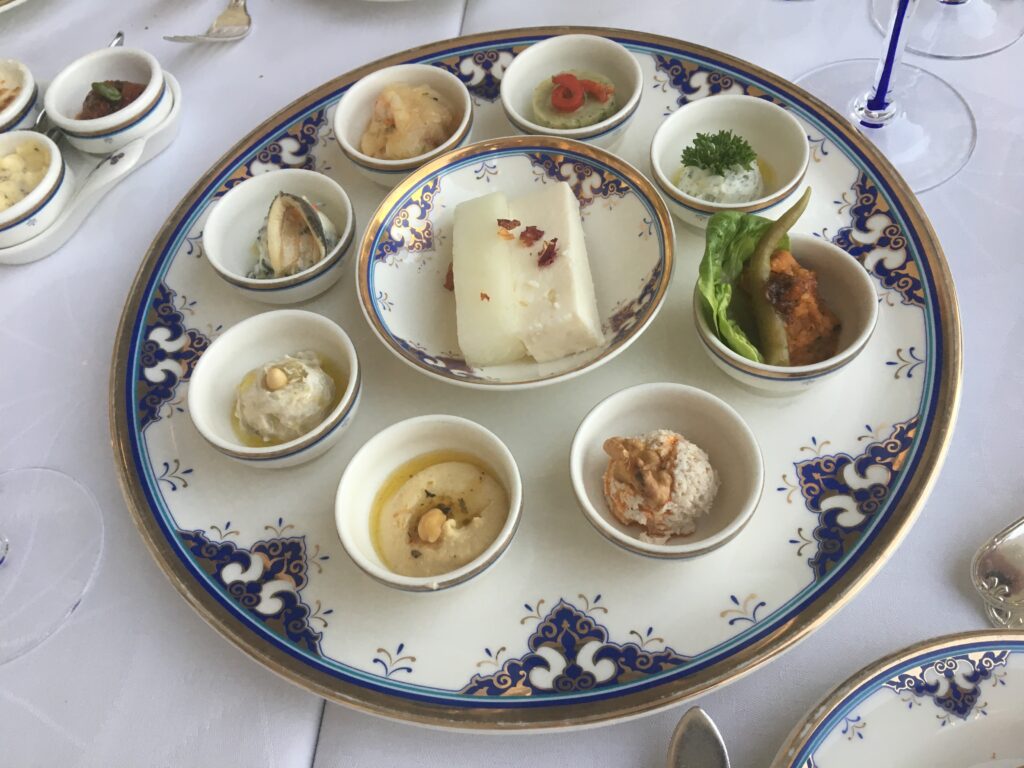
Highly recommended: eating in Turkey

Dear reader,

Ginger is a very successful combination of a natural medicine and a supplement; it also makes a great tea, adds taste to a lot of food (gingerbread!) and, increasingly, it inspires interesting non-alcohol drinks with a bite.

The few caveats are the amount you should take daily (not too much, max 4 grams) and its interaction with a few medicines. And try to buy only bio ginger as regular ginger too often has pesticides residues. For the same reason (pesticides) it is better not use ginger powder.

At home we add ginger to our daily morning drink with lemon. https://shakethehealthtree.com/index.php/2025/02/25/5-lemons-and-limes-health-project-99/

  1. Facts and figures about ginger

The English origin of the word “ginger” is from the mid-14th century, from Old English gingifer, which derives in turn from the Medieval Latin gingiber all the way to siṅgabera from the Sanskrit śṛṅgavera.

Ginger was already cultivated 5000 years ago, for medicinal use in China and culinary purposes in India. The Romans add it to their food. In the Middle ages it was a prized and expensive luxury item on the dining table. It was also applied, not very successfully, to protect against the plague.

These days ginger has become very affordable and is produced in many countries. Even in my country The Netherlands, farmers harvest ginger, but the top producers remain India, China, Nigeria, China, Kenya and Nepal. India with over 2 million metric tons in 2023 provides almost half of all ginger globally.

The unique flavor of ginger comes from its active component, gingerol, which possesses potent antibacterial and antioxidant properties. The main gingerol is the 6-gingerol which is considered a functional polyphenol. Earlier I wrote about polyphenols. These amazing compounds are found in plants and number over 8000 and much is still unknown about most polyphenols. I wrote an extensive blog about these small wonders. https://shakethehealthtree.com/index.php/2025/12/02/5-polyphenols-8000-interesting-plant-derived-compounds-health-project99/

For the rest ginger consists mainly of moisture, carbohydrate, protein, fiber, fat, and ash. It  also contains micronutrients including ascorbic acid, -carotene, calcium, iron, and copper.

2. All the benefits of ginger (based on scientific studies)

Treat Nausea and Indigestion

One of the most well-known uses of ginger is its ability to relieve nausea. Ginger can help with nausea associated with chemotherapy, pregnancy, menstruation, and surgery. It can also help with morning sickness and motion sickness. 

Ginger helps increase the way food moves through the gastrointestinal tract, fighting off indigestion.

Improve Blood Sugar Levels

The compound gingerol has powerful anti-inflammatory and antioxidant properties. These can help your body better absorb glucose and improve your blood sugar levels. Gingerol can help control insulin production in people with type 2 diabetes. Insulin is important to move glucose from your bloodstream to your body to make energy. 

Reduce Inflammation

Ginger can also help ease joint pain and inflammation caused by arthritis.  Several studies have shown consuming ginger extract or applying it to joints helps improve pain from arthritis inflammation.

Relieve Pain

Studies have found ginger provides similar pain relief as common pain medications, like aspirin and ibuprofen. Consuming fresh ginger helps relieve pain from menstrual cramps. Ginger has a delayed effect, making it more of a long-term pain reliever rather than an immediate one.

Heart health

Ginger supports heart health by acting as a natural blood thinner and reducing cholesterol. These properties can help lower the risk of heart attacks and strokes. It improves lipid metabolism, breaking down fats in the bloodstream. Ginger enhances circulation and lowers blood sugar levels. According to some studies ginger increases HDL.

Strengthen the Immune System

As mentioned, ginger is a great source of vital vitamins and minerals. These include iron, magnesium, vitamins B6 and C, and zinc. These vitamins and minerals along with ginger’s antioxidant properties can help strengthen your immune system. The polyphenol gingerol helps ease common cold symptoms, like muscle fatigue and sore throat. It can also help fight symptoms of the flu.

3. How much ginger to take?

In large doses, ginger can cause gas, heartburn or diarrhea. There is no official “reference nutrient intake (RNI)” for ginger, but it’s not recommended that you consume more than 3-4g of ginger a day. To avoid misunderstandings, eating more is not bad for your health in terms of affecting organs. However, it can make you feel uncomfortable.

4. Pesticides

Pesticide residue is a recognized concern with conventional ginger. The plant is susceptible to pests and diseases during its long growing season (often 210+ days). Studies have shown that over 66% of surveyed ginger samples contained detectable levels of pesticides, with some samples contaminated with multiple types of pesticides. 

I know that washing, boiling and peeling can remove some of the pesticides residues, but not all. This is always the case with fruits and vegetables with very thin peels. It is not surprising that concentrated ginger powder is a bad idea. Pesticides residues can become more concentrated through processing methods like drying and stir-frying.

Recommendation: buy organic ginger, which fortunately is not much more expensive than conventional ginger.

5. When not to take ginger

Don’t take ginger if you’re on blood thinners like aspirin. Ginger helps thin the blood, so you also won’t want to take it if you have a bleeding disorder. 

Ginger inhibits insulin, so don’t take it if you’re on insulin. 

Ginger can lower blood pressure, so perhaps avoid it if you’re taking blood pressure medication. I say perhaps for a reason. You can monitor your blood pressure and see if there are changes. If not I would take ginger (as I do).

Ginger also stimulates the gallbladder, so don’t consume it if you have gallstones.

6. Top Non-Alcoholic Ginger Recipes (from internet)

I tried a few, they are actually very tasty.

Spicy ginger switchel: Mix grated ginger, honey, apple cider vinegar, and chili, then top with soda water or ginger beer.

Ginger Mojito Mocktail: Muddle fresh mint, lime juice, and ginger syrup/ale for a refreshing drink.

Bitter ginger mocktail: Combine fresh grapefruit juice, Angostura bitters, and ginger beer for a sophisticated, sharp taste.

Sparkling blueberry ginger mocktail. Simmer blueberries, fresh ginger, and rosemary for a syrup, then mix with lemon juice and sparkling water.

Ginger tangerine mimosa: A mix of tangerine juice, apple cider vinegar, and ginger ale.

Ginger beer mocktail with pineapple” A simple 2-minute mix of fresh pineapple juice and ginger beer.

Or just drink ginger beer!

Dear reader, time for a ginger tea and then off to bed.

Enjoy a healthy life and take care,

Robert, your health friend.

Snow in Istanbul

3. THE GREEN GREEN TEA OF HOME: YOU CANNOT GO WRONG (health project99+)

Impressive and often beautiful Singapore

Dear reader,

Green tea is one of these rare beverages that tastes great, costs little, and contributes a lot to your health. It is not a miracle cure-all drink, but it positively supports many processes in your body.

In this blog I do not discuss the popular high-dose supplements of green tea extracts. I do not see any use for these. Green tea is easily prepared and its beneficial impact on health has already been widely studied and confirmed.

Green tea offers a range of potential benefits. It is particularly related to antioxidant activity and cardiovascular health. It can also aid in weight and metabolic health and give cognitive support. The effects are meaningful as part of an overall healthy lifestyle, not as a stand-alone solution.

1 Green tea

There are three types: loose leaf, matcha (powdered green tea), and tea bags. Each of them is available in a decaf version. Note that some of the good stuff can be lost in the decaffeination process.

I prefer loose leaves, as they can be kept fresh the longest. Buy organic tea leaves, as non organic tea leaves often contain pesticide residues. When well stored (in a cool, dark place, in an airtight container), they can keep for up to two years with little loss of taste and health benefits. Use sturdy foil packaging that protects from air and moisture. However, when opened, even if stored well, the “best” period is around six months. Old or poorly stored leaves will gradually lose their health benefits.

Matcha (powdered green tea) has become very popular. It has two minor disadvantages. The storage time is short, lasting only a few months. It is generally more expensive than green tea leaves. It does deliver more catechins (antioxidants) per cup but also more caffeine.

Tea bags are, at least for me, out of the question. Most of them may contain pesticide residues and nanoplastics.

2 How to brew

In some cultures, preparing tea is taken very seriously. Have you ever been to Japan? They know their tea. However, you don’t need to copy those elaborate Japanese ceremonies; they are great but time-consuming .

Follow the following guidelines to gain most of the health benefits of green tea. (1) Do not boil the water; pour it in when the temperature is almost there (about 60–80°C). Boiling water can degrade delicate catechins and increase bitterness. (2) Let the leaves steep for 2–3 minutes; longer steeping increases tannins and bitterness. And you can reuse the leaves a few times, assuming they are of high quality.

3 Green tea and caffeine

Caffeine content is typically 20–45 mg per 1/4 liter; matcha and some fortified teas can be higher.

How does this compare with a single espresso? A typical espresso shot (about 1 fluid ounce / 30 ml) contains roughly 40–75 mg of caffeine. This amount is roughly double that of a cup of tea.

4 Intermittent fasting

Brewed green tea without sugar or dairy is fine during most fasting protocols. A cup of plain green tea has about 0–2 calories. Most strict, water-only fasts would consider any beverage other than water as breaking the fast. However, for typical intermittent fasting goals, green tea is effectively non-caloric.

Just for the record: adding sugar, honey, milk, or anything else does break the fast. I know you know.

5 Summary of advantages of green tea

  • Antioxidants and catechins: Green tea contains catechins (especially EGCG), potent antioxidants with anti-inflammatory effects. Catechins scavenge free radicals and reduce oxidative stress.
  • Caffeine: Provides mild stimulant effects and can enhance alertness.
  • Heart and blood vessel health: green tea may improve endothelial function, reduce LDL oxidation, and modestly support blood pressure and lipid profiles. Note: Endothelial function refers to the health of the inner lining of blood vessels; dysfunction is linked to cardiovascular disease.
  • L-theanine: May promote calm focus and can modulate caffeine’s effects. The strongest evidence is for short-term cognitive benefits; longer-term cognitive protection is plausible but not yet proven.
  • Type 2 diabetes: Evidence indicates an association between green tea consumption and a lower risk of developing type 2 diabetes.
  • Oral health: Catechins may inhibit harmful bacteria in the mouth and reduce dental plaque and gum inflammation.
  • Inflammation and cancer: there are indications that green tea helps reduce inflammation and contributes to cancer risk reduction. It also supports a sense of calm and promotes overall well-being.
  • Gut health: Tea polyphenols can influence gut bacteria in ways that may promote anti-inflammatory effects. The evidence is growing but still emerging.
  • Longevity gene activation: The polyphenol EGCG in green tea is associated with activation of the FOXO3 longevity gene.
  • The combination of caffeine and catechins can improve alertness and, for some people, endurance performance.

6 Minor health considerations:

  • If you’re caffeine-sensitive or trying to minimize hormonal responses, you might opt for decaf or limit intake. Pregnancy guidelines suggest keeping total daily caffeine intake under about 200 mg.
  • Potential side effects and interactions: Green tea is unlikely to cause atrial fibrillation in most people, but caffeine (and other stimulants in tea) can trigger palpitations in some individuals.
    • Green tea may interact with certain medications (e.g., anticoagulants like warfarin, some antidepressants, diabetes meds). If you take regular medications, check with your clinician.

The last part about checking with your doctor is more or less obligatory. Few people actually do speak with their doctor, but especially when you are taking certain medicines it might be a good idea.

Dear reader, it is evening so no green tea for me. I take some ginger tea and then will read a book. No scrolling on my phone tonight. 

Enjoy your teas, enjoy your life and take care,

Robert, your health friend

The Chinese wall complex in The Hague

20. AIR POLLUTION AND ITS IMPACT ON YOUR HEALTH (health project99+)

Waterfront Hong Kong harbour

Dear Reader,

The health impact of bad air is probably worse than you think. Air pollution consists of many components, some natural—such as dust or wildfires—but most are man made. It causes about seven million premature deaths each year: roughly 10% of all global deaths annually. Air pollution also causes illness and hundreds of millions suffer from respiratory symptoms and other diseases.

A key challenge is that as an individual you have only limited options to protect yourself against air pollution. I will mention these options at the end of this blog. The main solution, however, lies with authorities who should formulate and enforce measures to reduce air pollution.

1 What is air pollution? It is not a single pollutant. It is a mixture of tiny particles and gases from traffic, industry, burning fuels, wildfires, and other sources. When inhaled, it can affect several body parts—especially the lungs and heart.

2 Some facts The World Health Organization says that 99% of the world’s population breathes polluted air. A report by the Royal College of Physicians estimates about 30,000 deaths per year in the UK, but going down slightly.

The burden is much higher in low- and middle-income countries and in recent years, the places with the worst air pollution have been mainly in the Indian subcontinent. This includes India, Bangladesh, and Pakistan. At times, Nepal or parts of the Middle East also experience severe air pollution. Positive results have been observed in China. Several other countries have also seen positive results. In The Netherlands air-pollution–related deaths have declined by about 25% between 1995 and 2019.

From all the different elements that make up air pollution PM2.5 is considered the most harmful. Note: PM stands for “particulate matter”. The size is 1/1000 of 1 millimeter.

3 Elements of air pollution I (PM2.5) include sulfates, nitrates, organic and elemental carbon, and metals. Their toxicity and optical properties vary by location. They also change with the seasons. PM2.5 refers to fine inhalable particles with diameters of 2.5 micrometers or smaller that can linger in the air and be breathed deeply into the lungs. They originate from direct emissions such as diesel and gasoline engine exhausts, power plants, and wood or biomass burning. Natural sources, such as desert dust and wildfires, also contribute to PM2.5.

4 Elements of air pollution II

Ozone at ground level (O3) is a strong oxidant that irritates the airways and triggers inflammation. Smog can happen with a high concentration of pollutants. These include fine particles and ozone (O3). This occurs under sunny and stagnant weather conditions.

NO2 and related nitrogen oxides (NOx) irritate the airways and contribute to inflammatory processes; they also form additional secondary pollutants.

Sulfur dioxide (SO2) is an irritant gas that can cause bronchoconstriction.

Carbon monoxide (CO) binds to hemoglobin, reducing oxygen delivery to tissues.

Volatile organic compounds (VOCs) include some toxic or carcinogenic substances (for example, benzene) and also contribute to secondary pollutants such as ozone.

Black carbon, a component of PM, is a marker of combustion and contributes to PM2.5 toxicity, with climate and health impacts.

Indoor pollutants—such as radon, indoor NO2, formaldehyde, and high indoor PM from cooking or smoking—can dominate indoor air quality and drive health risks even when outdoor air is cleaner.

5 What happens in your body I?

Most people assume air pollution is fully filtered out by the nose or mouth. They also believe it is simply expelled from the lungs. However, that isn’t accurate. Some particles are cleared by the body’s defenses, but many penetrate the lining of the airways and enter the bloodstream.

Because PM2.5 particles are so small, they can reach deep into the lungs. These particles go beyond the lungs, triggering inflammation. This inflammation contributes to heart and lung diseases, strokes, and premature death. Health impacts depend on particle size, composition, concentration, and exposure duration, but the overall message is clear: PM2.5 is very harmful to health.

6 What happens in your body II?

In the lungs, particles can irritate the airways, causing coughing, throat irritation, wheeze, and shortness of breath. Inflammation and increased mucus production can reduce lung function, especially in people with asthma or COPD. Fine particles such as PM2.5 can penetrate deep into the lungs and even enter the bloodstream.

In the heart and blood vessels, inflammation and oxidative stress can affect blood vessels and blood pressure, increasing the risk of heart attack and stroke over time; short-term exposure can trigger chest pain (angina) or worsen existing heart conditions.

Some studies also link air pollution to cancer development, including lung cancer, with risk varying by pollutant, dose, and individual susceptibility.

There is growing interest in possible links between air pollution and effects on the brain including dementia, though evidence is still evolving.

The eyes, nose, and throat may sting or water.

Sleep can be disrupted, and headaches or fatigue can occur on days with high pollution.

7 A recent roadside-pollution case study suggests that brief exposure near busy traffic can increase uptake of PM2.5 in red blood cells, with most, but not all of the particles clearing after a period in cleaner air. Practical takeaway: avoid busy streets when possible, and take extra precautions for children and other vulnerable groups.

8 Sources of air pollution in the Netherlands

Traffic (including road, rail, and shipping) accounts for about 29% of PM10 emissions. Agriculture contributes about 19%, primarily from stables. Other industries contribute about 18%, for example from combustion processes. Households contribute about 22%, for example from wood burning. 

For PM2.5, traffic is the largest source (about 35%), together with households (about 35%), followed by other industries (about 17%). 

9 Who is most at risk?

  • Children, especially during active growth and those with asthma.
  • Older adults and people with preexisting heart or lung conditions.
  • Pregnant people (exposure to pollution can affect fetal development in some cases).
  • Outdoor workers or those in high-traffic areas.

10 Air quality indicators

Air quality indicators are measurements and summaries that tell you how clean or polluted the air is, and how that pollution might affect health and the environment. They fall into a few main types:

  • Particulate matter (PM): micrograms per cubic meter (µg/m³)
  • Gases: parts per billion (ppb) or parts per million (ppm)

The Air Quality Index (AQI): used in many countries to condense multiple pollutant measurements into a single number and color code (typically 0–500)

  • 0–50: Good
  • 51–100: Moderate
  • 101–150: Unhealthy for Sensitive Groups
  • 151–200: Unhealthy
  • 201–300: Very Unhealthy
  • 301–500: Hazardous

In The Netherlands this is translated into a scale of 1-11. Where I live, near The Hague, at the moment of writing this blog, the official air quality index is 2.44, which is good, but along the highway between The Hague and Amsterdam the official index is 4.51, which is average.

11 Indoor air quality and sick-building concerns are real, not woke

Sick-building syndrome is real; poor indoor air quality can contribute to various illnesses. When you have doubts about the air quality of your office insist on testing for the following indicators.

  • PM2.5 and PM10 (outdoor-type particles can infiltrate indoors)
    • CO2 (used as a proxy for ventilation and air freshness)
    • VOCs (volatile organic compounds from paints, cleaners, furnishings)
    • CO (carbon monoxide)
    • Humidity and mold indicators can also matter

12 What can you do about it?

  • Choose where you are going to live carefully. I know this isn’t always feasible for many good reasons of which finances are often a major one. If possible, prioritize living in an area with better outdoor air. Air quality can vary significantly within a single city; near a park or next to a busy round abound will make a big difference. Myself I bought an apartment near the beach.
  • When walking or cycling, avoid busy streets with heavy traffic if possible. Especially when you walk with a baby in a pram. Air pollution can vary greatly between busy and quiet streets.
  • If outdoor air quality is low, stay indoors as much as possible and avoid outdoor exercise. Exercise increases inhalation of pollutants. I once jogged in Beijing when the air was very poor—definitely not a good idea and I felt bad for days.
  • Improve indoor air quality: (1) Use a good portable air purifier with a HEPA filter, especially in bedrooms. (2) Vacuum and dust regularly; damp-wipe surfaces to reduce allergens. (3) do not use candles and open fire place. Sorry about this!
  • People with heart disease or chronic respiratory conditions, or those recovering from a heart attack should consider well-fitted mask (N95/KN95) for particulates when the air is bad, though masks don’t remove all gases.

Most important however is to choose politicians who take air pollution seriously!

Take care, keep on breathing and enjoy life,

Robert, your health friend

A temple in Hong Kong

4. ALCOHOL, TRULY BAD NEWS (health project99+)

Estado de Apure, Venezuela

Dear reader,

All the pleasures are taken away from us these days. I know. The more time I spend reading about health issues, the less I put on our dinner table. A bio-salad, nuts, oats and quinoa—nothing else is left in life. It isn’t that bad of course, but you know what I mean.

The research and writing about alcohol depressed me. I truly had no idea how bad alcohol can be for your health. Yes, we all know that excessive drinking harms the liver. It can lead to loss of control and car accidents. However, I had no idea that drinking alcohol is linked to as many cancer deaths as to liver-disease deaths.

The alcohol industry, like the tobacco industry, is clever and sneaky. It often funds so-called objective studies. These studies conclude that one to two glasses a day are okay. They suggest these drinks might even confer moderate health benefits. The majority of researchers, however, argue that no safe level of alcohol exists. Even one drink increases the risk for certain health outcomes, according to the World Health Organization.

We do many things in life that are not foolproof healthy. I still allow myself the occasional drink (perhaps once per month). However, for years I have stopped the practice of having one or two glasses of red wine a day. I am happy that non-alcoholic beer at least tastes good!

  1. What is positive about alcohol?

The alcohol industry is significant. It employs many people. Also, wine and beer enthusiasts enjoy comparing good varieties. Besides these aspects, there are theoretically three positives.

First, alcohol has a social function because it generally loosens people up and makes them more sociable.

Second, the taste. Except for beer, its taste cannot be copied (so far). Drinking non-alcoholic wine remains unsatisfactory. Creating a good nonalcoholic brandy or whiskey has not been successful yet, on the contrary.

Some studies have suggested that very light drinking could modestly increase HDL (“good”) cholesterol levels. However, these benefits are small and may vary depending on overall diet, lifestyle, and genetics.

2. Alcohol and cancer

The previous paragraph is the only positive part of this blog. For the remainder the text is negative all the way. For example, I did not know that alcohol increases risk for seven types of cancer. By 1988, it was already recognized that alcohol is a carcinogen. It is grouped alongside tobacco, asbestos, radiation, and certain viral infections such as HIV. Come on, in 1988!

UK statistics show that around 4% of all cancer deaths are caused by alcohol. About 4% of liver-related deaths are also attributable to alcohol.

The seven cancers include mouth, oropharynx (middle throat), larynx (voice box), esophagus (food pipe), breast, liver, and bowel (colorectal). There is increasing evidence that it may be linked to pancreatic cancer as well.

3. The technical side

1 No matter what type of alcohol you drink—wine, beer, or liquor—it always contains ethanol. When your body breaks down ethanol, it produces a carcinogen (stg that causes cancer) called acetaldehyde that damages DNA. It not only damages DNA but also impairs the body’s ability to repair it.

2 Alcohol also impacts the body’s oral and gut microbiome. This microbiome is the balance of bacteria, viruses, and fungi that help keep the body healthy. One of the microbiome’s roles is to process alcohol toxins so the body can remove them. The gut microbiome is a critical link between the digestive system, the liver, and the immune system. It plays a significant role in how our body metabolizes alcohol. It also manages the ethanol and toxins that come from it.

Your body is capable of a lot. An occasional disruption to your gut microbiome probably leads to nothing more than a sick feeling. However, if you do this regularly, your gut microbiome can be structurally impacted, including wear on the gut’s protective lining. This is very serious. With the gut lining damaged, toxins can move into the bloodstream and on to the organs. This can increase the risk of cancers both within the gastrointestinal tract and beyond.

3 More negatives? Yes. Alcohol can change hormone levels in the body. This can lead to faster cell replication. It also increases the chance of mutations—and thus cancer.

4 Alcohol can cause brain atrophy by speeding up the death of neurons in the brain.

5 When you drink alcohol, your body absorbs fewer nutrients. These nutrients can protect it from cancer. They help keep the body healthy and protect cells. Furthermore nutrients support DNA creation and repair. They also reduce inflammation—including vitamins A, B1, B6, C, D, E, and K; folate; iron; and selenium.

6 Cells in your mouth and throat are particularly vulnerable to both smoking and drinking. Combining these behaviors multiplies the negative effects. Some sources suggest that smoking and drinking together increase cancer risk more than either behavior alone.

4. Different health issues caused by drinking alcohol 

Addiction Because alcohol consumption is socially accepted, the boundary between problem drinking and addiction is difficult to interpret. The risk of addiction is often underestimated. That is why alcohol is called a silent killer.

Alcohol affects sleep significantly. You may feel ready for bed after a drink or two. However, you might be surprised to learn that drinking alcohol is linked to insomnia. It causes trouble falling — and staying — asleep. Although alcohol may initially sedate, it disrupts REM sleep. It later affects your sleep architecture. The interesting thing about alcohol is that it’s sort of deceiving. When people drink, they feel sleepy or tired. They go to sleep. Then, they experience rebound insomnia. In the second part of the night, they wake up, and they cannot fall back asleep. Alcohol-related sleep issues can affect day-to-day functioning as well.

Alcohol can have negative effects on fertility and pregnancy Drinking alcohol can impact many stages of the journey to parenthood. There is the risk of infertility for both men and women. For women who get pregnant, a major problem is fetal alcohol syndrome. It may result in “lifelong physical, behavioral and intellectual disabilities for the newborn.” These issues can occur when a fetus is exposed to the alcohol in a mother’s blood. It is not about heavy drinking. Any amount of alcohol while pregnant can increase the risk of fetal alcohol syndrome disorders. Drinking alcohol while pregnant is a truly bad idea as it can lead to miscarriage or stillbirth.

Alcohol impacts mental health and brain function Long-term heavy use can lead to neuronal shrinkage. It can cause disrupted neurotransmission and cognitive decline. Memory impairment, Wernicke–Korsakoff syndrome, and a higher risk of dementia are also possible consequences. The resulting damage to brain cells and cell death can reduce cognitive function. It can also cause problems with memory, concentration, and executive functioning.

Studies have linked heavy drinking to increased dementia risk. More research is needed to determine how light alcohol use might impact the brain..

Immune suppression and infection susceptibility Heavy use impairs immune function. It makes people more vulnerable to infections such as pneumonia and tuberculosis. They are also at risk of sepsis and poor wound healing.

Cardiovascular disease Heavy drinking is linked to hypertension, cardiomyopathy, arrhythmia’s (atrial fibrillation), stroke, and heart failure. Moderate drinking has similar effects but typically for shorter durations. Even moderate drinking can acutely increase the risk of cardiovascular events in the hours after drinking, as shown in research.

Digestive and gut health Earlier, in the paragraph on “the technical side”, I already mentioned the devastating effect of too much alcohol. It can harm your gut microbiome. Just to repeat: alcohol disrupts digestive enzyme function and alters gut bacteria, which can affect nutrient absorption and immunity. Alcohol irritates the pancreas, increasing the risk of acute and chronic pancreatitis. It also damages the lining of the stomach, esophagus, and intestines. Alcohol can irritate and inflame the esophagus, stomach lining, and intestines. Heavy drinkers often have poor diets, malabsorption issues, and vitamin deficiencies.

And more bad news. • Dehydration and electrolyte imbalance (because alcohol suppresses vasopressin). • Gastric acidity, especially in heavy drinkers who are dehydrated or fasting. • Bone loss and risk of osteoporosis, especially in women. • Dental problems, oral health decline, and risk of periodontal disease. • Social harms, such as accidents, violence, impaired judgment, and economic or legal consequences.

5. But, Robert, I only drink a little.

Drinking a little or moderately is better than heavy drinking of course, but still you can encounter the following issues.

Cardiovascular stress: A study published in the American Heart Association’s journal found that the risk doubled in the hour after a single moderate drink. During this period, the risk increased for heart attacks or strokes. This is likely due to acute rises in heart rate, blood pressure, and platelet stickiness. Over 24 hours, only heavy drinking maintained elevated risk. 

Cancer risk: Alcohol metabolites damage DNA and increase risk for multiple cancers. Even modest intake increases risk for breast cancer, colon cancer, esophageal cancer, liver cancer, and more, according to research. 

Medication interactions: Even light to moderate alcohol can interact adversely with many prescriptions (sedatives, antidepressants, blood thinners) or over-the-counter drugs. 

Injury and accidents: Any alcohol impairs judgment, reaction time, and balance, increasing the risk of falls, accidents, and injuries. 

Sleep disruption: Alcohol fragments sleep cycles, especially in the second half of the night. 

Blood pressure and stroke risk: Even moderate amounts may raise blood pressure over time, especially in sensitive individuals.

6. Definitions of types of drinking

Moderate drinking: For women, up to one standard drink per day; for men, up to two standard drinks per day.

Heavy drinking and binge drinking: Women—four or more drinks in about two hours or more than eight drinks per week. Men—five or more drinks in roughly two hours or more than 15 drinks per week.

By these standards, many people I know would qualify as heavy drinkers (myself included in the past), when you look at the week intake.

High-intensity/binge drinking is defined in research as two times or more the binge threshold. This equates to roughly eight-plus drinks in one occasion for women. For men, it is 10-plus drinks.

7. Repair 

Fortunately, your body can often repair itself, at least partially. The liver is a good example; it has remarkable regenerative capacity. If damage is not advanced (e.g., early to moderate fibrosis, not full cirrhosis), abstinence or reduced drinking can help repair, lower enzyme markers, and improve liver function over months to years. 

There are many effects when you stop drinking; some are very visible (e.g., improved skin) or noticeable to yourself and others (reduced brain fog). I notice the difference between the years I drank one or two glasses a day. Now, I am basically not drinking at all.

8. Stopping has many benefits

  • When you stop your alcohol intake, you avoid many health problems.
  • You save money.
  • You will feel much better overall, including better sleep quality (less snoring for example) and digestion.
  • Not drinking is great for the skin. My dermatologist can often tell from the skin whether someone drinks or smokes. Drinking dehydrates the body and skin. No more puffy faces!

No more red wine. Still, enjoy life, take care and thanks for reading this blog,

Robert, your health friend

The rare sweet water dolphin in the Apure river, Venezuela

15. MICRO-BURSTS: A NEW APPROACH TO EXERCISE (health project99+)

South China Sea around Hong Kong

Dear reader,

You want good health and want to enjoy many years on this beautiful planet of ours. Five topics are key and go hand in hand: nutrition, sleep, social life, stress, and exercise. Plus the hope that nothing unexpected happens to you.

There are five categories. Additionally, there are supplements and promising longevity developments. These are encouraged by AI and might extend the number of years you will live. Not surprisingly, my project is called “HealthProject99+.”

Exercise: microbursts This blog is not my first, and it won’t be my last, about exercise. Exercise is truly essential for your overall well-being. It affects how you feel and what you can do at any age. This is especially important as you age. Exercise also influences many health mechanisms in the body.

This time I write about short, high-intensity movements. They can have a disproportionate and positive impact. These movements are called microbursts. They consist of one-minute intense efforts or mini-workouts lasting 5–10 minutes.

The problem: 1.8 billion adults are at risk because of a lack of exercise. According to the World Health Organization, there is a worrying global trend. Nearly 1.8 billion adults are at increased risk of disease because they do not get enough physical activity. Sitting and inactivity have become leading risk factors for cardiovascular diseases, along with hypertension, smoking, and diabetes.

Microbursts are scientifically backed Thanks to wearable devices, we have access to much more data. Research shows that just three or four one-minute bouts of intense activity each day suffice. These microbursts are enough. They offer a 40% reduction in the risk of premature death from all causes. They also provide a 49% reduction in the risk of death from cardiovascular disease. These figures applied to people who were not otherwise active.

What happens in the body? Muscle contractions start a series of biochemical responses. These responses are important for the way the body processes fat and glucose.

This is why any type of movement benefits sedentary people. It’s especially beneficial if it raises the heart rate and stimulates the heart, lungs, and circulation. People with chronic joint pain from conditions like osteoarthritis—who are often inactive—can gain benefits from small amounts of activity. More research is needed.

Microbursts can help stave off frailty, which becomes very important as we age.

Three different attitudes towards exercise

Exercises, commitment, and willpower are closely connected.

(1) There is a large group of people who simply do not engage in physical activity. They do not like it or lack the willpower (no judgment from me). They know they should, just as most smokers know that they should quit (but don’t). It is a very large group. Some behavior can be changed with government interventions. Information campaigns, financial incentives (free gym subscriptions), or higher health premiums can also help.

(2) Other people do not have time (travel, career, children). I sympathize with them, and I have been there as well. A British report shows that most UK adults over 40 do not engage in regular exercise or sports. They often face time constraints or other barriers. Of course, it is partly a matter of willpower as well, but for many of us there are times in life when it is hard to squeeze in physical activity.

There are solutions. You can integrate exercises into your daily routine. Try planking for a few minutes a day. Lift weights while watching TV. Walk more and take the stairs instead of the escalator. And, indeed, consider microbursts. As recent scientific findings show, it is not only a matter of quantity but also of quality. A few microbursts can be as effective as running at the same speed for one hour.

Our decision not to buy a car has helped a lot. The same applies to not buying an electric bike. E-bikes are convenient, that is true, but they defeat the purpose. https://shakethehealthtree.com/index.php/2025/06/27/20-my-first-year-without-a-car-health-project99/

(3) The third group does 150 minutes of moderate activity or more, like me. They could improve a lot by changing routines. Adding new elements is also beneficial. I describe the new elements below under “The New Approach.” My physical regime now looks quite different from what it was a few years ago.

The standard approach For decades, the gold standard was 150 minutes of moderate physical activity per week. For the serious among us, HIIT (High-Intensity Interval Training) was recommended. For me, I did the 150 minutes and more, but looking back, it was quantity over quality and efficiency.

A new approach Science is yielding new insights, aided by millions of wearables such as the Apple Watch. Kudos to those who walk, play tennis, and cycle 150 minutes per week. On the other hand, when you consider it, 150 minutes is not that much. Three more activities should be part of your routine. These are (1) strength training, (2) balance exercises, and (3) intensive moments that strain your heart—microbursts. In addition, one can add Pilates, Yoga, and Tai Chi. Of course, you do not have to do them all at once. There is life outside physical activity, like reading a book or watching Netflix. More suggestions? Yes—regular sessions in an infrared sauna and, every month, a deep-tissue massage. I wrote some blogs about these. https://shakethehealthtree.com/index.php/2025/02/26/1-my-health-essentials-infrared-sauna-health-project-99/. https://shakethehealthtree.com/index.php/2025/05/14/what-does-it-actually-mean-deep-tissue-massage-and-is-it-important-yes-health-project99/

The New Approach / My Own Experience Until a year ago, I did not do strength training. However, after reading about all the benefits, I started doing it. It improved my fitness, and I notice an overall improvement in flexibility in my movements, especially when climbing stairs. 

Balancing exercises? Standing on one leg and performing movements. I have been doing this for a few years. It is something you can do almost anywhere at any moment. It was a struggle in the beginning. Now I try to do certain chores on one leg in the kitchen. While exercising I used to prefer quantity over quality. Running 5K or 10K is fine, but HIIT was never something I did enjoy. Therefore microbursts seemed interesting. I noticed that my cardio recovery was rather low (22). So, I started to run the last 200 meters of my morning walk once a day. After a few days my cardio recovery began to rise, reaching 45. Not bad at all. It dipped a bit, but has since hovered around 40. For me, a clear signal that microbursts work. 

How to help yourself Set your goals. Keep track of important markers on your wearable. This is inspired by what I call “the new approach.” To repeat: engage in at least 150 minutes of moderate exercise. Introduce microbursts. Don’t forget strength exercises. Include balancing movements. Add something like yoga or Tai Chi. See what you can introduce into your daily routine (like me brushing my teeth on one leg). Check if the infrared cabin and deep-tissue massages are something for you. I love them both.

Good news about the 10,000 steps Most people are familiar with the 10,000 steps-a-day goal. For many, this target is on the (too) high side. Newer scientific findings show that we can achieve health benefits with a far lower daily step count. Anything beyond 2,200 steps per day lowers a person’s risk of heart disease and premature death. Quality over quantity.

Future Researchers are examining if “exercise snacking” can help improve the health of people with chronic diseases. These individuals may find it hard to participate in structured exercise. Many people are not engaging in any sports or regular activity. Therefore, researchers are exploring whether short exercises like microbursts could encourage more people to be more active.

Enjoy life and embrace physical activity.

Robert, your health friend,

Dutch tulips in Hong Kong

5. POLYPHENOLS: 8000 INTERESTING PLANT-DERIVED COMPOUNDS (health project99+)

Near Cairo in summer

Dear reader

After encountering the term polyphenols many times, I finally wanted to know what they are. It turns out I already know quite a few—for example, Resveratrol and Curcumin. There are thousands of polyphenols, so it’s not surprising that we’re familiar with some of them. The general term flavanols probably rings a bell, too. They’re the main subgroup of polyphenols, with many described and researched compounds. Other major groups include stilbenes, lignans, and tannins.

Most of us believe the Mediterranean diet is healthy (I do, at least). An important reason is that it is rich in polyphenols.

What are polyphenols? In simple terms, polyphenols are plant-derived compounds. They aren’t one of the four fundamental biomolecule classes (carbohydrates, proteins, lipids, and nucleic acids). Rather, they’re a diverse family of plant secondary metabolites that can influence human biology.

Polyphenols are getting increasing attention, promising health claims circulate but more rigorous research is needed. Some polyphenols have already been studied for many years and show interesting biological activities in various systems, like pterostilbene. https://shakethehealthtree.com/index.php/2025/05/16/21-stay-healthy-100-glasses-of-red-wine-daily-or-resveratrol-pterostilbenehealth-project99/

Technical description

They are plant compounds built around multiple phenol (aromatic ring with hydroxyl groups) units.

Polyphenols come from plants. There are about 8,000 polyphenols, of which roughly one-third are flavonoids. They give plants color and flavor and, in particular, help protect and defend them. 

Some of these defense functions include UV protection through absorption of UV light. They also include strengthening of cell walls and vascular tissues. Additionally, there is regulation of growth and development through interactions with plant hormones and reproduction. In fruits and seeds, polyphenols influence taste, color, and perceived freshness.

Examples: Quercetin (onions, apples), Epigallocatechin gallate (EGCG) in green tea, Anthocyanins (blue and purple berries), Resveratrol (red grape skin, wine), Curcumin (turmeric), Hydroxytyrosol (extra virgin olive oil).

What do they do for the human body?

Polyphenols are not essential nutrients like amino acids. However, they are known to exert substantial biological activity in the human body. This activity can protect cells from damage and includes antioxidant, anti-inflammatory, and potentially disease-protective effects. They may be linked to a lower risk of certain chronic diseases (e.g., cardiovascular disease, metabolic disorders, some neurodegenerative conditions) in studies, but results are mixed and often depend on dose and context. Given their vast diversity (there are 8000 polyphenols!) and the many unknowns many, many more studies are needed.

It makes sense to me that compounds that protect plants might also benefit humans. We humans, at least most of us, are not lettuce or apples, but we are living beings nonetheless. 

Treat health influencers with caution. As I said health influencers love polyphenols. We consumers have to be careful of course. Many of the health claims of polyphenols are not proven or they have only limited effect.

The other day I wrote about dark chocolate. It has a too positive health claim because of flavanols, which are a subcategory of polyphenols. I also wrote about Resveratrol and pterostilbene. They are both polyphenols. The main conclusion is that taking Resveratrol is not worth the money and effort, but Pterostilbene is.

What do polyphenols do for the brain?

Some health claims about polyphenols are intriguing, especially regarding brain health. While intriguing, these brain-related effects require more robust human evidence before drawing firm conclusions.

For example, Curcumin from turmeric is often cited as contributing to better brain health. Polyphenols are a broad class of plant-derived compounds, and brain-related claims vary widely by specific compound.

This topic could fill a book. Here are the main proposed brain benefits often discussed. There is protection against neuroinflammation linked to aging and neurodegenerative diseases. It may cause a potential reduction of oxidative stress in the brain. It influences brain-derived neurotrophic factor (BDNF). There are improvements in synaptic plasticity and neuronal survival signaling. It also leads to improvements in mitochondrial function. There could be reductions in mitochondrial dysfunction, which is a hallmark of aging and neurodegeneration. 

Some notes: BDNF plays an important role in healthy aging.

From where do you get your polyphenols?

The sources are the right ones and not difficult to obtain:  fruits, vegetables, tea, coffee, cocoa, wine, olive oil, nuts and whole grains. You will not find polyphenols in ultra processed food. 

One additional remark on coffee: caffeine is not a polyphenol (it is a purine alkaloid). Coffee does have many polyphenols, such as chlorogenic acid, and are often highlighted for their antioxidant properties

Warning

One warning: the fact that the source is healthy food, does not mean that polyphenols are always beneficial. They can interact with medicines or can cause certain physical reactions. As so much is still unknown about polyphenols it is preferable to get them through food, not through supplements.

Bioavailability and Metabolism Bioavailability and metabolism are important considerations. In the end, if only a small fraction of a compound reaches the bloodstream, it will have limited effect. 

Many polyphenols are poorly absorbed, with only a few percent entering systemic circulation. Fortunately, the original (parent) compounds are metabolized by the gut microbiota. The liver also metabolizes them into metabolites. These metabolites can be biologically active.

Interaction between different compounds (vitamins, hormones, amino acids, and polyphenols)

As mentioned, polyphenols are part of an integrated network. The main functions of these classes are:

  1. Nutrients (vitamins and minerals) and amino acids supply the building blocks and cofactors for metabolism.
  2. Hormones regulate how the body uses these building blocks and respond to energy and nutrient status.
  3. Polyphenols influence enzyme activity, signaling processes, and the metabolism of hormones and nutrients—often via the gut microbiome and redox signaling.

Experts note that mounting evidence highlights the vital interplay between immunity and metabolism. This interplay occurs in a range of immunometabolic disorders. These disorders include autoimmune and non-autoimmune conditions. The immune system modulates (=regulates) cellular metabolism in organs such as the brain, pancreas, and adipose (=fat) tissue. It senses fluctuations in the local nutrient environment. This process shapes metabolic pathways that influence pro- or anti-inflammatory phenotypes. Nutritional status supports immune function. However, we are only beginning to understand how individual nutrients or their combinations (immunonutrients) might guide immune cells. They could steer these cells toward a less inflamed, tolerogenic state. 

This last paragraph is a bit on the technical side. Perhaps the best summary is that polyphenols are abundant in Mediterranean foods. This sums it up pretty well I would say.

Enjoy your polyphenols, they are all around.

Robert, your health friend

The North Sea near Kijkduin