
23. GUT HEALTH: FIRST THINGS TO KNOW (health project99+)

A party bus in Berlin

Dear reader,

For your overall health and wellbeing it is difficult to overstate the importance of gut health. When your gut isn’t well, you may experience short‑term discomfort. Regular discomfort can have longer‑term effects.

The main determinant of gut health is what you eat and drink, which is good news because it’s something you can influence. In this blog some tips that helped me a lot.

What has been beneficial for my gut?

  • Avoiding certain foods, such as sugar, refined starches and above all ultra processed foods. When I have a weak moment and eat cake or cookies in one sitting, I immediately notice a negative impact on my gut.
  • Focusing on healthy and fiber‑rich foods.
  • I aim for three servings of fermented foods daily: as part of breakfast unsweetened Greek yogurt or plain quark and a glass of kefir, and in the afternoon a daily spoonful of raw cabbage (or sauerkraut/kimchi).

This blog is not medical advice. There are many potential gut issues, and factors such as age, medications, or genetics can also matter. I describe what works for me. In light of all I read in medical sources my approach should help many people as well. The daily intake of fermented foods has been one of my best new health habits over the past year. Earlier I wrote a blog on sauerkraut “ein sehr gutes probiotikum”.

https://shakethehealthtree.com/index.php/2025/09/25/3-sauerkraut-ein-sehr-gutes-probiotikum-health-project99/

Is the gut an organ?

Yes. In anatomical terms, the “gut” refers to the gastrointestinal tract (the esophagus, stomach, small intestine, and large intestine), which is an organ system made up of multiple organs.
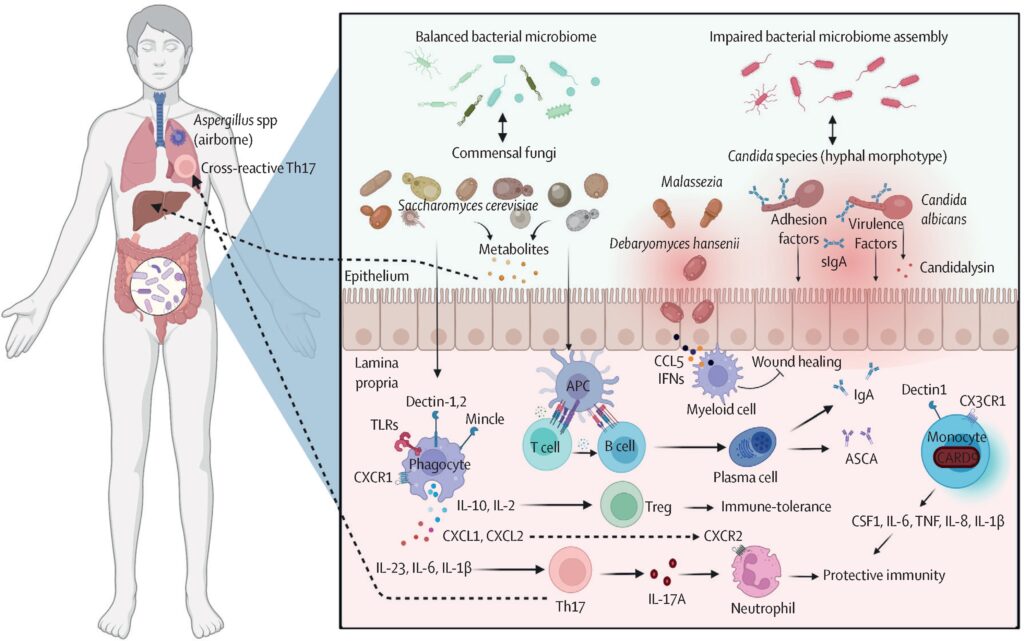
Just to show how many different microorganisms there are in your gut microbiome

And what is the notorious gut microbiome? 

The gut microbiome is not an anatomical organ. It is a vast, dynamic ecosystem of about 100 trillion microorganisms—including bacteria, archaea, viruses, and fungi—primarily inhabiting the large intestine. Its composition and function are shaped by diet, genetics, antibiotics, and the environment, with complex microbe–microbe interactions giving rise to emergent properties that function like an additional metabolic organ. When well diverse and balanced, it supports health; when disrupted (dysbiosis), it can contribute to inflammatory, metabolic, and neuropsychiatric conditions.

The gut microbiome closely coexists with the human host, helping break down complex carbohydrates, synthesize vitamins, strengthen the gut barrier, and “educate” the immune system, while producing metabolites such as short-chain fatty acids that influence metabolism and inflammation. What are metabolites? They are small molecules produced or consumed during metabolism by living organisms (including gut microbes).

In relation to the gut microbiome, what are probiotics?

Probiotics are live microorganisms that, when consumed in adequate amounts, may offer health benefits by supporting a balanced gut microbiome, improving barrier function, and modulating the immune system. Many people use probiotics to prevent antibiotic-associated diarrhea. Importantly, the effects are highly strain- and condition-specific, so benefits seen with one probiotic do not necessarily apply to another.

When considering probiotics, focus on strain- and condition-specific evidence, not general “probiotic” claims. Choose products with well-documented strains and labeled doses for your target outcome, and be mindful that more CFUs are not always better. Also be realistic. Your gut microbiome counts 100 trillion microorganisms and most probiotics 10 billion CFU’s, which is a modest 0.01%.

Prebiotic examples (feed for gut bacteria): onions, garlic, bananas, oats, apples, flaxseeds. Note: these are not probiotics themselves; they are foods that feed beneficial microbes. If you want examples of probiotic foods, refer to unsweetened yogurt, kefir, sauerkraut, kimchi, and other fermented foods.

How to ruin your gut microbiome (1)

Sugar, refined starches, processed and ultra‑processed foods, artificial sweeteners, E‑numbers, and saturated fat can shape the gut microbiome in a negative way. They can alter the substrates available to microbes in the long term, influence bile acid circulation, and increase inflammation. Poor dietary choices can lower microbial diversity.

The overall effects depend heavily on the broader dietary pattern rather than a single nutrient, and on individual factors such as baseline microbiome, genetics, age, and medications. Disruption of the microbiome has been linked to diseases including inflammatory bowel disease (IBD), obesity, allergic disorders and asthma, type 2 diabetes, cardiovascular disease, and autoimmune disorders.

What your microbiome needs

A diet rich in diverse fibers (vegetables, fruits, legumes, and whole grains), resistant starch, and fermented foods tends to boost SCFA‑producing bacteria and strengthen gut barrier function. Omega‑3 fatty acids and polyphenols may also support a healthier microbiome. Consider adding probiotic foods to your diet and don’t forget fermented items. Aim to support a healthier dialogue between the gut and brain, though individual responses vary.

Gut–brain axis

You have heard about the gut–brain axis. What happens in your gut impacts your brain and mood. The gut–brain axis is a dynamic bidirectional communication network linking the central nervous system with the gastrointestinal system, integrating neural, immune, and endocrine signaling.

In practice, the axis helps govern mood, stress reactivity, cognition, and pain perception, while psychological states and stress can alter gut motility, permeability, and microbial composition, creating a feedback loop.

The microbiota sits at the heart of this axis, shaping brain function by producing and modulating neuroactive compounds such as short‑chain fatty acids. Signals travel via neural routes (notably the vagus nerve), immune mediators, and circulating metabolites that can affect brain cells, with gut barrier integrity and systemic inflammation playing key roles. Because this signaling is highly context‑dependent, factors like diet, antibiotics, stress, and aging can markedly influence the axis.

How to Ruin Your Gut Microbiome (2)

The impact of medicines can be substantial. It has long been known that antibiotics affect the gut microbiome, killing both beneficial and pathogenic bacteria. Researchers have found that also longer durations of other medication use and taking more medications are associated with greater disruption of the microbiome. In a recent study, 167 of 186 drugs affected the microbiome in some way, with 78 showing long-term effects. The longer people used medications and the more drugs they took, the greater the disruption.

Multiple drugs can interact to produce a larger impact on the microbiome; among individual drugs, benzodiazepines appear to have the greatest negative effect. The implications matter because microbiome disruption is linked to inflammatory bowel disease (IBD), obesity, Type 2 diabetes, cardiovascular disease, and autoimmune disorders. A healthy microbiome is a stable, diverse community with high microbial gene richness that lives in balance with its human host.

Bloating and floating

A healthy gut microbiome and normal transit usually manage gas without distress, but imbalances or intolerances can amplify symptoms. Bloating and gas are common signals from your gut that reflect how your digestive system and its microbial residents are handling food.

Most gas comes from bacterial fermentation of undigested carbohydrates in the colon, producing hydrogen, methane, carbon dioxide, and other compounds. The amount and composition of gas depend on what you eat—especially fiber and fermentable carbohydrates (FODMAPs)—your gut microbiome, and how quickly food moves through your gut.

In health terms, bloating and gas can be linked to specific conditions or dietary intolerances, such as irritable bowel syndrome (IBS), small intestinal bacterial overgrowth (SIBO), lactose or fructose intolerance, or celiac disease.

Red flags and the doctor

Red flags to seek medical evaluation include weight loss, blood in stool, severe or persistent pain, vomiting, fever, or new symptoms after age 50. If bloating or gas is persistent or bothersome, a clinician can help identify triggers (often via a symptom diary), assess for intolerances or underlying conditions, and discuss targeted dietary or therapeutic options. 

Thanks for reading, mind your diet and enjoy life,

Robert, your health friend,

Art from Venezuela

22. BRAIN: FIRST THINGS TO KNOW (health project99+)

A cat in Istanbul

Dear reader,

As you know the brain is a delicate, vulnerable organ and, in general, a great mystery. Brain science (neuroscience) however, has progressed rapidly in recent years, making it worth watching closely. This progress is important. Neurological disorders contribute significantly to global illness. According to some sources, they account for up to 20% of mortality.

1.Some essential facts about the brain

    • Despite weighing about 1.4 kg, the brain uses roughly 20% of the body’s resting energy expenditure.
    • The human brain contains about 86 billion neurons. Each neuron forms thousands of synaptic connections. These connections total roughly 100–250 trillion synapses. Explanation about synapses at the end of this blog.
    • Neurons relay messages (nerve signals) through the spinal cord and across the body.
    • Nerve signals from the brain can travel up to about 400 km/h, depending on axon (fiber)diameter and myelination. Note: Myelin is a fatty, insulating layer. It wraps around many nerve fibers to speed electrical signaling. It also improves the reliability of this signaling.
    • In addition to neurons, there are roughly as many glial cells—such as astrocytes, oligodendrocytes, and microglia—that support neurons, insulate wiring, clean up debris, and help with signaling.
    • Although difficult to measure, the brain’s memory capacity is estimated at about 2.5 million gigabytes (roughly 2.5 petabytes). Some comparisons equate this to three million hours of video storage.
    • There is a common myth that you only use 10% of your brain. This is not correct. In reality, nearly all parts of the brain have a known function. However, different tasks recruit different networks. Admittedly, it seems that some people use even less than 10% :).
    • The brain tissue itself has no pain receptors. Pain in headaches or injuries usually arises from the scalp, skull, meninges, or blood vessels, not from the brain tissue.
    • By age 6, the brain is around 95% of its adult size.

    2. Most of your brain develops in your early years.

    Early in life there’s a burst of synapse formation (synaptogenesis). The brain overproduces connections in many regions, then trims them back through a pruning process to optimize circuits. Afterwards, new synapses continue in the remainder of your life to form in response to learning and new experiences. Some synapses become very stable, while others are more transient.

    Neuroplasticity means the brain reorganizes its connections in response to experience, learning, and injury. This rewiring (plasticity) is highest during early development (critical periods for vision, language, etc.), but it never fully stops. 

    New neurons are produced in a few brain areas in adults. The hippocampus is most notable for this. However, the extent of neuron production is modest, and the functional impact remains under study.

    These synaptic connections are not “etched in stone” at birth. They are continually formed, strengthened, weakened, and removed throughout life.

    3. How to keep your brain in top shape?

    Actually, the usual: quality sleep, good physical health with a special mention of strength training. Strength training, interestingly enough, is essential; cardio alone is not enough.

    A balanced diet, of course, is rich in fruits, vegetables, whole grains, healthy fats (e.g., omega-3s), and proper hydration. Of all these elements, the intake of healthy fats deserves specific mention, as your brain loves these.

    Do mental stimulation and learning and add some brain games to the mix.

    4. Getting enough high-quality sleep is perhaps the single most important factor for brain health.

    Sleep is critically important for brain health. It allows the brain to perform essential functions such as clearing out waste. It also aids in consolidating memories and repairing itself. Consistent, high-quality sleep enhances cognitive functions such as focus. It boosts problem-solving skills and creativity. However, chronic sleep deprivation can impair decision-making. It can also affect emotional regulation and memory.

    5. Can you increase your IQ?

    IQ tends to be relatively stable. But is influenced by genetics and environment. You can enhance many underlying cognitive skills. You can boost your performance on IQ tests through practice. Better learning strategies contribute to improvement. Healthier habits, such as regular physical activity, are also important. 

    This does not mean that you are smarter than before. However, it can optimize your test conditions. It can also help you achieve a better result. Claims that IQ can increase by as much as 15 points exist, but estimates vary.

    6. Brain fog can be repaired

    If you often feel fatigued, distracted, moody, and just plain “off,” you may be dealing with brain fog. Brain fog is often a common, remediable byproduct of our fast-paced lifestyle. In my experience, addressing underlying issues such as diet, stress levels, sleep, and physical activity can help it disappear. If it does not, better consult your doctor.

    The brain needs a steady supply of vitamins and minerals, as well as amino acids and essential fatty acids. It also depends on glucose from complex carbohydrates. In addition, getting enough rest and relaxation is crucial. 

    Today, many convenient, processed foods and factory-farmed meats do not support brain health. A large share of people suffers from nutrient deficiencies. Many also experience sugar overload, inadequate sleep, and high stress. All of these factors deplete energy levels. 

    On a cellular level, brain fog is believed to be linked to inflammation. It is also connected to changes in three hormones that influence mood, energy, and focus: dopamine, serotonin, and cortisol. Cortisol is a key stress hormone. It helps keep you awake and alert. Dopamine and serotonin contribute to motivation, mood, and calm.

    7. Environment can have a big impact on the brain

    First, Nanoplastics. Nanoplastics are plastic particles typically below 1,000 nanometers (1 µm). They may reach the brain through inhalation and ingestion. Nanoparticles can enter the bloodstream and cross the blood–brain barrier (BBB) under certain conditions. 

    Once inside, Nanoplastics have been reported to localize in regions such as the hippocampus or cortex. They can be taken up by resident brain immune cells (microglia). Neurons in some models can also take them up. 

    There is emerging evidence from cell and animal studies. However, much more study is needed. Nanoplastics may trigger inflammatory and cellular stress responses. Some reports circulating in mid-2025 suggested that plastic nanoparticles exist in brain tissue up to 0.5%. These numbers require rigorous verification. They should be treated with caution. If correct, they are worrisome indeed. Interaction with other pollutants: plastics can carry adsorbed chemicals or pollutants that might amplify toxicity.

    Second, there are alarming reports that overuse of social media impacts the brain and speeds up aging. Not much scientific proof yet, but it is a topic to follow.

    Parkinson’s disease involves genetic and environmental risk factors; pollutants (e.g., certain pesticides or air pollutants) may contribute in some cases. 

    8. Neuroscience is developing rapidly, solving many of the brain’s mysteries

    To prepare this blog I read many articles. One article described a brain region that ages earlier than others. Out of three factors that may degrade this fragile brain region, diabetes and alcohol were mentioned. Additionally, nitrogen dioxide from traffic-related air pollution was noted.

    Neuroscience is developing rapidly, solving many of the brain’s mysteries. In 2025, neuroscience clinical research is evolving rapidly. Breakthroughs in disease-modifying therapies for Alzheimer’s are emerging. Digital biomarkers for depression are being developed. AI-driven discovery is advancing. Renewed investment in rare neurological indications is taking place. These factors are redefining the future of central nervous system (CNS) clinical trials.

    There will be many more blogs on the brain, a fascinating topic.

    Take care and live a happy and long life!

    Robert, your health friend

    Snow in Istanbul? Yes

    Note: What is a synapse?

    A synapse is the junction where one neuron (remember, of which you have 86 billion!) communicates with another neuron (or a muscle cell). There are chemical synapses and electrical synapses, where current can jump directly through gap junctions between cells. 

    Synapses are dynamic and can strengthen or weaken with activity, which underlies learning and memory. Most of your synapses are formed in your early years. Perhaps letting young children listen to classic music is not such a bad idea. Giving them all kinds of physical and mental challenges is also beneficial.

    You have between 100 to 250 trillion synaptic connections. Most synapses are formed and pruned during the early years of one’s development. However, the brain continues to make and change synapses throughout life. This happens in response to experience, learning, and injury.

    24. CLOTS/CARDIOVASCULAR ISSUES: ITS DEADLY ESSENCE (health project99+)

    Bacalau, so this must be Portugal (it is indeed, Lisboa airport)

    Dear reader,

    Let the following two points sink in well.

    First point: One third of all deaths worldwide are cardiovascular-related, around 20 million people per year!

    Second point: Most of these 20 million cardiovascular deaths (mainly heart attacks and strokes) are caused by clots that originate in your arteries (not in your veins!). There is a huge difference between arterial clots and venous clots, with the arterial clots being the most dangerous. For me this difference is the most important takeaway of this blog.

    Conclusion: Paying attention to the health of your arteries is worth the effort! 

    1.Anticoagulants that I take mainly prevent further clotting in the veins; in my case they are to prevent an embolic stroke because of atrial fibrillation. Anti-coagullants are standard treatmentes for venous clots and a few arterial conditions driven by blood flow and embolic risk. 

    2.Arterial clots are treated differently from venous clots and often managed with antiplatelets like low dosis aspirin because platelets play a larger role in their formation. Anticoagulants can be used in certain arterial settings but they are not the mainstay for typical arterial thrombosis on their own. I strongly consider taking low dosis aspirin (but will check with my doctor).

    3.Cardiovascular describes anything to do with the heart, blood vessels, and the brain. It covers how the heart pumps blood through arteries, veins, and capillaries to deliver oxygen and nutrients and to remove waste. Cardiovascular diseases (CVD) refer to diseases and conditions that affect the heart and blood vessels, such as heart disease, high blood pressure, and stroke. According to some sources, up to 85% of cardiovascular deaths are caused by heart attack (ischemic heart disease).

    4.Arteries and veins do different jobs. Arteries carry oxygen-rich blood away from the heart under high pressure, and have thick, muscular walls to push blood through the body. Veins return oxygen-poor blood to the heart at lower pressure, with thinner walls and larger lumens, and many contain valves to prevent backflow as you move. Clots formed in veins in general do not cause heart attacks and strokes.

    Some more points: Venous clots are fibrin- and red blood cell–rich, “red” clots while arterial clots are platelet-rich, “white” clot with fibrin. Slow flow of blood (static) favors venous cloths, while high flow favors arterial clots.

    Treatment of arterial clots and venous clots is different. Of course, the general warnings about smoking, stress, processed food, etc., are true for both venous clots and arterial clots.

    5.There are more causes for cardiovascular problems, but I will not treat them here. Just to mention these non-thrombotic (=not clots) cardiovascular events: hemorrhagic strokes, aneurysm ruptures, vasospasm without thrombosis, and certain heart conditions driven by electrical or structural problems rather than thrombosis.

    6.Before continuing with the main topic, arterial clots, here are some words about venous clots. Venous clots (forming in the legs or pelvis) mainly cause deep vein thrombosis and pulmonary embolism (PE), which can be deadly. Sometimes a venous clot passes through a small heart defect into the arterial circulation and lodges in the brain or heart, causing a stroke or, rarely, a heart attack. Also, a very large pulmonary embolism can put heavy strain on the heart and cause chest pain, but that is due to the heart being stressed, not because a clot formed in an artery. 

    7.Clots formed in the arteries are the main, but not the only, reason that can cause cardiovascular death. One should do all to prevent clots like lifestyle changes. Or “cleaning” your arteries. Experts are divided on whether this latest point is possible, but I will already give some first suggestions in this blog.

    8.How are arterial clots formed? Plaque in the arteries (atherosclerosis/calcification) is a major—but by far not the only—contributor to clot formation. When an atherosclerotic plaque ruptures or erodes, a clot often forms and can block blood flow. These plaques can narrow the artery and may rupture, forming a clot that completely blocks the artery (occlusion). If this happens in a coronary artery, it can cause a heart attack; if in a brain artery, a stroke. In the context of this topic one often reads the word “Occlusion” (=the artery is blocked and downstream blood flow is stopped).

    9.What about cholesterol? I wrote about cholesterol before. It is not the villain that many of us believed for decades. We need Cholesterol as it is essential for cell membranes and hormone synthesis (=production), but high LDL cholesterol according to most is a major risk factor for arterial disease. Although it is not the main villain, at the same time it cannot be denied that cholesterol is often involved in cardiovascular issues. For my post on cholesterol see this link https://shakethehealthtree.com/index.php/2025/09/05/10-cholesterol-all-you-need-to-know-and-do-health-project99/

    10.Plaque. Is plaque the main issue? Yes and no. When it is stable in your arteries it is not, but when the plaque inside your arteries is soft, then it easily becomes a clot. In more scientific terms: “vulnerable (soft lipid-rich) plaques are prone to rupture or erosion, exposing tissue factors that trigger thrombosis”.

    In arteries, most clots arise when vulnerable plaques rupture or erode, triggering rapid clot formation that can block blood flow. Clots can occur without plaque, but in arterial disease, plaque is often the underlying trigger.

    11.Other factors are stasis (slowed blood flow), hypercoagulability (blood clots more easily) and endothelial injury (blood vessel lining).

    12.What triggers clot formation (= thrombosis)? Important risk factors for arterial clots are atherosclerosis, hypertension, diabetes, smoking, high cholesterol, and plaque rupture or vascular injury. For venous clots, the main risk factors are different and include immobilization, surgery, cancer, obesity, pregnancy/postpartum, estrogen therapy, and inherited thrombophilias.

    There is a long list of behaviors that can trigger clot formation. Some have stronger evidence than others (smoking more than eating refined starch for example): vaping, smoking, alcohol, pollution, chemicals, stress, refined starch, infection, sugar, endurance activities like marathons. Concerning the last point. Regular exercise is great, but stressful events like marathons need some precautions. 

    Many dietary factors influence thrombosis risk indirectly by promoting obesity, diabetes, and dyslipidemia rather than triggering an immediate clot in a healthy vessel.

    13.Let us deal with a few risk factors. Smoking/vaping It is truly shocking to read the many ways smoking “promotes” clotting in arteries. A topic too long and technical to cover fully in this blog, but (if you wish) you can check reputable sources online. In summary: smoking accelerates atherosclerosis and plaque instability. It doesn’t create clots in every situation by itself, but it tilts the balance toward clotting.

    Pollution and chemicals including drugs can also contribute to a heart attack or stroke by stressing the heart and blood vessels, promoting clotting, and damaging the inner lining of arteries, speeding up plaque buildup and making plaques more likely to rupture. Some drugs can also affect clotting and vascular health.

    Marathon-level endurance can slightly raise clot risk in some situations, but for most healthy runners the risk is very small, when managed well (think of drinking enough and moving after the event). Hydration and electrolyte balance matter much: dehydration can concentrate blood and potentially raise clotting tendency, especially in very long events like a marathon.

    14.What to do (1)? Recurrence risk and management strategies differ: long-term antiplatelet therapy for arterial disease vs long-term anticoagulation to prevent venous clots. Arterial clots are much  more tied to atherosclerosis and plaque rupture, while venous clots are more about venous return and hypercoagulability. 

    (2) In general one should stay physically active, hydrate, avoid prolonged immobility, maintain a healthy weight, manage cholesterol and blood pressure, and follow medical advice for any prior clot history.

    (3) Food and supplements Internet is full of suggestions on how to clean arteries or at least prevent further calcification. Stopping further plaque formation is possible and has scientifically been proven. Plaque reversal not (yet). A lot of misinformation and false promises and little scientific proof. Of course, fruits and vegetables, for example, are part of a heart-healthy diet and do not promote plaque formation, so there is little to say here.

    Some supplements that are often mentioned are vitamin K2, nitric oxide boosters, natokinase and bromelain. In none of these four example there are robust clinical trials that 100% confirm that arterial plaque reversal is possible. Interesting stuff nonetheless and material for a future blog. Do you consult with your health specialist as these supplements might interact with other medicines.

    What to do (4): future AI-inspired developments go very fast, including interventions to clean arteries and veins. This is also an excellent topic for a future blog. So far however promises to “clean” arteries are speculative, but there are many advances on the horizon.

    15.Diagnosis options (arterial and venous)

    Arterial ECG and cardiac enzymes (e.g., troponin) to assess for acute myocardial infarction.

    Imaging to identify arterial occlusion (e.g., CT angiography, catheter angiography).

    Doppler ultrasound to evaluate peripheral arteries (e.g., limbs).

      Venous Duplex ultrasound for DVT.

      D-dimer testing can be helpful but is non-specific; proceed to imaging if results or clinical suspicion warrant it.

      CT or MR venography if further visualization is needed.

      CT pulmonary angiography for suspected PE.

        Myself I learned a lot writing this blog. Take care and live a happy and healthy life.

        Robert, your health friend

        Another icon from Berlin

        15. ICE-COLD WATER PLUNGES: NOT ALWAYS A GOOD IDEA (health project99+)

        Probably AI generated

        Dear Reader,

        The health world is full of bold claims. Some are true; most are not. I know it might be a bit old-fashioned, but I believe in science to prove or disprove these claims. When scientific evidence is lacking, we must apply the “no harm” principle. I apply this principle to some supplements, which often have promising claims but lack scientific backing. There is no proof that they can harm you. I am prepared to take them. Examples include berberine, spermidine, and fisetin.

        The problem with ice cold water plunges is the lack of scientific proof that they indeed boost immunity. However, they do contribute to muscle relaxation and they can also improve mood. On the negative they can cause serious stress on your body and even lead to heart problems.

        1. Ice Cold Water Plunges Through the Ages

        1. Ice cold water plunges have a long-standing tradition. The Romans used their “frigidariums.” In the 19th century, cold water baths were popular as a claimed cure for many ailments. Today, we observe the Finnish people with interest. They are declared the happiest people on the planet year after year. This is often linked to their regular dips in ice cold water. They are also among the healthiest populations.

        In the Netherlands, we may not have ice to dig holes in for plunging. However, better fitness centers offer the opportunity for ice cold water plunges. Of course, you can also use your own bathtub at home—fill it with cold water and add ice cubes. A very cold water shower is also a good alternative.

        2. Some Plunge Tips

        While it’s safe for some (but not for all!) to do a cold plunge every day, it is possible to overdo it in various ways. Jumping into cold water too quickly can shock your body. This can cause issues with breathing, heart rate, blood pressure, or even impact your mental state.

        – Enter the water slowly. Entering the water too quickly can send your body into cold shock. It leads to rapid changes in breathing and heart rate. You may gasp for air.

        – After a cold plunge, do not shock your system again. Avoid heading straight into a hot environment, like a hot tub or sauna.

        3. Dangers

        Keep the plunges short.

        During a cold plunge, your body must work hard to maintain a healthy temperature for all your organs. Your blood vessels tighten to slow blood flow and limit heat loss. If you stay in too long, you’ll start to shiver, which generates heat. The cold water puts stress on your heart. Rapid breathing from cold shock could cause irregular heartbeats or even a heart attack. This is especially dangerous if you already have heart issues. In this case, the standard advice holds true. You should check with your doctor about whether any medications you take could make cold plunges unsafe.

        I enjoyed ice cold water plunges but sadly had to stop after consulting a specialist. I have a history of atrial fibrillation. I do not want to risk exacerbating this unpleasant condition. It is potentially dangerous and can be provoked by ice cold water plunges.

        For those who do not have a risk of atrial fibrillation, one thing remains clear. Too much cold can be harmful. If your core temperature drops too low, it can suppress your immune system. For this reason, always keep the plunges short, between 1-5 minutes. Some may go longer. However, staying in cold water for too long can lead to dangerously low body temperatures. It can even cause hypothermia. You may also experience numbness in your limbs or frostbite.

        4. When to Consult Your Doctor

        Here are some conditions for which people are advised to consult their doctor before engaging in cold plunges: Heart problems; Diabetes; High blood pressure; Poor blood flow; Raynaud’s phenomenon (affecting blood flow in fingers); Peripheral neuropathy (nerve pain); Venous stasis (affecting blood flow to legs); Cold agglutinin disease (damaging red blood cells)

        5. Some Claimed Benefits (None Proven, Some Promising)

        While we do not have definitive answers, some research is promising regarding certain health benefits tied to cold plunges.

        Muscle Recovery Ice baths can help ease soreness after exercise. The cold causes blood vessels to tighten, which may reduce muscle damage and inflammation.

        Stress Resistance Research indicates that prolonged plunges might lower cortisol levels, the stress hormone.

        Immune System Boost There is some evidence that regular cold-water plunges can help your immune system. However, this is not proven yet. The stress hormones released during a cold plunge may help prepare your body to fight off illness. More research is needed. It may also be that regular cold plungers simply lead healthier lifestyles overall. Cold water immersion activates the body, but this is not the same as strengthening the immune system

        Blood Sugar Regular Cold plunges may enhance your insulin sensitivity. This can improve your body’s ability to lower blood sugar. It may potentially protect you from type 2 diabetes.

        Heart Health Some research suggests that overall heart health may improve as your body adapts to cold-water immersion. However, submerging yourself in cold water immediately puts significant stress on your heart. This makes it possible that the short-term risks outweigh any long-term benefits.

        Mood Boost Many people find that cold plunges make them feel good. Some studies support this, indicating that individuals who dip in cold water report feeling better afterward. Upon immersion, your body experiences a cold shock response. This includes rapid breathing, a spike in heart rate, and a surge of stress hormones such as adrenaline and cortisol. This explains why people may feel more alert or energized after a cold dip. As I mentioned, I stopped doing it, but I can attest that it made me feel better.

        Enjoy life and relish your ice cold water plunges—just be sure to check that you’re not at risk health-wise. In my opinion, fitness centers should include a warning about ice cold baths.

        Robert, Your Health Friend

        A warm-water plunge in the Caribbean

        7. HOW ARE THINGS? FOUR EASY TESTS TO DO AT HOME (health project99+)

        Panama City

        Dear reader,

        I like tests. I like to follow indicators how my body is functioning. All these smart watches help a lot, but there is much more. You can do some easy tests yourself (the topic of this blog). There are also clinics which can do a whole range of tests. More about those clinics another time.

        In this blog I deal with four easy tests and measurements you can do yourself. For two you need a smart watch. The four I suggest here are VO2Max, Heart Rate Recovery, “Walking Speed Test” and “Sit to Stand Test”.

        Subscribing to my blogs is free by the way!

        1.Earlier I wrote about VO2Max (see link) https://shakethehealthtree.com/index.php/2025/03/02/7-vo2-max-a-crucial-biomarker-health-project-99/

        VO2 max, short for “maximum volume of oxygen.” It shows the highest amount of oxygen your body can transport in your blood. A higher VO2 max suggests better cardiovascular fitness, endurance, and better overall health. Typically, VO2 max peaks in late teens to early twenties, then starts to decline from around age 30.

        Without maintaining physical activity, VO2 max can decrease by about 1% per year. This decline occurs due to factors like reduced heart rate, muscle loss, decreased cardiac output, and less activity in general. Through cardio training and High Intensity activities you can slowdown the erosion but often you can also maintain your Vo2Max level or improve it.

        Men Vo2Max Indicators

        Age 30: 42-48 mL/kg/min (average); above 48 mL/kg/min (good); 60+ mL/kg/min (top 5%).

        Age 50: 35-42 mL/kg/min (average); above 42 mL/kg/min (good); 50+ mL/kg/min (top 5%).

        Age 65: 30-36 mL/kg/min (average); above 36 mL/kg/min (good); 45+ mL/kg/min (top 5%).

        Women Vo2Max Indicators

        Age 30: 30-36 mL/kg/min (average); above 36 mL/kg/min (good); 45+ mL/kg/min (top 5%)

        Age 50: 27-32 mL/kg/min (average); above 32 mL/kg/min (good); 40+ mL/kg/min (top 5%)

        Age 65: 22-28 mL/kg/min (average); above 28 mL/kg/min (good); 35+ mL/kg/min (top 5%)

        2. Heart Recovery Rate 

        The heart recovery rate refers to how quickly your heart rate returns to its resting level after physical activity. It’s an important indicator of cardiovascular fitness and overall heart health. 

        Typically, the heart recovery rate is measured during exercise, such as after a workout or during a stress test. The recovery is measured by taking heart rate readings at intervals. This is often done at 1, 2, and 5 minutes after stopping the activity.

        Men and women (30 yrs: a good recovery rate might be around 20-30 beats per minute (bpm) drop in the first minute post-exercise; 50 yrs: 15-25 bpm;  65 yrs 12-22 bpm).

        A recovery rate is a 25 bpm drop in the first minute is generally considered excellent.

        With a heart rate drop of more than 30 bpm in the first minute post-exercise you are in the top 5%. Those at this level are usually very well-conditioned athletes or individuals with very good cardiovascular fitness.

        3. Measuring Walking Speed

        Your walking speed from A to B can reveal a great deal about your body’s inner workings. It also provides insights into your mind. This should not surprise us. Walking actually relies on many different body systems working together. Your bones and muscles carry and move you. Your eyes help you see where you’re going. Your heart and lungs circulate blood and oxygen. Your brain and nerves coordinate it all.

        As we age, the function of these systems starts to slow down. A slower walking speed can therefore reflect this overall decline. It can be a sign of advanced aging.

        The walking speed test is a way to assess someone’s functional capacity. It measures their ability to perform daily tasks around the house and maintain independence. 

        People normally walk more slowly as they age. However, a precipitous decline in the speed of someone’s gait could indicate that something more serious is going on. The person might have a chronic condition. This condition has led them to move less or become sedentary. More than likely, they’ve experienced a decrease in muscle strength. They may also have reduced joint mobility. Unfortunately, this leads to further health declines.

        A simple technique To perform the walking speed test, you need a stopwatch. Additionally, have a way of measuring distance, such as a tape measure. 

        Go outside and do a 10m (33ft) walking speed test. First, measure out 5m (16.5ft), followed by another 10m. To start, walk for 5m to reach your normal speed. Then walk at your normal pace for 10m. To calculate your walking speed simply divide 10m by the number of seconds it took to walk that distance.

        You can also do the walking speed test in a more up to date way. There are many apps you can use to measure your walking speed. These include fitness trackers like Walkmeter, MapMyWalk, Strava, and Google Fit. They use GPS to track distance and time, allowing them to calculate your speed. 

        For an idea of how you compare to other people, the average walking speed of a 40-49 woman is 1.39m/s (4.6ft/s), and 1.43m/s (4.7ft/s) for a 40-49-year-old man. 1,43m/s equals 5,15 km/h.

        If you are aged 50-59, then the average walking speed is 1.31m/s (4.3ft/s) for a woman, and 1.43m/s (4.7ft/s) for a man.

        For 60-69 year-olds, average gait speed falls to 1.24m/s (4.1ft/s) for a woman, and 1.43m/s (4.7ft/s).

        For 70-79 year-olds, average walking speed is 1.13m/s (3.7ft/s) for a woman, and 1.26m/s (4.16ft/s) for a man.

        Finally, for 80-89 year-olds, gait speed is around 0.94m/s (3.1ft) for a woman, and 0.97m/s (3.2ft/s) for a man.

        Studies have shown that gait speed is a significant predictor of life expectancy in older adults. One study showed that men who walked slowest at age 75 had a 19% chance of living for 10 years. In contrast, men with the fastest walking speeds had an 87% chance of survival.

        One explanation is that people who are already unwell tend to be less mobile. However, an earlier  2009 study in France found that even among healthy adults aged over 65. Participants with low walking speed were significantly more at risk. They faced a significantly higher risk of dying from cardiovascular disease during the study period. Their risk was about three times higher compared with people who walked faster.

        This doesn’t just apply to older adults. A study revealed that 45-year-olds with slower gait speeds showed signs of “accelerated aging.” Their lungs, teeth, and immune systems were in poorer shape compared to those who walked faster. They also had ‘biomarkers’ linked to a higher aging rate. These biomarkers include raised blood pressure, high cholesterol, and lower cardiorespiratory fitness. 

        On a side note: relation between slow walking and advanced cognitive aging.

        Researchers found that slow walkers showed signs of advanced cognitive aging. For example, they tended to score lower on IQ tests overall. They performed worse on tests of memory, processing speed, reasoning, and other cognitive functions. MRI scans also showed that this cognitive deterioration was accompanied by observable changes in the participants’ brains. Slower walkers had smaller brains. They had a thinner neocortex, which is the outermost layer of the brain that controls thinking and higher information processing. They also had more white matter. Intriguingly, even the faces of slow walkers were rated as aging at a faster rate than the other participants.

        In all, research suggests that the bodies and brains of slow walkers age faster. They do so at a rate greater than those of quick walkers. There were also signs that these health differences were present from an early age. Researchers predicted the walking speed of 45-year-olds based on tests. These tests of intelligence, language, and motor skills were taken when the participants were just three years old.

        If you are a slow walker, do not be disheartened. There are many things we can do to improve our walking speed!

        4.Sit to Stand test

        You can do the test at home with a chair that has a straight back and no arm rests. Additionally, you will need a stopwatch. The STS-test measures how many times you can rise to a standing position from seated within 30 seconds. 

        To do the test, first sit in the middle of the chair. Then cross your arms. Place both of your hands on opposing shoulders. Keep your back straight with your feet on the floor. Then press your stopwatch’s start button and rise to a full standing position before sitting down again. Repeat this for 30 seconds, counting how many times you can come to a full standing position. 

        The sit-to-stand can give profound insights into your health. The test is mostly done with older people. Still, it can also help younger people or those with no health conditions. It is a good measure of fitness, particularly lower body muscular strength and endurance. The average score for 20–24-year-olds is 25/30 seconds for men and 24/30 seconds for women. The best testers manage all the way up to 36 per 30 seconds. 

        According to the CDC, the average STS test scores for each age group are:

        • 60-64 the average score is 14 for men, and 12 for women
        • 65–69 the average score is 12 for men, and 11 for women.
        • 70-74 the average score is 12 for men, and 10 for women.
        • 75–79 the average score is 11 for men, and 10 for women.
        • 80–84 the average score is 10 for men, and 9 for women.
        • 85–89 the average score is 8 for both, men and women.
        • 90–94 the average score is 7 for men, and 4 for women.

        Low scores indicate a higher chance of falling and premature death. A poor score on the test also suggests that a person’s heart and lungs are not functioning well putting them at higher risk of a heart attack), stroke and heart failure.

        The Centres for Disease Control and Prevention (CDC) states that a lower score on the test indicates a higher fall risk for their age group. If a person scores less than the “average” for their age group, they are at greater risk of falls. A lower score on the test indicates a higher fall risk for their age group. 

        Low scores are not cast in stone and unchangeable. They should be an incentive to exercise more. In my opinion a STS is a really good way of empowering people to take control of their own health.

        Enjoy life, be active,

        Robert, your health friend

        With love from Panama, 2024