
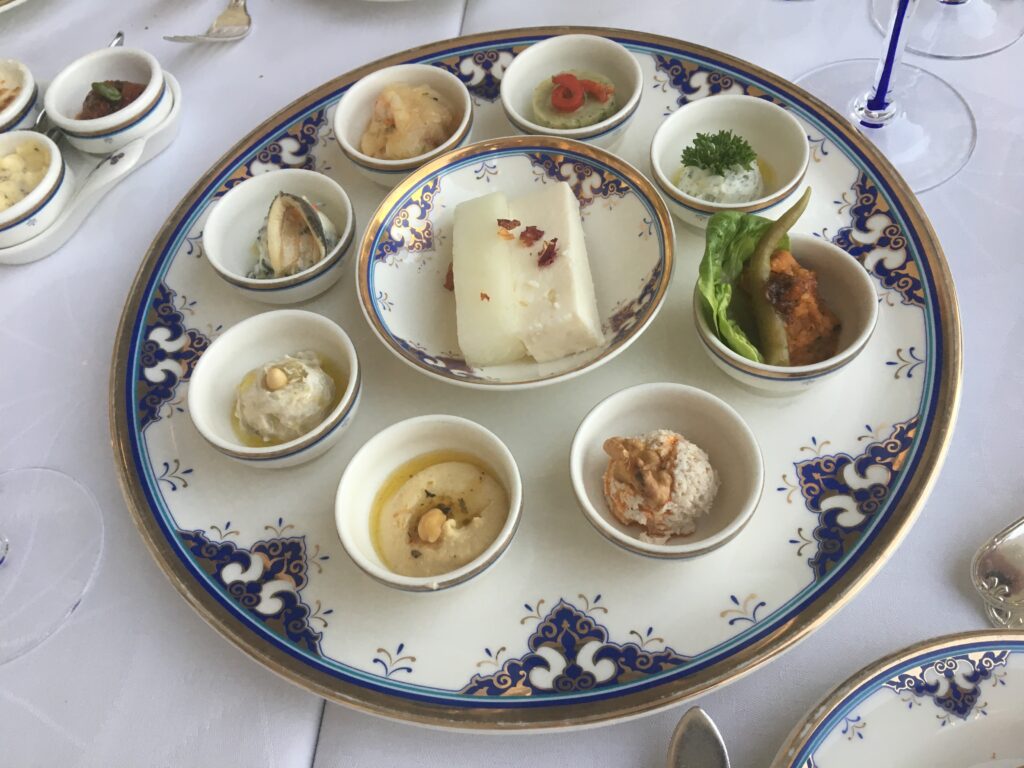
Highly recommended: eating in Turkey
Dear reader,
Ginger is a very successful combination of a natural medicine and a supplement; it also makes a great tea, adds taste to a lot of food (gingerbread!) and, increasingly, it inspires interesting non-alcohol drinks with a bite.
The few caveats are the amount you should take daily (not too much, max 4 grams) and its interaction with a few medicines. And try to buy only bio ginger as regular ginger too often has pesticides residues. For the same reason (pesticides) it is better not use ginger powder.
At home we add ginger to our daily morning drink with lemon. https://shakethehealthtree.com/index.php/2025/02/25/5-lemons-and-limes-health-project-99/
- Facts and figures about ginger
The English origin of the word “ginger” is from the mid-14th century, from Old English gingifer, which derives in turn from the Medieval Latin gingiber all the way to siṅgabera from the Sanskrit śṛṅgavera.
Ginger was already cultivated 5000 years ago, for medicinal use in China and culinary purposes in India. The Romans add it to their food. In the Middle ages it was a prized and expensive luxury item on the dining table. It was also applied, not very successfully, to protect against the plague.
These days ginger has become very affordable and is produced in many countries. Even in my country The Netherlands, farmers harvest ginger, but the top producers remain India, China, Nigeria, China, Kenya and Nepal. India with over 2 million metric tons in 2023 provides almost half of all ginger globally.
The unique flavor of ginger comes from its active component, gingerol, which possesses potent antibacterial and antioxidant properties. The main gingerol is the 6-gingerol which is considered a functional polyphenol. Earlier I wrote about polyphenols. These amazing compounds are found in plants and number over 8000 and much is still unknown about most polyphenols. I wrote an extensive blog about these small wonders. https://shakethehealthtree.com/index.php/2025/12/02/5-polyphenols-8000-interesting-plant-derived-compounds-health-project99/
For the rest ginger consists mainly of moisture, carbohydrate, protein, fiber, fat, and ash. It also contains micronutrients including ascorbic acid, -carotene, calcium, iron, and copper.
2. All the benefits of ginger (based on scientific studies)
Treat Nausea and Indigestion
One of the most well-known uses of ginger is its ability to relieve nausea. Ginger can help with nausea associated with chemotherapy, pregnancy, menstruation, and surgery. It can also help with morning sickness and motion sickness.
Ginger helps increase the way food moves through the gastrointestinal tract, fighting off indigestion.
Improve Blood Sugar Levels
The compound gingerol has powerful anti-inflammatory and antioxidant properties. These can help your body better absorb glucose and improve your blood sugar levels. Gingerol can help control insulin production in people with type 2 diabetes. Insulin is important to move glucose from your bloodstream to your body to make energy.
Reduce Inflammation
Ginger can also help ease joint pain and inflammation caused by arthritis. Several studies have shown consuming ginger extract or applying it to joints helps improve pain from arthritis inflammation.
Relieve Pain
Studies have found ginger provides similar pain relief as common pain medications, like aspirin and ibuprofen. Consuming fresh ginger helps relieve pain from menstrual cramps. Ginger has a delayed effect, making it more of a long-term pain reliever rather than an immediate one.
Heart health
Ginger supports heart health by acting as a natural blood thinner and reducing cholesterol. These properties can help lower the risk of heart attacks and strokes. It improves lipid metabolism, breaking down fats in the bloodstream. Ginger enhances circulation and lowers blood sugar levels. According to some studies ginger increases HDL.
Strengthen the Immune System
As mentioned, ginger is a great source of vital vitamins and minerals. These include iron, magnesium, vitamins B6 and C, and zinc. These vitamins and minerals along with ginger’s antioxidant properties can help strengthen your immune system. The polyphenol gingerol helps ease common cold symptoms, like muscle fatigue and sore throat. It can also help fight symptoms of the flu.
3. How much ginger to take?
In large doses, ginger can cause gas, heartburn or diarrhea. There is no official “reference nutrient intake (RNI)” for ginger, but it’s not recommended that you consume more than 3-4g of ginger a day. To avoid misunderstandings, eating more is not bad for your health in terms of affecting organs. However, it can make you feel uncomfortable.
4. Pesticides
Pesticide residue is a recognized concern with conventional ginger. The plant is susceptible to pests and diseases during its long growing season (often 210+ days). Studies have shown that over 66% of surveyed ginger samples contained detectable levels of pesticides, with some samples contaminated with multiple types of pesticides.
I know that washing, boiling and peeling can remove some of the pesticides residues, but not all. This is always the case with fruits and vegetables with very thin peels. It is not surprising that concentrated ginger powder is a bad idea. Pesticides residues can become more concentrated through processing methods like drying and stir-frying.
Recommendation: buy organic ginger, which fortunately is not much more expensive than conventional ginger.
5. When not to take ginger
Don’t take ginger if you’re on blood thinners like aspirin. Ginger helps thin the blood, so you also won’t want to take it if you have a bleeding disorder.
Ginger inhibits insulin, so don’t take it if you’re on insulin.
Ginger can lower blood pressure, so perhaps avoid it if you’re taking blood pressure medication. I say perhaps for a reason. You can monitor your blood pressure and see if there are changes. If not I would take ginger (as I do).
Ginger also stimulates the gallbladder, so don’t consume it if you have gallstones.
6. Top Non-Alcoholic Ginger Recipes (from internet)
I tried a few, they are actually very tasty.
Spicy ginger switchel: Mix grated ginger, honey, apple cider vinegar, and chili, then top with soda water or ginger beer.
Ginger Mojito Mocktail: Muddle fresh mint, lime juice, and ginger syrup/ale for a refreshing drink.
Bitter ginger mocktail: Combine fresh grapefruit juice, Angostura bitters, and ginger beer for a sophisticated, sharp taste.
Sparkling blueberry ginger mocktail. Simmer blueberries, fresh ginger, and rosemary for a syrup, then mix with lemon juice and sparkling water.
Ginger tangerine mimosa: A mix of tangerine juice, apple cider vinegar, and ginger ale.
Ginger beer mocktail with pineapple” A simple 2-minute mix of fresh pineapple juice and ginger beer.
Or just drink ginger beer!
Dear reader, time for a ginger tea and then off to bed.
Enjoy a healthy life and take care,
Robert, your health friend.

Snow in Istanbul
Discover more from Health Project 99+ (in good shape)
Subscribe to get the latest posts sent to your email.

One thought on “3. GINGER: NATURE AT ITS BEST (health project99+)”