
22. ALZHEIMER’S DISEASE: AVOIDABLE AND CURABLE? (health project 99+)

Autumn in The Netherlands


Dear reader,

Three of the best-known and most feared conditions affecting the brain are dementia, Parkinson’s disease, and Alzheimer’s disease. These three share some features, but there are also important differences.

Dementia is not a single disease; it is a general term for a decline in cognitive abilities that interferes with daily life. Alzheimer’s disease by the way is the most common cause of dementia.

Alzheimer’s disease and Parkinson’s disease involve the progressive degeneration of nerve cells in the brain, which can lead to declines in cognitive and/or motor function. They are also associated with abnormal protein deposits in the brain.

The risk of developing Alzheimer’s or Parkinson’s disease increases with age. Although there is currently no cure for either condition, research is advancing rapidly, which is great news. In this blog, I mention a few possible treatments, like the use of lithium and even microsurgery.

What about a healthy lifestyle and Alzheimer’s? Living healthily always helps, of course, but more and more scientists (at least the ones I follow) stress new evidence about the crucial role of lifestyle interventions, claiming that they might help reduce the risk of cognitive decline and, in some cases, reverse its onset or prevent it altogether.

In this context, we should not forget the concept of neuroplasticity, the brain’s ability to change and adapt by forming new neural connections throughout life. Like the rest of your body, your brain is a living organ of which the health can be influenced.

  1. Life Expectancy of Alzheimer’s

In Western countries, approximately 5–7% of people aged 60 and older have Alzheimer’s disease. The prevalence increases significantly with age, affecting about 30–40% of people aged 85 and older. After an Alzheimer’s diagnosis, life expectancy is between 3 and 10 years.

2. The Terrible Three

Someone can have Alzheimer’s disease without dementia, or Parkinson’s disease with or without dementia. The key difference is that dementia is a group of symptoms, while Alzheimer’s and Parkinson’s are specific diseases.

Dementia describes a significant decline in thinking abilities—such as memory, language, or judgment—that interferes with everyday life. It has many possible causes; Alzheimer’s disease is the most common. Other causes of dementia include vascular disease, Lewy body disease, genetic problems, and frontotemporal disorders (which can be caused by falling on your head while biking).

Alzheimer’s is a progressive disease, meaning symptoms gradually worsen over time. The decline in brain function eventually can lead to complications such as infections that can impact life expectancy.

Parkinson’s disease is primarily a movement disorder. Common symptoms include slowed movement, stiffness, tremor, and balance problems. Some people with Parkinson’s also develop cognitive difficulties or dementia, often later in the illness.

3. What Are Amyloid Plaques and Tau Tangles?

Dementia, Parkinson’s disease, and Alzheimer’s disease all involve brain abnormalities. In the case of Alzheimer’s disease, the main culprits are amyloid plaques and tau tangles.

Amyloid plaques are sticky clumps that form outside brain cells. They are made of a protein called beta-amyloid. Normally, this protein is harmless, but in Alzheimer’s, it sticks together and forms plaques that interfere with communication between brain cells.

Tau tangles are twisted fibers found inside brain cells. They come from a protein called tau, which normally helps support the cell’s structure. In Alzheimer’s, tau changes shape and twists into tangles, harming the cell’s ability to function properly and eventually causing cell death.

Together, these plaques and tangles disrupt brain function and are linked to the memory problems and other symptoms seen in Alzheimer’s disease.

4. Treatment (see also last chapter of this blog)

Currently, there is no guaranteed way to prevent or cure Alzheimer’s disease. However, there is encouraging news.

First, regular medication so far has not proven to be very effective, but new approaches show promise (see the latter part of this blog), including microsurgery.

Second, fortunately in line with my approach to life, research strongly suggests that certain lifestyle choices can reduce, delay, or even prevent Alzheimer’s.

5. Causes of Alzheimer’s Disease

The causes of Alzheimer’s disease include genetic (less than 1%), lifestyle, accidents, chronic inflammation and environmental factors. Age itself is often mentioned as the no 1 reason people get Alzheimer’s, but I find this a strange concept as it sounds more like a description of what happens than anything else.

There is no consensus among specialists about the main cause of Alzheimer’s, but a growing number focus on lifestyle factors. Certain lifestyle habits are linked to an increased risk: poor diet (especially one high in sugar, unhealthy fats, and processed foods), lack of physical activity, smoking, excessive alcohol consumption, and poor sleep quality.

Recent animal studies have proven that high sugar consumption is linked to amyloid plaque proliferation and therefore increases the risk of Alzheimer’s disease. Elevated blood sugar increases the production of beta-amyloid in the brain; this toxic protein forms as mentioned earlier amyloid plaques, a hallmark of Alzheimer’s disease.

Other studies highlight the link between high blood pressure and Alzheimer’s. Poor cardiovascular health not only harms the heart but also increases the likelihood of developing Alzheimer’s disease.

Genetics is often mentioned, but fewer than 1% of Alzheimer’s cases are caused by genetics. The good news is that techniques are being developed to replace certain genes, such as APOE-e4, that are responsible for Alzheimer’s. Having a family history of Alzheimer’s also raises the risk.

Head injuries and trauma can increase risk, as can limited mental stimulation.

Chronic inflammation in the body is the number one cause of death globally, and it is not surprising that chronic inflammation may contribute to developing Alzheimer’s.

Last but not least, there is increasing evidence that environmental exposures are a risk factor.

6. Measuring = Knowing = Action

Early diagnosis and proper care can help improve quality of life and potentially extend survival. Three biomarkers—ApoB, hsCRP, and HbA1c—in particular, are indicators of cardiovascular, inflammatory, and metabolic health. These systems significantly influence Alzheimer’s risk through pathways like vascular health, inflammation, and glucose metabolism.

Apolipoprotein B (ApoB) status: ApoB is a primary protein component of low-density lipoprotein (LDL), often called “bad cholesterol.” Elevated ApoB levels are linked to cardiovascular diseases, including atherosclerosis. Cardiovascular health, as we know, is closely related to brain health. Poor cardiovascular function and atherosclerosis can reduce blood flow to the brain, increasing the risk of vascular dementia and Alzheimer’s disease. Some studies suggest that cholesterol influences amyloid-beta accumulation, a key pathology in Alzheimer’s.

High-sensitivity C-reactive protein (hsCRP) status: hsCRP is an inflammatory marker measured in the blood. Since chronic systemic inflammation is considered a contributing factor in the development and progression of Alzheimer’s disease, elevated hsCRP levels indicate systemic inflammation, which may exacerbate neuroinflammation and promote neurodegeneration in Alzheimer’s.

Hemoglobin A1c (HbA1c) status: HbA1c measures average blood glucose levels over the past 2-3 months and is used to monitor diabetes. Diabetes and poor glycemic control are established risk factors for cognitive decline and Alzheimer’s disease. High blood sugar can lead to vascular damage, oxidative stress, and inflammation that harm brain cells and promote Alzheimer’s pathology.

7. Copper/Zinc Ratio

An imbalanced copper/zinc ratio, especially elevated copper relative to zinc, may promote oxidative stress, inflammation, and amyloid plaque formation—all hallmarks of Alzheimer’s.

Copper and zinc are two essential trace minerals important in many biochemical processes. Both copper and zinc are involved in oxidative stress regulation and amyloid-beta aggregation in the brain.

Excess free copper can promote the production of reactive oxygen species (oxidative stress), contributing to neuronal damage. Abnormal copper metabolism has been observed in Alzheimer’s patients.

Zinc has roles in modulating neurotransmission and preventing amyloid-beta aggregation. Zinc deficiency or imbalance may worsen Alzheimer’s pathology.

8. The Future (Is Near)

A1. Now: Aggressive Lifestyle Interventions

For most people, aggressive lifestyle interventions are the best way forward. Throw out the bad habits, avoid environmental exposures, and focus on the positive: managing heart health, exercising regularly, eating well, and sleeping well.

A2. Oral health

I remember well my blog about the importance of good oral health which can lead to 7 additional years of your life. In connection with Alzheimer’s several specialists stress how good oral health can contribute to preventing Alzheimer’s. https://shakethehealthtree.com/index.php/2025/02/27/15-pay-better-attention-to-mouth-hygiene-and-live-much-longer/

B. A Recent Trend: Near infrared Light

Infrared light, particularly near-infrared light, can influence brain cells. This is the basis for a technique called photobiomodulation or low-level light therapy. Near-infrared light can penetrate the skull and is believed to stimulate cellular activity, improve mitochondrial function, increase blood flow, and reduce inflammation in brain cells. At home, we use a red light mask that includes near-infrared light.

C1. Near Future: Microsurgery

Very specific microsurgery to enhance the brain’s waste clearance by rerouting lymphatic drainage aims to prevent the buildup of harmful proteins like amyloid and tau, which are linked to Alzheimer’s disease. This approach is innovative and promising, as impaired clearance of these proteins is a key factor in Alzheimer’s progression.

While minimally invasive surgeries generally reduce risks and recovery time, the long-term effects and true efficacy of this procedure remain unknown, but are subject to intense studies.

C2. Lithium

Studies investigating lithium’s effects on Alzheimer’s disease are ongoing, with some promising findings. Lithium, traditionally used to treat mood disorders like bipolar disorder, has neuroprotective properties. It may reduce the formation of tau tangles and amyloid plaques, the hallmark proteins involved in Alzheimer’s.

Some small clinical trials and observational studies suggest low-dose lithium might slow cognitive decline or reduce biomarkers associated with Alzheimer’s. Larger, more rigorous randomized controlled trials are currently underway.

In short, our brain is a fascinating organ. This blog is the second of many on the brain and what my study of Alzheimer’s shows again that much of what we do and eat is interconnected.

Robert,

Your health friend

The jetty where I used to play in my youth, revisited 50 years later (Aruba)


3. GINGER: NATURE AT ITS BEST (health project99+)

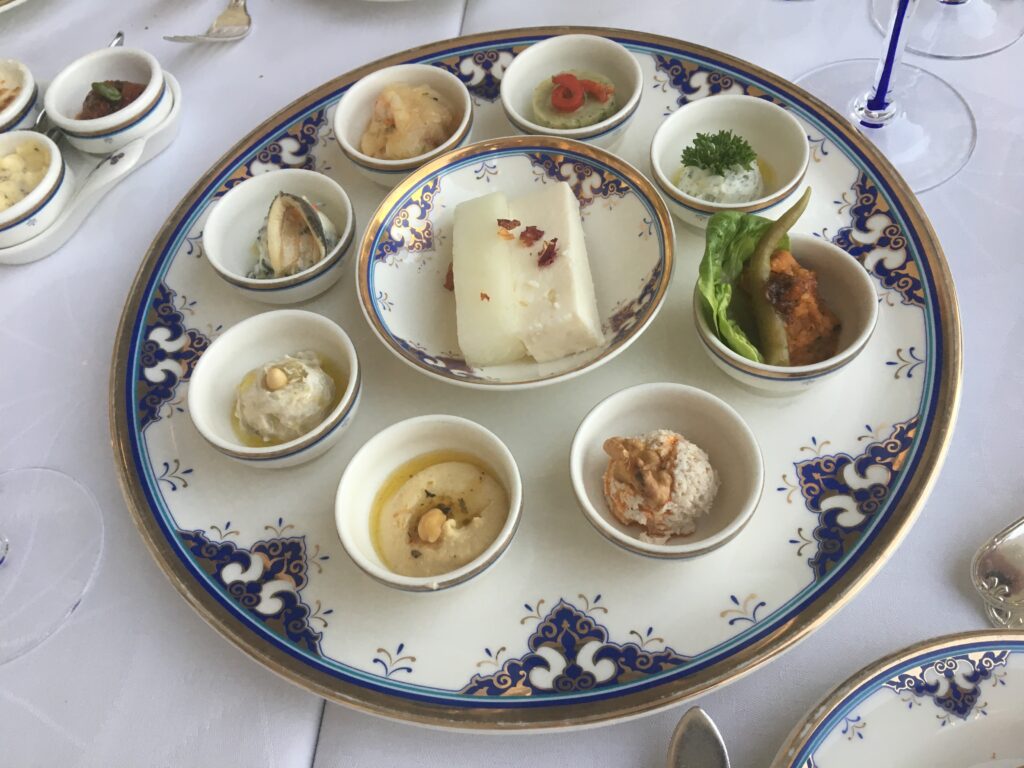
Highly recommended: eating in Turkey

Dear reader,

Ginger is a very successful combination of a natural medicine and a supplement; it also makes a great tea, adds taste to a lot of food (gingerbread!) and, increasingly, it inspires interesting non-alcohol drinks with a bite.

The few caveats are the amount you should take daily (not too much, max 4 grams) and its interaction with a few medicines. And try to buy only bio ginger as regular ginger too often has pesticides residues. For the same reason (pesticides) it is better not use ginger powder.

At home we add ginger to our daily morning drink with lemon. https://shakethehealthtree.com/index.php/2025/02/25/5-lemons-and-limes-health-project-99/

  1. Facts and figures about ginger

The English origin of the word “ginger” is from the mid-14th century, from Old English gingifer, which derives in turn from the Medieval Latin gingiber all the way to siṅgabera from the Sanskrit śṛṅgavera.

Ginger was already cultivated 5000 years ago, for medicinal use in China and culinary purposes in India. The Romans add it to their food. In the Middle ages it was a prized and expensive luxury item on the dining table. It was also applied, not very successfully, to protect against the plague.

These days ginger has become very affordable and is produced in many countries. Even in my country The Netherlands, farmers harvest ginger, but the top producers remain India, China, Nigeria, China, Kenya and Nepal. India with over 2 million metric tons in 2023 provides almost half of all ginger globally.

The unique flavor of ginger comes from its active component, gingerol, which possesses potent antibacterial and antioxidant properties. The main gingerol is the 6-gingerol which is considered a functional polyphenol. Earlier I wrote about polyphenols. These amazing compounds are found in plants and number over 8000 and much is still unknown about most polyphenols. I wrote an extensive blog about these small wonders. https://shakethehealthtree.com/index.php/2025/12/02/5-polyphenols-8000-interesting-plant-derived-compounds-health-project99/

For the rest ginger consists mainly of moisture, carbohydrate, protein, fiber, fat, and ash. It  also contains micronutrients including ascorbic acid, -carotene, calcium, iron, and copper.

2. All the benefits of ginger (based on scientific studies)

Treat Nausea and Indigestion

One of the most well-known uses of ginger is its ability to relieve nausea. Ginger can help with nausea associated with chemotherapy, pregnancy, menstruation, and surgery. It can also help with morning sickness and motion sickness. 

Ginger helps increase the way food moves through the gastrointestinal tract, fighting off indigestion.

Improve Blood Sugar Levels

The compound gingerol has powerful anti-inflammatory and antioxidant properties. These can help your body better absorb glucose and improve your blood sugar levels. Gingerol can help control insulin production in people with type 2 diabetes. Insulin is important to move glucose from your bloodstream to your body to make energy. 

Reduce Inflammation

Ginger can also help ease joint pain and inflammation caused by arthritis.  Several studies have shown consuming ginger extract or applying it to joints helps improve pain from arthritis inflammation.

Relieve Pain

Studies have found ginger provides similar pain relief as common pain medications, like aspirin and ibuprofen. Consuming fresh ginger helps relieve pain from menstrual cramps. Ginger has a delayed effect, making it more of a long-term pain reliever rather than an immediate one.

Heart health

Ginger supports heart health by acting as a natural blood thinner and reducing cholesterol. These properties can help lower the risk of heart attacks and strokes. It improves lipid metabolism, breaking down fats in the bloodstream. Ginger enhances circulation and lowers blood sugar levels. According to some studies ginger increases HDL.

Strengthen the Immune System

As mentioned, ginger is a great source of vital vitamins and minerals. These include iron, magnesium, vitamins B6 and C, and zinc. These vitamins and minerals along with ginger’s antioxidant properties can help strengthen your immune system. The polyphenol gingerol helps ease common cold symptoms, like muscle fatigue and sore throat. It can also help fight symptoms of the flu.

3. How much ginger to take?

In large doses, ginger can cause gas, heartburn or diarrhea. There is no official “reference nutrient intake (RNI)” for ginger, but it’s not recommended that you consume more than 3-4g of ginger a day. To avoid misunderstandings, eating more is not bad for your health in terms of affecting organs. However, it can make you feel uncomfortable.

4. Pesticides

Pesticide residue is a recognized concern with conventional ginger. The plant is susceptible to pests and diseases during its long growing season (often 210+ days). Studies have shown that over 66% of surveyed ginger samples contained detectable levels of pesticides, with some samples contaminated with multiple types of pesticides. 

I know that washing, boiling and peeling can remove some of the pesticides residues, but not all. This is always the case with fruits and vegetables with very thin peels. It is not surprising that concentrated ginger powder is a bad idea. Pesticides residues can become more concentrated through processing methods like drying and stir-frying.

Recommendation: buy organic ginger, which fortunately is not much more expensive than conventional ginger.

5. When not to take ginger

Don’t take ginger if you’re on blood thinners like aspirin. Ginger helps thin the blood, so you also won’t want to take it if you have a bleeding disorder. 

Ginger inhibits insulin, so don’t take it if you’re on insulin. 

Ginger can lower blood pressure, so perhaps avoid it if you’re taking blood pressure medication. I say perhaps for a reason. You can monitor your blood pressure and see if there are changes. If not I would take ginger (as I do).

Ginger also stimulates the gallbladder, so don’t consume it if you have gallstones.

6. Top Non-Alcoholic Ginger Recipes (from internet)

I tried a few, they are actually very tasty.

Spicy ginger switchel: Mix grated ginger, honey, apple cider vinegar, and chili, then top with soda water or ginger beer.

Ginger Mojito Mocktail: Muddle fresh mint, lime juice, and ginger syrup/ale for a refreshing drink.

Bitter ginger mocktail: Combine fresh grapefruit juice, Angostura bitters, and ginger beer for a sophisticated, sharp taste.

Sparkling blueberry ginger mocktail. Simmer blueberries, fresh ginger, and rosemary for a syrup, then mix with lemon juice and sparkling water.

Ginger tangerine mimosa: A mix of tangerine juice, apple cider vinegar, and ginger ale.

Ginger beer mocktail with pineapple” A simple 2-minute mix of fresh pineapple juice and ginger beer.

Or just drink ginger beer!

Dear reader, time for a ginger tea and then off to bed.

Enjoy a healthy life and take care,

Robert, your health friend.

Snow in Istanbul

21. LET THIS ZINC IN (health project99+)

Street art in Brussels

Dear reader,

Zinc is a trace mineral that is involved in hundreds of enzymes and proteins in your body. It is essential for many processes, but it is not stored in your body in large amounts. You need to top it up regularly. Daily doses required are generally limited (8–11 mg/day), but a diet alone is often not sufficient, especially (but not exclusively) if you are vegetarian. For context, see the Trace minerals section below.

1.My takeaway is to add a modest zinc supplement to your daily regime, in the order of magnitude of 10 mg. The official line of health sites is that most people will meet their trace-mineral needs with a balanced diet, but that very much depends on your definition of “balanced.” A sufficient-zinc diet should include red meat (which many people do not eat anymore) or oysters (which very few people eat). Those who eat mainly vegetables, fruits, and grains run a risk of not getting enough zinc.

2.Challenge

For those focusing on vegetables, carbohydrates, and poultry, it will be a challenge to get enough zinc. One can do a zinc test, of course, but since the upper intake level for zinc is high, a low-dose zinc supplement will not hurt (and remember that even the most efficient zinc supplement, for example 10 mg, will in practice only contribute about 5 mg toward your daily zinc needs).

3.Trace minerals

Let me first refresh your knowledge on trace minerals. Your body needs them in very limited quantities, but they’re essential for many functions. They differ from major minerals (like calcium and magnesium) because of the small amounts required. Main examples: iron, copper, zinc, and manganese (all measured in mg/day) and iodine, selenium, chromium, and molybdenum (all measured in micrograms/day). Deficiencies in each of them cause problems, including zinc’s effects on the immune system and growth.

4.What happens if you do not have enough zinc?

• Slower growth in children; potential delays in puberty. • Immune system problems: more frequent or longer infections; poorer response to vaccines. • Slower healing of cuts and injuries. • Skin and hair: dermatitis, itchy or scaly skin; hair loss. • Reduced appetite; possible mood changes or irritability. • Diminished ability to taste or smell (hypogeusia/ageusia). • Digestive issues: diarrhea may occur in some cases. • Several hormonal pathways (e.g., insulin, growth hormone) will not work well.

5.Who is at risk for zinc deficiency?

• Vegetarian diets can put you at risk of zinc deficiency because such diets often include phytates that reduce zinc absorption (phytates are discussed later under Phytates). • People with very poor diets or absorption problems (malnutrition, eating disorders, Crohn’s disease or celiac disease, and other malabsorption conditions). • Older adults, pregnant or lactating people with increased needs. • Heavy alcohol users and people with certain chronic illnesses.

6.What happens if you get too much zinc?

• Short-term (acute) effects: nausea, vomiting, stomach cramps, diarrhea, abdominal pain, headaches, a metallic taste, and sometimes dizziness. • Long-term (chronic) effects: copper deficiency (which can cause anemia, low white blood cell counts, and nerve/hematologic problems), possible immune dysfunction, and potential impacts on blood lipids and mineral balance. • Zinc can interfere with the absorption of other minerals (notably copper and iron) and can interact with some medications and antibiotics (e.g., tetracyclines and fluoroquinolones), reducing their effectiveness if taken together. The good news is that it is not easy to get too much zinc, as the upper intake levels are quite high.

7.How much zinc do you need?

Based on US and EU guidelines • Infants birth to 6 months: about 2 mg/day; 7–12 months: about 3 mg/day. • Children and teens: increasing with age; for example, around 4–8 mg/day in early childhood, rising to about 8–11 mg/day for older boys and about 8–9 mg/day for girls. • Adults: men about 11 mg/day, women about 8 mg/day; during pregnancy about 11 mg/day and during lactation about 12 mg/day. •

8.Upper intake levels: In the US, the tolerable upper intake level (UL) for zinc is 40 mg/day for adults. In the EU, EFSA uses a lower UL for adults (about 25 mg/day). This is important to know because it signals that even if you do not need your zinc supplement, it will not hurt you as long as you stay below the UL in total.

9.Food and zinc?

As always, rough estimates are provided. The internet can flood you with many more details.

Meat, poultry, and seafood are heme zinc and generally better absorbed than plant sources. • Oysters: about 74 mg zinc per 100 g; absorption roughly 20–40% • Beef steak (cooked, lean): about 4–5 mg/100 g; absorption roughly 25–40% • Pork (cooked): about 2–3 mg/100 g; absorption roughly 15–35% • Chicken (white meat, cooked): around 1–2 mg/100 g; absorption roughly 15–30% • Salmon or sardines (cooked): about 1–2 mg/100 g; absorption roughly 20–40%

Do the math. Take chicken. In order to get 10 mg of effective zinc, one would need (best scenario) over 1.5 kg of chicken meat per day.

10.Plant-based sources

• Spinach (cooked): about 0.8–1 mg/100 g; absorption roughly 5–15% • Beans (kidney, cooked): about 2–3 mg/100 g; absorption roughly 10–20% • Tofu (firm, depending on fortification): about 1–3 mg/100 g; absorption roughly 5–15% • Quinoa (cooked): about 1–2 mg/100 g; absorption roughly 10–20% • Pumpkin seeds (roasted): about 7–8 mg/100 g; absorption roughly 10–25% • Sesame seeds (raw): about 9–10 mg/100 g; absorption roughly 10–20% • Fortified cereals (varies by product): often 5–20 mg/100 g; absorption roughly 10–25%

Do the math here as well. In order to get 10 mg of absorbed zinc from plant sources, one would need almost 2 kilograms of tofu daily. Not feasible, at least not for me (and I do not like tofu that much anyhow).

Only a few fruits have around 1 mg/100 g of zinc, the others much less. Plus a very low absorption rate.

• Dried apricots: about 1–2 mg/100 g; absorption roughly 5–15% • Raisins: about 0.5–2 mg/100 g; absorption roughly 5–15% • Prunes: about 0.5–1 mg/100 g; absorption roughly 5–15%

11.Practical tips to maximize zinc absorption

If your diet is rich in phytates (lots of unprocessed grains and legumes, see explanatory note at the bottom of this blog) and you’re concerned about zinc or iron, consider pairing meals with phytate-reducing prep (soaking/fermenting) and including some animal protein or vitamin C-rich foods to help absorption.

Another option is to oak, sprout, or ferment grains and legumes to reduce phytates that inhibit zinc absorption.

Avoid taking large amounts of calcium or iron at the same time as a zinc-rich meal, as they can compete for absorption.

12.The several half-lives of zinc

• If you’re thinking in terms of half-life for planning supplements or interpreting zinc status, focus on the fact that there are multiple pools with different kinetics. Short-term changes (days) mainly reflect plasma zinc and gut absorption changes; longer-term status reflects tissue stores and overall balance over weeks to months, including bone and other long-term stores. They turn over slowly and are not quickly altered by daily dietary changes or short-term supplementation. For a practical planning approach, see the Absorption and Bioavailability section above.

13.What kind of supplement and how to use it?

There are many different zinc supplements around. Some (like the one I used to take from Kruidvat) are zinc oxide, which has low absorption and is one of the many brands without generally recognized quality controls. In short, for a few years I have been taking a basically useless supplement.

So when choosing a zinc supplement, start with 1) zinc citrate or a chelated form. The absorption rate of zinc citrate is about 30%, so you would need roughly 33 mg ingested daily to reach about 10 mg effective (i.e., doing its zinc work!). Chelated forms (zinc bisglycinate/glycinate and zinc picolinate) are even better with a 40–45% absorption rate. 2) Make sure it is GMP (Good Manufacturing Practice) produced or produced in GMP-compliant facilities. 3) If you’re aiming to maximize absorption, take zinc with a meal that contains protein, and avoid taking it simultaneously with large doses of calcium or iron. A zinc supplement strengthened with vitamine C does not hurt.

14.GMP: general advice

I know it is cumbersome to look for supplements with a GMP label, but trust me, it is worth it. For every supplement there are some GMP-certified producers; just search the internet. Be careful, most are not and do not go for the 1+1 offers from the regular chains unless these products meet all the criteria, like GMP.

15.There is more beyond GMP to look for

Check also for Third-party verification: USP Verified, NSF Certified for Sport, Informed-Choice, or similar certifications add independent testing for potency and contaminants.

Batch-specific COA (certificate of analysis): a lab-tested result showing exact zinc content per serving and purity/heavy-metal testing for the current batch.

Clear labeling: exact zinc dose per capsule/tablet, other ingredients, and expiry date. Reputable brand with transparent sourcing and manufacturing information. Avoid marketing claims that only say “GMP” without evidence or documentation.

Testing to see if you have a zinc deficiency

Blood tests (serum/plasma zinc) are commonly used but aren’t perfect indicators on their own, especially during periods of inflammation, like when you have an infection. Clinicians may consider dietary history, symptoms, and sometimes other labs.

Thanks for reading, take care and live a happy, healthy and long life,

Robert, your health friend

Going to Paris (again)

Explanatory note on Phytates

Phytates (also called phytic acid) Phytates are naturally occurring compounds found in many plant foods. They are phosphorus-containing compounds stored in seeds, grains, legumes, nuts, and some seeds. The main practical concern of phytates is related to mineral absorption, especially if you rely heavily on plant-based sources. Phytates can be mitigated by soaking, sprouting, or fermenting foods and by pairing plant sources with animal proteins or vitamin C-rich foods to aid absorption.