21.UROLITHIN A FOR BETTER ENERGY, MUSCLES AND VO2MAX (health project 99+)

Snow in Istanbul

Dear reader,

This blog is about a relatively new supplement, and in order to understand it and benefit from it, one has to dig a bit deeper—in this case, all the way to the gut.

The story starts with pomegranate, which in itself is healthy and a supplier of ellagitannins, one of the 8,000 known polyphenols. In the world of supplements, those with pomegranate extract are popular, but often a waste of money. 

Why? Unfortunately ellagitannins by themselves do not do much. They need certain gut bacteria that transform ellagitannins into urolithin A, the topic of this blog. Although the jury is still out, there are strong indications that this urolithin A does wonders for longevity.

The problem is that only 12% of all people have such a good gut biome that they can transform ellagitannins into urolithin A. So, you can eat all the food with that ellagitannins polyphenol that you want, but if you belong to the 88% without the “correct” gut biome, all these pomegranates with their ellagitannins will do nothing to your urolithin A level.

So, as with some other compounds, if you believe in their function, the only way to get them is through a supplement. In the case of urolithin A, that is an issue, as there are not that many producers and even fewer that produce GMP (I recommend only buying supplements that are produced according to Good Manufacturing Practice). Another issue is that urolithin A is relatively expensive.

I have decided to add urolithin A to my daily stack of supplements: one pill of 500 mg per day, with pure urolithin A.

What is Urolithin A?

Urolithin A is a metabolite produced by gut bacteria when they break down ellagitannins, compounds found in certain fruits and nuts like pomegranates, strawberries, walnuts, and some berries. Scientific interest in urolithin A has grown significantly due to its potential health benefits, particularly related to aging and mitochondrial function.

I asked ChatGPT what a metabolite is: “A metabolite is a small molecule that is a product, intermediate, or substrate of metabolism within a living organism.” In other words, product A has been transformed into another (a metabolite) through the intervention of a third party (the gut biome).

Why am I excited about Urolithin A?

A study found that most 90- and 100-year-olds have higher-than-average urolithin A levels. This can be a correlation only, but it is not unlikely that there is a causal relationship and that it can slow aspects of aging. Why?

Apparently, urolithin A has a very positive impact on your mitochondria. You know, mitochondria are part of your trillions and trillions of cells and are often called the powerhouse of these cells.

One of the most well-studied effects of urolithin A is its ability to stimulate mitophagy—the process by which damaged or dysfunctional mitochondria are selectively removed and recycled. This can help maintain healthy mitochondria, which are critical for energy production in cells.

Animal studies have already shown that urolithin A supplementation can extend lifespan in model organisms like worms and improve muscle function in older animals. This has led to speculation that it might have anti-aging effects in humans, though more clinical data are needed.

The comments on internet by users are very positive. I will keep track of my own experience.

By the way, there are more methods to stimulate this process to maintain and recycle your mitochondria, like intermittent fasting and exercise, but the path of supplements is one too.

A second reason to get urolithin A is its improvement of muscle function and its indirect positive contribution to your VO2 max. I follow mine on my Apple watch almost daily, so it should be possible to say if there is a difference.

Preliminary research also suggests that urolithin A has neuroprotective properties and may reduce inflammation. These effects could have implications for neurodegenerative diseases, although more research is needed.

Check your gut biome

For regular people, it is not possible to easily check whether your gut microbiome contains bacteria capable of transforming ellagitannins into urolithin A. However, some indirect methods and research tools exist: advanced microbiome sequencing combined with specialized analysis can provide insights under research conditions. Alternatively, monitoring urolithin A production after dietary intake is a more practical approach. In the Netherlands, however, it is difficult to have these tests.

Which foods are rich in ellagitannins?

Although not useful for 88% of the population, here are the foods rich in ellagitannins/ellagic acid (the precursors to urolithin A): pomegranates, various berries, nuts (especially walnuts), and some fruits like guava and grapes.

Pomegranate: 100-900 mg of ellagitannins per 100g; Walnuts: 80-350 mg per 100 g; Berries: 15-60 mg per 100g. 

To come back to your gut: you can improve your chances to fall within the 12% category by eating fiber-rich foods, fermented foods (like yogurt, kefir, sauerkraut), and avoiding excessive antibiotics or other factors that disrupt gut bacteria. But even if you do, most people cannot convert ellagitannins efficiently into urolithin A due to differences in gut bacteria composition.

The half-life of urolithin A supplements in the human body is generally reported to be approximately 12 to 24 hours. This means it takes about 12 to 24 hours for the concentration of urolithin A in the bloodstream to reduce by half after ingestion. In this context one pill per day is enough.

The oral bioavailability is between 30 and 40%, meaning that about one-third of the ingested dose enters systemic circulation.

There is currently no established official daily recommended amount (Dietary Reference Intake) for urolithin A because it is not classified as an essential nutrient or vitamin.

In scientific studies and some dietary supplement products, doses of urolithin A typically range from about 250 mg to 500 mg per day. So, I go for 500 mg per day.

Safety

Results so far suggest that urolithin A is generally safe. Direct evidence of significant drug interactions is currently limited, and more research is needed. As always, caution is advised if combined with blood-thinning medications, although there is no direct evidence that urolithin A affects coagulation.

I found some brands that produce GMP urolithin A supplements: Mitopure, PrimaForce, Life Extension, Double Wood Supplements, BulkSupplements.

I am really excited about this new supplement and will keep you posted.

Robert, your health friend

Seaside near Dublin

21.VITAMIN K: 100 GRAMS OF OLD DUTCH CHEESE DAILY OR SUPPLEMENT (health project99+)

Must be Amsterdam

Dear reader,

Of all 13 vitamins, Vitamin K is probably the least known. I discovered a lot about this interesting vitamin while writing this blog. It is always my pleasure to share my insights with you. I do so as a layman interested in my own health.

Although I take quite a few supplements, I prefer obtaining the essentials through food. With Vitamin K1, obtaining nutrients through food is possible. But, for Vitamin K2, you would need to eat 100 grams of old Dutch cheese daily. This is a great idea, but it can for sure negatively impact your saturated fat intake. Being Dutch or not, I decided with pain in my heart to go for a supplement.

Vitamin K, especially K2, is essential when taking Vitamin D3 (see last paragraph). I recently wrote a blog on D3 and concluded that most people need to take D3 as a supplement. I come to the same conclusion for Vitamin K2, particularly advising the MK-7 variant. There is also the MK-4 form of Vitamin K2, which is not very different from MK-7 but has much poorer bioavailability.

1.What Different Types of Vitamin K Do You Have?

As is often the case, there are different types of the same vitamin. When experts talk about Vitamin K, they typically have Vitamin K2 type MK-7 in mind. That is also the form I take in combination with 4,000 IU of Vitamin D3 daily. Vitamin K is fat-soluble, so always take it with food; otherwise, it is a waste of your effort.

K1 (Phylloquinone) is found primarily in green leafy vegetables and is the main dietary form of Vitamin K. There are no subdivisions of K1.

K2 (Menaquinone) is found in fermented foods, very old cheeses, and some animal products. Vitamin K2 is divided into 14 subtypes based on their molecular structure. MK-4 and MK-7 are the two most studied variants. The differences between these two are primarily related to bioavailability and absorption; MK-7 is generally the more efficient choice.

MK-4 is found in animal products and can be produced by the body from K1. MK-7 is found in fermented foods like natto and old cheeses.

K3 (Menadione) is a synthetic form of Vitamin K. It is used in some supplements and animal feeds. Yet, it is not typically recommended for human consumption due to potential toxicity at higher doses.

2.So What Does Vitamin K Do? What are the Risks of a Shortage?

In general, K1 is sufficiently available in your blood. The same can’t be said for K2. Some studies indicate that up to half the population of the Netherlands may be K2 deficient.

Vitamin K1 is mainly absorbed by the liver. It is responsible for the activation of blood clotting. Vitamin K2 is also active elsewhere in the body, such as in the vessel walls. K2 plays a central role in bone and heart health, helping to prevent arteriosclerosis by removing calcium from blood vessels.

If you have too little Vitamin K1 in your body, wounds may heal poorly, among other issues. A deficiency in Vitamin K2 may lead to sudden bleeding, such as from a nosebleed or gum bleeding. You may also have wounds that bleed for a long time. You might suffer from heavy menstruation. You may experience many rapid bruises and bone fractures.

For a solid bone structure, you need K2. With a good Vitamin K2 status, calcium is deposited in bone tissue. It is not deposited in other tissues such as vessel walls, cartilage, or heart, lung, and kidney tissue.

A prolonged deficiency in Vitamin K2 is likely a risk factor for age-related diseases. These include degenerative diseases like osteoporosis, cardiovascular diseases, and certain cancers.

There are indications that Vitamin K (especially K2) can play a positive role in diabetes and cancer. However, these are indications with no definitive scientific proof.

3.Which Foods Provide Vitamins K1 and K2?

Your body produces only a small amount of K1 and K2, so most intake must come from food. Most people should find it possible to get enough K1, as leafy greens provide generous amounts. One cup of cooked spinach contains around 900 µg of Vitamin K1. In contrast, one cup of cooked broccoli (156 grams) includes approximately 220 µg of Vitamin K1. Spread this intake throughout the day, as its half-life is very short.

From what I’ve read, most people who consume their greens do not need K1 supplements. However, if you take antibiotics for an extended period, it might be a different story. Consult your doctor.

Vitamin K2 is found in small amounts in animal fat, certain meats (like liver), fish eggs, milk, and butter. I am pleased to read that consuming 100 grams of hard Dutch cheeses will provide enough K2 MK-4. As a Dutch national, this makes me happy. However, these cheeses are high in saturated fats. It might not be the best idea. 

Then there is natto, the Japanese food with the highest concentration of K2. It is a popular dish made from fermented soybeans, although it is considered an acquired taste.

4.Importance of Bioavailability (Half-Life and Absorption)

This discussion about Vitamin K provides an opportunity to highlight the importance of bioavailability. It’s vital to emphasize how crucial the bioavailability of an active ingredient like a vitamin is. Bioavailability is a comprehensive measure of the extent and rate at which the active ingredient or active moiety (drug, nutrient, etc.) is absorbed into our system. Both absorption and half-life are critical components that affect bioavailability. Half-life refers to how long the substance stays active. Absorption relates to how well your body receives and processes it.

First, let’s discuss the differences between K1 and K2. The half-life of K1 is limited to a maximum of a few hours. K2 is much better. The MK-4 type has a half-life of 3-6 hours. The MK-7 type can last over 24 hours and up to 72 hours. This longer circulation time allows for better uptake in tissues and more consistent benefits over time.

The absorption rate of K1 is very low, around 5%. One cup of broccoli “officially” provides 900 micrograms (µg). Thus, 5% of that is 45 micrograms. Two cups equal 90 µg, which is the average need for women. The absorption rate of K2 is much higher, especially for MK-4.

5.How Much to Take?

Obtaining enough K1 through food is much easier than for K2. Important message: There are different subtypes of K2. Supplements for the MK-7 subtype are generally much more efficient than those for MK-4.

Vitamin K1: The recommended adequate intake for adult men is around 120 micrograms (µg) per day. For adult women, it is about 90 µg per day.

For Vitamin K2, there are no specific guidelines. However, organizations like the Institute of Medicine provide general guidance for MK-4 of 45 µg per day. This is particularly relevant in studies related to bone health in postmenopausal women. MK-7: Typical supplemental doses might range from 100 to 200 µg daily.

6.Interference with medicines

Discuss your concerns about vitamin K and clotting with your healthcare provider. This is important if you use blood thinners. K2 interferes (to a small amount) with blood thinners. If you use, for example, cholesterol-lowering medicines, be aware that these will deplete your K-vitamins. A comforting conclusion is that health problems are difficult to get from taking too much K2. Supplements appear to pose low risk.

7.Vitamin K2 and D3: the golden and obligatory combination  

Vitamin K2 is inextricably linked to vitamin D. It is important to get enough of both vitamins. Vitamin D promotes the absorption of calcium in the intestines. It is crucial that the amount of calcium in the intestines does not become too high. Excessive calcium can lead to accumulations in the kidneys and blood vessels.  

Vitamin K2 ensures that the excess calcium is directed to where it is needed, namely in the bones and teeth. Therefore, vitamin K2 and vitamin D3 work together to ensure the proper absorption of calcium in the body.

In more technical terms: K2 activates the protein MGP that transport calcium to the bones and teeth. MGP is the main inhibitor of vascular calcification. A high blood level of inactive MGP indicates such a vitamin K2 deficiency that it poses an additional risk.

See you at the next blog, take care and live a happy and healthy life.

Robert, your health friend,

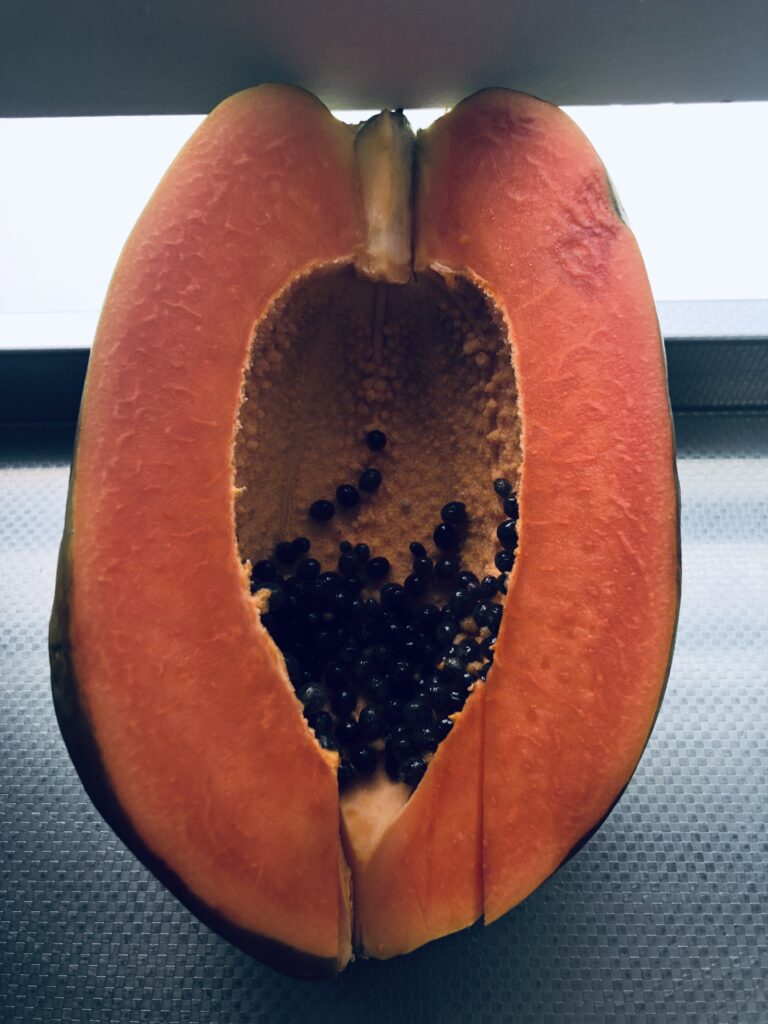
Papaya from own tree

21.VITAMIN D: YES, WE MUST! (health project99+)

Los Roques in the Venezuelan Caribbean


Dear reader,

Of the 13 vitamins that exist, vitamin D is perhaps the most interesting. More and more potential benefits are being discovered. The latest finding is that it substantially slows the shortening of your telomeres. This slowdown improves your biological age. For more about telomeres see my previous blog. https://shakethehealthtree.com/index.php/2025/06/01/5-telomeres-keep-them-long-or-die-health-project99/

Vitamin D is also a vitamin that can be difficult to grasp. Health experts (which I am not) differ on the amount one should take. I tried to navigate the vitamin D labyrinth online as best as I could. I formulated my own vitamin D narrative. For the record, I take 4000 IU (100 micrograms or 1/10 of a gram) of vitamin D3 daily. I combine it with vitamin K2-7. A blog is coming up on vitamin K soon.

There are several types of vitamin D, but the two most common and relevant ones are D2 and D3. It is fat-soluble, so taking it with water alone is not helpful; you should take it with a meal.

Subscribing to my blogs is 101% free.

1.Vitamin D deficiency is much more common than often perceived. Some estimates go as far as claiming that half of the world’s population is vitamin D deficient or insufficient. 

The question is, why do so many people have vitamin D deficiency? At one point in my life, I had it, and my wife did as well. This served as proof that testing health biomarkers now and then is not a bad idea.

The first reason is that the number of relevant food sources for vitamin D is rather limited. These include cod liver oil, oily fish, and mushrooms exposed to sunlight. The second reason has to do with the increased quality of the sunscreen you use. One might be outside daily for the required 15-30 minutes. This is the time needed to produce enough vitamin D when you have your skin sufficiently exposed; “hands only” hardly counts. However, if you use a sunscreen with a factor of 50, then all vitamin D production is effectively blocked. In addition we should not forget that many of us live in countries with less sun. These places also have lousy winters (like the Netherlands).

2. How Much Do You Need?

Most countries recommend a daily intake (RDA) of 600-800 IU (=International Units), mainly for older people. However, more and more experts are suggesting that younger people should also take a supplement for the reasons mentioned in the previous paragraph. My suggestion to those individuals would be: do a check. I was personally unpleasantly surprised to find out that I was deficient in vitamin D.

The RDA is formulated to prevent deficiency in the general population. Most experts argue that higher doses are safe for most people. This is particularly true when taken for specific health benefits. Some individuals may require higher doses if they have certain health conditions. Older age, limited sun exposure, or darker skin can also necessitate higher doses.

The upper intake level for adults is often set at 4,000 IU, which is considered ok for most individuals. However, there is no definitive scientific proof. Many people take double or triple that amount without problems. This is if I am to believe discussions on the internet.

Still, there is a kind of consensus. An average adult should take no more than 100 micrograms (4000 IU) per day from diet and supplements. This limits the risk of side effects such as nausea, vomiting, and confusion.

3. Vitamin D is not a Magic Bullet but does quite a lot

Vitamin D is not a magic bullet, so be wary of claims that suggest otherwise. We must always be cautious. Be wary of any overly enthusiastic promotion of molecules. The bottom line remains a proper lifestyle approach. This includes regular physical activity, adequate sleep, and non-smoking. It also covers drinking alcohol in moderation or not at all, and ensuring healthy nutrition.

There are indications that vitamin D supplementation could decrease the risk of diseases linked to chronic inflammation. Chronic inflammation, which can last for years, is associated with many diseases, including diabetes, cardiovascular disease, arthritis, and dementia.

Vitamin D contributes to bone health and a well-functioning immune system.

Results show a small risk reduction for certain major cardiovascular events. 

Lower levels of vitamin D are linked to a higher risk of dementia. This connection is found in older adults. Several studies have shown that higher blood vitamin D levels are associated with less cognitive decline. They also indicate a lower risk of dementia. More studies are needed.

Researchers found the most significant improvement in depressive symptoms in people who already had a low level of vitamin D. Larger dosages also appeared to have a more substantial effect.

The a recent study found that people taking vitamin D3 supplements experienced only minimal telomere shortening after four years. In contrast, those taking a placebo showed substantial shortening. When telomeres become too short, cells enter senescence or programmed cell death. Either condition contributes to aging and age-related diseases. This offers tangible evidence that simple, low-cost interventions sometimes have meaningful impacts on cellular aging pathways.”

4. Big Caveat: take D3 always with K2

It is often recommended to take vitamin D3 with vitamin K2, specifically the K2-7 form (menaquinone-7). Together they play complementary roles in calcium metabolism and overall health. 

Vitamin D3 helps enhance the absorption of calcium from the gut. It plays a crucial role in maintaining calcium levels in the blood. However, without adequate vitamin K2, the calcium absorbed might not be directed to the bones and teeth where it’s needed. Instead, it can accumulate in soft tissues, such as arteries, potentially leading to serious cardiovascular issues.

Vitamin K2 is vital for the activation of osteocalcin. This protein helps bind calcium to the bone matrix. It thereby strengthens bones. When taken together, vitamin D3 supports the uptake of calcium. K2 ensures that calcium is properly utilized in the bones.

5. Final question. Should You Take a Vitamin D Supplement?

The more I read about vitamin D, the more I agree with those experts who advise everyone to take a supplement. Many recommend taking it in combination with vitamin K2 (specifically K2-7), which I do.

6. A Few More Details on the Two Primary Types of Vitamin D

Vitamin D2 (ergocalciferol) is derived from yeast and fungi. It’s often used in supplements and some fortified foods. Vitamin D3 (cholecalciferol) is synthesized by the skin when it is exposed to sunlight (UVB rays). It is also found in animal products such as fatty fish, liver, egg yolks, and fortified milk. Vitamin D3 is generally considered more effective than D2 in raising blood levels of vitamin D.

The half-life of vitamin D in the body varies depending on the form and the individual’s metabolism, but it is generally about 15-20 hours for D2 and 15-25 hours for D3

Bioavailability refers to the extent and rate of absorption of active ingredients or active moieties. In this case, it describes how vitamin D is absorbed. It becomes available at the site of action in the body. For Vitamin D3 the bioavailability is about 50-80% when taken with a meal. When taken with water only it will be close to 0%. D3 is up to 2x more bioavailable than D2.

Thanks for reading, I will now start writing my K2 blog.

Have a great and very healthy life,

Robert, your health friend,

Still Los Roques