Green tea is one of these rare beverages that tastes great, costs little, and contributes a lot to your health. It is not a miracle cure-all drink, but it positively supports many processes in your body.
In this blog I do not discuss the popular high-dose supplements of green tea extracts. I do not see any use for these. Green tea is easily prepared and its beneficial impact on health has already been widely studied and confirmed.
Green tea offers a range of potential benefits. It is particularly related to antioxidant activity and cardiovascular health. It can also aid in weight and metabolic health and give cognitive support. The effects are meaningful as part of an overall healthy lifestyle, not as a stand-alone solution.
1 Green tea
There are three types: loose leaf, matcha (powdered green tea), and tea bags. Each of them is available in a decaf version. Note that some of the good stuff can be lost in the decaffeination process.
I prefer loose leaves, as they can be kept fresh the longest. Buy organic tea leaves, as non organic tea leaves often contain pesticide residues. When well stored (in a cool, dark place, in an airtight container), they can keep for up to two years with little loss of taste and health benefits. Use sturdy foil packaging that protects from air and moisture. However, when opened, even if stored well, the “best” period is around six months. Old or poorly stored leaves will gradually lose their health benefits.
Matcha (powdered green tea) has become very popular. It has two minor disadvantages. The storage time is short, lasting only a few months. It is generally more expensive than green tea leaves. It does deliver more catechins (antioxidants) per cup but also more caffeine.
Tea bags are, at least for me, out of the question. Most of them may contain pesticide residues and nanoplastics.
2 How to brew
In some cultures, preparing tea is taken very seriously. Have you ever been to Japan? They know their tea. However, you don’t need to copy those elaborate Japanese ceremonies; they are great but time-consuming .
Follow the following guidelines to gain most of the health benefits of green tea. (1) Do not boil the water; pour it in when the temperature is almost there (about 60–80°C). Boiling water can degrade delicate catechins and increase bitterness. (2) Let the leaves steep for 2–3 minutes; longer steeping increases tannins and bitterness. And you can reuse the leaves a few times, assuming they are of high quality.
3 Green tea and caffeine
Caffeine content is typically 20–45 mg per 1/4 liter; matcha and some fortified teas can be higher.
How does this compare with a single espresso? A typical espresso shot (about 1 fluid ounce / 30 ml) contains roughly 40–75 mg of caffeine. This amount is roughly double that of a cup of tea.
4 Intermittent fasting
Brewed green tea without sugar or dairy is fine during most fasting protocols. A cup of plain green tea has about 0–2 calories. Most strict, water-only fasts would consider any beverage other than water as breaking the fast. However, for typical intermittent fasting goals, green tea is effectively non-caloric.
Just for the record: adding sugar, honey, milk, or anything else does break the fast. I know you know.
5 Summary of advantages of green tea
Antioxidants and catechins: Green tea contains catechins (especially EGCG), potent antioxidants with anti-inflammatory effects. Catechins scavenge free radicals and reduce oxidative stress.
Caffeine: Provides mild stimulant effects and can enhance alertness.
Heart and blood vessel health: green tea may improve endothelial function, reduce LDL oxidation, and modestly support blood pressure and lipid profiles. Note: Endothelial function refers to the health of the inner lining of blood vessels; dysfunction is linked to cardiovascular disease.
L-theanine: May promote calm focus and can modulate caffeine’s effects. The strongest evidence is for short-term cognitive benefits; longer-term cognitive protection is plausible but not yet proven.
Type 2 diabetes: Evidence indicates an association between green tea consumption and a lower risk of developing type 2 diabetes.
Oral health: Catechins may inhibit harmful bacteria in the mouth and reduce dental plaque and gum inflammation.
Inflammation and cancer: there are indications that green tea helps reduce inflammation and contributes to cancer risk reduction. It also supports a sense of calm and promotes overall well-being.
Gut health: Tea polyphenols can influence gut bacteria in ways that may promote anti-inflammatory effects. The evidence is growing but still emerging.
Longevity gene activation: The polyphenol EGCG in green tea is associated with activation of the FOXO3 longevity gene.
The combination of caffeine and catechins can improve alertness and, for some people, endurance performance.
6 Minor health considerations:
If you’re caffeine-sensitive or trying to minimize hormonal responses, you might opt for decaf or limit intake. Pregnancy guidelines suggest keeping total daily caffeine intake under about 200 mg.
Potential side effects and interactions: Green tea is unlikely to cause atrial fibrillation in most people, but caffeine (and other stimulants in tea) can trigger palpitations in some individuals.
Green tea may interact with certain medications (e.g., anticoagulants like warfarin, some antidepressants, diabetes meds). If you take regular medications, check with your clinician.
The last part about checking with your doctor is more or less obligatory. Few people actually do speak with their doctor, but especially when you are taking certain medicines it might be a good idea.
Dear reader, it is evening so no green tea for me. I take some ginger tea and then will read a book. No scrolling on my phone tonight.
Grr, I misfiled my long draft blog post on spinach, but perhaps this is a good thing. Now I’ve written down what I remember, which hopefully is the essence. It is a well-known fact that patients remember only about 20% of what the doctor has told them, and that readers remember only one or two main conclusions from any article.
Spinach is one of those excellent foods that provides a lot of nutrition per gram. I do not like the label “superfood” as there is no scientific basis for this, but spinach would probably qualify. The main conclusions:
It is best to cook it, even when you add spinach to your smoothie. I used to eat it raw, but cooked is better.
Only use organic spinach, as this vegetable is often listed among the Dirty Dozen—fruits and vegetables that tend to have high pesticide residues.
Its reputation as an iron source is exaggerated.
Spinach has a surprisingly positive impact on eye health.
Why cook, not raw?
Spinach is nutritious whether cooked or eaten raw. However, when cooked, spinach tends to have higher bioavailable calcium and iron because cooking reduces oxalates that can bind minerals. The reason is that spinach contains oxalates, which bind minerals like iron and calcium and reduce absorption; cooking reduces oxalate levels, making minerals more available.
Cooking also makes more of certain nutrients available—particularly the fat-soluble vitamins A and E and the carotenoids lutein and zeaxanthin—so they become more available to the body.
Raw spinach retains more heat-sensitive nutrients, such as vitamin C and folate.
Personally, I consider the advantages of raw spinach less important. The cooked version is generally better for vegetarians. Although I am not a full vegetarian, I often follow what is good for them.
Before I forget, spinach is also a very good source of fiber!
Why organic?
I read more about health and aging and more than before I realize that the quality of the trillions of cells is key how one ages. Unfortunately, over the years, damage accumulates in our cells. DNA is attacked and can deteriorate. Our immune system wears down—first slowly, then faster. You can develop all kinds of health issues. Many stem from chronic low-grade inflammation. This often starts with the quality of your cells.
We also engage in the much older discussion about the impact of chemicals on your health. We know that this can be serious. Remember DDT. However, just as with the forever chemicals or nanoplastics, the evidence does not show that the so-called modern safe pesticides are really safe for you. I doubt authorities in aspect, and just as with the forever chemicals and nanoplastics I want to avoid the risk.
Some fruits and vegetables suffer more from pesticides than others. The Environmental Working Group publishes a “Dirty Dozen” list each year since 1995. Yes, strawberries, grapes, and blueberries are always on that list, but so, unfortunately, is spinach. Actually, it is one of the main offenders. Studies indicate that 76% to 97% of conventional spinach samples contain detectable pesticide residues.
I know that supervising agencies like the USDA always claim that the national food supply “is one of the safest in the world,” but I tend to be skeptical about these claims. I am no specialist. Instinctively, I agree with experts. They say continuous exposure to pesticides—even in small doses—can build up in your body over time. This exposure can lead to chronic health conditions.
The iron reputation of spinach is overestimated.
In general, when eating balanced meals, your iron intake should be sufficient. However, there are certain groups at risk, such as vegetarians and pregnant women.
From a nutritional point of view, meat is a good (some say the best, but I am not sure) source of well-absorbed iron (heme iron).
However, you can also obtain enough iron (non-heme iron = iron from non-meat sources) through vegetables, nuts, and fruits alone, but because of their low bioavailability, you have to consume a considerable amount.
Spinach is often mentioned as a good source of iron; cooked spinach provides about 3.6 mg per 100 g. A pregnant woman needs 27 mg of iron per day, which would require eating roughly 700 grams of spinach. However, because of its low bioavailability (2–20%), several kilograms of spinach are needed daily. This is not feasible, of course. The solution is a good iron supplement.
Spinach can support eye health, mainly because of two nutrients it’s rich in—lutein and zeaxanthin. These two carotenoids form the macular pigment in the retina. They help protect your eyes from blue light. They also reduce oxidative stress. Higher intake is associated with a lower risk of age-related macular degeneration (AMD) and cataracts in many studies.
One caveat: it supports eye health, but not in a dramatic way. Cook spinach or lightly steam it: cooking helps release carotenoids and improves bioavailability. Add a small amount of healthy fat (olive oil, avocado, nuts) to improve absorption of lutein/zeaxanthin. Aim for regular inclusion of spinach as part of a varied, eye-healthy diet (for many people, 1–2 cups cooked or a few cups raw several times per week is a reasonable target). There are many studies on this topic and they all indicate that the relation between cooked spinach and a better eye health is promising.
Be careful with spinach in the following cases.
Acid and mineral buildup are among the main risk factors for kidney stones. The most common type is calcium stones, which consist of calcium oxalate. Spinach is high in both calcium and oxalates, so people at high risk of developing kidney stones should limit their intake and cook spinach, since cooking reduces oxalate levels. Note: Oxalates are salts or esters of oxalic acid found in many foods. They can bind minerals and form insoluble calcium oxalate crystals, which in susceptible individuals may contribute to kidney stone formation.
Spinach is high in vitamin K1, which serves several roles in the body but is best known for its role in blood clotting. As such, it can interfere with blood-thinning medications. People taking blood thinners, such as warfarin, should consult their healthcare provider before eating large amounts of spinach.
It is always fun to write about positive topics and spinach is one of them. Enjoy your food, enjoy your life and take care.
The health impact of bad air is probably worse than you think. Air pollution consists of many components, some natural—such as dust or wildfires—but most are man made. It causes about seven million premature deaths each year: roughly 10% of all global deaths annually. Air pollution also causes illness and hundreds of millions suffer from respiratory symptoms and other diseases.
A key challenge is that as an individual you have only limited options to protect yourself against air pollution. I will mention these options at the end of this blog. The main solution, however, lies with authorities who should formulate and enforce measures to reduce air pollution.
1 What is air pollution? It is not a single pollutant. It is a mixture of tiny particles and gases from traffic, industry, burning fuels, wildfires, and other sources. When inhaled, it can affect several body parts—especially the lungs and heart.
2 Some facts The World Health Organization says that 99% of the world’s population breathes polluted air. A report by the Royal College of Physicians estimates about 30,000 deaths per year in the UK, but going down slightly.
The burden is much higher in low- and middle-income countries and in recent years, the places with the worst air pollution have been mainly in the Indian subcontinent. This includes India, Bangladesh, and Pakistan. At times, Nepal or parts of the Middle East also experience severe air pollution. Positive results have been observed in China. Several other countries have also seen positive results. In The Netherlands air-pollution–related deaths have declined by about 25% between 1995 and 2019.
From all the different elements that make up air pollution PM2.5 is considered the most harmful. Note: PM stands for “particulate matter”. The size is 1/1000 of 1 millimeter.
3 Elements of air pollutionI (PM2.5) include sulfates, nitrates, organic and elemental carbon, and metals. Their toxicity and optical properties vary by location. They also change with the seasons. PM2.5 refers to fine inhalable particles with diameters of 2.5 micrometers or smaller that can linger in the air and be breathed deeply into the lungs. They originate from direct emissions such as diesel and gasoline engine exhausts, power plants, and wood or biomass burning. Natural sources, such as desert dust and wildfires, also contribute to PM2.5.
4Elements of air pollution II
Ozone at ground level (O3) is a strong oxidant that irritates the airways and triggers inflammation. Smog can happen with a high concentration of pollutants. These include fine particles and ozone (O3). This occurs under sunny and stagnant weather conditions.
NO2 and related nitrogen oxides (NOx) irritate the airways and contribute to inflammatory processes; they also form additional secondary pollutants.
Sulfur dioxide (SO2) is an irritant gas that can cause bronchoconstriction.
Carbon monoxide (CO) binds to hemoglobin, reducing oxygen delivery to tissues.
Volatile organic compounds (VOCs) include some toxic or carcinogenic substances (for example, benzene) and also contribute to secondary pollutants such as ozone.
Black carbon, a component of PM, is a marker of combustion and contributes to PM2.5 toxicity, with climate and health impacts.
Indoor pollutants—such as radon, indoor NO2, formaldehyde, and high indoor PM from cooking or smoking—can dominate indoor air quality and drive health risks even when outdoor air is cleaner.
5What happens in your body I?
Most people assume air pollution is fully filtered out by the nose or mouth. They also believe it is simply expelled from the lungs. However, that isn’t accurate. Some particles are cleared by the body’s defenses, but many penetrate the lining of the airways and enter the bloodstream.
Because PM2.5 particles are so small, they can reach deep into the lungs. These particles go beyond the lungs, triggering inflammation. This inflammation contributes to heart and lung diseases, strokes, and premature death. Health impacts depend on particle size, composition, concentration, and exposure duration, but the overall message is clear: PM2.5 is very harmful to health.
6 What happens in your body II?
In the lungs, particles can irritate the airways, causing coughing, throat irritation, wheeze, and shortness of breath. Inflammation and increased mucus production can reduce lung function, especially in people with asthma or COPD. Fine particles such as PM2.5 can penetrate deep into the lungs and even enter the bloodstream.
In the heart and blood vessels, inflammation and oxidative stress can affect blood vessels and blood pressure, increasing the risk of heart attack and stroke over time; short-term exposure can trigger chest pain (angina) or worsen existing heart conditions.
Some studies also link air pollution to cancer development, including lung cancer, with risk varying by pollutant, dose, and individual susceptibility.
There is growing interest in possible links between air pollution and effects on the brain including dementia, though evidence is still evolving.
The eyes, nose, and throat may sting or water.
Sleep can be disrupted, and headaches or fatigue can occur on days with high pollution.
7 A recent roadside-pollution case study suggests that brief exposure near busy traffic can increase uptake of PM2.5 in red blood cells, with most, but not all of the particles clearing after a period in cleaner air. Practical takeaway: avoid busy streets when possible, and take extra precautions for children and other vulnerable groups.
8 Sources of air pollution in the Netherlands
Traffic (including road, rail, and shipping) accounts for about 29% of PM10 emissions. Agriculture contributes about 19%, primarily from stables. Other industries contribute about 18%, for example from combustion processes. Households contribute about 22%, for example from wood burning.
For PM2.5, traffic is the largest source (about 35%), together with households (about 35%), followed by other industries (about 17%).
9Who is most at risk?
Children, especially during active growth and those with asthma.
Older adults and people with preexisting heart or lung conditions.
Pregnant people (exposure to pollution can affect fetal development in some cases).
Outdoor workers or those in high-traffic areas.
10 Air quality indicators
Air quality indicators are measurements and summaries that tell you how clean or polluted the air is, and how that pollution might affect health and the environment. They fall into a few main types:
Particulate matter (PM): micrograms per cubic meter (µg/m³)
Gases: parts per billion (ppb) or parts per million (ppm)
The Air Quality Index (AQI): used in many countries to condense multiple pollutant measurements into a single number and color code (typically 0–500)
0–50: Good
51–100: Moderate
101–150: Unhealthy for Sensitive Groups
151–200: Unhealthy
201–300: Very Unhealthy
301–500: Hazardous
In The Netherlands this is translated into a scale of 1-11. Where I live, near The Hague, at the moment of writing this blog, the official air quality index is 2.44, which is good, but along the highway between The Hague and Amsterdam the official index is 4.51, which is average.
11 Indoor air quality and sick-building concernsare real, not woke
Sick-building syndrome is real; poor indoor air quality can contribute to various illnesses. When you have doubts about the air quality of your office insist on testing for the following indicators.
PM2.5 and PM10 (outdoor-type particles can infiltrate indoors)
CO2 (used as a proxy for ventilation and air freshness)
VOCs (volatile organic compounds from paints, cleaners, furnishings)
CO (carbon monoxide)
Humidity and mold indicators can also matter
12 What can you do about it?
Choose where you are going to live carefully. I know this isn’t always feasible for many good reasons of which finances are often a major one. If possible, prioritize living in an area with better outdoor air. Air quality can vary significantly within a single city; near a park or next to a busy round abound will make a big difference. Myself I bought an apartment near the beach.
When walking or cycling, avoid busy streets with heavy traffic if possible. Especially when you walk with a baby in a pram. Air pollution can vary greatly between busy and quiet streets.
If outdoor air quality is low, stay indoors as much as possible and avoid outdoor exercise. Exercise increases inhalation of pollutants. I once jogged in Beijing when the air was very poor—definitely not a good idea and I felt bad for days.
Improve indoor air quality: (1) Use a good portable air purifier with a HEPA filter, especially in bedrooms. (2) Vacuum and dust regularly; damp-wipe surfaces to reduce allergens. (3) do not use candles and open fire place. Sorry about this!
People with heart disease or chronic respiratory conditions, or those recovering from a heart attack should consider well-fitted mask (N95/KN95) for particulates when the air is bad, though masks don’t remove all gases.
Most important however is to choose politicians who take air pollution seriously!
Sweet papayas are also great! From my own tree in Venezuela
Dear reader,
When writing about sweet potatoes, we should focus on more than just the (overhyped) concept of super foods. It’s neither the comparison between sweet potatoes and regular potatoes either. It’s also a story about pesticides conflicting with the great health contribution of peels.
Finding a balance between nutritious peels and harmful pesticides is not easy. Bio is best, but not always available or sometimes too expensive. It is difficult to make the right decision, because we do not know exactly how harmful pesticides are. Neither do not know how much the peels positively impact health.
Sweet potatoes a super food?
Sweet potatoes are a delicious vegetable and are often labeled as a super food. As written before, I am skeptical about the label of super food. Super food lacks a scientific definition and one can use it at will.
Super food sounds like superman, the guy who can solve everything. Well, super food can not and are not a direct way to health heaven. They offer a lot of excellent nutrients per unit which in itself is very important. Much food offers little good nutrients, like soppy white bread, white rice or the ever present ultra-processed food. All full of empty calories.
Sweet or regular potatoes?
It is often suggested that sweet potatoes are much better than regular potatoes. They are not much better, except for perhaps one cancer-fighting reason. This reason is not fully proven yet scientifically (more about this point below). There are differences between sweet and regular potatoes of course, but the health balance of each is not much different.
Sweet potatoes offer significantly more Vitamin A and fiber. Regular potatoes generally provide more potassium, iron, and B vitamins like B6. Both are nutritious root vegetables with similar carbs. Sweet potatoes lean sweeter and higher in sugar. Regular potatoes are starchier. Preparation heavily influences their glycemic impact.
Calories? Sweet potatoes and regular (white/Russet) potatoes have very similar calorie counts. The differences in calories are usually minimal, around 85–110 calories per 100 g raw. Frying drastically increases calories in both, while baking or boiling keeps them lower in calories. I always choose the oven without adding oil.
Resistant starches from potatoes have about 2.5 calories per gram, while regular starches contain about 4 calories per gram. As such, it may help to swap other starches for resistant starches if you’re looking to lose or maintain weight.
Both regular potatoes and sweet potatoes contain significant amounts of digestible (regular) starch, but they also provide resistant starch. This is a type of fiber that resists digestion and promotes gut health. Cooling cooked potatoes (including sweet potatoes) significantly increases their resistant starch content. Advice: always precook your (sweet) potato and let it cool before using it in the preparation of your meal.
The reasons I prefer sweet potatoes
First, the taste! The only drawback is figuring out how to make excellent French fries from sweet potatoes without frying them in oil. I do this in the oven, but with precooked regular potatoes it turns out well. Sweet potatoes, on the other hand, remain a challenge. One day it will work out fine; I am sure of it.
Second, there are indications that sweet potatoes have anti-cancer properties. While the majority of this research has been conducted in laboratory cell cultures and animal models, the findings are promising. Human clinical trials are needed to confirm these effects fully.
More about the peels
Why peels? Peels often contain more nutrients than the pulp. While exact percentages vary by produce, studies indicate that skins can contain 50% or more of certain nutrients. In some cases, they have over 300% more antioxidants than the pulp. So throwing away peels, as many of us do, means discarding a lot of essential nutrients.
Some examples of nutrients in peels
An apple with skin contains up to 332% more vitamin K than a peeled apple. The skin also has 142% more vitamin A. It contains 115% more vitamin C and 20% more calcium.
Removing the tomato skin can result in a loss of up to 80% of its lycopene.
The peel of a fresh carrot makes up only 11% of its weight. However, it contains 54% of its phenolic acids (antioxidants).
A citrus peel can contain twice as much vitamin C as the fruit’s flesh. • Boiled potato skin can contain up to 175% more vitamin C than a peeled potato. It holds 115% more potassium. Additionally, it contains 110% more magnesium and phosphorus.
Peels and pesticides
The problem, however, is that peels often contain pesticides. These can remain on many fruits and even penetrate the first few millimeters of the pulp. So peels contain high levels of nutrients, but they also carry a high concentration of pesticides.
Debates about pesticides are numerous and often contradict one another. Companies and farmers claim that there are safe levels of pesticides, or that some pesticides are safe for humans. I would like to believe this, but I do not.
To minimize exposure, it is recommended to wash all produce. However, washing is only half as efficient as peeling. As mentioned before, organic is the best option, but cost can be an important factor. Take kiwis. I love kiwis. In general, organic kiwis are twice as expensive as the regular ones. So, in the case of kiwis, I prefer to peel.
Produce with thin or no skin, like apples, strawberries, and peaches, tends to hold more pesticides in the peel. This is not surprising. Thick-skinned produce (avocados, bananas) are much less affected.
Blueberries and strawberries are among the worst when it comes to pesticide residues. Unlike kiwis, which at least can be peeled, this option does not exist with these berries. Conclusion: only eat blueberries and strawberries when you can buy them organic.
What Is Resistant Starch? And Why Is It So Important?
Resistant starch is a type of complex carbohydrate that resists digestion in the small intestine. It functions as a prebiotic fiber. It escapes digestion in the small intestine. The starch is fermented in the large intestine by gut bacteria. This fermentation produces short-chain fatty acids (SCFAs), such as butyrate, acetate, and propionate. These fatty acids can be absorbed and used by the body. They may support gut and metabolic health. Note that resistant starch provides energy mainly through SCFAs rather than glucose.
Carbohydrates can be simple or complex. Simple carbohydrates have a simple chemical structure and are digested quickly into glucose. They are common in foods like candy, white bread, and white rice.
Anti-cancer
The potential anti-cancer effects attributed to sweet potatoes arise from several bioactive compounds found in the plant. Anthocyanins are abundant in purple-fleshed varieties. They are powerful antioxidants. These antioxidants have shown anti-cancer effects in test-tube and animal studies.
These effects include inhibition of growth in cancer cells and promotion of apoptosis (programmed cell death). Beta-carotene gives orange-fleshed sweet potatoes their color. In the body, it is converted to vitamin A. Some epidemiological studies have associated it with a lower risk of certain cancers. Dietary fiber supports gut health and may reduce colorectal cancer risk. Sweet potatoes also contain sporamins (a storage protein) with antiproliferative effects in laboratory and animal studies. Polyphenols and flavonoids are found in leaves, stems, and the edible roots. They help modulate inflammatory pathways. They also inhibit cell-cycle progression and protect DNA. I wrote a blog on the many potentials of the 8.000 polyphenols. https://shakethehealthtree.com/index.php/2025/12/02/5-polyphenols-8000-interesting-plant-derived-compounds-health-project99/
In summary, my way forward:
Choose sweet potatoes, preferably with the peel and, when possible, organic.
Use cooking methods that preserve resistant starch (e.g., boil, then cool before reheating) to maximize resistant starch content.
Include them a few times per week, with oven-baked, oil-free French fries as a tasty option.
Enjoy life, enjoy your dinners with sweet potatoes and take care!
All the pleasures are taken away from us these days. I know. The more time I spend reading about health issues, the less I put on our dinner table. A bio-salad, nuts, oats and quinoa—nothing else is left in life. It isn’t that bad of course, but you know what I mean.
The research and writing about alcohol depressed me. I truly had no idea how bad alcohol can be for your health. Yes, we all know that excessive drinking harms the liver. It can lead to loss of control and car accidents. However, I had no idea that drinking alcohol is linked to as many cancer deaths as to liver-disease deaths.
The alcohol industry, like the tobacco industry, is clever and sneaky. It often funds so-called objective studies. These studies conclude that one to two glasses a day are okay. They suggest these drinks might even confer moderate health benefits. The majority of researchers, however, argue that no safe level of alcohol exists. Even one drink increases the risk for certain health outcomes, according to the World Health Organization.
We do many things in life that are not foolproof healthy. I still allow myself the occasional drink (perhaps once per month). However, for years I have stopped the practice of having one or two glasses of red wine a day. I am happy that non-alcoholic beer at least tastes good!
What is positive about alcohol?
The alcohol industry is significant. It employs many people. Also, wine and beer enthusiasts enjoy comparing good varieties. Besides these aspects, there are theoretically three positives.
First, alcohol has a social function because it generally loosens people up and makes them more sociable.
Second, the taste. Except for beer, its taste cannot be copied (so far). Drinking non-alcoholic wine remains unsatisfactory. Creating a good nonalcoholic brandy or whiskey has not been successful yet, on the contrary.
Some studies have suggested that very light drinking could modestly increase HDL (“good”) cholesterol levels. However, these benefits are small and may vary depending on overall diet, lifestyle, and genetics.
2. Alcohol and cancer
The previous paragraph is the only positive part of this blog. For the remainder the text is negative all the way. For example, I did not know that alcohol increases risk for seven types of cancer. By 1988, it was already recognized that alcohol is a carcinogen. It is grouped alongside tobacco, asbestos, radiation, and certain viral infections such as HIV. Come on, in 1988!
UK statistics show that around 4% of all cancer deaths are caused by alcohol. About 4% of liver-related deaths are also attributable to alcohol.
The seven cancers include mouth, oropharynx (middle throat), larynx (voice box), esophagus (food pipe), breast, liver, and bowel (colorectal). There is increasing evidence that it may be linked to pancreatic cancer as well.
3. The technical side
1 No matter what type of alcohol you drink—wine, beer, or liquor—it always contains ethanol. When your body breaks down ethanol, it produces a carcinogen (stg that causes cancer) called acetaldehyde that damages DNA. It not only damages DNA but also impairs the body’s ability to repair it.
2 Alcohol also impacts the body’s oral and gut microbiome. This microbiome is the balance of bacteria, viruses, and fungi that help keep the body healthy. One of the microbiome’s roles is to process alcohol toxins so the body can remove them. The gut microbiome is a critical link between the digestive system, the liver, and the immune system. It plays a significant role in how our body metabolizes alcohol. It also manages the ethanol and toxins that come from it.
Your body is capable of a lot. An occasional disruption to your gut microbiome probably leads to nothing more than a sick feeling. However, if you do this regularly, your gut microbiome can be structurally impacted, including wear on the gut’s protective lining. This is very serious. With the gut lining damaged, toxins can move into the bloodstream and on to the organs. This can increase the risk of cancers both within the gastrointestinal tract and beyond.
3More negatives? Yes. Alcohol can change hormone levels in the body. This can lead to faster cell replication. It also increases the chance of mutations—and thus cancer.
4 Alcohol can cause brain atrophy by speeding up the death of neurons in the brain.
5 When you drink alcohol, your body absorbs fewer nutrients. These nutrients can protect it from cancer. They help keep the body healthy and protect cells. Furthermore nutrients support DNA creation and repair. They also reduce inflammation—including vitamins A, B1, B6, C, D, E, and K; folate; iron; and selenium.
6 Cells in your mouth and throat are particularly vulnerable to both smoking and drinking. Combining these behaviors multiplies the negative effects. Some sources suggest that smoking and drinking together increase cancer risk more than either behavior alone.
4. Different health issues caused by drinking alcohol
Addiction Because alcohol consumption is socially accepted, the boundary between problem drinking and addiction is difficult to interpret. The risk of addiction is often underestimated. That is why alcohol is called a silent killer.
Alcohol affects sleep significantly. You may feel ready for bed after a drink or two. However, you might be surprised to learn that drinking alcohol is linked to insomnia. It causes trouble falling — and staying — asleep. Although alcohol may initially sedate, it disrupts REM sleep. It later affects your sleep architecture. The interesting thing about alcohol is that it’s sort of deceiving. When people drink, they feel sleepy or tired. They go to sleep. Then, they experience rebound insomnia. In the second part of the night, they wake up, and they cannot fall back asleep. Alcohol-related sleep issues can affect day-to-day functioning as well.
Alcohol can have negative effects on fertility and pregnancy Drinking alcohol can impact many stages of the journey to parenthood. There is the risk of infertility for both men and women. For women who get pregnant, a major problem is fetal alcohol syndrome. It may result in “lifelong physical, behavioral and intellectual disabilities for the newborn.” These issues can occur when a fetus is exposed to the alcohol in a mother’s blood. It is not about heavy drinking. Any amount of alcohol while pregnant can increase the risk of fetal alcohol syndrome disorders. Drinking alcohol while pregnant is a truly bad idea as it can lead to miscarriage or stillbirth.
Alcohol impacts mental health and brain function Long-term heavy use can lead to neuronal shrinkage. It can cause disrupted neurotransmission and cognitive decline. Memory impairment, Wernicke–Korsakoff syndrome, and a higher risk of dementia are also possible consequences. The resulting damage to brain cells and cell death can reduce cognitive function. It can also cause problems with memory, concentration, and executive functioning.
Studies have linked heavy drinking to increased dementia risk. More research is needed to determine how light alcohol use might impact the brain..
Immune suppression and infection susceptibility Heavy use impairs immune function. It makes people more vulnerable to infections such as pneumonia and tuberculosis. They are also at risk of sepsis and poor wound healing.
Cardiovascular disease Heavy drinking is linked to hypertension, cardiomyopathy, arrhythmia’s (atrial fibrillation), stroke, and heart failure. Moderate drinking has similar effects but typically for shorter durations. Even moderate drinking can acutely increase the risk of cardiovascular events in the hours after drinking, as shown in research.
Digestive and gut health Earlier, in the paragraph on “the technical side”, I already mentioned the devastating effect of too much alcohol. It can harm your gut microbiome. Just to repeat: alcohol disrupts digestive enzyme function and alters gut bacteria, which can affect nutrient absorption and immunity. Alcohol irritates the pancreas, increasing the risk of acute and chronic pancreatitis. It also damages the lining of the stomach, esophagus, and intestines. Alcohol can irritate and inflame the esophagus, stomach lining, and intestines. Heavy drinkers often have poor diets, malabsorption issues, and vitamin deficiencies.
And more bad news. • Dehydration and electrolyte imbalance (because alcohol suppresses vasopressin). • Gastric acidity, especially in heavy drinkers who are dehydrated or fasting. • Bone loss and risk of osteoporosis, especially in women. • Dental problems, oral health decline, and risk of periodontal disease. • Social harms, such as accidents, violence, impaired judgment, and economic or legal consequences.
5. But, Robert, I only drink a little.
Drinking a little or moderately is better than heavy drinking of course, but still you can encounter the following issues.
Cardiovascular stress: A study published in the American Heart Association’s journal found that the risk doubled in the hour after a single moderate drink. During this period, the risk increased for heart attacks or strokes. This is likely due to acute rises in heart rate, blood pressure, and platelet stickiness. Over 24 hours, only heavy drinking maintained elevated risk.
Cancer risk: Alcohol metabolites damage DNA and increase risk for multiple cancers. Even modest intake increases risk for breast cancer, colon cancer, esophageal cancer, liver cancer, and more, according to research.
Medication interactions: Even light to moderate alcohol can interact adversely with many prescriptions (sedatives, antidepressants, blood thinners) or over-the-counter drugs.
Injury and accidents: Any alcohol impairs judgment, reaction time, and balance, increasing the risk of falls, accidents, and injuries.
Sleep disruption: Alcohol fragments sleep cycles, especially in the second half of the night.
Blood pressure and stroke risk: Even moderate amounts may raise blood pressure over time, especially in sensitive individuals.
6. Definitions of types of drinking
Moderate drinking: For women, up to one standard drink per day; for men, up to two standard drinks per day.
Heavy drinking and binge drinking: Women—four or more drinks in about two hours or more than eight drinks per week. Men—five or more drinks in roughly two hours or more than 15 drinks per week.
By these standards, many people I know would qualify as heavy drinkers (myself included in the past), when you look at the week intake.
High-intensity/binge drinking is defined in research as two times or more the binge threshold. This equates to roughly eight-plus drinks in one occasion for women. For men, it is 10-plus drinks.
7. Repair
Fortunately, your body can often repair itself, at least partially. The liver is a good example; it has remarkable regenerative capacity. If damage is not advanced (e.g., early to moderate fibrosis, not full cirrhosis), abstinence or reduced drinking can help repair, lower enzyme markers, and improve liver function over months to years.
There are many effects when you stop drinking; some are very visible (e.g., improved skin) or noticeable to yourself and others (reduced brain fog). I notice the difference between the years I drank one or two glasses a day. Now, I am basically not drinking at all.
8. Stopping has many benefits
When you stop your alcohol intake, you avoid many health problems.
You save money.
You will feel much better overall, including better sleep quality (less snoring for example) and digestion.
Not drinking is great for the skin. My dermatologist can often tell from the skin whether someone drinks or smokes. Drinking dehydrates the body and skin. No more puffy faces!
No more red wine. Still, enjoy life, take care and thanks for reading this blog,
Robert, your health friend
The rare sweet water dolphin in the Apure river, Venezuela
Rare winter landscape in Kijkduin, The Netherlands
Dear reader,
“Eat your vegetables.” “Get your vitamins and minerals.” “Do not forget your protein.” “Do not smoke”. These are common nutritional mantras that most of us already follow. But “get enough fiber”? This advice isn’t given very often; it should be, as there is a serious fiber deficiency worldwide. One culprit is modern living, which includes too much ultra-processed food. Many Americans eat less than half the fiber they need.
We often think of fiber as the food that relieves constipation. However, fiber is much more than that. It plays an important role in your overall health. Adequate fiber intake is one of the best ways to improve your health. Fiber impacts gut bacteria and aids in weight loss. It controls hunger cues and regulates blood sugar. Fiber is a fundamental part of a healthy diet. Therefore, it is fundamental to a healthy life.
As you will read in this blog, getting enough fiber is not easy. You need to eat whole grains, nuts, fruits, and vegetables. In my view, this is the better approach. I also place emphasis on including fermented foods (sauerkraut) and kefir in the diet.
What Is fiber? Fiber, also referred to as dietary fiber or “roughage,” is a plant nutrient. Fiber is a diverse group of carbohydrates that humans don’t digest in the small intestine; most of it is fermented in the colon.
Together with adequate fluid intake, fiber helps move food through the digestive tract and supports digestion.
Your body does not digest fiber with human enzymes. Most fiber passes through the small intestine largely undigested. It is then fermented by bacteria in the colon. In short, fiber is not absorbed in the small intestine; it travels through the gut largely intact.
Fiber functions to help regulate bowel movements, support healthy cholesterol and triglyceride levels, and promote colon health.
There are many types of fiber.
What is the best fiber? Fibers that are soluble, viscous, and fermentable seem to be particularly beneficial. Resistant starches are another healthy group of fibers. More about the meaning of soluble, viscous, and fermentable fibers below. It’s not necessary to worry too much—just eat a mix of whole grains, fruits, nuts, and vegetables. That should provide plenty of the best fibers. My approach to meeting daily fiber needs is described in detail at the end of this blog.
What does fiber have to do with feeding gut bacteria? You may wonder what your gut bacteria have to do with fiber. Just like any other organism, gut bacteria need to eat to get energy to survive and function. The issue is that most carbs, proteins, and fats are absorbed into the bloodstream early. They reach the large intestine with very little left for the gut flora. This is where fiber comes in.
As human cells can’t digest fiber, it reaches the large intestine relatively unchanged. Intestinal bacteria do have the enzymes to digest many of these fibers. This is the most important reason some dietary fibers are so essential for your health. These dietary fibers are also labeled fermentable fibers (see below). They feed the “good” bacteria in the intestine, functioning as prebiotics. A good example is sauerkraut or kefir. I wrote a blog about the wonderful impact a daily portion of sauerkraut has on my gut health. And we all know that a happy gut means a happy owner. https://shakethehealthtree.com/index.php/2025/09/25/3-sauerkraut-ein-sehr-gutes-probiotikum-health-project99/
How much do you need daily? The recommended intake is 38 grams for men and 25 grams for women. About one quarter should come from soluble fiber. However, most people consume around half of that, roughly 15–17 grams per day. As you age, you may need slightly less.
How much fiber per day is too much? Around 70 grams of fiber is considered excessive. Consuming that level or more regularly may lead to unwanted side effects. These include temporary bloating, gas, and abdominal discomfort.
When you increase your fiber intake, pay attention to the following: If you’re adding high-fiber foods to your diet, do so gradually over a few weeks and drink plenty of water, too. This helps prevent adverse effects such as bloating and gas. Increasing gradually means adding about 5–10 grams more fiber per week to allow your gut to adapt.
When I started increasing fermentable fiber (sauerkraut), I overdid it and felt uncomfortable for a few days. Aim for a mix of soluble and insoluble fiber from real foods (fruits, vegetables, legumes, whole grains, seeds). When bacteria ferment the fiber, they also produce gases. This is why high-fiber diets can cause flatulence and stomach discomfort in some people. These side effects usually go away with time as your body adjusts.
Sources of fiber: nuts and seeds. Legumes include beans, lentils, and peas. Whole grains such as brown rice and Ezekiel bread are good sources. Green vegetables like broccoli and other dark leafy greens also provide fiber. Cabbage and celery are included. Bran, specifically wheat bran and oat bran, is another source. Lastly, popcorn is a fiber-rich snack. The best whole-food sources of fermentable fibers are beans and legumes.
What are the benefits of sufficient fiber intake?
Improves heart health. Soluble fiber can lower LDL cholesterol and improve overall lipid profiles, which lowers heart disease risk.
1.Works against colon cancer. Fiber cleanses your colon, acting like a scrub brush. The scrub-brush effect helps clear bacteria and other buildup in your intestines and reduces your risk for colon cancer. This is supported by science. One reason may be that some types of fiber, such as the pectin in apples, may have antioxidant properties. The friendly bacteria produce nutrients for the body. They include short-chain fatty acids such as acetate, propionate, and butyrate. Butyrate appears to be crucial. These short-chain fatty acids can feed the cells in the colon. This leads to reduced gut inflammation. It also results in improvements in digestive disorders such as irritable bowel syndrome, Crohn’s disease, and ulcerative colitis.
2.Managing blood sugar: The body takes longer to break down high-fiber foods. This means glucose does not enter the bloodstream so quickly. This helps you maintain more consistent blood sugar.
3.Reducing cholesterol: Fiber in the digestive tract can help reduce the body’s cholesterol absorption. This is particularly true if you take statins. However, I would not use fiber supplements.
4.Promoting a healthy weight: High-fiber foods like fruits and vegetables tend to be lower in calories. In addition, fiber can slow digestion to help you feel fuller for longer.
5.Supports gut microbiome health: Many fibers act as prebiotics. They feed beneficial gut bacteria and produce short-chain fatty acids. This process supports colon health and boosts immune function. An estimated 100 trillion live bacteria reside in the human gut, mainly in the large intestine. These bacteria are crucial for optimal health. They play various roles related to weight management, blood sugar control, immunity, brain function, and mental health. They are so important that they are often referred to as the “forgotten organ.”
Because humans can’t digest fiber, it ends up reaching the large intestine mostly unchanged. Fermentable fiber comes into play: these are fibers that friendly gut bacteria can digest (ferment) and use as fuel. Fermentable fibers include pectins found in apples with skin, citrus fruits, berries, and peaches. Beta-glucans are in oats and barley. Inulin and oligofructose are present in chicory root, Jerusalem artichoke (sunchoke), onions, garlic, leeks, asparagus, artichokes, and dandelion greens.
6.Important for energy: When our gut bacteria break down fiber, they produce short-chain fatty acids (SCFAs). Humans can digest SCFAs for energy, and a symbiotic relationship between the digestive system and our colon’s microbiome ensues.
7.Managing stool: Fiber increases the weight and size of your stool and softens it. A bulky stool is easier to pass, decreasing your chance of constipation. If you have loose, watery stools, fiber may help solidify the stool because it absorbs water and adds bulk. It is not a process that your body can do without fiber.
8.Nanoplastics: recent studies indicate that fibers could be a good way to get rid of most nano plastics. Something to follow!
Can humans survive without fiber? Yes, fiber is non-essential. It is not a nutrient in the traditional sense, since we derive no nutrition from fiber—it simply passes through us. However, describing it as “just passing through” understates the importance of sufficient fiber intake. Italso serves as fuel for your gut bacteria.
Classifications of fiber Most people, including me, have a very basic understanding of fiber. We tend to lump it all into one category. However, not all fiber is created equal. Some types are highly beneficial, while others can cause digestive problems in some people. The three classifications are: Solubility (soluble vs insoluble), viscosity (viscous vs non-viscous), and fermentability (fermentable vs non-fermentable).
Soluble vs insoluble fiber
Soluble fiber dissolves in water to form a thick gel-like substance in the digestive tract. It supports healthy cholesterol levels. It also aids in maintaining balanced blood sugar.
Insoluble fiber does not dissolve in water and adds bulk to stool as it passes through the digestive tract. Its job is to promote regularity by increasing stool bulk and speeding transit through the gut. It does not ferment as much with bacteria in the colon.
Not all soluble fibers are highly viscous. Some dissolve without forming much gel; these are less chewy in the gut.
Why it matters: the gel from viscous soluble fiber slows gastric emptying. It also slows the rate at which sugars and fats are absorbed. This helps with blood sugar control and can lower LDL cholesterol. Visceral or viscous fibers are particularly associated with increased satiety and may support weight management.
All about resistant starches (a type of dietary fiber) Starches are the main type of carbohydrate in the diet. They are long chains of glucose molecules. These are found in potatoes, grains, and many other foods. When starch resists digestion in the small intestine, it is called resistant starch. It then behaves like soluble, fermentable fiber in the gut. For a note on fermented foods, see the related link.
Resistant starch has several health benefits. It supports digestive health, improves insulin sensitivity, helps regulate blood sugar, and may reduce appetite. Good sources include green bananas, certain legumes, and cooked-and-cooled potatoes and rice. Some starchy foods form larger amounts of resistant starch when they are cooled after cooking (e.g., white potatoes and white rice).
Thanks for reading. Please enjoy food, life, family and friends,
Robert, your health friend
Snow in Istanbul is not rare
Some notes on how I get my daily quantity of fiber
The whole fiber topic makes you realize how much the world and our diets have changed. Basically, you need to radically change your eating habits to get those 25 grams (women) or 38 grams (men) daily.
How to get there? Whole grains, fruits, vegetables and nuts; skip ultra processed food or white cereals. Please vary as different produce have different types of fiber. Also realize that some fruits or vegetables have a lot of sugar, like carrots (4.7 grams of sugar per 100 grams), beets (7 per 100) and even broccoli (1.7 per 100).
As I said, getting to the 38 grams (I pretend I am younger than 50) is not easy. I do not like beans. It is a shame because 100 grams of beans will get you 10 grams of fiber.
My liquid meals help a lot: the smoothie in the morning and the soup in the evening.
My morning smoothie contains 50 grams of broccoli (=1 gram), 100 grams of banana (=2,6 gram), 50 grams of oats (=5 grams), avocado 50 grams (=3,4 grams), 50 grams spinach (=1 gram). In total around 12 grams. This can be more when one adds for example berries, but these are low on fiber (1.2 grams per 50 grams).
My soup consists of carrots, beets, broccoli and pumpkin (broccoli 2.6 per 100, beets 2 per 100, carrots 2.8 per 100 0,5 pumpkin. Another 7.4 grams.
In addition, my lemon wonder drink. Every morning I make a few liters, using 2 lemons + 4 grams of ginger. I take the lemons whole, including peel, which has the most fibers. One lemon is 60 grams, the peels weighs 30 grams of which 10 % is fiber. So, another 3 grams of fiber per day; the other 3 grams are for my wife.
I also take some yogurt in the morning with home made granola including Chia seeds. Chia seeds are the best in fiber with 34,4 grams per 100 grams. I estimate I take some 10 grams of Chia seeds as part of my granola, so 3,4 grams. Plus some berries, 1 gram per 50 grams. In total 4.4 grams.
The readers sees that with this fiber rich approach I just make it to 27 grams. The remainder is nut snacking during the day, between 50 and 100 grams almonds (too much, I know). Almonds give you 13.4 grams of fiber per 100 grams.
I went through my sources and surfed the net as always. I somehow got trapped in long discussions about glycine. It is one of the 20 standard amino acids. It’s often underestimated, and many—especially vegetarians—might wonder if we don’t have enough. Is that true? I’d like to share my findings about glycine.
My conclusion and my own experience
For most people, standard protein intake is sufficient to get your glycine. Foods rich in glycine include meat, dairy, tofu, and collagen-rich products. I already take collagen and creatine supplements (10 g and 5 g per day). These supplements also contain a lot of glycine. I know I am getting enough of this important amino acid.
To refresh basics: As we know, everything related to protein is important. Amino acids are the building blocks of proteins, of which there are thousands. There are 20 amino acids. Combinations of these amino acids lead to many different proteins. They are often called the building blocks of life.
Nine of the 20 amino acids are essential; the other 11 are nonessential. The distinction can be a bit confusing since all 20 are important. “Essential” means your body cannot synthesize them, so your diet must provide them.
How much glycine do you need daily? Most people synthesize about 3 g themselves. Some sources say the minimum you need is between 6 and 10 g daily. Therefore, you would need additional glycine from food sources or supplements.
How much you need in reality depends on many factors, such as age and state of health. Some sources suggest that some people may even need as much as 60 g. This need would be in exceptional cases and should be discussed with a doctor. I personally aim for the 6–10 g range, which means you’d want to obtain 3–7 g from food.
One problem with modern ultra-processed foods is that they may lack glycine. The best dietary sources are meat, bone broth, eggs, and seafood. These foods contain about 1–2 g of glycine per 100 g.
For vegetarians, soy products like tofu are strong sources, with up to about 2 g of glycine per 100 g. Legumes, nuts, and grains contain less glycine, generally around 0.5–1 g per 100 g.
What is glycine? Glycine is an amino acid—the smallest of the 20 standard amino acids. It is a building block of proteins and is abundant in collagen. It also features in creatine metabolism, which is why many people take creatine supplements.
What does glycine do?
Sleep and nervous system: Some studies report sleep benefits from glycine. These may include improved sleep quality or shorter time to fall asleep. However, the evidence is not conclusive. Online testimonials are anecdotal, but many and in general positive.
Cognitive and gut effects: Some people report reduced brain fog. They also experience calming effects and gut-related benefits. These claims are not consistently supported by robust data.
Autophagy: In some rodent studies, glycine has promoted autophagy. It is the process by which damaged cellular components are degraded and recycled. This occurs especially under stress or nutrient deprivation.
Methionine toxicity: Some studies suggest that glycine may mitigate this condition. This is particularly relevant in contexts where high methionine intake raises homocysteine or oxidative stress. This is not universal and depends on individual metabolism.
Other roles: Glycine is a precursor in the synthesis of other important molecules. These include nucleotides and heme. It also acts as an inhibitory neurotransmitter in the central nervous system.
Precursor, heme and nucleotides explained. A precursor is a substance that is transformed into another substance through a chemical reaction or sequence of reactions. It is typically an earlier material in a synthesis or biosynthetic pathway. Nucleotides are the building blocks of nucleic acids (DNA and RNA). Heme is an iron-containing group, bound to an iron ion. It attaches to proteins, like hemoproteins such as hemoglobin, myoglobin, and cytochromes. This attachment enables oxygen transport, storage, and electron transfer in cells.
Symptoms of glycine shortage
There isn’t a well-defined “glycine deficiency” syndrome in healthy people. Some possible symptoms include slower wound healing or problems with connective tissue (skin, joints, nails) due to collagen involvement. Fatigue or weakness may occur, potentially related to broader protein or nutrient issues, not glycine alone. Anemia or fatigue can occur if heme synthesis has broader issues. Antioxidant capacity problems may also lead to these symptoms, since glutathione relies on glycine. Sleep or cognitive changes might also be symptoms.
The problem with these symptoms is that they are not limited to glycine shortage.
Supplements
Glycine supplements are available and at a low price, but I prefer to take both collagen and creatine. I didn’t know the connections with glycine until writing this blog. Roughly a quarter to one-third of collagen consists of glycine. About half of creatine already is glycine.
Glycine supplements have a good safety profile. If you take them, make sure, that they are GMP-produced—the same recommendation I apply to any supplement you buy. However, as mentioned earlier, I already take collagen and creatine supplements, which contain glycine automatically.
Warning: some say that too much glycine will feed cancer cells. I have not read any scientific proof, but just wanted to share this as well.
Thanks for reading, please live a happy and happy life,
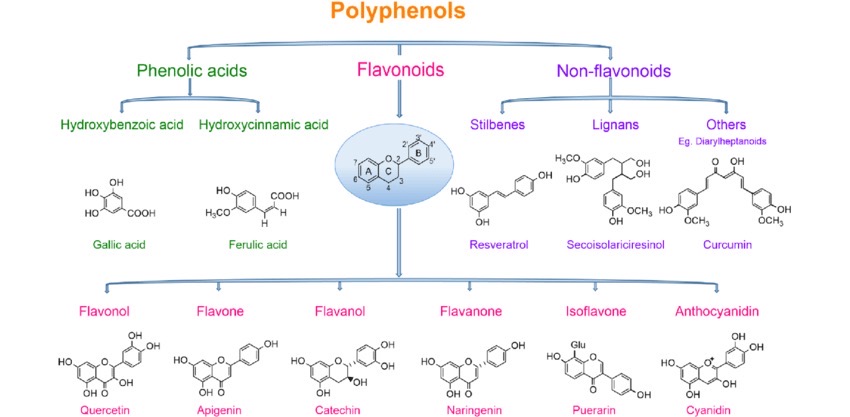
After encountering the term polyphenols many times, I finally wanted to know what they are. It turns out I already know quite a few—for example, Resveratrol and Curcumin. There are thousands of polyphenols, so it’s not surprising that we’re familiar with some of them. The general term flavanols probably rings a bell, too. They’re the main subgroup of polyphenols, with many described and researched compounds. Other major groups include stilbenes, lignans, and tannins.
Most of us believe the Mediterranean diet is healthy (I do, at least). An important reason is that it is rich in polyphenols.
What are polyphenols? In simple terms, polyphenols are plant-derived compounds. They aren’t one of the four fundamental biomolecule classes (carbohydrates, proteins, lipids, and nucleic acids). Rather, they’re a diverse family of plant secondary metabolites that can influence human biology.
They are plant compounds built around multiple phenol (aromatic ring with hydroxyl groups) units.
Polyphenols come from plants. There are about 8,000 polyphenols, of which roughly one-third are flavonoids. They give plants color and flavor and, in particular, help protect and defend them.
Some of these defense functions include UV protection through absorption of UV light. They also include strengthening of cell walls and vascular tissues. Additionally, there is regulation of growth and development through interactions with plant hormones and reproduction. In fruits and seeds, polyphenols influence taste, color, and perceived freshness.
Examples: Quercetin (onions, apples), Epigallocatechin gallate (EGCG) in green tea, Anthocyanins (blue and purple berries), Resveratrol (red grape skin, wine), Curcumin (turmeric), Hydroxytyrosol (extra virgin olive oil).
What do they do for the human body?
Polyphenols are not essential nutrients like amino acids. However, they are known to exert substantial biological activity in the human body. This activity can protect cells from damage and includes antioxidant, anti-inflammatory, and potentially disease-protective effects. They may be linked to a lower risk of certain chronic diseases (e.g., cardiovascular disease, metabolic disorders, some neurodegenerative conditions) in studies, but results are mixed and often depend on dose and context. Given their vast diversity (there are 8000 polyphenols!) and the many unknowns many, many more studies are needed.
It makes sense to me that compounds that protect plants might also benefit humans. We humans, at least most of us, are not lettuce or apples, but we are living beings nonetheless.
Treat health influencers with caution. As I said health influencers love polyphenols. We consumers have to be careful of course. Many of the health claims of polyphenols are not proven or they have only limited effect.
The other day I wrote about dark chocolate. It has a too positive health claim because of flavanols, which are a subcategory of polyphenols. I also wrote about Resveratrol and pterostilbene. They are both polyphenols. The main conclusion is that taking Resveratrol is not worth the money and effort, but Pterostilbene is.
What do polyphenols do for the brain?
Some health claims about polyphenols are intriguing, especially regarding brain health. While intriguing, these brain-related effects require more robust human evidence before drawing firm conclusions.
For example, Curcumin from turmeric is often cited as contributing to better brain health. Polyphenols are a broad class of plant-derived compounds, and brain-related claims vary widely by specific compound.
This topic could fill a book. Here are the main proposed brain benefits often discussed. There is protection against neuroinflammation linked to aging and neurodegenerative diseases. It may cause a potential reduction of oxidative stress in the brain. It influences brain-derived neurotrophic factor (BDNF). There are improvements in synaptic plasticity and neuronal survival signaling. It also leads to improvements in mitochondrial function. There could be reductions in mitochondrial dysfunction, which is a hallmark of aging and neurodegeneration.
Some notes: BDNF plays an important role in healthy aging.
From where do you get your polyphenols?
The sources are the right ones and not difficult to obtain: fruits, vegetables, tea, coffee, cocoa, wine, olive oil, nuts and whole grains. You will not find polyphenols in ultra processed food.
One additional remark on coffee: caffeine is not a polyphenol (it is a purine alkaloid). Coffee does have many polyphenols, such as chlorogenic acid, and are often highlighted for their antioxidant properties
Warning
One warning: the fact that the source is healthy food, does not mean that polyphenols are always beneficial. They can interact with medicines or can cause certain physical reactions. As so much is still unknown about polyphenols it is preferable to get them through food, not through supplements.
Bioavailability and Metabolism Bioavailability and metabolism are important considerations. In the end, if only a small fraction of a compound reaches the bloodstream, it will have limited effect.
Many polyphenols are poorly absorbed, with only a few percent entering systemic circulation. Fortunately, the original (parent) compounds are metabolized by the gut microbiota. The liver also metabolizes them into metabolites. These metabolites can be biologically active.
Interaction between different compounds (vitamins, hormones, amino acids, and polyphenols)
As mentioned, polyphenols are part of an integrated network. The main functions of these classes are:
Nutrients (vitamins and minerals) and amino acids supply the building blocks and cofactors for metabolism.
Hormones regulate how the body uses these building blocks and respond to energy and nutrient status.
Polyphenols influence enzyme activity, signaling processes, and the metabolism of hormones and nutrients—often via the gut microbiome and redox signaling.
Experts note that mounting evidence highlights the vital interplay between immunity and metabolism. This interplay occurs in a range of immunometabolic disorders. These disorders include autoimmune and non-autoimmune conditions. The immune system modulates (=regulates) cellular metabolism in organs such as the brain, pancreas, and adipose (=fat) tissue. It senses fluctuations in the local nutrient environment. This process shapes metabolic pathways that influence pro- or anti-inflammatory phenotypes. Nutritional status supports immune function. However, we are only beginning to understand how individual nutrients or their combinations (immunonutrients) might guide immune cells. They could steer these cells toward a less inflamed, tolerogenic state.
This last paragraph is a bit on the technical side. Perhaps the best summary is that polyphenols are abundant in Mediterranean foods. This sums it up pretty well I would say.
Do you sometimes have that feeling that “they” are taking away everything from you? Especially the things you like so much suddenly seem to be bad for your health. In short, are they robbing you of your last pleasures? I am sure you recognize this sentiment.
At the moment, I feel a bit down as well. After years of diligently eating dark chocolate because it was supposedly so beneficial (and delicious), I have come to the conclusion that I should stop. Dark chocolate: farewell. Your health benefits are limited, and your negative impact on my health can be substantial.
1.Red wine revisited
Do you remember those discussions about red wine? One or two glasses a day were said to be good for your health because red wine contains resveratrol. Yet after years of serious drinking, many people learned that you would need around 100 glasses of red wine daily for resveratrol to have a meaningful impact. And later, while studying resveratrol, I learned that resveratrol has a short half-life and that pterostilbene may be a better option https://shakethehealthtree.com/index.php/2025/05/16/21-stay-healthy-100-glasses-of-red-wine-daily-or-resveratrol-pterostilbenehealth-project99/. I wrote a blog about this.
2.Okay, back to dark chocolate. Its main claim to health fame is that it is one of the few foods rich in flavanols. The other two are green tea and cocoa powder. Fewer flavanols are found in hazelnuts and red wine. Others that are often mentioned but contain very little flavanols are grapes, apples, blueberries, strawberries, and pears.
One oz (28 grams) of dark chocolate (70% cacao) provides 150–400 mg of total flavanols, a quantity that according to some could be enough. There are however two problems with dark chocolate: its saturated fat content and the way it is processed. If it is processed using the “Dutch process”, it can lose up to 90% of its flavanol content.
3.Summary
Many of these beneficial flavanols are removed during the majority of manufacturing of dark chocolate. This means that dark chocolate processed in that way does not contain enough of these plant chemicals to be considered a health food. Chocolate also contains a lot of saturated fat and sugar. If you want your flavanols, go for green tea.
4. First, what are flavanols?
Flavanols are a subclass of flavonoids, a large family of plant compounds with antioxidant activity. They include flavan-3-ols (such as catechin and epicatechin) and their polymeric derivatives known as proanthocyanidins; some sources also mention related forms such as flavan-4-ols, isoflavan-4-ols, and flavan-3,4-ols. In total, many flavanol derivatives have been identified.
Flavanols are associated with health benefits in many studies.
You will often read the term monomeric flavanols. These are single-unit plant compounds and are the basic building blocks for larger, linked molecules called oligomeric flavanols. Some well-known monomeric flavanols are epicatechin, catechin, and EGCG (epigallocatechin gallate). These are among the flavanols most studied.
5.What are the reputed benefits of flavanols?
They act as antioxidants and may support cardiovascular health, reduce inflammation, and confer other health benefits in some studies. However, results in humans are mixed and often depend on dose, the specific flavanol form, bioavailability, and overall diet. My conclusion: worth the try.
Antioxidants protect cells from damage caused by free radicals—unstable molecules produced during normal metabolism.
6.Daily Recommended Quantity
There are no scientifically determined daily quantities. In general, the often-mentioned aim is 200–500 mg/day of total flavanols, but see caveats below.
One ounce (28 grams) of dark chocolate (70% cacao) provides 150–400 mg of total flavanols. Most people—myself included—do not stop at just 28 grams, but eat half or a whole bar. One cup of green tea contains about 150–300 mg of total flavanols (EGCG ~80–150 mg). Unsweetened cocoa powder (5 g) provides about 30–70 mg of total flavanols.
7.The main problem with dark chocolate is saturated fat.
Only those with a lot of discipline limit themselves to just one or two pieces. One or two pieces already account for about a quarter to one third of the daily recommended amount of saturated fat. Imagine what happens if you eat a 100 g bar of dark chocolate with about 80% cacao. Such a bar contains 35–45 g of total fat, of which saturated fat is 20–25 g, roughly the maximum recommended for women (20 g) and men (30 g) per day.
Assuming that saturated fat is not good for you (which I do), then having dark chocolate for its flavanol health component may not be worth it, in spite of all the claims by chocolate producers. This is especially true because many dark chocolate bars are processed in ways that cause most of the potential beneficial flavanols to disappear.
8.Two ways to process dark chocolate: the Dutch method (“Dutching”) and the other (much better), non-alkalized approach
In most dark chocolate bars, Dutch processing is applied, especially in cheaper ones. This is also called alkalization, which reduces the acidity of dark chocolate. Producers like it because it mellow‘s the acidity and deepens the brown color. Generally, more expensive brands use non-alkalized (natural) cocoa to preserve natural acidity and more complex flavors. The main downside of the Dutch process is the reduction of polyphenols and antioxidants, such as flavanols, which can be reduced by up to 90%.
A challenge is that Dutch-processed cocoa, alkalized cocoa, or Dutched cocoa is often not clearly labeled. You may also see terms such as “Dutch-processed cocoa,” “alkalized cocoa,” or “Dutched cocoa,” or labels like “cocoa processed without alkali” or “natural cocoa.”
On a different note, I wonder why the English language has so many negative expressions with the word Dutch included (perhaps because we destroyed their fleet in London in the 17e century).
9.Bioavailability
Looking at the required dose is one thing, but bioavailability is what matters for each supplement. What is its half-life? How much of the flavanol intake actually reaches the bloodstream and is available to exert effects?
For flavanols, the issue of bioavailability is complex and highly variable, and therefore difficult to generalize, but for practical purposes, flavanol bioavailability is low, often only a few percent. For example, the well-known monomeric flavanols catechin and epicatechin show peak plasma levels within 1–3 hours after ingestion and are eliminated within a few hours.
Larger flavanols, such as proanthocyanidins (condensed tannins; polymers), are poorly absorbed in the small intestine. They are largely broken down by gut microbes in the colon into smaller metabolites that can be absorbed.
10.Can you take flavanols as supplements?
Yes. Flavanols can be taken as pills or supplements. The three most well-known types are: 1) Green tea extract or EGCG-heavy supplements (rich in monomeric flavanols such as catechin and epicatechin, and EGCG); 2) Cocoa flavanol extracts (rich in total cocoa flavanols); 3) Grape seed and pomegranate extracts (rich in proanthocyanidins and related metabolites).
11.However, there are some important caveats.
When you take a supplement always!! be aware of the general issue of quality. Only buy from reputable brands and always look for Good Manufacturing Practice (GMP) certification.
And realize that these beneficial flavanols can also have some drawbacks, especially if you take too much. Safety-wise four points stand out.
A.Liver safety: high-dose green tea extract has been linked to rare cases of liver injury. If you have liver disease, start low and consult with a clinician.
B.Caffeine content: many green tea extracts contain caffeine or related stimulants; this can affect sleep, anxiety, and heart rate in sensitive individuals.
C.Drug interactions: they may interact with anticoagulants/antiplatelets and other medications; discuss with your doctor if you’re on prescription meds.
Cartilage is throughout the body. Wherever there are bones, there is cartilage. Problems with cartilage affect many people and can lead to health issues later in life, such as the feared osteoarthritis (OA). In the United States, about 14–15 million Americans have arthritis-attributable activity limitations. OA is the most common form of arthritis, so a large share of this group is OA-related. There are also about 700,000–800,000 joint replacement surgeries in the United States each year!
Although some cartilage interventions exist, OA cannot be fully cured yet and can cause a significant drop in quality of life. Fortunately, new medical solutions seem to be on the horizon, so in the meantime take good care of yourself: lose weight if necessary; do aerobic exercises like walking, cycling, and swimming; wear proper shoes; and use pain relievers when really needed. In my case I use a supplement (see at the end of this blog).
Cartilage protects joints like the knees, elbows, and ankles, allowing bones to move smoothly against one another. It is a specialized type of connective tissue, but it is not as hard as bone. Interestingly, newborns are largely cartilage that turns into bone.
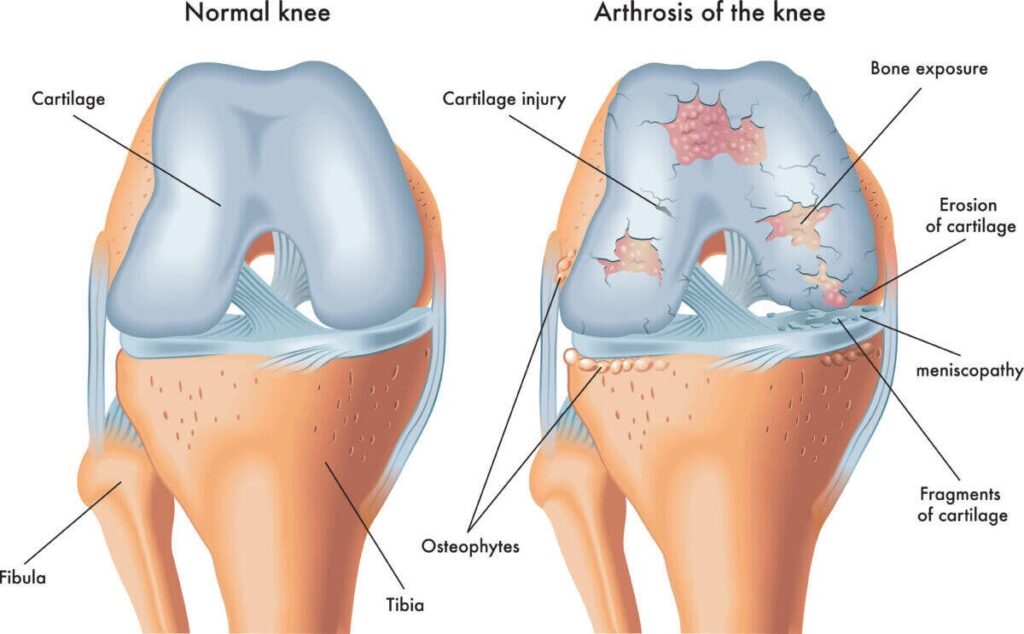
1.The link between cartilage and osteoarthritis In OA, Damage to cartilage is a central, defining feature. OA is a disease of the whole joint, and cartilage deterioration is what sets the process in motion and drives symptoms and later joint changes.
Mechanical stress, aging, genetics, and inflammation disrupt the balance between cartilage building (anabolic) and cartilage breakdown (catabolic). Chondrocytes—the cells that are a key component of cartilage—start producing more degradative enzymes that break down collagen and proteoglycans, which are also key components of cartilage. As a result, the cartilage surface cracks and fissures, thins, and loses its smoothness and shock-absorbing properties.
2.What is cartilage? Cartilage is a strong, flexible, and specialized connective tissue found in many areas of the body, such as joints, the nose, ears, and spine. Almost every bone has some cartilage around it. Cartilage (1) provides structural support, (2) protects joints as a shock absorber, and (3) reduces friction between bones. One specific cartilage is articular cartilage, which is the smooth, cushion-like tissue covering the ends of bones in a joint.
Cartilage is made up of cells, a gel-like matrix, and fibers. Most of this is gel, made up of proteoglycans. About 80% of the tissue is water, which helps explain why cartilage is a hydrated network, mostly made of collagen and chondrocytes. There are three types of cartilage: (1) hyaline cartilage, the most common, mainly in the joints, the trachea, and the nose; this cartilage is smooth and helps resist compressive forces; (2) elastic cartilage, found in the ear and larynx, which is more flexible and resilient; (3) fibrocartilage, the strongest type, found in areas that must withstand heavy pressure, such as the menisci in the knee and the intervertebral discs in the spine.
Not going into technical detail, the perichondrium is a vascularized connective-tissue sheath that surrounds most cartilage and serves as a source of nutrients and new cells. It also helps with growth and repair of cartilage. Not all cartilage has a perichondrium: articular cartilage (the hyaline cartilage at joint surfaces) and fibrocartilage lack it; this helps explain why repair of the meniscus is difficult.
3.Repair/regeneration of cartilage: is it possible? The short answer is: partly possible. Cartilage has no blood supply, so natural repair is very difficult, but not completely impossible. Chondrocytes have a limited ability to produce new matrix and repair minor damage. Fortunately, this is an area where new techniques and solutions are on the horizon.
4.A torn meniscus and its relationship to cartilage health A torn meniscus is common and closely linked to cartilage health and osteoarthritis (OA). This relationship goes both ways. Tears of the meniscus, even small ones, can accelerate cartilage degeneration and OA progression, while OA-related changes make the meniscus more prone to tearing. A tear can, for example, provoke inflammation in the joint and release damaging enzymes that break down the cartilage matrix. This inflammatory milieu accelerates cartilage damage and can speed OA progression. Another issue is that when the meniscus extrudes (slips out of place), its load-distributing role is further compromised, increasing focal cartilage wear. Tears at the roots or tears that occur in the setting of aging OA are especially associated with rapid OA progression
5.What can you do in 2025 when there is joint damage related to cartilage?
Physical therapy and exercise: Tailored exercises can improve muscle strength, flexibility, and joint lubrication while minimizing pain. Brisk walking, cycling, swimming, and some resistance training can help. Consider balance and coordination training like Tai Chi. Proper footwear can alleviate knee OA symptoms and support safe, beneficial exercise.
Weight management: Losing weight can significantly reduce stress on the joints, especially in the knees and hips, helping to alleviate pain and slow disease progression.
Medications: Over-the-counter and prescription pain relievers can help manage pain and inflammation.
Other therapies: Heat or cold therapy and topical pain relievers can provide additional symptom relief.
Injections: Some injections can supplement joint lubrication or reduce inflammation to improve function and reduce pain.
Procedures that repair or restore cartilage (often for focal defects in younger patients): Osteochondral autograft transplantation (OATS / mosaicplasty) — plug-like grafts taken from your own bone and cartilage and transplanted into the defect.
Joint-preserving approaches for larger defects or persistent pain: Debridement, drilling, or fixation strategies to optimize the remaining cartilage.
Surgery: In severe cases, surgery such as joint repair or replacement may be recommended. This is a major operation with long-term considerations (implant lifespan, activity limits, potential need for revision later).
6.Over the next five years, several new treatments are on the horizon. Current treatments aim to relieve pain, maintain function, and slow progression; many approaches target the biology of cartilage breakdown or support joint health. Regenerating native cartilage remains challenging. Therefore, a true reversal of osteoarthritis (OA) is not yet here, but several promising approaches could move into commercial use in the next five years.
7.Without going into detail, here are some promising developments:
Sprifermin (FGF18) for knee OA: a recombinant fibroblast growth factor intended to stimulate cartilage growth and repair.
Allogeneic mesenchymal stem/stromal cell (MSC)–based intra-articular therapies: off-the-shelf cell therapies intended to modulate the joint environment and support repair.
Exosome/secretome–based therapies from MSCs: cell-free products using extracellular vesicles (exosomes) derived from MSCs to deliver regenerative signals.
Regenerative scaffolds and osteochondral implants for focal defects in OA joints: bioengineered implants or grafts to restore cartilage at focal wear areas, sometimes combined with bone components.
I do not understand all the details, but it is clear that hard work is ongoing to reverse OA by repairing cartilage.
8. My own experience is that I have had cartilage issues in my knee since I was in my forties. It was at times a very annoying and painful experience. Exercises helped, and at times the symptoms returned, but ongoing physiotherapy and aerobic exercise each time helped me overcome the problems.
For the past few years I have been taking the supplement glucosamine-chondroitin MSM+. I wrote about this supplement a few months ago with the following conclusion: “Some supplements, like glucosamine, seem to work well for me, even if they are not fully backed by research, though I would of course prefer stronger evidence.” https://shakethehealthtree.com/index.php/2025/03/04/21-glucosamine-a-supplement-for-your-joints-health-project99/ . Do not believe claims that collagen supplements will go straight to the place where it is needed.
Dear reader, take care of your body, listen to signals and do your best to reverse it when things go south. Not always possible, but often it is!