Impressive and often beautiful Singapore
Dear reader,
Green tea is one of these rare beverages that tastes great, costs little, and contributes a lot to your health. It is not a miracle cure-all drink, but it positively supports many processes in your body.
In this blog I do not discuss the popular high-dose supplements of green tea extracts. I do not see any use for these. Green tea is easily prepared and its beneficial impact on health has already been widely studied and confirmed.
Green tea offers a range of potential benefits. It is particularly related to antioxidant activity and cardiovascular health. It can also aid in weight and metabolic health and give cognitive support. The effects are meaningful as part of an overall healthy lifestyle, not as a stand-alone solution.
1 Green tea
There are three types: loose leaf, matcha (powdered green tea), and tea bags. Each of them is available in a decaf version. Note that some of the good stuff can be lost in the decaffeination process.
I prefer loose leaves, as they can be kept fresh the longest. Buy organic tea leaves, as non organic tea leaves often contain pesticide residues. When well stored (in a cool, dark place, in an airtight container), they can keep for up to two years with little loss of taste and health benefits. Use sturdy foil packaging that protects from air and moisture. However, when opened, even if stored well, the “best” period is around six months. Old or poorly stored leaves will gradually lose their health benefits.
Matcha (powdered green tea) has become very popular. It has two minor disadvantages. The storage time is short, lasting only a few months. It is generally more expensive than green tea leaves. It does deliver more catechins (antioxidants) per cup but also more caffeine.
Tea bags are, at least for me, out of the question. Most of them may contain pesticide residues and nanoplastics.
2 How to brew
In some cultures, preparing tea is taken very seriously. Have you ever been to Japan? They know their tea. However, you don’t need to copy those elaborate Japanese ceremonies; they are great but time-consuming .
Follow the following guidelines to gain most of the health benefits of green tea. (1) Do not boil the water; pour it in when the temperature is almost there (about 60–80°C). Boiling water can degrade delicate catechins and increase bitterness. (2) Let the leaves steep for 2–3 minutes; longer steeping increases tannins and bitterness. And you can reuse the leaves a few times, assuming they are of high quality.
3 Green tea and caffeine
Caffeine content is typically 20–45 mg per 1/4 liter; matcha and some fortified teas can be higher.
How does this compare with a single espresso? A typical espresso shot (about 1 fluid ounce / 30 ml) contains roughly 40–75 mg of caffeine. This amount is roughly double that of a cup of tea.
4 Intermittent fasting
Brewed green tea without sugar or dairy is fine during most fasting protocols. A cup of plain green tea has about 0–2 calories. Most strict, water-only fasts would consider any beverage other than water as breaking the fast. However, for typical intermittent fasting goals, green tea is effectively non-caloric.
Just for the record: adding sugar, honey, milk, or anything else does break the fast. I know you know.
5 Summary of advantages of green tea
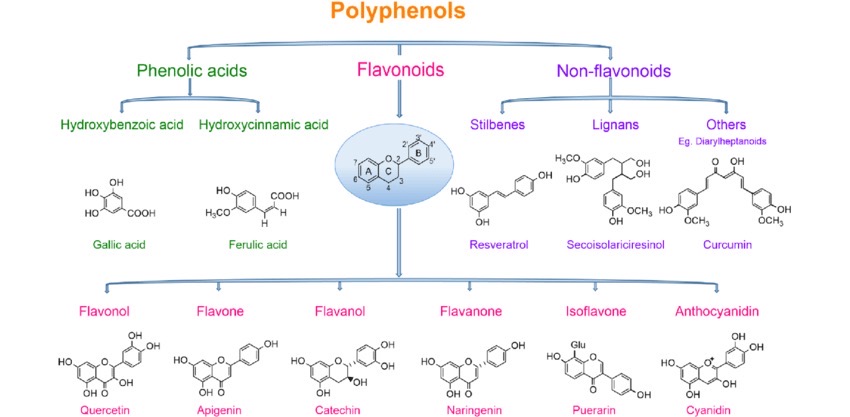
- Antioxidants and catechins: Green tea contains catechins (especially EGCG), potent antioxidants with anti-inflammatory effects. Catechins scavenge free radicals and reduce oxidative stress.
- Caffeine: Provides mild stimulant effects and can enhance alertness.
- Heart and blood vessel health: green tea may improve endothelial function, reduce LDL oxidation, and modestly support blood pressure and lipid profiles. Note: Endothelial function refers to the health of the inner lining of blood vessels; dysfunction is linked to cardiovascular disease.
- L-theanine: May promote calm focus and can modulate caffeine’s effects. The strongest evidence is for short-term cognitive benefits; longer-term cognitive protection is plausible but not yet proven.
- Type 2 diabetes: Evidence indicates an association between green tea consumption and a lower risk of developing type 2 diabetes.
- Oral health: Catechins may inhibit harmful bacteria in the mouth and reduce dental plaque and gum inflammation.
- Inflammation and cancer: there are indications that green tea helps reduce inflammation and contributes to cancer risk reduction. It also supports a sense of calm and promotes overall well-being.
- Gut health: Tea polyphenols can influence gut bacteria in ways that may promote anti-inflammatory effects. The evidence is growing but still emerging.
- Longevity gene activation: The polyphenol EGCG in green tea is associated with activation of the FOXO3 longevity gene.
- The combination of caffeine and catechins can improve alertness and, for some people, endurance performance.
6 Minor health considerations:
- If you’re caffeine-sensitive or trying to minimize hormonal responses, you might opt for decaf or limit intake. Pregnancy guidelines suggest keeping total daily caffeine intake under about 200 mg.
- Potential side effects and interactions: Green tea is unlikely to cause atrial fibrillation in most people, but caffeine (and other stimulants in tea) can trigger palpitations in some individuals.
- Green tea may interact with certain medications (e.g., anticoagulants like warfarin, some antidepressants, diabetes meds). If you take regular medications, check with your clinician.
The last part about checking with your doctor is more or less obligatory. Few people actually do speak with their doctor, but especially when you are taking certain medicines it might be a good idea.
Dear reader, it is evening so no green tea for me. I take some ginger tea and then will read a book. No scrolling on my phone tonight.
Enjoy your teas, enjoy your life and take care,
Robert, your health friend

The Chinese wall complex in The Hague