One of my best health investments has been this spacious deep freezer in a beautiful purple color. Hidden behind a sliding door in the corridor, it does not take up any space in our modest kitchen. I love my freezer for four reasons: it saves money, it saves time, it indirectly contributes to better health, and it reduces waste. That last point is good for both the environment and my wallet.
One of the key approaches to a healthy life is deciding to prepare your own food. That way, you control the ingredients. You can add all kinds of promising supplements, such as wheat germ, spices like cardamom, and seeds like the omnipotent flaxseed—preferably ground rather than whole. Cooking from scratch means you control what you eat. This is helpful, as you keep learning new things all the time, such as the fact that black pepper can enhance the effect of certain supplements by up to 30 times.
However, preparing your own food, combined with my personal trend toward becoming more and more vegetarian, turns out to be a time-consuming affair. Convenience food is called convenience food for a reason: having your meal on the table in 15 minutes is, of course, an attractive prospect. Pre-prepared food is often tasty as well—tasty, yes, but not healthy! The problem with convenience food is that it in general contains ultra-processed ingredients, which, as we now know, are very harmful to your health.
Living a healthier life is not an easy process that can be implemented in just a few clearly defined steps. No, it is a gradual development, and it may take months or even years. Changes along the way are to be expected, of course: incorporating exercise into your daily routine, walking more, eating earlier, trying new recipes, adding supplements, and sometimes taking them away again.
As I said, I noticed that preparing vegetarian meals takes a lot of time. This is where our spacious deep purple freezer becomes extremely helpful, because my “solution” is to buy fresh vegetables, cook them all at once, and freeze them. I just bought three organic pumpkins, weighing five kilos in total. So while writing this blog, I stop now and then—sitting too long at a time is not good anyway—and continue cutting and cooking the pumpkins. I let them cool down and then freeze them, to be used for our daily soup and sometimes for our regular meal.
After the pumpkins, six courgettes are waiting to be sliced very thinly and lightly baked afterwards. Plus a few kilos of onions need to be cut and roasted. I like this changed routine, and it saves me from having to do all the cooking every evening. I admit that I do not like cooking that much.
Does this all help? Yes, a lot. When most of the ingredients for your meal are already cooked, you only have to concentrate on preparing your quinoa and adding some elements you like that are waiting for you in the freezer.
As I said, you never stop learning in the field of health. Take spinach, for example. I add it to my daily smoothie, but only recently did I learn that cooked spinach is much more effective. So here, too, I established a new routine: buying kilos of frozen organic spinach from AH, cooking it for a few minutes, and then refreezing it. Time-consuming? Yes and no. Just do it during the daytime while busy with other activities, and prepare large quantities at the same time.
Storage? Try to avoid plastics, of course. Read my blog on nanoplastics. At home, we use Ikea metal containers with wooden tops. They are not cheap, but they are 100% free of nanoplastics.
In another blog, I wrote about fresh versus frozen vegetables and fruit. My conclusion is that frozen produce has more advantages overall than fresh. It also gives you the opportunity to stock up and benefit from special offers at the supermarket.
Of course we buy fresh as well, but here I pay careful attention not throw anything away. Hence the cooking and freezing. I love to sweeten a bit my rice or quinoa dishes and use bananas to do this. Freezing is an excellent option because bananas quickly ripen and ripen bananas contain much more sugar. Before I used frozen bananas to add to my daily smoothie, but since I found out that the positive effects of berries are cancelled by bananas, I decided not to add them anymore.
My other favorite health investments have been a semi-professional blender and an infrared sauna. What I thought to be another favourite health investment (the whole body vibration device) disappointed and I took it of my list of health essentials.
When you eat your fruits and vegetables, eat the peels as well. Not all of them, and only under certain conditions—but realize that often most of the healthy stuff is in the peels.
They can also help you eat less because peels contain the all-important fiber. Eating peels reduces food waste and your carbon footprint. I do not want to sound too woke, but food waste is a big issue, so why not combine extra health with helping the environment?
As always, there are some caveats, the most important one being pesticide-related. And some peels are not edible, of course—like the avocado peel.
At home, we incorporate peels as much as possible into our diet. The easiest way is blending them into our daily soup and smoothie.
Summary: For your own health, be more adventurous and do more with peels—but be careful about chemicals, parasites, dirt, and bacteria. Wash well, scrub, and buy organic. If you do not want to wash and scrub, then peel. Peeling is not possible with some popular members of the “dirty dozen” like peaches, blueberries, strawberries, and spinach. I strongly advise buying organic. The more you read about pesticides, the more you will want to avoid them.
Some peel facts
Peels are generally packed with higher concentrations of fiber, vitamins, and antioxidants than the flesh/pulp. In many cases, peels make up 30% to 40% of the total food weight. If you consider fiber important (as you should), then peels are for you.
An apple with its skin can have up to 332% more vitamin K, 142% more vitamin A, and 115% more vitamin C than a peeled apple.
A boiled potato with skin can have 175% more vitamin C, 115% more potassium, and 111% more folate than a peeled one.
Removing the skin of a tomato can cause a loss of up to **80%** of the antioxidant lycopene.
2. Safety / pesticides
Pesticides play a significant role in conventional farming to protect crops. A substantial amount of these chemicals remains on the outer surface (the peel). Washing helps, but is not enough; washing removes, on average, about 40% of chemicals, and peeling removes another 40%. Especially in thin-skinned fruits and vegetables, pesticides can penetrate into the pulp.
In conventional agriculture, 240 pesticide are permitted in the Netherlands; in the whole of EU, as many as 400. In organic agriculture, fewer than 10 pesticides are allowed. Another big difference is that preventive spraying is not allowed in organic agriculture.
To increase shelf life and improve appearance, many fruits (like apples and cucumbers) are coated with synthetic or natural waxes. These waxes can trap bacteria and pesticide residues.
Bacteria, parasites, microbes, and dirt can also be an issue—possibly even more so with organic fruits and vegetables. Careful washing and soaking for **15 minutes** in water with baking soda are among the best approaches.
3. Carbon footprint
Globally, about one third of food is lost or wasted, amounting to **1.3 billion tonnes** per year. Food loss and waste accounts for **8%** of global greenhouse gas emissions. Peels are a substantial part of food waste.
4. Tough to digest
Many peels are high in fiber, which is good. However, they can be too tough or difficult for some people to digest. This can lead to stomach discomfort, cramps, or bloating—especially with thicker peels like those of oranges. If you start incorporating peels into your meals, do it step by step.
5. Peel Taste tip
Some peels, such as mango or citrus, can be bitter or tough, but they can be blended into smoothies or used as zest.
6. Powerhouse fruits and vegetables: the nutrient density score
On the internet you can find extensive rankings of Nutrient Density Scores. All fruits and vegetables are healthy by default, but some are healthier than others. The best nutrient score is held by watercress, followed by Chinese cabbage, chard, beet greens, and spinach. Surprisingly (at least for me), most lettuces also score high—around 70 out of 100 on the nutrient density score.
7. Peels may help you feel fuller longer
Fruit and vegetable peels can reduce hunger and help you feel fuller longer. This is largely due to their high fiber content. While the exact amount of fiber varies, fresh fruits and vegetables may contain up to one-third more fiber before the outer layers are removed.
Several studies show that fiber can help you feel fuller longer. Fiber can achieve this in several ways. It physically stretches the stomach. It slows how quickly the stomach empties. It also influences how speedily fullness hormones are released in your body.
In fact, research suggests that the type of fiber found in fruits and vegetables—known as viscous fiber—may be especially effective at reducing appetite.
8. Banana and pineapple peels
It feels strange to throw away a third of a banana’s edible part. It happens needlessly every time you have one. But that is exactly what most of us do—and probably will continue to do. Personally, I am looking for ways to do “something” with banana peels. One option is making a banana-and-peel breakfast loaf (see online recipes). Of course, you cannot make a banana-and-peel breakfast loaf every day, but I will explore what more is possible.
Another interesting idea is pineapple peel. Look online for “Tepache” (sometimes referenced by writers like Lucy Sherriff): a fermented drink made from pineapple peels. It can be a good source of probiotics and contains some alcohol (often less than 1%, depending on fermentation time).
Dear reader, allow me to conclude with the summary once more. For your own health, be more adventurous. Do more with peels. However, be careful about chemicals, parasites, dirt, and bacteria. Wash well, scrub, and buy organic.
If you do not want to wash and scrub, then peel. Peeling is not possible with some popular members of the dirty dozen, like peaches, blueberries, strawberries, grapes and spinach. For these, I strongly advise buying organic. The more you read about pesticides, the more you will want to avoid them.”
All ultra-processed foods (UPFs) are processed, but not all processed foods are ultra-processed. It is a sliding scale. It ranges from fresh fruit, plain milk, and fresh meat to processed foods that have been altered but still rely largely on real foods (such as cheese and canned beans) to foods that rely on industrial formulations with many additives and little whole-food content.
In other words, ultra-processed foods are a subset of processed foods and, unfortunately, account for about 70–80% of the products sold in regular supermarkets.
Another definition of UPFs: they are industrial formulations made mostly from substances extracted from foods (often with many additives such as flavors, colorings, and emulsifiers). They have little or no intact whole foods left and are designed for convenience, long shelf life, and strong palatability. “Bon appétit,” as they say in France.
What about health?
Not all whole foods are healthy; for example, eating a lot of fat is not a good idea. But basically all ultra-processed foods have potential negative health consequences.
In the last few decades, scientists have linked ultra-processed foods to type 2 diabetes, cognitive decline, and cardiovascular disease, with probably more negative health links to come.
In many areas I do not agree with Health Secretary Robert F. Kennedy Jr., but when it comes to UPFs (he calls them “poison”), he has used a blunt characterization that aligns with my personal concerns about these foods
Addiction
For generations, obesity had been perceived as a problem of willpower. It was thought to be caused by eating too much and exercising too little. This is partially true. However, in the last decade, research on ultra processed foods has challenged that notion. It suggests that these foods may drive us to eat more. Remember the addiction tactics of the cigarette industry? Those of the food industry are not much different.
The good news is that one, with some effort, can eat very well (actually even better) without ultra processed food. In our house we manage to do this. And so can you.
Background info: Four levels of processed food
The NOVA system was developed by Brazilian nutrition scientists led by Carlos Augusto Monteiro at the University of São Paulo (and colleagues) in the late 2000s and early 2010s. NOVA is not a strict acronym for four words. It’s the name of a classification system used to categorize foods by processing.
NOVA 1: Unprocessed or minimally processed foods. Examples: fresh fruits and vegetables, legumes, plain milk, fresh meat, grains that are minimally altered.
NOVA 2: Processed foods. Foods altered with additions like salt, sugar, oil, or fermentation to improve shelf life or flavor. Examples: canned vegetables with added salt, simple cheese, roasted nuts with salt, jarred sauces.
NOVA 3: Processed culinary ingredients. Substances extracted from foods used in cooking (not usually eaten alone). Examples: sugar, olive oil, salt, butter.
NOVA 4: Ultra-processed foods (UPFs). Highly engineered formulations with many additives; little or no intact whole foods. Examples: soft drinks, sweetened cereals, packaged snacks with emulsifiers and flavor enhancers, reconstituted meat products, instant noodles, most ready meals.
How to identify UPFs
If you see many additives, synthetic flavors or colors, and texturizers, it’s most likely ultra-processed. Also, if there are ingredients you wouldn’t cook with at home, it’s most likely ultra-processed.
If the ingredient list is short and consists of recognizable whole foods and a few kitchen-friendly additives (salt, oil), it’s likely not ultra-processed. emulsifiers, artificial flavors, colorings, texture modifiers, hydrolyzed proteins, isolated sweeteners).
Look at the nutrition/labeling context, not just “healthier” claims; some UPFs can be fortified or reformulated, but overall diet quality matters more.
A short historic overview
For 1000s of years till the 1800s foods were minimally processed or transformed at home: drying, fermenting and cooking.
Industrialization of food began in the 19th century, mainly in Europe (France, UK, Germany) with canning and preservation technologies. Canning and pasteurization enable shelf-stable foods that travel farther and last longer. This marks the beginning of large-scale processed foods.
In this period two European brands became household names: Knorr was founded in Germany making packaged seasonings and soups. There were also Maggi products from Switzerland (bouillon cubes and seasonings).
The Americans came in the late 1800s: Coca-Cola, Jell-O, Spam, Oreos and others. Mass production really took off during the WWII, when the soldiers needed to be fed with food that was edible for months. Shelf-stable foods like powdered cheeses, dehydrated potatoes, canned meats and melt-resistant chocolate bars were developed.
Early to mid-20th century: More refined ingredients (sugar, hydrogenated fats), packaged mixes, and convenience items become common. The rise of canned soups, processed cheeses, and similar products expands.
From Asia, (mainly Japan) a new type of UPFs came on the market in 1958, the now ubiquitous instant noodles.
The globalization of food brands continues. Packaged snacks and convenience items are spreading throughout Europe. This spread is aided by growing supermarket chains and easy cross-border trade.
By the 1970s, innovations in fertilizer, pesticide and crop development, along with farm subsidies, led to a glut of grain. Companies turned it into ingredients like high-fructose corn syrup and modified starch to fill sugary cereals, sodas and fast foods.
In the 1980s, investors wanted food manufacturers to show larger profits, so they developed thousands of new drinks and snacks and marketed them aggressively. Wherever you went, you were inundated by UPFs.
In the meantime, obesity tripled in children and doubled in adults between the mid-1970s and the early 2000s, a trend that has not stopped since. In 2020s there are 650 million adults who are obese, with a BMI of more than 30 (info from WHO).
In the 80s food regulations started around additives, safety and labeling. The Nutri-Score (front-of-pack labeling) was developed in France. Nutrition labeling and claims began to become more standardized. The EU played and plays a big role in this field.
We are now at a crossroads with a recognition about the dangers of UPFs and the need the reduce them. One example is the recent European Green Deal and the Farm to Fork Strategy place a stronger emphasis on healthier diets and reducing reliance on highly processed foods.
Are we at a tipping point? Maybe. There are signs that people are eating slightly fewer of these foods. Our reliance on ultra-processed food was “almost a century in the making,” and “could take decades to reverse.”
American case study
Although the trend of UPFs did not start in the USA, this country played a dominant role in the rolling out of UPFs in the whole world. Who has not eaten a big Mac?
In the late 1800s American food companies began making products that were wildly different from anything people could make themselves. Coca-Cola came in 1886, Jell-O in 1897, and Crisco in 1911. Spam, Velveeta, Kraft Mac & Cheese and Oreos arrived in the decades that followed. Foods like these often promised ease and convenience.
During World War II, companies devised shelf-stable foods for soldiers — powdered cheeses, dehydrated potatoes, canned meats and melt-resistant chocolate bars. They infused new additives like preservatives, flavorings and vitamins. And they packaged the foods in novel ways to withstand wet beach landings and days at the bottom of a rucksack.
After the war, food companies realized that they could adapt this into profitable convenience foods for the masses. Advertisements told homemakers that these products offered superior nutrition and could save them time in the kitchen. Wonder Bread commercials from the 1950s, for instance, claimed its vitamins and minerals would help children “grow bigger and stronger.” Well, bread that stays soft and fresh for a week can not be healthy imo.
More women found work outside the home, and by the mid-1970s, they spent much less time cooking. But they were still expected to feed their families. Fish sticks, frozen waffles and TV dinners filled modern freezers, and convenience foods became more popular. The concept that packaged goods could replace cooking from scratch became common place.
TV dinners, instant noodles, breakfast cereals, snack foods, and frozen meals became household staples.
The tobacco companies Philip Morris and R.J. Reynolds diversified into the food industry, dominating it through the early 2000s. They applied the same marketing techniques that they crafted to sell cigarettes.
Starting the 21st century, you couldn’t walk through an American school cafeteria, a supermarket or an airport without being inundated by ultraprocessed foods.
Final remarks
It seems that the trend of the ever going up consumption of UPFs has stopped since the 2020s. Whether this consumption will eventually go down remains to be seen. We should not underestimate the lobbying and influencing power of the food industry.
Let me end with repeating the good news: with some effort, can eat very well (actually even better) without ultra processed food. In our house we manage to do this. And so can you.
On Gozo, one of the 21 islands of the Maltese archipelago
Dear reader,
My dad was overweight for many years. As a result, every year he started a diet and counted calories. He then lost about 20 kilograms in a few months. In the process, he also became a bit short-tempered. Then, he maintained a stable weight for several weeks. But he slowly regained weight, kilogram by kilogram, and became overweight again. I am sure many of us have similar stories in our families. Others have been on this yo-yo track themselves.
There are many reasons why diets do not work for many people, even when they seem initially successful. An important physiological factor is that after weight loss the body reduces energy expenditure (a lower resting metabolic rate). This makes further weight loss harder. Weight regain is more likely, often with a higher body fat percentage or a slower metabolism. In short, you end worse than you started.
My non-diet diet
This blog focuses on better-quality calories in. It also emphasizes more calories out by moving more. Additionally, it suggests reducing the number of hours during which you eat. By better-quality calories, I mean fiber-rich foods and complex carbohydrates. Moving more? This is probably the easiest part to do.
Set a realistic end goal for yourself (preferably a BMI of 20–23) and aim for a weight loss of about 1 kilogram per month.
It is helpful to know that the same amount of good-quality calories leads to less weight gain than bad-quality calories. And do not be too strict with yourself. If you love apple pie, you can continue eating it, at least I did. Take smaller portions and limit it to once per week.
Weigh yourself weekly at the same time of day, and don’t despair if there is a plateau now and then. It will be all right eventually.
Although turning to better-quality calories is important, eating less also helps. I know this is not always easy, which is why limiting the eating window is helpful. Start with a 12-hour daily fasting window.
Prepare your food yourself, using basic elements.
Willpower is another important factor (I will write about this in another blog), as we all have our weak moments. If chocolate is in front of me, I may struggle. Note to self: do not buy chocolate for home.
Furthermore, realize that we live in an environment where unhealthy choices are the default options. This implies that a life change requires some effort and will not always be easy, but it is worth it!
One more thing: do not forget your protein intake. Inadequate protein or insufficient resistance training can lead to a loss of muscle. This lowers resting metabolic rate. It also impairs long-term fat loss.
How did I do on this non-diet diet?
I am 196 cm tall and have weighed an average of 95 kilograms for decades. That translates to a BMI of 24.7, just below the threshold for being overweight. Three times in my life I weighed 105 kilograms, which really scared me. That scare helped a lot, and I managed to lose these excess kilos by eating less and exercising more. In particular, cutting back on sweets helped a lot; I remember. So overall, it wasn’t bad, but not great either.
When I changed my lifestyle about five years ago, I began losing weight. I eventually reached a low of 84 kg. However, I averaged around 88 kg. I didn’t follow a diet or count calories. I ate what I wanted but in a different way. This included limiting the hours during which I ate. I do keep an eye on the scales, because a bit of self-discipline helps. I have weak moments when I satisfy my sweet tooth. This is bad for several reasons. It raises my calorie intake and tends to lead to poorer-quality nutrition.
Worldwide trends in obesity are very worrisome.
What strikes you most when you see movies and TV shows from the 1950s, 1960s, and 1970s? Besides the fact that everyone smoked everywhere all the time, very few people were overweight! Recently, my wife and I watched “From Russia with Love.” It was set in our beloved Istanbul. We lived there for four years. It was great to see the Istanbul of the 1960s, and yes, almost everyone was slim, as was common in films from that era.
This has changed, not only in Turkey but globally. According to the World Health Organization, obesity has become one of the greatest threats to global health. Overweight and obesity are related terms; overweight refers to a higher-than-normal body weight, while obesity is a more severe category. Obesity is now considered a disease—a serious chronic condition with long-term implications and considerable health damage.
Just to remind you of the dangers. Obesity places excessive strain on organs, tissues, and systems, leading to reduced life expectancy and quality of life. Major risks include Type 2 diabetes. They also include cardiovascular diseases such as heart disease, stroke, and high blood pressure. Certain cancers are risks too. Joint issues like osteoarthritis and sleep apnea are included as well.
Body Mass Index (BMI)
BMI is only one indicator of one’s health. The composition of your body (muscles or fat) is also important as are many other factors. Still, I like to use it. BMI is easy to calculate. Divide your weight in kilograms by your height in meters squared. If this does not work Just ask google :-).
For an adult with a height of 185 cm (approx. 6’1″), a weight of 103 kg (227 lbs) or more is considered in the obese range (BMI of 30 or higher). A BMI of 25–29.9 is classified as overweight.
The “best” BMI for health is generally considered the range of 18.5 to 24.9. Some research suggests an even lower range (around 20-23).
How is the world doing BMI-wise?
The trend is upward, and quite strong, including among children.
American Samoa has the highest obesity prevalence in the world. Recent data indicates that roughly 70–75% of its adult population is obese. One important factor is its heavy reliance on imported, ultra-processed foods.
Around 40% of adult Americans were obese, and 18% were severely obese as of 2019. Severe obesity is defined as a BMI of 35 or higher.
Twenty-six to twenty-nine percent of adults in England are classified as obese, with about 64% being overweight or obese. France: about 17% of adults are obese.
In China, obesity was virtually non-existent until the 1990s. This has changed dramatically. Today, more than 50% of Chinese adults are overweight or obese. About 15% are classified as obese.
Why is obesity on the rise?
Ultimately, weight and health are your own responsibility; however, maintaining a healthy weight is not easy. We are bad food bombarded from all sides, there is a lot of misinformation, and healthy options are not always available or can be more expensive.
Look at all the changes in our diet and food environment. Most of the food in supermarkets is ultra-processed, calorie-dense, nutrient-poor, and high in fats, sugars, and salt.
Engineered foods are often designed to be addictive and to encourage overeating. In many regions of the world, unhealthy, calorie-dense foods are cheaper and more accessible than fresh, nutritious options.
Larger portion sizes in fast-food restaurants are standard; the trend toward pre-packaged meals encourages higher caloric intake. And let us not forget the aggressive advertising, particularly targeting children, that promotes high-calorie food consumption.
All statistics show that we move less, sit more, and spend increased screen time. In the Netherlands—the bike capital of the world—the e-bike has become very popular. In my opinion E-biking cannot be considered serious physical activity; the battery does the work.
We see a link between poverty and obesity. We also observe a link between wealth and obesity. Fewer and fewer people prepare meals themselves. Instead, they prefer ready-to-eat convenience foods.
Other factors that influence your efforts to control your weight
Increased stress levels lead to emotional eating (we’ve all been there).
Sleep is important. Poor sleep quality and duration disrupt hormones that regulate hunger—ghrelin and leptin. This disruption leads to increased cravings and appetite.
Your gut microbiome can influence how you respond to a given diet.
In some people, genetics play a negative role. Certain medications as well.
Some recommended diets
First, reread my recommendations at the start of this blog. They are a way of living that has helped me a lot. It has resulted in better health and lower weight. Not something for the short term, but for good. Step by step, slowly turning the tables.
Second, below are some popular diets/approaches that all contain elements of my recommendations.
Mediterranean diet: It emphasizes plant foods, healthy fats like olive oil, fish, and whole grains. This diet is well supported for weight management and cardiovascular health.
DASH diet (Dietary Approaches to Stop Hypertension): This diet emphasizes fruits, vegetables, low-fat dairy, and lean proteins. It has strong evidence for improving blood pressure and heart health.
Plant-based / vegetarian / vegan approaches can support weight loss. They also aid in lipid improvements. However, they require careful planning to ensure adequate protein, iron, B12, iodine, and zinc.
Moderate-carbohydrate, higher-protein patterns: Can promote satiety and preserve lean mass, supporting sustainable weight loss.
Low-carbohydrate / ketogenic patterns: These diets are often effective for short- to mid-term weight loss. They also help with glycemic control in some people. Long-term adherence and potential nutrient considerations vary.
Intermittent fasting (time-restricted eating, etc.): Can reduce caloric intake and improve metabolic markers for some; adherence and individual response vary.
What about Ozempic and other weight-loss medications?
Ozempic and friendscan be quite effective. They do have potential side effects, but they’re generally considered safe. I wouldn’t use it myself. It isn’t cheap, and unless you make lasting lifestyle changes, you may need to use it for life.
People who stop taking it often regain the weight. Besides the cost, you should ask whether you really want to use such a medicine forever.
The long-term effects of Ozempic aren’t known yet. Like with all medicines, there may be changes to the gut microbiome. However, the evidence isn’t clear yet on how significant those changes are.
Dear reader, the non-diet diet approach described in this blog served me well. Hopefully it is something for you as well.
Autophagy ranks very high among our crucial body processes. Autophagy influences life and health span. Its decline is linked directly to aging and age-related diseases. As with many processes of your body, autophagy functions best when you are young. However, as to be predicted, it gets worse with age. Fortunately there is a lot you can do to slow or partially reverse the downward trend.
The main benefits of autophagy relate to anti-aging effects. Autophagy is best known as the body’s way of turning back the clock and promoting younger cellular states.
(1) Fasting, (2) exercise, (3) the ketogenic diet, and (4) certain supplements are the way forward for better autophagy. Much is unknown; animal studies are promising, but more human research is needed.
For my personal approach to maintaining autophagy I practice irregular intermittent fasting, I exercise regularly and I also take three supplements that promote autophagy.
What is autophagy? It comes from the Latin words meaning “self-eating,”. “auto” stands for “self” and “phagy” means “eat”.
Autophagy is a natural process. It involves breaking down unneeded or damaged components within a cell. Cells reuse these components as the building blocks for cellular repair. They are also used for the formation of new cells. Autophagy helps keep cells healthy as it removes long-lived, damaged molecules and organelles, aggregated proteins, and intracellular pathogens. These pathogens include any organism or agent. This could be a virus, bacterium, fungus, or parasite. Such organisms can cause disease in a host.
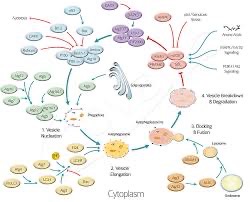
One of the zillion pictures on internet about autophagy. I do not understand it, but just to show how complicated the process is
Accelerating degradation over the years Universally cited “percentages of loss per year” for autophagy do not exist. It appears too difficult to measure in a scientific way, but some general observations can be made.
Age 20: Autophagy at that age is generally robust, efficiently recycling damaged proteins and organelles, which contributes to cellular homeostasis and youthfulness. Note:Homeostasis is the body’s natural, self-regulating process that maintains a stable, constant internal environment despite changes in external conditions.
Age 70: Autophagy efficiency is markedly reduced, leading to the accumulation of damaged cells and cellular debris (senescence). This strongly contributes to the aging process and to the accumulation of damaged cells.
To put things in perspective (and yes, mice are no men, but just to get an idea). In research on mouse neurons one sees a 94% decrease in autophagy from young adult mice compared to older mice. In older mice only 34% of the autophagic vesicles were functional, compared to 80% in young adult mice. Whether mice or humans, it is clear that at an older age, the body is less efficient at repairing itself.
Why is autophagy important part 1? Autophagy, as mentioned, is the process of clearing away damaged parts. This process is essential for keeping cells healthy. It ensures cells remain in good working order. If junk builds up in the cell, it can permanently tweak the cell’s genes. This makes it difficult or impossible for the cell to repair itself. It also hinders the cell from regrowing the structures it needs to survive and thrive. Many diseases can then be the result.
While some cells only last in your body for a few days, others are with you for a lifetime. Two especially important types of cells don’t turn over much. They are with us for decades, so they must stay healthy. Neurons are in our brains and other parts of the nervous system. Cardiomyocytes make up our heart muscle.
Why Is Autophagy Important — Part 2? The same idea as the previous paragraph, but more extensive.
Cellular housekeeping: It breaks down old, damaged, or misfolded proteins and organelles (like mitochondria). If left alone, these would cause cellular dysfunction. Ultimately, this could lead to cell death.
Energy & survival: During periods of starvation or stress, autophagy is activated. It recycles non-essential cellular components into usable energy (ATP).
Anti-aging & longevity: Autophagy is essential for reversing the accumulation of age-related cellular waste. Studies show that boosting autophagy can prolong lifespan in various species, because restoring autophagy gene activity to youthful levels can counteract decline.
Neuroprotection: It is crucial for clearing protein aggregates. These aggregates are similar to those found in Alzheimer’s and Parkinson’s diseases. This process occurs in non-dividing cells like neurons.
Immune system defense: It helps destroy intracellular pathogens (viruses and bacteria).
Cancer prevention: By removing damaged components, it helps prevent genetic mutations that can lead to cancer development. For this reason, some researchers are exploring whether autophagy may lower cancer risk. More research is needed, as autophagy can protect against some diseases but, in other contexts, may contribute to disease as Autophagy can also allow dysfunctional cells to survive in some contexts.
Quality control: Autophagy ensures that only healthy, high-functioning cells remain in your body.
How to Stop/Slow Down the Downward Trend
There are four methods to stimulate autophagy: fasting, the ketogenic diet, exercise, and supplements.
A Fasting/Intermittent Fasting Any shift in calorie sources causes your body to shift its metabolic pathways. It will begin to use fat for fuel instead of glucose derived from carbohydrates. In general, it is important not to overwhelm the body with constant external calorie loads. It is crucial to give the body a break to focus on its own health and repair. Note also the importance of sleep! And what are metabolic pathways, another overused terminology? I had no idea, but see at the bottom of this blog :).
“Fasting is one of the most effective ways to trigger autophagy.” During starvation, autophagy sustains the body. It breaks down cellular material. This material is reused for essential processes. This requires energy and cannot continue forever, but it buys time to obtain nourishment.
Fasting is a commonly recommended way to induce autophagy; usually the longer, the better. Three days is sometimes cited as the minimum you need to fast to induce autophagy. For most of us, this is not feasible. Many turn to intermittent fasting, as animal studies show good results. Assuming (though not all agree) that intermittent fasting works, it requires a non-eating window of at least 14 hours (on internet you will find a lot of debate on the number of minimum hours, but I chose 14.
Autophagy and gut-rest fasts prohibit caloric substances from passing your lips. Even one or two calories can be enough to stop autophagy and disrupt the fasted state. This means that virtually all foods are off limits. Beverages with calories, powders, and pills are excluded. Even breath mints and gum can be restricted. Tea, coffee, and water are allowed.
B The ketogenic diet The ketogenic diet is high in fat and very low in carbohydrates. It can bring similar metabolic benefits as fasting. A typical ketogenic plan provides about 75% of daily calories from fat and 5–10% from carbohydrates. This diet can promote the same metabolic changes that fasting induces, though it is not identical to fasting.
C Exercise is another non-diet factor that can promote autophagy. Animal studies show that physical activity can induce autophagy in organs involved in metabolic regulation. Compared with fasting, autophagy can be induced by as little as 30 minutes of treadmill running. Regular exercise, particularly endurance training and high-intensity interval training (HIIT), has been shown to enhance cellular cleanup mechanisms.
Some reports suggest that Zone 2 training for about an hour can induce as much autophagy as a three-day fast. This is not yet established with certainty, but it is plausible. Note: Zone 2 typically corresponds to roughly 60–70% of your maximum heart rate.
D Supplements Spermidine and Fisetin are considered direct and potent supplements for inducing autophagy. Pterostilbene is a strong, bioavailable enhancer of cellular cleanup pathways.
Every other day, I attempt a 14–16 hour fast. I aim to increase the number of days. However, I have not managed to go beyond about 22 hours of non-eating so far.
Regular sport training, including a few sessions per week in Zone 2.
I take supplements described in this blog: Spermidine, pterostilbene, and Fisetin.
Ok, this was it. Not all about autophagy but the essence as I (a non doctor) see it. The problem with one’s body is that everything is important, but some are more important than others. Autophagy is one of them.
Take care, enjoy life and let me know if you have any questions.
Robert, your health friend,
The mighty Congo River, up to 300 meters deep
Metabolic pathways are interconnected series of chemical reactions within a cell. They convert substrates (stuff) into essential products. These reactions manage energy and matter to sustain life. These multi-step, regulated pathways (e.g., glycolysis) are categorized as catabolic (breaking down molecules to release energy) or anabolic (using energy to build complex molecules.
All the pleasures are taken away from us these days. I know. The more time I spend reading about health issues, the less I put on our dinner table. A bio-salad, nuts, oats and quinoa—nothing else is left in life. It isn’t that bad of course, but you know what I mean.
The research and writing about alcohol depressed me. I truly had no idea how bad alcohol can be for your health. Yes, we all know that excessive drinking harms the liver. It can lead to loss of control and car accidents. However, I had no idea that drinking alcohol is linked to as many cancer deaths as to liver-disease deaths.
The alcohol industry, like the tobacco industry, is clever and sneaky. It often funds so-called objective studies. These studies conclude that one to two glasses a day are okay. They suggest these drinks might even confer moderate health benefits. The majority of researchers, however, argue that no safe level of alcohol exists. Even one drink increases the risk for certain health outcomes, according to the World Health Organization.
We do many things in life that are not foolproof healthy. I still allow myself the occasional drink (perhaps once per month). However, for years I have stopped the practice of having one or two glasses of red wine a day. I am happy that non-alcoholic beer at least tastes good!
What is positive about alcohol?
The alcohol industry is significant. It employs many people. Also, wine and beer enthusiasts enjoy comparing good varieties. Besides these aspects, there are theoretically three positives.
First, alcohol has a social function because it generally loosens people up and makes them more sociable.
Second, the taste. Except for beer, its taste cannot be copied (so far). Drinking non-alcoholic wine remains unsatisfactory. Creating a good nonalcoholic brandy or whiskey has not been successful yet, on the contrary.
Some studies have suggested that very light drinking could modestly increase HDL (“good”) cholesterol levels. However, these benefits are small and may vary depending on overall diet, lifestyle, and genetics.
2. Alcohol and cancer
The previous paragraph is the only positive part of this blog. For the remainder the text is negative all the way. For example, I did not know that alcohol increases risk for seven types of cancer. By 1988, it was already recognized that alcohol is a carcinogen. It is grouped alongside tobacco, asbestos, radiation, and certain viral infections such as HIV. Come on, in 1988!
UK statistics show that around 4% of all cancer deaths are caused by alcohol. About 4% of liver-related deaths are also attributable to alcohol.
The seven cancers include mouth, oropharynx (middle throat), larynx (voice box), esophagus (food pipe), breast, liver, and bowel (colorectal). There is increasing evidence that it may be linked to pancreatic cancer as well.
3. The technical side
1 No matter what type of alcohol you drink—wine, beer, or liquor—it always contains ethanol. When your body breaks down ethanol, it produces a carcinogen (stg that causes cancer) called acetaldehyde that damages DNA. It not only damages DNA but also impairs the body’s ability to repair it.
2 Alcohol also impacts the body’s oral and gut microbiome. This microbiome is the balance of bacteria, viruses, and fungi that help keep the body healthy. One of the microbiome’s roles is to process alcohol toxins so the body can remove them. The gut microbiome is a critical link between the digestive system, the liver, and the immune system. It plays a significant role in how our body metabolizes alcohol. It also manages the ethanol and toxins that come from it.
Your body is capable of a lot. An occasional disruption to your gut microbiome probably leads to nothing more than a sick feeling. However, if you do this regularly, your gut microbiome can be structurally impacted, including wear on the gut’s protective lining. This is very serious. With the gut lining damaged, toxins can move into the bloodstream and on to the organs. This can increase the risk of cancers both within the gastrointestinal tract and beyond.
3More negatives? Yes. Alcohol can change hormone levels in the body. This can lead to faster cell replication. It also increases the chance of mutations—and thus cancer.
4 Alcohol can cause brain atrophy by speeding up the death of neurons in the brain.
5 When you drink alcohol, your body absorbs fewer nutrients. These nutrients can protect it from cancer. They help keep the body healthy and protect cells. Furthermore nutrients support DNA creation and repair. They also reduce inflammation—including vitamins A, B1, B6, C, D, E, and K; folate; iron; and selenium.
6 Cells in your mouth and throat are particularly vulnerable to both smoking and drinking. Combining these behaviors multiplies the negative effects. Some sources suggest that smoking and drinking together increase cancer risk more than either behavior alone.
4. Different health issues caused by drinking alcohol
Addiction Because alcohol consumption is socially accepted, the boundary between problem drinking and addiction is difficult to interpret. The risk of addiction is often underestimated. That is why alcohol is called a silent killer.
Alcohol affects sleep significantly. You may feel ready for bed after a drink or two. However, you might be surprised to learn that drinking alcohol is linked to insomnia. It causes trouble falling — and staying — asleep. Although alcohol may initially sedate, it disrupts REM sleep. It later affects your sleep architecture. The interesting thing about alcohol is that it’s sort of deceiving. When people drink, they feel sleepy or tired. They go to sleep. Then, they experience rebound insomnia. In the second part of the night, they wake up, and they cannot fall back asleep. Alcohol-related sleep issues can affect day-to-day functioning as well.
Alcohol can have negative effects on fertility and pregnancy Drinking alcohol can impact many stages of the journey to parenthood. There is the risk of infertility for both men and women. For women who get pregnant, a major problem is fetal alcohol syndrome. It may result in “lifelong physical, behavioral and intellectual disabilities for the newborn.” These issues can occur when a fetus is exposed to the alcohol in a mother’s blood. It is not about heavy drinking. Any amount of alcohol while pregnant can increase the risk of fetal alcohol syndrome disorders. Drinking alcohol while pregnant is a truly bad idea as it can lead to miscarriage or stillbirth.
Alcohol impacts mental health and brain function Long-term heavy use can lead to neuronal shrinkage. It can cause disrupted neurotransmission and cognitive decline. Memory impairment, Wernicke–Korsakoff syndrome, and a higher risk of dementia are also possible consequences. The resulting damage to brain cells and cell death can reduce cognitive function. It can also cause problems with memory, concentration, and executive functioning.
Studies have linked heavy drinking to increased dementia risk. More research is needed to determine how light alcohol use might impact the brain..
Immune suppression and infection susceptibility Heavy use impairs immune function. It makes people more vulnerable to infections such as pneumonia and tuberculosis. They are also at risk of sepsis and poor wound healing.
Cardiovascular disease Heavy drinking is linked to hypertension, cardiomyopathy, arrhythmia’s (atrial fibrillation), stroke, and heart failure. Moderate drinking has similar effects but typically for shorter durations. Even moderate drinking can acutely increase the risk of cardiovascular events in the hours after drinking, as shown in research.
Digestive and gut health Earlier, in the paragraph on “the technical side”, I already mentioned the devastating effect of too much alcohol. It can harm your gut microbiome. Just to repeat: alcohol disrupts digestive enzyme function and alters gut bacteria, which can affect nutrient absorption and immunity. Alcohol irritates the pancreas, increasing the risk of acute and chronic pancreatitis. It also damages the lining of the stomach, esophagus, and intestines. Alcohol can irritate and inflame the esophagus, stomach lining, and intestines. Heavy drinkers often have poor diets, malabsorption issues, and vitamin deficiencies.
And more bad news. • Dehydration and electrolyte imbalance (because alcohol suppresses vasopressin). • Gastric acidity, especially in heavy drinkers who are dehydrated or fasting. • Bone loss and risk of osteoporosis, especially in women. • Dental problems, oral health decline, and risk of periodontal disease. • Social harms, such as accidents, violence, impaired judgment, and economic or legal consequences.
5. But, Robert, I only drink a little.
Drinking a little or moderately is better than heavy drinking of course, but still you can encounter the following issues.
Cardiovascular stress: A study published in the American Heart Association’s journal found that the risk doubled in the hour after a single moderate drink. During this period, the risk increased for heart attacks or strokes. This is likely due to acute rises in heart rate, blood pressure, and platelet stickiness. Over 24 hours, only heavy drinking maintained elevated risk.
Cancer risk: Alcohol metabolites damage DNA and increase risk for multiple cancers. Even modest intake increases risk for breast cancer, colon cancer, esophageal cancer, liver cancer, and more, according to research.
Medication interactions: Even light to moderate alcohol can interact adversely with many prescriptions (sedatives, antidepressants, blood thinners) or over-the-counter drugs.
Injury and accidents: Any alcohol impairs judgment, reaction time, and balance, increasing the risk of falls, accidents, and injuries.
Sleep disruption: Alcohol fragments sleep cycles, especially in the second half of the night.
Blood pressure and stroke risk: Even moderate amounts may raise blood pressure over time, especially in sensitive individuals.
6. Definitions of types of drinking
Moderate drinking: For women, up to one standard drink per day; for men, up to two standard drinks per day.
Heavy drinking and binge drinking: Women—four or more drinks in about two hours or more than eight drinks per week. Men—five or more drinks in roughly two hours or more than 15 drinks per week.
By these standards, many people I know would qualify as heavy drinkers (myself included in the past), when you look at the week intake.
High-intensity/binge drinking is defined in research as two times or more the binge threshold. This equates to roughly eight-plus drinks in one occasion for women. For men, it is 10-plus drinks.
7. Repair
Fortunately, your body can often repair itself, at least partially. The liver is a good example; it has remarkable regenerative capacity. If damage is not advanced (e.g., early to moderate fibrosis, not full cirrhosis), abstinence or reduced drinking can help repair, lower enzyme markers, and improve liver function over months to years.
There are many effects when you stop drinking; some are very visible (e.g., improved skin) or noticeable to yourself and others (reduced brain fog). I notice the difference between the years I drank one or two glasses a day. Now, I am basically not drinking at all.
8. Stopping has many benefits
When you stop your alcohol intake, you avoid many health problems.
You save money.
You will feel much better overall, including better sleep quality (less snoring for example) and digestion.
Not drinking is great for the skin. My dermatologist can often tell from the skin whether someone drinks or smokes. Drinking dehydrates the body and skin. No more puffy faces!
No more red wine. Still, enjoy life, take care and thanks for reading this blog,
Robert, your health friend
The rare sweet water dolphin in the Apure river, Venezuela
Do you sometimes have that feeling that “they” are taking away everything from you? Especially the things you like so much suddenly seem to be bad for your health. In short, are they robbing you of your last pleasures? I am sure you recognize this sentiment.
At the moment, I feel a bit down as well. After years of diligently eating dark chocolate because it was supposedly so beneficial (and delicious), I have come to the conclusion that I should stop. Dark chocolate: farewell. Your health benefits are limited, and your negative impact on my health can be substantial.
1.Red wine revisited
Do you remember those discussions about red wine? One or two glasses a day were said to be good for your health because red wine contains resveratrol. Yet after years of serious drinking, many people learned that you would need around 100 glasses of red wine daily for resveratrol to have a meaningful impact. And later, while studying resveratrol, I learned that resveratrol has a short half-life and that pterostilbene may be a better option https://shakethehealthtree.com/index.php/2025/05/16/21-stay-healthy-100-glasses-of-red-wine-daily-or-resveratrol-pterostilbenehealth-project99/. I wrote a blog about this.
2.Okay, back to dark chocolate. Its main claim to health fame is that it is one of the few foods rich in flavanols. The other two are green tea and cocoa powder. Fewer flavanols are found in hazelnuts and red wine. Others that are often mentioned but contain very little flavanols are grapes, apples, blueberries, strawberries, and pears.
One oz (28 grams) of dark chocolate (70% cacao) provides 150–400 mg of total flavanols, a quantity that according to some could be enough. There are however two problems with dark chocolate: its saturated fat content and the way it is processed. If it is processed using the “Dutch process”, it can lose up to 90% of its flavanol content.
3.Summary
Many of these beneficial flavanols are removed during the majority of manufacturing of dark chocolate. This means that dark chocolate processed in that way does not contain enough of these plant chemicals to be considered a health food. Chocolate also contains a lot of saturated fat and sugar. If you want your flavanols, go for green tea.
4. First, what are flavanols?
Flavanols are a subclass of flavonoids, a large family of plant compounds with antioxidant activity. They include flavan-3-ols (such as catechin and epicatechin) and their polymeric derivatives known as proanthocyanidins; some sources also mention related forms such as flavan-4-ols, isoflavan-4-ols, and flavan-3,4-ols. In total, many flavanol derivatives have been identified.
Flavanols are associated with health benefits in many studies.
You will often read the term monomeric flavanols. These are single-unit plant compounds and are the basic building blocks for larger, linked molecules called oligomeric flavanols. Some well-known monomeric flavanols are epicatechin, catechin, and EGCG (epigallocatechin gallate). These are among the flavanols most studied.
5.What are the reputed benefits of flavanols?
They act as antioxidants and may support cardiovascular health, reduce inflammation, and confer other health benefits in some studies. However, results in humans are mixed and often depend on dose, the specific flavanol form, bioavailability, and overall diet. My conclusion: worth the try.
Antioxidants protect cells from damage caused by free radicals—unstable molecules produced during normal metabolism.
6.Daily Recommended Quantity
There are no scientifically determined daily quantities. In general, the often-mentioned aim is 200–500 mg/day of total flavanols, but see caveats below.
One ounce (28 grams) of dark chocolate (70% cacao) provides 150–400 mg of total flavanols. Most people—myself included—do not stop at just 28 grams, but eat half or a whole bar. One cup of green tea contains about 150–300 mg of total flavanols (EGCG ~80–150 mg). Unsweetened cocoa powder (5 g) provides about 30–70 mg of total flavanols.
7.The main problem with dark chocolate is saturated fat.
Only those with a lot of discipline limit themselves to just one or two pieces. One or two pieces already account for about a quarter to one third of the daily recommended amount of saturated fat. Imagine what happens if you eat a 100 g bar of dark chocolate with about 80% cacao. Such a bar contains 35–45 g of total fat, of which saturated fat is 20–25 g, roughly the maximum recommended for women (20 g) and men (30 g) per day.
Assuming that saturated fat is not good for you (which I do), then having dark chocolate for its flavanol health component may not be worth it, in spite of all the claims by chocolate producers. This is especially true because many dark chocolate bars are processed in ways that cause most of the potential beneficial flavanols to disappear.
8.Two ways to process dark chocolate: the Dutch method (“Dutching”) and the other (much better), non-alkalized approach
In most dark chocolate bars, Dutch processing is applied, especially in cheaper ones. This is also called alkalization, which reduces the acidity of dark chocolate. Producers like it because it mellow‘s the acidity and deepens the brown color. Generally, more expensive brands use non-alkalized (natural) cocoa to preserve natural acidity and more complex flavors. The main downside of the Dutch process is the reduction of polyphenols and antioxidants, such as flavanols, which can be reduced by up to 90%.
A challenge is that Dutch-processed cocoa, alkalized cocoa, or Dutched cocoa is often not clearly labeled. You may also see terms such as “Dutch-processed cocoa,” “alkalized cocoa,” or “Dutched cocoa,” or labels like “cocoa processed without alkali” or “natural cocoa.”
On a different note, I wonder why the English language has so many negative expressions with the word Dutch included (perhaps because we destroyed their fleet in London in the 17e century).
9.Bioavailability
Looking at the required dose is one thing, but bioavailability is what matters for each supplement. What is its half-life? How much of the flavanol intake actually reaches the bloodstream and is available to exert effects?
For flavanols, the issue of bioavailability is complex and highly variable, and therefore difficult to generalize, but for practical purposes, flavanol bioavailability is low, often only a few percent. For example, the well-known monomeric flavanols catechin and epicatechin show peak plasma levels within 1–3 hours after ingestion and are eliminated within a few hours.
Larger flavanols, such as proanthocyanidins (condensed tannins; polymers), are poorly absorbed in the small intestine. They are largely broken down by gut microbes in the colon into smaller metabolites that can be absorbed.
10.Can you take flavanols as supplements?
Yes. Flavanols can be taken as pills or supplements. The three most well-known types are: 1) Green tea extract or EGCG-heavy supplements (rich in monomeric flavanols such as catechin and epicatechin, and EGCG); 2) Cocoa flavanol extracts (rich in total cocoa flavanols); 3) Grape seed and pomegranate extracts (rich in proanthocyanidins and related metabolites).
11.However, there are some important caveats.
When you take a supplement always!! be aware of the general issue of quality. Only buy from reputable brands and always look for Good Manufacturing Practice (GMP) certification.
And realize that these beneficial flavanols can also have some drawbacks, especially if you take too much. Safety-wise four points stand out.
A.Liver safety: high-dose green tea extract has been linked to rare cases of liver injury. If you have liver disease, start low and consult with a clinician.
B.Caffeine content: many green tea extracts contain caffeine or related stimulants; this can affect sleep, anxiety, and heart rate in sensitive individuals.
C.Drug interactions: they may interact with anticoagulants/antiplatelets and other medications; discuss with your doctor if you’re on prescription meds.
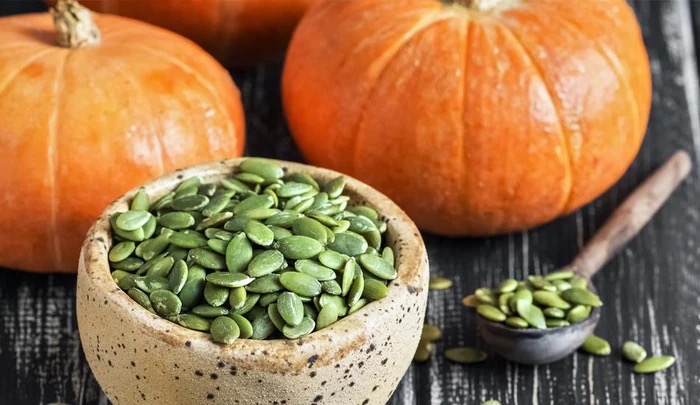
Often used in salads as toppings, these green-gold kernels, often labeled “pepitas,” are a compact source of affordable vegetarian protein, minerals, and healthy fats (about half of their weight is fat). Most people love pumpkin seeds, and I do as well.
1.Superfoods It is nice to see that “old” foods can be called superfoods. Pumpkin seeds are one of them. I do not like the term superfood as such, because it suggests wonders to be achieved by eating A, B, or C. Each with a loyal, at times fanatic fan base (and companies that just want to make money).
What many call superfoods is no more than excellent nutrient-dense food, rich in vitamins, minerals, antioxidants, and phytochemicals. They’re good for your health, can help prevent disease, and support overall wellness. To eat really good food for oneself is already an accomplishment, as most products in your supermarket are not great at all. “Superfoods” are part of my diet, like kale, avocado, wild salmon, and the occasional pumpkin seeds in my salad. Or as snack in the early evening.
“Superfoods” should be part of a holistic diet and healthy lifestyle, not a goal in themselves. They are not exclusive instruments to help you reach your health goals. Do not rely on them too much. So far, no supplements, pills (and definitely no superfoods) exist that cure or prevent everything.
2.Seeds compared. When you compare seeds, there are differences, of course, but most are not that big. Pumpkin seeds are average compared with other seeds when it comes to calories, relatively high in protein (about 25%), and higher than average in fat (but mostly healthy fat) with about 50%, carbohydrates are average and fiber is low. They are a good source of iron, potassium, zinc, and magnesium.
3.The Benefits of Pumpkin Seeds 1. The unsaturated fats in pumpkin seeds, along with magnesium and phytosterols, can contribute to a heart-healthy dietary pattern. Some research suggests that regular, moderate intake of pumpkin seeds may help improve lipid profiles and support blood pressure within certain populations.
2. The combination of protein, fiber, and healthy fats helps increase satiety, which can support better appetite control. For people trying to manage weight, substituting or pairing pumpkin seeds with other snack options can reduce hunger between meals. The fiber content also supports gut health and steady digestion when consumed as part of a balanced diet.
3. Pumpkin seeds contain antioxidants such as vitamin E and carotenoids, plus phytosterols that may support cholesterol balance. Some compounds may help reduce inflammation and oxidative stress.
4. Like many seeds and nuts, pumpkin seeds contain tryptophan, an amino acid that the body can convert to mood-regulating and sleep-related chemicals. Magnesium, another nutrient they supply, is also linked with better sleep quality for some people.
5. Some small studies and traditional use point to benefits for urinary function in men, particularly related to lower urinary tract symptoms (LUTS). The zinc profile in pumpkin seeds is often highlighted in this context. More robust, large-scale trials are needed to make definitive recommendations, but the existing data are encouraging. Men at my age (67) care about their prostate and welcome news like this.
6. In addition, studies indicate that pumpkin seeds contribute to immune support and a better mood and sleep.
4.Problems? Yes, (six minor) ones Pumpkin seeds are calorie-dense. The prepackaged roasted varieties often contain too much sodium (salt). Overconsumption can lead to digestive issues. Some people are allergic. Pumpkin seeds contain compounds like phytic acid that can modestly reduce mineral absorption when eaten in very large amounts, so I would not worry too much. If you have kidney disease, do not eat too much and consult your doctor.
5.Nuts vs. seeds in general Seeds are the plant’s embryos that can grow into a new plant. Nuts are a type of dry fruit with a hard shell around a single seed. True botanical nuts include chestnuts and hazelnuts, etc. Many “nuts” sold in stores (almonds, pistachios, walnuts, cashews) are actually seeds from fruits or drupes, not true botanical nuts.
Nuts (almonds, walnuts, pistachios, cashews, etc.) are frequently more expensive per pound than most seeds.
Both seeds and nuts have excellent nutritional profiles, with differences among them, of course. Seeds are often rich in polyunsaturated fats, certain minerals (magnesium, zinc, iron), and fiber. Nuts are often higher in monounsaturated fats and protein, with their own mix of minerals and phytochemicals.
The shelf life of raw nuts is substantially higher than that of seeds—two times or more. There is no difference when stored in the refrigerator or freezer. Some seeds, like pumpkin seeds, can be more prone to oil rancidity if exposed to heat and light for long periods.
6.How long do pumpkin seeds stay fresh? 4 months in a dark cupboard; keep them in airtight containers away from light, heat, and moisture. If they are roasted, shelf life is about 4 weeks only, before roasted taste disappears. Roasting also diminishes shelf life. For that reason, I freeze a few kilograms of roasted pumpkins and take out a few hundred grams each week. In the fridge: 3–6 months (roasted or not); in the freezer: 9–12 months (roasted or not).
7.Why soak and roast them? Soaking (especially in salted water) reduces the phytic acid in pumpkin seeds. Phytic acid can reduce the absorption by your body of important minerals from other foods. Soaking first will also make roasting easier and can improve digestibility for some people. Roasting will add a lot to the flavor. Some people claim that roasting alone produces a better taste result.
8.Is this a lot of work? No. I do these kinds of things during dinner preparation—Always a few kilograms at a time and storing most of the result in the freezer. A few kilograms should last 1–2 months. The soaking should last 4 hours (in salted water) and the roasting 20 minutes at 175°C (350°F). While roasting, add a bit of oil and salt.
It is getting dark, time for dinner and a nice evening snack. Tonight, as often, pumpkin seeds of course.
Take care, enjoy your food and live a happy and healthy life.
In the first part of this blog I make some general remarks about the importance of motivation, knowledge and willpower. In the second part of this blog, I will provide some tips on how to stay motivated. Remaining motivated is not easy, but essential to achieve results; without motivation and willpower it is impossible to remain committed in the long term. A longer and healthier life is indeed a long-term goal, so it’s easy for your motivation to wane at times.
Staying motivated happens to be a challenge for most of us. This is especially true when it involves a lifelong commitment. Benefits may only be enjoyed decades down the line, although it motivates of course feeling good and looking better during the ride.
Fortunately, there are several strategies you can use to keep your enthusiasm and drive toward your goals. For me, more knowledge about health issues, along with regular testing, has helped a lot.
At the end of the day, having one additional sweet or skipping one workout won’t make a difference. This is true, of course. However, you could find yourself on a slippery slope before you know it. You might return to unhealthy habits. On the other hand, don’t be too harsh on yourself. If you are generally moving in the right direction, you’re doing fine. Small violations will not harm you and psychologically might even be necessary. This is something I remind myself of during moments of weakness.
You should ask yourself some questions in order to get to be able to formulate your motivation: What do you want from life? What achievements are important to you? Is life finished for you after you reach 80 or 90 years? To that last question, many, perhaps even most, would say it does. A common argument is that no one wants to end their life in the misery of poor health. But imagine a different scenario. What about living in good health and enjoying life until 100? 120? Why not?
So let us assume that you, just like me, have a sincere wish to live longer and healthier. How? Be willing to adopt a different lifestyle. By spending money and time differently. Stay open to new ways to improve yourself. I did it, so why not you?
Since my youth, I have struggled with the concepts of life and death. Not being religious or believing in reincarnation, I view the present period on earth as what you’ve got. The idea that one day it will all be over is something I find truly difficult to deal with. Does this mean I want to live forever? No. Simone de Beauvoir wrote a book that changed my perspective. It helped me realize that eternal life might not be desirable. The book is called “Tous les hommes sont mortels.” The story of a man who continued living, cycle after cycle, was compelling. Watching his loved ones disappear made it clear to me that eternal life is not a good idea.
In the Middle Ages, the average lifespan was 30-40 years, as it was during the Industrial Age. After World War II, life expectancy in the Western world rose to around 70 years. Now, it’s about 80. In Japan, it’s approximately 84. The oldest man ever lived to 116 years, and the oldest woman lived to 122. While the average lifespan today is near 80, the number of years lived in good health is lower: UK 65, US 69, France 74.
Since the Industrial Age, we have doubled the average lifespan, from 40 to 80 years. Currently, we are pushing those boundaries again. Technological developments, thanks to AI and quantum technology, are advancing exponentially. Some actual projects aim for lifespans of 160 years and beyond—again, why not? Life is great.
The world has much to offer. I understand those who want to enjoy it as long as possible, including myself. There is a significant age gap with my wife. I promised her to stick around for as long as I can. For all these reasons, I started Health Project 99+. I hope (and to a certain extent, I am convinced) that present developments will prolong lives to 99 and more.
You might see life as almost eternal when you are 20. But believe me, one day you will reach an age you never associate with yourself. Life definitely does not seem eternal anymore. At that age, you will be focused on health issues. This happens whether you like it or not. 😊
I discuss health with many people. You can basically divide them into two groups. There are those who genuinely do not care. Then, there are those who do care but aren’t sure where to start and can not, as we say in The Netherlands, “see the forest through the trees”.
Smoking is bad. Eating French fries every day is a poor choice. Few truly know what to do beyond this basic knowledge. I was part of the second group, and slowly but surely, I learned what is good for my health. Knowledge I am happy to share with everyone who is willing to listen.
My own experience.
I always thought I lived reasonably healthily. Compared to many, I probably did. I do not smoke. I drank moderately and exercised. However, my diet was not always great. I consumed too much ultra-processed food and excessive sugar and sweets. My BMI was around 25. I didn’t get enough sleep and often dealt with stress.
Then, about five years ago, I received a warning due to heart problems. It was then that I decided to change my life. I quickly realized that I knew nothing, literally nothing about health. I have the highest admiration for medical doctors; they have saved me a few times in my life. However, many have a traditional, mostly remedy-oriented focus. There are many things you have to discover for yourself. I am grateful to all the health experts out there. They range from Medical News Today to the BBC, and those on YouTube who do an incredible amount of work. Throughout this process, I stayed away from people who promote A, B, or Z as the solution to everything. I managed to avoid them. At least, that is what I think.
Part Two: Tips and Tricks
Realize that this health process is a step-by-step approach. Be ambitious over the long term, but apply a gradual approach in the short term. It took me years to reach my current health level. I would say that I do for about 90% right.
Also, recognize that you probably know little about health. Follow some trusted individuals and be willing to adjust your lifestyle properly. Again, take a step-by-step approach. By writing my blogs, I have changed much of my behavior, but slowly. Trying to change everything at once does not work! I hope you will be inspired to change by reading my blogs.
Define specific, measurable, achievable, relevant, and time-bound (SMART) goals. Break larger goals into smaller, manageable steps to avoid feeling overwhelmed.
Focus on the most important biomarkers, get an annual test, and know what’s important. For me, it is extremely motivating when my test results are good. I set goals, try to improve, etc. Measuring progress is crucial. My Apple Watch recently told me my cardio recovery was down. This motivated me to do more high-intensity training. I was thrilled to see my recovery improve. It’s currently at 34. This is the highest it has been for years.
Establish a daily or weekly routine that supports your goals. Consistency helps build habits that contribute to motivation. I walk 4 km every morning, primarily to do some shopping—an excuse, but useful nonetheless.
Incorporate as much as possible into your daily routine. This is not easy, especially with a busy job and children running around.
It is important that your environment (first and foremost, your own household) supports you. Avoid negativity that can drain your motivation.
Read books, listen to podcasts, or watch videos that inspire you (and read blogs like this one). Learning about others’ successes can reignite your own motivation. I love watching videos of guys in their 80’s. They look like they’re in their 50’s. They can do 100 push-ups!
Determine the number of additional physical exercises you want to do weekly (in addition to your daily walking and cycling). Establish a minimum number as well as a maximum; for me, this approach works wonders.
If possible (and in the Netherlands, it often is), do not buy a car. Rent a car when you need one. For everything else, walk, cycle, or use public transport. I realize this is not feasible everywhere. For my wife and me it works very well.
Regularly assess how far you’ve come. Reflecting on your journey can remind you of your capabilities and the effort you’ve already put in.
If you find that certain goals are no longer motivating or achievable, don’t hesitate to adjust them. Flexibility can keep you engaged as long as it fits within your ultimate long-term goal. For example, I have come to accept that my maximum VO2Max will be around 40. I once hoped for 50. However, I simply cannot achieve that. It is not necessary either. It was just a personal ambition.
Acknowledge that setbacks are part of the journey. View challenges as opportunities for growth rather than obstacles.
Engage in lifelong learning. In health, there are always new things to learn. Finding new interests or skills can rejuvenate your motivation and open new avenues for success.
Remember, motivation can fluctuate, and that’s normal. The key is to develop strategies that work for you. Keep using these strategies to keep your momentum.
Stock your home with basic and healthy ingredients. Stop buying ultra-processed food. Buy fresh products, boil them and freeze them. Most of us snack; I do for sure. Look for healthy alternatives like nuts, sweet tomatoes, rice crackers and fruit.
Pay attention to labels. In 99 out of 100 cases, checking labels prevents me from making impulse (snack) purchases.
Thanks for reading, stay motivated and enjoy life,