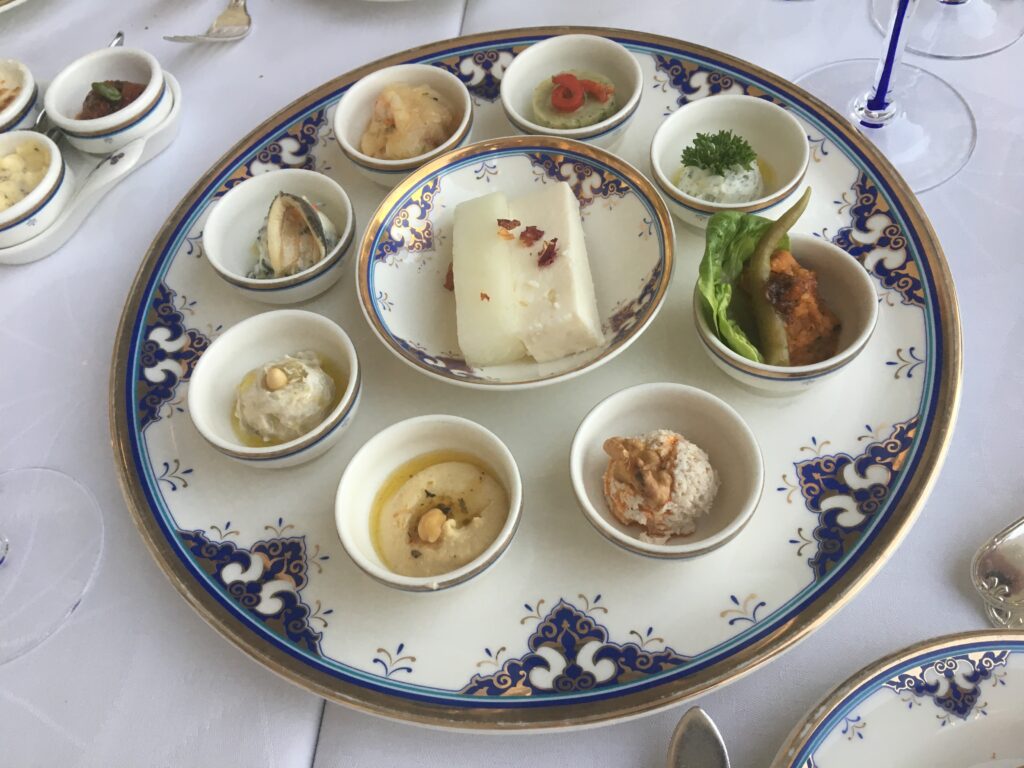
Do not eat in bed including food from a Turkish chef
Dear reader,
In bed, you are never alone. You might be surrounded by millions of mites and their feces. For sure, every night billions of dead skin cells are left on your bed, as well as traces of make-up, oils, and liters of sweat. In 10 years’ time, the weight of your mattress can double. Gross? Yes. Preventable? Absolutely.
As I read in a scientific article: “There is a hidden biome inside everyday bedding where ordinary fabrics hold far more microscopic activity than expected.” Never look at photos taken with a microscope of your bed, unless you like horror. I made this mistake and viewed some of these photos. It almost made me decide to sleep on the stone floor of our balcony.
Fortunately, there is a lot you can do. It requires some effort though, including additional investments now and then, like buying new pillows every 18-24 months and new mattresses every 10 years. Health wise, many vague health complaints might disappear if your bed environment becomes cleaner. 100% cleanliness is not possible, but you can get close. It will be a good investment in longevity.
1.The importance of a clean bed environment
A clean bed environment is crucial for health. Longevity and good nights’ sleep are closely connected. A good bed environment strongly impacts sleep quality, reduces exposure to allergens and harmful bacteria, and improves mental well-being.
An unwashed bed can or will act as a breeding ground for bacteria, fungus, and dust mites, which can cause skin irritations, allergies, and respiratory issues.
In short, your bed should be a healing place — not a hidden source of illness, allergies, and irritation. This is the main reason why sleep awareness should be an integral part of your bedroom habits.
2.Diseases related to an unclean bed environment
Some of the related diseases (mostly respiratory or skin-related) include: hay fever, COPD, pneumonitis, pneumonia, bronchiectasis, eczema, acne, and conjunctivitis (irritation of the eyes from dust and allergens, which can lead to inflammation).
3.So what happens in the bedroom?
Our bodies produce oils and sweat and shed dead skin cells, which all find their way into the fabric of our sheets. If you do not take action, these residues build up and end up in your mattress and pillow. Even if you don’t notice it, your body sweats during sleep. Over a year, that adds up to more than 26 gallons of sweat absorbed by your mattress and bedding.
Human skin constantly renews itself, and we shed skin cells continuously. Every night, you get rid of up to 15 billion dead skin cells. Every night! Knowing this fact is enough reason to pay more attention to bed hygiene. Dust mites, pollen, pet dander, and mold can accumulate in bedding, leading to asthma attacks, sneezing, and itchy eyes.
Pillows, especially older ones, are the perfect habitat for many types of fungi. This can worsen allergies, skin conditions, and even respiratory issues. I read one disgusting study that found more bacteria on pillowcases than on toilet seats.
Given warmth, darkness, and a buffet of delectable bodily fluids, it is not surprising that each bed can become a fertile breeding ground for bacteria, fungi, and other vermin like the feared dust mites. Cultures of bed sheets have grown a variety of pathogens, including bacteria such as Staphylococcus aureus spp. This bacterium is renowned for living within bedding and can lead to skin infections—if you have cuts on your skin, this bacterium is one to be cautious around.
Dust mites occur naturally and can appear in nearly all homes; roughly four out of five homes in the United States have dust mite allergens. Dust mites can live in bedding, mattresses, upholstered furniture, carpets, or curtains.
Dust mites are harmful because they produce proteins in their feces and decaying bodies that, when inhaled, trigger allergic reactions and initiate asthma attacks.
4.What to do? (and beware it is a long list!)
Please find below a list of 20 things we (now) do at home, based on expert tips. Most of them speak for themselves, and you probably wonder why you were not doing them already. We were for sure!
Keep the bedroom cool.
Keep the bedroom dry. Use a humidifier if needed. Humidity should be below 50%.
Buy a zippable, breathable, and washable mattress protector (“sealing”). Take it to the dry cleaner once per year.
When you make the bed, use two undersheets (one flat bottom sheet and another fitted sheet with elastics). Why? One undersheet will prevent most dirt—especially microscopic particles—from falling through. Some dirt will still seep into your mattress (unless you have a mattress protector, although with enough dirt it will eventually penetrate the mattress). However, if you use a second undersheet and replace both every week, the chances of dirt reaching your mattress are close to zero.
Air your bedroom every day for a few minutes.
Regularly expose your mattress to fresh air and sunlight (UV light helps kill fungi) by removing bedding and opening windows.
Rotate your mattress every six months. Some people air their mattresses on the balcony.
Pillowcases get particularly dirty, so change them twice per week. Just as with undersheets, I put on two pillowcases per pillow. Use breathable, hypoallergenic pillowcases.
Replace pillows every 18–24 months. Old pillows can contain up to 30% dead skin, oil, and dust mite waste.
Change your sheets every week. In one UK study I read, British people only change their sheets every 3–4 weeks: couples every three weeks, singles only every five weeks.
Vacuum your mattress every 3–6 months, ideally using a vacuum with a HEPA filter to reduce airborne spores.
Do not eat in bed.
No pets on the bed.
Pay attention to the right fabric: choose cotton, linen, or bamboo.
Keep the bedroom, especially under the bed, free of items that trap dust.
Use high-efficiency air filters in your air conditioner and change the filter every three months.
There are dust mite sprays available, but I have no experience with them. For me, the best approach seems to be good hygiene and, if needed, replacement.
Do not wash towels together with sheets. Towels carry heavier moisture and often release lint, which can stay trapped in bedding fibers (lint is soft, shed fiber, loved by dust mites).
Avoid storing fabric in your cupboard while damp.
Dust mites hang out in fabrics, so opt for blinds rather than curtains, and avoid using carpets or rugs on your floors, which can trap allergens. Avoid storing extra pillows, plush toys, and decorating your room with items that collect dust.
5.People often change their sheets more often if they:
Sweat heavily or live in a hot climate
Have allergies or asthma
Let pets sleep in the bed
Sleep naked
6.Dust mites are about 0.2 to 0.3 mm in length and eat skin dander and a few select molds. The health hazard posed by these critters is that their feces is a strong allergy trigger. They are found almost everywhere, and there are commercially available treatments (pesticides). However, know that once you treat your home for them, they will return.
This scale bar gives you an idea of their size (0.1 mm = 100 µm). Females are about 320 µm wide and 420 µm long; males are about 245 x 420 µm. They live on dead human skin cells and filamentous molds in dust on top of our bookshelves and window frames; in our carpets and curtains; in sofas, chairs, and mattresses; and in heating and air-conditioning ducts and filters. No home is without them, and it’s impossible to completely get rid of them. We inhale their dry, powdery feces, which is what causes what used to be called house dust allergy in some people.
They have a rounded body with eight legs and a tough exoskeleton. The body appears slightly fuzzy due to tiny hairs or bristles. You will not see dust mites themselves, but their presence often shows through symptoms such as sneezing in bed, itchy eyes in the morning, or congestion that improves after washing bedding.
7.Early signs of bed bugs usually appear before the insects themselves do. Look for these signs (with the aid of the microscope function on your iPhone). Check seams first. Then look at mattress corners, pillow piping, and bed frame joints. Signs are: Tiny rust-colored marks; Dark pin-sized spots; Pale shed skins and Clustered bite patterns nearby.
Writing this blog upset me a bit and also started me to wonder about bed hygiene in hotels.
Take care, of yourself, of your bed and live a happy and itch free life.
Who is not vain? I am, for sure. I did not like it at all when, some years ago, so-called age spots started to appear on my hands. As they multiplied, I started using expensive creams, trying to get rid of these “older people” symptoms. The Internet is rife with alternative methods, so I tried some of those as well. Neither the expensive creams nor the alternative methods — for which I was not patient enough — worked for me. I do not say that none works, but most probably do not, even if one is patient and consistent. Laser treatment is supposed to be effective in fading age spots, but I considered it too expensive.
So, after trying several methods, I left my hands more or less in peace and only applied daily sunscreen protection.
Because of a recent video on YouTube about the relationship between food and age spots, I looked carefully at my hands again. To my very pleasant surprise, the age spots had faded! The fact that I had not noticed this development says a lot about me… Somehow, I missed the gradual disappearance of my age spots over the past few years. Whatever the case, the difference is striking and I am quite happy.
It is, of course, difficult to determine the cause of this improvement, but I suspect it may be linked to changes in diet and lifestyle, as also described in the YouTube video I watched. Subsequent scientific literature I read confirms there is a strong link between lifestyle/environment, nutrition, and age spots.
The moment you realize the importance of this link is also the moment you realize that almost all creams being promoted are nothing but expensive marketing gimmicks. A few creams might work, but I have no personal experience and do not consider them in this blog.
This blog is about how food impacts age spots, how sunscreen protects your hands, and the importance of a healthy lifestyle and environment.
1.My approach to avoiding/caring for age spots: Healthy lifestyle, stay away from negative circumstances (pollution, etc.), eat well (no ultra-processed foods, sugars, etc., and concentrate on antioxidant-rich food). In addition, I take collagen daily. I have no confirmed idea if collagen positively affects age spots, but additional collagen is needed to compensate for the gradual loss of collagen after your 20s. I wrote a blog about this topic. https://shakethehealthtree.com/index.php/2025/06/24/21-collagen-loss-what-to-do-health-project99/
And do not forget to put sunscreen on your hands too. Sun is one of several important factors in skin ageing and pigmentation changes and it can contribute to the development and darkening of age spots.
2.A few statistics about skin in general: The human skin is the largest organ of the body, covering an average surface area of 1.5–2.0 square meters and accounting for approximately 15% of total adult body weight. It is not easy to find the exact number of skin cells as sources vary a lot and sometimes mix up millions, billions, and trillions. The reliable number of skin cells is in the trillions!
Each body has between 1.6 trillion (= 1,600 billion) and 2.0 trillion skin cells. Every hour you shed a few billion dead skin cells. The skin completely renews itself every 27–30 days. When you age, the renewal process takes longer, up to two months. A large percentage of the dust in a home is actually composed of dead human skin cells. Hoovering and dusting now and then is not a bad idea.
Your skin is composed of three primary layers: the epidermis, dermis, and hypodermis. The epidermis is the outermost layer of the skin, the dermis is the middle layer, and the subcutaneous layer (hypodermis) is the innermost layer.
The skin acts as a waterproof barrier, sensory interface, and immunological border. Do not underestimate the importance of this last point. When the skin loses its capacity to function as an immunological border, it will add to the overall chronic inflammation in your body. Moisturizing your body is therefore an important health move as it reinforces the immunological border.
3.Skin aging and pigmentation
Age spots are caused by overactive pigment cells. Ultraviolet (UV) light speeds up the production of melanin, a natural pigment that gives skin its color.
As mentioned, when the skin ages, its ability to repair itself and renew cells slows down. This reduced cell turnover, combined with the thinning of the skin (a result of aging), makes it easier for these pigment clusters to form and persist. Sun exposure accelerates this process, and age spots appear when melanin becomes clumped or is produced in high concentrations. But, as said before, the sun is not the only culprit. From what I have read, there are many endogenous factors (gene mutation, cellular metabolism, hormonal factors, and food) and exogenous factors (UV, pollutants, chemicals, and toxins).
Your skin renews itself every 28 days. As you age, your skin takes longer to renew. Aging causes skin to become thinner, drier, paler, less elastic, and more fragile due to reduced collagen (1% annually after age 25) and reduced elastin. Collagen and elastin break down, leading to sagging, particularly around the jawline and neck. To compensate, I take collagen supplements.
Because blood vessels become more fragile with age, older adults tend to bruise more easily. Also, older adults may produce less sweat and oil from the glands in their skin.
Caffeine, nicotine, and alcohol constrict blood vessels and prevent nutrients from feeding the skin, therefore speeding up the aging process.
4.Why your mother insisted on washing your face before going to bed
Going to bed with makeup on can age your skin up to seven times faster than normal. Toxins and pollutants remain on the skin if you do not cleanse each night. So don’t forget to wash your face nightly!
5.What are dark spots/liver spots/age spots?
While often called “liver spots,” they are not caused by liver dysfunction; the name refers only to their color. Often in the literature, age spots are exclusively linked to sun exposure, which is not correct. The sun does play a role, but an important cause of age spots is your nutrition.
Age spots may affect people of all skin types, but they are more common in adults with skin that sunburns easily. They range from freckle size to about 1/2 inch (13 millimeters) across. Unlike freckles, which are common in children and fade without sun exposure, age spots do not fade. Instead of being evenly distributed, this excess melanin becomes concentrated or “clumped” together, forming a visible dark spot on the epidermis (the top layer of skin). They’re very common in areas that get repeated sun exposure, such as the back of the hand, tops of feet, face, shoulders, and upper back.
They are a sign that the skin has activated a protective mechanism against UV damage.
6.The cause of age spots?
Your skin is constantly attacked from both the outside and the inside.
The outside: First and foremost, the sun, but also toxic air and chemicals. Use of commercial tanning lamps and beds can also cause age spots. Over time, repeated UV exposure causes certain melanocytes (pigment-producing cells) to become overactive and produce an excess amount of melanin.
The inside: Smoking, a diet high in refined sugars and fats, a lack of vitamins, and overconsumption of poor-quality saturated oils. Diets consisting of these products accelerate cellular damage, leading to premature aging and pigmentation. More generally, as we know, diets high in refined carbohydrates and unhealthy fats increase systemic inflammation.
How? Excess sugar in the blood binds to proteins (collagen/elastin) through a process called glycation, forming Advanced Glycation End products (AGEs). Glycation damages proteins, which accelerates skin aging and contributes to spots. Consuming high amounts of sugar can also lead to spikes in blood sugar levels, which in turn cause a rise in insulin levels. Elevated insulin can increase oil production in the skin, leading to clogged pores, spots, and acne.
7.The role of the sun
When skin is exposed to sunlight (or artificial UV light from tanning beds), it produces melanin to protect itself, resulting in a tan. The link with age spots is that these are caused by overactive pigment cells. Ultraviolet (UV) light speeds up the production of melanin, a natural pigment that gives skin its color. On skin that has had years of sun exposure, age spots appear when melanin becomes clumped or is produced in high concentrations.
The general “be careful of the sun” rules help you prevent getting spots or at least prevent the acceleration of the process.
8. What can you do to get rid of age spots?
Maintain a healthy lifestyle. Limit your sun exposure and always apply sunscreen when you go outside, including on your hands. Think about chemicals, plastics, toxic products, and air—in short, the environment.
Stick to healthy food and stay away from smoking, alcohol, and ultraprocessed food. Follow nutrient-dense diets rich in antioxidants and vitamins to help protect against these marks. The best foods for your skin include those rich in antioxidants, omega-3 fatty acids, beta-carotene, and phytoestrogens. Some specific foods that boost skin health are red peppers, blackberries, edamame, salmon, grapes, and almonds. Drinking plenty of water and green tea can also improve the appearance of your skin.
Many creams are marketed to get rid of age spots. I have no idea which ones work and which ones do not. Probably a few do, but they have one thing in common: very expensive and exaggerated claims.
Aggressive treatments, such as chemical peels, may show results over a short period but often require multiple sessions. Severe cases of hyperpigmentation, such as deep melasma, can take a year or more to resolve.
Laser treatment works, sometimes including guarantees by dermatologists. I have not tried it but was considering it.
Passed on by our grandmothers, there is an abundance of alternative methods—just check the internet. I do not know which ones work, but I understand that you have to be patient and consistent. Only then might alternative methods work.
Apple cider vinegar is often mentioned. It contains alpha-hydroxy acids and makes an excellent skin exfoliator. Dab some onto age spots right before bed and leave it on overnight. If this is too drying for your skin, you can mix it with some olive oil.
Mild hyperpigmentation can begin to fade within 3-6 months with consistent treatment.
And then there are always the 10-14 skin steps of the Koreans!
9.When to see a doctor
Age spots don’t require medical care. Have your doctor examine spots that are black or have changed in appearance, have irregular borders, and/or are bleeding. These changes can be signs of melanoma, a serious form of skin cancer.
One last glance at my almost age spots free hands and I finish this blog. Thanks for reading and respect your vanity.
The vegetarian lifestyle often comes up when I explore ways to achieve better longevity, with “better longevity” meaning a longer and healthier life.
This time, I want to talk about methionine. You can only get methionine through your diet, as your body does not produce this specific amino acid. Reducing methionine intake is a major contributor to better longevity; this insight has convinced me to move further toward a vegetarian lifestyle.
Methionine is essential because it is one of the 20 primary amino acids, but it is crucial to stick to the recommended amount—around 1000 milligrams daily. Especially those with a meat- and fish-rich diet often consume 2 to 3 times this amount. Research shows that too much methionine has a very negative effect on your longevity. Reducing the typically high levels of methionine in the Western diet can contribute to up to 50% of the maximum “better longevity” potential we currently understand (for example, living up to 100 years old). Fifty percent!
So, cutting down on methionine and only taking what you need has, according to all I have read, a big impact on both the quality and length of your life. To stay within the daily recommended amount, it is easiest to follow a vegetarian diet without eggs—so, roughly speaking, a semi-vegan diet.
1.Why is avoiding too much methionine so important?
Three out of five people worldwide die from diseases linked to chronic inflammation. Too much methionine plays an important role in this. Low-grade chronic inflammation is a silent killer—one that simmers quietly for years without our knowledge and can affect almost anyone. It contributes to cardiovascular disease, cancer, type 2 diabetes, and other conditions.
There are hundreds of theories about aging. The oldest and most well-known is the mitochondrial theory of aging. Mitochondria are parts of your cells better known as the “powerhouses” of each cell.
2.The mitochondrial theory of aging claims that aging results from accumulated damage to mitochondrial DNA and dysfunction in mitochondria, leading to decreased energy production and increased oxidative stress. This oxidative stress causes inflammation and premature death.
In short: Oxidation can cause inflammation, and inflammation can increase oxidation which damage your cells.
3.Oxidative stress occurs when there is an excess of free radicals or Reactive Oxygen Species (ROS). These ROS can damage cells, proteins, and DNA, triggering the inflammatory response. Inflammation, in turn, can produce more ROS, creating a vicious cycle.
Methionine, among all amino acids, is the main culprit of oxidative stress.
4.The mitochondrial aging theory has some compelling evidence, as it has been shown that the lower the rate of methionine free radical production, the longer animals live. To reduce methionine free radical production, you have two options: exercise and/or adapt your diet.
5.To cut down on methionine through diet
Calorie restriction is known to prolong life, but a constant state of semi-hunger is neither pleasant nor sustainable for most. The alternative, intermittent fasting, is only possible for the disciplined among us.
Why not at least focus on those elements that cause chronic inflammation? Of all amino acids, methionine stands out as causing oxidation and consequently chronic inflammation in a significant way when the intake is too high.
Unfortunately it is almost impossible to avoid consuming too much methionine on a non-vegetarian diet. Meat, fish, and eggs all provide 300–800 milligrams per 100 grams. In light of the daily requirement of 1000 mg, this is way too much.
Realizing that methionine contributes significantly to the oxidation of mitochondria (which in turn leads to chronic inflammation) brings us to an important conclusion: cut down on methionine intake! The only way to do this (apart from calorie restriction) is by adapting the typical Western diet, which is generally loaded with animal proteins. And exercise but I do not go into this topic.
6.Three ways to reduce methionine intake
1. Overall food reduction (fasting), but this is a difficult practice to maintain for many. I have read many studies indicating that, in general, people in the West eat too much food, and reducing food intake has general health benefits.
2. However, putting this discussion aside, if you know that one component (in this case, methionine) has a big impact on longevity, why not concentrate on methionine? Studies have shown that reducing other amino acids has no impact on longevity, except for methionine.
3. Related to the previous point, an efficient strategy is to swap animal protein for plant protein. Some fish, chicken, or other meat can already easily push you beyond the 1000 mg limit. For example, 200 grams of salmon can contain as much as 1500 mg of methionine.
7.What is the role of Methionine?
Methionine influences mitochondrial function by regulating antioxidant defenses and methylation processes (see note).
Mitochondria are membrane-bound organelles found in most cells that generate energy by producing ATP through cellular respiration. They are often called the “powerhouses of the cell.”
Note: Methylation is a natural chemical process where small molecules called methyl groups are added to DNA or proteins, helping to control how genes are turned on or off.
8.How much?
The minimum daily requirement of methionine for adults is about 10–13 mg per kilogram of body weight, typically around 1,000–1,300 mg per day. Some recommendations go up to 2,000 mg per day, but in general, 1,000 mg is commonly mentioned.
Fruits and vegetables are generally low in methionine, so reaching 1,000 mg solely from them is challenging. However, if you have a mostly fruit and vegetable-based diet, it is possible to increase your methionine intake by including legumes, nuts, seeds, and whole grains, which contain more methionine per 100 grams, though still substantially less than meat, fish, and dairy.
– Fruits and vegetables: 10–150 mg per 100 grams
– Beans, legumes, nuts: 50–200 mg per 100 grams
– Fish, meat, dairy: 300–800 mg per 100 grams
9.Methionine is distinct from other amino acids
According to internet sources, methionine differs because it is crucial for all protein synthesis as it contains a sulfur atom in its thioether side chain, acts as a precursor to important methyl group donors like SAM (S-adenosylmethionine), and is an essential amino acid required from the diet. These features give methionine a unique and vital role in biology compared to other amino acids.
Research has shown that only one amino acid is prone to causing oxidation: methionine.
10.It is not difficult for vegetarians to get all 20 primary amino acids (9 of which must be obtained through food).
Meat and fish lovers often say that only meat and fish can provide all the necessary amino acids. This is not correct. Several plants contain all nine essential amino acids necessary for human nutrition, making them “complete proteins.”
Note: The difference between essential and non-essential amino acids is not related to their importance. Both categories are equally important, but essential amino acids can only be acquired through food.
Examples of complete proteins containing all nine essential amino acids include soybeans (tofu, tempeh, edamame), quinoa, buckwheat, hemp seeds, chia seeds, amaranth, spirulina, nutritional yeast, and some mushrooms. Additionally, one can take plant-based protein powders that provide all essential amino acids that your body does not produce. At home, we use Sun Warrior, which is, of course, GMP-certified.
11.If methionine intake is too low (which is rare), it can lead to impaired protein synthesis; poor growth and tissue repair; reduced production of important molecules like cysteine, glutathione (an antioxidant), and SAM (a methyl donor); weakened immune function; liver problems; and possible neurological issues.
12.Added benefit of a low methionine diet
People on a low methionine diet who get methionine from plant sources suffer 50% less from insomnia and snore less. My personal experience confirms this.
To return to the beginning: the vegetarian lifestyle often comes up when I explore structural approaches to better longevity, with “better longevity” understood as a longer and healthier life. Reducing your methionine intake to the recommended level is very difficult if you are not vegetarian. If you decide to adopt such a diet, do not forget to take Vitamin B12 supplements!
One of my best health investments has been this spacious deep freezer in a beautiful purple color. Hidden behind a sliding door in the corridor, it does not take up any space in our modest kitchen. I love my freezer for four reasons: it saves money, it saves time, it indirectly contributes to better health, and it reduces waste. That last point is good for both the environment and my wallet.
One of the key approaches to a healthy life is deciding to prepare your own food. That way, you control the ingredients. You can add all kinds of promising supplements, such as wheat germ, spices like cardamom, and seeds like the omnipotent flaxseed—preferably ground rather than whole. Cooking from scratch means you control what you eat. This is helpful, as you keep learning new things all the time, such as the fact that black pepper can enhance the effect of certain supplements by up to 30 times.
However, preparing your own food, combined with my personal trend toward becoming more and more vegetarian, turns out to be a time-consuming affair. Convenience food is called convenience food for a reason: having your meal on the table in 15 minutes is, of course, an attractive prospect. Pre-prepared food is often tasty as well—tasty, yes, but not healthy! The problem with convenience food is that it in general contains ultra-processed ingredients, which, as we now know, are very harmful to your health.
Living a healthier life is not an easy process that can be implemented in just a few clearly defined steps. No, it is a gradual development, and it may take months or even years. Changes along the way are to be expected, of course: incorporating exercise into your daily routine, walking more, eating earlier, trying new recipes, adding supplements, and sometimes taking them away again.
As I said, I noticed that preparing vegetarian meals takes a lot of time. This is where our spacious deep purple freezer becomes extremely helpful, because my “solution” is to buy fresh vegetables, cook them all at once, and freeze them. I just bought three organic pumpkins, weighing five kilos in total. So while writing this blog, I stop now and then—sitting too long at a time is not good anyway—and continue cutting and cooking the pumpkins. I let them cool down and then freeze them, to be used for our daily soup and sometimes for our regular meal.
After the pumpkins, six courgettes are waiting to be sliced very thinly and lightly baked afterwards. Plus a few kilos of onions need to be cut and roasted. I like this changed routine, and it saves me from having to do all the cooking every evening. I admit that I do not like cooking that much.
Does this all help? Yes, a lot. When most of the ingredients for your meal are already cooked, you only have to concentrate on preparing your quinoa and adding some elements you like that are waiting for you in the freezer.
As I said, you never stop learning in the field of health. Take spinach, for example. I add it to my daily smoothie, but only recently did I learn that cooked spinach is much more effective. So here, too, I established a new routine: buying kilos of frozen organic spinach from AH, cooking it for a few minutes, and then refreezing it. Time-consuming? Yes and no. Just do it during the daytime while busy with other activities, and prepare large quantities at the same time.
Storage? Try to avoid plastics, of course. Read my blog on nanoplastics. At home, we use Ikea metal containers with wooden tops. They are not cheap, but they are 100% free of nanoplastics.
In another blog, I wrote about fresh versus frozen vegetables and fruit. My conclusion is that frozen produce has more advantages overall than fresh. It also gives you the opportunity to stock up and benefit from special offers at the supermarket.
Of course we buy fresh as well, but here I pay careful attention not throw anything away. Hence the cooking and freezing. I love to sweeten a bit my rice or quinoa dishes and use bananas to do this. Freezing is an excellent option because bananas quickly ripen and ripen bananas contain much more sugar. Before I used frozen bananas to add to my daily smoothie, but since I found out that the positive effects of berries are cancelled by bananas, I decided not to add them anymore.
My other favorite health investments have been a semi-professional blender and an infrared sauna. What I thought to be another favourite health investment (the whole body vibration device) disappointed and I took it of my list of health essentials.
When you eat your fruits and vegetables, eat the peels as well. Not all of them, and only under certain conditions—but realize that often most of the healthy stuff is in the peels.
They can also help you eat less because peels contain the all-important fiber. Eating peels reduces food waste and your carbon footprint. I do not want to sound too woke, but food waste is a big issue, so why not combine extra health with helping the environment?
As always, there are some caveats, the most important one being pesticide-related. And some peels are not edible, of course—like the avocado peel.
At home, we incorporate peels as much as possible into our diet. The easiest way is blending them into our daily soup and smoothie.
Summary: For your own health, be more adventurous and do more with peels—but be careful about chemicals, parasites, dirt, and bacteria. Wash well, scrub, and buy organic. If you do not want to wash and scrub, then peel. Peeling is not possible with some popular members of the “dirty dozen” like peaches, blueberries, strawberries, and spinach. I strongly advise buying organic. The more you read about pesticides, the more you will want to avoid them.
Some peel facts
Peels are generally packed with higher concentrations of fiber, vitamins, and antioxidants than the flesh/pulp. In many cases, peels make up 30% to 40% of the total food weight. If you consider fiber important (as you should), then peels are for you.
An apple with its skin can have up to 332% more vitamin K, 142% more vitamin A, and 115% more vitamin C than a peeled apple.
A boiled potato with skin can have 175% more vitamin C, 115% more potassium, and 111% more folate than a peeled one.
Removing the skin of a tomato can cause a loss of up to **80%** of the antioxidant lycopene.
2. Safety / pesticides
Pesticides play a significant role in conventional farming to protect crops. A substantial amount of these chemicals remains on the outer surface (the peel). Washing helps, but is not enough; washing removes, on average, about 40% of chemicals, and peeling removes another 40%. Especially in thin-skinned fruits and vegetables, pesticides can penetrate into the pulp.
In conventional agriculture, 240 pesticide are permitted in the Netherlands; in the whole of EU, as many as 400. In organic agriculture, fewer than 10 pesticides are allowed. Another big difference is that preventive spraying is not allowed in organic agriculture.
To increase shelf life and improve appearance, many fruits (like apples and cucumbers) are coated with synthetic or natural waxes. These waxes can trap bacteria and pesticide residues.
Bacteria, parasites, microbes, and dirt can also be an issue—possibly even more so with organic fruits and vegetables. Careful washing and soaking for **15 minutes** in water with baking soda are among the best approaches.
3. Carbon footprint
Globally, about one third of food is lost or wasted, amounting to **1.3 billion tonnes** per year. Food loss and waste accounts for **8%** of global greenhouse gas emissions. Peels are a substantial part of food waste.
4. Tough to digest
Many peels are high in fiber, which is good. However, they can be too tough or difficult for some people to digest. This can lead to stomach discomfort, cramps, or bloating—especially with thicker peels like those of oranges. If you start incorporating peels into your meals, do it step by step.
5. Peel Taste tip
Some peels, such as mango or citrus, can be bitter or tough, but they can be blended into smoothies or used as zest.
6. Powerhouse fruits and vegetables: the nutrient density score
On the internet you can find extensive rankings of Nutrient Density Scores. All fruits and vegetables are healthy by default, but some are healthier than others. The best nutrient score is held by watercress, followed by Chinese cabbage, chard, beet greens, and spinach. Surprisingly (at least for me), most lettuces also score high—around 70 out of 100 on the nutrient density score.
7. Peels may help you feel fuller longer
Fruit and vegetable peels can reduce hunger and help you feel fuller longer. This is largely due to their high fiber content. While the exact amount of fiber varies, fresh fruits and vegetables may contain up to one-third more fiber before the outer layers are removed.
Several studies show that fiber can help you feel fuller longer. Fiber can achieve this in several ways. It physically stretches the stomach. It slows how quickly the stomach empties. It also influences how speedily fullness hormones are released in your body.
In fact, research suggests that the type of fiber found in fruits and vegetables—known as viscous fiber—may be especially effective at reducing appetite.
8. Banana and pineapple peels
It feels strange to throw away a third of a banana’s edible part. It happens needlessly every time you have one. But that is exactly what most of us do—and probably will continue to do. Personally, I am looking for ways to do “something” with banana peels. One option is making a banana-and-peel breakfast loaf (see online recipes). Of course, you cannot make a banana-and-peel breakfast loaf every day, but I will explore what more is possible.
Another interesting idea is pineapple peel. Look online for “Tepache” (sometimes referenced by writers like Lucy Sherriff): a fermented drink made from pineapple peels. It can be a good source of probiotics and contains some alcohol (often less than 1%, depending on fermentation time).
Dear reader, allow me to conclude with the summary once more. For your own health, be more adventurous. Do more with peels. However, be careful about chemicals, parasites, dirt, and bacteria. Wash well, scrub, and buy organic.
If you do not want to wash and scrub, then peel. Peeling is not possible with some popular members of the dirty dozen, like peaches, blueberries, strawberries, grapes and spinach. For these, I strongly advise buying organic. The more you read about pesticides, the more you will want to avoid them.”
Ginger is a very successful combination of a natural medicine and a supplement; it also makes a great tea, adds taste to a lot of food (gingerbread!) and, increasingly, it inspires interesting non-alcohol drinks with a bite.
The few caveats are the amount you should take daily (not too much, max 4 grams) and its interaction with a few medicines. And try to buy only bio ginger as regular ginger too often has pesticides residues. For the same reason (pesticides) it is better not use ginger powder.
The English origin of the word “ginger” is from the mid-14th century, from Old English gingifer, which derives in turn from the Medieval Latin gingiber all the way to siṅgabera from the Sanskrit śṛṅgavera.
Ginger was already cultivated 5000 years ago, for medicinal use in China and culinary purposes in India. The Romans add it to their food. In the Middle ages it was a prized and expensive luxury item on the dining table. It was also applied, not very successfully, to protect against the plague.
These days ginger has become very affordable and is produced in many countries. Even in my country The Netherlands, farmers harvest ginger, but the top producers remain India, China, Nigeria, China, Kenya and Nepal. India with over 2 million metric tons in 2023 provides almost half of all ginger globally.
The unique flavor of ginger comes from its active component, gingerol, which possesses potent antibacterial and antioxidant properties. The main gingerol is the 6-gingerol which is considered a functional polyphenol. Earlier I wrote about polyphenols. These amazing compounds are found in plants and number over 8000 and much is still unknown about most polyphenols. I wrote an extensive blog about these small wonders. https://shakethehealthtree.com/index.php/2025/12/02/5-polyphenols-8000-interesting-plant-derived-compounds-health-project99/
For the rest ginger consists mainly of moisture, carbohydrate, protein, fiber, fat, and ash. It also contains micronutrients including ascorbic acid, -carotene, calcium, iron, and copper.
2. All the benefits of ginger (based on scientific studies)
Treat Nausea and Indigestion
One of the most well-known uses of ginger is its ability to relieve nausea. Ginger can help with nausea associated with chemotherapy, pregnancy, menstruation, and surgery. It can also help with morning sickness and motion sickness.
Ginger helps increase the way food moves through the gastrointestinal tract, fighting off indigestion.
Improve Blood Sugar Levels
The compound gingerol has powerful anti-inflammatory and antioxidant properties. These can help your body better absorb glucose and improve your blood sugar levels. Gingerol can help control insulin production in people with type 2 diabetes. Insulin is important to move glucose from your bloodstream to your body to make energy.
Reduce Inflammation
Ginger can also help ease joint pain and inflammation caused by arthritis. Several studies have shown consuming ginger extract or applying it to joints helps improve pain from arthritis inflammation.
Relieve Pain
Studies have found ginger provides similar pain relief as common pain medications, like aspirin and ibuprofen. Consuming fresh ginger helps relieve pain from menstrual cramps. Ginger has a delayed effect, making it more of a long-term pain reliever rather than an immediate one.
Heart health
Ginger supports heart health by acting as a natural blood thinner and reducing cholesterol. These properties can help lower the risk of heart attacks and strokes. It improves lipid metabolism, breaking down fats in the bloodstream. Ginger enhances circulation and lowers blood sugar levels. According to some studies ginger increases HDL.
Strengthen the Immune System
As mentioned, ginger is a great source of vital vitamins and minerals. These include iron, magnesium, vitamins B6 and C, and zinc. These vitamins and minerals along with ginger’s antioxidant properties can help strengthen your immune system. The polyphenol gingerol helps ease common cold symptoms, like muscle fatigue and sore throat. It can also help fight symptoms of the flu.
3. How much ginger to take?
In large doses, ginger can cause gas, heartburn or diarrhea. There is no official “reference nutrient intake (RNI)” for ginger, but it’s not recommended that you consume more than 3-4g of ginger a day. To avoid misunderstandings, eating more is not bad for your health in terms of affecting organs. However, it can make you feel uncomfortable.
4. Pesticides
Pesticide residue is a recognized concern with conventional ginger. The plant is susceptible to pests and diseases during its long growing season (often 210+ days). Studies have shown that over 66% of surveyed ginger samples contained detectable levels of pesticides, with some samples contaminated with multiple types of pesticides.
I know that washing, boiling and peeling can remove some of the pesticides residues, but not all. This is always the case with fruits and vegetables with very thin peels. It is not surprising that concentrated ginger powder is a bad idea. Pesticides residues can become more concentrated through processing methods like drying and stir-frying.
Recommendation: buy organic ginger, which fortunately is not much more expensive than conventional ginger.
5. When not to take ginger
Don’t take ginger if you’re on blood thinners like aspirin. Ginger helps thin the blood, so you also won’t want to take it if you have a bleeding disorder.
Ginger inhibits insulin, so don’t take it if you’re on insulin.
Ginger can lower blood pressure, so perhaps avoid it if you’re taking blood pressure medication. I say perhaps for a reason. You can monitor your blood pressure and see if there are changes. If not I would take ginger (as I do).
Ginger also stimulates the gallbladder, so don’t consume it if you have gallstones.
6. Top Non-Alcoholic Ginger Recipes (from internet)
I tried a few, they are actually very tasty.
Spicy ginger switchel: Mix grated ginger, honey, apple cider vinegar, and chili, then top with soda water or ginger beer.
Ginger Mojito Mocktail: Muddle fresh mint, lime juice, and ginger syrup/ale for a refreshing drink.
Bitter ginger mocktail: Combine fresh grapefruit juice, Angostura bitters, and ginger beer for a sophisticated, sharp taste.
Sparkling blueberry ginger mocktail. Simmer blueberries, fresh ginger, and rosemary for a syrup, then mix with lemon juice and sparkling water.
Ginger tangerine mimosa: A mix of tangerine juice, apple cider vinegar, and ginger ale.
Ginger beer mocktail with pineapple” A simple 2-minute mix of fresh pineapple juice and ginger beer.
Or just drink ginger beer!
Dear reader, time for a ginger tea and then off to bed.
Some years ago, in Isfahan, Iran, Zayandeh river, often without water
Dear reader,
The more I study longevity and healthy aging, the more I realize that our cells are key. Of all cells, stem cells are the mother of all keys. Keeping these in good shape longer will expand your health span and might even add some years to your life.
However, new and exciting science related to stem cells has the potential to go far beyond the marginal gains of adding a few years. Science is exploring ways to push the boundaries of life to 100 and far beyond (but only if stem cell research expectations are translated into reality.
When we get older, stem cells naturally decrease with age. This is bad news, as the three characteristics of stem cells include their ability to self-renew and to create more stem cells, their capacity to differentiate into multiple cell types, and their potential to repair damaged tissues like skin or organs.
This is a long blog. In para 17 and 18 you can read what to do to take care of your stem cells.
The mother of all cells
Stem cell therapies are all over the place, including social media celebrities promoting them. So far only a few therapies work. Stem cell therapies are looking very promising; they can indeed be that potential game changer. If so they will have a fundamental impact on our health and aging process.
Supporting stem cells is supporting life. Cells indeed are what we are. In the trillions and trillions of cells, our DNA is stored; in each cell the same DNA. Realizing this alone helps us understand progress involving human cells. This progress is something to look forward to because it touches upon the essence of longevity.
In this blog, I explore possibilities for supporting stem cells. I look into delaying or stopping their decline. I also consider increasing their number. Not damaging yourself (e.g., alcohol, pesticides, smoking, etc.) and taking good care of yourself helps, such as exercise and the right food. However, these approaches have their natural limits: cells do die, including stem cells.
The most interesting and promising approaches are new scientific methods aimed at restoring youthful function to aged stem cells or making new stem cells from regular cells (reverse engineering). These approaches are mostly in the early stages and not yet proven or approved for widespread use in humans. These new scientific breakthroughs will come; that is almost certain (and I admit I am an eternal optimist).
1, Stem Cells: A Very Brief Overview
Stem cells are “supercells”. They are unique because they can renew themselves, though not indefinitely. They can differentiate into different types of regular cells. This ability allows them to make various tissues and organs. The body makes stem cells naturally, mainly in the bone marrow. They help you grow, repair, and replace tissues. Adult stem cells are found in places like the brain, blood, bone marrow, fat, gut, and skin.
There are not many of them—at most a few billion—a fraction of the number of regular cells, of which there are trillions.
Most of the time the stem cells are hidden somewhere in your body (in “niches”), but they can easily return to circulation when they receive a signal that they are needed. This process happens every day.
Stem cell loss is connected to many age-related diseases. These include heart disease, brain disorders, and bone loss. Fewer stem cells mean our body can’t fix damaged tissues as well as before. This helps diseases get worse. One example: osteoporosis = decreased bone regeneration due to reduced stem cell activity.
2. The science of stem cell research is rapidly developing.
I had no idea what stem cells are. I associated them exclusively with umbilical cords and bone marrow. We all know about the sometimes successful transplantation of stem cells to fight leukemia. You also read about people who freeze the stem cells of their newborns (cord blood) in order to give them better health care later in life. Probably not a bad idea, but for ourselves too late. My parents for sure never did this when I was born.
Stem cell research has become very important in recent years. Stem cell research combines biology, medicine, and technology to study stem cells and their uses. And AI, of course, that is already catapulting so many health areas forward. All this research is expected to change the fundamentals of how we treat many diseases. We will find new treatments. Stem cells are also being used in drug discovery and testing. This opens up new possibilities for personalized medicine
As stem cells can become many different types of cells, this is great for regenerative medicine, helping to fix or replace damaged tissues and organs. This is very important for treating diseases like Parkinson’s, diabetes, and heart disease. Stem cell research also helps us understand human development and diseases and leads to better-targeted treatments.
3. What is the difference between stem cells and regular cells?
There are different categories of stem cells; I will come to that later.
The human body is made up of trillions of cells, each with a specific job. I have seen estimates as high as 30 trillion. About 330 million new cells are produced each day to replace old cells. The gut lining renews itself every 3–5 days. Red blood cells die after about 120 days.
At the heart of this system are stem cells, of which there are, at best, only a few billion. They play a key role in growth, repair, and maintaining health.
Stem cells are unique because they can develop into many different types of cells. This makes them vital for the body’s growth and self-repair. As stem cells differentiate, they change how they use their genes. For example, blood cells in the bone marrow originate from stem cells. These include red blood cells, white blood cells, and platelets.
Stem cells are undifferentiated cells with the ability to self-renew. They can differentiate into multiple specialized cell types. In contrast, regular (differentiated) cells are mature and specialized descendants. They perform specific functions and typically have a limited capacity to divide. A stem cell can become a muscle cell, whereas a muscle cell cannot revert to a stem cell.
Stem cells have a remarkable capacity for self-renewal. They can persist in tissues for long periods, sometimes for the organism’s entire life. But they are not immortal: they age, telomeres can shorten, and they can accumulate damage or become exhausted.
Differentiated cells also vary widely in lifespan—some are short-lived, others, like certain neurons, can last a lifetime. In culture, some stem cells can be kept for long periods. Under the right conditions, they can remain effectively indefinitely. However, their lifespan in living organisms remains finite and context-dependent.
New technologies such as induced pluripotent stem cells can revert differentiated cells to a stem-like state, which is an amazing development. They can also direct stem cells toward particular lineages for research or therapy.
4. An example of the difference between stem cells and regular cells (muscle)
There is a largely quiescent (inactive) stem cell pool which is located between the muscle fiber and the basal lamina (=thin layer that sourrounds each skeletal muscle fiber). When needed, a subset of those cells activates and either self-renews to keep the pool intact or differentiates to form muscle cells for repair.
The balance between self-renewal and differentiation is tightly regulated by signals from the muscle environment (notch, growth factors, etc.), and it varies with age, health, and activity.
5. Definitions
Embryonic stem cells come from embryos. They can become any cell type. This makes them very useful for research and possible treatments.
Stem cells are undifferentiated cells with the ability to self-renew and to differentiate into multiple specialized cell types.
Regular (differentiated) cells are mature, specialized descendants that perform specific functions and typically have limited capacity to divide.
6. Do stem cells function forever?
Not exactly. Stem cells have a remarkable capacity for self-renewal. They can persist for long times in tissues, sometimes for the organism’s entire life. However, they are not immortal. They age and telomeres can shorten. Additionally, they can accumulate damage or become exhausted.
7. As stem cells age, their renewal ability deteriorates and their ability to differentiate into the various cell types is altered. Accordingly, it is suggested that aging-induced deterioration of stem cell functions may play a key role in the various aging-associated diseases.
Differentiated (regular) cells also vary widely in lifespan—some are short-lived, others, like certain neurons, can last a lifetime. In culture, some stem cells can be kept for long periods or effectively indefinitely under the right conditions, but in living organisms their lifespan remains finite and context-dependent.
But again, live forever? If and when research will be able to influence the lifetime of stem cells or produce new ones from regular cells, this will be a game changer, promising longer lives, much longer lives. A topic to follow!
8. Can We Actually Run Out of Stem Cells?
Stem cell exhaustion occurs when our body’s stem cells are depleted. It is linked to aging and can be influenced by our genes and the environment. Studies show that stem cell exhaustion is key in aging. As we age, our stem cells can’t make new cells as well. This makes it harder for our bodies to fix and grow tissues, leading to signs of aging.
Stem cell regeneration is key for our bodies to fix and refresh tissues. It’s a complex process that uses many cellular actions. These actions help replace and fix damaged or old cells.
9. How Your Body Naturally Replenishes Stem Cells
The body can naturally refill stem cells. It does this by activating stem cell niches. These niches are special areas that hold stem cells and control their actions. The quality of these niches is as important as the quality of stem cells. One example of such a niche with stem cells is the skin/hair follicle niche in the bulge region, which maintains hair and skin stem cells.
When the body needs to fix damaged tissue, it turns on stem cells in these niches. They grow and change into the needed cell types.
This natural process is vital for keeping tissues healthy and supporting repair. For example, during wound healing, stem cells move to the injury site. They help in regrowing tissue.
10. The Limits of Natural Stem Cell Regeneration
Even though the body can regenerate stem cells well, there are limits. As we get older, we have fewer and lower-quality stem cells. This makes it harder for the body to fix tissues. As mentioned before solving this issue will push the upper boundary of human life upwards.
Things like stress, lifestyle choices, and some health issues can also hurt stem cell function. Knowing these limits helps us find ways to boost stem cell regeneration. By taking care of our stem cells, we can improve our health and well-being.
11. Natural Decline of Stem Cells Throughout Life
Stem cells are in our bodies all our lives but lessen with age. This drop starts early and keeps going. Studies show that stem cells in different parts of the body fade at different rates, affecting our health and aging.
Many things can speed up or slow down this decline. Lifestyle, genetics, and the environment play big roles. Knowing these can help us keep our stem cells healthy and maybe slow aging.
12. Stem cell pools
Stem cell pools are maintained by a balance of self-renewal and differentiation. However, they can decline with age. Chronic stress or damage also contributes to their decline. Mechanisms include telomere shortening and DNA damage. Cellular senescence (dying of cells) occurs. There are negative changes in the tissue niche (where the stem cells are located) that reduce stem cell function.
Acute “attacks” like chemotherapy or radiation can dramatically reduce stem cell numbers. Diseases such as aplastic anemia can also decrease their regenerative capacity. This leads to impaired tissue maintenance. Some tissues show more resilience, and in some cases remaining stem cells can be reactivated or replenished by therapies (e.g., bone marrow transplantation, iPSC-derived cells).
13. Cell differentiation was assumed to be irreversible, is that really true?
In 2006 the Japanese professor Yamanaka and his colleagues managed to turn a skin cell back into a stem cell. It did so by switching of 4 genes. When they introduced these genes into skin cells some of them reverted to being stem cells. These cells are called induced pluripotent stem cells.
The field has made substantial progress. However, challenges remain. Ensuring safety, such as minimizing tumor risk and genomic changes, is vital. Achieving efficient, controlled differentiation and scalable production is also necessary. These reverted stem cells have not yet fulfilled all early promises. However, they have already transformed regenerative medicine research.
14. By potency, in how many different types of cells the stem cells can turn into?
Perhaps easiest to understand the different stem cells is to look at what they are able to do.
Totipotent: can form all cell types of the body plus extraembryonic tissues (placenta). In humans, this is only the very early zygote/8-cell stage.
Pluripotent: can form all three germ layers (endoderm, mesoderm, ectoderm) but not placenta (e.g., embryonic stem cells, induced pluripotent stem cells). They come from early embryos.
Multipotent: can form multiple cell types but within a limited lineage (e.g., hematopoietic stem cells can become various blood cells; mesenchymal stem cells can become bone, cartilage, fat, etc.).
Unipotent (often grouped with or contrasted with oligopotent): can form only one cell type, though some may self-renew (e.g., muscle satellite cells).
Stem cells come from the early stages of a developing embryo. At this time, they are pluripotent, ready to become any cell type. As they grow, they start to specialize and help form the body’s tissues and organs.
In adults, stem cells are found in places like bone marrow, fat, and skin. These cells are multipotent, meaning they can turn into a few types of cells. These are related to where they are found in the body.
15. How many stem cells are there?
It’s hard to count the exact number of stem cells in our bodies. They are spread out in many tissues and organs. You can find them in the bone marrow, fat tissue, and the gut lining, among others. This makes it tough to figure out how many stem cells we have.
The number of stem cells can differ a lot from person to person. Things like age, health, and lifestyle can affect this. For example, younger people usually have more stem cells than older ones, which helps with healing.
Least in number are the hematopoietic stem cells, capable of reconstituting blood. They are in the bone marrow on the order of tens to hundreds of thousands. That is very little.
Across all tissues, the total number of resident stem cells is not precisely known. It is estimated in the low billions at most. These stem cell pools tend to shrink and lose function with age.
16. At What Age Do Your Stem Cells Stop Regenerating Efficiently?
Regenerative capacity declines with age in a tissue- and person-specific way. While some aging-related changes in stem cells can be seen in middle age, the timing and extent vary widely. Genetics, lifestyle, and health influence how quickly this decline occurs. Overall, older tissues tend to repair more slowly, and the risk of certain age-related issues rises as regenerative potential diminishes, but the pattern is complex and tissue-dependent.
To put a number on it (which is an oversimplification): Usually, by mid-life, around 40 or 50, our stem cells start to lose their power. However, for many tissues, noticeable declines in repair capacity tend to become later (often 50s–70s), but this varies widely.
The timing varies by tissue. High-turnover tissues (blood, skin, gut) often show age-related declines earlier; some tissues show more gradual changes and may remain relatively robust into later decades
When I say “many tissues,” I’m talking about tissues that rely on resident stem or progenitor cell pools to maintain turnover and repair. Note: progenitor cells are somewhat between stem cells and regular cells.
17. Inflammation hurts stem cells
Inflammation acts like a dimmer switch for stem cell activity: acute, short-lived inflammation can stimulate stem cells and promote tissue repair, while chronic, persistent inflammation tends to suppress stem cell function and delay healing, with effects that vary by tissue type and inflammatory context
With aging, both the production of blood cells (hematopoiesis) and the growth of new blood vessels (angiogenesis) can decline. Some polyphenol-rich foods contain compounds that can influence vascular function. These foods may promote or inhibit blood vessel growth. This effect depends on context, dose, and bioavailability. However, there is no solid evidence that these foods reverse aging. They do not restore youthful levels of angiogenesis or hematopoiesis. Any effects are nuanced and vary by individual health and the specific polyphenols involved.
Notes and caveats: most detailed mechanistic data come from animal studies; human findings are growing but variable. The benefits depend on a balanced regimen—generally regular moderate aerobic plus resistance training—while excessive or very intense training can transiently stress the system.
Exercise generally supports stem cell function across several tissues by improving the supportive niche, mobilizing cells when needed, and boosting regenerative signaling. The effects vary by tissue and by the type, intensity, and duration of exercise, as well as age and health.
Senescent cell. Retired workers who refuse to leave and shout contraction orders. They secrete SASP a cocktail of inflammatory signals that can poison the stem cell niche
The environment the stem cells live in is important, so healthy stem cells in a toxic environment is not good. Toxic niche means that healthy stem cell underperform.
18. Ways to support stem cell function (lifestyle and health)
Many things can make stem cells disappear faster. Lifestyle choices, toxins, and some health issues are examples. Smoking and drinking too much alcohol harm stem cells as does chronic stress and certain medical treatments, such as chemotherapy.
Positively you can do the following, with exercise as the most important contributor.
Regular, varied exercise (aerobic + strength training) to support tissue health and resident stem cell function.
Adequate sleep and stress management to reduce chronic inflammation that can impair tissue environments.
According to the Stem Cells journal, diet enriched with vitamins C (red and green peppers, citrus, kiwi, cabbage, strawberries, black currants) and D3 (cod liver and tuna, sardines, caviar, milk, eggs, natural antioxidants (contained in high-quality red wine, green tea, nuts) increase the number of stem cells.
Manage chronic diseases and infections that can chronically tax tissue repair systems.
19. Some examples of reactivation of stem cells
1. Physiological activation: stem cells exit quiescence to replace damaged or aged cells after injury or stress (e.g., muscle satellite cells after a tear, hematopoietic stem cells during infection).
2. Therapeutic mobilization: increasing the number of stem cells circulating or available for a patient (e.g., for transplantation) using medical interventions.
3. Experimental rejuvenation: researchers are developing approaches to restore youthful function to aged stem cells. Most of these approaches are in the early stages. They are not proven or approved for widespread use in humans.
20. The future: some experimental studies to add new stem cells to your overall load.
Scientists use several experimental and semi-established methods to increase the body’s stem cell pool. These methods aim to regenerate tissues. They include reprogramming and transplantation. Here’s a concise overview:
Stem cell transplantation (ex vivo): Harvesting stem cells, expanding or conditioning them outside the body, then transplanting them back.
Induced pluripotent stem cells (iPSCs): Reprogramming a person’s differentiated cells (like skin or blood cells) back to a pluripotent state, then differentiating them into the desired cell type for transplant..
In vivo reprogramming: Delivering factors or drugs directly in the body to convert resident cells into stem-like cells or directly into a needed cell type (e.g., turning fibroblasts into neurons or heart cells). This is mostly in preclinical stages or early human trials.
Direct lineage conversion (transdifferentiation): Converting one mature cell type directly into another (e.g., skin cells to neurons) without passing through a stem cell state. This is an active research area with promising concepts but still far from routine clinical use.
Partial or “rejuvenation” approaches: Some research aims to momentarily reset age-related cellular features in vivo to improve tissue function, but these are experimental and not ready for clinical application.
Cord blood and cord tissue stem cells have the special quality of being the purest and youngest tissue-specific stem cells you can collect and function more quickly and effectively than adult stem cells from other sources. They are also easily collected at the time of birth.
8 pages, 20 paragraphs and I only touched the surface of this fascinating topic. Of one thing I have become convinced, that without progress in the field of stem cells, the upper boundary of human life will remain 110-120 years.
All ultra-processed foods (UPFs) are processed, but not all processed foods are ultra-processed. It is a sliding scale. It ranges from fresh fruit, plain milk, and fresh meat to processed foods that have been altered but still rely largely on real foods (such as cheese and canned beans) to foods that rely on industrial formulations with many additives and little whole-food content.
In other words, ultra-processed foods are a subset of processed foods and, unfortunately, account for about 70–80% of the products sold in regular supermarkets.
Another definition of UPFs: they are industrial formulations made mostly from substances extracted from foods (often with many additives such as flavors, colorings, and emulsifiers). They have little or no intact whole foods left and are designed for convenience, long shelf life, and strong palatability. “Bon appétit,” as they say in France.
What about health?
Not all whole foods are healthy; for example, eating a lot of fat is not a good idea. But basically all ultra-processed foods have potential negative health consequences.
In the last few decades, scientists have linked ultra-processed foods to type 2 diabetes, cognitive decline, and cardiovascular disease, with probably more negative health links to come.
In many areas I do not agree with Health Secretary Robert F. Kennedy Jr., but when it comes to UPFs (he calls them “poison”), he has used a blunt characterization that aligns with my personal concerns about these foods
Addiction
For generations, obesity had been perceived as a problem of willpower. It was thought to be caused by eating too much and exercising too little. This is partially true. However, in the last decade, research on ultra processed foods has challenged that notion. It suggests that these foods may drive us to eat more. Remember the addiction tactics of the cigarette industry? Those of the food industry are not much different.
The good news is that one, with some effort, can eat very well (actually even better) without ultra processed food. In our house we manage to do this. And so can you.
Background info: Four levels of processed food
The NOVA system was developed by Brazilian nutrition scientists led by Carlos Augusto Monteiro at the University of São Paulo (and colleagues) in the late 2000s and early 2010s. NOVA is not a strict acronym for four words. It’s the name of a classification system used to categorize foods by processing.
NOVA 1: Unprocessed or minimally processed foods. Examples: fresh fruits and vegetables, legumes, plain milk, fresh meat, grains that are minimally altered.
NOVA 2: Processed foods. Foods altered with additions like salt, sugar, oil, or fermentation to improve shelf life or flavor. Examples: canned vegetables with added salt, simple cheese, roasted nuts with salt, jarred sauces.
NOVA 3: Processed culinary ingredients. Substances extracted from foods used in cooking (not usually eaten alone). Examples: sugar, olive oil, salt, butter.
NOVA 4: Ultra-processed foods (UPFs). Highly engineered formulations with many additives; little or no intact whole foods. Examples: soft drinks, sweetened cereals, packaged snacks with emulsifiers and flavor enhancers, reconstituted meat products, instant noodles, most ready meals.
How to identify UPFs
If you see many additives, synthetic flavors or colors, and texturizers, it’s most likely ultra-processed. Also, if there are ingredients you wouldn’t cook with at home, it’s most likely ultra-processed.
If the ingredient list is short and consists of recognizable whole foods and a few kitchen-friendly additives (salt, oil), it’s likely not ultra-processed. emulsifiers, artificial flavors, colorings, texture modifiers, hydrolyzed proteins, isolated sweeteners).
Look at the nutrition/labeling context, not just “healthier” claims; some UPFs can be fortified or reformulated, but overall diet quality matters more.
A short historic overview
For 1000s of years till the 1800s foods were minimally processed or transformed at home: drying, fermenting and cooking.
Industrialization of food began in the 19th century, mainly in Europe (France, UK, Germany) with canning and preservation technologies. Canning and pasteurization enable shelf-stable foods that travel farther and last longer. This marks the beginning of large-scale processed foods.
In this period two European brands became household names: Knorr was founded in Germany making packaged seasonings and soups. There were also Maggi products from Switzerland (bouillon cubes and seasonings).
The Americans came in the late 1800s: Coca-Cola, Jell-O, Spam, Oreos and others. Mass production really took off during the WWII, when the soldiers needed to be fed with food that was edible for months. Shelf-stable foods like powdered cheeses, dehydrated potatoes, canned meats and melt-resistant chocolate bars were developed.
Early to mid-20th century: More refined ingredients (sugar, hydrogenated fats), packaged mixes, and convenience items become common. The rise of canned soups, processed cheeses, and similar products expands.
From Asia, (mainly Japan) a new type of UPFs came on the market in 1958, the now ubiquitous instant noodles.
The globalization of food brands continues. Packaged snacks and convenience items are spreading throughout Europe. This spread is aided by growing supermarket chains and easy cross-border trade.
By the 1970s, innovations in fertilizer, pesticide and crop development, along with farm subsidies, led to a glut of grain. Companies turned it into ingredients like high-fructose corn syrup and modified starch to fill sugary cereals, sodas and fast foods.
In the 1980s, investors wanted food manufacturers to show larger profits, so they developed thousands of new drinks and snacks and marketed them aggressively. Wherever you went, you were inundated by UPFs.
In the meantime, obesity tripled in children and doubled in adults between the mid-1970s and the early 2000s, a trend that has not stopped since. In 2020s there are 650 million adults who are obese, with a BMI of more than 30 (info from WHO).
In the 80s food regulations started around additives, safety and labeling. The Nutri-Score (front-of-pack labeling) was developed in France. Nutrition labeling and claims began to become more standardized. The EU played and plays a big role in this field.
We are now at a crossroads with a recognition about the dangers of UPFs and the need the reduce them. One example is the recent European Green Deal and the Farm to Fork Strategy place a stronger emphasis on healthier diets and reducing reliance on highly processed foods.
Are we at a tipping point? Maybe. There are signs that people are eating slightly fewer of these foods. Our reliance on ultra-processed food was “almost a century in the making,” and “could take decades to reverse.”
American case study
Although the trend of UPFs did not start in the USA, this country played a dominant role in the rolling out of UPFs in the whole world. Who has not eaten a big Mac?
In the late 1800s American food companies began making products that were wildly different from anything people could make themselves. Coca-Cola came in 1886, Jell-O in 1897, and Crisco in 1911. Spam, Velveeta, Kraft Mac & Cheese and Oreos arrived in the decades that followed. Foods like these often promised ease and convenience.
During World War II, companies devised shelf-stable foods for soldiers — powdered cheeses, dehydrated potatoes, canned meats and melt-resistant chocolate bars. They infused new additives like preservatives, flavorings and vitamins. And they packaged the foods in novel ways to withstand wet beach landings and days at the bottom of a rucksack.
After the war, food companies realized that they could adapt this into profitable convenience foods for the masses. Advertisements told homemakers that these products offered superior nutrition and could save them time in the kitchen. Wonder Bread commercials from the 1950s, for instance, claimed its vitamins and minerals would help children “grow bigger and stronger.” Well, bread that stays soft and fresh for a week can not be healthy imo.
More women found work outside the home, and by the mid-1970s, they spent much less time cooking. But they were still expected to feed their families. Fish sticks, frozen waffles and TV dinners filled modern freezers, and convenience foods became more popular. The concept that packaged goods could replace cooking from scratch became common place.
TV dinners, instant noodles, breakfast cereals, snack foods, and frozen meals became household staples.
The tobacco companies Philip Morris and R.J. Reynolds diversified into the food industry, dominating it through the early 2000s. They applied the same marketing techniques that they crafted to sell cigarettes.
Starting the 21st century, you couldn’t walk through an American school cafeteria, a supermarket or an airport without being inundated by ultraprocessed foods.
Final remarks
It seems that the trend of the ever going up consumption of UPFs has stopped since the 2020s. Whether this consumption will eventually go down remains to be seen. We should not underestimate the lobbying and influencing power of the food industry.
Let me end with repeating the good news: with some effort, can eat very well (actually even better) without ultra processed food. In our house we manage to do this. And so can you.
But this blog is about another poly, the “polyols”.
Polyols are presented by the food industry as ideal replacements for sugar. They are considered 100% safe. However, I am a bit wary about artificial products, which polyols often are. I am concerned about their long-term impact on our health. Unfortunately, it is increasingly difficult to avoid them.
A typical 100 g serving of plain yogurt already contains about 5 g of natural sugar (lactose), but for most people this is not sweet enough. The industry loves to oblige us and keeps us on a sweet track. When a yogurt is advertised as “no sugar added,” “light,” or “diet,” it often contains added polyols.
What are polyols?
Polyols are sugar alcohols, a type of carbohydrate similar to sugars and to alcohols. It is short for polyhydric alcohol, which is an organic compound containing multiple hydroxyl (-OH) groups. The “ol” in “polyols” signifies that they contain multiple hydroxyl (–OH) groups, a common feature in alcohols.
In less technical words: polyols are low-calorie sweeteners found in more and more food products and labelled “light” or “diet”—or not labelled at all! This fact of the lack of precise labeling is worrisome as one should limit the intake of polyols between 10-15 g daily.
You can safely assume that when the label says “no sugar added,” polyols are being used. Well-known polyols include xylitol, isomalt, erythritol, maltitol, and sorbitol. Some are produced through chemical methods; others are extracted from natural sources.
Sweeteners can be divided into intense and non-intense sweeteners.
Polyols, in general, fall into the category of non-intense sweeteners. Unlike high-intensity sweeteners (e.g., aspartame, stevia) that are hundreds of times sweeter than sugar, polyols have a sweetness intensity similar to sugar (ranging from about 25% to 100%) and are used in similar volumes to provide bulk and texture in products like sugar-free candy and gum.
Net carbs Not all carbohydrates (as said, polyols are carbohydrates) in our diet have the same effect on our metabolism. Ingredients such as polyols (e.g., glycerin and maltitol) have only a very minor impact on blood sugar levels compared to carbohydrates like sugar and white flour. None of these ingredients noticeably affect your blood sugar. Therefore, you can subtract the amount of polyols from the total carbohydrate content of a product. This is also called net carbs.
What about health? Not eating sugar, and in particular not the harmful calories of added sugar, is a good thing. Whether polyols are the right answer is not certain.
The EU is reconsidering its position on sweeteners and is organizing more research. This is after reports from the WHO that non-sugar sweeteners might pose a (yet unproven) cardiovascular risk. For me, that is enough reason to stay away from polyols, but this is difficult. Polyols are found in candies, chewing gum, baked goods, dairy products, ice cream, salad dressings, pasta sauces, cheeses, crackers, and even in some pharmaceuticals and personal care products.
As we advance in time, it’s vital to remember that our understanding of food ingredients and their effects is continually evolving. By staying curious, asking questions, and seeking reputable information, we can make informed decisions and adapt. Remember the discussions about aspartame, once considered 100% safe? After some worrying reports and additional studies, aspartame is still labeled safe, but the new research shows that this is not case under all circumstances and not for everyone. A seemingly small change, but an important one!
However, the main issue is added sugars, not natural ones. It’s important to remember that, nutritionally, sugar offers little for your health, particularly not added sugars. They contain no nutrients, vitamins, or protein—none of the essentials for optimal body function. On the contrary, the empty calories of added sugars can wreak havoc on your health.
Many fruits are high in natural sugars, which is what makes them taste sweet, as seen in mangoes, bananas, and pineapples. Your body processes natural sugars more slowly than added sugars or artificial sweeteners. Added sugars are quickly digested, leaving you unsatisfied, while natural sugars provide sweetness and fiber, helping you feel full. You can enjoy them without triggering the brain’s centers that lead to cravings for more.
Although added sugars provide easily accessible energy, other energy sources like fats, proteins, and natural sugars (along with complex carbs) are available as well. Use them! Healthwise, they are preferable to added sugars.
Unfortunately, producers seem to believe that consumers prefer the sweetest products possible. Just as it is easy to overconsume sugar, it’s also easy to exceed recommended levels of polyols (10–15 grams daily). I dislike how polyols support the food industry’s efforts to keep us addicted to sweet products. While I can’t prove a deliberate policy behind this, it certainly feels that way.
Why is the EU concerned? Four reasons
In 2024, the EU considered reducing polyols (but no decision has been taken yet) in supplements based on emerging scientific evidence raising safety concerns. Numerous studies have linked Polyol consumption to various health issues a reason for the European Union to reassess the health implications of long-term Polyol usage. This process is ongoing.
1. Polyols have poor absorption rates in the body, leading to digestive issues like abdominal pain, cramping, and diarrhea.
2. Despite having a lower glycemic index than sugar, polyols still impact blood sugar levels, albeit less than regular sugar.
3. Polyols are widely present in many products, increasing the risk of excessive consumption.
4. Limited research exists on the long-term health consequences of polyols, which is concerning.
Alternatives to sweeteners
Good alternatives to sugar and artificial sweeteners include stevia, raw honey, coconut sugar, maple syrup, blackstrap molasses, and monk fruit extract. However, all sweeteners should be consumed in moderation, whether artificial (zero calories) or natural alternatives (calorie-containing).
Be aware of the controversies surrounding aspartame. Nearly 100 global food safety agencies deem aspartame safe. However, the International Agency for Research on Cancer (IARC) classifies aspartame as possibly carcinogenic to humans (Group 2B). This classification contributes to ongoing debate and trust issues among consumers.
What are the benefits of polyols?
Polyols typically have fewer calories than regular sugars; for example, erythritol contains almost zero calories, while maltitol provides about 2–3 calories per gram compared to sugar’s 4 calories.
They generally have a lower glycemic index than sugars, making them appealing for those managing blood sugar levels, such as individuals with diabetes.
Some polyols, like xylitol, can help reduce dental decay and promote oral health.
Drawbacks of polyols (sugar alcohols) include gastrointestinal symptoms such as bloating, gas, and diarrhea, especially when consumed in large amounts. This happens because most polyols are only partially absorbed in the small intestine.
Erythritol is an exception: it is absorbed more completely and is generally better tolerated.
While polyols provide fewer calories than table sugar, they still contribute energy, so they should be counted toward daily intake for those tracking calories.
When in doubt, leave out
My philosophy as a health-conscious layman is simple. Our body is complex and capable of much. This includes defending itself against harmful elements. However, we should avoid substances known to cause harm and disease, such as smoking, drugs, and excessive alcohol consumption (recent insights suggest it’s best to avoid alcohol all together). The sentiment, “If I must live like that, life is not worth living,” is nonsense. One can enjoy a fulfilling life without cigarettes, drugs, and alcohol.
While your body can handle many challenges, it will thank you for taking care of it to prevent certain diseases. For those that do arise (and they will), your body will be better equipped to cope.
Tobacco and similar substances are addictive, and their negative health impacts may not be immediate—sometimes they may never become obvious. After all, every person knows an uncle who smoked two packs a day and lived to be 98.
It reminds me of a hypothetical scenario. Imagine 100 smokers crossing a busy highway blindfolded. Your 98-year-old uncle might be one of the two who make it safely.
There are scientifically proven harmful products. In addition, there are new substances suspected of being harmful. These include Nanoplastics, ultraprocessed foods (UPPF), or polyols. Just as with smoking, it can take decades to conclusively prove whether a substance harms health.
I prefer not to wait for those results; my philosophy is to avoid such substances. This includes ultra-processed foods (UPPF), which can account for up to 70% of supermarket offerings, sweets with artificial coloring, sodas like Coke (also UPPF), and white bread that remains fluffy for days. While it’s impossible to avoid nanoparticles entirely, allowing tiny plastic particles into your cells seems like a long-term health issue. Moreover, PFAS are increasingly contaminating rainwater, groundwater, oceans, human blood, and vegetation, with no effective remediation. Our health faces numerous (often unseen) threats today.
I am not sure if polyols have to be added to this list. As said above, I am wary and try to stay away. However, that is difficult.
Ok, this was a long one with as main message: polyols, it is difficult to escape them, it is easy to over consume them + remain wary as the safety claims about polyols are part of new research.
Enjoy life, stay away from added sugars and sweeteners (my motto) and take care,
Green tea is one of these rare beverages that tastes great, costs little, and contributes a lot to your health. It is not a miracle cure-all drink, but it positively supports many processes in your body.
In this blog I do not discuss the popular high-dose supplements of green tea extracts. I do not see any use for these. Green tea is easily prepared and its beneficial impact on health has already been widely studied and confirmed.
Green tea offers a range of potential benefits. It is particularly related to antioxidant activity and cardiovascular health. It can also aid in weight and metabolic health and give cognitive support. The effects are meaningful as part of an overall healthy lifestyle, not as a stand-alone solution.
1 Green tea
There are three types: loose leaf, matcha (powdered green tea), and tea bags. Each of them is available in a decaf version. Note that some of the good stuff can be lost in the decaffeination process.
I prefer loose leaves, as they can be kept fresh the longest. Buy organic tea leaves, as non organic tea leaves often contain pesticide residues. When well stored (in a cool, dark place, in an airtight container), they can keep for up to two years with little loss of taste and health benefits. Use sturdy foil packaging that protects from air and moisture. However, when opened, even if stored well, the “best” period is around six months. Old or poorly stored leaves will gradually lose their health benefits.
Matcha (powdered green tea) has become very popular. It has two minor disadvantages. The storage time is short, lasting only a few months. It is generally more expensive than green tea leaves. It does deliver more catechins (antioxidants) per cup but also more caffeine.
Tea bags are, at least for me, out of the question. Most of them may contain pesticide residues and nanoplastics.
2 How to brew
In some cultures, preparing tea is taken very seriously. Have you ever been to Japan? They know their tea. However, you don’t need to copy those elaborate Japanese ceremonies; they are great but time-consuming .
Follow the following guidelines to gain most of the health benefits of green tea. (1) Do not boil the water; pour it in when the temperature is almost there (about 60–80°C). Boiling water can degrade delicate catechins and increase bitterness. (2) Let the leaves steep for 2–3 minutes; longer steeping increases tannins and bitterness. And you can reuse the leaves a few times, assuming they are of high quality.
3 Green tea and caffeine
Caffeine content is typically 20–45 mg per 1/4 liter; matcha and some fortified teas can be higher.
How does this compare with a single espresso? A typical espresso shot (about 1 fluid ounce / 30 ml) contains roughly 40–75 mg of caffeine. This amount is roughly double that of a cup of tea.
4 Intermittent fasting
Brewed green tea without sugar or dairy is fine during most fasting protocols. A cup of plain green tea has about 0–2 calories. Most strict, water-only fasts would consider any beverage other than water as breaking the fast. However, for typical intermittent fasting goals, green tea is effectively non-caloric.
Just for the record: adding sugar, honey, milk, or anything else does break the fast. I know you know.
5 Summary of advantages of green tea
Antioxidants and catechins: Green tea contains catechins (especially EGCG), potent antioxidants with anti-inflammatory effects. Catechins scavenge free radicals and reduce oxidative stress.
Caffeine: Provides mild stimulant effects and can enhance alertness.
Heart and blood vessel health: green tea may improve endothelial function, reduce LDL oxidation, and modestly support blood pressure and lipid profiles. Note: Endothelial function refers to the health of the inner lining of blood vessels; dysfunction is linked to cardiovascular disease.
L-theanine: May promote calm focus and can modulate caffeine’s effects. The strongest evidence is for short-term cognitive benefits; longer-term cognitive protection is plausible but not yet proven.
Type 2 diabetes: Evidence indicates an association between green tea consumption and a lower risk of developing type 2 diabetes.
Oral health: Catechins may inhibit harmful bacteria in the mouth and reduce dental plaque and gum inflammation.
Inflammation and cancer: there are indications that green tea helps reduce inflammation and contributes to cancer risk reduction. It also supports a sense of calm and promotes overall well-being.
Gut health: Tea polyphenols can influence gut bacteria in ways that may promote anti-inflammatory effects. The evidence is growing but still emerging.
Longevity gene activation: The polyphenol EGCG in green tea is associated with activation of the FOXO3 longevity gene.
The combination of caffeine and catechins can improve alertness and, for some people, endurance performance.
6 Minor health considerations:
If you’re caffeine-sensitive or trying to minimize hormonal responses, you might opt for decaf or limit intake. Pregnancy guidelines suggest keeping total daily caffeine intake under about 200 mg.
Potential side effects and interactions: Green tea is unlikely to cause atrial fibrillation in most people, but caffeine (and other stimulants in tea) can trigger palpitations in some individuals.
Green tea may interact with certain medications (e.g., anticoagulants like warfarin, some antidepressants, diabetes meds). If you take regular medications, check with your clinician.
The last part about checking with your doctor is more or less obligatory. Few people actually do speak with their doctor, but especially when you are taking certain medicines it might be a good idea.
Dear reader, it is evening so no green tea for me. I take some ginger tea and then will read a book. No scrolling on my phone tonight.