Ginger is a very successful combination of a natural medicine and a supplement; it also makes a great tea, adds taste to a lot of food (gingerbread!) and, increasingly, it inspires interesting non-alcohol drinks with a bite.
The few caveats are the amount you should take daily (not too much, max 4 grams) and its interaction with a few medicines. And try to buy only bio ginger as regular ginger too often has pesticides residues. For the same reason (pesticides) it is better not use ginger powder.
The English origin of the word “ginger” is from the mid-14th century, from Old English gingifer, which derives in turn from the Medieval Latin gingiber all the way to siṅgabera from the Sanskrit śṛṅgavera.
Ginger was already cultivated 5000 years ago, for medicinal use in China and culinary purposes in India. The Romans add it to their food. In the Middle ages it was a prized and expensive luxury item on the dining table. It was also applied, not very successfully, to protect against the plague.
These days ginger has become very affordable and is produced in many countries. Even in my country The Netherlands, farmers harvest ginger, but the top producers remain India, China, Nigeria, China, Kenya and Nepal. India with over 2 million metric tons in 2023 provides almost half of all ginger globally.
The unique flavor of ginger comes from its active component, gingerol, which possesses potent antibacterial and antioxidant properties. The main gingerol is the 6-gingerol which is considered a functional polyphenol. Earlier I wrote about polyphenols. These amazing compounds are found in plants and number over 8000 and much is still unknown about most polyphenols. I wrote an extensive blog about these small wonders. https://shakethehealthtree.com/index.php/2025/12/02/5-polyphenols-8000-interesting-plant-derived-compounds-health-project99/
For the rest ginger consists mainly of moisture, carbohydrate, protein, fiber, fat, and ash. It also contains micronutrients including ascorbic acid, -carotene, calcium, iron, and copper.
2. All the benefits of ginger (based on scientific studies)
Treat Nausea and Indigestion
One of the most well-known uses of ginger is its ability to relieve nausea. Ginger can help with nausea associated with chemotherapy, pregnancy, menstruation, and surgery. It can also help with morning sickness and motion sickness.
Ginger helps increase the way food moves through the gastrointestinal tract, fighting off indigestion.
Improve Blood Sugar Levels
The compound gingerol has powerful anti-inflammatory and antioxidant properties. These can help your body better absorb glucose and improve your blood sugar levels. Gingerol can help control insulin production in people with type 2 diabetes. Insulin is important to move glucose from your bloodstream to your body to make energy.
Reduce Inflammation
Ginger can also help ease joint pain and inflammation caused by arthritis. Several studies have shown consuming ginger extract or applying it to joints helps improve pain from arthritis inflammation.
Relieve Pain
Studies have found ginger provides similar pain relief as common pain medications, like aspirin and ibuprofen. Consuming fresh ginger helps relieve pain from menstrual cramps. Ginger has a delayed effect, making it more of a long-term pain reliever rather than an immediate one.
Heart health
Ginger supports heart health by acting as a natural blood thinner and reducing cholesterol. These properties can help lower the risk of heart attacks and strokes. It improves lipid metabolism, breaking down fats in the bloodstream. Ginger enhances circulation and lowers blood sugar levels. According to some studies ginger increases HDL.
Strengthen the Immune System
As mentioned, ginger is a great source of vital vitamins and minerals. These include iron, magnesium, vitamins B6 and C, and zinc. These vitamins and minerals along with ginger’s antioxidant properties can help strengthen your immune system. The polyphenol gingerol helps ease common cold symptoms, like muscle fatigue and sore throat. It can also help fight symptoms of the flu.
3. How much ginger to take?
In large doses, ginger can cause gas, heartburn or diarrhea. There is no official “reference nutrient intake (RNI)” for ginger, but it’s not recommended that you consume more than 3-4g of ginger a day. To avoid misunderstandings, eating more is not bad for your health in terms of affecting organs. However, it can make you feel uncomfortable.
4. Pesticides
Pesticide residue is a recognized concern with conventional ginger. The plant is susceptible to pests and diseases during its long growing season (often 210+ days). Studies have shown that over 66% of surveyed ginger samples contained detectable levels of pesticides, with some samples contaminated with multiple types of pesticides.
I know that washing, boiling and peeling can remove some of the pesticides residues, but not all. This is always the case with fruits and vegetables with very thin peels. It is not surprising that concentrated ginger powder is a bad idea. Pesticides residues can become more concentrated through processing methods like drying and stir-frying.
Recommendation: buy organic ginger, which fortunately is not much more expensive than conventional ginger.
5. When not to take ginger
Don’t take ginger if you’re on blood thinners like aspirin. Ginger helps thin the blood, so you also won’t want to take it if you have a bleeding disorder.
Ginger inhibits insulin, so don’t take it if you’re on insulin.
Ginger can lower blood pressure, so perhaps avoid it if you’re taking blood pressure medication. I say perhaps for a reason. You can monitor your blood pressure and see if there are changes. If not I would take ginger (as I do).
Ginger also stimulates the gallbladder, so don’t consume it if you have gallstones.
6. Top Non-Alcoholic Ginger Recipes (from internet)
I tried a few, they are actually very tasty.
Spicy ginger switchel: Mix grated ginger, honey, apple cider vinegar, and chili, then top with soda water or ginger beer.
Ginger Mojito Mocktail: Muddle fresh mint, lime juice, and ginger syrup/ale for a refreshing drink.
Bitter ginger mocktail: Combine fresh grapefruit juice, Angostura bitters, and ginger beer for a sophisticated, sharp taste.
Sparkling blueberry ginger mocktail. Simmer blueberries, fresh ginger, and rosemary for a syrup, then mix with lemon juice and sparkling water.
Ginger tangerine mimosa: A mix of tangerine juice, apple cider vinegar, and ginger ale.
Ginger beer mocktail with pineapple” A simple 2-minute mix of fresh pineapple juice and ginger beer.
Or just drink ginger beer!
Dear reader, time for a ginger tea and then off to bed.
Some years ago, in Isfahan, Iran, Zayandeh river, often without water
Dear reader,
The more I study longevity and healthy aging, the more I realize that our cells are key. Of all cells, stem cells are the mother of all keys. Keeping these in good shape longer will expand your health span and might even add some years to your life.
However, new and exciting science related to stem cells has the potential to go far beyond the marginal gains of adding a few years. Science is exploring ways to push the boundaries of life to 100 and far beyond (but only if stem cell research expectations are translated into reality.
When we get older, stem cells naturally decrease with age. This is bad news, as the three characteristics of stem cells include their ability to self-renew and to create more stem cells, their capacity to differentiate into multiple cell types, and their potential to repair damaged tissues like skin or organs.
This is a long blog. In para 17 and 18 you can read what to do to take care of your stem cells.
The mother of all cells
Stem cell therapies are all over the place, including social media celebrities promoting them. So far only a few therapies work. Stem cell therapies are looking very promising; they can indeed be that potential game changer. If so they will have a fundamental impact on our health and aging process.
Supporting stem cells is supporting life. Cells indeed are what we are. In the trillions and trillions of cells, our DNA is stored; in each cell the same DNA. Realizing this alone helps us understand progress involving human cells. This progress is something to look forward to because it touches upon the essence of longevity.
In this blog, I explore possibilities for supporting stem cells. I look into delaying or stopping their decline. I also consider increasing their number. Not damaging yourself (e.g., alcohol, pesticides, smoking, etc.) and taking good care of yourself helps, such as exercise and the right food. However, these approaches have their natural limits: cells do die, including stem cells.
The most interesting and promising approaches are new scientific methods aimed at restoring youthful function to aged stem cells or making new stem cells from regular cells (reverse engineering). These approaches are mostly in the early stages and not yet proven or approved for widespread use in humans. These new scientific breakthroughs will come; that is almost certain (and I admit I am an eternal optimist).
1, Stem Cells: A Very Brief Overview
Stem cells are “supercells”. They are unique because they can renew themselves, though not indefinitely. They can differentiate into different types of regular cells. This ability allows them to make various tissues and organs. The body makes stem cells naturally, mainly in the bone marrow. They help you grow, repair, and replace tissues. Adult stem cells are found in places like the brain, blood, bone marrow, fat, gut, and skin.
There are not many of them—at most a few billion—a fraction of the number of regular cells, of which there are trillions.
Most of the time the stem cells are hidden somewhere in your body (in “niches”), but they can easily return to circulation when they receive a signal that they are needed. This process happens every day.
Stem cell loss is connected to many age-related diseases. These include heart disease, brain disorders, and bone loss. Fewer stem cells mean our body can’t fix damaged tissues as well as before. This helps diseases get worse. One example: osteoporosis = decreased bone regeneration due to reduced stem cell activity.
2. The science of stem cell research is rapidly developing.
I had no idea what stem cells are. I associated them exclusively with umbilical cords and bone marrow. We all know about the sometimes successful transplantation of stem cells to fight leukemia. You also read about people who freeze the stem cells of their newborns (cord blood) in order to give them better health care later in life. Probably not a bad idea, but for ourselves too late. My parents for sure never did this when I was born.
Stem cell research has become very important in recent years. Stem cell research combines biology, medicine, and technology to study stem cells and their uses. And AI, of course, that is already catapulting so many health areas forward. All this research is expected to change the fundamentals of how we treat many diseases. We will find new treatments. Stem cells are also being used in drug discovery and testing. This opens up new possibilities for personalized medicine
As stem cells can become many different types of cells, this is great for regenerative medicine, helping to fix or replace damaged tissues and organs. This is very important for treating diseases like Parkinson’s, diabetes, and heart disease. Stem cell research also helps us understand human development and diseases and leads to better-targeted treatments.
3. What is the difference between stem cells and regular cells?
There are different categories of stem cells; I will come to that later.
The human body is made up of trillions of cells, each with a specific job. I have seen estimates as high as 30 trillion. About 330 million new cells are produced each day to replace old cells. The gut lining renews itself every 3–5 days. Red blood cells die after about 120 days.
At the heart of this system are stem cells, of which there are, at best, only a few billion. They play a key role in growth, repair, and maintaining health.
Stem cells are unique because they can develop into many different types of cells. This makes them vital for the body’s growth and self-repair. As stem cells differentiate, they change how they use their genes. For example, blood cells in the bone marrow originate from stem cells. These include red blood cells, white blood cells, and platelets.
Stem cells are undifferentiated cells with the ability to self-renew. They can differentiate into multiple specialized cell types. In contrast, regular (differentiated) cells are mature and specialized descendants. They perform specific functions and typically have a limited capacity to divide. A stem cell can become a muscle cell, whereas a muscle cell cannot revert to a stem cell.
Stem cells have a remarkable capacity for self-renewal. They can persist in tissues for long periods, sometimes for the organism’s entire life. But they are not immortal: they age, telomeres can shorten, and they can accumulate damage or become exhausted.
Differentiated cells also vary widely in lifespan—some are short-lived, others, like certain neurons, can last a lifetime. In culture, some stem cells can be kept for long periods. Under the right conditions, they can remain effectively indefinitely. However, their lifespan in living organisms remains finite and context-dependent.
New technologies such as induced pluripotent stem cells can revert differentiated cells to a stem-like state, which is an amazing development. They can also direct stem cells toward particular lineages for research or therapy.
4. An example of the difference between stem cells and regular cells (muscle)
There is a largely quiescent (inactive) stem cell pool which is located between the muscle fiber and the basal lamina (=thin layer that sourrounds each skeletal muscle fiber). When needed, a subset of those cells activates and either self-renews to keep the pool intact or differentiates to form muscle cells for repair.
The balance between self-renewal and differentiation is tightly regulated by signals from the muscle environment (notch, growth factors, etc.), and it varies with age, health, and activity.
5. Definitions
Embryonic stem cells come from embryos. They can become any cell type. This makes them very useful for research and possible treatments.
Stem cells are undifferentiated cells with the ability to self-renew and to differentiate into multiple specialized cell types.
Regular (differentiated) cells are mature, specialized descendants that perform specific functions and typically have limited capacity to divide.
6. Do stem cells function forever?
Not exactly. Stem cells have a remarkable capacity for self-renewal. They can persist for long times in tissues, sometimes for the organism’s entire life. However, they are not immortal. They age and telomeres can shorten. Additionally, they can accumulate damage or become exhausted.
7. As stem cells age, their renewal ability deteriorates and their ability to differentiate into the various cell types is altered. Accordingly, it is suggested that aging-induced deterioration of stem cell functions may play a key role in the various aging-associated diseases.
Differentiated (regular) cells also vary widely in lifespan—some are short-lived, others, like certain neurons, can last a lifetime. In culture, some stem cells can be kept for long periods or effectively indefinitely under the right conditions, but in living organisms their lifespan remains finite and context-dependent.
But again, live forever? If and when research will be able to influence the lifetime of stem cells or produce new ones from regular cells, this will be a game changer, promising longer lives, much longer lives. A topic to follow!
8. Can We Actually Run Out of Stem Cells?
Stem cell exhaustion occurs when our body’s stem cells are depleted. It is linked to aging and can be influenced by our genes and the environment. Studies show that stem cell exhaustion is key in aging. As we age, our stem cells can’t make new cells as well. This makes it harder for our bodies to fix and grow tissues, leading to signs of aging.
Stem cell regeneration is key for our bodies to fix and refresh tissues. It’s a complex process that uses many cellular actions. These actions help replace and fix damaged or old cells.
9. How Your Body Naturally Replenishes Stem Cells
The body can naturally refill stem cells. It does this by activating stem cell niches. These niches are special areas that hold stem cells and control their actions. The quality of these niches is as important as the quality of stem cells. One example of such a niche with stem cells is the skin/hair follicle niche in the bulge region, which maintains hair and skin stem cells.
When the body needs to fix damaged tissue, it turns on stem cells in these niches. They grow and change into the needed cell types.
This natural process is vital for keeping tissues healthy and supporting repair. For example, during wound healing, stem cells move to the injury site. They help in regrowing tissue.
10. The Limits of Natural Stem Cell Regeneration
Even though the body can regenerate stem cells well, there are limits. As we get older, we have fewer and lower-quality stem cells. This makes it harder for the body to fix tissues. As mentioned before solving this issue will push the upper boundary of human life upwards.
Things like stress, lifestyle choices, and some health issues can also hurt stem cell function. Knowing these limits helps us find ways to boost stem cell regeneration. By taking care of our stem cells, we can improve our health and well-being.
11. Natural Decline of Stem Cells Throughout Life
Stem cells are in our bodies all our lives but lessen with age. This drop starts early and keeps going. Studies show that stem cells in different parts of the body fade at different rates, affecting our health and aging.
Many things can speed up or slow down this decline. Lifestyle, genetics, and the environment play big roles. Knowing these can help us keep our stem cells healthy and maybe slow aging.
12. Stem cell pools
Stem cell pools are maintained by a balance of self-renewal and differentiation. However, they can decline with age. Chronic stress or damage also contributes to their decline. Mechanisms include telomere shortening and DNA damage. Cellular senescence (dying of cells) occurs. There are negative changes in the tissue niche (where the stem cells are located) that reduce stem cell function.
Acute “attacks” like chemotherapy or radiation can dramatically reduce stem cell numbers. Diseases such as aplastic anemia can also decrease their regenerative capacity. This leads to impaired tissue maintenance. Some tissues show more resilience, and in some cases remaining stem cells can be reactivated or replenished by therapies (e.g., bone marrow transplantation, iPSC-derived cells).
13. Cell differentiation was assumed to be irreversible, is that really true?
In 2006 the Japanese professor Yamanaka and his colleagues managed to turn a skin cell back into a stem cell. It did so by switching of 4 genes. When they introduced these genes into skin cells some of them reverted to being stem cells. These cells are called induced pluripotent stem cells.
The field has made substantial progress. However, challenges remain. Ensuring safety, such as minimizing tumor risk and genomic changes, is vital. Achieving efficient, controlled differentiation and scalable production is also necessary. These reverted stem cells have not yet fulfilled all early promises. However, they have already transformed regenerative medicine research.
14. By potency, in how many different types of cells the stem cells can turn into?
Perhaps easiest to understand the different stem cells is to look at what they are able to do.
Totipotent: can form all cell types of the body plus extraembryonic tissues (placenta). In humans, this is only the very early zygote/8-cell stage.
Pluripotent: can form all three germ layers (endoderm, mesoderm, ectoderm) but not placenta (e.g., embryonic stem cells, induced pluripotent stem cells). They come from early embryos.
Multipotent: can form multiple cell types but within a limited lineage (e.g., hematopoietic stem cells can become various blood cells; mesenchymal stem cells can become bone, cartilage, fat, etc.).
Unipotent (often grouped with or contrasted with oligopotent): can form only one cell type, though some may self-renew (e.g., muscle satellite cells).
Stem cells come from the early stages of a developing embryo. At this time, they are pluripotent, ready to become any cell type. As they grow, they start to specialize and help form the body’s tissues and organs.
In adults, stem cells are found in places like bone marrow, fat, and skin. These cells are multipotent, meaning they can turn into a few types of cells. These are related to where they are found in the body.
15. How many stem cells are there?
It’s hard to count the exact number of stem cells in our bodies. They are spread out in many tissues and organs. You can find them in the bone marrow, fat tissue, and the gut lining, among others. This makes it tough to figure out how many stem cells we have.
The number of stem cells can differ a lot from person to person. Things like age, health, and lifestyle can affect this. For example, younger people usually have more stem cells than older ones, which helps with healing.
Least in number are the hematopoietic stem cells, capable of reconstituting blood. They are in the bone marrow on the order of tens to hundreds of thousands. That is very little.
Across all tissues, the total number of resident stem cells is not precisely known. It is estimated in the low billions at most. These stem cell pools tend to shrink and lose function with age.
16. At What Age Do Your Stem Cells Stop Regenerating Efficiently?
Regenerative capacity declines with age in a tissue- and person-specific way. While some aging-related changes in stem cells can be seen in middle age, the timing and extent vary widely. Genetics, lifestyle, and health influence how quickly this decline occurs. Overall, older tissues tend to repair more slowly, and the risk of certain age-related issues rises as regenerative potential diminishes, but the pattern is complex and tissue-dependent.
To put a number on it (which is an oversimplification): Usually, by mid-life, around 40 or 50, our stem cells start to lose their power. However, for many tissues, noticeable declines in repair capacity tend to become later (often 50s–70s), but this varies widely.
The timing varies by tissue. High-turnover tissues (blood, skin, gut) often show age-related declines earlier; some tissues show more gradual changes and may remain relatively robust into later decades
When I say “many tissues,” I’m talking about tissues that rely on resident stem or progenitor cell pools to maintain turnover and repair. Note: progenitor cells are somewhat between stem cells and regular cells.
17. Inflammation hurts stem cells
Inflammation acts like a dimmer switch for stem cell activity: acute, short-lived inflammation can stimulate stem cells and promote tissue repair, while chronic, persistent inflammation tends to suppress stem cell function and delay healing, with effects that vary by tissue type and inflammatory context
With aging, both the production of blood cells (hematopoiesis) and the growth of new blood vessels (angiogenesis) can decline. Some polyphenol-rich foods contain compounds that can influence vascular function. These foods may promote or inhibit blood vessel growth. This effect depends on context, dose, and bioavailability. However, there is no solid evidence that these foods reverse aging. They do not restore youthful levels of angiogenesis or hematopoiesis. Any effects are nuanced and vary by individual health and the specific polyphenols involved.
Notes and caveats: most detailed mechanistic data come from animal studies; human findings are growing but variable. The benefits depend on a balanced regimen—generally regular moderate aerobic plus resistance training—while excessive or very intense training can transiently stress the system.
Exercise generally supports stem cell function across several tissues by improving the supportive niche, mobilizing cells when needed, and boosting regenerative signaling. The effects vary by tissue and by the type, intensity, and duration of exercise, as well as age and health.
Senescent cell. Retired workers who refuse to leave and shout contraction orders. They secrete SASP a cocktail of inflammatory signals that can poison the stem cell niche
The environment the stem cells live in is important, so healthy stem cells in a toxic environment is not good. Toxic niche means that healthy stem cell underperform.
18. Ways to support stem cell function (lifestyle and health)
Many things can make stem cells disappear faster. Lifestyle choices, toxins, and some health issues are examples. Smoking and drinking too much alcohol harm stem cells as does chronic stress and certain medical treatments, such as chemotherapy.
Positively you can do the following, with exercise as the most important contributor.
Regular, varied exercise (aerobic + strength training) to support tissue health and resident stem cell function.
Adequate sleep and stress management to reduce chronic inflammation that can impair tissue environments.
According to the Stem Cells journal, diet enriched with vitamins C (red and green peppers, citrus, kiwi, cabbage, strawberries, black currants) and D3 (cod liver and tuna, sardines, caviar, milk, eggs, natural antioxidants (contained in high-quality red wine, green tea, nuts) increase the number of stem cells.
Manage chronic diseases and infections that can chronically tax tissue repair systems.
19. Some examples of reactivation of stem cells
1. Physiological activation: stem cells exit quiescence to replace damaged or aged cells after injury or stress (e.g., muscle satellite cells after a tear, hematopoietic stem cells during infection).
2. Therapeutic mobilization: increasing the number of stem cells circulating or available for a patient (e.g., for transplantation) using medical interventions.
3. Experimental rejuvenation: researchers are developing approaches to restore youthful function to aged stem cells. Most of these approaches are in the early stages. They are not proven or approved for widespread use in humans.
20. The future: some experimental studies to add new stem cells to your overall load.
Scientists use several experimental and semi-established methods to increase the body’s stem cell pool. These methods aim to regenerate tissues. They include reprogramming and transplantation. Here’s a concise overview:
Stem cell transplantation (ex vivo): Harvesting stem cells, expanding or conditioning them outside the body, then transplanting them back.
Induced pluripotent stem cells (iPSCs): Reprogramming a person’s differentiated cells (like skin or blood cells) back to a pluripotent state, then differentiating them into the desired cell type for transplant..
In vivo reprogramming: Delivering factors or drugs directly in the body to convert resident cells into stem-like cells or directly into a needed cell type (e.g., turning fibroblasts into neurons or heart cells). This is mostly in preclinical stages or early human trials.
Direct lineage conversion (transdifferentiation): Converting one mature cell type directly into another (e.g., skin cells to neurons) without passing through a stem cell state. This is an active research area with promising concepts but still far from routine clinical use.
Partial or “rejuvenation” approaches: Some research aims to momentarily reset age-related cellular features in vivo to improve tissue function, but these are experimental and not ready for clinical application.
Cord blood and cord tissue stem cells have the special quality of being the purest and youngest tissue-specific stem cells you can collect and function more quickly and effectively than adult stem cells from other sources. They are also easily collected at the time of birth.
8 pages, 20 paragraphs and I only touched the surface of this fascinating topic. Of one thing I have become convinced, that without progress in the field of stem cells, the upper boundary of human life will remain 110-120 years.
Grr, I misfiled my long draft blog post on spinach, but perhaps this is a good thing. Now I’ve written down what I remember, which hopefully is the essence. It is a well-known fact that patients remember only about 20% of what the doctor has told them, and that readers remember only one or two main conclusions from any article.
Spinach is one of those excellent foods that provides a lot of nutrition per gram. I do not like the label “superfood” as there is no scientific basis for this, but spinach would probably qualify. The main conclusions:
It is best to cook it, even when you add spinach to your smoothie. I used to eat it raw, but cooked is better.
Only use organic spinach, as this vegetable is often listed among the Dirty Dozen—fruits and vegetables that tend to have high pesticide residues.
Its reputation as an iron source is exaggerated.
Spinach has a surprisingly positive impact on eye health.
Why cook, not raw?
Spinach is nutritious whether cooked or eaten raw. However, when cooked, spinach tends to have higher bioavailable calcium and iron because cooking reduces oxalates that can bind minerals. The reason is that spinach contains oxalates, which bind minerals like iron and calcium and reduce absorption; cooking reduces oxalate levels, making minerals more available.
Cooking also makes more of certain nutrients available—particularly the fat-soluble vitamins A and E and the carotenoids lutein and zeaxanthin—so they become more available to the body.
Raw spinach retains more heat-sensitive nutrients, such as vitamin C and folate.
Personally, I consider the advantages of raw spinach less important. The cooked version is generally better for vegetarians. Although I am not a full vegetarian, I often follow what is good for them.
Before I forget, spinach is also a very good source of fiber!
Why organic?
I read more about health and aging and more than before I realize that the quality of the trillions of cells is key how one ages. Unfortunately, over the years, damage accumulates in our cells. DNA is attacked and can deteriorate. Our immune system wears down—first slowly, then faster. You can develop all kinds of health issues. Many stem from chronic low-grade inflammation. This often starts with the quality of your cells.
We also engage in the much older discussion about the impact of chemicals on your health. We know that this can be serious. Remember DDT. However, just as with the forever chemicals or nanoplastics, the evidence does not show that the so-called modern safe pesticides are really safe for you. I doubt authorities in aspect, and just as with the forever chemicals and nanoplastics I want to avoid the risk.
Some fruits and vegetables suffer more from pesticides than others. The Environmental Working Group publishes a “Dirty Dozen” list each year since 1995. Yes, strawberries, grapes, and blueberries are always on that list, but so, unfortunately, is spinach. Actually, it is one of the main offenders. Studies indicate that 76% to 97% of conventional spinach samples contain detectable pesticide residues.
I know that supervising agencies like the USDA always claim that the national food supply “is one of the safest in the world,” but I tend to be skeptical about these claims. I am no specialist. Instinctively, I agree with experts. They say continuous exposure to pesticides—even in small doses—can build up in your body over time. This exposure can lead to chronic health conditions.
The iron reputation of spinach is overestimated.
In general, when eating balanced meals, your iron intake should be sufficient. However, there are certain groups at risk, such as vegetarians and pregnant women.
From a nutritional point of view, meat is a good (some say the best, but I am not sure) source of well-absorbed iron (heme iron).
However, you can also obtain enough iron (non-heme iron = iron from non-meat sources) through vegetables, nuts, and fruits alone, but because of their low bioavailability, you have to consume a considerable amount.
Spinach is often mentioned as a good source of iron; cooked spinach provides about 3.6 mg per 100 g. A pregnant woman needs 27 mg of iron per day, which would require eating roughly 700 grams of spinach. However, because of its low bioavailability (2–20%), several kilograms of spinach are needed daily. This is not feasible, of course. The solution is a good iron supplement.
Spinach can support eye health, mainly because of two nutrients it’s rich in—lutein and zeaxanthin. These two carotenoids form the macular pigment in the retina. They help protect your eyes from blue light. They also reduce oxidative stress. Higher intake is associated with a lower risk of age-related macular degeneration (AMD) and cataracts in many studies.
One caveat: it supports eye health, but not in a dramatic way. Cook spinach or lightly steam it: cooking helps release carotenoids and improves bioavailability. Add a small amount of healthy fat (olive oil, avocado, nuts) to improve absorption of lutein/zeaxanthin. Aim for regular inclusion of spinach as part of a varied, eye-healthy diet (for many people, 1–2 cups cooked or a few cups raw several times per week is a reasonable target). There are many studies on this topic and they all indicate that the relation between cooked spinach and a better eye health is promising.
Be careful with spinach in the following cases.
Acid and mineral buildup are among the main risk factors for kidney stones. The most common type is calcium stones, which consist of calcium oxalate. Spinach is high in both calcium and oxalates, so people at high risk of developing kidney stones should limit their intake and cook spinach, since cooking reduces oxalate levels. Note: Oxalates are salts or esters of oxalic acid found in many foods. They can bind minerals and form insoluble calcium oxalate crystals, which in susceptible individuals may contribute to kidney stone formation.
Spinach is high in vitamin K1, which serves several roles in the body but is best known for its role in blood clotting. As such, it can interfere with blood-thinning medications. People taking blood thinners, such as warfarin, should consult their healthcare provider before eating large amounts of spinach.
It is always fun to write about positive topics and spinach is one of them. Enjoy your food, enjoy your life and take care.
The health impact of bad air is probably worse than you think. Air pollution consists of many components, some natural—such as dust or wildfires—but most are man made. It causes about seven million premature deaths each year: roughly 10% of all global deaths annually. Air pollution also causes illness and hundreds of millions suffer from respiratory symptoms and other diseases.
A key challenge is that as an individual you have only limited options to protect yourself against air pollution. I will mention these options at the end of this blog. The main solution, however, lies with authorities who should formulate and enforce measures to reduce air pollution.
1 What is air pollution? It is not a single pollutant. It is a mixture of tiny particles and gases from traffic, industry, burning fuels, wildfires, and other sources. When inhaled, it can affect several body parts—especially the lungs and heart.
2 Some facts The World Health Organization says that 99% of the world’s population breathes polluted air. A report by the Royal College of Physicians estimates about 30,000 deaths per year in the UK, but going down slightly.
The burden is much higher in low- and middle-income countries and in recent years, the places with the worst air pollution have been mainly in the Indian subcontinent. This includes India, Bangladesh, and Pakistan. At times, Nepal or parts of the Middle East also experience severe air pollution. Positive results have been observed in China. Several other countries have also seen positive results. In The Netherlands air-pollution–related deaths have declined by about 25% between 1995 and 2019.
From all the different elements that make up air pollution PM2.5 is considered the most harmful. Note: PM stands for “particulate matter”. The size is 1/1000 of 1 millimeter.
3 Elements of air pollutionI (PM2.5) include sulfates, nitrates, organic and elemental carbon, and metals. Their toxicity and optical properties vary by location. They also change with the seasons. PM2.5 refers to fine inhalable particles with diameters of 2.5 micrometers or smaller that can linger in the air and be breathed deeply into the lungs. They originate from direct emissions such as diesel and gasoline engine exhausts, power plants, and wood or biomass burning. Natural sources, such as desert dust and wildfires, also contribute to PM2.5.
4Elements of air pollution II
Ozone at ground level (O3) is a strong oxidant that irritates the airways and triggers inflammation. Smog can happen with a high concentration of pollutants. These include fine particles and ozone (O3). This occurs under sunny and stagnant weather conditions.
NO2 and related nitrogen oxides (NOx) irritate the airways and contribute to inflammatory processes; they also form additional secondary pollutants.
Sulfur dioxide (SO2) is an irritant gas that can cause bronchoconstriction.
Carbon monoxide (CO) binds to hemoglobin, reducing oxygen delivery to tissues.
Volatile organic compounds (VOCs) include some toxic or carcinogenic substances (for example, benzene) and also contribute to secondary pollutants such as ozone.
Black carbon, a component of PM, is a marker of combustion and contributes to PM2.5 toxicity, with climate and health impacts.
Indoor pollutants—such as radon, indoor NO2, formaldehyde, and high indoor PM from cooking or smoking—can dominate indoor air quality and drive health risks even when outdoor air is cleaner.
5What happens in your body I?
Most people assume air pollution is fully filtered out by the nose or mouth. They also believe it is simply expelled from the lungs. However, that isn’t accurate. Some particles are cleared by the body’s defenses, but many penetrate the lining of the airways and enter the bloodstream.
Because PM2.5 particles are so small, they can reach deep into the lungs. These particles go beyond the lungs, triggering inflammation. This inflammation contributes to heart and lung diseases, strokes, and premature death. Health impacts depend on particle size, composition, concentration, and exposure duration, but the overall message is clear: PM2.5 is very harmful to health.
6 What happens in your body II?
In the lungs, particles can irritate the airways, causing coughing, throat irritation, wheeze, and shortness of breath. Inflammation and increased mucus production can reduce lung function, especially in people with asthma or COPD. Fine particles such as PM2.5 can penetrate deep into the lungs and even enter the bloodstream.
In the heart and blood vessels, inflammation and oxidative stress can affect blood vessels and blood pressure, increasing the risk of heart attack and stroke over time; short-term exposure can trigger chest pain (angina) or worsen existing heart conditions.
Some studies also link air pollution to cancer development, including lung cancer, with risk varying by pollutant, dose, and individual susceptibility.
There is growing interest in possible links between air pollution and effects on the brain including dementia, though evidence is still evolving.
The eyes, nose, and throat may sting or water.
Sleep can be disrupted, and headaches or fatigue can occur on days with high pollution.
7 A recent roadside-pollution case study suggests that brief exposure near busy traffic can increase uptake of PM2.5 in red blood cells, with most, but not all of the particles clearing after a period in cleaner air. Practical takeaway: avoid busy streets when possible, and take extra precautions for children and other vulnerable groups.
8 Sources of air pollution in the Netherlands
Traffic (including road, rail, and shipping) accounts for about 29% of PM10 emissions. Agriculture contributes about 19%, primarily from stables. Other industries contribute about 18%, for example from combustion processes. Households contribute about 22%, for example from wood burning.
For PM2.5, traffic is the largest source (about 35%), together with households (about 35%), followed by other industries (about 17%).
9Who is most at risk?
Children, especially during active growth and those with asthma.
Older adults and people with preexisting heart or lung conditions.
Pregnant people (exposure to pollution can affect fetal development in some cases).
Outdoor workers or those in high-traffic areas.
10 Air quality indicators
Air quality indicators are measurements and summaries that tell you how clean or polluted the air is, and how that pollution might affect health and the environment. They fall into a few main types:
Particulate matter (PM): micrograms per cubic meter (µg/m³)
Gases: parts per billion (ppb) or parts per million (ppm)
The Air Quality Index (AQI): used in many countries to condense multiple pollutant measurements into a single number and color code (typically 0–500)
0–50: Good
51–100: Moderate
101–150: Unhealthy for Sensitive Groups
151–200: Unhealthy
201–300: Very Unhealthy
301–500: Hazardous
In The Netherlands this is translated into a scale of 1-11. Where I live, near The Hague, at the moment of writing this blog, the official air quality index is 2.44, which is good, but along the highway between The Hague and Amsterdam the official index is 4.51, which is average.
11 Indoor air quality and sick-building concernsare real, not woke
Sick-building syndrome is real; poor indoor air quality can contribute to various illnesses. When you have doubts about the air quality of your office insist on testing for the following indicators.
PM2.5 and PM10 (outdoor-type particles can infiltrate indoors)
CO2 (used as a proxy for ventilation and air freshness)
VOCs (volatile organic compounds from paints, cleaners, furnishings)
CO (carbon monoxide)
Humidity and mold indicators can also matter
12 What can you do about it?
Choose where you are going to live carefully. I know this isn’t always feasible for many good reasons of which finances are often a major one. If possible, prioritize living in an area with better outdoor air. Air quality can vary significantly within a single city; near a park or next to a busy round abound will make a big difference. Myself I bought an apartment near the beach.
When walking or cycling, avoid busy streets with heavy traffic if possible. Especially when you walk with a baby in a pram. Air pollution can vary greatly between busy and quiet streets.
If outdoor air quality is low, stay indoors as much as possible and avoid outdoor exercise. Exercise increases inhalation of pollutants. I once jogged in Beijing when the air was very poor—definitely not a good idea and I felt bad for days.
Improve indoor air quality: (1) Use a good portable air purifier with a HEPA filter, especially in bedrooms. (2) Vacuum and dust regularly; damp-wipe surfaces to reduce allergens. (3) do not use candles and open fire place. Sorry about this!
People with heart disease or chronic respiratory conditions, or those recovering from a heart attack should consider well-fitted mask (N95/KN95) for particulates when the air is bad, though masks don’t remove all gases.
Most important however is to choose politicians who take air pollution seriously!
Autophagy ranks very high among our crucial body processes. Autophagy influences life and health span. Its decline is linked directly to aging and age-related diseases. As with many processes of your body, autophagy functions best when you are young. However, as to be predicted, it gets worse with age. Fortunately there is a lot you can do to slow or partially reverse the downward trend.
The main benefits of autophagy relate to anti-aging effects. Autophagy is best known as the body’s way of turning back the clock and promoting younger cellular states.
(1) Fasting, (2) exercise, (3) the ketogenic diet, and (4) certain supplements are the way forward for better autophagy. Much is unknown; animal studies are promising, but more human research is needed.
For my personal approach to maintaining autophagy I practice irregular intermittent fasting, I exercise regularly and I also take three supplements that promote autophagy.
What is autophagy? It comes from the Latin words meaning “self-eating,”. “auto” stands for “self” and “phagy” means “eat”.
Autophagy is a natural process. It involves breaking down unneeded or damaged components within a cell. Cells reuse these components as the building blocks for cellular repair. They are also used for the formation of new cells. Autophagy helps keep cells healthy as it removes long-lived, damaged molecules and organelles, aggregated proteins, and intracellular pathogens. These pathogens include any organism or agent. This could be a virus, bacterium, fungus, or parasite. Such organisms can cause disease in a host.
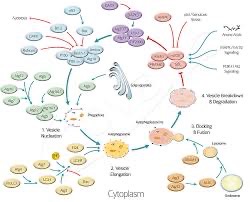
One of the zillion pictures on internet about autophagy. I do not understand it, but just to show how complicated the process is
Accelerating degradation over the years Universally cited “percentages of loss per year” for autophagy do not exist. It appears too difficult to measure in a scientific way, but some general observations can be made.
Age 20: Autophagy at that age is generally robust, efficiently recycling damaged proteins and organelles, which contributes to cellular homeostasis and youthfulness. Note:Homeostasis is the body’s natural, self-regulating process that maintains a stable, constant internal environment despite changes in external conditions.
Age 70: Autophagy efficiency is markedly reduced, leading to the accumulation of damaged cells and cellular debris (senescence). This strongly contributes to the aging process and to the accumulation of damaged cells.
To put things in perspective (and yes, mice are no men, but just to get an idea). In research on mouse neurons one sees a 94% decrease in autophagy from young adult mice compared to older mice. In older mice only 34% of the autophagic vesicles were functional, compared to 80% in young adult mice. Whether mice or humans, it is clear that at an older age, the body is less efficient at repairing itself.
Why is autophagy important part 1? Autophagy, as mentioned, is the process of clearing away damaged parts. This process is essential for keeping cells healthy. It ensures cells remain in good working order. If junk builds up in the cell, it can permanently tweak the cell’s genes. This makes it difficult or impossible for the cell to repair itself. It also hinders the cell from regrowing the structures it needs to survive and thrive. Many diseases can then be the result.
While some cells only last in your body for a few days, others are with you for a lifetime. Two especially important types of cells don’t turn over much. They are with us for decades, so they must stay healthy. Neurons are in our brains and other parts of the nervous system. Cardiomyocytes make up our heart muscle.
Why Is Autophagy Important — Part 2? The same idea as the previous paragraph, but more extensive.
Cellular housekeeping: It breaks down old, damaged, or misfolded proteins and organelles (like mitochondria). If left alone, these would cause cellular dysfunction. Ultimately, this could lead to cell death.
Energy & survival: During periods of starvation or stress, autophagy is activated. It recycles non-essential cellular components into usable energy (ATP).
Anti-aging & longevity: Autophagy is essential for reversing the accumulation of age-related cellular waste. Studies show that boosting autophagy can prolong lifespan in various species, because restoring autophagy gene activity to youthful levels can counteract decline.
Neuroprotection: It is crucial for clearing protein aggregates. These aggregates are similar to those found in Alzheimer’s and Parkinson’s diseases. This process occurs in non-dividing cells like neurons.
Immune system defense: It helps destroy intracellular pathogens (viruses and bacteria).
Cancer prevention: By removing damaged components, it helps prevent genetic mutations that can lead to cancer development. For this reason, some researchers are exploring whether autophagy may lower cancer risk. More research is needed, as autophagy can protect against some diseases but, in other contexts, may contribute to disease as Autophagy can also allow dysfunctional cells to survive in some contexts.
Quality control: Autophagy ensures that only healthy, high-functioning cells remain in your body.
How to Stop/Slow Down the Downward Trend
There are four methods to stimulate autophagy: fasting, the ketogenic diet, exercise, and supplements.
A Fasting/Intermittent Fasting Any shift in calorie sources causes your body to shift its metabolic pathways. It will begin to use fat for fuel instead of glucose derived from carbohydrates. In general, it is important not to overwhelm the body with constant external calorie loads. It is crucial to give the body a break to focus on its own health and repair. Note also the importance of sleep! And what are metabolic pathways, another overused terminology? I had no idea, but see at the bottom of this blog :).
“Fasting is one of the most effective ways to trigger autophagy.” During starvation, autophagy sustains the body. It breaks down cellular material. This material is reused for essential processes. This requires energy and cannot continue forever, but it buys time to obtain nourishment.
Fasting is a commonly recommended way to induce autophagy; usually the longer, the better. Three days is sometimes cited as the minimum you need to fast to induce autophagy. For most of us, this is not feasible. Many turn to intermittent fasting, as animal studies show good results. Assuming (though not all agree) that intermittent fasting works, it requires a non-eating window of at least 14 hours (on internet you will find a lot of debate on the number of minimum hours, but I chose 14.
Autophagy and gut-rest fasts prohibit caloric substances from passing your lips. Even one or two calories can be enough to stop autophagy and disrupt the fasted state. This means that virtually all foods are off limits. Beverages with calories, powders, and pills are excluded. Even breath mints and gum can be restricted. Tea, coffee, and water are allowed.
B The ketogenic diet The ketogenic diet is high in fat and very low in carbohydrates. It can bring similar metabolic benefits as fasting. A typical ketogenic plan provides about 75% of daily calories from fat and 5–10% from carbohydrates. This diet can promote the same metabolic changes that fasting induces, though it is not identical to fasting.
C Exercise is another non-diet factor that can promote autophagy. Animal studies show that physical activity can induce autophagy in organs involved in metabolic regulation. Compared with fasting, autophagy can be induced by as little as 30 minutes of treadmill running. Regular exercise, particularly endurance training and high-intensity interval training (HIIT), has been shown to enhance cellular cleanup mechanisms.
Some reports suggest that Zone 2 training for about an hour can induce as much autophagy as a three-day fast. This is not yet established with certainty, but it is plausible. Note: Zone 2 typically corresponds to roughly 60–70% of your maximum heart rate.
D Supplements Spermidine and Fisetin are considered direct and potent supplements for inducing autophagy. Pterostilbene is a strong, bioavailable enhancer of cellular cleanup pathways.
Every other day, I attempt a 14–16 hour fast. I aim to increase the number of days. However, I have not managed to go beyond about 22 hours of non-eating so far.
Regular sport training, including a few sessions per week in Zone 2.
I take supplements described in this blog: Spermidine, pterostilbene, and Fisetin.
Ok, this was it. Not all about autophagy but the essence as I (a non doctor) see it. The problem with one’s body is that everything is important, but some are more important than others. Autophagy is one of them.
Take care, enjoy life and let me know if you have any questions.
Robert, your health friend,
The mighty Congo River, up to 300 meters deep
Metabolic pathways are interconnected series of chemical reactions within a cell. They convert substrates (stuff) into essential products. These reactions manage energy and matter to sustain life. These multi-step, regulated pathways (e.g., glycolysis) are categorized as catabolic (breaking down molecules to release energy) or anabolic (using energy to build complex molecules.
All the pleasures are taken away from us these days. I know. The more time I spend reading about health issues, the less I put on our dinner table. A bio-salad, nuts, oats and quinoa—nothing else is left in life. It isn’t that bad of course, but you know what I mean.
The research and writing about alcohol depressed me. I truly had no idea how bad alcohol can be for your health. Yes, we all know that excessive drinking harms the liver. It can lead to loss of control and car accidents. However, I had no idea that drinking alcohol is linked to as many cancer deaths as to liver-disease deaths.
The alcohol industry, like the tobacco industry, is clever and sneaky. It often funds so-called objective studies. These studies conclude that one to two glasses a day are okay. They suggest these drinks might even confer moderate health benefits. The majority of researchers, however, argue that no safe level of alcohol exists. Even one drink increases the risk for certain health outcomes, according to the World Health Organization.
We do many things in life that are not foolproof healthy. I still allow myself the occasional drink (perhaps once per month). However, for years I have stopped the practice of having one or two glasses of red wine a day. I am happy that non-alcoholic beer at least tastes good!
What is positive about alcohol?
The alcohol industry is significant. It employs many people. Also, wine and beer enthusiasts enjoy comparing good varieties. Besides these aspects, there are theoretically three positives.
First, alcohol has a social function because it generally loosens people up and makes them more sociable.
Second, the taste. Except for beer, its taste cannot be copied (so far). Drinking non-alcoholic wine remains unsatisfactory. Creating a good nonalcoholic brandy or whiskey has not been successful yet, on the contrary.
Some studies have suggested that very light drinking could modestly increase HDL (“good”) cholesterol levels. However, these benefits are small and may vary depending on overall diet, lifestyle, and genetics.
2. Alcohol and cancer
The previous paragraph is the only positive part of this blog. For the remainder the text is negative all the way. For example, I did not know that alcohol increases risk for seven types of cancer. By 1988, it was already recognized that alcohol is a carcinogen. It is grouped alongside tobacco, asbestos, radiation, and certain viral infections such as HIV. Come on, in 1988!
UK statistics show that around 4% of all cancer deaths are caused by alcohol. About 4% of liver-related deaths are also attributable to alcohol.
The seven cancers include mouth, oropharynx (middle throat), larynx (voice box), esophagus (food pipe), breast, liver, and bowel (colorectal). There is increasing evidence that it may be linked to pancreatic cancer as well.
3. The technical side
1 No matter what type of alcohol you drink—wine, beer, or liquor—it always contains ethanol. When your body breaks down ethanol, it produces a carcinogen (stg that causes cancer) called acetaldehyde that damages DNA. It not only damages DNA but also impairs the body’s ability to repair it.
2 Alcohol also impacts the body’s oral and gut microbiome. This microbiome is the balance of bacteria, viruses, and fungi that help keep the body healthy. One of the microbiome’s roles is to process alcohol toxins so the body can remove them. The gut microbiome is a critical link between the digestive system, the liver, and the immune system. It plays a significant role in how our body metabolizes alcohol. It also manages the ethanol and toxins that come from it.
Your body is capable of a lot. An occasional disruption to your gut microbiome probably leads to nothing more than a sick feeling. However, if you do this regularly, your gut microbiome can be structurally impacted, including wear on the gut’s protective lining. This is very serious. With the gut lining damaged, toxins can move into the bloodstream and on to the organs. This can increase the risk of cancers both within the gastrointestinal tract and beyond.
3More negatives? Yes. Alcohol can change hormone levels in the body. This can lead to faster cell replication. It also increases the chance of mutations—and thus cancer.
4 Alcohol can cause brain atrophy by speeding up the death of neurons in the brain.
5 When you drink alcohol, your body absorbs fewer nutrients. These nutrients can protect it from cancer. They help keep the body healthy and protect cells. Furthermore nutrients support DNA creation and repair. They also reduce inflammation—including vitamins A, B1, B6, C, D, E, and K; folate; iron; and selenium.
6 Cells in your mouth and throat are particularly vulnerable to both smoking and drinking. Combining these behaviors multiplies the negative effects. Some sources suggest that smoking and drinking together increase cancer risk more than either behavior alone.
4. Different health issues caused by drinking alcohol
Addiction Because alcohol consumption is socially accepted, the boundary between problem drinking and addiction is difficult to interpret. The risk of addiction is often underestimated. That is why alcohol is called a silent killer.
Alcohol affects sleep significantly. You may feel ready for bed after a drink or two. However, you might be surprised to learn that drinking alcohol is linked to insomnia. It causes trouble falling — and staying — asleep. Although alcohol may initially sedate, it disrupts REM sleep. It later affects your sleep architecture. The interesting thing about alcohol is that it’s sort of deceiving. When people drink, they feel sleepy or tired. They go to sleep. Then, they experience rebound insomnia. In the second part of the night, they wake up, and they cannot fall back asleep. Alcohol-related sleep issues can affect day-to-day functioning as well.
Alcohol can have negative effects on fertility and pregnancy Drinking alcohol can impact many stages of the journey to parenthood. There is the risk of infertility for both men and women. For women who get pregnant, a major problem is fetal alcohol syndrome. It may result in “lifelong physical, behavioral and intellectual disabilities for the newborn.” These issues can occur when a fetus is exposed to the alcohol in a mother’s blood. It is not about heavy drinking. Any amount of alcohol while pregnant can increase the risk of fetal alcohol syndrome disorders. Drinking alcohol while pregnant is a truly bad idea as it can lead to miscarriage or stillbirth.
Alcohol impacts mental health and brain function Long-term heavy use can lead to neuronal shrinkage. It can cause disrupted neurotransmission and cognitive decline. Memory impairment, Wernicke–Korsakoff syndrome, and a higher risk of dementia are also possible consequences. The resulting damage to brain cells and cell death can reduce cognitive function. It can also cause problems with memory, concentration, and executive functioning.
Studies have linked heavy drinking to increased dementia risk. More research is needed to determine how light alcohol use might impact the brain..
Immune suppression and infection susceptibility Heavy use impairs immune function. It makes people more vulnerable to infections such as pneumonia and tuberculosis. They are also at risk of sepsis and poor wound healing.
Cardiovascular disease Heavy drinking is linked to hypertension, cardiomyopathy, arrhythmia’s (atrial fibrillation), stroke, and heart failure. Moderate drinking has similar effects but typically for shorter durations. Even moderate drinking can acutely increase the risk of cardiovascular events in the hours after drinking, as shown in research.
Digestive and gut health Earlier, in the paragraph on “the technical side”, I already mentioned the devastating effect of too much alcohol. It can harm your gut microbiome. Just to repeat: alcohol disrupts digestive enzyme function and alters gut bacteria, which can affect nutrient absorption and immunity. Alcohol irritates the pancreas, increasing the risk of acute and chronic pancreatitis. It also damages the lining of the stomach, esophagus, and intestines. Alcohol can irritate and inflame the esophagus, stomach lining, and intestines. Heavy drinkers often have poor diets, malabsorption issues, and vitamin deficiencies.
And more bad news. • Dehydration and electrolyte imbalance (because alcohol suppresses vasopressin). • Gastric acidity, especially in heavy drinkers who are dehydrated or fasting. • Bone loss and risk of osteoporosis, especially in women. • Dental problems, oral health decline, and risk of periodontal disease. • Social harms, such as accidents, violence, impaired judgment, and economic or legal consequences.
5. But, Robert, I only drink a little.
Drinking a little or moderately is better than heavy drinking of course, but still you can encounter the following issues.
Cardiovascular stress: A study published in the American Heart Association’s journal found that the risk doubled in the hour after a single moderate drink. During this period, the risk increased for heart attacks or strokes. This is likely due to acute rises in heart rate, blood pressure, and platelet stickiness. Over 24 hours, only heavy drinking maintained elevated risk.
Cancer risk: Alcohol metabolites damage DNA and increase risk for multiple cancers. Even modest intake increases risk for breast cancer, colon cancer, esophageal cancer, liver cancer, and more, according to research.
Medication interactions: Even light to moderate alcohol can interact adversely with many prescriptions (sedatives, antidepressants, blood thinners) or over-the-counter drugs.
Injury and accidents: Any alcohol impairs judgment, reaction time, and balance, increasing the risk of falls, accidents, and injuries.
Sleep disruption: Alcohol fragments sleep cycles, especially in the second half of the night.
Blood pressure and stroke risk: Even moderate amounts may raise blood pressure over time, especially in sensitive individuals.
6. Definitions of types of drinking
Moderate drinking: For women, up to one standard drink per day; for men, up to two standard drinks per day.
Heavy drinking and binge drinking: Women—four or more drinks in about two hours or more than eight drinks per week. Men—five or more drinks in roughly two hours or more than 15 drinks per week.
By these standards, many people I know would qualify as heavy drinkers (myself included in the past), when you look at the week intake.
High-intensity/binge drinking is defined in research as two times or more the binge threshold. This equates to roughly eight-plus drinks in one occasion for women. For men, it is 10-plus drinks.
7. Repair
Fortunately, your body can often repair itself, at least partially. The liver is a good example; it has remarkable regenerative capacity. If damage is not advanced (e.g., early to moderate fibrosis, not full cirrhosis), abstinence or reduced drinking can help repair, lower enzyme markers, and improve liver function over months to years.
There are many effects when you stop drinking; some are very visible (e.g., improved skin) or noticeable to yourself and others (reduced brain fog). I notice the difference between the years I drank one or two glasses a day. Now, I am basically not drinking at all.
8. Stopping has many benefits
When you stop your alcohol intake, you avoid many health problems.
You save money.
You will feel much better overall, including better sleep quality (less snoring for example) and digestion.
Not drinking is great for the skin. My dermatologist can often tell from the skin whether someone drinks or smokes. Drinking dehydrates the body and skin. No more puffy faces!
No more red wine. Still, enjoy life, take care and thanks for reading this blog,
Robert, your health friend
The rare sweet water dolphin in the Apure river, Venezuela
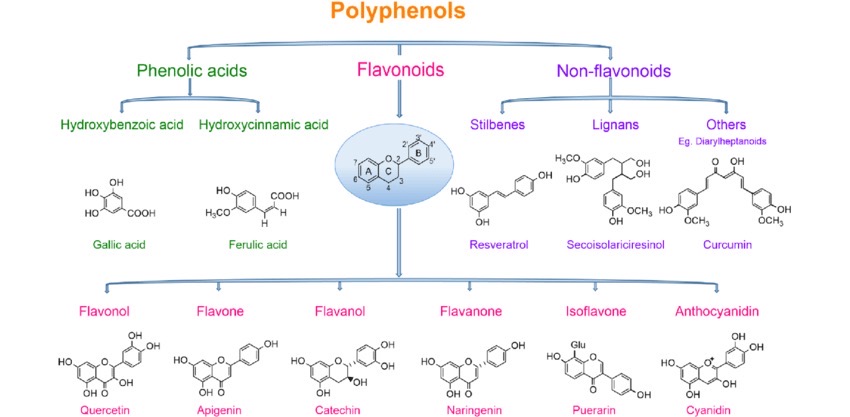
After encountering the term polyphenols many times, I finally wanted to know what they are. It turns out I already know quite a few—for example, Resveratrol and Curcumin. There are thousands of polyphenols, so it’s not surprising that we’re familiar with some of them. The general term flavanols probably rings a bell, too. They’re the main subgroup of polyphenols, with many described and researched compounds. Other major groups include stilbenes, lignans, and tannins.
Most of us believe the Mediterranean diet is healthy (I do, at least). An important reason is that it is rich in polyphenols.
What are polyphenols? In simple terms, polyphenols are plant-derived compounds. They aren’t one of the four fundamental biomolecule classes (carbohydrates, proteins, lipids, and nucleic acids). Rather, they’re a diverse family of plant secondary metabolites that can influence human biology.
They are plant compounds built around multiple phenol (aromatic ring with hydroxyl groups) units.
Polyphenols come from plants. There are about 8,000 polyphenols, of which roughly one-third are flavonoids. They give plants color and flavor and, in particular, help protect and defend them.
Some of these defense functions include UV protection through absorption of UV light. They also include strengthening of cell walls and vascular tissues. Additionally, there is regulation of growth and development through interactions with plant hormones and reproduction. In fruits and seeds, polyphenols influence taste, color, and perceived freshness.
Examples: Quercetin (onions, apples), Epigallocatechin gallate (EGCG) in green tea, Anthocyanins (blue and purple berries), Resveratrol (red grape skin, wine), Curcumin (turmeric), Hydroxytyrosol (extra virgin olive oil).
What do they do for the human body?
Polyphenols are not essential nutrients like amino acids. However, they are known to exert substantial biological activity in the human body. This activity can protect cells from damage and includes antioxidant, anti-inflammatory, and potentially disease-protective effects. They may be linked to a lower risk of certain chronic diseases (e.g., cardiovascular disease, metabolic disorders, some neurodegenerative conditions) in studies, but results are mixed and often depend on dose and context. Given their vast diversity (there are 8000 polyphenols!) and the many unknowns many, many more studies are needed.
It makes sense to me that compounds that protect plants might also benefit humans. We humans, at least most of us, are not lettuce or apples, but we are living beings nonetheless.
Treat health influencers with caution. As I said health influencers love polyphenols. We consumers have to be careful of course. Many of the health claims of polyphenols are not proven or they have only limited effect.
The other day I wrote about dark chocolate. It has a too positive health claim because of flavanols, which are a subcategory of polyphenols. I also wrote about Resveratrol and pterostilbene. They are both polyphenols. The main conclusion is that taking Resveratrol is not worth the money and effort, but Pterostilbene is.
What do polyphenols do for the brain?
Some health claims about polyphenols are intriguing, especially regarding brain health. While intriguing, these brain-related effects require more robust human evidence before drawing firm conclusions.
For example, Curcumin from turmeric is often cited as contributing to better brain health. Polyphenols are a broad class of plant-derived compounds, and brain-related claims vary widely by specific compound.
This topic could fill a book. Here are the main proposed brain benefits often discussed. There is protection against neuroinflammation linked to aging and neurodegenerative diseases. It may cause a potential reduction of oxidative stress in the brain. It influences brain-derived neurotrophic factor (BDNF). There are improvements in synaptic plasticity and neuronal survival signaling. It also leads to improvements in mitochondrial function. There could be reductions in mitochondrial dysfunction, which is a hallmark of aging and neurodegeneration.
Some notes: BDNF plays an important role in healthy aging.
From where do you get your polyphenols?
The sources are the right ones and not difficult to obtain: fruits, vegetables, tea, coffee, cocoa, wine, olive oil, nuts and whole grains. You will not find polyphenols in ultra processed food.
One additional remark on coffee: caffeine is not a polyphenol (it is a purine alkaloid). Coffee does have many polyphenols, such as chlorogenic acid, and are often highlighted for their antioxidant properties
Warning
One warning: the fact that the source is healthy food, does not mean that polyphenols are always beneficial. They can interact with medicines or can cause certain physical reactions. As so much is still unknown about polyphenols it is preferable to get them through food, not through supplements.
Bioavailability and Metabolism Bioavailability and metabolism are important considerations. In the end, if only a small fraction of a compound reaches the bloodstream, it will have limited effect.
Many polyphenols are poorly absorbed, with only a few percent entering systemic circulation. Fortunately, the original (parent) compounds are metabolized by the gut microbiota. The liver also metabolizes them into metabolites. These metabolites can be biologically active.
Interaction between different compounds (vitamins, hormones, amino acids, and polyphenols)
As mentioned, polyphenols are part of an integrated network. The main functions of these classes are:
Nutrients (vitamins and minerals) and amino acids supply the building blocks and cofactors for metabolism.
Hormones regulate how the body uses these building blocks and respond to energy and nutrient status.
Polyphenols influence enzyme activity, signaling processes, and the metabolism of hormones and nutrients—often via the gut microbiome and redox signaling.
Experts note that mounting evidence highlights the vital interplay between immunity and metabolism. This interplay occurs in a range of immunometabolic disorders. These disorders include autoimmune and non-autoimmune conditions. The immune system modulates (=regulates) cellular metabolism in organs such as the brain, pancreas, and adipose (=fat) tissue. It senses fluctuations in the local nutrient environment. This process shapes metabolic pathways that influence pro- or anti-inflammatory phenotypes. Nutritional status supports immune function. However, we are only beginning to understand how individual nutrients or their combinations (immunonutrients) might guide immune cells. They could steer these cells toward a less inflamed, tolerogenic state.
This last paragraph is a bit on the technical side. Perhaps the best summary is that polyphenols are abundant in Mediterranean foods. This sums it up pretty well I would say.
Bacalau, so this must be Portugal (it is indeed, Lisboa airport)
Dear reader,
Let the following two points sink in well.
First point: One third of all deaths worldwide are cardiovascular-related, around 20 million people per year!
Second point: Most of these 20 million cardiovascular deaths (mainly heart attacks and strokes) are caused by clots that originate in your arteries (not in your veins!). There is a huge difference between arterial clots and venous clots, with the arterial clots being the most dangerous. For me this difference is the most important takeaway of this blog.
Conclusion: Paying attention to the health of your arteries is worth the effort!
1.Anticoagulants that I take mainly prevent further clotting in the veins; in my case they are to prevent an embolic stroke because of atrial fibrillation. Anti-coagullants are standard treatmentes for venous clots and a few arterial conditions driven by blood flow and embolic risk.
2.Arterial clots are treated differently from venous clots and often managed with antiplatelets like low dosis aspirin because platelets play a larger role in their formation. Anticoagulants can be used in certain arterial settings but they are not the mainstay for typical arterial thrombosis on their own. I strongly consider taking low dosis aspirin (but will check with my doctor).
3.Cardiovascular describes anything to do with the heart, blood vessels, and the brain. It covers how the heart pumps blood through arteries, veins, and capillaries to deliver oxygen and nutrients and to remove waste. Cardiovascular diseases (CVD) refer to diseases and conditions that affect the heart and blood vessels, such as heart disease, high blood pressure, and stroke. According to some sources, up to 85% of cardiovascular deaths are caused by heart attack (ischemic heart disease).
4.Arteries and veins do different jobs. Arteries carry oxygen-rich blood away from the heart under high pressure, and have thick, muscular walls to push blood through the body. Veins return oxygen-poor blood to the heart at lower pressure, with thinner walls and larger lumens, and many contain valves to prevent backflow as you move. Clots formed in veins in general do not cause heart attacks and strokes.
Some more points: Venous clots are fibrin- and red blood cell–rich, “red” clots while arterial clots are platelet-rich, “white” clot with fibrin. Slow flow of blood (static) favors venous cloths, while high flow favors arterial clots.
Treatment of arterial clots and venous clots is different. Of course, the general warnings about smoking, stress, processed food, etc., are true for both venous clots and arterial clots.
5.There are more causes for cardiovascular problems, but I will not treat them here. Just to mention these non-thrombotic (=not clots) cardiovascular events: hemorrhagic strokes, aneurysm ruptures, vasospasm without thrombosis, and certain heart conditions driven by electrical or structural problems rather than thrombosis.
6.Before continuing with the main topic, arterial clots, here are some words about venous clots. Venous clots (forming in the legs or pelvis) mainly cause deep vein thrombosis and pulmonary embolism (PE), which can be deadly. Sometimes a venous clot passes through a small heart defect into the arterial circulation and lodges in the brain or heart, causing a stroke or, rarely, a heart attack. Also, a very large pulmonary embolism can put heavy strain on the heart and cause chest pain, but that is due to the heart being stressed, not because a clot formed in an artery.
7.Clots formed in the arteries are the main, but not the only, reason that can cause cardiovascular death. One should do all to prevent clots like lifestyle changes. Or “cleaning” your arteries. Experts are divided on whether this latest point is possible, but I will already give some first suggestions in this blog.
8.How are arterial clots formed? Plaque in the arteries (atherosclerosis/calcification) is a major—but by far not the only—contributor to clot formation. When an atherosclerotic plaque ruptures or erodes, a clot often forms and can block blood flow. These plaques can narrow the artery and may rupture, forming a clot that completely blocks the artery (occlusion). If this happens in a coronary artery, it can cause a heart attack; if in a brain artery, a stroke. In the context of this topic one often reads the word “Occlusion” (=the artery is blocked and downstream blood flow is stopped).
9.What about cholesterol? I wrote about cholesterol before. It is not the villain that many of us believed for decades. We need Cholesterol as it is essential for cell membranes and hormone synthesis (=production), but high LDL cholesterol according to most is a major risk factor for arterial disease. Although it is not the main villain, at the same time it cannot be denied that cholesterol is often involved in cardiovascular issues. For my post on cholesterol see this link https://shakethehealthtree.com/index.php/2025/09/05/10-cholesterol-all-you-need-to-know-and-do-health-project99/
10.Plaque. Is plaque the main issue? Yes and no. When it is stable in your arteries it is not, but when the plaque inside your arteries is soft, then it easily becomes a clot. In more scientific terms: “vulnerable (soft lipid-rich) plaques are prone to rupture or erosion, exposing tissue factors that trigger thrombosis”.
In arteries, most clots arise when vulnerable plaques rupture or erode, triggering rapid clot formation that can block blood flow. Clots can occur without plaque, but in arterial disease, plaque is often the underlying trigger.
11.Other factors are stasis (slowed blood flow), hypercoagulability (blood clots more easily) and endothelial injury (blood vessel lining).
12.What triggers clot formation (= thrombosis)? Important risk factors for arterial clots are atherosclerosis, hypertension, diabetes, smoking, high cholesterol, and plaque rupture or vascular injury. For venous clots, the main risk factors are different and include immobilization, surgery, cancer, obesity, pregnancy/postpartum, estrogen therapy, and inherited thrombophilias.
There is a long list of behaviors that can trigger clot formation. Some have stronger evidence than others (smoking more than eating refined starch for example): vaping, smoking, alcohol, pollution, chemicals, stress, refined starch, infection, sugar, endurance activities like marathons. Concerning the last point. Regular exercise is great, but stressful events like marathons need some precautions.
Many dietary factors influence thrombosis risk indirectly by promoting obesity, diabetes, and dyslipidemia rather than triggering an immediate clot in a healthy vessel.
13.Let us deal with a few risk factors. Smoking/vaping It is truly shocking to read the many ways smoking “promotes” clotting in arteries. A topic too long and technical to cover fully in this blog, but (if you wish) you can check reputable sources online. In summary: smoking accelerates atherosclerosis and plaque instability. It doesn’t create clots in every situation by itself, but it tilts the balance toward clotting.
Pollution and chemicals including drugs can also contribute to a heart attack or stroke by stressing the heart and blood vessels, promoting clotting, and damaging the inner lining of arteries, speeding up plaque buildup and making plaques more likely to rupture. Some drugs can also affect clotting and vascular health.
Marathon-level endurance can slightly raise clot risk in some situations, but for most healthy runners the risk is very small, when managed well (think of drinking enough and moving after the event). Hydration and electrolyte balance matter much: dehydration can concentrate blood and potentially raise clotting tendency, especially in very long events like a marathon.
14.What to do (1)? Recurrence risk and management strategies differ: long-term antiplatelet therapy for arterial disease vs long-term anticoagulation to prevent venous clots. Arterial clots are much more tied to atherosclerosis and plaque rupture, while venous clots are more about venous return and hypercoagulability.
(2) In general one should stay physically active, hydrate, avoid prolonged immobility, maintain a healthy weight, manage cholesterol and blood pressure, and follow medical advice for any prior clot history.
(3) Food and supplements Internet is full of suggestions on how to clean arteries or at least prevent further calcification. Stopping further plaque formation is possible and has scientifically been proven. Plaque reversal not (yet). A lot of misinformation and false promises and little scientific proof. Of course, fruits and vegetables, for example, are part of a heart-healthy diet and do not promote plaque formation, so there is little to say here.
Some supplements that are often mentioned are vitamin K2, nitric oxide boosters, natokinase and bromelain. In none of these four example there are robust clinical trials that 100% confirm that arterial plaque reversal is possible. Interesting stuff nonetheless and material for a future blog. Do you consult with your health specialist as these supplements might interact with other medicines.
What to do (4): future AI-inspired developments go very fast, including interventions to clean arteries and veins. This is also an excellent topic for a future blog. So far however promises to “clean” arteries are speculative, but there are many advances on the horizon.
15.Diagnosis options (arterial and venous)
Arterial ECG and cardiac enzymes (e.g., troponin) to assess for acute myocardial infarction.
Imaging to identify arterial occlusion (e.g., CT angiography, catheter angiography).
Doppler ultrasound to evaluate peripheral arteries (e.g., limbs).
Venous Duplex ultrasound for DVT.
D-dimer testing can be helpful but is non-specific; proceed to imaging if results or clinical suspicion warrant it.
CT or MR venography if further visualization is needed.
CT pulmonary angiography for suspected PE.
Myself I learned a lot writing this blog. Take care and live a happy and healthy life.
In a few cases, liposomal supplements, i.e., supplements delivered in liposome-encapsulated form, are useful. That said, they are most of the time not necessary, and you can save money by choosing traditional solid tablets or capsules.
Are they completely useless and mainly a marketing gimmick? No. Liposomes do have added value for (1) protecting certain medicines and some supplements from degradation before they reach the gut, (2) helping people who have difficulty swallowing, and (3) assisting those with specific postoperative issues.
There are a few compounds, such as vitamin C, that may benefit from liposomal delivery compared with ordinary tablets, since it can lead to higher absorption. This is supported by pharmacokinetic data, but robust clinical benefits beyond higher blood levels are not consistently demonstrated. Most people do not need extra vitamin C, anyway.
1.My main conclusion: despite substantial marketing by the health-and-beauty industry to promote liposome-encapsulated supplements, there are often good reasons not to choose them. In general, the clinical payoff (improved outcomes) is uncertain or small, and therefore the cost-benefit ratio may be unfavorable for many users, since liposomal products are typically more expensive.
2.Do not fall for advertisements (as I do now and then).
The world in which money is to be made is full of pitfalls, hype, and deceit. Do I fall for it? Yes, more often than I’d like to admit. The other day I needed to order vitamin D3 and K2 and was persuaded to buy them in liposome form (liquid rather than pills). They were much more expensive than standard pills, harder to measure the exact dose, and carried a risk of buying an inferior product, since liposome production is not tightly regulated and can yield unstable results.
Will I do it again? Not at all, but the advertising copy was so convincing—claims of a higher absorption rate and delivery directly to the places where the vitamins should work—that I tried it once. Only then did I start investigating what liposomes are. As always, I share my results with you.
We see it everywhere: great marketing in order to persuade us to buy supplements wrapped in liposomes, presented as a superior delivery method to traditional capsules and tablets.
The idea of better delivery and higher bioavailability in itself appeals to me, since absorption percentage is an important factor in understanding how supplements work. If your daily need for a compound is 10 grams and you take a 10-gram supplement, you may feel misled if you learn that the absorption rate is only 20%. The moment I realized the importance of absorption rate (and half-life) changed how I view the necessary intake quantities for certain supplements. However, the solution is easy, take the absorption rate into account and take the additional pill.
As a side note, a higher blood level of a nutrient is not always linked to better health outcomes. What matters is whether that higher level translates into clinically meaningful effects, but this is a truly technical medical issue, going beyond the scope of this blog.
3.What are liposomes?
Liposomes are tiny phospholipid vesicles used to encase compounds like vitamins. This leads to the next question: what are phospholipid vesicles? They are tiny bubbles made from phospholipid molecules (the same fat-like substances that make up cell membranes) that wrap around a substance to protect it and help it be absorbed in the body.
The roots of the word liposomes are Greek: lipos meaning fat and soma meaning body. The word liposome was coined in English in the 1960s. Liposomal is the English adjective formed from liposome by adding the suffix -al (from Latin/English) to indicate “pertaining to liposomes.” Technically “liposomal” refers to a delivery method that uses lipid bubbles to encase the nutrient, which can affect how the nutrient is absorbed.
4.How are supplements taken in general? There are seven broad ways to take a supplement, plus a variety of delivery-system variations. Most everyday supplements are taken orally (capsules, tablets, powders, or gummies). There are other ways, including sublingual (under the tongue), creams, inhaled, rectal/vaginal, and injectables.
With supplements that are taken orally, there are a number of delivery-system variations: (1) liposomal (the topic of this blog), nanoemulsified, or other encapsulation systems to improve stability and absorption; (2) microencapsulation or phytosome formulations; (3) emulsions or oil-based suspensions (especially for fat-soluble nutrients); and (4) fortified foods and beverages (functionally enhanced rather than separate pills).
5.Which compounds stand to benefit from a liposomal approach? Vitamin C, vitamin B12, curcumin, and other polyphenols (e.g., flavonoids such as quercetin and stilbenes such as resveratrol) and coenzyme Q10 are sometimes cited as compounds that could benefit from a liposomal approach. However, there is not a single study that conclusively demonstrates that liposomal delivery is superior to the old-fashioned tablets and capsules. Overall, findings are mixed and not uniformly convincing.
Most claims are marketing-driven; robust, high-quality randomized trials demonstrating meaningful clinical benefits are generally not present to support these claims.
6.Safety Liposomal products are generally considered safe for most people, since the ingredients are typically phospholipids and the nutrient itself. However, watch for potential allergens (soy, egg, sunflower lecithin) in some formulations, as well as additives or contaminants.
Like all dietary supplements, liposomal products unfortunately are not uniformly regulated worldwide, and there are no universally accepted quality standards.
Product quality can vary a lot: liposome size and stability, encapsulation efficiency, dosage accuracy, and batch-to-batch consistency differ across brands. Storage conditions and shelf life can also affect performance. While liposomes can improve stability and absorption for some nutrients, this does not guarantee better health outcomes, and higher blood levels may not translate into meaningful benefits.
I know next is standard text, but it remains true. Always check and follow labeling directions, consider potential interactions with medications, and consult a healthcare professional if you are pregnant, nursing, have a medical condition, or are taking prescription drugs. Best of course is always to look for products with reputable third-party testing and transparent ingredient lists.
Thanks for reading, take care and live a long, happy and healthy life,
Zinc is a trace mineral that is involved in hundreds of enzymes and proteins in your body. It is essential for many processes, but it is not stored in your body in large amounts. You need to top it up regularly. Daily doses required are generally limited (8–11 mg/day), but a diet alone is often not sufficient, especially (but not exclusively) if you are vegetarian. For context, see the Trace minerals section below.
1.My takeaway is to add a modest zinc supplement to your daily regime, in the order of magnitude of 10 mg. The official line of health sites is that most people will meet their trace-mineral needs with a balanced diet, but that very much depends on your definition of “balanced.” A sufficient-zinc diet should include red meat (which many people do not eat anymore) or oysters (which very few people eat). Those who eat mainly vegetables, fruits, and grains run a risk of not getting enough zinc.
2.Challenge
For those focusing on vegetables, carbohydrates, and poultry, it will be a challenge to get enough zinc. One can do a zinc test, of course, but since the upper intake level for zinc is high, a low-dose zinc supplement will not hurt (and remember that even the most efficient zinc supplement, for example 10 mg, will in practice only contribute about 5 mg toward your daily zinc needs).
3.Trace minerals
Let me first refresh your knowledge on trace minerals. Your body needs them in very limited quantities, but they’re essential for many functions. They differ from major minerals (like calcium and magnesium) because of the small amounts required. Main examples: iron, copper, zinc, and manganese (all measured in mg/day) and iodine, selenium, chromium, and molybdenum (all measured in micrograms/day). Deficiencies in each of them cause problems, including zinc’s effects on the immune system and growth.
4.What happens if you do not have enough zinc?
• Slower growth in children; potential delays in puberty. • Immune system problems: more frequent or longer infections; poorer response to vaccines. • Slower healing of cuts and injuries. • Skin and hair: dermatitis, itchy or scaly skin; hair loss. • Reduced appetite; possible mood changes or irritability. • Diminished ability to taste or smell (hypogeusia/ageusia). • Digestive issues: diarrhea may occur in some cases. • Several hormonal pathways (e.g., insulin, growth hormone) will not work well.
5.Who is at risk for zinc deficiency?
• Vegetarian diets can put you at risk of zinc deficiency because such diets often include phytates that reduce zinc absorption (phytates are discussed later under Phytates). • People with very poor diets or absorption problems (malnutrition, eating disorders, Crohn’s disease or celiac disease, and other malabsorption conditions). • Older adults, pregnant or lactating people with increased needs. • Heavy alcohol users and people with certain chronic illnesses.
6.What happens if you get too much zinc?
• Short-term (acute) effects: nausea, vomiting, stomach cramps, diarrhea, abdominal pain, headaches, a metallic taste, and sometimes dizziness. • Long-term (chronic) effects: copper deficiency (which can cause anemia, low white blood cell counts, and nerve/hematologic problems), possible immune dysfunction, and potential impacts on blood lipids and mineral balance. • Zinc can interfere with the absorption of other minerals (notably copper and iron) and can interact with some medications and antibiotics (e.g., tetracyclines and fluoroquinolones), reducing their effectiveness if taken together. The good news is that it is not easy to get too much zinc, as the upper intake levels are quite high.
7.How much zinc do you need?
Based on US and EU guidelines • Infants birth to 6 months: about 2 mg/day; 7–12 months: about 3 mg/day. • Children and teens: increasing with age; for example, around 4–8 mg/day in early childhood, rising to about 8–11 mg/day for older boys and about 8–9 mg/day for girls. • Adults: men about 11 mg/day, women about 8 mg/day; during pregnancy about 11 mg/day and during lactation about 12 mg/day. •
8.Upper intake levels: In the US, the tolerable upper intake level (UL) for zinc is 40 mg/day for adults. In the EU, EFSA uses a lower UL for adults (about 25 mg/day). This is important to know because it signals that even if you do not need your zinc supplement, it will not hurt you as long as you stay below the UL in total.
9.Food and zinc?
As always, rough estimates are provided. The internet can flood you with many more details.
Meat, poultry, and seafood are heme zinc and generally better absorbed than plant sources. • Oysters: about 74 mg zinc per 100 g; absorption roughly 20–40% • Beef steak (cooked, lean): about 4–5 mg/100 g; absorption roughly 25–40% • Pork (cooked): about 2–3 mg/100 g; absorption roughly 15–35% • Chicken (white meat, cooked): around 1–2 mg/100 g; absorption roughly 15–30% • Salmon or sardines (cooked): about 1–2 mg/100 g; absorption roughly 20–40%
Do the math. Take chicken. In order to get 10 mg of effective zinc, one would need (best scenario) over 1.5 kg of chicken meat per day.
10.Plant-based sources
• Spinach (cooked): about 0.8–1 mg/100 g; absorption roughly 5–15% • Beans (kidney, cooked): about 2–3 mg/100 g; absorption roughly 10–20% • Tofu (firm, depending on fortification): about 1–3 mg/100 g; absorption roughly 5–15% • Quinoa (cooked): about 1–2 mg/100 g; absorption roughly 10–20% • Pumpkin seeds (roasted): about 7–8 mg/100 g; absorption roughly 10–25% • Sesame seeds (raw): about 9–10 mg/100 g; absorption roughly 10–20% • Fortified cereals (varies by product): often 5–20 mg/100 g; absorption roughly 10–25%
Do the math here as well. In order to get 10 mg of absorbed zinc from plant sources, one would need almost 2 kilograms of tofu daily. Not feasible, at least not for me (and I do not like tofu that much anyhow).
Only a few fruits have around 1 mg/100 g of zinc, the others much less. Plus a very low absorption rate.
• Dried apricots: about 1–2 mg/100 g; absorption roughly 5–15% • Raisins: about 0.5–2 mg/100 g; absorption roughly 5–15% • Prunes: about 0.5–1 mg/100 g; absorption roughly 5–15%
11.Practical tips to maximize zinc absorption
If your diet is rich in phytates (lots of unprocessed grains and legumes, see explanatory note at the bottom of this blog) and you’re concerned about zinc or iron, consider pairing meals with phytate-reducing prep (soaking/fermenting) and including some animal protein or vitamin C-rich foods to help absorption.
Another option is to oak, sprout, or ferment grains and legumes to reduce phytates that inhibit zinc absorption.
Avoid taking large amounts of calcium or iron at the same time as a zinc-rich meal, as they can compete for absorption.
12.The several half-lives of zinc
• If you’re thinking in terms of half-life for planning supplements or interpreting zinc status, focus on the fact that there are multiple pools with different kinetics. Short-term changes (days) mainly reflect plasma zinc and gut absorption changes; longer-term status reflects tissue stores and overall balance over weeks to months, including bone and other long-term stores. They turn over slowly and are not quickly altered by daily dietary changes or short-term supplementation. For a practical planning approach, see the Absorption and Bioavailability section above.
13.What kind of supplement and how to use it?
There are many different zinc supplements around. Some (like the one I used to take from Kruidvat) are zinc oxide, which has low absorption and is one of the many brands without generally recognized quality controls. In short, for a few years I have been taking a basically useless supplement.
So when choosing a zinc supplement, start with 1) zinc citrate or a chelated form. The absorption rate of zinc citrate is about 30%, so you would need roughly 33 mg ingested daily to reach about 10 mg effective (i.e., doing its zinc work!). Chelated forms (zinc bisglycinate/glycinate and zinc picolinate) are even better with a 40–45% absorption rate. 2) Make sure it is GMP (Good Manufacturing Practice) produced or produced in GMP-compliant facilities. 3) If you’re aiming to maximize absorption, take zinc with a meal that contains protein, and avoid taking it simultaneously with large doses of calcium or iron. A zinc supplement strengthened with vitamine C does not hurt.
14.GMP: general advice
I know it is cumbersome to look for supplements with a GMP label, but trust me, it is worth it. For every supplement there are some GMP-certified producers; just search the internet. Be careful, most are not and do not go for the 1+1 offers from the regular chains unless these products meet all the criteria, like GMP.
15.There is more beyond GMP to look for
Check also for Third-party verification: USP Verified, NSF Certified for Sport, Informed-Choice, or similar certifications add independent testing for potency and contaminants.
Batch-specific COA (certificate of analysis): a lab-tested result showing exact zinc content per serving and purity/heavy-metal testing for the current batch.
Clear labeling: exact zinc dose per capsule/tablet, other ingredients, and expiry date. Reputable brand with transparent sourcing and manufacturing information. Avoid marketing claims that only say “GMP” without evidence or documentation.
Testing to see if you have a zinc deficiency
Blood tests (serum/plasma zinc) are commonly used but aren’t perfect indicators on their own, especially during periods of inflammation, like when you have an infection. Clinicians may consider dietary history, symptoms, and sometimes other labs.
Thanks for reading, take care and live a happy, healthy and long life,
Robert, your health friend
Going to Paris (again)
Explanatory note on Phytates
Phytates (also called phytic acid) Phytates are naturally occurring compounds found in many plant foods. They are phosphorus-containing compounds stored in seeds, grains, legumes, nuts, and some seeds. The main practical concern of phytates is related to mineral absorption, especially if you rely heavily on plant-based sources. Phytates can be mitigated by soaking, sprouting, or fermenting foods and by pairing plant sources with animal proteins or vitamin C-rich foods to aid absorption.