Quercetin, why (not)? I encountered this molecule/compound in my quest for interesting supplements. To take or not to take? As always, there are many considerations to balance: potential benefits, risks, and costs.
1.My first observation: it’s not an easy supplement (“very low bioavailability”) and there are few solid studies to justify all the claimed benefits. Still, one might give it a try for a year, especially because of its possible anti-allergy benefits. I will not take it, as there are strong indications that it will interact with my anticoagulants.
Quite a few influencers are positive about quercetin, including Dr. Eric Berg, whom I hold in high esteem. Check him out on YouTube. There must be a reason he has 13 million followers. Comments by individual users about quercetin vary, from “completely useless” to “changed my life.”
2.Not an easy supplement
As mentioned, it is not an “easy” supplement. If you decide to use it, remember the following: think long term (don’t expect results immediately), take twice daily, with a meal containing some fat. Use a quercetin supplement that is presented in liposomal or phytosome form, or another enhanced-delivery form. Do not take standard quercetin powder or pills. The difference in effectiveness can be a factor of ten.
And remember: only buy supplements that are GMP-certified or NSF International-certified.
In general, when selecting supplements, look for transparency in manufacturing practices. Check for third-party certifications and product testing. This ensures the integrity and potency of the supplements you choose. Unfortunately, there are a lot of counterfeit or poor-quality products around. It always takes time to find a quality supplement, but it is worth it.
3.What is Quercetin?
Quercetin is a natural plant flavonol. Flavonols are a subgroup of polyphenols found in our diet. Flavonols, just like all polyphenols, are not essential for nutrition, but they have benefits. For starters, they act as antioxidants and anti-inflammatory agents.
This plant-based flavonoid is often found as quercetin glycosides (see also the explanatory note below) in foods and is available in supplement forms.
4.Quercetin is associated with many interesting claims
Immune and infection support during heavy training or seasonal stress
Anti-inflammatory and antioxidant support
Potential endurance and performance effects
Allergy relief and histamine modulation
Metabolic and cardiovascular hints
Cancer prevention and other long-term outcomes
However, an important point about all the claims regarding quercetin is that there have been relatively few studies. The studies that exist show varying results, none very convincing.
5.How to get quercetin
Where it’s found: onions, apples (with skin), berries, capers, grapes, citrus peels, tea (black or green), leafy greens, and many other fruits and vegetables.
Typical daily intake from the diet is usually in the low tens of milligrams (often 5–40 mg per day), depending on how many quercetin-rich foods you eat. The figures below are rough estimates, as the final figure depends on many factors including the individual and how the food is prepared.
From what I read, quercetin intake via food is less effective than intake via supplements—only those that are liposome- or other enhanced-delivery forms are likely more effective.
6.Some main quercetin sources (approximate ranges)
Tea (brewed, black or green): roughly 2–5 mg per cup
7.Quercetin and allergies
I am interested in quercetin because of its claimed potential to relieve allergy symptoms. From what I understand, it might only work after long-term use. Quercetin stabilizes the mast cell membrane, so degranulation (release of histamine and other mediators) is reduced.
In short, quercetin is a mast cell stabilizer—a substance that helps keep mast cells from releasing inflammatory chemicals (like histamine) when they encounter allergens. It is mainly preventive, not for immediate relief.
Mast cells are a type of immune cell that reside in tissues (especially the skin, airways, gut, and around blood vessels and nerves). They’re like sentinels that detect threats. Mast cells contain granules full of chemicals such as histamine, heparin, and other mediators. When activated, they release these chemicals in a process called degranulation. The released substances cause inflammation: redness, swelling, itching, mucus production, and they can lead to smooth muscle contraction.
8.Not very bioavailable
Bioavailability is rather low. Only about 0.3% to 2% of the oral dose reaches the systemic circulation of your body and will have any effect.
The half-life is 2–11 hours, so if you take Quercetin supplements, you need two doses per day. Bioavailability can be substantially improved with specialized formulations and with fat-containing meals. Taking them with water alone is a waste of effort and money. Go for enhanced formulations, do not buy standard quercetin; buy it in liposomal or phytosome form. And don’t forget to check whether the supplement includes added vitamin C.
9.A note of caution The “no-harm” approach is central to my decision to use any supplement. I take several supplements based on hope when there are credible indications they might provide certain benefits. However, I only take supplements considered safe and that do not interact with any medication. It is not always easy to figure this out. I respect doctors, but you cannot expect them to know all the latest developments, especially not in the field of supplements. Still, try it in the case of quercetin.
10.Where do supplements fit in my longevity philosophy? Nutrition, exercise, sleep, stress management, and social life are five key elements. If managed well, these elements contribute to a healthier and longer life. Expert recommendations across these categories often align, although food and exercise can sometimes provoke debates and differing opinions.
Discussions on food and exercise are mild compared to the sixth category: supplements. Supplements are often controversial, with many unproven health claims and contradictory expert opinions. Yet this is also the most exciting category because we are continually discovering the potential of new supplements.
Dear reader, this about quercetin. It receives a lot of attention. In my opinion it is a supplement to consider, but not one “to take”.
Thanks for reading, take care and enjoy a long and healthy life.
Robert, your health friend.
How time flies, in my youth I played here daily (Aruba)
Some explanatory notes
Polyphenols are a large family of plant compounds that have multiple phenol rings in their chemical structure. They’re not essential nutrients for humans, but they can act as antioxidants and anti-inflammatory agents in the body and may influence health in various ways. A phenol ring is a benzene ring (a six-carbon ring) with a hydroxyl group (-OH) attached to it. The OH group makes the ring acidic and gives it reactive, antioxidant-like properties.
In polyphenols, multiple phenol rings are linked together (for example, flavonoids like quercetin have several rings with many OH groups).
Quercetin glycosides are the forms of quercetin that are bound to a sugar molecule. In plants, quercetin mostly occurs as these glycosides rather than as the aglycone form.
With health, unfortunately, almost everything is important, and this also applies to iron. Fifteen percent of the world population is iron deficient. This is a worrisome statistic. Iron deficiency can lead to a series of serious health issues. But too much iron can cause problems as well.
Iron is important for the formation of hemoglobin, a component of red blood cells. 1) Red blood cells transport oxygen throughout our bodies. 2) Iron is necessary for producing energy in our cells. 3) Iron contributes to the normal functioning of the immune system.
Iron supplements are among the most popular supplements, but taking them is not without risks. Unlike many other supplements, for iron, you really need to check with your doctor first. Based on a simple blood test, your doctor will determine whether extra iron is necessary or not!
What are the Symptoms of Iron Deficiency?
Fatigue, palpitations, dizziness, and shortness of breath can be associated with a deficiency of iron in the body. A pale appearance, sweating, headache, and restless legs may also indicate this deficiency.
What are the Risks of Taking Too Much Iron?
There are potentially serious risks. If there is iron buildup in the liver, you may experience an enlarged liver. Excess iron in your heart can lead to an irregular heartbeat or more serious heart problems.
Daily Needs
In general, women need more than twice as much iron as men (due to menstruation):
Young girls: 8 mg per day, teenage girls: 15 mg. women: 18 mg
Pregnant women: 27 mg; Lactating women: 9 mg; Women in menopause: 8 mg
In general, when eating balanced meals, your iron intake should be sufficient. However, there are certain groups at risk, such as vegetarians and pregnant women.
From a nutritional point of view, meat is a good (some say the best, but I am not sure) provider of well-absorbed iron (the so-called heme iron). However, you can obtain enough iron (the non-heme iron) through vegetables, nuts, and fruits alone, but because of their low bioavailability, you have to consume a considerable amount. For example, spinach is often mentioned as a good source of iron; it offers 3.6 mg per 100 grams. A pregnant woman needs 27 mg of iron per day, which means she would need to eat 700 grams of spinach. However, due to its low bioavailability (2-20%), she would need to consume at least 3.5 kg of spinach daily, which is not feasible, of course.
Food Sources of Iron
Here are some examples of iron-rich foods, along with their approximate iron content per 100 grams and information about their bioavailability:
Heme iron is found in animal products and is generally more bioavailable (15-35% absorption):
– Beef, chicken, turkey: 2.3-2.7 mg
– Pork and fish: 0.5-1 mg
Non-heme iron is found in non-animal products and is generally less bioavailable (2-20%):
1. Lentils (cooked): 3.3 mg
2. Chickpeas (cooked): 2.9 mg
3. Tofu (firm): 5.4 mg
4. Spinach (cooked): 3.6 mg
5. Quinoa (cooked): 1.5 mg
6. Pumpkin seeds (roasted): 14.0 mg
As you can see, some non-animal and animal products have quite different bioavailability rates. The lower end of heme iron (from meat) is at least 15%, while the lower end of non-heme iron (from vegetables, fruit, nuts) can go as low as 2%. There is also a difference in the upper ceiling: 35% for heme iron, versus 20% for non-heme iron.
Iron Enhancers and Inhibitors of Absorption (To Know!)
I need to study and better understand this topic. Under which circumstances will a lower end of bioavailability rates be achieved? Under what circumstances will the higher end be met? Here are a few things I can already share: To improve the bioavailability of iron, we can use enhancers. However, we must also be aware of important inhibitors that can lower bioavailability.
Enhancers: Vitamin C (found in citrus fruits, bell peppers) and certain acids (like citric acid).
Inhibitors: Phytates (in whole grains, nuts, seeds), calcium, and polyphenols (in tea and coffee). NOTE: Phytates, or phytic acid, are naturally occurring compounds found in many plant-based foods, particularly in seeds, nuts, legumes, and whole grains. They serve as the principal storage form of phosphorus in many plants. Phytates are recognized as “anti-nutrients” because they can bind minerals in the digestive system and inhibit their absorption. Polyphenols are a diverse group of 8000 naturally occurring compounds found in plants, known for their antioxidant properties and potential health benefits.
A vitamin D deficiency increases the risk of iron deficiency anemia. Hepcidin plays an important role in this process. Hepcidin is crucial in regulating iron metabolism and is produced primarily in the liver. It manages iron levels by controlling iron absorption from the diet. It also controls its release from stores in the body. Vitamin D supplementation reduces hepcidin levels, thereby improving iron absorption and enhancing iron status.
How Can You Quickly Raise Your Iron Levels?
Especially beef or lamb contains a lot of iron. If you do not eat meat, choose non-meat products that are rich in iron, such as eggs, legumes (like brown beans and lentils), tofu, tempeh, nuts, peanuts, seeds, or ready-made meat substitutes. Opt for whole grain bread and whole grain pasta.
Which Fruits and Nuts Are High in Iron?
Especially berry varieties, blackberries, raspberries, and apricots are good. Drinks made from these fruits, especially apricots, figs, and tutti-frutti, are also rich in iron. Concerning nuts, in particular, almonds, cashews, hazelnuts, Brazil nuts, walnuts, and trail mix are beneficial.
If You Must Use Iron Supplements, Consider the Following
The most common and often recommended iron supplements for addressing iron deficiency include ferrous sulfate, ferrous gluconate, and ferrous fumarate. These are ferrous salts that are readily absorbed by the body. Ferrous sulfate is widely used due to its high availability and lower cost, while ferrous fumarate contains a higher percentage of elemental iron. Ferrous gluconate is known for being relatively gentle on the digestive system. Another good option is ferrous bisglycinate, as it is said to be very easy on the stomach.
Try to purchase iron supplements that contain few or no E-numbers and no artificial colorings. Furthermore, ensure that the supplement is GMP-certified (Good Manufacturing Practice). I have only recently become aware of the importance of this qualification. Disappointingly, most supplements are not GMP produced.
Lastly, pay attention to the quantity. Most iron supplements contain 25 mg of iron, which is already at the very high end of recommended dosages.
For your info, I do not take an iron supplement.
Take care, enjoy your life and stay well. Very well!
In my quest to better understand health issues, I stumbled upon Nitric Oxide (NO). Honestly, I had never heard of it, but apparently, it is critical for many functions.
What is NO? What does it do? How can one compensate for NO loss as one ages? What happens if you have a shortage?
Let us start with the first question: What is NO?
Nitric Oxide (NO) is a colorless gas. It is produced naturally in the body. This gas plays several vital roles in various physiological processes. It is a signaling molecule that helps regulate blood flow, immune responses, and neurotransmission. A lack of NO leads to many health issues, including cardiovascular diseases, diabetes, and neurodegenerative disorders.
Many call it the “longevity molecule” as it protects your DNA, promotes mitochondrial production, and stimulates stem cells.
The bacteria in your mouth play a central role; they convert nitrates from food into NO. For this reason alone, proper mouth hygiene is important.
How do you know there might be a problem with your NO levels?
Since it is difficult to accurately measure NO levels, one has to look at symptoms. Unfortunately low NO levels are common. By the age of 30, you might already experience a 40% decrease in NO production. This is followed by further gradual loss annually if you do not take corrective measures. Aging, combined with certain health conditions (like diabetes), impacts the ability to produce nitric oxide.
You might have an NO problem if you experience certain symptoms. These include high blood pressure, poor blood circulation, and poor overall exercise performance. Other signs are shortness of breath, erectile issues for men, increased susceptibility to infections, and slower healing processes. Poor cognitive performance or memory issues, headaches, and dizziness may also be indicative.
These symptoms can reflect other diseases, so it is advisable to consult your doctor. They can evaluate your symptoms and conduct necessary tests.
What are all these critical roles of NO?
Relaxing and dilating blood vessels. Helping to regulate blood flow and blood pressure by allowing smoother movement through the arteries and veins.
Lowering systemic vascular resistance. This helps to reduce blood pressure.
Antimicrobial properties and programmed cell death of infected or cancerous cells.
NO can influence inflammatory responses, but when in excess, it can also contribute to tissue damage during chronic inflammation.
It plays a role in mitochondrial respiration. It can influence energy production at the cellular level. This affects the efficiency of ATP (adenosine triphosphate) production. ATP production is vital for cellular energy.
Assisting in maintaining the inner lining of blood vessels involves promoting cell growth. It also includes reducing the adhesion of white blood cells to the endothelium, which prevents plaque buildup.
Modulating insulin sensitivity, which can impact conditions like diabetes.
NO is involved in various aspects of reproductive physiology. It includes erectile function in men. It also involves the regulation of blood flow in the female reproductive system.
The impact of mouth hygiene on NO
When you consume nitrates, they encounter bacteria in your mouth. These bacteria convert nitrates into nitrites. Nitrites can be swallowed. They are then further converted into nitric oxide in the stomach and bloodstream. The most important of these bacteria are located on the surface of your tongue. For this reason, it is advisable to regularly rub your tongue with a toothbrush. This stimulates the mucous membranes in the mouth. It is part of achieving good oral hygiene. This practice can indirectly support nitric oxide production.
Fluoride toothpaste and mouthwash do kill off some bacteria in your mouth. These bacteria are responsible for converting dietary nitrates into nitric oxide (NO). If you are concerned about this balance, you might consider several measures. Rinse with water after brushing. Consume nitrate-rich foods. Stop using fluoride toothpaste. Be critical about the type of mouthwash you use. Dental hygiene is important, of course, but so is supporting a healthy oral microbiome.
Testing is possible but not easy
Measuring nitric oxide (NO) levels in the body can be challenging. Nitric oxide is a gas with a very short half-life in biological systems. However, there are a few methods to assess nitric oxide production. Indirect indicators such as FeNO testing and blood tests can be used. It is not a standard test, so it is best to consult your doctor.
How to get enough NO?
Your NO levels will decline quickly without measures. This decline starts in your 20s. Therefore, it is important to know how to maintain adequate NO levels. From what I have read, it is possible to correct NO deficiency and combat the age related NO loss.
The usual health recommendations remain very important, also for NO. Exercise regularly and maintain a healthy weight. Avoid smoking and limit alcohol consumption. Make sure you get enough sleep and stay hydrated. Manage your stress levels as well. While none of these are spectacular recommendations, they are essential nonetheless.
Certain dietary sources are rich in nitrates. These can help increase nitric oxide levels. These include leafy greens like spinach and kale. Beets, celery, and radishes are also high in nitrates. Antioxidants can protect nitric oxide from degradation. Foods rich in vitamin C (fruits like oranges, strawberries, and kiwi) and vitamin E (nuts and seeds) are beneficial.
Experts generally recommend consuming around 300 to 600 milligrams of nitrates daily. This intake can be beneficial for enhancing nitric oxide production. Beetroot is particularly effective, with one medium-sized beet containing about 250-300 mg of nitrates.
Incorporate protein sources rich in the amino acid L-arginine, such as meats, nuts, and seeds. Include L-citrulline, which is found in watermelon. These nutrients can support nitric oxide production.
When taking supplements
Few foods are rich in nitrates. Therefore, consider using supplements containing L-arginine. This amino acid is a direct precursor to nitric oxide. Alternatively, L-citrulline can also be used, which is another amino acid that can increase nitric oxide levels. You might also consider beetroot powder or NO boosters. However, excessive intake can have negative consequences, including elevated blood pressure, interactions with medications, and excessive widening of blood vessels. Intakes excessively high (more than 6 grams) are generally not recommended.
For nitrate intake from food, consuming between 300 to 600 mg is recommended. For well-known supplements like L-arginine, the advised dose is up to 6 grams per day. I could not find a reason for the difference. I am considering taking this supplement at the lower end (3 grams) but will be aware of any symptoms.
Nobel Prize
The Nobel Prize in Physiology or Medicine in 1998 was given to Furchgott, Ignarro, and Ferid Murad. They were recognized for their discoveries about nitric oxide as a signaling molecule in the cardiovascular system. So, I feel I am in good company by being interested in NO!
The health world is full of bold claims. Some are true; most are not. I know it might be a bit old-fashioned, but I believe in science to prove or disprove these claims. When scientific evidence is lacking, we must apply the “no harm” principle. I apply this principle to some supplements, which often have promising claims but lack scientific backing. There is no proof that they can harm you. I am prepared to take them. Examples include berberine, spermidine, and fisetin.
The problem with ice cold water plunges is the lack of scientific proof that they indeed boost immunity. However, they do contribute to muscle relaxation and they can also improve mood. On the negative they can cause serious stress on your body and even lead to heart problems.
1. Ice Cold Water Plunges Through the Ages
Ice cold water plunges have a long-standing tradition. The Romans used their “frigidariums.” In the 19th century, cold water baths were popular as a claimed cure for many ailments. Today, we observe the Finnish people with interest. They are declared the happiest people on the planet year after year. This is often linked to their regular dips in ice cold water. They are also among the healthiest populations.
In the Netherlands, we may not have ice to dig holes in for plunging. However, better fitness centers offer the opportunity for ice cold water plunges. Of course, you can also use your own bathtub at home—fill it with cold water and add ice cubes. A very cold water shower is also a good alternative.
2. Some Plunge Tips
While it’s safe for some (but not for all!) to do a cold plunge every day, it is possible to overdo it in various ways. Jumping into cold water too quickly can shock your body. This can cause issues with breathing, heart rate, blood pressure, or even impact your mental state.
– Enter the water slowly. Entering the water too quickly can send your body into cold shock. It leads to rapid changes in breathing and heart rate. You may gasp for air.
– After a cold plunge, do not shock your system again. Avoid heading straight into a hot environment, like a hot tub or sauna.
3. Dangers
Keep the plunges short.
During a cold plunge, your body must work hard to maintain a healthy temperature for all your organs. Your blood vessels tighten to slow blood flow and limit heat loss. If you stay in too long, you’ll start to shiver, which generates heat. The cold water puts stress on your heart. Rapid breathing from cold shock could cause irregular heartbeats or even a heart attack. This is especially dangerous if you already have heart issues. In this case, the standard advice holds true. You should check with your doctor about whether any medications you take could make cold plunges unsafe.
I enjoyed ice cold water plunges but sadly had to stop after consulting a specialist. I have a history of atrial fibrillation. I do not want to risk exacerbating this unpleasant condition. It is potentially dangerous and can be provoked by ice cold water plunges.
For those who do not have a risk of atrial fibrillation, one thing remains clear. Too much cold can be harmful. If your core temperature drops too low, it can suppress your immune system. For this reason, always keep the plunges short, between 1-5 minutes. Some may go longer. However, staying in cold water for too long can lead to dangerously low body temperatures. It can even cause hypothermia. You may also experience numbness in your limbs or frostbite.
4. When to Consult Your Doctor
Here are some conditions for which people are advised to consult their doctor before engaging in cold plunges: Heart problems; Diabetes; High blood pressure; Poor blood flow; Raynaud’s phenomenon (affecting blood flow in fingers); Peripheral neuropathy (nerve pain); Venous stasis (affecting blood flow to legs); Cold agglutinin disease (damaging red blood cells)
5. Some Claimed Benefits (None Proven, Some Promising)
While we do not have definitive answers, some research is promising regarding certain health benefits tied to cold plunges.
Muscle Recovery Ice baths can help ease soreness after exercise. The cold causes blood vessels to tighten, which may reduce muscle damage and inflammation.
Stress Resistance Research indicates that prolonged plunges might lower cortisol levels, the stress hormone.
Immune System Boost There is some evidence that regular cold-water plunges can help your immune system. However, this is not proven yet. The stress hormones released during a cold plunge may help prepare your body to fight off illness. More research is needed. It may also be that regular cold plungers simply lead healthier lifestyles overall. Cold water immersion activates the body, but this is not the same as strengthening the immune system
Blood Sugar Regular Cold plunges may enhance your insulin sensitivity. This can improve your body’s ability to lower blood sugar. It may potentially protect you from type 2 diabetes.
Heart Health Some research suggests that overall heart health may improve as your body adapts to cold-water immersion. However, submerging yourself in cold water immediately puts significant stress on your heart. This makes it possible that the short-term risks outweigh any long-term benefits.
Mood Boost Many people find that cold plunges make them feel good. Some studies support this, indicating that individuals who dip in cold water report feeling better afterward. Upon immersion, your body experiences a cold shock response. This includes rapid breathing, a spike in heart rate, and a surge of stress hormones such as adrenaline and cortisol. This explains why people may feel more alert or energized after a cold dip. As I mentioned, I stopped doing it, but I can attest that it made me feel better.
Enjoy life and relish your ice cold water plunges—just be sure to check that you’re not at risk health-wise. In my opinion, fitness centers should include a warning about ice cold baths.
This blog I wrote because I wanted to understand what biological age is. I wanted to learn how it is measured. I was curious about the benefits of grasping the details of this topic.
It turns out that by enlarging their knowledge about this topic, health experts are increasing health improving options. These options can enlarge interventions for a healthier and longer life.
I stay very much tuned as research into biological aging is rapidly evolving and exciting progress lies ahead.
1.Introduction “real” and biological age
Chronological (“real”) age and biological age refer to two different measurements of aging. There can be a huge difference between these two.
The twelve hallmarks of aging, like your telomeres, give insights about a person’s health and overall well-being. They explain possible differences between real and biological age.
At this moment, thanks to AI and quantum technology, interesting developments are happening. These developments aim to understand all the mechanisms related to the hallmarks of aging. They also seek to influence them. Understanding is an important step, followed by effective interventions.
Practical frameworks are being developed for assessing aging through a functional lens. This approach aligns with the priorities of both older adults. It also aligns with health systems aiming to shift from reactive to preventative care.
Aging is a system-wide, heterogeneous process. It is not a uniform decline. Accepting this requires a nuanced way of looking at one’s biological age. Tools are being developed that answer the question “how are you aging” instead of “how old are you”.
Many health specialists want aging to be recognized as a disease. They also want it to be a target for drug development or treatment. We are not there yet. However, it’s very interesting that serious people are starting to look at aging as a treatable disease.
1. Chronological Age (Real Age)
This is the actual age of a person based on their birth date, measured in years. It is a simple count of the number of years a person has lived since birth. Chronological age is a blunt instrument. It does not capture the intricate mosaic of decline and resilience. These factors shape individual trajectories of aging. Now we look very differently at people in their 60s than 40 years ago. 60 = the new 40!
2. Biological age
The biological age is much more interesting. It can provide a more accurate representation of an individual’s health and functional status. Biological age shows the effect of the aging process on your body’s physical and mental functions. It also affects your appearance. In short, it is a time-dependent development, or decline. A person may be chronologically 50 but biologically 40 if they have a healthy lifestyle. Alternatively, they may be chronologically 50, but biologically 60 if they have significant health issues.
3. Hallmarks. What explains the difference between chronological age and biological age?
The hallmarks of aging determine the difference between chronological age (how many years since you were born) and biological age. The hallmarks of aging are determined mainly by our genetics, but environmental factors can cause or exacerbate them also. Each hallmark contributes to the damage that occurs and accumulates with age and is ultimately responsible for age-associated illnesses.
There are 12 hallmarks of aging, and each will be treated in separate blogs. Let me just mention them here. Telomere attrition, genomic instability, mitochondrial dysfunction, and cellular senescence. Stem cell exhaustion, loss of proteostasis, and deregulated nutrient sensing. Epigenetic alterations, altered intercellular communication, and disabled macro autophagy. Chronic inflammation and dysbiosis.
Dividing the 12 hallmarks into three groups is useful. The first group is integrative hallmarks, such as stem cell exhaustion. The second group is primary hallmarks, like telomeres. Finally, the third group is antagonistic hallmarks, which are responses to damage.
4.How do we test our biological age? Introduction
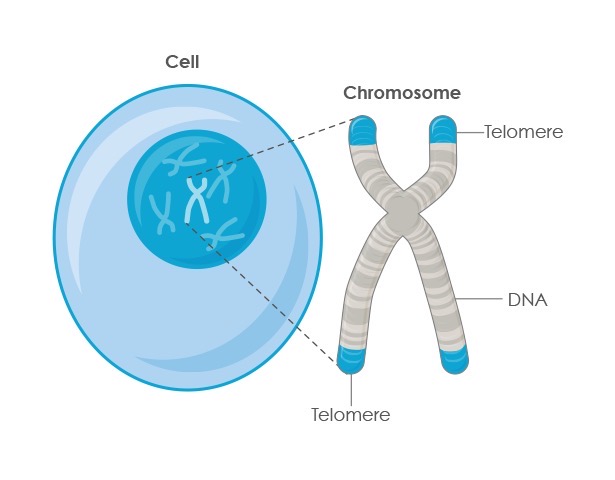
This has been possible for decades, but only very partial. What we have been doing is looking at separate biomarkers like blood pressure, cholesterol levels, and body mass index (BMI). We have also taken genetic tests. These tests indicate potential health risks or aging traits. They also measure physical fitness, strength, and endurance. Newer tests include examining telomere length measurements. Telomeres are protective caps on the ends of chromosomes. They shorten as we age.
However, biological age in reality is a holistic concept, not a series of separate biomarkers. Slowly the attention of experts moved towards the overall situation with emphasis on functions. A first practical implementation started in 2013 with the epigenetic clock by Steve Horvath. Horvath’s clock, used methylation data to create a “age estimator” that could predict biological age across different tissue types.
The overall conclusion is that the epigenetic clock represents a significant advancement in our understanding of biological aging. It also provides new intervention possibilities.
5.Before explaining the epigenetic clock a few words about Frailty Index
The Frailty Index (FI) is a clinical tool used to assess an individual’s frailty, typically in older adults. It has been in use now for about 20 years. Frailty is a complex syndrome. It is marked by a decline in physiological reserves. There is also increased vulnerability to adverse health outcomes. These outcomes include falls, disability, hospitalization, and mortality. The Frailty Index is one approach to quantify this frailty and can help in care planning and intervention strategies.
The FI calculation involves taking the number of health deficits a person has. This number is divided by the total number of possible deficits assessed. For example, a frailty index assesses 30 possible deficits. If an individual has 10 of them, their FI would be 10/30 = 0.33. This suggests a moderate level of frailty.
6.Body clock/epigenetic clock
Frailty Indexes are useful, but not enough. Its introduction 20 years ago was a great improvement, but great need remained for a total approach. One such an example is the recent development of Body Clocks. It is a composite score based on the weighted severity of diseases across systems. This development allows clinicians and researchers to track systemic health over time. It offers greater precision than traditional indices such as Frailty scores or number of chronic conditions.
The Body Clock predicts future multimorbidity, functional decline, and mortality. It does so more accurately than the frailty index, the number of diseases, and age. It also offers suggestions for intervention.
7.Body Clocks are Epigenetic clocks
An epigenetic clock is a biological marker. It is a tool used to estimate the biological age of an individual. This estimation is based on DNA methylation patterns. DNA methylation is a key epigenetic mechanism. It involves the addition of methyl groups to DNA. This process affects gene expression without altering the underlying DNA sequence. Methyl groups are functional groups in organic chemistry. They consist of one carbon atom bonded to three hydrogen atoms. This is represented by the chemical formula -CH₃.
As mentioned before, the physiological age (chronological age) and biological age (as measured by the epigenetic clock) can correlate. However, they do not always align perfectly. Environmental factors and lifestyle choices can lead to variations in biological aging.
8.How does it work?
The epigenetic clock analyzes specific sites on the genome where methylation changes occur with age. These changes can indicate the aging process and have been linked to various health outcomes, including age-related diseases. An epigenetic clock offers a practical framework. It assesses aging through a functional lens. This approach aligns with the priorities of both older adults and health systems. It aims to shift from reactive to preventive care.
Epigenetics refers to the study of modifications that affect gene expression without changing the DNA sequence itself. These modifications are crucial for regulating biological processes. They can be influenced by environmental and lifestyle factors. Such factors play a significant role in health and disease.
9.What is epigenetics?
Researchers have developed the first epigenetic clocks. Since then, they have refined and validated these tools across various populations and age ranges. Multiple studies have confirmed their accuracy and applicability in different biological contexts, including blood samples, skin, and even brain tissues. Some epigenetic clocks are adjusted for assessing aging in cancer patients. They are also adjusted for other specific health conditions, utilizing different sets of CpG sites.
Research has expanded to investigate the role of epigenetic clocks in various areas. This includes aging-related diseases, such as Alzheimer’s disease and cardiovascular health. It also covers lifestyle interventions, like diet and exercise. Moreover, researchers are studying the effects of environmental factors, such as pollution, on aging.
Epigenetic changes play critical roles in development, cellular differentiation, and responses to environmental stimuli. Abnormal epigenetic modifications are associated with a range of diseases, including cancer, neurological disorders, and cardiovascular disease.
Definition of Epigenetic: It pertains to the study of heritable changes in gene expression. These changes do not involve alterations to the underlying DNA sequence. This can include modifications such as DNA methylation and histone modification.
10.Some latest developments
Stanford University and others came up with the idea of a Body Clock (the “Health OctoTool” in 2023). This Body Clock is using real-world clinical data. It is preparing for personalized interventions by mapping how different organ systems function at different rates. The concept is getting accepted that aging is not a linear process, but a system-wide, heterogeneous process.
In late 2023, Xprize Healtspan announced a seven-year, $101 million global competition. The aim is to develop therapies to extend the years we spend in good health. By mid 2025, 100 teams from 58 countries have reached the semifinal. Some teams have proposals that soon might enter early-stage clinical trials.
The prize sets a clear goal. It aims to restore muscular, cognitive, and immune function by a minimum of ten years. The aim is to extend these functions up to 20 years in adults aged 50 to 80. This should be achieved within a 12-month timeframe. It’s a challenging mandate. Yet, it neatly reflects the evolving ethos of longevity science. The focus is not on achieving eternal life. Instead, it aims for a (much) longer and more healthy life.
As said, an exciting topic to follow. Which I will do!
Vitamin D is also a vitamin that can be difficult to grasp. Health experts (which I am not) differ on the amount one should take. I tried to navigate the vitamin D labyrinth online as best as I could. I formulated my own vitamin D narrative. For the record, I take 4000 IU (100 micrograms or 1/10 of a gram) of vitamin D3 daily. I combine it with vitamin K2-7. A blog is coming up on vitamin K soon.
There are several types of vitamin D, but the two most common and relevant ones are D2 and D3. It is fat-soluble, so taking it with water alone is not helpful; you should take it with a meal.
Subscribing to my blogs is 101% free.
1.Vitamin D deficiency is much more common than often perceived. Some estimates go as far as claiming that half of the world’s population is vitamin D deficient or insufficient.
The question is, why do so many people have vitamin D deficiency? At one point in my life, I had it, and my wife did as well. This served as proof that testing health biomarkers now and then is not a bad idea.
The first reason is that the number of relevant food sources for vitamin D is rather limited. These include cod liver oil, oily fish, and mushrooms exposed to sunlight. The second reason has to do with the increased quality of the sunscreen you use. One might be outside daily for the required 15-30 minutes. This is the time needed to produce enough vitamin D when you have your skin sufficiently exposed; “hands only” hardly counts. However, if you use a sunscreen with a factor of 50, then all vitamin D production is effectively blocked. In addition we should not forget that many of us live in countries with less sun. These places also have lousy winters (like the Netherlands).
2. How Much Do You Need?
Most countries recommend a daily intake (RDA) of 600-800 IU (=International Units), mainly for older people. However, more and more experts are suggesting that younger people should also take a supplement for the reasons mentioned in the previous paragraph. My suggestion to those individuals would be: do a check. I was personally unpleasantly surprised to find out that I was deficient in vitamin D.
The RDA is formulated to prevent deficiency in the general population. Most experts argue that higher doses are safe for most people. This is particularly true when taken for specific health benefits. Some individuals may require higher doses if they have certain health conditions. Older age, limited sun exposure, or darker skin can also necessitate higher doses.
The upper intake level for adults is often set at 4,000 IU, which is considered ok for most individuals. However, there is no definitive scientific proof. Many people take double or triple that amount without problems. This is if I am to believe discussions on the internet.
Still, there is a kind of consensus. An average adult should take no more than 100 micrograms (4000 IU) per day from diet and supplements. This limits the risk of side effects such as nausea, vomiting, and confusion.
3. Vitamin D is not a Magic Bullet but does quite a lot
Vitamin D is not a magic bullet, so be wary of claims that suggest otherwise. We must always be cautious. Be wary of any overly enthusiastic promotion of molecules. The bottom line remains a proper lifestyle approach. This includes regular physical activity, adequate sleep, and non-smoking. It also covers drinking alcohol in moderation or not at all, and ensuring healthy nutrition.
There are indications that vitamin D supplementation could decrease the risk of diseases linked to chronic inflammation. Chronic inflammation, which can last for years, is associated with many diseases, including diabetes, cardiovascular disease, arthritis, and dementia.
Vitamin D contributes to bone health and a well-functioning immune system.
Results show a small risk reduction for certain major cardiovascular events.
Lower levels of vitamin D are linked to a higher risk of dementia. This connection is found in older adults. Several studies have shown that higher blood vitamin D levels are associated with less cognitive decline. They also indicate a lower risk of dementia. More studies are needed.
Researchers found the most significant improvement in depressive symptoms in people who already had a low level of vitamin D. Larger dosages also appeared to have a more substantial effect.
The a recent study found that people taking vitamin D3 supplements experienced only minimal telomere shortening after four years. In contrast, those taking a placebo showed substantial shortening. When telomeres become too short, cells enter senescence or programmed cell death. Either condition contributes to aging and age-related diseases. This offers tangible evidence that simple, low-cost interventions sometimes have meaningful impacts on cellular aging pathways.”
4. Big Caveat: take D3 always with K2
It is often recommended to take vitamin D3 with vitamin K2, specifically the K2-7 form (menaquinone-7). Together they play complementary roles in calcium metabolism and overall health.
Vitamin D3 helps enhance the absorption of calcium from the gut. It plays a crucial role in maintaining calcium levels in the blood. However, without adequate vitamin K2, the calcium absorbed might not be directed to the bones and teeth where it’s needed. Instead, it can accumulate in soft tissues, such as arteries, potentially leading to serious cardiovascular issues.
Vitamin K2 is vital for the activation of osteocalcin. This protein helps bind calcium to the bone matrix. It thereby strengthens bones. When taken together, vitamin D3 supports the uptake of calcium. K2 ensures that calcium is properly utilized in the bones.
5. Final question. Should You Take a Vitamin D Supplement?
The more I read about vitamin D, the more I agree with those experts who advise everyone to take a supplement. Many recommend taking it in combination with vitamin K2 (specifically K2-7), which I do.
6. A Few More Details on the Two Primary Types of Vitamin D
Vitamin D2 (ergocalciferol) is derived from yeast and fungi. It’s often used in supplements and some fortified foods. Vitamin D3 (cholecalciferol) is synthesized by the skin when it is exposed to sunlight (UVB rays). It is also found in animal products such as fatty fish, liver, egg yolks, and fortified milk. Vitamin D3 is generally considered more effective than D2 in raising blood levels of vitamin D.
The half-life of vitamin D in the body varies depending on the form and the individual’s metabolism, but it is generally about 15-20 hours for D2 and 15-25 hours for D3
Bioavailability refers to the extent and rate of absorption of active ingredients or active moieties. In this case, it describes how vitamin D is absorbed. It becomes available at the site of action in the body. For Vitamin D3 the bioavailability is about 50-80% when taken with a meal. When taken with water only it will be close to 0%. D3 is up to 2x more bioavailable than D2.
Thanks for reading, I will now start writing my K2 blog.
Have you ever heard of telomeres? Although they are the key to cellular aging, most people haven’t heard of them. Until recently, neither had I. But I wanted to better understand this topic. Why? Telomeres are crucial for DNA replication. This process is the most fundamental in the cell cycle of all living organisms. Every day, approximately 50 to 100 billion cells (that’s 1 with 9 zeros!) are divided in an human body, making this an essential topic for each one of us. Telomeres, particularly their lengths, “decide” how many times your cells can divide. By improving the functioning of telomeres, we will live longer, healthier lives. (something else, subscribing to this blog is completely and totally free).
1. DNA replication is the process by which a cell makes an identical copy of its DNA before cell division. This is crucial for ensuring that each daughter cell receives an exact copy of the genetic material. During DNA replication, the double-stranded DNA unwinds and separates into two strands. Each strand acts as a template for synthesizing a new complementary strand, resulting in two identical DNA molecules.
2. Telomeres are located at the ends of chromosomes. They serve as protective caps that prevent the degradation of chromosomes during cell division. Each time a cell divides, a small portion of the telomere is lost. This is why they are often compared to the plastic tips on shoelaces that prevent fraying.
3. Telomeres shorten as cells age. This shortening is associated with cellular aging. It can eventually lead to cell senescence (the state where cells no longer divide). It may also result in apoptosis (programmed cell death). When telomeres become critically short, cells can no longer divide properly, which is linked to various age-related diseases, including cancer.
4. Issues with the stability of chromosome ends (as seen in telomeres) can lead to genetic disorders, such as Huntington’s disease.
In many organisms, including humans, telomere length largely influences the limited number of divisions that a somatic cell can undergo. (Note: Somatic cells are any cells in the body of a multicellular organism that are not germ cells, i.e., sperm or egg cells. Somatic cells make up the vast majority of an organism’s tissues and organs.)
5. The question arises: what can we do about telomere shortening? How to prevent this. A lot of research is underway. There are warnings that manipulating telomere length could have unintended consequences. These consequences may include an increased risk of cancer.
6.The length of telomeres remains a fascinating topic. There is immense potential in preserving or lengthening telomeres. This could have implications for extending both health span and lifespan. So what can we do?
Step A: Improve Lifestyle Factors
You can take risk-free steps to slow down telomere shortening or even achieve telomere lengthening by focusing on lifestyle improvements. Many studies suggest that better lifestyle choices can lengthen telomeres by approximately 10%. Here are several factors to consider:
Regular physical activity, particularly aerobic exercise, can increase telomerase activity and slow down telomere shortening.
A diet rich in fruits, vegetables, and antioxidants can help reduce oxidative stress, which can damage telomeres.
Chronic stress can shorten telomeres. Practices such as meditation, yoga, and deep breathing can mitigate stress.
Getting sufficient sleep (around 7 hours) is crucial for cellular repair and maintenance, including telomere length.
Processed Foods and Excess Sugar can contribute to oxidative stress and inflammation, potentially accelerating telomere shortening.
Smoking is a significant contributor to telomere shortening.
Obesity is associated with shorter telomeres.
Step B: Consider Supplements
Some studies suggest that certain supplements, like omega-3 fatty acids and vitamins C and E, may help maintain telomere length. They could be beneficial in this regard. While they may not directly lengthen telomeres, they might help prevent further shortening. However, the evidence is still inconclusive, and more studies are needed.
Additionally, adequate levels of vitamin D may be linked to longer telomeres. Vitamin D interacts with various cellular processes. These include those involved in cell growth and immune function. It may also help mitigate telomere shortening. However, the precise mechanisms and duration of this effect can vary based on individual health, lifestyle, and genetic factors.
Step C: Await Results from Promising Studies
Currently, the most promising research is focused on new procedures to lengthen telomeres. Advances in AI are expected to accelerate this research. An intriguing study conducted at Stanford University in 2023 developed a new method for lengthening telomeres in chromosomes. This advancement effectively increased the number of times cells can divide safely. It potentially reverses aspects of the aging process at the cellular level.
Many approaches focus on telomerase. This enzyme can extend telomeres by adding nucleotide sequences to chromosome ends. The objective is to activate telomerase in somatic cells, which typically have low or absent telomerase activity.
Other options may involve using gene therapy techniques. These techniques can introduce or enhance the expression of the telomerase gene (TERT) in cells. Researchers are also exploring small molecules or compounds that can stimulate telomerase activity or promote telomere maintenance.
7. Potential Risks
While extending the lifespan of cells can have benefits, there are also associated risks. Inappropriate reactivation of telomerase could lead to uncontrolled cell division. This reactivation can result in cancer as many tumors exhibit elevated levels of telomerase.
But let us end on a positive note. Let us hope that all the efforts to first stop telomeres shorten themselves and secondly to grow again will work.
Some 20 years ago Resveratrol was the supplement to take. It was heavily promoted by longevity experts like Dr Sinclair. Resveratrol was also found naturally in wine. As a result, wine lovers jumped on the band wagon. More wine, for health benefits only of course.
To obtain a dose of Resveratrol that might have health benefits, one would need about 100 mg per day. This would require drinking approximately 100 to 1,000 glasses of red wine per day. I do not know about you, but drinking 100 glasses of red wine does not go hand in hand with longevity. This is true even for former diplomats.
In the end I decided for Pterostilbene and I stopped taking Resveratrol. Note: subscribing to my blogs is 102% free.
1.My thoughts about supplements in general
Before delving into the details of Resveratrol, let me first outline my general approach of this health project99+. The five key factors for longevity are: (1) diet, (2) stress management, (3) quality of sleep, (4) exercises and strength training, and (5) an active social life.
By excelling in these five areas, you significantly increase your chances for a longer and healthier life. Supplements are the sixth category and, in my opinion, offer the most intriguing avenue for intervention.
Supplements provide hope—hope for a much longer life. Many studies are underway, and life is too short to wait for the results of all of them. Promising findings are emerging at an increasing pace, thanks in part to advancements in AI. I am among those open to taking certain supplements, even though their claimed effects are not yet scientifically proven. I adhere to the “do no harm” principle and choose to give them a try.
2.What can Resveratrol do? At first sight a lot.
Resveratrol is a natural polyphenol (see note below this blog on polyphenols). It has been detected in more than 70 plant species. It is especially found in grapes’ skin and seeds. It acts against pathogens (stuff that can make you ill), including bacteria and fungi.
Many studies have demonstrated that Resveratrol possesses a very high antioxidant potential. It has other bioactive effects, like anti-inflammatory, anticarcinogenic (cancer), cardioprotective, vasorelaxant, phytoestrogenic and neuroprotective.
Longevity experts have been interested in Resveratrol since the early 2000s. Their interest increased particularly following research that suggested its potential role in promoting health and longevity. One study found that Resveratrol could trigger sirtuins. Sirtuins are proteins that are believed to play a crucial role in aging and metabolic regulation. Resveratrol was also linked to calorie restriction, an intervention that has been linked to increased lifespan.
3. One big problem with Resveratrol
Its half-time is low (max a few hours, some studies talk about 15 minutes) and its bioavailability is very limited. Some talk about a few percentages only, others about a maximum of 20%. This means that your body processes most of the supplement before it can do its work. The remainder that works lasts a very short time only. Very disappointing. This covers a wider theme that one should always consider when taking supplements. Omega-3 fatty acids last three days and most of the intake is being used.
4.Pterostilbene comes to the rescue/what is Pterostilbene?
Pterostilbene is a natural substance found in small quantities in vegetables and fruits such as blueberries. Those quantities, however, are so small. You need to take supplements for it to have an effect. Pterostilbene is chemically similar to Resveratrol. Both are compounds known as stilbenes. It is rapidly emerging as a supplement to watch.
5. Differences between Resveratrol and Pterostilbene
Pterostilbene is considerably better absorbed by the gut compared to resveratrol. Pterostilbene has a bioavailability of about 80 percent, compared to 20 percent for Resveratrol. Some studies suggest that the bioavailability of Resveratrol may be even as low as 1-3%.
Pterostilbene also has a longer half-life, which may allow it to be effective at lower doses. Around 2 hours for Pterostilbene and 15 minutes up to one hour for Resveratrol.
Studies have already reported that Pterostilbene can be superior to Resveratrol for certain health conditions. It has shown promise for improving cardiovascular health. Pterostilbene may also enhance glucose levels and cognitive function. One minus is that there are far fewer studies on Pterostilbene than on Resveratrol.
6. Pterostilbene and Longevity/What does Pterostilbene do? A lot
Many studies demonstrate beneficial effects of pterostilbene on health and the aging process. The benefits of pterostilbene are promising, and supplements are likely safe for most people. Still, much more research has to be done. Results with mice is one step, with humans another.
Pterostilbene reduces inflammation and improves DNA repair. It activates sirtuins which are enzymes that repair DNA and improve metabolism. These enzymes can extend health span and lifespan.
Pterostilbene is also an autophagy inducer. Autophagy is the process that clears up cellular waste that accumulates in the cells. During aging, autophagy is reduced. Pterostilbene can also trigger AMPK. AMPK is an important energy sensor in the cells. This activation, in turn, inhibits mTOR, a strong inhibitor of autophagy.
Pterostilbene increases the production of powerful antioxidant enzymes, protecting the cells against oxidative damage. Pterostilbene can improve brain functioning and can protect the brain.
Pterostilbene has also been shown to increase levels of other antioxidants. These antioxidants are linked to everything from improved detoxification to reduced oxidative stress in mitochondria. Mitochondria are the energy powerhouses of our cells. They play a role in most age-related diseases. They also make sure you have enough energy to function optimally.2. It may help fight or prevent cancer.
Several animal studies have found that supplementing with pterostilbene lowers blood glucose levels. This suggests that this antioxidant may play a role in protecting against diabetes. It may also improve insulin sensitivity.
Some evidence even suggests that Pterostilbene and Resveratrol may mimic the effects of calorie restriction. This practice has been shown to increase life span and help prevent age-related disorders.
7. Side Effects of Pterostilbene
Both can on rare occasions have some side-effects. They vary from gastrointestinal symptoms and headaches to fatigue. Rare interactions can occur with some medicines, like blood thinners or medications that are metabolized by the liver. Various studies show that Pterostilbene improves many other biomarkers of cardiovascular health, including lowering blood pressure. This could be problematic for people with already low blood pressure or those on antihypertensive medications.
A recent study suggests a small but significant increase in cholesterol. This change may occur at the normal dose of 100 mg of Pterostilbene. This effect is observed at least for people with a higher-than-normal BMI. But as mentioned before, more studies are necessary. Conducting human trials with all the variables is quite difficult.
8. My experience
After finding out more about Resveratrol I decided to swap it for Pterostilbene. I take several other supplements, so it is difficult to say if and how it works. I find the studies convincing. I never experienced any side effects. A question I want to explore further is how to have the positive influence of Pterostilbene the whole day. Its half-life is 2 hours. This implies that it only works 4 hours per day if you take two per day.
Some experts also believe that pterostilbene and resveratrol are better when consumed together. They act synergistically to promote health and prevent a variety of diseases. This is why you’ll often find them packaged together in supplements. I have not seen much about this, so I only take Pterostilbene.
Enjoy your life, think about the big 5, do not forget your pills,
Robert, your health friend
Note: you often read about “polyphenols”. This is a large and diverse group of 8000 compounds with potential health benefits. They occur as compounds in plants and are known for their antioxidant properties and potential health benefits. They do not directly influence the plant’s growth, development, or reproduction. However, they play important roles in protecting plants from ultraviolet radiation, pathogens, and herbivores.
Note. However, as with many compounds, the exact half-life can vary based on factors such as the dosage, individual metabolism, and form of pterostilbene (e.g., whether it is taken as a supplement or comes from food sources). Additionally, pterostilbene is reported to have improved bioavailability compared to resveratrol, which may influence its effects in the body.
Does one always understand what one reads? In my case I often don’t. Take for example “deep tissue massage”. Highly recommended by any masseur. But why? What does it mean? What tissue she (my masseur) is talking about? Apparently about connective tissue. What is this? And what about the muscles?
Household words in this context are collagen, cartilage, osteoarthritis. In the world of connective tissue there is a lot of hype, exaggeration and fake promises. So be careful and do not fall for all the claims. The good news is that studies show that massage has positive effects on your tissues. Massage also benefits your overall health as it is integral to your immune system; in particular the deep tissue massage.
And do not forget, before or after the massage, to subscribe, for free, to my blogs.
1.Introduction
We all know that muscle loss, or sarcopenia, is something we should prevent. Without action, an average woman can lose approximately 6 kg of muscle between the ages of 25 and 65. It is also important to keep flexibility. Strength and resistance training, tai chi, and yoga are all beneficial activities. They are effective and also enjoyable. These activities support overall health.
Massage should be included in this list of active health interventions, both for prevention and treatment. Many of us tend to visit a masseur only when we face problems. Still, regular massages can help keep the body loose and flexible, contributing significantly to overall health. This blog will explore this topic further.
A central choice offered by massage therapists is the so-called deep tissue massage. Contrary to what some might think, deep tissue massage is not just about treating superficial muscles beneath the skin. It primarily targets deeper layers of both muscle and connective tissue. The main goal is to relieve tension in muscles that are chronically tight. These contracted muscles can detrimentally affect your health more than you might realize. Consider it a two-step approach: addressing issues in the connective tissue to effectively reach the deeper layers of muscle.
I strongly encourage readers to educate themselves about different types of massage techniques. This knowledge can help you determine how to best incorporate massage into your health routine.
2. To start, what exactly is “connective tissue”?
Humans have four main types of tissues. Connective tissues are the focus of this blog. Epithelial tissues are also important (see note at the bottom of this blog). In addition, there are muscle and nervous tissues.
Connective tissue is essential for maintaining the body’s structural integrity. It facilitates communication and transport. It provides protection and supports various physiological functions. It is a vital component of the overall body system.
Connective tissue is composed of a variety of cells (see note at the bottom of this blog). It also includes fibers and an extracellular matrix (see note at the bottom of this blog). The composition and structure of the extracellular matrix can vary widely among different types of connective tissue. These include loose connective tissue, dense connective tissue, cartilage, bone, blood, and adipose (fat) tissue.
3. What different types of connective tissue are there?
Loose Connective Tissue. (Provides support and elasticity; found beneath the skin and surrounding organs).
Dense Connective Tissue. (Composed of closely packed collagen fibers and provides tensile strength; found in tendons and ligaments).
Adipose Tissue. (Specialized fat storage for insulation and energy storage).
Cartilage. (Provides flexible support; found in joints, the nose, and ears).
Bone. (Provides structural support and protection; stores calcium and produces blood cells).
Blood. (A liquid connective tissue responsible for transport and communication within the body)
Lymph. (Part of the immune and circulatory systems; helps transport lymphatic.
4. And what are the many functions of connective tissue?
In short, it provides structural support and shape to the body.
In line with this, connective tissue plays a crucial role in anchoring and binding other tissues and organs together. Tendons connect muscles to bones. Ligaments connect bones to other bones at joints. Both tendons and ligaments are types of connective tissue.
Blood is a specialized type of connective tissue responsible for transporting nutrients, gases, hormones, and waste products throughout the body.
An important function of some connective tissues is the protection of organs. For instance, adipose tissue (fat) acts as a cushion, providing protection for vital organs.
Moreover, connective tissue is integral to the immune system. It houses various cells involved in immune responses, such as macrophages and lymphocytes. These cells help defend against pathogens (substances that can cause illness). It also stores energy and nutrients. Adipose tissue stores fat for energy reserves. Bone tissue stores essential minerals like calcium and phosphorus.
Another well-known function of connective tissue is seen in cartilage. It provides flexibility and support in joints. This allows for smooth movement without friction between bones.
Additionally, connective tissue plays a vital role in the healing and repair of tissues after injury. It can regenerate and form scar tissue to restore structure and function. Connective tissue also contains signaling molecules and fibers that facilitate communication between different cells and tissues in the body.
5. The relationship between connective tissue and aging is multifaceted
Age-related changes can lead to decreased strength, elasticity, and overall resilience of connective tissues. While it is not possible to completely stop the effects of aging on connective tissue, there are several strategies. These strategies may help slow the process and mitigate the negative impacts. Aging is a natural biological process, and connective tissues, like all tissues in the body, undergo changes over time.
Maintaining a healthy lifestyle that includes regular exercise, a balanced diet rich in nutrients that support connective tissue health (like vitamin C, omega-3 fatty acids, and amino acids/protein), staying hydrated (drink a lot during the day!), and avoiding smoking can help mitigate some of the negative effects of aging on connective tissue.
Protect from Injury. Be mindful of body mechanics and use protective gear during activities that risk injury. Avoid repetitive strain and take breaks to prevent overuse injuries.
Some people may find benefits from supplements that support joint health, such as glucosamine, chondroitin, collagen peptides, or hyaluronic acid. I already wrote about glucosamine and will write about a LED mask. Interesting things going on.
6. Well known issues with your tissues……
Reduced Collagen Production. Collagen is the primary protein in connective tissue, providing structure and strength. As we age, the body’s ability to produce collagen decreases. This causes a decrease in the elasticity and firmness of skin, contributing to wrinkles. It also leads to increased joint stiffness. Additionally, there is a higher risk of injuries. How to compensate this collagen loss is a billion-dollar business, with only few products and methods that work. I write about in another blog.
Elastin Degradation. Elastin fibers allow tissues to resume their shape after stretching. Aging can lead to the breakdown of elastin. This can result in less elastic skin and blood vessels, leading to sagging skin and potential cardiovascular problems.
Changes in Ground Substance. Aging can reduce the moisture content in connective tissue. This reduction leads to stiffness in the body. It also results in decreased cushioning in joints (osteoarthritis). This is the result of changes in certain glycans that help keep moisture and offer resilience to tissues.
Increased Cross-Linking. where sugar molecules bond with proteins. The age-related misery does not stop. Cross-linking can lead to decreased flexibility and increased rigidity in tissues. This contributes to conditions like reduced mobility and joint pain.
Degenerative Changes leading to osteoarthritis. Connective tissues can undergo degenerative changes, including the wear and tear of cartilage in joints. This can lead to osteoarthritis, characterized by pain, stiffness, and reduced mobility.
Increased Risk of Injuries. As connective tissues become less resilient and more rigid with age, they are more susceptible to strains, sprains, and tears. Older adults may experience more frequent injuries and longer recovery times.
Inflammatory Changes. Aging is also associated with a low-grade inflammatory state, which can affect connective tissues and their healing processes. Chronic inflammation can exacerbate the degeneration of connective tissues and contribute to age-related diseases.
Impact on Healing: The capacity for connective tissue repair tends to decline with age. This means injuries may take longer to heal.
7. Main effects of deep tissue massage on connective tissue
Deep tissue massage can positively affect connective tissue health. It does so through mechanisms like (1) fibroblast stimulation and (2) inflammation reduction. It also includes (3) collagen remodeling and (4) enhanced hydration.
(1). Fibroblast Activity. Fibroblasts are cells responsible for producing collagen. They also produce other components of the extracellular matrix. These are crucial for maintaining the integrity of connective tissue. Studies suggest that massage can stimulate fibroblast activity, potentially enhancing collagen production, which helps improve tissue elasticity and strength.
(2). Inflammation Reduction. Deep tissue massage has been shown to reduce markers of inflammation in the body. This can be beneficial for connective tissue, as chronic inflammation is linked to tissue degeneration and aging. Lowering inflammation can lead to improved healing and recovery from exercise or injury.
(3). Collagen Remodeling. Massage can promote collagen remodeling by altering the structure of collagen fibers. This is important for maintaining flexible and functional connective tissue. Manipulative techniques help break down adhesions or scar tissue, enabling better movement and operation of tissues.
(4). Tissue Hydration. Massage increases blood circulation, promoting better hydration and nutrient delivery to tissues. Improved hydration is essential for the health of connective tissues, as they need adequate moisture for flexibility and operation.
8.Scientific Studies on frequency and effectiveness
The good news is that research suggests that regular massage can have accumulative benefits. Best seem to be regular sessions.Some studies indeed show that deep tissue massage can be effective in managing chronic pain. It can also help alleviate muscle tension and even reduce stress levels.
9.My experience
I could not do without. No more knobs on my back and my whole body feels much better. I support this with exercises and some massage equipment at home.
10. Visualizing connective tissue (for example on your back) can be done through a few different techniques.
You can palpate (gently press) different areas of your back to feel for various structures. You may feel tendons and ligaments that are part of the connective tissue system. It will help if you understand the different muscles of course. Look for diagrams or models (websites, apps) that illustrate the back’s connective tissue structures. There are various apps available that allow you to explore 3D models of human anatomy.
MRI is an imaging technique providing detailed images of soft tissues, including connective tissue, muscles, and fascia. And we have ultrasound as well. This can also be used to visualize soft tissues. It can provide insights into the condition of connective tissues like tendons and ligaments.
Engaging in practices such as yoga or Pilates can enhance your awareness of how connective tissue supports movement. Pay attention to how your body feels during these practices. Notice how it behaves. This can provide indirect insight into the state of your connective tissue.
Understanding the connective tissues in your back requires combining knowledge of anatomy. It involves utilizing technology and imaging. Engaging in physical exploration through touch and movement is also essential.
11. If you have developed knobs or lumps in your back, they might be associated with connective tissue. This condition could be due to various causes.
Knobs in your back related to connective tissue can stem from a variety of conditions. Some can be prevented and/or solved by physical activity, proper posture, and stress management.
Trigger Points These are small, tight areas within a muscle that can feel like knots. They are often caused by muscle overuse, stress, or poor posture.
Fascia is a layer of connective tissue that surrounds muscles and organs. Sometimes, due to injury or inflammation, the fascia can develop adhesions or thickened areas that feel like knobs. A masseur can do wonders.
Something similar are lipomas These are benign (non-cancerous) tumors made up of adipose (fat) tissue. They can occur in the subcutaneous tissue, which is just beneath the skin. Lipomas are typically soft and movable and can vary in size. Only a surgeon can remove them. The same applies to fibromas, benign tumors. They can be firm and may or may not cause discomfort.
A strain or tear in a muscle can lead to localized swelling and may form palpable knots. Symptoms may include pain, swelling, and reduced range of motion. Here we have potential work for a masseur and own massage work as well.
Skeletal Conditions like osteophytes, bone spurs that can form on the vertebrae due to degenerative conditions like arthritis. No work for a masseur.
Cysts. Sometimes fluid-filled sacs can develop in areas of connective tissue, leading to a hard or soft lump. They can be painless or cause discomfort.
Conditions like abscesses, infections, or inflammatory disorders can cause localized swelling. Knobby structures may form due to the body’s immune response.
12. When to Seek Medical Attention
If the knobs are new, painful, or growing, consult a healthcare professional for a thorough evaluation. See a professional if they are accompanied by other unusual symptoms, like fever, weight loss, or persistent discomfort.
13. Some notes
a. Extracellular matrix is a complex network of proteins and carbohydrates. It is found outside of cells. It provides structural support and regulates various cellular functions. There is collagen (provides strength), elastin (provides elasticity), and reticular fibers (provide support. There is also ground substance, a gel-like material that helps hold cells and fibers together; it contains water, proteoglycans, and glycoproteins.
b. Epithelial tissue is a type of tissue that forms protective coverings on body surfaces. It lines cavities and organs. It is also involved in absorption, secretion, and sensation.
c. Various types of cells are found in connective tissue
Fibroblasts.Responsible for producing fibers and the ground substance.
Macrophages.Involved in immune responses and cleaning up debris.
Adipocytes. Store fat and serve as energy reserves.
Mast Cells. Play a role in allergic responses and inflammation.
Lymphocytes. A type of white blood cell involved in immune response.
Dear readers, this was much too long. There was too much to tell about connective tissue and deep tissue massage so I do not apologise .