5. “AUTOPHAGY”: RANKING HIGH IN THE TOP 10 OF THE MOST IMPORTANT BODY PROCESSES (health project99+)

Sand banks in the Congo river (dry season)

Dear reader,

Autophagy ranks very high among our crucial body processes. Autophagy influences life and health span. Its decline is linked directly to aging and age-related diseases. As with many processes of your body, autophagy functions best when you are young. However, as to be predicted, it gets worse with age. Fortunately there is a lot you can do to slow or partially reverse the downward trend.

The main benefits of autophagy relate to anti-aging effects. Autophagy is best known as the body’s way of turning back the clock and promoting younger cellular states.

(1) Fasting, (2) exercise, (3) the ketogenic diet, and (4) certain supplements are the way forward for better autophagy. Much is unknown; animal studies are promising, but more human research is needed.

For my personal approach to maintaining autophagy I practice irregular intermittent fasting, I exercise regularly and I also take three supplements that promote autophagy.

What is autophagy? It comes from the Latin words meaning “self-eating,”. “auto” stands for “self” and “phagy” means “eat”.

Autophagy is a natural process. It involves breaking down unneeded or damaged components within a cell. Cells reuse these components as the building blocks for cellular repair. They are also used for the formation of new cells. Autophagy helps keep cells healthy as it removes long-lived, damaged molecules and organelles, aggregated proteins, and intracellular pathogens. These pathogens include any organism or agent. This could be a virus, bacterium, fungus, or parasite. Such organisms can cause disease in a host.
    One of the zillion pictures on internet about autophagy. I do not understand it, but just to show how complicated the process is

    Accelerating degradation over the years Universally cited “percentages of loss per year” for autophagy do not exist. It appears too difficult to measure in a scientific way, but some general observations can be made.

    Age 20: Autophagy at that age is generally robust, efficiently recycling damaged proteins and organelles, which contributes to cellular homeostasis and youthfulness. Note: Homeostasis is the body’s natural, self-regulating process that maintains a stable, constant internal environment despite changes in external conditions. 

    Age 70: Autophagy efficiency is markedly reduced, leading to the accumulation of damaged cells and cellular debris (senescence). This strongly contributes to the aging process and to the accumulation of damaged cells.

    To put things in perspective (and yes, mice are no men, but just to get an idea). In research on mouse neurons one sees a 94% decrease in autophagy from young adult mice compared to older mice. In older mice only 34% of the autophagic vesicles were functional, compared to 80% in young adult mice. Whether mice or humans, it is clear that at an older age, the body is less efficient at repairing itself.

    Why is autophagy important part 1? Autophagy, as mentioned, is the process of clearing away damaged parts. This process is essential for keeping cells healthy. It ensures cells remain in good working order. If junk builds up in the cell, it can permanently tweak the cell’s genes. This makes it difficult or impossible for the cell to repair itself. It also hinders the cell from regrowing the structures it needs to survive and thrive. Many diseases can then be the result.

    While some cells only last in your body for a few days, others are with you for a lifetime. Two especially important types of cells don’t turn over much. They are with us for decades, so they must stay healthy. Neurons are in our brains and other parts of the nervous system. Cardiomyocytes make up our heart muscle.Afbeelding met logo, Graphics, zwart, ontwerp

Automatisch gegenereerde beschrijving

      Why Is Autophagy Important — Part 2? The same idea as the previous paragraph, but more extensive.

      • Cellular housekeeping: It breaks down old, damaged, or misfolded proteins and organelles (like mitochondria). If left alone, these would cause cellular dysfunction. Ultimately, this could lead to cell death.
      • Energy & survival: During periods of starvation or stress, autophagy is activated. It recycles non-essential cellular components into usable energy (ATP).
      • Anti-aging & longevity: Autophagy is essential for reversing the accumulation of age-related cellular waste. Studies show that boosting autophagy can prolong lifespan in various species, because restoring autophagy gene activity to youthful levels can counteract decline.
      • Neuroprotection: It is crucial for clearing protein aggregates. These aggregates are similar to those found in Alzheimer’s and Parkinson’s diseases. This process occurs in non-dividing cells like neurons.
      • Immune system defense: It helps destroy intracellular pathogens (viruses and bacteria).
      • Cancer prevention: By removing damaged components, it helps prevent genetic mutations that can lead to cancer development. For this reason, some researchers are exploring whether autophagy may lower cancer risk. More research is needed, as autophagy can protect against some diseases but, in other contexts, may contribute to disease as Autophagy can also allow dysfunctional cells to survive in some contexts.
      • Quality control: Autophagy ensures that only healthy, high-functioning cells remain in your body.

      How to Stop/Slow Down the Downward Trend

      There are four methods to stimulate autophagy: fasting, the ketogenic diet, exercise, and supplements.

      A Fasting/Intermittent Fasting Any shift in calorie sources causes your body to shift its metabolic pathways. It will begin to use fat for fuel instead of glucose derived from carbohydrates. In general, it is important not to overwhelm the body with constant external calorie loads. It is crucial to give the body a break to focus on its own health and repair. Note also the importance of sleep! And what are metabolic pathways, another overused terminology? I had no idea, but see at the bottom of this blog :).

      “Fasting is one of the most effective ways to trigger autophagy.” During starvation, autophagy sustains the body. It breaks down cellular material. This material is reused for essential processes. This requires energy and cannot continue forever, but it buys time to obtain nourishment.

      Fasting is a commonly recommended way to induce autophagy; usually the longer, the better. Three days is sometimes cited as the minimum you need to fast to induce autophagy. For most of us, this is not feasible. Many turn to intermittent fasting, as animal studies show good results. Assuming (though not all agree) that intermittent fasting works, it requires a non-eating window of at least 14 hours (on internet you will find a lot of debate on the number of minimum hours, but I chose 14.

      Autophagy and gut-rest fasts prohibit caloric substances from passing your lips. Even one or two calories can be enough to stop autophagy and disrupt the fasted state. This means that virtually all foods are off limits. Beverages with calories, powders, and pills are excluded. Even breath mints and gum can be restricted. Tea, coffee, and water are allowed.

      B The ketogenic diet The ketogenic diet is high in fat and very low in carbohydrates. It can bring similar metabolic benefits as fasting. A typical ketogenic plan provides about 75% of daily calories from fat and 5–10% from carbohydrates. This diet can promote the same metabolic changes that fasting induces, though it is not identical to fasting.

      C Exercise is another non-diet factor that can promote autophagy. Animal studies show that physical activity can induce autophagy in organs involved in metabolic regulation. Compared with fasting, autophagy can be induced by as little as 30 minutes of treadmill running. Regular exercise, particularly endurance training and high-intensity interval training (HIIT), has been shown to enhance cellular cleanup mechanisms.

      Some reports suggest that Zone 2 training for about an hour can induce as much autophagy as a three-day fast. This is not yet established with certainty, but it is plausible. Note: Zone 2 typically corresponds to roughly 60–70% of your maximum heart rate.

      D Supplements Spermidine and Fisetin are considered direct and potent supplements for inducing autophagy. Pterostilbene is a strong, bioavailable enhancer of cellular cleanup pathways. 

      1. Spermidine triggers the degradation of damaged proteins and organelles. It mimics the effects of calorie restriction, boosting autophagic processes and cellular renewal, particularly in aging cells. Earlier I wrote a blog on Spermidine. https://shakethehealthtree.com/index.php/2025/04/20/21-spermidine-the-zombie-cell-killer-health-project99/
      2. Fisetin is a flavonoid that functions as a potent senolytic, helping the body clear senescent (“zombie”) cells. It induces autophagy to aid cellular repair, especially when cells are stressed. And a blog on Fisetin as well. https://shakethehealthtree.com/index.php/2025/04/02/21-fisetin-a-supplement-that-might-add-years-to-your-life/
      3. Pterostilbene promotes autophagy by activating AMPK and suppressing mTOR, a negative regulator of autophagy. It can enhance autophagy in skeletal muscle. Even on Pterostilbene there is an earlier blog. https://shakethehealthtree.com/index.php/2025/05/16/21-stay-healthy-100-glasses-of-red-wine-daily-or-resveratrol-pterostilbenehealth-project99/

      6 My Approach

      Every other day, I attempt a 14–16 hour fast. I aim to increase the number of days. However, I have not managed to go beyond about 22 hours of non-eating so far.

      Regular sport training, including a few sessions per week in Zone 2.

      I take supplements described in this blog: Spermidine, pterostilbene, and Fisetin.

      Ok, this was it. Not all about autophagy but the essence as I (a non doctor) see it. The problem with one’s body is that everything is important, but some are more important than others. Autophagy is one of them.

        Take care, enjoy life and let me know if you have any questions.

        Robert, your health friend,

        The mighty Congo River, up to 300 meters deep

        Metabolic pathways are interconnected series of chemical reactions within a cell. They convert substrates (stuff) into essential products. These reactions manage energy and matter to sustain life. These multi-step, regulated pathways (e.g., glycolysis) are categorized as catabolic (breaking down molecules to release energy) or anabolic (using energy to build complex molecules.

        4. ALCOHOL, TRULY BAD NEWS (health project99+)

        Estado de Apure, Venezuela

        Dear reader,

        All the pleasures are taken away from us these days. I know. The more time I spend reading about health issues, the less I put on our dinner table. A bio-salad, nuts, oats and quinoa—nothing else is left in life. It isn’t that bad of course, but you know what I mean.

        The research and writing about alcohol depressed me. I truly had no idea how bad alcohol can be for your health. Yes, we all know that excessive drinking harms the liver. It can lead to loss of control and car accidents. However, I had no idea that drinking alcohol is linked to as many cancer deaths as to liver-disease deaths.

        The alcohol industry, like the tobacco industry, is clever and sneaky. It often funds so-called objective studies. These studies conclude that one to two glasses a day are okay. They suggest these drinks might even confer moderate health benefits. The majority of researchers, however, argue that no safe level of alcohol exists. Even one drink increases the risk for certain health outcomes, according to the World Health Organization.

        We do many things in life that are not foolproof healthy. I still allow myself the occasional drink (perhaps once per month). However, for years I have stopped the practice of having one or two glasses of red wine a day. I am happy that non-alcoholic beer at least tastes good!

        1. What is positive about alcohol?

        The alcohol industry is significant. It employs many people. Also, wine and beer enthusiasts enjoy comparing good varieties. Besides these aspects, there are theoretically three positives.

        First, alcohol has a social function because it generally loosens people up and makes them more sociable.

        Second, the taste. Except for beer, its taste cannot be copied (so far). Drinking non-alcoholic wine remains unsatisfactory. Creating a good nonalcoholic brandy or whiskey has not been successful yet, on the contrary.

        Some studies have suggested that very light drinking could modestly increase HDL (“good”) cholesterol levels. However, these benefits are small and may vary depending on overall diet, lifestyle, and genetics.

        2. Alcohol and cancer

        The previous paragraph is the only positive part of this blog. For the remainder the text is negative all the way. For example, I did not know that alcohol increases risk for seven types of cancer. By 1988, it was already recognized that alcohol is a carcinogen. It is grouped alongside tobacco, asbestos, radiation, and certain viral infections such as HIV. Come on, in 1988!

        UK statistics show that around 4% of all cancer deaths are caused by alcohol. About 4% of liver-related deaths are also attributable to alcohol.

        The seven cancers include mouth, oropharynx (middle throat), larynx (voice box), esophagus (food pipe), breast, liver, and bowel (colorectal). There is increasing evidence that it may be linked to pancreatic cancer as well.

        3. The technical side

        1 No matter what type of alcohol you drink—wine, beer, or liquor—it always contains ethanol. When your body breaks down ethanol, it produces a carcinogen (stg that causes cancer) called acetaldehyde that damages DNA. It not only damages DNA but also impairs the body’s ability to repair it.

        2 Alcohol also impacts the body’s oral and gut microbiome. This microbiome is the balance of bacteria, viruses, and fungi that help keep the body healthy. One of the microbiome’s roles is to process alcohol toxins so the body can remove them. The gut microbiome is a critical link between the digestive system, the liver, and the immune system. It plays a significant role in how our body metabolizes alcohol. It also manages the ethanol and toxins that come from it.

        Your body is capable of a lot. An occasional disruption to your gut microbiome probably leads to nothing more than a sick feeling. However, if you do this regularly, your gut microbiome can be structurally impacted, including wear on the gut’s protective lining. This is very serious. With the gut lining damaged, toxins can move into the bloodstream and on to the organs. This can increase the risk of cancers both within the gastrointestinal tract and beyond.

        3 More negatives? Yes. Alcohol can change hormone levels in the body. This can lead to faster cell replication. It also increases the chance of mutations—and thus cancer.

        4 Alcohol can cause brain atrophy by speeding up the death of neurons in the brain.

        5 When you drink alcohol, your body absorbs fewer nutrients. These nutrients can protect it from cancer. They help keep the body healthy and protect cells. Furthermore nutrients support DNA creation and repair. They also reduce inflammation—including vitamins A, B1, B6, C, D, E, and K; folate; iron; and selenium.

        6 Cells in your mouth and throat are particularly vulnerable to both smoking and drinking. Combining these behaviors multiplies the negative effects. Some sources suggest that smoking and drinking together increase cancer risk more than either behavior alone.

        4. Different health issues caused by drinking alcohol 

        Addiction Because alcohol consumption is socially accepted, the boundary between problem drinking and addiction is difficult to interpret. The risk of addiction is often underestimated. That is why alcohol is called a silent killer.

        Alcohol affects sleep significantly. You may feel ready for bed after a drink or two. However, you might be surprised to learn that drinking alcohol is linked to insomnia. It causes trouble falling — and staying — asleep. Although alcohol may initially sedate, it disrupts REM sleep. It later affects your sleep architecture. The interesting thing about alcohol is that it’s sort of deceiving. When people drink, they feel sleepy or tired. They go to sleep. Then, they experience rebound insomnia. In the second part of the night, they wake up, and they cannot fall back asleep. Alcohol-related sleep issues can affect day-to-day functioning as well.

        Alcohol can have negative effects on fertility and pregnancy Drinking alcohol can impact many stages of the journey to parenthood. There is the risk of infertility for both men and women. For women who get pregnant, a major problem is fetal alcohol syndrome. It may result in “lifelong physical, behavioral and intellectual disabilities for the newborn.” These issues can occur when a fetus is exposed to the alcohol in a mother’s blood. It is not about heavy drinking. Any amount of alcohol while pregnant can increase the risk of fetal alcohol syndrome disorders. Drinking alcohol while pregnant is a truly bad idea as it can lead to miscarriage or stillbirth.

        Alcohol impacts mental health and brain function Long-term heavy use can lead to neuronal shrinkage. It can cause disrupted neurotransmission and cognitive decline. Memory impairment, Wernicke–Korsakoff syndrome, and a higher risk of dementia are also possible consequences. The resulting damage to brain cells and cell death can reduce cognitive function. It can also cause problems with memory, concentration, and executive functioning.

        Studies have linked heavy drinking to increased dementia risk. More research is needed to determine how light alcohol use might impact the brain..

        Immune suppression and infection susceptibility Heavy use impairs immune function. It makes people more vulnerable to infections such as pneumonia and tuberculosis. They are also at risk of sepsis and poor wound healing.

        Cardiovascular disease Heavy drinking is linked to hypertension, cardiomyopathy, arrhythmia’s (atrial fibrillation), stroke, and heart failure. Moderate drinking has similar effects but typically for shorter durations. Even moderate drinking can acutely increase the risk of cardiovascular events in the hours after drinking, as shown in research.

        Digestive and gut health Earlier, in the paragraph on “the technical side”, I already mentioned the devastating effect of too much alcohol. It can harm your gut microbiome. Just to repeat: alcohol disrupts digestive enzyme function and alters gut bacteria, which can affect nutrient absorption and immunity. Alcohol irritates the pancreas, increasing the risk of acute and chronic pancreatitis. It also damages the lining of the stomach, esophagus, and intestines. Alcohol can irritate and inflame the esophagus, stomach lining, and intestines. Heavy drinkers often have poor diets, malabsorption issues, and vitamin deficiencies.

        And more bad news. • Dehydration and electrolyte imbalance (because alcohol suppresses vasopressin). • Gastric acidity, especially in heavy drinkers who are dehydrated or fasting. • Bone loss and risk of osteoporosis, especially in women. • Dental problems, oral health decline, and risk of periodontal disease. • Social harms, such as accidents, violence, impaired judgment, and economic or legal consequences.

        5. But, Robert, I only drink a little.

        Drinking a little or moderately is better than heavy drinking of course, but still you can encounter the following issues.

        Cardiovascular stress: A study published in the American Heart Association’s journal found that the risk doubled in the hour after a single moderate drink. During this period, the risk increased for heart attacks or strokes. This is likely due to acute rises in heart rate, blood pressure, and platelet stickiness. Over 24 hours, only heavy drinking maintained elevated risk. 

        Cancer risk: Alcohol metabolites damage DNA and increase risk for multiple cancers. Even modest intake increases risk for breast cancer, colon cancer, esophageal cancer, liver cancer, and more, according to research. 

        Medication interactions: Even light to moderate alcohol can interact adversely with many prescriptions (sedatives, antidepressants, blood thinners) or over-the-counter drugs. 

        Injury and accidents: Any alcohol impairs judgment, reaction time, and balance, increasing the risk of falls, accidents, and injuries. 

        Sleep disruption: Alcohol fragments sleep cycles, especially in the second half of the night. 

        Blood pressure and stroke risk: Even moderate amounts may raise blood pressure over time, especially in sensitive individuals.

        6. Definitions of types of drinking

        Moderate drinking: For women, up to one standard drink per day; for men, up to two standard drinks per day.

        Heavy drinking and binge drinking: Women—four or more drinks in about two hours or more than eight drinks per week. Men—five or more drinks in roughly two hours or more than 15 drinks per week.

        By these standards, many people I know would qualify as heavy drinkers (myself included in the past), when you look at the week intake.

        High-intensity/binge drinking is defined in research as two times or more the binge threshold. This equates to roughly eight-plus drinks in one occasion for women. For men, it is 10-plus drinks.

        7. Repair 

        Fortunately, your body can often repair itself, at least partially. The liver is a good example; it has remarkable regenerative capacity. If damage is not advanced (e.g., early to moderate fibrosis, not full cirrhosis), abstinence or reduced drinking can help repair, lower enzyme markers, and improve liver function over months to years. 

        There are many effects when you stop drinking; some are very visible (e.g., improved skin) or noticeable to yourself and others (reduced brain fog). I notice the difference between the years I drank one or two glasses a day. Now, I am basically not drinking at all.

        8. Stopping has many benefits

        • When you stop your alcohol intake, you avoid many health problems.
        • You save money.
        • You will feel much better overall, including better sleep quality (less snoring for example) and digestion.
        • Not drinking is great for the skin. My dermatologist can often tell from the skin whether someone drinks or smokes. Drinking dehydrates the body and skin. No more puffy faces!

        No more red wine. Still, enjoy life, take care and thanks for reading this blog,

        Robert, your health friend

        The rare sweet water dolphin in the Apure river, Venezuela

        5. POLYPHENOLS: 8000 INTERESTING PLANT-DERIVED COMPOUNDS (health project99+)

        Near Cairo in summer

        Dear reader

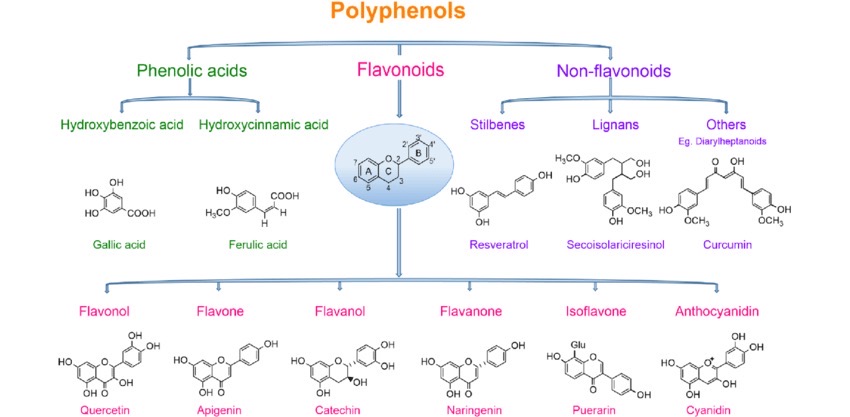
        After encountering the term polyphenols many times, I finally wanted to know what they are. It turns out I already know quite a few—for example, Resveratrol and Curcumin. There are thousands of polyphenols, so it’s not surprising that we’re familiar with some of them. The general term flavanols probably rings a bell, too. They’re the main subgroup of polyphenols, with many described and researched compounds. Other major groups include stilbenes, lignans, and tannins.

        Most of us believe the Mediterranean diet is healthy (I do, at least). An important reason is that it is rich in polyphenols.

        What are polyphenols? In simple terms, polyphenols are plant-derived compounds. They aren’t one of the four fundamental biomolecule classes (carbohydrates, proteins, lipids, and nucleic acids). Rather, they’re a diverse family of plant secondary metabolites that can influence human biology.

        Polyphenols are getting increasing attention, promising health claims circulate but more rigorous research is needed. Some polyphenols have already been studied for many years and show interesting biological activities in various systems, like pterostilbene. https://shakethehealthtree.com/index.php/2025/05/16/21-stay-healthy-100-glasses-of-red-wine-daily-or-resveratrol-pterostilbenehealth-project99/

        Technical description

        They are plant compounds built around multiple phenol (aromatic ring with hydroxyl groups) units.

        Polyphenols come from plants. There are about 8,000 polyphenols, of which roughly one-third are flavonoids. They give plants color and flavor and, in particular, help protect and defend them. 

        Some of these defense functions include UV protection through absorption of UV light. They also include strengthening of cell walls and vascular tissues. Additionally, there is regulation of growth and development through interactions with plant hormones and reproduction. In fruits and seeds, polyphenols influence taste, color, and perceived freshness.

        Examples: Quercetin (onions, apples), Epigallocatechin gallate (EGCG) in green tea, Anthocyanins (blue and purple berries), Resveratrol (red grape skin, wine), Curcumin (turmeric), Hydroxytyrosol (extra virgin olive oil).

        What do they do for the human body?

        Polyphenols are not essential nutrients like amino acids. However, they are known to exert substantial biological activity in the human body. This activity can protect cells from damage and includes antioxidant, anti-inflammatory, and potentially disease-protective effects. They may be linked to a lower risk of certain chronic diseases (e.g., cardiovascular disease, metabolic disorders, some neurodegenerative conditions) in studies, but results are mixed and often depend on dose and context. Given their vast diversity (there are 8000 polyphenols!) and the many unknowns many, many more studies are needed.

        It makes sense to me that compounds that protect plants might also benefit humans. We humans, at least most of us, are not lettuce or apples, but we are living beings nonetheless. 

        Treat health influencers with caution. As I said health influencers love polyphenols. We consumers have to be careful of course. Many of the health claims of polyphenols are not proven or they have only limited effect.

        The other day I wrote about dark chocolate. It has a too positive health claim because of flavanols, which are a subcategory of polyphenols. I also wrote about Resveratrol and pterostilbene. They are both polyphenols. The main conclusion is that taking Resveratrol is not worth the money and effort, but Pterostilbene is.

        What do polyphenols do for the brain?

        Some health claims about polyphenols are intriguing, especially regarding brain health. While intriguing, these brain-related effects require more robust human evidence before drawing firm conclusions.

        For example, Curcumin from turmeric is often cited as contributing to better brain health. Polyphenols are a broad class of plant-derived compounds, and brain-related claims vary widely by specific compound.

        This topic could fill a book. Here are the main proposed brain benefits often discussed. There is protection against neuroinflammation linked to aging and neurodegenerative diseases. It may cause a potential reduction of oxidative stress in the brain. It influences brain-derived neurotrophic factor (BDNF). There are improvements in synaptic plasticity and neuronal survival signaling. It also leads to improvements in mitochondrial function. There could be reductions in mitochondrial dysfunction, which is a hallmark of aging and neurodegeneration. 

        Some notes: BDNF plays an important role in healthy aging.

        From where do you get your polyphenols?

        The sources are the right ones and not difficult to obtain:  fruits, vegetables, tea, coffee, cocoa, wine, olive oil, nuts and whole grains. You will not find polyphenols in ultra processed food. 

        One additional remark on coffee: caffeine is not a polyphenol (it is a purine alkaloid). Coffee does have many polyphenols, such as chlorogenic acid, and are often highlighted for their antioxidant properties

        Warning

        One warning: the fact that the source is healthy food, does not mean that polyphenols are always beneficial. They can interact with medicines or can cause certain physical reactions. As so much is still unknown about polyphenols it is preferable to get them through food, not through supplements.

        Bioavailability and Metabolism Bioavailability and metabolism are important considerations. In the end, if only a small fraction of a compound reaches the bloodstream, it will have limited effect. 

        Many polyphenols are poorly absorbed, with only a few percent entering systemic circulation. Fortunately, the original (parent) compounds are metabolized by the gut microbiota. The liver also metabolizes them into metabolites. These metabolites can be biologically active.

        Interaction between different compounds (vitamins, hormones, amino acids, and polyphenols)

        As mentioned, polyphenols are part of an integrated network. The main functions of these classes are:

        1. Nutrients (vitamins and minerals) and amino acids supply the building blocks and cofactors for metabolism.
        2. Hormones regulate how the body uses these building blocks and respond to energy and nutrient status.
        3. Polyphenols influence enzyme activity, signaling processes, and the metabolism of hormones and nutrients—often via the gut microbiome and redox signaling.

        Experts note that mounting evidence highlights the vital interplay between immunity and metabolism. This interplay occurs in a range of immunometabolic disorders. These disorders include autoimmune and non-autoimmune conditions. The immune system modulates (=regulates) cellular metabolism in organs such as the brain, pancreas, and adipose (=fat) tissue. It senses fluctuations in the local nutrient environment. This process shapes metabolic pathways that influence pro- or anti-inflammatory phenotypes. Nutritional status supports immune function. However, we are only beginning to understand how individual nutrients or their combinations (immunonutrients) might guide immune cells. They could steer these cells toward a less inflamed, tolerogenic state. 

        This last paragraph is a bit on the technical side. Perhaps the best summary is that polyphenols are abundant in Mediterranean foods. This sums it up pretty well I would say.

        Enjoy your polyphenols, they are all around.

        Robert, your health friend

        The North Sea near Kijkduin

        3A. DARK CHOCOLATE, ANOTHER MYTH (PARTLY) SCATTERED (health project99+)

        Elephants in the Okavango delta

        Dear reader, 

        Do you sometimes have that feeling that “they” are taking away everything from you? Especially the things you like so much suddenly seem to be bad for your health. In short, are they robbing you of your last pleasures? I am sure you recognize this sentiment. 

        At the moment, I feel a bit down as well. After years of diligently eating dark chocolate because it was supposedly so beneficial (and delicious), I have come to the conclusion that I should stop. Dark chocolate: farewell. Your health benefits are limited, and your negative impact on my health can be substantial. 

        1.Red wine revisited 

        Do you remember those discussions about red wine? One or two glasses a day were said to be good for your health because red wine contains resveratrol. Yet after years of serious drinking, many people learned that you would need around 100 glasses of red wine daily for resveratrol to have a meaningful impact. And later, while studying resveratrol, I learned that resveratrol has a short half-life and that pterostilbene may be a better option https://shakethehealthtree.com/index.php/2025/05/16/21-stay-healthy-100-glasses-of-red-wine-daily-or-resveratrol-pterostilbenehealth-project99/. I wrote a blog about this.

        2.Okay, back to dark chocolate. Its main claim to health fame is that it is one of the few foods rich in flavanols. The other two are green tea and cocoa powder. Fewer flavanols are found in hazelnuts and red wine. Others that are often mentioned but contain very little flavanols are grapes, apples, blueberries, strawberries, and pears.

        One oz (28 grams) of dark chocolate (70% cacao) provides 150–400 mg of total flavanols, a quantity that according to some could be enough. There are however two problems with dark chocolate: its saturated fat content and the way it is processed. If it is processed using the “Dutch process”, it can lose up to 90% of its flavanol content.

        3.Summary 

        Many of these beneficial flavanols are removed during the majority of manufacturing of dark chocolate. This means that dark chocolate processed in that way does not contain enough of these plant chemicals to be considered a health food. Chocolate also contains a lot of saturated fat and sugar. If you want your flavanols, go for green tea.

        4. First, what are flavanols?

        Flavanols are a subclass of flavonoids, a large family of plant compounds with antioxidant activity. They include flavan-3-ols (such as catechin and epicatechin) and their polymeric derivatives known as proanthocyanidins; some sources also mention related forms such as flavan-4-ols, isoflavan-4-ols, and flavan-3,4-ols. In total, many flavanol derivatives have been identified.

        Flavanols are associated with health benefits in many studies.

        You will often read the term monomeric flavanols. These are single-unit plant compounds and are the basic building blocks for larger, linked molecules called oligomeric flavanols. Some well-known monomeric flavanols are epicatechin, catechin, and EGCG (epigallocatechin gallate). These are among the flavanols most studied.

        5.What are the reputed benefits of flavanols?

        They act as antioxidants and may support cardiovascular health, reduce inflammation, and confer other health benefits in some studies. However, results in humans are mixed and often depend on dose, the specific flavanol form, bioavailability, and overall diet. My conclusion: worth the try.

        Antioxidants protect cells from damage caused by free radicals—unstable molecules produced during normal metabolism.

        6.Daily Recommended Quantity

        There are no scientifically determined daily quantities. In general, the often-mentioned aim is 200–500 mg/day of total flavanols, but see caveats below.

        One ounce (28 grams) of dark chocolate (70% cacao) provides 150–400 mg of total flavanols. Most people—myself included—do not stop at just 28 grams, but eat half or a whole bar. One cup of green tea contains about 150–300 mg of total flavanols (EGCG ~80–150 mg). Unsweetened cocoa powder (5 g) provides about 30–70 mg of total flavanols.

        7.The main problem with dark chocolate is saturated fat.

        Only those with a lot of discipline limit themselves to just one or two pieces. One or two pieces already account for about a quarter to one third of the daily recommended amount of saturated fat. Imagine what happens if you eat a 100 g bar of dark chocolate with about 80% cacao. Such a bar contains 35–45 g of total fat, of which saturated fat is 20–25 g, roughly the maximum recommended for women (20 g) and men (30 g) per day.

        Assuming that saturated fat is not good for you (which I do), then having dark chocolate for its flavanol health component may not be worth it, in spite of all the claims by chocolate producers. This is especially true because many dark chocolate bars are processed in ways that cause most of the potential beneficial flavanols to disappear.

        8.Two ways to process dark chocolate: the Dutch method (“Dutching”) and the other (much better), non-alkalized approach

        In most dark chocolate bars, Dutch processing is applied, especially in cheaper ones. This is also called alkalization, which reduces the acidity of dark chocolate. Producers like it because it mellow‘s the acidity and deepens the brown color. Generally, more expensive brands use non-alkalized (natural) cocoa to preserve natural acidity and more complex flavors. The main downside of the Dutch process is the reduction of polyphenols and antioxidants, such as flavanols, which can be reduced by up to 90%. 

        A challenge is that Dutch-processed cocoa, alkalized cocoa, or Dutched cocoa is often not clearly labeled. You may also see terms such as “Dutch-processed cocoa,” “alkalized cocoa,” or “Dutched cocoa,” or labels like “cocoa processed without alkali” or “natural cocoa.”  

        On a different note, I wonder why the English language has so many negative expressions with the word Dutch included (perhaps because we destroyed their fleet in London in the 17e century).

        9.Bioavailability 

        Looking at the required dose is one thing, but bioavailability is what matters for each supplement. What is its half-life? How much of the flavanol intake actually reaches the bloodstream and is available to exert effects?

        For flavanols, the issue of bioavailability is complex and highly variable, and therefore difficult to generalize, but for practical purposes, flavanol bioavailability is low, often only a few percent. For example, the well-known monomeric flavanols catechin and epicatechin show peak plasma levels within 1–3 hours after ingestion and are eliminated within a few hours.

        Larger flavanols, such as proanthocyanidins (condensed tannins; polymers), are poorly absorbed in the small intestine. They are largely broken down by gut microbes in the colon into smaller metabolites that can be absorbed.

        10.Can you take flavanols as supplements?

        Yes. Flavanols can be taken as pills or supplements. The three most well-known types are: 1) Green tea extract or EGCG-heavy supplements (rich in monomeric flavanols such as catechin and epicatechin, and EGCG); 2) Cocoa flavanol extracts (rich in total cocoa flavanols); 3) Grape seed and pomegranate extracts (rich in proanthocyanidins and related metabolites). 

        11.However, there are some important caveats. 

        When you take a supplement always!! be aware of the general issue of quality. Only buy from reputable brands and always look for Good Manufacturing Practice (GMP) certification. 

        And realize that these beneficial flavanols can also have some drawbacks, especially if you take too much. Safety-wise four points stand out.

        A.Liver safety: high-dose green tea extract has been linked to rare cases of liver injury. If you have liver disease, start low and consult with a clinician. 

        B.Caffeine content: many green tea extracts contain caffeine or related stimulants; this can affect sleep, anxiety, and heart rate in sensitive individuals. 

        C.Drug interactions: they may interact with anticoagulants/antiplatelets and other medications; discuss with your doctor if you’re on prescription meds. 

        D.Iron absorption: tannins can modestly reduce non-heme iron absorption; if you’re iron-deficient, consider taking flavanol supplements away from iron-rich meals. I wrote a blog about the importance of iron. https://shakethehealthtree.com/index.php/2025/08/14/21-to-iron-or-not-healthproject99/

        Thank you for reading and my apologies for my negative conclusions about dark chocolate.

        Take care and live a happy and healthy life,

        Robert, your health friend

        In the desert of Namibia

        23. GUT HEALTH: FIRST THINGS TO KNOW (health project99+)

        A party bus in Berlin

        Dear reader,

        For your overall health and wellbeing it is difficult to overstate the importance of gut health. When your gut isn’t well, you may experience short‑term discomfort. Regular discomfort can have longer‑term effects.

        The main determinant of gut health is what you eat and drink, which is good news because it’s something you can influence. In this blog some tips that helped me a lot.

        What has been beneficial for my gut?

        • Avoiding certain foods, such as sugar, refined starches and above all ultra processed foods. When I have a weak moment and eat cake or cookies in one sitting, I immediately notice a negative impact on my gut.
        • Focusing on healthy and fiber‑rich foods.
        • I aim for three servings of fermented foods daily: as part of breakfast unsweetened Greek yogurt or plain quark and a glass of kefir, and in the afternoon a daily spoonful of raw cabbage (or sauerkraut/kimchi).

        This blog is not medical advice. There are many potential gut issues, and factors such as age, medications, or genetics can also matter. I describe what works for me. In light of all I read in medical sources my approach should help many people as well. The daily intake of fermented foods has been one of my best new health habits over the past year. Earlier I wrote a blog on sauerkraut “ein sehr gutes probiotikum”.

        https://shakethehealthtree.com/index.php/2025/09/25/3-sauerkraut-ein-sehr-gutes-probiotikum-health-project99/

        Is the gut an organ?

        Yes. In anatomical terms, the “gut” refers to the gastrointestinal tract (the esophagus, stomach, small intestine, and large intestine), which is an organ system made up of multiple organs.

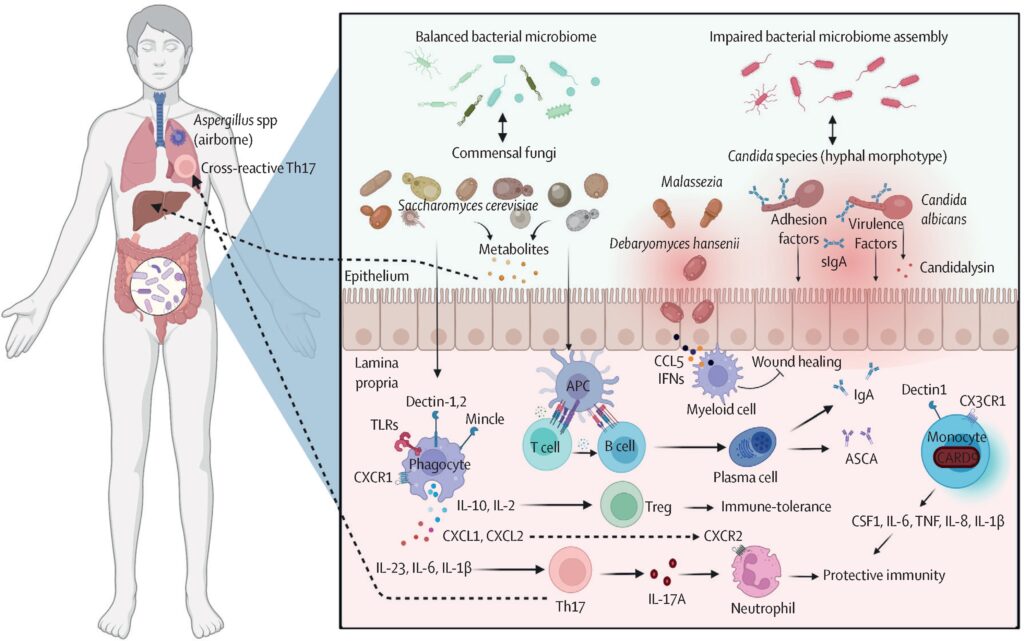
        Just to show how many different microorganisms there are in your gut microbiome

        And what is the notorious gut microbiome? 

        The gut microbiome is not an anatomical organ. It is a vast, dynamic ecosystem of about 100 trillion microorganisms—including bacteria, archaea, viruses, and fungi—primarily inhabiting the large intestine. Its composition and function are shaped by diet, genetics, antibiotics, and the environment, with complex microbe–microbe interactions giving rise to emergent properties that function like an additional metabolic organ. When well diverse and balanced, it supports health; when disrupted (dysbiosis), it can contribute to inflammatory, metabolic, and neuropsychiatric conditions.

        The gut microbiome closely coexists with the human host, helping break down complex carbohydrates, synthesize vitamins, strengthen the gut barrier, and “educate” the immune system, while producing metabolites such as short-chain fatty acids that influence metabolism and inflammation. What are metabolites? They are small molecules produced or consumed during metabolism by living organisms (including gut microbes).

        In relation to the gut microbiome, what are probiotics?

        Probiotics are live microorganisms that, when consumed in adequate amounts, may offer health benefits by supporting a balanced gut microbiome, improving barrier function, and modulating the immune system. Many people use probiotics to prevent antibiotic-associated diarrhea. Importantly, the effects are highly strain- and condition-specific, so benefits seen with one probiotic do not necessarily apply to another.

        When considering probiotics, focus on strain- and condition-specific evidence, not general “probiotic” claims. Choose products with well-documented strains and labeled doses for your target outcome, and be mindful that more CFUs are not always better. Also be realistic. Your gut microbiome counts 100 trillion microorganisms and most probiotics 10 billion CFU’s, which is a modest 0.01%.

        Prebiotic examples (feed for gut bacteria): onions, garlic, bananas, oats, apples, flaxseeds. Note: these are not probiotics themselves; they are foods that feed beneficial microbes. If you want examples of probiotic foods, refer to unsweetened yogurt, kefir, sauerkraut, kimchi, and other fermented foods.

        How to ruin your gut microbiome (1)

        Sugar, refined starches, processed and ultra‑processed foods, artificial sweeteners, E‑numbers, and saturated fat can shape the gut microbiome in a negative way. They can alter the substrates available to microbes in the long term, influence bile acid circulation, and increase inflammation. Poor dietary choices can lower microbial diversity.

        The overall effects depend heavily on the broader dietary pattern rather than a single nutrient, and on individual factors such as baseline microbiome, genetics, age, and medications. Disruption of the microbiome has been linked to diseases including inflammatory bowel disease (IBD), obesity, allergic disorders and asthma, type 2 diabetes, cardiovascular disease, and autoimmune disorders.

        What your microbiome needs

        A diet rich in diverse fibers (vegetables, fruits, legumes, and whole grains), resistant starch, and fermented foods tends to boost SCFA‑producing bacteria and strengthen gut barrier function. Omega‑3 fatty acids and polyphenols may also support a healthier microbiome. Consider adding probiotic foods to your diet and don’t forget fermented items. Aim to support a healthier dialogue between the gut and brain, though individual responses vary.

        Gut–brain axis

        You have heard about the gut–brain axis. What happens in your gut impacts your brain and mood. The gut–brain axis is a dynamic bidirectional communication network linking the central nervous system with the gastrointestinal system, integrating neural, immune, and endocrine signaling.

        In practice, the axis helps govern mood, stress reactivity, cognition, and pain perception, while psychological states and stress can alter gut motility, permeability, and microbial composition, creating a feedback loop.

        The microbiota sits at the heart of this axis, shaping brain function by producing and modulating neuroactive compounds such as short‑chain fatty acids. Signals travel via neural routes (notably the vagus nerve), immune mediators, and circulating metabolites that can affect brain cells, with gut barrier integrity and systemic inflammation playing key roles. Because this signaling is highly context‑dependent, factors like diet, antibiotics, stress, and aging can markedly influence the axis.

        How to Ruin Your Gut Microbiome (2)

        The impact of medicines can be substantial. It has long been known that antibiotics affect the gut microbiome, killing both beneficial and pathogenic bacteria. Researchers have found that also longer durations of other medication use and taking more medications are associated with greater disruption of the microbiome. In a recent study, 167 of 186 drugs affected the microbiome in some way, with 78 showing long-term effects. The longer people used medications and the more drugs they took, the greater the disruption.

        Multiple drugs can interact to produce a larger impact on the microbiome; among individual drugs, benzodiazepines appear to have the greatest negative effect. The implications matter because microbiome disruption is linked to inflammatory bowel disease (IBD), obesity, Type 2 diabetes, cardiovascular disease, and autoimmune disorders. A healthy microbiome is a stable, diverse community with high microbial gene richness that lives in balance with its human host.

        Bloating and floating

        A healthy gut microbiome and normal transit usually manage gas without distress, but imbalances or intolerances can amplify symptoms. Bloating and gas are common signals from your gut that reflect how your digestive system and its microbial residents are handling food.

        Most gas comes from bacterial fermentation of undigested carbohydrates in the colon, producing hydrogen, methane, carbon dioxide, and other compounds. The amount and composition of gas depend on what you eat—especially fiber and fermentable carbohydrates (FODMAPs)—your gut microbiome, and how quickly food moves through your gut.

        In health terms, bloating and gas can be linked to specific conditions or dietary intolerances, such as irritable bowel syndrome (IBS), small intestinal bacterial overgrowth (SIBO), lactose or fructose intolerance, or celiac disease.

        Red flags and the doctor

        Red flags to seek medical evaluation include weight loss, blood in stool, severe or persistent pain, vomiting, fever, or new symptoms after age 50. If bloating or gas is persistent or bothersome, a clinician can help identify triggers (often via a symptom diary), assess for intolerances or underlying conditions, and discuss targeted dietary or therapeutic options. 

        Thanks for reading, mind your diet and enjoy life,

        Robert, your health friend,

        Art from Venezuela

        3. FRENCH FRIES: TO DIE FOR (health project99+)

        Paris

        Dear reader,

        In my quest for a healthier and longer life, I have already made some unexpected discoveries. They are, of course, not new to health experts, but I am, just like you, not a professional. I am someone who had some vague ideas about health. I still have these vague ideas. For the most part, I am constantly confused, but as they say, on a higher level.

        Take French fries. I love them, and so far, I have not met anyone who doesn’t. In high school, I even wanted to open my own “friet kraam” with a friend. He became a priest. I went abroad. However, this did not stop me from eating French fries. Sadly enough, in hindsight, this has not been a good idea.

        It is not about potatoes (which are healthy in themselves) and not even about the excess calories (French fries with mayonaise!), although too many calories should be avoided. No, it is about the preparation.

        The French fries you eat are deep-fried in seed oils. An increasing number of health experts and studies call seed oils one of the worst health risks around. Some even say that eating French fries deep-fried in seed oils produces effects similar to smoking cigarettes. Scientifically proven? With cigarettes, yes; with seed oils, not fully yet.

        The moment one starts criticizing French fries, most people will say: “They take away everything from me; nothing is allowed anymore. I also have to enjoy life, etc.” Nonsense, of course, and in the case of French fries, it depends all on the preparation. There are alternatives, more about this at the end.

        The main takeaway from this blog: All food that is deep-fried in seed oils increases the chance of serious health problems in the long run, mainly related to metabolic health (diabetes, for example, or cardiovascular diseases). The solution: stop eating deep-fried food. All of it! No matter what you fry, if it’s exposed to high temperatures for long periods, you face significant health risks. High temperatures over time can be harmful.

        The fundamental question: how do you want to feel and live when you are over 50, and, crucially, are you willing to invest in your health from a young age? Many metabolic diseases, such as those caused by lifestyle, diet, and alcohol consumption, have a particular problem. Their negative effects are not instantly visible. Therefore, maintaining motivation to adopt lifestyle changes can be difficult.

        The human body is a complex machine, and the impact of harmful factors varies from person to person. Studies, however, are clear: the long-term effects of smoking are devastating for most people. Cigarettes contain carcinogens, substances that can cause cancer. It can take decades for the health effects of smoking to become apparent. Some people never develop smoking-related illnesses. Good for them, but they are the exception.

        Seed oils Recently I start to look more into seed oils. Some call them the no 1 food to avoid. This is both due to the way it is produced and because of the dangerous toxins it contains. I really never knew this. Seed oils are made of plants and I thought I was safe to use them. The only thing I realized was that you should not use the same oil too often.

        In the Netherlands a lot of our food is deep fried. Deep fried in seed oils. I do not speak about the very real risk of excessive calories, but about the long-term risk for your health. Dr. Catherine Shanahan wrote “Dark Calories.” She is one of the medical experts who suggests a strong link between seed oils and the declining metabolic health of the younger generation. This decline is compared to the much better metabolic health of the older generations.

        There are (yet) no hard studies to prove this link, as is often the case in these type of issues. It took decades before it was scientifically proven that smoking hurts your health. It will take decades before science concludes that plastic nanoparticles in your cells are bad for you. And it will take also many years to determine the health damage caused by seed oils. I will not. take the risk.

        Omega-6 polyunsaturated fats from seed oils can significantly damage the mitochondria and are also stored in fat cells. Ideally, the intake ratio of Omega-3 and Omega-6 should be 1 to 1. However, in reality, it is 1 to 10 or higher. The consumption of deep fried food is one of the main culprits.

        What are the key problems/step by step? 1. The refining process of seed oils often includes bleaching and deodorizing, which can strip away nutrients. 2. There are strong indications about certain cooking methods. High-temperature cooking can lead to the formation of harmful compounds (toxins) in oils, including seed oils. 3. Seed oils can become rancid, especially if not stored properly. Rancidity can affect flavor and nutritional value, but the extent to which rancid oils are harmful is still under investigation. 4. Probably the most concerning issue is the stability of fatty acids. Seed oils, particularly polyunsaturated fats (Omega-6), can be less stable than saturated fats when exposed to heat, light, and air. This instability can lead to oxidation, which may produce free radicals, which are associated with cellular damage.

        The exact nature of the impact of consuming oxidized oils on health is still unknown. However, it is not looking good at all.

        Is eating French fries that are deep fried in seed oils as bad as smoking? Eating French fries regularly may contribute to health issues such as obesity, heart disease, and other metabolic disorders. However, it is complex to directly compare this to smoking.

        The health risks of smoking are significantly more severe than those linked to eating French fries occasionally. These risks are also well-established.

        A related issue is UltraProcessed Food (UPPF). The majority of food in supermarkets is UPPF. The U should stand for Unhealthy, not Ultra. Much of the UPPF has been deep fried with seeds oil.

        What to do if you still want to enjoy your French fries (like me)? It is all about preparing things in a healthier way. French fries for examples. Cook your potatoes and slice them. Fry them with olive oil or regular butter in your frying pan. You can also use an air-fryer, which needs seed oil, but only a bit. We ourselves put the French fries first 5 minutes in the microwave, followed by 20 minutes in the oven. No fat needed at all!

        And in restaurants? That will be a big challenge. One can sin now and then of course, but not too much.

        Our dinner for tomorrow evening? French fries prepared as described above, with salmon and vegetables soup.

        Enjoy life and take care.

        Robert, your health friend

        Bogota

        3. COFFEE: A FEW CUPS A DAY ONLY (health project99+)/UPDATE

        Kinetic art in Venezuela, with Dutch elements

        Dear reader,

        Coffee might be a “superfood”, but only when consumed in moderation and if you do not have a heart condition.

        Coffee is one of the most studied and tested food products. For coffee it is not difficult to find volunteers. The general conclusion of all studies, without doubt, is that up to three cups a day will have positive health benefits for most people.

        Moderate coffee consumption could lead to lower risks of death from all causes and better health outcomes in later years. Other studies suggest that moderate coffee consumption can lead to a longer lifespan, up to five years (see below).

        Overall, the best coffee for health is one that is brewed fresh, minimally processed, and consumed without excessive additives. Filtered coffee is often mentioned as No. 1 and espresso as No. 2. When it is organic and single-origin, it is even better.

        What important compounds are in coffee?

        Coffee contains both caffeine and over 100 polyphenols like chlorogenic acids, but they belong to different chemical classes with distinct structures and biological effects. The exact count of polyphenols depends on bean origin, processing, roast level, and the analytical method used.

        Around 8000 polyphenols (plant-derived compounds) are identified, and coffee contains over 1%. Not bad. For more info on the important topic of polyphenols read this blog https://shakethehealthtree.com/index.php/2025/12/02/5-polyphenols-8000-interesting-plant-derived-compounds-health-project99/

        Health benefits

        • Coffee is one of the richest sources of antioxidants in the Western diet. Antioxidants help combat oxidative stress and may reduce the risk of chronic diseases. Particularly the polyphenols chlorogenic acids and trigonelline act as antioxidants, neutralizing free radicals and activating cellular defense pathways to protect DNA from oxidative damage.
        • I hope to write a future post about antioxidants, as their role in health isn’t yet fully understood.
        • Moderate coffee consumption has been linked to a lower risk of heart disease and stroke.
        • Caffeine can improve alertness and concentration, and may reduce the risk of neurodegenerative diseases such as Alzheimer’s and Parkinson’s.
        • Caffeine can boost metabolic rate and assist in fat burning, making it a common ingredient in weight-loss supplements.
        • Some studies suggest that coffee drinkers have a lower risk of developing type 2 diabetes.
        • Coffee consumption has been associated with a reduced risk of depression and an overall improved mood due to caffeine’s effects on neurotransmitters.
        • Regular coffee consumption has been shown to potentially protect against liver diseases, including fatty liver disease and cirrhosis.
        • Caffeine is known to enhance physical performance by increasing adrenaline levels, making it a popular pre-workout beverage.

        Live five years longer?

        In Medical News Today I read about an interesting, 10 years long study in Norway.

        People with major psychiatric disorders generally have shorter telomeres than the average person, and their life span is typically 15 years shorter! People with these disorders who drank 3–5 daily cups of coffee had telomere lengths equivalent to people 5 years younger in biological age. More than 5 cups had no result.

        These early deaths are often from cardiovascular disease and cancers that are common in people of more advanced age. This has led researchers toward an investigation of the shortened telomeres that people with psychiatric disorders tend to have.

        The authors of the study found that 3–5 cups of coffee have a beneficial effect on telomere length. That does not mean that the more coffee one drinks, the better

        Health risks

        For individuals with certain heart conditions, particularly arrhythmias or hypertension, high caffeine intake may trigger symptoms or worsen the condition. For this reason, I stopped cold turkey when I had serious arrhythmias about five years ago. That was a good decision, because on several occasions when I started drinking coffee again, my arrhythmias returned. However, since the summer of 2025 all seems to be fine, and I am enjoying my daily espresso very much. I’m glad about it, because I love the coffee ritual and do not want to miss out on its tasty part.

        Drinking large amounts of coffee (more than 4–5 cups per day) can lead to negative effects like insomnia, jitteriness, increased heart rate, and digestive issues. High caffeine intake is also linked to anxiety and can exacerbate anxiety disorders.

        While caffeine can provide relief for some types of headaches, it can also trigger migraines. Additionally, regular coffee drinkers might experience withdrawal headaches if they suddenly stop.

        Some studies suggest that very high caffeine intake may interfere with calcium absorption, potentially leading to decreased bone density over time. Regular consumption can lead to caffeine dependence, with withdrawal symptoms such as headaches, fatigue, irritability, and difficulty concentrating if coffee consumption is abruptly reduced.

        Caffeine can interact with certain medications, enhancing their effects or leading to increased side effects. It’s important for individuals on medications to consult with their healthcare provider regarding coffee consumption.

        Coffee is acidic and can irritate the stomach lining, leading to digestive problems in some individuals, particularly those with acid reflux or gastric ulcers. For people with SIBO, coffee is a no-go.

        Superfood?

        Given the many polyphenols and therefor its rich antioxidant profile and multiple potential health benefits, many health experts and enthusiasts refer to coffee as a “superfood.” However, it’s essential to approach this classification with a holistic view of one’s diet and lifestyle, as no single food can provide all the necessary nutrients for health.

        For me, a superfood is simply food with a high concentration of beneficial ingredients per gram, compared to most processed foods you find in the supermarket. Avocado and broccoli are generally recognized as superfoods, and I am not sure if coffee falls in the same category. This is my intuitive conclusion, not scientifically proven.

        Top consumers

        The top 10 coffee consumers by per-capita consumption are mainly found in cold and dark countries like Finland, Norway, Iceland, Denmark, the Netherlands, Sweden, Switzerland, Belgium, Canada, and Austria. Fun fact: when I ask my friend ChatGPT the same question, it lists the Central African Republic as No. 1 (52.1 kg per capita) and Belize as No. 2 (25.5 kg per capita). And, strangely enough, when I confront it with other statistics I usually receive apologies, but the Central African Republic remains No. 1. Lesson: ChatGPT is great, but not always.

        Dear reader, it is evening so too late for coffee, but I am already looking forward to my espresso tomorrow morning!

        Take care and live a happy and coffee rich life.

        Robert, your health friend,

        Finishing 10 K in Caracas in not my best time 🙂

        3. SAUERKRAUT, EIN SEHR GUTES PROBIOTIKUM (health project99+)

        Museum with (royal) carriages, Lisboa

        Dear reader,

        The main takeaway from this blog is that a small amount of unpasteurized and uncooked sauerkraut daily can replace a probiotic pill.

        Sometimes the best food can be cheap. Today I will discuss sauerkraut, a true superfood of the ages, in particular because as a fermented product it has great probiotic qualities. 50 grams per day of sauerkraut could replace the strongest probiotic supplements available (up to 50 bln CFU units).

        I am skeptical about the term superfood, as it can be misleading in the sense that no food is a cure for everything. Neither is sauerkraut. Sauerkraut “only” offers, like other superfood, a lot of quality ingredients per gram contrary to for example white bread or a Coke. Eating a superfood is a great step forward towards a more healthy life as most of the food in super markets is of low quality, doing more harm than good.

        1.The favorite dish in my youth was “zuurkool stamppot” mashed potatoes with cooked sauerkraut, sauce, sausage and apple sauce. I loved it. Still do, but now with bio chicken instead of a highly processed sausage. Unfortunately, when eating sauerkraut like this, it takes away most of its advantages, in particular its probiotic qualities.

        2.To profit from the benefits of Sauerkraut you indeed have to eat it raw. Pasteurized or shelf-stable varieties often lose these live cultures. 

        3. Its advantages

        Many raw, refrigerated sauerkraut contains live lactic acid bacteria that can support gut health and digestion. How much? See below, last paragraphs.

        Good source of fiber, vitamin C, and vitamin K (and some B vitamins). It also provides minerals like potassium.

        Low in calories and highly flavorful: Adds tangy, crunchy texture to meals without many calories, which can aid in satiety. It is great in salad and easy to combine with a lot of food.

        Versatile and inexpensive: Easy to incorporate into many dishes and pairs well with meat, fish, and vegetables.

        You could of course lightly heat or sauté sauerkraut to soften texture and mellow acidity, but keep a bit of crunch if you want the probiotic benefits to remain more intact. Cooking for long periods reduces probiotic viability

        You can cook it slightly, but this will already diminish its probiotic capabilities. After opening, refrigerate and use within a reasonable time (often a few weeks) 

        4. Disadvantages and cautions

        • High sodium content: A typical serving can be quite salty, which isn’t ideal for people watching sodium intake (high blood pressure, kidney issues, etc.). Rinsing can reduce sodium but also lowers some of the salt-brine flavor and may reduce some probiotic activity. The package we use indicates 1.5 gram sodium per 100 gram of Sauerkraut, which is 25 % of the DRA. We eat it as a side dish, around 50 grams only.
        • Not all sauerkraut is probiotic: Many jars are pasteurized or heat-treated, which kills the beneficial bacteria. Look for labels that say unpasteurized, live cultures, or are kept refrigerated.
        • Some people with histamine intolerance or gut sensitivities may react to fermented foods and experience GI symptoms, headaches, or skin issues.
        • Fermented foods can cause gas or discomfort for some people with irritable bowel syndrome (IBO) or small intestinal bacterial overgrowth (SIBO). Start with small amounts to test tolerance.
        • The important factor is the strain and the evidence for that strain and that dose. Different strains have different effects, and not all probiotics work the same way for everyone.

        5. Probiotics/quantities/sauerkraut

        For probiotics doses are usually given in CFU (colony forming units) per day. There is no official RDA, but many studies and products use ranges like 1–10 billion CFU per day for general use, with higher doses (10–50+ billion CFU) used for specific conditions.

        Sauerkraut can meet these doses, because fermented foods (like unpasteurized sauerkraut) can contribute live bacteria, but the CFU are variable and not standardized.

        A rough, literature-based range for live probiotics in unpasteurized sauerkraut per gram is about: 10^7 to 10^9 CFU per gram (10 million to 1 billion CFU/g). Per 100 grams of sauerkraut this translates to roughly 1 billion to 100 billion CFU per 100 g.

        The fresher the sauerkraut the more the CFU count will be in the higher range towards the 1 bln CFU per gram. Pasteurized or heat-treated kraut will have far fewer or no live bacteria.

        Although it is clear that there is wide variability depending on the specific product, fermentation stage, salt concentration, storage temperature, and time since fermentation, it is also clear that with fresh, unpasteurized sauerkraut you will have a substantial intake of probiotics. Not the same everyday, that is true, but life should save some surprises for you.

        Enjoy your sauerkraut and live a happy, healthy and long life,

        Robert, your health friend

        North Sea 2025

        5. ELECTROLYTES: ESSENTIAL FOR HEALTH (health project99+)

        The Wall, Berlin

        Dear reader,

        Sports people buy expensive bottles filled with electrolytes. Electrolytes themselves are necessary, to buy expensive bottles not at all.

        What are these electrolytes, a fancy word for minerals such as salt? Do you need them (yes), can you make drinks with them yourself (yes), are there reliable tests to check if you have a shortage of electrolytes (yes). Is a regular diet sufficient (not always). 

        Salt (sodium) as the best-known electrolyte has a mixed reputation. Many people easily have a too high salt intake (processed food for example is loaded with salt) with often serious health consequences. However, if you are a vegetarian who prepares his/her own food, does a lot of sports, lives in a warm climate and sweat a lot, you will almost for sure get an electrolyte’s deficit. Which has serious consequences as I experienced myself on several occasions.

        What are electrolytes?

        Electrolytes are charged minerals dissolved in body fluids that carry an electric charge. They help with (1) Fluid balance between compartments (inside and outside cells); (2) Nerve impulses and muscle contractions (including the heart), (3)  Acid-base (pH) balance (it is essential that your blood and bodily fluids stay within a narrow pH range (7.35-7.45) and (4) overall metabolism.

        The key electrolytes are sodium (Na+), potassium (K+), chloride (Cl−), calcium (Ca2+), magnesium (Mg2+), bicarbonate (HCO3−), and phosphate (PO4^3−).

        When do you need to top up your electrolyte’s intake?

        Most people get the electrolytes they need from a balanced diet. You may need more if you are a vegetarian, sweat a lot, are ill with vomiting/diarrhea, have certain medical conditions or live in hot climates. 

        Especially vegetarians have to make sure that they get enough salt (sodium) and other electrolytes. The same applies to people like me who lived in hot climates and do a lot of sport. But even if you live in cold and rainy The Netherlands but bike and walk regularly, you easily might have high electrolyte losses. Working outdoor is another situation that can cause problems.

        Young children and older adults are more vulnerable to dehydrations and electrolyte imbalance in hot weather.                                                     

        What are the signs that you might have an electrolytes deficit?

        Signs you might need electrolyte support (unless you have a medical condition): persistent dizziness, cramping, unusually dark urine, fatigue with dehydration, or if you’re unable to replace fluids after sweating or illness. Drinking water then is not enough! It needs to be fluid with electrolytes.

        When to seek professional advice

        If you have kidney disease, heart failure, high blood pressure, or are on a doctor-prescribed electrolyte or fluid restriction.

        If dehydration is severe (very low urine output, dizziness on standing, confusion, or if you cannot keep fluids down), seek urgent medical care.

        In children, the elderly, or people with chronic illnesses, use caution and consult a clinician before using homemade electrolyte drinks, especially during illness.

        To buy or make yourself?

        Of course you could and should make your own electrolytes solution. Most recipes suggest 25 grams of sugar as for better taste and better absorption. This is almost half of the “allowed” daily added sugar intake, so I would not do it. Only in cases of serious dehydration (diarrhea and/or vomiting) I would add sugar. The ORS packages for emergency hydration standard contain glucose.

        My solution consists of adding low sodium salt (30%) that also contains potassium salt (69%). The brand is called JOZO. I add a few grams each to my fresh lemon drink, the smoothie and the evening soup. With these combinations I do not taste the salt at all.

        After intense sports, sauna or during warm weather I add a bit more. For the rest I do not add any salt to my food and at home we rarely eat processed food.

        Some standard recipes per 1 liter of water (without sugar) on internet: (1) 1/2 teaspoon table salt (about 2.5 g NaCl) and 1/4 teaspoon potassium chloride (about 1 g); (2) 1/2 teaspoon table salt (about 2.5 g NaCl), 1/4 teaspoon potassium chloride (about 1 g) and 1/4 teaspoon baking soda (about 1.2 g, provides bicarbonate). 

        As I use JOZO (btw, no advertisement) NaCl and KCl are already combined.

        Testing

        Who should get tested? From what I read on internet testing is to be considered under the following three circumstances.

        • Athletes or individuals in extreme heat or endurance activities may have testing in clinical or sports-medicine settings, especially if there are symptoms or a planned intensive training/competing regimen.
        • Symptomatic concerns: confusion, dizziness, weakness, cramps, seizures, irregular heartbeat, swelling, or persistent symptoms of dehydration.
        • People with conditions or on medications that affect electrolyte balance (kidney disease, heart failure, uncontrolled high blood pressure with diuretic use, endocrine disorders, certain cancer therapies).

        Personally, I plan to do a test once, and, assuming it is normal, I will not do a follow-up test.

        There are several tests that can measure your electrolyte levels, either in blood or urine, and in some cases to assess related acid–base balance or kidney handling of electrolytes. 

        Common reference ranges (approximate; can vary by lab)

        • Sodium (Na): 135–145 mEq/L
        • Potassium (K): 3.5–5.0 mEq/L
        • Chloride (Cl): 98–106 mEq/L
        • Bicarbonate (HCO3−): 22–28 mEq/L
        • Calcium (total Ca): ~8.5–10.5 mg/dL (ionized Ca is a separate test)
        • Magnesium (Mg): ~1.7–2.2 mg/dL
        • Phosphate (PO4): ~2.5–4.5 mg/dL

        Conclusion

        It is a bit surprising that those who live healthy, stay away from processed foods and move a lot are advised to have a good look at their electrolytes’ intake and often are recommended to take more salt (and potassium and other electrolytes, in particular when you feel dizzy when you stand up.

        I know it is your own money, but paying good money for expensive electrolyte bottles for me ranks very high on the list of silly things.

        Take care, live a happy and healthy life and think of this blog when you feel dizzy.

        Robert, your health friend

        Dutch dog in Congolese rain

        10. CHOLESTEROL: ALL YOU NEED TO KNOW AND DO (health project99+)

        Bonaire, near the salt pans

        Dear reader,

        The world of cholesterol is full of misperceptions, misunderstandings and misleading statements, that are not completely false but do not cover the whole picture. The food and health industry play on our fears and present easy solutions (“low in fat”, “no cholesterol”) for complex issues. And we consumers fall for this, time and again.

        Simple people like me are at a loss when it comes to fats, LDL, HDL, cholesterol etc. In particular, when we talk about cholesterol, we are concerned about the negative impact it can have on our heart and our artery system. Hearth failure is still cause of death no 1 in the Western world, often because of plaque inside your arteries, so there is reason to be concerned when your cardiovascular system is involved. 

        Plaque in your arteries is strongly connected with cholesterol. At the same time all our cells need cholesterol, so the question is how we keep the good part of cholesterol and stay away from the bad part.

        The key to understand the whole fat/cholesterol topic is the following: the fat you eat (saturated vs unsaturated) changes how your body handles that cholesterol.

        1. Although LDL and cholesterol are different compounds, often they team up and are then presented as LDL cholesterol (aka “bad cholesterol”). It took me a long time to understand this, namely that we talk about two different things that are presented as one. In this blog I write about the different relationships that cholesterol has and how cholesterol fits in the whole spectrum of fats/lipids/lipoproteins/triglycerides.

        Your body does not need food that contains cholesterol (the “dietary cholesterol”) as the body (liver) produces enough cholesterol itself. Cholesterol keeps your body quite busy as it has to manage its production, absorption, transport by lipoproteins (LDL and HDL) and its clearance.

        It is essential to point out that the impact of everything concerning cholesterol is not the same for every person: absorption efficiency, total saturated fat intake, fiber intake, body weight, genetics (e.g., LDL receptor function), and overall diet pattern. In other words, the main driver for blood cholesterol isn’t how much cholesterol you eat, but how fat you eat and how your liver handles fats and lipoproteins.

        Vitamin D is linked to cholesterol because we need cholesterol in our skins cells to make vitamin D from sunlight. The vitamin D is later transformed again in the liver and kidneys, but cholesterol is needed for the first step.

        2. Recommendation As I see it all the different values, like the LDL cholesterol, are important, but are of relative importance only. One reason is that the reaction of each person to cholesterol and other lipids is very individual. Not for nothing sometimes seemingly very healthy people die because of an unexpected hearth failure, that is often related to blocked arteries, something not visible from the outside. Yes, I do an annual blood test, but will also do a MRI scan of the arteries.

        3. Plague removal Whether it is possible to remove plague that has already settled in the arteries is a good topic for another blog (short answer: it seems possible to at least partly remove plague from the arteries).

        4. What is cholesterol? Cholesterol is a stereol, a type of lipid, meaning a fat-like molecule. As opposed to fat, cholesterol cannot be consumed for energy, sweated or burned. Dietary cholesterol is found in animal products; plant foods contain no cholesterol. The animal products include beef, chicken, fish, poultry, organic meat, and high-fat dairy foods. 

        From a nutrition perspective, fats are mainly triglycerides and provide about 9 kcal/g; fatty acids and phospholipids are other lipids with different roles. The other difference is that from a caloric perspective, an oil is a fat. For example, let’s consider olive oil. Clearly, it is an oil according to a chemist’s definition, but from a caloric standpoint it is a fat because it provides 9 kcal/g Lipids also consist of triglycerides, fatty acids, phospholipids, waxes, and sterols (like cholesterol). 

        These compounds are grouped together because of their structural and physical property similarities. Of these, triglycerides are best known. All lipids have hydrophobic (water-fearing) properties. Chemists further separate lipids into fats and oils based on their physical properties at room temperature.

        5. What produces cholesterol? Your liver is the body’s main cholesterol factory. It makes a type of particle called VLDL, which ships out triglycerides and cholesterol. As VLDL releases triglycerides in the bloodstream, it becomes IDL and then LDL. So LDL is largely produced and processed inside your body, not simply created by what you eat. Dietary factors can influence LDL production and clearance. 

        Your diet can influence how much LDL is made or cleared, but LDL itself isn’t a food ingredient. HDL and other lipoproteins play different roles, often helping remove cholesterol from arteries. The liver not only produces cholesterol; it also receives dietary cholesterol (via dairy and meat) via the bloodstream, and some of that cholesterol ends up in a free (unesterified) form in the blood, but most circulating cholesterol is carried inside lipoproteins as cholesterol esters. Free cholesterol isn’t produced as a separate circulating substance on its own; it’s part of the overall cholesterol pool.

        6,The functions of cholesterol (1) It helps build cell membranes—the thin, flexible membranes that surround every cell and regulate what goes in and out. (2) It’s also a precursor, which means it’s a starting material the body uses to make other important things, like hormones (for example, those that control growth and reproduction) and bile acids (substances the liver makes to help digest fats). (3) It is also a precursor to vitamin D because we need cholesterol in our skin’s cells to make vitamin D from sunlight. 

        Vitamin D is later activated again in the liver and kidneys, but cholesterol is needed for the first step. In your blood, cholesterol exists in two main forms: some is free cholesterol, not attached to other molecules like lipoproteins, but most of the cholesterol is carried inside lipoproteins—tiny particle ships that transport cholesterol and other fats around the body.

        7.What is the link between certain fats and LDL? There is a strong link between the wrong kinds of fats (saturated/trans fats) and higher LDL (attached to) cholesterol in the blood. However, there are more sources for LDL.

        If you do not eat any saturated fat at all, will there still be LDL for the cholesterol to attach to? The short answer is yes. There are several sources of LDL, and the almost exclusive focus on saturated fat is not helpful. It should be stressed that neither saturated nor unsaturated fats directly “make” cholesterol in the sense of a simple one-step conversion.

        Cholesterol is made mainly in the liver through a complex pathway, and the type of fat you eat influences that process and how blood cholesterol is handled, not as a direct one-to-one production switch. LDL comes from the liver’s own production and from how all fats and sugars in your diet affect that process. It’s not created only when you eat saturated fat.

        Other dietary factors matter too. Trans fats tend to raise LDL and lower HDL. One should therefore replace saturated fats with unsaturated fats (like olive oil, nuts, and fish) that often (but not always) lowers LDL. Often not well understood is that refined carbohydrate or sugar intake can raise triglycerides, another part of the whole lipid spectrum that can change upward the LDL particle size/number. Another issue is dietary cholesterol (the cholesterol in foods, not to be confused with saturated or non-saturated fat) has a smaller, more variable effect on blood LDL for many people. To add to the picture and confusion: genetics also play a big role—some people naturally have higher LDL regardless of diet. 

        8.What happens if you eat products high in cholesterol? The liver produces enough cholesterol to supply the body’s needs. However, a person can also consume cholesterol in their diet. If someone consumes foods high in cholesterol, their liver responds by slowing down cholesterol production, but not necessarily proportionally. The response varies between people. Some are “hyper-responders” and see larger rises in LDL-cholesterol with higher dietary cholesterol; others show little to no change. This balances out cholesterol levels and keeps them more or less constant, meaning that dietary sources of cholesterol, including eggs, typically have little or no impact on blood cholesterol.

        9.How much cholesterol one needs daily? There is not a required daily amount of cholesterol you need to eat. The body makes all the cholesterol it needs, and it adjusts its production of cholesterol according to its needs. Dietary intake, i.e., via foods like eggs, is not needed. The current guidelines say (roughly): • No specific daily limit for dietary cholesterol for the general population. • Focus on overall diet quality: limit saturated fats to less than about 10% of daily calories, avoid trans fats, eat fiber-rich foods, and maintain a healthy weight. • If you have high cholesterol or cardiovascular risk, a clinician may advise more careful management of cholesterol intake, sometimes with a target around 200–300 mg per day, but this is individualized. 

        10.What is the difference between LDL and HDL? The difference between these two is huge. They are both so called lipoproteins and function as “ships” that carry cholesterol and other fats in the bloodstream. 

        LDL stands for Low-density Lipoprotein and is like the delivery truck that carries cholesterol from the liver to cells that need it; if there are too many of these trucks or they become damaged, cholesterol can build up in artery walls as LDL deposits the cholesterol in arteries and start atherosclerosis.

        HDL is the recycling truck that picks up excess cholesterol from tissues and other lipoproteins and brings it back to the liver to be reused or excreted. 

        There are other lipoproteins too, such as VLDL and chylomicrons, which mainly transport triglycerides and can be converted into LDL or HDL as they unload. Each lipoprotein has surface proteins that help cells recognize and take up the particle. Clinically, we usually measure LDL-C and HDL-C to estimate how much cholesterol is carried by these main ships and to assess heart disease risk

        11.What can move LDL up or down? What to do? (1) Saturated fats and trans fats tend to raise LDL for many people. (2) Unsaturated fats (like those from olive oil, nuts, and fish) tend to lower LDL or improve the overall cholesterol pattern. (3) Refined carbs and sugar can raise triglycerides and influence LDL particle size/number. (4) Dietary cholesterol (the cholesterol in foods) has a smaller, more variable effect on LDL for most people. (5) Genetics also plays a big part—some people naturally have higher LDL regardless of diet. (6) Certain foods have been proven to lower LDL, like fatty fish, green tea, oats, nuts and beans. Others to raise it: red meat, processed meat, full-fat diary, baked goods, fried foods, butter, tropical oils. (7) Overweight causes your body to produce extra cholesterol. (8) Exercise and fiber-rich food will move LDL down.

        12.What is a cholesterol profile? A cholesterol profile consists of 4 main items.

        • (1)LDL cholesterol (the “bad” one); (2) HDL cholesterol (the “good” one as it helps remove cholesterol from arteries;  (3) Non-HDL cholesterol and ApoB (what this is see below): these reflect all the atherogenic (artery-clogging) particles, not just LDL; (4) Triglycerides.

        13. No, avocados do not contain cholesterol. Cholesterol is not a fat, but lipid, specifically a sterol; it is not a fat. Itis found only in animal products. Since avocados are plant-based, they are naturally cholesterol-free. 

        14. What about eggs? Discussions often focus on your cholesterol intake, which in itself is misleading, as most if not all of your cholesterol is produced by your liver.

        Remember the egg debate. One egg (the yellow part) contains about 185 mg of cholesterol. Although there is no precise figure for how much cholesterol your body needs, 185 mg is substantial. For this reason eggs are traditionally considered potentially damaging for your cardiovascular health.

        Recent studies however are drawing other, less damaging conclusions on egg consumption and I can see why. It is your liver itself that produces all the cholesterol you need, a production that will go down when your dietary intake goes up. It is a bit more nuanced than this and for some people dietary cholesterol can have a noticeable effect. More studies are needed, but there are indications that for many of us, eggs are less of a cholesterol villain than normally described.

        15.Triglycerides (another lipid, just as cholesterol is a lipid) Earlier I wrote a blog on triglycerides as I was fascinated (and became very concerned) about the clear link between eating too much easy sugars and refined carbs like white bread and its impact on the quantity of fat in your bloodstream! 

        Tryglycerides are the main storage form of fat in your blood: a molecule made of a glycerol backbone with three fatty acids attached. Your body uses them for energy, and when you eat more calories than you need (especially from sugars and refined carbs), the liver often packages the excess into triglycerides and releases them into the bloodstream in VLDL particles. This is why high intake of sugars and refined carbohydrates can raise blood triglyceride levels. 

        Not all carbs have the same effect—whole, fiber-rich carbs tend to have a gentler impact than sugary drinks or sweets. Other factors—weight, insulin sensitivity, alcohol, genetics, and overall diet—also influence triglycerides. 

        16.What is ApoB, an important but neglected indicator of heart health Interestingly enough in the discussions on cholesterol there is little or no interest for ApoB. Strange as apolipoprotein B, is the main protein component of the lipoprotein particles that carry fats and cholesterol in your blood.

        Because most atherogenic (artery-clogging) particles carry one ApoB molecule, the blood level of ApoB roughly reflects the number of these potentially harmful particles, not just how much cholesterol they carry. Clinically, ApoB is used to assess heart disease risk, and you can think of ApoB as a count of the delivery trucks circulating in your bloodstream. Next time when I visit a lab I will definitely ask for my ApoB to be checked!

        Dear reader, this was a long one, but too difficult to write about this complex topic in just a few lines.

        Take care, keep in mind what I wrote about cholesterol and hopefully it will benefit you.

        Robert, your health friend,

        Endangered mountain gorillas in Uganda