21 QUERCETIN, AN UNKNOWN SUPPLEMENT (health project99+)

Sweet water duck in the salty Baltic Sea

Dear reader,

Quercetin, why (not)? I encountered this molecule/compound in my quest for interesting supplements. To take or not to take? As always, there are many considerations to balance: potential benefits, risks, and costs.

1.My first observation: it’s not an easy supplement (“very low bioavailability”) and there are few solid studies to justify all the claimed benefits. Still, one might give it a try for a year, especially because of its possible anti-allergy benefits. I will not take it, as there are strong indications that it will interact with my anticoagulants.

Quite a few influencers are positive about quercetin, including Dr. Eric Berg, whom I hold in high esteem. Check him out on YouTube. There must be a reason he has 13 million followers. Comments by individual users about quercetin vary, from “completely useless” to “changed my life.”

2.Not an easy supplement 

As mentioned, it is not an “easy” supplement. If you decide to use it, remember the following: think long term (don’t expect results immediately), take twice daily, with a meal containing some fat. Use a quercetin supplement that is presented in liposomal or phytosome form, or another enhanced-delivery form. Do not take standard quercetin powder or pills. The difference in effectiveness can be a factor of ten.

And remember: only buy supplements that are GMP-certified or NSF International-certified. 

In general, when selecting supplements, look for transparency in manufacturing practices. Check for third-party certifications and product testing. This ensures the integrity and potency of the supplements you choose. Unfortunately, there are a lot of counterfeit or poor-quality products around. It always takes time to find a quality supplement, but it is worth it.

3.What is Quercetin? 

Quercetin is a natural plant flavonol. Flavonols are a subgroup of polyphenols found in our diet. Flavonols, just like all polyphenols, are not essential for nutrition, but they have benefits. For starters, they act as antioxidants and anti-inflammatory agents.

This plant-based flavonoid is often found as quercetin glycosides (see also the explanatory note below) in foods and is available in supplement forms.

4.Quercetin is associated with many interesting claims

  • Immune and infection support during heavy training or seasonal stress
  • Anti-inflammatory and antioxidant support
  • Potential endurance and performance effects
  • Allergy relief and histamine modulation
  • Metabolic and cardiovascular hints
  • Cancer prevention and other long-term outcomes

However, an important point about all the claims regarding quercetin is that there have been relatively few studies. The studies that exist show varying results, none very convincing.

5.How to get quercetin 

Where it’s found: onions, apples (with skin), berries, capers, grapes, citrus peels, tea (black or green), leafy greens, and many other fruits and vegetables.

Typical daily intake from the diet is usually in the low tens of milligrams (often 5–40 mg per day), depending on how many quercetin-rich foods you eat. The figures below are rough estimates, as the final figure depends on many factors including the individual and how the food is prepared. 

From what I read, quercetin intake via food is less effective than intake via supplements—only those that are liposome- or other enhanced-delivery forms are likely more effective.

6.Some main quercetin sources (approximate ranges)

  • Capers: roughly 150–250 mg
  • Red onions: about 20–40 mg
  • Apples (with skin): about 5–8 mg
  • Berries: cranberries 7–20 mg; blueberries 3–5 mg; raspberries 5–8 mg
  • Grapes: about 3–5 mg
  • Citrus fruits (pulp): around 1–3 mg; citrus peels contain more if used
  • Cruciferous vegetables (broccoli, kale): roughly 1–3 mg
  • Tea (brewed, black or green): roughly 2–5 mg per cup

7.Quercetin and allergies

I am interested in quercetin because of its claimed potential to relieve allergy symptoms. From what I understand, it might only work after long-term use. Quercetin stabilizes the mast cell membrane, so degranulation (release of histamine and other mediators) is reduced.

In short, quercetin is a mast cell stabilizer—a substance that helps keep mast cells from releasing inflammatory chemicals (like histamine) when they encounter allergens. It is mainly preventive, not for immediate relief.

Mast cells are a type of immune cell that reside in tissues (especially the skin, airways, gut, and around blood vessels and nerves). They’re like sentinels that detect threats. Mast cells contain granules full of chemicals such as histamine, heparin, and other mediators. When activated, they release these chemicals in a process called degranulation. The released substances cause inflammation: redness, swelling, itching, mucus production, and they can lead to smooth muscle contraction.

8.Not very bioavailable 

Bioavailability is rather low. Only about 0.3% to 2% of the oral dose reaches the systemic circulation of your body and will have any effect.

The half-life is 2–11 hours, so if you take Quercetin supplements, you need two doses per day. Bioavailability can be substantially improved with specialized formulations and with fat-containing meals. Taking them with water alone is a waste of effort and money. Go for enhanced formulations, do not buy standard quercetin; buy it in liposomal or phytosome form. And don’t forget to check whether the supplement includes added vitamin C.

9.A note of caution The “no-harm” approach is central to my decision to use any supplement. I take several supplements based on hope when there are credible indications they might provide certain benefits. However, I only take supplements considered safe and that do not interact with any medication. It is not always easy to figure this out. I respect doctors, but you cannot expect them to know all the latest developments, especially not in the field of supplements. Still, try it in the case of quercetin.

10.Where do supplements fit in my longevity philosophy? Nutrition, exercise, sleep, stress management, and social life are five key elements. If managed well, these elements contribute to a healthier and longer life. Expert recommendations across these categories often align, although food and exercise can sometimes provoke debates and differing opinions.

Discussions on food and exercise are mild compared to the sixth category: supplements. Supplements are often controversial, with many unproven health claims and contradictory expert opinions. Yet this is also the most exciting category because we are continually discovering the potential of new supplements.

Dear reader, this about quercetin. It receives a lot of attention. In my opinion it is a supplement to consider, but not one “to take”.

Thanks for reading, take care and enjoy a long and healthy life.

Robert, your health friend.

How time flies, in my youth I played here daily (Aruba)

Some explanatory notes

Polyphenols are a large family of plant compounds that have multiple phenol rings in their chemical structure. They’re not essential nutrients for humans, but they can act as antioxidants and anti-inflammatory agents in the body and may influence health in various ways. A phenol ring is a benzene ring (a six-carbon ring) with a hydroxyl group (-OH) attached to it. The OH group makes the ring acidic and gives it reactive, antioxidant-like properties.

In polyphenols, multiple phenol rings are linked together (for example, flavonoids like quercetin have several rings with many OH groups).

Quercetin glycosides are the forms of quercetin that are bound to a sugar molecule. In plants, quercetin mostly occurs as these glycosides rather than as the aglycone form.


21. TO IRON OR NOT (health project99+)

Dear readers,

With health, unfortunately, almost everything is important, and this also applies to iron. Fifteen percent of the world population is iron deficient. This is a worrisome statistic. Iron deficiency can lead to a series of serious health issues. But too much iron can cause problems as well.

Iron is important for the formation of hemoglobin, a component of red blood cells. 1) Red blood cells transport oxygen throughout our bodies. 2) Iron is necessary for producing energy in our cells. 3) Iron contributes to the normal functioning of the immune system.

Iron supplements are among the most popular supplements, but taking them is not without risks. Unlike many other supplements, for iron, you really need to check with your doctor first. Based on a simple blood test, your doctor will determine whether extra iron is necessary or not!

What are the Symptoms of Iron Deficiency?

Fatigue, palpitations, dizziness, and shortness of breath can be associated with a deficiency of iron in the body. A pale appearance, sweating, headache, and restless legs may also indicate this deficiency.

What are the Risks of Taking Too Much Iron?

There are potentially serious risks. If there is iron buildup in the liver, you may experience an enlarged liver. Excess iron in your heart can lead to an irregular heartbeat or more serious heart problems.

Daily Needs

In general, women need more than twice as much iron as men (due to menstruation):

Young girls: 8 mg per day, teenage girls: 15 mg. women: 18 mg

Pregnant women: 27 mg; Lactating women: 9 mg; Women in menopause: 8 mg

Boys: 8 mg per day, teenage boys: 11 mg, men: 8 mg.

Food Intake

In general, when eating balanced meals, your iron intake should be sufficient. However, there are certain groups at risk, such as vegetarians and pregnant women.

From a nutritional point of view, meat is a good (some say the best, but I am not sure) provider of well-absorbed iron (the so-called heme iron). However, you can obtain enough iron (the non-heme iron) through vegetables, nuts, and fruits alone, but because of their low bioavailability, you have to consume a considerable amount. For example, spinach is often mentioned as a good source of iron; it offers 3.6 mg per 100 grams. A pregnant woman needs 27 mg of iron per day, which means she would need to eat 700 grams of spinach. However, due to its low bioavailability (2-20%), she would need to consume at least 3.5 kg of spinach daily, which is not feasible, of course.

Food Sources of Iron

Here are some examples of iron-rich foods, along with their approximate iron content per 100 grams and information about their bioavailability:

Heme iron is found in animal products and is generally more bioavailable (15-35% absorption):

– Beef, chicken, turkey: 2.3-2.7 mg

– Pork and fish: 0.5-1 mg

Non-heme iron is found in non-animal products and is generally less bioavailable (2-20%):

1. Lentils (cooked): 3.3 mg

2. Chickpeas (cooked): 2.9 mg

3. Tofu (firm): 5.4 mg

4. Spinach (cooked): 3.6 mg

5. Quinoa (cooked): 1.5 mg

6. Pumpkin seeds (roasted): 14.0 mg

As you can see, some non-animal and animal products have quite different bioavailability rates. The lower end of heme iron (from meat) is at least 15%, while the lower end of non-heme iron (from vegetables, fruit, nuts) can go as low as 2%. There is also a difference in the upper ceiling: 35% for heme iron, versus 20% for non-heme iron.

Iron Enhancers and Inhibitors of Absorption (To Know!)

I need to study and better understand this topic. Under which circumstances will a lower end of bioavailability rates be achieved? Under what circumstances will the higher end be met? Here are a few things I can already share: To improve the bioavailability of iron, we can use enhancers. However, we must also be aware of important inhibitors that can lower bioavailability.

Enhancers: Vitamin C (found in citrus fruits, bell peppers) and certain acids (like citric acid).

Inhibitors: Phytates (in whole grains, nuts, seeds), calcium, and polyphenols (in tea and coffee). NOTE: Phytates, or phytic acid, are naturally occurring compounds found in many plant-based foods, particularly in seeds, nuts, legumes, and whole grains. They serve as the principal storage form of phosphorus in many plants. Phytates are recognized as “anti-nutrients” because they can bind minerals in the digestive system and inhibit their absorption. Polyphenols are a diverse group of 8000 naturally occurring compounds found in plants, known for their antioxidant properties and potential health benefits.

A vitamin D deficiency increases the risk of iron deficiency anemia. Hepcidin plays an important role in this process. Hepcidin is crucial in regulating iron metabolism and is produced primarily in the liver. It manages iron levels by controlling iron absorption from the diet. It also controls its release from stores in the body. Vitamin D supplementation reduces hepcidin levels, thereby improving iron absorption and enhancing iron status.

How Can You Quickly Raise Your Iron Levels?

Especially beef or lamb contains a lot of iron. If you do not eat meat, choose non-meat products that are rich in iron, such as eggs, legumes (like brown beans and lentils), tofu, tempeh, nuts, peanuts, seeds, or ready-made meat substitutes. Opt for whole grain bread and whole grain pasta.

Which Fruits and Nuts Are High in Iron?

Especially berry varieties, blackberries, raspberries, and apricots are good. Drinks made from these fruits, especially apricots, figs, and tutti-frutti, are also rich in iron. Concerning nuts, in particular, almonds, cashews, hazelnuts, Brazil nuts, walnuts, and trail mix are beneficial.

If You Must Use Iron Supplements, Consider the Following

The most common and often recommended iron supplements for addressing iron deficiency include ferrous sulfate, ferrous gluconate, and ferrous fumarate. These are ferrous salts that are readily absorbed by the body. Ferrous sulfate is widely used due to its high availability and lower cost, while ferrous fumarate contains a higher percentage of elemental iron. Ferrous gluconate is known for being relatively gentle on the digestive system. Another good option is ferrous bisglycinate, as it is said to be very easy on the stomach.

Try to purchase iron supplements that contain few or no E-numbers and no artificial colorings. Furthermore, ensure that the supplement is GMP-certified (Good Manufacturing Practice). I have only recently become aware of the importance of this qualification. Disappointingly, most supplements are not GMP produced.

Lastly, pay attention to the quantity. Most iron supplements contain 25 mg of iron, which is already at the very high end of recommended dosages.

For your info, I do not take an iron supplement.

Take care, enjoy your life and stay well. Very well!

Robert, your health friend

Okapi in DRC

5. MORE SUGAR ISSUES. SHOULD WE AVOID POLYOLS? (health project99+)

New York, New York

Dear reader,

Polyols are commonly used as low-calorie sweeteners to replace added sugars. They are integrated in various food products. This is especially true for sugar-free and low-calorie options (“light” or “diet”). They are a type of carbohydrate, like sugars and alcohols. They can be produced chemically or derived from natural sources.

They include names like sorbitol, mannitol, xylitol, erythritol, and maltitol. The “ol” in “polyols” signifies that they contain multiple hydroxyl (–OH) groups, a common feature in alcohols.

In this blog, I will explore polyols further. I personally prefer to avoid them. This is due to their potential negative health impacts. Phrases like “studies are ongoing” or “more studies are needed” often make me question the necessity. Why take the health risk if it is unnecessary? Last year, the European Union became concerned. They decided to reassess the health implications of long-term polyol usage. You can see more about this later in this blog.

You will find polyols in candies, chewing gum, baked goods, and dairy products. They are also in ice cream, salad dressings, pasta sauces, cheeses, and crackers. Polyols are even found in some pharmaceuticals and personal care products.

For instance, when a yogurt is advertised as “no sugar added,” “light,” or “diet,” it often contains added polyols. A typical 100 grams of plain yogurt already has about 5 grams of natural sugar (lactose). However, many producers add sugar or polyols. It is a personal decision of, but in my opinion, try to eat food according to its original taste.

Experts recommend a maximum daily intake of 10-15 grams of polyols, but quantitative information is often unclear on product labels. It is therefor easy to over consume.

Unfortunately, producers seem to believe that consumers prefer the sweetest products possible. Just as it is easy to over eat sugar, it’s also easy to exceed recommended levels of polyols. I dislike how polyols support the food industry’s efforts to keep us addicted to sweet products. While I can’t prove a deliberate policy behind this, it certainly feels that way.

Manufacturers favor polyols because the FDA does not classify them as sugars. Thus, products sweetened with polyols are not counted as “added sugars.” Many consumers recognize the negative connotation of “added sugars.” This distinction is enticing enough to encourage them to consume polyol-sweetened products.

1. What are the benefits of polyols?

Polyols typically have fewer calories than regular sugars. For example, erythritol contains almost zero calories. Maltitol, on the other hand, provides about 2-3 calories per gram compared to sugar’s 4 calories.

They generally have a lower glycemic index than sugars. This feature makes them appealing for those managing blood sugar levels, such as individuals with diabetes.

Some polyols, like xylitol, can help reduce dental decay and promote oral health. 

2. What are the drawbacks?

Polyols can cause gastrointestinal discomfort, like bloating and diarrhea. This is especially true when consumed in large quantities. They are only partially absorbed in the gastrointestinal tract. This does not apply to erythritol, which is well absorbed.

While polyols have fewer calories than sugar, they still contribute some calories, so those counting their intake should consider them. There are indications they may be linked to various health issues. These include cardiovascular concerns (discussed in the section on the EU below).

Their contribution to our addiction to sugar.

3. How are they produced?

Some polyols can be produced through various chemical synthesis methods, though hydrogenation or fermentation is more common. Specific strains of yeast or bacteria can convert sugars into sugar alcohols. They do this via microbial fermentation. This process reduces sugars (like glucose or fructose) into their corresponding sugar alcohols.

In some cases, polyols can be extracted from natural sources. Certain fruits contain naturally occurring polyols that can be isolated for use. Research connects artificial sweeteners to a range of health conditions.

4. Roller coaster: the difference between added and natural sugars

It’s important to remember that, nutritionally, sugar offers little for your health. It contains no nutrients, vitamins, or protein—none of the essentials for optimal body operation. The same applies to sweeteners. Sugars give easily accessible energy. Yet, other energy sources like fats, proteins, and natural sugars are available. Complex carbs are another choice.

When it comes to sugar consumption, minimizing intake is preferable. Yet, the main issue is added sugars, not natural ones. Many fruits are high in natural sugars. This is what makes them taste sweet. Examples include mangoes, bananas, and pineapples.

Your body processes natural sugars more slowly than added sugars or artificial sweeteners. Added sugars are quickly digested, leaving you unsatisfied, while natural sugars provide sweetness and fiber, helping you feel full. You can enjoy them without triggering the brain’s centers that lead to cravings for more.

5. When in doubt, leave out

My philosophy as a health-conscious layman is simple. Our body is complex and capable of much. It can defend itself against harmful elements. However, we should avoid substances known to cause harm and disease as in the long run they will catch up on you. These substances include smoking, drugs, and excessive alcohol consumption. Recent insights suggest it’s best to avoid alcohol altogether.

The sentiment, “If I must live like that, life is not worth living,” is nonsense. One can enjoy a fulfilling life without cigarettes, drugs, and alcohol.

While your body can handle many challenges, it will thank you for taking care of it to prevent certain diseases. For those that do arise (and they will), your body will be better equipped to cope.

Tobacco and similar substances are addictive, and their negative health impacts may not be immediate—sometimes they may never become apparent. After all, every person knows an uncle who smoked two packs a day and lived to be 97. It reminds me of what a doctor once told me. Let 100 smokers cross a busy highway blindfolded. Your 98-year-old uncle might be one of the two who make it safely.

In addition to scientifically proven harmful products, there are substances suspected of being harmful. Just as with smoking, it can take decades to conclusively prove whether a substance harms health. I prefer not to wait for those results; my philosophy is to avoid such substances. This includes ultra-processed foods (UPF), which can account for up to 70% of supermarket offerings. It also includes sweets with artificial coloring.

Sodas like Coke are included as well, which are also UPF. Lastly, there’s white bread that remains fluffy for days. While it’s impossible to avoid nanoparticles entirely, allowing tiny plastic particles into your cells seems like a long-term health issue. Moreover, PFAS are increasingly contaminating rainwater, groundwater, oceans, human blood, and vegetation, with no effective remediation. Our health faces many (often unseen) threats today.

As we advance in time, it’s vital to remember that our understanding of food ingredients and their effects is continually evolving. We can make informed decisions about the supplements we choose by staying curious. We should ask questions and seek reputable information. This helps us focus on our long-term health.

6. The EU is on to something

According to Safe Food Advocacy Europe, the World Health Organization reported that non-sugar sweeteners might pose a potential cardiovascular risk. New research was published in “Circulation: Arrhythmia and Electrophysiology“. It found a link between artificially sweetened drinks and atrial fibrillation (irregular heart rhythm). 

However, the International Sweeteners Association cautioned that this research is observational and cannot definitively establish cause-and-effect, potentially misleading consumers. There were also controversies last year surrounding the sweetener aspartame. Ninety global food safety agencies deem aspartame safe. In contrast, the International Agency for Research on Cancer classified it as “possibly carcinogenic.” This has led to a lack of universal understanding and trust in sweeteners

In 2024, the EU considered reducing polyols in supplements based on emerging scientific evidence raising safety concerns. Many studies have linked polyol consumption to various health issues. Four reasons why.

1. Polyols have poor absorption rates in the body, leading to digestive issues like abdominal pain, cramping, and diarrhea.

2. Despite having a lower glycemic index than sugar, polyols still impact blood sugar levels, albeit less than regular sugar.

3. Polyols are widely present in many products, increasing the risk of excessive consumption.

4. Limited research exists on the long-term health consequences of polyols, which in itself is concerning.

7. Alternatives to sweeteners

Natural sugars are a good choice for occasions when you need something sweet. Better alternatives to sugar and artificial sweeteners exist. These include stevia, raw honey, coconut sugar, maple syrup, blackstrap molasses, and monk fruit extract.

A croc in Botswana

3. (DIET) SODAS: STAY AWAY FROM LIQUID POISON (health project99+)

Do not remember if these Congolese drinks were healthy 🙂

Dear reader,

When preparing this blog, I wonder why I ever drank Coke daily. I mean, a drink that can derust iron cannot be good for your stomach, can it? Just to name one reason not to drink these types of sodas. 

I used to love drinking both Coke and later Diet Coke—for decades. Let’s be honest: a cold Coke tastes great. The fizz and the bubbles are refreshing. The taste and ice cubes add to the experience. All of this is accompanied by appealing advertisements. Sweet memories! Still, avoid (Diet) Coke, 7-Up, Fanta, Red Bull, and any other soda. You should stay away from them as far as possible.

The original, non-diet versions contain a lot of sugar, up to 40 grams per regular can. These soda calories are empty calories, not accompanied by fiber or other beneficial nutrients. Recent studies indicate that over consumption of empty calories is almost unavoidable with all its potential health problems. The sudden glucose spike is a problem in itself. Your body’s health systems can become overwhelmed by the rapid influx of glucose.

The diet versions of sodas do not have calories. However, studies indicate that many sweeteners affect your metabolism similarly to sugar. They can influence dopamine levels. 

Both diet and non-diet sodas are considered UPF (Ultra-Processed Foods). The long-term impact of UPF on your body over decades seems to be negative. An increasing number of studies attribute a lowered biological age to UPF consumption. They also identify a contribution to over 30 serious diseases.

There is no scientific proof that sweeteners cause cancer, but neither can the possibility be excluded. For me, it’s a bit like the issue with Nanoplastics entering our cells. There’s no scientific proof of their potential health damage yet, but it doesn’t seem acceptable to me. I have similar concerns about the long-term effects of all these artificial sweeteners.

While (Diet) Coke addiction is not scientifically proven, there are strong indications that it is at least partly addictive. On the internet (admittedly not always the best source), I have read horrific stories. People try to rid themselves of their Coke addiction. However, they often fail. My impression is that Diet Coke seems to pose more addiction problems than regular Coke. Science does not back this conclusion—it’s just my impression.

Are there alternatives to Cola and other sodas? Of course, and some of those other drinks are quite exciting!

1.What are sodas like Coke doing to your body?

Your body needs energy (in the form of glucose/ATP). The source of this energy is crucial because you need meaningful calories, not empty calories from sodas. Technically/organically, added sugar is not different from naturally occurring sugars. In other words, sugar in fruit is not healthier than sugar in other products. Your body does not distinguish between naturally occurring sugars and added sugars. Two lumps of sugar give you the same amount of sugar as one banana. 

However, there is a world of difference between a lump of sugar and a banana. The lump of sugar gives you a fast but short spike in your energy level. In contrast, the sugar in the banana comes with vitamins, minerals, and other important compounds. Not to forget the starch, which can be up to 80% of the weight of unripe bananas. This starch is primarily resistant starch. It improves gut health by acting as a prebiotic. It also helps with blood sugar management. Furthermore, it increases satiety.

These empty soda calories increase the likelihood of several diseases, including Alzheimer’s and cancer. A lot of research is ongoing; not all is proven, but there is also a correlation between too much sugar (i.e., easy carbs) and refined starch with certain types of cancer.

Rapid glucose delivery was for a long time an unknown problem. When sugar is dissolved in liquid, it floods the system quickly. According to the latest science, this rapid delivery overwhelms the body’s ability to process it in a healthy way. When the liver is hit with a sudden, high dose of fructose, it can’t keep up. When this happens, it diverts more of the excess fructose into fat production. This buildup of fat in the liver can interfere with insulin signaling. It can also contribute to metabolic dysfunction. These issues lead to an increased risk of type 2 diabetes.

There are no universally fixed daily recommended quantities for sugar intake, but there are various dietary guidelines regarding sugar intake. Many recommend limiting added sugars to around 10% of total daily calories. This translates roughly to 50-60 grams for women. The amount is slightly higher for men for added sugars. There are an additional 30 grams for natural sugars. 

As mentioned, it is essential to differentiate between added sugars and natural sugars found in whole foods. Added sugars are typically of much greater concern for health. A person might not realize this fact. A single sugary drink from a can will contribute up to 40 grams of sugar or more. You quickly exceeds any daily limit, just by drinking a few cans of a regular, non-diet soda.

2.Many switch to Diet versions.

Studies are ongoing comparing types of artificial sweeteners vs sugar. Diet sodas do not contain calories. However, some recent studies have indicated that certain artificial sweeteners might elicit metabolic responses similar to those of sugar. This raises questions about their long-term health impacts.

It might also explain the addictive nature not only of regular sodas, but also of the diet sodas.

It’s worth noting that not all studies agree on the effects of artificial sweeteners. The effects can vary widely depending on the type of sweetener, the individual’s metabolism, and overall dietary context. Thus, while some research suggests potential metabolic similarities between sugar and certain sweeteners, the topic is still nuanced and requires careful interpretation and, as always, further study.

3.Sodas are ultra-processed food (UPF)

Dear reader, just to remind you that in general, ultra-processed foods lead to an acceleration in biological age. This means that your body ages quicker than your nominal years. It also results in a 10% increase in mortality risk. An important study in February 2024 reported a link between ultra-processed food consumption and 32 negative health issues. These issues include colorectal and pancreatic cancer. Additionally, they include sleeping issues, high blood pressure, and Crohn’s disease. 

The composition of regular coke includes high fructose corn syrup or sucrose (sugar). It also contains carbonated water, caramel color, phosphoric acid, natural flavors, and caffeine. In contrast, diet coke consists of carbonated water and artificial sweeteners (like aspartame or acesulfame potassium). It has caramel color, phosphoric acid, natural flavors, and caffeine.

Both regular and diet sodas are UPF with all its already known and still unknown negative health consequences.

4.Drinking Coke or other caffeinated sodas seems like an addiction for many people. 

Sugar is potentially addictive. Some studies suggest that sugar can trigger the release of feel-good chemicals like dopamine in the brain. This is akin to the effects observed with various addictive substances. This can lead to cravings and an increased wish for sugary foods. This creates a cycle that mirrors the behaviors linked to substance addiction. While not everyone experiences this phenomenon, evidence suggests that sugar can strongly influence our eating habits. 

Addiction or not, when someone (and there are many) drinks 1.5 liters of 7Up or six cans of Diet Coke daily, it certainly resembles addiction. They find it very difficult to stop. The discussions in Coke self-help groups closely resemble those among people struggling with addiction.

Studies have not conclusively determined that Diet Coke or soda is more addictive than regular soda. It often depends on personal factors. These factors include an individual’s body response to caffeine, preferences for sugar versus artificial sweeteners, and habits.

5.Tasty and Healthy Alternatives to Sodas

Many people enjoy the bubbles in carbonated drinks. Fortunately, there are numerous products on the market that can make your regular water as fizzy as a Coke. It may sound silly, but it works!

You can also make water tasty by flavoring it with fruit or herbs. Always keep a stainless steel (no plastic!) water bottle filled and ready to go. Take them with you when you’re out on a trip.

Use your imagination to create exciting drinks yourself. Every morning, we make two liters of lemon juice. We add ginger and a bit of cayenne pepper. You can make this with carbonation, of course. https://shakethehealthtree.com/index.php/2025/02/25/5-lemons-and-limes-health-project-99/

We also have a liter of delicious smoothie ready to go. Additionally, there are great teas and the occasional coffee to enjoy. https://shakethehealthtree.com/index.php/2025/03/10/9-four-drinks-a-morning-afternoon-smoothie-health-project-99/

In the evening, we eat soup, which serves as another “watery” drink. I didn’t use to like soups very much. Now, I find them great. Just like other drinks, there is plenty of room for experimentation. https://shakethehealthtree.com/index.php/2025/03/15/9-four-drinks-c-the-evening-vegetables-soup-health-project99/

In my experience, it is important to have these drinks ready, preferably stocked in stainless steel bottles. So, when you feel like having something to drink, grab one of these bottles. You honestly don’t need a can of soda; the alternatives can be exciting and definitely healthier.

Many people consider fruit juice from packages to be a healthy alternative to such drinks. It may contain fewer potentially harmful additives. However, it still contains a significant amount of sugar. It’s better to stay away from this liter pack with apple or orange juice.

To finish on this serious note: A recent meta-study found alarming results. For each 12-ounce daily serving of a sugar-sweetened drink, the risk of diabetes increased by 25%. This is relative to their existing level of risk.

Thanks for reading. This is quite serious stuff. However, it is something within reach to change. You can spend a life without sodas like Coke.

Take care and drink healthy!

Robert, your health friend,

In the dunes near The Hague

11. SUGAR, THE DEVIL IN DISGUISE/PART 2: EASY TO OVER CONSUME (health project99+)

Amsterdam, de Pijp quarter

Dear reader,

Sugar is one of the modern plagues that test modern humanity. We all know this, but still underestimate how easy it is to over consume sugar. Sugar, easy carbs, starch, all part of the same problem, too much sugar, too much glucose, too much impact on your blood glucose level and in the long run a negative impact on your health.

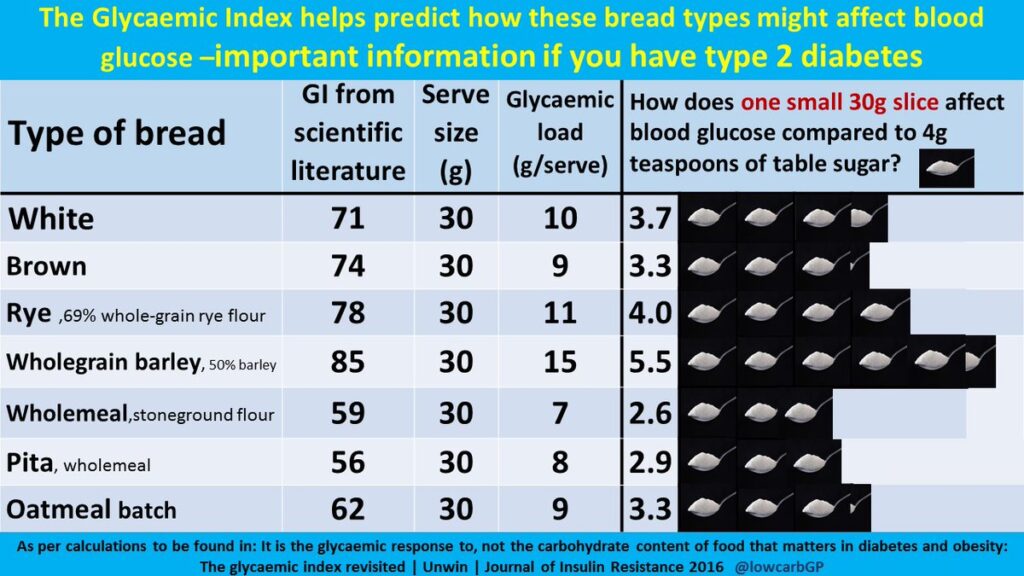
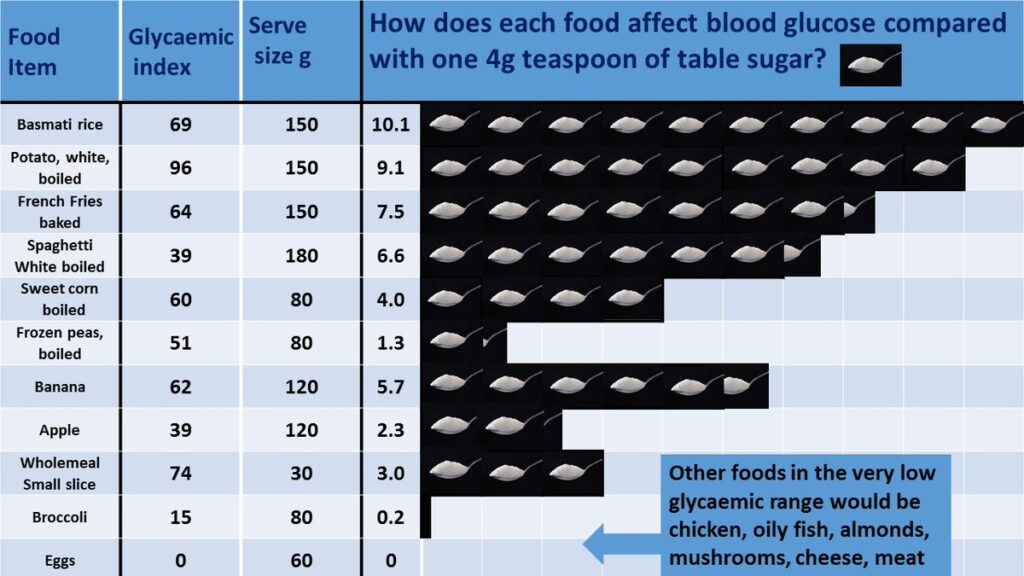
With many thanks to Darwin Unger@lowcarbGP, who allowed free use of his graphs I explain in this blog why overconsumption of natural and added sugar is almost unavoidable.

Fortunately, with a combination of knowledge and motivation it is possible to keep sugar intake low and avoid too abrupt impacts on your blood glucose level. It is not easy, but doable.

Before presenting the graphs I will give a small summary of sugar, its omnipresence and dangers. In an earlier blog you will find more info on sugar https://shakethehealthtree.com/index.php/2025/04/13/11-sugar-the-devil-in-disguise-part-1-some-basic-concepts/

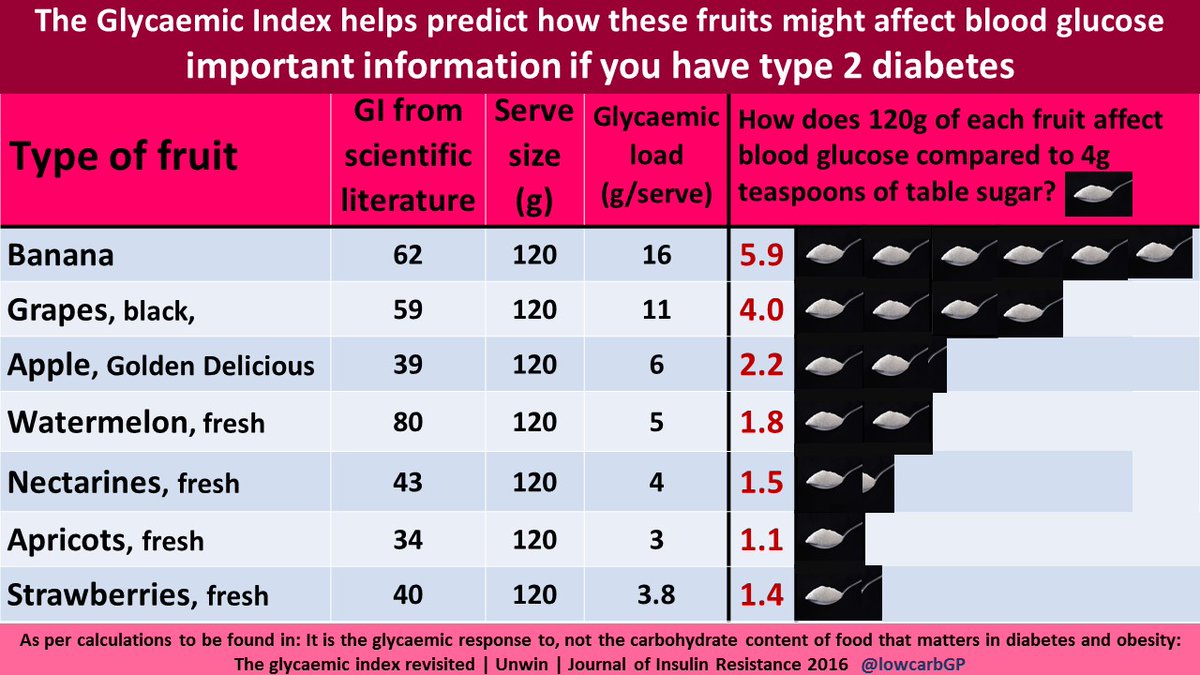
The graphs below of Darwin Unger helped me lot. I made a change to my fruit/veggie smoothie by excluding bananas and apples. Instead, I focus on berries which have half the natural sugars of bananas and apples. The big Dutch super market chains offer 1 kg bags of frozen berries for around 5 euros.

No nutritional value Sugar, often perceived as a quick source of energy, holds no nutritional value in itself. Sugar can provide an immediate boost of energy to the body. Other macronutrients like fats and proteins can serve this purpose as well. They also come, contrary to the empty sugar calories, paired with essential vitamins, minerals, and other beneficial compounds. Neither do sugars contribute to satiety or nutritional completeness, making them less advantageous than other food sources.

There are no universally fixed daily recommended quantities for sugar intake. There are various dietary guidelines regarding sugar intake. Many recommend limiting added sugars to around 10% of total daily calories. This translates roughly to 50-60 grams for women and slightly higher for men. It’s essential to differentiate between added sugars and natural sugars found in whole foods. Added sugars are typically of greater concern for health.

Lifestyle plays a significant role in determining individual sugar intake. Those who are more physically active may require slightly more sugar for energy. Meanwhile, sedentary individuals should aim for less. Notably, these recommendations do not apply to individuals with diabetes, who must carefully monitor their carbohydrate intake.

Easy to over consume Sugar can be surprisingly easy to over consume. It is prevalent in many processed foods, beverages, and snacks. These are the so-called hidden sugars. One might not realize that a single sugary drink can contribute 30 grams of sugar or more. This amount quickly exceeds any daily limit. It happens without even accounting for other meals. This over consumption has become a significant concern. Excessive sugar intake is linked to various health issues. These include obesity, type 2 diabetes, and notably, fatty liver disease. The liver can become overwhelmed by processing large amounts of sugar. Fructose is particularly challenging. This can lead to fat accumulation. Over time, it may cause liver damage.

Sugar is potentially addictive Emerging research has also highlighted the potential addictive properties of sugar. Some studies suggest that sugar can trigger the release of feel-good chemicals like dopamine in the brain. This is akin to the effects observed with various addictive substances. This can lead to cravings and an increased wish for sugary foods. This creates a cycle that mirrors the behaviors linked to substance addiction. While not everyone experiences this phenomenon, evidence suggests that sugar can strongly influence our eating habits. Moderation becomes all the more important for overall health.

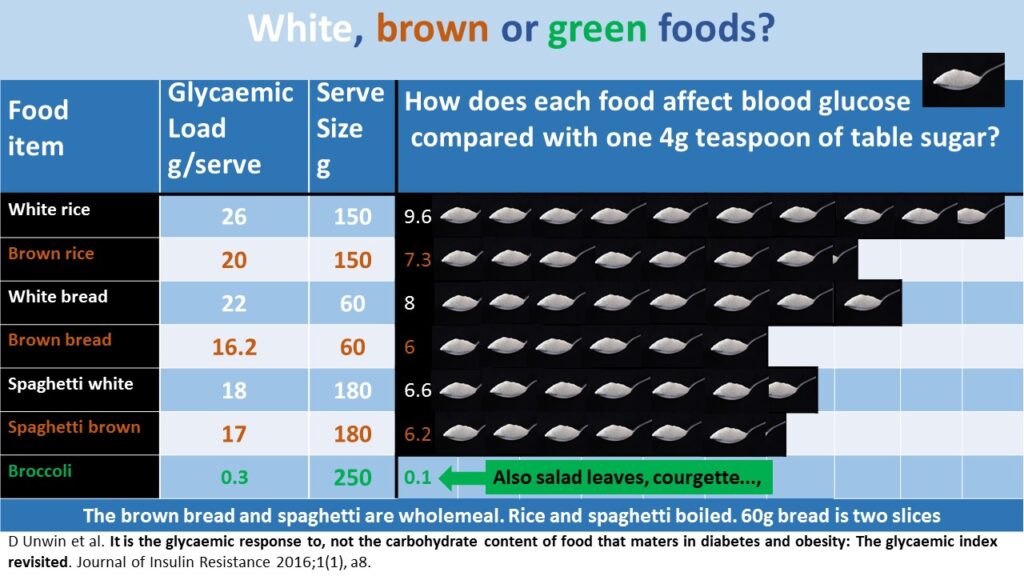
Consuming 100 grams of whole grain bread has a high GL. It will likely lead to a noticeable, moderate increase in blood glucose levels. This increase is around 20 to 30 mg/dL or more, depending on individual factors. It peaks in 1 to 2 hours and its impact can last up to 4 hours.

Straight added 4 grams of sugar may lead to a sharper but short spike of about 10 to 20 mg/dL immediately after consumption with return to baseline within 1 to 2 hours.

(1) See the sugar (impact on blood glucose level) difference between white rice and broccoli!

(2) Important lesson: fruit is not sugar free and your body does not distinguish between added or natural sugars (although natural sugars come with many useful ingredients and fiber). Also notice that a banana has 4x more impact on blood glucose than strawberries.

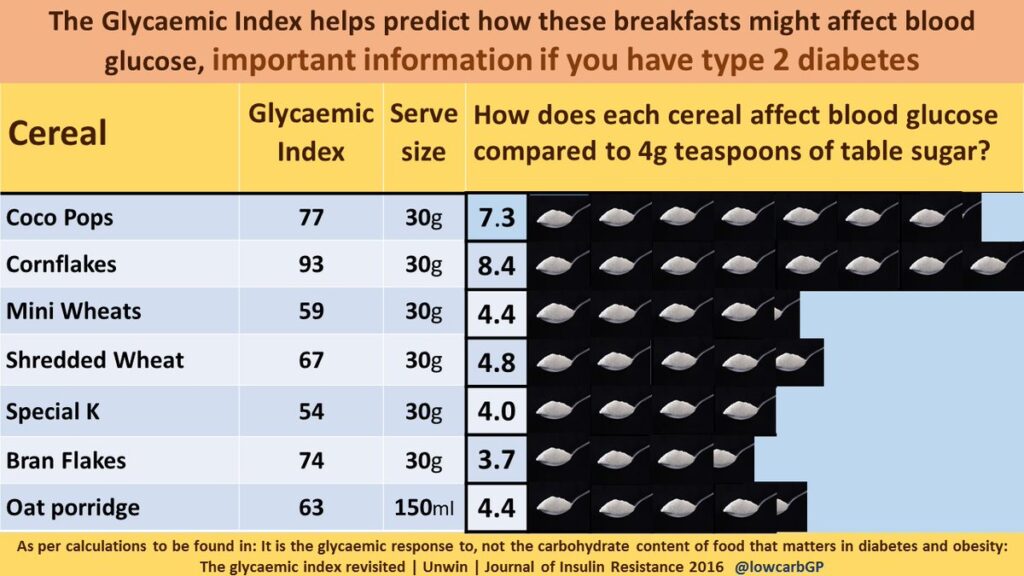
(3) Why certain breakfasts elements in many countries are not healthy.

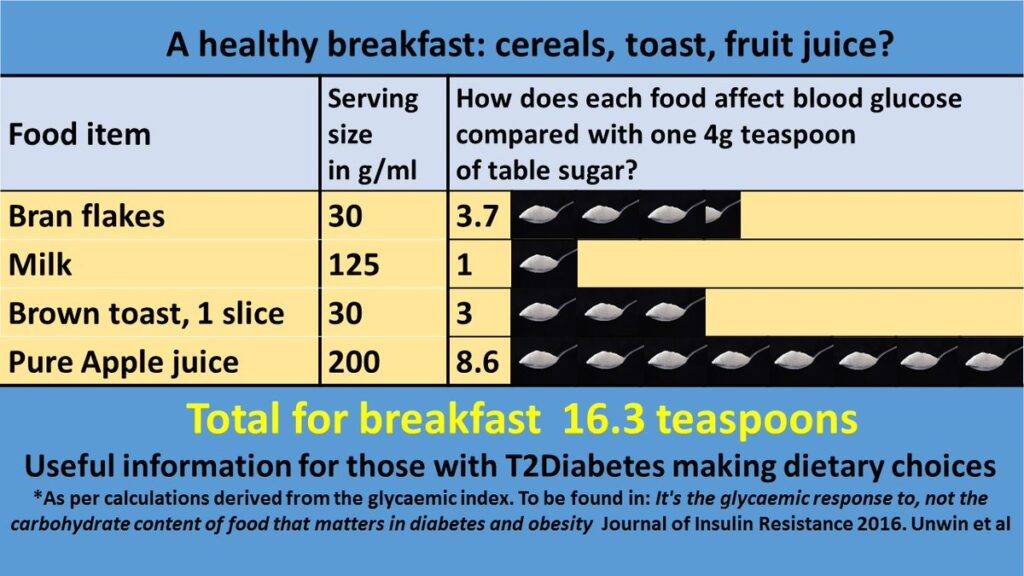
(4) Below the sugar intake of a regular, very modest breakfast: 65 grams of sugar (some sources give 20 grams for fresh apple juice, not 32 like this example).

(5) Bread contains little sugar, but because of its carbs it can have quite an impact on your blood glucose. This also applies to whole grain bread with its complex carbs. The crucial difference with “sugar only” is the much slower release and therefor different impact on blood glucose.

(6) See the difference between boiled potatoes and eggs.

Dear reader, I still have to found out more about sugar content and impact on blood glucose. Having said this, I hope that the message of this blog is clear.

Take care, pay attention to your sugar/carbs intake and enjoy life,

Robert, your health friend

Pastel de Nata, from Portugal. Too much sugar? Yes, but…..

20. SUNSCREEN, THE MORE THE BETTER (health project99+)

Caracas

Dear reader,

As our knowledge about certain dangers advances, so should our commitment to daily UV protection. Protecting against UV radiation today, both UVA and UVB is an investment in lifelong health. 

This blog contains if not all, most aspects related to sunscreen.

The sunscreen shelf contains oils, lotions, sprays, and creams. There is also a rich assortment of labels and promises. The variety of prices is equally vast. A healthy dose of skepticism helps navigate through all the bottles and tubes. “Dermatologically tested”, what does this mean? Scientifically speaking probably nothing.

“Avoid, cover, apply” Skepticism about claims by producers of sunscreen should not turn into distrust of the product. Sunscreen strongly reduces the risk of sunburn. It also lowers the risk of skin cancer. “Avoid, cover, apply” is the advice of all experts. Avoid the sun during the hours of highest UV intensity. Cover the skin with (UV-protective) clothing. Generously apply sunscreen to exposed skin, even when it is clouded.

Relation sunshine and skin cancer is proven. Claims on social media that sunscreen is hormone-disruptive or even carcinogenic have not been proven to date. Meanwhile, there are “piles of serious studies” that prove UV radiation can cause skin cancer. “UV radiation is classified as a ‘Group 1 carcinogen’, just like asbestos or tobacco. The causal relationship with cancer is indisputably proven.

There are two different types of UV radiation to remember. One is called UVA, which impacts aging processes. The other is called UVB, which causes burning. Both types of radiation can cause skin cancer.

Skin cancer is on the rise. It is one of the most common forms of cancer in countries like the Netherlands. Nearly 80,000 diagnoses occur annually. The situation is similar in the USA with 3.6 mln diagnoses annually. UV radiation from the sun and tanning beds is typically the cause. 

A thousand people die from skin cancer each year in The Netherlands. This often results from more malignant forms like melanoma. In the UK, 2500 people die from skin cancer annually. In the USA, that number is 8000. These deaths are almost all preventable if well protected against the sun.

1.Difference between UV A and UV B

All sunscreens have UVB, but please choose a sunscreen that has also UVA Protection. It is important to prevent premature wrinkles. The advice is to apply sunscreen daily, and even every few hours if you are outside. UVA radiation penetrates deeper into the skin. It is responsible for premature skin aging (photoaging), including wrinkles and age spots. It can also damage collagen and elastin in the skin.

UVA rays are more constant throughout the day. They can penetrate through clouds and glass. This makes them a concern even on overcast days or indoors.

2.The truth of the factor

Factor 30 or Factor 50? The recommendation is to use at least Sun Protection Factor of 30 (SPF 30). It promises to block 97% of harmful UV-B radiation. SPF 50 blocks 98%. A minimal difference of only 1%.

SPF 100 is forbidden in Europe as it blocks 99%, but the 100 will give the public a false sense of security.

3.Application is key and clear most of us do not enough

In practice, people often apply sunscreen too thinly, don’t reapply often enough, and sweat or wipe it off. Therefore, the actual protection from both SPF 30 and SPF 50 is much lower than 97 or 98%.

A high SPF is an indication of better protection but does not mean you can stay in the sun longer. Due to sweating, skin exfoliation, and friction from clothing, the protection decreases.” Regular reapplication is crucial—preferably every two hours. or more often if swimming or sweating.

An adult body has between 1.5 to 2 square meters of skin surface. Application guidelines require 2 milligrams per square centimeter of skin. So if you do a full body application you will need about 40 milliliter applications. In other words, a 100-milliliter sunscreen bottle should be empty after three thorough applications.

However, most people apply only half to a quarter of the recommended amount. This makes it nearly impossible to achieve the protection level indicated on the bottle. Fortunately, consumer testing consistently shows that the best brands are not always the most expensive. Also, the cheapest aren’t the worst. 

In the EU, sunscreen cannot claim to be waterproof—but the claim of water-resistant is ok. Look for water-resistant technology, as some products do not offer it, which allows for better staying power in water.

After-sun products are not a substitute for prevention. If burnt, people should avoid the sun and hydrate. Instead, a simple moisturizer without harsh additives is recommended.

Labels claiming “ocean friendly” or featuring happy turtles are not official certifications yet. They often indicate that certain harmful ingredients are absent. For well-rounded UV protection, use mineral filters with iron oxide. They are especially recommended for dark skin. These filters can protect against visible light and pigmentation.

Protecting children from sunburn is crucial, as it increases future skin cancer risk. The Dutch Cancer Control advises keeping infants under one year old completely out of the sun and applying appropriate sunscreen, especially during peak UV hours (generally between 10 a.m. and 4 p.m).

4.Sunscreen and Vitamin D

One should spend at least 20 minutes in direct sunlight daily. This exposure is necessary because UVB is responsible for Vitamin D production. The less of your body is covered, the more exposure you need of course. One unintended consequence of applying sunscreen well is that no Vitamin D will be produced and supplements are necessary. I wrote a blog on the all-important Vitamin D. https://shakethehealthtree.com/index.php/2025/06/03/vitamin-d-yes-we-must-take-it-health-project99/

5.Umbrella’s, clothes, clouds offer only partial protection!

Sitting under an umbrella can provide some degree of protection from the sun. However, you still need sunscreen. Most umbrellas block approximately 50-95% of UV rays, depending on the fabric and color. 

UVB Rays are usually blocked more effectively than UVA Rays. The umbrella blocks UV rays well. However, it is possible to be exposed to indirect UV rays. These rays can reflect off surfaces like sand, water, and concrete.

Clothing can provide significant protection against UV radiation. However, the level of protection varies based on several factors. These include the type of fabric and its color. The weave density and whether the fabric has been treated for UV protection are also important. 

Here’s a breakdown of how clothing can protect against UVA and UVB rays. Clothing is rated by a metric known as Ultraviolet Protection Factor (UPF). A higher UPF indicates greater UV protection. UPF 40-50+ = Excellent protection. A UPF of 30 means that only 1/30th of the sun’s UV radiation can pass through the fabric.

Fabrics that are tightly woven, such as denim or canvas, typically offer better protection than loosely woven fabrics like t-shirts.

Darker colors often provide more UV protection than lighter colors. For example, a dark blue shirt may block more UV radiation than the exact same shirt in white.

Materials like polyester and nylon often provide better UV protection compared to natural fibers like cotton. Some synthetic fabrics are specifically treated to enhance their UV-blocking capabilities.

Wearing multiple layers of clothing can increase UV protection, as the underlying layers can add additional defense against UV rays. 

High-quality sunglasses that block 90–99% of UVA and UVB rays can reduce UV exposure to the eyes. When combined with a wide-brimmed hat, they protect the surrounding skin by up to 50% or more. This combination offers significant protection when used consistently.

Clouds are another protection, but also here only partial. Up to 80% of UVA rays can still reach the ground on cloudy days and up to 50% of UVB.

So in short there are different types of protection, from combination of umbrella’s, cloths and at times clouds

6.Can your body repair DNA damage you suffered in earlier years?

Your body can repair some DNA damage caused by past sun exposure. However, it may not fully correct all of it. By taking precautions in later years, such as staying out of the sun, you can significantly reduce further damage. Additionally, using sunscreen lowers the risk of skin-related issues. However, you should not forget that UV damage to the skin adds up over time, so consistent protection is key.

Regular skin checks are advisable. Consultations with a dermatologist are also recommended for monitoring potential changes due to past UV exposure. Apps like SkinVision can help you to self monitor in between your consultations. 

7.And then we still have the Nanoplastics.

Most available research indicates that nanomaterials can penetrate the outer layers of the skin. The health risks associated with this penetration are not yet fully understood. More research is needed to determine if nanoplastics pose a significant risk when used in skincare products. One of the concerns is that certain types of nanoplastics can have toxic effects on cells.

It will take years before health consequences are known. I am not going to wait for this and look for products that are free from synthetic microplastics or nanoplastics. Often, mineral-based sunscreens that contain zinc oxide or titanium dioxide are recommended as safer alternatives.

8.My own experience

I had first stages of skin cancer a few times, but these spots were timely removed. In my youth I never paid attention to being sun burned. The last 30 years I do it much more and my wife Kim makes sure I always put on my sunscreen. I was glad to find out (ref point 6 of this blog) that your body can partly repair DNA damage.

It is sunny outside, I go for a dive into the Dutch North Sea. It is 7 PM, but after reading this blog I still put on sunscreen.

Take care and enjoy a healthy life!

Robert, your health friend

There are 100’s different types of palm trees in the world

1.UNDERSTANDING BIOLOGICAL AGE AND EPIGENETICS (health project99+)

Dominican Republic, Santo Domingo

Dear reader,

This blog I wrote because I wanted to understand what biological age is. I wanted to learn how it is measured. I was curious about the benefits of grasping the details of this topic.

It turns out that by enlarging their knowledge about this topic, health experts are increasing health improving options. These options can enlarge interventions for a healthier and longer life.

I stay very much tuned as research into biological aging is rapidly evolving and exciting progress lies ahead.

1.Introduction “real” and biological age

Chronological (“real”) age and biological age refer to two different measurements of aging. There can be a huge difference between these two.

The twelve hallmarks of aging, like your telomeres, give insights about a person’s health and overall well-being. They explain possible differences between real and biological age. 

At this moment, thanks to AI and quantum technology, interesting developments are happening. These developments aim to understand all the mechanisms related to the hallmarks of aging. They also seek to influence them. Understanding is an important step, followed by effective interventions.

Practical frameworks are being developed for assessing aging through a functional lens. This approach aligns with the priorities of both older adults. It also aligns with health systems aiming to shift from reactive to preventative care.

Aging is a system-wide, heterogeneous process. It is not a uniform decline. Accepting this requires a nuanced way of looking at one’s biological age. Tools are being developed that answer the question “how are you aging” instead of “how old are you”.

Many health specialists want aging to be recognized as a disease. They also want it to be a target for drug development or treatment. We are not there yet. However, it’s very interesting that serious people are starting to look at aging as a treatable disease.

1. Chronological Age (Real Age)

This is the actual age of a person based on their birth date, measured in years. It is a simple count of the number of years a person has lived since birth. Chronological age is a blunt instrument. It does not capture the intricate mosaic of decline and resilience. These factors shape individual trajectories of aging. Now we look very differently at people in their 60s than 40 years ago. 60 = the new 40!

2. Biological age

The biological age is much more interesting. It can provide a more accurate representation of an individual’s health and functional status.  Biological age shows the effect of the aging process on your body’s physical and mental functions. It also affects your appearance. In short, it is a time-dependent development, or decline.   A person may be chronologically 50 but biologically 40 if they have a healthy lifestyle. Alternatively, they may be chronologically 50, but biologically 60 if they have significant health issues.

3. Hallmarks. What explains the difference between chronological age and biological age?

The hallmarks of aging determine the difference between chronological age (how many years since you were born) and biological age. The hallmarks of aging are determined mainly by our genetics, but environmental factors can cause or exacerbate them also. Each hallmark contributes to the damage that occurs and accumulates with age and is ultimately responsible for age-associated illnesses. 

There are 12 hallmarks of aging, and each will be treated in separate blogs. Let me just mention them here. Telomere attrition, genomic instability, mitochondrial dysfunction, and cellular senescence. Stem cell exhaustion, loss of proteostasis, and deregulated nutrient sensing. Epigenetic alterations, altered intercellular communication, and disabled macro autophagy. Chronic inflammation and dysbiosis.

Dividing the 12 hallmarks into three groups is useful. The first group is integrative hallmarks, such as stem cell exhaustion. The second group is primary hallmarks, like telomeres. Finally, the third group is antagonistic hallmarks, which are responses to damage.

4.How do we test our biological age? Introduction

This has been possible for decades, but only very partial. What we have been doing is looking at separate biomarkers like blood pressure, cholesterol levels, and body mass index (BMI). We have also taken genetic tests. These tests indicate potential health risks or aging traits. They also measure physical fitness, strength, and endurance. Newer tests include examining telomere length measurements. Telomeres are protective caps on the ends of chromosomes. They shorten as we age.

However, biological age in reality is a holistic concept, not a series of separate biomarkers. Slowly the attention of experts moved towards the overall situation with emphasis on functions. A first practical implementation started in 2013 with the epigenetic clock by Steve Horvath. Horvath’s clock, used methylation data to create a “age estimator” that could predict biological age across different tissue types. 

The overall conclusion is that the epigenetic clock represents a significant advancement in our understanding of biological aging. It also provides new intervention possibilities. 

5.Before explaining the epigenetic clock a few words about Frailty Index

The Frailty Index (FI) is a clinical tool used to assess an individual’s frailty, typically in older adults. It has been in use now for about 20 years. Frailty is a complex syndrome. It is marked by a decline in physiological reserves. There is also increased vulnerability to adverse health outcomes. These outcomes include falls, disability, hospitalization, and mortality. The Frailty Index is one approach to quantify this frailty and can help in care planning and intervention strategies.

The FI calculation involves taking the number of health deficits a person has. This number is divided by the total number of possible deficits assessed. For example, a frailty index assesses 30 possible deficits. If an individual has 10 of them, their FI would be 10/30 = 0.33. This suggests a moderate level of frailty.

6.Body clock/epigenetic clock

Frailty Indexes are useful, but not enough. Its introduction 20 years ago was a great improvement, but great need remained for a total approach. One such an example is the recent development of Body Clocks. It is a composite score based on the weighted severity of diseases across systems. This development allows clinicians and researchers to track systemic health over time. It offers greater precision than traditional indices such as Frailty scores or number of chronic conditions. 

The Body Clock predicts future multimorbidity, functional decline, and mortality. It does so more accurately than the frailty index, the number of diseases, and age. It also offers suggestions for intervention.

7.Body Clocks are Epigenetic clocks

An epigenetic clock is a biological marker. It is a tool used to estimate the biological age of an individual. This estimation is based on DNA methylation patterns. DNA methylation is a key epigenetic mechanism. It involves the addition of methyl groups to DNA. This process affects gene expression without altering the underlying DNA sequence. Methyl groups are functional groups in organic chemistry. They consist of one carbon atom bonded to three hydrogen atoms. This is represented by the chemical formula -CH₃.

As mentioned before, the physiological age (chronological age) and biological age (as measured by the epigenetic clock) can correlate. However, they do not always align perfectly. Environmental factors and lifestyle choices can lead to variations in biological aging.

8.How does it work?

The epigenetic clock analyzes specific sites on the genome where methylation changes occur with age. These changes can indicate the aging process and have been linked to various health outcomes, including age-related diseases. An epigenetic clock offers a practical framework. It assesses aging through a functional lens. This approach aligns with the priorities of both older adults and health systems. It aims to shift from reactive to preventive care.

Epigenetics refers to the study of modifications that affect gene expression without changing the DNA sequence itself. These modifications are crucial for regulating biological processes. They can be influenced by environmental and lifestyle factors. Such factors play a significant role in health and disease.

9.What is epigenetics?

Researchers have developed the first epigenetic clocks. Since then, they have refined and validated these tools across various populations and age ranges. Multiple studies have confirmed their accuracy and applicability in different biological contexts, including blood samples, skin, and even brain tissues. Some epigenetic clocks are adjusted for assessing aging in cancer patients. They are also adjusted for other specific health conditions, utilizing different sets of CpG sites.

Research has expanded to investigate the role of epigenetic clocks in various areas. This includes aging-related diseases, such as Alzheimer’s disease and cardiovascular health. It also covers lifestyle interventions, like diet and exercise. Moreover, researchers are studying the effects of environmental factors, such as pollution, on aging.

Epigenetic changes play critical roles in development, cellular differentiation, and responses to environmental stimuli. Abnormal epigenetic modifications are associated with a range of diseases, including cancer, neurological disorders, and cardiovascular disease.

Definition of Epigenetic: It pertains to the study of heritable changes in gene expression. These changes do not involve alterations to the underlying DNA sequence. This can include modifications such as DNA methylation and histone modification.

10.Some latest developments

Stanford University and others came up with the idea of a Body Clock (the “Health OctoTool” in 2023). This Body Clock is using real-world clinical data. It is preparing for personalized interventions by mapping how different organ systems function at different rates. The concept is getting accepted that aging is not a linear process, but a system-wide, heterogeneous process.

    In late 2023, Xprize Healtspan announced a seven-year, $101 million global competition. The aim is to develop therapies to extend the years we spend in good health. By mid 2025, 100 teams from 58 countries have reached the semifinal. Some teams have proposals that soon might enter early-stage clinical trials.

    The prize sets a clear goal. It aims to restore muscular, cognitive, and immune function by a minimum of ten years. The aim is to extend these functions up to 20 years in adults aged 50 to 80. This should be achieved within a 12-month timeframe. It’s a challenging mandate. Yet, it neatly reflects the evolving ethos of longevity science. The focus is not on achieving eternal life. Instead, it aims for a (much) longer and more healthy life.

    As said, an exciting topic to follow. Which I will do!

    Take care and live a happy and healthy life,

    Robert, your health friend,

    Pollution in the Caribbean Sea

    21.VITAMIN D: YES, WE MUST! (health project99+)

    Los Roques in the Venezuelan Caribbean


    Dear reader,

    Of the 13 vitamins that exist, vitamin D is perhaps the most interesting. More and more potential benefits are being discovered. The latest finding is that it substantially slows the shortening of your telomeres. This slowdown improves your biological age. For more about telomeres see my previous blog. https://shakethehealthtree.com/index.php/2025/06/01/5-telomeres-keep-them-long-or-die-health-project99/

    Vitamin D is also a vitamin that can be difficult to grasp. Health experts (which I am not) differ on the amount one should take. I tried to navigate the vitamin D labyrinth online as best as I could. I formulated my own vitamin D narrative. For the record, I take 4000 IU (100 micrograms or 1/10 of a gram) of vitamin D3 daily. I combine it with vitamin K2-7. A blog is coming up on vitamin K soon.

    There are several types of vitamin D, but the two most common and relevant ones are D2 and D3. It is fat-soluble, so taking it with water alone is not helpful; you should take it with a meal.

    Subscribing to my blogs is 101% free.

    1.Vitamin D deficiency is much more common than often perceived. Some estimates go as far as claiming that half of the world’s population is vitamin D deficient or insufficient. 

    The question is, why do so many people have vitamin D deficiency? At one point in my life, I had it, and my wife did as well. This served as proof that testing health biomarkers now and then is not a bad idea.

    The first reason is that the number of relevant food sources for vitamin D is rather limited. These include cod liver oil, oily fish, and mushrooms exposed to sunlight. The second reason has to do with the increased quality of the sunscreen you use. One might be outside daily for the required 15-30 minutes. This is the time needed to produce enough vitamin D when you have your skin sufficiently exposed; “hands only” hardly counts. However, if you use a sunscreen with a factor of 50, then all vitamin D production is effectively blocked. In addition we should not forget that many of us live in countries with less sun. These places also have lousy winters (like the Netherlands).

    2. How Much Do You Need?

    Most countries recommend a daily intake (RDA) of 600-800 IU (=International Units), mainly for older people. However, more and more experts are suggesting that younger people should also take a supplement for the reasons mentioned in the previous paragraph. My suggestion to those individuals would be: do a check. I was personally unpleasantly surprised to find out that I was deficient in vitamin D.

    The RDA is formulated to prevent deficiency in the general population. Most experts argue that higher doses are safe for most people. This is particularly true when taken for specific health benefits. Some individuals may require higher doses if they have certain health conditions. Older age, limited sun exposure, or darker skin can also necessitate higher doses.

    The upper intake level for adults is often set at 4,000 IU, which is considered ok for most individuals. However, there is no definitive scientific proof. Many people take double or triple that amount without problems. This is if I am to believe discussions on the internet.

    Still, there is a kind of consensus. An average adult should take no more than 100 micrograms (4000 IU) per day from diet and supplements. This limits the risk of side effects such as nausea, vomiting, and confusion.

    3. Vitamin D is not a Magic Bullet but does quite a lot

    Vitamin D is not a magic bullet, so be wary of claims that suggest otherwise. We must always be cautious. Be wary of any overly enthusiastic promotion of molecules. The bottom line remains a proper lifestyle approach. This includes regular physical activity, adequate sleep, and non-smoking. It also covers drinking alcohol in moderation or not at all, and ensuring healthy nutrition.

    There are indications that vitamin D supplementation could decrease the risk of diseases linked to chronic inflammation. Chronic inflammation, which can last for years, is associated with many diseases, including diabetes, cardiovascular disease, arthritis, and dementia.

    Vitamin D contributes to bone health and a well-functioning immune system.

    Results show a small risk reduction for certain major cardiovascular events. 

    Lower levels of vitamin D are linked to a higher risk of dementia. This connection is found in older adults. Several studies have shown that higher blood vitamin D levels are associated with less cognitive decline. They also indicate a lower risk of dementia. More studies are needed.

    Researchers found the most significant improvement in depressive symptoms in people who already had a low level of vitamin D. Larger dosages also appeared to have a more substantial effect.

    The a recent study found that people taking vitamin D3 supplements experienced only minimal telomere shortening after four years. In contrast, those taking a placebo showed substantial shortening. When telomeres become too short, cells enter senescence or programmed cell death. Either condition contributes to aging and age-related diseases. This offers tangible evidence that simple, low-cost interventions sometimes have meaningful impacts on cellular aging pathways.”

    4. Big Caveat: take D3 always with K2

    It is often recommended to take vitamin D3 with vitamin K2, specifically the K2-7 form (menaquinone-7). Together they play complementary roles in calcium metabolism and overall health. 

    Vitamin D3 helps enhance the absorption of calcium from the gut. It plays a crucial role in maintaining calcium levels in the blood. However, without adequate vitamin K2, the calcium absorbed might not be directed to the bones and teeth where it’s needed. Instead, it can accumulate in soft tissues, such as arteries, potentially leading to serious cardiovascular issues.

    Vitamin K2 is vital for the activation of osteocalcin. This protein helps bind calcium to the bone matrix. It thereby strengthens bones. When taken together, vitamin D3 supports the uptake of calcium. K2 ensures that calcium is properly utilized in the bones.

    5. Final question. Should You Take a Vitamin D Supplement?

    The more I read about vitamin D, the more I agree with those experts who advise everyone to take a supplement. Many recommend taking it in combination with vitamin K2 (specifically K2-7), which I do.

    6. A Few More Details on the Two Primary Types of Vitamin D

    Vitamin D2 (ergocalciferol) is derived from yeast and fungi. It’s often used in supplements and some fortified foods. Vitamin D3 (cholecalciferol) is synthesized by the skin when it is exposed to sunlight (UVB rays). It is also found in animal products such as fatty fish, liver, egg yolks, and fortified milk. Vitamin D3 is generally considered more effective than D2 in raising blood levels of vitamin D.

    The half-life of vitamin D in the body varies depending on the form and the individual’s metabolism, but it is generally about 15-20 hours for D2 and 15-25 hours for D3

    Bioavailability refers to the extent and rate of absorption of active ingredients or active moieties. In this case, it describes how vitamin D is absorbed. It becomes available at the site of action in the body. For Vitamin D3 the bioavailability is about 50-80% when taken with a meal. When taken with water only it will be close to 0%. D3 is up to 2x more bioavailable than D2.

    Thanks for reading, I will now start writing my K2 blog.

    Have a great and very healthy life,

    Robert, your health friend,

    Still Los Roques

    10. TRIGLYCERIDES, THE MOST COMMON FAT RELATED COMPOUND IN YOUR BODY (health project99+)

    Art nouveau in Riga, capital of Latvia

    Dear reader,

    Fats are necessary for life, and a fat-free diet is a bad idea, but the wrong types of fats can be harmful. Opinions about fats change over time. Butter was once out of favor, but now many health experts recommend eating butter as part of a balanced diet. (Note: you’re welcome to subscribe to my free blog posts.)

    This blog focuses on triglycerides. They’re the main storage form of fat in the body, though many people don’t know much about them.

    First a few words on cholesterol. Before going into details, here is a very short summary: cholesterol has different characteristics and functions from fat. Cholesterol is a lipid (a sterol), not a fat. Lipids are a broad category of molecules that include fats, oils, waxes, and steroids. Cholesterol is a waxy, fat-like substance found in every cell of the body. It is crucial for various bodily functions. These include the production of hormones, vitamin D, and bile acids that help digest fats.

    What produces cholesterol? Your liver is the body’s main cholesterol factory. It makes a type of particle called VLDL, which carries triglycerides and cholesterol. As you know cholesterol is technically a sterol, not a fat.

    As VLDL releases triglycerides in the bloodstream, it becomes IDL and then LDL. So LDL is largely produced and processed inside your body, not simply created by what you eat. Your diet can influence how much LDL is made or cleared, but LDL itself isn’t a food ingredient. HDL and other lipoproteins play different roles, often helping remove cholesterol from arteries.

    The liver not only produces cholesterol; it also receives dietary cholesterol (via dairy and meat) through the bloodstream, and some of that cholesterol ends up in a free (unesterified) form in the blood, but most circulating cholesterol is carried inside lipoproteins (LDL and HDL) as cholesterol esters. Free cholesterol isn’t produced as a separate circulating substance on its own; it’s part of the overall cholesterol pool

    Ok, returning to triglycerides. I didn’t know their importance until recently. The body produces triglycerides naturally, but most come from food. When not needed for energy, excess calories—especially from carbohydrates—are converted into triglycerides for storage. The body then uses this storage for energy between meals.

    Essence of triglycerides. An important realization for me was that most of the fat in your body comes from the calories you consume, not only from directly fat-containing foods. In addition to fat in foods, simple carbohydrates can be converted into triglycerides in the liver (“de novo lipogenesis” which is the process of the liver converting excess carbohydrates into triglycerides).

    What if your triglyceride levels are too high? Regularly consuming more calories than you need will most likely lead to elevated triglyceride levels. These levels are also influenced by factors like lack of exercise, smoking, and certain health conditions. High triglyceride levels may not present symptoms, yet they are linked to serious health risks, including heart disease, stroke, and non-alcoholic fatty liver disease (NAFLD). NAFLD occurs when too much fat builds up in the liver. In a healthy adult, the liver should contain little fat, but a little only.

    This para above illustrates how food can impact the liver similarly to excessive alcohol consumption.

      Elevated triglycerides can also contribute to atherosclerosis. This condition occurs when triglycerides and cholesterol accumulate in arteries. They narrow the arteries and increase the risk of cardiovascular events.

      Important to know. High triglyceride levels are often, but not always, accompanied by high cholesterol levels. If they are both high, then there is a serious risk of further aggravating the associated health risks. Cardiovascular risk is part of a wider topic as it is influenced by multiple factors (LDL, HDL, inflammation, smoking, blood pressure, etc.).

      The Relationship Between Triglycerides, HDL, and LDL There is a significant relationship among triglycerides, HDL (high-density lipoprotein), and LDL (low-density lipoprotein). The favorable relationship is with HDL; HDL is the “good” cholesterol that helps move cholesterol away from arteries. Conversely, higher triglycerides are often associated with a less favorable pattern: elevated triglycerides can accompany a low HDL-Cholesterol and a more atherogenic LDL profile. The relationships are interrelated but not simple; they influence each other and overall cardiovascular risk.

      Normal Levels of Triglycerides Hyperlipidemia—defined as high cholesterol and/or high triglycerides—affects a sizable portion of the population and increases cardiovascular risk. People may not have symptoms but should monitor triglyceride and cholesterol levels to assess risk. Triglyceride screening is typically part of a standard lipid panel; many people have this test annually. This panel also checks total cholesterol, HDL-C, and LDL-C. Normal triglyceride levels are below 150 mg/dL for adults; for children and adolescents, normal ranges vary by age and sex, so consult pediatric guidelines.

      One is possible without the other Don’t assume that low triglycerides equal low risk; it’s still possible to have elevated LDL. The sources of cholesterol and triglycerides differ. Therefore, always test for the full lipid spectrum. In my case, I have very low triglycerides but a moderate LDL level.

        How to Keep Triglycerides Within a Healthy Range (no surprises here) To keep triglycerides within a healthy range, manage your weight. Follow a balanced diet and engage in regular exercise. It’s important to avoid excess calories. Additionally, steer clear of added sugars and processed foods. In general, it’s vital to consume only the calories your body will use that day as energy. Familiar dietary recommendations include plenty of vegetables, fruits, fish, olive oil, and nuts.

        Doctors often recommend diet and exercise as the first line of treatment. They help in lowering triglyceride levels. They also maintain them within range. As a second line of defense, medications like statins may be prescribed. I am not a doctor. Medicines are needed at times. However, in most cases, your own actions can solve fat-related issues.

        Take care, live a happy and healthy life,

        Robert, your health friend

        Somewhere in Latvia in May 2025

        21. STAY HEALTHY: 100 GLASSES OF RED WINE DAILY OR …RESVERATROL/ PTEROSTILBENE?(health project99+)

        Kenya, preparing for the great migration

        Dear reader,

        Some 20 years ago Resveratrol was the supplement to take. It was heavily promoted by longevity experts like Dr Sinclair. Resveratrol was also found naturally in wine. As a result, wine lovers jumped on the band wagon. More wine, for health benefits only of course.

        To obtain a dose of Resveratrol that might have health benefits, one would need about 100 mg per day. This would require drinking approximately 100 to 1,000 glasses of red wine per day. I do not know about you, but drinking 100 glasses of red wine does not go hand in hand with longevity. This is true even for former diplomats.

        In the end I decided for Pterostilbene and I stopped taking Resveratrol. Note: subscribing to my blogs is 102% free.

        1.My thoughts about supplements in general

        Before delving into the details of Resveratrol, let me first outline my general approach of this health project99+. The five key factors for longevity are: (1) diet, (2) stress management, (3) quality of sleep, (4) exercises and strength training, and (5) an active social life. 

        By excelling in these five areas, you significantly increase your chances for a longer and healthier life. Supplements are the sixth category and, in my opinion, offer the most intriguing avenue for intervention.

        Supplements provide hope—hope for a much longer life. Many studies are underway, and life is too short to wait for the results of all of them. Promising findings are emerging at an increasing pace, thanks in part to advancements in AI. I am among those open to taking certain supplements, even though their claimed effects are not yet scientifically proven. I adhere to the “do no harm” principle and choose to give them a try.

        2.What can Resveratrol do? At first sight a lot.

        Resveratrol is a natural polyphenol (see note below this blog on polyphenols). It has been detected in more than 70 plant species. It is especially found in grapes’ skin and seeds. It acts against pathogens (stuff that can make you ill), including bacteria and fungi. 

        Many studies have demonstrated that Resveratrol possesses a very high antioxidant potential. It has other bioactive effects, like anti-inflammatory, anticarcinogenic (cancer), cardioprotective, vasorelaxant, phytoestrogenic and neuroprotective. 

        Longevity experts have been interested in Resveratrol since the early 2000s. Their interest increased particularly following research that suggested its potential role in promoting health and longevity. One study found that Resveratrol could trigger sirtuins. Sirtuins are proteins that are believed to play a crucial role in aging and metabolic regulation. Resveratrol was also linked to calorie restriction, an intervention that has been linked to increased lifespan.

        3. One big problem with Resveratrol

        Its half-time is low (max a few hours, some studies talk about 15 minutes) and its bioavailability is very limited. Some talk about a few percentages only, others about a maximum of 20%. This means that your body processes most of the supplement before it can do its work. The remainder that works lasts a very short time only. Very disappointing. This covers a wider theme that one should always consider when taking supplements. Omega-3 fatty acids last three days and most of the intake is being used.

        4.Pterostilbene comes to the rescue/what is Pterostilbene?

        Pterostilbene is a natural substance found in small quantities in vegetables and fruits such as blueberries. Those quantities, however, are so small. You need to take supplements for it to have an effect. Pterostilbene is chemically similar to Resveratrol. Both are compounds known as stilbenes. It is rapidly emerging as a supplement to watch.

        5. Differences between Resveratrol and Pterostilbene

        Pterostilbene is considerably better absorbed by the gut compared to resveratrol. Pterostilbene has a bioavailability of about 80 percent, compared to 20 percent for Resveratrol. Some studies suggest that the bioavailability of Resveratrol may be even as low as 1-3%.

        Pterostilbene also has a longer half-life, which may allow it to be effective at lower doses. Around 2 hours for Pterostilbene and 15 minutes up to one hour for Resveratrol.

        Studies have already reported that Pterostilbene can be superior to Resveratrol for certain health conditions. It has shown promise for improving cardiovascular health. Pterostilbene may also enhance glucose levels and cognitive function. One minus is that there are far fewer studies on Pterostilbene than on Resveratrol.

        6. Pterostilbene and Longevity/What does Pterostilbene do? A lot

        Many studies demonstrate beneficial effects of pterostilbene on health and the aging process. The benefits of pterostilbene are promising, and supplements are likely safe for most people. Still, much more research has to be done. Results with mice is one step, with humans another.

        • Pterostilbene reduces inflammation and improves DNA repair. It activates sirtuins which are enzymes that repair DNA and improve metabolism. These enzymes can extend health span and lifespan.
        • Pterostilbene is also an autophagy inducer. Autophagy is the process that clears up cellular waste that accumulates in the cells. During aging, autophagy is reduced. Pterostilbene can also trigger AMPK. AMPK is an important energy sensor in the cells. This activation, in turn, inhibits mTOR, a strong inhibitor of autophagy.
        • Pterostilbene increases the production of powerful antioxidant enzymes, protecting the cells against oxidative damage. Pterostilbene can improve brain functioning and can protect the brain.
        • Pterostilbene has also been shown to increase levels of other antioxidants. These antioxidants are linked to everything from improved detoxification to reduced oxidative stress in mitochondria. Mitochondria are the energy powerhouses of our cells. They play a role in most age-related diseases. They also make sure you have enough energy to function optimally.2. It may help fight or prevent cancer.
        • Several animal studies have found that supplementing with pterostilbene lowers blood glucose levels. This suggests that this antioxidant may play a role in protecting against diabetes. It may also improve insulin sensitivity.
        • Some evidence even suggests that Pterostilbene and Resveratrol may mimic the effects of calorie restriction. This practice has been shown to increase life span and help prevent age-related disorders.

        7. Side Effects of Pterostilbene

        Both can on rare occasions have some side-effects. They vary from gastrointestinal symptoms and headaches to fatigue. Rare interactions can occur with some medicines, like blood thinners or medications that are metabolized by the liver. Various studies show that Pterostilbene improves many other biomarkers of cardiovascular health, including lowering blood pressure. This could be problematic for people with already low blood pressure or those on antihypertensive medications.

        A recent study suggests a small but significant increase in cholesterol. This change may occur at the normal dose of 100 mg of Pterostilbene. This effect is observed at least for people with a higher-than-normal BMI. But as mentioned before, more studies are necessary. Conducting human trials with all the variables is quite difficult.

        8. My experience

        After finding out more about Resveratrol I decided to swap it for Pterostilbene. I take several other supplements, so it is difficult to say if and how it works. I find the studies convincing. I never experienced any side effects. A question I want to explore further is how to have the positive influence of Pterostilbene the whole day. Its half-life is 2 hours. This implies that it only works 4 hours per day if you take two per day.

        Some experts also believe that pterostilbene and resveratrol are better when consumed together. They act synergistically to promote health and prevent a variety of diseases. This is why you’ll often find them packaged together in supplements. I have not seen much about this, so I only take Pterostilbene.

        Enjoy your life, think about the big 5, do not forget your pills,

        Robert, your health friend

        Note: you often read about “polyphenols”. This is a large and diverse group of 8000 compounds with potential health benefits. They occur as  compounds in plants and are known for their antioxidant properties and potential health benefits. They do not directly influence the plant’s growth, development, or reproduction. However, they play important roles in protecting plants from ultraviolet radiation, pathogens, and herbivores.

        Note. However, as with many compounds, the exact half-life can vary based on factors such as the dosage, individual metabolism, and form of pterostilbene (e.g., whether it is taken as a supplement or comes from food sources). Additionally, pterostilbene is reported to have improved bioavailability compared to resveratrol, which may influence its effects in the body.