Are all these latest advice on social media correct about mouthwash? “Do not use it because it kills nitric oxide (NO) in your mouth and thus indirectly creates heart problems.”
Well, as is often the case with health issues, it is both true and not.
My main takeaway: Mouthwashes can have added value, but go for the non-antiseptic ones, like fluoride-only or homemade washes (for example with baking powder). Most over-the-counter mouthwashes limit NO production, which can impact your heart health negatively. If you need an antiseptic mouthwash because of medical reasons, use it at least four hours after your meal, especially after a nitrate-rich meal. Its impact on any NO production is then minimal
By age 30, you might already experience a 40% decrease in NO production. This is followed by a further gradual loss each year if you do not take corrective measures. Aging, combined with certain health conditions (like diabetes), impacts the ability to produce NO. If you are concerned about this balance, you might consider several measures: select your mouth wash carefully and consume nitrate-rich foods. Dental hygiene is important, of course, but so is supporting a healthy oral microbiome.
2.What is NO? Many call it the “longevity molecule,” as it protects your DNA, promotes mitochondrial production, and stimulates stem cells. It is produced naturally in the body. The bacteria in your mouth play a central role: they convert nitrates from food into NO, which is a colorless gas. This gas plays several vital roles in various physiological processes. It is a signaling molecule that helps regulate blood flow, immune responses, and neurotransmission.
When you consume nitrates like in red beets they encounter bacteria in your mouth. These bacteria convert nitrates into nitrites. Nitrites can be swallowed; they are then further converted into nitric oxide (NO) in the stomach and bloodstream. The most important of these bacteria are located on the surface of your tongue. For this reason, it is advisable to regularly brush your tongue with a toothbrush. This stimulates the mucous membranes in the mouth and is part of achieving good oral hygiene. This practice can indirectly support nitric oxide production.
A lack of NO leads to many health issues, including cardiovascular diseases, diabetes, and neurodegenerative disorders.
3.What is the impact on your cardiovascular system? Mouthwashes that broadly kill oral bacteria—especially antiseptic formulas—are the ones most likely to reduce nitrate-reducing (NO-producing) bacteria in your mouth. The nitrate–nitrite–NO pathway depends on those bacteria, so strong antiseptics can blunt that route. The following NO-related cardiovascular functions may diminish: (1) relaxing and dilating blood vessels; (2) helping regulate blood flow and blood pressure by allowing smoother movement through the arteries and veins; (3) lowering systemic vascular resistance. This helps reduce blood pressure.
4.How many types of mouthwashes are there?
It is a bit confusing, as there are many. Take a close look at labels!
For overall cavity prevention, fluoride mouthwashes are the standard, evidence-backed option for most people. I use this one. Fluoride-only mouthwashes don’t kill bacteria to any meaningful extent, but at the same time they are not designed to reduce plaque like antiseptic rinses do. Because they’re not broad-spectrum antimicrobials, they have little to no meaningful impact on NO production in the mouth.
For reducing plaque and gingivitis on a daily basis: antiseptic mouthwashes with essential oils or CPC offer meaningful benefits; chlorhexidine is the most potent antiseptic but is generally reserved for short-term use due to staining and taste changes.
For short-term, strong anti-gingivitis effects (e.g., after gum surgery or when gingivitis is pronounced): a chlorhexidine mouthwash prescribed by a dentist is often the most effective option.
Whitening mouthwashes provide only mild, surface-stain reduction; they’re not a substitute for whitening toothpaste or professional whitening.
Desensitizing mouthwashes with potassium nitrate or similar ingredients can be very helpful. Alcohol-free formulations or products designed for dry mouth are typically best.
5.What types of mouthwashes impact negatively NO?
Sadly, most of them. See the whole list below. Broad-spectrum antiseptics can reduce these bacteria and lower salivary nitrite production.
Chlorhexidine mouthwashes (Rx or OTC).
Essential-oil rinses (e.g., many Listerine-type products).
Cetylpyridinium chloride (CPC) rinses (less impact than others).
Hydrogen peroxide rinses (needs further study to determine whether there is indeed an impact).
Alcohol-containing antiseptic rinses.
6.Which mouthwashes preserve NO production?
Xylitol-containing mouthwash without antimicrobial ingredients. Xylitol supports caries prevention without acting as a broad-spectrum antiseptic; however, check the label to ensure no chlorhexidine, CPC, essential oils, or peroxide.
Baking soda mouthwash (sodium bicarbonate) without antimicrobials. It alkalinizes the mouth and helps with dry/acidic environments, but isn’t an antiseptic.
Saline mouthwash (0.9% NaCl) or saltwater rinse. This is very mild and largely inert to oral bacteria; it does not kill bacteria or disrupt the nitrate-reducing community.
Fluoride-only rinses.
7.Can you make mouthwashes at home? Yes.
In general, use them for a few days only (up to a week) and then make a new one. Always rinse 30 minutes before or after meals. Here are the most common Non-antiseptic options with no antimicrobial active ingredients.
Saltwater rinse (saline) Ingredients: 1/2 teaspoon salt per 8 ounces (240 ml) warm water Very gentle
Baking soda rinse Ingredients: 1/2 teaspoon baking soda in 8 ounces warm water Alkalizes the mouth.
Xylitol rinse (no antimicrobials) Ingredients: 1 tablespoon xylitol per 8 ounces warm water Notes: Xylitol can help caries prevention.
Green tea rinse (mild, non-antiseptic) Ingredients: Brewed, cooled green tea (unsweetened) Notes: Polyphenols may help; not a strong antiseptic.
Aloe vera rinse (soothing) Ingredients: 1/2 cup water per 2 tablespoons pure aloe vera juice Notes: Gentle and soothing; not an antiseptic.
Herbal-infused water (gentle) Ingredients: Fresh or dried herbs (e.g., peppermint) steeped in hot water, cooled Notes: Use as a pleasant alternative if you avoid additives.
1.Preventing bleeding gums is central in reaping the most health benefits of dental care. Do not ignore bleeding gums as they can cause serious health problems. In the USA almost 50% of the adult population show signs of gum disease. The good news is that gum disease is 100% preventable and curable.
2.Be scared when your gums bleed and do not rest till the problem is solved.
3.The mouth hosts a complex microbiome with hundreds to around a thousand different bacterial species, and the exact count varies by person and by site in the mouth (tongue, teeth, gums, plaque, saliva). The total number of bacteria can be up to 10^13 (1 followed by 13 0’s). Most mouth bacteria are harmless or beneficial in balance, but imbalances can contribute to tooth decay and gum disease.
4.Health issues Bacteria entering your mouth can affect the health of your entire body. This can happen on its own (dirty hands in your mouth is not a good idea), but of course much more if you have bleeding gums. Your heart, brain, lungs, and blood vessels are particularly vulnerable. Hence, good oral hygiene promotes healthy gums which is much more than just a hygiene measure for your mouth.
An important problem for us laymen is that developments in the health sector go quickly. Who knew some years ago that oral health and heart are closely connected? They are. Very much so as gum disease has been linked to increased heart health risk, as oral bacteria-induced inflammation leads to “atherosclerosis” (artery hardening).
Another serious risk caused by bleeding gum is “endocarditis,” an infection of the heart lining. This infection is caused by mouth bacteria entering the bloodstream.
There are also indications that bleeding gums can also lead to respiratory infections and dementia.
5.Your gum line deserve tender loving care
Keeping your gums healthy is crucial. Pay attention to your gumline, not only to your teeth.
An early stage of gum disease is known as gingivitis. It is caused by a buildup of plaque at the gumline.
If you have this, you’ll probably notice that your gums are irritated, puffy or more likely to bleed. But gingivitis is both preventable and reversible with daily brushing and flossing as well as professional cleanings.
Pay attention to the gumline when you’re brushing,. Place the toothbrush against the gumline at a 45-degree angle to remove plaque both above and below the gum level.
You have to hit that junction between the gum and the tooth and move the toothbrush gently back and forth in short strokes.
Both electric and manual toothbrushes are effective. But if you’re using a manual one, opt for soft bristles. Clean them every week and replace them every three months. I disinfect my toothbrush weekly by filling a clean cup with water. I add a splash of lemon juice and a spoonful of baking soda (sodium bicarbonate).
6.Watch out for receding gums. The roots of your teeth are more vulnerable to cavities because they are not covered by hard enamel as the crowns are
If your gums are receding, your teeth may look longer, and the roots may be a different color from the rest of the tooth. You may also feel sensitivity to heat, cold or brushing. Keep that area clean with flossing or small interdental brushes
You can also use desensitizing toothpaste or use fluoride products. They make your roots more resistant to decay.
If your gum recession is severe, which can lead to infection or tooth loss, talk to your dentist about a gum graft.
7.It is “absolutely not normal” for your gums to bleed. The problem is that many people whose gums bleed tend to avoid flossing and brushing near their gums, but that’s a mistake. I now and then neglect my teeth a bit and quickly the first signs of bleeding gum return. A strict regime of rinsing with water after eating, brushing regularly and using dental sticks normally restores the gum in one week
8,Adopt gum-friendly habits.
Lifestyle changes can help your gums. Smokers, for instance, have a higher risk of periodontal disease than nonsmokers. You can also make tweaks to your diet. Studies found, not surprisingly, an association between sugary drinks and gum disease.
Do no scrub your teeth maniacally, treat them with tender loving care. And do not forget the dentist.
On this note I wish you good flossing and brushing. Stop the bleeding!
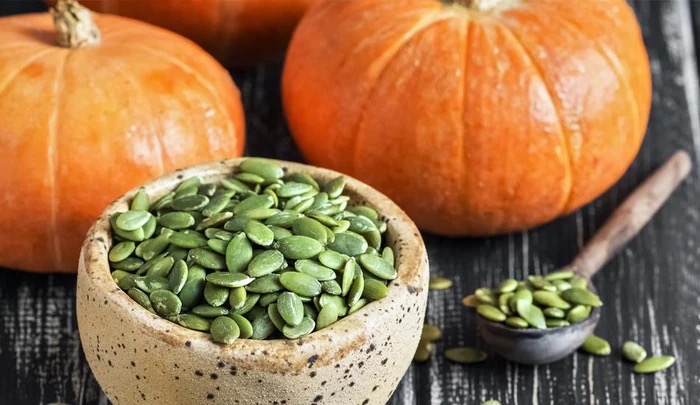
Often used in salads as toppings, these green-gold kernels, often labeled “pepitas,” are a compact source of affordable vegetarian protein, minerals, and healthy fats (about half of their weight is fat). Most people love pumpkin seeds, and I do as well.
1.Superfoods It is nice to see that “old” foods can be called superfoods. Pumpkin seeds are one of them. I do not like the term superfood as such, because it suggests wonders to be achieved by eating A, B, or C. Each with a loyal, at times fanatic fan base (and companies that just want to make money).
What many call superfoods is no more than excellent nutrient-dense food, rich in vitamins, minerals, antioxidants, and phytochemicals. They’re good for your health, can help prevent disease, and support overall wellness. To eat really good food for oneself is already an accomplishment, as most products in your supermarket are not great at all. “Superfoods” are part of my diet, like kale, avocado, wild salmon, and the occasional pumpkin seeds in my salad. Or as snack in the early evening.
“Superfoods” should be part of a holistic diet and healthy lifestyle, not a goal in themselves. They are not exclusive instruments to help you reach your health goals. Do not rely on them too much. So far, no supplements, pills (and definitely no superfoods) exist that cure or prevent everything.
2.Seeds compared. When you compare seeds, there are differences, of course, but most are not that big. Pumpkin seeds are average compared with other seeds when it comes to calories, relatively high in protein (about 25%), and higher than average in fat (but mostly healthy fat) with about 50%, carbohydrates are average and fiber is low. They are a good source of iron, potassium, zinc, and magnesium.
3.The Benefits of Pumpkin Seeds 1. The unsaturated fats in pumpkin seeds, along with magnesium and phytosterols, can contribute to a heart-healthy dietary pattern. Some research suggests that regular, moderate intake of pumpkin seeds may help improve lipid profiles and support blood pressure within certain populations.
2. The combination of protein, fiber, and healthy fats helps increase satiety, which can support better appetite control. For people trying to manage weight, substituting or pairing pumpkin seeds with other snack options can reduce hunger between meals. The fiber content also supports gut health and steady digestion when consumed as part of a balanced diet.
3. Pumpkin seeds contain antioxidants such as vitamin E and carotenoids, plus phytosterols that may support cholesterol balance. Some compounds may help reduce inflammation and oxidative stress.
4. Like many seeds and nuts, pumpkin seeds contain tryptophan, an amino acid that the body can convert to mood-regulating and sleep-related chemicals. Magnesium, another nutrient they supply, is also linked with better sleep quality for some people.
5. Some small studies and traditional use point to benefits for urinary function in men, particularly related to lower urinary tract symptoms (LUTS). The zinc profile in pumpkin seeds is often highlighted in this context. More robust, large-scale trials are needed to make definitive recommendations, but the existing data are encouraging. Men at my age (67) care about their prostate and welcome news like this.
6. In addition, studies indicate that pumpkin seeds contribute to immune support and a better mood and sleep.
4.Problems? Yes, (six minor) ones Pumpkin seeds are calorie-dense. The prepackaged roasted varieties often contain too much sodium (salt). Overconsumption can lead to digestive issues. Some people are allergic. Pumpkin seeds contain compounds like phytic acid that can modestly reduce mineral absorption when eaten in very large amounts, so I would not worry too much. If you have kidney disease, do not eat too much and consult your doctor.
5.Nuts vs. seeds in general Seeds are the plant’s embryos that can grow into a new plant. Nuts are a type of dry fruit with a hard shell around a single seed. True botanical nuts include chestnuts and hazelnuts, etc. Many “nuts” sold in stores (almonds, pistachios, walnuts, cashews) are actually seeds from fruits or drupes, not true botanical nuts.
Nuts (almonds, walnuts, pistachios, cashews, etc.) are frequently more expensive per pound than most seeds.
Both seeds and nuts have excellent nutritional profiles, with differences among them, of course. Seeds are often rich in polyunsaturated fats, certain minerals (magnesium, zinc, iron), and fiber. Nuts are often higher in monounsaturated fats and protein, with their own mix of minerals and phytochemicals.
The shelf life of raw nuts is substantially higher than that of seeds—two times or more. There is no difference when stored in the refrigerator or freezer. Some seeds, like pumpkin seeds, can be more prone to oil rancidity if exposed to heat and light for long periods.
6.How long do pumpkin seeds stay fresh? 4 months in a dark cupboard; keep them in airtight containers away from light, heat, and moisture. If they are roasted, shelf life is about 4 weeks only, before roasted taste disappears. Roasting also diminishes shelf life. For that reason, I freeze a few kilograms of roasted pumpkins and take out a few hundred grams each week. In the fridge: 3–6 months (roasted or not); in the freezer: 9–12 months (roasted or not).
7.Why soak and roast them? Soaking (especially in salted water) reduces the phytic acid in pumpkin seeds. Phytic acid can reduce the absorption by your body of important minerals from other foods. Soaking first will also make roasting easier and can improve digestibility for some people. Roasting will add a lot to the flavor. Some people claim that roasting alone produces a better taste result.
8.Is this a lot of work? No. I do these kinds of things during dinner preparation—Always a few kilograms at a time and storing most of the result in the freezer. A few kilograms should last 1–2 months. The soaking should last 4 hours (in salted water) and the roasting 20 minutes at 175°C (350°F). While roasting, add a bit of oil and salt.
It is getting dark, time for dinner and a nice evening snack. Tonight, as often, pumpkin seeds of course.
Take care, enjoy your food and live a happy and healthy life.
Bacalau, so this must be Portugal (it is indeed, Lisboa airport)
Dear reader,
Let the following two points sink in well.
First point: One third of all deaths worldwide are cardiovascular-related, around 20 million people per year!
Second point: Most of these 20 million cardiovascular deaths (mainly heart attacks and strokes) are caused by clots that originate in your arteries (not in your veins!). There is a huge difference between arterial clots and venous clots, with the arterial clots being the most dangerous. For me this difference is the most important takeaway of this blog.
Conclusion: Paying attention to the health of your arteries is worth the effort!
1.Anticoagulants that I take mainly prevent further clotting in the veins; in my case they are to prevent an embolic stroke because of atrial fibrillation. Anti-coagullants are standard treatmentes for venous clots and a few arterial conditions driven by blood flow and embolic risk.
2.Arterial clots are treated differently from venous clots and often managed with antiplatelets like low dosis aspirin because platelets play a larger role in their formation. Anticoagulants can be used in certain arterial settings but they are not the mainstay for typical arterial thrombosis on their own. I strongly consider taking low dosis aspirin (but will check with my doctor).
3.Cardiovascular describes anything to do with the heart, blood vessels, and the brain. It covers how the heart pumps blood through arteries, veins, and capillaries to deliver oxygen and nutrients and to remove waste. Cardiovascular diseases (CVD) refer to diseases and conditions that affect the heart and blood vessels, such as heart disease, high blood pressure, and stroke. According to some sources, up to 85% of cardiovascular deaths are caused by heart attack (ischemic heart disease).
4.Arteries and veins do different jobs. Arteries carry oxygen-rich blood away from the heart under high pressure, and have thick, muscular walls to push blood through the body. Veins return oxygen-poor blood to the heart at lower pressure, with thinner walls and larger lumens, and many contain valves to prevent backflow as you move. Clots formed in veins in general do not cause heart attacks and strokes.
Some more points: Venous clots are fibrin- and red blood cell–rich, “red” clots while arterial clots are platelet-rich, “white” clot with fibrin. Slow flow of blood (static) favors venous cloths, while high flow favors arterial clots.
Treatment of arterial clots and venous clots is different. Of course, the general warnings about smoking, stress, processed food, etc., are true for both venous clots and arterial clots.
5.There are more causes for cardiovascular problems, but I will not treat them here. Just to mention these non-thrombotic (=not clots) cardiovascular events: hemorrhagic strokes, aneurysm ruptures, vasospasm without thrombosis, and certain heart conditions driven by electrical or structural problems rather than thrombosis.
6.Before continuing with the main topic, arterial clots, here are some words about venous clots. Venous clots (forming in the legs or pelvis) mainly cause deep vein thrombosis and pulmonary embolism (PE), which can be deadly. Sometimes a venous clot passes through a small heart defect into the arterial circulation and lodges in the brain or heart, causing a stroke or, rarely, a heart attack. Also, a very large pulmonary embolism can put heavy strain on the heart and cause chest pain, but that is due to the heart being stressed, not because a clot formed in an artery.
7.Clots formed in the arteries are the main, but not the only, reason that can cause cardiovascular death. One should do all to prevent clots like lifestyle changes. Or “cleaning” your arteries. Experts are divided on whether this latest point is possible, but I will already give some first suggestions in this blog.
8.How are arterial clots formed? Plaque in the arteries (atherosclerosis/calcification) is a major—but by far not the only—contributor to clot formation. When an atherosclerotic plaque ruptures or erodes, a clot often forms and can block blood flow. These plaques can narrow the artery and may rupture, forming a clot that completely blocks the artery (occlusion). If this happens in a coronary artery, it can cause a heart attack; if in a brain artery, a stroke. In the context of this topic one often reads the word “Occlusion” (=the artery is blocked and downstream blood flow is stopped).
9.What about cholesterol? I wrote about cholesterol before. It is not the villain that many of us believed for decades. We need Cholesterol as it is essential for cell membranes and hormone synthesis (=production), but high LDL cholesterol according to most is a major risk factor for arterial disease. Although it is not the main villain, at the same time it cannot be denied that cholesterol is often involved in cardiovascular issues. For my post on cholesterol see this link https://shakethehealthtree.com/index.php/2025/09/05/10-cholesterol-all-you-need-to-know-and-do-health-project99/
10.Plaque. Is plaque the main issue? Yes and no. When it is stable in your arteries it is not, but when the plaque inside your arteries is soft, then it easily becomes a clot. In more scientific terms: “vulnerable (soft lipid-rich) plaques are prone to rupture or erosion, exposing tissue factors that trigger thrombosis”.
In arteries, most clots arise when vulnerable plaques rupture or erode, triggering rapid clot formation that can block blood flow. Clots can occur without plaque, but in arterial disease, plaque is often the underlying trigger.
11.Other factors are stasis (slowed blood flow), hypercoagulability (blood clots more easily) and endothelial injury (blood vessel lining).
12.What triggers clot formation (= thrombosis)? Important risk factors for arterial clots are atherosclerosis, hypertension, diabetes, smoking, high cholesterol, and plaque rupture or vascular injury. For venous clots, the main risk factors are different and include immobilization, surgery, cancer, obesity, pregnancy/postpartum, estrogen therapy, and inherited thrombophilias.
There is a long list of behaviors that can trigger clot formation. Some have stronger evidence than others (smoking more than eating refined starch for example): vaping, smoking, alcohol, pollution, chemicals, stress, refined starch, infection, sugar, endurance activities like marathons. Concerning the last point. Regular exercise is great, but stressful events like marathons need some precautions.
Many dietary factors influence thrombosis risk indirectly by promoting obesity, diabetes, and dyslipidemia rather than triggering an immediate clot in a healthy vessel.
13.Let us deal with a few risk factors. Smoking/vaping It is truly shocking to read the many ways smoking “promotes” clotting in arteries. A topic too long and technical to cover fully in this blog, but (if you wish) you can check reputable sources online. In summary: smoking accelerates atherosclerosis and plaque instability. It doesn’t create clots in every situation by itself, but it tilts the balance toward clotting.
Pollution and chemicals including drugs can also contribute to a heart attack or stroke by stressing the heart and blood vessels, promoting clotting, and damaging the inner lining of arteries, speeding up plaque buildup and making plaques more likely to rupture. Some drugs can also affect clotting and vascular health.
Marathon-level endurance can slightly raise clot risk in some situations, but for most healthy runners the risk is very small, when managed well (think of drinking enough and moving after the event). Hydration and electrolyte balance matter much: dehydration can concentrate blood and potentially raise clotting tendency, especially in very long events like a marathon.
14.What to do (1)? Recurrence risk and management strategies differ: long-term antiplatelet therapy for arterial disease vs long-term anticoagulation to prevent venous clots. Arterial clots are much more tied to atherosclerosis and plaque rupture, while venous clots are more about venous return and hypercoagulability.
(2) In general one should stay physically active, hydrate, avoid prolonged immobility, maintain a healthy weight, manage cholesterol and blood pressure, and follow medical advice for any prior clot history.
(3) Food and supplements Internet is full of suggestions on how to clean arteries or at least prevent further calcification. Stopping further plaque formation is possible and has scientifically been proven. Plaque reversal not (yet). A lot of misinformation and false promises and little scientific proof. Of course, fruits and vegetables, for example, are part of a heart-healthy diet and do not promote plaque formation, so there is little to say here.
Some supplements that are often mentioned are vitamin K2, nitric oxide boosters, natokinase and bromelain. In none of these four example there are robust clinical trials that 100% confirm that arterial plaque reversal is possible. Interesting stuff nonetheless and material for a future blog. Do you consult with your health specialist as these supplements might interact with other medicines.
What to do (4): future AI-inspired developments go very fast, including interventions to clean arteries and veins. This is also an excellent topic for a future blog. So far however promises to “clean” arteries are speculative, but there are many advances on the horizon.
15.Diagnosis options (arterial and venous)
Arterial ECG and cardiac enzymes (e.g., troponin) to assess for acute myocardial infarction.
Imaging to identify arterial occlusion (e.g., CT angiography, catheter angiography).
Doppler ultrasound to evaluate peripheral arteries (e.g., limbs).
Venous Duplex ultrasound for DVT.
D-dimer testing can be helpful but is non-specific; proceed to imaging if results or clinical suspicion warrant it.
CT or MR venography if further visualization is needed.
CT pulmonary angiography for suspected PE.
Myself I learned a lot writing this blog. Take care and live a happy and healthy life.
The world of cholesterol is full of misperceptions, misunderstandings and misleading statements, that are not completely false but do not cover the whole picture. The food and health industry play on our fears and present easy solutions (“low in fat”, “no cholesterol”) for complex issues. And we consumers fall for this, time and again.
Simple people like me are at a loss when it comes to fats, LDL, HDL, cholesterol etc. In particular, when we talk about cholesterol, we are concerned about the negative impact it can have on our heart and our artery system. Hearth failure is still cause of death no 1 in the Western world, often because of plaque inside your arteries, so there is reason to be concerned when your cardiovascular system is involved.
Plaque in your arteries is strongly connected with cholesterol. At the same time all our cells need cholesterol, so the question is how we keep the good part of cholesterol and stay away from the bad part.
The key to understand the whole fat/cholesterol topic is the following: the fat you eat (saturated vs unsaturated) changes how your body handles that cholesterol.
Although LDL and cholesterol are different compounds, often they team up and are then presented as LDL cholesterol (aka “bad cholesterol”). It took me a long time to understand this, namely that we talk about two different things that are presented as one. In this blog I write about the different relationships that cholesterol has and how cholesterol fits in the whole spectrum of fats/lipids/lipoproteins/triglycerides.
Your body does not need food that contains cholesterol (the “dietary cholesterol”) as the body (liver) produces enough cholesterol itself. Cholesterol keeps your body quite busy as it has to manage its production, absorption, transport by lipoproteins (LDL and HDL) and its clearance.
It is essential to point out that the impact of everything concerning cholesterol is not the same for every person: absorption efficiency, total saturated fat intake, fiber intake, body weight, genetics (e.g., LDL receptor function), and overall diet pattern. In other words, the main driver for blood cholesterol isn’t how much cholesterol you eat, but how fat you eat and how your liver handles fats and lipoproteins.
Vitamin D is linked to cholesterol because we need cholesterol in our skins cells to make vitamin D from sunlight. The vitamin D is later transformed again in the liver and kidneys, but cholesterol is needed for the first step.
2. Recommendation As I see it all the different values, like the LDL cholesterol, are important, but are of relative importance only. One reason is that the reaction of each person to cholesterol and other lipids is very individual. Not for nothing sometimes seemingly very healthy people die because of an unexpected hearth failure, that is often related to blocked arteries, something not visible from the outside. Yes, I do an annual blood test, but will also do a MRI scan of the arteries.
3. Plague removal Whether it is possible to remove plague that has already settled in the arteries is a good topic for another blog (short answer: it seems possible to at least partly remove plague from the arteries).
4. What is cholesterol? Cholesterol is a stereol, a type of lipid, meaning a fat-like molecule. As opposed to fat, cholesterol cannot be consumed for energy, sweated or burned. Dietary cholesterol is found in animal products; plant foods contain no cholesterol. The animal products include beef, chicken, fish, poultry, organic meat, and high-fat dairy foods.
From a nutrition perspective, fats are mainly triglycerides and provide about 9 kcal/g; fatty acids and phospholipids are other lipids with different roles. The other difference is that from a caloric perspective, an oil is a fat. For example, let’s consider olive oil. Clearly, it is an oil according to a chemist’s definition, but from a caloric standpoint it is a fat because it provides 9 kcal/g Lipids also consist of triglycerides, fatty acids, phospholipids, waxes, and sterols (like cholesterol).
These compounds are grouped together because of their structural and physical property similarities. Of these, triglycerides are best known. All lipids have hydrophobic (water-fearing) properties. Chemists further separate lipids into fats and oils based on their physical properties at room temperature.
5. What produces cholesterol? Your liver is the body’s main cholesterol factory. It makes a type of particle called VLDL, which ships out triglycerides and cholesterol. As VLDL releases triglycerides in the bloodstream, it becomes IDL and then LDL. So LDL is largely produced and processed inside your body, not simply created by what you eat. Dietary factors can influence LDL production and clearance.
Your diet can influence how much LDL is made or cleared, but LDL itself isn’t a food ingredient. HDL and other lipoproteins play different roles, often helping remove cholesterol from arteries. The liver not only produces cholesterol; it also receives dietary cholesterol (via dairy and meat) via the bloodstream, and some of that cholesterol ends up in a free (unesterified) form in the blood, but most circulating cholesterol is carried inside lipoproteins as cholesterol esters. Free cholesterol isn’t produced as a separate circulating substance on its own; it’s part of the overall cholesterol pool.
6,The functions of cholesterol (1) It helps build cell membranes—the thin, flexible membranes that surround every cell and regulate what goes in and out. (2) It’s also a precursor, which means it’s a starting material the body uses to make other important things, like hormones (for example, those that control growth and reproduction) and bile acids (substances the liver makes to help digest fats). (3) It is also a precursor to vitamin D because we need cholesterol in our skin’s cells to make vitamin D from sunlight.
Vitamin D is later activated again in the liver and kidneys, but cholesterol is needed for the first step. In your blood, cholesterol exists in two main forms: some is free cholesterol, not attached to other molecules like lipoproteins, but most of the cholesterol is carried inside lipoproteins—tiny particle ships that transport cholesterol and other fats around the body.
7.What is the link between certain fats and LDL? There is a strong link between the wrong kinds of fats (saturated/trans fats) and higher LDL (attached to) cholesterol in the blood. However, there are more sources for LDL.
If you do not eat any saturated fat at all, will there still be LDL for the cholesterol to attach to? The short answer is yes. There are several sources of LDL, and the almost exclusive focus on saturated fat is not helpful. It should be stressed that neither saturated nor unsaturated fats directly “make” cholesterol in the sense of a simple one-step conversion.
Cholesterol is made mainly in the liver through a complex pathway, and the type of fat you eat influences that process and how blood cholesterol is handled, not as a direct one-to-one production switch. LDL comes from the liver’s own production and from how all fats and sugars in your diet affect that process. It’s not created only when you eat saturated fat.
Other dietary factors matter too. Trans fats tend to raise LDL and lower HDL. One should therefore replace saturated fats with unsaturated fats (like olive oil, nuts, and fish) that often (but not always) lowers LDL. Often not well understood is that refined carbohydrate or sugar intake can raise triglycerides, another part of the whole lipid spectrum that can change upward the LDL particle size/number. Another issue is dietary cholesterol (the cholesterol in foods, not to be confused with saturated or non-saturated fat) has a smaller, more variable effect on blood LDL for many people. To add to the picture and confusion: genetics also play a big role—some people naturally have higher LDL regardless of diet.
8.What happens if you eat products high in cholesterol? The liver produces enough cholesterol to supply the body’s needs. However, a person can also consume cholesterol in their diet. If someone consumes foods high in cholesterol, their liver responds by slowing down cholesterol production, but not necessarily proportionally. The response varies between people. Some are “hyper-responders” and see larger rises in LDL-cholesterol with higher dietary cholesterol; others show little to no change. This balances out cholesterol levels and keeps them more or less constant, meaning that dietary sources of cholesterol, including eggs, typically have little or no impact on blood cholesterol.
9.How much cholesterol one needs daily? There is not a required daily amount of cholesterol you need to eat. The body makes all the cholesterol it needs, and it adjusts its production of cholesterol according to its needs. Dietary intake, i.e., via foods like eggs, is not needed. The current guidelines say (roughly): • No specific daily limit for dietary cholesterol for the general population. • Focus on overall diet quality: limit saturated fats to less than about 10% of daily calories, avoid trans fats, eat fiber-rich foods, and maintain a healthy weight. • If you have high cholesterol or cardiovascular risk, a clinician may advise more careful management of cholesterol intake, sometimes with a target around 200–300 mg per day, but this is individualized.
10.What is the difference between LDL and HDL? The difference between these two is huge. They are both so called lipoproteins and function as “ships” that carry cholesterol and other fats in the bloodstream.
LDL stands for Low-density Lipoprotein and is like the delivery truck that carries cholesterol from the liver to cells that need it; if there are too many of these trucks or they become damaged, cholesterol can build up in artery walls as LDL deposits the cholesterol in arteries and start atherosclerosis.
HDL is the recycling truck that picks up excess cholesterol from tissues and other lipoproteins and brings it back to the liver to be reused or excreted.
There are other lipoproteins too, such as VLDL and chylomicrons, which mainly transport triglycerides and can be converted into LDL or HDL as they unload. Each lipoprotein has surface proteins that help cells recognize and take up the particle. Clinically, we usually measure LDL-C and HDL-C to estimate how much cholesterol is carried by these main ships and to assess heart disease risk
11.What can move LDL up or down? What to do? (1) Saturated fats and trans fats tend to raise LDL for many people. (2) Unsaturated fats (like those from olive oil, nuts, and fish) tend to lower LDL or improve the overall cholesterol pattern. (3) Refined carbs and sugar can raise triglycerides and influence LDL particle size/number. (4) Dietary cholesterol (the cholesterol in foods) has a smaller, more variable effect on LDL for most people. (5) Genetics also plays a big part—some people naturally have higher LDL regardless of diet. (6) Certain foods have been proven to lower LDL, like fatty fish, green tea, oats, nuts and beans. Others to raise it: red meat, processed meat, full-fat diary, baked goods, fried foods, butter, tropical oils. (7) Overweight causes your body to produce extra cholesterol. (8) Exercise and fiber-rich food will move LDL down.
12.What is a cholesterol profile? A cholesterol profile consists of 4 main items.
(1)LDL cholesterol (the “bad” one); (2) HDL cholesterol (the “good” one as it helps remove cholesterol from arteries; (3) Non-HDL cholesterol and ApoB (what this is see below): these reflect all the atherogenic (artery-clogging) particles, not just LDL; (4) Triglycerides.
13. No, avocados do not contain cholesterol. Cholesterol is not a fat, but lipid, specifically a sterol; it is not a fat. Itis found only in animal products. Since avocados are plant-based, they are naturally cholesterol-free.
14. What about eggs? Discussions often focus on your cholesterol intake, which in itself is misleading, as most if not all of your cholesterol is produced by your liver.
Remember the egg debate. One egg (the yellow part) contains about 185 mg of cholesterol. Although there is no precise figure for how much cholesterol your body needs, 185 mg is substantial. For this reason eggs are traditionally considered potentially damaging for your cardiovascular health.
Recent studies however are drawing other, less damaging conclusions on egg consumption and I can see why. It is your liver itself that produces all the cholesterol you need, a production that will go down when your dietary intake goes up. It is a bit more nuanced than this and for some people dietary cholesterol can have a noticeable effect. More studies are needed, but there are indications that for many of us, eggs are less of a cholesterol villain than normally described.
15.Triglycerides (another lipid, just as cholesterol is a lipid) Earlier I wrote a blog on triglycerides as I was fascinated (and became very concerned) about the clear link between eating too much easy sugars and refined carbs like white bread and its impact on the quantity of fat in your bloodstream!
Tryglycerides are the main storage form of fat in your blood: a molecule made of a glycerol backbone with three fatty acids attached. Your body uses them for energy, and when you eat more calories than you need (especially from sugars and refined carbs), the liver often packages the excess into triglycerides and releases them into the bloodstream in VLDL particles. This is why high intake of sugars and refined carbohydrates can raise blood triglyceride levels.
Not all carbs have the same effect—whole, fiber-rich carbs tend to have a gentler impact than sugary drinks or sweets. Other factors—weight, insulin sensitivity, alcohol, genetics, and overall diet—also influence triglycerides.
16.What is ApoB, an important but neglected indicator of heart health Interestingly enough in the discussions on cholesterol there is little or no interest for ApoB. Strange as apolipoprotein B, is the main protein component of the lipoprotein particles that carry fats and cholesterol in your blood.
Because most atherogenic (artery-clogging) particles carry one ApoB molecule, the blood level of ApoB roughly reflects the number of these potentially harmful particles, not just how much cholesterol they carry. Clinically, ApoB is used to assess heart disease risk, and you can think of ApoB as a count of the delivery trucks circulating in your bloodstream. Next time when I visit a lab I will definitely ask for my ApoB to be checked!
Dear reader, this was a long one, but too difficult to write about this complex topic in just a few lines.
Take care, keep in mind what I wrote about cholesterol and hopefully it will benefit you.
Health Project99+ is my personal quest for a healthier and longer life. I rely on as many reliable sources as possible. I keep an open mind and I have already made several changes in how I live. Changes include what I eat and what supplements I take, among other things. This is blog 50 of a few hundred I plan to write in total.
Now About Calcium. Calcium is an essential mineral. However, please throw calcium supplements out of the window—yesterday. They provide little benefit and may, on the contrary, cause considerable harm.
As we age, we run the risk of decreasing bone density and increasing the number of fractures. Fortunately, as is often the case, one can slow and/or almost stop this process. However, contrary to popular belief, this cannot be achieved through supplements! To cut the long story below short: the right food, vitamins D and K2 and above all strength and weight training till your last day.
1.Calcium is an impressive player in your body: 8 functions
Here are the key reasons why calcium is vital. Most of us associate calcium with bones and teeth, but its role extends far beyond this. First and foremost, there is a significant amount of calcium in the body—around 1 kg. It’s important to note that only 1% of this calcium should be in your blood. The rest should be in your bones and teeth.
Calcium is indeed a primary component of bones and teeth. It provides structure and strength, helping to maintain bone density and prevent osteoporosis and fractures.
Calcium is vital for muscle contraction. When a nerve stimulates a muscle, calcium is released, enabling the muscle fibers to contract.
Calcium ions facilitate the release of neurotransmitters, which are necessary for communication between nerve cells.
Calcium is necessary for the activation of certain proteins and enzymes. These enzymes help form blood clots, which are essential for healing injuries.
Calcium is important for the secretion of hormones and enzymes that are involved in almost every function in the body. This includes insulin secretion from the pancreas, which regulates blood sugar levels.
Calcium ions are essential for many cellular processes, including cell division, growth, and communication. They help maintain cell membrane integrity and facilitate various biochemical reactions.
Adequate calcium intake may help reduce the risk of certain chronic diseases. These include hypertension (high blood pressure) and some types of cancer.
Calcium works alongside other electrolytes. These include sodium, potassium, and magnesium. They maintain proper fluid balance and cellular function in the body.
2.Development of gradual loss of calcium if you do not undertake action
Some studies suggest that individuals can lose between 0.5% to 1% of bone mass per year. This happens after reaching their peak bone density in early adulthood, around the late 20s to early 30s. In men, bone density tends to decline more gradually after age 60. The rate of loss can be influenced by testosterone levels and overall health.
Women should pay particular attention. Their bone density can decrease by approximately 1-2% per year after menopause. There is a significantly higher loss in the first few years following menopause.
Long-term studies estimate that by age 70, individuals might have lost 20-30% of their peak bone mass. This occurs if they do not engage in sufficient calcium intake and weight-bearing exercise.
The Recommended Dietary Allowance (RDA) for calcium varies with age. Adults aged 19-50 typically require about 1,000 mg of calcium per day. After age 50, the recommendation increases to about 1,200 mg per day for women, while it remains at 1,000 mg for men until age 70. This should come from dietary sources, not supplements. Age can also affect the absorption of dietary calcium. Net absorption of dietary calcium can be as high as 60% in infants and young children, who need substantial amounts to build bone. It decreases to about 25% in your ‘50s. At those ages maintenance is crucial.
Good to know that the RDA takes into account the net absorption rate of dietary calcium per age.
3.How to counter calcium loss?
The answers lie in food, vitamin D and K2, and strength training! In this blog I will not write too much about strength and weight training as this speaks for itself. Just remember that bones are living material, like a solid tree, that needs maintenance. Every day. Engaging in weight-bearing exercises is beneficial. Activities like walking, running, or strength training can help strengthen bones and slow the loss of bone density. Activities promoting balance and coordination, such as tai chi or yoga, can also reduce the risk of falls and fractures.
Good sources of calcium include dairy products, leafy green vegetables, nuts, seeds, and fortified foods.
Vitamin D plays a crucial role in calcium absorption and also K2 plays a supporting role. Ensuring sufficient vitamin D levels through sunlight exposure, diet, or supplements can help maintain bone health. Taking calcium supplements without adequate magnesium, phosphorus, and vitamin D intake can lead to mineral imbalances in the body, which can negatively affect bone health and overall metabolic function. Even if you do not take calcium supplements, make sure your intake of vitamin D and K2 is sufficient.
Lack of physical activity, smoking, and excessive alcohol consumption can significantly increase the rate of calcium loss. These factors worsen bone health.
Don’t A lack of physical activity can significantly increase the rate of calcium loss. Smoking also contributes to this issue. Additionally, alcohol consumption worsens bone health.
Important: If you have conditions that affect bone density, such as osteoporosis, you should seek proper medical treatment. Certain hormonal imbalances also need to be addressed. In other words, see your doctor.
Screenings are possible (Bone density tests = DEXA scans) but I have read mixed reviews on the usefulness of these screenings.
Caveat: Bioavailability While certain foods might contain high calcium levels, the bioavailability (how well your body absorbs that calcium) can vary a lot. For example, calcium from dairy products is generally more bioavailable than that from certain plant sources, due in part to the presence of other compounds that may inhibit absorption (like oxalates and phytates).
Calcium from dairy products like milk, cheese, and yogurt is highly bioavailable, often ranging from 30% to 60% absorption rate. Dairy foods are typically low in compounds that inhibit calcium absorption.
Calcium from plant sources, including leafy greens (like kale and broccoli), nuts (like almonds), seeds (like chia), and legumes (like beans), tends to have lower bioavailability, often just in the range of 5% to 30%. This is because phytates (found in grains, beans, nuts) and oxalates (found in certain greens like spinach and Swiss chard) can bind to calcium and inhibit its absorption. However, some plant sources like broccoli and kale have relatively better absorption rates due to lower oxalate content.
So if you follow a Vegans/Plant-Based Diet you should focus on calcium-rich options while being mindful of bioavailability. Incorporating fortified foods (like fortified non-dairy milk and orange juice) and consuming a variety of sources can help reach your needed calcium intake.
In short, for vegans it will not be easy. Do the math: if you are a 50-year-old woman, you need 1,200 mg of calcium per day. This means you have to eat a lot of tofu, kale, and other produce to reach that 1,200 mg. Tofu might contain up to 400 mg of calcium per 100 grams, but even in the best cases, when it is fortified with calcium sulfate, only 40% is bioavailable. This equates to 160 mg of effective calcium per 100 grams of tofu, which in theory would translate into 700 grams of tofu needed.
4.Milk Discussion
As a Dutch guy, I will save the milk discussion for a later blog. Apparently, there are quite a few respected health experts who are firmly against milk. Recent studies suggest that there are more potential harmful effects on the body than previously assumed. However, milk provides many excellent nutrients, including, of course, calcium. One point of concern (and my reason for drinking little to no milk) is its fat content: it contains 4.5 grams of saturated fat per 100 grams and 24 milligrams of cholesterol.
5.Risks of Calcium Supplementation
In the past decade, many studies began to question the added value of taking calcium supplements. Some have even pointed out certain dangers. A consensus is building (but we’re not there yet) regarding the following.
Multiple studies have found that there’s little to no benefit in taking calcium supplements for the prevention of hip fractures.
Conversely, recent studies have linked calcium supplements with an increased risk of colon polyps. These are small growths in the large intestine that can become cancerous.
There is also an increased risk of kidney stones. These are hard masses usually formed in the kidneys from an accumulation of calcium and other substances.
Additionally, a 2016 study suggested that calcium supplements might increase the risk of calcium buildup in the heart’s arteries. The body can’t process more than 500 milligrams of calcium at one time. If you take a supplement that exceeds this amount, your body has to manage the excess. Higher calcium levels in the blood could trigger blood clots. Calcium might also deposit along artery walls. This contributes to the narrowing of blood vessels. The debate is still ongoing, but I consider this information quite concerning.
6.Important to Know
Calcium supplements may interact with certain medications, such as antibiotics (like tetracycline), bisphosphonates (used for osteoporosis), and medications for high blood pressure.
Dear reader, do like me and get rid of your calcium supplements.
In my quest to better understand health issues, I stumbled upon Nitric Oxide (NO). Honestly, I had never heard of it, but apparently, it is critical for many functions.
What is NO? What does it do? How can one compensate for NO loss as one ages? What happens if you have a shortage?
Let us start with the first question: What is NO?
Nitric Oxide (NO) is a colorless gas. It is produced naturally in the body. This gas plays several vital roles in various physiological processes. It is a signaling molecule that helps regulate blood flow, immune responses, and neurotransmission. A lack of NO leads to many health issues, including cardiovascular diseases, diabetes, and neurodegenerative disorders.
Many call it the “longevity molecule” as it protects your DNA, promotes mitochondrial production, and stimulates stem cells.
The bacteria in your mouth play a central role; they convert nitrates from food into NO. For this reason alone, proper mouth hygiene is important.
How do you know there might be a problem with your NO levels?
Since it is difficult to accurately measure NO levels, one has to look at symptoms. Unfortunately low NO levels are common. By the age of 30, you might already experience a 40% decrease in NO production. This is followed by further gradual loss annually if you do not take corrective measures. Aging, combined with certain health conditions (like diabetes), impacts the ability to produce nitric oxide.
You might have an NO problem if you experience certain symptoms. These include high blood pressure, poor blood circulation, and poor overall exercise performance. Other signs are shortness of breath, erectile issues for men, increased susceptibility to infections, and slower healing processes. Poor cognitive performance or memory issues, headaches, and dizziness may also be indicative.
These symptoms can reflect other diseases, so it is advisable to consult your doctor. They can evaluate your symptoms and conduct necessary tests.
What are all these critical roles of NO?
Relaxing and dilating blood vessels. Helping to regulate blood flow and blood pressure by allowing smoother movement through the arteries and veins.
Lowering systemic vascular resistance. This helps to reduce blood pressure.
Antimicrobial properties and programmed cell death of infected or cancerous cells.
NO can influence inflammatory responses, but when in excess, it can also contribute to tissue damage during chronic inflammation.
It plays a role in mitochondrial respiration. It can influence energy production at the cellular level. This affects the efficiency of ATP (adenosine triphosphate) production. ATP production is vital for cellular energy.
Assisting in maintaining the inner lining of blood vessels involves promoting cell growth. It also includes reducing the adhesion of white blood cells to the endothelium, which prevents plaque buildup.
Modulating insulin sensitivity, which can impact conditions like diabetes.
NO is involved in various aspects of reproductive physiology. It includes erectile function in men. It also involves the regulation of blood flow in the female reproductive system.
The impact of mouth hygiene on NO
When you consume nitrates, they encounter bacteria in your mouth. These bacteria convert nitrates into nitrites. Nitrites can be swallowed. They are then further converted into nitric oxide in the stomach and bloodstream. The most important of these bacteria are located on the surface of your tongue. For this reason, it is advisable to regularly rub your tongue with a toothbrush. This stimulates the mucous membranes in the mouth. It is part of achieving good oral hygiene. This practice can indirectly support nitric oxide production.
Fluoride toothpaste and mouthwash do kill off some bacteria in your mouth. These bacteria are responsible for converting dietary nitrates into nitric oxide (NO). If you are concerned about this balance, you might consider several measures. Rinse with water after brushing. Consume nitrate-rich foods. Stop using fluoride toothpaste. Be critical about the type of mouthwash you use. Dental hygiene is important, of course, but so is supporting a healthy oral microbiome.
Testing is possible but not easy
Measuring nitric oxide (NO) levels in the body can be challenging. Nitric oxide is a gas with a very short half-life in biological systems. However, there are a few methods to assess nitric oxide production. Indirect indicators such as FeNO testing and blood tests can be used. It is not a standard test, so it is best to consult your doctor.
How to get enough NO?
Your NO levels will decline quickly without measures. This decline starts in your 20s. Therefore, it is important to know how to maintain adequate NO levels. From what I have read, it is possible to correct NO deficiency and combat the age related NO loss.
The usual health recommendations remain very important, also for NO. Exercise regularly and maintain a healthy weight. Avoid smoking and limit alcohol consumption. Make sure you get enough sleep and stay hydrated. Manage your stress levels as well. While none of these are spectacular recommendations, they are essential nonetheless.
Certain dietary sources are rich in nitrates. These can help increase nitric oxide levels. These include leafy greens like spinach and kale. Beets, celery, and radishes are also high in nitrates. Antioxidants can protect nitric oxide from degradation. Foods rich in vitamin C (fruits like oranges, strawberries, and kiwi) and vitamin E (nuts and seeds) are beneficial.
Experts generally recommend consuming around 300 to 600 milligrams of nitrates daily. This intake can be beneficial for enhancing nitric oxide production. Beetroot is particularly effective, with one medium-sized beet containing about 250-300 mg of nitrates.
Incorporate protein sources rich in the amino acid L-arginine, such as meats, nuts, and seeds. Include L-citrulline, which is found in watermelon. These nutrients can support nitric oxide production.
When taking supplements
Few foods are rich in nitrates. Therefore, consider using supplements containing L-arginine. This amino acid is a direct precursor to nitric oxide. Alternatively, L-citrulline can also be used, which is another amino acid that can increase nitric oxide levels. You might also consider beetroot powder or NO boosters. However, excessive intake can have negative consequences, including elevated blood pressure, interactions with medications, and excessive widening of blood vessels. Intakes excessively high (more than 6 grams) are generally not recommended.
For nitrate intake from food, consuming between 300 to 600 mg is recommended. For well-known supplements like L-arginine, the advised dose is up to 6 grams per day. I could not find a reason for the difference. I am considering taking this supplement at the lower end (3 grams) but will be aware of any symptoms.
Nobel Prize
The Nobel Prize in Physiology or Medicine in 1998 was given to Furchgott, Ignarro, and Ferid Murad. They were recognized for their discoveries about nitric oxide as a signaling molecule in the cardiovascular system. So, I feel I am in good company by being interested in NO!
In the first part of this blog I make some general remarks about the importance of motivation, knowledge and willpower. In the second part of this blog, I will provide some tips on how to stay motivated. Remaining motivated is not easy, but essential to achieve results; without motivation and willpower it is impossible to remain committed in the long term. A longer and healthier life is indeed a long-term goal, so it’s easy for your motivation to wane at times.
Staying motivated happens to be a challenge for most of us. This is especially true when it involves a lifelong commitment. Benefits may only be enjoyed decades down the line, although it motivates of course feeling good and looking better during the ride.
Fortunately, there are several strategies you can use to keep your enthusiasm and drive toward your goals. For me, more knowledge about health issues, along with regular testing, has helped a lot.
At the end of the day, having one additional sweet or skipping one workout won’t make a difference. This is true, of course. However, you could find yourself on a slippery slope before you know it. You might return to unhealthy habits. On the other hand, don’t be too harsh on yourself. If you are generally moving in the right direction, you’re doing fine. Small violations will not harm you and psychologically might even be necessary. This is something I remind myself of during moments of weakness.
You should ask yourself some questions in order to get to be able to formulate your motivation: What do you want from life? What achievements are important to you? Is life finished for you after you reach 80 or 90 years? To that last question, many, perhaps even most, would say it does. A common argument is that no one wants to end their life in the misery of poor health. But imagine a different scenario. What about living in good health and enjoying life until 100? 120? Why not?
So let us assume that you, just like me, have a sincere wish to live longer and healthier. How? Be willing to adopt a different lifestyle. By spending money and time differently. Stay open to new ways to improve yourself. I did it, so why not you?
Since my youth, I have struggled with the concepts of life and death. Not being religious or believing in reincarnation, I view the present period on earth as what you’ve got. The idea that one day it will all be over is something I find truly difficult to deal with. Does this mean I want to live forever? No. Simone de Beauvoir wrote a book that changed my perspective. It helped me realize that eternal life might not be desirable. The book is called “Tous les hommes sont mortels.” The story of a man who continued living, cycle after cycle, was compelling. Watching his loved ones disappear made it clear to me that eternal life is not a good idea.
In the Middle Ages, the average lifespan was 30-40 years, as it was during the Industrial Age. After World War II, life expectancy in the Western world rose to around 70 years. Now, it’s about 80. In Japan, it’s approximately 84. The oldest man ever lived to 116 years, and the oldest woman lived to 122. While the average lifespan today is near 80, the number of years lived in good health is lower: UK 65, US 69, France 74.
Since the Industrial Age, we have doubled the average lifespan, from 40 to 80 years. Currently, we are pushing those boundaries again. Technological developments, thanks to AI and quantum technology, are advancing exponentially. Some actual projects aim for lifespans of 160 years and beyond—again, why not? Life is great.
The world has much to offer. I understand those who want to enjoy it as long as possible, including myself. There is a significant age gap with my wife. I promised her to stick around for as long as I can. For all these reasons, I started Health Project 99+. I hope (and to a certain extent, I am convinced) that present developments will prolong lives to 99 and more.
You might see life as almost eternal when you are 20. But believe me, one day you will reach an age you never associate with yourself. Life definitely does not seem eternal anymore. At that age, you will be focused on health issues. This happens whether you like it or not. 😊
I discuss health with many people. You can basically divide them into two groups. There are those who genuinely do not care. Then, there are those who do care but aren’t sure where to start and can not, as we say in The Netherlands, “see the forest through the trees”.
Smoking is bad. Eating French fries every day is a poor choice. Few truly know what to do beyond this basic knowledge. I was part of the second group, and slowly but surely, I learned what is good for my health. Knowledge I am happy to share with everyone who is willing to listen.
My own experience.
I always thought I lived reasonably healthily. Compared to many, I probably did. I do not smoke. I drank moderately and exercised. However, my diet was not always great. I consumed too much ultra-processed food and excessive sugar and sweets. My BMI was around 25. I didn’t get enough sleep and often dealt with stress.
Then, about five years ago, I received a warning due to heart problems. It was then that I decided to change my life. I quickly realized that I knew nothing, literally nothing about health. I have the highest admiration for medical doctors; they have saved me a few times in my life. However, many have a traditional, mostly remedy-oriented focus. There are many things you have to discover for yourself. I am grateful to all the health experts out there. They range from Medical News Today to the BBC, and those on YouTube who do an incredible amount of work. Throughout this process, I stayed away from people who promote A, B, or Z as the solution to everything. I managed to avoid them. At least, that is what I think.
Part Two: Tips and Tricks
Realize that this health process is a step-by-step approach. Be ambitious over the long term, but apply a gradual approach in the short term. It took me years to reach my current health level. I would say that I do for about 90% right.
Also, recognize that you probably know little about health. Follow some trusted individuals and be willing to adjust your lifestyle properly. Again, take a step-by-step approach. By writing my blogs, I have changed much of my behavior, but slowly. Trying to change everything at once does not work! I hope you will be inspired to change by reading my blogs.
Define specific, measurable, achievable, relevant, and time-bound (SMART) goals. Break larger goals into smaller, manageable steps to avoid feeling overwhelmed.
Focus on the most important biomarkers, get an annual test, and know what’s important. For me, it is extremely motivating when my test results are good. I set goals, try to improve, etc. Measuring progress is crucial. My Apple Watch recently told me my cardio recovery was down. This motivated me to do more high-intensity training. I was thrilled to see my recovery improve. It’s currently at 34. This is the highest it has been for years.
Establish a daily or weekly routine that supports your goals. Consistency helps build habits that contribute to motivation. I walk 4 km every morning, primarily to do some shopping—an excuse, but useful nonetheless.
Incorporate as much as possible into your daily routine. This is not easy, especially with a busy job and children running around.
It is important that your environment (first and foremost, your own household) supports you. Avoid negativity that can drain your motivation.
Read books, listen to podcasts, or watch videos that inspire you (and read blogs like this one). Learning about others’ successes can reignite your own motivation. I love watching videos of guys in their 80’s. They look like they’re in their 50’s. They can do 100 push-ups!
Determine the number of additional physical exercises you want to do weekly (in addition to your daily walking and cycling). Establish a minimum number as well as a maximum; for me, this approach works wonders.
If possible (and in the Netherlands, it often is), do not buy a car. Rent a car when you need one. For everything else, walk, cycle, or use public transport. I realize this is not feasible everywhere. For my wife and me it works very well.
Regularly assess how far you’ve come. Reflecting on your journey can remind you of your capabilities and the effort you’ve already put in.
If you find that certain goals are no longer motivating or achievable, don’t hesitate to adjust them. Flexibility can keep you engaged as long as it fits within your ultimate long-term goal. For example, I have come to accept that my maximum VO2Max will be around 40. I once hoped for 50. However, I simply cannot achieve that. It is not necessary either. It was just a personal ambition.
Acknowledge that setbacks are part of the journey. View challenges as opportunities for growth rather than obstacles.
Engage in lifelong learning. In health, there are always new things to learn. Finding new interests or skills can rejuvenate your motivation and open new avenues for success.
Remember, motivation can fluctuate, and that’s normal. The key is to develop strategies that work for you. Keep using these strategies to keep your momentum.
Stock your home with basic and healthy ingredients. Stop buying ultra-processed food. Buy fresh products, boil them and freeze them. Most of us snack; I do for sure. Look for healthy alternatives like nuts, sweet tomatoes, rice crackers and fruit.
Pay attention to labels. In 99 out of 100 cases, checking labels prevents me from making impulse (snack) purchases.
Thanks for reading, stay motivated and enjoy life,
TMG is one of those newer supplements with promising results in studies. However, a lot of “further research” is needed. A few studies indicate that TMG contributes to strengthening of muscles and a higher testosterone level. We men love this.
It also might delay cognitive decline and fight depression.
I started taking TMG not so long ago. As I take several supplements at the same time, I will not be able to report whether TMG makes a difference. Still, reliable sources promote it as having little risk and possible benefits. That is an adequate reason for me.
1.What is TMG/BETAINE?
TMG, or Trimethylglycine, is a compound that is derived from the amino acid glycine. Just to remind you, an amino acid is a type of organic molecule. It serves as a building block for proteins.
Another word for TMG is Betaine. This name derives from its original source, which is the sugar beet (Beta vulgaris). The term “betaine” was first coined from the word “Beta” (the genus name of the beet plant). It was combined with the suffix “-ine,” which is often used in chemistry to denote a class of compounds. The discovery of betaine dates back to 1869, when it was identified in beet juice.
2. Some technical jargon
TMG is a methyl donor, meaning it can donate methyl groups to other molecules in the body. This function is significant in several biochemical pathways. It is particularly important in the synthesis (=production) of the amino acid methionine from homocysteine. This conversion is good for your heart health.
A methyl group has a tetrahedral shape due to the sp³ hybridization of the carbon atom. This hybridization forms four single covalent bonds. There is one bond with the carbon atom and three bonds with hydrogen atoms. In biological systems, methyl groups are important in processes like DNA methylation. They play a role in gene regulation. Methyl groups also affect gene expression (=gene activation). Methyl groups can also be involved in the synthesis of various biomolecules.
3. What does it do?
TMG is available as a dietary supplement. It is often marketed for its potential benefits related to heart health, liver function, and exercise performance. It may also help with cognitive decline and testosterone levels.
-Better hearth health TMG may contribute to better heart health. It may also potentially reduce the risk of heart disease. TMG helps convert homocysteine to methionine, an amino acid, which can lower homocysteine levels in the blood. High homocysteine is a risk factor for heart disease.
-Insulin Sensitivity TMG may improve insulin sensitivity, which can be beneficial for people with insulin resistance or type 2 diabetes.
-Athletic Performance. It is no wonder pill. Studies showed that on its own it does not do a lot. However, merged with intense exercise, it made a difference. It enhanced athletic performance by supporting creatine production, which is essential for muscle strength and energy. It may also help with muscle protein synthesis (=protein production). Some studies suggest it can improve VO2 max and sprinting performance.
-Reducing depressions and delaying cognitive decline
4. Natural sources of TMG?
There are not many natural sources of TMG. The best known are beets, which have 100 to 200 mg of TMG per 100 grams of raw beets. Spinach contains 10 to 30 mg of TMG per 100 grams. Quinoa has 10 to 15 mg per 100 grams. Whole grains offer 5 to 15 grams of TMG per 100 grams.
5. Suggested supplement intake
No specific Recommended Daily Allowance (RDA) is established. Health organizations like the Institute of Medicine or the World Health Organization have not provided one. Studies often go for around 2-3 grams per day. It is difficult to obtain a large amount of TMG from food sources. Thus, supplements are necessary to reach the few grams daily. This amount is generally used for studies to establish the impact of TMG.
I myself take 1 gram daily and I am considering raising this to 2 grams daily. You can take TMG both with food or without. The half-time of TMG is relatively short, between 3 to 7 hours. To have maximum effect it is best to spread your TMG intake during the day. Interestingly enough there are no hard data absorption percentage, but absorption is believed to be quite good.
6. Safe intake
It seems that up to 4 grams of TMG daily is safe, above it starts impacting overall cholesterol slightly. With high intake (above 4 grams daily) you also might have mild side effects that include diarrhea, stomach upset and nausea. On a sidenote. Some studies go all the way up to 15 grams daily and do not report problems
One last remark. As NAD+ supplements can reduce methyl groups in your body some advice to always combine NAD+ with TMG. Which I do.
I am pleased that this blog is shorter than normal. I am getting the hang of it!
Enjoy life, take care of yourself. And if you have not done a walk yet today, this is the moment.