1. DIETS: A BETTER WAY (health project99+)

On Gozo, one of the 21 islands of the Maltese archipelago

Dear reader, 

    My dad was overweight for many years. As a result, every year he started a diet and counted calories. He then lost about 20 kilograms in a few months. In the process, he also became a bit short-tempered. Then, he maintained a stable weight for several weeks. But he slowly regained weight, kilogram by kilogram, and became overweight again. I am sure many of us have similar stories in our families. Others have been on this yo-yo track themselves.

    There are many reasons why diets do not work for many people, even when they seem initially successful. An important physiological factor is that after weight loss the body reduces energy expenditure (a lower resting metabolic rate). This makes further weight loss harder. Weight regain is more likely, often with a higher body fat percentage or a slower metabolism. In short, you end worse than you started.

    My non-diet diet

    This blog focuses on better-quality calories in. It also emphasizes more calories out by moving more. Additionally, it suggests reducing the number of hours during which you eat. By better-quality calories, I mean fiber-rich foods and complex carbohydrates. Moving more? This is probably the easiest part to do.

    Set a realistic end goal for yourself (preferably a BMI of 20–23) and aim for a weight loss of about 1 kilogram per month.

    It is helpful to know that the same amount of good-quality calories leads to less weight gain than bad-quality calories. And do not be too strict with yourself. If you love apple pie, you can continue eating it, at least I did. Take smaller portions and limit it to once per week.

    Weigh yourself weekly at the same time of day, and don’t despair if there is a plateau now and then. It will be all right eventually.

    Although turning to better-quality calories is important, eating less also helps. I know this is not always easy, which is why limiting the eating window is helpful. Start with a 12-hour daily fasting window.

    Prepare your food yourself, using basic elements.

    Willpower is another important factor (I will write about this in another blog), as we all have our weak moments. If chocolate is in front of me, I may struggle. Note to self: do not buy chocolate for home.

    Furthermore, realize that we live in an environment where unhealthy choices are the default options. This implies that a life change requires some effort and will not always be easy, but it is worth it!

    One more thing: do not forget your protein intake. Inadequate protein or insufficient resistance training can lead to a loss of muscle. This lowers resting metabolic rate. It also impairs long-term fat loss.

    How did I do on this non-diet diet?

    I am 196 cm tall and have weighed an average of 95 kilograms for decades. That translates to a BMI of 24.7, just below the threshold for being overweight. Three times in my life I weighed 105 kilograms, which really scared me. That scare helped a lot, and I managed to lose these excess kilos by eating less and exercising more. In particular, cutting back on sweets helped a lot; I remember. So overall, it wasn’t bad, but not great either.

    When I changed my lifestyle about five years ago, I began losing weight. I eventually reached a low of 84 kg. However, I averaged around 88 kg. I didn’t follow a diet or count calories. I ate what I wanted but in a different way. This included limiting the hours during which I ate. I do keep an eye on the scales, because a bit of self-discipline helps. I have weak moments when I satisfy my sweet tooth. This is bad for several reasons. It raises my calorie intake and tends to lead to poorer-quality nutrition.

    Worldwide trends in obesity are very worrisome.

    What strikes you most when you see movies and TV shows from the 1950s, 1960s, and 1970s? Besides the fact that everyone smoked everywhere all the time, very few people were overweight! Recently, my wife and I watched “From Russia with Love.” It was set in our beloved Istanbul. We lived there for four years. It was great to see the Istanbul of the 1960s, and yes, almost everyone was slim, as was common in films from that era.

    This has changed, not only in Turkey but globally. According to the World Health Organization, obesity has become one of the greatest threats to global health. Overweight and obesity are related terms; overweight refers to a higher-than-normal body weight, while obesity is a more severe category. Obesity is now considered a disease—a serious chronic condition with long-term implications and considerable health damage.

    Just to remind you of the dangers. Obesity places excessive strain on organs, tissues, and systems, leading to reduced life expectancy and quality of life. Major risks include Type 2 diabetes. They also include cardiovascular diseases such as heart disease, stroke, and high blood pressure. Certain cancers are risks too. Joint issues like osteoarthritis and sleep apnea are included as well.

    Body Mass Index (BMI)

    BMI is only one indicator of one’s health. The composition of your body (muscles or fat) is also important as are many other factors. Still, I like to use it. BMI is easy to calculate. Divide your weight in kilograms by your height in meters squared. If this does not work Just ask google :-).

    For an adult with a height of 185 cm (approx. 6’1″), a weight of 103 kg (227 lbs) or more is considered in the obese range (BMI of 30 or higher). A BMI of 25–29.9 is classified as overweight.

    The “best” BMI for health is generally considered the range of 18.5 to 24.9. Some research suggests an even lower range (around 20-23). 

    How is the world doing BMI-wise?

    The trend is upward, and quite strong, including among children.

    American Samoa has the highest obesity prevalence in the world. Recent data indicates that roughly 70–75% of its adult population is obese. One important factor is its heavy reliance on imported, ultra-processed foods.

    Around 40% of adult Americans were obese, and 18% were severely obese as of 2019. Severe obesity is defined as a BMI of 35 or higher.

    Twenty-six to twenty-nine percent of adults in England are classified as obese, with about 64% being overweight or obese. France: about 17% of adults are obese.

    In China, obesity was virtually non-existent until the 1990s. This has changed dramatically. Today, more than 50% of Chinese adults are overweight or obese. About 15% are classified as obese.

    Why is obesity on the rise?

    Ultimately, weight and health are your own responsibility; however, maintaining a healthy weight is not easy. We are bad food bombarded from all sides, there is a lot of misinformation, and healthy options are not always available or can be more expensive.

    Look at all the changes in our diet and food environment. Most of the food in supermarkets is ultra-processed, calorie-dense, nutrient-poor, and high in fats, sugars, and salt.

    Engineered foods are often designed to be addictive and to encourage overeating. In many regions of the world, unhealthy, calorie-dense foods are cheaper and more accessible than fresh, nutritious options.

    Larger portion sizes in fast-food restaurants are standard; the trend toward pre-packaged meals encourages higher caloric intake. And let us not forget the aggressive advertising, particularly targeting children, that promotes high-calorie food consumption.

    All statistics show that we move less, sit more, and spend increased screen time. In the Netherlands—the bike capital of the world—the e-bike has become very popular. In my opinion E-biking cannot be considered serious physical activity; the battery does the work.

    We see a link between poverty and obesity. We also observe a link between wealth and obesity. Fewer and fewer people prepare meals themselves. Instead, they prefer ready-to-eat convenience foods.

    Other factors that influence your efforts to control your weight

    Increased stress levels lead to emotional eating (we’ve all been there).

    Sleep is important. Poor sleep quality and duration disrupt hormones that regulate hunger—ghrelin and leptin. This disruption leads to increased cravings and appetite.

    Your gut microbiome can influence how you respond to a given diet.

    In some people, genetics play a negative role. Certain medications as well.

    Some recommended diets

    First, reread my recommendations at the start of this blog. They are a way of living that has helped me a lot. It has resulted in better health and lower weight. Not something for the short term, but for good. Step by step, slowly turning the tables.

    Second, below are some popular diets/approaches that all contain elements of my recommendations.

    • Mediterranean diet: It emphasizes plant foods, healthy fats like olive oil, fish, and whole grains. This diet is well supported for weight management and cardiovascular health.
    • DASH diet (Dietary Approaches to Stop Hypertension): This diet emphasizes fruits, vegetables, low-fat dairy, and lean proteins. It has strong evidence for improving blood pressure and heart health.
    • Plant-based / vegetarian / vegan approaches can support weight loss. They also aid in lipid improvements. However, they require careful planning to ensure adequate protein, iron, B12, iodine, and zinc.
    • Moderate-carbohydrate, higher-protein patterns: Can promote satiety and preserve lean mass, supporting sustainable weight loss.
    • Low-carbohydrate / ketogenic patterns: These diets are often effective for short- to mid-term weight loss. They also help with glycemic control in some people. Long-term adherence and potential nutrient considerations vary.
    • Intermittent fasting (time-restricted eating, etc.): Can reduce caloric intake and improve metabolic markers for some; adherence and individual response vary.

    What about Ozempic and other weight-loss medications?

    Ozempic and friends can be quite effective. They do have potential side effects, but they’re generally considered safe. I wouldn’t use it myself. It isn’t cheap, and unless you make lasting lifestyle changes, you may need to use it for life.

    People who stop taking it often regain the weight. Besides the cost, you should ask whether you really want to use such a medicine forever.

    The long-term effects of Ozempic aren’t known yet. Like with all medicines, there may be changes to the gut microbiome. However, the evidence isn’t clear yet on how significant those changes are.

    Dear reader, the non-diet diet approach described in this blog served me well. Hopefully it is something for you as well.

    Enjoy life and good food!

    Robert, your health friend

    A street in Valetta, the capital of Malta
    3. SWEET POTATOES: GO FOR THEM (health project99+)

    Sweet papayas are also great! From my own tree in Venezuela

    Dear reader,

    When writing about sweet potatoes, we should focus on more than just the (overhyped) concept of super foods. It’s neither the comparison between sweet potatoes and regular potatoes either. It’s also a story about pesticides conflicting with the great health contribution of peels.

    Finding a balance between nutritious peels and harmful pesticides is not easy. Bio is best, but not always available or sometimes too expensive. It is difficult to make the right decision, because we do not know exactly how harmful pesticides are. Neither do not know how much the peels positively impact health.

    Sweet potatoes a super food?

    Sweet potatoes are a delicious vegetable and are often labeled as a super food. As written before, I am skeptical about the label of super food. Super food lacks a scientific definition and one can use it at will.

    Super food sounds like superman, the guy who can solve everything. Well, super food can not and are not a direct way to health heaven. They offer a lot of excellent nutrients per unit which in itself is very important. Much food offers little good nutrients, like soppy white bread, white rice or the ever present ultra-processed food. All full of empty calories.

    Sweet or regular potatoes?

    It is often suggested that sweet potatoes are much better than regular potatoes. They are not much better, except for perhaps one cancer-fighting reason. This reason is not fully proven yet scientifically (more about this point below).  There are differences between sweet and regular potatoes of course, but the health balance of each is not much different.

    Sweet potatoes offer significantly more Vitamin A and fiber. Regular potatoes generally provide more potassium, iron, and B vitamins like B6. Both are nutritious root vegetables with similar carbs. Sweet potatoes lean sweeter and higher in sugar. Regular potatoes are starchier. Preparation heavily influences their glycemic impact. 

    Calories? Sweet potatoes and regular (white/Russet) potatoes have very similar calorie counts. The differences in calories are usually minimal, around 85–110 calories per 100 g raw. Frying drastically increases calories in both, while baking or boiling keeps them lower in calories. I always choose the oven without adding oil.

    Resistant starches from potatoes have about 2.5 calories per gram, while regular starches contain about 4 calories per gram. As such, it may help to swap other starches for resistant starches if you’re looking to lose or maintain weight.

    Both regular potatoes and sweet potatoes contain significant amounts of digestible (regular) starch, but they also provide resistant starch. This is a type of fiber that resists digestion and promotes gut health. Cooling cooked potatoes (including sweet potatoes) significantly increases their resistant starch content. Advice: always precook your (sweet) potato and let it cool before using it in the preparation of your meal.

    The reasons I prefer sweet potatoes

    First, the taste! The only drawback is figuring out how to make excellent French fries from sweet potatoes without frying them in oil. I do this in the oven, but with precooked regular potatoes it turns out well. Sweet potatoes, on the other hand, remain a challenge. One day it will work out fine; I am sure of it.

    Second, there are indications that sweet potatoes have anti-cancer properties. While the majority of this research has been conducted in laboratory cell cultures and animal models, the findings are promising. Human clinical trials are needed to confirm these effects fully.

    More about the peels

    Why peels? Peels often contain more nutrients than the pulp. While exact percentages vary by produce, studies indicate that skins can contain 50% or more of certain nutrients. In some cases, they have over 300% more antioxidants than the pulp. So throwing away peels, as many of us do, means discarding a lot of essential nutrients.

    Some examples of nutrients in peels

    An apple with skin contains up to 332% more vitamin K than a peeled apple. The skin also has 142% more vitamin A. It contains 115% more vitamin C and 20% more calcium.

    Removing the tomato skin can result in a loss of up to 80% of its lycopene.

    The peel of a fresh carrot makes up only 11% of its weight. However, it contains 54% of its phenolic acids (antioxidants).

    A citrus peel can contain twice as much vitamin C as the fruit’s flesh. • Boiled potato skin can contain up to 175% more vitamin C than a peeled potato. It holds 115% more potassium. Additionally, it contains 110% more magnesium and phosphorus.

    Peels and pesticides

    The problem, however, is that peels often contain pesticides. These can remain on many fruits and even penetrate the first few millimeters of the pulp. So peels contain high levels of nutrients, but they also carry a high concentration of pesticides.

    Debates about pesticides are numerous and often contradict one another. Companies and farmers claim that there are safe levels of pesticides, or that some pesticides are safe for humans. I would like to believe this, but I do not.

    To minimize exposure, it is recommended to wash all produce. However, washing is only half as efficient as peeling. As mentioned before, organic is the best option, but cost can be an important factor. Take kiwis. I love kiwis. In general, organic kiwis are twice as expensive as the regular ones. So, in the case of kiwis, I prefer to peel.

    Produce with thin or no skin, like apples, strawberries, and peaches, tends to hold more pesticides in the peel. This is not surprising. Thick-skinned produce (avocados, bananas) are much less affected.

    Blueberries and strawberries are among the worst when it comes to pesticide residues. Unlike kiwis, which at least can be peeled, this option does not exist with these berries. Conclusion: only eat blueberries and strawberries when you can buy them organic.

    What Is Resistant Starch? And Why Is It So Important?

    Resistant starch is a type of complex carbohydrate that resists digestion in the small intestine. It functions as a prebiotic fiber. It escapes digestion in the small intestine. The starch is fermented in the large intestine by gut bacteria. This fermentation produces short-chain fatty acids (SCFAs), such as butyrate, acetate, and propionate. These fatty acids can be absorbed and used by the body. They may support gut and metabolic health. Note that resistant starch provides energy mainly through SCFAs rather than glucose.

    Carbohydrates can be simple or complex. Simple carbohydrates have a simple chemical structure and are digested quickly into glucose. They are common in foods like candy, white bread, and white rice.

    Anti-cancer

    The potential anti-cancer effects attributed to sweet potatoes arise from several bioactive compounds found in the plant. Anthocyanins are abundant in purple-fleshed varieties. They are powerful antioxidants. These antioxidants have shown anti-cancer effects in test-tube and animal studies.

    These effects include inhibition of growth in cancer cells and promotion of apoptosis (programmed cell death). Beta-carotene gives orange-fleshed sweet potatoes their color. In the body, it is converted to vitamin A. Some epidemiological studies have associated it with a lower risk of certain cancers. Dietary fiber supports gut health and may reduce colorectal cancer risk. Sweet potatoes also contain sporamins (a storage protein) with antiproliferative effects in laboratory and animal studies. Polyphenols and flavonoids are found in leaves, stems, and the edible roots. They help modulate inflammatory pathways. They also inhibit cell-cycle progression and protect DNA. I wrote a blog on the many potentials of the 8.000 polyphenols. https://shakethehealthtree.com/index.php/2025/12/02/5-polyphenols-8000-interesting-plant-derived-compounds-health-project99/

    In summary, my way forward:

    • Choose sweet potatoes, preferably with the peel and, when possible, organic.
    • Use cooking methods that preserve resistant starch (e.g., boil, then cool before reheating) to maximize resistant starch content.
    • Include them a few times per week, with oven-baked, oil-free French fries as a tasty option.

    Enjoy life, enjoy your dinners with sweet potatoes and take care!

    Robert, your health friend

    A day in the cactus woods of Curacao

    4. ALCOHOL, TRULY BAD NEWS (health project99+)

    Estado de Apure, Venezuela

    Dear reader,

    All the pleasures are taken away from us these days. I know. The more time I spend reading about health issues, the less I put on our dinner table. A bio-salad, nuts, oats and quinoa—nothing else is left in life. It isn’t that bad of course, but you know what I mean.

    The research and writing about alcohol depressed me. I truly had no idea how bad alcohol can be for your health. Yes, we all know that excessive drinking harms the liver. It can lead to loss of control and car accidents. However, I had no idea that drinking alcohol is linked to as many cancer deaths as to liver-disease deaths.

    The alcohol industry, like the tobacco industry, is clever and sneaky. It often funds so-called objective studies. These studies conclude that one to two glasses a day are okay. They suggest these drinks might even confer moderate health benefits. The majority of researchers, however, argue that no safe level of alcohol exists. Even one drink increases the risk for certain health outcomes, according to the World Health Organization.

    We do many things in life that are not foolproof healthy. I still allow myself the occasional drink (perhaps once per month). However, for years I have stopped the practice of having one or two glasses of red wine a day. I am happy that non-alcoholic beer at least tastes good!

    1. What is positive about alcohol?

    The alcohol industry is significant. It employs many people. Also, wine and beer enthusiasts enjoy comparing good varieties. Besides these aspects, there are theoretically three positives.

    First, alcohol has a social function because it generally loosens people up and makes them more sociable.

    Second, the taste. Except for beer, its taste cannot be copied (so far). Drinking non-alcoholic wine remains unsatisfactory. Creating a good nonalcoholic brandy or whiskey has not been successful yet, on the contrary.

    Some studies have suggested that very light drinking could modestly increase HDL (“good”) cholesterol levels. However, these benefits are small and may vary depending on overall diet, lifestyle, and genetics.

    2. Alcohol and cancer

    The previous paragraph is the only positive part of this blog. For the remainder the text is negative all the way. For example, I did not know that alcohol increases risk for seven types of cancer. By 1988, it was already recognized that alcohol is a carcinogen. It is grouped alongside tobacco, asbestos, radiation, and certain viral infections such as HIV. Come on, in 1988!

    UK statistics show that around 4% of all cancer deaths are caused by alcohol. About 4% of liver-related deaths are also attributable to alcohol.

    The seven cancers include mouth, oropharynx (middle throat), larynx (voice box), esophagus (food pipe), breast, liver, and bowel (colorectal). There is increasing evidence that it may be linked to pancreatic cancer as well.

    3. The technical side

    1 No matter what type of alcohol you drink—wine, beer, or liquor—it always contains ethanol. When your body breaks down ethanol, it produces a carcinogen (stg that causes cancer) called acetaldehyde that damages DNA. It not only damages DNA but also impairs the body’s ability to repair it.

    2 Alcohol also impacts the body’s oral and gut microbiome. This microbiome is the balance of bacteria, viruses, and fungi that help keep the body healthy. One of the microbiome’s roles is to process alcohol toxins so the body can remove them. The gut microbiome is a critical link between the digestive system, the liver, and the immune system. It plays a significant role in how our body metabolizes alcohol. It also manages the ethanol and toxins that come from it.

    Your body is capable of a lot. An occasional disruption to your gut microbiome probably leads to nothing more than a sick feeling. However, if you do this regularly, your gut microbiome can be structurally impacted, including wear on the gut’s protective lining. This is very serious. With the gut lining damaged, toxins can move into the bloodstream and on to the organs. This can increase the risk of cancers both within the gastrointestinal tract and beyond.

    3 More negatives? Yes. Alcohol can change hormone levels in the body. This can lead to faster cell replication. It also increases the chance of mutations—and thus cancer.

    4 Alcohol can cause brain atrophy by speeding up the death of neurons in the brain.

    5 When you drink alcohol, your body absorbs fewer nutrients. These nutrients can protect it from cancer. They help keep the body healthy and protect cells. Furthermore nutrients support DNA creation and repair. They also reduce inflammation—including vitamins A, B1, B6, C, D, E, and K; folate; iron; and selenium.

    6 Cells in your mouth and throat are particularly vulnerable to both smoking and drinking. Combining these behaviors multiplies the negative effects. Some sources suggest that smoking and drinking together increase cancer risk more than either behavior alone.

    4. Different health issues caused by drinking alcohol 

    Addiction Because alcohol consumption is socially accepted, the boundary between problem drinking and addiction is difficult to interpret. The risk of addiction is often underestimated. That is why alcohol is called a silent killer.

    Alcohol affects sleep significantly. You may feel ready for bed after a drink or two. However, you might be surprised to learn that drinking alcohol is linked to insomnia. It causes trouble falling — and staying — asleep. Although alcohol may initially sedate, it disrupts REM sleep. It later affects your sleep architecture. The interesting thing about alcohol is that it’s sort of deceiving. When people drink, they feel sleepy or tired. They go to sleep. Then, they experience rebound insomnia. In the second part of the night, they wake up, and they cannot fall back asleep. Alcohol-related sleep issues can affect day-to-day functioning as well.

    Alcohol can have negative effects on fertility and pregnancy Drinking alcohol can impact many stages of the journey to parenthood. There is the risk of infertility for both men and women. For women who get pregnant, a major problem is fetal alcohol syndrome. It may result in “lifelong physical, behavioral and intellectual disabilities for the newborn.” These issues can occur when a fetus is exposed to the alcohol in a mother’s blood. It is not about heavy drinking. Any amount of alcohol while pregnant can increase the risk of fetal alcohol syndrome disorders. Drinking alcohol while pregnant is a truly bad idea as it can lead to miscarriage or stillbirth.

    Alcohol impacts mental health and brain function Long-term heavy use can lead to neuronal shrinkage. It can cause disrupted neurotransmission and cognitive decline. Memory impairment, Wernicke–Korsakoff syndrome, and a higher risk of dementia are also possible consequences. The resulting damage to brain cells and cell death can reduce cognitive function. It can also cause problems with memory, concentration, and executive functioning.

    Studies have linked heavy drinking to increased dementia risk. More research is needed to determine how light alcohol use might impact the brain..

    Immune suppression and infection susceptibility Heavy use impairs immune function. It makes people more vulnerable to infections such as pneumonia and tuberculosis. They are also at risk of sepsis and poor wound healing.

    Cardiovascular disease Heavy drinking is linked to hypertension, cardiomyopathy, arrhythmia’s (atrial fibrillation), stroke, and heart failure. Moderate drinking has similar effects but typically for shorter durations. Even moderate drinking can acutely increase the risk of cardiovascular events in the hours after drinking, as shown in research.

    Digestive and gut health Earlier, in the paragraph on “the technical side”, I already mentioned the devastating effect of too much alcohol. It can harm your gut microbiome. Just to repeat: alcohol disrupts digestive enzyme function and alters gut bacteria, which can affect nutrient absorption and immunity. Alcohol irritates the pancreas, increasing the risk of acute and chronic pancreatitis. It also damages the lining of the stomach, esophagus, and intestines. Alcohol can irritate and inflame the esophagus, stomach lining, and intestines. Heavy drinkers often have poor diets, malabsorption issues, and vitamin deficiencies.

    And more bad news. • Dehydration and electrolyte imbalance (because alcohol suppresses vasopressin). • Gastric acidity, especially in heavy drinkers who are dehydrated or fasting. • Bone loss and risk of osteoporosis, especially in women. • Dental problems, oral health decline, and risk of periodontal disease. • Social harms, such as accidents, violence, impaired judgment, and economic or legal consequences.

    5. But, Robert, I only drink a little.

    Drinking a little or moderately is better than heavy drinking of course, but still you can encounter the following issues.

    Cardiovascular stress: A study published in the American Heart Association’s journal found that the risk doubled in the hour after a single moderate drink. During this period, the risk increased for heart attacks or strokes. This is likely due to acute rises in heart rate, blood pressure, and platelet stickiness. Over 24 hours, only heavy drinking maintained elevated risk. 

    Cancer risk: Alcohol metabolites damage DNA and increase risk for multiple cancers. Even modest intake increases risk for breast cancer, colon cancer, esophageal cancer, liver cancer, and more, according to research. 

    Medication interactions: Even light to moderate alcohol can interact adversely with many prescriptions (sedatives, antidepressants, blood thinners) or over-the-counter drugs. 

    Injury and accidents: Any alcohol impairs judgment, reaction time, and balance, increasing the risk of falls, accidents, and injuries. 

    Sleep disruption: Alcohol fragments sleep cycles, especially in the second half of the night. 

    Blood pressure and stroke risk: Even moderate amounts may raise blood pressure over time, especially in sensitive individuals.

    6. Definitions of types of drinking

    Moderate drinking: For women, up to one standard drink per day; for men, up to two standard drinks per day.

    Heavy drinking and binge drinking: Women—four or more drinks in about two hours or more than eight drinks per week. Men—five or more drinks in roughly two hours or more than 15 drinks per week.

    By these standards, many people I know would qualify as heavy drinkers (myself included in the past), when you look at the week intake.

    High-intensity/binge drinking is defined in research as two times or more the binge threshold. This equates to roughly eight-plus drinks in one occasion for women. For men, it is 10-plus drinks.

    7. Repair 

    Fortunately, your body can often repair itself, at least partially. The liver is a good example; it has remarkable regenerative capacity. If damage is not advanced (e.g., early to moderate fibrosis, not full cirrhosis), abstinence or reduced drinking can help repair, lower enzyme markers, and improve liver function over months to years. 

    There are many effects when you stop drinking; some are very visible (e.g., improved skin) or noticeable to yourself and others (reduced brain fog). I notice the difference between the years I drank one or two glasses a day. Now, I am basically not drinking at all.

    8. Stopping has many benefits

    • When you stop your alcohol intake, you avoid many health problems.
    • You save money.
    • You will feel much better overall, including better sleep quality (less snoring for example) and digestion.
    • Not drinking is great for the skin. My dermatologist can often tell from the skin whether someone drinks or smokes. Drinking dehydrates the body and skin. No more puffy faces!

    No more red wine. Still, enjoy life, take care and thanks for reading this blog,

    Robert, your health friend

    The rare sweet water dolphin in the Apure river, Venezuela

    13. FIBER: LET THERE BE PRAISE (health project99+)

    Rare winter landscape in Kijkduin, The Netherlands

    Dear reader, 

    “Eat your vegetables.” “Get your vitamins and minerals.” “Do not forget your protein.” “Do not smoke”. These are common nutritional mantras that most of us already follow. But “get enough fiber”? This advice isn’t given very often; it should be, as there is a serious fiber deficiency worldwide. One culprit is modern living, which includes too much ultra-processed food. Many Americans eat less than half the fiber they need.

    We often think of fiber as the food that relieves constipation. However, fiber is much more than that. It plays an important role in your overall health. Adequate fiber intake is one of the best ways to improve your health. Fiber impacts gut bacteria and aids in weight loss. It controls hunger cues and regulates blood sugar. Fiber is a fundamental part of a healthy diet. Therefore, it is fundamental to a healthy life.

    As you will read in this blog, getting enough fiber is not easy. You need to eat whole grains, nuts, fruits, and vegetables. In my view, this is the better approach. I also place emphasis on including fermented foods (sauerkraut) and kefir in the diet.

    What Is fiber? Fiber, also referred to as dietary fiber or “roughage,” is a plant nutrient. Fiber is a diverse group of carbohydrates that humans don’t digest in the small intestine; most of it is fermented in the colon.

    Together with adequate fluid intake, fiber helps move food through the digestive tract and supports digestion.

    Your body does not digest fiber with human enzymes. Most fiber passes through the small intestine largely undigested. It is then fermented by bacteria in the colon. In short, fiber is not absorbed in the small intestine; it travels through the gut largely intact.

    Fiber functions to help regulate bowel movements, support healthy cholesterol and triglyceride levels, and promote colon health.

    There are many types of fiber.

    What is the best fiber? Fibers that are soluble, viscous, and fermentable seem to be particularly beneficial. Resistant starches are another healthy group of fibers. More about the meaning of soluble, viscous, and fermentable fibers below. It’s not necessary to worry too much—just eat a mix of whole grains, fruits, nuts, and vegetables. That should provide plenty of the best fibers. My approach to meeting daily fiber needs is described in detail at the end of this blog.

    What does fiber have to do with feeding gut bacteria? You may wonder what your gut bacteria have to do with fiber. Just like any other organism, gut bacteria need to eat to get energy to survive and function. The issue is that most carbs, proteins, and fats are absorbed into the bloodstream early. They reach the large intestine with very little left for the gut flora. This is where fiber comes in. 

    As human cells can’t digest fiber, it reaches the large intestine relatively unchanged. Intestinal bacteria do have the enzymes to digest many of these fibers. This is the most important reason some dietary fibers are so essential for your health. These dietary fibers are also labeled fermentable fibers (see below). They feed the “good” bacteria in the intestine, functioning as prebiotics. A good example is sauerkraut or kefir. I wrote a blog about the wonderful impact a daily portion of sauerkraut has on my gut health. And we all know that a happy gut means a happy owner. https://shakethehealthtree.com/index.php/2025/09/25/3-sauerkraut-ein-sehr-gutes-probiotikum-health-project99/

    How much do you need daily? The recommended intake is 38 grams for men and 25 grams for women. About one quarter should come from soluble fiber. However, most people consume around half of that, roughly 15–17 grams per day. As you age, you may need slightly less.

    How much fiber per day is too much? Around 70 grams of fiber is considered excessive. Consuming that level or more regularly may lead to unwanted side effects. These include temporary bloating, gas, and abdominal discomfort.

    When you increase your fiber intake, pay attention to the following: If you’re adding high-fiber foods to your diet, do so gradually over a few weeks and drink plenty of water, too. This helps prevent adverse effects such as bloating and gas. Increasing gradually means adding about 5–10 grams more fiber per week to allow your gut to adapt. 

    When I started increasing fermentable fiber (sauerkraut), I overdid it and felt uncomfortable for a few days. Aim for a mix of soluble and insoluble fiber from real foods (fruits, vegetables, legumes, whole grains, seeds). When bacteria ferment the fiber, they also produce gases. This is why high-fiber diets can cause flatulence and stomach discomfort in some people. These side effects usually go away with time as your body adjusts.

    Sources of fiber: nuts and seeds. Legumes include beans, lentils, and peas. Whole grains such as brown rice and Ezekiel bread are good sources. Green vegetables like broccoli and other dark leafy greens also provide fiber. Cabbage and celery are included. Bran, specifically wheat bran and oat bran, is another source. Lastly, popcorn is a fiber-rich snack. The best whole-food sources of fermentable fibers are beans and legumes.

    What are the benefits of sufficient fiber intake?

    Improves heart health. Soluble fiber can lower LDL cholesterol and improve overall lipid profiles, which lowers heart disease risk.

    1.Works against colon cancer. Fiber cleanses your colon, acting like a scrub brush. The scrub-brush effect helps clear bacteria and other buildup in your intestines and reduces your risk for colon cancer. This is supported by science. One reason may be that some types of fiber, such as the pectin in apples, may have antioxidant properties. The friendly bacteria produce nutrients for the body. They include short-chain fatty acids such as acetate, propionate, and butyrate. Butyrate appears to be crucial. These short-chain fatty acids can feed the cells in the colon. This leads to reduced gut inflammation. It also results in improvements in digestive disorders such as irritable bowel syndrome, Crohn’s disease, and ulcerative colitis.

    2.Managing blood sugar: The body takes longer to break down high-fiber foods. This means glucose does not enter the bloodstream so quickly. This helps you maintain more consistent blood sugar.

    3.Reducing cholesterol: Fiber in the digestive tract can help reduce the body’s cholesterol absorption. This is particularly true if you take statins. However, I would not use fiber supplements.

    4.Promoting a healthy weight: High-fiber foods like fruits and vegetables tend to be lower in calories. In addition, fiber can slow digestion to help you feel fuller for longer.

    5.Supports gut microbiome health: Many fibers act as prebiotics. They feed beneficial gut bacteria and produce short-chain fatty acids. This process supports colon health and boosts immune function. An estimated 100 trillion live bacteria reside in the human gut, mainly in the large intestine. These bacteria are crucial for optimal health. They play various roles related to weight management, blood sugar control, immunity, brain function, and mental health. They are so important that they are often referred to as the “forgotten organ.” 

    Because humans can’t digest fiber, it ends up reaching the large intestine mostly unchanged. Fermentable fiber comes into play: these are fibers that friendly gut bacteria can digest (ferment) and use as fuel. Fermentable fibers include pectins found in apples with skin, citrus fruits, berries, and peaches. Beta-glucans are in oats and barley. Inulin and oligofructose are present in chicory root, Jerusalem artichoke (sunchoke), onions, garlic, leeks, asparagus, artichokes, and dandelion greens.

    6.Important for energy: When our gut bacteria break down fiber, they produce short-chain fatty acids (SCFAs). Humans can digest SCFAs for energy, and a symbiotic relationship between the digestive system and our colon’s microbiome ensues.

    7.Managing stool: Fiber increases the weight and size of your stool and softens it. A bulky stool is easier to pass, decreasing your chance of constipation. If you have loose, watery stools, fiber may help solidify the stool because it absorbs water and adds bulk. It is not a process that your body can do without fiber.

    8.Nanoplastics: recent studies indicate that fibers could be a good way to get rid of most nano plastics. Something to follow!

    Can humans survive without fiber? Yes, fiber is non-essential. It is not a nutrient in the traditional sense, since we derive no nutrition from fiber—it simply passes through us. However, describing it as “just passing through” understates the importance of sufficient fiber intake. It also serves as fuel for your gut bacteria.

    Classifications of fiber Most people, including me, have a very basic understanding of fiber. We tend to lump it all into one category. However, not all fiber is created equal. Some types are highly beneficial, while others can cause digestive problems in some people. The three classifications are: Solubility (soluble vs insoluble), viscosity (viscous vs non-viscous), and fermentability (fermentable vs non-fermentable).

    Soluble vs insoluble fiber

    • Soluble fiber dissolves in water to form a thick gel-like substance in the digestive tract. It supports healthy cholesterol levels. It also aids in maintaining balanced blood sugar.
    • Insoluble fiber does not dissolve in water and adds bulk to stool as it passes through the digestive tract. Its job is to promote regularity by increasing stool bulk and speeding transit through the gut. It does not ferment as much with bacteria in the colon.
    • Not all soluble fibers are highly viscous. Some dissolve without forming much gel; these are less chewy in the gut.

    Why it matters: the gel from viscous soluble fiber slows gastric emptying. It also slows the rate at which sugars and fats are absorbed. This helps with blood sugar control and can lower LDL cholesterol. Visceral or viscous fibers are particularly associated with increased satiety and may support weight management.

    All about resistant starches (a type of dietary fiber) Starches are the main type of carbohydrate in the diet. They are long chains of glucose molecules. These are found in potatoes, grains, and many other foods. When starch resists digestion in the small intestine, it is called resistant starch. It then behaves like soluble, fermentable fiber in the gut. For a note on fermented foods, see the related link.

    Resistant starch has several health benefits. It supports digestive health, improves insulin sensitivity, helps regulate blood sugar, and may reduce appetite. Good sources include green bananas, certain legumes, and cooked-and-cooled potatoes and rice. Some starchy foods form larger amounts of resistant starch when they are cooled after cooking (e.g., white potatoes and white rice).

    Thanks for reading. Please enjoy food, life, family and friends,

    Robert, your health friend

    Snow in Istanbul is not rare

    Some notes on how I get my daily quantity of fiber

    The whole fiber topic makes you realize how much the world and our diets have changed. Basically, you need to radically change your eating habits to get those 25 grams (women) or 38 grams (men) daily.

    How to get there? Whole grains, fruits, vegetables and nuts; skip ultra processed food or white cereals. Please vary as different produce have different types of fiber. Also realize that some fruits or vegetables have a lot of sugar, like carrots (4.7 grams of sugar per 100 grams), beets (7 per 100) and even broccoli (1.7 per 100).

    As I said, getting to the 38 grams (I pretend I am younger than 50) is not easy. I do not like beans. It is a shame because 100 grams of beans will get you 10 grams of fiber.

    My liquid meals help a lot: the smoothie in the morning and the soup in the evening.

    My morning smoothie contains 50 grams of broccoli (=1 gram), 100 grams of banana (=2,6 gram), 50 grams of oats (=5 grams), avocado 50 grams (=3,4 grams), 50 grams spinach (=1 gram). In total around 12 grams. This can be more when one adds for example berries, but these are low on fiber (1.2 grams per 50 grams).

    My soup consists of carrots, beets, broccoli and pumpkin (broccoli 2.6 per 100, beets 2 per 100, carrots 2.8 per 100 0,5 pumpkin. Another 7.4 grams.

    In addition, my lemon wonder drink. Every morning I make a few liters, using 2 lemons + 4 grams of ginger. I take the lemons whole, including peel, which has the most fibers. One lemon is 60 grams, the peels weighs 30 grams of which 10 % is fiber. So, another 3 grams of fiber per day; the other 3 grams are for my wife.

    I also take some yogurt in the morning with home made granola including Chia seeds. Chia seeds are the best in fiber with 34,4 grams per 100 grams. I estimate I take some 10 grams of Chia seeds as part of my granola, so 3,4 grams. Plus some berries, 1 gram per 50 grams. In total 4.4 grams.

    The readers sees that with this fiber rich approach I just make it to 27 grams. The remainder is nut snacking during the day, between 50 and 100 grams almonds (too much, I know). Almonds give you 13.4 grams of fiber per 100 grams.

    23. GUT HEALTH: FIRST THINGS TO KNOW (health project99+)

    A party bus in Berlin

    Dear reader,

    For your overall health and wellbeing it is difficult to overstate the importance of gut health. When your gut isn’t well, you may experience short‑term discomfort. Regular discomfort can have longer‑term effects.

    The main determinant of gut health is what you eat and drink, which is good news because it’s something you can influence. In this blog some tips that helped me a lot.

    What has been beneficial for my gut?

    • Avoiding certain foods, such as sugar, refined starches and above all ultra processed foods. When I have a weak moment and eat cake or cookies in one sitting, I immediately notice a negative impact on my gut.
    • Focusing on healthy and fiber‑rich foods.
    • I aim for three servings of fermented foods daily: as part of breakfast unsweetened Greek yogurt or plain quark and a glass of kefir, and in the afternoon a daily spoonful of raw cabbage (or sauerkraut/kimchi).

    This blog is not medical advice. There are many potential gut issues, and factors such as age, medications, or genetics can also matter. I describe what works for me. In light of all I read in medical sources my approach should help many people as well. The daily intake of fermented foods has been one of my best new health habits over the past year. Earlier I wrote a blog on sauerkraut “ein sehr gutes probiotikum”.

    https://shakethehealthtree.com/index.php/2025/09/25/3-sauerkraut-ein-sehr-gutes-probiotikum-health-project99/

    Is the gut an organ?

    Yes. In anatomical terms, the “gut” refers to the gastrointestinal tract (the esophagus, stomach, small intestine, and large intestine), which is an organ system made up of multiple organs.

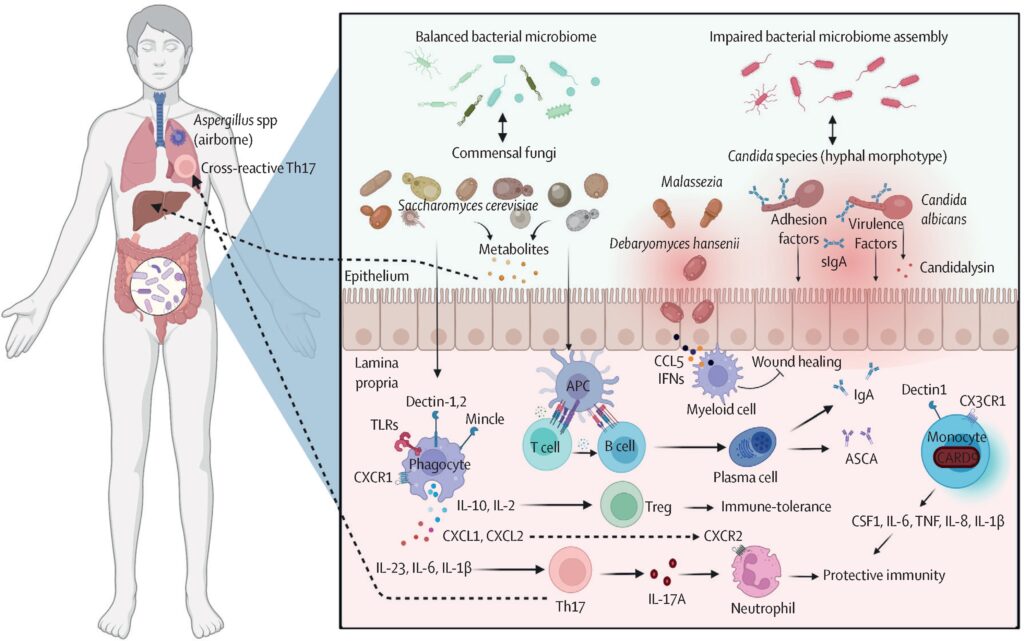
    Just to show how many different microorganisms there are in your gut microbiome

    And what is the notorious gut microbiome? 

    The gut microbiome is not an anatomical organ. It is a vast, dynamic ecosystem of about 100 trillion microorganisms—including bacteria, archaea, viruses, and fungi—primarily inhabiting the large intestine. Its composition and function are shaped by diet, genetics, antibiotics, and the environment, with complex microbe–microbe interactions giving rise to emergent properties that function like an additional metabolic organ. When well diverse and balanced, it supports health; when disrupted (dysbiosis), it can contribute to inflammatory, metabolic, and neuropsychiatric conditions.

    The gut microbiome closely coexists with the human host, helping break down complex carbohydrates, synthesize vitamins, strengthen the gut barrier, and “educate” the immune system, while producing metabolites such as short-chain fatty acids that influence metabolism and inflammation. What are metabolites? They are small molecules produced or consumed during metabolism by living organisms (including gut microbes).

    In relation to the gut microbiome, what are probiotics?

    Probiotics are live microorganisms that, when consumed in adequate amounts, may offer health benefits by supporting a balanced gut microbiome, improving barrier function, and modulating the immune system. Many people use probiotics to prevent antibiotic-associated diarrhea. Importantly, the effects are highly strain- and condition-specific, so benefits seen with one probiotic do not necessarily apply to another.

    When considering probiotics, focus on strain- and condition-specific evidence, not general “probiotic” claims. Choose products with well-documented strains and labeled doses for your target outcome, and be mindful that more CFUs are not always better. Also be realistic. Your gut microbiome counts 100 trillion microorganisms and most probiotics 10 billion CFU’s, which is a modest 0.01%.

    Prebiotic examples (feed for gut bacteria): onions, garlic, bananas, oats, apples, flaxseeds. Note: these are not probiotics themselves; they are foods that feed beneficial microbes. If you want examples of probiotic foods, refer to unsweetened yogurt, kefir, sauerkraut, kimchi, and other fermented foods.

    How to ruin your gut microbiome (1)

    Sugar, refined starches, processed and ultra‑processed foods, artificial sweeteners, E‑numbers, and saturated fat can shape the gut microbiome in a negative way. They can alter the substrates available to microbes in the long term, influence bile acid circulation, and increase inflammation. Poor dietary choices can lower microbial diversity.

    The overall effects depend heavily on the broader dietary pattern rather than a single nutrient, and on individual factors such as baseline microbiome, genetics, age, and medications. Disruption of the microbiome has been linked to diseases including inflammatory bowel disease (IBD), obesity, allergic disorders and asthma, type 2 diabetes, cardiovascular disease, and autoimmune disorders.

    What your microbiome needs

    A diet rich in diverse fibers (vegetables, fruits, legumes, and whole grains), resistant starch, and fermented foods tends to boost SCFA‑producing bacteria and strengthen gut barrier function. Omega‑3 fatty acids and polyphenols may also support a healthier microbiome. Consider adding probiotic foods to your diet and don’t forget fermented items. Aim to support a healthier dialogue between the gut and brain, though individual responses vary.

    Gut–brain axis

    You have heard about the gut–brain axis. What happens in your gut impacts your brain and mood. The gut–brain axis is a dynamic bidirectional communication network linking the central nervous system with the gastrointestinal system, integrating neural, immune, and endocrine signaling.

    In practice, the axis helps govern mood, stress reactivity, cognition, and pain perception, while psychological states and stress can alter gut motility, permeability, and microbial composition, creating a feedback loop.

    The microbiota sits at the heart of this axis, shaping brain function by producing and modulating neuroactive compounds such as short‑chain fatty acids. Signals travel via neural routes (notably the vagus nerve), immune mediators, and circulating metabolites that can affect brain cells, with gut barrier integrity and systemic inflammation playing key roles. Because this signaling is highly context‑dependent, factors like diet, antibiotics, stress, and aging can markedly influence the axis.

    How to Ruin Your Gut Microbiome (2)

    The impact of medicines can be substantial. It has long been known that antibiotics affect the gut microbiome, killing both beneficial and pathogenic bacteria. Researchers have found that also longer durations of other medication use and taking more medications are associated with greater disruption of the microbiome. In a recent study, 167 of 186 drugs affected the microbiome in some way, with 78 showing long-term effects. The longer people used medications and the more drugs they took, the greater the disruption.

    Multiple drugs can interact to produce a larger impact on the microbiome; among individual drugs, benzodiazepines appear to have the greatest negative effect. The implications matter because microbiome disruption is linked to inflammatory bowel disease (IBD), obesity, Type 2 diabetes, cardiovascular disease, and autoimmune disorders. A healthy microbiome is a stable, diverse community with high microbial gene richness that lives in balance with its human host.

    Bloating and floating

    A healthy gut microbiome and normal transit usually manage gas without distress, but imbalances or intolerances can amplify symptoms. Bloating and gas are common signals from your gut that reflect how your digestive system and its microbial residents are handling food.

    Most gas comes from bacterial fermentation of undigested carbohydrates in the colon, producing hydrogen, methane, carbon dioxide, and other compounds. The amount and composition of gas depend on what you eat—especially fiber and fermentable carbohydrates (FODMAPs)—your gut microbiome, and how quickly food moves through your gut.

    In health terms, bloating and gas can be linked to specific conditions or dietary intolerances, such as irritable bowel syndrome (IBS), small intestinal bacterial overgrowth (SIBO), lactose or fructose intolerance, or celiac disease.

    Red flags and the doctor

    Red flags to seek medical evaluation include weight loss, blood in stool, severe or persistent pain, vomiting, fever, or new symptoms after age 50. If bloating or gas is persistent or bothersome, a clinician can help identify triggers (often via a symptom diary), assess for intolerances or underlying conditions, and discuss targeted dietary or therapeutic options. 

    Thanks for reading, mind your diet and enjoy life,

    Robert, your health friend,

    Art from Venezuela