3A. DARK CHOCOLATE, ANOTHER MYTH (PARTLY) SCATTERED (health project99+)

Elephants in the Okavango delta

Dear reader, 

Do you sometimes have that feeling that “they” are taking away everything from you? Especially the things you like so much suddenly seem to be bad for your health. In short, are they robbing you of your last pleasures? I am sure you recognize this sentiment. 

At the moment, I feel a bit down as well. After years of diligently eating dark chocolate because it was supposedly so beneficial (and delicious), I have come to the conclusion that I should stop. Dark chocolate: farewell. Your health benefits are limited, and your negative impact on my health can be substantial. 

1.Red wine revisited 

Do you remember those discussions about red wine? One or two glasses a day were said to be good for your health because red wine contains resveratrol. Yet after years of serious drinking, many people learned that you would need around 100 glasses of red wine daily for resveratrol to have a meaningful impact. And later, while studying resveratrol, I learned that resveratrol has a short half-life and that pterostilbene may be a better option https://shakethehealthtree.com/index.php/2025/05/16/21-stay-healthy-100-glasses-of-red-wine-daily-or-resveratrol-pterostilbenehealth-project99/. I wrote a blog about this.

2.Okay, back to dark chocolate. Its main claim to health fame is that it is one of the few foods rich in flavanols. The other two are green tea and cocoa powder. Fewer flavanols are found in hazelnuts and red wine. Others that are often mentioned but contain very little flavanols are grapes, apples, blueberries, strawberries, and pears.

One oz (28 grams) of dark chocolate (70% cacao) provides 150–400 mg of total flavanols, a quantity that according to some could be enough. There are however two problems with dark chocolate: its saturated fat content and the way it is processed. If it is processed using the “Dutch process”, it can lose up to 90% of its flavanol content.

3.Summary 

Many of these beneficial flavanols are removed during the majority of manufacturing of dark chocolate. This means that dark chocolate processed in that way does not contain enough of these plant chemicals to be considered a health food. Chocolate also contains a lot of saturated fat and sugar. If you want your flavanols, go for green tea.

4. First, what are flavanols?

Flavanols are a subclass of flavonoids, a large family of plant compounds with antioxidant activity. They include flavan-3-ols (such as catechin and epicatechin) and their polymeric derivatives known as proanthocyanidins; some sources also mention related forms such as flavan-4-ols, isoflavan-4-ols, and flavan-3,4-ols. In total, many flavanol derivatives have been identified.

Flavanols are associated with health benefits in many studies.

You will often read the term monomeric flavanols. These are single-unit plant compounds and are the basic building blocks for larger, linked molecules called oligomeric flavanols. Some well-known monomeric flavanols are epicatechin, catechin, and EGCG (epigallocatechin gallate). These are among the flavanols most studied.

5.What are the reputed benefits of flavanols?

They act as antioxidants and may support cardiovascular health, reduce inflammation, and confer other health benefits in some studies. However, results in humans are mixed and often depend on dose, the specific flavanol form, bioavailability, and overall diet. My conclusion: worth the try.

Antioxidants protect cells from damage caused by free radicals—unstable molecules produced during normal metabolism.

6.Daily Recommended Quantity

There are no scientifically determined daily quantities. In general, the often-mentioned aim is 200–500 mg/day of total flavanols, but see caveats below.

One ounce (28 grams) of dark chocolate (70% cacao) provides 150–400 mg of total flavanols. Most people—myself included—do not stop at just 28 grams, but eat half or a whole bar. One cup of green tea contains about 150–300 mg of total flavanols (EGCG ~80–150 mg). Unsweetened cocoa powder (5 g) provides about 30–70 mg of total flavanols.

7.The main problem with dark chocolate is saturated fat.

Only those with a lot of discipline limit themselves to just one or two pieces. One or two pieces already account for about a quarter to one third of the daily recommended amount of saturated fat. Imagine what happens if you eat a 100 g bar of dark chocolate with about 80% cacao. Such a bar contains 35–45 g of total fat, of which saturated fat is 20–25 g, roughly the maximum recommended for women (20 g) and men (30 g) per day.

Assuming that saturated fat is not good for you (which I do), then having dark chocolate for its flavanol health component may not be worth it, in spite of all the claims by chocolate producers. This is especially true because many dark chocolate bars are processed in ways that cause most of the potential beneficial flavanols to disappear.

8.Two ways to process dark chocolate: the Dutch method (“Dutching”) and the other (much better), non-alkalized approach

In most dark chocolate bars, Dutch processing is applied, especially in cheaper ones. This is also called alkalization, which reduces the acidity of dark chocolate. Producers like it because it mellow‘s the acidity and deepens the brown color. Generally, more expensive brands use non-alkalized (natural) cocoa to preserve natural acidity and more complex flavors. The main downside of the Dutch process is the reduction of polyphenols and antioxidants, such as flavanols, which can be reduced by up to 90%. 

A challenge is that Dutch-processed cocoa, alkalized cocoa, or Dutched cocoa is often not clearly labeled. You may also see terms such as “Dutch-processed cocoa,” “alkalized cocoa,” or “Dutched cocoa,” or labels like “cocoa processed without alkali” or “natural cocoa.”  

On a different note, I wonder why the English language has so many negative expressions with the word Dutch included (perhaps because we destroyed their fleet in London in the 17e century).

9.Bioavailability 

Looking at the required dose is one thing, but bioavailability is what matters for each supplement. What is its half-life? How much of the flavanol intake actually reaches the bloodstream and is available to exert effects?

For flavanols, the issue of bioavailability is complex and highly variable, and therefore difficult to generalize, but for practical purposes, flavanol bioavailability is low, often only a few percent. For example, the well-known monomeric flavanols catechin and epicatechin show peak plasma levels within 1–3 hours after ingestion and are eliminated within a few hours.

Larger flavanols, such as proanthocyanidins (condensed tannins; polymers), are poorly absorbed in the small intestine. They are largely broken down by gut microbes in the colon into smaller metabolites that can be absorbed.

10.Can you take flavanols as supplements?

Yes. Flavanols can be taken as pills or supplements. The three most well-known types are: 1) Green tea extract or EGCG-heavy supplements (rich in monomeric flavanols such as catechin and epicatechin, and EGCG); 2) Cocoa flavanol extracts (rich in total cocoa flavanols); 3) Grape seed and pomegranate extracts (rich in proanthocyanidins and related metabolites). 

11.However, there are some important caveats. 

When you take a supplement always!! be aware of the general issue of quality. Only buy from reputable brands and always look for Good Manufacturing Practice (GMP) certification. 

And realize that these beneficial flavanols can also have some drawbacks, especially if you take too much. Safety-wise four points stand out.

A.Liver safety: high-dose green tea extract has been linked to rare cases of liver injury. If you have liver disease, start low and consult with a clinician. 

B.Caffeine content: many green tea extracts contain caffeine or related stimulants; this can affect sleep, anxiety, and heart rate in sensitive individuals. 

C.Drug interactions: they may interact with anticoagulants/antiplatelets and other medications; discuss with your doctor if you’re on prescription meds. 

D.Iron absorption: tannins can modestly reduce non-heme iron absorption; if you’re iron-deficient, consider taking flavanol supplements away from iron-rich meals. I wrote a blog about the importance of iron. https://shakethehealthtree.com/index.php/2025/08/14/21-to-iron-or-not-healthproject99/

Thank you for reading and my apologies for my negative conclusions about dark chocolate.

Take care and live a happy and healthy life,

Robert, your health friend

In the desert of Namibia

22. BRAIN: FIRST THINGS TO KNOW (health project99+)

A cat in Istanbul

Dear reader,

As you know the brain is a delicate, vulnerable organ and, in general, a great mystery. Brain science (neuroscience) however, has progressed rapidly in recent years, making it worth watching closely. This progress is important. Neurological disorders contribute significantly to global illness. According to some sources, they account for up to 20% of mortality.

1.Some essential facts about the brain

    • Despite weighing about 1.4 kg, the brain uses roughly 20% of the body’s resting energy expenditure.
    • The human brain contains about 86 billion neurons. Each neuron forms thousands of synaptic connections. These connections total roughly 100–250 trillion synapses. Explanation about synapses at the end of this blog.
    • Neurons relay messages (nerve signals) through the spinal cord and across the body.
    • Nerve signals from the brain can travel up to about 400 km/h, depending on axon (fiber)diameter and myelination. Note: Myelin is a fatty, insulating layer. It wraps around many nerve fibers to speed electrical signaling. It also improves the reliability of this signaling.
    • In addition to neurons, there are roughly as many glial cells—such as astrocytes, oligodendrocytes, and microglia—that support neurons, insulate wiring, clean up debris, and help with signaling.
    • Although difficult to measure, the brain’s memory capacity is estimated at about 2.5 million gigabytes (roughly 2.5 petabytes). Some comparisons equate this to three million hours of video storage.
    • There is a common myth that you only use 10% of your brain. This is not correct. In reality, nearly all parts of the brain have a known function. However, different tasks recruit different networks. Admittedly, it seems that some people use even less than 10% :).
    • The brain tissue itself has no pain receptors. Pain in headaches or injuries usually arises from the scalp, skull, meninges, or blood vessels, not from the brain tissue.
    • By age 6, the brain is around 95% of its adult size.

    2. Most of your brain develops in your early years.

    Early in life there’s a burst of synapse formation (synaptogenesis). The brain overproduces connections in many regions, then trims them back through a pruning process to optimize circuits. Afterwards, new synapses continue in the remainder of your life to form in response to learning and new experiences. Some synapses become very stable, while others are more transient.

    Neuroplasticity means the brain reorganizes its connections in response to experience, learning, and injury. This rewiring (plasticity) is highest during early development (critical periods for vision, language, etc.), but it never fully stops. 

    New neurons are produced in a few brain areas in adults. The hippocampus is most notable for this. However, the extent of neuron production is modest, and the functional impact remains under study.

    These synaptic connections are not “etched in stone” at birth. They are continually formed, strengthened, weakened, and removed throughout life.

    3. How to keep your brain in top shape?

    Actually, the usual: quality sleep, good physical health with a special mention of strength training. Strength training, interestingly enough, is essential; cardio alone is not enough.

    A balanced diet, of course, is rich in fruits, vegetables, whole grains, healthy fats (e.g., omega-3s), and proper hydration. Of all these elements, the intake of healthy fats deserves specific mention, as your brain loves these.

    Do mental stimulation and learning and add some brain games to the mix.

    4. Getting enough high-quality sleep is perhaps the single most important factor for brain health.

    Sleep is critically important for brain health. It allows the brain to perform essential functions such as clearing out waste. It also aids in consolidating memories and repairing itself. Consistent, high-quality sleep enhances cognitive functions such as focus. It boosts problem-solving skills and creativity. However, chronic sleep deprivation can impair decision-making. It can also affect emotional regulation and memory.

    5. Can you increase your IQ?

    IQ tends to be relatively stable. But is influenced by genetics and environment. You can enhance many underlying cognitive skills. You can boost your performance on IQ tests through practice. Better learning strategies contribute to improvement. Healthier habits, such as regular physical activity, are also important. 

    This does not mean that you are smarter than before. However, it can optimize your test conditions. It can also help you achieve a better result. Claims that IQ can increase by as much as 15 points exist, but estimates vary.

    6. Brain fog can be repaired

    If you often feel fatigued, distracted, moody, and just plain “off,” you may be dealing with brain fog. Brain fog is often a common, remediable byproduct of our fast-paced lifestyle. In my experience, addressing underlying issues such as diet, stress levels, sleep, and physical activity can help it disappear. If it does not, better consult your doctor.

    The brain needs a steady supply of vitamins and minerals, as well as amino acids and essential fatty acids. It also depends on glucose from complex carbohydrates. In addition, getting enough rest and relaxation is crucial. 

    Today, many convenient, processed foods and factory-farmed meats do not support brain health. A large share of people suffers from nutrient deficiencies. Many also experience sugar overload, inadequate sleep, and high stress. All of these factors deplete energy levels. 

    On a cellular level, brain fog is believed to be linked to inflammation. It is also connected to changes in three hormones that influence mood, energy, and focus: dopamine, serotonin, and cortisol. Cortisol is a key stress hormone. It helps keep you awake and alert. Dopamine and serotonin contribute to motivation, mood, and calm.

    7. Environment can have a big impact on the brain

    First, Nanoplastics. Nanoplastics are plastic particles typically below 1,000 nanometers (1 µm). They may reach the brain through inhalation and ingestion. Nanoparticles can enter the bloodstream and cross the blood–brain barrier (BBB) under certain conditions. 

    Once inside, Nanoplastics have been reported to localize in regions such as the hippocampus or cortex. They can be taken up by resident brain immune cells (microglia). Neurons in some models can also take them up. 

    There is emerging evidence from cell and animal studies. However, much more study is needed. Nanoplastics may trigger inflammatory and cellular stress responses. Some reports circulating in mid-2025 suggested that plastic nanoparticles exist in brain tissue up to 0.5%. These numbers require rigorous verification. They should be treated with caution. If correct, they are worrisome indeed. Interaction with other pollutants: plastics can carry adsorbed chemicals or pollutants that might amplify toxicity.

    Second, there are alarming reports that overuse of social media impacts the brain and speeds up aging. Not much scientific proof yet, but it is a topic to follow.

    Parkinson’s disease involves genetic and environmental risk factors; pollutants (e.g., certain pesticides or air pollutants) may contribute in some cases. 

    8. Neuroscience is developing rapidly, solving many of the brain’s mysteries

    To prepare this blog I read many articles. One article described a brain region that ages earlier than others. Out of three factors that may degrade this fragile brain region, diabetes and alcohol were mentioned. Additionally, nitrogen dioxide from traffic-related air pollution was noted.

    Neuroscience is developing rapidly, solving many of the brain’s mysteries. In 2025, neuroscience clinical research is evolving rapidly. Breakthroughs in disease-modifying therapies for Alzheimer’s are emerging. Digital biomarkers for depression are being developed. AI-driven discovery is advancing. Renewed investment in rare neurological indications is taking place. These factors are redefining the future of central nervous system (CNS) clinical trials.

    There will be many more blogs on the brain, a fascinating topic.

    Take care and live a happy and long life!

    Robert, your health friend

    Snow in Istanbul? Yes

    Note: What is a synapse?

    A synapse is the junction where one neuron (remember, of which you have 86 billion!) communicates with another neuron (or a muscle cell). There are chemical synapses and electrical synapses, where current can jump directly through gap junctions between cells. 

    Synapses are dynamic and can strengthen or weaken with activity, which underlies learning and memory. Most of your synapses are formed in your early years. Perhaps letting young children listen to classic music is not such a bad idea. Giving them all kinds of physical and mental challenges is also beneficial.

    You have between 100 to 250 trillion synaptic connections. Most synapses are formed and pruned during the early years of one’s development. However, the brain continues to make and change synapses throughout life. This happens in response to experience, learning, and injury.

    3. FRENCH FRIES: TO DIE FOR (health project99+)

    Paris

    Dear reader,

    In my quest for a healthier and longer life, I have already made some unexpected discoveries. They are, of course, not new to health experts, but I am, just like you, not a professional. I am someone who had some vague ideas about health. I still have these vague ideas. For the most part, I am constantly confused, but as they say, on a higher level.

    Take French fries. I love them, and so far, I have not met anyone who doesn’t. In high school, I even wanted to open my own “friet kraam” with a friend. He became a priest. I went abroad. However, this did not stop me from eating French fries. Sadly enough, in hindsight, this has not been a good idea.

    It is not about potatoes (which are healthy in themselves) and not even about the excess calories (French fries with mayonaise!), although too many calories should be avoided. No, it is about the preparation.

    The French fries you eat are deep-fried in seed oils. An increasing number of health experts and studies call seed oils one of the worst health risks around. Some even say that eating French fries deep-fried in seed oils produces effects similar to smoking cigarettes. Scientifically proven? With cigarettes, yes; with seed oils, not fully yet.

    The moment one starts criticizing French fries, most people will say: “They take away everything from me; nothing is allowed anymore. I also have to enjoy life, etc.” Nonsense, of course, and in the case of French fries, it depends all on the preparation. There are alternatives, more about this at the end.

    The main takeaway from this blog: All food that is deep-fried in seed oils increases the chance of serious health problems in the long run, mainly related to metabolic health (diabetes, for example, or cardiovascular diseases). The solution: stop eating deep-fried food. All of it! No matter what you fry, if it’s exposed to high temperatures for long periods, you face significant health risks. High temperatures over time can be harmful.

    The fundamental question: how do you want to feel and live when you are over 50, and, crucially, are you willing to invest in your health from a young age? Many metabolic diseases, such as those caused by lifestyle, diet, and alcohol consumption, have a particular problem. Their negative effects are not instantly visible. Therefore, maintaining motivation to adopt lifestyle changes can be difficult.

    The human body is a complex machine, and the impact of harmful factors varies from person to person. Studies, however, are clear: the long-term effects of smoking are devastating for most people. Cigarettes contain carcinogens, substances that can cause cancer. It can take decades for the health effects of smoking to become apparent. Some people never develop smoking-related illnesses. Good for them, but they are the exception.

    Seed oils Recently I start to look more into seed oils. Some call them the no 1 food to avoid. This is both due to the way it is produced and because of the dangerous toxins it contains. I really never knew this. Seed oils are made of plants and I thought I was safe to use them. The only thing I realized was that you should not use the same oil too often.

    In the Netherlands a lot of our food is deep fried. Deep fried in seed oils. I do not speak about the very real risk of excessive calories, but about the long-term risk for your health. Dr. Catherine Shanahan wrote “Dark Calories.” She is one of the medical experts who suggests a strong link between seed oils and the declining metabolic health of the younger generation. This decline is compared to the much better metabolic health of the older generations.

    There are (yet) no hard studies to prove this link, as is often the case in these type of issues. It took decades before it was scientifically proven that smoking hurts your health. It will take decades before science concludes that plastic nanoparticles in your cells are bad for you. And it will take also many years to determine the health damage caused by seed oils. I will not. take the risk.

    Omega-6 polyunsaturated fats from seed oils can significantly damage the mitochondria and are also stored in fat cells. Ideally, the intake ratio of Omega-3 and Omega-6 should be 1 to 1. However, in reality, it is 1 to 10 or higher. The consumption of deep fried food is one of the main culprits.

    What are the key problems/step by step? 1. The refining process of seed oils often includes bleaching and deodorizing, which can strip away nutrients. 2. There are strong indications about certain cooking methods. High-temperature cooking can lead to the formation of harmful compounds (toxins) in oils, including seed oils. 3. Seed oils can become rancid, especially if not stored properly. Rancidity can affect flavor and nutritional value, but the extent to which rancid oils are harmful is still under investigation. 4. Probably the most concerning issue is the stability of fatty acids. Seed oils, particularly polyunsaturated fats (Omega-6), can be less stable than saturated fats when exposed to heat, light, and air. This instability can lead to oxidation, which may produce free radicals, which are associated with cellular damage.

    The exact nature of the impact of consuming oxidized oils on health is still unknown. However, it is not looking good at all.

    Is eating French fries that are deep fried in seed oils as bad as smoking? Eating French fries regularly may contribute to health issues such as obesity, heart disease, and other metabolic disorders. However, it is complex to directly compare this to smoking.

    The health risks of smoking are significantly more severe than those linked to eating French fries occasionally. These risks are also well-established.

    A related issue is UltraProcessed Food (UPPF). The majority of food in supermarkets is UPPF. The U should stand for Unhealthy, not Ultra. Much of the UPPF has been deep fried with seeds oil.

    What to do if you still want to enjoy your French fries (like me)? It is all about preparing things in a healthier way. French fries for examples. Cook your potatoes and slice them. Fry them with olive oil or regular butter in your frying pan. You can also use an air-fryer, which needs seed oil, but only a bit. We ourselves put the French fries first 5 minutes in the microwave, followed by 20 minutes in the oven. No fat needed at all!

    And in restaurants? That will be a big challenge. One can sin now and then of course, but not too much.

    Our dinner for tomorrow evening? French fries prepared as described above, with salmon and vegetables soup.

    Enjoy life and take care.

    Robert, your health friend

    Bogota

    3. COFFEE: A FEW CUPS A DAY ONLY (health project99+)/UPDATE

    Kinetic art in Venezuela, with Dutch elements

    Dear reader,

    Coffee might be a “superfood”, but only when consumed in moderation and if you do not have a heart condition.

    Coffee is one of the most studied and tested food products. For coffee it is not difficult to find volunteers. The general conclusion of all studies, without doubt, is that up to three cups a day will have positive health benefits for most people.

    Moderate coffee consumption could lead to lower risks of death from all causes and better health outcomes in later years. Other studies suggest that moderate coffee consumption can lead to a longer lifespan, up to five years (see below).

    Overall, the best coffee for health is one that is brewed fresh, minimally processed, and consumed without excessive additives. Filtered coffee is often mentioned as No. 1 and espresso as No. 2. When it is organic and single-origin, it is even better.

    What important compounds are in coffee?

    Coffee contains both caffeine and over 100 polyphenols like chlorogenic acids, but they belong to different chemical classes with distinct structures and biological effects. The exact count of polyphenols depends on bean origin, processing, roast level, and the analytical method used.

    Around 8000 polyphenols (plant-derived compounds) are identified, and coffee contains over 1%. Not bad. For more info on the important topic of polyphenols read this blog https://shakethehealthtree.com/index.php/2025/12/02/5-polyphenols-8000-interesting-plant-derived-compounds-health-project99/

    Health benefits

    • Coffee is one of the richest sources of antioxidants in the Western diet. Antioxidants help combat oxidative stress and may reduce the risk of chronic diseases. Particularly the polyphenols chlorogenic acids and trigonelline act as antioxidants, neutralizing free radicals and activating cellular defense pathways to protect DNA from oxidative damage.
    • I hope to write a future post about antioxidants, as their role in health isn’t yet fully understood.
    • Moderate coffee consumption has been linked to a lower risk of heart disease and stroke.
    • Caffeine can improve alertness and concentration, and may reduce the risk of neurodegenerative diseases such as Alzheimer’s and Parkinson’s.
    • Caffeine can boost metabolic rate and assist in fat burning, making it a common ingredient in weight-loss supplements.
    • Some studies suggest that coffee drinkers have a lower risk of developing type 2 diabetes.
    • Coffee consumption has been associated with a reduced risk of depression and an overall improved mood due to caffeine’s effects on neurotransmitters.
    • Regular coffee consumption has been shown to potentially protect against liver diseases, including fatty liver disease and cirrhosis.
    • Caffeine is known to enhance physical performance by increasing adrenaline levels, making it a popular pre-workout beverage.

    Live five years longer?

    In Medical News Today I read about an interesting, 10 years long study in Norway.

    People with major psychiatric disorders generally have shorter telomeres than the average person, and their life span is typically 15 years shorter! People with these disorders who drank 3–5 daily cups of coffee had telomere lengths equivalent to people 5 years younger in biological age. More than 5 cups had no result.

    These early deaths are often from cardiovascular disease and cancers that are common in people of more advanced age. This has led researchers toward an investigation of the shortened telomeres that people with psychiatric disorders tend to have.

    The authors of the study found that 3–5 cups of coffee have a beneficial effect on telomere length. That does not mean that the more coffee one drinks, the better

    Health risks

    For individuals with certain heart conditions, particularly arrhythmias or hypertension, high caffeine intake may trigger symptoms or worsen the condition. For this reason, I stopped cold turkey when I had serious arrhythmias about five years ago. That was a good decision, because on several occasions when I started drinking coffee again, my arrhythmias returned. However, since the summer of 2025 all seems to be fine, and I am enjoying my daily espresso very much. I’m glad about it, because I love the coffee ritual and do not want to miss out on its tasty part.

    Drinking large amounts of coffee (more than 4–5 cups per day) can lead to negative effects like insomnia, jitteriness, increased heart rate, and digestive issues. High caffeine intake is also linked to anxiety and can exacerbate anxiety disorders.

    While caffeine can provide relief for some types of headaches, it can also trigger migraines. Additionally, regular coffee drinkers might experience withdrawal headaches if they suddenly stop.

    Some studies suggest that very high caffeine intake may interfere with calcium absorption, potentially leading to decreased bone density over time. Regular consumption can lead to caffeine dependence, with withdrawal symptoms such as headaches, fatigue, irritability, and difficulty concentrating if coffee consumption is abruptly reduced.

    Caffeine can interact with certain medications, enhancing their effects or leading to increased side effects. It’s important for individuals on medications to consult with their healthcare provider regarding coffee consumption.

    Coffee is acidic and can irritate the stomach lining, leading to digestive problems in some individuals, particularly those with acid reflux or gastric ulcers. For people with SIBO, coffee is a no-go.

    Superfood?

    Given the many polyphenols and therefor its rich antioxidant profile and multiple potential health benefits, many health experts and enthusiasts refer to coffee as a “superfood.” However, it’s essential to approach this classification with a holistic view of one’s diet and lifestyle, as no single food can provide all the necessary nutrients for health.

    For me, a superfood is simply food with a high concentration of beneficial ingredients per gram, compared to most processed foods you find in the supermarket. Avocado and broccoli are generally recognized as superfoods, and I am not sure if coffee falls in the same category. This is my intuitive conclusion, not scientifically proven.

    Top consumers

    The top 10 coffee consumers by per-capita consumption are mainly found in cold and dark countries like Finland, Norway, Iceland, Denmark, the Netherlands, Sweden, Switzerland, Belgium, Canada, and Austria. Fun fact: when I ask my friend ChatGPT the same question, it lists the Central African Republic as No. 1 (52.1 kg per capita) and Belize as No. 2 (25.5 kg per capita). And, strangely enough, when I confront it with other statistics I usually receive apologies, but the Central African Republic remains No. 1. Lesson: ChatGPT is great, but not always.

    Dear reader, it is evening so too late for coffee, but I am already looking forward to my espresso tomorrow morning!

    Take care and live a happy and coffee rich life.

    Robert, your health friend,

    Finishing 10 K in Caracas in not my best time 🙂

    3. YOGHURT: EAT FRENCH QUARK INSTEAD (health project99+)

    The wonderful Depot in Rotterdam

    Dear reader,

    Many eat yoghurt. Why? First of all, it’s a cultural thing. Most of us have grown up with it. No breakfast is complete if yoghurt is not served. I’ve never been in a hotel without yoghurt. Secondly, yoghurt is an easy, quick-to-prepare dish that is quite healthy, as long as you eat it in moderation. Always plain, with some fresh fruit and/or homemade granola.

    By the way, I have to correct myself when I write “quite healthy,” because most yoghurts sold worldwide are sweetened, easily giving you 15–20 g of sugar per 100 g. In some countries it’s almost impossible to buy unsweetened yoghurt, as I noticed on my travels.

    Plain yoghurt offers a lot of good things. In these days of the protein craze, yoghurt is often promoted as a primary source of protein. There are better alternatives (see below), but it is a reasonably ok protein source. It also offers vitamins, minerals (calcium), and in some cases probiotics.

    However, it is also a source of saturated fat, carbohydrates, sugar, and calories. They easily add up, as portions are generally at least 100 g. We all know that yoghurt contains lactose; not everyone knows that lactose is one of the hundreds of natural sugars. So even unsweetened yoghurt will bring you some grams of sugar (approximately 4 g).

    Comparing

    The Dutch are dairy specialists, and I took it upon myself to taste and compare: regular yoghurt (full-fat and fat-free), Greek-style yoghurt (full-fat and low-fat), regular Icelandic Skyr, quark (full-fat), and French quark (fat-free/low-fat). A tough job, but someone had to do it.

    For taste, the full-fat versions were the best, with Skyr, to me, the most tasty. By far the least tasty is plain fat-free regular yoghurt. Surprisingly, the taste of fat-free quark—the so‑called French quark—is very agreeable, which is a good thing, as French quark scores in all categories among the best. Only in the area of probiotics does it score low.

    More below, but my takeaway from this blog is: if you fancy yoghurt, eat plain French quark instead, especially offering more of the good stuff.

    The facts

    For protein, the best are both the French quark (fat-free) and Skyr, at 10–12 g per 100 g. The others are much lower; plain yoghurt is only around 4 g.

    Fat is about the same for the full-fat versions. The least is in full-fat yoghurt, the most in full-fat quark (about 3.5 g vs 7 g, most of it saturated fat). The fat-free versions are, as the name indicates, essentially fat-free.

    Carbohydrates and sugars are largely the same: about 4–5 g of carbs and 4–5 g of sugar, with Skyr a bit higher and yoghurt a bit lower.

    Energy varies a lot, between about 40 and 120 kcal. Full-fat Greek yoghurt tends to be highest; French quark is in the middle.

    I give the recommendation to turn to French quark with conviction. It costs a bit more than plain yoghurt, but not that much more.

    Enjoy and live a happy, healthy and tasty life.

    Robert, your health friend

    Walking on Hong Kong island

    3. SAUERKRAUT, EIN SEHR GUTES PROBIOTIKUM (health project99+)

    Museum with (royal) carriages, Lisboa

    Dear reader,

    The main takeaway from this blog is that a small amount of unpasteurized and uncooked sauerkraut daily can replace a probiotic pill.

    Sometimes the best food can be cheap. Today I will discuss sauerkraut, a true superfood of the ages, in particular because as a fermented product it has great probiotic qualities. 50 grams per day of sauerkraut could replace the strongest probiotic supplements available (up to 50 bln CFU units).

    I am skeptical about the term superfood, as it can be misleading in the sense that no food is a cure for everything. Neither is sauerkraut. Sauerkraut “only” offers, like other superfood, a lot of quality ingredients per gram contrary to for example white bread or a Coke. Eating a superfood is a great step forward towards a more healthy life as most of the food in super markets is of low quality, doing more harm than good.

    1.The favorite dish in my youth was “zuurkool stamppot” mashed potatoes with cooked sauerkraut, sauce, sausage and apple sauce. I loved it. Still do, but now with bio chicken instead of a highly processed sausage. Unfortunately, when eating sauerkraut like this, it takes away most of its advantages, in particular its probiotic qualities.

    2.To profit from the benefits of Sauerkraut you indeed have to eat it raw. Pasteurized or shelf-stable varieties often lose these live cultures. 

    3. Its advantages

    Many raw, refrigerated sauerkraut contains live lactic acid bacteria that can support gut health and digestion. How much? See below, last paragraphs.

    Good source of fiber, vitamin C, and vitamin K (and some B vitamins). It also provides minerals like potassium.

    Low in calories and highly flavorful: Adds tangy, crunchy texture to meals without many calories, which can aid in satiety. It is great in salad and easy to combine with a lot of food.

    Versatile and inexpensive: Easy to incorporate into many dishes and pairs well with meat, fish, and vegetables.

    You could of course lightly heat or sauté sauerkraut to soften texture and mellow acidity, but keep a bit of crunch if you want the probiotic benefits to remain more intact. Cooking for long periods reduces probiotic viability

    You can cook it slightly, but this will already diminish its probiotic capabilities. After opening, refrigerate and use within a reasonable time (often a few weeks) 

    4. Disadvantages and cautions

    • High sodium content: A typical serving can be quite salty, which isn’t ideal for people watching sodium intake (high blood pressure, kidney issues, etc.). Rinsing can reduce sodium but also lowers some of the salt-brine flavor and may reduce some probiotic activity. The package we use indicates 1.5 gram sodium per 100 gram of Sauerkraut, which is 25 % of the DRA. We eat it as a side dish, around 50 grams only.
    • Not all sauerkraut is probiotic: Many jars are pasteurized or heat-treated, which kills the beneficial bacteria. Look for labels that say unpasteurized, live cultures, or are kept refrigerated.
    • Some people with histamine intolerance or gut sensitivities may react to fermented foods and experience GI symptoms, headaches, or skin issues.
    • Fermented foods can cause gas or discomfort for some people with irritable bowel syndrome (IBO) or small intestinal bacterial overgrowth (SIBO). Start with small amounts to test tolerance.
    • The important factor is the strain and the evidence for that strain and that dose. Different strains have different effects, and not all probiotics work the same way for everyone.

    5. Probiotics/quantities/sauerkraut

    For probiotics doses are usually given in CFU (colony forming units) per day. There is no official RDA, but many studies and products use ranges like 1–10 billion CFU per day for general use, with higher doses (10–50+ billion CFU) used for specific conditions.

    Sauerkraut can meet these doses, because fermented foods (like unpasteurized sauerkraut) can contribute live bacteria, but the CFU are variable and not standardized.

    A rough, literature-based range for live probiotics in unpasteurized sauerkraut per gram is about: 10^7 to 10^9 CFU per gram (10 million to 1 billion CFU/g). Per 100 grams of sauerkraut this translates to roughly 1 billion to 100 billion CFU per 100 g.

    The fresher the sauerkraut the more the CFU count will be in the higher range towards the 1 bln CFU per gram. Pasteurized or heat-treated kraut will have far fewer or no live bacteria.

    Although it is clear that there is wide variability depending on the specific product, fermentation stage, salt concentration, storage temperature, and time since fermentation, it is also clear that with fresh, unpasteurized sauerkraut you will have a substantial intake of probiotics. Not the same everyday, that is true, but life should save some surprises for you.

    Enjoy your sauerkraut and live a happy, healthy and long life,

    Robert, your health friend

    North Sea 2025

    3.PUMPKIN SEEDS: ROAST, EAT, ENJOY (health project99+)

    Dear reader,

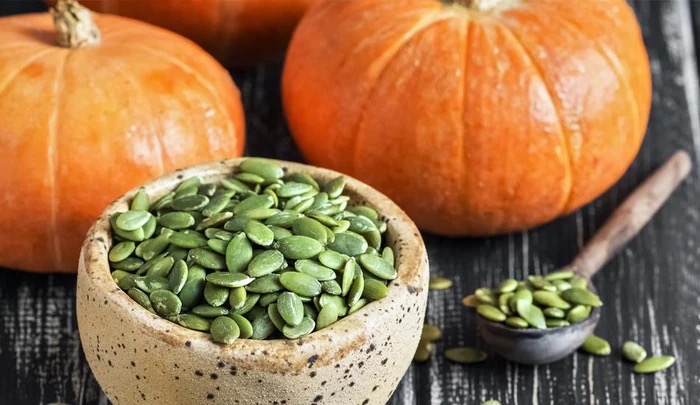
    Often used in salads as toppings, these green-gold kernels, often labeled “pepitas,” are a compact source of affordable vegetarian protein, minerals, and healthy fats (about half of their weight is fat). Most people love pumpkin seeds, and I do as well.

    1.Superfoods It is nice to see that “old” foods can be called superfoods. Pumpkin seeds are one of them. I do not like the term superfood as such, because it suggests wonders to be achieved by eating A, B, or C. Each with a loyal, at times fanatic fan base (and companies that just want to make money).

    What many call superfoods is no more than excellent nutrient-dense food, rich in vitamins, minerals, antioxidants, and phytochemicals. They’re good for your health, can help prevent disease, and support overall wellness. To eat really good food for oneself is already an accomplishment, as most products in your supermarket are not great at all. “Superfoods” are part of my diet, like kale, avocado, wild salmon, and the occasional pumpkin seeds in my salad. Or as snack in the early evening.

    “Superfoods” should be part of a holistic diet and healthy lifestyle, not a goal in themselves. They are not exclusive instruments to help you reach your health goals. Do not rely on them too much. So far, no supplements, pills (and definitely no superfoods) exist that cure or prevent everything.

    2.Seeds compared. When you compare seeds, there are differences, of course, but most are not that big. Pumpkin seeds are average compared with other seeds when it comes to calories, relatively high in protein (about 25%), and higher than average in fat (but mostly healthy fat) with about 50%, carbohydrates are average and fiber is low. They are a good source of iron, potassium, zinc, and magnesium.

    3.The Benefits of Pumpkin Seeds 1. The unsaturated fats in pumpkin seeds, along with magnesium and phytosterols, can contribute to a heart-healthy dietary pattern. Some research suggests that regular, moderate intake of pumpkin seeds may help improve lipid profiles and support blood pressure within certain populations.

    2. The combination of protein, fiber, and healthy fats helps increase satiety, which can support better appetite control. For people trying to manage weight, substituting or pairing pumpkin seeds with other snack options can reduce hunger between meals. The fiber content also supports gut health and steady digestion when consumed as part of a balanced diet.

    3. Pumpkin seeds contain antioxidants such as vitamin E and carotenoids, plus phytosterols that may support cholesterol balance. Some compounds may help reduce inflammation and oxidative stress.

    4. Like many seeds and nuts, pumpkin seeds contain tryptophan, an amino acid that the body can convert to mood-regulating and sleep-related chemicals. Magnesium, another nutrient they supply, is also linked with better sleep quality for some people.

    5. Some small studies and traditional use point to benefits for urinary function in men, particularly related to lower urinary tract symptoms (LUTS). The zinc profile in pumpkin seeds is often highlighted in this context. More robust, large-scale trials are needed to make definitive recommendations, but the existing data are encouraging. Men at my age (67) care about their prostate and welcome news like this.

    6. In addition, studies indicate that pumpkin seeds contribute to immune support and a better mood and sleep.

    4.Problems? Yes, (six minor) ones Pumpkin seeds are calorie-dense. The prepackaged roasted varieties often contain too much sodium (salt). Overconsumption can lead to digestive issues. Some people are allergic. Pumpkin seeds contain compounds like phytic acid that can modestly reduce mineral absorption when eaten in very large amounts, so I would not worry too much. If you have kidney disease, do not eat too much and consult your doctor.

    5.Nuts vs. seeds in general Seeds are the plant’s embryos that can grow into a new plant. Nuts are a type of dry fruit with a hard shell around a single seed. True botanical nuts include chestnuts and hazelnuts, etc. Many “nuts” sold in stores (almonds, pistachios, walnuts, cashews) are actually seeds from fruits or drupes, not true botanical nuts.

    Nuts (almonds, walnuts, pistachios, cashews, etc.) are frequently more expensive per pound than most seeds.

    Both seeds and nuts have excellent nutritional profiles, with differences among them, of course. Seeds are often rich in polyunsaturated fats, certain minerals (magnesium, zinc, iron), and fiber. Nuts are often higher in monounsaturated fats and protein, with their own mix of minerals and phytochemicals.

    The shelf life of raw nuts is substantially higher than that of seeds—two times or more. There is no difference when stored in the refrigerator or freezer. Some seeds, like pumpkin seeds, can be more prone to oil rancidity if exposed to heat and light for long periods.

    6.How long do pumpkin seeds stay fresh? 4 months in a dark cupboard; keep them in airtight containers away from light, heat, and moisture. If they are roasted, shelf life is about 4 weeks only, before roasted taste disappears. Roasting also diminishes shelf life. For that reason, I freeze a few kilograms of roasted pumpkins and take out a few hundred grams each week. In the fridge: 3–6 months (roasted or not); in the freezer: 9–12 months (roasted or not).

    7.Why soak and roast them? Soaking (especially in salted water) reduces the phytic acid in pumpkin seeds. Phytic acid can reduce the absorption by your body of important minerals from other foods. Soaking first will also make roasting easier and can improve digestibility for some people. Roasting will add a lot to the flavor. Some people claim that roasting alone produces a better taste result.

    8.Is this a lot of work? No. I do these kinds of things during dinner preparation—Always a few kilograms at a time and storing most of the result in the freezer. A few kilograms should last 1–2 months. The soaking should last 4 hours (in salted water) and the roasting 20 minutes at 175°C (350°F). While roasting, add a bit of oil and salt.

    It is getting dark, time for dinner and a nice evening snack. Tonight, as often, pumpkin seeds of course.

    Take care, enjoy your food and live a happy and healthy life.

    Robert, your health friend

    Slowly preparing for the annual trek, Kenya

    7. HEART HEALTH: LIPID PROFILE TEST COVERS ONLY PART OF THE STORY (Health Project99+)

    Sail Amsterdam 2025, Polish Tall ship

    Dear Reader,

    Personally, I love testing so do not be surprised that this blog is a long and a bit boring one. Statistical data comfort me, especially of course when they show that health is moving in the right direction. Heart disease remains the leading cause of death in many Western countries. Regular testing is important as it helps spot risk early by checking cholesterol, blood pressure, blood sugar, weight, smoking status, lifestyle factors, and family history. Alcohol use is also relevant. Genetics contribute to risk in ways that are sometimes underappreciated.

    Among heart-related diseases, arterial calcification is a common issue and a key target for assessment. It’s a fascinating topic with ongoing discussions about how much calcification can be prevented, stabilized, or even reduced.

    We must interpret these figures carefully, and non-experts like me need excellent specialists to guide us. It is vital that test results are analyzed by an “open-minded” and skilled clinician who looks further than just the numbers. 

    A good clinician goes beyond labeling LDL as “bad” and HDL as “good,” and looks at the bigger picture—how your risk changes over time and what other factors matter for you.

    This blog consists of five parts

    First, I explain that many factors determine your risk for heart disease. The main take-away is that you should never focus too much on just a few markers. LDL-cholesterol (=LDL to which cholesterol is attached) for example at times gets too much attention. Other factors are important as well such as particle number (LDL-P) or ApoB (= apolipoprotein B,  the protein component of atherogenic lipoproteins (mainly LDL, VLDL, and IDL), and its level reflects the number of these particles and overall cardiovascular risk).

    Then I will go in depth into the comprehensive lipid test (not only measuring LDL-C and HDL-C).

    Third, I will look at several other ways to test your vascular health beyond lipid tests, including non-standard tests like MRI scans.

    Part 4 will cover targets for LDL-C and other markers, and Part 5 deals with ratios.

    1.Some of the factors that determine one’s risk for heart disease 

    Take, for example, the most discussed (and most feared) marker: LDL-C, often labeled the “bad cholesterol. LDL-C = the cholesterol carried by low-density lipoprotein (LDL) particles; the combination is commonly referred to as LDL-C. 

    I have written a separate blog on cholesterol which is essential for life—our cells cannot function without it. The liver is its major producer. While cholesterol can play a role in heart-related problems, it is not the sole cause. Lifestyle, genetic history, weight, alcohol, and other factors are often more important. Here my link to that cholesterol blog. https://shakethehealthtree.com/index.php/2025/09/05/10-cholesterol-all-you-need-to-know-and-do-health-project99/

    One has to be careful interpreting figures: there are two main categories of LDL particles. One group consists of larger particles, the other of smaller ones. Research suggests that smaller, denser particles may be more atherogenic (= promoting the formation of fatty plaques in the arteries), so your testing should ideally include the proportion of large versus small particles!

    There are so many factors that play a role and should be taken into account! Diets such as the ketogenic diet can, in some people, raise LDL-C, even if other aspects of health are good. There is a technical reason for this. Effects vary by person, and other lipids (like HDL-C, triglycerides) also matter. Genetics also play a substantial role and can influence LDL statistics. In the literature there are cases of people following all the right guidelines and still developing clogged arteries, and vice versa. For me, this is a reason to monitor my arteries as well, even though I’m not officially classified as high risk (aside from age).

    A few words about HDL-C, referred to by many as the “good cholesterol.” Like LDL, HDL-C is a lipoprotein that carries cholesterol, but its role is very different. But, as with LDL, reports from health experts are mixed. Some tell us to celebrate high HDL-C numbers because HDL can help remove cholesterol from arteries, but HDL is heterogeneous. They vary in their effectiveness at reverse cholesterol transport: some are very good at removing cholesterol from the bloodstream and arterial walls, while others are less protective or can become dysfunctional. 

    All in all, from the literature, it’s clear that scientists still don’t have a complete picture of LDL and HDL. However, a reliable synthesis of evidence suggests that lowering LDL can significantly reduce risk, whereas simply raising HDL-C does not consistently yield the same positive effects. 

    2.LIPID PROFILE ASSESSMENT/TESTING LDL ETC

    A lipid profile assessment is a blood test that measures key lipid components to estimate your risk of atherosclerotic cardiovascular disease and to guide prevention or treatment decisions. It serves as a baseline and follow-up measure to track response to therapy.

    To remind: Lipids are a broad family of fat-related molecules that are essential for health. They include triglycerides (fats stored in body tissue), cholesterol and cholesterol esters, phospholipids, and other fat-like substances. 

    Recommended frequency of the test is every 4-6 years, but more in case of high risk situation. I prefer to do tests annually.

    Labs should report both mg/dL and mmol/L, since both units are used internationally.

    A Standard lipid panel looks at Total cholesterol (TC); HDL cholesterol (HDL-C); Low-density lipoprotein cholesterol (LDL-C); Triglycerides (TG) and Non-HDL cholesterol (non-HDL-C = TC − HDL-C).

    B comprehensive lipid test, which I prefer should include 6 elements:  (1) ApoB (apolipoprotein B) that counts the number of atherogenic particles (VLDL, IDL, LDL). (b) ApoA-I and HDL functionality provides more detail about HDL particles and function. (c) Lp(a) (lipoprotein[a]) is considered if there is a strong family history of premature ASCVD or if LDL-C is well-controlled, but risk remains high. (d) LDL particle number and size. (e) Remnant cholesterol: calculated as non-HDL-C minus LDL-C; reflects cholesterol in TG-rich lipoproteins (VLDL/IDL remnants) and can be informative when TG are elevated. (f) HDL-related metrics(rarely used in routine practice): HDL particle size distribution or cholesterol efflux capacity are mainly research measures.

    What these Lipid tests can tell you

    LDL-C is the main target for reducing atherosclerotic risk in most adults. Just to remind: smaller, denser LDL particles are often considered more atherogenic. Testing of particle size/number (LDL-P) can therefore have added value.

    HDL-C reflects “good” cholesterol, but its size and function are not routinely targeted.

    Triglycerides reflect another pathway of risk (TG-rich lipoproteins); very high TG can signal higher ASCVD risk and pancreatitis risk.

    Non-HDL-C captures all atherogenic particles (LDL, VLDL, IDL, Lp(a) remnants) and is particularly helpful when TG are high or when a broader view of risk is needed.

    ApoB measures ApoB counts total atherogenic particle number, not just LDL.

    3.MANY OTHER WAYS TO CHECK YOUR CARDIOVASCULAR HEALTH

    There isn’t a single test that guarantees “no cardiovascular issues,” especially in asymptomatic people. Beyond abovementioned lipid tests, there are other, some very common ways doctors evaluate heart and artery health. I will note what each test can show, plus practical pros and cons. 

    Routine broad imaging (such as CAC, CIMT, or MRI in healthy people) is not universally recommended and rather expensive. Tests should be chosen based on your age, risk factors, symptoms, and a shared decision with your clinician. I prefer to be safe than sorry.

    A Non-imaging risk checks

    Blood pressure and heart rate monitoring

    Pros/cons: Simple and essential; no special preparation. If consistently high, it guides lifestyle changes and treatment.

    Blood sugar (glucose, HbA1c) and weight/waist measurement/It tells you about Diabetes/prediabetes risk and overall metabolic health.

    Pros/cons: Low-cost, actionable; helps with overall risk reduction.

    Lifestyle factors like smoking, physical activity, diet, sleep, and stress.

    Pros/cons: Modifiable with clear steps; no special equipment needed.

    B Imaging and more targeted tests

    Coronary artery calcium (CAC) scoring shows the amount of calcium in the heart’s arteries, a marker of atherosclerosis.

    Pros/cons: Helpful to refine risk in people at intermediate risk; uses a low-dose CT with minimal radiation. 

    Coronary CT angiography (CTA) shows detailed images of the coronary arteries, including blockages.

    Pros/cons: Very informative but more costly and uses contrast with some radiation.

    Exercise or pharmacologic stress tests show whether the heart is getting enough blood flow during stress; can reveal ischemia or limited exercise capacity.

    Echocardiography (ultrasound of the heart) shows heart structure, valve function, and how well the heart pumps (ejection fraction).

    Cardiac MRI shows detailed heart muscle structure, tissue characteristics, scarring, and function.

    Pros/cons: Very informative for certain conditions (myocarditis, cardiomyopathy, complex congenital issues) and avoids radiation. 

    Carotid artery ultrasound (Carotid CIMT and plaque assessment) shows plaque buildup in the carotid arteries and wall thickness.

    Pros/cons: Radiation-free, not routinely recommended for people without symptoms. 

    Ankle-brachial index (ABI) shows signs of peripheral artery disease (PAD).

    Pros/cons: Simple, low-cost; helps identify systemic artery problems that raise cardiovascular risk. Not a general “heart check” but useful in people with leg symptoms, diabetes, or a history of smoking.

    4.Suggested targets (practice-oriented, with caveats)

    A. LDL-C: General/primary prevention: LDL-C < 100 mg/dL (2.6 mmol/L).Very high risk or established ASCVD: LDL-C < 70 mg/dL (1.8 mmol/L)

    B. HDL-C: There isn’t a universal target for HDL-C, but higher is generally better when possible. Men: HDL-C > 40 mg/dL (>1.0 mmol/L); Women: HDL-C > 50 mg/dL (>1.3 mmol/L)

    C. Non-HDL-C: Primary prevention: < 130 mg/dL (3.36 mmol/L); Very high risk: < 100 mg/dL (2.59 mmol/L)

    D. Triglycerides: Normal: < 150 mg/dL (1.7 mmol/L); Borderline high: 150–199 mg/dL (1.7–2.2 mmol/L); High: 200–499 mg/dL (2.3–5.6 mmol/L); Very high: ≥ 500 mg/dL (≥ 5.65 mmol/L) 

    E. ApoB: Common target for high-risk individuals: ApoB < 90 mg/dL (0.90 g/L)

    5. RATIOS 

    Here are the most commonly discussed lipid ratios in cardiovascular risk.

    Ratios are helpful summaries, but they don’t replace individual lipid values and overall risk assessment. Below are the five most common ones. Always interpret ratios in the context of your age, sex, blood pressure, glucose status, smoking, family history, and overall risk, in line with current guidelines; in other words, discuss them with your clinician.

    A.Triglycerides to HDL-C ratio (TG/HDL-C) reflects balance between triglyceride-rich particles and protective HDL; a higher number can indicate insulin resistance and higher cardiovascular disease risk.

    < 2.0: favorable; 2.0–3.0: intermediate; ≥ 3.0: higher risk

    B.Total cholesterol to HDL-C ratio (TC/HDL-C) reflects: Overall cholesterol balance; a lower ratio suggests more protective cholesterol relative to total cholesterol.

    < 4.0: favorable; 4.0–5.0: average; ≥ 5.0: higher risk

    C.LDL-C to HDL-C ratio (LDL-C/HDL-C) reflects balance between “bad” cholesterol particles and protective HDL.

    < 2.0: favorable; 2.0–3.0: average; ≥ 3.0: higher risk

    D.Non-HDL-C to HDL-C ratio (Non-HDL-C/HDL-C) reflects all atherogenic particles (all but HDL) relative to protective HDL.

    There aren’t universally fixed cutoff values for this ratio; lower is better.

    E. ApoB to ApoA-I ratio (ApoB/ApoA-I) reflects atherogenic particles (ApoB) relative to protective lipoproteins (ApoA-I).

    Lower is better; exact cutoffs vary by guideline and population. Many clinicians consider roughly 0.5–0.7 as more favorable.

    This was a lot of work, next time I will share my personal test results.

    Take care, test yourself and contribute to a happy and long life.

    Robert, your health friend

    Checkpoint Charly, Berlin

    Glossary (abbreviations and what they mean)

    • ASCVD: Atherosclerotic Cardiovascular Disease
    • ABI: Ankle-Brachial Index
    • ApoB: Apolipoprotein B
    • ApoA-I: Apolipoprotein A-I
    • CAC: Coronary Artery Calcium
    • CIMT: Carotid Intima-Media Thickness
    • CTA: Coronary CT Angiography
    • ECG: Electrocardiogram
    • HDL-C: High-Density Lipoprotein Cholesterol
    • LDL-C: Low-Density Lipoprotein Cholesterol
    • LDL-P: LDL particle number
    • MESA: Multi-Ethnic Study of Atherosclerosis
    • MRI: Magnetic Resonance Imaging
    • ASCVD risk: 10-year or lifetime risk of a cardiovascular event
    • TG: Triglycerides
    • HbA1c: Hemoglobin A1c (average blood sugar)
    • CAC scoring: Measurement of coronary artery calcium (Agatston score)

     References (selected sources to ground the content)

    • American Heart Association (AHA). Understanding cholesterol and lipid panels; overview of lipid tests and risk.
    • American College of Cardiology (ACC). Lipids and cholesterol guidelines; risk assessment and management.
    • 2019 ACC/AHA Guideline on the Primary Prevention of Cardiovascular Disease. (Journal of the American College of Cardiology, 2019)
      • Provides risk-based targets and risk-factor management guidance.
    • European Society of Cardiology (ESC) / European Atherosclerosis Society (EAS). 2019 ESC/EAS Guidelines for the Management of Dyslipidaemias.
      • European guidelines on lipid targets and treatment strategies.
    • CAC scoring and risk stratification literature (e.g., Multi-Ethnic Study of Atherosclerosis, MESA) and reviews on when CAC adds value to risk assessment.
      • General references: CAC scoring in risk stratification literature; reviews in prominent cardiology journals.
    • Non-imaging risk checks and providers’ statements:
      • AHA/ACC statements on non-imaging risk assessment and routine screening in asymptomatic individuals.
      • AHA statements on CIMT and carotid ultrasound use in risk assessment.

    Quick conversion helpers (mg/dL to mmol/L)

    • Cholesterol (TC, LDL-C, HDL-C): mmol/L = mg/dL × 0.02586
    • Triglycerides: mmol/L = mg/dL × 0.01129
    • Cholesterol (TC, LDL-C, HDL-C): mmol/L = mg/dL × 0.02586

    10. CHOLESTEROL: ALL YOU NEED TO KNOW AND DO (health project99+)

    Bonaire, near the salt pans

    Dear reader,

    The world of cholesterol is full of misperceptions, misunderstandings and misleading statements, that are not completely false but do not cover the whole picture. The food and health industry play on our fears and present easy solutions (“low in fat”, “no cholesterol”) for complex issues. And we consumers fall for this, time and again.

    Simple people like me are at a loss when it comes to fats, LDL, HDL, cholesterol etc. In particular, when we talk about cholesterol, we are concerned about the negative impact it can have on our heart and our artery system. Hearth failure is still cause of death no 1 in the Western world, often because of plaque inside your arteries, so there is reason to be concerned when your cardiovascular system is involved. 

    Plaque in your arteries is strongly connected with cholesterol. At the same time all our cells need cholesterol, so the question is how we keep the good part of cholesterol and stay away from the bad part.

    The key to understand the whole fat/cholesterol topic is the following: the fat you eat (saturated vs unsaturated) changes how your body handles that cholesterol.

    1. Although LDL and cholesterol are different compounds, often they team up and are then presented as LDL cholesterol (aka “bad cholesterol”). It took me a long time to understand this, namely that we talk about two different things that are presented as one. In this blog I write about the different relationships that cholesterol has and how cholesterol fits in the whole spectrum of fats/lipids/lipoproteins/triglycerides.

    Your body does not need food that contains cholesterol (the “dietary cholesterol”) as the body (liver) produces enough cholesterol itself. Cholesterol keeps your body quite busy as it has to manage its production, absorption, transport by lipoproteins (LDL and HDL) and its clearance.

    It is essential to point out that the impact of everything concerning cholesterol is not the same for every person: absorption efficiency, total saturated fat intake, fiber intake, body weight, genetics (e.g., LDL receptor function), and overall diet pattern. In other words, the main driver for blood cholesterol isn’t how much cholesterol you eat, but how fat you eat and how your liver handles fats and lipoproteins.

    Vitamin D is linked to cholesterol because we need cholesterol in our skins cells to make vitamin D from sunlight. The vitamin D is later transformed again in the liver and kidneys, but cholesterol is needed for the first step.

    2. Recommendation As I see it all the different values, like the LDL cholesterol, are important, but are of relative importance only. One reason is that the reaction of each person to cholesterol and other lipids is very individual. Not for nothing sometimes seemingly very healthy people die because of an unexpected hearth failure, that is often related to blocked arteries, something not visible from the outside. Yes, I do an annual blood test, but will also do a MRI scan of the arteries.

    3. Plague removal Whether it is possible to remove plague that has already settled in the arteries is a good topic for another blog (short answer: it seems possible to at least partly remove plague from the arteries).

    4. What is cholesterol? Cholesterol is a stereol, a type of lipid, meaning a fat-like molecule. As opposed to fat, cholesterol cannot be consumed for energy, sweated or burned. Dietary cholesterol is found in animal products; plant foods contain no cholesterol. The animal products include beef, chicken, fish, poultry, organic meat, and high-fat dairy foods. 

    From a nutrition perspective, fats are mainly triglycerides and provide about 9 kcal/g; fatty acids and phospholipids are other lipids with different roles. The other difference is that from a caloric perspective, an oil is a fat. For example, let’s consider olive oil. Clearly, it is an oil according to a chemist’s definition, but from a caloric standpoint it is a fat because it provides 9 kcal/g Lipids also consist of triglycerides, fatty acids, phospholipids, waxes, and sterols (like cholesterol). 

    These compounds are grouped together because of their structural and physical property similarities. Of these, triglycerides are best known. All lipids have hydrophobic (water-fearing) properties. Chemists further separate lipids into fats and oils based on their physical properties at room temperature.

    5. What produces cholesterol? Your liver is the body’s main cholesterol factory. It makes a type of particle called VLDL, which ships out triglycerides and cholesterol. As VLDL releases triglycerides in the bloodstream, it becomes IDL and then LDL. So LDL is largely produced and processed inside your body, not simply created by what you eat. Dietary factors can influence LDL production and clearance. 

    Your diet can influence how much LDL is made or cleared, but LDL itself isn’t a food ingredient. HDL and other lipoproteins play different roles, often helping remove cholesterol from arteries. The liver not only produces cholesterol; it also receives dietary cholesterol (via dairy and meat) via the bloodstream, and some of that cholesterol ends up in a free (unesterified) form in the blood, but most circulating cholesterol is carried inside lipoproteins as cholesterol esters. Free cholesterol isn’t produced as a separate circulating substance on its own; it’s part of the overall cholesterol pool.

    6,The functions of cholesterol (1) It helps build cell membranes—the thin, flexible membranes that surround every cell and regulate what goes in and out. (2) It’s also a precursor, which means it’s a starting material the body uses to make other important things, like hormones (for example, those that control growth and reproduction) and bile acids (substances the liver makes to help digest fats). (3) It is also a precursor to vitamin D because we need cholesterol in our skin’s cells to make vitamin D from sunlight. 

    Vitamin D is later activated again in the liver and kidneys, but cholesterol is needed for the first step. In your blood, cholesterol exists in two main forms: some is free cholesterol, not attached to other molecules like lipoproteins, but most of the cholesterol is carried inside lipoproteins—tiny particle ships that transport cholesterol and other fats around the body.

    7.What is the link between certain fats and LDL? There is a strong link between the wrong kinds of fats (saturated/trans fats) and higher LDL (attached to) cholesterol in the blood. However, there are more sources for LDL.

    If you do not eat any saturated fat at all, will there still be LDL for the cholesterol to attach to? The short answer is yes. There are several sources of LDL, and the almost exclusive focus on saturated fat is not helpful. It should be stressed that neither saturated nor unsaturated fats directly “make” cholesterol in the sense of a simple one-step conversion.

    Cholesterol is made mainly in the liver through a complex pathway, and the type of fat you eat influences that process and how blood cholesterol is handled, not as a direct one-to-one production switch. LDL comes from the liver’s own production and from how all fats and sugars in your diet affect that process. It’s not created only when you eat saturated fat.

    Other dietary factors matter too. Trans fats tend to raise LDL and lower HDL. One should therefore replace saturated fats with unsaturated fats (like olive oil, nuts, and fish) that often (but not always) lowers LDL. Often not well understood is that refined carbohydrate or sugar intake can raise triglycerides, another part of the whole lipid spectrum that can change upward the LDL particle size/number. Another issue is dietary cholesterol (the cholesterol in foods, not to be confused with saturated or non-saturated fat) has a smaller, more variable effect on blood LDL for many people. To add to the picture and confusion: genetics also play a big role—some people naturally have higher LDL regardless of diet. 

    8.What happens if you eat products high in cholesterol? The liver produces enough cholesterol to supply the body’s needs. However, a person can also consume cholesterol in their diet. If someone consumes foods high in cholesterol, their liver responds by slowing down cholesterol production, but not necessarily proportionally. The response varies between people. Some are “hyper-responders” and see larger rises in LDL-cholesterol with higher dietary cholesterol; others show little to no change. This balances out cholesterol levels and keeps them more or less constant, meaning that dietary sources of cholesterol, including eggs, typically have little or no impact on blood cholesterol.

    9.How much cholesterol one needs daily? There is not a required daily amount of cholesterol you need to eat. The body makes all the cholesterol it needs, and it adjusts its production of cholesterol according to its needs. Dietary intake, i.e., via foods like eggs, is not needed. The current guidelines say (roughly): • No specific daily limit for dietary cholesterol for the general population. • Focus on overall diet quality: limit saturated fats to less than about 10% of daily calories, avoid trans fats, eat fiber-rich foods, and maintain a healthy weight. • If you have high cholesterol or cardiovascular risk, a clinician may advise more careful management of cholesterol intake, sometimes with a target around 200–300 mg per day, but this is individualized. 

    10.What is the difference between LDL and HDL? The difference between these two is huge. They are both so called lipoproteins and function as “ships” that carry cholesterol and other fats in the bloodstream. 

    LDL stands for Low-density Lipoprotein and is like the delivery truck that carries cholesterol from the liver to cells that need it; if there are too many of these trucks or they become damaged, cholesterol can build up in artery walls as LDL deposits the cholesterol in arteries and start atherosclerosis.

    HDL is the recycling truck that picks up excess cholesterol from tissues and other lipoproteins and brings it back to the liver to be reused or excreted. 

    There are other lipoproteins too, such as VLDL and chylomicrons, which mainly transport triglycerides and can be converted into LDL or HDL as they unload. Each lipoprotein has surface proteins that help cells recognize and take up the particle. Clinically, we usually measure LDL-C and HDL-C to estimate how much cholesterol is carried by these main ships and to assess heart disease risk

    11.What can move LDL up or down? What to do? (1) Saturated fats and trans fats tend to raise LDL for many people. (2) Unsaturated fats (like those from olive oil, nuts, and fish) tend to lower LDL or improve the overall cholesterol pattern. (3) Refined carbs and sugar can raise triglycerides and influence LDL particle size/number. (4) Dietary cholesterol (the cholesterol in foods) has a smaller, more variable effect on LDL for most people. (5) Genetics also plays a big part—some people naturally have higher LDL regardless of diet. (6) Certain foods have been proven to lower LDL, like fatty fish, green tea, oats, nuts and beans. Others to raise it: red meat, processed meat, full-fat diary, baked goods, fried foods, butter, tropical oils. (7) Overweight causes your body to produce extra cholesterol. (8) Exercise and fiber-rich food will move LDL down.

    12.What is a cholesterol profile? A cholesterol profile consists of 4 main items.

    • (1)LDL cholesterol (the “bad” one); (2) HDL cholesterol (the “good” one as it helps remove cholesterol from arteries;  (3) Non-HDL cholesterol and ApoB (what this is see below): these reflect all the atherogenic (artery-clogging) particles, not just LDL; (4) Triglycerides.

    13. No, avocados do not contain cholesterol. Cholesterol is not a fat, but lipid, specifically a sterol; it is not a fat. Itis found only in animal products. Since avocados are plant-based, they are naturally cholesterol-free. 

    14. What about eggs? Discussions often focus on your cholesterol intake, which in itself is misleading, as most if not all of your cholesterol is produced by your liver.

    Remember the egg debate. One egg (the yellow part) contains about 185 mg of cholesterol. Although there is no precise figure for how much cholesterol your body needs, 185 mg is substantial. For this reason eggs are traditionally considered potentially damaging for your cardiovascular health.

    Recent studies however are drawing other, less damaging conclusions on egg consumption and I can see why. It is your liver itself that produces all the cholesterol you need, a production that will go down when your dietary intake goes up. It is a bit more nuanced than this and for some people dietary cholesterol can have a noticeable effect. More studies are needed, but there are indications that for many of us, eggs are less of a cholesterol villain than normally described.

    15.Triglycerides (another lipid, just as cholesterol is a lipid) Earlier I wrote a blog on triglycerides as I was fascinated (and became very concerned) about the clear link between eating too much easy sugars and refined carbs like white bread and its impact on the quantity of fat in your bloodstream! 

    Tryglycerides are the main storage form of fat in your blood: a molecule made of a glycerol backbone with three fatty acids attached. Your body uses them for energy, and when you eat more calories than you need (especially from sugars and refined carbs), the liver often packages the excess into triglycerides and releases them into the bloodstream in VLDL particles. This is why high intake of sugars and refined carbohydrates can raise blood triglyceride levels. 

    Not all carbs have the same effect—whole, fiber-rich carbs tend to have a gentler impact than sugary drinks or sweets. Other factors—weight, insulin sensitivity, alcohol, genetics, and overall diet—also influence triglycerides. 

    16.What is ApoB, an important but neglected indicator of heart health Interestingly enough in the discussions on cholesterol there is little or no interest for ApoB. Strange as apolipoprotein B, is the main protein component of the lipoprotein particles that carry fats and cholesterol in your blood.

    Because most atherogenic (artery-clogging) particles carry one ApoB molecule, the blood level of ApoB roughly reflects the number of these potentially harmful particles, not just how much cholesterol they carry. Clinically, ApoB is used to assess heart disease risk, and you can think of ApoB as a count of the delivery trucks circulating in your bloodstream. Next time when I visit a lab I will definitely ask for my ApoB to be checked!

    Dear reader, this was a long one, but too difficult to write about this complex topic in just a few lines.

    Take care, keep in mind what I wrote about cholesterol and hopefully it will benefit you.

    Robert, your health friend,

    Endangered mountain gorillas in Uganda

    21. LET THIS ZINC IN (health project99+)

    Street art in Brussels

    Dear reader,

    Zinc is a trace mineral that is involved in hundreds of enzymes and proteins in your body. It is essential for many processes, but it is not stored in your body in large amounts. You need to top it up regularly. Daily doses required are generally limited (8–11 mg/day), but a diet alone is often not sufficient, especially (but not exclusively) if you are vegetarian. For context, see the Trace minerals section below.

    1.My takeaway is to add a modest zinc supplement to your daily regime, in the order of magnitude of 10 mg. The official line of health sites is that most people will meet their trace-mineral needs with a balanced diet, but that very much depends on your definition of “balanced.” A sufficient-zinc diet should include red meat (which many people do not eat anymore) or oysters (which very few people eat). Those who eat mainly vegetables, fruits, and grains run a risk of not getting enough zinc.

    2.Challenge

    For those focusing on vegetables, carbohydrates, and poultry, it will be a challenge to get enough zinc. One can do a zinc test, of course, but since the upper intake level for zinc is high, a low-dose zinc supplement will not hurt (and remember that even the most efficient zinc supplement, for example 10 mg, will in practice only contribute about 5 mg toward your daily zinc needs).

    3.Trace minerals

    Let me first refresh your knowledge on trace minerals. Your body needs them in very limited quantities, but they’re essential for many functions. They differ from major minerals (like calcium and magnesium) because of the small amounts required. Main examples: iron, copper, zinc, and manganese (all measured in mg/day) and iodine, selenium, chromium, and molybdenum (all measured in micrograms/day). Deficiencies in each of them cause problems, including zinc’s effects on the immune system and growth.

    4.What happens if you do not have enough zinc?

    • Slower growth in children; potential delays in puberty. • Immune system problems: more frequent or longer infections; poorer response to vaccines. • Slower healing of cuts and injuries. • Skin and hair: dermatitis, itchy or scaly skin; hair loss. • Reduced appetite; possible mood changes or irritability. • Diminished ability to taste or smell (hypogeusia/ageusia). • Digestive issues: diarrhea may occur in some cases. • Several hormonal pathways (e.g., insulin, growth hormone) will not work well.

    5.Who is at risk for zinc deficiency?

    • Vegetarian diets can put you at risk of zinc deficiency because such diets often include phytates that reduce zinc absorption (phytates are discussed later under Phytates). • People with very poor diets or absorption problems (malnutrition, eating disorders, Crohn’s disease or celiac disease, and other malabsorption conditions). • Older adults, pregnant or lactating people with increased needs. • Heavy alcohol users and people with certain chronic illnesses.

    6.What happens if you get too much zinc?

    • Short-term (acute) effects: nausea, vomiting, stomach cramps, diarrhea, abdominal pain, headaches, a metallic taste, and sometimes dizziness. • Long-term (chronic) effects: copper deficiency (which can cause anemia, low white blood cell counts, and nerve/hematologic problems), possible immune dysfunction, and potential impacts on blood lipids and mineral balance. • Zinc can interfere with the absorption of other minerals (notably copper and iron) and can interact with some medications and antibiotics (e.g., tetracyclines and fluoroquinolones), reducing their effectiveness if taken together. The good news is that it is not easy to get too much zinc, as the upper intake levels are quite high.

    7.How much zinc do you need?

    Based on US and EU guidelines • Infants birth to 6 months: about 2 mg/day; 7–12 months: about 3 mg/day. • Children and teens: increasing with age; for example, around 4–8 mg/day in early childhood, rising to about 8–11 mg/day for older boys and about 8–9 mg/day for girls. • Adults: men about 11 mg/day, women about 8 mg/day; during pregnancy about 11 mg/day and during lactation about 12 mg/day. •

    8.Upper intake levels: In the US, the tolerable upper intake level (UL) for zinc is 40 mg/day for adults. In the EU, EFSA uses a lower UL for adults (about 25 mg/day). This is important to know because it signals that even if you do not need your zinc supplement, it will not hurt you as long as you stay below the UL in total.

    9.Food and zinc?

    As always, rough estimates are provided. The internet can flood you with many more details.

    Meat, poultry, and seafood are heme zinc and generally better absorbed than plant sources. • Oysters: about 74 mg zinc per 100 g; absorption roughly 20–40% • Beef steak (cooked, lean): about 4–5 mg/100 g; absorption roughly 25–40% • Pork (cooked): about 2–3 mg/100 g; absorption roughly 15–35% • Chicken (white meat, cooked): around 1–2 mg/100 g; absorption roughly 15–30% • Salmon or sardines (cooked): about 1–2 mg/100 g; absorption roughly 20–40%

    Do the math. Take chicken. In order to get 10 mg of effective zinc, one would need (best scenario) over 1.5 kg of chicken meat per day.

    10.Plant-based sources

    • Spinach (cooked): about 0.8–1 mg/100 g; absorption roughly 5–15% • Beans (kidney, cooked): about 2–3 mg/100 g; absorption roughly 10–20% • Tofu (firm, depending on fortification): about 1–3 mg/100 g; absorption roughly 5–15% • Quinoa (cooked): about 1–2 mg/100 g; absorption roughly 10–20% • Pumpkin seeds (roasted): about 7–8 mg/100 g; absorption roughly 10–25% • Sesame seeds (raw): about 9–10 mg/100 g; absorption roughly 10–20% • Fortified cereals (varies by product): often 5–20 mg/100 g; absorption roughly 10–25%

    Do the math here as well. In order to get 10 mg of absorbed zinc from plant sources, one would need almost 2 kilograms of tofu daily. Not feasible, at least not for me (and I do not like tofu that much anyhow).

    Only a few fruits have around 1 mg/100 g of zinc, the others much less. Plus a very low absorption rate.

    • Dried apricots: about 1–2 mg/100 g; absorption roughly 5–15% • Raisins: about 0.5–2 mg/100 g; absorption roughly 5–15% • Prunes: about 0.5–1 mg/100 g; absorption roughly 5–15%

    11.Practical tips to maximize zinc absorption

    If your diet is rich in phytates (lots of unprocessed grains and legumes, see explanatory note at the bottom of this blog) and you’re concerned about zinc or iron, consider pairing meals with phytate-reducing prep (soaking/fermenting) and including some animal protein or vitamin C-rich foods to help absorption.

    Another option is to oak, sprout, or ferment grains and legumes to reduce phytates that inhibit zinc absorption.

    Avoid taking large amounts of calcium or iron at the same time as a zinc-rich meal, as they can compete for absorption.

    12.The several half-lives of zinc

    • If you’re thinking in terms of half-life for planning supplements or interpreting zinc status, focus on the fact that there are multiple pools with different kinetics. Short-term changes (days) mainly reflect plasma zinc and gut absorption changes; longer-term status reflects tissue stores and overall balance over weeks to months, including bone and other long-term stores. They turn over slowly and are not quickly altered by daily dietary changes or short-term supplementation. For a practical planning approach, see the Absorption and Bioavailability section above.

    13.What kind of supplement and how to use it?

    There are many different zinc supplements around. Some (like the one I used to take from Kruidvat) are zinc oxide, which has low absorption and is one of the many brands without generally recognized quality controls. In short, for a few years I have been taking a basically useless supplement.

    So when choosing a zinc supplement, start with 1) zinc citrate or a chelated form. The absorption rate of zinc citrate is about 30%, so you would need roughly 33 mg ingested daily to reach about 10 mg effective (i.e., doing its zinc work!). Chelated forms (zinc bisglycinate/glycinate and zinc picolinate) are even better with a 40–45% absorption rate. 2) Make sure it is GMP (Good Manufacturing Practice) produced or produced in GMP-compliant facilities. 3) If you’re aiming to maximize absorption, take zinc with a meal that contains protein, and avoid taking it simultaneously with large doses of calcium or iron. A zinc supplement strengthened with vitamine C does not hurt.

    14.GMP: general advice

    I know it is cumbersome to look for supplements with a GMP label, but trust me, it is worth it. For every supplement there are some GMP-certified producers; just search the internet. Be careful, most are not and do not go for the 1+1 offers from the regular chains unless these products meet all the criteria, like GMP.

    15.There is more beyond GMP to look for

    Check also for Third-party verification: USP Verified, NSF Certified for Sport, Informed-Choice, or similar certifications add independent testing for potency and contaminants.

    Batch-specific COA (certificate of analysis): a lab-tested result showing exact zinc content per serving and purity/heavy-metal testing for the current batch.

    Clear labeling: exact zinc dose per capsule/tablet, other ingredients, and expiry date. Reputable brand with transparent sourcing and manufacturing information. Avoid marketing claims that only say “GMP” without evidence or documentation.

    Testing to see if you have a zinc deficiency

    Blood tests (serum/plasma zinc) are commonly used but aren’t perfect indicators on their own, especially during periods of inflammation, like when you have an infection. Clinicians may consider dietary history, symptoms, and sometimes other labs.

    Thanks for reading, take care and live a happy, healthy and long life,

    Robert, your health friend

    Going to Paris (again)

    Explanatory note on Phytates

    Phytates (also called phytic acid) Phytates are naturally occurring compounds found in many plant foods. They are phosphorus-containing compounds stored in seeds, grains, legumes, nuts, and some seeds. The main practical concern of phytates is related to mineral absorption, especially if you rely heavily on plant-based sources. Phytates can be mitigated by soaking, sprouting, or fermenting foods and by pairing plant sources with animal proteins or vitamin C-rich foods to aid absorption.