4. ALCOHOL, TRULY BAD NEWS (health project99+)

Estado de Apure, Venezuela

Dear reader,

All the pleasures are taken away from us these days. I know. The more time I spend reading about health issues, the less I put on our dinner table. A bio-salad, nuts, oats and quinoa—nothing else is left in life. It isn’t that bad of course, but you know what I mean.

The research and writing about alcohol depressed me. I truly had no idea how bad alcohol can be for your health. Yes, we all know that excessive drinking harms the liver. It can lead to loss of control and car accidents. However, I had no idea that drinking alcohol is linked to as many cancer deaths as to liver-disease deaths.

The alcohol industry, like the tobacco industry, is clever and sneaky. It often funds so-called objective studies. These studies conclude that one to two glasses a day are okay. They suggest these drinks might even confer moderate health benefits. The majority of researchers, however, argue that no safe level of alcohol exists. Even one drink increases the risk for certain health outcomes, according to the World Health Organization.

We do many things in life that are not foolproof healthy. I still allow myself the occasional drink (perhaps once per month). However, for years I have stopped the practice of having one or two glasses of red wine a day. I am happy that non-alcoholic beer at least tastes good!

  1. What is positive about alcohol?

The alcohol industry is significant. It employs many people. Also, wine and beer enthusiasts enjoy comparing good varieties. Besides these aspects, there are theoretically three positives.

First, alcohol has a social function because it generally loosens people up and makes them more sociable.

Second, the taste. Except for beer, its taste cannot be copied (so far). Drinking non-alcoholic wine remains unsatisfactory. Creating a good nonalcoholic brandy or whiskey has not been successful yet, on the contrary.

Some studies have suggested that very light drinking could modestly increase HDL (“good”) cholesterol levels. However, these benefits are small and may vary depending on overall diet, lifestyle, and genetics.

2. Alcohol and cancer

The previous paragraph is the only positive part of this blog. For the remainder the text is negative all the way. For example, I did not know that alcohol increases risk for seven types of cancer. By 1988, it was already recognized that alcohol is a carcinogen. It is grouped alongside tobacco, asbestos, radiation, and certain viral infections such as HIV. Come on, in 1988!

UK statistics show that around 4% of all cancer deaths are caused by alcohol. About 4% of liver-related deaths are also attributable to alcohol.

The seven cancers include mouth, oropharynx (middle throat), larynx (voice box), esophagus (food pipe), breast, liver, and bowel (colorectal). There is increasing evidence that it may be linked to pancreatic cancer as well.

3. The technical side

1 No matter what type of alcohol you drink—wine, beer, or liquor—it always contains ethanol. When your body breaks down ethanol, it produces a carcinogen (stg that causes cancer) called acetaldehyde that damages DNA. It not only damages DNA but also impairs the body’s ability to repair it.

2 Alcohol also impacts the body’s oral and gut microbiome. This microbiome is the balance of bacteria, viruses, and fungi that help keep the body healthy. One of the microbiome’s roles is to process alcohol toxins so the body can remove them. The gut microbiome is a critical link between the digestive system, the liver, and the immune system. It plays a significant role in how our body metabolizes alcohol. It also manages the ethanol and toxins that come from it.

Your body is capable of a lot. An occasional disruption to your gut microbiome probably leads to nothing more than a sick feeling. However, if you do this regularly, your gut microbiome can be structurally impacted, including wear on the gut’s protective lining. This is very serious. With the gut lining damaged, toxins can move into the bloodstream and on to the organs. This can increase the risk of cancers both within the gastrointestinal tract and beyond.

3 More negatives? Yes. Alcohol can change hormone levels in the body. This can lead to faster cell replication. It also increases the chance of mutations—and thus cancer.

4 Alcohol can cause brain atrophy by speeding up the death of neurons in the brain.

5 When you drink alcohol, your body absorbs fewer nutrients. These nutrients can protect it from cancer. They help keep the body healthy and protect cells. Furthermore nutrients support DNA creation and repair. They also reduce inflammation—including vitamins A, B1, B6, C, D, E, and K; folate; iron; and selenium.

6 Cells in your mouth and throat are particularly vulnerable to both smoking and drinking. Combining these behaviors multiplies the negative effects. Some sources suggest that smoking and drinking together increase cancer risk more than either behavior alone.

4. Different health issues caused by drinking alcohol 

Addiction Because alcohol consumption is socially accepted, the boundary between problem drinking and addiction is difficult to interpret. The risk of addiction is often underestimated. That is why alcohol is called a silent killer.

Alcohol affects sleep significantly. You may feel ready for bed after a drink or two. However, you might be surprised to learn that drinking alcohol is linked to insomnia. It causes trouble falling — and staying — asleep. Although alcohol may initially sedate, it disrupts REM sleep. It later affects your sleep architecture. The interesting thing about alcohol is that it’s sort of deceiving. When people drink, they feel sleepy or tired. They go to sleep. Then, they experience rebound insomnia. In the second part of the night, they wake up, and they cannot fall back asleep. Alcohol-related sleep issues can affect day-to-day functioning as well.

Alcohol can have negative effects on fertility and pregnancy Drinking alcohol can impact many stages of the journey to parenthood. There is the risk of infertility for both men and women. For women who get pregnant, a major problem is fetal alcohol syndrome. It may result in “lifelong physical, behavioral and intellectual disabilities for the newborn.” These issues can occur when a fetus is exposed to the alcohol in a mother’s blood. It is not about heavy drinking. Any amount of alcohol while pregnant can increase the risk of fetal alcohol syndrome disorders. Drinking alcohol while pregnant is a truly bad idea as it can lead to miscarriage or stillbirth.

Alcohol impacts mental health and brain function Long-term heavy use can lead to neuronal shrinkage. It can cause disrupted neurotransmission and cognitive decline. Memory impairment, Wernicke–Korsakoff syndrome, and a higher risk of dementia are also possible consequences. The resulting damage to brain cells and cell death can reduce cognitive function. It can also cause problems with memory, concentration, and executive functioning.

Studies have linked heavy drinking to increased dementia risk. More research is needed to determine how light alcohol use might impact the brain..

Immune suppression and infection susceptibility Heavy use impairs immune function. It makes people more vulnerable to infections such as pneumonia and tuberculosis. They are also at risk of sepsis and poor wound healing.

Cardiovascular disease Heavy drinking is linked to hypertension, cardiomyopathy, arrhythmia’s (atrial fibrillation), stroke, and heart failure. Moderate drinking has similar effects but typically for shorter durations. Even moderate drinking can acutely increase the risk of cardiovascular events in the hours after drinking, as shown in research.

Digestive and gut health Earlier, in the paragraph on “the technical side”, I already mentioned the devastating effect of too much alcohol. It can harm your gut microbiome. Just to repeat: alcohol disrupts digestive enzyme function and alters gut bacteria, which can affect nutrient absorption and immunity. Alcohol irritates the pancreas, increasing the risk of acute and chronic pancreatitis. It also damages the lining of the stomach, esophagus, and intestines. Alcohol can irritate and inflame the esophagus, stomach lining, and intestines. Heavy drinkers often have poor diets, malabsorption issues, and vitamin deficiencies.

And more bad news. • Dehydration and electrolyte imbalance (because alcohol suppresses vasopressin). • Gastric acidity, especially in heavy drinkers who are dehydrated or fasting. • Bone loss and risk of osteoporosis, especially in women. • Dental problems, oral health decline, and risk of periodontal disease. • Social harms, such as accidents, violence, impaired judgment, and economic or legal consequences.

5. But, Robert, I only drink a little.

Drinking a little or moderately is better than heavy drinking of course, but still you can encounter the following issues.

Cardiovascular stress: A study published in the American Heart Association’s journal found that the risk doubled in the hour after a single moderate drink. During this period, the risk increased for heart attacks or strokes. This is likely due to acute rises in heart rate, blood pressure, and platelet stickiness. Over 24 hours, only heavy drinking maintained elevated risk. 

Cancer risk: Alcohol metabolites damage DNA and increase risk for multiple cancers. Even modest intake increases risk for breast cancer, colon cancer, esophageal cancer, liver cancer, and more, according to research. 

Medication interactions: Even light to moderate alcohol can interact adversely with many prescriptions (sedatives, antidepressants, blood thinners) or over-the-counter drugs. 

Injury and accidents: Any alcohol impairs judgment, reaction time, and balance, increasing the risk of falls, accidents, and injuries. 

Sleep disruption: Alcohol fragments sleep cycles, especially in the second half of the night. 

Blood pressure and stroke risk: Even moderate amounts may raise blood pressure over time, especially in sensitive individuals.

6. Definitions of types of drinking

Moderate drinking: For women, up to one standard drink per day; for men, up to two standard drinks per day.

Heavy drinking and binge drinking: Women—four or more drinks in about two hours or more than eight drinks per week. Men—five or more drinks in roughly two hours or more than 15 drinks per week.

By these standards, many people I know would qualify as heavy drinkers (myself included in the past), when you look at the week intake.

High-intensity/binge drinking is defined in research as two times or more the binge threshold. This equates to roughly eight-plus drinks in one occasion for women. For men, it is 10-plus drinks.

7. Repair 

Fortunately, your body can often repair itself, at least partially. The liver is a good example; it has remarkable regenerative capacity. If damage is not advanced (e.g., early to moderate fibrosis, not full cirrhosis), abstinence or reduced drinking can help repair, lower enzyme markers, and improve liver function over months to years. 

There are many effects when you stop drinking; some are very visible (e.g., improved skin) or noticeable to yourself and others (reduced brain fog). I notice the difference between the years I drank one or two glasses a day. Now, I am basically not drinking at all.

8. Stopping has many benefits

  • When you stop your alcohol intake, you avoid many health problems.
  • You save money.
  • You will feel much better overall, including better sleep quality (less snoring for example) and digestion.
  • Not drinking is great for the skin. My dermatologist can often tell from the skin whether someone drinks or smokes. Drinking dehydrates the body and skin. No more puffy faces!

No more red wine. Still, enjoy life, take care and thanks for reading this blog,

Robert, your health friend

The rare sweet water dolphin in the Apure river, Venezuela

15. MICRO-BURSTS: A NEW APPROACH TO EXERCISE (health project99+)

South China Sea around Hong Kong

Dear reader,

You want good health and want to enjoy many years on this beautiful planet of ours. Five topics are key and go hand in hand: nutrition, sleep, social life, stress, and exercise. Plus the hope that nothing unexpected happens to you.

There are five categories. Additionally, there are supplements and promising longevity developments. These are encouraged by AI and might extend the number of years you will live. Not surprisingly, my project is called “HealthProject99+.”

Exercise: microbursts This blog is not my first, and it won’t be my last, about exercise. Exercise is truly essential for your overall well-being. It affects how you feel and what you can do at any age. This is especially important as you age. Exercise also influences many health mechanisms in the body.

This time I write about short, high-intensity movements. They can have a disproportionate and positive impact. These movements are called microbursts. They consist of one-minute intense efforts or mini-workouts lasting 5–10 minutes.

The problem: 1.8 billion adults are at risk because of a lack of exercise. According to the World Health Organization, there is a worrying global trend. Nearly 1.8 billion adults are at increased risk of disease because they do not get enough physical activity. Sitting and inactivity have become leading risk factors for cardiovascular diseases, along with hypertension, smoking, and diabetes.

Microbursts are scientifically backed Thanks to wearable devices, we have access to much more data. Research shows that just three or four one-minute bouts of intense activity each day suffice. These microbursts are enough. They offer a 40% reduction in the risk of premature death from all causes. They also provide a 49% reduction in the risk of death from cardiovascular disease. These figures applied to people who were not otherwise active.

What happens in the body? Muscle contractions start a series of biochemical responses. These responses are important for the way the body processes fat and glucose.

This is why any type of movement benefits sedentary people. It’s especially beneficial if it raises the heart rate and stimulates the heart, lungs, and circulation. People with chronic joint pain from conditions like osteoarthritis—who are often inactive—can gain benefits from small amounts of activity. More research is needed.

Microbursts can help stave off frailty, which becomes very important as we age.

Three different attitudes towards exercise

Exercises, commitment, and willpower are closely connected.

(1) There is a large group of people who simply do not engage in physical activity. They do not like it or lack the willpower (no judgment from me). They know they should, just as most smokers know that they should quit (but don’t). It is a very large group. Some behavior can be changed with government interventions. Information campaigns, financial incentives (free gym subscriptions), or higher health premiums can also help.

(2) Other people do not have time (travel, career, children). I sympathize with them, and I have been there as well. A British report shows that most UK adults over 40 do not engage in regular exercise or sports. They often face time constraints or other barriers. Of course, it is partly a matter of willpower as well, but for many of us there are times in life when it is hard to squeeze in physical activity.

There are solutions. You can integrate exercises into your daily routine. Try planking for a few minutes a day. Lift weights while watching TV. Walk more and take the stairs instead of the escalator. And, indeed, consider microbursts. As recent scientific findings show, it is not only a matter of quantity but also of quality. A few microbursts can be as effective as running at the same speed for one hour.

Our decision not to buy a car has helped a lot. The same applies to not buying an electric bike. E-bikes are convenient, that is true, but they defeat the purpose. https://shakethehealthtree.com/index.php/2025/06/27/20-my-first-year-without-a-car-health-project99/

(3) The third group does 150 minutes of moderate activity or more, like me. They could improve a lot by changing routines. Adding new elements is also beneficial. I describe the new elements below under “The New Approach.” My physical regime now looks quite different from what it was a few years ago.

The standard approach For decades, the gold standard was 150 minutes of moderate physical activity per week. For the serious among us, HIIT (High-Intensity Interval Training) was recommended. For me, I did the 150 minutes and more, but looking back, it was quantity over quality and efficiency.

A new approach Science is yielding new insights, aided by millions of wearables such as the Apple Watch. Kudos to those who walk, play tennis, and cycle 150 minutes per week. On the other hand, when you consider it, 150 minutes is not that much. Three more activities should be part of your routine. These are (1) strength training, (2) balance exercises, and (3) intensive moments that strain your heart—microbursts. In addition, one can add Pilates, Yoga, and Tai Chi. Of course, you do not have to do them all at once. There is life outside physical activity, like reading a book or watching Netflix. More suggestions? Yes—regular sessions in an infrared sauna and, every month, a deep-tissue massage. I wrote some blogs about these. https://shakethehealthtree.com/index.php/2025/02/26/1-my-health-essentials-infrared-sauna-health-project-99/. https://shakethehealthtree.com/index.php/2025/05/14/what-does-it-actually-mean-deep-tissue-massage-and-is-it-important-yes-health-project99/

The New Approach / My Own Experience Until a year ago, I did not do strength training. However, after reading about all the benefits, I started doing it. It improved my fitness, and I notice an overall improvement in flexibility in my movements, especially when climbing stairs. 

Balancing exercises? Standing on one leg and performing movements. I have been doing this for a few years. It is something you can do almost anywhere at any moment. It was a struggle in the beginning. Now I try to do certain chores on one leg in the kitchen. While exercising I used to prefer quantity over quality. Running 5K or 10K is fine, but HIIT was never something I did enjoy. Therefore microbursts seemed interesting. I noticed that my cardio recovery was rather low (22). So, I started to run the last 200 meters of my morning walk once a day. After a few days my cardio recovery began to rise, reaching 45. Not bad at all. It dipped a bit, but has since hovered around 40. For me, a clear signal that microbursts work. 

How to help yourself Set your goals. Keep track of important markers on your wearable. This is inspired by what I call “the new approach.” To repeat: engage in at least 150 minutes of moderate exercise. Introduce microbursts. Don’t forget strength exercises. Include balancing movements. Add something like yoga or Tai Chi. See what you can introduce into your daily routine (like me brushing my teeth on one leg). Check if the infrared cabin and deep-tissue massages are something for you. I love them both.

Good news about the 10,000 steps Most people are familiar with the 10,000 steps-a-day goal. For many, this target is on the (too) high side. Newer scientific findings show that we can achieve health benefits with a far lower daily step count. Anything beyond 2,200 steps per day lowers a person’s risk of heart disease and premature death. Quality over quantity.

Future Researchers are examining if “exercise snacking” can help improve the health of people with chronic diseases. These individuals may find it hard to participate in structured exercise. Many people are not engaging in any sports or regular activity. Therefore, researchers are exploring whether short exercises like microbursts could encourage more people to be more active.

Enjoy life and embrace physical activity.

Robert, your health friend,

Dutch tulips in Hong Kong

3A. DARK CHOCOLATE, ANOTHER MYTH (PARTLY) SCATTERED (health project99+)

Elephants in the Okavango delta

Dear reader, 

Do you sometimes have that feeling that “they” are taking away everything from you? Especially the things you like so much suddenly seem to be bad for your health. In short, are they robbing you of your last pleasures? I am sure you recognize this sentiment. 

At the moment, I feel a bit down as well. After years of diligently eating dark chocolate because it was supposedly so beneficial (and delicious), I have come to the conclusion that I should stop. Dark chocolate: farewell. Your health benefits are limited, and your negative impact on my health can be substantial. 

1.Red wine revisited 

Do you remember those discussions about red wine? One or two glasses a day were said to be good for your health because red wine contains resveratrol. Yet after years of serious drinking, many people learned that you would need around 100 glasses of red wine daily for resveratrol to have a meaningful impact. And later, while studying resveratrol, I learned that resveratrol has a short half-life and that pterostilbene may be a better option https://shakethehealthtree.com/index.php/2025/05/16/21-stay-healthy-100-glasses-of-red-wine-daily-or-resveratrol-pterostilbenehealth-project99/. I wrote a blog about this.

2.Okay, back to dark chocolate. Its main claim to health fame is that it is one of the few foods rich in flavanols. The other two are green tea and cocoa powder. Fewer flavanols are found in hazelnuts and red wine. Others that are often mentioned but contain very little flavanols are grapes, apples, blueberries, strawberries, and pears.

One oz (28 grams) of dark chocolate (70% cacao) provides 150–400 mg of total flavanols, a quantity that according to some could be enough. There are however two problems with dark chocolate: its saturated fat content and the way it is processed. If it is processed using the “Dutch process”, it can lose up to 90% of its flavanol content.

3.Summary 

Many of these beneficial flavanols are removed during the majority of manufacturing of dark chocolate. This means that dark chocolate processed in that way does not contain enough of these plant chemicals to be considered a health food. Chocolate also contains a lot of saturated fat and sugar. If you want your flavanols, go for green tea.

4. First, what are flavanols?

Flavanols are a subclass of flavonoids, a large family of plant compounds with antioxidant activity. They include flavan-3-ols (such as catechin and epicatechin) and their polymeric derivatives known as proanthocyanidins; some sources also mention related forms such as flavan-4-ols, isoflavan-4-ols, and flavan-3,4-ols. In total, many flavanol derivatives have been identified.

Flavanols are associated with health benefits in many studies.

You will often read the term monomeric flavanols. These are single-unit plant compounds and are the basic building blocks for larger, linked molecules called oligomeric flavanols. Some well-known monomeric flavanols are epicatechin, catechin, and EGCG (epigallocatechin gallate). These are among the flavanols most studied.

5.What are the reputed benefits of flavanols?

They act as antioxidants and may support cardiovascular health, reduce inflammation, and confer other health benefits in some studies. However, results in humans are mixed and often depend on dose, the specific flavanol form, bioavailability, and overall diet. My conclusion: worth the try.

Antioxidants protect cells from damage caused by free radicals—unstable molecules produced during normal metabolism.

6.Daily Recommended Quantity

There are no scientifically determined daily quantities. In general, the often-mentioned aim is 200–500 mg/day of total flavanols, but see caveats below.

One ounce (28 grams) of dark chocolate (70% cacao) provides 150–400 mg of total flavanols. Most people—myself included—do not stop at just 28 grams, but eat half or a whole bar. One cup of green tea contains about 150–300 mg of total flavanols (EGCG ~80–150 mg). Unsweetened cocoa powder (5 g) provides about 30–70 mg of total flavanols.

7.The main problem with dark chocolate is saturated fat.

Only those with a lot of discipline limit themselves to just one or two pieces. One or two pieces already account for about a quarter to one third of the daily recommended amount of saturated fat. Imagine what happens if you eat a 100 g bar of dark chocolate with about 80% cacao. Such a bar contains 35–45 g of total fat, of which saturated fat is 20–25 g, roughly the maximum recommended for women (20 g) and men (30 g) per day.

Assuming that saturated fat is not good for you (which I do), then having dark chocolate for its flavanol health component may not be worth it, in spite of all the claims by chocolate producers. This is especially true because many dark chocolate bars are processed in ways that cause most of the potential beneficial flavanols to disappear.

8.Two ways to process dark chocolate: the Dutch method (“Dutching”) and the other (much better), non-alkalized approach

In most dark chocolate bars, Dutch processing is applied, especially in cheaper ones. This is also called alkalization, which reduces the acidity of dark chocolate. Producers like it because it mellow‘s the acidity and deepens the brown color. Generally, more expensive brands use non-alkalized (natural) cocoa to preserve natural acidity and more complex flavors. The main downside of the Dutch process is the reduction of polyphenols and antioxidants, such as flavanols, which can be reduced by up to 90%. 

A challenge is that Dutch-processed cocoa, alkalized cocoa, or Dutched cocoa is often not clearly labeled. You may also see terms such as “Dutch-processed cocoa,” “alkalized cocoa,” or “Dutched cocoa,” or labels like “cocoa processed without alkali” or “natural cocoa.”  

On a different note, I wonder why the English language has so many negative expressions with the word Dutch included (perhaps because we destroyed their fleet in London in the 17e century).

9.Bioavailability 

Looking at the required dose is one thing, but bioavailability is what matters for each supplement. What is its half-life? How much of the flavanol intake actually reaches the bloodstream and is available to exert effects?

For flavanols, the issue of bioavailability is complex and highly variable, and therefore difficult to generalize, but for practical purposes, flavanol bioavailability is low, often only a few percent. For example, the well-known monomeric flavanols catechin and epicatechin show peak plasma levels within 1–3 hours after ingestion and are eliminated within a few hours.

Larger flavanols, such as proanthocyanidins (condensed tannins; polymers), are poorly absorbed in the small intestine. They are largely broken down by gut microbes in the colon into smaller metabolites that can be absorbed.

10.Can you take flavanols as supplements?

Yes. Flavanols can be taken as pills or supplements. The three most well-known types are: 1) Green tea extract or EGCG-heavy supplements (rich in monomeric flavanols such as catechin and epicatechin, and EGCG); 2) Cocoa flavanol extracts (rich in total cocoa flavanols); 3) Grape seed and pomegranate extracts (rich in proanthocyanidins and related metabolites). 

11.However, there are some important caveats. 

When you take a supplement always!! be aware of the general issue of quality. Only buy from reputable brands and always look for Good Manufacturing Practice (GMP) certification. 

And realize that these beneficial flavanols can also have some drawbacks, especially if you take too much. Safety-wise four points stand out.

A.Liver safety: high-dose green tea extract has been linked to rare cases of liver injury. If you have liver disease, start low and consult with a clinician. 

B.Caffeine content: many green tea extracts contain caffeine or related stimulants; this can affect sleep, anxiety, and heart rate in sensitive individuals. 

C.Drug interactions: they may interact with anticoagulants/antiplatelets and other medications; discuss with your doctor if you’re on prescription meds. 

D.Iron absorption: tannins can modestly reduce non-heme iron absorption; if you’re iron-deficient, consider taking flavanol supplements away from iron-rich meals. I wrote a blog about the importance of iron. https://shakethehealthtree.com/index.php/2025/08/14/21-to-iron-or-not-healthproject99/

Thank you for reading and my apologies for my negative conclusions about dark chocolate.

Take care and live a happy and healthy life,

Robert, your health friend

In the desert of Namibia

3. FRENCH FRIES: TO DIE FOR (health project99+)

Paris

Dear reader,

In my quest for a healthier and longer life, I have already made some unexpected discoveries. They are, of course, not new to health experts, but I am, just like you, not a professional. I am someone who had some vague ideas about health. I still have these vague ideas. For the most part, I am constantly confused, but as they say, on a higher level.

Take French fries. I love them, and so far, I have not met anyone who doesn’t. In high school, I even wanted to open my own “friet kraam” with a friend. He became a priest. I went abroad. However, this did not stop me from eating French fries. Sadly enough, in hindsight, this has not been a good idea.

It is not about potatoes (which are healthy in themselves) and not even about the excess calories (French fries with mayonaise!), although too many calories should be avoided. No, it is about the preparation.

The French fries you eat are deep-fried in seed oils. An increasing number of health experts and studies call seed oils one of the worst health risks around. Some even say that eating French fries deep-fried in seed oils produces effects similar to smoking cigarettes. Scientifically proven? With cigarettes, yes; with seed oils, not fully yet.

The moment one starts criticizing French fries, most people will say: “They take away everything from me; nothing is allowed anymore. I also have to enjoy life, etc.” Nonsense, of course, and in the case of French fries, it depends all on the preparation. There are alternatives, more about this at the end.

The main takeaway from this blog: All food that is deep-fried in seed oils increases the chance of serious health problems in the long run, mainly related to metabolic health (diabetes, for example, or cardiovascular diseases). The solution: stop eating deep-fried food. All of it! No matter what you fry, if it’s exposed to high temperatures for long periods, you face significant health risks. High temperatures over time can be harmful.

The fundamental question: how do you want to feel and live when you are over 50, and, crucially, are you willing to invest in your health from a young age? Many metabolic diseases, such as those caused by lifestyle, diet, and alcohol consumption, have a particular problem. Their negative effects are not instantly visible. Therefore, maintaining motivation to adopt lifestyle changes can be difficult.

The human body is a complex machine, and the impact of harmful factors varies from person to person. Studies, however, are clear: the long-term effects of smoking are devastating for most people. Cigarettes contain carcinogens, substances that can cause cancer. It can take decades for the health effects of smoking to become apparent. Some people never develop smoking-related illnesses. Good for them, but they are the exception.

Seed oils Recently I start to look more into seed oils. Some call them the no 1 food to avoid. This is both due to the way it is produced and because of the dangerous toxins it contains. I really never knew this. Seed oils are made of plants and I thought I was safe to use them. The only thing I realized was that you should not use the same oil too often.

In the Netherlands a lot of our food is deep fried. Deep fried in seed oils. I do not speak about the very real risk of excessive calories, but about the long-term risk for your health. Dr. Catherine Shanahan wrote “Dark Calories.” She is one of the medical experts who suggests a strong link between seed oils and the declining metabolic health of the younger generation. This decline is compared to the much better metabolic health of the older generations.

There are (yet) no hard studies to prove this link, as is often the case in these type of issues. It took decades before it was scientifically proven that smoking hurts your health. It will take decades before science concludes that plastic nanoparticles in your cells are bad for you. And it will take also many years to determine the health damage caused by seed oils. I will not. take the risk.

Omega-6 polyunsaturated fats from seed oils can significantly damage the mitochondria and are also stored in fat cells. Ideally, the intake ratio of Omega-3 and Omega-6 should be 1 to 1. However, in reality, it is 1 to 10 or higher. The consumption of deep fried food is one of the main culprits.

What are the key problems/step by step? 1. The refining process of seed oils often includes bleaching and deodorizing, which can strip away nutrients. 2. There are strong indications about certain cooking methods. High-temperature cooking can lead to the formation of harmful compounds (toxins) in oils, including seed oils. 3. Seed oils can become rancid, especially if not stored properly. Rancidity can affect flavor and nutritional value, but the extent to which rancid oils are harmful is still under investigation. 4. Probably the most concerning issue is the stability of fatty acids. Seed oils, particularly polyunsaturated fats (Omega-6), can be less stable than saturated fats when exposed to heat, light, and air. This instability can lead to oxidation, which may produce free radicals, which are associated with cellular damage.

The exact nature of the impact of consuming oxidized oils on health is still unknown. However, it is not looking good at all.

Is eating French fries that are deep fried in seed oils as bad as smoking? Eating French fries regularly may contribute to health issues such as obesity, heart disease, and other metabolic disorders. However, it is complex to directly compare this to smoking.

The health risks of smoking are significantly more severe than those linked to eating French fries occasionally. These risks are also well-established.

A related issue is UltraProcessed Food (UPPF). The majority of food in supermarkets is UPPF. The U should stand for Unhealthy, not Ultra. Much of the UPPF has been deep fried with seeds oil.

What to do if you still want to enjoy your French fries (like me)? It is all about preparing things in a healthier way. French fries for examples. Cook your potatoes and slice them. Fry them with olive oil or regular butter in your frying pan. You can also use an air-fryer, which needs seed oil, but only a bit. We ourselves put the French fries first 5 minutes in the microwave, followed by 20 minutes in the oven. No fat needed at all!

And in restaurants? That will be a big challenge. One can sin now and then of course, but not too much.

Our dinner for tomorrow evening? French fries prepared as described above, with salmon and vegetables soup.

Enjoy life and take care.

Robert, your health friend

Bogota

3. COFFEE: A FEW CUPS A DAY ONLY (health project99+)/UPDATE

Kinetic art in Venezuela, with Dutch elements

Dear reader,

Coffee might be a “superfood”, but only when consumed in moderation and if you do not have a heart condition.

Coffee is one of the most studied and tested food products. For coffee it is not difficult to find volunteers. The general conclusion of all studies, without doubt, is that up to three cups a day will have positive health benefits for most people.

Moderate coffee consumption could lead to lower risks of death from all causes and better health outcomes in later years. Other studies suggest that moderate coffee consumption can lead to a longer lifespan, up to five years (see below).

Overall, the best coffee for health is one that is brewed fresh, minimally processed, and consumed without excessive additives. Filtered coffee is often mentioned as No. 1 and espresso as No. 2. When it is organic and single-origin, it is even better.

What important compounds are in coffee?

Coffee contains both caffeine and over 100 polyphenols like chlorogenic acids, but they belong to different chemical classes with distinct structures and biological effects. The exact count of polyphenols depends on bean origin, processing, roast level, and the analytical method used.

Around 8000 polyphenols (plant-derived compounds) are identified, and coffee contains over 1%. Not bad. For more info on the important topic of polyphenols read this blog https://shakethehealthtree.com/index.php/2025/12/02/5-polyphenols-8000-interesting-plant-derived-compounds-health-project99/

Health benefits

  • Coffee is one of the richest sources of antioxidants in the Western diet. Antioxidants help combat oxidative stress and may reduce the risk of chronic diseases. Particularly the polyphenols chlorogenic acids and trigonelline act as antioxidants, neutralizing free radicals and activating cellular defense pathways to protect DNA from oxidative damage.
  • I hope to write a future post about antioxidants, as their role in health isn’t yet fully understood.
  • Moderate coffee consumption has been linked to a lower risk of heart disease and stroke.
  • Caffeine can improve alertness and concentration, and may reduce the risk of neurodegenerative diseases such as Alzheimer’s and Parkinson’s.
  • Caffeine can boost metabolic rate and assist in fat burning, making it a common ingredient in weight-loss supplements.
  • Some studies suggest that coffee drinkers have a lower risk of developing type 2 diabetes.
  • Coffee consumption has been associated with a reduced risk of depression and an overall improved mood due to caffeine’s effects on neurotransmitters.
  • Regular coffee consumption has been shown to potentially protect against liver diseases, including fatty liver disease and cirrhosis.
  • Caffeine is known to enhance physical performance by increasing adrenaline levels, making it a popular pre-workout beverage.

Live five years longer?

In Medical News Today I read about an interesting, 10 years long study in Norway.

People with major psychiatric disorders generally have shorter telomeres than the average person, and their life span is typically 15 years shorter! People with these disorders who drank 3–5 daily cups of coffee had telomere lengths equivalent to people 5 years younger in biological age. More than 5 cups had no result.

These early deaths are often from cardiovascular disease and cancers that are common in people of more advanced age. This has led researchers toward an investigation of the shortened telomeres that people with psychiatric disorders tend to have.

The authors of the study found that 3–5 cups of coffee have a beneficial effect on telomere length. That does not mean that the more coffee one drinks, the better

Health risks

For individuals with certain heart conditions, particularly arrhythmias or hypertension, high caffeine intake may trigger symptoms or worsen the condition. For this reason, I stopped cold turkey when I had serious arrhythmias about five years ago. That was a good decision, because on several occasions when I started drinking coffee again, my arrhythmias returned. However, since the summer of 2025 all seems to be fine, and I am enjoying my daily espresso very much. I’m glad about it, because I love the coffee ritual and do not want to miss out on its tasty part.

Drinking large amounts of coffee (more than 4–5 cups per day) can lead to negative effects like insomnia, jitteriness, increased heart rate, and digestive issues. High caffeine intake is also linked to anxiety and can exacerbate anxiety disorders.

While caffeine can provide relief for some types of headaches, it can also trigger migraines. Additionally, regular coffee drinkers might experience withdrawal headaches if they suddenly stop.

Some studies suggest that very high caffeine intake may interfere with calcium absorption, potentially leading to decreased bone density over time. Regular consumption can lead to caffeine dependence, with withdrawal symptoms such as headaches, fatigue, irritability, and difficulty concentrating if coffee consumption is abruptly reduced.

Caffeine can interact with certain medications, enhancing their effects or leading to increased side effects. It’s important for individuals on medications to consult with their healthcare provider regarding coffee consumption.

Coffee is acidic and can irritate the stomach lining, leading to digestive problems in some individuals, particularly those with acid reflux or gastric ulcers. For people with SIBO, coffee is a no-go.

Superfood?

Given the many polyphenols and therefor its rich antioxidant profile and multiple potential health benefits, many health experts and enthusiasts refer to coffee as a “superfood.” However, it’s essential to approach this classification with a holistic view of one’s diet and lifestyle, as no single food can provide all the necessary nutrients for health.

For me, a superfood is simply food with a high concentration of beneficial ingredients per gram, compared to most processed foods you find in the supermarket. Avocado and broccoli are generally recognized as superfoods, and I am not sure if coffee falls in the same category. This is my intuitive conclusion, not scientifically proven.

Top consumers

The top 10 coffee consumers by per-capita consumption are mainly found in cold and dark countries like Finland, Norway, Iceland, Denmark, the Netherlands, Sweden, Switzerland, Belgium, Canada, and Austria. Fun fact: when I ask my friend ChatGPT the same question, it lists the Central African Republic as No. 1 (52.1 kg per capita) and Belize as No. 2 (25.5 kg per capita). And, strangely enough, when I confront it with other statistics I usually receive apologies, but the Central African Republic remains No. 1. Lesson: ChatGPT is great, but not always.

Dear reader, it is evening so too late for coffee, but I am already looking forward to my espresso tomorrow morning!

Take care and live a happy and coffee rich life.

Robert, your health friend,

Finishing 10 K in Caracas in not my best time 🙂

15. MOUTH WASH AND YOUR HEART (health project99+)

Dutch graves in Macao

Dear reader,

Are all these latest advice on social media correct about mouthwash? “Do not use it because it kills nitric oxide (NO) in your mouth and thus indirectly creates heart problems.”

Well, as is often the case with health issues, it is both true and not.

My main takeaway: Mouthwashes can have added value, but go for the non-antiseptic ones, like fluoride-only or homemade washes (for example with baking powder). Most over-the-counter mouthwashes limit NO production, which can impact your heart health negatively. If you need an antiseptic mouthwash because of medical reasons, use it at least four hours after your meal, especially after a nitrate-rich meal. Its impact on any NO production is then minimal

1.Maintaining NO production is important for all of us, as its production declines early in life. So it’s better not to hasten this decline. Better to stop it or, even better, reverse the decline! As I wrote in an earlier blog on NO, many people are NO-deficient at an early age. https://shakethehealthtree.com/index.php/2025/06/26/21-nitric-oxide-the-longevity-molecule-i-never-heard-of/

By age 30, you might already experience a 40% decrease in NO production. This is followed by a further gradual loss each year if you do not take corrective measures. Aging, combined with certain health conditions (like diabetes), impacts the ability to produce NO. If you are concerned about this balance, you might consider several measures: select your mouth wash carefully and consume nitrate-rich foods. Dental hygiene is important, of course, but so is supporting a healthy oral microbiome.

2.What is NO? Many call it the “longevity molecule,” as it protects your DNA, promotes mitochondrial production, and stimulates stem cells. It is produced naturally in the body. The bacteria in your mouth play a central role: they convert nitrates from food into NO, which is a colorless gas. This gas plays several vital roles in various physiological processes. It is a signaling molecule that helps regulate blood flow, immune responses, and neurotransmission.

When you consume nitrates like in red beets they encounter bacteria in your mouth. These bacteria convert nitrates into nitrites. Nitrites can be swallowed; they are then further converted into nitric oxide (NO) in the stomach and bloodstream. The most important of these bacteria are located on the surface of your tongue. For this reason, it is advisable to regularly brush your tongue with a toothbrush. This stimulates the mucous membranes in the mouth and is part of achieving good oral hygiene. This practice can indirectly support nitric oxide production.

A lack of NO leads to many health issues, including cardiovascular diseases, diabetes, and neurodegenerative disorders.

3.What is the impact on your cardiovascular system? Mouthwashes that broadly kill oral bacteria—especially antiseptic formulas—are the ones most likely to reduce nitrate-reducing (NO-producing) bacteria in your mouth. The nitrate–nitrite–NO pathway depends on those bacteria, so strong antiseptics can blunt that route. The following NO-related cardiovascular functions may diminish: (1) relaxing and dilating blood vessels; (2) helping regulate blood flow and blood pressure by allowing smoother movement through the arteries and veins; (3) lowering systemic vascular resistance. This helps reduce blood pressure.

4.How many types of mouthwashes are there?

It is a bit confusing, as there are many. Take a close look at labels!

For overall cavity prevention, fluoride mouthwashes are the standard, evidence-backed option for most people. I use this one. Fluoride-only mouthwashes don’t kill bacteria to any meaningful extent, but at the same time they are not designed to reduce plaque like antiseptic rinses do. Because they’re not broad-spectrum antimicrobials, they have little to no meaningful impact on NO production in the mouth.

For reducing plaque and gingivitis on a daily basis: antiseptic mouthwashes with essential oils or CPC offer meaningful benefits; chlorhexidine is the most potent antiseptic but is generally reserved for short-term use due to staining and taste changes.

For short-term, strong anti-gingivitis effects (e.g., after gum surgery or when gingivitis is pronounced): a chlorhexidine mouthwash prescribed by a dentist is often the most effective option.

Whitening mouthwashes provide only mild, surface-stain reduction; they’re not a substitute for whitening toothpaste or professional whitening.

Desensitizing mouthwashes with potassium nitrate or similar ingredients can be very helpful. Alcohol-free formulations or products designed for dry mouth are typically best.

5.What types of mouthwashes impact negatively NO?

Sadly, most of them. See the whole list below. Broad-spectrum antiseptics can reduce these bacteria and lower salivary nitrite production.

  • Chlorhexidine mouthwashes (Rx or OTC).
  • Essential-oil rinses (e.g., many Listerine-type products).
  • Cetylpyridinium chloride (CPC) rinses (less impact than others).
  • Hydrogen peroxide rinses (needs further study to determine whether there is indeed an impact).
  • Alcohol-containing antiseptic rinses.

6.Which mouthwashes preserve NO production?

  • Xylitol-containing mouthwash without antimicrobial ingredients. Xylitol supports caries prevention without acting as a broad-spectrum antiseptic; however, check the label to ensure no chlorhexidine, CPC, essential oils, or peroxide.
  • Baking soda mouthwash (sodium bicarbonate) without antimicrobials. It alkalinizes the mouth and helps with dry/acidic environments, but isn’t an antiseptic.
  • Saline mouthwash (0.9% NaCl) or saltwater rinse. This is very mild and largely inert to oral bacteria; it does not kill bacteria or disrupt the nitrate-reducing community.
  • Fluoride-only rinses.

7.Can you make mouthwashes at home? Yes.

In general, use them for a few days only (up to a week) and then make a new one. Always rinse 30 minutes before or after meals. Here are the most common Non-antiseptic options with no antimicrobial active ingredients.

  • Saltwater rinse (saline) Ingredients: 1/2 teaspoon salt per 8 ounces (240 ml) warm water Very gentle
  • Baking soda rinse Ingredients: 1/2 teaspoon baking soda in 8 ounces warm water Alkalizes the mouth.
  • Xylitol rinse (no antimicrobials) Ingredients: 1 tablespoon xylitol per 8 ounces warm water Notes: Xylitol can help caries prevention.
  • Green tea rinse (mild, non-antiseptic) Ingredients: Brewed, cooled green tea (unsweetened) Notes: Polyphenols may help; not a strong antiseptic.
  • Aloe vera rinse (soothing) Ingredients: 1/2 cup water per 2 tablespoons pure aloe vera juice Notes: Gentle and soothing; not an antiseptic.
  • Herbal-infused water (gentle) Ingredients: Fresh or dried herbs (e.g., peppermint) steeped in hot water, cooled Notes: Use as a pleasant alternative if you avoid additives.

Dear reader, apparently I am a bit into dental hygiene these days. Not for nothing as proper dental care can add up to 7 years of your life. If you have time read my recent blog on bleeding gums and how important it is to prevent them. https://shakethehealthtree.com/index.php/2025/09/27/15-dental-health-avoid-bleeding-gums-at-all-costs-health-project99/

Take care, keep on flossing and rinsing and live a happy and healthy life!

Robert, your health friend

Turists near Hong Kong Island, looking for a pink dolphin

15. DENTAL HEALTH: AVOID BLEEDING GUMS AT ALL COSTS (health project99+)

The Monument to the Discoveries, to honour Vasco da Gama

Dear reader,

I already wrote an extensive blog on dental hygiene. https://shakethehealthtree.com/index.php/2025/02/27/15-pay-better-attention-to-mouth-hygiene-and-live-much-longer/. The main takeaway from that blog was that proper dental care can add up to 7 years of your life. In the health sector there are many claims like this, but the one about dental care is one of the most credible.

1.Preventing bleeding gums is central in reaping the most health benefits of dental care. Do not ignore bleeding gums as they can cause serious health problems. In the USA almost 50% of the adult population show signs of gum disease. The good news is that gum disease is 100% preventable and curable.

2.Be scared when your gums bleed and do not rest till the problem is solved.

3.The mouth hosts a complex microbiome with hundreds to around a thousand different bacterial species, and the exact count varies by person and by site in the mouth (tongue, teeth, gums, plaque, saliva). The total number of bacteria can be up to 10^13 (1 followed by 13 0’s). Most mouth bacteria are harmless or beneficial in balance, but imbalances can contribute to tooth decay and gum disease.

4.Health issues Bacteria entering your mouth can affect the health of your entire body. This can happen on its own (dirty hands in your mouth is not a good idea), but of course much more if you have bleeding gums. Your heart, brain, lungs, and blood vessels are particularly vulnerable. Hence, good oral hygiene promotes healthy gums which is much more than just a hygiene measure for your mouth.

An important problem for us laymen is that developments in the health sector go quickly. Who knew some years ago that oral health and heart are closely connected? They are. Very much so as gum disease has been linked to increased heart health risk, as oral bacteria-induced inflammation leads to “atherosclerosis” (artery hardening).

Another serious risk caused by bleeding gum is “endocarditis,” an infection of the heart lining. This infection is caused by mouth bacteria entering the bloodstream.

There are also indications that bleeding gums can also lead to respiratory infections and dementia.

5.Your gum line deserve tender loving care

Keeping your gums healthy is crucial. Pay attention to your gumline, not only to your teeth.

An early stage of gum disease is known as gingivitis. It is caused by a buildup of plaque at the gumline.

If you have this, you’ll probably notice that your gums are irritated, puffy or more likely to bleed. But gingivitis is both preventable and reversible with daily brushing and flossing as well as professional cleanings.

Pay attention to the gumline when you’re brushing,. Place the toothbrush against the gumline at a 45-degree angle to remove plaque both above and below the gum level.

You have to hit that junction between the gum and the tooth and move the toothbrush gently back and forth in short strokes.

Both electric and manual toothbrushes are effective. But if you’re using a manual one, opt for soft bristles. Clean them every week and replace them every three months. I disinfect my toothbrush weekly by filling a clean cup with water. I add a splash of lemon juice and a spoonful of baking soda (sodium bicarbonate).

6.Watch out for receding gums. The roots of your teeth are more vulnerable to cavities because they are not covered by hard enamel as the crowns are

If your gums are receding, your teeth may look longer, and the roots may be a different color from the rest of the tooth. You may also feel sensitivity to heat, cold or brushing. Keep that area clean with flossing or small interdental brushes

You can also use desensitizing toothpaste or use fluoride products. They make your roots more resistant to decay.

If your gum recession is severe, which can lead to infection or tooth loss, talk to your dentist about a gum graft.

7.It is “absolutely not normal” for your gums to bleed. The problem is that many people whose gums bleed tend to avoid flossing and brushing near their gums, but that’s a mistake. I now and then neglect my teeth a bit and quickly the first signs of bleeding gum return. A strict regime of rinsing with water after eating, brushing regularly and using dental sticks normally restores the gum in one week

8,Adopt gum-friendly habits.

Lifestyle changes can help your gums. Smokers, for instance, have a higher risk of periodontal disease than nonsmokers. You can also make tweaks to your diet. Studies found, not surprisingly, an association between sugary drinks and gum disease.

Do no scrub your teeth maniacally, treat them with tender loving care. And do not forget the dentist.

On this note I wish you good flossing and brushing. Stop the bleeding!

Robert, your health friend

Freedom monument in Riga, Latvia

3. SAUERKRAUT, EIN SEHR GUTES PROBIOTIKUM (health project99+)

Museum with (royal) carriages, Lisboa

Dear reader,

The main takeaway from this blog is that a small amount of unpasteurized and uncooked sauerkraut daily can replace a probiotic pill.

Sometimes the best food can be cheap. Today I will discuss sauerkraut, a true superfood of the ages, in particular because as a fermented product it has great probiotic qualities. 50 grams per day of sauerkraut could replace the strongest probiotic supplements available (up to 50 bln CFU units).

I am skeptical about the term superfood, as it can be misleading in the sense that no food is a cure for everything. Neither is sauerkraut. Sauerkraut “only” offers, like other superfood, a lot of quality ingredients per gram contrary to for example white bread or a Coke. Eating a superfood is a great step forward towards a more healthy life as most of the food in super markets is of low quality, doing more harm than good.

1.The favorite dish in my youth was “zuurkool stamppot” mashed potatoes with cooked sauerkraut, sauce, sausage and apple sauce. I loved it. Still do, but now with bio chicken instead of a highly processed sausage. Unfortunately, when eating sauerkraut like this, it takes away most of its advantages, in particular its probiotic qualities.

2.To profit from the benefits of Sauerkraut you indeed have to eat it raw. Pasteurized or shelf-stable varieties often lose these live cultures. 

3. Its advantages

Many raw, refrigerated sauerkraut contains live lactic acid bacteria that can support gut health and digestion. How much? See below, last paragraphs.

Good source of fiber, vitamin C, and vitamin K (and some B vitamins). It also provides minerals like potassium.

Low in calories and highly flavorful: Adds tangy, crunchy texture to meals without many calories, which can aid in satiety. It is great in salad and easy to combine with a lot of food.

Versatile and inexpensive: Easy to incorporate into many dishes and pairs well with meat, fish, and vegetables.

You could of course lightly heat or sauté sauerkraut to soften texture and mellow acidity, but keep a bit of crunch if you want the probiotic benefits to remain more intact. Cooking for long periods reduces probiotic viability

You can cook it slightly, but this will already diminish its probiotic capabilities. After opening, refrigerate and use within a reasonable time (often a few weeks) 

4. Disadvantages and cautions

  • High sodium content: A typical serving can be quite salty, which isn’t ideal for people watching sodium intake (high blood pressure, kidney issues, etc.). Rinsing can reduce sodium but also lowers some of the salt-brine flavor and may reduce some probiotic activity. The package we use indicates 1.5 gram sodium per 100 gram of Sauerkraut, which is 25 % of the DRA. We eat it as a side dish, around 50 grams only.
  • Not all sauerkraut is probiotic: Many jars are pasteurized or heat-treated, which kills the beneficial bacteria. Look for labels that say unpasteurized, live cultures, or are kept refrigerated.
  • Some people with histamine intolerance or gut sensitivities may react to fermented foods and experience GI symptoms, headaches, or skin issues.
  • Fermented foods can cause gas or discomfort for some people with irritable bowel syndrome (IBO) or small intestinal bacterial overgrowth (SIBO). Start with small amounts to test tolerance.
  • The important factor is the strain and the evidence for that strain and that dose. Different strains have different effects, and not all probiotics work the same way for everyone.

5. Probiotics/quantities/sauerkraut

For probiotics doses are usually given in CFU (colony forming units) per day. There is no official RDA, but many studies and products use ranges like 1–10 billion CFU per day for general use, with higher doses (10–50+ billion CFU) used for specific conditions.

Sauerkraut can meet these doses, because fermented foods (like unpasteurized sauerkraut) can contribute live bacteria, but the CFU are variable and not standardized.

A rough, literature-based range for live probiotics in unpasteurized sauerkraut per gram is about: 10^7 to 10^9 CFU per gram (10 million to 1 billion CFU/g). Per 100 grams of sauerkraut this translates to roughly 1 billion to 100 billion CFU per 100 g.

The fresher the sauerkraut the more the CFU count will be in the higher range towards the 1 bln CFU per gram. Pasteurized or heat-treated kraut will have far fewer or no live bacteria.

Although it is clear that there is wide variability depending on the specific product, fermentation stage, salt concentration, storage temperature, and time since fermentation, it is also clear that with fresh, unpasteurized sauerkraut you will have a substantial intake of probiotics. Not the same everyday, that is true, but life should save some surprises for you.

Enjoy your sauerkraut and live a happy, healthy and long life,

Robert, your health friend

North Sea 2025

15. FEET: 9 TIPS TO KEEP THEM AND YOU HAPPY (health project99+)

On the move in Kenya

Dear reader,

When your feet work as they should, you rarely notice them. But when they hurt, every step can feel like a challenge. Let’s be honest: do we not (almost) all neglect our feet? With neglected nails and not smelling great? In this blog 9 tips how to much better look after your friends down under.

Feet support your whole weight, you know this. Do you also know that your feet form one of the parts of the body with the highest concentration of nerves? I once had a small operation on my right foot. I still remember the agonizing pain when my foot had to be anesthetized and the needle entered my sole.

Think also of foot reflexology—how your feet connect with all your organs in your body. I’ve always found it amazing how pressing certain points in the feet could have such an impact on the rest of the body.

The list of potential foot problems is long, but with some simple precautions most problems can be solved or, even better, prevented. Consistency matters more than intensity, especially as you age. See therefor my tips in the second part of this blog.

Things that can go wrong with your feet As noted, the feet are among the areas with a high density of nerves. Our feet are powered by a complex network of nerves that provide sensation and control movement. Major nerves you should know include:

  • Tibial nerve and its branches (plantar nerves) on the bottom of the foot
  • Peroneal (fibular) nerves on the outer leg and foot
  • Sural nerve on the back of the leg and outer foot
  • Saphenous nerve on the inner foot and leg

Main nerve issues:

  1. Morton’s neuroma: irritation or entrapment of the nerves between the toes, causing sharp pain, burning, or numbness in the forefoot
  2. Tarsal tunnel syndrome: compression of the posterior tibial nerve near the ankle, leading to pain, tingling, or burning in the sole of the foot
  3. Diabetic neuropathy: nerve damage from long-standing high blood sugar, often starting in the toes and feet with numbness or tingling
  4. General nerve entrapments: various spots where nerves can be pinched by tight footwear, swelling, or scar tissue

Other issues (without going into detail): Plantar fasciitis, an inflamed Achilles tendon, bursitis, pain from flat feet, bunions and bunionettes, toenail fungus and athlete’s foot, corns and calluses, and ingrown toenails.

Arthritis in the feet: can it be avoided? Arthritis in the feet comes in several forms, and how avoidable it is depends on the type. The three most common forms are:

  1. Osteoarthritis (wear-and-tear): deterioration of cartilage with age
  2. Rheumatoid arthritis (autoimmune): inflammation that can affect many joints, including the feet
  3. Gout and other inflammatory arthritides: related to uric acid levels or immune factors

Some forms (especially autoimmune types like rheumatoid arthritis) have genetic or immune-system components that can’t be prevented. Wear-and-tear arthritis is influenced by lifetime joint load and injuries, so you can change some risk factors. A healthy weight and avoiding repetitive stress on the same joints are two of the most important ones.

Feet can signal health issues

  • If your feet feel unusually cold, consult your doctor. It can point to circulatory or cardiovascular problems.
  • When you have a regular checkup for skin cancer, ask your specialist to also check your feet. Skin cancer can start on the feet more often than people expect.
  • Signs that you might have nerve issues include numbness, tingling, burning, or shooting pains in the feet or toes; weakness or loss of balance, especially when standing on the toes or heel; and pain that worsens with tight shoes or long walks.

Foot reflexology (a quick note) Foot reflexology is based on the idea that specific points on the feet map to different parts of the body. There is limited robust scientific evidence that reflexology can reliably improve diseases or treat organ dysfunction. Some studies suggest modest benefits for symptoms such as pain, anxiety, stress, and sleep in certain populations. My personal experience with foot reflexology has been positive.

9 Tips to keep your feet—and you—happy

  1. Exercise is crucial. Stretch your feet and ankles regularly, ideally at the start of the day and before strenuous activity. You can do this at your desk, too. Don’t wait until you’re older—older adults can incorporate foot-friendly activities like swimming or bicycling that put less pressure on the joints of the foot.
  2. Weight control. No surprise here. Keeping a healthy weight helps reduce stress on your feet.
  3. Footwear matters. Choose shoes that fit well and aren’t too constrictive. Consider cushioning inserts if you plan to increase activity. High heels, while visually appealing to many, can be hard on feet.
  4. Foot skin health. The skin on your feet tends to become drier and thinner with age, so moisturize regularly to prevent cracks (fissures) that can lead to open wounds with blood. Pay special attention to the heels, which can get very dry. Avoid applying lotion between the toes, where moisture can promote fungal or bacterial growth.
  5. Toenails. Toenails can become thicker and more brittle with age. If you wear polish, you may notice yellowing after removal due to dyes. Remove polish once a week and let nails breathe for a day or two before reapplying.
  6. Pedicure routine. A pedicure every few months can make a big difference in how your feet look and feel.
  7. Weekly foot soak. Soak in warm water with bath salt for 10–20 minutes, then dry thoroughly and care for nails. People with neuropathy, poor circulation, foot wounds, or a history of foot injuries should be cautious.
  8. Socks and cleanliness. Change socks daily and avoid putting on socks when feet are wet. Wet socks increase fungal risk and you do not want to know how many bacteria your socks gather in just one day. If you are in a plane and remove shoes, avoid walking around in socks.
  9. Barefoot walking and evidence. Some science suggests barefoot walking on safe surfaces can improve foot strength, balance, and proprioception. Claims that barefoot or “grounding” improves systemic health are not well supported. It’s not suitable for everyone—people with neuropathy, poor circulation, foot wounds, or a history of foot injuries should be cautious about going barefoot, especially in public or outdoor areas. I personally enjoy walking barefoot on the beach next to our apartment, and I believe it contributes to strength and balance, though evidence varies.

Final notes Feet (and ankles) are complex, and doctors can do wonders. This blog shares tips to look after your feet, but when problems persist, there are many options, including minimally invasive surgical procedures.

Take care and live a happy and healthy life,

Robert, your health friend

Mangrove in Aruba

3.PUMPKIN SEEDS: ROAST, EAT, ENJOY (health project99+)

Dear reader,

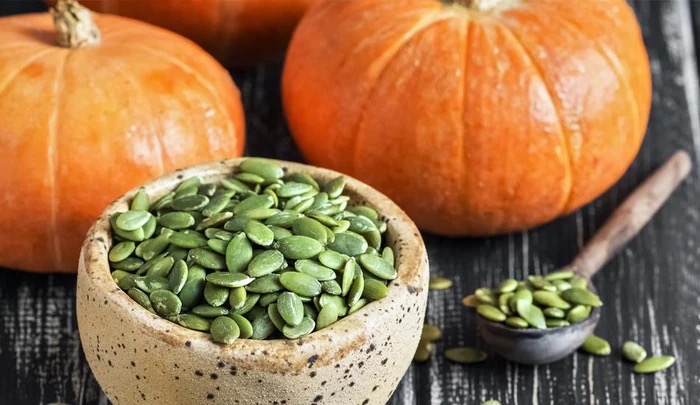
Often used in salads as toppings, these green-gold kernels, often labeled “pepitas,” are a compact source of affordable vegetarian protein, minerals, and healthy fats (about half of their weight is fat). Most people love pumpkin seeds, and I do as well.

1.Superfoods It is nice to see that “old” foods can be called superfoods. Pumpkin seeds are one of them. I do not like the term superfood as such, because it suggests wonders to be achieved by eating A, B, or C. Each with a loyal, at times fanatic fan base (and companies that just want to make money).

What many call superfoods is no more than excellent nutrient-dense food, rich in vitamins, minerals, antioxidants, and phytochemicals. They’re good for your health, can help prevent disease, and support overall wellness. To eat really good food for oneself is already an accomplishment, as most products in your supermarket are not great at all. “Superfoods” are part of my diet, like kale, avocado, wild salmon, and the occasional pumpkin seeds in my salad. Or as snack in the early evening.

“Superfoods” should be part of a holistic diet and healthy lifestyle, not a goal in themselves. They are not exclusive instruments to help you reach your health goals. Do not rely on them too much. So far, no supplements, pills (and definitely no superfoods) exist that cure or prevent everything.

2.Seeds compared. When you compare seeds, there are differences, of course, but most are not that big. Pumpkin seeds are average compared with other seeds when it comes to calories, relatively high in protein (about 25%), and higher than average in fat (but mostly healthy fat) with about 50%, carbohydrates are average and fiber is low. They are a good source of iron, potassium, zinc, and magnesium.

3.The Benefits of Pumpkin Seeds 1. The unsaturated fats in pumpkin seeds, along with magnesium and phytosterols, can contribute to a heart-healthy dietary pattern. Some research suggests that regular, moderate intake of pumpkin seeds may help improve lipid profiles and support blood pressure within certain populations.

2. The combination of protein, fiber, and healthy fats helps increase satiety, which can support better appetite control. For people trying to manage weight, substituting or pairing pumpkin seeds with other snack options can reduce hunger between meals. The fiber content also supports gut health and steady digestion when consumed as part of a balanced diet.

3. Pumpkin seeds contain antioxidants such as vitamin E and carotenoids, plus phytosterols that may support cholesterol balance. Some compounds may help reduce inflammation and oxidative stress.

4. Like many seeds and nuts, pumpkin seeds contain tryptophan, an amino acid that the body can convert to mood-regulating and sleep-related chemicals. Magnesium, another nutrient they supply, is also linked with better sleep quality for some people.

5. Some small studies and traditional use point to benefits for urinary function in men, particularly related to lower urinary tract symptoms (LUTS). The zinc profile in pumpkin seeds is often highlighted in this context. More robust, large-scale trials are needed to make definitive recommendations, but the existing data are encouraging. Men at my age (67) care about their prostate and welcome news like this.

6. In addition, studies indicate that pumpkin seeds contribute to immune support and a better mood and sleep.

4.Problems? Yes, (six minor) ones Pumpkin seeds are calorie-dense. The prepackaged roasted varieties often contain too much sodium (salt). Overconsumption can lead to digestive issues. Some people are allergic. Pumpkin seeds contain compounds like phytic acid that can modestly reduce mineral absorption when eaten in very large amounts, so I would not worry too much. If you have kidney disease, do not eat too much and consult your doctor.

5.Nuts vs. seeds in general Seeds are the plant’s embryos that can grow into a new plant. Nuts are a type of dry fruit with a hard shell around a single seed. True botanical nuts include chestnuts and hazelnuts, etc. Many “nuts” sold in stores (almonds, pistachios, walnuts, cashews) are actually seeds from fruits or drupes, not true botanical nuts.

Nuts (almonds, walnuts, pistachios, cashews, etc.) are frequently more expensive per pound than most seeds.

Both seeds and nuts have excellent nutritional profiles, with differences among them, of course. Seeds are often rich in polyunsaturated fats, certain minerals (magnesium, zinc, iron), and fiber. Nuts are often higher in monounsaturated fats and protein, with their own mix of minerals and phytochemicals.

The shelf life of raw nuts is substantially higher than that of seeds—two times or more. There is no difference when stored in the refrigerator or freezer. Some seeds, like pumpkin seeds, can be more prone to oil rancidity if exposed to heat and light for long periods.

6.How long do pumpkin seeds stay fresh? 4 months in a dark cupboard; keep them in airtight containers away from light, heat, and moisture. If they are roasted, shelf life is about 4 weeks only, before roasted taste disappears. Roasting also diminishes shelf life. For that reason, I freeze a few kilograms of roasted pumpkins and take out a few hundred grams each week. In the fridge: 3–6 months (roasted or not); in the freezer: 9–12 months (roasted or not).

7.Why soak and roast them? Soaking (especially in salted water) reduces the phytic acid in pumpkin seeds. Phytic acid can reduce the absorption by your body of important minerals from other foods. Soaking first will also make roasting easier and can improve digestibility for some people. Roasting will add a lot to the flavor. Some people claim that roasting alone produces a better taste result.

8.Is this a lot of work? No. I do these kinds of things during dinner preparation—Always a few kilograms at a time and storing most of the result in the freezer. A few kilograms should last 1–2 months. The soaking should last 4 hours (in salted water) and the roasting 20 minutes at 175°C (350°F). While roasting, add a bit of oil and salt.

It is getting dark, time for dinner and a nice evening snack. Tonight, as often, pumpkin seeds of course.

Take care, enjoy your food and live a happy and healthy life.

Robert, your health friend

Slowly preparing for the annual trek, Kenya