30.CARTILAGE AND OSTEOARTHRITIS: SOLUTIONS ON THEIR WAY (health project99+)

By train in Uzbekistan, some years ago

Dear reader,

Cartilage is throughout the body. Wherever there are bones, there is cartilage. Problems with cartilage affect many people and can lead to health issues later in life, such as the feared osteoarthritis (OA). In the United States, about 14–15 million Americans have arthritis-attributable activity limitations. OA is the most common form of arthritis, so a large share of this group is OA-related. There are also about 700,000–800,000 joint replacement surgeries in the United States each year!

Although some cartilage interventions exist, OA cannot be fully cured yet and can cause a significant drop in quality of life. Fortunately, new medical solutions seem to be on the horizon, so in the meantime take good care of yourself: lose weight if necessary; do aerobic exercises like walking, cycling, and swimming; wear proper shoes; and use pain relievers when really needed. In my case I use a supplement (see at the end of this blog).

Cartilage protects joints like the knees, elbows, and ankles, allowing bones to move smoothly against one another. It is a specialized type of connective tissue, but it is not as hard as bone. Interestingly, newborns are largely cartilage that turns into bone.

1.The link between cartilage and osteoarthritis In OA, Damage to cartilage is a central, defining feature. OA is a disease of the whole joint, and cartilage deterioration is what sets the process in motion and drives symptoms and later joint changes.

Mechanical stress, aging, genetics, and inflammation disrupt the balance between cartilage building (anabolic) and cartilage breakdown (catabolic). Chondrocytes—the cells that are a key component of cartilage—start producing more degradative enzymes that break down collagen and proteoglycans, which are also key components of cartilage. As a result, the cartilage surface cracks and fissures, thins, and loses its smoothness and shock-absorbing properties.

2.What is cartilage? Cartilage is a strong, flexible, and specialized connective tissue found in many areas of the body, such as joints, the nose, ears, and spine. Almost every bone has some cartilage around it. Cartilage (1) provides structural support, (2) protects joints as a shock absorber, and (3) reduces friction between bones. One specific cartilage is articular cartilage, which is the smooth, cushion-like tissue covering the ends of bones in a joint. 

Cartilage is made up of cells, a gel-like matrix, and fibers. Most of this is gel, made up of proteoglycans. About 80% of the tissue is water, which helps explain why cartilage is a hydrated network, mostly made of collagen and chondrocytes. There are three types of cartilage: (1) hyaline cartilage, the most common, mainly in the joints, the trachea, and the nose; this cartilage is smooth and helps resist compressive forces; (2) elastic cartilage, found in the ear and larynx, which is more flexible and resilient; (3) fibrocartilage, the strongest type, found in areas that must withstand heavy pressure, such as the menisci in the knee and the intervertebral discs in the spine.

Not going into technical detail, the perichondrium is a vascularized connective-tissue sheath that surrounds most cartilage and serves as a source of nutrients and new cells. It also helps with growth and repair of cartilage. Not all cartilage has a perichondrium: articular cartilage (the hyaline cartilage at joint surfaces) and fibrocartilage lack it; this helps explain why repair of the meniscus is difficult.
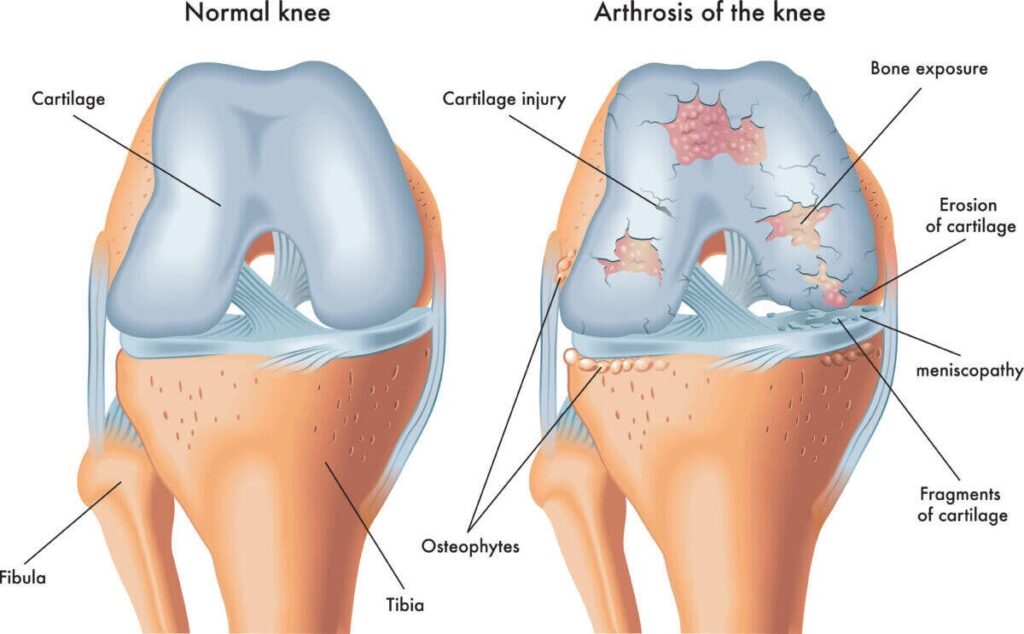
3.Repair/regeneration of cartilage: is it possible? The short answer is: partly possible. Cartilage has no blood supply, so natural repair is very difficult, but not completely impossible. Chondrocytes have a limited ability to produce new matrix and repair minor damage. Fortunately, this is an area where new techniques and solutions are on the horizon.

4.A torn meniscus and its relationship to cartilage health A torn meniscus is common and closely linked to cartilage health and osteoarthritis (OA). This relationship goes both ways. Tears of the meniscus, even small ones, can accelerate cartilage degeneration and OA progression, while OA-related changes make the meniscus more prone to tearing. A tear can, for example, provoke inflammation in the joint and release damaging enzymes that break down the cartilage matrix. This inflammatory milieu accelerates cartilage damage and can speed OA progression. Another issue is that when the meniscus extrudes (slips out of place), its load-distributing role is further compromised, increasing focal cartilage wear. Tears at the roots or tears that occur in the setting of aging OA are especially associated with rapid OA progression

5.What can you do in 2025 when there is joint damage related to cartilage?

  • Physical therapy and exercise: Tailored exercises can improve muscle strength, flexibility, and joint lubrication while minimizing pain. Brisk walking, cycling, swimming, and some resistance training can help. Consider balance and coordination training like Tai Chi. Proper footwear can alleviate knee OA symptoms and support safe, beneficial exercise.
  • Weight management: Losing weight can significantly reduce stress on the joints, especially in the knees and hips, helping to alleviate pain and slow disease progression.
  • Medications: Over-the-counter and prescription pain relievers can help manage pain and inflammation.
  • Other therapies: Heat or cold therapy and topical pain relievers can provide additional symptom relief.
  • Injections: Some injections can supplement joint lubrication or reduce inflammation to improve function and reduce pain.
  • Procedures that repair or restore cartilage (often for focal defects in younger patients): Osteochondral autograft transplantation (OATS / mosaicplasty) — plug-like grafts taken from your own bone and cartilage and transplanted into the defect.
  • Joint-preserving approaches for larger defects or persistent pain: Debridement, drilling, or fixation strategies to optimize the remaining cartilage.
  • Surgery: In severe cases, surgery such as joint repair or replacement may be recommended. This is a major operation with long-term considerations (implant lifespan, activity limits, potential need for revision later).

6.Over the next five years, several new treatments are on the horizon. Current treatments aim to relieve pain, maintain function, and slow progression; many approaches target the biology of cartilage breakdown or support joint health. Regenerating native cartilage remains challenging. Therefore, a true reversal of osteoarthritis (OA) is not yet here, but several promising approaches could move into commercial use in the next five years.

7.Without going into detail, here are some promising developments:

  • Sprifermin (FGF18) for knee OA: a recombinant fibroblast growth factor intended to stimulate cartilage growth and repair.
  • Allogeneic mesenchymal stem/stromal cell (MSC)–based intra-articular therapies: off-the-shelf cell therapies intended to modulate the joint environment and support repair.
  • Exosome/secretome–based therapies from MSCs: cell-free products using extracellular vesicles (exosomes) derived from MSCs to deliver regenerative signals.
  • Regenerative scaffolds and osteochondral implants for focal defects in OA joints: bioengineered implants or grafts to restore cartilage at focal wear areas, sometimes combined with bone components.

I do not understand all the details, but it is clear that hard work is ongoing to reverse OA by repairing cartilage.

8. My own experience is that I have had cartilage issues in my knee since I was in my forties. It was at times a very annoying and painful experience. Exercises helped, and at times the symptoms returned, but ongoing physiotherapy and aerobic exercise each time helped me overcome the problems.

For the past few years I have been taking the supplement glucosamine-chondroitin MSM+. I wrote about this supplement a few months ago with the following conclusion: “Some supplements, like glucosamine, seem to work well for me, even if they are not fully backed by research, though I would of course prefer stronger evidence.” https://shakethehealthtree.com/index.php/2025/03/04/21-glucosamine-a-supplement-for-your-joints-health-project99/ . Do not believe claims that collagen supplements will go straight to the place where it is needed.

Dear reader, take care of your body, listen to signals and do your best to reverse it when things go south. Not always possible, but often it is!

In Khiva, Uzbekistan, on the Silk Road


15. FEET: 9 TIPS TO KEEP THEM AND YOU HAPPY (health project99+)

On the move in Kenya

Dear reader,

When your feet work as they should, you rarely notice them. But when they hurt, every step can feel like a challenge. Let’s be honest: do we not (almost) all neglect our feet? With neglected nails and not smelling great? In this blog 9 tips how to much better look after your friends down under.

Feet support your whole weight, you know this. Do you also know that your feet form one of the parts of the body with the highest concentration of nerves? I once had a small operation on my right foot. I still remember the agonizing pain when my foot had to be anesthetized and the needle entered my sole.

Think also of foot reflexology—how your feet connect with all your organs in your body. I’ve always found it amazing how pressing certain points in the feet could have such an impact on the rest of the body.

The list of potential foot problems is long, but with some simple precautions most problems can be solved or, even better, prevented. Consistency matters more than intensity, especially as you age. See therefor my tips in the second part of this blog.

Things that can go wrong with your feet As noted, the feet are among the areas with a high density of nerves. Our feet are powered by a complex network of nerves that provide sensation and control movement. Major nerves you should know include:

  • Tibial nerve and its branches (plantar nerves) on the bottom of the foot
  • Peroneal (fibular) nerves on the outer leg and foot
  • Sural nerve on the back of the leg and outer foot
  • Saphenous nerve on the inner foot and leg

Main nerve issues:

  1. Morton’s neuroma: irritation or entrapment of the nerves between the toes, causing sharp pain, burning, or numbness in the forefoot
  2. Tarsal tunnel syndrome: compression of the posterior tibial nerve near the ankle, leading to pain, tingling, or burning in the sole of the foot
  3. Diabetic neuropathy: nerve damage from long-standing high blood sugar, often starting in the toes and feet with numbness or tingling
  4. General nerve entrapments: various spots where nerves can be pinched by tight footwear, swelling, or scar tissue

Other issues (without going into detail): Plantar fasciitis, an inflamed Achilles tendon, bursitis, pain from flat feet, bunions and bunionettes, toenail fungus and athlete’s foot, corns and calluses, and ingrown toenails.

Arthritis in the feet: can it be avoided? Arthritis in the feet comes in several forms, and how avoidable it is depends on the type. The three most common forms are:

  1. Osteoarthritis (wear-and-tear): deterioration of cartilage with age
  2. Rheumatoid arthritis (autoimmune): inflammation that can affect many joints, including the feet
  3. Gout and other inflammatory arthritides: related to uric acid levels or immune factors

Some forms (especially autoimmune types like rheumatoid arthritis) have genetic or immune-system components that can’t be prevented. Wear-and-tear arthritis is influenced by lifetime joint load and injuries, so you can change some risk factors. A healthy weight and avoiding repetitive stress on the same joints are two of the most important ones.

Feet can signal health issues

  • If your feet feel unusually cold, consult your doctor. It can point to circulatory or cardiovascular problems.
  • When you have a regular checkup for skin cancer, ask your specialist to also check your feet. Skin cancer can start on the feet more often than people expect.
  • Signs that you might have nerve issues include numbness, tingling, burning, or shooting pains in the feet or toes; weakness or loss of balance, especially when standing on the toes or heel; and pain that worsens with tight shoes or long walks.

Foot reflexology (a quick note) Foot reflexology is based on the idea that specific points on the feet map to different parts of the body. There is limited robust scientific evidence that reflexology can reliably improve diseases or treat organ dysfunction. Some studies suggest modest benefits for symptoms such as pain, anxiety, stress, and sleep in certain populations. My personal experience with foot reflexology has been positive.

9 Tips to keep your feet—and you—happy

  1. Exercise is crucial. Stretch your feet and ankles regularly, ideally at the start of the day and before strenuous activity. You can do this at your desk, too. Don’t wait until you’re older—older adults can incorporate foot-friendly activities like swimming or bicycling that put less pressure on the joints of the foot.
  2. Weight control. No surprise here. Keeping a healthy weight helps reduce stress on your feet.
  3. Footwear matters. Choose shoes that fit well and aren’t too constrictive. Consider cushioning inserts if you plan to increase activity. High heels, while visually appealing to many, can be hard on feet.
  4. Foot skin health. The skin on your feet tends to become drier and thinner with age, so moisturize regularly to prevent cracks (fissures) that can lead to open wounds with blood. Pay special attention to the heels, which can get very dry. Avoid applying lotion between the toes, where moisture can promote fungal or bacterial growth.
  5. Toenails. Toenails can become thicker and more brittle with age. If you wear polish, you may notice yellowing after removal due to dyes. Remove polish once a week and let nails breathe for a day or two before reapplying.
  6. Pedicure routine. A pedicure every few months can make a big difference in how your feet look and feel.
  7. Weekly foot soak. Soak in warm water with bath salt for 10–20 minutes, then dry thoroughly and care for nails. People with neuropathy, poor circulation, foot wounds, or a history of foot injuries should be cautious.
  8. Socks and cleanliness. Change socks daily and avoid putting on socks when feet are wet. Wet socks increase fungal risk and you do not want to know how many bacteria your socks gather in just one day. If you are in a plane and remove shoes, avoid walking around in socks.
  9. Barefoot walking and evidence. Some science suggests barefoot walking on safe surfaces can improve foot strength, balance, and proprioception. Claims that barefoot or “grounding” improves systemic health are not well supported. It’s not suitable for everyone—people with neuropathy, poor circulation, foot wounds, or a history of foot injuries should be cautious about going barefoot, especially in public or outdoor areas. I personally enjoy walking barefoot on the beach next to our apartment, and I believe it contributes to strength and balance, though evidence varies.

Final notes Feet (and ankles) are complex, and doctors can do wonders. This blog shares tips to look after your feet, but when problems persist, there are many options, including minimally invasive surgical procedures.

Take care and live a happy and healthy life,

Robert, your health friend

Mangrove in Aruba

5. ELECTROLYTES: ESSENTIAL FOR HEALTH (health project99+)

The Wall, Berlin

Dear reader,

Sports people buy expensive bottles filled with electrolytes. Electrolytes themselves are necessary, to buy expensive bottles not at all.

What are these electrolytes, a fancy word for minerals such as salt? Do you need them (yes), can you make drinks with them yourself (yes), are there reliable tests to check if you have a shortage of electrolytes (yes). Is a regular diet sufficient (not always). 

Salt (sodium) as the best-known electrolyte has a mixed reputation. Many people easily have a too high salt intake (processed food for example is loaded with salt) with often serious health consequences. However, if you are a vegetarian who prepares his/her own food, does a lot of sports, lives in a warm climate and sweat a lot, you will almost for sure get an electrolyte’s deficit. Which has serious consequences as I experienced myself on several occasions.

What are electrolytes?

Electrolytes are charged minerals dissolved in body fluids that carry an electric charge. They help with (1) Fluid balance between compartments (inside and outside cells); (2) Nerve impulses and muscle contractions (including the heart), (3)  Acid-base (pH) balance (it is essential that your blood and bodily fluids stay within a narrow pH range (7.35-7.45) and (4) overall metabolism.

The key electrolytes are sodium (Na+), potassium (K+), chloride (Cl−), calcium (Ca2+), magnesium (Mg2+), bicarbonate (HCO3−), and phosphate (PO4^3−).

When do you need to top up your electrolyte’s intake?

Most people get the electrolytes they need from a balanced diet. You may need more if you are a vegetarian, sweat a lot, are ill with vomiting/diarrhea, have certain medical conditions or live in hot climates. 

Especially vegetarians have to make sure that they get enough salt (sodium) and other electrolytes. The same applies to people like me who lived in hot climates and do a lot of sport. But even if you live in cold and rainy The Netherlands but bike and walk regularly, you easily might have high electrolyte losses. Working outdoor is another situation that can cause problems.

Young children and older adults are more vulnerable to dehydrations and electrolyte imbalance in hot weather.                                                     

What are the signs that you might have an electrolytes deficit?

Signs you might need electrolyte support (unless you have a medical condition): persistent dizziness, cramping, unusually dark urine, fatigue with dehydration, or if you’re unable to replace fluids after sweating or illness. Drinking water then is not enough! It needs to be fluid with electrolytes.

When to seek professional advice

If you have kidney disease, heart failure, high blood pressure, or are on a doctor-prescribed electrolyte or fluid restriction.

If dehydration is severe (very low urine output, dizziness on standing, confusion, or if you cannot keep fluids down), seek urgent medical care.

In children, the elderly, or people with chronic illnesses, use caution and consult a clinician before using homemade electrolyte drinks, especially during illness.

To buy or make yourself?

Of course you could and should make your own electrolytes solution. Most recipes suggest 25 grams of sugar as for better taste and better absorption. This is almost half of the “allowed” daily added sugar intake, so I would not do it. Only in cases of serious dehydration (diarrhea and/or vomiting) I would add sugar. The ORS packages for emergency hydration standard contain glucose.

My solution consists of adding low sodium salt (30%) that also contains potassium salt (69%). The brand is called JOZO. I add a few grams each to my fresh lemon drink, the smoothie and the evening soup. With these combinations I do not taste the salt at all.

After intense sports, sauna or during warm weather I add a bit more. For the rest I do not add any salt to my food and at home we rarely eat processed food.

Some standard recipes per 1 liter of water (without sugar) on internet: (1) 1/2 teaspoon table salt (about 2.5 g NaCl) and 1/4 teaspoon potassium chloride (about 1 g); (2) 1/2 teaspoon table salt (about 2.5 g NaCl), 1/4 teaspoon potassium chloride (about 1 g) and 1/4 teaspoon baking soda (about 1.2 g, provides bicarbonate). 

As I use JOZO (btw, no advertisement) NaCl and KCl are already combined.

Testing

Who should get tested? From what I read on internet testing is to be considered under the following three circumstances.

  • Athletes or individuals in extreme heat or endurance activities may have testing in clinical or sports-medicine settings, especially if there are symptoms or a planned intensive training/competing regimen.
  • Symptomatic concerns: confusion, dizziness, weakness, cramps, seizures, irregular heartbeat, swelling, or persistent symptoms of dehydration.
  • People with conditions or on medications that affect electrolyte balance (kidney disease, heart failure, uncontrolled high blood pressure with diuretic use, endocrine disorders, certain cancer therapies).

Personally, I plan to do a test once, and, assuming it is normal, I will not do a follow-up test.

There are several tests that can measure your electrolyte levels, either in blood or urine, and in some cases to assess related acid–base balance or kidney handling of electrolytes. 

Common reference ranges (approximate; can vary by lab)

  • Sodium (Na): 135–145 mEq/L
  • Potassium (K): 3.5–5.0 mEq/L
  • Chloride (Cl): 98–106 mEq/L
  • Bicarbonate (HCO3−): 22–28 mEq/L
  • Calcium (total Ca): ~8.5–10.5 mg/dL (ionized Ca is a separate test)
  • Magnesium (Mg): ~1.7–2.2 mg/dL
  • Phosphate (PO4): ~2.5–4.5 mg/dL

Conclusion

It is a bit surprising that those who live healthy, stay away from processed foods and move a lot are advised to have a good look at their electrolytes’ intake and often are recommended to take more salt (and potassium and other electrolytes, in particular when you feel dizzy when you stand up.

I know it is your own money, but paying good money for expensive electrolyte bottles for me ranks very high on the list of silly things.

Take care, live a happy and healthy life and think of this blog when you feel dizzy.

Robert, your health friend

Dutch dog in Congolese rain

21. CALCIUM SUPPLEMENTS: A NEGATIVE ASSESSMENT (health project99+)

Venice of course

Dear reader,

Health Project99+ is my personal quest for a healthier and longer life. I rely on as many reliable sources as possible. I keep an open mind and I have already made several changes in how I live. Changes include what I eat and what supplements I take, among other things. This is blog 50 of a few hundred I plan to write in total. 

Now About Calcium. Calcium is an essential mineral. However, please throw calcium supplements out of the window—yesterday. They provide little benefit and may, on the contrary, cause considerable harm.

As we age, we run the risk of decreasing bone density and increasing the number of fractures. Fortunately, as is often the case, one can slow and/or almost stop this process. However, contrary to popular belief, this cannot be achieved through supplements! To cut the long story below short: the right food, vitamins D and K2 and above all strength and weight training till your last day.

1.Calcium is an impressive player in your body: 8 functions

Here are the key reasons why calcium is vital. Most of us associate calcium with bones and teeth, but its role extends far beyond this. First and foremost, there is a significant amount of calcium in the body—around 1 kg. It’s important to note that only 1% of this calcium should be in your blood. The rest should be in your bones and teeth.

Calcium is indeed a primary component of bones and teeth. It provides structure and strength, helping to maintain bone density and prevent osteoporosis and fractures.

Calcium is vital for muscle contraction. When a nerve stimulates a muscle, calcium is released, enabling the muscle fibers to contract. 

Calcium ions facilitate the release of neurotransmitters, which are necessary for communication between nerve cells.

Calcium is necessary for the activation of certain proteins and enzymes. These enzymes help form blood clots, which are essential for healing injuries.

Calcium is important for the secretion of hormones and enzymes that are involved in almost every function in the body. This includes insulin secretion from the pancreas, which regulates blood sugar levels.

Calcium ions are essential for many cellular processes, including cell division, growth, and communication. They help maintain cell membrane integrity and facilitate various biochemical reactions.

Adequate calcium intake may help reduce the risk of certain chronic diseases. These include hypertension (high blood pressure) and some types of cancer.

Calcium works alongside other electrolytes. These include sodium, potassium, and magnesium. They maintain proper fluid balance and cellular function in the body.

2.Development of gradual loss of calcium if you do not undertake action

Some studies suggest that individuals can lose between 0.5% to 1% of bone mass per year. This happens after reaching their peak bone density in early adulthood, around the late 20s to early 30s. In men, bone density tends to decline more gradually after age 60. The rate of loss can be influenced by testosterone levels and overall health. 

Women should pay particular attention. Their bone density can decrease by approximately 1-2% per year after menopause. There is a significantly higher loss in the first few years following menopause.

Long-term studies estimate that by age 70, individuals might have lost 20-30% of their peak bone mass. This occurs if they do not engage in sufficient calcium intake and weight-bearing exercise.

The Recommended Dietary Allowance (RDA) for calcium varies with age. Adults aged 19-50 typically require about 1,000 mg of calcium per day. After age 50, the recommendation increases to about 1,200 mg per day for women, while it remains at 1,000 mg for men until age 70. This should come from dietary sources, not supplements. Age can also affect the absorption of dietary calcium. Net absorption of dietary calcium can be as high as 60% in infants and young children, who need substantial amounts to build bone. It decreases to about 25% in your ‘50s. At those ages maintenance is crucial.

Good to know that the RDA takes into account the net absorption rate of dietary calcium per age.

3.How to counter calcium loss?

The answers lie in food, vitamin D and K2, and strength training! In this blog I will not write too much about strength and weight training as this speaks for itself. Just remember that bones are living material, like a solid tree, that needs maintenance. Every day. Engaging in weight-bearing exercises is beneficial. Activities like walking, running, or strength training can help strengthen bones and slow the loss of bone density. Activities promoting balance and coordination, such as tai chi or yoga, can also reduce the risk of falls and fractures.

Good sources of calcium include dairy products, leafy green vegetables, nuts, seeds, and fortified foods. 

Vitamin D plays a crucial role in calcium absorption and also K2 plays a supporting role. Ensuring sufficient vitamin D levels through sunlight exposure, diet, or supplements can help maintain bone health. Taking calcium supplements without adequate magnesium, phosphorus, and vitamin D intake can lead to mineral imbalances in the body, which can negatively affect bone health and overall metabolic function. Even if you do not take calcium supplements, make sure your intake of vitamin D and K2 is sufficient.

Lack of physical activity, smoking, and excessive alcohol consumption can significantly increase the rate of calcium loss. These factors worsen bone health.

Don’t A lack of physical activity can significantly increase the rate of calcium loss. Smoking also contributes to this issue. Additionally, alcohol consumption worsens bone health. 

Important: If you have conditions that affect bone density, such as osteoporosis, you should seek proper medical treatment. Certain hormonal imbalances also need to be addressed. In other words, see your doctor.

Screenings are possible (Bone density tests = DEXA scans) but I have read mixed reviews on the usefulness of these screenings.

Calcium rich foods (All per 100 grams intake) Almonds (264 mg), Milk (whole) (113 mg), Kefir (120 mg). Yogurt (plain, whole) (110-150 mg), Dried Figs (162 mg), Fortified Orange Juice (120 mg), Broccoli (47 mg), Kale (150 mg), Tofu (with calcium sulfate) (350-400 mg), Sardines (canned, with bones) (381 mg), Cheddar Cheese (721 mg ), Fortified Soy Milk (120 mg), Chia Seeds (631 mg) and White Beans (194 mg).                     |

Caveat: Bioavailability While certain foods might contain high calcium levels, the bioavailability (how well your body absorbs that calcium) can vary a lot. For example, calcium from dairy products is generally more bioavailable than that from certain plant sources, due in part to the presence of other compounds that may inhibit absorption (like oxalates and phytates).

Calcium from dairy products like milk, cheese, and yogurt is highly bioavailable, often ranging from 30% to 60% absorption rate. Dairy foods are typically low in compounds that inhibit calcium absorption.

Calcium from plant sources, including leafy greens (like kale and broccoli), nuts (like almonds), seeds (like chia), and legumes (like beans), tends to have lower bioavailability, often just in the range of 5% to 30%. This is because phytates (found in grains, beans, nuts) and oxalates (found in certain greens like spinach and Swiss chard) can bind to calcium and inhibit its absorption. However, some plant sources like broccoli and kale have relatively better absorption rates due to lower oxalate content.

So if you follow a Vegans/Plant-Based Diet you should focus on calcium-rich options while being mindful of bioavailability. Incorporating fortified foods (like fortified non-dairy milk and orange juice) and consuming a variety of sources can help reach your needed calcium intake.

In short, for vegans it will not be easy. Do the math: if you are a 50-year-old woman, you need 1,200 mg of calcium per day. This means you have to eat a lot of tofu, kale, and other produce to reach that 1,200 mg. Tofu might contain up to 400 mg of calcium per 100 grams, but even in the best cases, when it is fortified with calcium sulfate, only 40% is bioavailable. This equates to 160 mg of effective calcium per 100 grams of tofu, which in theory would translate into 700 grams of tofu needed.

4.Milk Discussion

As a Dutch guy, I will save the milk discussion for a later blog. Apparently, there are quite a few respected health experts who are firmly against milk. Recent studies suggest that there are more potential harmful effects on the body than previously assumed. However, milk provides many excellent nutrients, including, of course, calcium. One point of concern (and my reason for drinking little to no milk) is its fat content: it contains 4.5 grams of saturated fat per 100 grams and 24 milligrams of cholesterol.

5.Risks of Calcium Supplementation

In the past decade, many studies began to question the added value of taking calcium supplements. Some have even pointed out certain dangers. A consensus is building (but we’re not there yet) regarding the following.

Multiple studies have found that there’s little to no benefit in taking calcium supplements for the prevention of hip fractures.

Conversely, recent studies have linked calcium supplements with an increased risk of colon polyps. These are small growths in the large intestine that can become cancerous.

There is also an increased risk of kidney stones. These are hard masses usually formed in the kidneys from an accumulation of calcium and other substances.

Additionally, a 2016 study suggested that calcium supplements might increase the risk of calcium buildup in the heart’s arteries. The body can’t process more than 500 milligrams of calcium at one time. If you take a supplement that exceeds this amount, your body has to manage the excess. Higher calcium levels in the blood could trigger blood clots. Calcium might also deposit along artery walls. This contributes to the narrowing of blood vessels. The debate is still ongoing, but I consider this information quite concerning.

6.Important to Know

Calcium supplements may interact with certain medications, such as antibiotics (like tetracycline), bisphosphonates (used for osteoporosis), and medications for high blood pressure. 

Dear reader, do like me and get rid of your calcium supplements.

Enjoy a happy and healthy life,

Robert, your health friend

The Netherlands seen from a plane

20. MY FIRST YEAR WITHOUT A CAR (health project99+)

BMW museum in Munich

Dear reader,

I am not against cars; on the contrary. Still, I made a conscious decision not to buy a car a year ago when I returned to The Netherlands.

Why did I decide to do so, and what has my experience been so far? In short: I made this choice because of health reasons, my experience has been 9.5 out of 10, and I’ve also saved a significant amount of money and contributed to a better environment.

Although I live in a big city (by Dutch standards), I have my own parking space next to my apartment. Not having a car is still considered a bit of an exception. However, it is not as unusual anymore as it would have been 10 years ago. My neighbors are now accustomed to seeing two bicycles in my parking area, amidst a lineup of impressive cars. And the bicycles are not electric!

The no-car lifestyle is becoming a niche trend in my country. It isn’t mainstream yet because, in the Netherlands, with a population of 18 million, there are still 9 million cars. If I lived in the center of Amsterdam, having a car would be very impractical (due to parking and traffic jams). More and more people in big cities are giving up their cars. I know quite a few people who no longer own a car. However, only one friend has done so for more principled reasons, like me.

Of course, it helps that public transport is excellent in the western part of the Netherlands. Two bus stops are just 100 meters from my apartment. I am a member of Green Wheels (a car-sharing program). The nearest available car is just a 10-minute walk away. Moreover, there’s home grocery delivery for those who wish, and I seldom use taxis. When I visit friends, they often pick me up at the train station. While this pickup is usually not necessary, it is always appreciated.

Now, after this introduction, why did I choose to live this way? Primarily, it’s about investing in my health and exercising more, which is one of the pillars of longevity.

Exercise, including strength training, is a vital aspect of a healthy and long life. Other essential elements include good sleep and stress management. Healthy food and a nurturing environment are important too. An active social life is also crucial. These elements work together with supplements and technological breakthroughs.

To progress on this path toward longevity, I need clarity about the benefits. I must be convinced that an alternative lifestyle will be beneficial in the long term. This, of course, is not always easy. Willpower is crucial, as I noted in another blog. https://shakethehealthtree.com/index.php/2025/06/17/0-the-motivation-willpower-and-knowledge-alliance-health-project99/

I can help myself substantially. For instance, when it comes to diet, I know I am susceptible to giving in to comfort food. I love chips, chocolate, etc., and I can’t resist them when they are in the cupboard. The (somewhat childish) solution is not to keep them at home. In the store, I frequently get sweet cravings. One look at the product label usually deters me. That French nougat may look enticing, but 100 grams contains 55 grams of sugar. And 100 grams of Turkish delight equals 100 grams of sugar.

Let me start with the benefits of not having a car. It saves a lot of money (more about that later), but my main motivation was health. The key health benefit is that I engage in daily cardio training. For trips up to 10 km (20 km round trip), I take my non electrical bicycle. This enables me to exercise at many moments when I would normally have taken the car. When the weather is bad, I take the bus or tram, both of which are nearby.

Not having a car appears (for me at least) to create a big supporting context for my exercise objectives.

In the early morning, I take a standard 4 km walk. I buy groceries and essentials like croissants, kefir, Turkish bread, and vegetables. All other shopping and appointments are done by bike. If I have too many groceries, I have them delivered to my home.

Most days, I complete my 10,000 steps, pleasing both my Apple Watch and me. This achievement is partly due to the absence of a car.

Not having a car reduces stress when traveling. Yes, it requires some adjustment. The timetables of the bus, tram, and train provide a framework. Once I get used to it, it is genuinely relaxing. I have a Rail Flex subscription that allows me to travel for free on weekends within the Netherlands. Great! This is complemented by my museum card, granting access to almost 600 museums. Overall, it’s an excellent way to rediscover the Netherlands, and I’ve noticed that this approach brings me mental peace. Sitting on the train, reading, sleeping, or looking at Dutch cows or spring tulips is all great.

There are limitations for example I organize visits to friends mostly in the weekends. Living this way also requires more time, as I am 30 minutes away by bus from the central train station. As a result, trips to nearby cities take much longer by public transport than by car. However, this disadvantage diminishes during longer trips.

Regarding cost, although it’s not my primary consideration, I save a lot of money. The monthly cost of driving a car in the Netherlands ranges from €600 to €1,100. I spend an average of €75 on public transport. I also spend €30 on renting a car through Green Wheels. Additionally, I spend around €1,000 annually for holiday car rentals. I’ve not used taxis so far. My total monthly transportation expenditure is less than €200.

So far, not having a car has been a success. Health-wise, I walk and bike more. It also contributes to better mental health due to reduced stress by being driven (train) and not driving yourself. All this happens while saving money in the process. I was initially concerned about missing the convenience of having a car available at any moment. However, this fear proved to be unfounded. It is true that living this way can require more time, but I adapt to this very quickly.

And before I forget, it is not bad for the environment as well.

Did I ever regret it? Yes, once. I celebrated New Year’s Eve with friends and returned home at 02:00. There was a storm with headwinds and a lot of rain, and it was very cold. No public transport or taxis were available, and these are the moments when a car-free life is not pleasant. 

Take care, sell your car if possible and enjoy a long and healthy life,

Robert, your health friend

Crossing a river in Congo/Brazzaville, no public transport

21. NITRIC OXIDE, THE LONGEVITY MOLECULE I NEVER HEARD OF (health project99+)

Notre Dame in Paris

Dear reader,

In my quest to better understand health issues, I stumbled upon Nitric Oxide (NO). Honestly, I had never heard of it, but apparently, it is critical for many functions.

What is NO? What does it do? How can one compensate for NO loss as one ages? What happens if you have a shortage?

Let us start with the first question: What is NO?

Nitric Oxide (NO) is a colorless gas. It is produced naturally in the body. This gas plays several vital roles in various physiological processes. It is a signaling molecule that helps regulate blood flow, immune responses, and neurotransmission. A lack of NO leads to many health issues, including cardiovascular diseases, diabetes, and neurodegenerative disorders.

Many call it the “longevity molecule” as it protects your DNA, promotes mitochondrial production, and stimulates stem cells.

The bacteria in your mouth play a central role; they convert nitrates from food into NO. For this reason alone, proper mouth hygiene is important.

How do you know there might be a problem with your NO levels?

Since it is difficult to accurately measure NO levels, one has to look at symptoms. Unfortunately low NO levels are common. By the age of 30, you might already experience a 40% decrease in NO production. This is followed by further gradual loss annually if you do not take corrective measures. Aging, combined with certain health conditions (like diabetes), impacts the ability to produce nitric oxide.

You might have an NO problem if you experience certain symptoms. These include high blood pressure, poor blood circulation, and poor overall exercise performance. Other signs are shortness of breath, erectile issues for men, increased susceptibility to infections, and slower healing processes. Poor cognitive performance or memory issues, headaches, and dizziness may also be indicative. 

These symptoms can reflect other diseases, so it is advisable to consult your doctor. They can evaluate your symptoms and conduct necessary tests.

What are all these critical roles of NO?

Relaxing and dilating blood vessels. Helping to regulate blood flow and blood pressure by allowing smoother movement through the arteries and veins.

Lowering systemic vascular resistance. This helps to reduce blood pressure.

Antimicrobial properties and programmed cell death of infected or cancerous cells.

NO can influence inflammatory responses, but when in excess, it can also contribute to tissue damage during chronic inflammation.

It plays a role in mitochondrial respiration. It can influence energy production at the cellular level. This affects the efficiency of ATP (adenosine triphosphate) production. ATP production is vital for cellular energy.

Assisting in maintaining the inner lining of blood vessels involves promoting cell growth. It also includes reducing the adhesion of white blood cells to the endothelium, which prevents plaque buildup.

Modulating insulin sensitivity, which can impact conditions like diabetes.

NO is involved in various aspects of reproductive physiology. It includes erectile function in men. It also involves the regulation of blood flow in the female reproductive system.

The impact of mouth hygiene on NO

When you consume nitrates, they encounter bacteria in your mouth. These bacteria convert nitrates into nitrites. Nitrites can be swallowed. They are then further converted into nitric oxide in the stomach and bloodstream. The most important of these bacteria are located on the surface of your tongue. For this reason, it is advisable to regularly rub your tongue with a toothbrush. This stimulates the mucous membranes in the mouth. It is part of achieving good oral hygiene. This practice can indirectly support nitric oxide production.

Fluoride toothpaste and mouthwash do kill off some bacteria in your mouth. These bacteria are responsible for converting dietary nitrates into nitric oxide (NO). If you are concerned about this balance, you might consider several measures. Rinse with water after brushing. Consume nitrate-rich foods. Stop using fluoride toothpaste. Be critical about the type of mouthwash you use. Dental hygiene is important, of course, but so is supporting a healthy oral microbiome.

Testing is possible but not easy

Measuring nitric oxide (NO) levels in the body can be challenging. Nitric oxide is a gas with a very short half-life in biological systems. However, there are a few methods to assess nitric oxide production. Indirect indicators such as FeNO testing and blood tests can be used. It is not a standard test, so it is best to consult your doctor.

How to get enough NO?

Your NO levels will decline quickly without measures. This decline starts in your 20s. Therefore, it is important to know how to maintain adequate NO levels. From what I have read, it is possible to correct NO deficiency and combat the age related NO loss.

The usual health recommendations remain very important, also for NO. Exercise regularly and maintain a healthy weight. Avoid smoking and limit alcohol consumption. Make sure you get enough sleep and stay hydrated. Manage your stress levels as well. While none of these are spectacular recommendations, they are essential nonetheless.

Certain dietary sources are rich in nitrates. These can help increase nitric oxide levels. These include leafy greens like spinach and kale. Beets, celery, and radishes are also high in nitrates. Antioxidants can protect nitric oxide from degradation. Foods rich in vitamin C (fruits like oranges, strawberries, and kiwi) and vitamin E (nuts and seeds) are beneficial.

Experts generally recommend consuming around 300 to 600 milligrams of nitrates daily. This intake can be beneficial for enhancing nitric oxide production. Beetroot is particularly effective, with one medium-sized beet containing about 250-300 mg of nitrates. 

Incorporate protein sources rich in the amino acid L-arginine, such as meats, nuts, and seeds. Include L-citrulline, which is found in watermelon. These nutrients can support nitric oxide production.

When taking supplements

Few foods are rich in nitrates. Therefore, consider using supplements containing L-arginine. This amino acid is a direct precursor to nitric oxide. Alternatively, L-citrulline can also be used, which is another amino acid that can increase nitric oxide levels. You might also consider beetroot powder or NO boosters. However, excessive intake can have negative consequences, including elevated blood pressure, interactions with medications, and excessive widening of blood vessels. Intakes excessively high (more than 6 grams) are generally not recommended.

For nitrate intake from food, consuming between 300 to 600 mg is recommended. For well-known supplements like L-arginine, the advised dose is up to 6 grams per day. I could not find a reason for the difference. I am considering taking this supplement at the lower end (3 grams) but will be aware of any symptoms.

Nobel Prize

The Nobel Prize in Physiology or Medicine in 1998 was given to Furchgott, Ignarro, and Ferid Murad. They were recognized for their discoveries about nitric oxide as a signaling molecule in the cardiovascular system. So, I feel I am in good company by being interested in NO!

Take care and live a happy and healthy life!

Robert, your health friend

An elephant in Botswana

15. ICE-COLD WATER PLUNGES: NOT ALWAYS A GOOD IDEA (health project99+)

Probably AI generated

Dear Reader,

The health world is full of bold claims. Some are true; most are not. I know it might be a bit old-fashioned, but I believe in science to prove or disprove these claims. When scientific evidence is lacking, we must apply the “no harm” principle. I apply this principle to some supplements, which often have promising claims but lack scientific backing. There is no proof that they can harm you. I am prepared to take them. Examples include berberine, spermidine, and fisetin.

The problem with ice cold water plunges is the lack of scientific proof that they indeed boost immunity. However, they do contribute to muscle relaxation and they can also improve mood. On the negative they can cause serious stress on your body and even lead to heart problems.

1. Ice Cold Water Plunges Through the Ages

  1. Ice cold water plunges have a long-standing tradition. The Romans used their “frigidariums.” In the 19th century, cold water baths were popular as a claimed cure for many ailments. Today, we observe the Finnish people with interest. They are declared the happiest people on the planet year after year. This is often linked to their regular dips in ice cold water. They are also among the healthiest populations.

In the Netherlands, we may not have ice to dig holes in for plunging. However, better fitness centers offer the opportunity for ice cold water plunges. Of course, you can also use your own bathtub at home—fill it with cold water and add ice cubes. A very cold water shower is also a good alternative.

2. Some Plunge Tips

While it’s safe for some (but not for all!) to do a cold plunge every day, it is possible to overdo it in various ways. Jumping into cold water too quickly can shock your body. This can cause issues with breathing, heart rate, blood pressure, or even impact your mental state.

– Enter the water slowly. Entering the water too quickly can send your body into cold shock. It leads to rapid changes in breathing and heart rate. You may gasp for air.

– After a cold plunge, do not shock your system again. Avoid heading straight into a hot environment, like a hot tub or sauna.

3. Dangers

Keep the plunges short.

During a cold plunge, your body must work hard to maintain a healthy temperature for all your organs. Your blood vessels tighten to slow blood flow and limit heat loss. If you stay in too long, you’ll start to shiver, which generates heat. The cold water puts stress on your heart. Rapid breathing from cold shock could cause irregular heartbeats or even a heart attack. This is especially dangerous if you already have heart issues. In this case, the standard advice holds true. You should check with your doctor about whether any medications you take could make cold plunges unsafe.

I enjoyed ice cold water plunges but sadly had to stop after consulting a specialist. I have a history of atrial fibrillation. I do not want to risk exacerbating this unpleasant condition. It is potentially dangerous and can be provoked by ice cold water plunges.

For those who do not have a risk of atrial fibrillation, one thing remains clear. Too much cold can be harmful. If your core temperature drops too low, it can suppress your immune system. For this reason, always keep the plunges short, between 1-5 minutes. Some may go longer. However, staying in cold water for too long can lead to dangerously low body temperatures. It can even cause hypothermia. You may also experience numbness in your limbs or frostbite.

4. When to Consult Your Doctor

Here are some conditions for which people are advised to consult their doctor before engaging in cold plunges: Heart problems; Diabetes; High blood pressure; Poor blood flow; Raynaud’s phenomenon (affecting blood flow in fingers); Peripheral neuropathy (nerve pain); Venous stasis (affecting blood flow to legs); Cold agglutinin disease (damaging red blood cells)

5. Some Claimed Benefits (None Proven, Some Promising)

While we do not have definitive answers, some research is promising regarding certain health benefits tied to cold plunges.

Muscle Recovery Ice baths can help ease soreness after exercise. The cold causes blood vessels to tighten, which may reduce muscle damage and inflammation.

Stress Resistance Research indicates that prolonged plunges might lower cortisol levels, the stress hormone.

Immune System Boost There is some evidence that regular cold-water plunges can help your immune system. However, this is not proven yet. The stress hormones released during a cold plunge may help prepare your body to fight off illness. More research is needed. It may also be that regular cold plungers simply lead healthier lifestyles overall. Cold water immersion activates the body, but this is not the same as strengthening the immune system

Blood Sugar Regular Cold plunges may enhance your insulin sensitivity. This can improve your body’s ability to lower blood sugar. It may potentially protect you from type 2 diabetes.

Heart Health Some research suggests that overall heart health may improve as your body adapts to cold-water immersion. However, submerging yourself in cold water immediately puts significant stress on your heart. This makes it possible that the short-term risks outweigh any long-term benefits.

Mood Boost Many people find that cold plunges make them feel good. Some studies support this, indicating that individuals who dip in cold water report feeling better afterward. Upon immersion, your body experiences a cold shock response. This includes rapid breathing, a spike in heart rate, and a surge of stress hormones such as adrenaline and cortisol. This explains why people may feel more alert or energized after a cold dip. As I mentioned, I stopped doing it, but I can attest that it made me feel better.

Enjoy life and relish your ice cold water plunges—just be sure to check that you’re not at risk health-wise. In my opinion, fitness centers should include a warning about ice cold baths.

Robert, Your Health Friend

A warm-water plunge in the Caribbean

7. HOW ARE THINGS? FOUR EASY TESTS TO DO AT HOME (health project99+)

Panama City

Dear reader,

I like tests. I like to follow indicators how my body is functioning. All these smart watches help a lot, but there is much more. You can do some easy tests yourself (the topic of this blog). There are also clinics which can do a whole range of tests. More about those clinics another time.

In this blog I deal with four easy tests and measurements you can do yourself. For two you need a smart watch. The four I suggest here are VO2Max, Heart Rate Recovery, “Walking Speed Test” and “Sit to Stand Test”.

Subscribing to my blogs is free by the way!

1.Earlier I wrote about VO2Max (see link) https://shakethehealthtree.com/index.php/2025/03/02/7-vo2-max-a-crucial-biomarker-health-project-99/

VO2 max, short for “maximum volume of oxygen.” It shows the highest amount of oxygen your body can transport in your blood. A higher VO2 max suggests better cardiovascular fitness, endurance, and better overall health. Typically, VO2 max peaks in late teens to early twenties, then starts to decline from around age 30.

Without maintaining physical activity, VO2 max can decrease by about 1% per year. This decline occurs due to factors like reduced heart rate, muscle loss, decreased cardiac output, and less activity in general. Through cardio training and High Intensity activities you can slowdown the erosion but often you can also maintain your Vo2Max level or improve it.

Men Vo2Max Indicators

Age 30: 42-48 mL/kg/min (average); above 48 mL/kg/min (good); 60+ mL/kg/min (top 5%).

Age 50: 35-42 mL/kg/min (average); above 42 mL/kg/min (good); 50+ mL/kg/min (top 5%).

Age 65: 30-36 mL/kg/min (average); above 36 mL/kg/min (good); 45+ mL/kg/min (top 5%).

Women Vo2Max Indicators

Age 30: 30-36 mL/kg/min (average); above 36 mL/kg/min (good); 45+ mL/kg/min (top 5%)

Age 50: 27-32 mL/kg/min (average); above 32 mL/kg/min (good); 40+ mL/kg/min (top 5%)

Age 65: 22-28 mL/kg/min (average); above 28 mL/kg/min (good); 35+ mL/kg/min (top 5%)

2. Heart Recovery Rate 

The heart recovery rate refers to how quickly your heart rate returns to its resting level after physical activity. It’s an important indicator of cardiovascular fitness and overall heart health. 

Typically, the heart recovery rate is measured during exercise, such as after a workout or during a stress test. The recovery is measured by taking heart rate readings at intervals. This is often done at 1, 2, and 5 minutes after stopping the activity.

Men and women (30 yrs: a good recovery rate might be around 20-30 beats per minute (bpm) drop in the first minute post-exercise; 50 yrs: 15-25 bpm;  65 yrs 12-22 bpm).

A recovery rate is a 25 bpm drop in the first minute is generally considered excellent.

With a heart rate drop of more than 30 bpm in the first minute post-exercise you are in the top 5%. Those at this level are usually very well-conditioned athletes or individuals with very good cardiovascular fitness.

3. Measuring Walking Speed

Your walking speed from A to B can reveal a great deal about your body’s inner workings. It also provides insights into your mind. This should not surprise us. Walking actually relies on many different body systems working together. Your bones and muscles carry and move you. Your eyes help you see where you’re going. Your heart and lungs circulate blood and oxygen. Your brain and nerves coordinate it all.

As we age, the function of these systems starts to slow down. A slower walking speed can therefore reflect this overall decline. It can be a sign of advanced aging.

The walking speed test is a way to assess someone’s functional capacity. It measures their ability to perform daily tasks around the house and maintain independence. 

People normally walk more slowly as they age. However, a precipitous decline in the speed of someone’s gait could indicate that something more serious is going on. The person might have a chronic condition. This condition has led them to move less or become sedentary. More than likely, they’ve experienced a decrease in muscle strength. They may also have reduced joint mobility. Unfortunately, this leads to further health declines.

A simple technique To perform the walking speed test, you need a stopwatch. Additionally, have a way of measuring distance, such as a tape measure. 

Go outside and do a 10m (33ft) walking speed test. First, measure out 5m (16.5ft), followed by another 10m. To start, walk for 5m to reach your normal speed. Then walk at your normal pace for 10m. To calculate your walking speed simply divide 10m by the number of seconds it took to walk that distance.

You can also do the walking speed test in a more up to date way. There are many apps you can use to measure your walking speed. These include fitness trackers like Walkmeter, MapMyWalk, Strava, and Google Fit. They use GPS to track distance and time, allowing them to calculate your speed. 

For an idea of how you compare to other people, the average walking speed of a 40-49 woman is 1.39m/s (4.6ft/s), and 1.43m/s (4.7ft/s) for a 40-49-year-old man. 1,43m/s equals 5,15 km/h.

If you are aged 50-59, then the average walking speed is 1.31m/s (4.3ft/s) for a woman, and 1.43m/s (4.7ft/s) for a man.

For 60-69 year-olds, average gait speed falls to 1.24m/s (4.1ft/s) for a woman, and 1.43m/s (4.7ft/s).

For 70-79 year-olds, average walking speed is 1.13m/s (3.7ft/s) for a woman, and 1.26m/s (4.16ft/s) for a man.

Finally, for 80-89 year-olds, gait speed is around 0.94m/s (3.1ft) for a woman, and 0.97m/s (3.2ft/s) for a man.

Studies have shown that gait speed is a significant predictor of life expectancy in older adults. One study showed that men who walked slowest at age 75 had a 19% chance of living for 10 years. In contrast, men with the fastest walking speeds had an 87% chance of survival.

One explanation is that people who are already unwell tend to be less mobile. However, an earlier  2009 study in France found that even among healthy adults aged over 65. Participants with low walking speed were significantly more at risk. They faced a significantly higher risk of dying from cardiovascular disease during the study period. Their risk was about three times higher compared with people who walked faster.

This doesn’t just apply to older adults. A study revealed that 45-year-olds with slower gait speeds showed signs of “accelerated aging.” Their lungs, teeth, and immune systems were in poorer shape compared to those who walked faster. They also had ‘biomarkers’ linked to a higher aging rate. These biomarkers include raised blood pressure, high cholesterol, and lower cardiorespiratory fitness. 

On a side note: relation between slow walking and advanced cognitive aging.

Researchers found that slow walkers showed signs of advanced cognitive aging. For example, they tended to score lower on IQ tests overall. They performed worse on tests of memory, processing speed, reasoning, and other cognitive functions. MRI scans also showed that this cognitive deterioration was accompanied by observable changes in the participants’ brains. Slower walkers had smaller brains. They had a thinner neocortex, which is the outermost layer of the brain that controls thinking and higher information processing. They also had more white matter. Intriguingly, even the faces of slow walkers were rated as aging at a faster rate than the other participants.

In all, research suggests that the bodies and brains of slow walkers age faster. They do so at a rate greater than those of quick walkers. There were also signs that these health differences were present from an early age. Researchers predicted the walking speed of 45-year-olds based on tests. These tests of intelligence, language, and motor skills were taken when the participants were just three years old.

If you are a slow walker, do not be disheartened. There are many things we can do to improve our walking speed!

4.Sit to Stand test

You can do the test at home with a chair that has a straight back and no arm rests. Additionally, you will need a stopwatch. The STS-test measures how many times you can rise to a standing position from seated within 30 seconds. 

To do the test, first sit in the middle of the chair. Then cross your arms. Place both of your hands on opposing shoulders. Keep your back straight with your feet on the floor. Then press your stopwatch’s start button and rise to a full standing position before sitting down again. Repeat this for 30 seconds, counting how many times you can come to a full standing position. 

The sit-to-stand can give profound insights into your health. The test is mostly done with older people. Still, it can also help younger people or those with no health conditions. It is a good measure of fitness, particularly lower body muscular strength and endurance. The average score for 20–24-year-olds is 25/30 seconds for men and 24/30 seconds for women. The best testers manage all the way up to 36 per 30 seconds. 

According to the CDC, the average STS test scores for each age group are:

• 60-64 the average score is 14 for men, and 12 for women
• 65–69 the average score is 12 for men, and 11 for women.
• 70-74 the average score is 12 for men, and 10 for women.
• 75–79 the average score is 11 for men, and 10 for women.
• 80–84 the average score is 10 for men, and 9 for women.
• 85–89 the average score is 8 for both, men and women.
• 90–94 the average score is 7 for men, and 4 for women.

Low scores indicate a higher chance of falling and premature death. A poor score on the test also suggests that a person’s heart and lungs are not functioning well putting them at higher risk of a heart attack), stroke and heart failure.

The Centres for Disease Control and Prevention (CDC) states that a lower score on the test indicates a higher fall risk for their age group. If a person scores less than the “average” for their age group, they are at greater risk of falls. A lower score on the test indicates a higher fall risk for their age group. 

Low scores are not cast in stone and unchangeable. They should be an incentive to exercise more. In my opinion a STS is a really good way of empowering people to take control of their own health.

Enjoy life, be active,

Robert, your health friend

With love from Panama, 2024

5.TELOMERES: KEEP THEM LONG OR DIE (health project99+)

Nothing beats the south coast of Turkiye

Dear Reader,

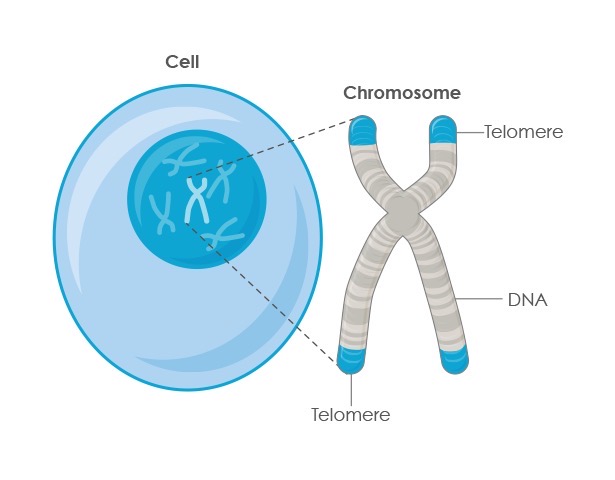
Have you ever heard of telomeres? Although they are the key to cellular aging, most people haven’t heard of them. Until recently, neither had I. But I wanted to better understand this topic. Why? Telomeres are crucial for DNA replication. This process is the most fundamental in the cell cycle of all living organisms. Every day, approximately 50 to 100 billion cells (that’s 1 with 9 zeros!) are divided in an human body, making this an essential topic for each one of us. Telomeres, particularly their lengths, “decide” how many times your cells can divide. By improving the functioning of telomeres, we will live longer, healthier lives. (something else, subscribing to this blog is completely and totally free).

1. DNA replication is the process by which a cell makes an identical copy of its DNA before cell division. This is crucial for ensuring that each daughter cell receives an exact copy of the genetic material. During DNA replication, the double-stranded DNA unwinds and separates into two strands. Each strand acts as a template for synthesizing a new complementary strand, resulting in two identical DNA molecules.

2. Telomeres are located at the ends of chromosomes. They serve as protective caps that prevent the degradation of chromosomes during cell division. Each time a cell divides, a small portion of the telomere is lost. This is why they are often compared to the plastic tips on shoelaces that prevent fraying.

3. Telomeres shorten as cells age. This shortening is associated with cellular aging. It can eventually lead to cell senescence (the state where cells no longer divide). It may also result in apoptosis (programmed cell death). When telomeres become critically short, cells can no longer divide properly, which is linked to various age-related diseases, including cancer.

4. Issues with the stability of chromosome ends (as seen in telomeres) can lead to genetic disorders, such as Huntington’s disease.

In many organisms, including humans, telomere length largely influences the limited number of divisions that a somatic cell can undergo. (Note: Somatic cells are any cells in the body of a multicellular organism that are not germ cells, i.e., sperm or egg cells. Somatic cells make up the vast majority of an organism’s tissues and organs.)

5. The question arises: what can we do about telomere shortening? How to prevent this. A lot of research is underway. There are warnings that manipulating telomere length could have unintended consequences. These consequences may include an increased risk of cancer.

6.The length of telomeres remains a fascinating topic. There is immense potential in preserving or lengthening telomeres. This could have implications for extending both health span and lifespan. So what can we do?

Step A: Improve Lifestyle Factors

You can take risk-free steps to slow down telomere shortening or even achieve telomere lengthening by focusing on lifestyle improvements. Many studies suggest that better lifestyle choices can lengthen telomeres by approximately 10%. Here are several factors to consider:

Regular physical activity, particularly aerobic exercise, can increase telomerase activity and slow down telomere shortening.

A diet rich in fruits, vegetables, and antioxidants can help reduce oxidative stress, which can damage telomeres.

Chronic stress can shorten telomeres. Practices such as meditation, yoga, and deep breathing can mitigate stress.

Getting sufficient sleep (around 7 hours) is crucial for cellular repair and maintenance, including telomere length.

Processed Foods and Excess Sugar can contribute to oxidative stress and inflammation, potentially accelerating telomere shortening.

Smoking is a significant contributor to telomere shortening.

Obesity is associated with shorter telomeres.

Step B: Consider Supplements

Some studies suggest that certain supplements, like omega-3 fatty acids and vitamins C and E, may help maintain telomere length. They could be beneficial in this regard. While they may not directly lengthen telomeres, they might help prevent further shortening. However, the evidence is still inconclusive, and more studies are needed.

Additionally, adequate levels of vitamin D may be linked to longer telomeres. Vitamin D interacts with various cellular processes. These include those involved in cell growth and immune function. It may also help mitigate telomere shortening. However, the precise mechanisms and duration of this effect can vary based on individual health, lifestyle, and genetic factors.

Step C: Await Results from Promising Studies

Currently, the most promising research is focused on new procedures to lengthen telomeres. Advances in AI are expected to accelerate this research. An intriguing study conducted at Stanford University in 2023 developed a new method for lengthening telomeres in chromosomes. This advancement effectively increased the number of times cells can divide safely. It potentially reverses aspects of the aging process at the cellular level.

Many approaches focus on telomerase. This enzyme can extend telomeres by adding nucleotide sequences to chromosome ends. The objective is to activate telomerase in somatic cells, which typically have low or absent telomerase activity.

Other options may involve using gene therapy techniques. These techniques can introduce or enhance the expression of the telomerase gene (TERT) in cells. Researchers are also exploring small molecules or compounds that can stimulate telomerase activity or promote telomere maintenance.

7. Potential Risks

While extending the lifespan of cells can have benefits, there are also associated risks. Inappropriate reactivation of telomerase could lead to uncontrolled cell division. This reactivation can result in cancer as many tumors exhibit elevated levels of telomerase.

But let us end on a positive note. Let us hope that all the efforts to first stop telomeres shorten themselves and secondly to grow again will work.

Enjoy a happy and excellent life,

Robert, your health friend,

South Turkiye

15. DEEP TISSUE MASSAGE: IMPORTANT? YES! (health project99+)

Uganda, mother and son (or daughter)

Dear reader,

Does one always understand what one reads? In my case I often don’t. Take for example “deep tissue massage”. Highly recommended by any masseur. But why? What does it mean? What tissue she (my masseur) is talking about? Apparently about connective tissue. What is this? And what about the muscles? 

Household words in this context are collagen, cartilage, osteoarthritis. In the world of connective tissue there is a lot of hype, exaggeration and fake promises. So be careful and do not fall for all the claims. The good news is that studies show that massage has positive effects on your tissues. Massage also benefits your overall health as it is integral to your immune system; in particular the deep tissue massage.

And do not forget, before or after the massage, to subscribe, for free, to my blogs.

1.Introduction

We all know that muscle loss, or sarcopenia, is something we should prevent. Without action, an average woman can lose approximately 6 kg of muscle between the ages of 25 and 65. It is also important to keep flexibility. Strength and resistance training, tai chi, and yoga are all beneficial activities. They are effective and also enjoyable. These activities support overall health.

Massage should be included in this list of active health interventions, both for prevention and treatment. Many of us tend to visit a masseur only when we face problems. Still, regular massages can help keep the body loose and flexible, contributing significantly to overall health. This blog will explore this topic further.

A central choice offered by massage therapists is the so-called deep tissue massage. Contrary to what some might think, deep tissue massage is not just about treating superficial muscles beneath the skin. It primarily targets deeper layers of both muscle and connective tissue. The main goal is to relieve tension in muscles that are chronically tight. These contracted muscles can detrimentally affect your health more than you might realize. Consider it a two-step approach: addressing issues in the connective tissue to effectively reach the deeper layers of muscle.

I strongly encourage readers to educate themselves about different types of massage techniques. This knowledge can help you determine how to best incorporate massage into your health routine.

2. To start, what exactly is “connective tissue”?

Humans have four main types of tissues. Connective tissues are the focus of this blog. Epithelial tissues are also important (see note at the bottom of this blog). In addition, there are muscle and nervous tissues.

Connective tissue is essential for maintaining the body’s structural integrity. It facilitates communication and transport. It provides protection and supports various physiological functions. It is a vital component of the overall body system.

Connective tissue is composed of a variety of cells (see note at the bottom of this blog). It also includes fibers and an extracellular matrix (see note at the bottom of this blog). The composition and structure of the extracellular matrix can vary widely among different types of connective tissue. These include loose connective tissue, dense connective tissue, cartilage, bone, blood, and adipose (fat) tissue.

3. What different types of connective tissue are there?

  • Loose Connective Tissue. (Provides support and elasticity; found beneath the skin and surrounding organs).
  • Dense Connective Tissue. (Composed of closely packed collagen fibers and provides tensile strength; found in tendons and ligaments).
  • Adipose Tissue. (Specialized fat storage for insulation and energy storage).
  • Cartilage. (Provides flexible support; found in joints, the nose, and ears).
  • Bone. (Provides structural support and protection; stores calcium and produces blood cells). 
  • Blood. (A liquid connective tissue responsible for transport and communication within the body) 
  • Lymph. (Part of the immune and circulatory systems; helps transport lymphatic.

4. And what are the many functions of connective tissue?

In short, it provides structural support and shape to the body. 

In line with this, connective tissue plays a crucial role in anchoring and binding other tissues and organs together. Tendons connect muscles to bones. Ligaments connect bones to other bones at joints. Both tendons and ligaments are types of connective tissue.

Blood is a specialized type of connective tissue responsible for transporting nutrients, gases, hormones, and waste products throughout the body. 

An important function of some connective tissues is the protection of organs. For instance, adipose tissue (fat) acts as a cushion, providing protection for vital organs.

Moreover, connective tissue is integral to the immune system. It houses various cells involved in immune responses, such as macrophages and lymphocytes. These cells help defend against pathogens (substances that can cause illness). It also stores energy and nutrients. Adipose tissue stores fat for energy reserves. Bone tissue stores essential minerals like calcium and phosphorus.

Another well-known function of connective tissue is seen in cartilage. It provides flexibility and support in joints. This allows for smooth movement without friction between bones.

Additionally, connective tissue plays a vital role in the healing and repair of tissues after injury. It can regenerate and form scar tissue to restore structure and function. Connective tissue also contains signaling molecules and fibers that facilitate communication between different cells and tissues in the body.

5. The relationship between connective tissue and aging is multifaceted

Age-related changes can lead to decreased strength, elasticity, and overall resilience of connective tissues. While it is not possible to completely stop the effects of aging on connective tissue, there are several strategies. These strategies may help slow the process and mitigate the negative impacts. Aging is a natural biological process, and connective tissues, like all tissues in the body, undergo changes over time. 

Maintaining a healthy lifestyle that includes regular exercise, a balanced diet rich in nutrients that support connective tissue health (like vitamin C, omega-3 fatty acids, and amino acids/protein), staying hydrated (drink a lot during the day!), and avoiding smoking can help mitigate some of the negative effects of aging on connective tissue. 

Protect from Injury. Be mindful of body mechanics and use protective gear during activities that risk injury. Avoid repetitive strain and take breaks to prevent overuse injuries.

Some people may find benefits from supplements that support joint health, such as glucosamine, chondroitin, collagen peptides, or hyaluronic acid. I already wrote about glucosamine and will write about a LED mask. Interesting things going on. 

6. Well known issues with your tissues……

  • Reduced Collagen Production. Collagen is the primary protein in connective tissue, providing structure and strength. As we age, the body’s ability to produce collagen decreases. This causes a decrease in the elasticity and firmness of skin, contributing to wrinkles. It also leads to increased joint stiffness. Additionally, there is a higher risk of injuries. How to compensate this collagen loss is a billion-dollar business, with only few products and methods that work. I write about in another blog.
  • Elastin Degradation. Elastin fibers allow tissues to resume their shape after stretching. Aging can lead to the breakdown of elastin. This can result in less elastic skin and blood vessels, leading to sagging skin and potential cardiovascular problems.
  • Changes in Ground Substance. Aging can reduce the moisture content in connective tissue. This reduction leads to stiffness in the body. It also results in decreased cushioning in joints (osteoarthritis). This is the result of changes in certain glycans that help keep moisture and offer resilience to tissues.
  • Increased Cross-Linking. where sugar molecules bond with proteins. The age-related misery does not stop. Cross-linking can lead to decreased flexibility and increased rigidity in tissues. This contributes to conditions like reduced mobility and joint pain.
  • Degenerative Changes leading to osteoarthritis. Connective tissues can undergo degenerative changes, including the wear and tear of cartilage in joints. This can lead to osteoarthritis, characterized by pain, stiffness, and reduced mobility.
  • Increased Risk of Injuries. As connective tissues become less resilient and more rigid with age, they are more susceptible to strains, sprains, and tears. Older adults may experience more frequent injuries and longer recovery times.
  • Inflammatory Changes. Aging is also associated with a low-grade inflammatory state, which can affect connective tissues and their healing processes. Chronic inflammation can exacerbate the degeneration of connective tissues and contribute to age-related diseases.
  • Impact on Healing: The capacity for connective tissue repair tends to decline with age. This means injuries may take longer to heal.
  • 7. Main effects of deep tissue massage on connective tissue
  • Deep tissue massage can positively affect connective tissue health. It does so through mechanisms like (1) fibroblast stimulation and (2) inflammation reduction. It also includes (3) collagen remodeling and (4) enhanced hydration. 
  • (1). Fibroblast Activity. Fibroblasts are cells responsible for producing collagen. They also produce other components of the extracellular matrix. These are crucial for maintaining the integrity of connective tissue.  Studies suggest that massage can stimulate fibroblast activity, potentially enhancing collagen production, which helps improve tissue elasticity and strength.
  • (2). Inflammation Reduction. Deep tissue massage has been shown to reduce markers of inflammation in the body. This can be beneficial for connective tissue, as chronic inflammation is linked to tissue degeneration and aging. Lowering inflammation can lead to improved healing and recovery from exercise or injury.
  • (3). Collagen Remodeling. Massage can promote collagen remodeling by altering the structure of collagen fibers. This is important for maintaining flexible and functional connective tissue. Manipulative techniques help break down adhesions or scar tissue, enabling better movement and operation of tissues.
  • (4). Tissue Hydration. Massage increases blood circulation, promoting better hydration and nutrient delivery to tissues. Improved hydration is essential for the health of connective tissues, as they need adequate moisture for flexibility and operation.

8.Scientific Studies on frequency and effectiveness

The good news is that research suggests that regular massage can have accumulative benefits. Best seem to be regular sessions. Some studies indeed show that deep tissue massage can be effective in managing chronic pain. It can also help alleviate muscle tension and even reduce stress levels.

9.My experience

  • I could not do without. No more knobs on my back and my whole body feels much better. I support this with exercises and some massage equipment at home.

10. Visualizing connective tissue (for example on your back) can be done through a few different techniques.

You can palpate (gently press) different areas of your back to feel for various structures. You may feel tendons and ligaments that are part of the connective tissue system. It will help if you understand the different muscles of course. Look for diagrams or models (websites, apps) that illustrate the back’s connective tissue structures. There are various apps available that allow you to explore 3D models of human anatomy.

MRI is an imaging technique providing detailed images of soft tissues, including connective tissue, muscles, and fascia. And we have ultrasound as well. This can also be used to visualize soft tissues. It can provide insights into the condition of connective tissues like tendons and ligaments.

Engaging in practices such as yoga or Pilates can enhance your awareness of how connective tissue supports movement. Pay attention to how your body feels during these practices. Notice how it behaves. This can provide indirect insight into the state of your connective tissue.

Understanding the connective tissues in your back requires combining knowledge of anatomy. It involves utilizing technology and imaging. Engaging in physical exploration through touch and movement is also essential.

11. If you have developed knobs or lumps in your back, they might be associated with connective tissue. This condition could be due to various causes. 

Knobs in your back related to connective tissue can stem from a variety of conditions. Some can be prevented and/or solved by physical activity, proper posture, and stress management.

Trigger Points These are small, tight areas within a muscle that can feel like knots. They are often caused by muscle overuse, stress, or poor posture. 

Fascia is a layer of connective tissue that surrounds muscles and organs. Sometimes, due to injury or inflammation, the fascia can develop adhesions or thickened areas that feel like knobs. A masseur can do wonders.

Something similar are lipomas These are benign (non-cancerous) tumors made up of adipose (fat) tissue. They can occur in the subcutaneous tissue, which is just beneath the skin. Lipomas are typically soft and movable and can vary in size. Only a surgeon can remove them. The same applies to fibromas, benign tumors. They can be firm and may or may not cause discomfort.

A strain or tear in a muscle can lead to localized swelling and may form palpable knots. Symptoms may include pain, swelling, and reduced range of motion. Here we have potential work for a masseur and own massage work as well.

Skeletal Conditions like osteophytes, bone spurs that can form on the vertebrae due to degenerative conditions like arthritis. No work for a masseur.

Cysts. Sometimes fluid-filled sacs can develop in areas of connective tissue, leading to a hard or soft lump. They can be painless or cause discomfort.

Conditions like abscesses, infections, or inflammatory disorders can cause localized swelling. Knobby structures may form due to the body’s immune response.

12. When to Seek Medical Attention

If the knobs are new, painful, or growing, consult a healthcare professional for a thorough evaluation. See a professional if they are accompanied by other unusual symptoms, like fever, weight loss, or persistent discomfort.  

13. Some notes

a. Extracellular matrix is a complex network of proteins and carbohydrates. It is found outside of cells. It provides structural support and regulates various cellular functions. There is collagen (provides strength), elastin (provides elasticity), and reticular fibers (provide support. There is also ground substance, a gel-like material that helps hold cells and fibers together; it contains water, proteoglycans, and glycoproteins.

b. Epithelial tissue is a type of tissue that forms protective coverings on body surfaces. It lines cavities and organs. It is also involved in absorption, secretion, and sensation.

c. Various types of cells are found in connective tissue

  • Fibroblasts.Responsible for producing fibers and the ground substance.
  • Macrophages.Involved in immune responses and cleaning up debris.
  • Adipocytes. Store fat and serve as energy reserves.
  • Mast Cells. Play a role in allergic responses and inflammation.
  • Lymphocytes. A type of white blood cell involved in immune response.

Dear readers, this was much too long. There was too much to tell about connective tissue and deep tissue massage so I do not apologise .

Take care and life a long and healthy life.

Robert, your health friend,