Los Roques in the Venezuelan Caribbean
Dear reader,
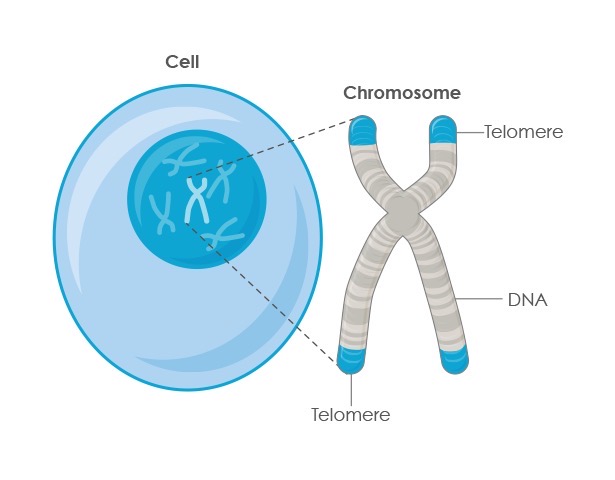
Of the 13 vitamins that exist, vitamin D is perhaps the most interesting. More and more potential benefits are being discovered. The latest finding is that it substantially slows the shortening of your telomeres. This slowdown improves your biological age. For more about telomeres see my previous blog. https://shakethehealthtree.com/index.php/2025/06/01/5-telomeres-keep-them-long-or-die-health-project99/
Vitamin D is also a vitamin that can be difficult to grasp. Health experts (which I am not) differ on the amount one should take. I tried to navigate the vitamin D labyrinth online as best as I could. I formulated my own vitamin D narrative. For the record, I take 4000 IU (100 micrograms or 1/10 of a gram) of vitamin D3 daily. I combine it with vitamin K2-7. A blog is coming up on vitamin K soon.
There are several types of vitamin D, but the two most common and relevant ones are D2 and D3. It is fat-soluble, so taking it with water alone is not helpful; you should take it with a meal.
Subscribing to my blogs is 101% free.
1.Vitamin D deficiency is much more common than often perceived. Some estimates go as far as claiming that half of the world’s population is vitamin D deficient or insufficient.
The question is, why do so many people have vitamin D deficiency? At one point in my life, I had it, and my wife did as well. This served as proof that testing health biomarkers now and then is not a bad idea.
The first reason is that the number of relevant food sources for vitamin D is rather limited. These include cod liver oil, oily fish, and mushrooms exposed to sunlight. The second reason has to do with the increased quality of the sunscreen you use. One might be outside daily for the required 15-30 minutes. This is the time needed to produce enough vitamin D when you have your skin sufficiently exposed; “hands only” hardly counts. However, if you use a sunscreen with a factor of 50, then all vitamin D production is effectively blocked. In addition we should not forget that many of us live in countries with less sun. These places also have lousy winters (like the Netherlands).
2. How Much Do You Need?
Most countries recommend a daily intake (RDA) of 600-800 IU (=International Units), mainly for older people. However, more and more experts are suggesting that younger people should also take a supplement for the reasons mentioned in the previous paragraph. My suggestion to those individuals would be: do a check. I was personally unpleasantly surprised to find out that I was deficient in vitamin D.
The RDA is formulated to prevent deficiency in the general population. Most experts argue that higher doses are safe for most people. This is particularly true when taken for specific health benefits. Some individuals may require higher doses if they have certain health conditions. Older age, limited sun exposure, or darker skin can also necessitate higher doses.
The upper intake level for adults is often set at 4,000 IU, which is considered ok for most individuals. However, there is no definitive scientific proof. Many people take double or triple that amount without problems. This is if I am to believe discussions on the internet.
Still, there is a kind of consensus. An average adult should take no more than 100 micrograms (4000 IU) per day from diet and supplements. This limits the risk of side effects such as nausea, vomiting, and confusion.
3. Vitamin D is not a Magic Bullet but does quite a lot
Vitamin D is not a magic bullet, so be wary of claims that suggest otherwise. We must always be cautious. Be wary of any overly enthusiastic promotion of molecules. The bottom line remains a proper lifestyle approach. This includes regular physical activity, adequate sleep, and non-smoking. It also covers drinking alcohol in moderation or not at all, and ensuring healthy nutrition.
There are indications that vitamin D supplementation could decrease the risk of diseases linked to chronic inflammation. Chronic inflammation, which can last for years, is associated with many diseases, including diabetes, cardiovascular disease, arthritis, and dementia.
Vitamin D contributes to bone health and a well-functioning immune system.
Results show a small risk reduction for certain major cardiovascular events.
Lower levels of vitamin D are linked to a higher risk of dementia. This connection is found in older adults. Several studies have shown that higher blood vitamin D levels are associated with less cognitive decline. They also indicate a lower risk of dementia. More studies are needed.
Researchers found the most significant improvement in depressive symptoms in people who already had a low level of vitamin D. Larger dosages also appeared to have a more substantial effect.
The a recent study found that people taking vitamin D3 supplements experienced only minimal telomere shortening after four years. In contrast, those taking a placebo showed substantial shortening. When telomeres become too short, cells enter senescence or programmed cell death. Either condition contributes to aging and age-related diseases. This offers tangible evidence that simple, low-cost interventions sometimes have meaningful impacts on cellular aging pathways.”
4. Big Caveat: take D3 always with K2
It is often recommended to take vitamin D3 with vitamin K2, specifically the K2-7 form (menaquinone-7). Together they play complementary roles in calcium metabolism and overall health.
Vitamin D3 helps enhance the absorption of calcium from the gut. It plays a crucial role in maintaining calcium levels in the blood. However, without adequate vitamin K2, the calcium absorbed might not be directed to the bones and teeth where it’s needed. Instead, it can accumulate in soft tissues, such as arteries, potentially leading to serious cardiovascular issues.
Vitamin K2 is vital for the activation of osteocalcin. This protein helps bind calcium to the bone matrix. It thereby strengthens bones. When taken together, vitamin D3 supports the uptake of calcium. K2 ensures that calcium is properly utilized in the bones.
5. Final question. Should You Take a Vitamin D Supplement?
The more I read about vitamin D, the more I agree with those experts who advise everyone to take a supplement. Many recommend taking it in combination with vitamin K2 (specifically K2-7), which I do.
6. A Few More Details on the Two Primary Types of Vitamin D
Vitamin D2 (ergocalciferol) is derived from yeast and fungi. It’s often used in supplements and some fortified foods. Vitamin D3 (cholecalciferol) is synthesized by the skin when it is exposed to sunlight (UVB rays). It is also found in animal products such as fatty fish, liver, egg yolks, and fortified milk. Vitamin D3 is generally considered more effective than D2 in raising blood levels of vitamin D.
The half-life of vitamin D in the body varies depending on the form and the individual’s metabolism, but it is generally about 15-20 hours for D2 and 15-25 hours for D3
Bioavailability refers to the extent and rate of absorption of active ingredients or active moieties. In this case, it describes how vitamin D is absorbed. It becomes available at the site of action in the body. For Vitamin D3 the bioavailability is about 50-80% when taken with a meal. When taken with water only it will be close to 0%. D3 is up to 2x more bioavailable than D2.
Thanks for reading, I will now start writing my K2 blog.
Have a great and very healthy life,
Robert, your health friend,

Still Los Roques