24. CLOTS/CARDIOVASCULAR ISSUES: ITS DEADLY ESSENCE (health project99+)

Bacalau, so this must be Portugal (it is indeed, Lisboa airport)

Dear reader,

Let the following two points sink in well.

First point: One third of all deaths worldwide are cardiovascular-related, around 20 million people per year!

Second point: Most of these 20 million cardiovascular deaths (mainly heart attacks and strokes) are caused by clots that originate in your arteries (not in your veins!). There is a huge difference between arterial clots and venous clots, with the arterial clots being the most dangerous. For me this difference is the most important takeaway of this blog.

Conclusion: Paying attention to the health of your arteries is worth the effort! 

1.Anticoagulants that I take mainly prevent further clotting in the veins; in my case they are to prevent an embolic stroke because of atrial fibrillation. Anti-coagullants are standard treatmentes for venous clots and a few arterial conditions driven by blood flow and embolic risk. 

2.Arterial clots are treated differently from venous clots and often managed with antiplatelets like low dosis aspirin because platelets play a larger role in their formation. Anticoagulants can be used in certain arterial settings but they are not the mainstay for typical arterial thrombosis on their own. I strongly consider taking low dosis aspirin (but will check with my doctor).

3.Cardiovascular describes anything to do with the heart, blood vessels, and the brain. It covers how the heart pumps blood through arteries, veins, and capillaries to deliver oxygen and nutrients and to remove waste. Cardiovascular diseases (CVD) refer to diseases and conditions that affect the heart and blood vessels, such as heart disease, high blood pressure, and stroke. According to some sources, up to 85% of cardiovascular deaths are caused by heart attack (ischemic heart disease).

4.Arteries and veins do different jobs. Arteries carry oxygen-rich blood away from the heart under high pressure, and have thick, muscular walls to push blood through the body. Veins return oxygen-poor blood to the heart at lower pressure, with thinner walls and larger lumens, and many contain valves to prevent backflow as you move. Clots formed in veins in general do not cause heart attacks and strokes.

Some more points: Venous clots are fibrin- and red blood cell–rich, “red” clots while arterial clots are platelet-rich, “white” clot with fibrin. Slow flow of blood (static) favors venous cloths, while high flow favors arterial clots.

Treatment of arterial clots and venous clots is different. Of course, the general warnings about smoking, stress, processed food, etc., are true for both venous clots and arterial clots.

5.There are more causes for cardiovascular problems, but I will not treat them here. Just to mention these non-thrombotic (=not clots) cardiovascular events: hemorrhagic strokes, aneurysm ruptures, vasospasm without thrombosis, and certain heart conditions driven by electrical or structural problems rather than thrombosis.

6.Before continuing with the main topic, arterial clots, here are some words about venous clots. Venous clots (forming in the legs or pelvis) mainly cause deep vein thrombosis and pulmonary embolism (PE), which can be deadly. Sometimes a venous clot passes through a small heart defect into the arterial circulation and lodges in the brain or heart, causing a stroke or, rarely, a heart attack. Also, a very large pulmonary embolism can put heavy strain on the heart and cause chest pain, but that is due to the heart being stressed, not because a clot formed in an artery. 

7.Clots formed in the arteries are the main, but not the only, reason that can cause cardiovascular death. One should do all to prevent clots like lifestyle changes. Or “cleaning” your arteries. Experts are divided on whether this latest point is possible, but I will already give some first suggestions in this blog.

8.How are arterial clots formed? Plaque in the arteries (atherosclerosis/calcification) is a major—but by far not the only—contributor to clot formation. When an atherosclerotic plaque ruptures or erodes, a clot often forms and can block blood flow. These plaques can narrow the artery and may rupture, forming a clot that completely blocks the artery (occlusion). If this happens in a coronary artery, it can cause a heart attack; if in a brain artery, a stroke. In the context of this topic one often reads the word “Occlusion” (=the artery is blocked and downstream blood flow is stopped).

9.What about cholesterol? I wrote about cholesterol before. It is not the villain that many of us believed for decades. We need Cholesterol as it is essential for cell membranes and hormone synthesis (=production), but high LDL cholesterol according to most is a major risk factor for arterial disease. Although it is not the main villain, at the same time it cannot be denied that cholesterol is often involved in cardiovascular issues. For my post on cholesterol see this link https://shakethehealthtree.com/index.php/2025/09/05/10-cholesterol-all-you-need-to-know-and-do-health-project99/

10.Plaque. Is plaque the main issue? Yes and no. When it is stable in your arteries it is not, but when the plaque inside your arteries is soft, then it easily becomes a clot. In more scientific terms: “vulnerable (soft lipid-rich) plaques are prone to rupture or erosion, exposing tissue factors that trigger thrombosis”.

In arteries, most clots arise when vulnerable plaques rupture or erode, triggering rapid clot formation that can block blood flow. Clots can occur without plaque, but in arterial disease, plaque is often the underlying trigger.

11.Other factors are stasis (slowed blood flow), hypercoagulability (blood clots more easily) and endothelial injury (blood vessel lining).

12.What triggers clot formation (= thrombosis)? Important risk factors for arterial clots are atherosclerosis, hypertension, diabetes, smoking, high cholesterol, and plaque rupture or vascular injury. For venous clots, the main risk factors are different and include immobilization, surgery, cancer, obesity, pregnancy/postpartum, estrogen therapy, and inherited thrombophilias.

There is a long list of behaviors that can trigger clot formation. Some have stronger evidence than others (smoking more than eating refined starch for example): vaping, smoking, alcohol, pollution, chemicals, stress, refined starch, infection, sugar, endurance activities like marathons. Concerning the last point. Regular exercise is great, but stressful events like marathons need some precautions. 

Many dietary factors influence thrombosis risk indirectly by promoting obesity, diabetes, and dyslipidemia rather than triggering an immediate clot in a healthy vessel.

13.Let us deal with a few risk factors. Smoking/vaping It is truly shocking to read the many ways smoking “promotes” clotting in arteries. A topic too long and technical to cover fully in this blog, but (if you wish) you can check reputable sources online. In summary: smoking accelerates atherosclerosis and plaque instability. It doesn’t create clots in every situation by itself, but it tilts the balance toward clotting.

Pollution and chemicals including drugs can also contribute to a heart attack or stroke by stressing the heart and blood vessels, promoting clotting, and damaging the inner lining of arteries, speeding up plaque buildup and making plaques more likely to rupture. Some drugs can also affect clotting and vascular health.

Marathon-level endurance can slightly raise clot risk in some situations, but for most healthy runners the risk is very small, when managed well (think of drinking enough and moving after the event). Hydration and electrolyte balance matter much: dehydration can concentrate blood and potentially raise clotting tendency, especially in very long events like a marathon.

14.What to do (1)? Recurrence risk and management strategies differ: long-term antiplatelet therapy for arterial disease vs long-term anticoagulation to prevent venous clots. Arterial clots are much  more tied to atherosclerosis and plaque rupture, while venous clots are more about venous return and hypercoagulability. 

(2) In general one should stay physically active, hydrate, avoid prolonged immobility, maintain a healthy weight, manage cholesterol and blood pressure, and follow medical advice for any prior clot history.

(3) Food and supplements Internet is full of suggestions on how to clean arteries or at least prevent further calcification. Stopping further plaque formation is possible and has scientifically been proven. Plaque reversal not (yet). A lot of misinformation and false promises and little scientific proof. Of course, fruits and vegetables, for example, are part of a heart-healthy diet and do not promote plaque formation, so there is little to say here.

Some supplements that are often mentioned are vitamin K2, nitric oxide boosters, natokinase and bromelain. In none of these four example there are robust clinical trials that 100% confirm that arterial plaque reversal is possible. Interesting stuff nonetheless and material for a future blog. Do you consult with your health specialist as these supplements might interact with other medicines.

What to do (4): future AI-inspired developments go very fast, including interventions to clean arteries and veins. This is also an excellent topic for a future blog. So far however promises to “clean” arteries are speculative, but there are many advances on the horizon.

15.Diagnosis options (arterial and venous)

Arterial ECG and cardiac enzymes (e.g., troponin) to assess for acute myocardial infarction.

Imaging to identify arterial occlusion (e.g., CT angiography, catheter angiography).

Doppler ultrasound to evaluate peripheral arteries (e.g., limbs).

    Venous Duplex ultrasound for DVT.

    D-dimer testing can be helpful but is non-specific; proceed to imaging if results or clinical suspicion warrant it.

    CT or MR venography if further visualization is needed.

    CT pulmonary angiography for suspected PE.

      Myself I learned a lot writing this blog. Take care and live a happy and healthy life.

      Robert, your health friend

      Another icon from Berlin

      5.LIPOSOMES: ALL ABOUT WHAT IS BASICALLY (ONLY) AN INTERESTING SUPPLEMENT’S WRAPPING PAPER (health project99+)

      This can be only one city, Istanbul

      Dear reader,

      In a few cases, liposomal supplements, i.e., supplements delivered in liposome-encapsulated form, are useful. That said, they are most of the time not necessary, and you can save money by choosing traditional solid tablets or capsules.

      Are they completely useless and mainly a marketing gimmick? No. Liposomes do have added value for (1) protecting certain medicines and some supplements from degradation before they reach the gut, (2) helping people who have difficulty swallowing, and (3) assisting those with specific postoperative issues.

      There are a few compounds, such as vitamin C, that may benefit from liposomal delivery compared with ordinary tablets, since it can lead to higher absorption. This is supported by pharmacokinetic data, but robust clinical benefits beyond higher blood levels are not consistently demonstrated. Most people do not need extra vitamin C, anyway.

      1.My main conclusion: despite substantial marketing by the health-and-beauty industry to promote liposome-encapsulated supplements, there are often good reasons not to choose them. In general, the clinical payoff (improved outcomes) is uncertain or small, and therefore the cost-benefit ratio may be unfavorable for many users, since liposomal products are typically more expensive.

      2.Do not fall for advertisements (as I do now and then).

      The world in which money is to be made is full of pitfalls, hype, and deceit. Do I fall for it? Yes, more often than I’d like to admit. The other day I needed to order vitamin D3 and K2 and was persuaded to buy them in liposome form (liquid rather than pills). They were much more expensive than standard pills, harder to measure the exact dose, and carried a risk of buying an inferior product, since liposome production is not tightly regulated and can yield unstable results. 

      Will I do it again? Not at all, but the advertising copy was so convincing—claims of a higher absorption rate and delivery directly to the places where the vitamins should work—that I tried it once. Only then did I start investigating what liposomes are. As always, I share my results with you. 

      We see it everywhere: great marketing in order to persuade us to buy supplements wrapped in liposomes, presented as a superior delivery method to traditional capsules and tablets. 

      The idea of better delivery and higher bioavailability in itself appeals to me, since absorption percentage is an important factor in understanding how supplements work. If your daily need for a compound is 10 grams and you take a 10-gram supplement, you may feel misled if you learn that the absorption rate is only 20%. The moment I realized the importance of absorption rate (and half-life) changed how I view the necessary intake quantities for certain supplements. However, the solution is easy, take the absorption rate into account and take the additional pill.

      As a side note, a higher blood level of a nutrient is not always linked to better health outcomes. What matters is whether that higher level translates into clinically meaningful effects, but this is a truly technical medical issue, going beyond the scope of this blog.

      3.What are liposomes? 

      Liposomes are tiny phospholipid vesicles used to encase compounds like vitamins. This leads to the next question: what are phospholipid vesicles? They are tiny bubbles made from phospholipid molecules (the same fat-like substances that make up cell membranes) that wrap around a substance to protect it and help it be absorbed in the body. 

      The roots of the word liposomes are Greek: lipos meaning fat and soma meaning body. The word liposome was coined in English in the 1960s. Liposomal is the English adjective formed from liposome by adding the suffix -al (from Latin/English) to indicate “pertaining to liposomes.”  Technically “liposomal” refers to a delivery method that uses lipid bubbles to encase the nutrient, which can affect how the nutrient is absorbed.

      4.How are supplements taken in general? There are seven broad ways to take a supplement, plus a variety of delivery-system variations. Most everyday supplements are taken orally (capsules, tablets, powders, or gummies). There are other ways, including sublingual (under the tongue), creams, inhaled, rectal/vaginal, and injectables. 

      With supplements that are taken orally, there are a number of delivery-system variations: (1) liposomal (the topic of this blog), nanoemulsified, or other encapsulation systems to improve stability and absorption; (2) microencapsulation or phytosome formulations; (3) emulsions or oil-based suspensions (especially for fat-soluble nutrients); and (4) fortified foods and beverages (functionally enhanced rather than separate pills). 

      5.Which compounds stand to benefit from a liposomal approach? Vitamin C, vitamin B12, curcumin, and other polyphenols (e.g., flavonoids such as quercetin and stilbenes such as resveratrol) and coenzyme Q10 are sometimes cited as compounds that could benefit from a liposomal approach. However, there is not a single study that conclusively demonstrates that liposomal delivery is superior to the old-fashioned tablets and capsules. Overall, findings are mixed and not uniformly convincing. 

      Most claims are marketing-driven; robust, high-quality randomized trials demonstrating meaningful clinical benefits are generally not present to support these claims.

      6.Safety Liposomal products are generally considered safe for most people, since the ingredients are typically phospholipids and the nutrient itself. However, watch for potential allergens (soy, egg, sunflower lecithin) in some formulations, as well as additives or contaminants. 

      Like all dietary supplements, liposomal products unfortunately are not uniformly regulated worldwide, and there are no universally accepted quality standards. 

      Product quality can vary a lot: liposome size and stability, encapsulation efficiency, dosage accuracy, and batch-to-batch consistency differ across brands. Storage conditions and shelf life can also affect performance. While liposomes can improve stability and absorption for some nutrients, this does not guarantee better health outcomes, and higher blood levels may not translate into meaningful benefits. 

      I know next is standard text, but it remains true. Always check and follow labeling directions, consider potential interactions with medications, and consult a healthcare professional if you are pregnant, nursing, have a medical condition, or are taking prescription drugs. Best of course is always to look for products with reputable third-party testing and transparent ingredient lists.

      Thanks for reading, take care and live a long, happy and healthy life,

      Robert, your health friend

      Wooden house in Jurmula, Latvia

      21. CALCIUM SUPPLEMENTS: A NEGATIVE ASSESSMENT (health project99+)

      Venice of course

      Dear reader,

      Health Project99+ is my personal quest for a healthier and longer life. I rely on as many reliable sources as possible. I keep an open mind and I have already made several changes in how I live. Changes include what I eat and what supplements I take, among other things. This is blog 50 of a few hundred I plan to write in total. 

      Now About Calcium. Calcium is an essential mineral. However, please throw calcium supplements out of the window—yesterday. They provide little benefit and may, on the contrary, cause considerable harm.

      As we age, we run the risk of decreasing bone density and increasing the number of fractures. Fortunately, as is often the case, one can slow and/or almost stop this process. However, contrary to popular belief, this cannot be achieved through supplements! To cut the long story below short: the right food, vitamins D and K2 and above all strength and weight training till your last day.

      1.Calcium is an impressive player in your body: 8 functions

      Here are the key reasons why calcium is vital. Most of us associate calcium with bones and teeth, but its role extends far beyond this. First and foremost, there is a significant amount of calcium in the body—around 1 kg. It’s important to note that only 1% of this calcium should be in your blood. The rest should be in your bones and teeth.

      Calcium is indeed a primary component of bones and teeth. It provides structure and strength, helping to maintain bone density and prevent osteoporosis and fractures.

      Calcium is vital for muscle contraction. When a nerve stimulates a muscle, calcium is released, enabling the muscle fibers to contract. 

      Calcium ions facilitate the release of neurotransmitters, which are necessary for communication between nerve cells.

      Calcium is necessary for the activation of certain proteins and enzymes. These enzymes help form blood clots, which are essential for healing injuries.

      Calcium is important for the secretion of hormones and enzymes that are involved in almost every function in the body. This includes insulin secretion from the pancreas, which regulates blood sugar levels.

      Calcium ions are essential for many cellular processes, including cell division, growth, and communication. They help maintain cell membrane integrity and facilitate various biochemical reactions.

      Adequate calcium intake may help reduce the risk of certain chronic diseases. These include hypertension (high blood pressure) and some types of cancer.

      Calcium works alongside other electrolytes. These include sodium, potassium, and magnesium. They maintain proper fluid balance and cellular function in the body.

      2.Development of gradual loss of calcium if you do not undertake action

      Some studies suggest that individuals can lose between 0.5% to 1% of bone mass per year. This happens after reaching their peak bone density in early adulthood, around the late 20s to early 30s. In men, bone density tends to decline more gradually after age 60. The rate of loss can be influenced by testosterone levels and overall health. 

      Women should pay particular attention. Their bone density can decrease by approximately 1-2% per year after menopause. There is a significantly higher loss in the first few years following menopause.

      Long-term studies estimate that by age 70, individuals might have lost 20-30% of their peak bone mass. This occurs if they do not engage in sufficient calcium intake and weight-bearing exercise.

      The Recommended Dietary Allowance (RDA) for calcium varies with age. Adults aged 19-50 typically require about 1,000 mg of calcium per day. After age 50, the recommendation increases to about 1,200 mg per day for women, while it remains at 1,000 mg for men until age 70. This should come from dietary sources, not supplements. Age can also affect the absorption of dietary calcium. Net absorption of dietary calcium can be as high as 60% in infants and young children, who need substantial amounts to build bone. It decreases to about 25% in your ‘50s. At those ages maintenance is crucial.

      Good to know that the RDA takes into account the net absorption rate of dietary calcium per age.

      3.How to counter calcium loss?

      The answers lie in food, vitamin D and K2, and strength training! In this blog I will not write too much about strength and weight training as this speaks for itself. Just remember that bones are living material, like a solid tree, that needs maintenance. Every day. Engaging in weight-bearing exercises is beneficial. Activities like walking, running, or strength training can help strengthen bones and slow the loss of bone density. Activities promoting balance and coordination, such as tai chi or yoga, can also reduce the risk of falls and fractures.

      Good sources of calcium include dairy products, leafy green vegetables, nuts, seeds, and fortified foods. 

      Vitamin D plays a crucial role in calcium absorption and also K2 plays a supporting role. Ensuring sufficient vitamin D levels through sunlight exposure, diet, or supplements can help maintain bone health. Taking calcium supplements without adequate magnesium, phosphorus, and vitamin D intake can lead to mineral imbalances in the body, which can negatively affect bone health and overall metabolic function. Even if you do not take calcium supplements, make sure your intake of vitamin D and K2 is sufficient.

      Lack of physical activity, smoking, and excessive alcohol consumption can significantly increase the rate of calcium loss. These factors worsen bone health.

      Don’t A lack of physical activity can significantly increase the rate of calcium loss. Smoking also contributes to this issue. Additionally, alcohol consumption worsens bone health. 

      Important: If you have conditions that affect bone density, such as osteoporosis, you should seek proper medical treatment. Certain hormonal imbalances also need to be addressed. In other words, see your doctor.

      Screenings are possible (Bone density tests = DEXA scans) but I have read mixed reviews on the usefulness of these screenings.

      Calcium rich foods (All per 100 grams intake) Almonds (264 mg), Milk (whole) (113 mg), Kefir (120 mg). Yogurt (plain, whole) (110-150 mg), Dried Figs (162 mg), Fortified Orange Juice (120 mg), Broccoli (47 mg), Kale (150 mg), Tofu (with calcium sulfate) (350-400 mg), Sardines (canned, with bones) (381 mg), Cheddar Cheese (721 mg ), Fortified Soy Milk (120 mg), Chia Seeds (631 mg) and White Beans (194 mg).                     |

      Caveat: Bioavailability While certain foods might contain high calcium levels, the bioavailability (how well your body absorbs that calcium) can vary a lot. For example, calcium from dairy products is generally more bioavailable than that from certain plant sources, due in part to the presence of other compounds that may inhibit absorption (like oxalates and phytates).

      Calcium from dairy products like milk, cheese, and yogurt is highly bioavailable, often ranging from 30% to 60% absorption rate. Dairy foods are typically low in compounds that inhibit calcium absorption.

      Calcium from plant sources, including leafy greens (like kale and broccoli), nuts (like almonds), seeds (like chia), and legumes (like beans), tends to have lower bioavailability, often just in the range of 5% to 30%. This is because phytates (found in grains, beans, nuts) and oxalates (found in certain greens like spinach and Swiss chard) can bind to calcium and inhibit its absorption. However, some plant sources like broccoli and kale have relatively better absorption rates due to lower oxalate content.

      So if you follow a Vegans/Plant-Based Diet you should focus on calcium-rich options while being mindful of bioavailability. Incorporating fortified foods (like fortified non-dairy milk and orange juice) and consuming a variety of sources can help reach your needed calcium intake.

      In short, for vegans it will not be easy. Do the math: if you are a 50-year-old woman, you need 1,200 mg of calcium per day. This means you have to eat a lot of tofu, kale, and other produce to reach that 1,200 mg. Tofu might contain up to 400 mg of calcium per 100 grams, but even in the best cases, when it is fortified with calcium sulfate, only 40% is bioavailable. This equates to 160 mg of effective calcium per 100 grams of tofu, which in theory would translate into 700 grams of tofu needed.

      4.Milk Discussion

      As a Dutch guy, I will save the milk discussion for a later blog. Apparently, there are quite a few respected health experts who are firmly against milk. Recent studies suggest that there are more potential harmful effects on the body than previously assumed. However, milk provides many excellent nutrients, including, of course, calcium. One point of concern (and my reason for drinking little to no milk) is its fat content: it contains 4.5 grams of saturated fat per 100 grams and 24 milligrams of cholesterol.

      5.Risks of Calcium Supplementation

      In the past decade, many studies began to question the added value of taking calcium supplements. Some have even pointed out certain dangers. A consensus is building (but we’re not there yet) regarding the following.

      Multiple studies have found that there’s little to no benefit in taking calcium supplements for the prevention of hip fractures.

      Conversely, recent studies have linked calcium supplements with an increased risk of colon polyps. These are small growths in the large intestine that can become cancerous.

      There is also an increased risk of kidney stones. These are hard masses usually formed in the kidneys from an accumulation of calcium and other substances.

      Additionally, a 2016 study suggested that calcium supplements might increase the risk of calcium buildup in the heart’s arteries. The body can’t process more than 500 milligrams of calcium at one time. If you take a supplement that exceeds this amount, your body has to manage the excess. Higher calcium levels in the blood could trigger blood clots. Calcium might also deposit along artery walls. This contributes to the narrowing of blood vessels. The debate is still ongoing, but I consider this information quite concerning.

      6.Important to Know

      Calcium supplements may interact with certain medications, such as antibiotics (like tetracycline), bisphosphonates (used for osteoporosis), and medications for high blood pressure. 

      Dear reader, do like me and get rid of your calcium supplements.

      Enjoy a happy and healthy life,

      Robert, your health friend

      The Netherlands seen from a plane

      9. SUPERFOODS LIKE SPIRULINA AND CHLORELLA (health project99+)

      Mosque in Uzbekistan

      Dear reader,

      The term “superfood” implies a lot, more than is proven in reality.

      Superfoods are often linked to misunderstandings. At times, supernatural forces are attributed to them. Exaggerated or not, one thing is clear, namely that superfoods are excellent food sources. The problem is that they exist in a world full of super food hype and loyal/fanatic fan clubs. In this blog, I will explore the world of superfoods. I will focus on two algae marketed as superfoods: Chlorella and Spirulina.

      I have nothing against superfoods. Some are part of my diet, like kale, avocado, and wild salmon, but this instantly sums up their role. They should be part of an holistic diet, not a goal in themselves. Super foods are important, but no exclusive instruments to help you reach your health goals. Still, you should not rely on them too much. So far no supplements and pills exist that cure or prevent everything. Similarly, there are no superfoods that fulfill all your nutritional needs.

      The term “superfood” is not scientifically defined. It is commonly used to describe foods that are exceptionally nutrient-dense. These foods are beneficial for health and well-being. Superfoods are often rich in vitamins, minerals, antioxidants, and phytochemicals. This makes them particularly valuable in promoting health. They are also important in preventing disease and supporting overall wellness.

      New exotic foods often get the superfood label. This sometimes happens due to creative marketing. This marketing occurs after discovering a new herb in the Andes or in the tropics in Asia. The oceans still hold many secrets. I would not be surprised if certain types of jellyfish will be promoted as new superfoods one of these days. They are protein-rich, so that would be a good start. I once tried jellyfish, and at the time, it reminded me of edible plastic.

      Examples of super foods. To give you an idea of what superfoods are, I can mention different types of berries. Many leafy greens like spinach and kale are also examples. Certain nuts and fatty fish; Whole grains like quinoa, Fruits like avocado and kiwi, and dark chocolate. Some herbs and spices, for example, ginger, are superfoods. Legumes like lentils and adaptogens like maca root are included. Of course, the all-important fermented foods like kefir, yogurt, and sauerkraut cannot be overlooked.

      As you can see, it’s a long and by no means exclusive list. These days, producers out of commercial interests like to label all kinds of foods in a positive and promotional way. We consumers tend to fall for these arguments. Why? It is in human nature that we like to believe things, especially if they are too good to be true.

      Risks of Super foods. Superfoods offer a lot of nutritional contribution per gram. This is in contrast to products like for example white bread, which has very little nutritional worth per gram. There are some negative issues related to super foods. (1) I dislike the steep prices of superfoods. (2) Super foods often pose potential health risks, such as contamination. (3) Consumers tend to rely too much on just one or two superfoods. They quickly believe “their” superfoods are the holy grail. In reality, they should be integrated into an overall balanced diet. (4) I dislike the notion that superfoods can compensate for unhealthy behavior. Superfoods do not cancel out the effects of smoking. This sounds logical, but when it comes to food and love, logic does not always apply.

      What about Spirulina and Chlorella?

      Both Spirulina and Chlorella are types of freshwater algae although Spirulina can also be found in saltwater. They are very rich in proteins, vitamins, and minerals. You now and then can buy them as fresh produce, which is very difficult, especially chlorella. They are mainly available as supplements, in powder form or as tablets. They are more or less the same. Spirulina is much easier to digest than chlorella. Before you buy them, ask yourself the following questions:

      – Is it worth the price? Are there cheaper alternatives that offer more or less the same benefits? Are those alternatives available as fresh produce, which I would personally prefer?

      – Do Spirulina or Chlorella have unique qualities? Do other superfoods lack these qualities? Are these exceptional qualities worth purchasing these superfoods in tablet form?

      – Is the product’s processing quality guaranteed (GMP = Good Manufacturing Practices)? This is always relevant, especially in the case of freshwater algae where contamination is a serious risk.

      The benefits of Spirulina and Chlorella.

      Spirulina is high in protein (about 60-70% by weight). It contains essential amino acids. It is rich in vitamins like B vitamins, and minerals such as iron and magnesium. Spirulina is also rich in antioxidants, particularly phycocyanin, which gives it a blue-green color. Its health benefits (according to various sources) include (1) overall health support due to its dense nutritional profile. (2) It provides powerful antioxidants that combat oxidative stress. (3) It may reduce inflammation in the body and enhance the immune response. (4) According to some studies, it may help lower LDL cholesterol and triglycerides while raising HDL cholesterol.

      Chlorella is also high in protein. It contains 50-60% protein by weight. It offers significant amounts of vitamins such as B12. It also provides minerals like iron, magnesium, and zinc. It is also known for its high chlorophyll content. Chlorella’s health benefits are like those of Spirulina. It is high in vitamins and minerals. These include B12, which is especially beneficial for vegetarians and vegans. It is believed to help promote detoxification by binding to heavy metals and toxins, facilitating their excretion from the body. It may help enhance immune function. It can reduce inflammation. Similar to Spirulina, Chlorella may contribute to improved cholesterol levels. It provides antioxidant protection due to its nutrient profile.

      A few warnings: (1) Spirulina and Chlorella are prone to contamination with toxins if not sourced from reputable suppliers. (2) Both algae can cause digestive discomfort, such as bloating and diarrhea. This is particularly true if taken in large amounts. (3) Some individuals may experience allergic reactions, especially if they have a sensitivity to seafood or other algae. (4) Chlorella may interact with blood thinners or medications that affect blood sugar levels. Indeed, check with your doctor!

      There are several other superfoods with similar characteristics like Spirulina and Chlorella. These include moringa (also called the “wonder tree”), wheatgrass, and barley grass. Others are matcha green tea, bee pollen, nettle leaf, alfalfa, acai berry, turmeric (curcumin), and kale. Of these, I use kale (very cheap), turmeric, and occasionally acai berries.

      Sellers of spirulina and chlorella claim that they have unique characteristics, but this is not entirely true. For example, they boast a rich protein content. This includes all essential amino acids that your body does not produce. Still, many other products also offer complete protein profiles. These include quinoa, chia seeds, soy products like tofu, and hemp seeds. Both tofu and quinoa are considerably cheaper than spirulina and chlorella.

      Another claim about spirulina is that it is rich in gamma-linolenic acid (GLA), an omega-6 fatty acid. There are enough alternatives for this. Options include evening primrose oil, black currant seed oil, and hemp seed oil. Flaxseed oil is another option but to a lesser extent.

      I will not delve into the other claims of spirulina and chlorella, as I believe you get the gist. 

      My message is that superfoods are great because they contain a lot of beneficial nutritional elements per gram. Still, never look at them in isolation. Do not fall into the trap of believing that they are unique. They will not solve all your health problems.

      I recommend superfoods as long as they are part of an overall balanced diet. The superfoods I eat include avocado (daily) and flax seeds (daily). I also consume salmon or fatty fish twice per week, but only if caught in the wild. I have kale a few times per week in soup and spinach daily in smoothies. I also consume nuts, dark chocolate, and berries all daily. I eat quinoa and tofu a few times per week. Kefir and yogurt are daily, and I have sauerkraut occasionally.

      Will I start eating Spirulina and/or Chlorella? Probably not. Not because they are not excellent superfoods. It is because they do not add anything to the foods I already consume. I also consider them rather expensive with a relatively high risk of contamination. And I have not found a serious study that states that these two super foods have some unique.

      I enjoyed writing this blog. It increased my knowledge of the (relative) importance of superfoods. I was happy to conclude that much of the food I eat already contribute to my health. As it should.

      Dear reader, enjoy a long, tasty and happy life,

      Robert, your health friend,

      Mosque in Uzbekistan

      5. MORE SUGAR ISSUES. SHOULD WE AVOID POLYOLS? (health project99+)

      New York, New York

      Dear reader,

      Polyols are commonly used as low-calorie sweeteners to replace added sugars. They are integrated in various food products. This is especially true for sugar-free and low-calorie options (“light” or “diet”). They are a type of carbohydrate, like sugars and alcohols. They can be produced chemically or derived from natural sources.

      They include names like sorbitol, mannitol, xylitol, erythritol, and maltitol. The “ol” in “polyols” signifies that they contain multiple hydroxyl (–OH) groups, a common feature in alcohols.

      In this blog, I will explore polyols further. I personally prefer to avoid them. This is due to their potential negative health impacts. Phrases like “studies are ongoing” or “more studies are needed” often make me question the necessity. Why take the health risk if it is unnecessary? Last year, the European Union became concerned. They decided to reassess the health implications of long-term polyol usage. You can see more about this later in this blog.

      You will find polyols in candies, chewing gum, baked goods, and dairy products. They are also in ice cream, salad dressings, pasta sauces, cheeses, and crackers. Polyols are even found in some pharmaceuticals and personal care products.

      For instance, when a yogurt is advertised as “no sugar added,” “light,” or “diet,” it often contains added polyols. A typical 100 grams of plain yogurt already has about 5 grams of natural sugar (lactose). However, many producers add sugar or polyols. It is a personal decision of, but in my opinion, try to eat food according to its original taste.

      Experts recommend a maximum daily intake of 10-15 grams of polyols, but quantitative information is often unclear on product labels. It is therefor easy to over consume.

      Unfortunately, producers seem to believe that consumers prefer the sweetest products possible. Just as it is easy to over eat sugar, it’s also easy to exceed recommended levels of polyols. I dislike how polyols support the food industry’s efforts to keep us addicted to sweet products. While I can’t prove a deliberate policy behind this, it certainly feels that way.

      Manufacturers favor polyols because the FDA does not classify them as sugars. Thus, products sweetened with polyols are not counted as “added sugars.” Many consumers recognize the negative connotation of “added sugars.” This distinction is enticing enough to encourage them to consume polyol-sweetened products.

      1. What are the benefits of polyols?

      Polyols typically have fewer calories than regular sugars. For example, erythritol contains almost zero calories. Maltitol, on the other hand, provides about 2-3 calories per gram compared to sugar’s 4 calories.

      They generally have a lower glycemic index than sugars. This feature makes them appealing for those managing blood sugar levels, such as individuals with diabetes.

      Some polyols, like xylitol, can help reduce dental decay and promote oral health. 

      2. What are the drawbacks?

      Polyols can cause gastrointestinal discomfort, like bloating and diarrhea. This is especially true when consumed in large quantities. They are only partially absorbed in the gastrointestinal tract. This does not apply to erythritol, which is well absorbed.

      While polyols have fewer calories than sugar, they still contribute some calories, so those counting their intake should consider them. There are indications they may be linked to various health issues. These include cardiovascular concerns (discussed in the section on the EU below).

      Their contribution to our addiction to sugar.

      3. How are they produced?

      Some polyols can be produced through various chemical synthesis methods, though hydrogenation or fermentation is more common. Specific strains of yeast or bacteria can convert sugars into sugar alcohols. They do this via microbial fermentation. This process reduces sugars (like glucose or fructose) into their corresponding sugar alcohols.

      In some cases, polyols can be extracted from natural sources. Certain fruits contain naturally occurring polyols that can be isolated for use. Research connects artificial sweeteners to a range of health conditions.

      4. Roller coaster: the difference between added and natural sugars

      It’s important to remember that, nutritionally, sugar offers little for your health. It contains no nutrients, vitamins, or protein—none of the essentials for optimal body operation. The same applies to sweeteners. Sugars give easily accessible energy. Yet, other energy sources like fats, proteins, and natural sugars are available. Complex carbs are another choice.

      When it comes to sugar consumption, minimizing intake is preferable. Yet, the main issue is added sugars, not natural ones. Many fruits are high in natural sugars. This is what makes them taste sweet. Examples include mangoes, bananas, and pineapples.

      Your body processes natural sugars more slowly than added sugars or artificial sweeteners. Added sugars are quickly digested, leaving you unsatisfied, while natural sugars provide sweetness and fiber, helping you feel full. You can enjoy them without triggering the brain’s centers that lead to cravings for more.

      5. When in doubt, leave out

      My philosophy as a health-conscious layman is simple. Our body is complex and capable of much. It can defend itself against harmful elements. However, we should avoid substances known to cause harm and disease as in the long run they will catch up on you. These substances include smoking, drugs, and excessive alcohol consumption. Recent insights suggest it’s best to avoid alcohol altogether.

      The sentiment, “If I must live like that, life is not worth living,” is nonsense. One can enjoy a fulfilling life without cigarettes, drugs, and alcohol.

      While your body can handle many challenges, it will thank you for taking care of it to prevent certain diseases. For those that do arise (and they will), your body will be better equipped to cope.

      Tobacco and similar substances are addictive, and their negative health impacts may not be immediate—sometimes they may never become apparent. After all, every person knows an uncle who smoked two packs a day and lived to be 97. It reminds me of what a doctor once told me. Let 100 smokers cross a busy highway blindfolded. Your 98-year-old uncle might be one of the two who make it safely.

      In addition to scientifically proven harmful products, there are substances suspected of being harmful. Just as with smoking, it can take decades to conclusively prove whether a substance harms health. I prefer not to wait for those results; my philosophy is to avoid such substances. This includes ultra-processed foods (UPF), which can account for up to 70% of supermarket offerings. It also includes sweets with artificial coloring.

      Sodas like Coke are included as well, which are also UPF. Lastly, there’s white bread that remains fluffy for days. While it’s impossible to avoid nanoparticles entirely, allowing tiny plastic particles into your cells seems like a long-term health issue. Moreover, PFAS are increasingly contaminating rainwater, groundwater, oceans, human blood, and vegetation, with no effective remediation. Our health faces many (often unseen) threats today.

      As we advance in time, it’s vital to remember that our understanding of food ingredients and their effects is continually evolving. We can make informed decisions about the supplements we choose by staying curious. We should ask questions and seek reputable information. This helps us focus on our long-term health.

      6. The EU is on to something

      According to Safe Food Advocacy Europe, the World Health Organization reported that non-sugar sweeteners might pose a potential cardiovascular risk. New research was published in “Circulation: Arrhythmia and Electrophysiology“. It found a link between artificially sweetened drinks and atrial fibrillation (irregular heart rhythm). 

      However, the International Sweeteners Association cautioned that this research is observational and cannot definitively establish cause-and-effect, potentially misleading consumers. There were also controversies last year surrounding the sweetener aspartame. Ninety global food safety agencies deem aspartame safe. In contrast, the International Agency for Research on Cancer classified it as “possibly carcinogenic.” This has led to a lack of universal understanding and trust in sweeteners

      In 2024, the EU considered reducing polyols in supplements based on emerging scientific evidence raising safety concerns. Many studies have linked polyol consumption to various health issues. Four reasons why.

      1. Polyols have poor absorption rates in the body, leading to digestive issues like abdominal pain, cramping, and diarrhea.

      2. Despite having a lower glycemic index than sugar, polyols still impact blood sugar levels, albeit less than regular sugar.

      3. Polyols are widely present in many products, increasing the risk of excessive consumption.

      4. Limited research exists on the long-term health consequences of polyols, which in itself is concerning.

      7. Alternatives to sweeteners

      Natural sugars are a good choice for occasions when you need something sweet. Better alternatives to sugar and artificial sweeteners exist. These include stevia, raw honey, coconut sugar, maple syrup, blackstrap molasses, and monk fruit extract.

      A croc in Botswana

      3. (DIET) SODAS: STAY AWAY FROM LIQUID POISON (health project99+)

      Do not remember if these Congolese drinks were healthy 🙂

      Dear reader,

      When preparing this blog, I wonder why I ever drank Coke daily. I mean, a drink that can derust iron cannot be good for your stomach, can it? Just to name one reason not to drink these types of sodas. 

      I used to love drinking both Coke and later Diet Coke—for decades. Let’s be honest: a cold Coke tastes great. The fizz and the bubbles are refreshing. The taste and ice cubes add to the experience. All of this is accompanied by appealing advertisements. Sweet memories! Still, avoid (Diet) Coke, 7-Up, Fanta, Red Bull, and any other soda. You should stay away from them as far as possible.

      The original, non-diet versions contain a lot of sugar, up to 40 grams per regular can. These soda calories are empty calories, not accompanied by fiber or other beneficial nutrients. Recent studies indicate that over consumption of empty calories is almost unavoidable with all its potential health problems. The sudden glucose spike is a problem in itself. Your body’s health systems can become overwhelmed by the rapid influx of glucose.

      The diet versions of sodas do not have calories. However, studies indicate that many sweeteners affect your metabolism similarly to sugar. They can influence dopamine levels. 

      Both diet and non-diet sodas are considered UPF (Ultra-Processed Foods). The long-term impact of UPF on your body over decades seems to be negative. An increasing number of studies attribute a lowered biological age to UPF consumption. They also identify a contribution to over 30 serious diseases.

      There is no scientific proof that sweeteners cause cancer, but neither can the possibility be excluded. For me, it’s a bit like the issue with Nanoplastics entering our cells. There’s no scientific proof of their potential health damage yet, but it doesn’t seem acceptable to me. I have similar concerns about the long-term effects of all these artificial sweeteners.

      While (Diet) Coke addiction is not scientifically proven, there are strong indications that it is at least partly addictive. On the internet (admittedly not always the best source), I have read horrific stories. People try to rid themselves of their Coke addiction. However, they often fail. My impression is that Diet Coke seems to pose more addiction problems than regular Coke. Science does not back this conclusion—it’s just my impression.

      Are there alternatives to Cola and other sodas? Of course, and some of those other drinks are quite exciting!

      1.What are sodas like Coke doing to your body?

      Your body needs energy (in the form of glucose/ATP). The source of this energy is crucial because you need meaningful calories, not empty calories from sodas. Technically/organically, added sugar is not different from naturally occurring sugars. In other words, sugar in fruit is not healthier than sugar in other products. Your body does not distinguish between naturally occurring sugars and added sugars. Two lumps of sugar give you the same amount of sugar as one banana. 

      However, there is a world of difference between a lump of sugar and a banana. The lump of sugar gives you a fast but short spike in your energy level. In contrast, the sugar in the banana comes with vitamins, minerals, and other important compounds. Not to forget the starch, which can be up to 80% of the weight of unripe bananas. This starch is primarily resistant starch. It improves gut health by acting as a prebiotic. It also helps with blood sugar management. Furthermore, it increases satiety.

      These empty soda calories increase the likelihood of several diseases, including Alzheimer’s and cancer. A lot of research is ongoing; not all is proven, but there is also a correlation between too much sugar (i.e., easy carbs) and refined starch with certain types of cancer.

      Rapid glucose delivery was for a long time an unknown problem. When sugar is dissolved in liquid, it floods the system quickly. According to the latest science, this rapid delivery overwhelms the body’s ability to process it in a healthy way. When the liver is hit with a sudden, high dose of fructose, it can’t keep up. When this happens, it diverts more of the excess fructose into fat production. This buildup of fat in the liver can interfere with insulin signaling. It can also contribute to metabolic dysfunction. These issues lead to an increased risk of type 2 diabetes.

      There are no universally fixed daily recommended quantities for sugar intake, but there are various dietary guidelines regarding sugar intake. Many recommend limiting added sugars to around 10% of total daily calories. This translates roughly to 50-60 grams for women. The amount is slightly higher for men for added sugars. There are an additional 30 grams for natural sugars. 

      As mentioned, it is essential to differentiate between added sugars and natural sugars found in whole foods. Added sugars are typically of much greater concern for health. A person might not realize this fact. A single sugary drink from a can will contribute up to 40 grams of sugar or more. You quickly exceeds any daily limit, just by drinking a few cans of a regular, non-diet soda.

      2.Many switch to Diet versions.

      Studies are ongoing comparing types of artificial sweeteners vs sugar. Diet sodas do not contain calories. However, some recent studies have indicated that certain artificial sweeteners might elicit metabolic responses similar to those of sugar. This raises questions about their long-term health impacts.

      It might also explain the addictive nature not only of regular sodas, but also of the diet sodas.

      It’s worth noting that not all studies agree on the effects of artificial sweeteners. The effects can vary widely depending on the type of sweetener, the individual’s metabolism, and overall dietary context. Thus, while some research suggests potential metabolic similarities between sugar and certain sweeteners, the topic is still nuanced and requires careful interpretation and, as always, further study.

      3.Sodas are ultra-processed food (UPF)

      Dear reader, just to remind you that in general, ultra-processed foods lead to an acceleration in biological age. This means that your body ages quicker than your nominal years. It also results in a 10% increase in mortality risk. An important study in February 2024 reported a link between ultra-processed food consumption and 32 negative health issues. These issues include colorectal and pancreatic cancer. Additionally, they include sleeping issues, high blood pressure, and Crohn’s disease. 

      The composition of regular coke includes high fructose corn syrup or sucrose (sugar). It also contains carbonated water, caramel color, phosphoric acid, natural flavors, and caffeine. In contrast, diet coke consists of carbonated water and artificial sweeteners (like aspartame or acesulfame potassium). It has caramel color, phosphoric acid, natural flavors, and caffeine.

      Both regular and diet sodas are UPF with all its already known and still unknown negative health consequences.

      4.Drinking Coke or other caffeinated sodas seems like an addiction for many people. 

      Sugar is potentially addictive. Some studies suggest that sugar can trigger the release of feel-good chemicals like dopamine in the brain. This is akin to the effects observed with various addictive substances. This can lead to cravings and an increased wish for sugary foods. This creates a cycle that mirrors the behaviors linked to substance addiction. While not everyone experiences this phenomenon, evidence suggests that sugar can strongly influence our eating habits. 

      Addiction or not, when someone (and there are many) drinks 1.5 liters of 7Up or six cans of Diet Coke daily, it certainly resembles addiction. They find it very difficult to stop. The discussions in Coke self-help groups closely resemble those among people struggling with addiction.

      Studies have not conclusively determined that Diet Coke or soda is more addictive than regular soda. It often depends on personal factors. These factors include an individual’s body response to caffeine, preferences for sugar versus artificial sweeteners, and habits.

      5.Tasty and Healthy Alternatives to Sodas

      Many people enjoy the bubbles in carbonated drinks. Fortunately, there are numerous products on the market that can make your regular water as fizzy as a Coke. It may sound silly, but it works!

      You can also make water tasty by flavoring it with fruit or herbs. Always keep a stainless steel (no plastic!) water bottle filled and ready to go. Take them with you when you’re out on a trip.

      Use your imagination to create exciting drinks yourself. Every morning, we make two liters of lemon juice. We add ginger and a bit of cayenne pepper. You can make this with carbonation, of course. https://shakethehealthtree.com/index.php/2025/02/25/5-lemons-and-limes-health-project-99/

      We also have a liter of delicious smoothie ready to go. Additionally, there are great teas and the occasional coffee to enjoy. https://shakethehealthtree.com/index.php/2025/03/10/9-four-drinks-a-morning-afternoon-smoothie-health-project-99/

      In the evening, we eat soup, which serves as another “watery” drink. I didn’t use to like soups very much. Now, I find them great. Just like other drinks, there is plenty of room for experimentation. https://shakethehealthtree.com/index.php/2025/03/15/9-four-drinks-c-the-evening-vegetables-soup-health-project99/

      In my experience, it is important to have these drinks ready, preferably stocked in stainless steel bottles. So, when you feel like having something to drink, grab one of these bottles. You honestly don’t need a can of soda; the alternatives can be exciting and definitely healthier.

      Many people consider fruit juice from packages to be a healthy alternative to such drinks. It may contain fewer potentially harmful additives. However, it still contains a significant amount of sugar. It’s better to stay away from this liter pack with apple or orange juice.

      To finish on this serious note: A recent meta-study found alarming results. For each 12-ounce daily serving of a sugar-sweetened drink, the risk of diabetes increased by 25%. This is relative to their existing level of risk.

      Thanks for reading. This is quite serious stuff. However, it is something within reach to change. You can spend a life without sodas like Coke.

      Take care and drink healthy!

      Robert, your health friend,

      In the dunes near The Hague

      11. SUGAR, THE DEVIL IN DISGUISE/PART 2: EASY TO OVER CONSUME (health project99+)

      Amsterdam, de Pijp quarter

      Dear reader,

      Sugar is one of the modern plagues that test modern humanity. We all know this, but still underestimate how easy it is to over consume sugar. Sugar, easy carbs, starch, all part of the same problem, too much sugar, too much glucose, too much impact on your blood glucose level and in the long run a negative impact on your health.

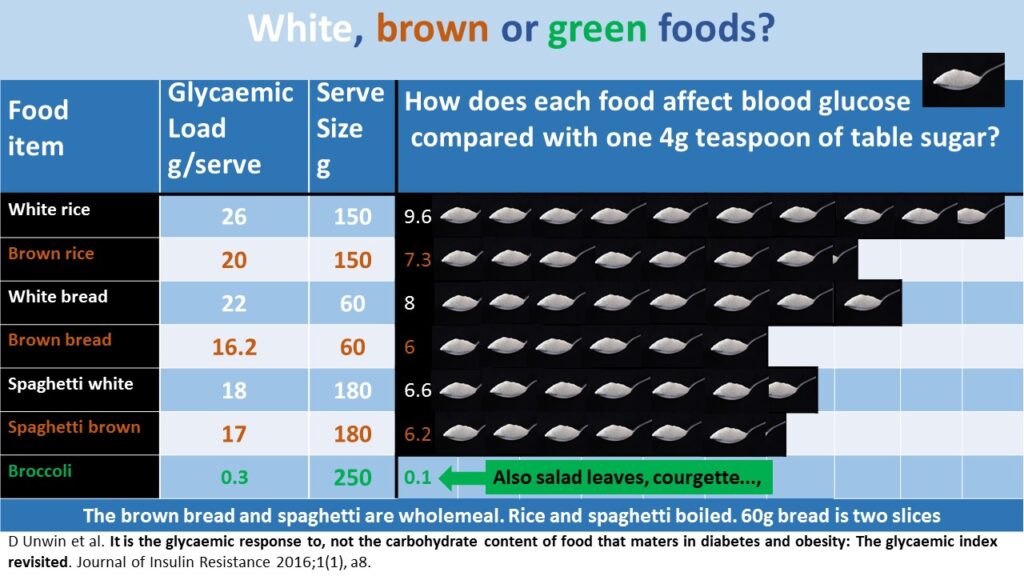
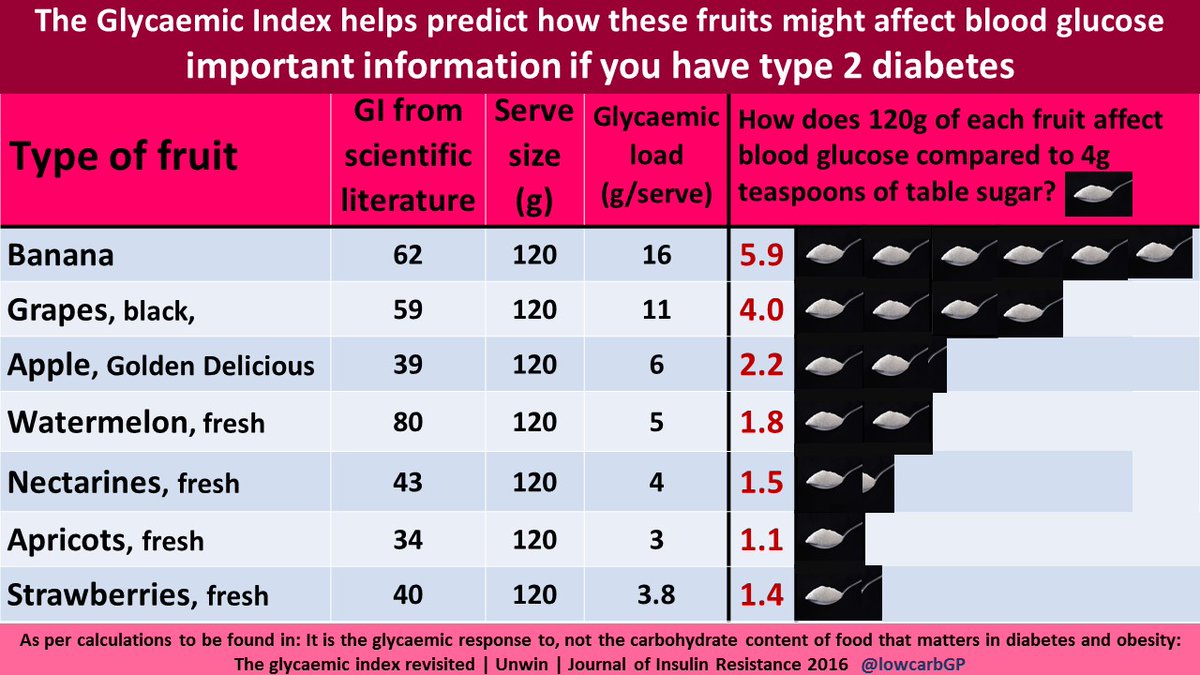
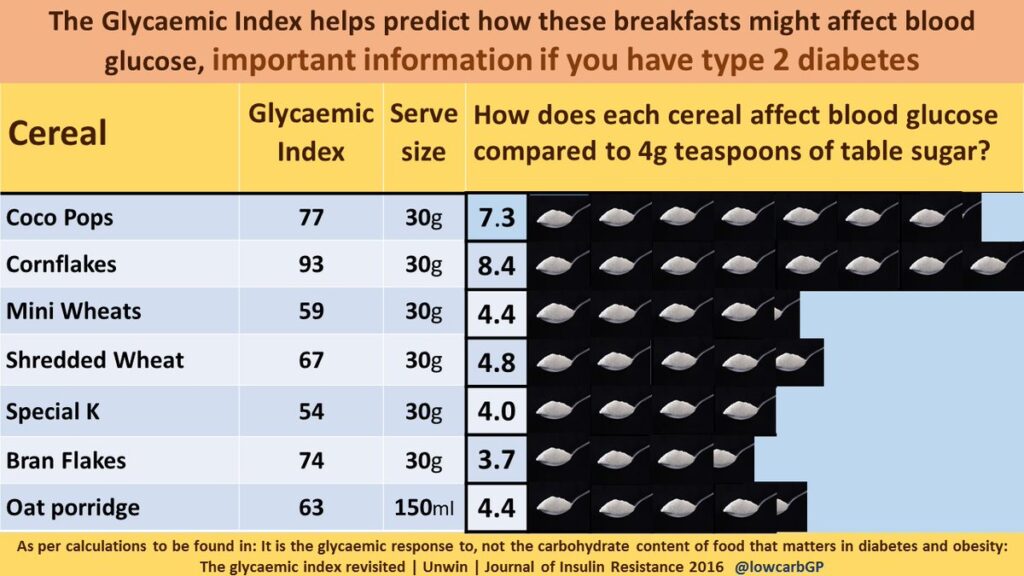
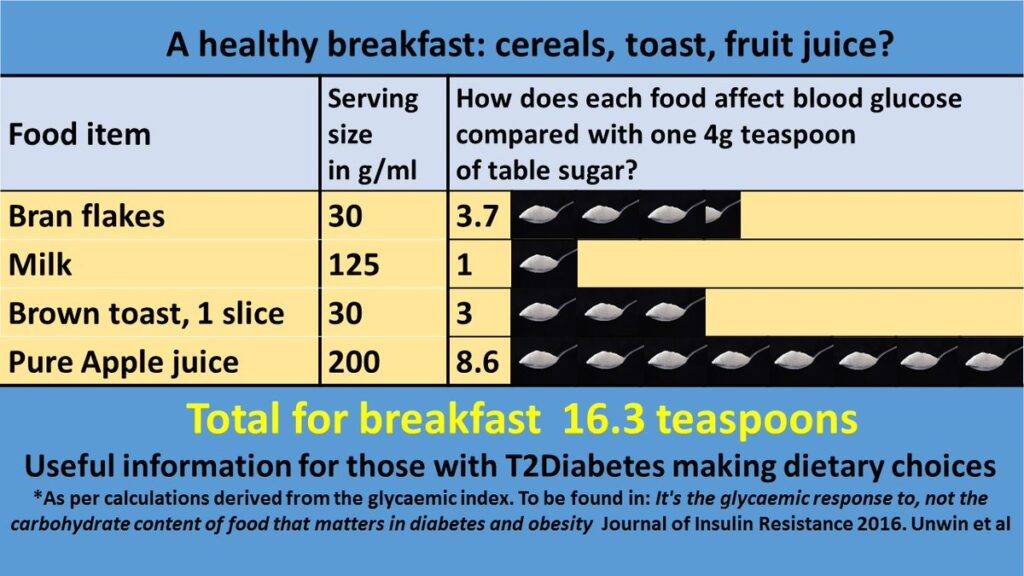
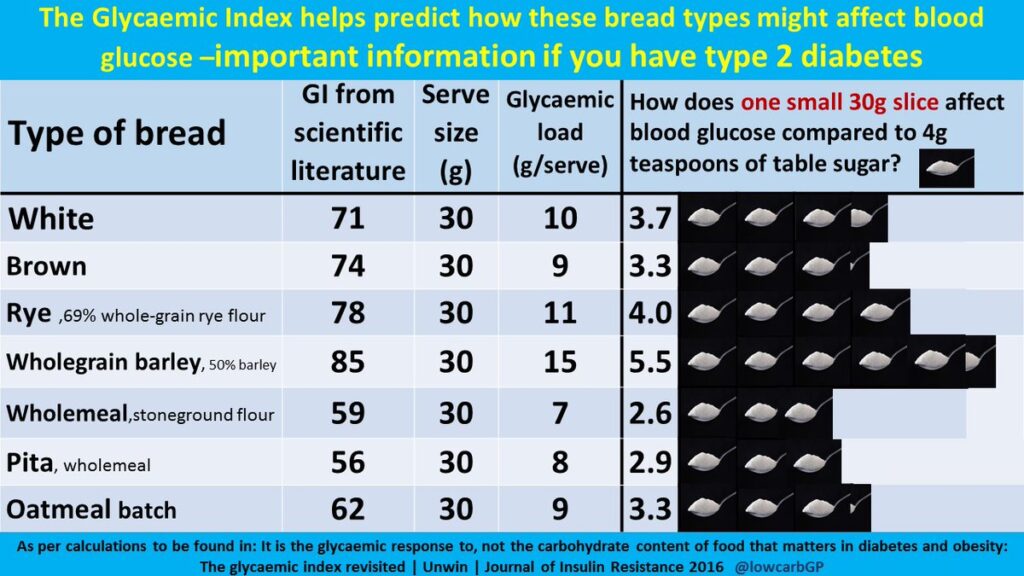
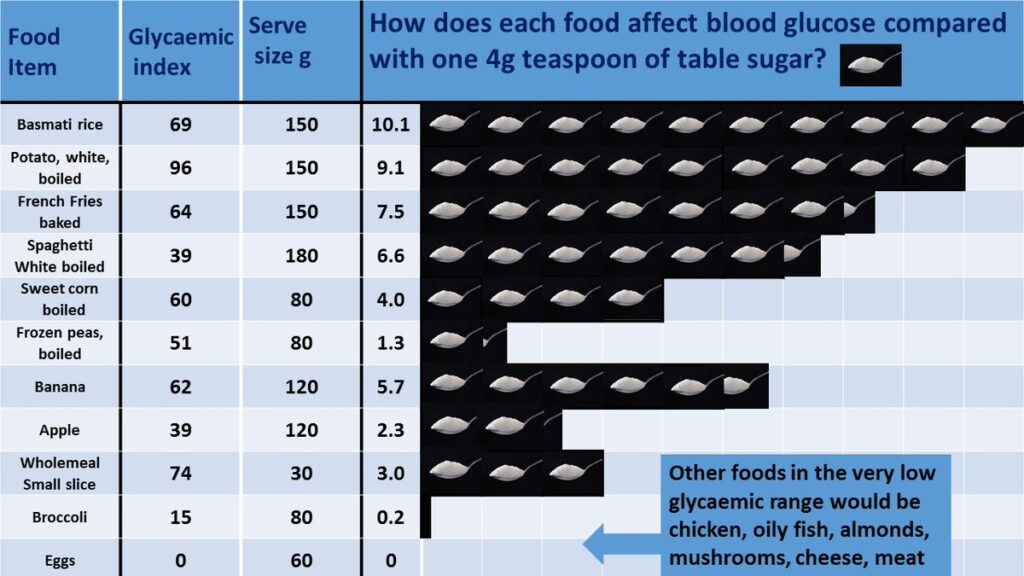
      With many thanks to Darwin Unger@lowcarbGP, who allowed free use of his graphs I explain in this blog why overconsumption of natural and added sugar is almost unavoidable.

      Fortunately, with a combination of knowledge and motivation it is possible to keep sugar intake low and avoid too abrupt impacts on your blood glucose level. It is not easy, but doable.

      Before presenting the graphs I will give a small summary of sugar, its omnipresence and dangers. In an earlier blog you will find more info on sugar https://shakethehealthtree.com/index.php/2025/04/13/11-sugar-the-devil-in-disguise-part-1-some-basic-concepts/

      The graphs below of Darwin Unger helped me lot. I made a change to my fruit/veggie smoothie by excluding bananas and apples. Instead, I focus on berries which have half the natural sugars of bananas and apples. The big Dutch super market chains offer 1 kg bags of frozen berries for around 5 euros.

      No nutritional value Sugar, often perceived as a quick source of energy, holds no nutritional value in itself. Sugar can provide an immediate boost of energy to the body. Other macronutrients like fats and proteins can serve this purpose as well. They also come, contrary to the empty sugar calories, paired with essential vitamins, minerals, and other beneficial compounds. Neither do sugars contribute to satiety or nutritional completeness, making them less advantageous than other food sources.

      There are no universally fixed daily recommended quantities for sugar intake. There are various dietary guidelines regarding sugar intake. Many recommend limiting added sugars to around 10% of total daily calories. This translates roughly to 50-60 grams for women and slightly higher for men. It’s essential to differentiate between added sugars and natural sugars found in whole foods. Added sugars are typically of greater concern for health.

      Lifestyle plays a significant role in determining individual sugar intake. Those who are more physically active may require slightly more sugar for energy. Meanwhile, sedentary individuals should aim for less. Notably, these recommendations do not apply to individuals with diabetes, who must carefully monitor their carbohydrate intake.

      Easy to over consume Sugar can be surprisingly easy to over consume. It is prevalent in many processed foods, beverages, and snacks. These are the so-called hidden sugars. One might not realize that a single sugary drink can contribute 30 grams of sugar or more. This amount quickly exceeds any daily limit. It happens without even accounting for other meals. This over consumption has become a significant concern. Excessive sugar intake is linked to various health issues. These include obesity, type 2 diabetes, and notably, fatty liver disease. The liver can become overwhelmed by processing large amounts of sugar. Fructose is particularly challenging. This can lead to fat accumulation. Over time, it may cause liver damage.

      Sugar is potentially addictive Emerging research has also highlighted the potential addictive properties of sugar. Some studies suggest that sugar can trigger the release of feel-good chemicals like dopamine in the brain. This is akin to the effects observed with various addictive substances. This can lead to cravings and an increased wish for sugary foods. This creates a cycle that mirrors the behaviors linked to substance addiction. While not everyone experiences this phenomenon, evidence suggests that sugar can strongly influence our eating habits. Moderation becomes all the more important for overall health.

      Consuming 100 grams of whole grain bread has a high GL. It will likely lead to a noticeable, moderate increase in blood glucose levels. This increase is around 20 to 30 mg/dL or more, depending on individual factors. It peaks in 1 to 2 hours and its impact can last up to 4 hours.

      Straight added 4 grams of sugar may lead to a sharper but short spike of about 10 to 20 mg/dL immediately after consumption with return to baseline within 1 to 2 hours.

      (1) See the sugar (impact on blood glucose level) difference between white rice and broccoli!

      (2) Important lesson: fruit is not sugar free and your body does not distinguish between added or natural sugars (although natural sugars come with many useful ingredients and fiber). Also notice that a banana has 4x more impact on blood glucose than strawberries.

      (3) Why certain breakfasts elements in many countries are not healthy.

      (4) Below the sugar intake of a regular, very modest breakfast: 65 grams of sugar (some sources give 20 grams for fresh apple juice, not 32 like this example).

      (5) Bread contains little sugar, but because of its carbs it can have quite an impact on your blood glucose. This also applies to whole grain bread with its complex carbs. The crucial difference with “sugar only” is the much slower release and therefor different impact on blood glucose.

      (6) See the difference between boiled potatoes and eggs.

      Dear reader, I still have to found out more about sugar content and impact on blood glucose. Having said this, I hope that the message of this blog is clear.

      Take care, pay attention to your sugar/carbs intake and enjoy life,

      Robert, your health friend

      Pastel de Nata, from Portugal. Too much sugar? Yes, but…..

      21. NITRIC OXIDE, THE LONGEVITY MOLECULE I NEVER HEARD OF (health project99+)

      Notre Dame in Paris

      Dear reader,

      In my quest to better understand health issues, I stumbled upon Nitric Oxide (NO). Honestly, I had never heard of it, but apparently, it is critical for many functions.

      What is NO? What does it do? How can one compensate for NO loss as one ages? What happens if you have a shortage?

      Let us start with the first question: What is NO?

      Nitric Oxide (NO) is a colorless gas. It is produced naturally in the body. This gas plays several vital roles in various physiological processes. It is a signaling molecule that helps regulate blood flow, immune responses, and neurotransmission. A lack of NO leads to many health issues, including cardiovascular diseases, diabetes, and neurodegenerative disorders.

      Many call it the “longevity molecule” as it protects your DNA, promotes mitochondrial production, and stimulates stem cells.

      The bacteria in your mouth play a central role; they convert nitrates from food into NO. For this reason alone, proper mouth hygiene is important.

      How do you know there might be a problem with your NO levels?

      Since it is difficult to accurately measure NO levels, one has to look at symptoms. Unfortunately low NO levels are common. By the age of 30, you might already experience a 40% decrease in NO production. This is followed by further gradual loss annually if you do not take corrective measures. Aging, combined with certain health conditions (like diabetes), impacts the ability to produce nitric oxide.

      You might have an NO problem if you experience certain symptoms. These include high blood pressure, poor blood circulation, and poor overall exercise performance. Other signs are shortness of breath, erectile issues for men, increased susceptibility to infections, and slower healing processes. Poor cognitive performance or memory issues, headaches, and dizziness may also be indicative. 

      These symptoms can reflect other diseases, so it is advisable to consult your doctor. They can evaluate your symptoms and conduct necessary tests.

      What are all these critical roles of NO?

      Relaxing and dilating blood vessels. Helping to regulate blood flow and blood pressure by allowing smoother movement through the arteries and veins.

      Lowering systemic vascular resistance. This helps to reduce blood pressure.

      Antimicrobial properties and programmed cell death of infected or cancerous cells.

      NO can influence inflammatory responses, but when in excess, it can also contribute to tissue damage during chronic inflammation.

      It plays a role in mitochondrial respiration. It can influence energy production at the cellular level. This affects the efficiency of ATP (adenosine triphosphate) production. ATP production is vital for cellular energy.

      Assisting in maintaining the inner lining of blood vessels involves promoting cell growth. It also includes reducing the adhesion of white blood cells to the endothelium, which prevents plaque buildup.

      Modulating insulin sensitivity, which can impact conditions like diabetes.

      NO is involved in various aspects of reproductive physiology. It includes erectile function in men. It also involves the regulation of blood flow in the female reproductive system.

      The impact of mouth hygiene on NO

      When you consume nitrates, they encounter bacteria in your mouth. These bacteria convert nitrates into nitrites. Nitrites can be swallowed. They are then further converted into nitric oxide in the stomach and bloodstream. The most important of these bacteria are located on the surface of your tongue. For this reason, it is advisable to regularly rub your tongue with a toothbrush. This stimulates the mucous membranes in the mouth. It is part of achieving good oral hygiene. This practice can indirectly support nitric oxide production.

      Fluoride toothpaste and mouthwash do kill off some bacteria in your mouth. These bacteria are responsible for converting dietary nitrates into nitric oxide (NO). If you are concerned about this balance, you might consider several measures. Rinse with water after brushing. Consume nitrate-rich foods. Stop using fluoride toothpaste. Be critical about the type of mouthwash you use. Dental hygiene is important, of course, but so is supporting a healthy oral microbiome.

      Testing is possible but not easy

      Measuring nitric oxide (NO) levels in the body can be challenging. Nitric oxide is a gas with a very short half-life in biological systems. However, there are a few methods to assess nitric oxide production. Indirect indicators such as FeNO testing and blood tests can be used. It is not a standard test, so it is best to consult your doctor.

      How to get enough NO?

      Your NO levels will decline quickly without measures. This decline starts in your 20s. Therefore, it is important to know how to maintain adequate NO levels. From what I have read, it is possible to correct NO deficiency and combat the age related NO loss.

      The usual health recommendations remain very important, also for NO. Exercise regularly and maintain a healthy weight. Avoid smoking and limit alcohol consumption. Make sure you get enough sleep and stay hydrated. Manage your stress levels as well. While none of these are spectacular recommendations, they are essential nonetheless.

      Certain dietary sources are rich in nitrates. These can help increase nitric oxide levels. These include leafy greens like spinach and kale. Beets, celery, and radishes are also high in nitrates. Antioxidants can protect nitric oxide from degradation. Foods rich in vitamin C (fruits like oranges, strawberries, and kiwi) and vitamin E (nuts and seeds) are beneficial.

      Experts generally recommend consuming around 300 to 600 milligrams of nitrates daily. This intake can be beneficial for enhancing nitric oxide production. Beetroot is particularly effective, with one medium-sized beet containing about 250-300 mg of nitrates. 

      Incorporate protein sources rich in the amino acid L-arginine, such as meats, nuts, and seeds. Include L-citrulline, which is found in watermelon. These nutrients can support nitric oxide production.

      When taking supplements

      Few foods are rich in nitrates. Therefore, consider using supplements containing L-arginine. This amino acid is a direct precursor to nitric oxide. Alternatively, L-citrulline can also be used, which is another amino acid that can increase nitric oxide levels. You might also consider beetroot powder or NO boosters. However, excessive intake can have negative consequences, including elevated blood pressure, interactions with medications, and excessive widening of blood vessels. Intakes excessively high (more than 6 grams) are generally not recommended.

      For nitrate intake from food, consuming between 300 to 600 mg is recommended. For well-known supplements like L-arginine, the advised dose is up to 6 grams per day. I could not find a reason for the difference. I am considering taking this supplement at the lower end (3 grams) but will be aware of any symptoms.

      Nobel Prize

      The Nobel Prize in Physiology or Medicine in 1998 was given to Furchgott, Ignarro, and Ferid Murad. They were recognized for their discoveries about nitric oxide as a signaling molecule in the cardiovascular system. So, I feel I am in good company by being interested in NO!

      Take care and live a happy and healthy life!

      Robert, your health friend

      An elephant in Botswana

      5.COLLAGEN LOSS, WHAT TO DO? (health project99+)

      Orinoco river in Venezuela

      Dear reader,

      Be aware that many claims about restoring your collagen are not proven, especially concerning the skin. Some approaches work, but many do not. Public interest in collagen is mostly related to skin issues. However, much of the function and benefits of collagen take place inside your body. 

      The bad news is that “Very few things work.” While this is a sobering conclusion, it can also motivate you to lead a healthy lifestyle. This is the best way to a) prevent collagen loss as much as possible and b) reverse some of the negative impacts of collagen loss. And consider yourself lucky if good genes run in your family.

      The good news is that “Very few things work” means that some do. There are promising developments, but so far, studies do not suggest that collagen loss can be completely halted. In general, studies make a strong case for certain dietary and lifestyle interventions, as well as for supplements and red light therapy.

      Science is not resting, and interesting studies are ongoing, even for interventions at the cellular level. We already have microneedling and red-light therapy.

      For those who desire smooth and radiant skin, looking at people from Korea might provide insights. Yes, genetics probably play a role, but so does their elaborate skincare routine, involving many steps and products. I do not have the patience for this, but the Korean method works, at least for the skin. Just Google “Korean skincare” and be impressed (and perhaps inspired). At the end of this blog, I will summarize the Korean secret.

      1.This is a long blog, so let me start with the three main take-aways: from what I read the most effective are animal-based collagen products; for plant based boosters there is less scientific proof. There are also indications that LED masks have an impact and for those with a lot of patience the Korean skin care approach seems to be a good idea.

        2.What is collagen?

        Collagen is the most abundant protein in the human body, accounting for about 30% of your body’s total protein. Collagen is the primary building block of your skin, muscles, bones, tendons, ligaments, and other connective tissues. It is also found in your organs, blood vessels, and intestinal lining. Three-quarters of the weight of dead skin consists of collagen. There are at least 28 different types of collagen, with Type I being the most prevalent and found in skin, bones, and ligaments. 

        There are 20 amino acids that make up proteins, with 9 amino acids being essential and 11 being non-essential. Collagen is classified as a non-essential protein. It is mainly composed of three non-essential amino acids: glycine, proline, and hydroxyproline.

        Something is called “essential” because your body does not produce it. What your body produces is called non-essential, like collagen, but it is equally important.

        Collagen products come from various animals: cows, pigs, chickens, and fish. Consuming food rich in protein and vitamin C is advisable. Specific mention is reserved for bone broth.

        There are two primary skin aging mechanisms, referred to as intrinsic and extrinsic. Intrinsic processes are predominantly controlled by genetic and hormonal variations. Extrinsic factors include smoking, alcohol consumption, chronic sun exposure, stress, and several other influences.

        3.What does collagen do, besides maintaining skin elasticity?

        Collagen plays a vital role in maintaining skin elasticity, bone strength, joint health, and tissue repair (wound healing). It helps maintain the integrity and elasticity of various body parts. Collagen is a major component of cartilage, which cushions joints, and provides structural support to bones. It is crucial for muscle structure and repair. It is also found in blood vessels and plays a role in maintaining their structure. Collagen may support the lining of the gut and digestive tract. It can potentially aid conditions like leaky gut syndrome. It may improve overall digestive health. As aging progresses, the connective tissues in organs can weaken. Collagen helps maintain the structural integrity of organs. It contributes to their normal function. 

        Collagen may interact with kidney disease, but there are no known side effects related to its consumption.

        4. What are the causes of collagen loss?

        Aging is a natural process that begins in your early 30s. Each year, it leads to about a 1% or more reduction in your body’s ability to replenish collagen naturally. This decrease in collagen is first and foremost visible through the appearance of fine lines and deeper wrinkles. Additionally, the quality of collagen diminishes with age.

        Hormonal changes due to pregnancy, menopause, health conditions, etc.

        Sun exposure, since ultraviolet rays can cause collagen to break down in the skin.

        Oxidative stress resulting from metabolic processes and lifestyle choices, such as smoking and poor diet.

        Low levels of ascorbic acid (vitamin C), which can lead to scurvy.

        Certain genetic conditions can affect collagen production.

        5. How to address collagen loss?

        First, limit negative factors like sun exposure (use sunscreen!), smoking, and an unhealthy diet. A well-balanced diet includes chicken, beef, fish, dairy, eggs, beans, leafy greens, other vegetables, whole grains, and citrus fruits. Eating collagen-rich foods doesn’t directly increase collagen levels in your body because collagen can’t be absorbed in its whole form. Your body breaks down collagen proteins into amino acids. 

        However, many foods provide the raw ingredients necessary for collagen production. These foods contain the amino acids proline, hydroxyproline, and glycine. Vitamin C, zinc, and copper are also essential for the production process. In relation to collagen they are often referred to as “co-factors”.

        Some studies have investigated the positive role of silica, which is found in foods like cucumbers and bell peppers. Silica may help in promoting collagen synthesis. Other research has demonstrated that antioxidants can help protect collagen from oxidative stress. Not surprisingly, a Mediterranean diet has positive effects on skin health, indirectly supporting the health of collagen-rich tissues.

        Secondly, genetics play a role. If everyone in your family has smooth skin, consider yourself lucky.

        Third, consider taking collagen supplements (but see point 7).

        Fourth, use special infra-red LED lamps (see point 11).

        Additionally, botox can take away wrinkles. This is an entirely different process unrelated to collagen. Botox injections involve purified botulinum toxin, which temporarily paralyzes specific muscles to reduce the appearance of wrinkles and fine lines.

        Further, other injections directly involving collagen may have a longer-lasting effect than botox.

        6.Main tip

        Before considering collagen supplements, first focus on a balanced diet to improve health in multiple ways. Exercise, adequate sleep, and sunscreen also have well-known benefits for skin appearance and health. I apologize if these suggestions seem mundane. They resemble advice for other health issues. It’s true: a healthy lifestyle is paramount.

        7.What about collagen supplements? The good news is that studies show collagen supplementation could improve joint pain. It may also promote collagen turnover, especially in those with osteoarthritis. However, more research is needed. Other studies on collagen supplementation indicate a modest improvement in both hydration and elasticity.

        Collagen supplements and collagen-rich foods contribute to the overall collagen levels in your body. They provide the necessary amino acids and nutrients. These elements support collagen synthesis (production). It is unclear if it is possible to completely compensate for the loss caused by aging. Based on what I have read, this seems challenging.

        One key problem with claims about the benefits of collagen is what happens when the molecule is ingested. There is little solid proof that collagen will survive digestion, travel into the bloodstream, and then reach your skin. Were life but that simple!

        When any protein arrives in the stomach—including collagen—it is usually swiftly broken down into amino acids. These amino acids are then reassembled into the proteins that the body needs at that moment. So, if the body needs collagen, it might reassemble those amino acids into collagen, but there are no guarantees.

        The European Food Safety Authority (EFSA) assesses risks related to novel foods. It states that the idea that collagen helps maintain skin elasticity has not yet been sufficiently demonstrated by scientific research. The concept that collagen improves joint functioning is also not confirmed.

        Creams that claim to rejuvenate the skin are unlikely to have a significant impact. The molecules cannot penetrate the outer layer of the skin in a way that induces a difference. More research is needed. Nonetheless, the Korean example (described below) shows that it is possible to influence skin quality from the “outside.”

        8.Animal-derived collagen vs. plant-based boosters

        • Animal collagen (bovine, porcine, marine): typically provided as hydrolyzed collagen peptides (types I, II, III depending on source). Many studies have reported benefits for skin elasticity, joint comfort, and hair/nail health at typical daily doses (often 2.5–10 g). Efficacy varies by product, dose, duration, and individual factors. There is an important role for the so-called co-factors like vitamine C and Zinc.
        • Plant-based boosters do not supply the collagen molecule itself. This should not be a problem as animal collagen will also be broken down in your body. Plant-based boosters tend to provide nutrients that support the body’s own collagen production (e.g., vitamin C, glycine, proline, lysine, minerals) or use fermentation-produced, collagen-like peptides marketed as vegan. Evidence for these approaches is more variable and generally less robust than for animal collagen supplements. They may help if you have overall protein intake and cofactors well covered, but they’re not delivering collagen per se.

        9.We often hear about peptides, what are those?

        Peptides are short chains of amino acids, which are the building blocks of proteins. They typically consist of 2 to 50 amino acids. Peptides are smaller than proteins. Proteins are made up of longer chains of amino acids.

        Hydrolyzed collagen (collagen hydrolysate) refers to collagen that has been broken down into peptides. Peptides are the collection of amino acids between individual amino acids and proteins. Certain collagen products emphasize the peptide aspect, suggesting they are much better absorbed. This is somewhat true, but not in an essential way. Like amino acids, collagen peptides—from foods or supplements—cannot be directed to a specific area. They cannot be used where you want them (the skin). Your body utilizes these peptides for whatever it requires at the moment, whether it is collagen or another protein.

        10.What doses and what substance to take?

        This substance comes from a wide variety of sources and types of collagen. It is also packaged into many differing forms. These forms range from bars to drinks. When taking collagen as a supplement, opt for a powder or liquid that contains at least 5-10g (0.2-0.4 ounces) of collagen per dose. I personally take a powder, with two doses per day of 10g. It is advisable not to choose tablets or gummies.

        11.Sunscreen and Vitamin D

        Remember to protect yourself against the sun, which you should do. However, this also blocks the UV rays that help produce Vitamin D. Read more about this in my blog

        12.LED Face Masks

        It is important to recognize that you need consistent and regular use of LED masks to see noticeable results. Some studies suggest that treatment sessions lasting 15-30 minutes, three times a week, may be optimal for collagen stimulation.

        Yes, LED face masks can be effective in stimulating collagen production. It applies LED light therapy, also known as photo biomodulation (PBM). The process works by exposing skin cells to specific wavelengths of light. This exposure triggers cellular changes. Red light for this purpose is between 633-700nm.

        Red and near-infrared light emitted by LED masks are known to penetrate deeper into the skin. They stimulate fibroblasts, the cells responsible for producing collagen and elastin. leading to increased collagen and elastin production. This can improve skin elasticity, reduce wrinkles, and promote a more youthful appearance. I realize this sounds like an advertisement. However, I have seen skeptical people on YouTube who used LED face masks over a longer period. They showed the difference.

        LED light therapy also enhances blood circulation. It brings more oxygen and nutrients to the skin. This further aids in the repair and renewal processes.

        Important to realize is that you need consistent and regular use of LED masks to see noticeable results. Some studies suggest treatment sessions of 15-30 minutes, three times a week, may be optimal for collagen stimulation.

        Studies about red-light therapy for the whole body are less clear so far.

        13.FUTURE AHEAD

        Microneedling involves creating tiny punctures in the skin, triggering the body’s natural healing response and stimulating collagen and elastin production.

        Red and near-infrared light can penetrate the skin, stimulate collagen production, reduce inflammation, and promote cellular regeneration. Research in this area is fast developing.

        Research suggests that combining collagen supplementation, particularly hydrolyzed collagen, with exercise can significantly increase collagen synthesis. High-intensity resistance training can potentially strengthen tendons and improve physical performance.

        Future Research Directions Finding new mechanisms to address fibroblast senescence is an exciting area of research. Discovering new bioactives to impede telomere loss could offer new treatments. Repairing DNA damage may also provide new solutions in the fight against skin aging. Fibroblast senescence refers to the process in which fibroblast cells stop dividing and functioning properly due to aging or stress. Fibroblast cells play a crucial role in producing collagen and maintaining the extracellular matrix in connective tissues.

        Thanks for reading, I hope it was useful. For myself it was.

        Take good care and live a happy and healthy life,

        Robert, your health friend

        Our beloved Randy supervising events in Istanbul

        Annex: The Korean secret

        Skincare is part of Korean cultural tradition, just as paying attention to good food and protecting against the sun.

        Daily skincare Routine (for me this takes too much time)

        • Cleansers Double cleansing with an oil-based cleanser followed by a water-based cleanser helps to thoroughly remove makeup and impurities.
        • Exfoliators Regular use of chemical exfoliants (like AHAs and BHAs) and physical scrubs to remove dead skin cells.
        • Toners Hydrating toners are applied to prepare the skin for subsequent products.
        • Essences Lightweight, hydrating formulas that help improve skin texture and hydration.
        • Serums Targeted treatments for specific concerns (e.g., brightening, anti-aging, hydration).
        • Moisturizers Emollients that lock in hydration.
        • Sunscreen Daily use of broad-spectrum sunscreen to protect against UV damage.
        • Sheet Masks Frequent use of hydrating sheet masks for an extra moisture boost.

        Ingredients

        Korean skincare often incorporates the following ingredients.

        Hyaluronic Acid provides intense hydration. Niacinamide brightens the skin and improves texture. Snail Mucin is known for its reparative properties. Green Tea offers antioxidant effects. Licorice Root helps in brightening and soothing the skin. Propolis and Honey are used for moisturizing and antibacterial benefits.

        While there are many brands and products available, some popular Korean skincare brands include: Innisfree, Dr. Jart+, Laneige, The Face Shop, Etude House, Missha, COSRX, Sulwhasoo.

        20. SUNSCREEN, THE MORE THE BETTER (health project99+)

        Caracas

        Dear reader,

        As our knowledge about certain dangers advances, so should our commitment to daily UV protection. Protecting against UV radiation today, both UVA and UVB is an investment in lifelong health. 

        This blog contains if not all, most aspects related to sunscreen.

        The sunscreen shelf contains oils, lotions, sprays, and creams. There is also a rich assortment of labels and promises. The variety of prices is equally vast. A healthy dose of skepticism helps navigate through all the bottles and tubes. “Dermatologically tested”, what does this mean? Scientifically speaking probably nothing.

        “Avoid, cover, apply” Skepticism about claims by producers of sunscreen should not turn into distrust of the product. Sunscreen strongly reduces the risk of sunburn. It also lowers the risk of skin cancer. “Avoid, cover, apply” is the advice of all experts. Avoid the sun during the hours of highest UV intensity. Cover the skin with (UV-protective) clothing. Generously apply sunscreen to exposed skin, even when it is clouded.

        Relation sunshine and skin cancer is proven. Claims on social media that sunscreen is hormone-disruptive or even carcinogenic have not been proven to date. Meanwhile, there are “piles of serious studies” that prove UV radiation can cause skin cancer. “UV radiation is classified as a ‘Group 1 carcinogen’, just like asbestos or tobacco. The causal relationship with cancer is indisputably proven.

        There are two different types of UV radiation to remember. One is called UVA, which impacts aging processes. The other is called UVB, which causes burning. Both types of radiation can cause skin cancer.

        Skin cancer is on the rise. It is one of the most common forms of cancer in countries like the Netherlands. Nearly 80,000 diagnoses occur annually. The situation is similar in the USA with 3.6 mln diagnoses annually. UV radiation from the sun and tanning beds is typically the cause. 

        A thousand people die from skin cancer each year in The Netherlands. This often results from more malignant forms like melanoma. In the UK, 2500 people die from skin cancer annually. In the USA, that number is 8000. These deaths are almost all preventable if well protected against the sun.

        1.Difference between UV A and UV B

        All sunscreens have UVB, but please choose a sunscreen that has also UVA Protection. It is important to prevent premature wrinkles. The advice is to apply sunscreen daily, and even every few hours if you are outside. UVA radiation penetrates deeper into the skin. It is responsible for premature skin aging (photoaging), including wrinkles and age spots. It can also damage collagen and elastin in the skin.

        UVA rays are more constant throughout the day. They can penetrate through clouds and glass. This makes them a concern even on overcast days or indoors.

        2.The truth of the factor

        Factor 30 or Factor 50? The recommendation is to use at least Sun Protection Factor of 30 (SPF 30). It promises to block 97% of harmful UV-B radiation. SPF 50 blocks 98%. A minimal difference of only 1%.

        SPF 100 is forbidden in Europe as it blocks 99%, but the 100 will give the public a false sense of security.

        3.Application is key and clear most of us do not enough

        In practice, people often apply sunscreen too thinly, don’t reapply often enough, and sweat or wipe it off. Therefore, the actual protection from both SPF 30 and SPF 50 is much lower than 97 or 98%.

        A high SPF is an indication of better protection but does not mean you can stay in the sun longer. Due to sweating, skin exfoliation, and friction from clothing, the protection decreases.” Regular reapplication is crucial—preferably every two hours. or more often if swimming or sweating.

        An adult body has between 1.5 to 2 square meters of skin surface. Application guidelines require 2 milligrams per square centimeter of skin. So if you do a full body application you will need about 40 milliliter applications. In other words, a 100-milliliter sunscreen bottle should be empty after three thorough applications.

        However, most people apply only half to a quarter of the recommended amount. This makes it nearly impossible to achieve the protection level indicated on the bottle. Fortunately, consumer testing consistently shows that the best brands are not always the most expensive. Also, the cheapest aren’t the worst. 

        In the EU, sunscreen cannot claim to be waterproof—but the claim of water-resistant is ok. Look for water-resistant technology, as some products do not offer it, which allows for better staying power in water.

        After-sun products are not a substitute for prevention. If burnt, people should avoid the sun and hydrate. Instead, a simple moisturizer without harsh additives is recommended.

        Labels claiming “ocean friendly” or featuring happy turtles are not official certifications yet. They often indicate that certain harmful ingredients are absent. For well-rounded UV protection, use mineral filters with iron oxide. They are especially recommended for dark skin. These filters can protect against visible light and pigmentation.

        Protecting children from sunburn is crucial, as it increases future skin cancer risk. The Dutch Cancer Control advises keeping infants under one year old completely out of the sun and applying appropriate sunscreen, especially during peak UV hours (generally between 10 a.m. and 4 p.m).

        4.Sunscreen and Vitamin D

        One should spend at least 20 minutes in direct sunlight daily. This exposure is necessary because UVB is responsible for Vitamin D production. The less of your body is covered, the more exposure you need of course. One unintended consequence of applying sunscreen well is that no Vitamin D will be produced and supplements are necessary. I wrote a blog on the all-important Vitamin D. https://shakethehealthtree.com/index.php/2025/06/03/vitamin-d-yes-we-must-take-it-health-project99/

        5.Umbrella’s, clothes, clouds offer only partial protection!

        Sitting under an umbrella can provide some degree of protection from the sun. However, you still need sunscreen. Most umbrellas block approximately 50-95% of UV rays, depending on the fabric and color. 

        UVB Rays are usually blocked more effectively than UVA Rays. The umbrella blocks UV rays well. However, it is possible to be exposed to indirect UV rays. These rays can reflect off surfaces like sand, water, and concrete.

        Clothing can provide significant protection against UV radiation. However, the level of protection varies based on several factors. These include the type of fabric and its color. The weave density and whether the fabric has been treated for UV protection are also important. 

        Here’s a breakdown of how clothing can protect against UVA and UVB rays. Clothing is rated by a metric known as Ultraviolet Protection Factor (UPF). A higher UPF indicates greater UV protection. UPF 40-50+ = Excellent protection. A UPF of 30 means that only 1/30th of the sun’s UV radiation can pass through the fabric.

        Fabrics that are tightly woven, such as denim or canvas, typically offer better protection than loosely woven fabrics like t-shirts.

        Darker colors often provide more UV protection than lighter colors. For example, a dark blue shirt may block more UV radiation than the exact same shirt in white.

        Materials like polyester and nylon often provide better UV protection compared to natural fibers like cotton. Some synthetic fabrics are specifically treated to enhance their UV-blocking capabilities.

        Wearing multiple layers of clothing can increase UV protection, as the underlying layers can add additional defense against UV rays. 

        High-quality sunglasses that block 90–99% of UVA and UVB rays can reduce UV exposure to the eyes. When combined with a wide-brimmed hat, they protect the surrounding skin by up to 50% or more. This combination offers significant protection when used consistently.

        Clouds are another protection, but also here only partial. Up to 80% of UVA rays can still reach the ground on cloudy days and up to 50% of UVB.

        So in short there are different types of protection, from combination of umbrella’s, cloths and at times clouds

        6.Can your body repair DNA damage you suffered in earlier years?

        Your body can repair some DNA damage caused by past sun exposure. However, it may not fully correct all of it. By taking precautions in later years, such as staying out of the sun, you can significantly reduce further damage. Additionally, using sunscreen lowers the risk of skin-related issues. However, you should not forget that UV damage to the skin adds up over time, so consistent protection is key.

        Regular skin checks are advisable. Consultations with a dermatologist are also recommended for monitoring potential changes due to past UV exposure. Apps like SkinVision can help you to self monitor in between your consultations. 

        7.And then we still have the Nanoplastics.

        Most available research indicates that nanomaterials can penetrate the outer layers of the skin. The health risks associated with this penetration are not yet fully understood. More research is needed to determine if nanoplastics pose a significant risk when used in skincare products. One of the concerns is that certain types of nanoplastics can have toxic effects on cells.

        It will take years before health consequences are known. I am not going to wait for this and look for products that are free from synthetic microplastics or nanoplastics. Often, mineral-based sunscreens that contain zinc oxide or titanium dioxide are recommended as safer alternatives.

        8.My own experience

        I had first stages of skin cancer a few times, but these spots were timely removed. In my youth I never paid attention to being sun burned. The last 30 years I do it much more and my wife Kim makes sure I always put on my sunscreen. I was glad to find out (ref point 6 of this blog) that your body can partly repair DNA damage.

        It is sunny outside, I go for a dive into the Dutch North Sea. It is 7 PM, but after reading this blog I still put on sunscreen.

        Take care and enjoy a healthy life!

        Robert, your health friend

        There are 100’s different types of palm trees in the world