TMG is one of those newer supplements with promising results in studies. However, a lot of “further research” is needed. A few studies indicate that TMG contributes to strengthening of muscles and a higher testosterone level. We men love this.
It also might delay cognitive decline and fight depression.
I started taking TMG not so long ago. As I take several supplements at the same time, I will not be able to report whether TMG makes a difference. Still, reliable sources promote it as having little risk and possible benefits. That is an adequate reason for me.
1.What is TMG/BETAINE?
TMG, or Trimethylglycine, is a compound that is derived from the amino acid glycine. Just to remind you, an amino acid is a type of organic molecule. It serves as a building block for proteins.
Another word for TMG is Betaine. This name derives from its original source, which is the sugar beet (Beta vulgaris). The term “betaine” was first coined from the word “Beta” (the genus name of the beet plant). It was combined with the suffix “-ine,” which is often used in chemistry to denote a class of compounds. The discovery of betaine dates back to 1869, when it was identified in beet juice.
2. Some technical jargon
TMG is a methyl donor, meaning it can donate methyl groups to other molecules in the body. This function is significant in several biochemical pathways. It is particularly important in the synthesis (=production) of the amino acid methionine from homocysteine. This conversion is good for your heart health.
A methyl group has a tetrahedral shape due to the sp³ hybridization of the carbon atom. This hybridization forms four single covalent bonds. There is one bond with the carbon atom and three bonds with hydrogen atoms. In biological systems, methyl groups are important in processes like DNA methylation. They play a role in gene regulation. Methyl groups also affect gene expression (=gene activation). Methyl groups can also be involved in the synthesis of various biomolecules.
3. What does it do?
TMG is available as a dietary supplement. It is often marketed for its potential benefits related to heart health, liver function, and exercise performance. It may also help with cognitive decline and testosterone levels.
-Better hearth health TMG may contribute to better heart health. It may also potentially reduce the risk of heart disease. TMG helps convert homocysteine to methionine, an amino acid, which can lower homocysteine levels in the blood. High homocysteine is a risk factor for heart disease.
-Insulin Sensitivity TMG may improve insulin sensitivity, which can be beneficial for people with insulin resistance or type 2 diabetes.
-Athletic Performance. It is no wonder pill. Studies showed that on its own it does not do a lot. However, merged with intense exercise, it made a difference. It enhanced athletic performance by supporting creatine production, which is essential for muscle strength and energy. It may also help with muscle protein synthesis (=protein production). Some studies suggest it can improve VO2 max and sprinting performance.
-Reducing depressions and delaying cognitive decline
4. Natural sources of TMG?
There are not many natural sources of TMG. The best known are beets, which have 100 to 200 mg of TMG per 100 grams of raw beets. Spinach contains 10 to 30 mg of TMG per 100 grams. Quinoa has 10 to 15 mg per 100 grams. Whole grains offer 5 to 15 grams of TMG per 100 grams.
5. Suggested supplement intake
No specific Recommended Daily Allowance (RDA) is established. Health organizations like the Institute of Medicine or the World Health Organization have not provided one. Studies often go for around 2-3 grams per day. It is difficult to obtain a large amount of TMG from food sources. Thus, supplements are necessary to reach the few grams daily. This amount is generally used for studies to establish the impact of TMG.
I myself take 1 gram daily and I am considering raising this to 2 grams daily. You can take TMG both with food or without. The half-time of TMG is relatively short, between 3 to 7 hours. To have maximum effect it is best to spread your TMG intake during the day. Interestingly enough there are no hard data absorption percentage, but absorption is believed to be quite good.
6. Safe intake
It seems that up to 4 grams of TMG daily is safe, above it starts impacting overall cholesterol slightly. With high intake (above 4 grams daily) you also might have mild side effects that include diarrhea, stomach upset and nausea. On a sidenote. Some studies go all the way up to 15 grams daily and do not report problems
One last remark. As NAD+ supplements can reduce methyl groups in your body some advice to always combine NAD+ with TMG. Which I do.
I am pleased that this blog is shorter than normal. I am getting the hang of it!
Enjoy life, take care of yourself. And if you have not done a walk yet today, this is the moment.
Of all 13 vitamins, Vitamin K is probably the least known. I discovered a lot about this interesting vitamin while writing this blog. It is always my pleasure to share my insights with you. I do so as a layman interested in my own health.
Although I take quite a few supplements, I prefer obtaining the essentials through food. With Vitamin K1, obtaining nutrients through food is possible. But, for Vitamin K2, you would need to eat 100 grams of old Dutch cheese daily. This is a great idea, but it can for sure negatively impact your saturated fat intake. Being Dutch or not, I decided with pain in my heart to go for a supplement.
Vitamin K, especially K2, is essential when taking Vitamin D3 (see last paragraph). I recently wrote a blog on D3 and concluded that most people need to take D3 as a supplement. I come to the same conclusion for Vitamin K2, particularly advising the MK-7 variant. There is also the MK-4 form of Vitamin K2, which is not very different from MK-7 but has much poorer bioavailability.
1.What Different Types of Vitamin K Do You Have?
As is often the case, there are different types of the same vitamin. When experts talk about Vitamin K, they typically have Vitamin K2 type MK-7 in mind. That is also the form I take in combination with 4,000 IU of Vitamin D3 daily. Vitamin K is fat-soluble, so always take it with food; otherwise, it is a waste of your effort.
K1 (Phylloquinone) is found primarily in green leafy vegetables and is the main dietary form of Vitamin K. There are no subdivisions of K1.
K2 (Menaquinone) is found in fermented foods, very old cheeses, and some animal products. Vitamin K2 is divided into 14 subtypes based on their molecular structure. MK-4 and MK-7 are the two most studied variants. The differences between these two are primarily related to bioavailability and absorption; MK-7 is generally the more efficient choice.
MK-4 is found in animal products and can be produced by the body from K1. MK-7 is found in fermented foods like natto and old cheeses.
K3 (Menadione) is a synthetic form of Vitamin K. It is used in some supplements and animal feeds. Yet, it is not typically recommended for human consumption due to potential toxicity at higher doses.
2.So What Does Vitamin K Do? What are the Risks of a Shortage?
In general, K1 is sufficiently available in your blood. The same can’t be said for K2. Some studies indicate that up to half the population of the Netherlands may be K2 deficient.
Vitamin K1 is mainly absorbed by the liver. It is responsible for the activation of blood clotting. Vitamin K2 is also active elsewhere in the body, such as in the vessel walls. K2 plays a central role in bone and heart health, helping to prevent arteriosclerosis by removing calcium from blood vessels.
If you have too little Vitamin K1 in your body, wounds may heal poorly, among other issues. A deficiency in Vitamin K2 may lead to sudden bleeding, such as from a nosebleed or gum bleeding. You may also have wounds that bleed for a long time. You might suffer from heavy menstruation. You may experience many rapid bruises and bone fractures.
For a solid bone structure, you need K2. With a good Vitamin K2 status, calcium is deposited in bone tissue. It is not deposited in other tissues such as vessel walls, cartilage, or heart, lung, and kidney tissue.
A prolonged deficiency in Vitamin K2 is likely a risk factor for age-related diseases. These include degenerative diseases like osteoporosis, cardiovascular diseases, and certain cancers.
There are indications that Vitamin K (especially K2) can play a positive role in diabetes and cancer. However, these are indications with no definitive scientific proof.
3.Which Foods Provide Vitamins K1 and K2?
Your body produces only a small amount of K1 and K2, so most intake must come from food. Most people should find it possible to get enough K1, as leafy greens provide generous amounts. One cup of cooked spinach contains around 900 µg of Vitamin K1. In contrast, one cup of cooked broccoli (156 grams) includes approximately 220 µg of Vitamin K1. Spread this intake throughout the day, as its half-life is very short.
From what I’ve read, most people who consume their greens do not need K1 supplements. However, if you take antibiotics for an extended period, it might be a different story. Consult your doctor.
Vitamin K2 is found in small amounts in animal fat, certain meats (like liver), fish eggs, milk, and butter. I am pleased to read that consuming 100 grams of hard Dutch cheeses will provide enough K2 MK-4. As a Dutch national, this makes me happy. However, these cheeses are high in saturated fats. It might not be the best idea.
Then there is natto, the Japanese food with the highest concentration of K2. It is a popular dish made from fermented soybeans, although it is considered an acquired taste.
4.Importance of Bioavailability (Half-Life and Absorption)
This discussion about Vitamin K provides an opportunity to highlight the importance of bioavailability. It’s vital to emphasize how crucial the bioavailability of an active ingredient like a vitamin is. Bioavailability is a comprehensive measure of the extent and rate at which the active ingredient or active moiety (drug, nutrient, etc.) is absorbed into our system. Both absorption and half-life are critical components that affect bioavailability. Half-life refers to how long the substance stays active. Absorption relates to how well your body receives and processes it.
First, let’s discuss the differences between K1 and K2. The half-life of K1 is limited to a maximum of a few hours. K2 is much better. The MK-4 type has a half-life of 3-6 hours. The MK-7 type can last over 24 hours and up to 72 hours. This longer circulation time allows for better uptake in tissues and more consistent benefits over time.
The absorption rate of K1 is very low, around 5%. One cup of broccoli “officially” provides 900 micrograms (µg). Thus, 5% of that is 45 micrograms. Two cups equal 90 µg, which is the average need for women. The absorption rate of K2 is much higher, especially for MK-4.
5.How Much to Take?
Obtaining enough K1 through food is much easier than for K2. Important message: There are different subtypes of K2. Supplements for the MK-7 subtype are generally much more efficient than those for MK-4.
Vitamin K1: The recommended adequate intake for adult men is around 120 micrograms (µg) per day. For adult women, it is about 90 µg per day.
For Vitamin K2, there are no specific guidelines. However, organizations like the Institute of Medicine provide general guidance for MK-4 of 45 µg per day. This is particularly relevant in studies related to bone health in postmenopausal women. MK-7: Typical supplemental doses might range from 100 to 200 µg daily.
6.Interference with medicines
Discuss your concerns about vitamin K and clotting with your healthcare provider. This is important if you use blood thinners. K2 interferes (to a small amount) with blood thinners. If you use, for example, cholesterol-lowering medicines, be aware that these will deplete your K-vitamins. A comforting conclusion is that health problems are difficult to get from taking too much K2. Supplements appear to pose low risk.
7.Vitamin K2 and D3: the golden and obligatory combination
Vitamin K2 is inextricably linked to vitamin D. It is important to get enough of both vitamins. Vitamin D promotes the absorption of calcium in the intestines. It is crucial that the amount of calcium in the intestines does not become too high. Excessive calcium can lead to accumulations in the kidneys and blood vessels.
Vitamin K2 ensures that the excess calcium is directed to where it is needed, namely in the bones and teeth. Therefore, vitamin K2 and vitamin D3 work together to ensure the proper absorption of calcium in the body.
In more technical terms: K2 activates the protein MGP that transport calcium to the bones and teeth. MGP is the main inhibitor of vascular calcification. A high blood level of inactive MGP indicates such a vitamin K2 deficiency that it poses an additional risk.
See you at the next blog, take care and live a happy and healthy life.
Vitamin D is also a vitamin that can be difficult to grasp. Health experts (which I am not) differ on the amount one should take. I tried to navigate the vitamin D labyrinth online as best as I could. I formulated my own vitamin D narrative. For the record, I take 4000 IU (100 micrograms or 1/10 of a gram) of vitamin D3 daily. I combine it with vitamin K2-7. A blog is coming up on vitamin K soon.
There are several types of vitamin D, but the two most common and relevant ones are D2 and D3. It is fat-soluble, so taking it with water alone is not helpful; you should take it with a meal.
Subscribing to my blogs is 101% free.
1.Vitamin D deficiency is much more common than often perceived. Some estimates go as far as claiming that half of the world’s population is vitamin D deficient or insufficient.
The question is, why do so many people have vitamin D deficiency? At one point in my life, I had it, and my wife did as well. This served as proof that testing health biomarkers now and then is not a bad idea.
The first reason is that the number of relevant food sources for vitamin D is rather limited. These include cod liver oil, oily fish, and mushrooms exposed to sunlight. The second reason has to do with the increased quality of the sunscreen you use. One might be outside daily for the required 15-30 minutes. This is the time needed to produce enough vitamin D when you have your skin sufficiently exposed; “hands only” hardly counts. However, if you use a sunscreen with a factor of 50, then all vitamin D production is effectively blocked. In addition we should not forget that many of us live in countries with less sun. These places also have lousy winters (like the Netherlands).
2. How Much Do You Need?
Most countries recommend a daily intake (RDA) of 600-800 IU (=International Units), mainly for older people. However, more and more experts are suggesting that younger people should also take a supplement for the reasons mentioned in the previous paragraph. My suggestion to those individuals would be: do a check. I was personally unpleasantly surprised to find out that I was deficient in vitamin D.
The RDA is formulated to prevent deficiency in the general population. Most experts argue that higher doses are safe for most people. This is particularly true when taken for specific health benefits. Some individuals may require higher doses if they have certain health conditions. Older age, limited sun exposure, or darker skin can also necessitate higher doses.
The upper intake level for adults is often set at 4,000 IU, which is considered ok for most individuals. However, there is no definitive scientific proof. Many people take double or triple that amount without problems. This is if I am to believe discussions on the internet.
Still, there is a kind of consensus. An average adult should take no more than 100 micrograms (4000 IU) per day from diet and supplements. This limits the risk of side effects such as nausea, vomiting, and confusion.
3. Vitamin D is not a Magic Bullet but does quite a lot
Vitamin D is not a magic bullet, so be wary of claims that suggest otherwise. We must always be cautious. Be wary of any overly enthusiastic promotion of molecules. The bottom line remains a proper lifestyle approach. This includes regular physical activity, adequate sleep, and non-smoking. It also covers drinking alcohol in moderation or not at all, and ensuring healthy nutrition.
There are indications that vitamin D supplementation could decrease the risk of diseases linked to chronic inflammation. Chronic inflammation, which can last for years, is associated with many diseases, including diabetes, cardiovascular disease, arthritis, and dementia.
Vitamin D contributes to bone health and a well-functioning immune system.
Results show a small risk reduction for certain major cardiovascular events.
Lower levels of vitamin D are linked to a higher risk of dementia. This connection is found in older adults. Several studies have shown that higher blood vitamin D levels are associated with less cognitive decline. They also indicate a lower risk of dementia. More studies are needed.
Researchers found the most significant improvement in depressive symptoms in people who already had a low level of vitamin D. Larger dosages also appeared to have a more substantial effect.
The a recent study found that people taking vitamin D3 supplements experienced only minimal telomere shortening after four years. In contrast, those taking a placebo showed substantial shortening. When telomeres become too short, cells enter senescence or programmed cell death. Either condition contributes to aging and age-related diseases. This offers tangible evidence that simple, low-cost interventions sometimes have meaningful impacts on cellular aging pathways.”
4. Big Caveat: take D3 always with K2
It is often recommended to take vitamin D3 with vitamin K2, specifically the K2-7 form (menaquinone-7). Together they play complementary roles in calcium metabolism and overall health.
Vitamin D3 helps enhance the absorption of calcium from the gut. It plays a crucial role in maintaining calcium levels in the blood. However, without adequate vitamin K2, the calcium absorbed might not be directed to the bones and teeth where it’s needed. Instead, it can accumulate in soft tissues, such as arteries, potentially leading to serious cardiovascular issues.
Vitamin K2 is vital for the activation of osteocalcin. This protein helps bind calcium to the bone matrix. It thereby strengthens bones. When taken together, vitamin D3 supports the uptake of calcium. K2 ensures that calcium is properly utilized in the bones.
5. Final question. Should You Take a Vitamin D Supplement?
The more I read about vitamin D, the more I agree with those experts who advise everyone to take a supplement. Many recommend taking it in combination with vitamin K2 (specifically K2-7), which I do.
6. A Few More Details on the Two Primary Types of Vitamin D
Vitamin D2 (ergocalciferol) is derived from yeast and fungi. It’s often used in supplements and some fortified foods. Vitamin D3 (cholecalciferol) is synthesized by the skin when it is exposed to sunlight (UVB rays). It is also found in animal products such as fatty fish, liver, egg yolks, and fortified milk. Vitamin D3 is generally considered more effective than D2 in raising blood levels of vitamin D.
The half-life of vitamin D in the body varies depending on the form and the individual’s metabolism, but it is generally about 15-20 hours for D2 and 15-25 hours for D3
Bioavailability refers to the extent and rate of absorption of active ingredients or active moieties. In this case, it describes how vitamin D is absorbed. It becomes available at the site of action in the body. For Vitamin D3 the bioavailability is about 50-80% when taken with a meal. When taken with water only it will be close to 0%. D3 is up to 2x more bioavailable than D2.
Thanks for reading, I will now start writing my K2 blog.
Have you ever heard of telomeres? Although they are the key to cellular aging, most people haven’t heard of them. Until recently, neither had I. But I wanted to better understand this topic. Why? Telomeres are crucial for DNA replication. This process is the most fundamental in the cell cycle of all living organisms. Every day, approximately 50 to 100 billion cells (that’s 1 with 9 zeros!) are divided in an human body, making this an essential topic for each one of us. Telomeres, particularly their lengths, “decide” how many times your cells can divide. By improving the functioning of telomeres, we will live longer, healthier lives. (something else, subscribing to this blog is completely and totally free).
1. DNA replication is the process by which a cell makes an identical copy of its DNA before cell division. This is crucial for ensuring that each daughter cell receives an exact copy of the genetic material. During DNA replication, the double-stranded DNA unwinds and separates into two strands. Each strand acts as a template for synthesizing a new complementary strand, resulting in two identical DNA molecules.
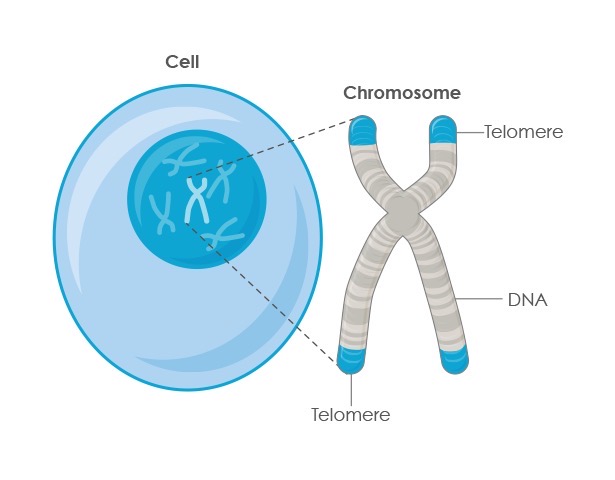
2. Telomeres are located at the ends of chromosomes. They serve as protective caps that prevent the degradation of chromosomes during cell division. Each time a cell divides, a small portion of the telomere is lost. This is why they are often compared to the plastic tips on shoelaces that prevent fraying.
3. Telomeres shorten as cells age. This shortening is associated with cellular aging. It can eventually lead to cell senescence (the state where cells no longer divide). It may also result in apoptosis (programmed cell death). When telomeres become critically short, cells can no longer divide properly, which is linked to various age-related diseases, including cancer.
4. Issues with the stability of chromosome ends (as seen in telomeres) can lead to genetic disorders, such as Huntington’s disease.
In many organisms, including humans, telomere length largely influences the limited number of divisions that a somatic cell can undergo. (Note: Somatic cells are any cells in the body of a multicellular organism that are not germ cells, i.e., sperm or egg cells. Somatic cells make up the vast majority of an organism’s tissues and organs.)
5. The question arises: what can we do about telomere shortening? How to prevent this. A lot of research is underway. There are warnings that manipulating telomere length could have unintended consequences. These consequences may include an increased risk of cancer.
6.The length of telomeres remains a fascinating topic. There is immense potential in preserving or lengthening telomeres. This could have implications for extending both health span and lifespan. So what can we do?
Step A: Improve Lifestyle Factors
You can take risk-free steps to slow down telomere shortening or even achieve telomere lengthening by focusing on lifestyle improvements. Many studies suggest that better lifestyle choices can lengthen telomeres by approximately 10%. Here are several factors to consider:
Regular physical activity, particularly aerobic exercise, can increase telomerase activity and slow down telomere shortening.
A diet rich in fruits, vegetables, and antioxidants can help reduce oxidative stress, which can damage telomeres.
Chronic stress can shorten telomeres. Practices such as meditation, yoga, and deep breathing can mitigate stress.
Getting sufficient sleep (around 7 hours) is crucial for cellular repair and maintenance, including telomere length.
Processed Foods and Excess Sugar can contribute to oxidative stress and inflammation, potentially accelerating telomere shortening.
Smoking is a significant contributor to telomere shortening.
Obesity is associated with shorter telomeres.
Step B: Consider Supplements
Some studies suggest that certain supplements, like omega-3 fatty acids and vitamins C and E, may help maintain telomere length. They could be beneficial in this regard. While they may not directly lengthen telomeres, they might help prevent further shortening. However, the evidence is still inconclusive, and more studies are needed.
Additionally, adequate levels of vitamin D may be linked to longer telomeres. Vitamin D interacts with various cellular processes. These include those involved in cell growth and immune function. It may also help mitigate telomere shortening. However, the precise mechanisms and duration of this effect can vary based on individual health, lifestyle, and genetic factors.
Step C: Await Results from Promising Studies
Currently, the most promising research is focused on new procedures to lengthen telomeres. Advances in AI are expected to accelerate this research. An intriguing study conducted at Stanford University in 2023 developed a new method for lengthening telomeres in chromosomes. This advancement effectively increased the number of times cells can divide safely. It potentially reverses aspects of the aging process at the cellular level.
Many approaches focus on telomerase. This enzyme can extend telomeres by adding nucleotide sequences to chromosome ends. The objective is to activate telomerase in somatic cells, which typically have low or absent telomerase activity.
Other options may involve using gene therapy techniques. These techniques can introduce or enhance the expression of the telomerase gene (TERT) in cells. Researchers are also exploring small molecules or compounds that can stimulate telomerase activity or promote telomere maintenance.
7. Potential Risks
While extending the lifespan of cells can have benefits, there are also associated risks. Inappropriate reactivation of telomerase could lead to uncontrolled cell division. This reactivation can result in cancer as many tumors exhibit elevated levels of telomerase.
But let us end on a positive note. Let us hope that all the efforts to first stop telomeres shorten themselves and secondly to grow again will work.
This blog is about getting both enough sleep and good quality sleep. You really need both elements, the “enough” and the “quality”. Overall, we should try to aim for 7–9 hours of sleep every night. It sounds simple, but in our neon-lit, bustling, and noisy lives, it is more challenging than we might like. (Note: subscribing to my blogs is free, no obligations whatsoever, except reading them).
1.Good sleep is an area where one’s behavior can have a meaningful impact (if not, please see a doctor). Practicing good sleep hygiene is important. Making certain lifestyle changes can help people get a better night’s sleep in most cases. This can dramatically improve a person’s energy levels, performance, safety, and overall health.
With all these political crises around the world, I do hope that our world leaders sleep well. See the paragraph on all the negative consequences of poor sleep.
2.Three bad nights A recent study caused me to dive deeper into sleep hygiene. This study concluded that just three consecutive nights of poor sleep may harm your heart health. Three nights of bad sleep will also increase the biomarkers that are associated with inflammation.
The well-known longevity expert Bryan Johnson is very clear. For years, he has been working on delaying his biological clock relative to his actual age. He states, “Sleep is my number one priority.”
3.Good quality sleep is one of the five pillars for an improved health span A good night’s sleep is one of the five pillars that can seriously expand the healthy part of your lifespan. The others are nutrition, stress, exercise/strength training, and social life. The sixth pillar involves supplements and AI-related health developments. This pillar can not only extend the health span but hopefully also the actual number of years you live. You know I am excited about this sixth pillar, as the number of developments is growing exponentially. Perhaps we should add a seventh pillar (avoiding destructive behaviors like smoking).
But let us get back to the topic of sleep. I did not discover much that most of all do not already know. Do not drink coffee before you go to bed. Watching an exciting horror movie is a bad idea before sleep (or at any moment of the day). Doing intense exercises before sleep is also not advisable.
4.Three Points Stand Out in Case of Lack of Enough Quality Sleep Still, a few points stood out to me. I started this blog by mentioning the negative effect of three nights of bad sleep. (1) That just a few bad sleep nights can already impact your health is, of course, worrisome. This reminds me of people who have changing work rhythms and varying day and night shifts, like the police. (2) A second thing I learned is that waking up regularly is a reason for concern even if you sleep the minimum of 7 hours per night. I often experience this issue. Falling back asleep almost immediately doesn’t eliminate the concern. Sleep consists of cycles that include light sleep, deep sleep, and REM sleep. Frequent awakenings can disrupt these cycles. Although you might fall back asleep quickly, you may not benefit fully from deep sleep. You might also miss out on REM sleep, which are crucial for physical and mental restoration. (3) A third thing I learned is that, in general, health experts advise against daytime napping.
5.Not Getting Enough Quality Sleep Is Quite Serious Disruptions during the night can affect cognitive performance, including focus, memory, and problem-solving skills. You might not notice an immediate decline, but over time, this can contribute to issues with attention and mental clarity. During a stressful period in my time in Hong Kong, I often had too little sleep. I noticed being less sharp. My brain felt “foggy.”
Waking up repeatedly can lead to irritability, increased stress, and anxiety. You might find yourself feeling more emotionally sensitive or less able to cope with daily challenges. Sleep restriction can contribute to biological changes even in young, healthy men and women, with indications of accelerated brain aging. It will negatively impact your endocrine (hormone) levels and the functioning of your immune system. Poor sleep may also cause inflammatory proteins to rise. Studies strongly suggest a biochemical mechanism by which poor-quality sleep can impact someone’s health. Sleeping too short increases the risk of developing obesity. Sleeping too long also raises the risk of obesity.
6.Possible Causes of Nighttime Awakenings
Stress and anxiety can affect sleep. Sleep disorders like sleep apnea, insomnia, or restless legs syndrome also contribute. Lifestyle factors such as consuming caffeine can influence sleep. Watching horror movies, drinking alcohol, or having large meals close to bedtime also play a role. Environmental factors like noise, light, or an uncomfortable sleeping environment also impact sleep quality.
Avoid large beverages at night; drinking too much liquid before bed can affect sleep duration and quality. When people drink too many fluids, this can cause them to wake up several times during the night to urinate.
7.Use the bedroom only for sleeping. A lot in life is about psychology. One tip from health experts is to build a strong emotional connection between the bedroom and sleep. This includes sex, of course. Do not do other things like putting a desk in your bedroom or exercising. No television! Keep the bedroom free of electronic devices (here I admit that I do not always follow my own rules). For years, I had the bad habit of waking up during the night. This was especially true during political crises, when I would briefly look at my phone. Not anymore. It’s best to engage in calming activities before bed, such as reading, meditation, or gentle stretching. Listening to soft music helps me a lot.
Avoid caffeine and other stimulants in the evening: Do not eat or drink stimulants during the evening. Avoid items like green tea, coffee, or chocolate. I know that some people drink coffee in the evening and still sleep like a horse. Good for them, but if you are a lousy sleeper like me, this is almost like a death sentence.
8.Exercise is needed to sleep well, but strenuous activities just before going to bed are a bad idea.
9.Consider taking melatonin supplements. Melatonin is a hormone that plays an essential role in regulating a person’s sleep-wake cycles. Melatonin is available as a dietary supplement. Many people take it to treat insomnia. It is also used for jet lag and other sleep issues. I use it at times, and it works. For some people, it has side effects, like intense dreams (I do). The dosage I then take is 3 mg. Melatonin supplements are available in health stores and other retailers. However, it is advisable to speak with a doctor before taking melatonin or giving it to a child.
10.Avoid tossing and turning If someone is having trouble falling asleep at night, they should avoid tossing and turning. Instead, it can help to leave the bedroom and do something relaxing for a while before returning to bed.
11.Napping Opinions on this topic vary widely. Yes, we are all aware of the siesta culture in the south of Europe. Experts, probably from Northern Europe, generally advise against napping. They suggest taking a short power nap. It should last from 20 minutes to 1 hour. Only do this if you really feel the need. I often do this on the train; somehow, that makes me sleepy. Sleeping a few hours during the daytime leaves you feeling rather groggy. It certainly does for me. It will also make it more difficult to go to bed on time at night.
I find it difficult to follow all of my recommendations myself, but considering the importance of sleep I will do better in the future.
Thanks for reading, have a good and well-rested life,
Some 20 years ago Resveratrol was the supplement to take. It was heavily promoted by longevity experts like Dr Sinclair. Resveratrol was also found naturally in wine. As a result, wine lovers jumped on the band wagon. More wine, for health benefits only of course.
To obtain a dose of Resveratrol that might have health benefits, one would need about 100 mg per day. This would require drinking approximately 100 to 1,000 glasses of red wine per day. I do not know about you, but drinking 100 glasses of red wine does not go hand in hand with longevity. This is true even for former diplomats.
In the end I decided for Pterostilbene and I stopped taking Resveratrol. Note: subscribing to my blogs is 102% free.
1.My thoughts about supplements in general
Before delving into the details of Resveratrol, let me first outline my general approach of this health project99+. The five key factors for longevity are: (1) diet, (2) stress management, (3) quality of sleep, (4) exercises and strength training, and (5) an active social life.
By excelling in these five areas, you significantly increase your chances for a longer and healthier life. Supplements are the sixth category and, in my opinion, offer the most intriguing avenue for intervention.
Supplements provide hope—hope for a much longer life. Many studies are underway, and life is too short to wait for the results of all of them. Promising findings are emerging at an increasing pace, thanks in part to advancements in AI. I am among those open to taking certain supplements, even though their claimed effects are not yet scientifically proven. I adhere to the “do no harm” principle and choose to give them a try.
2.What can Resveratrol do? At first sight a lot.
Resveratrol is a natural polyphenol (see note below this blog on polyphenols). It has been detected in more than 70 plant species. It is especially found in grapes’ skin and seeds. It acts against pathogens (stuff that can make you ill), including bacteria and fungi.
Many studies have demonstrated that Resveratrol possesses a very high antioxidant potential. It has other bioactive effects, like anti-inflammatory, anticarcinogenic (cancer), cardioprotective, vasorelaxant, phytoestrogenic and neuroprotective.
Longevity experts have been interested in Resveratrol since the early 2000s. Their interest increased particularly following research that suggested its potential role in promoting health and longevity. One study found that Resveratrol could trigger sirtuins. Sirtuins are proteins that are believed to play a crucial role in aging and metabolic regulation. Resveratrol was also linked to calorie restriction, an intervention that has been linked to increased lifespan.
3. One big problem with Resveratrol
Its half-time is low (max a few hours, some studies talk about 15 minutes) and its bioavailability is very limited. Some talk about a few percentages only, others about a maximum of 20%. This means that your body processes most of the supplement before it can do its work. The remainder that works lasts a very short time only. Very disappointing. This covers a wider theme that one should always consider when taking supplements. Omega-3 fatty acids last three days and most of the intake is being used.
4.Pterostilbene comes to the rescue/what is Pterostilbene?
Pterostilbene is a natural substance found in small quantities in vegetables and fruits such as blueberries. Those quantities, however, are so small. You need to take supplements for it to have an effect. Pterostilbene is chemically similar to Resveratrol. Both are compounds known as stilbenes. It is rapidly emerging as a supplement to watch.
5. Differences between Resveratrol and Pterostilbene
Pterostilbene is considerably better absorbed by the gut compared to resveratrol. Pterostilbene has a bioavailability of about 80 percent, compared to 20 percent for Resveratrol. Some studies suggest that the bioavailability of Resveratrol may be even as low as 1-3%.
Pterostilbene also has a longer half-life, which may allow it to be effective at lower doses. Around 2 hours for Pterostilbene and 15 minutes up to one hour for Resveratrol.
Studies have already reported that Pterostilbene can be superior to Resveratrol for certain health conditions. It has shown promise for improving cardiovascular health. Pterostilbene may also enhance glucose levels and cognitive function. One minus is that there are far fewer studies on Pterostilbene than on Resveratrol.
6. Pterostilbene and Longevity/What does Pterostilbene do? A lot
Many studies demonstrate beneficial effects of pterostilbene on health and the aging process. The benefits of pterostilbene are promising, and supplements are likely safe for most people. Still, much more research has to be done. Results with mice is one step, with humans another.
Pterostilbene reduces inflammation and improves DNA repair. It activates sirtuins which are enzymes that repair DNA and improve metabolism. These enzymes can extend health span and lifespan.
Pterostilbene is also an autophagy inducer. Autophagy is the process that clears up cellular waste that accumulates in the cells. During aging, autophagy is reduced. Pterostilbene can also trigger AMPK. AMPK is an important energy sensor in the cells. This activation, in turn, inhibits mTOR, a strong inhibitor of autophagy.
Pterostilbene increases the production of powerful antioxidant enzymes, protecting the cells against oxidative damage. Pterostilbene can improve brain functioning and can protect the brain.
Pterostilbene has also been shown to increase levels of other antioxidants. These antioxidants are linked to everything from improved detoxification to reduced oxidative stress in mitochondria. Mitochondria are the energy powerhouses of our cells. They play a role in most age-related diseases. They also make sure you have enough energy to function optimally.2. It may help fight or prevent cancer.
Several animal studies have found that supplementing with pterostilbene lowers blood glucose levels. This suggests that this antioxidant may play a role in protecting against diabetes. It may also improve insulin sensitivity.
Some evidence even suggests that Pterostilbene and Resveratrol may mimic the effects of calorie restriction. This practice has been shown to increase life span and help prevent age-related disorders.
7. Side Effects of Pterostilbene
Both can on rare occasions have some side-effects. They vary from gastrointestinal symptoms and headaches to fatigue. Rare interactions can occur with some medicines, like blood thinners or medications that are metabolized by the liver. Various studies show that Pterostilbene improves many other biomarkers of cardiovascular health, including lowering blood pressure. This could be problematic for people with already low blood pressure or those on antihypertensive medications.
A recent study suggests a small but significant increase in cholesterol. This change may occur at the normal dose of 100 mg of Pterostilbene. This effect is observed at least for people with a higher-than-normal BMI. But as mentioned before, more studies are necessary. Conducting human trials with all the variables is quite difficult.
8. My experience
After finding out more about Resveratrol I decided to swap it for Pterostilbene. I take several other supplements, so it is difficult to say if and how it works. I find the studies convincing. I never experienced any side effects. A question I want to explore further is how to have the positive influence of Pterostilbene the whole day. Its half-life is 2 hours. This implies that it only works 4 hours per day if you take two per day.
Some experts also believe that pterostilbene and resveratrol are better when consumed together. They act synergistically to promote health and prevent a variety of diseases. This is why you’ll often find them packaged together in supplements. I have not seen much about this, so I only take Pterostilbene.
Enjoy your life, think about the big 5, do not forget your pills,
Robert, your health friend
Note: you often read about “polyphenols”. This is a large and diverse group of 8000 compounds with potential health benefits. They occur as compounds in plants and are known for their antioxidant properties and potential health benefits. They do not directly influence the plant’s growth, development, or reproduction. However, they play important roles in protecting plants from ultraviolet radiation, pathogens, and herbivores.
Note. However, as with many compounds, the exact half-life can vary based on factors such as the dosage, individual metabolism, and form of pterostilbene (e.g., whether it is taken as a supplement or comes from food sources). Additionally, pterostilbene is reported to have improved bioavailability compared to resveratrol, which may influence its effects in the body.
Does one always understand what one reads? In my case I often don’t. Take for example “deep tissue massage”. Highly recommended by any masseur. But why? What does it mean? What tissue she (my masseur) is talking about? Apparently about connective tissue. What is this? And what about the muscles?
Household words in this context are collagen, cartilage, osteoarthritis. In the world of connective tissue there is a lot of hype, exaggeration and fake promises. So be careful and do not fall for all the claims. The good news is that studies show that massage has positive effects on your tissues. Massage also benefits your overall health as it is integral to your immune system; in particular the deep tissue massage.
And do not forget, before or after the massage, to subscribe, for free, to my blogs.
1.Introduction
We all know that muscle loss, or sarcopenia, is something we should prevent. Without action, an average woman can lose approximately 6 kg of muscle between the ages of 25 and 65. It is also important to keep flexibility. Strength and resistance training, tai chi, and yoga are all beneficial activities. They are effective and also enjoyable. These activities support overall health.
Massage should be included in this list of active health interventions, both for prevention and treatment. Many of us tend to visit a masseur only when we face problems. Still, regular massages can help keep the body loose and flexible, contributing significantly to overall health. This blog will explore this topic further.
A central choice offered by massage therapists is the so-called deep tissue massage. Contrary to what some might think, deep tissue massage is not just about treating superficial muscles beneath the skin. It primarily targets deeper layers of both muscle and connective tissue. The main goal is to relieve tension in muscles that are chronically tight. These contracted muscles can detrimentally affect your health more than you might realize. Consider it a two-step approach: addressing issues in the connective tissue to effectively reach the deeper layers of muscle.
I strongly encourage readers to educate themselves about different types of massage techniques. This knowledge can help you determine how to best incorporate massage into your health routine.
2. To start, what exactly is “connective tissue”?
Humans have four main types of tissues. Connective tissues are the focus of this blog. Epithelial tissues are also important (see note at the bottom of this blog). In addition, there are muscle and nervous tissues.
Connective tissue is essential for maintaining the body’s structural integrity. It facilitates communication and transport. It provides protection and supports various physiological functions. It is a vital component of the overall body system.
Connective tissue is composed of a variety of cells (see note at the bottom of this blog). It also includes fibers and an extracellular matrix (see note at the bottom of this blog). The composition and structure of the extracellular matrix can vary widely among different types of connective tissue. These include loose connective tissue, dense connective tissue, cartilage, bone, blood, and adipose (fat) tissue.
3. What different types of connective tissue are there?
Loose Connective Tissue. (Provides support and elasticity; found beneath the skin and surrounding organs).
Dense Connective Tissue. (Composed of closely packed collagen fibers and provides tensile strength; found in tendons and ligaments).
Adipose Tissue. (Specialized fat storage for insulation and energy storage).
Cartilage. (Provides flexible support; found in joints, the nose, and ears).
Bone. (Provides structural support and protection; stores calcium and produces blood cells).
Blood. (A liquid connective tissue responsible for transport and communication within the body)
Lymph. (Part of the immune and circulatory systems; helps transport lymphatic.
4. And what are the many functions of connective tissue?
In short, it provides structural support and shape to the body.
In line with this, connective tissue plays a crucial role in anchoring and binding other tissues and organs together. Tendons connect muscles to bones. Ligaments connect bones to other bones at joints. Both tendons and ligaments are types of connective tissue.
Blood is a specialized type of connective tissue responsible for transporting nutrients, gases, hormones, and waste products throughout the body.
An important function of some connective tissues is the protection of organs. For instance, adipose tissue (fat) acts as a cushion, providing protection for vital organs.
Moreover, connective tissue is integral to the immune system. It houses various cells involved in immune responses, such as macrophages and lymphocytes. These cells help defend against pathogens (substances that can cause illness). It also stores energy and nutrients. Adipose tissue stores fat for energy reserves. Bone tissue stores essential minerals like calcium and phosphorus.
Another well-known function of connective tissue is seen in cartilage. It provides flexibility and support in joints. This allows for smooth movement without friction between bones.
Additionally, connective tissue plays a vital role in the healing and repair of tissues after injury. It can regenerate and form scar tissue to restore structure and function. Connective tissue also contains signaling molecules and fibers that facilitate communication between different cells and tissues in the body.
5. The relationship between connective tissue and aging is multifaceted
Age-related changes can lead to decreased strength, elasticity, and overall resilience of connective tissues. While it is not possible to completely stop the effects of aging on connective tissue, there are several strategies. These strategies may help slow the process and mitigate the negative impacts. Aging is a natural biological process, and connective tissues, like all tissues in the body, undergo changes over time.
Maintaining a healthy lifestyle that includes regular exercise, a balanced diet rich in nutrients that support connective tissue health (like vitamin C, omega-3 fatty acids, and amino acids/protein), staying hydrated (drink a lot during the day!), and avoiding smoking can help mitigate some of the negative effects of aging on connective tissue.
Protect from Injury. Be mindful of body mechanics and use protective gear during activities that risk injury. Avoid repetitive strain and take breaks to prevent overuse injuries.
Some people may find benefits from supplements that support joint health, such as glucosamine, chondroitin, collagen peptides, or hyaluronic acid. I already wrote about glucosamine and will write about a LED mask. Interesting things going on.
6. Well known issues with your tissues……
Reduced Collagen Production. Collagen is the primary protein in connective tissue, providing structure and strength. As we age, the body’s ability to produce collagen decreases. This causes a decrease in the elasticity and firmness of skin, contributing to wrinkles. It also leads to increased joint stiffness. Additionally, there is a higher risk of injuries. How to compensate this collagen loss is a billion-dollar business, with only few products and methods that work. I write about in another blog.
Elastin Degradation. Elastin fibers allow tissues to resume their shape after stretching. Aging can lead to the breakdown of elastin. This can result in less elastic skin and blood vessels, leading to sagging skin and potential cardiovascular problems.
Changes in Ground Substance. Aging can reduce the moisture content in connective tissue. This reduction leads to stiffness in the body. It also results in decreased cushioning in joints (osteoarthritis). This is the result of changes in certain glycans that help keep moisture and offer resilience to tissues.
Increased Cross-Linking. where sugar molecules bond with proteins. The age-related misery does not stop. Cross-linking can lead to decreased flexibility and increased rigidity in tissues. This contributes to conditions like reduced mobility and joint pain.
Degenerative Changes leading to osteoarthritis. Connective tissues can undergo degenerative changes, including the wear and tear of cartilage in joints. This can lead to osteoarthritis, characterized by pain, stiffness, and reduced mobility.
Increased Risk of Injuries. As connective tissues become less resilient and more rigid with age, they are more susceptible to strains, sprains, and tears. Older adults may experience more frequent injuries and longer recovery times.
Inflammatory Changes. Aging is also associated with a low-grade inflammatory state, which can affect connective tissues and their healing processes. Chronic inflammation can exacerbate the degeneration of connective tissues and contribute to age-related diseases.
Impact on Healing: The capacity for connective tissue repair tends to decline with age. This means injuries may take longer to heal.
7. Main effects of deep tissue massage on connective tissue
Deep tissue massage can positively affect connective tissue health. It does so through mechanisms like (1) fibroblast stimulation and (2) inflammation reduction. It also includes (3) collagen remodeling and (4) enhanced hydration.
(1). Fibroblast Activity. Fibroblasts are cells responsible for producing collagen. They also produce other components of the extracellular matrix. These are crucial for maintaining the integrity of connective tissue. Studies suggest that massage can stimulate fibroblast activity, potentially enhancing collagen production, which helps improve tissue elasticity and strength.
(2). Inflammation Reduction. Deep tissue massage has been shown to reduce markers of inflammation in the body. This can be beneficial for connective tissue, as chronic inflammation is linked to tissue degeneration and aging. Lowering inflammation can lead to improved healing and recovery from exercise or injury.
(3). Collagen Remodeling. Massage can promote collagen remodeling by altering the structure of collagen fibers. This is important for maintaining flexible and functional connective tissue. Manipulative techniques help break down adhesions or scar tissue, enabling better movement and operation of tissues.
(4). Tissue Hydration. Massage increases blood circulation, promoting better hydration and nutrient delivery to tissues. Improved hydration is essential for the health of connective tissues, as they need adequate moisture for flexibility and operation.
8.Scientific Studies on frequency and effectiveness
The good news is that research suggests that regular massage can have accumulative benefits. Best seem to be regular sessions.Some studies indeed show that deep tissue massage can be effective in managing chronic pain. It can also help alleviate muscle tension and even reduce stress levels.
9.My experience
I could not do without. No more knobs on my back and my whole body feels much better. I support this with exercises and some massage equipment at home.
10. Visualizing connective tissue (for example on your back) can be done through a few different techniques.
You can palpate (gently press) different areas of your back to feel for various structures. You may feel tendons and ligaments that are part of the connective tissue system. It will help if you understand the different muscles of course. Look for diagrams or models (websites, apps) that illustrate the back’s connective tissue structures. There are various apps available that allow you to explore 3D models of human anatomy.
MRI is an imaging technique providing detailed images of soft tissues, including connective tissue, muscles, and fascia. And we have ultrasound as well. This can also be used to visualize soft tissues. It can provide insights into the condition of connective tissues like tendons and ligaments.
Engaging in practices such as yoga or Pilates can enhance your awareness of how connective tissue supports movement. Pay attention to how your body feels during these practices. Notice how it behaves. This can provide indirect insight into the state of your connective tissue.
Understanding the connective tissues in your back requires combining knowledge of anatomy. It involves utilizing technology and imaging. Engaging in physical exploration through touch and movement is also essential.
11. If you have developed knobs or lumps in your back, they might be associated with connective tissue. This condition could be due to various causes.
Knobs in your back related to connective tissue can stem from a variety of conditions. Some can be prevented and/or solved by physical activity, proper posture, and stress management.
Trigger Points These are small, tight areas within a muscle that can feel like knots. They are often caused by muscle overuse, stress, or poor posture.
Fascia is a layer of connective tissue that surrounds muscles and organs. Sometimes, due to injury or inflammation, the fascia can develop adhesions or thickened areas that feel like knobs. A masseur can do wonders.
Something similar are lipomas These are benign (non-cancerous) tumors made up of adipose (fat) tissue. They can occur in the subcutaneous tissue, which is just beneath the skin. Lipomas are typically soft and movable and can vary in size. Only a surgeon can remove them. The same applies to fibromas, benign tumors. They can be firm and may or may not cause discomfort.
A strain or tear in a muscle can lead to localized swelling and may form palpable knots. Symptoms may include pain, swelling, and reduced range of motion. Here we have potential work for a masseur and own massage work as well.
Skeletal Conditions like osteophytes, bone spurs that can form on the vertebrae due to degenerative conditions like arthritis. No work for a masseur.
Cysts. Sometimes fluid-filled sacs can develop in areas of connective tissue, leading to a hard or soft lump. They can be painless or cause discomfort.
Conditions like abscesses, infections, or inflammatory disorders can cause localized swelling. Knobby structures may form due to the body’s immune response.
12. When to Seek Medical Attention
If the knobs are new, painful, or growing, consult a healthcare professional for a thorough evaluation. See a professional if they are accompanied by other unusual symptoms, like fever, weight loss, or persistent discomfort.
13. Some notes
a. Extracellular matrix is a complex network of proteins and carbohydrates. It is found outside of cells. It provides structural support and regulates various cellular functions. There is collagen (provides strength), elastin (provides elasticity), and reticular fibers (provide support. There is also ground substance, a gel-like material that helps hold cells and fibers together; it contains water, proteoglycans, and glycoproteins.
b. Epithelial tissue is a type of tissue that forms protective coverings on body surfaces. It lines cavities and organs. It is also involved in absorption, secretion, and sensation.
c. Various types of cells are found in connective tissue
Fibroblasts.Responsible for producing fibers and the ground substance.
Macrophages.Involved in immune responses and cleaning up debris.
Adipocytes. Store fat and serve as energy reserves.
Mast Cells. Play a role in allergic responses and inflammation.
Lymphocytes. A type of white blood cell involved in immune response.
Dear readers, this was much too long. There was too much to tell about connective tissue and deep tissue massage so I do not apologise .
The integration of artificial intelligence (AI) and quantum technology will dramatically advance the medical sector. This will lead to unimaginable breakthroughs in drug discovery, personalized medicine, and optimized patient care. Precision treatments, enhanced diagnostic capabilities offer us exciting roads for a longer life as well.
Old linear models of progress in medicine and longevity will no longer be appropriate.
Our traditional backward-looking view of history suggests that the future twenty years of advances will be similar to the past. This perspective ignores the exponential nature of what is going on. AI transformation goes beyond adopting new tools; it involves rethinking the fundamentals of how health is delivered and accessed.
Potential for longevity enhancements is one thing. However, it is also crucial to acknowledge the legal challenges. Traditions and ethical considerations slow down these technological advancements. There is a high probability that rapid health advances will stay reserved for a small group of wealthy people. This situation is expected, at least in the first phase. And stay tuned by subscribing (which is completely and totally free).
1.The place of AI in health- and lifespan
I realize the risk that I oversimplify the complex health dynamics in my text below. Factors such as genetics, environment, and socio-economic status play important roles in health outcomes. Still I like to make the point that healthy lifestyle choices are a determining contribution to better health.
So painting with broad strikes, most individual lives look as follows. When engaging in harmful behaviors, like smoking, your health span will be about 60 – 65 years. Avoiding the five key areas also contributes to this shortened health span. These areas include food/drinks, exercise, stress/sleep, environment, and social life. The remaining years from 65 to 85 will be spent with an increasing amount of health problems. This sounds bleak, but reality for most.
To improve your health span, the recipe is quite easy. Stop the bad things! Pay attention to the good things. And have some luck of course, but your destiny is in your hands for 80 – 90%.
As I have written before, a first area where there is interesting potential to prolong life is with certain supplements. To name a few: Berberine, Spermidine, Fisetin. For all three there are serious indications that they can contribute to a longer life (longevity).
The integration of AI into drug discovery processes has shown promise in identifying novel compounds. These compounds specifically target the biological mechanisms of aging. This integration improves the efficiency and accuracy of developing longevity-promoting therapies, including supplements.
However, there is much more to AI, including the promise of adding decades to your life. Or even eternal life?
2.AI and longevity in the coming years
Based on all what I read, I am convinced that this decade will feature increasingly dramatic pharmaceutical discoveries. Nutritional discoveries will also increase, largely driven by advanced AI. By around 2030, perhaps the most diligent and informed people will reach “longevity escape velocity.” This is a crucial moment. We can add more than a year to our remaining life expectancy each calendar year that passes. Whether this would be a process without end is too early to tell. However, pushing the end of life somewhere in the 99+ would already be great.
But let me add that “longevity escape velocity” remains a theoretical concept and hasn’t been substantiated with concrete evidence.
3.AI and longevity in the wild 30’s
For the next decade a bold prediction. Nanorobots are on their way. They will be programmed to destroy all types of pathogens. They will also be able to treat metabolic diseases. Our major internal organs (except heart and brain) put substances into the bloodstream, or they remove them. Many diseases are caused by their malfunction. As we know diabetis type 1 is caused by failure of the pancreatic islet cells to produce insulin.
The future medical nanorobots will monitor the blood supply. They will increase or decrease various substances, including hormones, nutrients, oxygen, carbon dioxide, and toxins. This process will augment or even replace the function of the organs. Using these technologies, in some optimistic scenarios, we will largely be able to overcome diseases. We may also conquer the aging process by the end of the 30’s.
We will see; many see the paragraph above as overly optimistic or speculative. While advances are being made, completely overcoming diseases and the aging process presents extraordinary scientific challenges. There are also ethical challenges that may not be resolved by the end of this decade.
4.First examples of AI in practice in the early 20’s
AI and computational tools are increasingly employed to facilitate various aspects of vaccine development. These tools are used in the analysis of viral genetic sequences (ref COVID vaccines). This is a work in progress, as is the case everywhere with AI. Results depend on context. They also rely on the quality of the training data and specific algorithms.
AI algorithms are used to analyze medical images, such as X-rays, MRIs, and CT scans. Deep learning models can already detect conditions like tumors or fractures. Their accuracy is comparable to or exceeding that of radiologists. A UK study showed that new AI software is twice as accurate as professionals. It excels at examining the brain scans of stroke patients.
AI-powered tools are being developed to assist in diagnosing diseases. These tools analyze lab results, patient history, and symptoms to suggest possible diagnoses.
AI is utilized to analyze genetic information and other patient data to personalized medicines. We will see this in the coming few years.
AI accelerates the drug discovery process by predicting how different compounds will behave in the body. It has access to the 1000’s studies worldwide, something no scientist will ever have.
AI algorithms are used to predict patient outcomes, readmission rates, and disease outbreaks.
Remote Monitoring is on a rapid rise. AI is used with wearable technologies. These technologies monitor patients’ vital signs and health metrics in real-time.
AI will assist in identifying suitable candidates for clinical trials. It will help predict the spread of infectious diseases. AI will streamline administrative tasks in healthcare settings. Through Chatbots and virtual health assistants, it will provide patients with information, triage symptoms, and remind them to take medications.
5.Main challenges
Healthcare is “below average” in its adoption of AI, according to a recent World Economic Forum white paper. This is in comparison to other industries.
Adoption will be hindered by three main elements. These are not sexy, but extremely important. First, there is a need for new regulatory complexities. These must align with the rapid adoption of digital health technology. One has to fear that politics in most western countries will not be capable of adapting. There is a reason why Gulf States have the ambition to play a leading role
In the second place the current change management models are outdated and inflexible. In the third place the medical sector (with all respect) is traditionalist and not quick to embrace change.
Whatever change there will be, we will have to accept that a fundamental rethinking will not occur universally. Many healthcare systems resist change due to entrenched practices. Bureaucratic structures may slow the adoption of AI technologies.
6.Ethical concerns
Some have a strong ethical concern about equity and inequality. A common concern is that only the wealthy will be capable of affording the technologies of radical life extension. In the first phase, this will be the case. Nevertheless, when costs go down, new longevity steps will become available to more and more people. Just look at the history of the cell phone. First a toy and instrument for the wealthy, now there are billions around.
Living for ever is of course even beyond science fiction. Still, in AI circles, you already have ethical discussions about this topic. Not for this blog this time. Current understanding of biology asserts that there is no scientific roadmap that suggests immortality can be achieved. Extending by decades or more however seems increasingly in the realm of the possible.
I already wrote about three other life-extending supplements (berberine, fisetin and spermidine). Research is ongoing, but indications for all three are promising. This blog is about a fourth one, Nicotinamide riboside (NR). It is perhaps less known than the famous NMN. Still, it is probably more effective and is for sale in most countries (which NMN is not). I recently switched from NMN to NR. NR intervenes on cellular level and compensates for the decline of certain cellular functions as we age. My blogs? Subscribe for very free!
1.My thoughts about supplements in general
Before delving into the details of NR, let me first outline my general approach. The five key factors for longevity are diet and hydration. Stress management is also essential. Don’t underestimate the importance of quality sleep and regular exercise. Finally, keep an active social life. By excelling in these five areas, you significantly increase your chances for a longer and healthier life. Supplements form a sixth category and, in my opinion, offer the most intriguing avenue for intervention.
Supplements provide hope—hope for a much longer life. Many studies are underway, and life is too short to wait for the results of all of them. Promising findings are emerging at an increasing pace, thanks in part to advancements in AI. I am among those open to taking certain supplements, even though their claimed effects are not yet scientifically proven. I adhere to the “do no harm” principle and choose to give them a try.
2.What is Nicotinamide riboside (NR)?
NR is a supplement with a potential life extending function. It is a form of vitamin B3. It is an efficient precursor to NAD+. It is the subject of many studies exploring its benefits for health and longevity. It exists in our daily diet as niacin and niacinamide and found in small amounts in milk. NR is efficiently taken up by cells, where it is converted into nicotinamide adenine dinucleotide (NAD+).
3.And what is nicotinamide adenine dinucleotide (NAD+)?
NAD+ is a coenzyme found in all living cells. It plays a crucial role in cellular metabolism, serving as an essential electron carrier in redoxreactions. NAD+ is involved in several important biological processes, including energy production of cells, DNA repair, sirtuin activation and cell signaling. (More information on precursors, coenzymes, redox reactions, sirtuin activation, and cell signaling is provided at the end of this blog).
NAD+ is crucial for cellular metabolism and repair. It is a fundamental target for interventions. These interventions aim to promote long-term health. (I know it sounds like an advertisement, sorry about this).
4. Levels of NAD+ decline with age. This decline has sparked interest in its potential therapeutic use for conditions related to aging. It is also being considered for energy metabolism. Additionally, it may help with various degenerative diseases. The concept is easy: more NR will lead to better level of NAD+.
5.A bit more about the functions of NAD+
NAD+ is a fundamental component of our energy metabolism, essential for converting food into usable energy. It contributes to ATP, the energy currency of the cell.
NAD+ is involved in the role of enzymes like PARPs (Poly ADP-Ribose Polymerases). These enzymes repair damaged DNA. As a result, they maintain the integrity of the genome.
NAD+ activates sirtuins, which are a class of proteins. These proteins regulate cellular health, aging, and longevity. Some scientists suspect that cells and humans last longer. They suspect humans age more slowly as sirtuin-1 in their cells is better able to carry out its function. They believe this could be achieved by increasing the concentration of NAD+ in cells.
NAD+ also acts as a precursor for the synthesis of molecules like cyclic ADP-ribose, which are involved in cell signaling.
6.There is more to NR than only contributing to higher levels of NAD+
Over 100 preclinical studies have been published on NR (nicotinamide riboside). We’re starting to see numerous publications on disease states. Some are just age-related indications. Others are actually disease states. Remarkably, there is incredible consistency with positive results.
Animal models have shown that NR can increase NAD+ levels. They might exert potential benefits related to aging, energy metabolism, and cellular health. However, human studies are still developing.
There are peer-reviewed published clinical studies on inflammation-related disorders. They range from the lungs to the brain, muscle, and heart. Diseases related to mitochondrial function seem to benefit. One of the most notable diseases is Parkinson’s disease. It is also the furthest along in benefiting.
7.Some last words about NR, NMN and NAD
NR and NMN are close enough to consider both. Chemically they are the same, but NMN has an extra phosphate group, which makes NMN bigger. This phosphate group has first to be eliminated before it can enter a cell, unlike NR that can enter directly.
NMN is not for sale in many countries. This includes The Netherlands. This is one (but not the only) reason why I go for NR.
Be careful with NAD boosters. Companies sell NAD, which is a bad idea. The NAD molecule is a very large molecule. When you ingest it, it enters the bloodstream. It tries to get into the cell and fails. That try, which is dramatic with NAD, a little less dramatic with NMN, causes friction and inflammation.
The phosphate does eventually breaks off. The NAD molecule breaks apart into smaller molecules. One of these molecules is actually NR. This NR enters into the cell very cleanly and efficiently. It then eventually converts back into NAD once inside the cell.
8.Is NR safe?
NR is generally considered safe when used appropriately and has a good safety profile based on current studies. If you have a history of liver disease, do not take nicotinamide — even at low doses.
Enough food for thought I would say. Take care and live a happy and healthy life!
Explication of some of the terms used in bullit no 3.
Precursor = In biochemical terms, a precursor is a compound that participates in the chemical reaction that produces another compound. For example, amino acids are precursors to proteins, and cholesterol is a precursor to steroid hormones.
Co-enzyme = A coenzyme is a non-protein organic molecule that binds to an enzyme and is essential for the enzyme’s activity. Coenzymes work by helping enzymes catalyze reactions that occur in cells. They often act as carriers for chemical groups or electrons, facilitating the transformation of substrates (the molecules upon which enzymes act) into products. Many coenzymes are derived from vitamins, which is why vitamins are crucial for maintaining cellular function and overall health. NAD+ is one of the best-known coenzymes.
Redox = Redox is short for reduction-oxidation, which refers to a type of chemical reaction involving the transfer of electrons between two species. These reactions are essential to many biological and industrial processes and can be characterized by changes in the oxidation states of the species involved. Redox reactions are fundamental to many processes, such as cellular respiration, photosynthesis, combustion, corrosion, and various industrial chemical processes.
Sirtuin activation = NAD+ is een molecuul dat belangrijke enzymen in de cel in staat stelt om hun werk te doen. Daarbij zitten ook enzymen die biochemici sirtuïnes noemen. Een hele belangrijke is sirtuïne-1. Dat enzym stelt menselijke cellen in staat om zichzelf te repareren.
Cell signaling = Cell signaling is the complex system of communication that governs basic cellular activities and coordinates cell actions. It is a vital process by which cells communicate with each other and respond to external and internal stimuli. This communication is essential for the development, function, and survival of all cells and organs in living organisms.
We consume more plastics than we think. Especially the smallest particles, the Nanoplastics, can have a bad effect on your long-term health. Science is working hard, much is still unclear, but signs are not good. Try to limit your contact with plastic significantly. Avoid using plastic bottles, do not heat anything in plastic, do not drink from plastic coffee and tea cups, do not eat chewing gum and stay away from tea bags. For starters. See point 8 how to minimize your exposure to these plastic particles. And in the meantime you can subscribe, for free, to my blogs.
Research only at its infancy/I am worried
I know research is ongoing and final conclusions will take years, but doesn’t this micro and nanoplastic stuff sound scary? Plastics sound innocuous, but there are many types, some of which can cause cancer or other diseases.
The effect of all these micro- and nanoplastics entering our bodies is still unknown. The more I read, the more concerned I become. Plastics are a holistic concept, but when you break them down you enter a world dangerous additives. You also read about Nanoplastics as molecular pollutants that attach to fungus, algae and bacteria.
Writing this blog did not help, nor did these alarming headlines: “0.5% of the brain consists of Nanoplastics,” “Nanoplastics found in penises,” , “Nanoplastics entering individual cell structures.” and “birds in Australia found with 20% of body weight in plastic.”
2, Most experts downplay the risk,
Experts claim that the public is overreacting. A quarter of the Dutch population believes that microplastics, and especially Nanoplastics, are among the top dangers to one’s health. We Dutch are perhaps exaggerating, but probably not. From what I have read this plastic future does not look all too good.
We do not know yet what interaction might occur between these smallest particles and living organisms. The idea that the tiniest particles enter your individual cells is beyond worrying. The increasing amount of plastic found in people’s brains is also not a good sign.
There seems to be no end to the plastic tsunami that overwhelms us. This news from the Netherlands is a bit off topic but related. It states that eggs from free-ranging chickens are too dangerous to eat. Can you imagine? Apparently, there is so much poison in the Dutch soil that it impacts the quality of food the chicken eat. This, in turn, affects the quality of the eggs.
There are actions we can take, such as avoiding these contaminated eggs. Or, in the case of plastics, minimizing their use as much as possible. Below are some tips in this blog.
For everything else, we must keep an eye on scientific developments.
3. Ok, what are micro plastics and Nanoplastics?
Microplastics are small plastic particles. They are usually defined as being less than 5 millimeters in size. However, they can be much smaller. They originate from the breakdown of larger plastic debris, like bottles and bags. They also include fragments of stabilizers, lubricants, fillers, and plasticizes. Manufacturers use these and other chemicals to impart desirable properties to plastics. Such properties include transparency, flexibility, and durability. Many of these chemicals have been classified by experts as toxic and harmful to human health.
Microplastics are widespread in the environment, found in oceans, waterways, soil, and even in the air. They pose increasing environmental challenges. Microplastics contaminate ecosystems and enter food chains, such as in fish. Animals and humans can ingest them, potentially causing harm over time.
Nanoplastics (sometimes calles nanoparticles, but this is a wider concept) are particles less than 100 nanometers in size. This size is less than 1/10,000 of a millimeter. They are much smaller than microplastics and more worrisome because they can overcome certain barriers and enter human cells. They can be purposefully engineered in various scientific and industrial processes. For example, they are used for materials like carbon nanotubes. Alternatively, they may occur naturally in some processes. They can also result from the further breakdown of microplastics.
4. Just some plastic statistics
In 2020, approximately 367 million tons of plastics were produced worldwide. This amount is almost double that of 2000, which had an annual production of 200 million tons. Production is still growing on an annual basis.
Researchers estimate that the average person consumes between 78,000 and 211,000 microplastic particles every year. Plastic-based bottled water has a big role in these figures. Hot drinks in plastic cups can also contribute significantly. Together, they can make up to 50% of the intake. And remember, we only talk about the micro plastics, the “big” particles, up to half a centimeter! every year through drinking water, foods contaminated by microplastics, and breathing microplastics-containing air. The number of nanoplastics is infinitively more and can be 200.000 in one plastic bottle with water.
Fortunately, most, but not all leaves our body again the natural way.
In early 2024, a new study revealed that human brain samples collected at autopsy contained significantly more plastic. They had seven to 30 times more plastic than the kidneys and liver. Compared to 2016, this concentration represents about a 50% increase, indicating that, as of today, about 99.5% of the brain is brain tissue and the rest is plastic.
5. Not only plastic bottles and plastic coffee cups are of concern. Chewing gum as well.
A pilot study presented at the American Chemical Society’s spring 2025 meeting revealed that chewing gum can release hundreds to thousands of micro and nano plastic particles into saliva, which are then potentially ingested.
6. Dangers of micro- and nanoplastics
Microplastics and Nanoplastics have infiltrated ecosystems worldwide and have been detected in air, water and soil. Their small size allows them to enter the human body through ingestion, inhalation and dermal contact. Chemical additives like polychlorinated biphenyls and phthalate esters are added to microplastics during production. These additives typically exacerbate health effects. Microplastics are therefore recognized as an emerging environmental concern. They are also a public health concern. These concerns have the potential to affect both human well-being and the natural environment.
So the much smaller parts, the Nanoplastics, can penetrate biological barriers. They enter cells and tissues, raising concerns about long-term health effects. It alarms me to learn that microplastic and nano plastic concentrations in brain samples are seven to 30 times higher. These concentrations are notably higher than those in kidneys and liver. As always with relative new developments, more studies need to be done to understand what the health implications are.
The mechanisms by which Nanoplastics enter the brain remain unclear. One hypothesis is that they travel with lipids ingested through food. Human brains are particularly rich in fat, which may help plastics cross the blood-brain barrier. Inhalation of airborne microplastics and ingestion through diet are considered primary routes of exposure.
7. Just one example how plastic pollution originates and affects us all
Biosolids, which are the treated water sludge generated from wastewater treatment, significantly contribute to plastic pollution in terrestrial environments. They are commonly utilized as fertilizers in agricultural land. This practice results in a considerable deposition of microplastics onto farmlands. In Europe, estimates vary between 63,000 to 430,000 tons of microplastics are deposited annually. In North America, the range is 44,000 to 300,000 tons. Consequently, agricultural soils serve as extensive reservoirs of microplastics. These particles are transported to the aquatic environment through various means. These means include rainfall, leaching, and irrigation.
8. First suspected links with diseases
There is ongoing debate over the health impacts of these microplastics within human tissues. These risks encompass inflammation, oxidative stress, and tissue damage. They have been found in vital organs such as the heart, liver, lungs, and even placenta.
One study also found that individuals with dementia have more plastic fragments in their brains. The amount is three to five times higher than those without the condition. It was noted that dementia can impair the blood-brain barrier and brain clearance mechanisms, possibly creating a “sink” for plastics. Again, no definitive proof yet.
Some experts argue that nano plastics carry harmful chemicals. These chemicals are known to lead to reproductive issues. They cause hormonal imbalances by disrupting the endocrine function.
There appears to be a link between plastics and obesity.
9. What to do?
Summary: reducing exposure to microplastics and nano particles involves several lifestyle and consumer choices. Below some suggestions I summarized from reliable sources on internet.chapter
My own top 5 is: never heat anything in plastic, avoid drinks from plastic bottles (= no 1 tip), do not drink hot drinks from plastic, store in metal or porcelain, repack from plastic in metal, glass or porcelain, not cutting food on plastic cutting-board. I cut everything on an ordinary porcelain plate. And stop eating chewing gum or using tea bags.
10.Suggestions from internet
Filtering and boiling water.
Cutting back on plastic use when possible, for example, by using reusable containers
Boosting fiber intake involves two types of fiber. Fermentable fiber found in fruits and vegetables forms a gel-like substance in your gut. This helps trap microplastics and prevents them from entering your system. Meanwhile, non-fermentable fiber helps push these harmful particles through your digestive tract. It does this before they can be absorbed. In a world where microplastics are unavoidable, fiber could be your best defense
Not using single-use plastic over and over.
Avoiding heating plastic food packaging, as plastic particles can spread into the food.
Focusing on good sources for our food is essential. We should ensure our seafood is from sources that have less microplastics, for example.
Avoid foods that are ultra-processed, as there have been some reports of MNPs (=micro and nano plastics) in ultra-processed food.
Wearing natural fiber clothing — organic cotton or hemp — and avoiding those with synthetic fibers.
Vacuuming our homes more often, as microplastics can accumulate in household dust.
Being careful of environmental pollutants as high air pollution areas might have more MNPs in air.
Making sure our environment at home or work has a good air ventilation system.
This was a difficult blog to write. Too little is known about this topic, but from what we know one can only draw one conclusion: stay away as much as possible from plastics, but this will be hard to do.