21 QUERCETIN, AN UNKNOWN SUPPLEMENT (health project99+)

Sweet water duck in the salty Baltic Sea

Dear reader,

Quercetin, why (not)? I encountered this molecule/compound in my quest for interesting supplements. To take or not to take? As always, there are many considerations to balance: potential benefits, risks, and costs.

1.My first observation: it’s not an easy supplement (“very low bioavailability”) and there are few solid studies to justify all the claimed benefits. Still, one might give it a try for a year, especially because of its possible anti-allergy benefits. I will not take it, as there are strong indications that it will interact with my anticoagulants.

Quite a few influencers are positive about quercetin, including Dr. Eric Berg, whom I hold in high esteem. Check him out on YouTube. There must be a reason he has 13 million followers. Comments by individual users about quercetin vary, from “completely useless” to “changed my life.”

2.Not an easy supplement 

As mentioned, it is not an “easy” supplement. If you decide to use it, remember the following: think long term (don’t expect results immediately), take twice daily, with a meal containing some fat. Use a quercetin supplement that is presented in liposomal or phytosome form, or another enhanced-delivery form. Do not take standard quercetin powder or pills. The difference in effectiveness can be a factor of ten.

And remember: only buy supplements that are GMP-certified or NSF International-certified. 

In general, when selecting supplements, look for transparency in manufacturing practices. Check for third-party certifications and product testing. This ensures the integrity and potency of the supplements you choose. Unfortunately, there are a lot of counterfeit or poor-quality products around. It always takes time to find a quality supplement, but it is worth it.

3.What is Quercetin? 

Quercetin is a natural plant flavonol. Flavonols are a subgroup of polyphenols found in our diet. Flavonols, just like all polyphenols, are not essential for nutrition, but they have benefits. For starters, they act as antioxidants and anti-inflammatory agents.

This plant-based flavonoid is often found as quercetin glycosides (see also the explanatory note below) in foods and is available in supplement forms.

4.Quercetin is associated with many interesting claims

  • Immune and infection support during heavy training or seasonal stress
  • Anti-inflammatory and antioxidant support
  • Potential endurance and performance effects
  • Allergy relief and histamine modulation
  • Metabolic and cardiovascular hints
  • Cancer prevention and other long-term outcomes

However, an important point about all the claims regarding quercetin is that there have been relatively few studies. The studies that exist show varying results, none very convincing.

5.How to get quercetin 

Where it’s found: onions, apples (with skin), berries, capers, grapes, citrus peels, tea (black or green), leafy greens, and many other fruits and vegetables.

Typical daily intake from the diet is usually in the low tens of milligrams (often 5–40 mg per day), depending on how many quercetin-rich foods you eat. The figures below are rough estimates, as the final figure depends on many factors including the individual and how the food is prepared. 

From what I read, quercetin intake via food is less effective than intake via supplements—only those that are liposome- or other enhanced-delivery forms are likely more effective.

6.Some main quercetin sources (approximate ranges)

  • Capers: roughly 150–250 mg
  • Red onions: about 20–40 mg
  • Apples (with skin): about 5–8 mg
  • Berries: cranberries 7–20 mg; blueberries 3–5 mg; raspberries 5–8 mg
  • Grapes: about 3–5 mg
  • Citrus fruits (pulp): around 1–3 mg; citrus peels contain more if used
  • Cruciferous vegetables (broccoli, kale): roughly 1–3 mg
  • Tea (brewed, black or green): roughly 2–5 mg per cup

7.Quercetin and allergies

I am interested in quercetin because of its claimed potential to relieve allergy symptoms. From what I understand, it might only work after long-term use. Quercetin stabilizes the mast cell membrane, so degranulation (release of histamine and other mediators) is reduced.

In short, quercetin is a mast cell stabilizer—a substance that helps keep mast cells from releasing inflammatory chemicals (like histamine) when they encounter allergens. It is mainly preventive, not for immediate relief.

Mast cells are a type of immune cell that reside in tissues (especially the skin, airways, gut, and around blood vessels and nerves). They’re like sentinels that detect threats. Mast cells contain granules full of chemicals such as histamine, heparin, and other mediators. When activated, they release these chemicals in a process called degranulation. The released substances cause inflammation: redness, swelling, itching, mucus production, and they can lead to smooth muscle contraction.

8.Not very bioavailable 

Bioavailability is rather low. Only about 0.3% to 2% of the oral dose reaches the systemic circulation of your body and will have any effect.

The half-life is 2–11 hours, so if you take Quercetin supplements, you need two doses per day. Bioavailability can be substantially improved with specialized formulations and with fat-containing meals. Taking them with water alone is a waste of effort and money. Go for enhanced formulations, do not buy standard quercetin; buy it in liposomal or phytosome form. And don’t forget to check whether the supplement includes added vitamin C.

9.A note of caution The “no-harm” approach is central to my decision to use any supplement. I take several supplements based on hope when there are credible indications they might provide certain benefits. However, I only take supplements considered safe and that do not interact with any medication. It is not always easy to figure this out. I respect doctors, but you cannot expect them to know all the latest developments, especially not in the field of supplements. Still, try it in the case of quercetin.

10.Where do supplements fit in my longevity philosophy? Nutrition, exercise, sleep, stress management, and social life are five key elements. If managed well, these elements contribute to a healthier and longer life. Expert recommendations across these categories often align, although food and exercise can sometimes provoke debates and differing opinions.

Discussions on food and exercise are mild compared to the sixth category: supplements. Supplements are often controversial, with many unproven health claims and contradictory expert opinions. Yet this is also the most exciting category because we are continually discovering the potential of new supplements.

Dear reader, this about quercetin. It receives a lot of attention. In my opinion it is a supplement to consider, but not one “to take”.

Thanks for reading, take care and enjoy a long and healthy life.

Robert, your health friend.

How time flies, in my youth I played here daily (Aruba)

Some explanatory notes

Polyphenols are a large family of plant compounds that have multiple phenol rings in their chemical structure. They’re not essential nutrients for humans, but they can act as antioxidants and anti-inflammatory agents in the body and may influence health in various ways. A phenol ring is a benzene ring (a six-carbon ring) with a hydroxyl group (-OH) attached to it. The OH group makes the ring acidic and gives it reactive, antioxidant-like properties.

In polyphenols, multiple phenol rings are linked together (for example, flavonoids like quercetin have several rings with many OH groups).

Quercetin glycosides are the forms of quercetin that are bound to a sugar molecule. In plants, quercetin mostly occurs as these glycosides rather than as the aglycone form.


21. TO IRON OR NOT (health project99+)

Dear readers,

With health, unfortunately, almost everything is important, and this also applies to iron. Fifteen percent of the world population is iron deficient. This is a worrisome statistic. Iron deficiency can lead to a series of serious health issues. But too much iron can cause problems as well.

Iron is important for the formation of hemoglobin, a component of red blood cells. 1) Red blood cells transport oxygen throughout our bodies. 2) Iron is necessary for producing energy in our cells. 3) Iron contributes to the normal functioning of the immune system.

Iron supplements are among the most popular supplements, but taking them is not without risks. Unlike many other supplements, for iron, you really need to check with your doctor first. Based on a simple blood test, your doctor will determine whether extra iron is necessary or not!

What are the Symptoms of Iron Deficiency?

Fatigue, palpitations, dizziness, and shortness of breath can be associated with a deficiency of iron in the body. A pale appearance, sweating, headache, and restless legs may also indicate this deficiency.

What are the Risks of Taking Too Much Iron?

There are potentially serious risks. If there is iron buildup in the liver, you may experience an enlarged liver. Excess iron in your heart can lead to an irregular heartbeat or more serious heart problems.

Daily Needs

In general, women need more than twice as much iron as men (due to menstruation):

Young girls: 8 mg per day, teenage girls: 15 mg. women: 18 mg

Pregnant women: 27 mg; Lactating women: 9 mg; Women in menopause: 8 mg

Boys: 8 mg per day, teenage boys: 11 mg, men: 8 mg.

Food Intake

In general, when eating balanced meals, your iron intake should be sufficient. However, there are certain groups at risk, such as vegetarians and pregnant women.

From a nutritional point of view, meat is a good (some say the best, but I am not sure) provider of well-absorbed iron (the so-called heme iron). However, you can obtain enough iron (the non-heme iron) through vegetables, nuts, and fruits alone, but because of their low bioavailability, you have to consume a considerable amount. For example, spinach is often mentioned as a good source of iron; it offers 3.6 mg per 100 grams. A pregnant woman needs 27 mg of iron per day, which means she would need to eat 700 grams of spinach. However, due to its low bioavailability (2-20%), she would need to consume at least 3.5 kg of spinach daily, which is not feasible, of course.

Food Sources of Iron

Here are some examples of iron-rich foods, along with their approximate iron content per 100 grams and information about their bioavailability:

Heme iron is found in animal products and is generally more bioavailable (15-35% absorption):

– Beef, chicken, turkey: 2.3-2.7 mg

– Pork and fish: 0.5-1 mg

Non-heme iron is found in non-animal products and is generally less bioavailable (2-20%):

1. Lentils (cooked): 3.3 mg

2. Chickpeas (cooked): 2.9 mg

3. Tofu (firm): 5.4 mg

4. Spinach (cooked): 3.6 mg

5. Quinoa (cooked): 1.5 mg

6. Pumpkin seeds (roasted): 14.0 mg

As you can see, some non-animal and animal products have quite different bioavailability rates. The lower end of heme iron (from meat) is at least 15%, while the lower end of non-heme iron (from vegetables, fruit, nuts) can go as low as 2%. There is also a difference in the upper ceiling: 35% for heme iron, versus 20% for non-heme iron.

Iron Enhancers and Inhibitors of Absorption (To Know!)

I need to study and better understand this topic. Under which circumstances will a lower end of bioavailability rates be achieved? Under what circumstances will the higher end be met? Here are a few things I can already share: To improve the bioavailability of iron, we can use enhancers. However, we must also be aware of important inhibitors that can lower bioavailability.

Enhancers: Vitamin C (found in citrus fruits, bell peppers) and certain acids (like citric acid).

Inhibitors: Phytates (in whole grains, nuts, seeds), calcium, and polyphenols (in tea and coffee). NOTE: Phytates, or phytic acid, are naturally occurring compounds found in many plant-based foods, particularly in seeds, nuts, legumes, and whole grains. They serve as the principal storage form of phosphorus in many plants. Phytates are recognized as “anti-nutrients” because they can bind minerals in the digestive system and inhibit their absorption. Polyphenols are a diverse group of 8000 naturally occurring compounds found in plants, known for their antioxidant properties and potential health benefits.

A vitamin D deficiency increases the risk of iron deficiency anemia. Hepcidin plays an important role in this process. Hepcidin is crucial in regulating iron metabolism and is produced primarily in the liver. It manages iron levels by controlling iron absorption from the diet. It also controls its release from stores in the body. Vitamin D supplementation reduces hepcidin levels, thereby improving iron absorption and enhancing iron status.

How Can You Quickly Raise Your Iron Levels?

Especially beef or lamb contains a lot of iron. If you do not eat meat, choose non-meat products that are rich in iron, such as eggs, legumes (like brown beans and lentils), tofu, tempeh, nuts, peanuts, seeds, or ready-made meat substitutes. Opt for whole grain bread and whole grain pasta.

Which Fruits and Nuts Are High in Iron?

Especially berry varieties, blackberries, raspberries, and apricots are good. Drinks made from these fruits, especially apricots, figs, and tutti-frutti, are also rich in iron. Concerning nuts, in particular, almonds, cashews, hazelnuts, Brazil nuts, walnuts, and trail mix are beneficial.

If You Must Use Iron Supplements, Consider the Following

The most common and often recommended iron supplements for addressing iron deficiency include ferrous sulfate, ferrous gluconate, and ferrous fumarate. These are ferrous salts that are readily absorbed by the body. Ferrous sulfate is widely used due to its high availability and lower cost, while ferrous fumarate contains a higher percentage of elemental iron. Ferrous gluconate is known for being relatively gentle on the digestive system. Another good option is ferrous bisglycinate, as it is said to be very easy on the stomach.

Try to purchase iron supplements that contain few or no E-numbers and no artificial colorings. Furthermore, ensure that the supplement is GMP-certified (Good Manufacturing Practice). I have only recently become aware of the importance of this qualification. Disappointingly, most supplements are not GMP produced.

Lastly, pay attention to the quantity. Most iron supplements contain 25 mg of iron, which is already at the very high end of recommended dosages.

For your info, I do not take an iron supplement.

Take care, enjoy your life and stay well. Very well!

Robert, your health friend

Okapi in DRC

21. CALCIUM SUPPLEMENTS: A NEGATIVE ASSESSMENT (health project99+)

Venice of course

Dear reader,

Health Project99+ is my personal quest for a healthier and longer life. I rely on as many reliable sources as possible. I keep an open mind and I have already made several changes in how I live. Changes include what I eat and what supplements I take, among other things. This is blog 50 of a few hundred I plan to write in total. 

Now About Calcium. Calcium is an essential mineral. However, please throw calcium supplements out of the window—yesterday. They provide little benefit and may, on the contrary, cause considerable harm.

As we age, we run the risk of decreasing bone density and increasing the number of fractures. Fortunately, as is often the case, one can slow and/or almost stop this process. However, contrary to popular belief, this cannot be achieved through supplements! To cut the long story below short: the right food, vitamins D and K2 and above all strength and weight training till your last day.

1.Calcium is an impressive player in your body: 8 functions

Here are the key reasons why calcium is vital. Most of us associate calcium with bones and teeth, but its role extends far beyond this. First and foremost, there is a significant amount of calcium in the body—around 1 kg. It’s important to note that only 1% of this calcium should be in your blood. The rest should be in your bones and teeth.

Calcium is indeed a primary component of bones and teeth. It provides structure and strength, helping to maintain bone density and prevent osteoporosis and fractures.

Calcium is vital for muscle contraction. When a nerve stimulates a muscle, calcium is released, enabling the muscle fibers to contract. 

Calcium ions facilitate the release of neurotransmitters, which are necessary for communication between nerve cells.

Calcium is necessary for the activation of certain proteins and enzymes. These enzymes help form blood clots, which are essential for healing injuries.

Calcium is important for the secretion of hormones and enzymes that are involved in almost every function in the body. This includes insulin secretion from the pancreas, which regulates blood sugar levels.

Calcium ions are essential for many cellular processes, including cell division, growth, and communication. They help maintain cell membrane integrity and facilitate various biochemical reactions.

Adequate calcium intake may help reduce the risk of certain chronic diseases. These include hypertension (high blood pressure) and some types of cancer.

Calcium works alongside other electrolytes. These include sodium, potassium, and magnesium. They maintain proper fluid balance and cellular function in the body.

2.Development of gradual loss of calcium if you do not undertake action

Some studies suggest that individuals can lose between 0.5% to 1% of bone mass per year. This happens after reaching their peak bone density in early adulthood, around the late 20s to early 30s. In men, bone density tends to decline more gradually after age 60. The rate of loss can be influenced by testosterone levels and overall health. 

Women should pay particular attention. Their bone density can decrease by approximately 1-2% per year after menopause. There is a significantly higher loss in the first few years following menopause.

Long-term studies estimate that by age 70, individuals might have lost 20-30% of their peak bone mass. This occurs if they do not engage in sufficient calcium intake and weight-bearing exercise.

The Recommended Dietary Allowance (RDA) for calcium varies with age. Adults aged 19-50 typically require about 1,000 mg of calcium per day. After age 50, the recommendation increases to about 1,200 mg per day for women, while it remains at 1,000 mg for men until age 70. This should come from dietary sources, not supplements. Age can also affect the absorption of dietary calcium. Net absorption of dietary calcium can be as high as 60% in infants and young children, who need substantial amounts to build bone. It decreases to about 25% in your ‘50s. At those ages maintenance is crucial.

Good to know that the RDA takes into account the net absorption rate of dietary calcium per age.

3.How to counter calcium loss?

The answers lie in food, vitamin D and K2, and strength training! In this blog I will not write too much about strength and weight training as this speaks for itself. Just remember that bones are living material, like a solid tree, that needs maintenance. Every day. Engaging in weight-bearing exercises is beneficial. Activities like walking, running, or strength training can help strengthen bones and slow the loss of bone density. Activities promoting balance and coordination, such as tai chi or yoga, can also reduce the risk of falls and fractures.

Good sources of calcium include dairy products, leafy green vegetables, nuts, seeds, and fortified foods. 

Vitamin D plays a crucial role in calcium absorption and also K2 plays a supporting role. Ensuring sufficient vitamin D levels through sunlight exposure, diet, or supplements can help maintain bone health. Taking calcium supplements without adequate magnesium, phosphorus, and vitamin D intake can lead to mineral imbalances in the body, which can negatively affect bone health and overall metabolic function. Even if you do not take calcium supplements, make sure your intake of vitamin D and K2 is sufficient.

Lack of physical activity, smoking, and excessive alcohol consumption can significantly increase the rate of calcium loss. These factors worsen bone health.

Don’t A lack of physical activity can significantly increase the rate of calcium loss. Smoking also contributes to this issue. Additionally, alcohol consumption worsens bone health. 

Important: If you have conditions that affect bone density, such as osteoporosis, you should seek proper medical treatment. Certain hormonal imbalances also need to be addressed. In other words, see your doctor.

Screenings are possible (Bone density tests = DEXA scans) but I have read mixed reviews on the usefulness of these screenings.

Calcium rich foods (All per 100 grams intake) Almonds (264 mg), Milk (whole) (113 mg), Kefir (120 mg). Yogurt (plain, whole) (110-150 mg), Dried Figs (162 mg), Fortified Orange Juice (120 mg), Broccoli (47 mg), Kale (150 mg), Tofu (with calcium sulfate) (350-400 mg), Sardines (canned, with bones) (381 mg), Cheddar Cheese (721 mg ), Fortified Soy Milk (120 mg), Chia Seeds (631 mg) and White Beans (194 mg).                     |

Caveat: Bioavailability While certain foods might contain high calcium levels, the bioavailability (how well your body absorbs that calcium) can vary a lot. For example, calcium from dairy products is generally more bioavailable than that from certain plant sources, due in part to the presence of other compounds that may inhibit absorption (like oxalates and phytates).

Calcium from dairy products like milk, cheese, and yogurt is highly bioavailable, often ranging from 30% to 60% absorption rate. Dairy foods are typically low in compounds that inhibit calcium absorption.

Calcium from plant sources, including leafy greens (like kale and broccoli), nuts (like almonds), seeds (like chia), and legumes (like beans), tends to have lower bioavailability, often just in the range of 5% to 30%. This is because phytates (found in grains, beans, nuts) and oxalates (found in certain greens like spinach and Swiss chard) can bind to calcium and inhibit its absorption. However, some plant sources like broccoli and kale have relatively better absorption rates due to lower oxalate content.

So if you follow a Vegans/Plant-Based Diet you should focus on calcium-rich options while being mindful of bioavailability. Incorporating fortified foods (like fortified non-dairy milk and orange juice) and consuming a variety of sources can help reach your needed calcium intake.

In short, for vegans it will not be easy. Do the math: if you are a 50-year-old woman, you need 1,200 mg of calcium per day. This means you have to eat a lot of tofu, kale, and other produce to reach that 1,200 mg. Tofu might contain up to 400 mg of calcium per 100 grams, but even in the best cases, when it is fortified with calcium sulfate, only 40% is bioavailable. This equates to 160 mg of effective calcium per 100 grams of tofu, which in theory would translate into 700 grams of tofu needed.

4.Milk Discussion

As a Dutch guy, I will save the milk discussion for a later blog. Apparently, there are quite a few respected health experts who are firmly against milk. Recent studies suggest that there are more potential harmful effects on the body than previously assumed. However, milk provides many excellent nutrients, including, of course, calcium. One point of concern (and my reason for drinking little to no milk) is its fat content: it contains 4.5 grams of saturated fat per 100 grams and 24 milligrams of cholesterol.

5.Risks of Calcium Supplementation

In the past decade, many studies began to question the added value of taking calcium supplements. Some have even pointed out certain dangers. A consensus is building (but we’re not there yet) regarding the following.

Multiple studies have found that there’s little to no benefit in taking calcium supplements for the prevention of hip fractures.

Conversely, recent studies have linked calcium supplements with an increased risk of colon polyps. These are small growths in the large intestine that can become cancerous.

There is also an increased risk of kidney stones. These are hard masses usually formed in the kidneys from an accumulation of calcium and other substances.

Additionally, a 2016 study suggested that calcium supplements might increase the risk of calcium buildup in the heart’s arteries. The body can’t process more than 500 milligrams of calcium at one time. If you take a supplement that exceeds this amount, your body has to manage the excess. Higher calcium levels in the blood could trigger blood clots. Calcium might also deposit along artery walls. This contributes to the narrowing of blood vessels. The debate is still ongoing, but I consider this information quite concerning.

6.Important to Know

Calcium supplements may interact with certain medications, such as antibiotics (like tetracycline), bisphosphonates (used for osteoporosis), and medications for high blood pressure. 

Dear reader, do like me and get rid of your calcium supplements.

Enjoy a happy and healthy life,

Robert, your health friend

The Netherlands seen from a plane

5.TELOMERES: KEEP THEM LONG OR DIE (health project99+)

Nothing beats the south coast of Turkiye

Dear Reader,

Have you ever heard of telomeres? Although they are the key to cellular aging, most people haven’t heard of them. Until recently, neither had I. But I wanted to better understand this topic. Why? Telomeres are crucial for DNA replication. This process is the most fundamental in the cell cycle of all living organisms. Every day, approximately 50 to 100 billion cells (that’s 1 with 9 zeros!) are divided in an human body, making this an essential topic for each one of us. Telomeres, particularly their lengths, “decide” how many times your cells can divide. By improving the functioning of telomeres, we will live longer, healthier lives. (something else, subscribing to this blog is completely and totally free).

1. DNA replication is the process by which a cell makes an identical copy of its DNA before cell division. This is crucial for ensuring that each daughter cell receives an exact copy of the genetic material. During DNA replication, the double-stranded DNA unwinds and separates into two strands. Each strand acts as a template for synthesizing a new complementary strand, resulting in two identical DNA molecules.

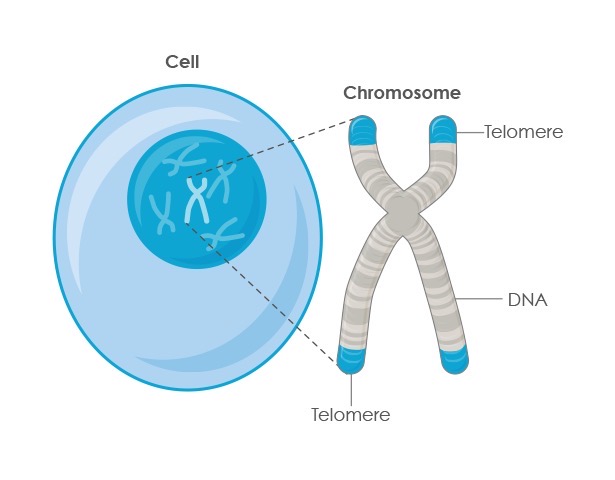
2. Telomeres are located at the ends of chromosomes. They serve as protective caps that prevent the degradation of chromosomes during cell division. Each time a cell divides, a small portion of the telomere is lost. This is why they are often compared to the plastic tips on shoelaces that prevent fraying.

3. Telomeres shorten as cells age. This shortening is associated with cellular aging. It can eventually lead to cell senescence (the state where cells no longer divide). It may also result in apoptosis (programmed cell death). When telomeres become critically short, cells can no longer divide properly, which is linked to various age-related diseases, including cancer.

4. Issues with the stability of chromosome ends (as seen in telomeres) can lead to genetic disorders, such as Huntington’s disease.

In many organisms, including humans, telomere length largely influences the limited number of divisions that a somatic cell can undergo. (Note: Somatic cells are any cells in the body of a multicellular organism that are not germ cells, i.e., sperm or egg cells. Somatic cells make up the vast majority of an organism’s tissues and organs.)

5. The question arises: what can we do about telomere shortening? How to prevent this. A lot of research is underway. There are warnings that manipulating telomere length could have unintended consequences. These consequences may include an increased risk of cancer.

6.The length of telomeres remains a fascinating topic. There is immense potential in preserving or lengthening telomeres. This could have implications for extending both health span and lifespan. So what can we do?

Step A: Improve Lifestyle Factors

You can take risk-free steps to slow down telomere shortening or even achieve telomere lengthening by focusing on lifestyle improvements. Many studies suggest that better lifestyle choices can lengthen telomeres by approximately 10%. Here are several factors to consider:

Regular physical activity, particularly aerobic exercise, can increase telomerase activity and slow down telomere shortening.

A diet rich in fruits, vegetables, and antioxidants can help reduce oxidative stress, which can damage telomeres.

Chronic stress can shorten telomeres. Practices such as meditation, yoga, and deep breathing can mitigate stress.

Getting sufficient sleep (around 7 hours) is crucial for cellular repair and maintenance, including telomere length.

Processed Foods and Excess Sugar can contribute to oxidative stress and inflammation, potentially accelerating telomere shortening.

Smoking is a significant contributor to telomere shortening.

Obesity is associated with shorter telomeres.

Step B: Consider Supplements

Some studies suggest that certain supplements, like omega-3 fatty acids and vitamins C and E, may help maintain telomere length. They could be beneficial in this regard. While they may not directly lengthen telomeres, they might help prevent further shortening. However, the evidence is still inconclusive, and more studies are needed.

Additionally, adequate levels of vitamin D may be linked to longer telomeres. Vitamin D interacts with various cellular processes. These include those involved in cell growth and immune function. It may also help mitigate telomere shortening. However, the precise mechanisms and duration of this effect can vary based on individual health, lifestyle, and genetic factors.

Step C: Await Results from Promising Studies

Currently, the most promising research is focused on new procedures to lengthen telomeres. Advances in AI are expected to accelerate this research. An intriguing study conducted at Stanford University in 2023 developed a new method for lengthening telomeres in chromosomes. This advancement effectively increased the number of times cells can divide safely. It potentially reverses aspects of the aging process at the cellular level.

Many approaches focus on telomerase. This enzyme can extend telomeres by adding nucleotide sequences to chromosome ends. The objective is to activate telomerase in somatic cells, which typically have low or absent telomerase activity.

Other options may involve using gene therapy techniques. These techniques can introduce or enhance the expression of the telomerase gene (TERT) in cells. Researchers are also exploring small molecules or compounds that can stimulate telomerase activity or promote telomere maintenance.

7. Potential Risks

While extending the lifespan of cells can have benefits, there are also associated risks. Inappropriate reactivation of telomerase could lead to uncontrolled cell division. This reactivation can result in cancer as many tumors exhibit elevated levels of telomerase.

But let us end on a positive note. Let us hope that all the efforts to first stop telomeres shorten themselves and secondly to grow again will work.

Enjoy a happy and excellent life,

Robert, your health friend,

South Turkiye

11. SUGAR, THE DEVIL IN DISGUISE/PART 1: SOME BASIC CONCEPTS (health project99+)

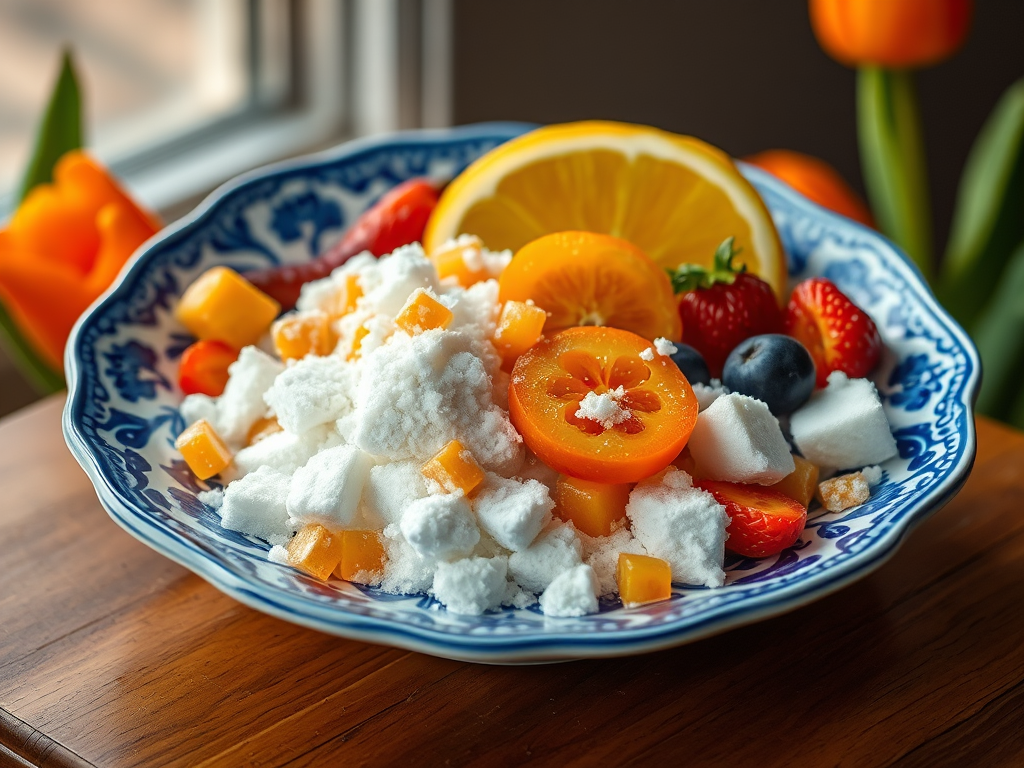
A salad with as theme “sugar is everywhere”.

Dear reader,

“Too much sugar is not good for you, but you need some for your energy.” “Sugar is those white blocks you put into your coffee or tea.” “Brown sugar is better than white sugar, but honey is the best.” This is how generations of people viewed sugar, including my parents.

I must admit that I have a sweet tooth. For decades, too much sugar resulted in unnecessary extra kilos for me. My many visits to the dentist testified to the sweets I consumed. I did a lot of sports, which kept things under control and, in general, I followed a healthy diet.

Unfortunately, sugar can be responsible for much more than excess weight or cavities. Before studying health issues, I was unaware of the havoc sugar can wreak on your body, from impacting your brain health to causing fatty liver, similar to the effects of excessive alcohol consumption

While 100% scientific proof is lacking, there are clear indications that sugar is addictive, not unlike hard drugs. To sugar, one should also add nutritionally poor white starch, such as white bread, white rice, etc.

For people with diabetes, spikes in glucose levels are plainly harmful. There is growing evidence of a greater impact from simple carbs. Sugars and refined starches do more than add calories or complicate life for people with diabetes. Added sugars and refined starch can cause health problems that sugars from fruit or complex carbs do not.

Sugar = Carbohydrate

The first thing I learned is that sugar is not a separate food group but a carbohydrate. Realizing that sugar is a carb helped me understand the concept of sugar much better. There are three main groups of carbs (sugar, starch, fiber), with sugars being so-called simple carbohydrates. Their organic formula is a multiple of carbon (C), hydrogen (H), and oxygen (O).

Glucose is a very common sugar. It is a hexose with six carbons (C), twelve hydrogens (H), and six oxygen (O) atoms (C6H12O6). Other common sugars are fructose and galactose (both of which have the same formula), sucrose, and lactose (both C12H22O11).

Sugar is Everywhere

Sugar is ubiquitous in nature. It is present in hundreds of different forms. Examples include lactose in milk or natural sugar in fruits and vegetables. It is the generalized name for sweet, short-chain, soluble carbohydrates, many of which are used in food. They are composed of carbon, hydrogen, and oxygen. Various types of sugar are derived from different sources.

It is also added generously to bread, cereals, pizza, and basically most processed foods. Just read the labels—it will make you depressed to see how high your added sugar intake can be. You also need a scientific degree to uncover the different names for sugar. Generally speaking, chemical names ending in “-ose” indicate sugars. “Syrup” indicates a sugary solution. Malting processes starchy grains like wheat and barley. This method converts them into sugar. As a result, “malt extract” will be mostly sugar.

An Added Sugar Calorie = An Empty Calorie

Your body needs energy (in the form of glucose/ATP). The source of this energy is crucial because you need meaningful calories, not empty calories. Two lumps of sugar give you the same amount of sugar as one banana. However, there is a world of difference. The lump of sugar gives you a fast but short spike in your energy level. In contrast, the sugar in the banana comes with vitamins, minerals, and other important compounds. Not to forget the starch, which can be up to 80% of the weight of unripe bananas. This starch is primarily resistant starch. It improves gut health by acting as a prebiotic. It also helps with blood sugar management. Furthermore, it increases satiety.

Those who think that all calories are the same are wrong. Technically/organically, added sugar is not different from naturally occurring sugars. In other words, sugar in fruit is not healthier than sugar in other products. Your body does not distinguish between naturally occurring sugars and added sugars. However, research has shown that with the empty calories of added sugar, you miss out on all the good stuff. These empty calories increase the likelihood of several diseases, including Alzheimer’s and cancer. A lot of research is ongoing; not all is proven, but there is also a correlation between too much sugar (i.e., easy carbs) and refined starch with certain types of cancer.

Complex Carbs are Better, but Even Here: Moderation is Key

Complex carbohydrates are generally considered healthier than simple sugars. They break down more slowly in the body, providing sustained energy. They are typically accompanied by fiber, vitamins, and minerals. However, consuming them in excessive amounts can lead to similar health issues as consuming sugars and refined starch. However, there are differences in how the body processes complex carbs compared to simple sugars.

What About the Technique of Converting Carbs into Energy?

Foods that contain carbohydrates (sugars, starch) are broken down into glucose in your stomach and intestines. This glucose is then absorbed into your bloodstream and transported to your muscles and organs. It acts as fuel for your body.

Your body uses insulin to help move glucose into your cells, where it is converted into energy. This process is essential for you to think and move. From your brain to your digestive system, all your organs require glucose to function properly.

Sugar = Same Impact on Your Liver as Alcohol (When it is Fructose)

Virtually every cell in the body can use glucose for energy. In contrast, only liver cells break down fructose (=a.o. sugar in fruits and soda). What happens to fructose inside liver cells is complicated. One of the end products is triglycerides, a form of fat. People who consume too much fructose may eventually develop non-alcoholic fatty liver disease. This condition is characterized by excessive fat stored in liver cells. I wrote a blog on triglycerides. https://shakethehealthtree.com/index.php/2025/05/27/10-triglycerides-the-most-common-fat-in-your-body-health-project99/

Experts still have a long way to go. They need to connect the dots between fructose and non-alcoholic fatty liver disease. They also need to make connections with obesity, diabetes, heart disease, and cancer. Higher intakes of fructose are linked to these conditions, but clinical trials have yet to show that it causes them.

Every cell in the body can use glucose. However, the liver is the only organ capable of metabolizing fructose in significant amounts. When people consume a diet high in calories, the liver becomes overloaded. It starts converting the fructose into fat.

Many scientists believe that excess fructose consumption may be a key driver of many of today’s most serious diseases. These include obesity, type II diabetes, heart disease, and even cancer. If you eat a typical Western-style diet with a lot of refined starch, you stress your liver. You end up damaging it in the same way alcohol does. In fact, fructose is virtually identical to alcohol in the metabolic havoc it wreaks.

Fruit is Much More Than Fructose

Stick with fresh fruits, especially berries, to maintain a healthy level of fructose intake. Avoid fruit juices, sodas, and other sweetened products. You would need to consume a significant amount of fruit. Only then would you come close to the fructose level in a single bottle of soda or fruit juice. More importantly, fruit isn’t just fructose. It’s also a rich source of vitamins, minerals, phytonutrients and fiber – things that make you healthier. 

And what about too much glucose?

Excess glycogen is stored in the liver where it may be used later for energy. Your muscles are also a storage area for glycogen. Excess glucose above this can be converted into triglycerides which are stored in your fat cells. Note that any type of excess calories, no matter which macronutrient they come from can lead to body fat gain. There is nothing inherent in carbs, glucose, or glycogen that increase your risk of gaining body fat.

Carbs as one of the three main groups of macro nutrients

We know that there are three main groups of macronutrients: carbs, protein and fats. In additions there are minerals, flavonoids, vitamins, electrolytes and much more. 

Carbs include sugars in all its forms. They can be divided into three main groups: sugar, starch, and fiber. This is how labels on your food items have divided the carbs.

Some words on the second group of carbs: “starch” (for Dutch readers “zetmeel”)

Whole vs. Refined starch. Starches in whole food forms, such as whole grains, legumes, and vegetables, come with fiber, vitamins, minerals, and phytonutrients. These nutrients make them a healthy part of a balanced diet. Refined forms (white bread, white rice, white pasta etc) are stripped of these nutrients during processing. As a result, they can lead to rapid spikes in blood sugar. They are not much different from added sugar in their negative health effect.

A note in between about phytonutrients

Phytonutrients, also known as phytochemicals, are naturally occurring compounds found in plants. They are believed to provide health benefits beyond basic nutrition. These compounds are not essential nutrients in the traditional sense. They are not required by the human body to sustain life like vitamins or minerals are. However, they are thought to support health and may help reduce the risk of certain diseases.

Most diets are based on 50% intake of carbs.

Most nutritionists advice to eat 50% of your calories as carbs, 25% protein and 25% fats. The only group of macronutrients that can be eliminated is the carbs.  Fats (and as a last matter of resort also proteins) can provide the additional needed energy when taking out carbs. 

That is why there are carbs-poor diets. People who follow these types of diets can reach the stage of ketosis. Severe carb limits can cause your body to break down fat into ketones for energy. This is called ketosis. Ketosis can cause side effects such as bad breath, headache, fatigue and weakness. It’s not clear what possible long-term health risks a low-carb diet may pose.

I have no comments on diets. In practice my carbs intake is below 50% and my fat intake more than 25%. Carbs-poor/free diets work for many. However, one should not forget that good (=complex) carbs offer many specific excellent compounds.

Fiber, the third carb group (in addition to sugars and starch)

Fiber, also known as dietary fiber, is a type of carbohydrate that the body can’t digest. Unlike other carbohydrates, which are broken down into glucose, fiber passes through the digestive system relatively intact. Fiber is primarily found in plant-based foods and is an essential part of a healthy diet.

The recommended daily intake of fiber varies with age, sex, and life stage. Generally, it is suggested that adults consume about 25 – 30 grams of fiber per day. But, most people do not get enough fiber in their diets. Too much is not unhealthy, but can lead to bloating.

Soluble Fiber dissolves in water to form a gel-like substance. It’s found in foods like oats, fruits (e.g., apples, citrus), barley, and legumes. Soluble fiber can help lower blood cholesterol and glucose levels.

Insoluble Fiber does not dissolve in water and helps add bulk to the stool, which aids in regular bowel movements. Foods high in insoluble fiber include whole grains, nuts, beans, and vegetables such as cauliflower, potatoes, and carrots.

This blog for starters, there is much more to tell about sugars!

Take care, live a happy and healthy life,

Robert, your health friend

9. FOUR DRINKS: (d) MY DAILY COLLAGEN/CREATINE/PROTEIN SHAKE (health project99+)

This lion of Babylon is in the Louvre museum

Dear reader,

Four different drinks daily form the larger part of my diet. The rest is more solid, of course. It consists of nuts and fish, but fish much less than before. Fish can easily lead to the intake of too many harmful substances like heavy metals and antibiotics. I also eat some organic chicken, whole-grain bread and pasta, eggs, goat cheese, and a few (some times more…) pieces of dark chocolate. Plus, of course, the occasional other foods. Btw, you are welcome to subscribe for free to my blogs.

A. My four drinks

  1. Homemade vegetables soup (every evening)
  2. Lemons and/or lime juice (morning + during day drink)
  3. Fruit/vegetables smoothie with seeds and supplements (late morning and luncheon)
  4. Collagen/creatine/protein shake (morning and sometimes also in the evening)

(note, below I put the links of my earlier blogs I made on the first three drinks).

B. The fourth one? Every morning, half a liter of water mixed with lemon juice. Add 2 x 5 grams of collagen and creatine. Include 25 grams of a “complete” protein (=a protein providing all 21 amino acids).

All three ingredients of my fourth drink are proteins. Yet, collagen and creatine have specific purposes. It differs from the “complete” protein powders due to a different, less complete amino acid composition. 

A good collagen powder is rich in certain amino acids. These include glycine, praline, and hydroxyproline. They are important for the body’s synthesis (=production) of collagen and other structural tissues. Nevertheless, collagen is relatively low in “essential” amino acids, particularly tryptophan.

So in short, collagen nor creatine have all the amino acids our body needs. For my protein needs I take, in addition to food (pay attention to protein rich food!) a complete (a full spectrum) protein powder that contains all the existing 21 amino acids, including the 9 so called “essential” amino acids. “Essential” in the sense that the body does not produce them and nutrition is needed to get them. As we know, these amino acids form 1000’s of different proteins. These proteins are better known as the building blocks of life.

C. “Might work, but no harm”-principle

I realize that not all claims about collagen are proven. For me, taking collagen falls in the category: “it does not hurt (except your wallet).” It might actually do some good. Life is short and there are many developments on going. However, one does not have the time to await the result of all research. For that reason I do no mind taking supplements that are promising, but not scientifically proven. It is important though that they should not do harm. Precisely because of potential harm I have decided not to take Omega-3 supplements anymore. https://shakethehealthtree.com/index.php/2025/03/21/21-omega-3-supplements-often-no-need-to-take-them-health-project99/

Ok, one by one. Why collagen? Why creatine? Why a wide range/complete protein?

D. Protein

To start with the last one. From my extensive internet and Youtube based research on protein, I drew main 3 conclusions: 1) most people have a too low intake of protein, especially in the light of the latest insights that go for 1.2 – 1.5 grams of protein per kg body weight. In my case I raised protein intake from 70 grams to 120 grams. 2) Your body can effectively only process about 25 grams per time slot of a few hours. This means that you have to spread your protein intake during the day.

That is why I put protein in my smoothie. I also added it to this fourth early morning drink. 3. Make sure that you have a protein of good quality that has all the 21 amino acids. And do not worry if you take a bit too much. It will do no harm, except to your waistline.

I already did an extensive blog on protein https://shakethehealthtree.com/index.php/2025/02/25/5-power-to-the-proteins-and-also-enough-is-not-always-enough/#comment-13

E. Why creatine?

Certain claims about creatine have withstood scientific scrutiny. This unlike collagen where studies are still ongoing with only positive indications that collagen might have some positive effect.

Creatine is not a protein. It is a compound related to amino acids. These amino acids are the building blocks of proteins. Specifically, creatine is synthesized (produced) from three amino acids: arginine, glycine, and methionine.

Creatine is stored in the muscles. It is used to replenish “adenosine triphosphate” (ATP), the primary energy carrier in cells. This occurs during short bursts of high-intensity physical activities, such as weightlifting or sprinting. This ability to rapidly regenerate ATP makes creatine a popular supplement among athletes. Bodybuilders also favor it to improve performance and increase muscle mass. Also non-athletes profit as creatine contributes to stronger muscles and improves endurance.

F. Best creatine is creatine monohydrate

There are different kind of creatine. The one most recommended is creatine monohydrate. While there are other forms of creatine available on the market, none have shown to provide the same benefits as creatine monohydrate. Examples include creatine ethyl ester, creatine hydrochloride, and buffered creatine. It is also this creatine that I take.

G. Collagen

Collagen is a protein found in abundance throughout the body. Often considered the glue that holds the body together, collagen offers many benefits. It supports the skin’s texture and elasticity. It also keeps your joints moving smoothly and much more.

As you get older, however, collagen production starts to diminish, which as we know has very visible results. Our wrinkles were not there at our 20’s nor was our dry skin. This lack of collagen is becoming especially notable in your 50’s and later. Many other factors can also interfere with collagen synthesis (=production). These factors include smoking, sun exposure, and a poor diet.

Fortunately, there are plenty of ways that can help boost collagen levels, some proven, some not. This varies from food, LED masks to using a collagen supplement. In a later blog I will dive deeper into collagen. For now, it suffices to say that both LED masks and collagen supplements might show promising results. An increasing number of tests support this. Nevertheless, there is no established science yet that confirms that certain supplements lead to collagen production in the body. Research is still ongoing.

Emphasizing a nutrient-dense diet is proven to keep higher collagen levels. This diet includes lots of antioxidants and vitamin C. These nutrients can be found in fresh vegetables, fruits, herbs, and spices.

H. Attributed positive effects of collagen

Increasing your intake of collagen is said to offer several benefits. You can do this with foods, collagen supplements or a combination of both. It supports a healthy gut and impacts gut lining integrity. It supports the health of your joints, tendons, and connective tissue, impacting comfort and mobility. It helps to promote healthy hair, nails, and skin, including skin elasticity. It assists in building muscle. Lastly, it supports the health of the heart and blood vessels.

I. Just to know: collagen supplements “only” prompt collagen production

Collagen supplements do not deposit collagen on the desired places in your body. What it does is stimulating your body to intensify collagen production itself. It acts as a signaling molecule to prompt extra collagen production by the body.

J. Safety

Collagen (nor creatine) supplements are not regulated as strictly as pharmaceuticals. The quality and content of collagen products can vary widely. Also important to realize that there is no such thing as vegan collagen. Collagen powder is made from animal skin and bones. I initially took two collagen types, one based on cows products  and one based on fish. I switched to collagen made from bovine products alone. Fish-based collagen carries a greater risk of contaminated produce. Most producers from fish based collagen are a bit sketchy on the origin of its material.

K. My experience

I focus on a collagen-friendly diet and take collagen supplements. Occasionally, I use an LED mask, and my wife insists that I apply certain moisturizing ointments. Given how my parents aged gracefully, I likely have good anti-wrinkle genes. However, since I began taking collagen powder, I’ve noticed a clear improvement in my skin. My neck is smoother and tighter. My face appears more youthful. This change is likely due to the collagen powder, as my diet was already rich in collagen-friendly foods.

This was the description of the last of my four drinks. I hope it inspires you. As promised herewith the links to the other three drinks.

Enjoy!

Robert, your health friend

9. FOUR DRINKS: (C) MY EVENING VEGETABLES SOUP (health project99+)

Dear reader,

By turning solid vegetables into soup, for six years I now easily meet my daily vegetables target. And my body is grateful for it.

1. I don’t like vegetables...

I’ve never been a fan of vegetables. I would tolerate only peas and maybe some carrots. They had to be covered in Dutch apple sauce (which is not healthy because of its high sugar content). Potatoes and especially French fries got a pass. They might count as veggies, but peeled and fried, they do not offer much health benefit.

I have known all these years, of course, that vegetables should play a starring role in any healthy diet. My mother said a thing or two about it, if I remember correctly. Willpower is essential for any lifestyle change. The motivation to eat these green, red, orange and white things was just lacking. I will write about the importance of will power (and the lack of it) in another blog. To receive these automatically please subscribe. For free of course.

2. But…….

About six years ago, my wife decided she’d had enough of my veggie aversion. She started making vegetable soup, using fresh or frozen vegetables only. A blend of persuasion and gentle insistence managed to get me to eat it daily. It was a brilliant move and since then, I haven’t looked back. Vegetables are now an integral part of my diet, and the numbers from my annual health tests show the benefits. *(For context, biomarkers are biological molecules that indicate normal or abnormal processes or conditions in the body.)

3. More about vegetables

I enjoy incorporating a variety of vegetables into my meals. I include red beets, broccoli, spinach, carrots, cauliflower, pumpkin, and sweet potatoes. I like to spice things up with a bit of celery or leek—I would use onions, but I’m unfortunately allergic. Instead of combining all these vegetables at once, I prefer selecting a mix that suits my needs. Not always a culinary success, by the way, but that is part of the process. Healthy they always are!

Each vegetable brings its own unique benefits. For example, beets are touted for their potential health properties, including (unproven) anti-cancer claims. Broccoli and spinach offer around 3 grams of protein per 100 grams. Sweet potatoes are particularly impressive, containing 35% fewer carbs than regular potatoes and packed with vitamins and minerals. 

All these vegetables are excellent sources of fiber which is crucial for health. Good to know as it can be challenging to consume fiber in sufficient quantities, just as it is with protein. Life is unfair because if we compare proteins and fiber with sugar, there the opposite is true. Sugar, our common dietary foe is found in many forms in our food and very easy to overeat.

One caveat. Some vegetables have a surprising amount of sugar as well, so be careful. For example, carrots contain 6 grams per 100 grams, beetroot has 8 grams, and pumpkin 5. In contrast, broccoli contains only about 0.4 grams.

4. At home we have a diet that is 3/4 liquid

A. Lemon juice to start the day and as a drink in between (1 liter). https://shakethehealthtree.com/index.php/2025/02/25/5-lemons-and-limes-health-project-99/

B. A large smoothie for breakfast and lunch (up to one liter). I already wrote about this morning routine.  https://shakethehealthtree.com/index.php/2025/03/10/9-four-drinks-a-morning-afternoon-smoothie-health-project-99/

C. A fresh soup for the evening, with some carbs and proteins like fish, 0.4 liters. 

D. Two glasses of water/lemon juice with collagen and creatine (0.5 liters), one in the morning with added protein, and one in the evening without extra protein. 

5. Carbs, meat, fish

We aren’t against carbs. They just need to come in the form of whole food. We prefer these over white bread, white rice, or light pasta. We don’t eat much meat, and when we do, it’s mainly organic chicken. We consume fish more frequently, though less than before due to a variety of increasing concerns ranging from mercury to nano-plastics. And I already wrote about the (too) big role nuts play in my diet.

6. Preparation

I mostly use frozen vegetables for their health benefits, cleanliness, practicality, and affordability. When I buy fresh, I cook and freeze them for later use.

I start by boiling approximately ½ kg of frozen vegetables. After boiling for a few minutes, I transfer everything into a blender. I then add salt, pepper, two teaspoons of olive oil, and a generous amount of herbs. Once blended, voilà—a delicious vegetable soup is ready, although not always perfect! Too much cauliflower for example is not to my taste :).

Enjoy a happy, tasty and healthy life,

Robert, your health friend

Cool guys in the DRC, when times were more peaceful

9. FOUR DRINKS: (A) MY MORNING & AFTERNOON SMOOTHIE (health project 99+)

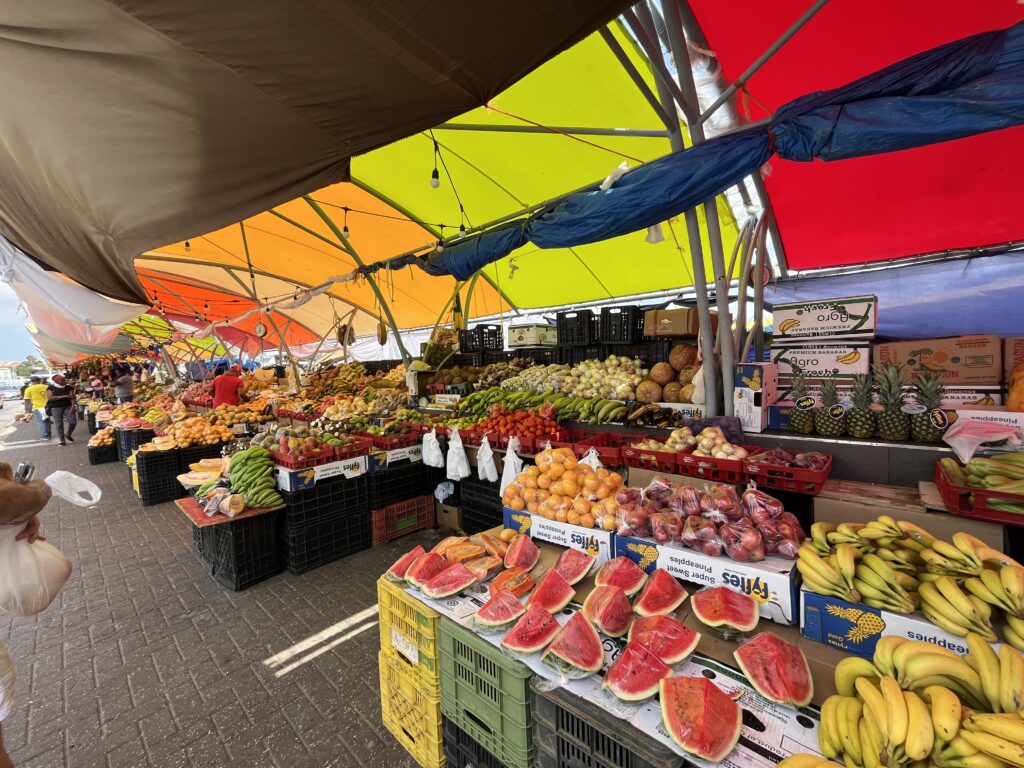
Floating market in Willemstad

Dear reader,

Smoothies, when well prepared, can be an important part of your daily diet; in mine it is. Be careful with the hidden sugars though, as some negative effects of natural sugar are not very different from that of added sugar! I will write more blogs about sugar, please subscribe, for free, to my blogs.

1. Take it easy 

People who write about health might come across as too fanatic. Sometimes they may also seem too principled. To a certain extent I am, but not too much, I hope. At home, we do eat some carbs. I do not mind the occasional croissant (from Lidl — they weigh less than 10 grams, are very fluffy, with hardly any butter, and cost 0.45 euro cents 😊), a sandwich with an egg, some sweet potato French fries, or rice crackers with goat cheese. A few pieces of dark chocolate, normally in the morning, and nuts (sometimes too much) during the day.

2. Not anti, just careful

Solid food-wise, we do not eat meat. We also do not have daily plates with pasta or rice. Nor do we have six sandwiches with the famous Dutch cheese or peanut butter. As I stressed before, my wife and I are not anti-carbs. We are also not anti-meat, and definitely not anti-Dutch cheese. When offered a delicious piece of Pavlova, I will not refuse. However, the emphasis on liquid food serves us well. Without eating less, my weight went down from 96 kg to 82 – 84 kg in one year. We do practice a light form of intermittent fasting (not eating for 12 – 14 hours per day).

More about my eating habits in other blogs, but for now the focus on morning & afternoon smoothie.

3. A “Liquid” Diet with Four Components

However, the main staple of my diet is “liquid”: 

1. A large smoothie for breakfast and lunch (up to one liter). 

2. A fresh soup for the evening (most of the time combined with fish), 0.4 liters. 

3. Lemon juice to start the day and as a drink in between (1 liter). https://shakethehealthtree.com/index.php/2025/02/25/5-lemons-and-limes-health-project-99/

4. Two glasses of water/lemon juice with collagen and creatine (0.5 liters), one in the morning with added protein, and one in the evening without extra protein. 

These quantities are rough indications only.

4. Be careful: risk of sugar overload

Smoothies can be great. They taste delicious. When prepared well, they can offer a load of useful nutrients, proteins, and fiber. However, there’s one risk: too much sugar. Recommended highest quantities of added sugar vary, depending on the country, gender, activity level, etc., ranging from 20 to 50 grams daily. This is not much .

5. Yes, there are differences between added and natural sugar, but…..

You often hear there’s a big difference between added sugars and natural sugars. While it’s true to some extent, natural sugars are part of whole foods and come with all their benefits. However, added sugar is simply sugar. Your body doesn’t distinguish between natural and added sugars. In short, be careful. Do not think that you can eat and drink unlimited amounts of milk, for example, or natural juices. They have natural sugar but they have same negative and highly addictive effects as added sugar. In other blogs, I will focus a lot on sugar.

6. Sugar Examples of popular smoothie input

In my smoothies, bananas contribute the most sugar, up to 15 grams per banana. Berries add about 5 grams per 100 grams, making them a better choice. Avoid milk, as it contains lactose—a form of sugar—beyond its fat content; in stead of milk I use unsweetened soya milk. Mangoes and pineapples, both popular smoothie ingredients, also have high natural sugar content, between 10 – 15 grams per 100 grams.

7. My Experience

In my daily diet, I easily consume half of my allowed sugar intake through smoothies alone. If I’m not careful, I consume even more. Therefore, with natural sugars included, I have about 20 – 25 grams left for the rest of the day. For instance, carrots, which I use in soup, have 5 grams of sugar per 100 grams, and light French quark adds 3-4 grams.

I don’t want to overwhelm you with details. The point is clear: with smoothies and evening soup, it’s easy to reach or exceed the daily sugar limit. This leaves few options for those who have a sweet tooth, perhaps allowing just a cookie or a small piece of apple pie. That’s why my go-to snack are nuts!

Okay, the smoothie as I prepare it (more or less)

  • The liquid base consists of lemon juice (100 ml) and unsweetened soy milk (500 ml). It also includes some water. At times, it contains leftover soup from the evening before.
  • I use banana and berries, or berries and mango, or just berries.
  • I always add one avocado and some broccoli or spinach.
  • In addition to these ingredients, I have a combined protein/collagen drink in the morning and collagen only in the evening (0.5 liter).
  • For additional fiber, I include some fine oatmeal.
  • I add one spoon of chia seeds. Then, I add two spoons of ground flax seeds and some black pepper. This is to enhance the effect of curcumin. I also add a teaspoon of cinnamon.

8. The end result?

Something very healthy, delicious and tasting remarkably sweet.

Enjoy your smoothie, enjoy your life,

Robert, your health friend

Central Park, New York City

2. VEGETABLES AND FRUIT. BUY/KEEP THEM FROZEN OR FRESH? (health project 99+)

Dear reader,

Our parents, at least mine, believed wholeheartedly that fresh vegetables and fruits are “better” than frozen. Sorry, Mom and Dad, but you weren’t correct, at least not for 90%. For most vegetables and fruits, my motto is: buy them frozen or freeze them if you buy large amounts of fresh produce. A few points I give my parents: freezing lettuce is a remarkably bad idea. Bananas should be eaten fresh from the peel, so to speak, and only frozen if you’re using them for smoothies.

I will dive into the differences between fresh and frozen. Let me make one thing clear: both are good choices. They are necessary as part of a healthy lifestyle.

1. Let us define “better.”

a. Nutritional Value: Frozen vegetables are often frozen shortly after harvest, preserving many nutrients and vitamins. Fresh vegetables might take some time to get from the farm to your table. During this period, some nutrients might degrade. This is especially true if they are improperly stored for prolonged periods. Point for frozen.

b. Availability and Cost: Frozen vegetables can be a practical choice when certain fresh vegetables are out of season. Additionally, frozen vegetables are often less expensive than fresh ones. They also have the advantage of a much longer shelf life without losing quality. This is a very important point. A family of four can easily save over 1000 Euros per year. This can be achieved by buying frozen vegetables and fruit in bulk during sales. Moreover, by not discarding wilted vegetables, you save a lot as well. You will need a large freezer, preferably a standing one, as they offer the best overview. In my opinion, a freezer is one of the best investments you can make, both health-wise and financially. Point for frozen.

c. Quality and Taste: Fresh vegetables, particularly when in season and locally sourced, can offer better texture and taste. However, frozen vegetables generally retain good flavor, though their texture could differ slightly after cooking. Point for fresh.

d. (Bacterial) Contamination: We should not underestimate the hygienic conditions. There is often a lack of these conditions under which fresh vegetables and fruits are transported and handled. This is especially true beyond professional handling, at the grocery store and in your home. Fresh produce might not be as thoroughly washed as frozen varieties. Hence, it’s advisable to wash fresh vegetables thoroughly before consumption. Point for frozen.

e. Convenience: For the lazy ones among us (like me), frozen vegetables are typically washed, cut, and ready to use. They save time in the kitchen, which can be particularly beneficial for people with busy schedules. Point for frozen.

f. Use of Pesticides: A growing concern for many. As far as I could find, there’s no significant difference between frozen and fresh regarding pesticides. You must assume that frozen food is well washed and consequently has reduced pesticide residue. Yet, washing after thawing can be tricky. Conversely, fresh produce can be washed thoroughly. All in all, this one is a tie.

So, it’s 4-1 for frozen, with 1 tie.

2. My Experience

Most of the vegetables and fruits we buy are frozen, for all of the reasons mentioned above. My wife and I drink our fruit/vegetables smoothies daily. We also consume lemon juice and soup. So, we have a high turnover of fruits and vegetables. We only buy fresh when we’re preparing dinner with friends or when fresh produce is at a very attractive price. In that case, some cooking is involved afterward to prepare for freezing.

Purchasing our beautiful 2-meter-high, deep purple stand-up freezer has proven to be one of our best health (and monetary) investments. It’s always full, including many 1 kg bags purchased at low prices. Being Dutch, I love a good deal.

3. Which Vegetables Can Be Frozen?

Most vegetables can be successfully frozen with minimal quality loss. Here are a few guidelines:

Green beans, broccoli, cauliflower, carrots, and spinach freeze well, especially if blanched before freezing. 

Peppers, peas, and corn also freeze well without much loss in texture and flavor.

4. Less Suitable for Freezing

Potatoes and zucchini can become mushy due to their high water content.

Lettuce and other leafy salad greens aren’t ideal as they become limp upon thawing.

Cucumbers and celery also lose much of their crispness after freezing.

5. Freezing Fruits

Not all fruits freeze equally well, but many can be frozen successfully while maintaining flavor and nutrition. In my experience, a smoothie is the main use of frozen fruit.

6. Suitable for Freezing

Berries like strawberries, blueberries, raspberries, and blackberries freeze well. They are great for smoothies or baking but less suited for eating fresh.

Bananas can be frozen, preferably peeled and sliced, for smoothies or banana bread.

Stone fruits such as peaches, plums, and nectarines freeze well when peeled and sliced.

Pineapples and mangoes also freeze well when cut into pieces.

7. Less Suitable for Freezing

Watermelon and melons generally become mushy when thawed due to high water content.

Apples can soften after thawing; they’re better for cooking or smoothies after freezing.

Pears can also become too soft unless used in cooking or baking after thawing.

8. Some Techniques

It helps to freeze fruit in a single layer on a baking sheet. This should be done before transferring it to airtight bags or containers. Doing this prevents clumping.

Washing and preparing fruit (peeling, pitting, slicing) before freezing is ideal.

Blanching involves briefly immersing vegetables in boiling water, then quickly cooling them in ice water. It deactivates enzymes that cause quality deterioration, preserving color, flavor, and texture.

9. A Few Words on Nitrates

When discussing vegetables, the topic of nitrates often arises, especially in relation to spinach and leafy greens. Each time, I get concerned because excessive nitrates can lead to various diseases, including certain types of cancer. Fortunately, nitrates are not typically harmful. as long as they’re part of a healthy diet, even when they are present in high levels in some vegetables. Risks only arise when there’s an imbalance. This can happen by eating many leafy vegetables in combination with high nitrate consumption from cured or processed meats or contaminated drinking water.

For more blogs, please subscribe. For free of course.

Enjoy a happy, tasty and healthy life,

Robert, your health friend

12. POWER TO THE PROTEINS, AND ALSO…. ENOUGH IS NOT ALWAYS ENOUGH (health project 99+)

Dear reader,

To summarize this long post: Proteins can be a source for energy intake, but….. their main job is being ‘building blocks of life’ and working hard on hormones, enzymes, body tissues, and immunity. Latest research states that we should more or less double earlier traditional guidelines, up to 1.5 grams per kilo body weight and spread your intake during the day. Which is not always easy! Two side notes. 1. Do not eat farmed fish. 2. Do not get fragile when you age; exercise and eat your protein.

1. Energy first (=carbs and fats)

The three groups of macro-nutrients are the center of many discussions about nutrition. I refer of course to fats, carbs (hydro-carbonates) and proteins. Fats and carbs are your main sources for energy-intake: carbs 4 kcal per gram and fat 9 kcal per gram. Our body needs energy (average 2000 kcal daily) and carbs and fats happily and rather easily provide this. Health-wise, there is of course much more to carbs and fats. Yet, their main task is to supply energy and as such the preferred choice of your body. 

2. Building blocks first (=proteins)

Giving energy is, as mentioned, not the main job for proteins. Still, they will become an energy choice when carbs and fats are not available. During prolonged exercise or starvation, they provide 4 kcal per gram, just like carbs. Nonetheless, your body really prefers proteins for other important jobs. These include building and repairing tissues, making enzymes and hormones, and supporting immune role. They are not called ‘building blocks of life” for nothing!

3. Some Facts and Figures for those who really want to be in the know

There are 20 amino acids. Nine are “essential”, meaning that your body does not produce them and can only get them by eating. “Essential” is a confusing term but it is as it is.

All proteins are made up of long chains of amino acids linked by peptide (= chemical) bonds. The specific sequence of amino acids determines the protein’s structure and function.

The 20 amino acids are transformed into tens of thousands of proteins in your body. Actually it is more complicated. First, you eat proteins, which can be animal or plant-based. Then, your body breaks them down into amino acids. Finally, it rebuilds them into the specific proteins you need. Yes, complicated, but that is how nature often works :).

In the end, we have tens of thousands of different proteins in our body. Each one has unique structures and functions. We need all of them. The exact number can vary. However, estimates often suggest that there are over 20,000 protein-coding genes in the human genome (= genetic blueprint). These genes can produce (= synthesize) multiple different proteins through various biological processes.

4. Need to know: how many proteins per gram produce?

I love nuts and fortunately they give on average 20 grams of protein per 100 grams. Meat and chicken even more; I do not eat meat, except organic chicken a few times per week. Fatty fish like salmon, cod (leaner), and sardines offer 20 – 25 grams. Vegetables only give 2 grams. Fruits have less than 1 gram. Two eggs (100 grams) contain 13 grams of protein. Looking at this rough overview one sees the challenge with plant proteins. You really need to eat a lot to get enough. Vegetarians should in my opinion seriously consider taking supplements.

5. Differences between animal and plant proteins

Animal proteins are “complete.” They contain all nine essential amino acids, meaning that your body does not produce them. Common dietary sources include meat, fish, poultry, eggs, and dairy. 

Most plant proteins, on the contrary, are “incomplete.” They are missing one or more of the nine essential amino acids. There are a few exceptions like quinoa and soy. Yet, by combining plant proteins (e.g., beans and rice) you can get all the nine essential amino acids. 

Animal proteins are easier to digest for some people and come with distinct nutrients—like omega-3 from fatty fish. Plant proteins can be more difficult to digest but also comes with extra benefits, like providing the all important fiber.

High plant protein intake appears linked to lower chronic disease risks like heart disease and certain cancers. Conversely, there are links between high intake of animal proteins (especially red and processed meats) and higher chronic disease risks.

6. Risks of an overdose

Over consumption of proteins can lead to health risks. Over consumption is subjective and difficult to define as it varies per person. Still, consuming more than 2 grams of proteins per kilogram over an extended period can harm your health. How much is too much also depends on your lifestyle, health history, and protein quality. 

What I read on internet is that most risks include negative impacts on kidneys and dehydration. It also effects calcium intake which can lead to bone problems. Other risks are weight gain and heart issues, especially from excessive red and processed meat intake. 

7. My personal protein approach

On a typical day, I obtain around 65 grams of proteins from my diet. I get 20 grams from fish or chicken and 20 grams from nuts. As said I do not eat meat. There are 15 grams from low fat French quark and 10 grams from other sources. To reach 120+ grams, I rely on carefully chosen plant-based supplements that include all nine essential amino acids. I personally stay well below 2 grams proteins per kilogram. Fortunately, it is not easy to overdose on protein through regular diet alone; only supplements make it possible. 

For solid information on the necessity of increasing protein intake, search for Thomas deLauer on YouTube. He has almost 4 million subscribers.

Tip: spread protein intake over the day. The ideal intake is 20 – 25 grams per session as your body will only process this amount. Space the intake and take the next one at least a few hours later.

8, Side note 1, on fish: I’ve stopped eating farmed fish like tilapia, shrimp, or salmon. I am concerned about antibiotic use in fish farming. Kim and I prefer wild salmon (despite the higher cost), Atlantic cod, sardines and Dutch herring of course!

9. Another side note, on loss of muscle: do not get fragile when you age.

One can not overestimate the importance of healthy tissues regarding healthy aging. Protein serves a crucial task. It constructs and repairs “tissues,” which include muscles, hair, skin, and organs. Physical exercises including resistance training and adequate protein intake supplement reinforce each other.

Maintaining an excellent muscle system, including hard work to stop loss of muscles (sarcopenia) is central. Muscles and physical exercises are a favorite topic of my blogs. Neglecting your muscles is related to so many potential health problems. This is especially true the older you get. For many reasons. Recent studies for example point to a correlation between weak muscles and a higher chance for dementia.

Ok, enough on proteins. Lead a happy and healthy life,

Robert, your health friend

Kijkduin beach