21. CREATINE: REALLY NECESSARY OR HYPE?(health project99+)

More street art in Brussels, great city!

Dear reader,

Creatine is one of the most promoted (hyped) supplements around. Many professional athletes cannot live without it, with some good reason as there is solid science behind its performance enhancing claims.

For regular persons the added value is less pronounced (more for older people though) but enough for me to take 3-5 grams daily (creatine monohydrate has the strongest evidence, of good quality), in the morning. The reasons why I take it; some (not much) additional strength, improved mood, better brain energy, better reasoning and neuroprotection. Research is ongoing if creatine supplements may help people with cognitive conditions, including dementia.

Its use is generally safe for healthy people. If you have kidney disease or other major health issues, or you’re pregnant/breastfeeding, talk to a doctor first. One indication that either you take too much, or your kidney cannot process creatine well is an elevated creatinine, the breakdown product of creatine.

1.What is creatine?

Creatine is a naturally occurring compound, found in your muscles, brain, that helps your cells produce energy. It is commonly taken as a supplement to improve exercise performance, increase muscle mass, and enhance strength and power, particularly in high-intensity activities. It has other advances as well, like a positive impact on your mood and improving your brain functions. Not all is scientifically proven though, and studies are ongoing.

While the body produces some creatine, dietary sources and supplements provide more, which can benefit athletes, vegetarians, and older adults.

In general, 1-2 gram is produced by your body (liver and kidneys) and 1-2 gram through dietary intake. Red meat, fish, poultry and animal milk are good sources of creatine. 

2.What happens to creatine?

Creatine is transported in the blood and taken up into tissues; around 95% of the body’s creatine is stored in skeletal muscle, the remainder is in brain, heart, kidney, and other tissues. The total body creatine “pool” is often estimated around 100-200 grams. Older adults often have lower storage levels due to muscle loss (sarcopenia) and sometimes lower food intake.

3.What does creatine do?

Many people take creatine supplements to build strength and promote brain health. It tends to improve performance in short, intense efforts (sprints, heavy lifts, jumping), support small gains in muscle mass over time, and may help with recovery after intense work. 

Many top sporters use creatine. The performance boost is likely small or negligible if your activities are mostly low intensity (steady walking, casual cycling, light workouts). You might still see small gains in strength or lean mass over months if you occasionally do higher-intensity efforts or resistance training, but this isn’t guaranteed with light activity alone.

4.Impact of age on creatine

Your own creatine production generally continues with age, which is good news, but the amount you can store in muscle tends to decline mainly because of age-related loss of muscle mass (sarcopenia).  Sometimes lower dietary intake can also be a negative factor.

As older adults often have lower intramuscular creatine/phosphocreatine stores than younger adults, this might be one reason they may respond well to creatine supplementation when combined with resistance training.

5.How to take?

There are many options: powders, tablets, capsules, liquids and energy bars. From what I read the best option are powders. And not any powder, but specifically creatine monohydrate. Quality is an issue as with all supplements which in the case of creatine can be powders contaminated with heavy metals.

6.How to guarantee quality?

For me it is important for a supplement to be GMP (Good Manufacturing Practice) compliant which in the case of creatine is not easy to find. Only a limited number of producers explicitly mention that they are GMP compliant. 

This of course does not mean that other producers sell bad products, but at least look out for the following elements: Third-party testing or certification (USP or NSF Certified for Sport; Informed-Sport / Informed-Choice; Clear COA (certificate of analysis) for the batch on the brand’s site.

Another way to go is to check the label for transparency with A) Pure creatine monohydrate as the only ingredient (or with very few safe excipients); No added stimulants or unlisted substances; Clear dosage info and an expiration date.

Buy from reputable brands or retailers with good return policies and reviews.

Most important: be very cautious with cheap products or “no-name” brands, especially from unknown online sources.

7.When to take and how much?

Professional athletes have their own holy grail of elaborated schemes, but for the ordinary person like you and me an easy regime is the best. 

Depending on muscle mass and activity level, the body needs to replenish at least between 3-5 grams of creatine a day. Athletes who do a lot of intense training may need to consume 5-10 gramm of creatine a day.

Most sources suggest that a supplement of 3 grams per day should be sufficient, although using 10 grams daily for up to 5 years is considered safe, but I should emphasize that for most people this is not necessary. Consistency over a longer period matters most. Take with a meal or split across meals; you don’t need to take it immediately before workouts. Drink plenty of water. If you take creatine late in the evening it will most likely give you an additional trip to toilet during the night, so I prefer to take it in the morning.

8.Bio availability

Oral bioavailability for creatine monohydrate (the amount that reaches the bloodstream after you swallow it) is very high—roughly in the 90–100% range in healthy people. Peak plasma levels occur within about 1 hour of ingestion, but meaningful increases in intramuscular stores accrue over days to weeks with consistent dosing.

Muscle uptake: how much actually gets stored in your muscles depends on transport into muscle cells (creatine transporter) and factors like insulin/meal timing, training status, and baseline stores. That step is more variable than gut absorption.

Meat/fish eaters have higher stores; vegetarians/vegans tend to have lower stores (roughly 10–30% less), partly depending on muscle mass. With proper supplementation and strength training, this can be corrected.

This was it for today, take care and live a happy and healthy life,

Robert, your health friend,

Freedom fighter Tula, Curacao

21. LET THIS ZINC IN (health project99+)

Street art in Brussels

Dear reader,

Zinc is a trace mineral that is involved in hundreds of enzymes and proteins in your body. It is essential for many processes, but it is not stored in your body in large amounts. You need to top it up regularly. Daily doses required are generally limited (8–11 mg/day), but a diet alone is often not sufficient, especially (but not exclusively) if you are vegetarian. For context, see the Trace minerals section below.

1.My takeaway is to add a modest zinc supplement to your daily regime, in the order of magnitude of 10 mg. The official line of health sites is that most people will meet their trace-mineral needs with a balanced diet, but that very much depends on your definition of “balanced.” A sufficient-zinc diet should include red meat (which many people do not eat anymore) or oysters (which very few people eat). Those who eat mainly vegetables, fruits, and grains run a risk of not getting enough zinc.

2.Challenge

For those focusing on vegetables, carbohydrates, and poultry, it will be a challenge to get enough zinc. One can do a zinc test, of course, but since the upper intake level for zinc is high, a low-dose zinc supplement will not hurt (and remember that even the most efficient zinc supplement, for example 10 mg, will in practice only contribute about 5 mg toward your daily zinc needs).

3.Trace minerals

Let me first refresh your knowledge on trace minerals. Your body needs them in very limited quantities, but they’re essential for many functions. They differ from major minerals (like calcium and magnesium) because of the small amounts required. Main examples: iron, copper, zinc, and manganese (all measured in mg/day) and iodine, selenium, chromium, and molybdenum (all measured in micrograms/day). Deficiencies in each of them cause problems, including zinc’s effects on the immune system and growth.

4.What happens if you do not have enough zinc?

• Slower growth in children; potential delays in puberty. • Immune system problems: more frequent or longer infections; poorer response to vaccines. • Slower healing of cuts and injuries. • Skin and hair: dermatitis, itchy or scaly skin; hair loss. • Reduced appetite; possible mood changes or irritability. • Diminished ability to taste or smell (hypogeusia/ageusia). • Digestive issues: diarrhea may occur in some cases. • Several hormonal pathways (e.g., insulin, growth hormone) will not work well.

5.Who is at risk for zinc deficiency?

• Vegetarian diets can put you at risk of zinc deficiency because such diets often include phytates that reduce zinc absorption (phytates are discussed later under Phytates). • People with very poor diets or absorption problems (malnutrition, eating disorders, Crohn’s disease or celiac disease, and other malabsorption conditions). • Older adults, pregnant or lactating people with increased needs. • Heavy alcohol users and people with certain chronic illnesses.

6.What happens if you get too much zinc?

• Short-term (acute) effects: nausea, vomiting, stomach cramps, diarrhea, abdominal pain, headaches, a metallic taste, and sometimes dizziness. • Long-term (chronic) effects: copper deficiency (which can cause anemia, low white blood cell counts, and nerve/hematologic problems), possible immune dysfunction, and potential impacts on blood lipids and mineral balance. • Zinc can interfere with the absorption of other minerals (notably copper and iron) and can interact with some medications and antibiotics (e.g., tetracyclines and fluoroquinolones), reducing their effectiveness if taken together. The good news is that it is not easy to get too much zinc, as the upper intake levels are quite high.

7.How much zinc do you need?

Based on US and EU guidelines • Infants birth to 6 months: about 2 mg/day; 7–12 months: about 3 mg/day. • Children and teens: increasing with age; for example, around 4–8 mg/day in early childhood, rising to about 8–11 mg/day for older boys and about 8–9 mg/day for girls. • Adults: men about 11 mg/day, women about 8 mg/day; during pregnancy about 11 mg/day and during lactation about 12 mg/day. •

8.Upper intake levels: In the US, the tolerable upper intake level (UL) for zinc is 40 mg/day for adults. In the EU, EFSA uses a lower UL for adults (about 25 mg/day). This is important to know because it signals that even if you do not need your zinc supplement, it will not hurt you as long as you stay below the UL in total.

9.Food and zinc?

As always, rough estimates are provided. The internet can flood you with many more details.

Meat, poultry, and seafood are heme zinc and generally better absorbed than plant sources. • Oysters: about 74 mg zinc per 100 g; absorption roughly 20–40% • Beef steak (cooked, lean): about 4–5 mg/100 g; absorption roughly 25–40% • Pork (cooked): about 2–3 mg/100 g; absorption roughly 15–35% • Chicken (white meat, cooked): around 1–2 mg/100 g; absorption roughly 15–30% • Salmon or sardines (cooked): about 1–2 mg/100 g; absorption roughly 20–40%

Do the math. Take chicken. In order to get 10 mg of effective zinc, one would need (best scenario) over 1.5 kg of chicken meat per day.

10.Plant-based sources

• Spinach (cooked): about 0.8–1 mg/100 g; absorption roughly 5–15% • Beans (kidney, cooked): about 2–3 mg/100 g; absorption roughly 10–20% • Tofu (firm, depending on fortification): about 1–3 mg/100 g; absorption roughly 5–15% • Quinoa (cooked): about 1–2 mg/100 g; absorption roughly 10–20% • Pumpkin seeds (roasted): about 7–8 mg/100 g; absorption roughly 10–25% • Sesame seeds (raw): about 9–10 mg/100 g; absorption roughly 10–20% • Fortified cereals (varies by product): often 5–20 mg/100 g; absorption roughly 10–25%

Do the math here as well. In order to get 10 mg of absorbed zinc from plant sources, one would need almost 2 kilograms of tofu daily. Not feasible, at least not for me (and I do not like tofu that much anyhow).

Only a few fruits have around 1 mg/100 g of zinc, the others much less. Plus a very low absorption rate.

• Dried apricots: about 1–2 mg/100 g; absorption roughly 5–15% • Raisins: about 0.5–2 mg/100 g; absorption roughly 5–15% • Prunes: about 0.5–1 mg/100 g; absorption roughly 5–15%

11.Practical tips to maximize zinc absorption

If your diet is rich in phytates (lots of unprocessed grains and legumes, see explanatory note at the bottom of this blog) and you’re concerned about zinc or iron, consider pairing meals with phytate-reducing prep (soaking/fermenting) and including some animal protein or vitamin C-rich foods to help absorption.

Another option is to oak, sprout, or ferment grains and legumes to reduce phytates that inhibit zinc absorption.

Avoid taking large amounts of calcium or iron at the same time as a zinc-rich meal, as they can compete for absorption.

12.The several half-lives of zinc

• If you’re thinking in terms of half-life for planning supplements or interpreting zinc status, focus on the fact that there are multiple pools with different kinetics. Short-term changes (days) mainly reflect plasma zinc and gut absorption changes; longer-term status reflects tissue stores and overall balance over weeks to months, including bone and other long-term stores. They turn over slowly and are not quickly altered by daily dietary changes or short-term supplementation. For a practical planning approach, see the Absorption and Bioavailability section above.

13.What kind of supplement and how to use it?

There are many different zinc supplements around. Some (like the one I used to take from Kruidvat) are zinc oxide, which has low absorption and is one of the many brands without generally recognized quality controls. In short, for a few years I have been taking a basically useless supplement.

So when choosing a zinc supplement, start with 1) zinc citrate or a chelated form. The absorption rate of zinc citrate is about 30%, so you would need roughly 33 mg ingested daily to reach about 10 mg effective (i.e., doing its zinc work!). Chelated forms (zinc bisglycinate/glycinate and zinc picolinate) are even better with a 40–45% absorption rate. 2) Make sure it is GMP (Good Manufacturing Practice) produced or produced in GMP-compliant facilities. 3) If you’re aiming to maximize absorption, take zinc with a meal that contains protein, and avoid taking it simultaneously with large doses of calcium or iron. A zinc supplement strengthened with vitamine C does not hurt.

14.GMP: general advice

I know it is cumbersome to look for supplements with a GMP label, but trust me, it is worth it. For every supplement there are some GMP-certified producers; just search the internet. Be careful, most are not and do not go for the 1+1 offers from the regular chains unless these products meet all the criteria, like GMP.

15.There is more beyond GMP to look for

Check also for Third-party verification: USP Verified, NSF Certified for Sport, Informed-Choice, or similar certifications add independent testing for potency and contaminants.

Batch-specific COA (certificate of analysis): a lab-tested result showing exact zinc content per serving and purity/heavy-metal testing for the current batch.

Clear labeling: exact zinc dose per capsule/tablet, other ingredients, and expiry date. Reputable brand with transparent sourcing and manufacturing information. Avoid marketing claims that only say “GMP” without evidence or documentation.

Testing to see if you have a zinc deficiency

Blood tests (serum/plasma zinc) are commonly used but aren’t perfect indicators on their own, especially during periods of inflammation, like when you have an infection. Clinicians may consider dietary history, symptoms, and sometimes other labs.

Thanks for reading, take care and live a happy, healthy and long life,

Robert, your health friend

Going to Paris (again)

Explanatory note on Phytates

Phytates (also called phytic acid) Phytates are naturally occurring compounds found in many plant foods. They are phosphorus-containing compounds stored in seeds, grains, legumes, nuts, and some seeds. The main practical concern of phytates is related to mineral absorption, especially if you rely heavily on plant-based sources. Phytates can be mitigated by soaking, sprouting, or fermenting foods and by pairing plant sources with animal proteins or vitamin C-rich foods to aid absorption.

21 QUERCETIN, AN UNKNOWN SUPPLEMENT (health project99+)

Sweet water duck in the salty Baltic Sea

Dear reader,

Quercetin, why (not)? I encountered this molecule/compound in my quest for interesting supplements. To take or not to take? As always, there are many considerations to balance: potential benefits, risks, and costs.

1.My first observation: it’s not an easy supplement (“very low bioavailability”) and there are few solid studies to justify all the claimed benefits. Still, one might give it a try for a year, especially because of its possible anti-allergy benefits. I will not take it, as there are strong indications that it will interact with my anticoagulants.

Quite a few influencers are positive about quercetin, including Dr. Eric Berg, whom I hold in high esteem. Check him out on YouTube. There must be a reason he has 13 million followers. Comments by individual users about quercetin vary, from “completely useless” to “changed my life.”

2.Not an easy supplement 

As mentioned, it is not an “easy” supplement. If you decide to use it, remember the following: think long term (don’t expect results immediately), take twice daily, with a meal containing some fat. Use a quercetin supplement that is presented in liposomal or phytosome form, or another enhanced-delivery form. Do not take standard quercetin powder or pills. The difference in effectiveness can be a factor of ten.

And remember: only buy supplements that are GMP-certified or NSF International-certified. 

In general, when selecting supplements, look for transparency in manufacturing practices. Check for third-party certifications and product testing. This ensures the integrity and potency of the supplements you choose. Unfortunately, there are a lot of counterfeit or poor-quality products around. It always takes time to find a quality supplement, but it is worth it.

3.What is Quercetin? 

Quercetin is a natural plant flavonol. Flavonols are a subgroup of polyphenols found in our diet. Flavonols, just like all polyphenols, are not essential for nutrition, but they have benefits. For starters, they act as antioxidants and anti-inflammatory agents.

This plant-based flavonoid is often found as quercetin glycosides (see also the explanatory note below) in foods and is available in supplement forms.

4.Quercetin is associated with many interesting claims

  • Immune and infection support during heavy training or seasonal stress
  • Anti-inflammatory and antioxidant support
  • Potential endurance and performance effects
  • Allergy relief and histamine modulation
  • Metabolic and cardiovascular hints
  • Cancer prevention and other long-term outcomes

However, an important point about all the claims regarding quercetin is that there have been relatively few studies. The studies that exist show varying results, none very convincing.

5.How to get quercetin 

Where it’s found: onions, apples (with skin), berries, capers, grapes, citrus peels, tea (black or green), leafy greens, and many other fruits and vegetables.

Typical daily intake from the diet is usually in the low tens of milligrams (often 5–40 mg per day), depending on how many quercetin-rich foods you eat. The figures below are rough estimates, as the final figure depends on many factors including the individual and how the food is prepared. 

From what I read, quercetin intake via food is less effective than intake via supplements—only those that are liposome- or other enhanced-delivery forms are likely more effective.

6.Some main quercetin sources (approximate ranges)

  • Capers: roughly 150–250 mg
  • Red onions: about 20–40 mg
  • Apples (with skin): about 5–8 mg
  • Berries: cranberries 7–20 mg; blueberries 3–5 mg; raspberries 5–8 mg
  • Grapes: about 3–5 mg
  • Citrus fruits (pulp): around 1–3 mg; citrus peels contain more if used
  • Cruciferous vegetables (broccoli, kale): roughly 1–3 mg
  • Tea (brewed, black or green): roughly 2–5 mg per cup

7.Quercetin and allergies

I am interested in quercetin because of its claimed potential to relieve allergy symptoms. From what I understand, it might only work after long-term use. Quercetin stabilizes the mast cell membrane, so degranulation (release of histamine and other mediators) is reduced.

In short, quercetin is a mast cell stabilizer—a substance that helps keep mast cells from releasing inflammatory chemicals (like histamine) when they encounter allergens. It is mainly preventive, not for immediate relief.

Mast cells are a type of immune cell that reside in tissues (especially the skin, airways, gut, and around blood vessels and nerves). They’re like sentinels that detect threats. Mast cells contain granules full of chemicals such as histamine, heparin, and other mediators. When activated, they release these chemicals in a process called degranulation. The released substances cause inflammation: redness, swelling, itching, mucus production, and they can lead to smooth muscle contraction.

8.Not very bioavailable 

Bioavailability is rather low. Only about 0.3% to 2% of the oral dose reaches the systemic circulation of your body and will have any effect.

The half-life is 2–11 hours, so if you take Quercetin supplements, you need two doses per day. Bioavailability can be substantially improved with specialized formulations and with fat-containing meals. Taking them with water alone is a waste of effort and money. Go for enhanced formulations, do not buy standard quercetin; buy it in liposomal or phytosome form. And don’t forget to check whether the supplement includes added vitamin C.

9.A note of caution The “no-harm” approach is central to my decision to use any supplement. I take several supplements based on hope when there are credible indications they might provide certain benefits. However, I only take supplements considered safe and that do not interact with any medication. It is not always easy to figure this out. I respect doctors, but you cannot expect them to know all the latest developments, especially not in the field of supplements. Still, try it in the case of quercetin.

10.Where do supplements fit in my longevity philosophy? Nutrition, exercise, sleep, stress management, and social life are five key elements. If managed well, these elements contribute to a healthier and longer life. Expert recommendations across these categories often align, although food and exercise can sometimes provoke debates and differing opinions.

Discussions on food and exercise are mild compared to the sixth category: supplements. Supplements are often controversial, with many unproven health claims and contradictory expert opinions. Yet this is also the most exciting category because we are continually discovering the potential of new supplements.

Dear reader, this about quercetin. It receives a lot of attention. In my opinion it is a supplement to consider, but not one “to take”.

Thanks for reading, take care and enjoy a long and healthy life.

Robert, your health friend.

How time flies, in my youth I played here daily (Aruba)

Some explanatory notes

Polyphenols are a large family of plant compounds that have multiple phenol rings in their chemical structure. They’re not essential nutrients for humans, but they can act as antioxidants and anti-inflammatory agents in the body and may influence health in various ways. A phenol ring is a benzene ring (a six-carbon ring) with a hydroxyl group (-OH) attached to it. The OH group makes the ring acidic and gives it reactive, antioxidant-like properties.

In polyphenols, multiple phenol rings are linked together (for example, flavonoids like quercetin have several rings with many OH groups).

Quercetin glycosides are the forms of quercetin that are bound to a sugar molecule. In plants, quercetin mostly occurs as these glycosides rather than as the aglycone form.

21. TO IRON OR NOT (health project99+)

Dear readers,

With health, unfortunately, almost everything is important, and this also applies to iron. Fifteen percent of the world population is iron deficient. This is a worrisome statistic. Iron deficiency can lead to a series of serious health issues. But too much iron can cause problems as well.

Iron is important for the formation of hemoglobin, a component of red blood cells. 1) Red blood cells transport oxygen throughout our bodies. 2) Iron is necessary for producing energy in our cells. 3) Iron contributes to the normal functioning of the immune system.

Iron supplements are among the most popular supplements, but taking them is not without risks. Unlike many other supplements, for iron, you really need to check with your doctor first. Based on a simple blood test, your doctor will determine whether extra iron is necessary or not!

What are the Symptoms of Iron Deficiency?

Fatigue, palpitations, dizziness, and shortness of breath can be associated with a deficiency of iron in the body. A pale appearance, sweating, headache, and restless legs may also indicate this deficiency.

What are the Risks of Taking Too Much Iron?

There are potentially serious risks. If there is iron buildup in the liver, you may experience an enlarged liver. Excess iron in your heart can lead to an irregular heartbeat or more serious heart problems.

Daily Needs

In general, women need more than twice as much iron as men (due to menstruation):

Young girls: 8 mg per day, teenage girls: 15 mg. women: 18 mg

Pregnant women: 27 mg; Lactating women: 9 mg; Women in menopause: 8 mg

Boys: 8 mg per day, teenage boys: 11 mg, men: 8 mg.

Food Intake

In general, when eating balanced meals, your iron intake should be sufficient. However, there are certain groups at risk, such as vegetarians and pregnant women.

From a nutritional point of view, meat is a good (some say the best, but I am not sure) provider of well-absorbed iron (the so-called heme iron). However, you can obtain enough iron (the non-heme iron) through vegetables, nuts, and fruits alone, but because of their low bioavailability, you have to consume a considerable amount. For example, spinach is often mentioned as a good source of iron; it offers 3.6 mg per 100 grams. A pregnant woman needs 27 mg of iron per day, which means she would need to eat 700 grams of spinach. However, due to its low bioavailability (2-20%), she would need to consume at least 3.5 kg of spinach daily, which is not feasible, of course.

Food Sources of Iron

Here are some examples of iron-rich foods, along with their approximate iron content per 100 grams and information about their bioavailability:

Heme iron is found in animal products and is generally more bioavailable (15-35% absorption):

– Beef, chicken, turkey: 2.3-2.7 mg

– Pork and fish: 0.5-1 mg

Non-heme iron is found in non-animal products and is generally less bioavailable (2-20%):

1. Lentils (cooked): 3.3 mg

2. Chickpeas (cooked): 2.9 mg

3. Tofu (firm): 5.4 mg

4. Spinach (cooked): 3.6 mg

5. Quinoa (cooked): 1.5 mg

6. Pumpkin seeds (roasted): 14.0 mg

As you can see, some non-animal and animal products have quite different bioavailability rates. The lower end of heme iron (from meat) is at least 15%, while the lower end of non-heme iron (from vegetables, fruit, nuts) can go as low as 2%. There is also a difference in the upper ceiling: 35% for heme iron, versus 20% for non-heme iron.

Iron Enhancers and Inhibitors of Absorption (To Know!)

I need to study and better understand this topic. Under which circumstances will a lower end of bioavailability rates be achieved? Under what circumstances will the higher end be met? Here are a few things I can already share: To improve the bioavailability of iron, we can use enhancers. However, we must also be aware of important inhibitors that can lower bioavailability.

Enhancers: Vitamin C (found in citrus fruits, bell peppers) and certain acids (like citric acid).

Inhibitors: Phytates (in whole grains, nuts, seeds), calcium, and polyphenols (in tea and coffee). NOTE: Phytates, or phytic acid, are naturally occurring compounds found in many plant-based foods, particularly in seeds, nuts, legumes, and whole grains. They serve as the principal storage form of phosphorus in many plants. Phytates are recognized as “anti-nutrients” because they can bind minerals in the digestive system and inhibit their absorption. Polyphenols are a diverse group of 8000 naturally occurring compounds found in plants, known for their antioxidant properties and potential health benefits.

A vitamin D deficiency increases the risk of iron deficiency anemia. Hepcidin plays an important role in this process. Hepcidin is crucial in regulating iron metabolism and is produced primarily in the liver. It manages iron levels by controlling iron absorption from the diet. It also controls its release from stores in the body. Vitamin D supplementation reduces hepcidin levels, thereby improving iron absorption and enhancing iron status.

How Can You Quickly Raise Your Iron Levels?

Especially beef or lamb contains a lot of iron. If you do not eat meat, choose non-meat products that are rich in iron, such as eggs, legumes (like brown beans and lentils), tofu, tempeh, nuts, peanuts, seeds, or ready-made meat substitutes. Opt for whole grain bread and whole grain pasta.

Which Fruits and Nuts Are High in Iron?

Especially berry varieties, blackberries, raspberries, and apricots are good. Drinks made from these fruits, especially apricots, figs, and tutti-frutti, are also rich in iron. Concerning nuts, in particular, almonds, cashews, hazelnuts, Brazil nuts, walnuts, and trail mix are beneficial.

If You Must Use Iron Supplements, Consider the Following

The most common and often recommended iron supplements for addressing iron deficiency include ferrous sulfate, ferrous gluconate, and ferrous fumarate. These are ferrous salts that are readily absorbed by the body. Ferrous sulfate is widely used due to its high availability and lower cost, while ferrous fumarate contains a higher percentage of elemental iron. Ferrous gluconate is known for being relatively gentle on the digestive system. Another good option is ferrous bisglycinate, as it is said to be very easy on the stomach.

Try to purchase iron supplements that contain few or no E-numbers and no artificial colorings. Furthermore, ensure that the supplement is GMP-certified (Good Manufacturing Practice). I have only recently become aware of the importance of this qualification. Disappointingly, most supplements are not GMP produced.

Lastly, pay attention to the quantity. Most iron supplements contain 25 mg of iron, which is already at the very high end of recommended dosages.

For your info, I do not take an iron supplement.

Take care, enjoy your life and stay well. Very well!

Robert, your health friend

Okapi in DRC

21. CALCIUM SUPPLEMENTS: A NEGATIVE ASSESSMENT (health project99+)

Venice of course

Dear reader,

Health Project99+ is my personal quest for a healthier and longer life. I rely on as many reliable sources as possible. I keep an open mind and I have already made several changes in how I live. Changes include what I eat and what supplements I take, among other things. This is blog 50 of a few hundred I plan to write in total. 

Now About Calcium. Calcium is an essential mineral. However, please throw calcium supplements out of the window—yesterday. They provide little benefit and may, on the contrary, cause considerable harm.

As we age, we run the risk of decreasing bone density and increasing the number of fractures. Fortunately, as is often the case, one can slow and/or almost stop this process. However, contrary to popular belief, this cannot be achieved through supplements! To cut the long story below short: the right food, vitamins D and K2 and above all strength and weight training till your last day.

1.Calcium is an impressive player in your body: 8 functions

Here are the key reasons why calcium is vital. Most of us associate calcium with bones and teeth, but its role extends far beyond this. First and foremost, there is a significant amount of calcium in the body—around 1 kg. It’s important to note that only 1% of this calcium should be in your blood. The rest should be in your bones and teeth.

Calcium is indeed a primary component of bones and teeth. It provides structure and strength, helping to maintain bone density and prevent osteoporosis and fractures.

Calcium is vital for muscle contraction. When a nerve stimulates a muscle, calcium is released, enabling the muscle fibers to contract. 

Calcium ions facilitate the release of neurotransmitters, which are necessary for communication between nerve cells.

Calcium is necessary for the activation of certain proteins and enzymes. These enzymes help form blood clots, which are essential for healing injuries.

Calcium is important for the secretion of hormones and enzymes that are involved in almost every function in the body. This includes insulin secretion from the pancreas, which regulates blood sugar levels.

Calcium ions are essential for many cellular processes, including cell division, growth, and communication. They help maintain cell membrane integrity and facilitate various biochemical reactions.

Adequate calcium intake may help reduce the risk of certain chronic diseases. These include hypertension (high blood pressure) and some types of cancer.

Calcium works alongside other electrolytes. These include sodium, potassium, and magnesium. They maintain proper fluid balance and cellular function in the body.

2.Development of gradual loss of calcium if you do not undertake action

Some studies suggest that individuals can lose between 0.5% to 1% of bone mass per year. This happens after reaching their peak bone density in early adulthood, around the late 20s to early 30s. In men, bone density tends to decline more gradually after age 60. The rate of loss can be influenced by testosterone levels and overall health. 

Women should pay particular attention. Their bone density can decrease by approximately 1-2% per year after menopause. There is a significantly higher loss in the first few years following menopause.

Long-term studies estimate that by age 70, individuals might have lost 20-30% of their peak bone mass. This occurs if they do not engage in sufficient calcium intake and weight-bearing exercise.

The Recommended Dietary Allowance (RDA) for calcium varies with age. Adults aged 19-50 typically require about 1,000 mg of calcium per day. After age 50, the recommendation increases to about 1,200 mg per day for women, while it remains at 1,000 mg for men until age 70. This should come from dietary sources, not supplements. Age can also affect the absorption of dietary calcium. Net absorption of dietary calcium can be as high as 60% in infants and young children, who need substantial amounts to build bone. It decreases to about 25% in your ‘50s. At those ages maintenance is crucial.

Good to know that the RDA takes into account the net absorption rate of dietary calcium per age.

3.How to counter calcium loss?

The answers lie in food, vitamin D and K2, and strength training! In this blog I will not write too much about strength and weight training as this speaks for itself. Just remember that bones are living material, like a solid tree, that needs maintenance. Every day. Engaging in weight-bearing exercises is beneficial. Activities like walking, running, or strength training can help strengthen bones and slow the loss of bone density. Activities promoting balance and coordination, such as tai chi or yoga, can also reduce the risk of falls and fractures.

Good sources of calcium include dairy products, leafy green vegetables, nuts, seeds, and fortified foods. 

Vitamin D plays a crucial role in calcium absorption and also K2 plays a supporting role. Ensuring sufficient vitamin D levels through sunlight exposure, diet, or supplements can help maintain bone health. Taking calcium supplements without adequate magnesium, phosphorus, and vitamin D intake can lead to mineral imbalances in the body, which can negatively affect bone health and overall metabolic function. Even if you do not take calcium supplements, make sure your intake of vitamin D and K2 is sufficient.

Lack of physical activity, smoking, and excessive alcohol consumption can significantly increase the rate of calcium loss. These factors worsen bone health.

Don’t A lack of physical activity can significantly increase the rate of calcium loss. Smoking also contributes to this issue. Additionally, alcohol consumption worsens bone health. 

Important: If you have conditions that affect bone density, such as osteoporosis, you should seek proper medical treatment. Certain hormonal imbalances also need to be addressed. In other words, see your doctor.

Screenings are possible (Bone density tests = DEXA scans) but I have read mixed reviews on the usefulness of these screenings.

Calcium rich foods (All per 100 grams intake) Almonds (264 mg), Milk (whole) (113 mg), Kefir (120 mg). Yogurt (plain, whole) (110-150 mg), Dried Figs (162 mg), Fortified Orange Juice (120 mg), Broccoli (47 mg), Kale (150 mg), Tofu (with calcium sulfate) (350-400 mg), Sardines (canned, with bones) (381 mg), Cheddar Cheese (721 mg ), Fortified Soy Milk (120 mg), Chia Seeds (631 mg) and White Beans (194 mg).                     |

Caveat: Bioavailability While certain foods might contain high calcium levels, the bioavailability (how well your body absorbs that calcium) can vary a lot. For example, calcium from dairy products is generally more bioavailable than that from certain plant sources, due in part to the presence of other compounds that may inhibit absorption (like oxalates and phytates).

Calcium from dairy products like milk, cheese, and yogurt is highly bioavailable, often ranging from 30% to 60% absorption rate. Dairy foods are typically low in compounds that inhibit calcium absorption.

Calcium from plant sources, including leafy greens (like kale and broccoli), nuts (like almonds), seeds (like chia), and legumes (like beans), tends to have lower bioavailability, often just in the range of 5% to 30%. This is because phytates (found in grains, beans, nuts) and oxalates (found in certain greens like spinach and Swiss chard) can bind to calcium and inhibit its absorption. However, some plant sources like broccoli and kale have relatively better absorption rates due to lower oxalate content.

So if you follow a Vegans/Plant-Based Diet you should focus on calcium-rich options while being mindful of bioavailability. Incorporating fortified foods (like fortified non-dairy milk and orange juice) and consuming a variety of sources can help reach your needed calcium intake.

In short, for vegans it will not be easy. Do the math: if you are a 50-year-old woman, you need 1,200 mg of calcium per day. This means you have to eat a lot of tofu, kale, and other produce to reach that 1,200 mg. Tofu might contain up to 400 mg of calcium per 100 grams, but even in the best cases, when it is fortified with calcium sulfate, only 40% is bioavailable. This equates to 160 mg of effective calcium per 100 grams of tofu, which in theory would translate into 700 grams of tofu needed.

4.Milk Discussion

As a Dutch guy, I will save the milk discussion for a later blog. Apparently, there are quite a few respected health experts who are firmly against milk. Recent studies suggest that there are more potential harmful effects on the body than previously assumed. However, milk provides many excellent nutrients, including, of course, calcium. One point of concern (and my reason for drinking little to no milk) is its fat content: it contains 4.5 grams of saturated fat per 100 grams and 24 milligrams of cholesterol.

5.Risks of Calcium Supplementation

In the past decade, many studies began to question the added value of taking calcium supplements. Some have even pointed out certain dangers. A consensus is building (but we’re not there yet) regarding the following.

Multiple studies have found that there’s little to no benefit in taking calcium supplements for the prevention of hip fractures.

Conversely, recent studies have linked calcium supplements with an increased risk of colon polyps. These are small growths in the large intestine that can become cancerous.

There is also an increased risk of kidney stones. These are hard masses usually formed in the kidneys from an accumulation of calcium and other substances.

Additionally, a 2016 study suggested that calcium supplements might increase the risk of calcium buildup in the heart’s arteries. The body can’t process more than 500 milligrams of calcium at one time. If you take a supplement that exceeds this amount, your body has to manage the excess. Higher calcium levels in the blood could trigger blood clots. Calcium might also deposit along artery walls. This contributes to the narrowing of blood vessels. The debate is still ongoing, but I consider this information quite concerning.

6.Important to Know

Calcium supplements may interact with certain medications, such as antibiotics (like tetracycline), bisphosphonates (used for osteoporosis), and medications for high blood pressure. 

Dear reader, do like me and get rid of your calcium supplements.

Enjoy a happy and healthy life,

Robert, your health friend

The Netherlands seen from a plane

9. SUPERFOODS LIKE SPIRULINA AND CHLORELLA (health project99+)

Mosque in Uzbekistan

Dear reader,

The term “superfood” implies a lot, more than is proven in reality.

Superfoods are often linked to misunderstandings. At times, supernatural forces are attributed to them. Exaggerated or not, one thing is clear, namely that superfoods are excellent food sources. The problem is that they exist in a world full of super food hype and loyal/fanatic fan clubs. In this blog, I will explore the world of superfoods. I will focus on two algae marketed as superfoods: Chlorella and Spirulina.

I have nothing against superfoods. Some are part of my diet, like kale, avocado, and wild salmon, but this instantly sums up their role. They should be part of an holistic diet, not a goal in themselves. Super foods are important, but no exclusive instruments to help you reach your health goals. Still, you should not rely on them too much. So far no supplements and pills exist that cure or prevent everything. Similarly, there are no superfoods that fulfill all your nutritional needs.

The term “superfood” is not scientifically defined. It is commonly used to describe foods that are exceptionally nutrient-dense. These foods are beneficial for health and well-being. Superfoods are often rich in vitamins, minerals, antioxidants, and phytochemicals. This makes them particularly valuable in promoting health. They are also important in preventing disease and supporting overall wellness.

New exotic foods often get the superfood label. This sometimes happens due to creative marketing. This marketing occurs after discovering a new herb in the Andes or in the tropics in Asia. The oceans still hold many secrets. I would not be surprised if certain types of jellyfish will be promoted as new superfoods one of these days. They are protein-rich, so that would be a good start. I once tried jellyfish, and at the time, it reminded me of edible plastic.

Examples of super foods. To give you an idea of what superfoods are, I can mention different types of berries. Many leafy greens like spinach and kale are also examples. Certain nuts and fatty fish; Whole grains like quinoa, Fruits like avocado and kiwi, and dark chocolate. Some herbs and spices, for example, ginger, are superfoods. Legumes like lentils and adaptogens like maca root are included. Of course, the all-important fermented foods like kefir, yogurt, and sauerkraut cannot be overlooked.

As you can see, it’s a long and by no means exclusive list. These days, producers out of commercial interests like to label all kinds of foods in a positive and promotional way. We consumers tend to fall for these arguments. Why? It is in human nature that we like to believe things, especially if they are too good to be true.

Risks of Super foods. Superfoods offer a lot of nutritional contribution per gram. This is in contrast to products like for example white bread, which has very little nutritional worth per gram. There are some negative issues related to super foods. (1) I dislike the steep prices of superfoods. (2) Super foods often pose potential health risks, such as contamination. (3) Consumers tend to rely too much on just one or two superfoods. They quickly believe “their” superfoods are the holy grail. In reality, they should be integrated into an overall balanced diet. (4) I dislike the notion that superfoods can compensate for unhealthy behavior. Superfoods do not cancel out the effects of smoking. This sounds logical, but when it comes to food and love, logic does not always apply.

What about Spirulina and Chlorella?

Both Spirulina and Chlorella are types of freshwater algae although Spirulina can also be found in saltwater. They are very rich in proteins, vitamins, and minerals. You now and then can buy them as fresh produce, which is very difficult, especially chlorella. They are mainly available as supplements, in powder form or as tablets. They are more or less the same. Spirulina is much easier to digest than chlorella. Before you buy them, ask yourself the following questions:

– Is it worth the price? Are there cheaper alternatives that offer more or less the same benefits? Are those alternatives available as fresh produce, which I would personally prefer?

– Do Spirulina or Chlorella have unique qualities? Do other superfoods lack these qualities? Are these exceptional qualities worth purchasing these superfoods in tablet form?

– Is the product’s processing quality guaranteed (GMP = Good Manufacturing Practices)? This is always relevant, especially in the case of freshwater algae where contamination is a serious risk.

The benefits of Spirulina and Chlorella.

Spirulina is high in protein (about 60-70% by weight). It contains essential amino acids. It is rich in vitamins like B vitamins, and minerals such as iron and magnesium. Spirulina is also rich in antioxidants, particularly phycocyanin, which gives it a blue-green color. Its health benefits (according to various sources) include (1) overall health support due to its dense nutritional profile. (2) It provides powerful antioxidants that combat oxidative stress. (3) It may reduce inflammation in the body and enhance the immune response. (4) According to some studies, it may help lower LDL cholesterol and triglycerides while raising HDL cholesterol.

Chlorella is also high in protein. It contains 50-60% protein by weight. It offers significant amounts of vitamins such as B12. It also provides minerals like iron, magnesium, and zinc. It is also known for its high chlorophyll content. Chlorella’s health benefits are like those of Spirulina. It is high in vitamins and minerals. These include B12, which is especially beneficial for vegetarians and vegans. It is believed to help promote detoxification by binding to heavy metals and toxins, facilitating their excretion from the body. It may help enhance immune function. It can reduce inflammation. Similar to Spirulina, Chlorella may contribute to improved cholesterol levels. It provides antioxidant protection due to its nutrient profile.

A few warnings: (1) Spirulina and Chlorella are prone to contamination with toxins if not sourced from reputable suppliers. (2) Both algae can cause digestive discomfort, such as bloating and diarrhea. This is particularly true if taken in large amounts. (3) Some individuals may experience allergic reactions, especially if they have a sensitivity to seafood or other algae. (4) Chlorella may interact with blood thinners or medications that affect blood sugar levels. Indeed, check with your doctor!

There are several other superfoods with similar characteristics like Spirulina and Chlorella. These include moringa (also called the “wonder tree”), wheatgrass, and barley grass. Others are matcha green tea, bee pollen, nettle leaf, alfalfa, acai berry, turmeric (curcumin), and kale. Of these, I use kale (very cheap), turmeric, and occasionally acai berries.

Sellers of spirulina and chlorella claim that they have unique characteristics, but this is not entirely true. For example, they boast a rich protein content. This includes all essential amino acids that your body does not produce. Still, many other products also offer complete protein profiles. These include quinoa, chia seeds, soy products like tofu, and hemp seeds. Both tofu and quinoa are considerably cheaper than spirulina and chlorella.

Another claim about spirulina is that it is rich in gamma-linolenic acid (GLA), an omega-6 fatty acid. There are enough alternatives for this. Options include evening primrose oil, black currant seed oil, and hemp seed oil. Flaxseed oil is another option but to a lesser extent.

I will not delve into the other claims of spirulina and chlorella, as I believe you get the gist. 

My message is that superfoods are great because they contain a lot of beneficial nutritional elements per gram. Still, never look at them in isolation. Do not fall into the trap of believing that they are unique. They will not solve all your health problems.

I recommend superfoods as long as they are part of an overall balanced diet. The superfoods I eat include avocado (daily) and flax seeds (daily). I also consume salmon or fatty fish twice per week, but only if caught in the wild. I have kale a few times per week in soup and spinach daily in smoothies. I also consume nuts, dark chocolate, and berries all daily. I eat quinoa and tofu a few times per week. Kefir and yogurt are daily, and I have sauerkraut occasionally.

Will I start eating Spirulina and/or Chlorella? Probably not. Not because they are not excellent superfoods. It is because they do not add anything to the foods I already consume. I also consider them rather expensive with a relatively high risk of contamination. And I have not found a serious study that states that these two super foods have some unique.

I enjoyed writing this blog. It increased my knowledge of the (relative) importance of superfoods. I was happy to conclude that much of the food I eat already contribute to my health. As it should.

Dear reader, enjoy a long, tasty and happy life,

Robert, your health friend,

Mosque in Uzbekistan

5. MORE SUGAR ISSUES. SHOULD WE AVOID POLYOLS? (health project99+)

New York, New York

Dear reader,

Polyols are commonly used as low-calorie sweeteners to replace added sugars. They are integrated in various food products. This is especially true for sugar-free and low-calorie options (“light” or “diet”). They are a type of carbohydrate, like sugars and alcohols. They can be produced chemically or derived from natural sources.

They include names like sorbitol, mannitol, xylitol, erythritol, and maltitol. The “ol” in “polyols” signifies that they contain multiple hydroxyl (–OH) groups, a common feature in alcohols.

In this blog, I will explore polyols further. I personally prefer to avoid them. This is due to their potential negative health impacts. Phrases like “studies are ongoing” or “more studies are needed” often make me question the necessity. Why take the health risk if it is unnecessary? Last year, the European Union became concerned. They decided to reassess the health implications of long-term polyol usage. You can see more about this later in this blog.

You will find polyols in candies, chewing gum, baked goods, and dairy products. They are also in ice cream, salad dressings, pasta sauces, cheeses, and crackers. Polyols are even found in some pharmaceuticals and personal care products.

For instance, when a yogurt is advertised as “no sugar added,” “light,” or “diet,” it often contains added polyols. A typical 100 grams of plain yogurt already has about 5 grams of natural sugar (lactose). However, many producers add sugar or polyols. It is a personal decision of, but in my opinion, try to eat food according to its original taste.

Experts recommend a maximum daily intake of 10-15 grams of polyols, but quantitative information is often unclear on product labels. It is therefor easy to over consume.

Unfortunately, producers seem to believe that consumers prefer the sweetest products possible. Just as it is easy to over eat sugar, it’s also easy to exceed recommended levels of polyols. I dislike how polyols support the food industry’s efforts to keep us addicted to sweet products. While I can’t prove a deliberate policy behind this, it certainly feels that way.

Manufacturers favor polyols because the FDA does not classify them as sugars. Thus, products sweetened with polyols are not counted as “added sugars.” Many consumers recognize the negative connotation of “added sugars.” This distinction is enticing enough to encourage them to consume polyol-sweetened products.

1. What are the benefits of polyols?

Polyols typically have fewer calories than regular sugars. For example, erythritol contains almost zero calories. Maltitol, on the other hand, provides about 2-3 calories per gram compared to sugar’s 4 calories.

They generally have a lower glycemic index than sugars. This feature makes them appealing for those managing blood sugar levels, such as individuals with diabetes.

Some polyols, like xylitol, can help reduce dental decay and promote oral health. 

2. What are the drawbacks?

Polyols can cause gastrointestinal discomfort, like bloating and diarrhea. This is especially true when consumed in large quantities. They are only partially absorbed in the gastrointestinal tract. This does not apply to erythritol, which is well absorbed.

While polyols have fewer calories than sugar, they still contribute some calories, so those counting their intake should consider them. There are indications they may be linked to various health issues. These include cardiovascular concerns (discussed in the section on the EU below).

Their contribution to our addiction to sugar.

3. How are they produced?

Some polyols can be produced through various chemical synthesis methods, though hydrogenation or fermentation is more common. Specific strains of yeast or bacteria can convert sugars into sugar alcohols. They do this via microbial fermentation. This process reduces sugars (like glucose or fructose) into their corresponding sugar alcohols.

In some cases, polyols can be extracted from natural sources. Certain fruits contain naturally occurring polyols that can be isolated for use. Research connects artificial sweeteners to a range of health conditions.

4. Roller coaster: the difference between added and natural sugars

It’s important to remember that, nutritionally, sugar offers little for your health. It contains no nutrients, vitamins, or protein—none of the essentials for optimal body operation. The same applies to sweeteners. Sugars give easily accessible energy. Yet, other energy sources like fats, proteins, and natural sugars are available. Complex carbs are another choice.

When it comes to sugar consumption, minimizing intake is preferable. Yet, the main issue is added sugars, not natural ones. Many fruits are high in natural sugars. This is what makes them taste sweet. Examples include mangoes, bananas, and pineapples.

Your body processes natural sugars more slowly than added sugars or artificial sweeteners. Added sugars are quickly digested, leaving you unsatisfied, while natural sugars provide sweetness and fiber, helping you feel full. You can enjoy them without triggering the brain’s centers that lead to cravings for more.

5. When in doubt, leave out

My philosophy as a health-conscious layman is simple. Our body is complex and capable of much. It can defend itself against harmful elements. However, we should avoid substances known to cause harm and disease as in the long run they will catch up on you. These substances include smoking, drugs, and excessive alcohol consumption. Recent insights suggest it’s best to avoid alcohol altogether.

The sentiment, “If I must live like that, life is not worth living,” is nonsense. One can enjoy a fulfilling life without cigarettes, drugs, and alcohol.

While your body can handle many challenges, it will thank you for taking care of it to prevent certain diseases. For those that do arise (and they will), your body will be better equipped to cope.

Tobacco and similar substances are addictive, and their negative health impacts may not be immediate—sometimes they may never become apparent. After all, every person knows an uncle who smoked two packs a day and lived to be 97. It reminds me of what a doctor once told me. Let 100 smokers cross a busy highway blindfolded. Your 98-year-old uncle might be one of the two who make it safely.

In addition to scientifically proven harmful products, there are substances suspected of being harmful. Just as with smoking, it can take decades to conclusively prove whether a substance harms health. I prefer not to wait for those results; my philosophy is to avoid such substances. This includes ultra-processed foods (UPF), which can account for up to 70% of supermarket offerings. It also includes sweets with artificial coloring.

Sodas like Coke are included as well, which are also UPF. Lastly, there’s white bread that remains fluffy for days. While it’s impossible to avoid nanoparticles entirely, allowing tiny plastic particles into your cells seems like a long-term health issue. Moreover, PFAS are increasingly contaminating rainwater, groundwater, oceans, human blood, and vegetation, with no effective remediation. Our health faces many (often unseen) threats today.

As we advance in time, it’s vital to remember that our understanding of food ingredients and their effects is continually evolving. We can make informed decisions about the supplements we choose by staying curious. We should ask questions and seek reputable information. This helps us focus on our long-term health.

6. The EU is on to something

According to Safe Food Advocacy Europe, the World Health Organization reported that non-sugar sweeteners might pose a potential cardiovascular risk. New research was published in “Circulation: Arrhythmia and Electrophysiology“. It found a link between artificially sweetened drinks and atrial fibrillation (irregular heart rhythm). 

However, the International Sweeteners Association cautioned that this research is observational and cannot definitively establish cause-and-effect, potentially misleading consumers. There were also controversies last year surrounding the sweetener aspartame. Ninety global food safety agencies deem aspartame safe. In contrast, the International Agency for Research on Cancer classified it as “possibly carcinogenic.” This has led to a lack of universal understanding and trust in sweeteners

In 2024, the EU considered reducing polyols in supplements based on emerging scientific evidence raising safety concerns. Many studies have linked polyol consumption to various health issues. Four reasons why.

1. Polyols have poor absorption rates in the body, leading to digestive issues like abdominal pain, cramping, and diarrhea.

2. Despite having a lower glycemic index than sugar, polyols still impact blood sugar levels, albeit less than regular sugar.

3. Polyols are widely present in many products, increasing the risk of excessive consumption.

4. Limited research exists on the long-term health consequences of polyols, which in itself is concerning.

7. Alternatives to sweeteners

Natural sugars are a good choice for occasions when you need something sweet. Better alternatives to sugar and artificial sweeteners exist. These include stevia, raw honey, coconut sugar, maple syrup, blackstrap molasses, and monk fruit extract.

A croc in Botswana

3. (DIET) SODAS: STAY AWAY FROM LIQUID POISON (health project99+)

Do not remember if these Congolese drinks were healthy 🙂

Dear reader,

When preparing this blog, I wonder why I ever drank Coke daily. I mean, a drink that can derust iron cannot be good for your stomach, can it? Just to name one reason not to drink these types of sodas. 

I used to love drinking both Coke and later Diet Coke—for decades. Let’s be honest: a cold Coke tastes great. The fizz and the bubbles are refreshing. The taste and ice cubes add to the experience. All of this is accompanied by appealing advertisements. Sweet memories! Still, avoid (Diet) Coke, 7-Up, Fanta, Red Bull, and any other soda. You should stay away from them as far as possible.

The original, non-diet versions contain a lot of sugar, up to 40 grams per regular can. These soda calories are empty calories, not accompanied by fiber or other beneficial nutrients. Recent studies indicate that over consumption of empty calories is almost unavoidable with all its potential health problems. The sudden glucose spike is a problem in itself. Your body’s health systems can become overwhelmed by the rapid influx of glucose.

The diet versions of sodas do not have calories. However, studies indicate that many sweeteners affect your metabolism similarly to sugar. They can influence dopamine levels. 

Both diet and non-diet sodas are considered UPF (Ultra-Processed Foods). The long-term impact of UPF on your body over decades seems to be negative. An increasing number of studies attribute a lowered biological age to UPF consumption. They also identify a contribution to over 30 serious diseases.

There is no scientific proof that sweeteners cause cancer, but neither can the possibility be excluded. For me, it’s a bit like the issue with Nanoplastics entering our cells. There’s no scientific proof of their potential health damage yet, but it doesn’t seem acceptable to me. I have similar concerns about the long-term effects of all these artificial sweeteners.

While (Diet) Coke addiction is not scientifically proven, there are strong indications that it is at least partly addictive. On the internet (admittedly not always the best source), I have read horrific stories. People try to rid themselves of their Coke addiction. However, they often fail. My impression is that Diet Coke seems to pose more addiction problems than regular Coke. Science does not back this conclusion—it’s just my impression.

Are there alternatives to Cola and other sodas? Of course, and some of those other drinks are quite exciting!

1.What are sodas like Coke doing to your body?

Your body needs energy (in the form of glucose/ATP). The source of this energy is crucial because you need meaningful calories, not empty calories from sodas. Technically/organically, added sugar is not different from naturally occurring sugars. In other words, sugar in fruit is not healthier than sugar in other products. Your body does not distinguish between naturally occurring sugars and added sugars. Two lumps of sugar give you the same amount of sugar as one banana. 

However, there is a world of difference between a lump of sugar and a banana. The lump of sugar gives you a fast but short spike in your energy level. In contrast, the sugar in the banana comes with vitamins, minerals, and other important compounds. Not to forget the starch, which can be up to 80% of the weight of unripe bananas. This starch is primarily resistant starch. It improves gut health by acting as a prebiotic. It also helps with blood sugar management. Furthermore, it increases satiety.

These empty soda calories increase the likelihood of several diseases, including Alzheimer’s and cancer. A lot of research is ongoing; not all is proven, but there is also a correlation between too much sugar (i.e., easy carbs) and refined starch with certain types of cancer.

Rapid glucose delivery was for a long time an unknown problem. When sugar is dissolved in liquid, it floods the system quickly. According to the latest science, this rapid delivery overwhelms the body’s ability to process it in a healthy way. When the liver is hit with a sudden, high dose of fructose, it can’t keep up. When this happens, it diverts more of the excess fructose into fat production. This buildup of fat in the liver can interfere with insulin signaling. It can also contribute to metabolic dysfunction. These issues lead to an increased risk of type 2 diabetes.

There are no universally fixed daily recommended quantities for sugar intake, but there are various dietary guidelines regarding sugar intake. Many recommend limiting added sugars to around 10% of total daily calories. This translates roughly to 50-60 grams for women. The amount is slightly higher for men for added sugars. There are an additional 30 grams for natural sugars. 

As mentioned, it is essential to differentiate between added sugars and natural sugars found in whole foods. Added sugars are typically of much greater concern for health. A person might not realize this fact. A single sugary drink from a can will contribute up to 40 grams of sugar or more. You quickly exceeds any daily limit, just by drinking a few cans of a regular, non-diet soda.

2.Many switch to Diet versions.

Studies are ongoing comparing types of artificial sweeteners vs sugar. Diet sodas do not contain calories. However, some recent studies have indicated that certain artificial sweeteners might elicit metabolic responses similar to those of sugar. This raises questions about their long-term health impacts.

It might also explain the addictive nature not only of regular sodas, but also of the diet sodas.

It’s worth noting that not all studies agree on the effects of artificial sweeteners. The effects can vary widely depending on the type of sweetener, the individual’s metabolism, and overall dietary context. Thus, while some research suggests potential metabolic similarities between sugar and certain sweeteners, the topic is still nuanced and requires careful interpretation and, as always, further study.

3.Sodas are ultra-processed food (UPF)

Dear reader, just to remind you that in general, ultra-processed foods lead to an acceleration in biological age. This means that your body ages quicker than your nominal years. It also results in a 10% increase in mortality risk. An important study in February 2024 reported a link between ultra-processed food consumption and 32 negative health issues. These issues include colorectal and pancreatic cancer. Additionally, they include sleeping issues, high blood pressure, and Crohn’s disease. 

The composition of regular coke includes high fructose corn syrup or sucrose (sugar). It also contains carbonated water, caramel color, phosphoric acid, natural flavors, and caffeine. In contrast, diet coke consists of carbonated water and artificial sweeteners (like aspartame or acesulfame potassium). It has caramel color, phosphoric acid, natural flavors, and caffeine.

Both regular and diet sodas are UPF with all its already known and still unknown negative health consequences.

4.Drinking Coke or other caffeinated sodas seems like an addiction for many people. 

Sugar is potentially addictive. Some studies suggest that sugar can trigger the release of feel-good chemicals like dopamine in the brain. This is akin to the effects observed with various addictive substances. This can lead to cravings and an increased wish for sugary foods. This creates a cycle that mirrors the behaviors linked to substance addiction. While not everyone experiences this phenomenon, evidence suggests that sugar can strongly influence our eating habits. 

Addiction or not, when someone (and there are many) drinks 1.5 liters of 7Up or six cans of Diet Coke daily, it certainly resembles addiction. They find it very difficult to stop. The discussions in Coke self-help groups closely resemble those among people struggling with addiction.

Studies have not conclusively determined that Diet Coke or soda is more addictive than regular soda. It often depends on personal factors. These factors include an individual’s body response to caffeine, preferences for sugar versus artificial sweeteners, and habits.

5.Tasty and Healthy Alternatives to Sodas

Many people enjoy the bubbles in carbonated drinks. Fortunately, there are numerous products on the market that can make your regular water as fizzy as a Coke. It may sound silly, but it works!

You can also make water tasty by flavoring it with fruit or herbs. Always keep a stainless steel (no plastic!) water bottle filled and ready to go. Take them with you when you’re out on a trip.

Use your imagination to create exciting drinks yourself. Every morning, we make two liters of lemon juice. We add ginger and a bit of cayenne pepper. You can make this with carbonation, of course. https://shakethehealthtree.com/index.php/2025/02/25/5-lemons-and-limes-health-project-99/

We also have a liter of delicious smoothie ready to go. Additionally, there are great teas and the occasional coffee to enjoy. https://shakethehealthtree.com/index.php/2025/03/10/9-four-drinks-a-morning-afternoon-smoothie-health-project-99/

In the evening, we eat soup, which serves as another “watery” drink. I didn’t use to like soups very much. Now, I find them great. Just like other drinks, there is plenty of room for experimentation. https://shakethehealthtree.com/index.php/2025/03/15/9-four-drinks-c-the-evening-vegetables-soup-health-project99/

In my experience, it is important to have these drinks ready, preferably stocked in stainless steel bottles. So, when you feel like having something to drink, grab one of these bottles. You honestly don’t need a can of soda; the alternatives can be exciting and definitely healthier.

Many people consider fruit juice from packages to be a healthy alternative to such drinks. It may contain fewer potentially harmful additives. However, it still contains a significant amount of sugar. It’s better to stay away from this liter pack with apple or orange juice.

To finish on this serious note: A recent meta-study found alarming results. For each 12-ounce daily serving of a sugar-sweetened drink, the risk of diabetes increased by 25%. This is relative to their existing level of risk.

Thanks for reading. This is quite serious stuff. However, it is something within reach to change. You can spend a life without sodas like Coke.

Take care and drink healthy!

Robert, your health friend,

In the dunes near The Hague

11. SUGAR, THE DEVIL IN DISGUISE/PART 2: EASY TO OVER CONSUME (health project99+)

Amsterdam, de Pijp quarter

Dear reader,

Sugar is one of the modern plagues that test modern humanity. We all know this, but still underestimate how easy it is to over consume sugar. Sugar, easy carbs, starch, all part of the same problem, too much sugar, too much glucose, too much impact on your blood glucose level and in the long run a negative impact on your health.

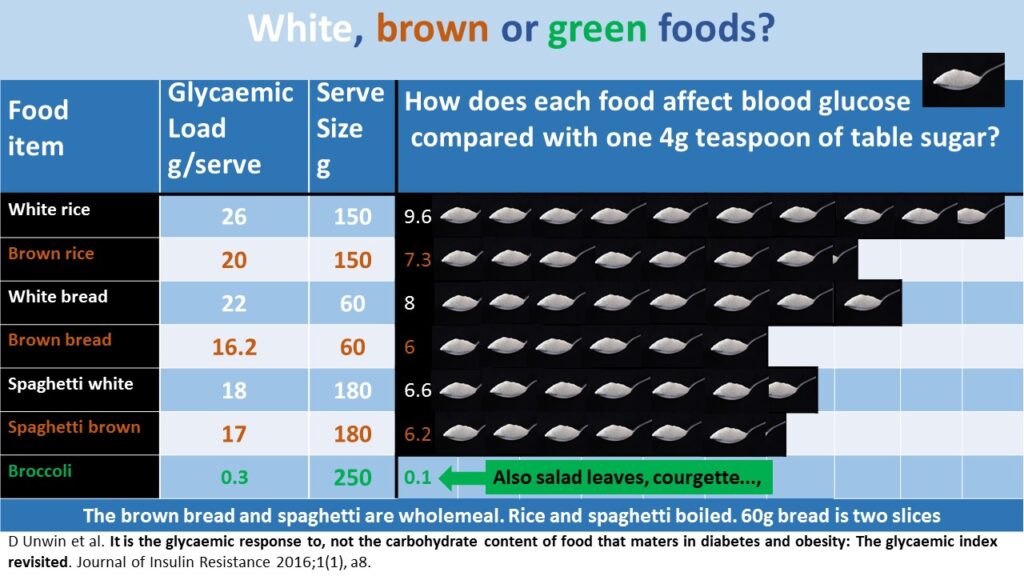
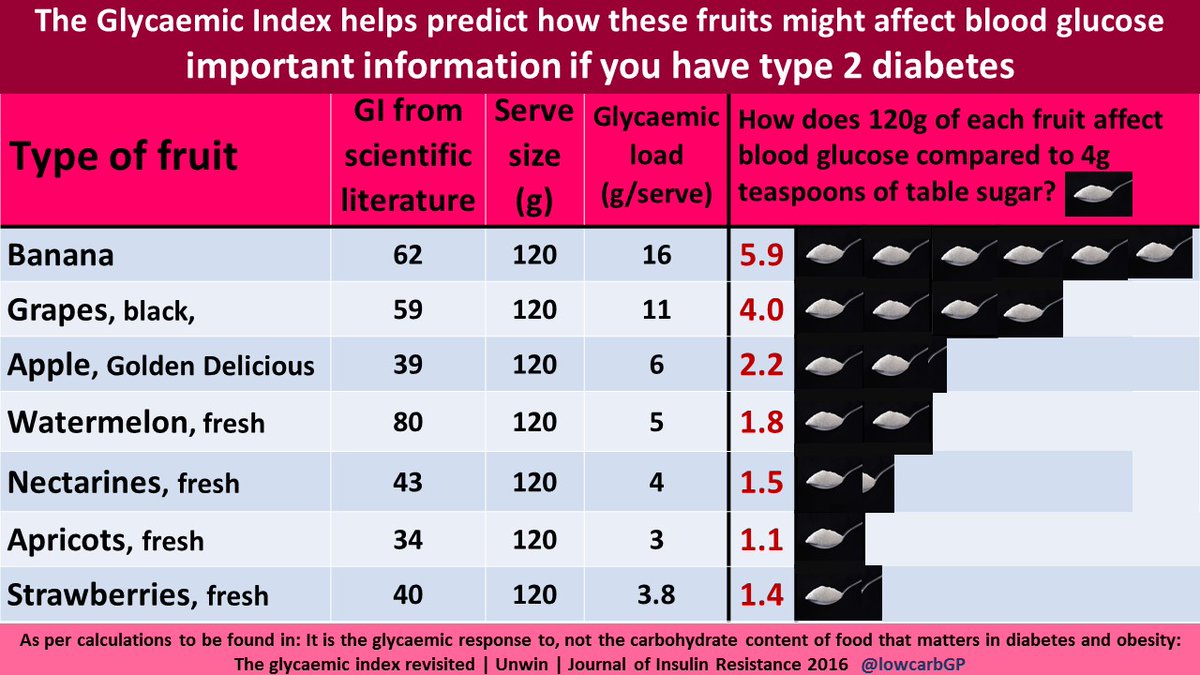
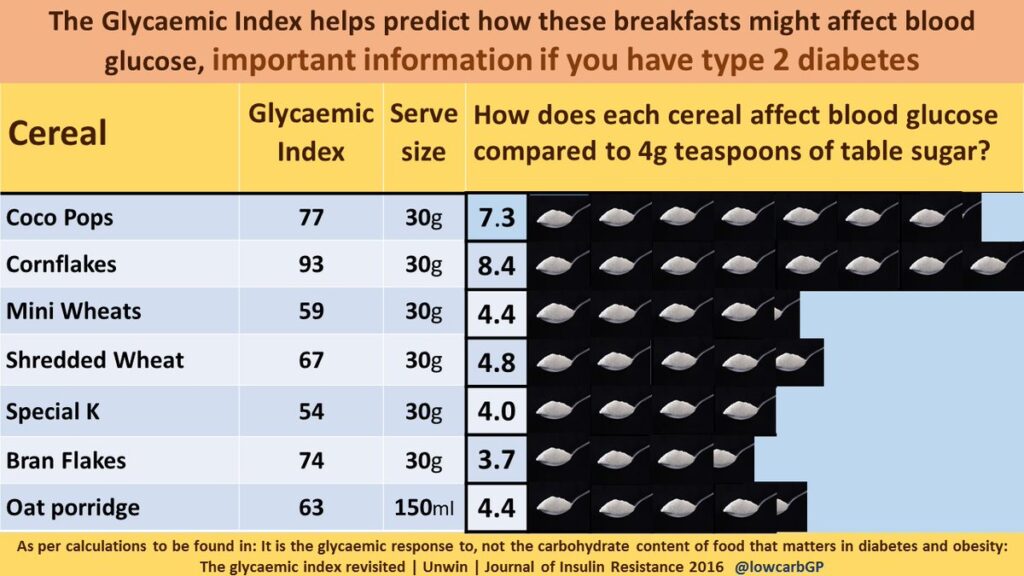
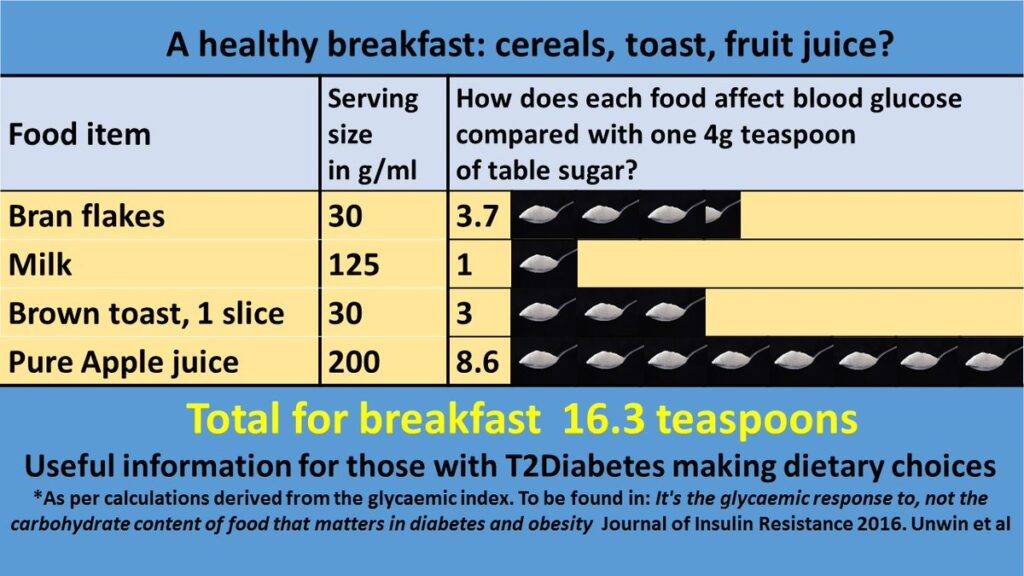
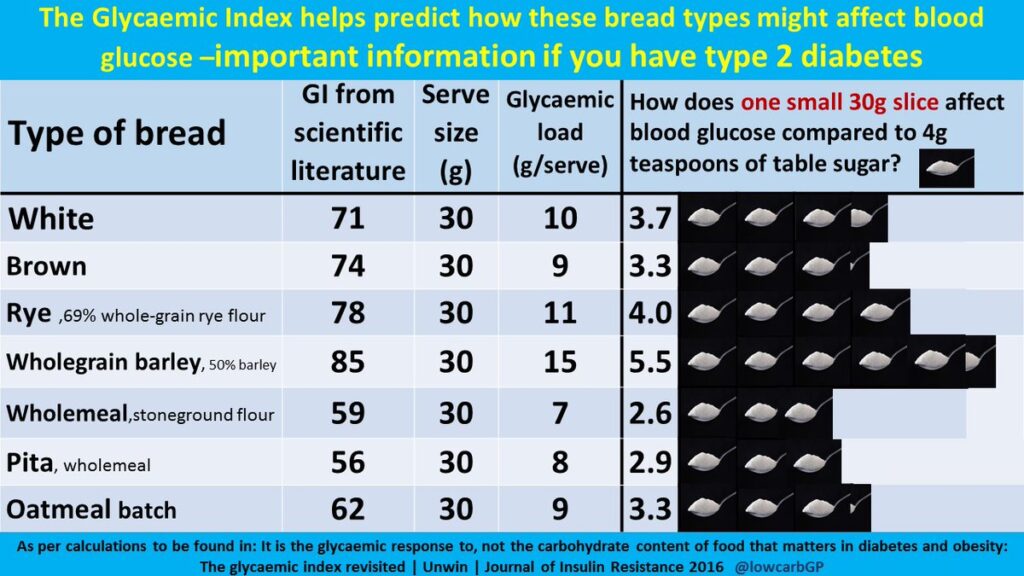
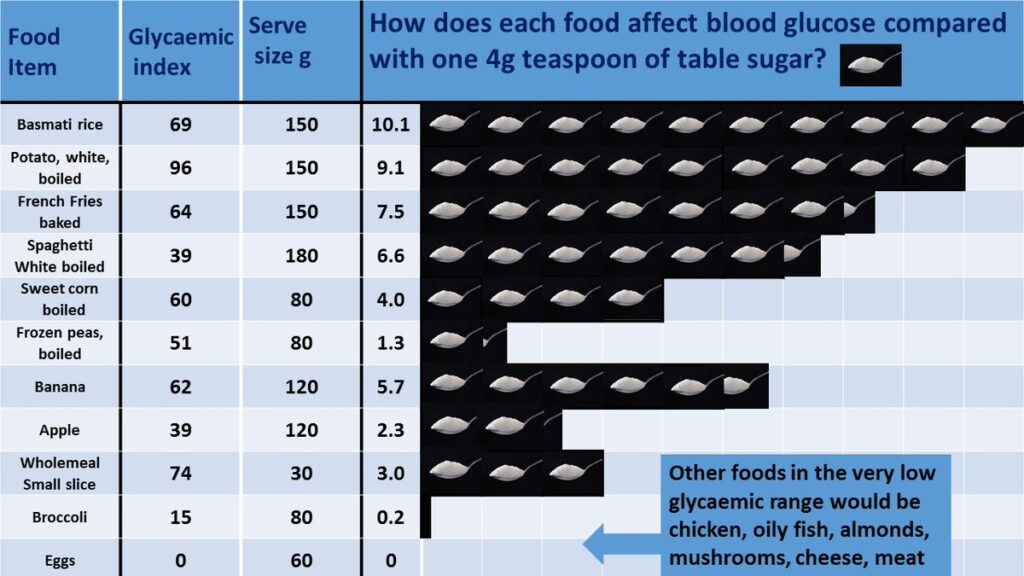
With many thanks to Darwin Unger@lowcarbGP, who allowed free use of his graphs I explain in this blog why overconsumption of natural and added sugar is almost unavoidable.

Fortunately, with a combination of knowledge and motivation it is possible to keep sugar intake low and avoid too abrupt impacts on your blood glucose level. It is not easy, but doable.

Before presenting the graphs I will give a small summary of sugar, its omnipresence and dangers. In an earlier blog you will find more info on sugar https://shakethehealthtree.com/index.php/2025/04/13/11-sugar-the-devil-in-disguise-part-1-some-basic-concepts/

The graphs below of Darwin Unger helped me lot. I made a change to my fruit/veggie smoothie by excluding bananas and apples. Instead, I focus on berries which have half the natural sugars of bananas and apples. The big Dutch super market chains offer 1 kg bags of frozen berries for around 5 euros.

No nutritional value Sugar, often perceived as a quick source of energy, holds no nutritional value in itself. Sugar can provide an immediate boost of energy to the body. Other macronutrients like fats and proteins can serve this purpose as well. They also come, contrary to the empty sugar calories, paired with essential vitamins, minerals, and other beneficial compounds. Neither do sugars contribute to satiety or nutritional completeness, making them less advantageous than other food sources.

There are no universally fixed daily recommended quantities for sugar intake. There are various dietary guidelines regarding sugar intake. Many recommend limiting added sugars to around 10% of total daily calories. This translates roughly to 50-60 grams for women and slightly higher for men. It’s essential to differentiate between added sugars and natural sugars found in whole foods. Added sugars are typically of greater concern for health.

Lifestyle plays a significant role in determining individual sugar intake. Those who are more physically active may require slightly more sugar for energy. Meanwhile, sedentary individuals should aim for less. Notably, these recommendations do not apply to individuals with diabetes, who must carefully monitor their carbohydrate intake.

Easy to over consume Sugar can be surprisingly easy to over consume. It is prevalent in many processed foods, beverages, and snacks. These are the so-called hidden sugars. One might not realize that a single sugary drink can contribute 30 grams of sugar or more. This amount quickly exceeds any daily limit. It happens without even accounting for other meals. This over consumption has become a significant concern. Excessive sugar intake is linked to various health issues. These include obesity, type 2 diabetes, and notably, fatty liver disease. The liver can become overwhelmed by processing large amounts of sugar. Fructose is particularly challenging. This can lead to fat accumulation. Over time, it may cause liver damage.

Sugar is potentially addictive Emerging research has also highlighted the potential addictive properties of sugar. Some studies suggest that sugar can trigger the release of feel-good chemicals like dopamine in the brain. This is akin to the effects observed with various addictive substances. This can lead to cravings and an increased wish for sugary foods. This creates a cycle that mirrors the behaviors linked to substance addiction. While not everyone experiences this phenomenon, evidence suggests that sugar can strongly influence our eating habits. Moderation becomes all the more important for overall health.

Consuming 100 grams of whole grain bread has a high GL. It will likely lead to a noticeable, moderate increase in blood glucose levels. This increase is around 20 to 30 mg/dL or more, depending on individual factors. It peaks in 1 to 2 hours and its impact can last up to 4 hours.

Straight added 4 grams of sugar may lead to a sharper but short spike of about 10 to 20 mg/dL immediately after consumption with return to baseline within 1 to 2 hours.

(1) See the sugar (impact on blood glucose level) difference between white rice and broccoli!

(2) Important lesson: fruit is not sugar free and your body does not distinguish between added or natural sugars (although natural sugars come with many useful ingredients and fiber). Also notice that a banana has 4x more impact on blood glucose than strawberries.

(3) Why certain breakfasts elements in many countries are not healthy.

(4) Below the sugar intake of a regular, very modest breakfast: 65 grams of sugar (some sources give 20 grams for fresh apple juice, not 32 like this example).

(5) Bread contains little sugar, but because of its carbs it can have quite an impact on your blood glucose. This also applies to whole grain bread with its complex carbs. The crucial difference with “sugar only” is the much slower release and therefor different impact on blood glucose.

(6) See the difference between boiled potatoes and eggs.

Dear reader, I still have to found out more about sugar content and impact on blood glucose. Having said this, I hope that the message of this blog is clear.

Take care, pay attention to your sugar/carbs intake and enjoy life,

Robert, your health friend

Pastel de Nata, from Portugal. Too much sugar? Yes, but…..

21. QUALITY OF SUPPLEMENTS: A GROWING CONCERN OF FRAUD/CONTAMINATION/FAKES (health project99+)

Somewhere in Venezuela

Dear reader,

a) Well, finally you know which supplements to take, which was quite a process in itself. It took me a few years. The result of that process is not set in stone so you have to stay alert. Over time, there are always new developments and additional supplements to consider.

b) You also know when to take the supplements, as some only work when taken with food. If this is not done correctly, the impact of the supplements is zero. Additionally, you know that the intake of some supplements must be spread throughout the day. Protein must be distributed during the day to achieve your 4-5 protein moments. It is often a combination of supplements and regular food.

c) Then you are finally prepared to finish your supplements preparations. As a last step, you compare prices. You read consumer reactions and then continue. You put all these often quite expensive supplements in your (electronic) cart. Amazon, Holland & Barrett, Bol, Etos, your local pharmacy—they all have their special offers. You make your choices, mainly motivated by price and marketing talk. At least I do.

But then… you start reading all these worrisome articles. They talk about the lack of quality control during the production process of supplements. You read about contaminated collagen powders, NAD+ supplements that contain no NAD+, and glucosamine/chondroitin products without the expensive chondroitin. To put you further off balance, you also read about the growing number of counterfeit products.

This lack of standardized and obligatory quality control for supplements indeed presents a big problem. The gap is wide between marketing claims and chemical reality. The supplement market is one where price, appearance, and even glowing reviews may be no indicator of quality. There is no obligatory pre-market approval, no monitoring, and no enforcement resources.

A rude awakening I began checking the quality of all the supplements we use at home. I realized the cost was at least a few hundred euros per month. I came to the sad conclusion that at least one-third of the supplements we use are not of guaranteed quality and thus a waste of money.

1.Some Examples of Fraud

Just to illustrate my point, here are some investigative quality tests: 1) Only 5 out of 20 NAD+ supplements contained NAD+ as mentioned on the label, and 50% had none whatsoever. 2) A test of 30 berberine products showed that only 5 had 90% or higher as indicated on the label; many had no berberine at all. 3) Another example (among many tests) was a test of glucosamine-chondroitin. Chondroitin is a key and rather pricey ingredient. Out of 11 brands, 8 fell short of chondroitin, with one even containing no chondroitin at all.

2.The Way Forward—For You, For Me

While we await a well-regulated market for supplements similar to the one that exists for medicines, there is much individuals can do.

If you are interested in Brand X: 1. Look at the bottle to see if it has a GMP test certificate or if NSF International conducted the certification. 2. If not, check online to see whether Brand X follows GMP or NSF in its production process. Some companies do, but do not put this information on their labels. 3. Search the internet for comparative studies. At times, they can be very helpful. Be cautious if they are financed by a specific company. For example, True Niagen conducts several studies. Their products are good, by the way. They always come out on top. 4. If the answers to steps 1-3 are negative, do not buy the product. Avoid purchasing it even if it promises the moon to you. Rosy promises are made all the time, and I have fallen for them many times.

Only go for supplements that are GMP (Good Manufacturing Practice) tested or certified by NSF International. When selecting supplements, look for transparency in manufacturing practices. Check for third-party certifications and product testing. This ensures the integrity and potency of the supplements you choose. I am pretty sure that certain countries might have their own national testing institutes. How well that institute presents itself is important. If it has good references on the internet, you and I might take it into consideration.

3.Why GMP?

Reputable supplement companies prioritize GMP adherence as part of their quality assurance processes. GMP regulations in pharmaceuticals ensure that drugs are produced to the highest quality standards. These regulations minimize risks such as contamination, incorrect labeling, and variations in potency. The consequences of failing to adhere to GMP can be severe, including product recalls, legal action, and harm to consumers.

NSF International is a global organization. It provides testing, inspection, and certification services for a wide range of products. These products include dietary supplements, food, water, and consumer goods. Founded in 1944, NSF’s mission is to protect and improve global human health.

The following companies work according to GMP: Life Extension, Solgar, True Niagen, NOW Foods, Aminolabs, and Kirkland Signature. There are more, of course, but these are the ones I use. Some well-known companies, like NutraScience, do not apply the GMP test standard to all their products, so be aware.

I have decided to avoid heavily promoted private-label products. These are often the cheapest options sold by chains like Kruidvat, Holland & Barrett, and Etos.

4.What About Fake Products?

Especially the more expensive and newer types of supplements, like spermidine, are increasingly being copied without the same ingredients. This is not only a waste of money. It is mainly a missed health opportunity. Studies indicate that many counterfeit products can also be dangerous.

The most logic (and easy) solution is to buy directly from the producer. This may not always be the cheapest option, but it is what it is. Hopefully, at some point, you will find a supplier that is truly reliable, which could then serve as an alternative. 

I hope you find this information useful, for me it was.

Take care and live a long, happy and healthy life,

Robert, your health friend

Mangrove in Aruba

Health Project 99+ (in good shape)

My way, partly the Dutch way :)

Skip to content ↓