Many eat yoghurt. Why? First of all, it’s a cultural thing. Most of us have grown up with it. No breakfast is complete if yoghurt is not served. I’ve never been in a hotel without yoghurt. Secondly, yoghurt is an easy, quick-to-prepare dish that is quite healthy, as long as you eat it in moderation. Always plain, with some fresh fruit and/or homemade granola.
By the way, I have to correct myself when I write “quite healthy,” because most yoghurts sold worldwide are sweetened, easily giving you 15–20 g of sugar per 100 g. In some countries it’s almost impossible to buy unsweetened yoghurt, as I noticed on my travels.
Plain yoghurt offers a lot of good things. In these days of the protein craze, yoghurt is often promoted as a primary source of protein. There are better alternatives (see below), but it is a reasonably ok protein source. It also offers vitamins, minerals (calcium), and in some cases probiotics.
However, it is also a source of saturated fat, carbohydrates, sugar, and calories. They easily add up, as portions are generally at least 100 g. We all know that yoghurt contains lactose; not everyone knows that lactose is one of the hundreds of natural sugars. So even unsweetened yoghurt will bring you some grams of sugar (approximately 4 g).
Comparing
The Dutch are dairy specialists, and I took it upon myself to taste and compare: regular yoghurt (full-fat and fat-free), Greek-style yoghurt (full-fat and low-fat), regular Icelandic Skyr, quark (full-fat), and French quark (fat-free/low-fat). A tough job, but someone had to do it.
For taste, the full-fat versions were the best, with Skyr, to me, the most tasty. By far the least tasty is plain fat-free regular yoghurt. Surprisingly, the taste of fat-free quark—the so‑called French quark—is very agreeable, which is a good thing, as French quark scores in all categories among the best. Only in the area of probiotics does it score low.
More below, but my takeaway from this blog is: if you fancy yoghurt, eat plain French quark instead, especially offering more of the good stuff.
The facts
For protein, the best are both the French quark (fat-free) and Skyr, at 10–12 g per 100 g. The others are much lower; plain yoghurt is only around 4 g.
Fat is about the same for the full-fat versions. The least is in full-fat yoghurt, the most in full-fat quark (about 3.5 g vs 7 g, most of it saturated fat). The fat-free versions are, as the name indicates, essentially fat-free.
Carbohydrates and sugars are largely the same: about 4–5 g of carbs and 4–5 g of sugar, with Skyr a bit higher and yoghurt a bit lower.
Energy varies a lot, between about 40 and 120 kcal. Full-fat Greek yoghurt tends to be highest; French quark is in the middle.
I give the recommendation to turn to French quark with conviction. It costs a bit more than plain yoghurt, but not that much more.
Sports people buy expensive bottles filled with electrolytes. Electrolytes themselves are necessary, to buy expensive bottles not at all.
What are these electrolytes, a fancy word for minerals such as salt? Do you need them (yes), can you make drinks with them yourself (yes), are there reliable tests to check if you have a shortage of electrolytes (yes). Is a regular diet sufficient (not always).
Salt (sodium) as the best-known electrolyte has a mixed reputation. Many people easily have a too high salt intake (processed food for example is loaded with salt) with often serious health consequences. However, if you are a vegetarian who prepares his/her own food, does a lot of sports, lives in a warm climate and sweat a lot, you will almost for sure get an electrolyte’s deficit. Which has serious consequences as I experienced myself on several occasions.
What are electrolytes?
Electrolytes are charged minerals dissolved in body fluids that carry an electric charge. They help with (1) Fluid balance between compartments (inside and outside cells); (2) Nerve impulses and muscle contractions (including the heart), (3) Acid-base (pH) balance (it is essential that your blood and bodily fluids stay within a narrow pH range (7.35-7.45) and (4) overall metabolism.
The key electrolytes are sodium (Na+), potassium (K+), chloride (Cl−), calcium (Ca2+), magnesium (Mg2+), bicarbonate (HCO3−), and phosphate (PO4^3−).
When do you need to top up your electrolyte’s intake?
Most people get the electrolytes they need from a balanced diet. You may need more if you are a vegetarian, sweat a lot, are ill with vomiting/diarrhea, have certain medical conditions or live in hot climates.
Especially vegetarians have to make sure that they get enough salt (sodium) and other electrolytes. The same applies to people like me who lived in hot climates and do a lot of sport. But even if you live in cold and rainy The Netherlands but bike and walk regularly, you easily might have high electrolyte losses. Working outdoor is another situation that can cause problems.
Young children and older adults are more vulnerable to dehydrations and electrolyte imbalance in hot weather.
What are the signs that you might have an electrolytes deficit?
Signs you might need electrolyte support (unless you have a medical condition): persistent dizziness, cramping, unusually dark urine, fatigue with dehydration, or if you’re unable to replace fluids after sweating or illness. Drinking water then is not enough! It needs to be fluid with electrolytes.
When to seek professional advice
If you have kidney disease, heart failure, high blood pressure, or are on a doctor-prescribed electrolyte or fluid restriction.
If dehydration is severe (very low urine output, dizziness on standing, confusion, or if you cannot keep fluids down), seek urgent medical care.
In children, the elderly, or people with chronic illnesses, use caution and consult a clinician before using homemade electrolyte drinks, especially during illness.
To buy or make yourself?
Of course you could and should make your own electrolytes solution. Most recipes suggest 25 grams of sugar as for better taste and better absorption. This is almost half of the “allowed” daily added sugar intake, so I would not do it. Only in cases of serious dehydration (diarrhea and/or vomiting) I would add sugar. The ORS packages for emergency hydration standard contain glucose.
My solution consists of adding low sodium salt (30%) that also contains potassium salt (69%). The brand is called JOZO. I add a few grams each to my fresh lemon drink, the smoothie and the evening soup. With these combinations I do not taste the salt at all.
After intense sports, sauna or during warm weather I add a bit more. For the rest I do not add any salt to my food and at home we rarely eat processed food.
Some standard recipes per 1 liter of water (without sugar) on internet: (1) 1/2 teaspoon table salt (about 2.5 g NaCl) and 1/4 teaspoon potassium chloride (about 1 g); (2) 1/2 teaspoon table salt (about 2.5 g NaCl), 1/4 teaspoon potassium chloride (about 1 g) and 1/4 teaspoon baking soda (about 1.2 g, provides bicarbonate).
As I use JOZO (btw, no advertisement) NaCl and KCl are already combined.
Testing
Who should get tested? From what I read on internet testing is to be considered under the following three circumstances.
Athletes or individuals in extreme heat or endurance activities may have testing in clinical or sports-medicine settings, especially if there are symptoms or a planned intensive training/competing regimen.
Symptomatic concerns: confusion, dizziness, weakness, cramps, seizures, irregular heartbeat, swelling, or persistent symptoms of dehydration.
People with conditions or on medications that affect electrolyte balance (kidney disease, heart failure, uncontrolled high blood pressure with diuretic use, endocrine disorders, certain cancer therapies).
Personally, I plan to do a test once, and, assuming it is normal, I will not do a follow-up test.
There are several tests that can measure your electrolyte levels, either in blood or urine, and in some cases to assess related acid–base balance or kidney handling of electrolytes.
Common reference ranges (approximate; can vary by lab)
Sodium (Na): 135–145 mEq/L
Potassium (K): 3.5–5.0 mEq/L
Chloride (Cl): 98–106 mEq/L
Bicarbonate (HCO3−): 22–28 mEq/L
Calcium (total Ca): ~8.5–10.5 mg/dL (ionized Ca is a separate test)
Magnesium (Mg): ~1.7–2.2 mg/dL
Phosphate (PO4): ~2.5–4.5 mg/dL
Conclusion
It is a bit surprising that those who live healthy, stay away from processed foods and move a lot are advised to have a good look at their electrolytes’ intake and often are recommended to take more salt (and potassium and other electrolytes, in particular when you feel dizzy when you stand up.
I know it is your own money, but paying good money for expensive electrolyte bottles for me ranks very high on the list of silly things.
Take care, live a happy and healthy life and think of this blog when you feel dizzy.
Do not remember if these Congolese drinks were healthy 🙂
Dear reader,
When preparing this blog, I wonder why I ever drank Coke daily. I mean, a drink that can derust iron cannot be good for your stomach, can it? Just to name one reason not to drink these types of sodas.
I used to love drinking both Coke and later Diet Coke—for decades. Let’s be honest: a cold Coke tastes great. The fizz and the bubbles are refreshing. The taste and ice cubes add to the experience. All of this is accompanied by appealing advertisements. Sweet memories! Still, avoid (Diet) Coke, 7-Up, Fanta, Red Bull, and any other soda. You should stay away from them as far as possible.
The original, non-diet versions contain a lot of sugar, up to 40 grams per regular can. These soda calories are empty calories, not accompanied by fiber or other beneficial nutrients. Recent studies indicate that over consumption of empty calories is almost unavoidable with all its potential health problems. The sudden glucose spike is a problem in itself. Your body’s health systems can become overwhelmed by the rapid influx of glucose.
The diet versions of sodas do not have calories. However, studies indicate that many sweeteners affect your metabolism similarly to sugar. They can influence dopamine levels.
Both diet and non-diet sodas are considered UPF (Ultra-Processed Foods). The long-term impact of UPF on your body over decades seems to be negative. An increasing number of studies attribute a lowered biological age to UPF consumption. They also identify a contribution to over 30 serious diseases.
There is no scientific proof that sweeteners cause cancer, but neither can the possibility be excluded. For me, it’s a bit like the issue with Nanoplastics entering our cells. There’s no scientific proof of their potential health damage yet, but it doesn’t seem acceptable to me. I have similar concerns about the long-term effects of all these artificial sweeteners.
While (Diet) Coke addiction is not scientifically proven, there are strong indications that it is at least partly addictive. On the internet (admittedly not always the best source), I have read horrific stories. People try to rid themselves of their Coke addiction. However, they often fail. My impression is that Diet Coke seems to pose more addiction problems than regular Coke. Science does not back this conclusion—it’s just my impression.
Are there alternatives to Cola and other sodas? Of course, and some of those other drinks are quite exciting!
1.What are sodas like Coke doing to your body?
Your body needs energy (in the form of glucose/ATP). The source of this energy is crucial because you need meaningful calories, not empty calories from sodas. Technically/organically, added sugar is not different from naturally occurring sugars. In other words, sugar in fruit is not healthier than sugar in other products. Your body does not distinguish between naturally occurring sugars and added sugars. Two lumps of sugar give you the same amount of sugar as one banana.
However, there is a world of differencebetween a lump of sugar and a banana. The lump of sugar gives you a fast but short spike in your energy level. In contrast, the sugar in the banana comes with vitamins, minerals, and other important compounds. Not to forget the starch, which can be up to 80% of the weight of unripe bananas. This starch is primarily resistant starch. It improves gut health by acting as a prebiotic. It also helps with blood sugar management. Furthermore, it increases satiety.
These empty soda calories increase the likelihood of several diseases, including Alzheimer’s and cancer. A lot of research is ongoing; not all is proven, but there is also a correlation between too much sugar (i.e., easy carbs) and refined starch with certain types of cancer.
Rapid glucose delivery was for a long time an unknown problem. When sugar is dissolved in liquid, it floods the system quickly. According to the latest science, this rapid delivery overwhelms the body’s ability to process it in a healthy way. When the liver is hit with a sudden, high dose of fructose, it can’t keep up. When this happens, it diverts more of the excess fructose into fat production. This buildup of fat in the liver can interfere with insulin signaling. It can also contribute to metabolic dysfunction. These issues lead to an increased risk of type 2 diabetes.
There are no universally fixed daily recommended quantities for sugar intake, but there are various dietary guidelines regarding sugar intake. Many recommend limiting added sugars to around 10% of total daily calories. This translates roughly to 50-60 grams for women. The amount is slightly higher for men for added sugars. There are an additional 30 grams for natural sugars.
As mentioned, it is essential to differentiate between added sugars and natural sugars found in whole foods. Added sugars are typically of much greater concern for health. A person might not realize this fact. A single sugary drink from a can will contribute up to 40 grams of sugar or more. You quickly exceeds any daily limit, just by drinking a few cans of a regular, non-diet soda.
2.Many switch to Diet versions.
Studies are ongoing comparing types of artificial sweeteners vs sugar. Diet sodas do not contain calories. However, some recent studies have indicated that certain artificial sweeteners might elicit metabolic responses similar to those of sugar. This raises questions about their long-term health impacts.
It might also explain the addictive nature not only of regular sodas, but also of the diet sodas.
It’s worth noting that not all studies agree on the effects of artificial sweeteners. The effects can vary widely depending on the type of sweetener, the individual’s metabolism, and overall dietary context. Thus, while some research suggests potential metabolic similarities between sugar and certain sweeteners, the topic is still nuanced and requires careful interpretation and, as always, further study.
3.Sodas are ultra-processed food (UPF)
Dear reader, just to remind you that in general, ultra-processed foods lead to an acceleration in biological age. This means that your body ages quicker than your nominal years. It also results in a 10% increase in mortality risk. An important study in February 2024 reported a link between ultra-processed food consumption and 32 negative health issues. These issues include colorectal and pancreatic cancer. Additionally, they include sleeping issues, high blood pressure, and Crohn’s disease.
The composition of regular coke includes high fructose corn syrup or sucrose (sugar). It also contains carbonated water, caramel color, phosphoric acid, natural flavors, and caffeine. In contrast, diet coke consists of carbonated water and artificial sweeteners (like aspartame or acesulfame potassium). It has caramel color, phosphoric acid, natural flavors, and caffeine.
Both regular and diet sodas are UPF with all its already known and still unknown negative health consequences.
4.Drinking Coke or other caffeinated sodas seems like an addiction for many people.
Sugar is potentially addictive. Some studies suggest that sugar can trigger the release of feel-good chemicals like dopamine in the brain. This is akin to the effects observed with various addictive substances. This can lead to cravings and an increased wish for sugary foods. This creates a cycle that mirrors the behaviors linked to substance addiction. While not everyone experiences this phenomenon, evidence suggests that sugar can strongly influence our eating habits.
Addiction or not, when someone (and there are many) drinks 1.5 liters of 7Up or six cans of Diet Coke daily, it certainly resembles addiction. They find it very difficult to stop. The discussions in Coke self-help groups closely resemble those among people struggling with addiction.
Studies have not conclusively determined that Diet Coke or soda is more addictive than regular soda. It often depends on personal factors. These factors include an individual’s body response to caffeine, preferences for sugar versus artificial sweeteners, and habits.
5.Tasty and Healthy Alternatives to Sodas
Many people enjoy the bubbles in carbonated drinks. Fortunately, there are numerous products on the market that can make your regular water as fizzy as a Coke. It may sound silly, but it works!
You can also make water tasty by flavoring it with fruit or herbs. Always keep a stainless steel (no plastic!) water bottle filled and ready to go. Take them with you when you’re out on a trip.
In my experience, it is important to have these drinks ready, preferably stocked in stainless steel bottles. So, when you feel like having something to drink, grab one of these bottles. You honestly don’t need a can of soda; the alternatives can be exciting and definitely healthier.
Many people consider fruit juice from packages to be a healthy alternative to such drinks. It may contain fewer potentially harmful additives. However, it still contains a significant amount of sugar. It’s better to stay away from this liter pack with apple or orange juice.
To finish on this serious note: A recent meta-study found alarming results. For each 12-ounce daily serving of a sugar-sweetened drink, the risk of diabetes increased by 25%. This is relative to their existing level of risk.
Thanks for reading. This is quite serious stuff. However, it is something within reach to change. You can spend a life without sodas like Coke.
Sugar is one of the modern plagues that test modern humanity. We all know this, but still underestimate how easy it is to over consume sugar. Sugar, easy carbs, starch, all part of the same problem, too much sugar, too much glucose, too much impact on your blood glucose level and in the long run a negative impact on your health.
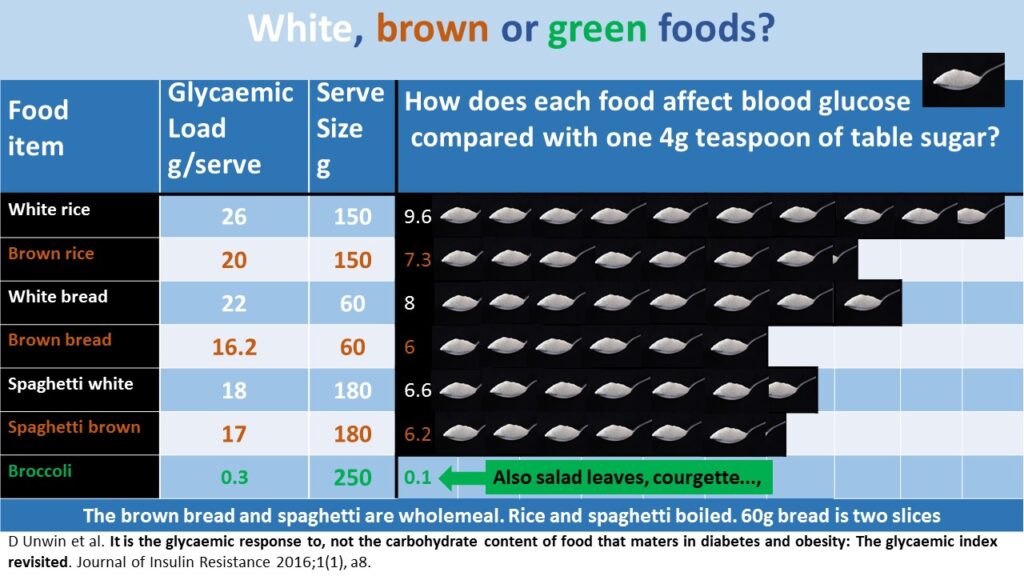
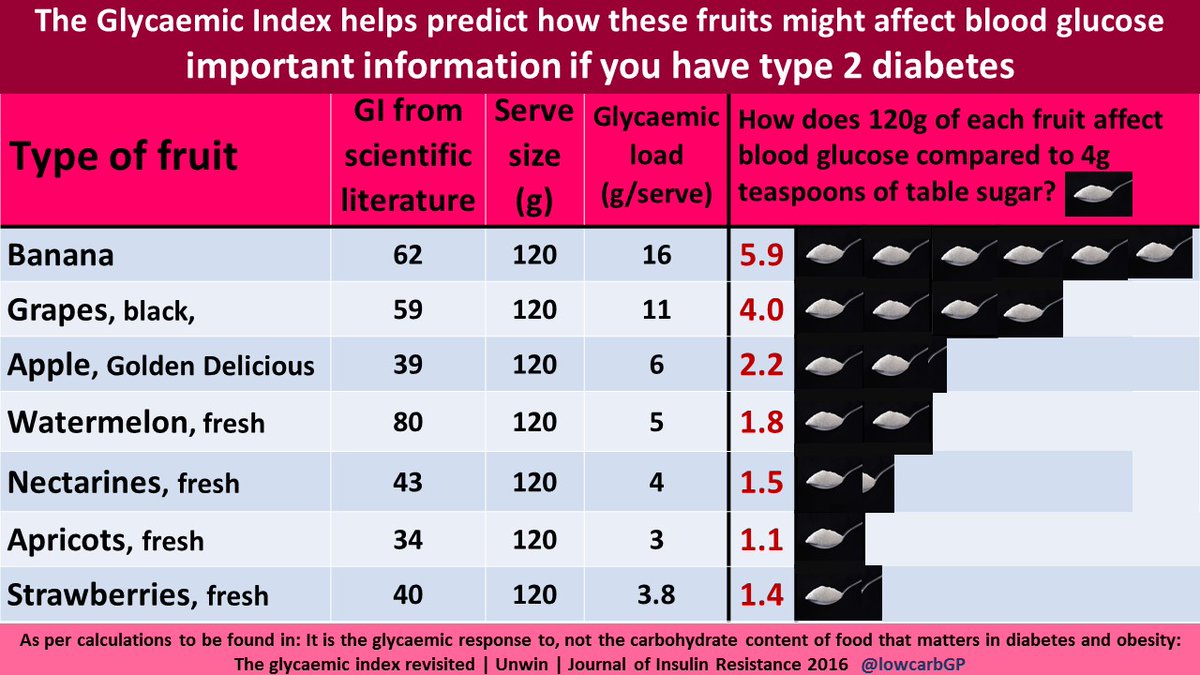
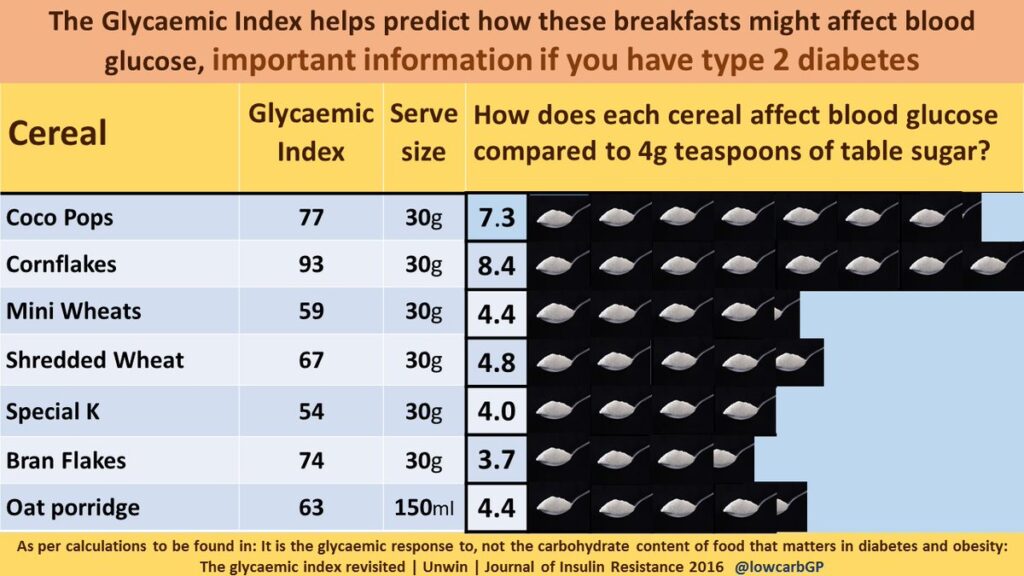
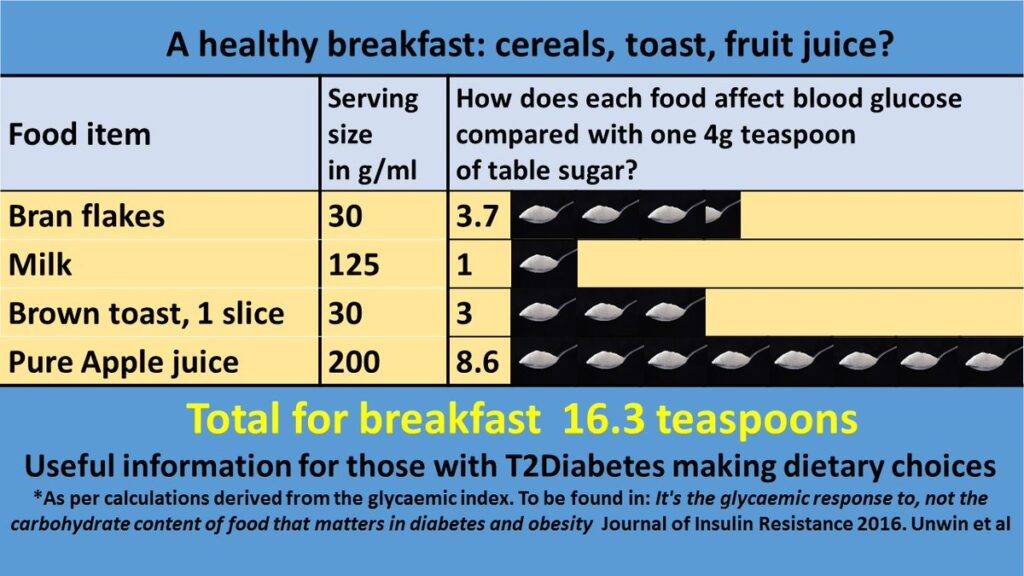
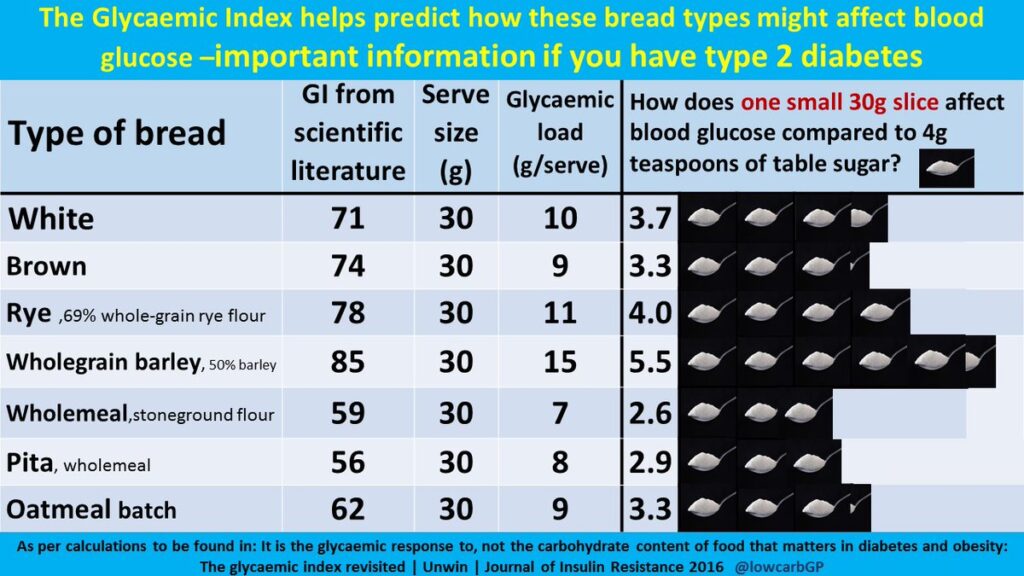
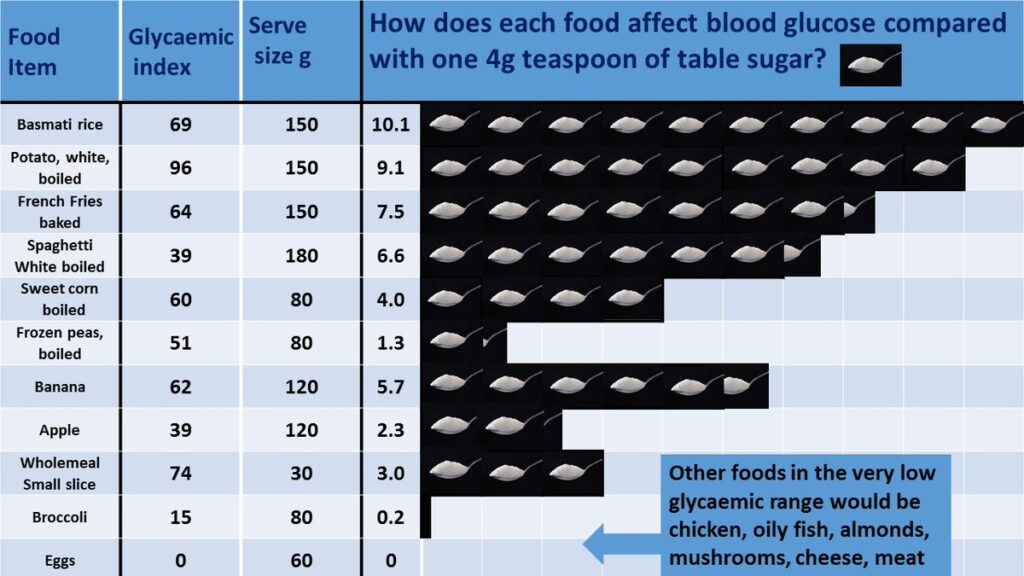
With many thanks to Darwin Unger@lowcarbGP, who allowed free use of his graphs I explain in this blog why overconsumption of natural and added sugar is almost unavoidable.
Fortunately, with a combination of knowledge and motivation it is possible to keep sugar intake low and avoid too abrupt impacts on your blood glucose level. It is not easy, but doable.
The graphs below of Darwin Unger helped me lot. I made a change to my fruit/veggie smoothie by excluding bananas and apples. Instead, I focus on berries which have half the natural sugars of bananas and apples. The big Dutch super market chains offer 1 kg bags of frozen berries for around 5 euros.
No nutritional value Sugar, often perceived as a quick source of energy, holds no nutritional value in itself. Sugar can provide an immediate boost of energy to the body. Other macronutrients like fats and proteins can serve this purpose as well. They also come, contrary to the empty sugar calories, paired with essential vitamins, minerals, and other beneficial compounds. Neither do sugars contribute to satiety or nutritional completeness, making them less advantageous than other food sources.
There are no universally fixed daily recommended quantities for sugar intake. There are various dietary guidelines regarding sugar intake. Many recommend limiting added sugars to around 10% of total daily calories. This translates roughly to 50-60 grams for women and slightly higher for men. It’s essential to differentiate between added sugars and natural sugars found in whole foods. Added sugars are typically of greater concern for health.
Lifestyle plays a significant role in determining individual sugar intake. Those who are more physically active may require slightly more sugar for energy. Meanwhile, sedentary individuals should aim for less. Notably, these recommendations do not apply to individuals with diabetes, who must carefully monitor their carbohydrate intake.
Easy to over consume Sugar can be surprisingly easy to over consume. It is prevalent in many processed foods, beverages, and snacks. These are the so-called hidden sugars. One might not realize that a single sugary drink can contribute 30 grams of sugar or more. This amount quickly exceeds any daily limit. It happens without even accounting for other meals. This over consumption has become a significant concern. Excessive sugar intake is linked to various health issues. These include obesity, type 2 diabetes, and notably, fatty liver disease. The liver can become overwhelmed by processing large amounts of sugar. Fructose is particularly challenging. This can lead to fat accumulation. Over time, it may cause liver damage.
Sugar is potentially addictive Emerging research has also highlighted the potential addictive properties of sugar. Some studies suggest that sugar can trigger the release of feel-good chemicals like dopamine in the brain. This is akin to the effects observed with various addictive substances. This can lead to cravings and an increased wish for sugary foods. This creates a cycle that mirrors the behaviors linked to substance addiction. While not everyone experiences this phenomenon, evidence suggests that sugar can strongly influence our eating habits. Moderation becomes all the more important for overall health.
Consuming 100 grams of whole grain bread has a high GL. It will likely lead to a noticeable, moderate increase in blood glucose levels. This increase is around 20 to 30 mg/dL or more, depending on individual factors. It peaks in 1 to 2 hours and its impact can last up to 4 hours.
Straight added 4 grams of sugar may lead to a sharper but short spike of about 10 to 20 mg/dL immediately after consumption with return to baseline within 1 to 2 hours.
(1) See the sugar (impact on blood glucose level) difference between white rice and broccoli!
(2) Important lesson: fruit is not sugar free and your body does not distinguish between added or natural sugars (although natural sugars come with many useful ingredients and fiber). Also notice that a banana has 4x more impact on blood glucose than strawberries.
(3) Why certain breakfasts elements in many countries are not healthy.
(4) Below the sugar intake of a regular, very modest breakfast: 65 grams of sugar (some sources give 20 grams for fresh apple juice, not 32 like this example).
(5) Bread contains little sugar, but because of its carbs it can have quite an impact on your blood glucose. This also applies to whole grain bread with its complex carbs. The crucial difference with “sugar only” is the much slower release and therefor different impact on blood glucose.
(6) See the difference between boiled potatoes and eggs.
Dear reader, I still have to found out more about sugar content and impact on blood glucose. Having said this, I hope that the message of this blog is clear.
Take care, pay attention to your sugar/carbs intake and enjoy life,
Robert, your health friend
Pastel de Nata, from Portugal. Too much sugar? Yes, but…..
Have you ever heard of telomeres? Although they are the key to cellular aging, most people haven’t heard of them. Until recently, neither had I. But I wanted to better understand this topic. Why? Telomeres are crucial for DNA replication. This process is the most fundamental in the cell cycle of all living organisms. Every day, approximately 50 to 100 billion cells (that’s 1 with 9 zeros!) are divided in an human body, making this an essential topic for each one of us. Telomeres, particularly their lengths, “decide” how many times your cells can divide. By improving the functioning of telomeres, we will live longer, healthier lives. (something else, subscribing to this blog is completely and totally free).
1. DNA replication is the process by which a cell makes an identical copy of its DNA before cell division. This is crucial for ensuring that each daughter cell receives an exact copy of the genetic material. During DNA replication, the double-stranded DNA unwinds and separates into two strands. Each strand acts as a template for synthesizing a new complementary strand, resulting in two identical DNA molecules.
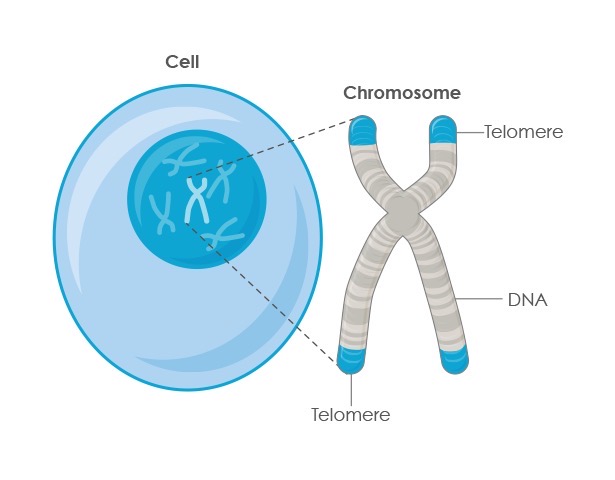
2. Telomeres are located at the ends of chromosomes. They serve as protective caps that prevent the degradation of chromosomes during cell division. Each time a cell divides, a small portion of the telomere is lost. This is why they are often compared to the plastic tips on shoelaces that prevent fraying.
3. Telomeres shorten as cells age. This shortening is associated with cellular aging. It can eventually lead to cell senescence (the state where cells no longer divide). It may also result in apoptosis (programmed cell death). When telomeres become critically short, cells can no longer divide properly, which is linked to various age-related diseases, including cancer.
4. Issues with the stability of chromosome ends (as seen in telomeres) can lead to genetic disorders, such as Huntington’s disease.
In many organisms, including humans, telomere length largely influences the limited number of divisions that a somatic cell can undergo. (Note: Somatic cells are any cells in the body of a multicellular organism that are not germ cells, i.e., sperm or egg cells. Somatic cells make up the vast majority of an organism’s tissues and organs.)
5. The question arises: what can we do about telomere shortening? How to prevent this. A lot of research is underway. There are warnings that manipulating telomere length could have unintended consequences. These consequences may include an increased risk of cancer.
6.The length of telomeres remains a fascinating topic. There is immense potential in preserving or lengthening telomeres. This could have implications for extending both health span and lifespan. So what can we do?
Step A: Improve Lifestyle Factors
You can take risk-free steps to slow down telomere shortening or even achieve telomere lengthening by focusing on lifestyle improvements. Many studies suggest that better lifestyle choices can lengthen telomeres by approximately 10%. Here are several factors to consider:
Regular physical activity, particularly aerobic exercise, can increase telomerase activity and slow down telomere shortening.
A diet rich in fruits, vegetables, and antioxidants can help reduce oxidative stress, which can damage telomeres.
Chronic stress can shorten telomeres. Practices such as meditation, yoga, and deep breathing can mitigate stress.
Getting sufficient sleep (around 7 hours) is crucial for cellular repair and maintenance, including telomere length.
Processed Foods and Excess Sugar can contribute to oxidative stress and inflammation, potentially accelerating telomere shortening.
Smoking is a significant contributor to telomere shortening.
Obesity is associated with shorter telomeres.
Step B: Consider Supplements
Some studies suggest that certain supplements, like omega-3 fatty acids and vitamins C and E, may help maintain telomere length. They could be beneficial in this regard. While they may not directly lengthen telomeres, they might help prevent further shortening. However, the evidence is still inconclusive, and more studies are needed.
Additionally, adequate levels of vitamin D may be linked to longer telomeres. Vitamin D interacts with various cellular processes. These include those involved in cell growth and immune function. It may also help mitigate telomere shortening. However, the precise mechanisms and duration of this effect can vary based on individual health, lifestyle, and genetic factors.
Step C: Await Results from Promising Studies
Currently, the most promising research is focused on new procedures to lengthen telomeres. Advances in AI are expected to accelerate this research. An intriguing study conducted at Stanford University in 2023 developed a new method for lengthening telomeres in chromosomes. This advancement effectively increased the number of times cells can divide safely. It potentially reverses aspects of the aging process at the cellular level.
Many approaches focus on telomerase. This enzyme can extend telomeres by adding nucleotide sequences to chromosome ends. The objective is to activate telomerase in somatic cells, which typically have low or absent telomerase activity.
Other options may involve using gene therapy techniques. These techniques can introduce or enhance the expression of the telomerase gene (TERT) in cells. Researchers are also exploring small molecules or compounds that can stimulate telomerase activity or promote telomere maintenance.
7. Potential Risks
While extending the lifespan of cells can have benefits, there are also associated risks. Inappropriate reactivation of telomerase could lead to uncontrolled cell division. This reactivation can result in cancer as many tumors exhibit elevated levels of telomerase.
But let us end on a positive note. Let us hope that all the efforts to first stop telomeres shorten themselves and secondly to grow again will work.
“Too much sugar is not good for you, but you need some for your energy.” “Sugar is those white blocks you put into your coffee or tea.” “Brown sugar is better than white sugar, but honey is the best.” This is how generations of people viewed sugar, including my parents.
I must admit that I have a sweet tooth. For decades, too much sugar resulted in unnecessary extra kilos for me. My many visits to the dentist testified to the sweets I consumed. I did a lot of sports, which kept things under control and, in general, I followed a healthy diet.
Unfortunately, sugar can be responsible for much more than excess weight or cavities. Before studying health issues, I was unaware of the havoc sugar can wreak on your body, from impacting your brain health to causing fatty liver, similar to the effects of excessive alcohol consumption
While 100% scientific proof is lacking, there are clear indications that sugar is addictive, not unlike hard drugs. To sugar, one should also add nutritionally poor white starch, such as white bread, white rice, etc.
For people with diabetes, spikes in glucose levels are plainly harmful. There is growing evidence of a greater impact from simple carbs. Sugars and refined starches do more than add calories or complicate life for people with diabetes. Added sugars and refined starch can cause health problems that sugars from fruit or complex carbs do not.
Sugar = Carbohydrate
The first thing I learned is that sugar is not a separate food group but a carbohydrate. Realizing that sugar is a carb helped me understand the concept of sugar much better. There are three main groups of carbs (sugar, starch, fiber), with sugars being so-called simple carbohydrates. Their organic formula is a multiple of carbon (C), hydrogen (H), and oxygen (O).
Glucose is a very common sugar. It is a hexose with six carbons (C), twelve hydrogens (H), and six oxygen (O) atoms (C6H12O6). Other common sugars are fructose and galactose (both of which have the same formula), sucrose, and lactose (both C12H22O11).
Sugar is Everywhere
Sugar is ubiquitous in nature. It is present in hundreds of different forms. Examples include lactose in milk or natural sugar in fruits and vegetables. It is the generalized name for sweet, short-chain, soluble carbohydrates, many of which are used in food. They are composed of carbon, hydrogen, and oxygen. Various types of sugar are derived from different sources.
It is also added generously to bread, cereals, pizza, and basically most processed foods. Just read the labels—it will make you depressed to see how high your added sugar intake can be. You also need a scientific degree to uncover the different names for sugar. Generally speaking, chemical names ending in “-ose” indicate sugars. “Syrup” indicates a sugary solution. Malting processes starchy grains like wheat and barley. This method converts them into sugar. As a result, “malt extract” will be mostly sugar.
An Added Sugar Calorie = An Empty Calorie
Your body needs energy (in the form of glucose/ATP). The source of this energy is crucial because you need meaningful calories, not empty calories. Two lumps of sugar give you the same amount of sugar as one banana. However, there is a world of difference. The lump of sugar gives you a fast but short spike in your energy level. In contrast, the sugar in the banana comes with vitamins, minerals, and other important compounds. Not to forget the starch, which can be up to 80% of the weight of unripe bananas. This starch is primarily resistant starch. It improves gut health by acting as a prebiotic. It also helps with blood sugar management. Furthermore, it increases satiety.
Those who think that all calories are the same are wrong. Technically/organically, added sugar is not different from naturally occurring sugars. In other words, sugar in fruit is not healthier than sugar in other products. Your body does not distinguish between naturally occurring sugars and added sugars. However, research has shown that with the empty calories of added sugar, you miss out on all the good stuff. These empty calories increase the likelihood of several diseases, including Alzheimer’s and cancer. A lot of research is ongoing; not all is proven, but there is also a correlation between too much sugar (i.e., easy carbs) and refined starch with certain types of cancer.
Complex Carbs are Better, but Even Here: Moderation is Key
Complex carbohydrates are generally considered healthier than simple sugars. They break down more slowly in the body, providing sustained energy. They are typically accompanied by fiber, vitamins, and minerals. However, consuming them in excessive amounts can lead to similar health issues as consuming sugars and refined starch. However, there are differences in how the body processes complex carbs compared to simple sugars.
What About the Technique of Converting Carbs into Energy?
Foods that contain carbohydrates (sugars, starch) are broken down into glucose in your stomach and intestines. This glucose is then absorbed into your bloodstream and transported to your muscles and organs. It acts as fuel for your body.
Your body uses insulin to help move glucose into your cells, where it is converted into energy. This process is essential for you to think and move. From your brain to your digestive system, all your organs require glucose to function properly.
Sugar = Same Impact on Your Liver as Alcohol (When it is Fructose)
Virtually every cell in the body can use glucose for energy. In contrast, only liver cells break down fructose (=a.o. sugar in fruits and soda). What happens to fructose inside liver cells is complicated. One of the end products is triglycerides, a form of fat. People who consume too much fructose may eventually develop non-alcoholic fatty liver disease. This condition is characterized by excessive fat stored in liver cells. I wrote a blog on triglycerides. https://shakethehealthtree.com/index.php/2025/05/27/10-triglycerides-the-most-common-fat-in-your-body-health-project99/
Experts still have a long way to go. They need to connect the dots between fructose and non-alcoholic fatty liver disease. They also need to make connections with obesity, diabetes, heart disease, and cancer. Higher intakes of fructose are linked to these conditions, but clinical trials have yet to show that it causes them.
Every cell in the body can use glucose. However, the liver is the only organ capable of metabolizing fructose in significant amounts. When people consume a diet high in calories, the liver becomes overloaded. It starts converting the fructose into fat.
Many scientists believe that excess fructose consumption may be a key driver of many of today’s most serious diseases. These include obesity, type II diabetes, heart disease, and even cancer. If you eat a typical Western-style diet with a lot of refined starch, you stress your liver. You end up damaging it in the same way alcohol does. In fact, fructose is virtually identical to alcohol in the metabolic havoc it wreaks.
Fruit is Much More Than Fructose
Stick with fresh fruits, especially berries, to maintain a healthy level of fructose intake. Avoid fruit juices, sodas, and other sweetened products. You would need to consume a significant amount of fruit. Only then would you come close to the fructose level in a single bottle of soda or fruit juice. More importantly, fruit isn’t just fructose. It’s also a rich source of vitamins, minerals, phytonutrients and fiber – things that make you healthier.
And what about too much glucose?
Excess glycogen is stored in the liver where it may be used later for energy. Your muscles are also a storage area for glycogen. Excess glucose above this can be converted into triglycerides which are stored in your fat cells. Note that any type of excess calories, no matter which macronutrient they come from can lead to body fat gain. There is nothing inherent in carbs, glucose, or glycogen that increase your risk of gaining body fat.
Carbs as one of the three main groups of macro nutrients
We know that there are three main groups of macronutrients: carbs, protein and fats. In additions there are minerals, flavonoids, vitamins, electrolytes and much more.
Carbs include sugars in all its forms. They can be divided into three main groups: sugar, starch, and fiber. This is how labels on your food items have divided the carbs.
Some words on the second group of carbs: “starch” (for Dutch readers “zetmeel”)
Whole vs. Refined starch. Starches in whole food forms, such as whole grains, legumes, and vegetables, come with fiber, vitamins, minerals, and phytonutrients. These nutrients make them a healthy part of a balanced diet. Refined forms (white bread, white rice, white pasta etc) are stripped of these nutrients during processing. As a result, they can lead to rapid spikes in blood sugar. They are not much different from added sugar in their negative health effect.
A note in between about phytonutrients
Phytonutrients, also known as phytochemicals, are naturally occurring compounds found in plants. They are believed to provide health benefits beyond basic nutrition. These compounds are not essential nutrients in the traditional sense. They are not required by the human body to sustain life like vitamins or minerals are. However, they are thought to support health and may help reduce the risk of certain diseases.
Most diets are based on 50% intake of carbs.
Most nutritionists advice to eat 50% of your calories as carbs, 25% protein and 25% fats. The only group of macronutrients that can be eliminated is the carbs. Fats (and as a last matter of resort also proteins) can provide the additional needed energy when taking out carbs.
That is why there are carbs-poor diets. People who follow these types of diets can reach the stage of ketosis. Severe carb limits can cause your body to break down fat into ketones for energy. This is called ketosis. Ketosis can cause side effects such as bad breath, headache, fatigue and weakness. It’s not clear what possible long-term health risks a low-carb diet may pose.
I have no comments on diets. In practice my carbs intake is below 50% and my fat intake more than 25%. Carbs-poor/free diets work for many. However, one should not forget that good (=complex) carbs offer many specific excellent compounds.
Fiber, the third carb group (in addition to sugars and starch)
Fiber, also known as dietary fiber, is a type of carbohydrate that the body can’t digest. Unlike other carbohydrates, which are broken down into glucose, fiber passes through the digestive system relatively intact. Fiber is primarily found in plant-based foods and is an essential part of a healthy diet.
The recommended daily intake of fiber varies with age, sex, and life stage. Generally, it is suggested that adults consume about 25 – 30 grams of fiber per day. But, most people do not get enough fiber in their diets. Too much is not unhealthy, but can lead to bloating.
Soluble Fiber dissolves in water to form a gel-like substance. It’s found in foods like oats, fruits (e.g., apples, citrus), barley, and legumes. Soluble fiber can help lower blood cholesterol and glucose levels.
Insoluble Fiber does not dissolve in water and helps add bulk to the stool, which aids in regular bowel movements. Foods high in insoluble fiber include whole grains, nuts, beans, and vegetables such as cauliflower, potatoes, and carrots.
This blog for starters, there is much more to tell about sugars!